Firefighters and RNLI provide advice to London’s waterside venues

Firefighters are linking up with the RNLI to deliver life-saving water safety training to staff at some of London’s waterside venues.

As the weather warms up and pubs and bars reopen their doors after months of closure due to the Coronavirus lockdown, there are concerns people could get into difficulty in the water.

This week (April 26) is the National Fire Chiefs Council’s Be Water Aware week and sees the launch of a new partnership, a Train the Trainer programme, between the Brigade and the RNLI.

The announcement of this training programme follows the tragic incident at the weekend where a man sadly died while trying to rescue a woman who had fallen into The Thames. Firefighters always advise if you see someone in the water call 999 for help.

All firefighters receive some water safety familiarisation training when they join and all fire engines carry a throwline. This programme will see the charity’s volunteers talking crews through how to deliver water safety advice and train them on how to give throwline training to staff at waterside bars, restaurants and other venues.

Firefighters are linking up with the RNLI to deliver life-saving water safety training to staff at some of London’s waterside venues.

As the weather warms up and pubs and bars reopen their doors after months of closure due to the Coronavirus lockdown, there are concerns people could get into difficulty in the water.

This week (April 26) is the National Fire Chiefs Council’s Be Water Aware week and sees the launch of a new partnership, a Train the Trainer programme, between the Brigade and the RNLI.

The announcement of this training programme follows the tragic incident at the weekend where a man sadly died while trying to rescue a woman who had fallen into The Thames. Firefighters always advise if you see someone in the water call 999 for help.

All firefighters receive some water safety familiarisation training when they join and all fire engines carry a throwline. This programme will see the charity’s volunteers talking crews through how to deliver water safety advice and train them on how to give throwline training to staff at waterside bars, restaurants and other venues.

“We don’t want to scaremonger, but we do want people to understand the very real risk posed by London’s canals, waterways and The Thames.

“There’s the risk of slipping and falling in if out exercising or getting into trouble if you’ve been out drinking near water and if you do fall in, you could go into cold-water shock.

“But there are things you can do to keep yourself and others safe so we are delighted to be partnering with our colleagues at the RNLI to provide life-saving advice to those Londoners who live and work along the banks of the river and near other bodies of water.

“The more people that know how to use throwlines and know what to do in the event of an emergency in the water, the more chance there is of lives being saved.”

Guy Addington, the RNLI’s Water Safety Lead for the South East, said: “If someone ends up in The Thames, then seconds count in saving their lives, so teaming up with London Fire Brigade is a fantastic way of getting vital safety messages and advice to as many people as possible.

“Even in the summer the water temperature in the Thames can be low enough to induce cold-water shock and with the river flowing faster than an Olympic swimmer the chances of survival are slim. Therefore, having staff working at venues along the capital’s waterways who know the risks, can deliver safety advice, and be ready to act in an emergency by using a throwline really will help save lives.

“If you do find yourself in the water and suffering from cold water shock then follow the RNLI’s ‘Float to Live’ advice. Fight your instinct to swim hard or thrash about – this can lead to breathing in water and drowning. Instead, relax and float on your back until you have regained control of your breathing and call for help.”
Independent experts to review safety of construction materials

Residents across England will be better protected as the government takes the next step to ensure materials used to build the nation’s homes are safe and tested properly by appointing independent experts to review safety of construction materials.

Housing Secretary Robert Jenrick announced the appointment of two experts, with former government adviser and construction expert Paul Morrell OBE confirmed as the chair of the independent panel, along with legal expert Anneliese Day QC.

safety of construction materials

The review, announced earlier this year, will examine how to strengthen the current system for testing construction products to provide confidence that these materials are safe and perform as marketed.

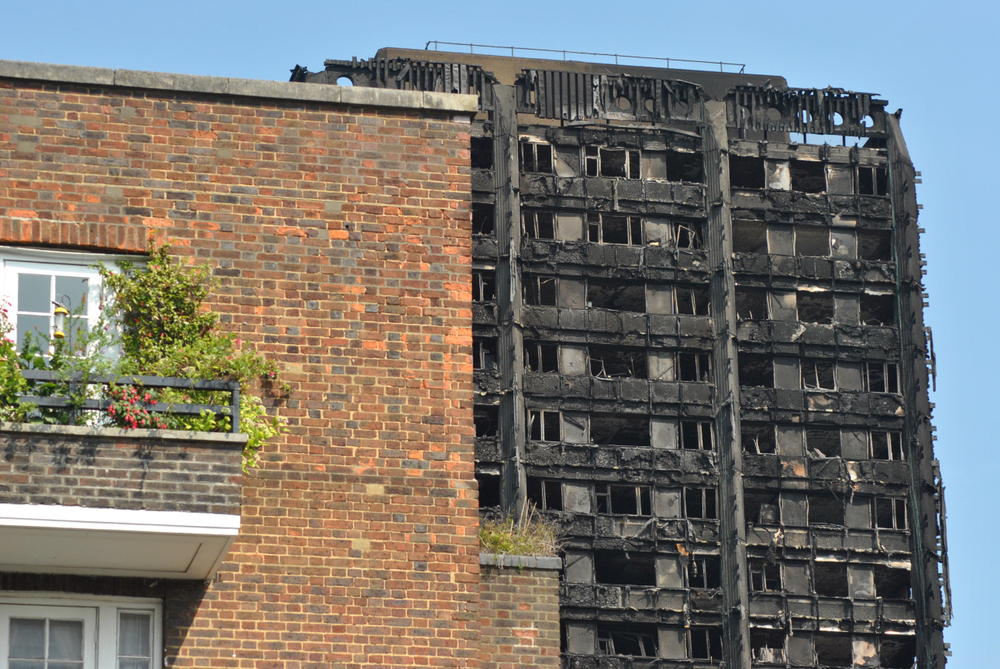
The review forms part of the government’s ongoing programme of work to reform and strengthen building safety regulation and comes after testimony to the Grenfell Tower Inquiry exposed evidence of testing irregularities and potential gaming of the system by some manufacturers.

Housing Secretary Rt Hon Robert Jenrick MP said: “The Grenfell Tower Inquiry has heard deeply concerning suggestions that some construction product manufacturers may have gamed the system for testing these materials and compromised the safety of residents.

“We are taking these allegations very seriously and will await the Inquiry’s final recommendations – but it is clear that action is needed now to ensure products used on buildings always meet the highest safety standards.

“I am pleased to appoint Paul Morrell OBE and Anneliese Day QC to lead this independent review of the system for testing construction products that will build on the significant progress we have already made to make buildings safer.

The panel will engage with a wide range of stakeholders to seek their views on how the system of safety testing of construction products could be improved and will report later this year with recommendations.

The government has already announced that a new National Regulator for Construction Products will be established within the Office of Product Safety and Standards and be given powers to remove any product from the market that presents a significant safety risk; and prosecute and fine any company that breaks the rules.

These measures form part of the government’s wider, ambitious reform of the sector, which includes the draft Building Safety Bill, that will bring the biggest improvements to building safety standards in 40 years and strengthen the regulation of construction products.

FPA receives accreditation for BS 8458 watermist testing

The Fire Protection Association (FPA) is delighted to announce we have been awarded UKAS accreditation to carry out fire tests on watermist systems to BS 8458 : 2015 Fixed fire protection systems – Residential and domestic watermist systems – Code of practice for design and installation.

We are proud to be leading the way as one of the first UK fire testing facilities accredited to offer this important British Standard test.
The desire for automatic fire suppression systems has increased dramatically in recent months and years. We have also seen changes in the requirements in legislation such as the mandate for automatic fire suppression systems in all new domestic premises in Scotland and Wales.

The FPA recognised that there were limited test facilities third-party accredited to conduct BS 8458 fire test, meaning there were limited ways to purchase an approved domestic or residential Watermist system which had been tested by a competent certified laboratory. The FPA decided to rectify this by becoming third party certified by the United Kingdom Accreditation Service (UKAS) appointed by government to verify integrity, impartiality and competence.

Our announcement of receiving UKAS accredited certification cements our view that this standard must be taken seriously. It underpins confidence that the service we provide meets the expectations of BS 8458 through a process that verifies integrity, impartially and competence. We are also working with the BSI committee to provide additional clarification.

Further ensuring that our equipment is of the highest standard, our staff are suitably trained, and our procedures maintain the spirit of the
standard. This milestone for FPA is a hallmark for the future, not just for fire testing but the wider fire protection sector. It is the FPA’s belief that third party testing and approval is the best way to ensure suitability of systems and protect people and property from the threat of fire.

Dr Jim Glockling, technical director at the FPA, commented: “Watermist is a complex fire suppression technology, and it is particularly important for prospective purchasers to seek the comfort of standards to ensure they will perform as intended, when needed. This is an immensely proud moment for FPA to continue to push the standards of fire safety forwards, creating industry benchmarks for the built environment.”

To find out more about watermist testing from the FPA, please visit our website.

RoSPA and NEBOSH sign MoU to enhance safety

The Royal Society for the Prevention of Accidents (RoSPA) and the National Examination Board in Occupational Safety and Health (NEBOSH) have signed a Memorandum of Understanding to further their close, long-established working relationship.

The agreement between the two UK-based safety charities will encourage further collaborative efforts to promote awareness of both organisations with the aim of enhancing health and safety in the workplace and for the wider community at large.

Errol Taylor, chief executive of RoSPA, said: “Society and working lives have changed rapidly in response to the global Covid pandemic. More people than ever before are working from home and relying on online systems rather than travelling to their traditional workplace. The home delivery sector has boomed while High Streets have gone very quiet. Much of this change will be a permanent legacy from the pandemic and we must adapt to help employers, and employees, protect the wellbeing of their staff, wherever they are, whatever they are doing.

“RoSPA’s research shows that up to 10 times more accidents happen in homes than in workplaces so there is plenty of work to do to improve the safety of home workers. This MoU strengthens our partnership with NEBOSH and offers the potential to achieve far more, together, than might be possible working separately.”

Dr Chris Payne, chief executive of NEBOSH, said: “At NEBOSH, we are proud of the work that we do in increasing education. Our qualifications, and those who achieve them, help organisations across the world to protect people. We have a long-standing relationship with RoSPA and it’s a privilege to sign this Memorandum of Understanding; together we have committed to a relationship that will contribute to ongoing health and safety education and excellence. I’m excited to see what opportunities and improvements we can bring to the sector.”

NFCC launches its Direct Entry Scheme project

The National Fire Chiefs Council has launched a new scheme, the Direct Entry Scheme project, that will be the start of an 18-month project which will see the design and development of a scheme ready for recruitment in September 2022. 

The scheme has been commissioned through the NFCC Leadership project, alongside several other initiatives to support the development of leaders within the sector and will be led by two Project Executives: CFO Dawn Whittaker (East Sussex FRS) and CFO Rod Hammerton (Shropshire FRS).

Exciting time for Direct Entry Scheme

The council claim that now is an “exciting time” to introduce a national Direct Entry Scheme, as part of a broader range of options to attract people to the sector.

The DES will be a framework to support people entering the sector at Station and Area Manager levels to undertake operational roles that align with the existing role maps. It will be a national agreed programme that is robust, quality-assured, and credible. It will be centrally coordinated and supported at a national level, even if it is delivered at a regional and local level.

This enables the scheme to be overseen nationally and provide consistency, which is essential for sustainable success. It is envisaged that the Station Manager programme will be three years and Area Manager two years. The programmes will be designed to give an attractive and compelling proposition to a broader range of candidates, with existing leadership experience outside the sector, who might not have normally seen the FRS as a prospective career.

It will be designed to be both additional and complementary to existing progression routes to ensure we continue to nurture and develop our internal fire sector staff.

Nationally, there have been several direct entry schemes delivered in the sector, but they have varied significantly, and this inconsistency has produced mixed results. There is some valuable learning to be drawn from those schemes, the first of which occurred in 2004.

There are national issues around sustainability and succession planning of leadership in the sector. We know from the 2019 State of Fire and Rescue report the HMICFRS concluded (Part 2, pg.129) that there is “a lack of diversity among leadership” and encouraged the sector to consider the identification of the most talented and capable leaders available. The current predominant singular route to leadership does not enable different people with different skills acquired elsewhere to join and enhance/enrich the fire sector in operational roles. By introducing the scheme, we can broaden the diversity of thinking and experience into the sector.   

NFCC listened to the worries and concerns about such schemes and want to reassure colleagues that it will apply a robust and transparent process to the development phase, where you will be able to have your say.

Communicating with the fire sector is fundamental to this project, and we have already completed an initial stakeholder analysis. Direct Entry workshops have taken place with those involved in the national Leadership survey, and this is something we want to continue. 

The business case identifies many benefits for the fire sector in introducing such a scheme with several of them listed below:

  • A national robust, credible, quality-assured programme with an opportunity for a local, tailored solution
  • Introduction of different leadership styles and difference in thinking to augment and strengthen our sector’s leadership
  • An accredited, consistent sector scheme for direct entry
  • A cadre of fully competent AMs and SMs assessed to agreed national standards
  • Managed centrally, to ease the burden on local resources
  • Central training models with local rotations and application of learning
  • Increased diversity of applicants for posts
  • Improved numbers of applicants for leadership roles
  • Enhanced reputation with external stakeholders
  • Enhanced reputation as employers

Perimeter Solutions and 10 Tanker Air Carrier partner to fight wildfires

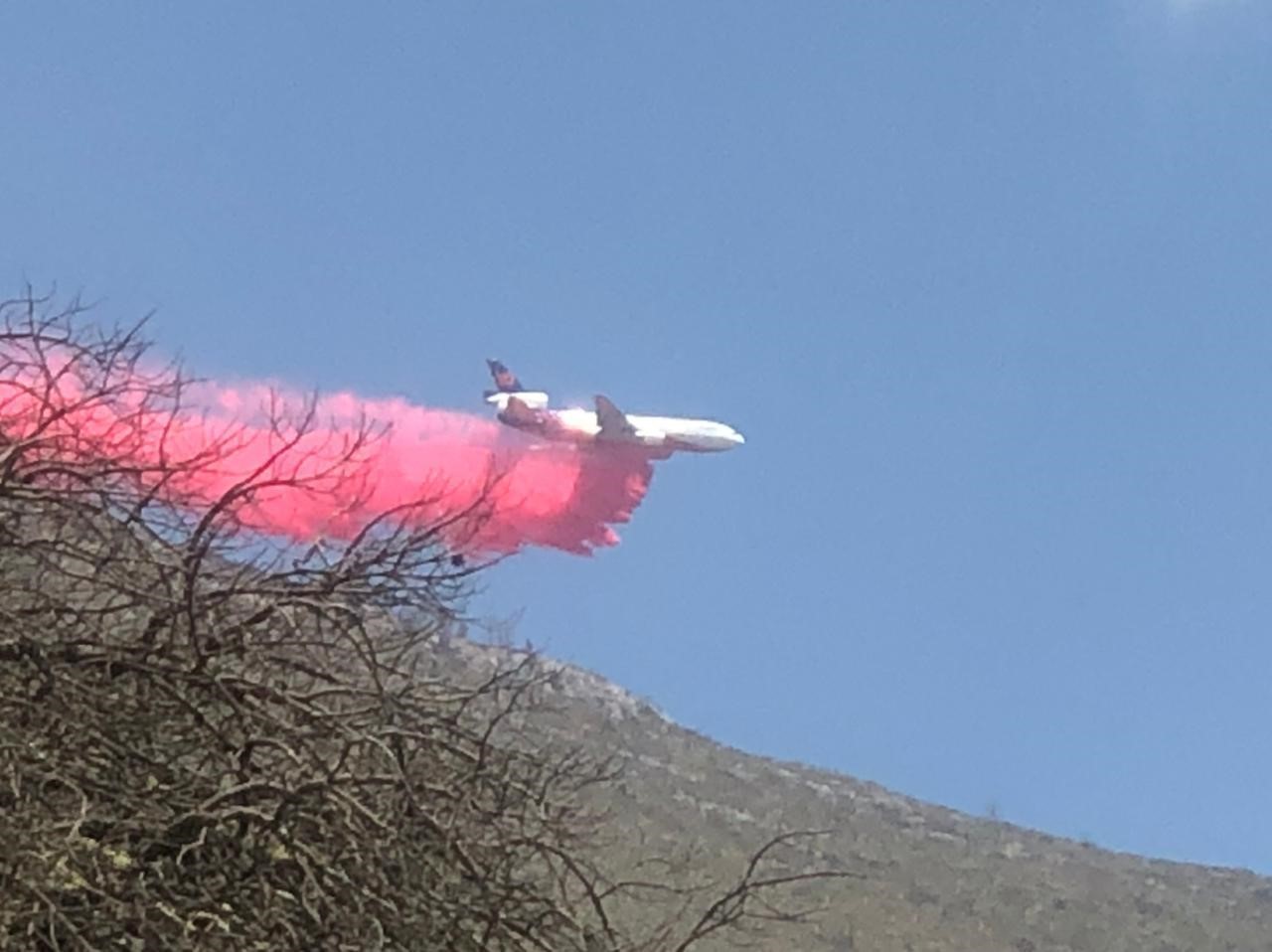
Perimeter Solutions have partnered with 10 Tanker Air Carrier, a world leader in aerial firefighting, to set up operations in Laredo, Texas to provide support to agencies in Mexico that work to extinguish and prevent the spread of active wildfires. Through this partnership, 10 Tanker provided a DC-10 aircraft for a base in Laredo, and Perimeter Solutions equipped their plane with its PHOS-CHEK® long-term fire retardant (LTR). Fully qualified by the USDA Forest Service, PHOS-CHEK is the safest, widest used, most effective, and most environmentally friendly LTR in the world.

“This partnership is a great example of how you can bring resources together to better address challenges like wildfires, which are becoming increasingly pervasive and dangerous,” says Shannon Horn, Business Director, North America Retardant and Services for Perimeter Solutions. “Compared to the capabilities that we have in the United States, including an expansive national agency like the US Forest Service that dedicates resources to preventing and suppressing wildfires, what Mexico has is very limited and it is imperative that organisations like ours and 10 Tanker provide this support.”

10 Tanker Air Carrier

The partnership was put to the test in late March when a wildfire erupted in the Sierra de Santiago region in the state of Coahuila near Monterrey, Mexico. The fire started on March 16 and by March 25, more than 1,100 people were evacuated from their homes as the blaze destroyed roughly 20,000 acres of land. Perimeter Solutions set up a mobile unit on Sunday, March 28 and with 10 Tanker they were in Coahuila to start the LTR drop.

Unfortunately, they were met with unfavorable weather, and had to delay their aerial campaign for a day. Once the weather cleared up and Captain Dan Montelli was able to take off in the 10 Tanker T-912, the team made an immediate impact, as the spread of the fire was slowed by the PHOS-CHEK LTR.

“We completed ten missions during the Coahuila fires and dropped nearly 100,000 gallons of PHOS-CHEK onto the fire zones. 10 Tanker is proud to partner with Perimeter Solutions in this important endeavor, and we are honored to play a role in the protection of life and property for the residents of Mexico,” says John Gould, president of 10 Tanker Air Carrier.

For more information on Perimeter Solutions and PHOS-CHEK and its other fire safety solutions visit www.perimeter-solutions.com.

FLIR cameras for incident detection keep Norwegian tunnels safe

FLIR was selected to provide intelligent dual-vision cameras with embedded Automatic Incident Detection (AID) to be installed in the new Hundvåg and Eiganes tunnels in Norway. The cameras now alert tunnel operators on a variety of possible traffic incidents, including stopped vehicles, lost cargo and pedestrians, allowing emergency services to react fast.

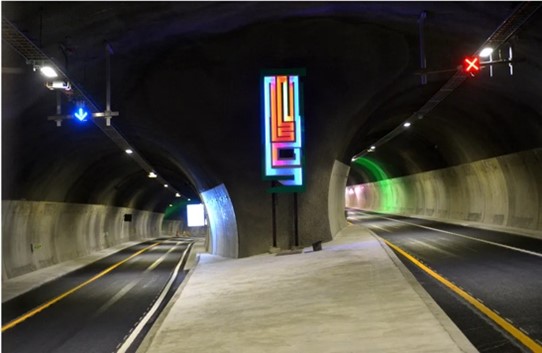
Norway has a complex geography. The many fjords, glaciers and mountains make traveling without natural obstacles a challenge, which is why the country has so many tunnels. The Ryfast project is one of the country’s most recent additions in tunnel infrastructure, running from the city of Stavanger to the municipality of Strand.

It is also Norway’s largest road project to date. The Ryfast project consists of three tunnels. The 14.4 km Ryfylke tunnel, running from the village of Tau to the isle of Hundvåg, was opened in December 2019. The 5.5 km Hundvåg tunnel, from Hundvåg to Stavanger, was opened in April 2020. The latter tunnel connects with the 3.7 km Eiganes tunnel, which runs beneath the city of Stavanger, as part of the E39 coastal highway.

Safety in dense traffic

When the Norwegian Public Roads Administration (NPRA) and tunnel contractor were looking for a reliable tunnel safety system for the Hundvåg and Eiganes tunnels, they intended to uphold the same high safety standards the organization is known for.

This is especially critical given the dense traffic situation in the twin-bore tunnels – 10,000 and 35,000 daily vehicles for the Hundvåg and Eiganes tunnels respectively for both tunnels, Nordic system integrator Trafsys was selected to supply the Traffic Control & Monitoring system, Video surveillance (CCTV) and Automatic Incident Detection (AID), among other things.

Trafsys again selected FLIR Systems to deliver the AID camera technology, based on both companies’ many years of experience in tunnel safety projects.

“We were already convinced of the stability of FLIR’s incident detection systems, because we have been using them in previous tunnel projects,” says Knut-Olav Bjelland, Department Manager at Trafsys, AS. “FLIR’s powerful detection algorithms on visual traffic cameras have proven their performance in tunnel projects worldwide. With FLIR’s dual-vision cameras, we were able to combine the company’s proven video
analytics with the power of thermal imaging.”

Visual and thermal in one camera

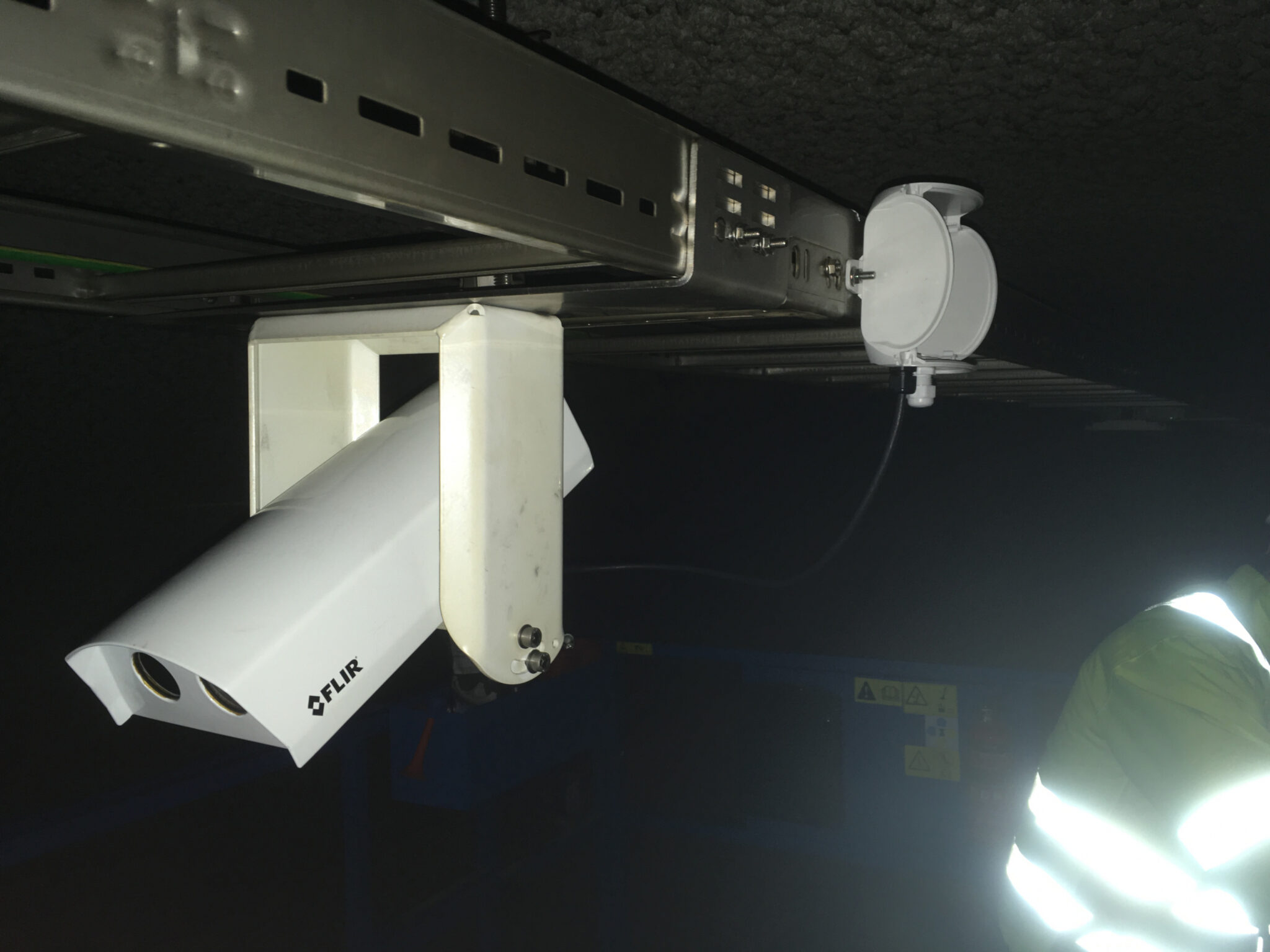
Trafsys chose FLIR’s ITS Series Dual AID cameras, which combine a thermal and visual camera with FLIR’s advanced video analytics. In total, 332 FLIR cameras have been installed in the Hundvåg and Eiganes tunnels combined.

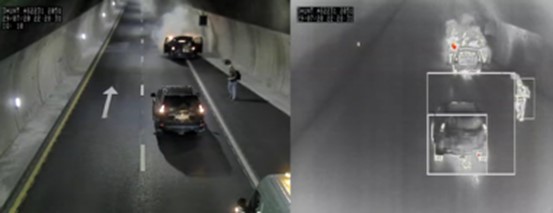
With the thermal imaging camera, the FLIR ITS Series Dual AID provides critical information on traffic incidents, including stopped vehicles, sudden speed drops, wrong-way drivers, pedestrians, fallen objects, and starting fires.

Operators also use the high-resolution (640 x 512 pixels) thermal image to verify the incident and to see where the incident took place. The use of thermal imaging cameras has especially proven valuable for tunnel entrances and exits. There, shadows or direct sunlight could obstruct the view of the visible-light camera and therefore disturb traffic
detection.

Because they detect heat, not light, thermal cameras have no issues with these phenomena and as a result, they can detect traffic 24/7, in all weather conditions. “When you look at the complex topography of the Hundvåg and Eiganes tunnels, a camera system like the FLIR ITS Series Dual AID is the most efficient technology choice,” says Knut-Olav. “And with the many
bends and turns in both tunnels, you need appropriate detection systems at many different positions.”

“The cameras’ daily performance is excellent,” says Anders Helle, Construction/Maintenance Manager at NPRA. “We can clearly see the detected incidents on the thermal image in our control room, which reduces the time to understand the situation and speeds up our decision-making process. Based on the system’s reliability, performance and low unwanted alarm rate, we would definitely recommend the FLIR dual-vision
camera for automatic incident detection.”

“We are honored to be selected for this major tunnel safety project,” says Sukhdev Bhogal, Business Development Director at FLIR Systems. “It is the first time that our FLIR ITS Dual AID cameras have been deployed in such large numbers, and we are looking forward to making more tunnels in the region a safer place to travel through.”

Early fire detection

“Apart from the great detection performance we are used to from FLIR, having a combined visual and thermal camera from one vendor has nothing but benefits,” says Knut-Olav. “Combining both cameras into
one detection unit makes it a very compact solution, and cabling is also much simpler.”

The dual cameras’ fire detection functionality has also been switched on to demonstrate the early detection capability within seconds of the appearance of visible flames. This could be crucial for tunnel operators to
close the tunnel fast and take the necessary decisions in the case of a fire.

The thermal technology from FLIR ITS also allows to see through smoke. This allows operators to detect the presence of pedestrians and vehicles in a smoke-filled traffic tunnel. The fire detection functionality was already demonstrated when a car caught fire in the Hundvåg tunnel in July 2020. The FLIR ITS Dual thermal AID camera picked up the fire within 7 seconds after visible flames appeared, following its first alert for a stopped vehicle and pedestrians.

New insurance terms to increase fire safety cover for surveyors

RICS secures new insurance terms, lifting the 12-month fire safety exclusion for PII

More chartered surveying firms will now be able to obtain improved fire safety cover in their professional indemnity insurance (PII).

The new Approved Minimum Wording and insurance rules coming into effect today, will mean that from 1 May, insurers must provide cover for fire safety claims on a property four storeys or less. Since 2020, insurers have imposed a blanket fire safety exclusion on PII terms provided due to concern following high profile fire safety failures, meaning chartered surveying firms have increasingly been left uninsured for fire safety exposure on all aspects of their business

Hugh Garnett, RICS Senior Policy Specialist comments: “In recent years, PII has become increasingly more expensive and difficult to secure, especially for smaller firms. In the past 18 months, we have seen increasingly stringent fire safety exclusions being placed on PII policies, reducing the protection for chartered surveying firms and the number of firms who have been able to offer professional advice on properties with fire safety issues.

Relief for surveyors unable to obtain fire safety cover

“The change in the approved minimum wording will provide a welcome relief to chartered surveyors who have been unable to obtain fire safety cover and will mean that firms renewing their PII policies from 1st May will have greater coverage.

“We continue to work with Government and other industry stakeholders to find practicable and affordable solutions for the profession for properties over four storeys, with the Government’s commitment to developing an indemnity scheme for EWS1 completers.

“RICS professionals have a vital role to play in helping find resolutions and these new terms will mean firms are better protected for their work to navigate this current crisis.”

In addition, there is a new insurer requirement from the Prudential Regulation Authority for insurers to clarify cyber cover in PII policies.

RICS have also released a new guidance note: Risk, Liability and Insurance. The guidance note replaces the 2015 edition for valuers and provides advice to all regulated firms to understand and manage the main risks and liabilities associated with professional services provided by RICS members.

Hugh Garnett continues: “This guidance aids RICS regulated firms on some of the main risks and liabilities associated with surveying work. It also aims to further improve relationships between firms and clients as it sets out clearly where liabilities lie, creating greater transparency between the client and surveyor. This guidance will help professionals better understand the issues that can arise from providing professional services and take the appropriate steps to control and manage those risks and avoid litigation.”

Fire Sector Federation to develop strategy to tackle tomorrows fire risks

The Fire Sector Federation is developing a strategy to help predict the key evolving fire safety risks over the next 20 years and link them to action needed now to best mitigate future impacts.

Developed in partnership with the National Fire Chiefs Council (NFCC), the initiative is part of the Federation’s future planning workstream. It aims to set out a route map to provide the government and the fire sector with recommendations to minimise the impact of new and evolving risks likely to impact society by 2040.

The FSF and NFCC have already undertaken a number of workshops with members to kick start thinking and knowledge sharing to inform the strategy and ultimately protect communities.

Dennis Davis, Executive Officer at the Fire Sector Federation, said: “All too often our fire strategies are responses to major tragedies when the drive for change is set to avoid the likelihood of a repeat. Our initiative wants to avoid that way of learning by developing thinking and knowledge sharing to inform preventative preparations now.

“How people live, their health, wealth and wellbeing and the significance of the built environment, climate change technological development and societal shifts in economic and political influence, are all risk factors as we look ahead. UK population growth is predicted to be among the highest in Europe with an increasingly higher proportion of older people.

“The significant changes in society need foresight if those who seek to protect communities from critical risks are to be successful. This requires a sophisticated, integrated and informed community, one that is able to adapt, mitigate and manage fire and those other associated safety risks.”

Ben Brook, Assistant Chief Fire Officer, Warwickshire Fire & Rescue Service represents the NFCC on the Foresight programme. He said: “We are seeing rapid change across society and our environment and it is vital that we understand and put in place mitigation plans now rather than waiting for new risks to become tragedies. 

“One of the key drivers for success will be the ability to share data across the fire sector. There is a wealth of knowledge and expertise across the sector which can inform an effective strategy to mitigate future risk.  Some of these sources of data include the State of Fire Report and its recommendations, the forthcoming White Paper on reform, the NFCC Fit for the Future document and the Spending Review.  We have made good early progress in identifying areas of greatest risk and the strategy will have a crucial role in setting out the most effective course of action to mitigate those risks.”

The Fire Sector Federation aims to publish its strategy later this year and would like to hear from anyone in the sector who would like to contribute to its development.

The Fire Sector Federation (FSF) seeks to give voice to and exert influence in shaping future policy and strategy related to the UK Fire Sector. The Federation is a not for profit non-government organisation established to act as a forum for the benefit of its membership and to evolve as a central source of information on all aspects relating to fire.

Intelagard, National Foam, and the NVFC team up for giveaway

Intelagard, National Foam, and the NVFC have teamed up to support the volunteer fire service. Through a special giveaway program, nine volunteer fire departments will be awarded a Macaw® compressed air foam system (CAFS) backpack, nozzle kit, five gallons of Knockdown® firefighting foam, and four gallons of EasyDECON® DF200 to assist them in protecting their responders and their community. Each package is valued at $6,500.

The Intelagard Macaw® backpack provides versatile power in a totally independent CAF backpack. More powerful than standard extinguishers, the multipurpose Macaw® can be used for fire suppression, exposure protection, mop-up, hazardous materials cleanup, and decontamination. The Knockdown® foam is a unique environmentally responsible Class A foam concentrate that provides unmatched firefighting performance and flexibility. Knockdown® is specially designed for use in Class A/B foam systems and is excellent for CAFS.

To be eligible to apply, departments must be at least 50 percent volunteer, serve a population of 25,000 or less, have an annual revenue of no more than $250,000, be located in the U.S. and legally organized under state law, and demonstrate a need for the product. The applicant or department chief must be a member of the NVFC; learn about member benefits and join at www.nvfc.org/join