Entering the Darley stand at Intersec 2022, we are greeted by a wide smile, and a warm handshake. It’s Ryan Darley. It was his great grandfather who founded the company 114 years ago. Darley is there to greet the International Fire and Safety Journal team. We sit at a table, and engage in conversation about the grey Dubai skies, an anomaly for the Gulf state. Just then he is visited by another gentleman. “They are one of our customers from Saudi Arabia,” Ryan says to me after they leave. The Kingdom is one of the 100-odd countries Darley operates in.
Ryan has been heading the international sales unit for more than 11 years. Business is in his blood; Ryan has been connected to Darley since he was a young boy playing baseball in the parks. “My father would pick me up from a ball game and we would drive to the office where he continued work late into the night. I would mow the lawn, sweep the floors, or do other odd jobs around the factory,” he recalls.
Through his college years, Ryan spent his summer breaks assembling pumps and working in different parts of the business. “From assembly to crating, I spent a lot of time in the factory and understood what it took to make fire pumps.”
As a company policy, a Darley family member usually spends some time outside of the company, to gain valuable work experience in different working environments before they begin working at Darley. For Ryan, it was a three-year stint after finishing his education before he returned to the family business.
The roots
“My great grandfather was an inventor. He developed quite a few products which he sold to the fire and the oil and gas industry. He then went on to build fire trucks and fire pumps, 100 years later we are still owned and operated by the Darley family.”
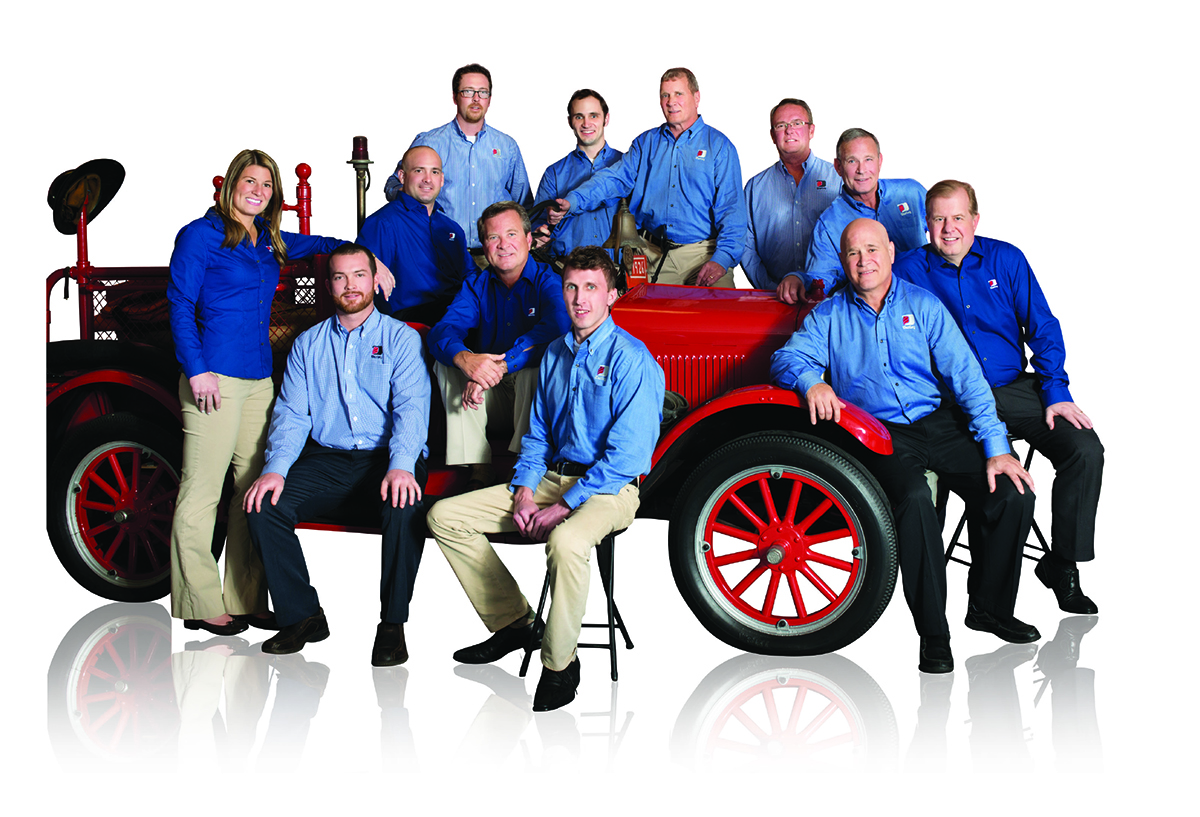
Now in its fourth generation, Ryan says the family has done a lot of due diligence and created a company culture that has kept them successful. The company is part of different family business groups, and works closely with a university in Chicago, Illinois that is dedicated to studying family-run businesses.
“We are involved in, and constantly looking into succession planning, equipping the next generation to take the business to the next level. If you are not growing, you are dying. We want to make sure we are ready (for changes in the market). It’s important to gauge whether the next generation can take over the business. It’s a constant process of looking inwards and aligning with best practices, and what can be done to improve.
Corporate governance and IPO
The company has been operating under an outside board of directors for over 25 years. “One member has been on the board for almost 20 years.”
As the company grew, Darley has incorporated different board structures within the company that have helped it scale – fire advisory board, military division board, and the latest is a cyber security unit. “These boards have industry experts from their fields. They advise us on best practices and future trends. The board helps us better serve different industries.”
I naturally had to ask Darley whether an IPO has crossed their minds.
From the outside looking in, it seems like a natural progression. Right? “No,” Darley says, as he smiles and explains the group’s rationale.
“We take pride in being family owned and operated. It (an IPO) doesn’t even come up. We have seen how things can dramatically change when family businesses go public. We like the family ownership model; it’s what we take forward as a philosophy. The Darley family is not just the bloodline; it’s our employees and our customers. We have no plans for an IPO, that’s for sure.”
Ryan Darley, International Sales Manager, Darley
Investment and market segment diversification
“We invest almost all our profits back into the company. If we have a good year, they have a good year, and so does our research and development division. We need to diversify, change, and be the leader or we will be the dinosaur that goes extinct,” he says.
Over the last 20 years, a major share of Darley’s business came from the fire market. Today fire accounts for 20% or less of its total business. “The military division has taken over as the largest in our company. In addition, we are experimenting with different technologies and trialing them in the market.
“Kyle Darley is currently working on an electrification project where our fire pumps will be driven with electric motors,” Darley notes. “Around 12 years ago, we introduced drones to the fire service industry and showcased it to the industry at our stand in a tradeshow. People laughed at us for having a helicopter in our stand. ‘There is no place for drones in the fire service,’ was the popular myth then. Today, every major fire service has a drone in their armory.”
Darley also introduced a water purification system to the fire service market which has been integrated into fire trucks. “The fire pump enables a fire truck to have an on-board water purification system. If there is a natural disaster, for example, and people are scarce of drinking water these trucks can plug the gap. Alternately, it is also capable of drawing groundwater, purify it, and supply it to the public,” he informs.
The innovations do not end there, Darley says. Ten years ago, the company offered decontamination units using reverse osmosis and ozone technology. “We were way ahead of our time… Today, there are different systems that have come up to clean fire trucks, gear, and cabins. Cancer within the fire industry has also gained widespread attention, everyone is looking at decontamination and proper hygiene methods. It used to be cool to have a dirty helmet and coat, but that’s simply not acceptable today.”
“Software and technology will dictate the future of the fire industry. We are not too far from running a fire truck via our smartphones that will be able to control pumps, aerial devices, and so forth. We are already looking at those technologies to stay ahead of the curve.”
Robotics and future technology
Darley started making its own drones a decade ago before it realized that the task was best left to specialized companies. “We decided to partner with drone specialists while adding fire technologies on its framework, like a thermal imagining camera that could help in search and rescue operations. The goal is to use their expertise, research, and development in drone technology, and kit it out with our products. There isn’t a purpose-built drone for the fire industry just yet,” he notes.
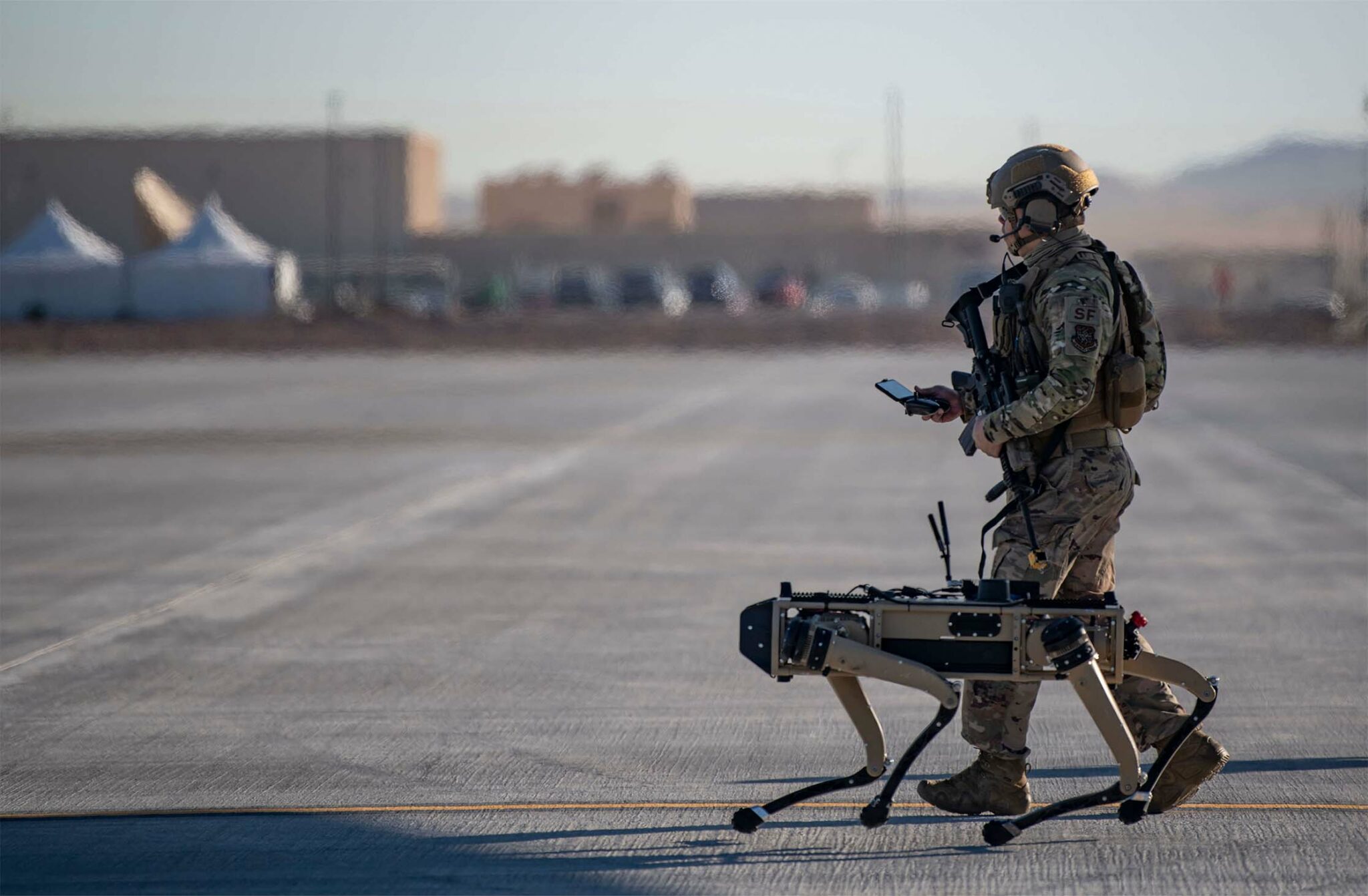
The company is also testing the waters with decontamination robots which will substitute fire fighters to go into hot zones to decontaminate other fire fighters. “It’s better to expose a mechanical robot to the carcinogens.”
All these developments are tied into Darley’s new division that will investigate future technologies. “This division is set to play a crucial role in the future of Darley… drones and UAVs are going to be part of everyday life.
“We are researching electric car fires as well. A typical gasoline vehicle that catches fire is easy to put out, however, it’s not the same with electric vehicles. We are currently researching whether the addition of a chemical to car battery packs can help put out the fire sooner. Our R&D team is also constantly researching with different materials and components across all our business divisions. We are working on driving efficiencies, increasing safety, and improving the lifecycle of our products.
Markets
In terms of markets and global presence the company is well stacked. Ryan says the United States accounts for 90% of its business “including the work we do with the US military”. Although it has been difficult to crack into foreign militaries, it remains a key focus for the future.
“40% of our fire business comes from export sales. Following the Second World War a market opportunity developed to service pumps that were left behind by the US military. Back then, we used to get contacted from France or Germany asking for parts and service support. That’s how it started”
Ryan Darley, International Sales Manager, Darley
Business took a slight dip during the pandemic, sales were down 20%, whereas profits fell below that, Ryan tells IFSJ poignantly. “2021 was a difficult year but we improvised and sold Covid-related equipment such as gloves, face masks, and trailers to the military.
“We will bounce back but we must remember that budgets were re-allocated to make room to fight the virus. Medical equipment was prioritized over fire, emergency response, military. We are on track to make up for last year’s dip. We had plenty of momentum going into the pandemic, and it seems to be returning. Prior to the pandemic, we kept registering record sales and profits every year.
Although an IPO is not on the cards Ryan says the company is constantly assessing the possibilities of mergers, acquisitions, and partnerships. The group currently manufactures 10% of its sales volumes, a number it wants to significantly improve.
“We look at four or five different companies every week, but there aren’t any immediate acquisition plans. We bought Fire Boy seven years ago but sold it last year because we weren’t adding as much value as we envisaged. The company grew under our ownership, and we found some suitable partners who we were comfortable selling it to. We knew the buyers, they were going to sustain the staff, which reassured us,” Darley says stating that the welfare and security of all its employees is of paramount importance, all 270 of them.
Looking ahead, the groundwork to keep the business successful for the next 100 years is being put in place today. “If the fire market goes away, we have the military market. Maybe a few decades down the line we will be known as a major player in robotics or drones. We are a forward-thinking family business, and we want to keep pushing the envelope of innovation just as our founder did over 100 years ago,” Ryan concludes.