Many everyday items in our homes are more flammable than we might realise.
Common household liquids like cooking oils, cleaners, and even hand sanitizer can ignite and spread flames if mishandled.
Knowing which items pose a fire risk is crucial for keeping your household safe.
By understanding these hidden fire hazards, you can take steps to store and use them properly.
This article covers the ten most common flammable liquids in many homes, providing essential safety tips and precautions.
With the right knowledge, you can prevent accidents and protect your home from the dangers of fire.
1. Cooking Oil

What Is It?
Cooking oils, such as vegetable oil, olive oil, and peanut oil, are commonly used for frying or sautéing food.
They are liquid at room temperature and can quickly become highly flammable when heated.
Why It’s Flammable
When cooking oil is heated to high temperatures, it can reach its flash point – the temperature at which the vapours can ignite when exposed to a heat source.
The flash point of most cooking oils ranges between 160°C and 230°C, which is within the range of typical cooking temperatures.
Safety Tip
Always monitor cooking oils closely while cooking.
Never leave a hot pan unattended, and turn off the heat if you see the oil starting to smoke.
In case of fire, use a metal lid to cover the pan or use a fire extinguisher rated for grease fires.
2. White Spirit

What Is It?
White spirit is a solvent commonly used for cleaning brushes, thinning paint, and degreasing surfaces.
It is a clear liquid that evaporates quickly.
Why It’s Flammable
White spirit contains hydrocarbons, which are volatile and can ignite easily.
Its flash point is between 35°C and 50°C, making it highly combustible at relatively low temperatures.
Safety Tip
Store white spirit in a cool, well-ventilated area, away from heat sources or open flames.
Never pour white spirit near an open flame, and make sure to close the container tightly after use to prevent vapours from escaping.
3. Spirits (Alcohol)

What Are They?
Spirits include alcoholic beverages such as vodka, whiskey, rum, gin, and tequila.
These beverages are commonly found in many homes, particularly in bars or kitchens for personal consumption.
Why They’re Flammable
Spirits typically contain alcohol concentrations ranging from 40% to 50%, though some higher-proof spirits can exceed 75% abv.
This high alcohol content makes them extremely flammable, with a flash point as low as 13°C depending on the concentration.
The vapours released from the alcohol can ignite easily when exposed to an open flame, heat, or spark.
Safety Tip
When handling or storing drinking spirits, always keep them away from heat sources and open flames.
Ensure bottles are tightly sealed to avoid vapour leakage.
Avoid drinking alcohol near candles, stoves, or other open flames.
Additionally, be cautious when lighting a grill or cooking over an open flame if consuming alcohol, as alcohol vapours can mix with the air and ignite unexpectedly.
4. Hand Sanitizer

What Is It?
Hand sanitizers are widely used for disinfecting hands, especially in public spaces.
They typically contain high concentrations of ethanol or isopropyl alcohol as their active ingredient.
Why It’s Flammable
Hand sanitizers usually contain 60% to 95% alcohol, which makes them highly flammable.
As alcohol evaporates quickly, vapours can ignite in the presence of a spark or flame.
Safety Tip
Keep hand sanitizers away from heat sources and open flames.
Allow your hands to dry fully before touching anything flammable, especially if you’ve used hand sanitizer in large amounts.
5. Acetone

What Is It?
Acetone is a powerful solvent found in many household products like nail polish remover, cleaning agents, and paint thinners.
It is a colourless, highly volatile liquid with a strong odour.
Why It’s Flammable
Acetone is highly flammable due to its low flash point of around -20°C.
It can easily catch fire when exposed to heat, sparks, or open flames.
Its vapours are also hazardous and can travel long distances to an ignition source.
Safety Tip
Use acetone in a well-ventilated area, away from heat or open flames.
Keep the container tightly sealed when not in use, and never pour acetone near a flame.
Store acetone in a cool, dry place away from children and pets.
6. Lighter Fluid

What Is It?
Lighter fluid is used in lighters, grills, and other ignition devices.
It is typically a mixture of hydrocarbons like butane, propane, or naphtha.
Lighter fluid is a common household item for starting a fire in outdoor settings.
Why It’s Flammable
Lighter fluid has a very low flash point, making it highly flammable.
Vapours can easily catch fire in the presence of a spark or flame.
The liquid itself can also ignite when exposed to heat.
Safety Tip
Always use lighter fluid outdoors or in well-ventilated areas.
Store it in a cool, dry place, away from open flames or heat sources.
Be cautious when handling it to prevent spills.
7. Aerosol Sprays
What Is It?
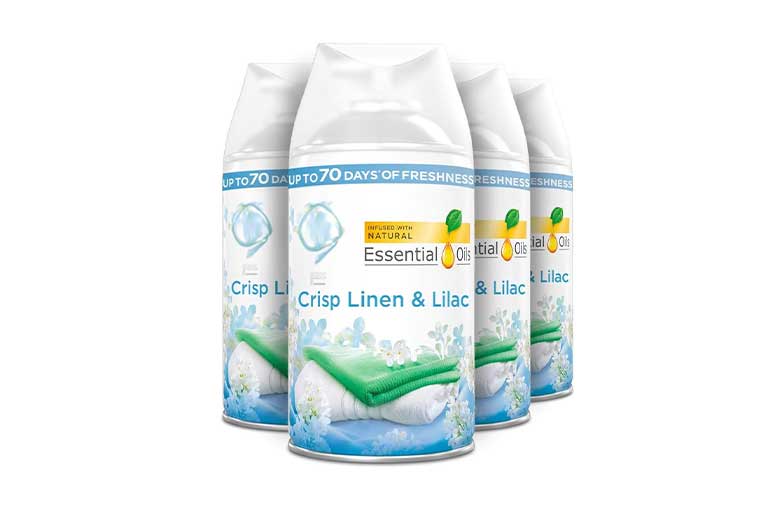
Aerosol sprays, including air fresheners, hairsprays, and cleaning products, are widely used in homes for various purposes.
These products typically contain compressed gases mixed with liquid chemicals.
Why It’s Flammable
Aerosol sprays often contain alcohol or flammable solvents, and the pressurised gas inside can cause them to ignite easily when exposed to an open flame or spark.
The contents can ignite even if the can is not directly in contact with the flame.
Safety Tip
Store aerosol sprays in cool, dry places and avoid placing them near heat sources, such as stoves or radiators.
Never puncture or incinerate aerosol cans, as this can cause them to explode.
8. Perfume and Aftershave

What Is It?
Perfumes and aftershaves are alcohol-based liquids used for fragrance.
They contain a mixture of alcohol, essential oils, and other chemicals.
Why It’s Flammable
Perfumes and aftershaves typically contain around 60% to 80% alcohol, which makes them highly flammable.
The alcohol evaporates quickly, and the vapours can catch fire easily when exposed to a heat source.
Safety Tip
Store perfumes and aftershaves away from heat, flames, and sunlight.
Apply them in well-ventilated areas, and avoid using them near open flames or electrical devices that could spark.
9. Linseed Oil
What Is It?
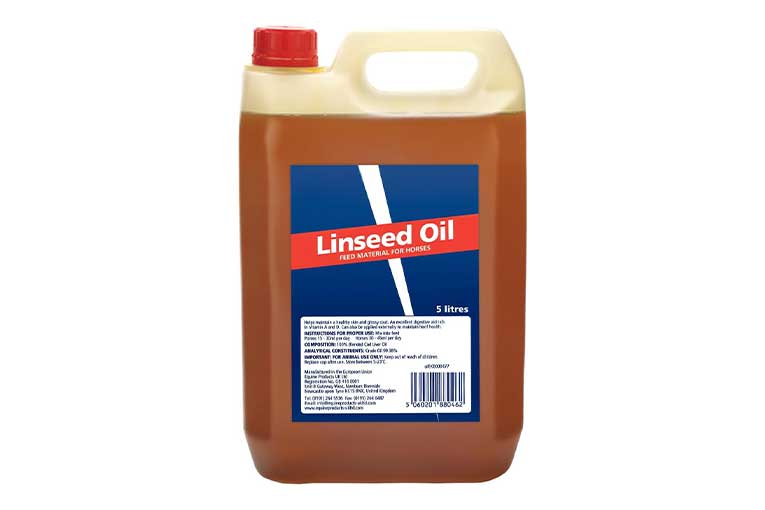
Linseed oil is commonly used for woodworking, painting, and as a finish for wooden furniture.
It is made from the seeds of the flax plant and is often used to treat wood or as an ingredient in oil-based paints.
Why It’s Flammable
Linseed oil is flammable because it is made of oils that can combust at high temperatures.
The drying process of linseed oil also involves oxidation, which generates heat and can lead to spontaneous combustion, especially when rags or cloths used with linseed oil are left in piles.
Safety Tip
Store linseed oil in a well-ventilated area and away from heat sources.
Dispose of rags used with linseed oil by placing them in a metal container with a tight-fitting lid, as they can ignite spontaneously.
10. Some Household Cleaners

What Are They?
Some household cleaning products contain flammable solvents, detergents, and degreasers.
These cleaners, such as those for ovens, drain unblockers, and industrial cleaners, may contain alcohol, acetone, or petroleum-based solvents.
Why They’re Flammable
Certain household cleaners contain volatile chemicals that can easily ignite at relatively low temperatures.
The flammable nature of these cleaners depends on their specific formulation and the percentage of flammable ingredients they contain.
Safety Tip
Check labels for safety warnings about flammability.
Store cleaners in a cool, dry place, away from heat sources and open flames.
Always use them in well-ventilated areas and avoid mixing cleaners with incompatible substances.
What to do if Flammable Liquids Start a Fire in the Home
If a flammable liquid does start a fire in your home, follow these steps to keep you and your family safe:
Act Quickly but Stay Calm
If flammable liquids ignite in your home, it’s essential to act fast while staying calm.
First, assess the fire’s size.
If it’s a small fire, attempt to extinguish it with a foam, dry powder, or CO2 fire extinguisher, which are made for flammable liquids.
Never use water on these types of fires, as it can cause the flames to spread, especially with substances like oils.
Smother the Flames
For small flames caused by flammable liquids, another form of fire suppression you can try is smothering.
If it’s in a pan or pot, cover it with a metal lid and turn off the heat source.
Evacuate If the Fire Grows
If the fire is not manageable, evacuate immediately.
Alert everyone in your home and get to a safe location. Close doors behind you to help contain the fire.
Call the Fire Brigade
Once outside, call emergency services.
Explain the situation clearly, and wait for firefighters to arrive.
Refrain from re-entering your home until it’s declared safe.
Practice Fire Safety Regularly
Store flammable liquids properly and make sure extinguishers are accessible.
Practising a fire escape plan ensures everyone knows how to exit safely.
How Can You Keep Your Home Safe From Flammable Liquids?
You can lower your risk of keeping flammable liquids in your home by following these steps:
Store Flammable Liquids Safely
Keep flammable liquids in their original containers with secure lids.
Store them in a cool, dry, and well-ventilated space, away from heat sources like stoves or radiators.
Avoid storing them near items that could ignite easily, such as paper or fabric.
Use and Handle Carefully
When using flammable liquids, follow the instructions on the label.
Avoid spilling or splashing, and use them only in well-ventilated areas.
Avoid smoking or using open flames nearby, and never leave flammable liquids unattended during use.
Dispose of Flammable Waste Safely
Dispose of oily rags or cloths used with flammable liquids carefully.
Place them in a metal container with a tight-fitting lid, as they can spontaneously ignite.
Many communities offer disposal sites for household hazardous waste.
Keep Fire Safety Equipment Accessible
Equip your home with fire safety tools, such as an appropriate fire extinguisher, smoke alarms, and fire blankets.
Make sure extinguishers are easily accessible and that all family members know how to use them. Regularly check smoke alarms to ensure they are functioning correctly.
Limit Amounts at Home
Only store the amount of flammable liquid you need.
Excessive storage of these liquids increases fire risks, so keep quantities to a minimum whenever possible.
Conclusion
You should now have more of an understanding of common flammable liquids in the home.
Understanding which common flammable liquids are in the home is essential for fire prevention and household safety.
Many products we use daily, like cooking oils, cleaners, and hand sanitizers, can easily catch fire if mishandled or stored improperly.
By practising caution and following basic safety guidelines, you can significantly reduce fire risks in your home.
Simple steps like keeping flammable liquids away from heat sources, storing them in cool places, and using them responsibly can make a big difference.
With these precautions, you’re helping to create a safer living environment for you and your family.