What Causes Wildfires – 11 Common Reasons

What causes wildfires is a commonly asked question, with wildfires during the summer months being shown almost every day in the news.

Fire only needs three components to thrive: fuel, oxygen, and heat. This is commonly referred to as the fire triangle.

During hot summer days when drought conditions are at their peak, even the tiniest spark can set off a wildfire. 

In certain instances, fires occur naturally, sparked by the intense heat of the sun or from lightning strikes.

Unfortunately, similarly to the main causes of fires in general, the majority of wildfires stem from human negligence. 
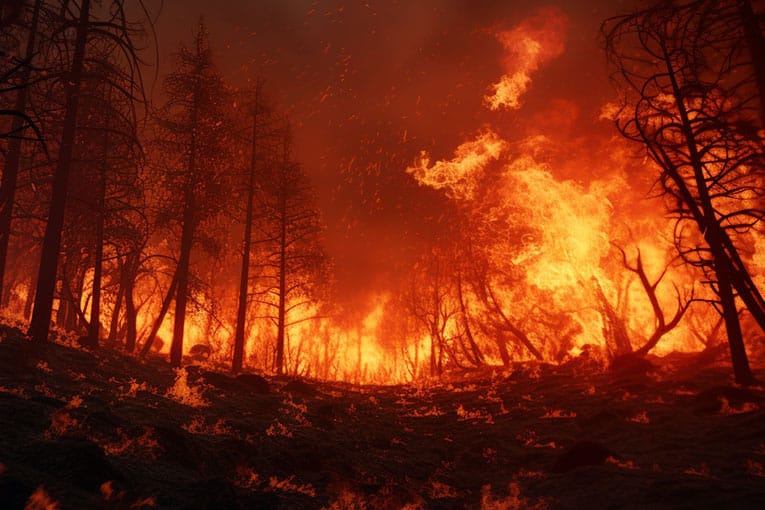
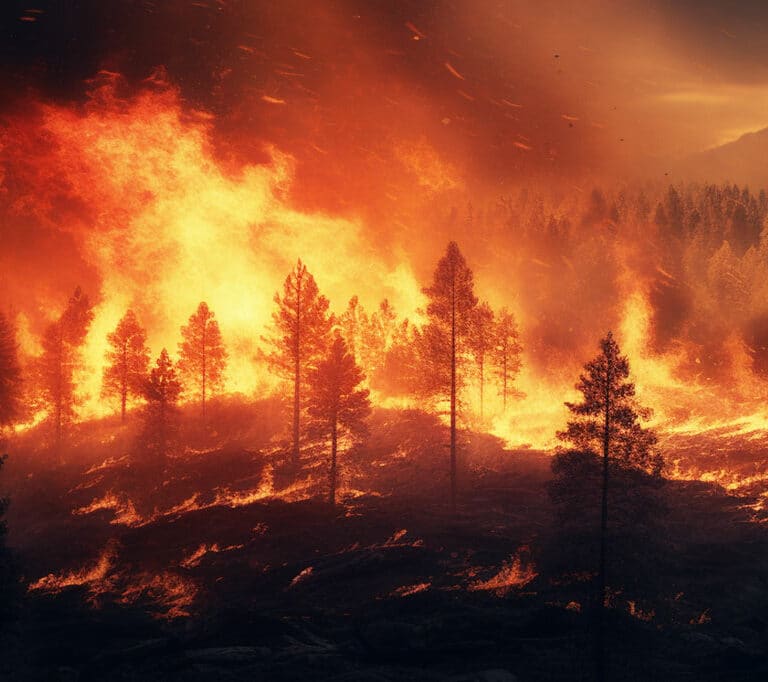
A large wildfire
Wildfires can be incredibly destructive

Events such as arson, poorly managed campfires, careless littering of lit cigarettes, improper burning of debris, and playing with matches or fireworks are often held responsible for igniting these devastating blazes.

This article aims to explore what causes wildfires, ranging from natural occurrences to human activities. 

By delving into these causes, we can enhance our knowledge and promote responsible behaviour to mitigate the future risks of devastating consequences of wildfires.

What is a Wildfire?

Wildfires are powerful and destructive forces of nature that can cause extensive damage to forests, natural habitats, and communities. 

Understanding the common causes of wildfires is crucial for prevention and effective fire management. 

By identifying the main causes of wildland fires, we can take proactive measures to reduce the risk of wildfires and protect our natural environment. 

What Causes Wildfires?

Wildfires start due to a number of reasons, with 11 of the most common causes being:

Lightning

Lightning is a natural cause of wildfires. 

Lightning strikes can ignite dry vegetation, particularly during periods of drought. The heat from a lightning strike can spark flames that spread through the surrounding landscape. 
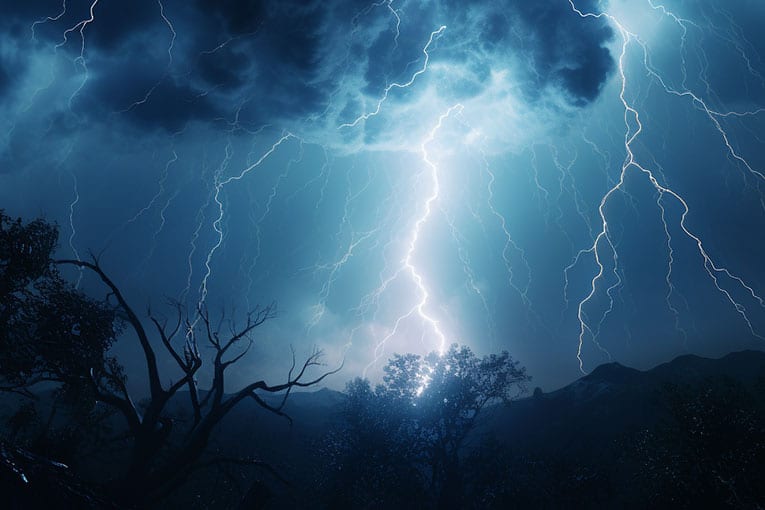
A lightning storm
Lightning is one of the main natural causes of wildfires

This can lead to large-scale wildfires, especially in areas with dry and combustible vegetation. 

Climate conditions and the frequency of thunderstorms can contribute to wildfires.

Campfires

Improperly managed campfires are a significant cause of wildfires. 

Unattended or poorly extinguished campfires can spread to surrounding vegetation and ignite a fire. 

Campers should always follow fire safety guidelines, including keeping fires small, using designated fire rings or pits, and ensuring that the fire is completely extinguished before leaving the site. 

It is crucial to douse the fire with water, stir the ashes, and repeat the process until the fire is cold to the touch.

Burning Vegetation

Whether intentional or not, burning of vegetation like agricultural burning or land clearing, can lead to wildfires. 

When uncontrolled, the spread of fires during vegetation burning can quickly escalate, especially in dry and windy conditions. 

Proper permits, monitoring weather conditions, and employing trained workers are essential for safe and controlled burning practices. 

It is important to follow local regulations and guidelines to prevent wildfires when conducting any form of vegetation burning.

Fallen Power Lines

Fallen power lines can be a significant cause of wildfires, particularly during windy conditions. 

Strong winds can cause power lines to break or come into contact with trees or dry vegetation, resulting in sparks and fires. 

Regular maintenance and inspection of power lines, timely tree trimming around power lines, and prompt repair of damaged infrastructure are essential for reducing the risk of wildfires caused by fallen power lines.

Cigarettes

Carelessly discarded cigarette butts can accidently start wildfires

Smokers should always use designated ashtrays or fire-safe containers to dispose of cigarette butts. 

It is crucial to fully extinguish cigarettes before discarding them and avoid smoking in fire-prone areas, particularly during dry and windy conditions.

Equipment Malfunctions

Equipment malfunctions, such as power tools, chainsaws, or machinery, can lead to wildfires if they generate sparks or excessive heat. 

Proper maintenance, regular inspection, and safe equipment operation are essential to prevent equipment-related wildfires. 

It is crucial to follow manufacturer guidelines, conduct routine maintenance checks, and promptly address any issues with equipment.

Vehicle Crashes

Vehicle crashes can cause wildfires when sparks or friction from the collision ignite. 

The heat generated from the impact, particularly with metal components, can also lead to fire ignition. 

Safe driving practices, proper vehicle maintenance, and avoiding off-road driving in fire-prone areas can help minimise the risk of wildfires caused by vehicle crashes.

Arson

Intentional acts of arson, where fires are intentionally set, are a significant cause of wildfires, and can lead to dangerous scenarios, and even loss of life

Arson can occur due to various motives, including vandalism, revenge, and even pyromania. 

It is a criminal offence and poses a serious threat to lives, property, and natural resources. 

Public awareness, community vigilance, and reporting suspicious activities can aid in preventing arson-related wildfires.

Controlled Burning

Controlled burning, also known as prescribed burning, is a planned fire management technique used to reduce vegetation fuel loads and promote ecosystem health. 

However, if not carefully executed, prescribed burns can escape control and result in wildfires. 

Proper planning, comprehensive risk assessments, and skilled personnel are essential for conducting prescribed burns safely. 

Adhering to specific weather conditions, monitoring fire behaviour, and having appropriate resources in place helps minimise the risk of prescribed burns turning into uncontrolled wildfires.

Fireworks

Improper use of fireworks, especially in areas with dry vegetation, can lead to wildfires. 

Fireworks produce sparks and embers that can ignite nearby combustible materials, including dry grass or trees. 

A fireworks show
Even though fireworks can be pretty to look at, they can be a cause of wildfires

Adhering to local laws and upkeep high fire safety standards regarding fireworks, using fireworks in designated areas, and ensuring proper disposal of fireworks debris is crucial to prevent wildfires.

Volcanoes

Volcanic eruptions can cause wildfires, particularly when hot lava or volcanic ash comes into contact with dry vegetation. 

Active volcano regions should have comprehensive emergency response plans in place to mitigate the impacts of volcanic-induced wildfires.

How does weather affect wildfires?

Increased temperatures alone do not guarantee a rise in wildfires. 

As previously stated, fires need a combination of 3 factors to survive; availability of fuel, fire-friendly conditions (such as dry weather), and the presence of an ignition source, whether human-caused or triggered by lightning strikes. 

One small spark can cause wildfires when conditions are dry and arid

The amount and dryness of vegetation are crucial factors since live, moist vegetation is less susceptible to burning compared to dry, dead vegetation, which easily catches fire and aids in the fire’s spread. 

This is why areas affected by hot, dry weather and drought are much more likely to have wildfires than areas that are often rainy and cold.

Weather conditions play a critical role in fire behaviour. 

Strong winds, like those experienced in the 2022 Colorado wildfires, can accelerate the spread of fires, resulting in unprecedented devastation for the affected communities.

Wildfires become more severe during prolonged periods of hot and dry weather due to higher temperatures leading to increased evaporation, which dries out the vegetation and provides ample fuel for the fires to thrive.

Where do most wildfires occur?

Wildfires happen all over the world. Places like the United States, Canada, Australia, the Western Cape of South Africa, and Southern Europe, especially forested areas, grasslands, and shrublands, are particularly susceptible to these blazes, particularly during extended periods of drought and high temperatures.

Among the regions in the United States, California and other Western states stand out as being prone to wildfires. 

The vegetation in this area, comprising pine needles, dry shrubs, and grasses, possesses higher flammability compared to moister trees like maple and beech found in other parts of the country.

The Western US’s mild and arid climate further contributes to the fire risk. California, in particular, experiences long, hot, and dry summers, which lead to the dehydration of vegetation, leaving it highly susceptible to wildfires.

Conclusion

Wildfires can have devastating consequences for ecosystems and communities. 

Understanding the common causes of wildfires is necessary to be able to better prevent them. 

Whether ignited by natural occurrences or as a result of human negligence, wildfires can be mitigated through responsible behaviour, adherence to fire safety guidelines, and community awareness. 

Implementing fire prevention strategies, practising safe habits, and promoting fire education can help minimise the occurrence and severity of wildfires. 

By working together, we can reduce the impact of wildfires and protect our environment for future generations.
How Much Does a Fire Truck Weigh?

How much does a fire truck weigh is one of the most common questions asked by school kids whenever the fire service comes to visit. 

Fire trucks, with their red flashing lights and blaring sirens, are a symbol of emergency response and safety in communities around the world. 

These impressive vehicles are equipped with specialised tools and equipment to combat fires and save lives. 

But have you ever wondered as an adult, not just how much does a fire truck weigh, but what equipment does it carry or even what types of fire truck are there? 

In this article, we will answer these common questions and provide insights into the fascinating world of fire trucks.

How Much Does a Fire Truck Weigh?

The weight of a fire truck is a critical factor in its design and functionality. 

The range in weight is primarily due to the size and capacity of the vehicle. 

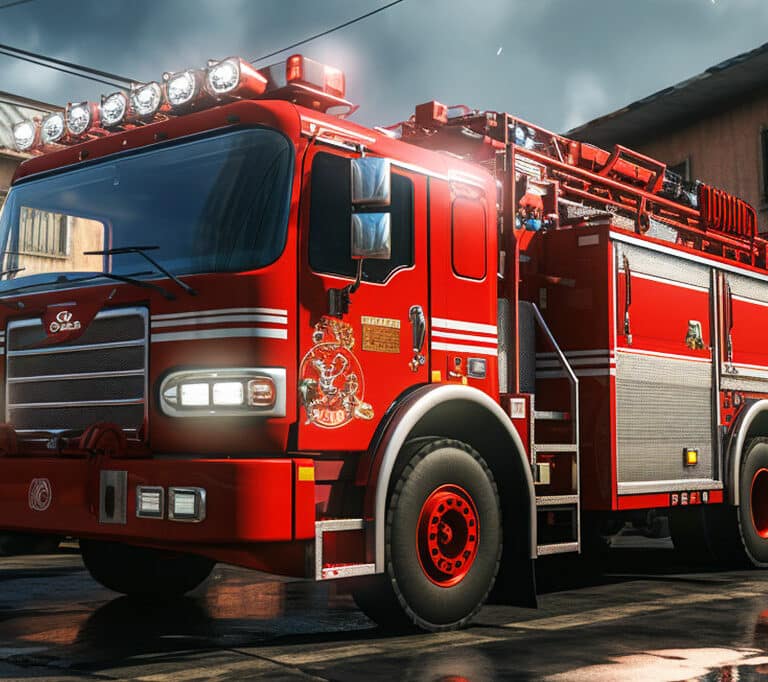
To answer the question of how much does a fire truck weigh, the simplest answer is that a standard fire engine, which is commonly used for responding to fires and emergencies, typically falls within the 20,000 to 40,000-pound range. 

These trucks are equipped with essential firefighting equipment which add to their overall weight.

On the other hand, larger aerial ladder trucks, often used for rescuing people from tall buildings and providing elevated water streams, can be significantly heavier. 

These trucks feature an extendable ladder, which requires additional structural support and hydraulic systems, contributing to their weight of up to 70,000 pounds.

A fire truck can weigh up to 70,000 pounds

The total weight of a fire truck includes various components. 

The chassis, which serves as the foundation of the vehicle, contributes a significant portion to the overall weight. 

The body of the fire truck, made of steel or aluminium, houses the equipment and water tanks. 

Additionally, the equipment carried on the truck, such as ladders, firefighting tools, and medical supplies, further adds to the weight. 

All these factors are carefully considered during the design and construction of fire trucks to ensure they are efficient, durable, and capable of responding effectively to emergencies.

How Much Does a Fire Truck Weigh When Full of Water?

Probably the second most asked question in relation to how much does a fire truck weigh, is how much does it weigh when full of water. 

When a fire truck is filled with water, its weight can increase significantly due to the large water tank it carries. 

On average, a fire engine can hold between 500 to 1,500 gallons (1,893 to 5,678 litres) of water. 

Since each gallon of water weighs around 8.3 pounds (3.8 kilograms), a full tank can add an extra 4,150 to 12,450 pounds (1,882 to 5,647 kilograms) to the vehicle’s weight. 

This added weight is a crucial consideration for firefighters and drivers, as it affects the truck’s handling and performance during emergency responses. 

Properly managing the water supply is essential to ensure the fire truck can manoeuvre effectively and safely while combating fires and providing vital support to emergency situations.

How Long is a Fire Truck?

The length of a fire truck varies based on its type and model. 

Standard fire engines typically measure around 25 to 35 feet (7.6 to 10.7 metres) in length. 

However, aerial ladder trucks, equipped with extendable ladders, can reach impressive lengths of 75 to 100 feet (22.9 to 30.5 metres). 

These longer fire trucks are often employed in high-rise firefighting and rescue operations, where their extended reach is essential for accessing upper floors and providing a safe evacuation route. 

The varying lengths of fire trucks allow firefighting teams to choose the most suitable vehicle for specific emergency scenarios, ensuring an effective response to fires and other critical incidents.

How Wide is a Fire Truck?

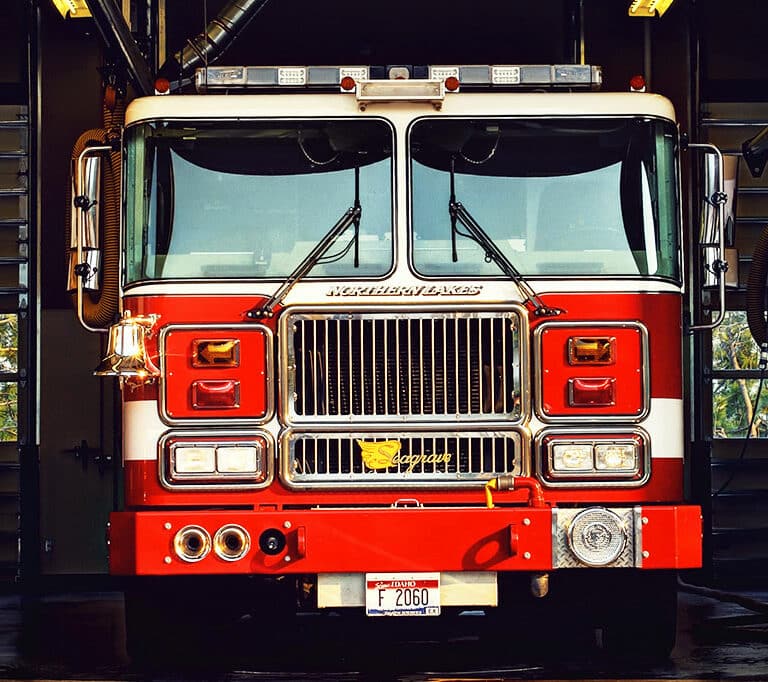
The typical width of a fire truck ranges from 8 to 10 feet (2.4 to 3 metres). 

This dimension is carefully designed to ensure that the vehicle can manoeuvre through narrow streets and tight spaces in urban areas without encountering difficulties or causing damage to buildings and obstacles. 

A fire truck can be up to 3 meters wide

The compact width enables fire crews to quickly reach emergency scenes and provide timely assistance, even in congested environments.

What Types of Fire Trucks Are There?

Fire trucks come in various types, each designed for specific firefighting tasks, depending on the cause and type of fire. The most common ones include:

Fire Engines 

Standard fire trucks equipped with water tanks, hoses, and firefighting equipment. They respond to most fire emergencies and carry a crew of firefighters. Recently, electric fire trucks have also been rolled out.

Aerial Ladder Trucks 

Also known as ladder trucks or hook-and-ladder trucks, these vehicles feature extendable ladders and platforms for rescue operations in tall buildings.

Rescue Trucks

Rescue trucks are equipped with specialised equipment for rescuing people from hazardous situations, such as vehicle accidents or collapsed buildings.

Wildland Fire Engines

Designed for fighting wildfires in rural and forested areas, these trucks have off-road capabilities and carry water to extinguish smaller fires.

Airport Crash Trucks

Specialised fire trucks used at airports to respond to aircraft emergencies, such as fires or crashes.

Foam Trucks

Equipped with foam-generating systems to fight fires involving flammable liquids.

Each type of fire safety vehicle is carefully designed to address specific fire scenarios, ensuring that firefighters have the right tools and resources to combat various emergencies effectively. 

The diversity of fire truck types enables firefighting teams to be prepared for a wide range of incidents, from standard structural fires to specialised hazardous material incidents. 

These versatile vehicles play a crucial role in ensuring the safety of communities and protecting lives and property during emergencies.

What Equipment is on a Fire Truck?

Fire trucks are equipped with a wide range of tools and equipment to handle various emergency situations. 

Some common equipment found on a fire truck includes hoses, nozzles, axes, saws, ladders, breathing apparatus such as oxygen masks, medical supplies, and thermal imaging cameras. 

The exact equipment may vary depending on the specific type and purpose of the fire truck. 

For example, ladder trucks will have extendable ladders and platforms for tall building rescues, while hazmat trucks will carry specialised gear for handling hazardous materials incidents. 

The availability of this diverse firefighting equipment ensures that firefighters have the necessary tools to effectively and safely respond to different emergencies they may encounter.

How Long is a Fire Truck Hose?

The length of a fire truck hose varies based on the truck’s size and intended use. 

Standard fire hoses used for firefighting operations are typically 50 feet (15 metres) long. 

Aerial ladder trucks may carry longer hoses, up to 100 feet (30 metres), to reach higher floors in tall buildings. 

The length of the hose is crucial in ensuring firefighters can effectively deliver water to the source of the fire, regardless of the building’s height or accessibility.

How Much Water Does a Fire Truck Hose Deliver?

The amount of water a fire truck hose can produce is determined by its diameter and water pressure. 

Most fire hoses have a diameter of 1.5 to 2.5 inches (3.8 to 6.4 centimetres) and can deliver water at pressures ranging from 50 to 150 pounds per square inch (psi). 

At an average flow rate of 100 psi, a fire hose can deliver around 50 to 125 gallons (189 to 473 litres) of water per minute. 

This water flow is critical for effectively extinguishing fires and controlling their spread, especially in larger and more intense fire incidents. 

Firefighters must skillfully operate the hoses to direct the water precisely and efficiently, making the most of their water supply to combat the flames and protect lives and property.

What Licence Do You Need to Drive a Fire Truck?

Driving a fire truck requires a specific commercial driver’s licence (CDL) with appropriate endorsements. 

Firefighters need a special licence to drive a fire truck

The exact licence requirements vary depending on the fire truck’s weight, size, and type. For instance, a firefighter operating a standard fire engine may need a different endorsement than one operating an aerial ladder truck. 

To obtain the necessary CDL and endorsements, firefighters must undergo specialised training to operate these vehicles safely and effectively. 

This training includes learning how to handle the larger dimensions of fire trucks, understanding the unique challenges of emergency driving, and practising manoeuvres such as backing up, turning, and navigating tight spaces. 

Firefighters also receive instruction on vehicle maintenance and safety protocols to ensure the proper functioning of the fire truck during emergencies.

Conclusion

Hopefully this article provided a clear and concise answer to how much does a fire truck weigh, and some of the most common questions to do with fire trucks.

Fire trucks are essential vehicles in emergency response and play a crucial role in safeguarding communities. 

Their size, weight, and equipment are carefully designed to handle various firefighting and rescue tasks effectively. 

The training and expertise of firefighters who operate these machines are vital in ensuring their efficient use during emergencies. 

From carrying large amounts of water to navigating through tight spaces, fire trucks are equipped to tackle a wide range of challenges. 

Understanding the capabilities of these vehicles helps us appreciate the dedication and skill of firefighters who work tirelessly to protect lives and property in times of crisis.

23 Common Causes of Fire

Fires are a devastating and dangerous occurrence that can cause immense damage to property and pose a threat to lives, with the cost of fire in the UK now above £12 billion.

Understanding the most common causes of fire is essential for prevention and safety. 

By being aware of these causes, we can take proactive measures to minimise the risk of fire incidents. 

This article aims to provide an overview of 23 of the most common causes of fire, ranging from everyday activities to potential hazards within our surroundings.

By exploring some of the main causes, we can enhance our knowledge and promote fire safety in our homes, workplaces, and communities.

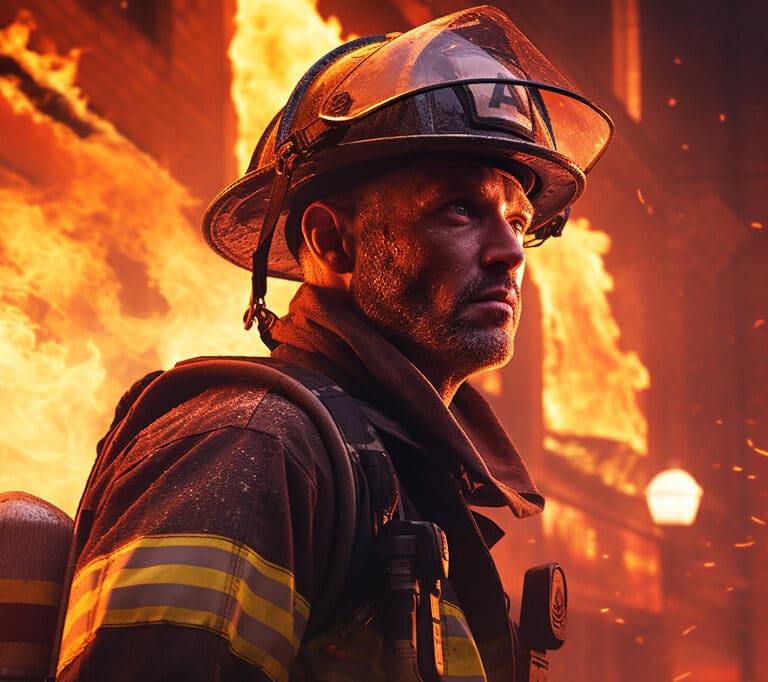
A firefighter fighting a fire
Knowing the causes of fire can help firefighters

Cooking Equipment

Cooking equipment is one of the leading causes of residential fires. 

Unattended cooking, grease buildup, and flammable objects left too close to heat sources can ignite fires. 

It’s crucial to maintain a high standard of cooking safety, use timers as reminders, and keep a safe distance between flammable materials and heat sources.

Heating Equipment

Heating equipment, including space heaters and furnaces, can pose a fire hazard if not used correctly. 

Overheating, lack of maintenance, and placing flammable items near heat sources can lead to fires. 

Regular inspection and maintenance of heating systems, proper ventilation, and keeping flammable items away from heaters are vital safety measures.

Electrical Equipment

Electrical equipment, such as faulty wiring, overloaded circuits, and malfunctioning appliances, is one of the leading causes of fire, as well as one of the most dangerous fires to put out. 

Electrical sparks, short circuits, and overheating due to loose connections or damaged cords can ignite fires. 

Ensuring proper installation, regular inspection, and prompt repair of electrical systems and appliances are crucial for fire prevention.

Cigarettes, Cigars & E-Cigarettes

Careless handling and improper disposal of cigarettes, cigars, and e-cigarettes are common causes of fires. 

Discarding lit cigarettes improperly or not fully extinguishing them can ignite flammable materials. 

Smokers should use designated ashtrays, never smoke in bed, and ensure proper disposal of smoking materials in fire-safe containers.

Candles

Candles, while creating a pleasant ambiance, can also be a fire hazard if left unattended. 

Accidental knocks, proximity to flammable objects, or forgetting to extinguish candles can result in fires. 

It’s important to place candles on stable surfaces, away from flammable materials, and never leave them burning when unattended.

Children Playing with Matches

Children playing with matches or lighters out of curiosity can lead to fire incidents. 

Educating children about the dangers of matches and lighters and keeping them out of their reach are essential preventive measures. 

Parents should store matches and lighters in secure locations to prevent access by children.

Faulty Electrical Wiring

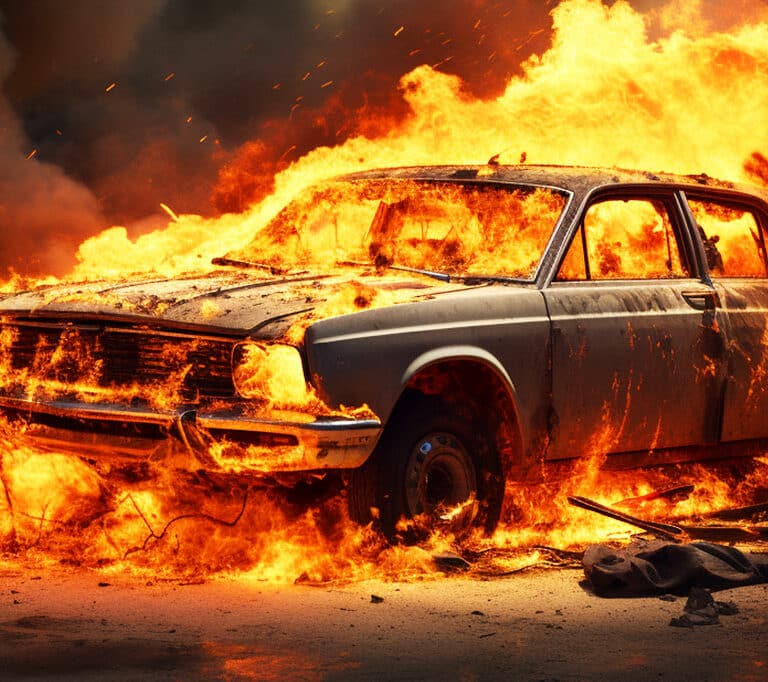
A burning car on fire
Electrical faults can be especially dangerous in cars

Faulty electrical wiring, due to age, poor installation, or rodent damage, can cause electrical fires. 

Overheating wires, short circuits, and electrical arcing are common signs of faulty wiring. 

Regular electrical inspections, prompt repairs, and the use of licensed electricians can help prevent electrical fires.

Christmas Decorations

Christmas decorations, such as lights and candles, can pose fire risks if not used safely and are a serious cause of fire around the holiday season. 

Overloaded electrical sockets, damaged lights, and placing flammable decorations near heat sources can ignite fires. 

Following manufacturer’s instructions, using LED lights, and keeping decorations away from flammable materials are essential for fire safety during the holiday season.

BBQs

Disposable BBQ misuse can lead to dangerous wildfires

Barbecue grills, if used incorrectly, can be some of the main causes of fire

Improper placement near flammable structures, grease buildup, and failing to extinguish coals properly can result in fires.

Incorrectly used disposable BBQ’s also have a high risk of causing wildfires

Safe barbecue practices, regular cleaning of grills, and maintaining a safe distance from flammable materials are crucial for preventing accidents.

Bonfires

Bonfires, while enjoyable, require caution to prevent accidents. 

Inadequate containment, excessive size, and proximity to flammable materials can lead to uncontrolled fires. 

Ensuring proper construction, maintaining a safe distance from structures and vegetation, and having firefighting equipment nearby are important safety measures.

Remote Controls

Neglected or damaged remote controls can cause fires. 

Malfunctioning batteries, short circuits, and overheating can lead to remote control fires. 

Regularly checking and replacing batteries, keeping remote controls away from heat sources, and avoiding excessive pressure on buttons can prevent such incidents.

Batteries

Improper handling of batteries can be one of the causes of fire

Damaged or expired batteries, incorrect insertion, and mixing different types of batteries can cause overheating and fires. More public awareness is needed to help prevent battery fires. 

Safely storing batteries, using the correct battery type, and recycling old batteries properly are essential for fire prevention.

Tumble Dryers

Tumble dryers with clogged lint filters and vents pose a fire hazard. 

Accumulated lint can ignite from the dryer’s heat, leading to fires. 

Regularly cleaning lint filters, ensuring proper venting, and professional dryer maintenance can prevent such incidents.

Aerosol Cans

Aerosol cans, if exposed to heat or punctured, can explode and ignite fires. 

Leaving aerosol cans near heat sources or disposing of them improperly can lead to dangerous fire situations. 

Storing aerosol cans in cool, well-ventilated areas and following proper disposal guidelines are crucial for fire safety.

Arson 

Arson attacks can ruin entire families

Intentional acts of arson, where fires are set deliberately, can cause significant damage. 

Arson can occur due to various reasons, including vandalism, revenge, or insurance fraud. 

Community awareness, neighbourhood watch programs, and reporting suspicious activities can help deter arson incidents.

Construction Materials

Construction materials, such as flammable insulation, paint, or chemicals, can contribute to causes of fire during building projects. 

Mishandling, improper storage, and inadequate fire safety measures can lead to construction site fires. 

Implementing proper fire prevention strategies, following safety regulations, and having fire extinguishers readily available are vital during construction activities.

Clutter

Accumulated clutter can increase the risk of fires by obstructing escape routes and providing fuel for flames. 

Cluttered spaces make it challenging to control or escape fires quickly. 

Regular decluttering, proper storage of items, and maintaining clear pathways can help minimise fire hazards.

Flammable Liquids, Gases & Materials 

A burning factory on fire
Factory fires can be absolutely devastating, especially to the environment

Improper handling, storage, or use of flammable liquids, gases, and materials can lead to fires. 

Ignition sources near flammable substances, improper ventilation, and failure to follow safety guidelines are significant fire risk factors. 

Proper storage, using suitable containers, and adhering to safety protocols when working with flammable materials are essential for fire prevention.

Human Error

Human error, such as forgetfulness or negligence, can contribute to fire incidents. 

Leaving appliances unattended, forgetting to extinguish flames, or improperly handling flammable substances are examples of human error leading to fires. 

Being vigilant, practising fire safety habits, and staying aware of potential fire hazards are crucial for preventing accidents.

Outdated Fire Risk Assessments

Outdated or inadequate fire risk assessments can fail to address emerging fire hazards, increasing the risk of fire incidents. 

Regularly reviewing and updating fire risk assessments, considering changes in the environment or operations, and implementing appropriate fire safety measures are essential for effective fire prevention.

Mechanical Friction

Mechanical friction, such as faulty vehicles, machinery or equipment, can generate heat and sparks that ignite fires. 

Lack of lubrication, loose parts, or worn-out components can contribute to friction-related fires. 

Regular maintenance, inspection, and prompt repair of machinery are vital for preventing such incidents.

Negligence

Negligence, including careless behaviour, disregard for fire safety practices, or failure to follow regulations, can lead to fires. 

Ignoring safety protocols, misusing electrical equipment, or bypassing safety measures are examples of negligent actions that increase the risk of fire incidents. 

Cultivating a culture of safety, providing adequate fire prevention training, and enforcing compliance with fire safety standards can help mitigate the effects of negligence.

Nutella

In a tragic incident, sun rays shining through a glass jar of Nutella chocolate spread sparked a huge house fire that claimed the life of a family’s dog

The low winter sunlight refracted by the jar, which was used to collect loom bands, caused the rays to be magnified and ignited blinds, resulting in the devastating fire. 

This incident serves as a reminder to keep glass items away from windows and direct sunlight to prevent similar accidents.

Conclusion

Understanding the common causes of fire is crucial for promoting fire safety in our daily lives. 

By being aware of the potential fire hazards associated with cooking equipment, heating devices, electrical equipment, smoking materials, candles, and various other sources, we can take preventive measures to minimise the risk of fire incidents. 

Practising safe habits, ensuring regular maintenance, and adhering to fire safety guidelines can significantly reduce the likelihood of fires. 

It is important to educate ourselves and others about fire prevention, promote fire safety awareness, and create a culture of responsibility and vigilance. 
By taking these steps, we can protect our homes, workplaces, and communities from some of the main causes of fire and its devastating effects.