How to Put Out an Electrical Fire

Electrical fires are not only frightening but also pose a severe threat to life and property. 

Understanding the dynamics of these fires and, more importantly, knowing how to respond is paramount for personal safety. 

This article delves into the origins of electrical fires, provides practical insights into how to put out an electrical fire, and imparts crucial preventive measures. 

Hopefully you’ll gain the knowledge needed to protect yourself, your loved ones, and your surroundings from the potentially devastating consequences of electrical hazards.

What Causes Electrical Fires?
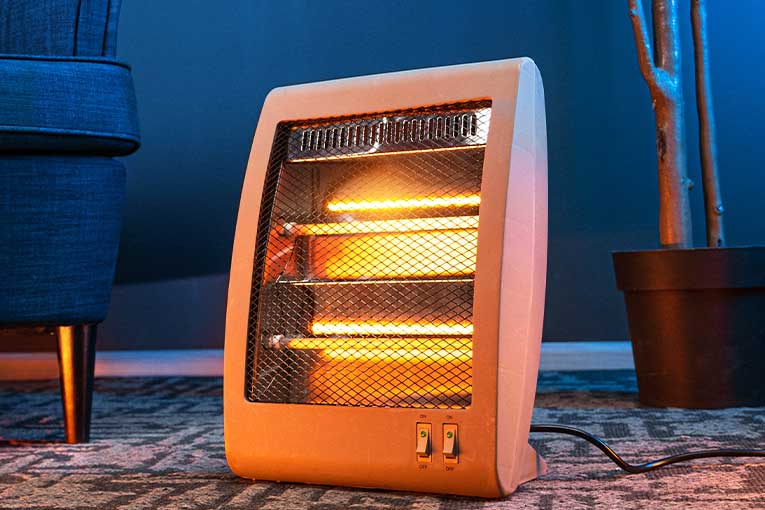
Overloading circuits cause electrical fires
Overloading circuits will cause electrical fires

Electrical fires can ignite from various sources, often stemming from issues within the electrical systems themselves. 

Here’s a breakdown of the common causes:

Faulty Wiring

Old or improperly installed wiring is one of the most common causes of fire.

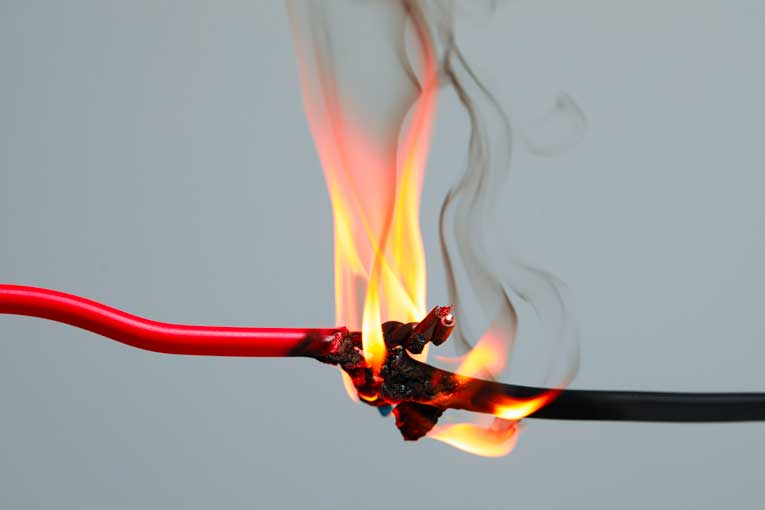
Frayed wires, loose connections, or overloaded outlets can create a spark, initiating a fire hazard.

Appliance Malfunctions

Defective appliances, especially those with damaged cords or internal faults, can be catalysts for electrical fires. 

Overheating due to prolonged use or manufacturing defects can escalate the risk.

Outdated Electrical Systems

Ageing electrical systems, unable to meet the demands of modern appliances, are susceptible to overheating. 

This can result in sparks, leading to potential fire outbreaks.

Overloaded Circuits

Plugging too many devices into a single circuit can overload it, causing overheating and sparks. 

This is particularly prevalent in older homes with limited electrical capacity.

Power Strips and Extension Cords

Improper use of power strips and extension cords, such as daisy-chaining them or using them for high-wattage appliances, can lead to overheating and electrical fires.

Light Fixtures

Faulty light fixtures or incorrect wattage bulbs can generate excess heat, posing a risk of fire. Ensuring proper installation and using appropriate bulbs is essential.

Electrical Appliances Left On

Leaving electrical appliances on for extended periods, even when not in use, can result in overheating and potential fire hazards.

Infestations

Rodents chewing on electrical wiring can expose the conductors, leading to short circuits and the possibility of electrical fires.

Natural Disasters

Extreme weather events, such as lightning strikes or power surges during storms, can cause electrical fires by overwhelming the system.

Poor Electrical Maintenance

Neglecting regular electrical maintenance, including checking for wear and tear, loose connections, and outdated components, increases the likelihood of electrical fires.

Thermal Runaway

Thermal runaway is a phenomenon where a device’s temperature escalates uncontrollably, often leading to catastrophic consequences. 

In electrical systems, it’s a potential precursor to fires. 

If a component experiences thermal runaway, it can trigger a chain reaction, causing neighbouring components to heat up rapidly.

How to Put Out an Electrical Fire

Electrical fires demand swift action. 

If you encounter an electrical fire, follow these steps:

Cut the Power
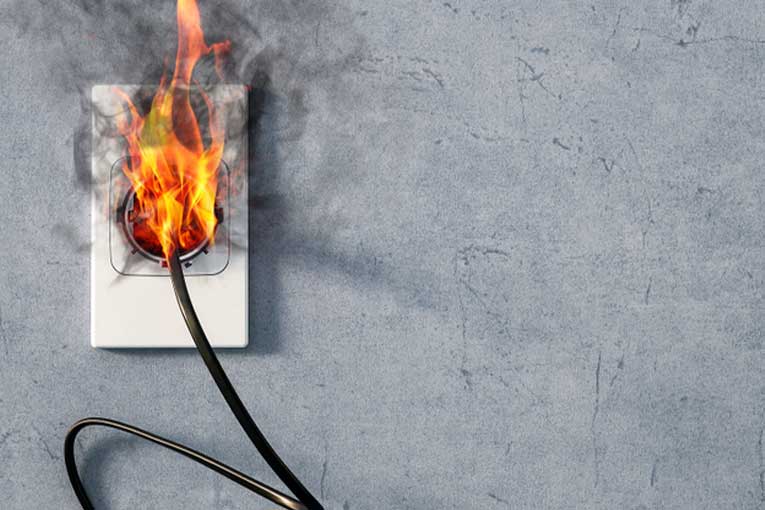
Cutting the power put out electrical fire
Cutting the power will help to put out an electrical fire

The initial and most critical action when dealing with an electrical fire is to sever its power source. 

Find the fuse box and promptly turn off the electricity. 

This action eliminates the fuel that sustains the fire.

Use a Fire Extinguisher

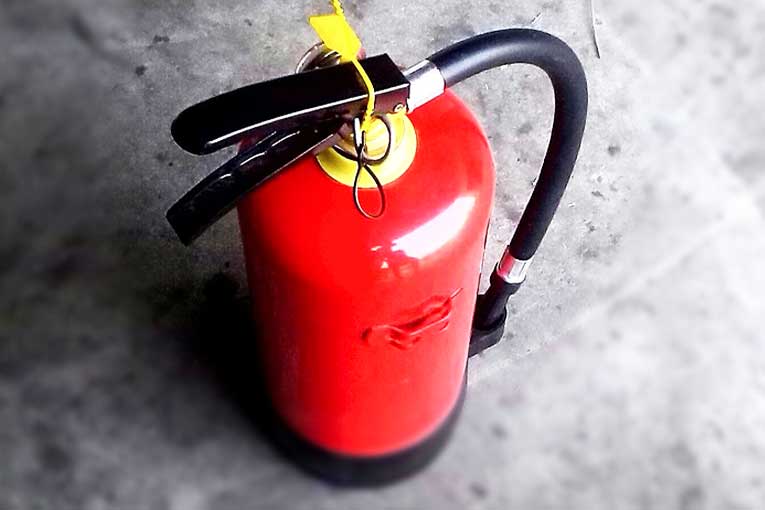
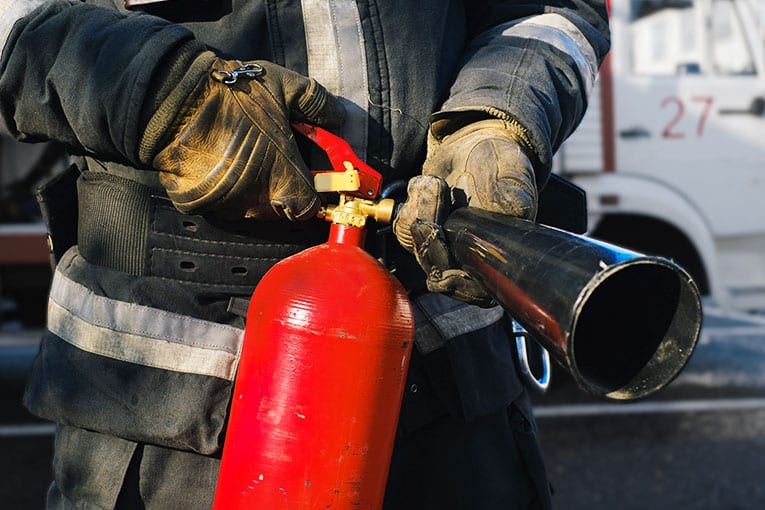
In the case of a small electrical fire, a Class C fire extinguisher is the appropriate tool. 

Aim the extinguisher directly at the base of the flames and sweep from side to side. 

This targeted application helps smother the fire without posing additional risks.

Never Use Water

Water and electricity don’t mix well. 

Never attempt to use water to extinguish an electrical fire, as it can lead to electrocution and worsen the situation. 

Instead, opt for a fire extinguisher designed specifically for electrical fires.

Smother the Flames

Employ a fire blanket or a heavy, non-flammable material to smother the flames. 

Place the blanket over the fire to cut off its oxygen supply, a crucial element for combustion. 

This method is effective for smaller fires on electrical equipment.

Evacuate and Call for Help

If the electrical fire persists or escalates beyond your control, prioritise your safety. 

Immediately evacuate the premises, and from a safe distance, call the fire service

Await professional assistance to handle the situation effectively.

Why Electrical Fires are so Dangerous

Electrical fires pose a significant threat due to their unique characteristics.

Here’s a closer look at why these fires are particularly hazardous:

Rapid Escalation

Electrical fires have a notorious reputation for escalating swiftly. 

The high temperatures generated can cause surrounding materials to catch fire, leading to a rapid spread. 

What begins as a small electrical malfunction can transform into a full-blown inferno within moments.

Toxic Fumes

The materials involved in electrical fires, such as wiring and appliances, release toxic fumes when ignited. 

These fumes can include carbon monoxide and other harmful substances, posing severe health risks to occupants. 

Inhaling these toxic gases can lead to respiratory issues, unconsciousness, and, in extreme cases, fatalities.

Structural Damage

Beyond the immediate flames, electrical fires can cause extensive structural damage. 

The intense heat can compromise the integrity of wiring systems, insulation, and surrounding materials. 

This damage not only causes costly repairs but also increases the risk of subsequent fires.

Risk of Electrocution

Attempting to extinguish an electrical fire with water can lead to a grave risk of electrocution. 

Water conducts electricity, and using it on electrical fires can result in severe injuries or fatalities. 

This unique hazard makes responding to electrical fires more complex and necessitates specialised firefighting measures.

Challenges for Firefighters

Firefighters face distinct challenges when tackling electrical fires. 

The conductivity of electricity can interfere with standard firefighting methods, requiring specialised equipment. 

Moreover, the potential for hidden pockets of fire within walls or electrical systems makes complete extinguishment more challenging.

Reignition Potential

Even after seemingly successful extinguishment, electrical fires can reignite. 

This is often due to hidden smouldering embers or damaged wiring reigniting when power is restored. 

Addressing this reignition potential requires thorough assessment and preventative measures.

What Type of Fire is an Electrical Fire?

Electrical fires fall under Class C fires. 

Unlike other types of fire, they involve energised electrical equipment, making water a dangerous choice for extinguishing.

How to Prevent Electrical Fires

Electrical fires, with their potential for devastating consequences, underscore the importance of proactive preventive measures. 

Here’s a detailed look at how you can significantly reduce the risk of electrical fires:

Regular Inspections and Maintenance
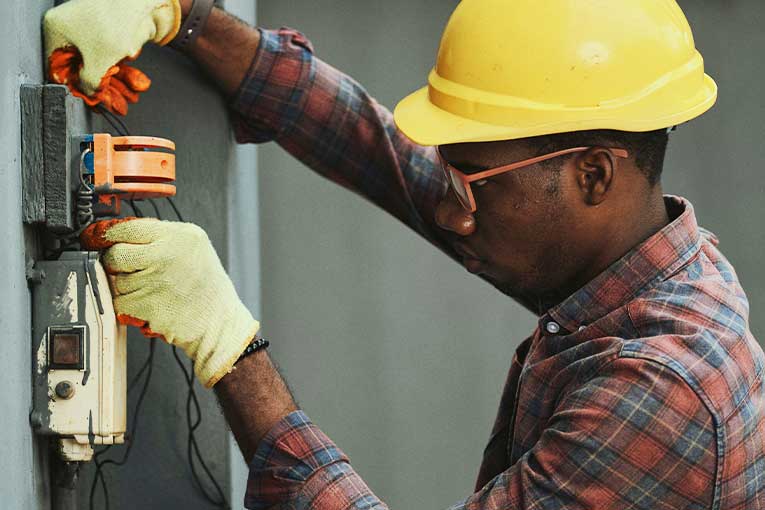
Regular maintenance needed prevent electrical fires
Regular maintenance is needed to prevent electrical fires

Regular inspections of your electrical systems are vital. 

Ensure that wiring, outlets, and appliances are in good condition. 

Any signs of wear, damage, or overheating should be promptly addressed. 

Consider hiring a professional electrician for thorough inspections, especially in older properties.

Avoid Overloading Outlets

Overloading outlets is a common cause of electrical fires. 

Distribute electrical loads evenly and avoid daisy-chaining multiple devices to a single outlet. 

Invest in surge protectors to safeguard against power surges, which can also contribute to overheating.

Use Correct Wattage Bulbs

Incorrectly matched light bulb wattages can generate excessive heat, posing a fire risk. 

Always use bulbs that match the recommended wattage for fixtures. 

Check labels and replace bulbs promptly if they blow or flicker.

Replace Damaged Cords

Frayed or damaged electrical cords are hazardous. 

Replace them immediately to avoid short circuits and potential fires. 

When using extension cords, opt for high-quality ones designed for your specific needs and replace them if they show signs of wear.

Install Arc Fault Circuit Interrupters (AFCIs)

AFCIs detect dangerous electrical arcs, which can cause fires, and automatically shut off the circuit. 

Consider installing AFCIs in your home, especially in bedrooms and living spaces. 

They provide an additional layer of protection against electrical fires.

Keep Combustibles Away

Avoid placing flammable materials near electrical appliances and outlets. 

Curtains, papers, and other combustibles should be kept away from heaters, appliances, and other devices that generate heat.

Professional Wiring for Appliances

Ensure that major appliances like stoves, refrigerators, and washing machines are installed by professionals. 

Improper wiring or installation can lead to electrical faults and fires.

Upgrade Older Wiring

In older homes, outdated wiring systems may not meet current safety standards. 

Consider upgrading to modern wiring, especially if you experience frequent electrical issues or if your home is more than a few decades old.

Educate Household Members

Educate all household members about electrical safety. 

Teach them about the dangers of overloading circuits, the importance of reporting electrical issues promptly, and the proper use of appliances and electronic devices.

Emergency Planning

Include electrical fire safety in your overall emergency planning. 

Ensure that all family members know how to respond to electrical fires, including the location of fire extinguishers and emergency exits.

Conclusion

This article should now give you the information on how to put out an electrical fire.

Knowing how to put out an electrical fire is essential, but prevention is key. 

Prioritise electrical safety through regular maintenance, professional installations, and a quick response to warning signs. 

Your proactive efforts can make a significant difference in keeping your home or workplace safe from electrical fire hazards.
How to Put Out a Grease Fire

Cooking can be an enjoyable and rewarding experience, but it also comes with its fair share of risks. 

One of the most common and potentially dangerous kitchen mishaps is a grease fire. 

Knowing how to put out a grease fire is not just valuable knowledge; it could be life-saving. 

In this article, we will explore the causes of grease fires, the best ways of how to put out a grease fire, and crucial prevention tips to keep your kitchen safe.

What Causes Grease Fires

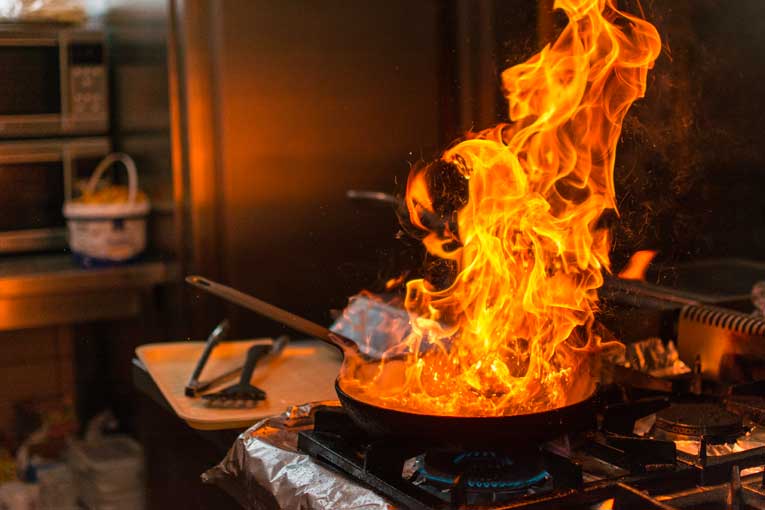
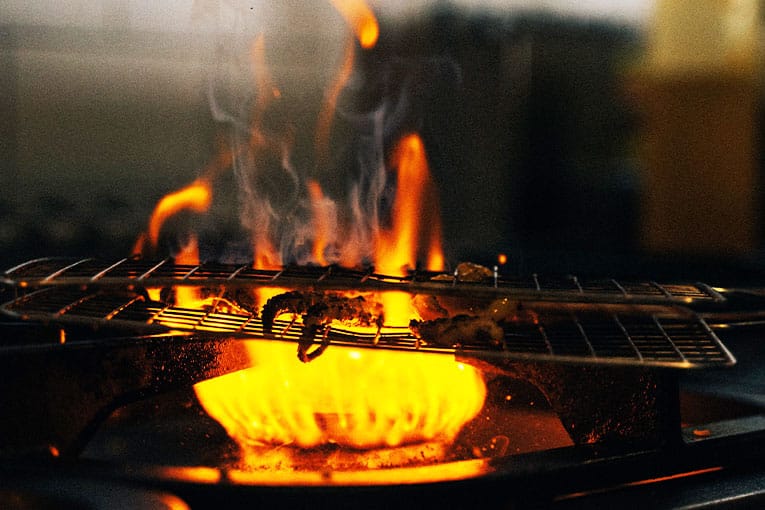
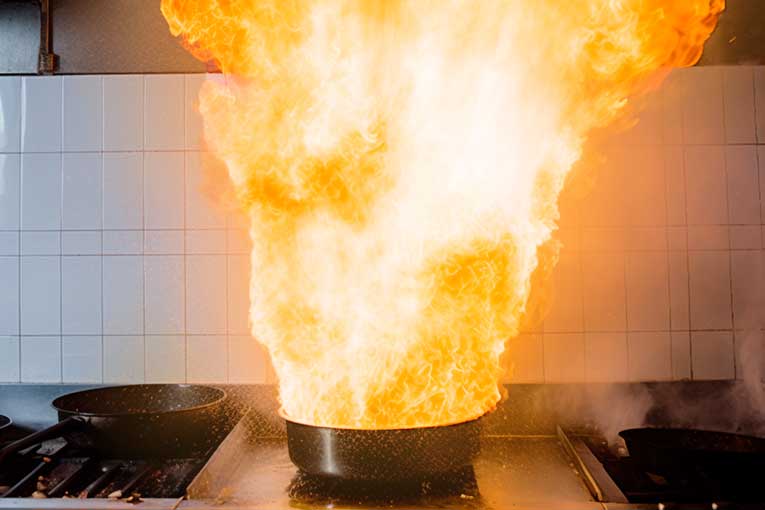
Grease fires are incredibly dangerous
Grease fires are incredibly dangerous and hard to put out

Grease fires, as every cautious cook knows, are the stuff of kitchen nightmares. 

It’s essential to comprehend their origins to prevent potential disasters and kitchen fires.

Overheating

At the heart of a grease fire lies the peril of overheating. 

When oil or grease in a pan is heated beyond its smoke point — the temperature at which it begins to emit smoke and break down — it becomes a volatile hazard. 

As the heat intensifies, the oil’s molecules break apart, and if not attended to, they ignite, turning a simmering pot into a raging inferno. 

This scenario is particularly common when deep frying, where oils are heated to high temperatures for cooking various delicacies.

Water

Another common catalyst for grease fires is the introduction of water. 

Imagine a sizzling pan filled with hot oil; a splash of water is akin to tossing a lit matchstick into a powder keg. 

When water meets hot grease, it doesn’t simply douse the fire; instead, it fuels it exponentially. 

The water sinks to the bottom of the pan, where it evaporates instantly due to the extreme heat. 

This rapid conversion of water to steam propels flaming grease droplets into the air, spreading the fire like a frenzied dance of danger.

Other Liquids

While water is the most notorious culprit, other liquids can also lead to disaster. 

Sauces, marinades, or even frozen foods with ice crystals can cause spattering when they come into contact with hot oil. 

These seemingly harmless elements, when introduced recklessly, can instigate a grease fire, transforming a calm cooking environment into a chaotic emergency.

Dirty Appliances

Dirty stoves, ovens, and exhaust hoods can also be unwitting accomplices. 

Grease buildup in and around these appliances serves as additional fuel. 

Over time, this accumulated grease can ignite from a simple spark or even the heat of nearby cooking. 

Thus, regular cleaning and maintenance are not just aesthetic concerns but crucial safety measures to prevent the unexpected eruption of a grease fire.

How to Put Out a Grease Fire

If a grease fire ignites, it’s crucial to act swiftly and correctly as grease fires are one of the most dangerous types of fire.

Never use water to extinguish a grease fire; water and oil don’t mix and can lead to explosive results. 

Instead, follow these steps:

Turn Off the Heat

The moment a grease fire erupts, your first action should be swift and decisive: turn off the heat source immediately. 

By removing the fire’s fuel supply, you halt its potential escalation. 

This simple act can prevent a small flare-up from spiralling into a major conflagration.

Covering the Pot

A metal lid or a baking sheet is your ally in combating a grease fire. 

Place it over the pot with precision, ensuring it entirely covers the flames. 

This makeshift shield serves a crucial purpose: it denies the fire access to oxygen, an element essential for combustion. 

While using a lid, avoid using a glass one; the intense heat can cause it to shatter, creating an additional hazard.

Baking Soda

For small, manageable fires, a common kitchen ingredient can prove to be a lifesaver: baking soda

Carefully and evenly sprinkle baking soda over the fire. 

Baking soda, also known as sodium bicarbonate, disrupts the chemical reaction of the fire, acting as a smothering agent. 

Keeping a box of baking soda within arm’s reach of your stove ensures that you have an immediate and effective countermeasure for minor grease fires.

Using a Fire Extinguisher

When a grease fire defies initial attempts at control, a specialised tool becomes essential: the Class F fire extinguisher. 

Specifically designed for kitchen fires, this extinguisher contains a special extinguishing agent that swiftly suppresses grease fires. 

Hold the nozzle, aim it at the base of the fire, and sweep it from side to side. 

Proper usage can rapidly diminish the flames, preventing further spread.

Prioritise Safety

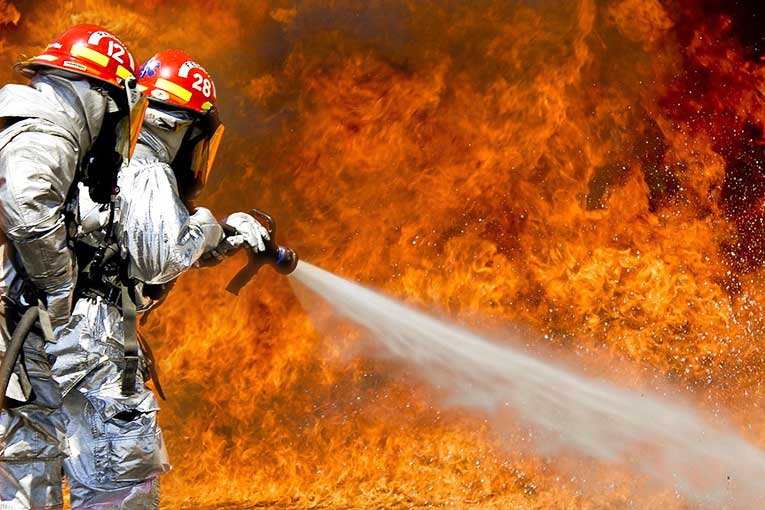
Large grease fires should be left to professionals to put out

If, despite your efforts, the grease fire persists and grows, it’s imperative to prioritise safety above all else. 

Immediately evacuate the premises and call the fire department. 

Firefighters are trained professionals equipped to handle even the most severe kitchen fires. 

Do not attempt to be a hero in such situations; your safety and the safety of those around you is paramount.

Why are Grease Fires so Dangerous

Grease fires are not just ordinary flames; they are a volatile combination of intense heat, rapid escalation, and unsuspecting triggers. 

Understanding why these fires are so perilous is crucial for everyone, as it can be the key to preventing and managing them effectively.

Rapid Escalation

The alarming characteristic of grease fires lies in their speed of escalation. 

Unlike some other fires that begin with a slow burn, a grease fire can transform from a minor sizzle to a raging inferno within seconds. 

The flammable nature of grease, coupled with the high temperatures used in cooking, creates a volatile mix. 

A mere distraction can lead to a small spill catching fire, and within moments, the entire kitchen can be ablaze. 

This swift escalation demands immediate, well-informed action to prevent the situation from spiralling out of control.

Unpredictable Expansion

What makes grease fires especially hazardous is their tendency to spread rapidly and unpredictably. 

Once ignited, the flames can swiftly engulf nearby items, including kitchen towels, curtains, or even cabinets. 

This rapid spread not only intensifies the danger but also makes it challenging to contain the fire within its initial source. 

In moments of chaos, the fire can leap from the stove to nearby surfaces, turning a localised incident into a kitchen-wide catastrophe.

Severe Burns and Property Damage

The high temperatures generated by grease fires pose significant risks to human safety. 

Anyone attempting to intervene without proper knowledge or equipment is at risk of severe burns. 

In worst-case scenarios, these burns can be life-threatening. 

Moreover, the intense heat can cause extensive damage to property. 

Cabinets, appliances, and kitchen structures can succumb to the flames, leading to costly repairs and emotional distress. 

It’s not just about extinguishing the fire; it’s about mitigating the aftermath, which can be devastating both physically and emotionally.

The Water Trap

A critical aspect that renders grease fires exceptionally dangerous is the widespread misconception regarding their extinguishing methods. 

The instinctive reaction for many is to reach for water. 

However, this instinct is profoundly misguided. When water meets hot grease, it reacts explosively, splattering burning grease and spreading the fire rather than dousing it. 

This misconception, if not corrected, can turn a controllable situation into a catastrophic event, magnifying the danger manifold.

What Type of Fire is a Grease Fire

Class F fire extinguishers are needed for grease fires

A grease fire falls under the category of a Class F fire. 

Class F fires involve cooking oils and fats, making them unique in their behaviour and extinguishing methods. 

Class F fires are one of the most dangerous classes of fire.

Regular fire extinguishers might not be effective against grease fires; it’s essential to have a specialised Class F fire extinguisher in your kitchen if you frequently cook with oils.

How to Prevent Grease Fires

Preventing a grease fire is far simpler than dealing with one. 

Here are some essential tips to keep your kitchen safe:

Stay in the Kitchen

Never leave the stove unattended while cooking. 

If you must leave, turn off the heat.

The smallest distraction can transform a simmering pot into a raging inferno.

Be Prepared

Preparedness is key. 

Every kitchen should be armed with a fire extinguisher and a trusty box of baking soda. 

Familiarise yourself with their usage. 

These tools are your first line of defence, swiftly neutralising a grease fire’s threat before it escalates. 

Knowing how to handle them can mean the difference between a minor mishap and a catastrophe averted.

Keep the Area Clean

A clean kitchen is a safe kitchen. 

Regularly scrub your stovetop, oven, and exhaust hood to banish grease buildup, the combustible culprit behind many a kitchen blaze. 

Grease, when left unchecked, can turn a simple cooking session into a disaster. 

Your diligent cleaning rituals act as a shield, guarding against unexpected conflagrations.

Use a Thermometer 

Temperature control is an art in cooking, especially when it comes to oils. 

Invest in a kitchen thermometer to monitor your oils’ temperatures closely. 

Oils have smoke points, beyond which they become highly flammable. 

By keeping your oils below these thresholds, you ensure you can stay safe.

Dry Before Cooking

Before introducing items to hot oil, ensure they are dry. 

Water droplets, when introduced to sizzling oil, create explosive splatters. 

These splatters not only pose burn risks but can also ignite surrounding surfaces. 

A simple pat-down of the items you’re frying ensures that your oil remains calm, reducing the risk of sudden, dangerous flare-ups.

Don’t Overcrowd the Pan

Avoid overcrowding the pan when frying. 

Overcrowded pans lead to spills, creating a hazardous situation where hot oil can spill onto open flames or heating elements. 

A controlled, appropriately filled pan ensures that your cooking stays safe, without the drama of a sudden fire.

Conclusion

Being aware of the causes, dangers, and prevention methods of grease fires is essential for anyone who spends time in the kitchen. 

By following these safety guidelines and acting promptly and correctly if a grease fire occurs, you significantly reduce the risk of a minor kitchen incident turning into a disaster. 

Remember, caution and preparedness are your best allies when it comes to keeping your kitchen and home safe.

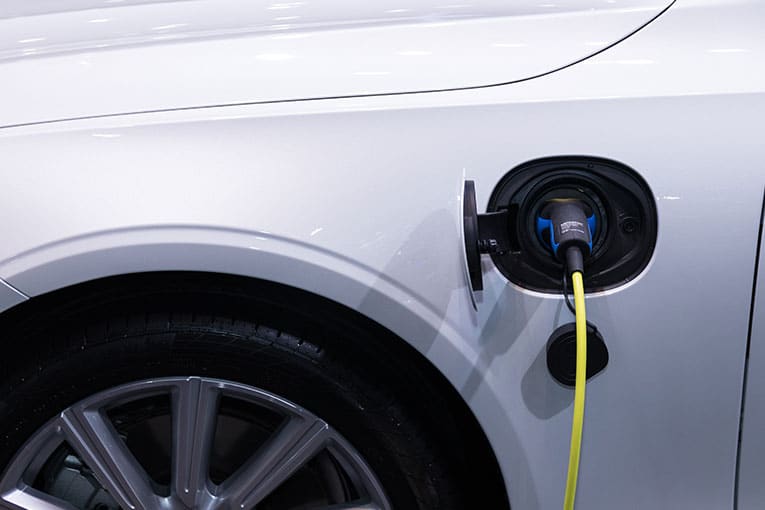
Electric Car Fires – Facts & Fiction

Electric cars have become a hot topic, quite literally, in recent years. 

With the rise of these eco-friendly vehicles, myths and misconceptions about their safety have also surfaced. 

One of the most prevalent concerns revolves around electric car fires. 

In this article, we’ll debunk the myths and shed light on the actual facts about electric car fires.

The Myths of Electric Car Fires

Electric Car Fires are Impossible to Put Out

One widespread myth is that electric car fires cannot be extinguished easily. 

This fear stems from the complex nature of electric vehicles, particularly their intricate battery systems. 

However, it’s crucial to understand that modern firefighting techniques have evolved significantly to cope with these challenges.

Firefighters today undergo rigorous training, equipping them with specific protocols and advanced tools designed explicitly for electric vehicle fires. 

These tools include specialised cooling methods that help dissipate the heat generated during a battery fire

Cooling sprays and water-based solutions are utilised to control the temperature and prevent reignition. 

Advancements in fire-resistant materials used in electric vehicles contribute significantly to containing and preventing the spread of fires. 

These materials are engineered to withstand high temperatures and flames, giving firefighters valuable time to respond and manage the situation. 

Contrary to the myth, electric car fires are not insurmountable challenges for trained professionals. 

Through continuous training and the utilisation of cutting-edge equipment, firefighters can effectively tackle electric vehicle fires and ensure the safety of all involved parties.

Electric Car Fires are More Common than Petrol or Diesel Cars

Contrary to popular belief, electric car fires are not more common than those in traditional petrol or diesel vehicles. 

The reality is quite the opposite. 

Electric car fires are not inherently more common; in fact, statistics show that their occurrence rate is lower than that of conventional cars.

Various safety measures are in place in electric vehicles to prevent fires. 

Advanced battery management systems continuously monitor the battery’s temperature, ensuring it operates within safe limits. 

Moreover, electric cars undergo rigorous testing and adhere to stringent safety standards before they hit the market. 

These standards encompass the entire vehicle, including the battery and electrical systems.

Additionally, automakers invest heavily in research and development to enhance the safety of electric vehicles. 

This includes designing batteries with robust thermal management systems, making them more resilient to extreme conditions. 

In the event of a collision, electric vehicles have built-in safety features, like automatic power cutoffs, to minimise the risk of fire.

While any vehicle, regardless of its power source, can catch fire under extreme circumstances, it’s crucial to understand that electric cars are engineered with advanced safety features, making them as secure, if not more so, than traditional vehicles. 

Public safety remains a top priority for electric vehicle manufacturers, and continuous advancements in technology contribute significantly to reducing the already low incidence of electric car fires.

Rain can Cause Electric Car Fires

Another misconception is that rainwater can trigger electric car fires. 

However, this belief is entirely unfounded.

Electric cars undergo stringent safety testing and are equipped with multiple layers of protection to prevent such incidents.

Firstly, electric vehicles feature sealed battery compartments and electrical systems. 

These critical components are shielded from external elements, including rainwater. 

Manufacturers employ advanced engineering techniques to ensure that the vehicle’s electrical elements remain insulated and protected, even in adverse weather conditions.

Moreover, electric car batteries are equipped with management systems that monitor various parameters, including temperature and moisture levels. 

These systems are designed to detect and mitigate any issues related to external factors, such as rainwater. 

Additionally, electric cars are constructed following rigorous safety standards and regulations. 

These standards encompass every aspect of the vehicle, ensuring that it can withstand various environmental conditions without compromising safety. 

Manufacturers conduct extensive testing, including exposure to water and moisture, to validate the vehicle’s resilience under real-world scenarios.

The Facts of Electric Car Fires

Thermal Runaway can cause Electric Car Fires

Thermal runaway can cause fire and explosions

One of the real concerns is thermal runaway.

Lithium-ion batteries, like those found in electric cars, operate by shuttling lithium ions between two electrodes, separated by an electrolyte. 

During charging and discharging, these ions move back and forth, creating an electric current. 

If something disrupts this delicate balance, like damage to the battery or excessive heat, it can initiate thermal runaway.

It can set off a chain reaction of increasing temperatures and accelerating chemical reactions. 

In extreme cases, this can lead to a fire, and is one of the dangers of electric vehicles.

While this might sound alarming, it’s crucial to understand that thermal runaway is a rare occurrence, especially in well-designed electric vehicles.

EV Manufacturers are Working on Preventing Electric Car Fires

Car manufacturers are investing heavily in research and development to enhance electric vehicle safety. 

Electric vehicle manufacturers have made significant strides in bolstering the safety of their vehicles. 

These advancements are not only aimed at enhancing overall safety but also specifically mitigating the risks associated with electric car fires.

Firstly, it’s essential to note that electric vehicles are held to the same rigorous safety standards as traditional Internal Combustion Engine (ICE) cars. 

These standards ensure that EVs provide high levels of protection in the event of a collision, making them as safe as their conventional counterparts.

Manufacturers, in collaboration with independent safety organisations like Euro NCAP, conduct extensive crash tests on EVs. 

These tests simulate various real-life collision scenarios to evaluate the vehicle’s safety features. 

Consumers rely on safety ratings derived from these tests when choosing a new vehicle. 

Remarkably, no EV subjected to these tests has ever set alight due to a crash.

EV manufacturers are investing substantially in preventive technologies. 

These technologies are designed to significantly reduce the risk of electric car fires. 

One notable example is Tesla’s Model Y, the UK’s most popular EV, which achieved the highest safety score awarded by Euro NCAP. 

This achievement underscores the commitment of car manufacturers to ensuring not only the performance and efficiency of their vehicles but also their safety.

Moreover, car manufacturers are implementing advanced thermal management systems. 

These systems help regulate the battery’s temperature, ensuring it remains within safe operating limits. 

Whether through liquid cooling, where a coolant circulates around the battery cells, or air cooling, where fans direct cool air over the battery, these methods effectively dissipate heat, reducing the risk of overheating and, consequently, electric car fires.

Fire Services are Working on Solutions to Electric Car Fires

Fire services globally are proactively addressing the challenges posed by electric car fires.

Fire services have updated their guidelines, emphasising the importance of promptly identifying the type of alternative fuel vehicle (AFV) involved. 

This distinction is vital, as AFVs, especially electric cars, operate silently and can move unexpectedly if not immobilised. 

Firefighters are trained to stop these vehicles safely, often by disconnecting the 12-volt battery or removing the main vehicle fuse. 

Specialised techniques are employed to isolate high-voltage systems, crucial for preventing potential hazards post-collision.

Conclusion

Separating fact from fiction is essential when it comes to understanding electric car fires. 

While there are genuine concerns, the automotive industry, along with firefighting professionals, is actively working to address these challenges. 

As technology continues to advance, electric vehicles are becoming increasingly safe, paving the way for a sustainable and secure future in transportation.

4 Smoke Detector Types Explained

In home safety, smoke detectors are always ready to alert us to potential dangers. 

However, not all smoke detectors are created equal. 

There are different types, each designed for specific purposes. 

In this article, we’ll unravel the mystery of smoke detector types, explaining their functionalities, strengths, and ideal applications. 

Understanding these variations is crucial for ensuring the safety of your home and loved ones.

Why are there Different Smoke Detector Types?

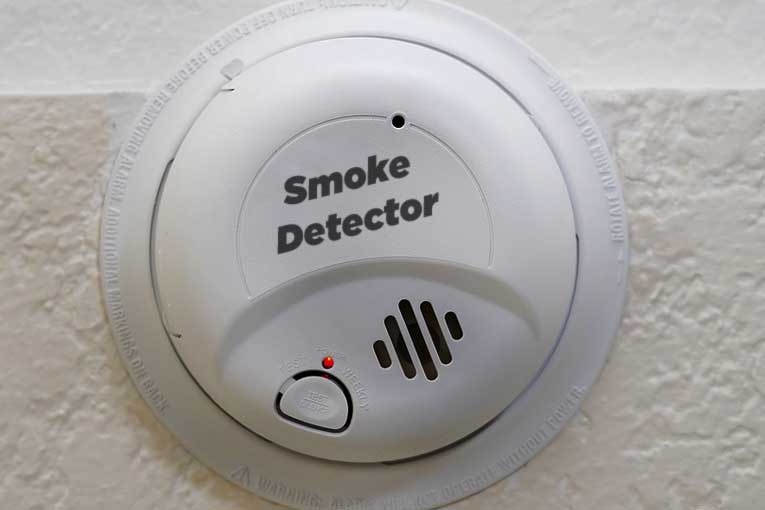
There is 4 different smoke detector types
There are 4 different smoke detector types

You might wonder why there’s a need for different smoke detector types. 

The answer lies in the varying natures of fires. 

Some fires produce different types of smoke and heat, making it essential to have varied smoke detector types that sense these differences. 

By having multiple types, you’re ensuring a higher chance of early detection regardless of the fire’s origin.

Ionisation Smoke Detector

Ionisation smoke detectors operate on the principle of ionising radiation, utilising a small, controlled amount of radioactive material, often americium-241. 

This material emits alpha particles, which ionise the surrounding air molecules in a small chamber inside the detector. 

This ionisation process creates a stable electric current within the chamber.

When smoke particles enter the detector due to a nearby fire, they interfere with the electric current. 

The presence of smoke disrupts the ions’ flow, causing fluctuations in the electric current. 

This disruption triggers the alarm, indicating the potential presence of a fire.

Advantages of Ionisation Smoke Detectors

Swift Detection of Fast Fires

Ionisation detectors excel in swiftly detecting fast, flaming fires. 

Fires that rapidly consume combustible materials produce fewer large smoke particles and more small, invisible particles. 

Ionisation detectors are highly sensitive to these smaller particles, ensuring prompt detection and alerting occupants promptly.

Cost-Effectiveness

Ionisation detectors are generally cost-effective, making them accessible for residential and commercial use. 

Their affordability allows for widespread adoption, enhancing overall fire safety in various settings.

Commonly Used in Living Spaces

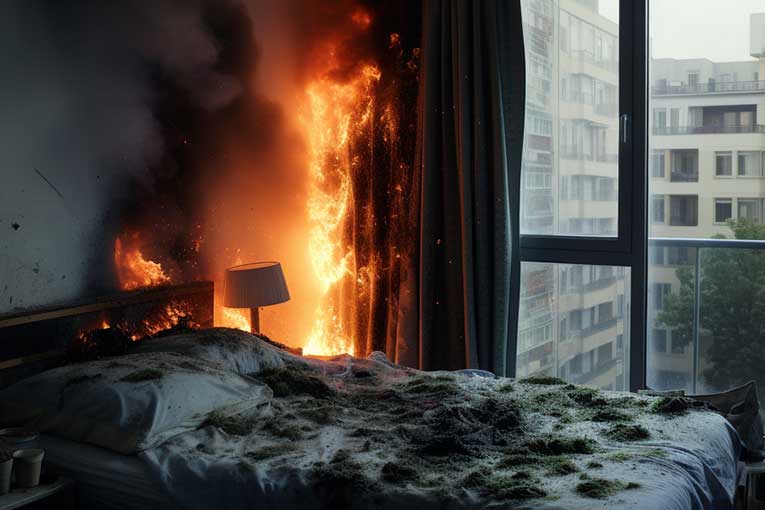
different smoke detector types in the bedroom
Ionisation smoke detectors are better in living spaces such as the bedroom

These detectors one of the most common smoke detector types in living rooms, bedrooms, and hallways, where typical combustible materials like fabrics and paper are present. 

Their ability to quickly detect fast-burning fires makes them valuable in spaces with these materials.

Disadvantages of Ionisation Smoke Detectors

Limited Sensitivity to Slow Fires

Ionisation detectors might not be as sensitive to slow-burning fires, such as smouldering electrical fires

In scenarios where the fire generates more significant smoke before escalating, ionisation detectors might not provide as early a warning as desired.

Potential False Alarms

In areas like kitchens, where cooking activities can produce steam or minor smoke, ionisation detectors are prone to false alarms

This limitation requires careful placement to avoid unnecessary disruptions.

Radioactive Material Concerns

While the radioactive material used is minimal and safely enclosed, some individuals might have concerns about the presence of any radioactive substance within their homes, even in minute quantities.

Heat Smoke Detector

Unlike traditional smoke detectors, heat smoke detectors operate on a different principle. 

Instead of sensing smoke particles, they respond to temperature changes. 

Inside a heat detector, there’s a thermal sensor or a thermistor that continuously monitors the surrounding temperature. 

When a significant and sudden rise in temperature occurs, indicating the presence of a fire, the heat detector triggers the alarm.

Advantages of Heat Smoke Detectors

Specific Response

Heat detectors respond only to significant temperature increases, making them immune to smoke, steam, or minor heat fluctuations. 

This specificity makes them ideal for places like kitchens, garages, or workshops, where false alarms from cooking activities or exhaust fumes can be common with traditional smoke detectors.

Reliability in Harsh Environments

Heat detectors are highly reliable in harsh environments where smoke detectors might malfunction. 

Areas with high dust, moisture, or drastic temperature changes, which could interfere with the operation of traditional smoke detectors, make heat smoke detectors the prime choice for smoke detector types in these conditions.

Complementary Protection

They provide an additional layer of safety when used alongside traditional smoke detectors. 

By detecting temperature changes, they offer a backup alarm system, ensuring that fires are detected even if smoke detectors fail to respond due to specific conditions.

Disadvantages of Heat Smoke Detectors

Lack of Early Warning

Heat detectors do not offer early warning signs of a fire

They respond only when a fire has already generated a substantial amount of heat. 

This delay in detection can be a disadvantage, especially in situations where early detection is critical for evacuation and fire control.

Not Suitable for All Areas

While excellent for specific environments, heat detectors are not suitable for areas where early detection of smouldering fires or small flames is essential, such as bedrooms or living rooms. 

In these spaces, smoke detectors are more appropriate.

Limited Applicability

Heat detectors are specialised devices suited for specific situations. 

They cannot replace the versatility and broad application of smoke detectors, making them a supplementary rather than a primary fire detection method.

Optical Smoke Detector

Optical smoke detectors, often referred to as photoelectric smoke detectors, rely on a straightforward yet ingenious mechanism. 

Inside the detector, there’s a light source, typically an LED, and a light sensor. 

The chamber between these components is designed to be free of smoke under normal conditions. 

When smoke particles enter this chamber, they scatter the light, causing it to hit the sensor. This interruption triggers the alarm, indicating the presence of smoke.

Advantages of Optical Smoke Detectors

Early Detection of Smouldering Fires

Optical smoke detectors excel in detecting slow-burning, smouldering fires, which often produce more smoke than flames. 

This early detection capability is crucial for timely evacuation and fire control, making them ideal for bedrooms, living rooms, and other areas where people might be asleep or unaware of a fire’s initial stages.

Reduced False Alarms

Optical detectors are less sensitive to minute particles and minor heat fluctuations, reducing the likelihood of false alarms caused by cooking activities or steam. 

This specificity ensures reliable detection without unnecessary interruptions, making them suitable for residential spaces where false alarms can be disruptive and concerning.

Suitable for Residential Spaces

Due to their ability to detect slow-burning fires and their reduced sensitivity to common household disturbances, optical smoke detectors are widely used in homes. 

They provide reliable fire detection while minimising the inconvenience of false alarms, ensuring the safety of occupants without causing unnecessary panic.

Disadvantages of Optical Smoke Detectors

Slower Response to Fast Flames

Optical smoke detectors may respond slightly slower to fast, flaming fires compared to ionisation detectors. 

While they are excellent for smouldering fires, their response time might be marginally delayed in situations where rapid flame detection is crucial.

Limited Sensitivity to Certain Particles

While reduced sensitivity is an advantage for preventing false alarms, it can also mean that in certain conditions, such as detecting very fine smoke particles, optical detectors might take longer to activate, potentially delaying the alarm in specific fire scenarios.

Not Universal for All Fire Types

Optical detectors are highly effective for specific fire types, but no single type of detector is universally perfect for all situations. 

For comprehensive fire protection, a combination of different types of smoke detectors might be necessary to cover various fire behaviours.

Combination Smoke Detector

Combination smoke detectors revolutionise fire safety by integrating multiple sensor technologies within a single unit. 

One common combination involves merging ionisation and optical sensors. 

The ionisation sensor excels in detecting fast, flaming fires, while the optical sensor specialises in recognizing slow, smouldering fires. 

By combining these sensors, the detector can swiftly identify a broad range of fire types. 

When smoke particles disrupt either sensor, the alarm is triggered, ensuring rapid response regardless of the fire’s nature.

Advantages of Combination Smoke Detectors

Comprehensive Fire Detection

The primary advantage of combination smoke detectors is their ability to detect various fire types

By integrating different sensor technologies, they provide comprehensive coverage, ensuring early detection of both fast and slow-burning fires. 

This versatility makes them highly effective in diverse environments.

Reduced False Alarms

Combination detectors leverage the strengths of different sensors, making them less prone to false alarms triggered by common household activities like cooking. 

Their enhanced specificity ensures that alarms are only activated when genuine fire threats are detected, minimising unnecessary interruptions.

Versatility for Different Environments

Combination detectors are versatile and adaptable, making them suitable for various settings. 

They are commonly used in homes, where different fire scenarios can arise, ensuring that residents are safeguarded from a wide range of potential threats.

Disadvantages of Combination Smoke Detectors

Complexity in Maintenance

Due to their multifaceted design, combination smoke detectors can be more complex to maintain and troubleshoot. 

If one sensor malfunctions, diagnosing the issue might require specialised knowledge, potentially leading to challenges in repairs or replacements.

Higher Initial Cost

Combination detectors, equipped with advanced sensor technologies, often come at a higher initial cost compared to single-sensor counterparts. 

While the investment provides comprehensive fire protection, it’s crucial for consumers to weigh this against their specific safety needs and budget constraints.

Power Consumption

Combination detectors, due to their dual-sensor configuration, might consume slightly more power than single-sensor models. 

While the difference is usually minimal, it’s essential to consider power efficiency, especially in areas where battery life is a critical concern.

Which Smoke Detector Type Should You Use?

A kitchen to show different smoke detector types
Different smoke detector types are required in certain rooms, such as the kitchen

Selecting the appropriate smoke detector for your home involves thoughtful consideration of its layout, the activities conducted in different areas, and the potential fire risks unique to each space. 

Here’s a detailed guide to help you make an informed choice:

Kitchen and Cooking Areas

Best Choice: Heat Detector

Kitchens are prone to false alarms due to cooking activities. 

Heat detectors, which respond to a rise in temperature rather than smoke, are ideal here. 

They won’t trigger unnecessarily due to cooking fumes or burnt toast, ensuring reliable performance in this high-risk zone.

Bedrooms and Living Spaces

Best Choice: Optical Smoke Detector

Bedrooms and living rooms often experience slow-burning fires, such as those caused by faulty wiring or smouldering fabrics. 

Optical smoke detectors, sensitive to the visible smoke particles in slow-burning fires, are well-suited for these areas. 

They offer reliable performance and are less prone to false alarms caused by common household activities.

Hallways and General Areas

Recommended Choice: Combination Smoke Detector (Ionization + Optical)

Hallways and general areas can experience a variety of fire scenarios. 

A combination smoke detector, integrating both ionisation and optical sensors, ensures comprehensive coverage. 

These detectors can quickly detect both fast, flaming fires and slow, smouldering fires, making them ideal for spaces where diverse fire risks exist.

Entertainment or Workshop Spaces

Best Choice: Combination Smoke Detector (Ionization + Heat)

Spaces like entertainment rooms or workshops might have a mix of fast-burning materials and potential heat sources. 

A combination smoke detector that combines ionisation for fast fires and heat detection for abrupt temperature changes provides effective protection in these environments.

Strategic Placement for Enhanced Protection

Beyond selecting the right type of smoke detector for specific areas, strategic placement is vital for maximum effectiveness:

Install smoke detectors in every bedroom, outside each sleeping area, and on every level of the home.

Place detectors high on walls or ceilings as smoke rises.

Avoid placing detectors near windows, doors, or ducts where drafts might interfere with their operation.

Regularly test smoke detectors to ensure functionality.

By tailoring your choice of smoke detectors based on the unique needs of each space and strategically placing them throughout your home, you create a comprehensive safety net against potential fire threats. 

Remember, a well-planned smoke detector setup can significantly enhance your home’s overall safety and provide invaluable peace of mind.

Conclusion

Understanding the nuances of all smoke detector types is paramount. 

By tailoring your choice to the specific requirements of different areas in your home, you’re ensuring a robust safety net against potential fires. 

Remember, the best protection comes from a combination of these detectors, strategically placed to detect various types of fires promptly. 

Investing in the right smoke detector types is not just about adhering to safety regulations; it’s a proactive step towards safeguarding what matters most – your family and home.

Thermal Runaway in Batteries – What are the Dangers?

Over the past decade, batteries have quietly become the unsung heroes that power our daily lives. 

From the smartphones that keep us connected to the electric vehicles revolutionising our commutes, batteries play an integral role in our modern existence. 

Yet, as our appetite for high-performance batteries grows, so does the threat of a potentially catastrophic danger: thermal runaway.

It’s a term that’s often shrouded in mystery for many, but its implications are profound. 

When thermal runaway takes hold, it can transform a seemingly harmless battery into a ticking time bomb, capable of causing fires, explosions, and substantial damage to property and life.

In this article, we will shine a light on the shadowy realm of thermal runaway in batteries. 

We’ll dissect what it is, unravel the intricate web of dangers it weaves, dissect the main culprits behind its occurrence, and, most importantly, arm you with the knowledge to prevent it. 

As we journey through the world of batteries, we’ll equip you with insights and strategies to ensure that these energy storage devices remain the trusted servants they are meant to be, rather than becoming potential hazards. 

What is Thermal Runaway in Batteries?

Thermal runaway in batteries is an intricate and potentially catastrophic chain reaction, rooted in the physics and chemistry of these energy storage devices. 

It’s a phenomenon that occurs when a battery experiences an overheat, causing a domino effect of events within its confines.

Thermal runaway can happen from overheating

At the heart of thermal runaway lies a crucial factor: temperature. 

Batteries are designed to operate within a specific temperature range. 

When this equilibrium is disrupted trouble begins to brew.

As the battery’s temperature starts to rise, it initiates chemical reactions within its cells that generate heat and energy. 

These reactions, usually tightly controlled during normal battery operation, become increasingly exothermic as temperatures climb. 

In other words, they start producing more heat than they release under normal circumstances.

This excess heat further accelerates the chemical reactions, akin to throwing fuel onto a fire. 

As the heat and energy production surge, the temperature inside the battery spikes uncontrollably. 

It’s a self-sustaining cycle, akin to a snowball rolling downhill, picking up speed and mass as it goes.

As the battery’s temperature surges beyond critical levels, its components can undergo significant structural changes. 

The electrolyte, which typically serves as a benign mediator of ions between the battery’s anode and cathode, can break down into volatile compounds. 

This breakdown releases gases that can lead to internal pressure buildup. The battery may swell or vent these gases in an attempt to release the mounting pressure.

In extreme cases, this pressure release can lead to a battery rupture or even an explosion. 

More often, it results in the battery catching fire, creating a hazardous and difficult-to-control situation. 

The outcome is a devastating release of thermal energy that can cause significant damage to property and pose grave risks to human safety.

What are the Dangers of Thermal Runaway?

The dangers associated with thermal runaway in batteries are multifaceted and far-reaching, encompassing a spectrum of immediate and long-term risks. 

Understanding these perils is essential in appreciating the gravity of this danger:

Fire Hazard

Perhaps the most immediate and palpable peril is the propensity for thermal runaway to cause fires

As the battery’s temperature skyrockets and chemical reactions spiral out of control, it generates intense heat. 

This heat can readily ignite flammable materials within or around the battery. 

In enclosed spaces or environments where combustible materials are present, such as homes or vehicles, the consequences can be catastrophic. 

With the rise in E-bike fires, it’s more of a concern than ever. 

Thermal runaway can cause fire and explosions

Explosions

In the most severe instances of thermal runaway, the battery may undergo catastrophic failure, leading to explosions. 

The relentless buildup of pressure from the release of gases within the battery can exceed the structural integrity of its enclosure. 

The resultant explosion can send debris flying and create shockwaves, posing grave risks to anyone in proximity. 

These explosions can also exacerbate fires or lead to secondary explosions of nearby objects, amplifying the overall threat.

Toxic Gas Emissions

Certain types of batteries, such as lithium-ion batteries, have the potential to release toxic gases when subjected to thermal runaway. 

These gases, which may include carbon monoxide and hydrogen fluoride, can be harmful to human health when inhaled. 

Exposure to these toxic fumes can lead to respiratory distress, poisoning, or other severe health consequences, particularly in situations where adequate ventilation is lacking.

Property Damage

Thermal runaway events have the capacity to cause extensive property damage, especially in cases where fires or explosions occur indoors. 

The combination of intense heat, flames, and toxic emissions can wreak havoc on structures and belongings. 

Not only does this result in significant financial losses, but it can also ruin lives.

Environmental Impact

Beyond immediate safety concerns, thermal runaway poses environmental threats. 

Batteries contain a variety of chemicals and materials that can be harmful to the ecosystem. 

Improper disposal of batteries that have experienced thermal runaway can lead to contamination of soil, water, and air. 

The leaching of hazardous substances can have lasting ecological consequences, affecting wildlife and vegetation in the vicinity.

The dangers associated with thermal runaway are not confined to a single aspect; rather, they encompass a complex web of risks that can have dire consequences for individuals, property, and the environment. 

Addressing these perils necessitates a multifaceted approach that includes prevention, mitigation, and appropriate responses to thermal runaway events.

What are the Main Causes of Thermal Runaway?

Understanding the main causes of thermal runaway in batteries is essential for both safety and prevention. 

Overcharging

Overcharging occurs when a battery receives more electrical energy than it can safely store, which can be a major issue with regards to electric vehicle fires

This excess energy leads to an increase in temperature, which can trigger thermal runaway. 

Thermal Runaway can happen from overcharging

Modern batteries often incorporate protective measures like built-in voltage regulators or charge controllers to prevent overcharging. 

These mechanisms help ensure that the battery doesn’t receive excessive energy during charging.

External Heat

Batteries exposed to elevated temperatures from external sources are at risk of overheating. 

High ambient temperatures can cause chemical reactions within the battery to accelerate, leading to thermal runaway. 

It’s crucial to avoid leaving batteries in direct sunlight, hot vehicles, or other environments with extreme heat to mitigate this risk.

Physical Damage

Physical damage to a battery can compromise its internal structure and safety mechanisms. 

Even minor punctures or dents can create pathways for internal components to come into contact, potentially leading to short circuits and thermal runaway. 

Proper handling and storage of batteries are vital to prevent physical damage.

Manufacturing Defects

Poorly manufactured batteries can have internal defects that make them prone to thermal runaway. 

These defects may include subpar assembly, improper sealing, or flaws in the battery’s internal components. 

Quality control during battery production is essential to detect and prevent such defects.

Short Circuits

A short circuit represents a direct pathway for the rapid discharge of electrical energy within a battery. 

This discharge generates heat, which can contribute to thermal runaway. 

Short circuits can occur due to various factors, including internal defects, physical damage, or contaminants within the battery.

Contamination

Contaminants that infiltrate a battery can disrupt its chemical reactions, leading to thermal runaway. 

Contaminants might include foreign materials or impurities introduced during manufacturing or as a result of exposure to external elements. 

Ensuring that batteries remain free from contamination is crucial for their safe operation.

Thermal runaway in batteries is a complex process that can result from a combination of factors. 

Mitigating this risk involves proper battery management, including avoiding overcharging, protecting batteries from external heat sources, preventing physical damage, and maintaining stringent quality control in battery production. 

Additionally, user awareness and responsible disposal of old or damaged batteries contribute to overall safety. 

Recognizing and addressing these causes are essential steps in minimising the potential dangers associated with thermal runaway in batteries.

How can Thermal Runaway be Prevented?

Preventing thermal runaway in batteries is a matter of paramount importance to ensure the safety of individuals and property.

Battery Management Systems (BMS)

Advanced battery management systems technology is a cornerstone of preventing thermal runaway. 

These systems continuously monitor various battery parameters, including voltage, current, and, crucially, temperature. 

If the BMS detects that the battery is operating outside safe temperature limits or is at risk of overcharging or over-discharging, it can take corrective actions. 

These may include adjusting the charging rate, shutting down charging, or even disconnecting the battery from the system to prevent further temperature escalation.

Proper Charging

One of the most effective ways to prevent thermal runaway is to follow the manufacturer’s charging guidelines diligently. 

Overcharging a battery forces excess energy into it, increasing the risk of overheating. 

By adhering to recommended charging practices, you help maintain the battery within safe operating conditions.

Temperature Management

Batteries should be operated and stored within their specified temperature ranges. 

Extreme heat can accelerate internal chemical reactions, while extreme cold can reduce a battery’s efficiency. 

Ensuring that batteries are not exposed to temperatures outside these limits helps prevent thermal runaway.

Physical Protection

Physical damage to batteries, such as punctures or impacts, can create internal short circuits and lead to thermal runaway. 

Handling batteries with care and protecting them from physical harm is essential. This includes proper packaging during transport and storage.

Quality Assurance

Choosing batteries from reputable manufacturers with stringent quality control measures reduces the risk of using batteries with manufacturing defects. 

High-quality batteries are more likely to adhere to safety standards and are less prone to internal flaws that could lead to thermal runaway.

Avoid Contaminants

Contaminants within a battery can disrupt its chemical reactions and increase the risk of thermal runaway. 

To prevent this, batteries should be kept clean and protected from foreign substances that might infiltrate their internal components.

Safe Disposal

When it’s time to dispose of batteries, follow local regulations and guidelines for proper disposal methods. 

Recycling or disposing of batteries correctly not only prevents environmental contamination but also reduces the risk of mishandling that could lead to thermal runaway.

Conclusion

While batteries have revolutionised the way we power our devices and vehicles, they are not without risks. 

Thermal runaway in batteries is a serious issue that can lead to fires, explosions, and environmental damage. 

Understanding the dangers, causes, and prevention methods associated with thermal runaway is essential for safely harnessing the power of batteries in our modern world and helping with the future of fire safety

By following best practices and being aware of the risks, we can continue to benefit from the convenience and efficiency that batteries provide while minimising potential hazards.

What are the 6 Classes of Fire?

Contrary to certain assumptions, not every fire is the same.

Indeed, there are different types of fire, each with varying hazards.

As a result, it’s prudent to be aware of the different classes of fires to avoid using the wrong type of fire extinguisher if an incident were to occur.

There are six classes of fire, as we explore further hereunder.

Class A: Combustible Materials

Class A Fire
Class A Fire combustible material. Image credit: Pixabay

Class A fires are those which involve solid combustibles.

It could be anything from furniture to fixtures and fittings, paper, cardboard, or even the structure of a building.

If any type of solid material is burning, it’s said to be a Class A fire.

It’s one of the most common types of fires, as well as one which is relatively hard to extinguish.

How to Extinguish Class A Fires

In order to put out a Class A fire, you should ideally use water and foam extinguishers.

Water is the most common type of fire extinguisher as it can handle most fires that involve solids.

However it’s critical to bear in mind that since water is a conductor, it should not be used near any electrical equipment.

One may also use power and wet chemical fire extinguishers for a Class A fire, however the former are more suited.

Class B: Flammable Liquids

Class B Fire
Class B Fire combustible material. Image credit: Unsplash

Class B fires are those which involve liquid combustibles.

Unfortunately there’s all kinds of liquids as well as chemicals used in buildings, warehouses and workplaces, and a high number of them are flammable or explosive.

Some examples include paints, adhesives, inks, fuels and solvents.

As a result, many Class B fires tend to occur in workplaces and they can be extremely dangerous. 

It’s imperative to be aware of the types of flammable liquids that are present or used, and ideally carry out a COSHH assessment.

Such assessments are legally required when there are hazardous substances.

Safe storage of such substances is critical, and they should be placed as far away as possible from any sources of ignition.

They should also be stored in suitable containers and be clearly labeled. 

How to Extinguish Class B Fires

Class B fires should be put out by means of foam or powder extinguishers.

These are the best types of extinguishers in the case of such fires, but CO2 extinguishers can also be used even though they have limited suitability.

Class C: Flammable Gasses

Class C Fire
Class C Fire combustible material. Image credit: Unsplash

Natural gas and LPG are examples of flammable gasses.

Fires involving such gasses are classified as Class C fires.

It’s crucial to keep gasses in sealed containers in a storage area which is safe.

How to Extinguish Class C Fires

In the case of a Class C fire, it’s first of paramount importance to shut off the gas supply. 

Then, one should use a dry powder fire extinguisher to put out the fire.

Class D: Metals

Class D Fire
Class D Fire combustible material. Image credit: Pexels

Some types of metal, like sodium for example, are combustible.

Metals help fires to spread as they are good conductors.

And since metals will soften up and start melting when exposed to high temperatures, metal joists and columns could lead to a building to collapse when there’s a fire.

How to Extinguish Class D Fires

First of all, it’s important to point out that water can act as an accelerant on fires involving metals.

Hence it’s crucial to avoid using a common water extinguisher if you’re dealing with a Class D fire.

It’s recommended to use dry powder extinguishers in such cases.

In the case of a small fire, one can also use sand or dry earth to smother it.

Class E: Electrical

Class E Fire
Class E Fires are started by electrical faults. Image source: Shutterstock

Electrical fires are not assigned a full class since they can fall into different classifications. 

Hence Class E is not strictly a class as electricity is essentially a source of ignition.

How to Extinguish Class E Fires

In the case of electrical fires, it’s crucial not to use any water.

The best type of fire extinguisher to use on such a fire is the CO2 extinguisher.

One may also use dry powder extinguishers which may still be effective in the case of low voltage.

If possible, always turn off the power supply when tackling such a fire.

Class F: Cooking Oil & Fats

Class F Fire
Class F Fire combustible material. Image source: Shutterstock

When cooking oil, deep fat frying and spills of flammable oils are close to heat sources a Class F fire can arise.

This is a fire which is common in commercial kitchens, but it can also occur in residential homes

It’s important to avoid leaving any frying equipment unattended while it’s being used.

Class F fires are quite hard to extinguish due to the heat from the oil.

Also, should the wrong type of extinguisher be used, it can lead to the fire spreading easily.

How to Extinguish Class F Fires

Class F fires should be put out using wet chemical  extinguishers.

This is the only type of extinguisher that is approved for use on cooking oils and fats. 

A fire blanket can be effective if the fire is small.

Different Types of Fire Extinguishers

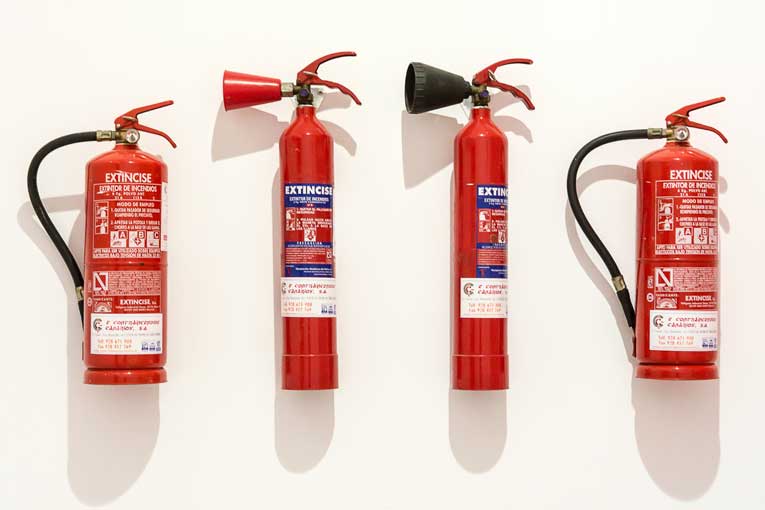
Wall Mounted Fire Extinguishers
Wall Mounted Fire Extinguishers. Image credit: Pexels

By now you should have a better understanding of the different classes of fires that require certain fire extinguishers to be extinguished.

The following is a complete list of the various fire extinguishers that exist.

Water (Class A)

A water based fire extinguisher is used when there are Class A fires involving combustible materials.

Most premises are required to have this type of fire extinguisher and hence you will typically find it in offices, hospitals and schools.

Foam (Class A & B)

In the case of a Class A or B fire, a foam fire extinguisher is recommended.

This type of extinguisher will perform a cooling function, thereby smothering the burning materials.

The foam will then help to prevent the fire from reigniting.

This type of extinguisher should never be used when there is an electrical source or a kitchen fire. 

Powder (Class A, B, C & E)

Dry powder fire extinguishers are very versatile and suitable for different classes of fires, including those involving combustible materials, flammable liquids and gasses.

In fact they are sometimes referred to as ABC extinguishers. 

A powder extinguisher will smother the fire by producing a thick barrier which will stop the fuel from being exposed to oxygen.

Such an extinguisher should not be used in confined spaces since the powder can be inhaled. 

It also leaves a residue which is quite difficult to clean up.

These types of extinguishers are often found in commercial workspaces, especially those where welding is involved, and boiler rooms.

CO2 (Class B & E)

A CO2 extinguisher contains carbon dioxide.

It suffocates the fire as it transfers the oxygen which would otherwise be used for burning. 

This type of extinguisher is suitable for Class B and E fires, that is those involving flammable liquids or electrical fires.

L2 (Class D)

L2 Dry powder fire extinguishers are ideal for Class D fires, that is those involving metals.

Wet Chemical (Class A & F)

Wet chemical fire extinguishers are to be used in the case of Class F fires where cooking oils and fats are present.

They can also be used for Class A fires.

They are thus a must have in commercial kitchens and canteens.

This fire extinguisher will create a layer of foam on the oil or fat that is burning, and so no more oxygen can reach the fire, thereby extinguishing it.

MultiCHEM (Class A, B & F)

MultiCHEM fire extinguishers are ABF-rated.

They are ideal for fires involving flammable liquids, even in cases when there are large quantities of fuel, or a large surface area.

It’s also suitable for deep fat fryer fires

Water Mist (Class A & F)

Water mist extinguishers are suitable for Class A and F fires, and so they are commonly found in various settings.

They work by producing a mist, which cools down the fire and also cuts off the oxygen supply.

Conclusion 

A basic understanding of different classes of fires and the most suitable fire suppression to be used is important for fire safety.

We hope that now you have a clearer understanding of the various classes of fires and which fire extinguisher/s to invest in to be well prepared in case a fire broke out.

Why is PPE Important?

In every workplace, safety should be the top priority for both employers and employees.

Ensuring a safe and secure working environment not only protects the well-being of workers but also helps to increase productivity and overall organisational success. 

One crucial aspect of achieving workplace safety is the use of Personal Protective Equipment, commonly known as PPE

PPE refers to a diverse range of specialised gear designed to shield workers from various workplace hazards, such as chemical exposure, physical impacts, electrical shocks, and more. 

Cloth Facemasks
PPE equipment includes respiratory protection

Throughout this article, we will delve into the different types of PPE available, explore why is PPE important and understand the benefits they offer, all while emphasising the significance of compliance in fostering a culture of safety.

Different Types of PPE

There are countless potential workplace hazards which create the need for several categories of PPE options that are tailored to provide specific protection.

There are 5 main categories:

Protective Clothing

From standard coveralls, gloves and aprons, to specialised fire-resistant or high-visibility clothing, PPE workwear and clothing items are an essential part of everyday life for many organisations.

These garments act as a robust barrier against harmful chemicals, biohazards, and other potentially hazardous substances.

Eye Protection

Safety goggles, face shields, and safety glasses are important PPE items that shield the eyes from dust, debris, chemicals, and intense light. 

Doctor Wearing PPE
The right PPE has to fit for purpose for the right job

These protective gear options are especially important in the construction, manufacturing, and healthcare industries.

Respiratory Protection

Respiratory protection is essential for workers who could be exposed to airborne contaminants like dust, fumes, or gases. 

Respirators, masks, and filters ensure that the air the wearer breathes in is free from harmful particles, safeguarding their respiratory health.

Hearing Protection

Hearing protection, such as earplugs and earmuffs, is vital for employees working in noisy environments, as prolonged exposure to high levels of noise can lead to hearing damage or loss.

Head Protection

Head protection, most often hard hats, serves as a primary defence against head injuries resulting from falling objects or accidental collisions on construction sites or other hazardous workplaces.

Why is PPE Important in the Workplace?

PPE is an individual’s first line of defence against a wide range of workplace accidents, injuries and illnesses. 

Wearing and utilising the correct PPE significantly reduces the risk of severe injuries and long-term health issues caused by exposure to various hazards.

PPE provides an additional layer of safety, offering protection even in circumstances where other safety measures might fall short.

The proper use of PPE can give workers confidence, empowering them to carry out their duties effectively, knowing they have reliable protection against potential harm. 

This sense of security fosters a safer work culture, and can even boost employee morale and motivation.

As well as this, strict adherence to PPE guidelines showcases an employer’s commitment to their employees’ well-being and safety. 

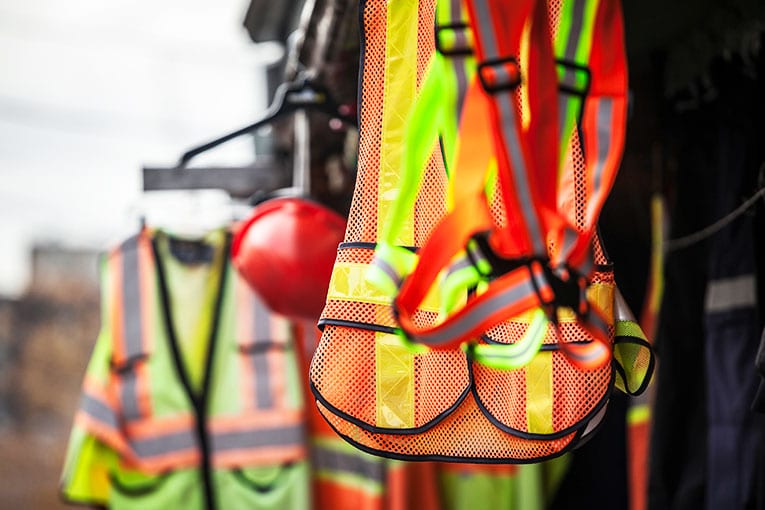
High Vis PPE
PPE is vital for safety in the workplace

As such, a proactive approach to safety can enhance the company’s reputation and contribute to improved employee loyalty and retention.

PPE is especially important in high-risk industries such as construction, manufacturing, healthcare, and laboratories, where exposure to hazardous substances and potential accidents is much more prevalent.

The use of PPE ensures the continuity of business operations by minimising work disruptions due to accidents or illnesses. 

When workers remain safe and healthy, absenteeism decreases, leading to enhanced productivity and reduced downtime.

What are the Benefits of Wearing PPE?

Using PPE offers a multitude of benefits for both employers and employees alike. 

Reduces Risk of Injury or Illness

Using the correct PPE significantly lowers the risk of injury or illness, and prevents a wide range of accidents, from minor incidents to life-altering mishaps. 

For instance, using appropriate gloves when handling hazardous chemicals can prevent skin irritation or burns.

Enhances Overall Workplace Safety

PPE can enhance overall workplace safety, and lead to fewer accidents and injuries. 

A safe work environment instils a sense of confidence and well-being in employees, leading to improved job satisfaction and reduced stress.

Reduces Medical Expenses & Insurance Costs

By preventing accidents and illnesses, PPE can lead to reduced medical expenses and insurance costs for businesses. 

Fewer accidents result in fewer worker compensation claims, saving both time and financial resources.

Fosters Positive Work Environment

Prioritising creating a safe workplace fosters a positive work environment, promoting teamwork and trust among employees. 

As a result, workers are more likely to feel valued and loyal to their employer, contributing to higher employee retention rates and increased productivity.

Enhances Compliance

In addition to the immediate benefits of PPE, employers also benefit from enhanced compliance with safety regulations and standards when they supply their workers with the correct PPE. 

Adherence to safety guidelines helps businesses avoid penalties and fines from regulatory bodies and creates a more positive image for the company.

Attracts Potential Clients & Investors

A good safety record can also attract potential clients and investors, who recognise the company’s commitment to responsible business practices. 

A positive reputation for safety can give a competitive edge to the business, making it an attractive choice for clients and investors.

Longer Term Financial Savings

By investing in PPE and prioritising safety, companies can reduce the costs associated with accidents and injuries, leading to long-term financial savings and increased profitability.

What Can Be Done to Ensure Correct Use of PPE?

Thank You Sign
Positive Signage Encourages Compliance. Image credit: Pixabay

Ensuring the proper use of PPE requires a comprehensive approach that involves employees, employers, and the organisational culture. 

Training and education are the cornerstones of proper PPE implementation. 

All employees must be trained on the potential hazards in their workplace, the appropriate PPE for each task, as well as the correct way to wear and maintain their equipment. 

Here are some ways you can ensure that PPE is used correctly within your organisation:

Provide Easy Access to the Correct PPE

Ensure that it fits well and is comfortable for the workers.

One-size-fits-all approaches may not be suitable for all employees, so it is vital to offer a range of sizes and styles to accommodate individual needs.

Regularly Inspect PPE

Identify any defects or signs of wear and tear, so that damaged or outdated equipment can be replaced.

Get Supervisors to Enforce PPE Usage

Management should lead by example, consistently wearing PPE, and address any non-compliance promptly.

Recognising and rewarding employees who consistently use PPE can also boost compliance.

Create an Open Communication Culture

Encourage open dialogue to foster compliance with PPE guidelines.

Employees should feel comfortable expressing their safety concerns and providing feedback on PPE usage and any challenges they may face.

Host Regular Safety Meetings

Organise regular huddles and staff meetings where PPE usage is discussed.

This provides an opportunity to address any issues and find practical solutions collaboratively.

Promote the Importance of PPE

Create and display safety campaigns and posters as reminders in prominent areas of the workplace.

Periodic PPE Policy & Practice Evaluation

This ensures they remain up-to-date and effective.

As workplaces evolve, so do the potential hazards, and adjustments to PPE guidelines may be necessary to keep workers protected.

Conclusion

Personal Protective Equipment (PPE) plays a pivotal role in safeguarding employee from workplace hazards.

Hopefully from this article you have gained an answer to the question of why is PPE important.

The diverse range of PPE options, from protective clothing to eye, respiratory, hearing, and head protection, ensures a comprehensive defence against potential accidents and illnesses when implemented and used correctly.

Using PPE is not only vital for protecting individual workers but it can also contribute to a safer work environment overall. 

The benefits of proper PPE implementation are manifold, ranging from reduced injury rates and medical expenses to improved employee morale and enhanced productivity.

The key to effective PPE usage lies in comprehensive training, easy access to equipment, regular inspections, and a culture that prioritises safety. 

Employers, employees, and organisational leaders must work together to foster a safety-first mindset.

Where are Fire Doors Required & Why Are They Needed?

One of the most common questions with regards to fire safety is where are fire doors required?

Fire safety is of paramount importance in any building or structure, and fire doors are an integral part of ensuring the safety and protection of occupants and property during a fire emergency. 

These specialised doors are meticulously engineered to serve as barriers against the rapid spread of fire, smoke, and toxic gases, effectively compartmentalising the building and providing valuable time for evacuation and firefighting efforts. 

In this article we will answer questions such as where are fire doors required, why fire doors are needed, what materials are used in their construction, what regulations that govern their installation, what safety checks are needed to maintain their functionality and what their cost implications are.

Where are Fire Doors Required?

Where fire doors are required is one of the most common questions raised by new business owners.

They are required by law in all properties that are for business or non-domestic usage.

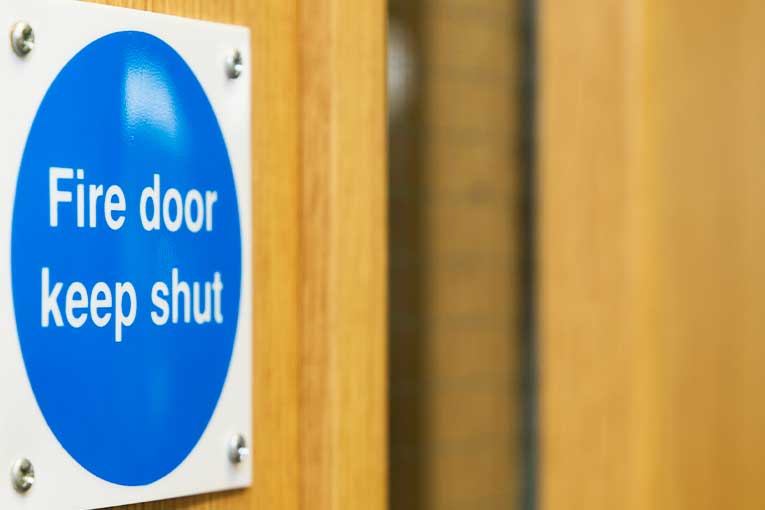
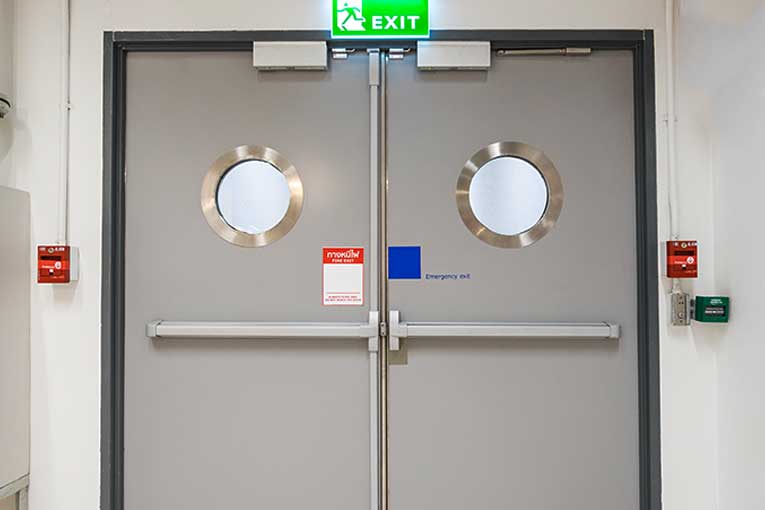
Close up of a fire door
Fire doors are vital for fire safety

Fire doors play an essential role in various settings to enhance fire safety and protect occupants from the dangers of fire incidents. 

They are strategically installed in a wide range of locations, including commercial buildings, residential buildings, industrial facilities, educational institutions, and healthcare facilities.

Commercial Buildings

Fire doors serve a critical role in securing escape routes during a fire emergency, providing occupants with a clear and safe path to evacuate the building. 

In various commercial settings, such as offices, hotels, restaurants, and shops, fire doors are essential for ensuring the safety of employees, customers, and visitors. 

These doors compartmentalise the building, containing the fire and allowing occupants to safely exit.

Similarly, in multi-occupancy residential buildings like apartments and care homes, fire doors play a crucial role in safeguarding residents. 

By preventing the rapid spread of fire between units, fire doors provide precious time for evacuation and help minimise the impact of the fire on the entire building.

Industrial Facilities

Industrial facilities, including manufacturing plants, warehouses, and storage areas, require fire doors to protect both employees and valuable assets. 

In these settings, the risk of fire can be significant due to the presence of flammable materials and machinery.

Fire doors play a crucial role in such environments by sectioning the building. 

In the event of a fire, the fire doors act as barriers, containing the fire to a specific area and preventing its rapid spread. 

This containment allows employees to safely evacuate the affected area and seek refuge in other fire-resistant compartments until help arrives.

By containing the fire, fire doors help to minimise damage to the facility, its contents, and the surrounding areas. 

They also provide additional time for emergency responders to arrive and mitigate the situation. 

This is vital in industrial settings where a rapid and uncontrolled fire could have catastrophic consequences for both human lives and business operations.

Educational Institutions

Fire safety is a top priority in educational institutions like schools, colleges, and universities, where the safety and well-being of students, staff, and visitors are of utmost importance. 

To achieve this, fire doors are strategically installed throughout the buildings.

In educational settings, fire doors are commonly found in corridors, classrooms, and assembly areas.

Healthcare Facilities

Healthcare facilities, including hospitals and clinics, must maintain a safe environment to protect patients and staff. 

Fire doors are a critical component of fire safety in healthcare settings, ensuring that patients can be evacuated safely and that critical areas, such as operating rooms and patient wards, remain protected.

Where are Fire Doors Required in a House?

In most residential properties, fire doors are not required by law, however there are exceptions to this rule. 

If the property is 3 stories or more, for example a block of flats, then a fire door is needed on every floor where a room connects onto the stairwell.

Also, if a garage connects directly to a property with access via a door, then the door must comply with fire safety regulations.

Some property owners install fire doors where not required by law, just to increase fire safety in the property. 

If fire doors are installed in a house, then they are strategically placed in key areas to prevent fire spread:

  • Kitchen: Fire doors in the kitchen separate it from living spaces, containing potential fires.
  • Garage: Fire doors are crucial if the garage has direct access to living areas.
  • Basement: Fire doors may be necessary in the basement to protect escape routes and contain fires.

What Do Fire Doors Do?

Fire doors serve as essential components of passive fire protection measures, providing critical barriers to contain flames, smoke, and toxic gases in the event of a fire. 

When a fire occurs, the proper functioning of fire doors can significantly impact the safety of building occupants and the overall integrity of the structure.

Fire doors can help stop fire spreading to other parts of buildings

One of the primary functions of fire doors is their ability to compartmentalise a building.

When closed, fire doors form a seal between different areas of the building, preventing the rapid spread of fire and smoke to other parts of the structure. 

By containing the fire to its point of origin, fire doors effectively limit the extent of damage and provide occupants with valuable time to evacuate the building safely.

What are Fire Doors Made From?

Fire doors are made from various materials with excellent fire-resistant properties, ensuring that they can withstand high temperatures and intense heat.

Timber

Timber is a commonly used material for fire doors, valued for its aesthetic appeal and reliable fire protection. 

Solid timber fire doors offer a classic and natural look, making them a popular choice for residential and commercial buildings alike. 

Timber fire doors are available in various finishes and can be customised to complement the overall interior design of a space. 

The thickness and quality of the timber used in the door’s construction determine its fire-resistant capabilities.

Steel

Steel fire doors are another widely used type of fire door, particularly in commercial and industrial settings. 

Steel doors offer exceptional strength and durability, making them suitable for high-traffic areas and locations with more stringent security requirements. 

Steel fire doors are commonly found in industrial and commercial properties

Steel fire doors can be coated with fire-resistant materials to enhance their fire resistance, and they are often used in facilities where protection against fire and potential break-ins is paramount.

Composite

Composite fire doors are a versatile option that combines various materials to provide enhanced fire resistance and durability. 

These doors typically feature a core made from fire-resistant materials, such as mineral wool or vermiculite boards, sandwiched between layers of other materials like timber, steel, or laminate. 

The combination of different materials in composite fire doors creates a door that is both robust and capable of withstanding the effects of fire for an extended period.

What are the Regulations of Fire Doors?

Fire doors play a crucial role in fire safety, and to ensure their effectiveness, they must adhere to specific regulations and standards. 

These standards are designed to test and assess the fire resistance and integrity of fire doors, ensuring that they can withstand the impact of a fire and provide adequate protection to occupants and property.

Fire Rating

One of the essential aspects of fire door regulations is the fire rating. 

Fire doors are rated based on their ability to withstand fire for a specific duration, usually indicated as 30, 60, or 90 minutes. 

This fire rating determines how long the door can effectively contain the spread of fire, smoke, and heat, providing occupants with valuable time to evacuate safely and emergency responders to take action.

Integrity

In addition to fire resistance, fire doors must also maintain their structural integrity during a fire. 

This means that they should prevent the passage of flames and smoke, forming a barrier that can effectively contain the fire to a specific area of the building. 

The ability of fire doors to maintain their integrity is critical in preventing the rapid spread of fire, protecting other parts of the building and allowing a more controlled response to the emergency.

Self-Closing Mechanism

Another essential feature of fire doors is the self-closing mechanism. 

Fire doors should automatically close and latch when not in use, ensuring that they are ready to act as a barrier in case of a fire. 

This self-closing mechanism helps prevent the accidental propping open of fire doors, which could compromise their effectiveness during an emergency.

Labelling

To provide clear and easily accessible information, fire doors should have appropriate labelling. 

The label on a fire door typically indicates its fire rating and compliance with safety standards. 

This labelling helps building occupants and emergency responders quickly identify fire doors and understand their fire resistance capabilities.

How are Safety Checks on Fire Doors Carried Out?

A proper safety check on fire doors is essential to ensure their functionality during an emergency, and has to be done by someone trained in fire door inspections.

Here are some key steps to include in a fire door safety inspection:

Check Closers

Verify that the door closes smoothly and latches securely without any obstructions.

Proper functioning closers are crucial to ensure that the door can effectively close and seal off the area in case of a fire.

Inspect Seals

Ensure that intumescent seals around the door frame and perimeter are intact.

These seals expand when exposed to heat, creating a barrier against the spread of flames and smoke.

Examine Hinges

Check for loose or damaged hinges that could affect the door’s performance.

Hinges should be in good condition and securely attached to the door and frame.

Look for Damage

Check for any cracks, holes, or damage that may compromise the door’s integrity.

Any damage to the door can weaken its ability to withstand fire and limit its effectiveness in containing flames and smoke.

Test Latching

Confirm that the latch engages correctly with the strike plate when the door is closed.

A properly functioning latch ensures that the door remains closed and prevents the passage of smoke and flames.

Evaluate Gap Sizes

Ensure that the gaps around the door are within the specified limits.

Properly sized gaps are essential for the door’s fire resistance, as excessive gaps can allow the passage of smoke and flames.

Regular fire door inspections are critical to maintaining their effectiveness in fire safety. 

If any issues are identified during the safety check, prompt repairs or replacements should be made to ensure that the fire doors are ready to perform their vital role in protecting lives and property during a fire emergency.

Changes in Regulations

As of January 2023, there have been significant changes to the fire door inspection regulations, due to the majority of fire doors in the UK failing inspections

Previously, inspections were conducted every six months to ensure compliance with fire door rules and regulations. 

However, with the new regulations in place, there are updated inspection frequencies for different types of fire doors:

Communal Fire Doors

These will now be expected to undergo inspection every 3 months.

This increased frequency aims to enhance safety and ensure that communal areas are adequately protected.

Fire & Escape Doors (FEDs)

FEDs will be subject to inspection at least once a year.

This measure aims to maintain the integrity of escape routes and vital access points in buildings.

Fire and Escape doors need regular inspections to ensure maximum protection against fire

These changes reflect a more proactive approach to fire safety, ensuring that fire doors are regularly checked and maintained to meet the highest safety standards.

Can Fire Doors Have Windows?

Fire doors are designed with the option of including vision panels that are equipped with fire-resistant glazing. 

These vision panels offer the advantage of visibility between different areas, allowing natural light to pass through while maintaining fire safety regulations. 

High-quality fire-rated glass can withstand temperatures of up to 900 degrees Celsius, over seven times that of normal glass. 

Moreover, it can maintain its integrity for over 60 minutes, effectively preventing the fire from spreading and providing ample time for evacuation and fire personnel to respond.

By following these regulations, property owners can strike a balance between safety and functionality, providing occupants with both fire protection and the convenience of visual communication within the building.

How Much Do Fire Doors Cost?

The cost of fire doors can vary significantly depending on several factors. 

The primary determinants of the price include the material used, the fire rating of the door, its size, and any additional features it may have. 

Here are some key factors that influence the cost of fire doors:

Material

Fire doors can be made from various materials, including timber, steel, and composite materials.

Each material has different characteristics and price points, with steel doors generally being more expensive than timber doors.

Fire Rating

Fire doors are assigned specific fire ratings, indicating the duration they can withstand exposure to fire.

Doors with higher fire ratings tend to be more expensive due to their increased fire resistance capabilities.

Size

The size of the fire door is another important factor in determining its cost.

Larger doors may require more materials and hardware, resulting in a higher price.

Additional Features

Some fire doors come with additional features, such as vision panels, glazing, or special hardware.

These features can add to the overall cost of the door.

The cost of a standard fire door can vary because of these factors, with a low-end fire door being rather low cost, to the upper end coming in with a price tag in the thousands. 

However, it is essential to consider that investing in high-quality fire doors is a crucial aspect of ensuring fire safety in any building. 

Fire doors play a critical role in preventing the spread of fire and protecting lives and property. 

Therefore, it is recommended to prioritise the quality and compliance of fire doors over cost considerations to ensure the utmost safety and security in the event of a fire emergency.

Conclusion

Fire doors are indispensable components of fire safety measures, protecting lives and properties during emergencies. 

Having an answer to the question of where are fire doors required, as well as their functions, materials, regulations, and safety checks is essential for creating a secure environment. 

Whether in commercial buildings, residential properties, or industrial facilities, the proper installation and maintenance of fire doors contribute significantly to fire prevention and enhanced safety for occupants.

Fire Prevention Week – Everything You Need to Know

Fire, in all its elemental splendour, has long been a double-edged sword in human history. 

It’s been the beacon that guided our ancestors through dark nights and the hearth around which stories were spun. 

Yet, it’s also been the beast that consumed entire cities and forests, leaving destruction in its fiery wake. 

In recognising the duality of fire’s nature, we find ourselves face to face with the elemental truth: fire is a force to be reckoned with.

It’s this very duality that underscores the importance of understanding the role of fire safety in our lives. 

While fire has been instrumental in shaping our progress and culture, it has equally posed threats to our safety, often when we least expect it. 

In this delicate balance between harnessing fire’s potential and protecting ourselves from its destructive tendencies, we find the essence of Fire Prevention Week.

Fire Prevention Week stands as an annual reminder, a beacon of awareness that illuminates the path to safeguarding our homes, families, and communities from the perils of fire. 

In the following pages, we’ll delve into the heart of this vital event, exploring its significance, tracing its historical roots, and uncovering why it’s a pivotal moment on the calendar for everyone. 

So, let’s embark on this journey to unravel the essence of Fire Prevention Week and discover how it shapes our understanding of fire in the modern world.

What is Fire Prevention Week?

Fire Prevention Week is an annual event that brings together communities and organisations throughout the United States, rallying under the common banner of fire safety. 

This crucial week serves as a powerful reminder of the paramount importance of fire prevention and preparedness in our lives. 

Firemen putting out fire
Promoting fire safety helps the fire service

It’s a time when our collective focus sharpens, and we turn our attention towards understanding the hazards posed by fire and some of the most common causes of fire, and learning how to mitigate them.

Throughout the duration of Fire Prevention Week, an array of activities and educational programs are thoughtfully organised to enlighten people about the ever-present risks of fires and, most importantly, how to actively mitigate these risks. 

It’s a concerted effort to ensure that individuals, families, and communities are equipped with the knowledge and tools necessary to protect themselves and their surroundings.

These activities and programs span a wide spectrum, catering to diverse audiences. 

For instance, schools often incorporate fire safety lessons into their curricula, ensuring that young minds grasp the fundamentals of fire prevention early on. 

Fire departments and local organisations host open houses, where the public is invited to explore fire stations, interact with firefighters, and witness live demonstrations that highlight fire safety techniques.

Furthermore, many local communities conduct fire drills and evacuation exercises, enabling residents to practice their response to potential fire emergencies. 

These drills instil a sense of readiness and ensure that everyone knows how to react swiftly and effectively in the event of a fire. 

Additionally, fire safety workshops and seminars are commonly held, where experts share invaluable insights on fire prevention strategies, home fire safety, and the proper use of fire extinguishers.

The collective aim during Fire Prevention Week is to foster a culture of fire safety that transcends this specific week and becomes an integral part of our daily lives. 

It’s about ingraining the knowledge of fire risks and safety measures into our consciousness, ensuring that fire safety is not just an annual event but a lifelong commitment. 

By actively participating in the activities and programs offered during this week, individuals and communities stand better prepared to protect themselves against the devastating impact of fires.

When is Fire Prevention Week?

Fire Prevention Week is observed in the United States and Canada during the week in which October 9th falls. 

October 9th holds historical significance as it commemorates the Great Chicago Fire of 1871, one of the most devastating fires in American history. 

This tragic event serves as a stark reminder of the destructive power of fires and the need for fire prevention measures.

When is Fire Prevention Week 2023?

Fire Prevention Week is between October 8-14 in 2023. 

fireman holding fire extinguisher
Promoting fire prevention is in everyone’s best interest

What is the History of Fire Prevention Week?

The origins of Fire Prevention Week are deeply rooted in one of the most tragic and defining events in American history – The Great Chicago Fire of 1871. 

This devastating fire, which ignited on the fateful night of October 8 and continued to rage into October 9, marked a turning point in the nation’s understanding of fire safety.

The Great Chicago Fire was an inferno of unparalleled proportions. 

It consumed over 2,000 acres of land, leaving behind a trail of destruction that stretched as far as the eye could see. 

The flames roared through the city, devouring everything in their path. 

The devastation was not limited to property; it also claimed the lives of hundreds of people and displaced thousands more, rendering them homeless in its wake.

The aftermath of this catastrophic event left a profound impact on the collective consciousness of the nation. 

It served as a stark reminder of the destructive force of fire and the imperative need for comprehensive fire prevention measures.

In the wake of this tragedy, the Fire Marshals Association of North America, an organisation that later evolved into the International Fire Marshals Association, took a decisive step to honour the memory of the Great Chicago Fire. 

In 1920, they designated October 9 as National Fire Prevention Day, a solemn day to remember the fire’s victims and to reflect on the importance of fire safety.

However, recognizing that a single day of reflection and awareness was insufficient to address the magnitude of the fire safety challenge, the event was expanded.

In 1922, it was transformed into a week-long initiative, evolving into the enduring institution we now know as Fire Prevention Week. 

This extension allowed for a more comprehensive approach to fire safety education and outreach, enabling communities to delve deeper into the complexities of fire prevention.

Fire Prevention Week, with its roots firmly embedded in the lessons of the Great Chicago Fire, has since become a poignant annual tribute to the resilience of communities in the face of disaster and a platform for educating generations on the vital importance of fire safety. 

It stands as a testament to the enduring commitment to the evolution of fire safety that arose from the ashes of one of the nation’s most devastating fires.

What is the Theme of Fire Prevention Week 2023?

Each year, Fire Prevention Week has a specific theme that guides its educational efforts.

The theme for Fire Prevention Week 2023 is “Prevent Kitchen Fires.” 

a fire in a kitchen
Fire Prevention week for 2023 promotes fire safety in the kitchen

This theme emphasises the importance of fire safety in the kitchen, one of the most common types of fire, where a significant number of fires originate. 

It aims to educate people on how to prevent kitchen fires, what to do if one occurs, and how to keep their families safe.

What Were the Themes of Previous Fire Prevention Weeks?

Since its inception, Fire Prevention Week has tackled various fire safety topics, evolving to address contemporary concerns. 

Here are some recent themes and their associated messages:

2022: “Fire Won’t Wait, Plan Your Escape”

  • Theme: Focused on the importance of having an escape plan and practicing it regularly.
  • Message: Encouraged people to be proactive in fire safety by planning and rehearsing escape routes from their homes. Fire doesn’t wait, and being prepared saves lives.

2021: “Learn the Sounds of Fire Safety”

  • Theme: Emphasised understanding the different sounds of smoke and carbon monoxide alarms.
  • Message: Educated people about the significance of smoke alarms and carbon monoxide detectors in early fire detection and prevention.

2020: “Serve Up Fire Safety in the Kitchen”

  • Theme: Centred on kitchen fire safety and the prevention of cooking-related fires.
  • Message: Highlighted the importance of safe cooking practices, including attention to stovetop and oven cooking to prevent kitchen fires.

2019: “Not Every Hero Wears a Cape. Plan and Practice Your Escape!”

  • Theme: Highlighted the importance of fire escape planning.
  • Message: Encouraged families and individuals to create and practice fire escape plans for their homes. Being prepared can make a life-saving difference in emergencies.

2018: “Look. Listen. Learn. Fire Can Happen Anywhere”

  • Theme: Focused on the importance of learning fire safety in various settings.
  • Message: Urged people to understand the basics of fire safety, whether at home, work, or in public spaces.

2017: “Every Second Counts. Plan Two Ways Out”

  • Theme: Emphasised the need for multiple escape routes in case of fire.
  • Message: Encouraged households to plan not just one but two ways to exit their homes during a fire. Seconds matter in emergencies.

2016: “Don’t Wait. Check the Date. Replace Smoke Alarms Every 10 Years”

  • Theme: Highlighted the importance of regularly maintaining and replacing smoke alarms.
  • Message: Informed people about the necessity of checking the age and condition of smoke alarms and replacing them every decade for reliable fire detection.

2015: “Hear the Beep Where You Sleep. Every Bedroom Needs a Working Smoke Alarm”

  • Theme: Advocated for smoke alarms in every bedroom.
  • Message: Promoted installing smoke alarms in all sleeping areas to ensure early warning and escape in case of fire.

2014: “Working Smoke Alarms Save Lives. Test Yours Every Month”

  • Theme: Focused on the life-saving role of smoke alarms.
  • Message: Encouraged monthly testing of smoke alarms to ensure they are functioning correctly.

2013: “Prevent Kitchen Fires”

  • Theme: Centred on kitchen fire prevention.
  • Message: Raised awareness about the common causes of kitchen fires and promoted safe cooking practices.

2012: “Have 2 Ways Out”

  • Theme: Stressed the importance of having multiple exit routes.
  • Message: Reminded people that having two ways out of every room is vital for swift evacuation during a fire.

2011: “Protect Your Family From Fire”

  • Theme: Focused on overall family fire safety.
  • Message: Encouraged households to take comprehensive measures to safeguard their loved ones from fire hazards.

2010: “Smoke Alarms: A Sound You Can Live With”

  • Theme: Emphasised the importance of smoke alarms.
  • Message: Highlighted the life-saving role of smoke alarms in providing early warning of fires.

These themes illustrate the evolving focus of Fire Prevention Week, aiming to address current fire safety challenges and educate the public on ways to prevent fires and protect lives.

Conclusion

Fire Prevention Week is important. It reminds us that fires are dangerous, both in the past and today.

It started because of the Great Chicago Fire, but it’s not just about that. Fires can hurt anyone, anywhere.

During this week, we learn about fire safety. We should use this knowledge to protect our homes.

This week’s actions should last all year. We need to stay safe from fires, always.

So, during Fire Prevention Week and always, remember to be safe from fires. Teach your family and community about fire safety. 

Let’s keep our homes and loved ones safe from fires. Fire Prevention Week is more than just a week; it’s a promise to stay safe.

How Many Types of Fire Are There?

Fire, as a natural phenomenon, has been intertwined with human history for millennia. 

It has served as a steadfast companion, offering warmth on cold nights, providing protection from predators, and allowing us to cook our food for sustenance. 

The mastery of fire was one of the defining moments of human evolution, enabling our ancestors to forge tools, tame the wilderness, and build thriving civilizations.

However, fire’s dual nature must not be overlooked. 

As much as it has been our friend, it can also be a formidable foe. 

When fire becomes unbridled and uncontrollable, it can wreak havoc, causing devastating consequences to lives, homes, and natural landscapes. 

The destructive power of wildfires, building fires, and industrial accidents reminds us of the need for vigilance and preparedness in the face of this primal force.

To navigate the complexities of fire and its potential dangers, understanding how many types of fire there are, as well the differences between them is of paramount importance. 

Different types of fire extinguishers
Knowing the right fire extinguisher for the right fire type is vital

Different types of fires arise from a diverse range of materials, each requiring an evolution of fire safety and a tailored approach for effective extinguishing. 

From the common Class A fires involving ordinary combustible materials to the specialised challenges of Class D fires involving combustible metals, a comprehensive knowledge of fire classifications empowers us to respond confidently and responsibly to fire emergencies.

How Many Types of Fire Are There?

There are six main classes of fires, each involving different materials and posing unique challenges for firefighting:

1. Class A – Solids

2. Class B – Liquids 

3. Class C – Gasses

4. Class D – Metals

5. Class F – Oils and Fats

6. Electrical Fires – These are not given their own class, as they can fall into any of the above categories, however due to the different requirements of electrical fires we will be covering them here. 

What are Class A Fires?

Class A fires are the most common type of fire encountered in various settings, ranging from residential homes to commercial offices and public spaces. 

These fires are characterised by their ignition of ordinary combustible materials, which are readily available in our everyday surroundings. 

Understanding the nature of Class A fires and how to handle them is crucial for effective fire safety and prevention.

The fuel sources that feed Class A fires include materials such as wood, paper, cloth, cardboard, and common plastics. 

These materials are typically found in abundance in residential and commercial spaces, making Class A fires a significant concern for fire safety.

How Do You Extinguish a Class A Fire?

The primary method for extinguishing Class A fires is to use water or water-based extinguishers. 

Water is a versatile and readily available firefighting agent that cools down the burning material, reducing the heat and ultimately smothering the flames. 

By removing the heat element of the fire triangle (heat, fuel, and oxygen), water effectively puts out the fire and prevents re-ignition.

When using water to extinguish Class A fires, it is essential to apply the water directly to the base of the flames. 

This ensures that the water reaches the burning material and cools it down, preventing the fire from spreading further. 

A class A fire
Class A fires are one of the most common types of fire

If possible, avoid spraying water directly onto electrical equipment or live electrical wires to prevent electric shock and potential electrocution hazards.
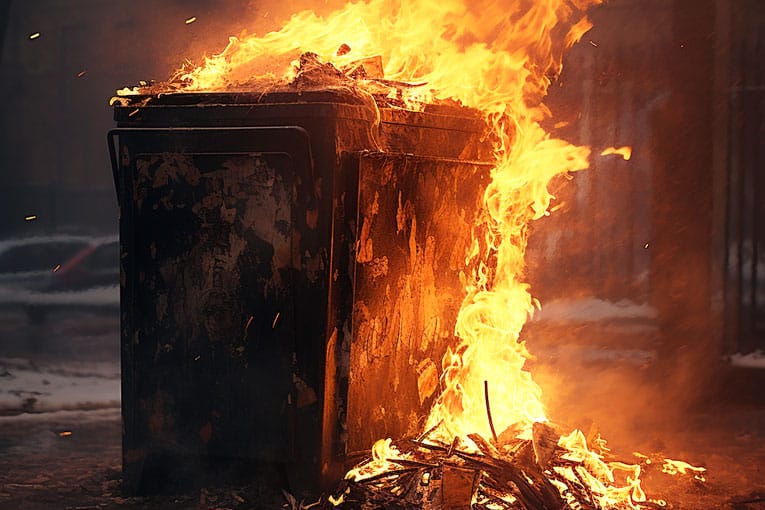
Another effective method to combat small Class A fires is by using fire blankets. 

Fire blankets are made of fire-resistant materials and can be quickly deployed to smother flames. 

They work by cutting off the oxygen supply to the fire, suffocating it and extinguishing the flames. 

Fire blankets are particularly useful for smothering fires on clothing, curtains, or small household items.

What are Class B Fires?

Class B fires pose a unique set of challenges due to the involvement of flammable liquids such as gasoline, oil, grease, and alcohol. 

These fires can occur in various settings, including kitchens, garages, workshops, industrial facilities, and places where flammable liquids are stored or used. 

Understanding how to handle Class B fires is crucial for effective fire safety and prevention.

Flammable liquids are highly volatile and can ignite easily, making Class B fires more intense and difficult to control compared to Class A fires. 

When a flammable liquid catches fire, it can quickly spread and produce intense flames, creating a dangerous and rapidly evolving situation. 

Additionally, flammable liquid fires can re-ignite if not fully extinguished, making them particularly challenging to manage.

How Do You Extinguish a Class B Fire?

To effectively control and extinguish Class B fires, it is crucial to use the appropriate firefighting agent. 

Water is generally not recommended for Class B fires as it can cause the flammable liquid to spread, potentially making the fire more dangerous. 

This class of fire also includes Lithium-ion battery fires, which is currently one of the causes of fire that is drastically on the rise. 

Instead, foam-based extinguishers or dry chemical extinguishers are the preferred choices for combating Class B fires.

Foam-based extinguishers work by covering the flammable liquid with a layer of foam, creating a barrier that prevents the release of flammable vapours and cutting off the oxygen supply to the fire. 

This smothers the flames and cools down the burning liquid, eventually extinguishing the fire.

Dry chemical extinguishers, on the other hand, are effective for Class B fires because they disrupt the chemical reaction of the fire. 

These extinguishers release a fine powder that separates the fuel from the oxygen, extinguishing the flames. 

They also work well on Class A fires, making them versatile and useful in various fire situations.

It is important to remember that when dealing with Class B fires, safety is paramount. 

Before attempting to extinguish a fire, assess the situation and ensure you have an escape route in case the fire becomes uncontrollable. 

If the fire continues to spread or becomes too intense, evacuate the area immediately and call the emergency services for professional assistance.

What are Class C Fires?

Class C fires involve flammable gases, which can create a hazardous and potentially explosive atmosphere. 

These fires present unique challenges and require specific precautions to ensure safety and prevent accidents. 

Class C fires pose a significant threat to locations like manufacturing and industrial warehouses, chemical plants, and facilities storing substantial quantities of flammable gases. These settings are particularly vulnerable to these types of fires.

Understanding the risks associated with flammable gases and implementing proper safety measures is crucial in managing Class C fires.

How Do You Extinguish a Class C Fire?

Extinguishing a Class C fire requires a methodical and cautious approach due to the volatile nature of flammable gases involved. 

When facing such a fire, two crucial steps come into play: shutting off the gas supply and utilising a dry powder extinguisher.

The first and most crucial step is to quickly shut off the gas supply at its source. 

This action prevents the continuous flow of fuel to the fire, thereby hindering its ability to grow and spread. 

Cutting off the gas supply is paramount to prevent the fire from intensifying and posing a greater threat to individuals attempting to extinguish it and those nearby.

After successfully shutting off the gas supply, the use of a dry powder extinguisher is recommended for extinguishing the Class C fire. 

Dry powder extinguishers are specifically designed to combat fires involving flammable gases effectively. 

The dry powder agent works by smothering the flames, cutting off their oxygen supply, and interrupting the fire’s chemical chain reaction, which leads to its rapid extinguishment.

It is important to note that while dry powder extinguishers are effective for Class C fires, water-based extinguishers should never be used in this scenario. 

Water-based extinguishers may cause the fire to spread or result in an explosion due to the reactive nature of certain flammable gases.

Additionally, individuals attempting to extinguish a Class C fire should prioritise their safety at all times. 

If the fire is beyond their control or if they are unsure about the gas source, it is best to evacuate the area immediately and call for professional help. 

The handling of Class C fires requires a level of expertise and knowledge to ensure the safety of both individuals and property

What are Class D Fires?

Class D fires present a unique and highly hazardous situation, involving combustible metals such as magnesium, titanium, potassium, sodium, and lithium. 

These fires can be particularly dangerous due to the reactive properties of these metals, which make them prone to violent and rapid combustion when exposed to air or water. 

The presence of combustible metals in specific industrial settings or laboratories increases the risk of Class D fires, and proper precautions must be taken to handle and store these materials safely.

One of the critical challenges in dealing with Class D fires is the limited effectiveness of conventional firefighting methods. 

Water, commonly used to extinguish other types of fires, can exacerbate Class D fires. 

When water comes into contact with burning combustible metals, it reacts vigorously, releasing hydrogen gas, intensifying the fire, and causing potential explosions.

How Do You Extinguish a Class D Fire?

To extinguish Class D fires safely and effectively, specialised dry powder extinguishing agents must be used. 

These agents, typically made of sodium chloride or graphite-based compounds, form a smothering layer over the burning metal, cutting off the supply of oxygen and heat. 

This action disrupts the combustion process and gradually cools the metal, leading to the fire’s suppression.

Due to the specialised nature of Class D fires and the need for specific extinguishing agents, it is essential to have personnel trained in handling such emergencies. 

Firefighters and other responders must be equipped with the appropriate dry powder extinguishers and knowledgeable about the risks and characteristics of combustible metal fires. 

These fires can be unpredictable and require careful planning and coordinated efforts to control and eliminate them safely.

What are Class F Fires?

Class F fires, also known as cooking oil fires or fat fires, are a specific type of fire that commonly occurs in commercial kitchens, restaurants, and other food preparation areas. 

These fires involve cooking oils and fats and can quickly escalate into intense and challenging situations to control.

The high temperatures used in cooking, especially deep frying, can cause cooking oils and fats to reach their autoignition point, leading to spontaneous combustion. 

Once ignited, the flames can rapidly spread and generate intense heat, posing a severe threat to kitchen staff, customers, and the entire building.

A Class F kitchen fire
Class F fires can be incredibly dangerous due to the oil involved

One of the primary reasons Class F fires are so dangerous is that water, a common extinguishing agent used for other types of fires, is ineffective and dangerous when applied to cooking oil fires. 

When water comes into contact with hot oil, it instantly vaporises and expands, splattering the burning oil and spreading the fire further. 

This reaction can cause severe burns and injuries to anyone nearby.

Knowing how to protect from kitchen fires is of vital importance to anyone working in the restaurant industry. 

How Do You Extinguish a Class F Fire?

The most effective method to extinguish Class F fires is to smother the flames with a fire blanket or use a wet chemical extinguisher specifically designed for cooking oil fires. 

Wet chemical extinguishers contain a special solution that creates a thick, soapy foam, which cools the burning oil, forms a barrier, and prevents the release of flammable vapours. 

This action starves the fire of oxygen, extinguishing it safely and effectively.

Preventing Class F fires involves implementing several safety measures in commercial kitchens and food preparation areas. 

Regular cleaning and maintenance of cooking equipment, ventilation systems, and hoods help reduce the buildup of grease and oil residues that could fuel a fire. 

Additionally, kitchen staff should be properly trained in fire safety, including the proper use of fire extinguishers and the importance of using fire blankets when dealing with cooking oil fires.

Commercial kitchens should have well-maintained fire suppression systems, such as automatic fire suppression systems installed in hoods above cooking areas. 

These systems can quickly detect and suppress cooking oil fires, minimising the risk of fire spreading to other parts of the kitchen.

What are Electrical Fires?

Electrical fires are a prevalent and concerning type of fire that poses a significant risk in modern life. 

Unlike other classes of fire (Class A, B, C, etc.), electrical fires are not categorised under a specific class. 

Instead, they are a distinct category of fires caused by electrical faults and malfunctions. 

These fires can result from various factors, such as faulty wiring, overloaded circuits, damaged appliances, or improper use of electrical equipment.

Damaged electrical equipment is one of the main causes of fires

Over time, electrical wires can deteriorate, become frayed, or develop loose connections. These issues create resistance and generate heat, which can ignite nearby combustible materials. 

Similarly, overloaded circuits, often caused by plugging too many electrical devices into a single outlet or circuit, can lead to overheating and ultimately trigger an electrical fire.

Another common cause of electrical fires is damaged appliances and electrical equipment. 

Ageing or poorly maintained appliances can develop electrical faults, leading to short circuits and fires. 

Electrical fires can also be triggered by the misuse of electrical equipment, such as using extension cords or power strips inappropriately or using appliances with damaged cords or plugs.

How Do You Extinguish an Electrical Fire?

In the event of an electrical fire, using water to extinguish the flames is extremely dangerous due to the risk of electrical shock. 

Instead, it is best to de-energize the electrical source by shutting off power at the circuit breaker or main electrical panel, if safe to do so. 

For smaller electrical fires, a Class C fire extinguisher or a dry powder extinguisher can be used. 

However, it is essential to prioritise personal safety and evacuate the area if the fire becomes uncontrollable.

To prevent electrical fires, regular electrical inspections and maintenance are essential. 

Homeowners and businesses should have their electrical systems inspected by qualified electricians to identify and address any potential issues. 

It is crucial to avoid overloading circuits, use proper wattage bulbs in light fixtures, and refrain from using damaged electrical equipment.

Conclusion

Understanding how many types of fire there are, and the appropriate methods to extinguish them is vital for everyone’s safety. 

In case of an emergency, knowing how to act quickly and effectively can make a significant difference in protecting lives and property. 

Fire safety training, having the right fire extinguishers, and staying informed about potential hazards are all crucial steps towards ensuring a safer environment for ourselves and those around us. 

With the current shift to electric cars, and the rise in the usage of lithium-ion batteries, it is now more important than ever to understand the difference in fire types and how to safely deal with them, with lithium-ion battery fires costing the UK £158 million a year alone

Let us all be proactive in fire prevention and response to mitigate the risks of fire-related incidents and create a safer world for everyone.