Firefighter training in Kamloops highlights new program for wildland interface response

Kamloops, B.C., recently hosted a pivotal training program for firefighters.

This event was organised just a few weeks after the Government of Canada pledged financial support for the International Association of Fire Fighters (IAFF) Responding to the Interface (RTI) program.

Read more about the program here.

Boost in training for firefighters as wildland threat grows

During the period from Aug. 1-4, 50 IAFF members undertook wildland interface response training in two distinct courses.

The introductory sessions comprised a train-the-trainer course for 25 firefighters and a standard course for another 25. This training is part of a $400,000 one-year pilot project managed by Natural Resources Canada.

This new venture symbolises a noteworthy collaboration and an achievement for the IAFF, aiming to enhance both firefighter and public safety given the escalating danger of wildfires in urban interface zones across Canada each annum.

The conception of the RTI pilot initiative followed rigorous advocacy by the IAFF earlier this year.

This move was precipitated by an unusually early and fierce start to the wildfire season, especially in British Columbia, Alberta, and Nova Scotia.

Comprehensive firefighter training program takes inspiration from earlier successes

The RTI program, formulated using the IAFF’s own curriculum and spearheaded by their Master Instructors, aims to equip firefighters to shield urban areas from approaching wildfires.

Its design is inspired by the IAFF’s Canadian Haz-Mat & CBRNE Training Initiative, a project that has proficiently trained over 7,000 first responders since 2009, due in part to funding from the Canadian Government.

Mark Brise from Kamloops Local 913, an RTI Master Instructor, collaborated with other IAFF Master Instructors from California and Texas for the Kamloops training event.

As part of the agreement with Natural Resource Canada, there are plans for 15 more classes, training a total of 325 students, slated to occur by March 2024.

Edward Kelly, General President, regarded these training sessions as a fresh phase in public and firefighter safety in Canada.

He remarked: “We’re grateful to the Canadian Government for endorsing our RTI program. With the rising wildfire threat, ensuring firefighters can safely guard their communities against these specific hazards is crucial.”

In a recent press conference, Jonathan Wilkinson, Environment and Natural Resources Minister, underlined the unprecedented wildfire challenges Canada faces.

He affirmed: “Safety of the public is the federal government’s top concern. That’s why we’re partnering with the IAFF to provide more firefighters and high-quality training opportunities.”

Mike Carter, IAFF 6th District Vice President, who played a key role in organising the Kamloops training, stated: “The need to shield our communities from looming interface fires is crucial.

“We’re grateful to the Government of Canada for financing the IAFF’s RTI training program so firefighters can effectively defend Canadians and their properties.”

IFSJ Comment

Canada is presently undergoing its most devastating wildfire season to date, with an unprecedented 11.5 million hectares already consumed by the flames.

This recent boost in firefighter training in Kamloops, particularly in response to the growing threat of interface wildfires, exemplifies the global urgency to equip our first responders with the necessary skills.

As urban and wild areas increasingly overlap, such proactive training initiatives are crucial in ensuring both public and firefighter safety.

Maui wildfire: A devastating blow to Hawaii

Update on the Maui wildfires

According to a recent report on CNN, crews in west Maui are painstakingly sifting through the remains of homes and landmarks destroyed by the most lethal wildfire the US has witnessed in over a century.

The death toll has reached 96. Several individuals are still missing, with search teams and cadaver dogs scanning the razed neighbourhoods.

Hawaii’s unprecedented natural disaster

Hawaii Gov. Josh Green commented on the tragedy: “This is the largest natural disaster we’ve ever experienced.”

He further noted: “It’s going to also be a natural disaster that’s going to take an incredible amount of time to recover from.”

Although the Federal Emergency Management Agency hesitated to place a financial estimate on the damage in Maui, the governor suggested that the losses could be around $6 billion.

Despite efforts to evaluate the damage, the firefight continues.

Maui County Fire Chief Brad Ventura revealed on Saturday that, while significant progress has been made against the three main wildfires, the deadly fire in Lahaina remains not fully under control.

Gov. Green highlighted the intense speed of the Lahaina wildfire in a video update, stating: “When the winds rose up – winds gusting as high as 81 miles per hour – fires spread rapidly.”

He added: “We believe between 60 miles per hour and 81 miles per hour across that part of the island, and that meant that fire travelled one mile every minute.”

A red flag warning was previously declared by the weather service on Monday, pointing out the critical fire weather conditions created by the combination of dry lands, gusty winds, and low humidity levels.

By Tuesday afternoon, winds from the powerful Hurricane Dora, which was hundreds of miles south of Hawaii, exacerbated the already raging wildfires leading to multiple evacuations in Lahaina and Upcountry Maui.

As of Sunday 3 p.m. local time, the Lahaina wildfire had consumed 2,170 acres and was 85% contained, whereas the Upcountry or Kula fire covered an estimated 678 acres and was 60% contained.

Communication breakdown during the crisis

Even as fires advanced quickly into neighbourhoods, the world’s largest siren system remained silent.

Residents mainly depended on mobile phones and broadcasters for emergency updates during times when most power and cell services were down.

When questioned about the lack of siren alerts, Green elaborated, “There were multiple fires at the same time, and the circumstance was greatly complicated also by the heat and the speed with which the fire spread, destroying a great deal of infrastructure.”

He assured that a comprehensive review would be undertaken to determine potential improvements in safeguarding residents in future.

NFPA’s perspective on the global wildfire issue

The NFPA draws attention to the global issue of unprecedented wildfires, emphasising both human and natural causes.

Jim Pauley, the President and CEO of NFPA, stated: “This painful and tragic reality was on full display in Maui as wind-driven fires overwhelmed the small island.”

He stressed the necessity for stronger policies, saying: “While voluntary actions to mitigate property have proved successful to an extent, the sheer volume of communities at risk requires changes to where we build, how we build, and what we do to existing properties.”

Recent statistics show that wildfires over the past five years have obliterated nearly 63,000 structures in the U.S., the majority being homes.

Officials are predicting more wildfires in the upcoming months due to persistent dry heat and elevated storm activity, urging residents to take preventative measures.

IFSJ Comment

The increasing prevalence and intensity of wildfires globally underscore the urgency of proactive community planning, improved infrastructure resilience, and comprehensive emergency response strategies.

The Maui wildfire serves as a poignant reminder of the risks many regions face and the need for ongoing education, prevention, and preparedness.

WFCA unveils Applied Sciences Center for Resilience Studies to bridge research and practice

A pioneering effort for resilience

The Western Fire Chiefs Association (WFCA) has revealed a significant initiative to support and enhance resilience across various sectors.

In a landmark move, WFCA has launched the Applied Sciences Center for Resilience Studies (ASC), aimed at creating a connection between research and practice.

The ASC is envisioned as a collaborative platform involving communities, government bodies, industries, and academia.

Its purpose is to foster resilience within society through focused research and development initiatives.

Resilience against wildfires: the inaugural research

Backed by funding from NASA’s Science Mission Directorate’s Earth Science Division, the ASC’s first research project is centred on improving wildfire technology and decision-making processes.

This effort aims to create a flexible decision matrix and model to assess investments in wildland technologies, doctrine, and operations.

The ultimate goal is to enhance the first responders’ ability to adapt to the evolving challenges of increased wildfire threats.

The vision for this project has been jointly developed with the Moore Foundation and former State Fire Marshal of California, Chief Kate Dargan, in reaction to the mounting threats of wildfires and the difficulties of acquiring actionable intelligence.

Dr. Katelynn Kapalo and co-investigator Brian Collins are leading this initiative.

They are focusing on identifying essential technology investments for the initial 24-hour response to wildland-urban interface fires.

“Our central goal is to support incident management teams making decisions in dynamic and changing environments where intelligence gathered and resource management is critical to the decision-making process,” said Collins and Kapalo.

For this venture, ASC will partner with Processus and Obsidian, leveraging data and decision science expertise used across military, training, and medical fields.

Commitment to innovation and resilience

ASC Director, Chief (ret.) Bob Horton, voiced his enthusiasm for the approach: “We are proud to have the confidence of NASA to conduct this important work.

“Our role is to connect the research community and experts from other domains to practitioners on the ground.

“This initiative will directly benefit our firefighters and offer guidance to academia and industry alike, spurring innovation and progress.”

WFCA President Mark Niemeyer marked the occasion, saying: “The WFCA is expected to bring innovation into the fire service.

“The ASC shows our commitment to doing just that, and we are excited to be unveiling it, and looking forward to announcing our new partners and projects in the coming weeks.”

For more details about the Applied Sciences Center for Resilience Studies and the Western Fire Chiefs Association, please visit here.

IFSJ Comment

The launch of the Applied Sciences Center for Resilience Studies by WFCA signifies a remarkable step in unifying practical application with scientific research.

By targeting both wildfire technology and broader resilience strategies, this effort promises to drive innovation and contribute significantly to the knowledge base, empowering communities, firefighters, and first responders.

Wildfire protection products to be showcased by Silvflame in live demonstration

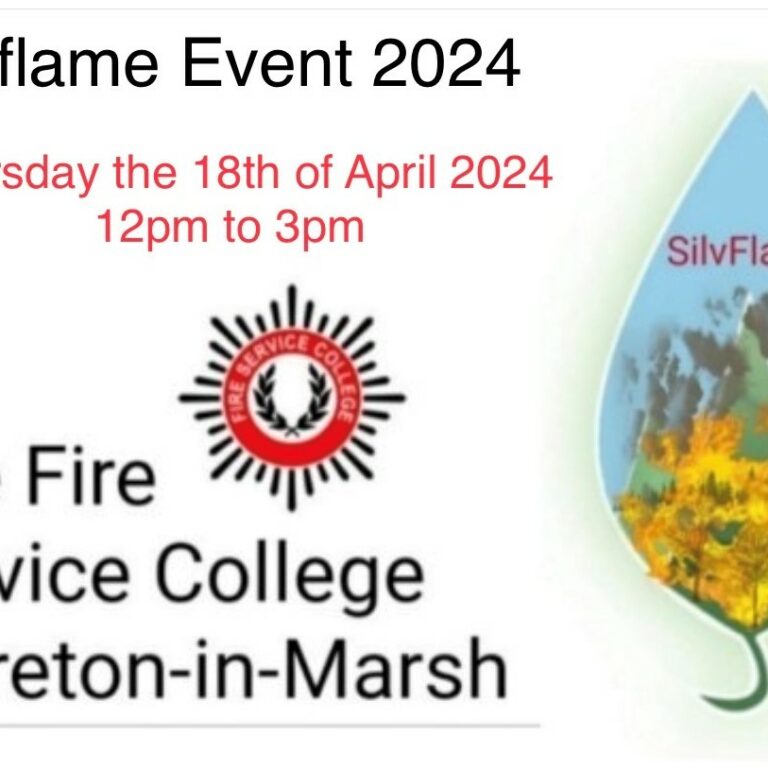
Silvflame Ltd, a trailblazer in wildfire protection technology, has announced an upcoming live fire demonstration event to take place at The Fire Service College in Moreton in Marsh, Gloucestershire.

Scheduled for Thursday, 18th April 2024, from 12 pm to 3 pm, the event is set to highlight the company’s latest advancements in wildfire containment and protection.

Wildfire protection products on display

Under the guidance of Silvflame’s Director, Jon Silvester, and in partnership with wildfire specialist Andy Elliott, attendees will have an opportunity to witness first-hand a series of cutting-edge products designed to protect against the devastating effects of wildfires.

The products to be displayed include:

  • Wildfire containment system
  • Critical infrastructure protection systems
  • Agricultural land protection
  • Populated area protection
  • Evacuation system

There will be also be a training VR simulator that people can use on where they can deploy the fire protection system themselves.

These solutions are developed with the aim of containing wildfires within a smaller area, allowing for quicker extinguishing and protecting lives, homes, land, and vital infrastructures.

Event networking

Following the demonstration, attendees are invited to an informal talk by Silvester, where he will discuss the products in detail and share insights about their potential impact on wildfire protection. The event will also provide a glimpse into future products such as Wildfire Suppression Systems and Vehicle Protection products.

Silvester expressed his excitement about working with industry specialists and highlighted the potential of Silvflame’s products to “save forests, homes, vital infrastructures, land, livestock, money, vehicles, and most importantly, lives.”

The event is free to attend, and on-site accommodation is available. Those interested in attending can register through the Silvflame Ltd website.

IFSJ Comment

Silvflame Ltd’s commitment to developing innovative solutions for wildfire containment and prevention reflects a growing concern about the increasing frequency and intensity of wildfires globally.

Their work promises to be a significant step forward in protecting communities and natural resources from the destructive power of wildfires.

For more information or to register for the event, visit www.silvflameltd.co.uk or contact silvflameevent@gmail.com.

Wildfire emissions surge: Unpacking the environmental implications

A devastating wildfire season leads to record-breaking emissions

Fires raging across the Canadian wilderness this year have unleashed 290 million tonnes of carbon.

This represents a twofold increase over any previous yearly record.

The wildfire emissions are expected to rise even further, given the fact that hundreds of blazes continue to seethe throughout the country, according to a recent report by the EU’s Copernicus Atmospheric Monitoring Service shared by Reuters.

This year’s fire emissions from Canada alone have contributed over 25% to the total global count for 2023 thus far.

These emissions notably surpass the prior Canadian record of 138 million tonnes, recorded in 2014, as reported by Copernicus.

Since the inception of satellite monitoring of wildfire emissions in 2003, this year’s wildfire season has been deemed the worst on record for area burned.

Wildfire emissions and their vast impact on global carbon levels

An alarming area of about 131,000 square kilometres has already been torched across eastern and western Canada.

That’s roughly equivalent to the size of Greece and exceeds the combined areas affected in the years 2016, 2019, 2020, and 2022, as indicated by the Canadian Interagency Forest Fire Centre.

This year, smoke emanating from the Canadian wildfires shrouded several major cities, including New York City and Toronto.

The smoggy conditions led public health authorities to issue air quality alerts.

The smoke from wildfires is associated with elevated incidences of heart attacks, strokes, and increased emergency room visits for respiratory ailments.

To date, almost all of Canada’s 13 provinces and territories have been impacted by wildfires.

As of Thursday, over 1,040 fires were recorded, with approximately 660 of them deemed uncontrollable.

The consequences of wildfire emissions and the continued monitoring

According to Mark Parrington, a senior scientist at Copernicus: “As fire emissions from boreal regions typically peak at the end of July and early August, the total is still likely to continue rising for some more weeks and we will continue to monitor.”

Forests serve as essential carbon sinks, helping to mitigate the effects of global warming.

Canada’s northern boreal forest, in particular, is estimated to store more than 200 billion tonnes of carbon.

This figure equates to several decades’ worth of global carbon emissions.

However, when forests burn, they release a portion of this carbon back into the atmosphere.

This process accelerates global warming and establishes a dangerous feedback loop, as it results in conditions that make forests more susceptible to fires.

Scientists express particular concern about the atmospheric and health impacts of Canada’s fires.

The carbon being released is roughly equivalent to Indonesia’s annual carbon dioxide emissions produced from burning fossil fuels.

IFSJ Comment

With wildfires becoming more frequent and intense, understanding their emissions and impacts on the atmosphere is paramount.

As one of the most significant carbon sinks globally, the health of Canada’s boreal forest has profound implications for global climate change.

This serves as a critical reminder of the need for effective strategies in forest management and wildfire prevention to protect these indispensable ecosystems and limit future carbon emissions.

Wildfire emissions explained

In recent years, the frequency and intensity of wildfires have significantly increased worldwide, largely attributed to climate change and human activities.

The International Panel on Climate Change confirms this trend.

However, one aspect that hasn’t been examined in detail until now is the environmental implications of wildfire emissions.

Wildfires generate a wide range of pollutants, including fine particulate matter (PM2.5), carbon monoxide (CO), and nitrogen oxides (NOx). These pollutants have significant implications for both human health and the environment.

The climate impact of wildfire emissions

The primary climate impact of wildfire emissions stems from the significant amount of carbon dioxide (CO2) released into the atmosphere. CO2 is a greenhouse gas that directly contributes to global warming.

The U.S. Environmental Protection Agency categorizes CO2 as the most crucial greenhouse gas emitted through human activities.

A less known but equally impactful pollutant from wildfires is black carbon.

When wildfires burn vegetation, they release large amounts of black carbon (also known as soot), a short-lived climate pollutant.

Black carbon absorbs sunlight and warms the atmosphere, contributing to climate change.

According to the European Environment Agency, black carbon is the second-largest contributor to global warming after CO2.

The health impact of wildfire emissions

Health impacts from wildfire emissions are significant and wide-ranging.

Fine particulate matter (PM2.5) generated from wildfires can penetrate the respiratory system, leading to heart and lung diseases, including stroke and asthma.

The World Health Organization has classified PM2.5 as a major health risk.

CO and NOx from wildfires can also lead to harmful health effects.

High CO levels can cause symptoms such as headaches, dizziness, and at extremely high levels, death.

The Centers for Disease Control and Prevention warns that people with chronic heart disease are particularly at risk.

Similarly, exposure to NOx can lead to respiratory problems and can also contribute to the formation of other harmful pollutants such as ground-level ozone.

The ecological impact of wildfire emissions

Wildfires’ ecological impacts are far-reaching. Besides the immediate destruction of habitats, wildfire emissions’ persistent impacts on ecosystems often get overlooked.

Persistent nitrogen deposition from NOx emissions can lead to changes in species composition and soil nutrient imbalances, negatively affecting biodiversity. Studies from the U.S. Geological Survey emphasize the growing importance of this aspect.

Wildfire emissions also lead to localized air pollution, resulting in acidic rain and contamination of water bodies, impacting aquatic life.

A study in the Proceedings of the National Academy of Sciences identified a correlation between wildfires and elevated mercury levels in nearby fish.

In conclusion, the surge in wildfire emissions is an environmental issue that deserves our urgent attention.

Efforts must be directed towards not just mitigating wildfires, but also understanding and addressing the multi-dimensional implications of wildfire emissions.

It is not just about saving the forests; it’s about preserving the planet for generations to come.

An exploration into wildland firefighting tools: Tackling innovation and challenges

Unlocking Vallfirest’s wildland firefighting toolbox: New trends and enduring staples

In an effort to shed light on the varied components integral to wildland firefighting, Vallfirest has unveiled its latest ‘toolbox’ concept.

This encompasses the wide spectrum of tools used in operations, each having their distinct suitability to specific tasks or fuel types.

Certain tools pair better together, fostering efficiency in combination. Take a deep dive into this concept via their dedicated webpage, and read some highlights below.

Hand and power tools in wildland firefighting

Lightweight hand tools like fire swatters and shovels are crucial for tackling burning fuel.

Equally important are tools for creating a hand line reaching down to mineral soil, such as the Gorgui, the Pulaski, the McLeod, or rakes.

Chainsaws and power blowers are examples of power tools, which while requiring fuel and maintenance, offer varied performance and options. Backpack pumps also fall under this category, requiring no water installation.

Despite being economically advantageous and long-lasting with proper maintenance, these tools do demand significant physical effort from the user and their suppression capacity is confined due to flame intensity.

Water as a quintessential firefighting resource

Water remains the supreme medium for fire suppression.

High-pressure hose nozzles can displace incandescent material and penetrate the ground, and water’s non-expiring, non-polluting nature allows for foam, wetting agents, and retardants to be added to it.

Transporting it doesn’t require pressurised tanks like CO2 does.

However, setting up a hose line requires substantial effort, potentially slowing down operations.

Solutions like the Heliskid offer suppression systems that can be transported by land or air, enabling direct hose line attacks in remote areas.

Aerial resources: An age-old ally in wildland firefighting

Aerial resources have played a pivotal role in wildland firefighting since the 1930s.

Helicopters and aeroplanes, apart from water or retardant dropping, serve to transport crew members and equipment.

They can also aid in control and coordination tasks for the unit deployed on the ground.

Tactical burns and heavy machinery in wildland firefighting

Drip torches allow fire to be used as a suppression tool, executing backfires, burnouts, or defining perimeters.

Bulldozers, on the other hand, aid in creating wide control lines, anchor points, and establishing safe zones, albeit with logistical challenges in deployment.

To address this, tools like the Dronster have been developed to provide safety and efficiency for crews.

Future of wildland firefighting: Tech innovations and safety

As we move into the future, the development of new tools and technologies such as virtual reality and artificial intelligence could become pivotal in fire prevention and suppression.

Amidst this, the safety and security of wildland firefighters remain paramount, necessitating the development of advanced equipment, safety protocols, communication systems, and real-time health monitoring equipment.

Additionally, the significance of continuous education and training in preparing wildland firefighters for the evolving challenges presented by wildfires cannot be overlooked.

The report was made possible due to the Vallfirest x The Emergency Program agreement.

IFSJ Comment

Vallfirest’s latest toolbox provides in-depth insight into the various tools, strategies, and evolving technologies shaping the field of wildland firefighting.

The innovations discussed could revolutionise firefighting tactics, potentially enhancing both safety and effectiveness in challenging environments.

Understanding the critical role of a five-foot clearance around homes in wildfire safety

The significance of the Home Ignition Zone in reducing wildfire risks

A detailed analysis from the National Fire Protection Association (NFPA) emphasises the pivotal role a five-foot zone around one’s home plays in enhancing safety from wildfires.

The association, noted for its efforts in raising awareness about reducing homes’ wildfire risks, recently revisited the concept of the home ignition zone and its immediate area.

Here is the NFPA’s latest blog post detailing the home ignition zone concept for those new to the idea.

Origins of the Home Ignition Zone and its primary components

The Home Ignition Zone (HIZ) is an idea pioneered by retired USFS researcher Dr. Jack Cohen.

The theory focuses on the premise that the condition of a home, including the materials it’s built from and its maintenance state, as well as the vegetation within a hundred feet, greatly affects its potential to catch fire during a wildfire.

The combined research by Dr. Cohen and the Insurance Institute for Business & Home Safety (IBHS) underpins that the immediate zone or non-combustible zone – the home and its surroundings up to five feet – is the most significant risk factor and should therefore be the starting point in mitigating risks.

The importance of a five-foot buffer in wildfire safety

Embers and small surface flames are the primary causes of home ignition during wildfires.

To prevent these, a five-foot buffer is created around the home to ensure embers or surface fires cannot reach it. This involves:

  • Clearing debris such as leaves, needles, and branches from roofs and gutters.
  • Ensuring the immediate five feet around the base of homes and attached structures, like decks, is devoid of any debris and well-maintained.
  • Substituting wooden mulch products with non-combustible alternatives like crushed stone or gravel.
  • Constructing walkways using non-combustible materials like concrete or pavers.
  • Pruning trees and shrubs next to the home to prevent them from overhanging the roof, gutters, or chimneys.

For additional tips and resources on preparing homes for wildfires, visit the NFPA’s dedicated page.

A small investment in time spent on such preventive measures can significantly improve a home’s chances of withstanding a wildfire, and provide greater peace of mind.

IFSJ Comment

The exploration of the Home Ignition Zone concept and its correlation with wildfire safety highlights a key preventive measure homeowners can adopt.

By focusing on the immediate surroundings of their homes, residents can drastically reduce wildfire risk, reinforcing community safety and resilience against such disasters.

About NFPA

The National Fire Protection Association (NFPA) is a global, non-profit organisation devoted to eliminating death, injury, property, and economic loss due to fire, electrical and related hazards.

NFPA provides a wealth of resources to better educate residents about reducing the risk of wildfires to their homes.

Their commitment to research, training, and providing necessary resources reflects their mission to enhance public safety.

The human link to wildfires in Greece and how to reduce risk

Many of the recent wildfires in Greece have been sparked by human activity, the government has claimed.

As the country recovers from a stretch of heatwave-induced blazes, it’s clear that we need a new approach to preventing these disasters.

Greece’s wildfire crisis: a human-made problem

Greece has been battered by 667 fires in recent weeks. Vassilis Kikilias, the Greek minister of climate crisis and civil protection, emphasised: “During this time 667 fires erupted, that is more than 60 fires a day, almost all over the country.”

Shockingly, these fires were mostly “ignited by human hand, either by criminal negligence or intent.”

The minister noted the peculiar circumstances of certain fires, which suggested an element of arson: “In certain places, blazes had broken out at numerous points in close proximity at the same time.”

This hints at a disturbing trend of intentional fire-starting, adding a layer of criminality to the issue.

Unprecedented weather conditions exacerbate wildfire risk

While human activity is primarily to blame, changing weather patterns are fanning the flames.

Greece, like many Mediterranean countries, is grappling with the impacts of climate change, including rising temperatures and more intense and prolonged heatwaves.

The first three weeks of July were the hottest on record, said experts.

Kikilias pointed to climate change as a key factor: “Climate change, which yielded a historic and unprecedented heatwave, is here. There were very few days where the extreme weather was not combined with strong winds.”

These conditions create a dangerous environment, where even a small spark can lead to a devastating wildfire.

The human cost and the urgent call for action

These wildfires have taken a heavy toll on people and property.

They’ve claimed three lives, injured 74 people, and caused thousands of tourists to evacuate from hotels on Rhodes, the island worst hit by the fires.

The UN secretary general, António Guterres, echoed the call for action, urging: “bold and immediate measures to cut planet-heating emissions.”

Human-induced wildfires: the micro level

Wildfires have always been a natural phenomenon, integral to the lifecycle of many ecosystems.

However, the scale and intensity of wildfires have seen an alarming increase in recent years.

Humans can contribute to the rise in wildfires both directly and indirectly, and understanding these mechanisms is essential to mitigating the damage caused by these devastating events.

On a micro level, human activity is the most common cause of wildfires.

According to the US National Park Service, 85% of wildfires are caused by humans.

This can include everything from improperly extinguished campfires, discarded cigarettes, uncontrolled debris burning, and fireworks or other incendiary devices.

Equipment use and malfunctions, like sparks from chainsaws, power lines, or car exhaust systems, also contribute to the number of wildfires each year.

Additionally, arson is responsible for a significant portion of human-caused wildfires.

Efforts to reduce these wildfire triggers typically focus on education and enforcement of regulations.

Smokey Bear’s message of “Only you can prevent forest fires” is perhaps the most famous wildfire prevention campaign.

Yet, despite widespread awareness of these risks, human-induced wildfires persist, demonstrating the ongoing need for prevention efforts at the micro level.

Climate change and landscape management: the macro level

On a macro level, human contributions to wildfires stem primarily from global climate change, a phenomenon largely driven by human-induced greenhouse gas emissions.

These emissions, primarily from burning fossil fuels for electricity, heat, and transportation, trap heat in the earth’s atmosphere, leading to global warming.

This warming trend results in hotter and drier conditions, making regions more susceptible to wildfires.

It alters precipitation patterns and causes longer periods of drought, both of which can create the perfect conditions for wildfires to ignite and spread.

Furthermore, the macro level impact of human activity is also seen in how we manage or mismanage forest landscapes.

Forest management practices such as fire suppression or lack of controlled burns can lead to the buildup of vegetation that can act as fuel for wildfires, making them more intense and harder to control.

Urban development encroaching on wildland areas also escalates the wildfire risk, as it places more ignition sources (like electrical infrastructure) near potential wildfire fuels.

Wildfire prevention: the need for personal and collective action

Humans contribute to wildfires at both the micro and macro level. At the micro level, human activities directly cause the ignition of many wildfires.

At the macro level, human-induced climate change creates conditions that are more conducive to wildfires, while our land management practices and urban development can exacerbate wildfire risk and intensity.

Understanding these interactions is crucial in developing strategies to prevent and mitigate the devastating impacts of wildfires.

It requires both personal responsibility in our direct actions and collective action to address the larger systemic contributors to wildfire risk.

Preventing wildfires: what can be done?

Preventing wildfires involves a two-pronged approach: addressing the root causes of climate change and improving fire management practices.

Climate action is key, requiring global cooperation to reduce greenhouse gas emissions. But we also need better local management, including strict regulations around fire usage, enhanced public education about the dangers of fire in dry conditions, and improved early detection and response mechanisms.

Proactive measures to prevent wildfires, especially during extreme weather conditions, are a necessity, not an option.

Fire prevention strategies, which prioritise early detection and rapid response, can play a significant role in limiting the extent of wildfires and minimising their destructive potential.

Aerial Firefighting Risks: Examining the Dangers

In the wake of a devastating plane crash during wildfire suppression efforts in Greece, we delve into the inherent risks of aerial firefighting and the current wildfire situation

The Human Cost of Fire Suppression

During the ongoing wildfire suppression efforts in Greece, tragedy struck when a plane crashed near Karystos on Evia, north of Athens.

The incident, filmed by Greek state broadcaster ERT, occurred after the aircraft clipped a tree, causing it to crash in a blaze behind a hill.

Two pilots have been reported missing in the incident, underscoring the inherent dangers faced by those battling wildfires from the air.

As the wildfires continue to ravage parts of Greece, firefighting aircraft are indispensable for tackling these disasters.

However, the recent tragedy highlights the risks these frontline responders face.

The plane was part of a concerted Greek and international effort to extinguish fires around Athens, the island of Rhodes, and Corfu, underlining the truly global scale and significance of these ongoing efforts.

Aerial Firefighting: Heroic Efforts, High Risks

Aerial firefighting is a crucial element in combating wildfires. As the flames engulf large areas and threaten homes, wildlife, and even entire communities, the men and women in the air form a critical line of defence, often in incredibly challenging conditions.

The recent crash in Greece brings into stark relief the perils they face in their heroic efforts to protect lives and properties.

Pilots and crew members involved in aerial firefighting must demonstrate exceptional skill and bravery. T

hey navigate difficult environments marked by intense heat, heavy smoke, and unpredictable winds.

They are required to fly their aircraft dangerously low to ensure accurate water or retardant drops on the fire, often in mountainous or rugged terrains.

This risky flight pattern is precisely what led to the recent tragedy in Greece, where the aircraft clipped a tree during a low-level operation.

Furthermore, pilots must deal with what is known as the ‘fire wind.’ This is a phenomenon where the heat of the wildfire creates its own weather system, resulting in erratic and strong wind patterns that can quickly change direction.

Fire winds can cause sudden shifts in the fire’s path, making it incredibly challenging for pilots to predict where their aerial firefighting efforts will be most effective.

Beyond the physical hazards, the mental toll on these brave individuals is also significant.

The long hours, the high stakes of the mission, the emotional strain of witnessing the destruction caused by wildfires, and the knowledge of the ever-present danger they face contribute to a stressful work environment.

However, despite the risks and pressures, these men and women continue to fly into danger to protect communities and the environment from the devastating effects of wildfires.

The equipment used in aerial firefighting also plays a role in the inherent risks.

Aircraft used for this purpose, such as air tankers and helicopters, often need to carry heavy loads of water or fire retardants.

This added weight, combined with the need to fly at low altitudes and in adverse conditions, places a great deal of stress on the aircraft.

Ensuring the maintenance and safety of these machines is of paramount importance.

It is important to note that the dangers faced by those involved in aerial firefighting extend beyond the immediate risk of accidents.

There is a long-term risk associated with regular exposure to thick smoke and potentially toxic fire retardants.

Studies have shown that exposure to such conditions can lead to respiratory issues and other health problems.

Moreover, the increased intensity and frequency of wildfires, largely due to climate change, has led to a longer fire season.

This expansion means that aerial firefighting crews are spending more time in the field, further amplifying the risks and challenges they face.

In addition to the firefighting crews in the air, ground support teams are integral to the operation’s success and safety.

These teams help guide the pilots, monitor weather conditions, maintain and refuel the aircraft, and manage logistical aspects of the operation. Their role is just as critical and fraught with danger, as they often work in close proximity to the fire lines.

The recent incident in Greece underscores the very real hazards associated with aerial firefighting and serves as a stark reminder of the bravery and dedication of these individuals.

The fight against wildfires is truly a heroic battle against nature’s fury, made more intense by the growing impacts of climate change.

As we face the future, the valiant efforts of these aerial firefighters and the peril they brave will continue to be indispensable.

However, it also underscores the urgent need to better understand, mitigate and adapt to the changing climate that is fuelling these intense wildfires.

Climate Change: A Firestorm Catalyst

Climate change continues to exacerbate wildfire incidents across the globe, with hotter and drier conditions increasing the likelihood of these disasters.

Southern Europe is currently grappling with a scorching heatwave with temperatures above 40°C in some parts, which has intensified wildfire activity.

Climate change has undeniably heightened the challenge of firefighting efforts, adding more pressure on aerial firefighting resources.

The increasing demand for these assets and the hazardous conditions in which they operate further highlight the dangers faced by those in the planes.

The Current Wildfire Situation

The situation in Greece remains dire, with evacuation orders issued for several areas as approximately 80 fires continue to blaze across the country.

The island of Rhodes has seen significant damage, with fires forcing locals and holidaymakers to evacuate, many ending up in temporary accommodations.

Airlines have initiated rescue missions to repatriate people, and Greece claims this as the largest evacuation operation in its history.

The assistance is not limited to within Greece; support has been dispatched from EU member states, Turkey, Israel, and Egypt.

Despite the international support and concerted efforts of over 500 firefighters, the battle against the wildfires remains uphill.

In tandem with the tragedy in Greece, another wildfire broke out in Sicily after temperatures there reached a record 47°C earlier in the week.

These concurrent events highlight the growing urgency of addressing the root causes of these disasters, not least of which is the increasingly potent threat of climate change.

As the world continues to wrestle with these devastating wildfires, the risks associated with aerial firefighting underscore the human cost of these climate change-driven disasters.

While the efforts to combat these blazes continue unabated, the lives lost in these operations highlight the need for improved safety protocols and climate change mitigation strategies.

The Wildfire Crisis: Understanding and Mitigating Future Risks

The Wake-up Call from Greece

As the Greek island of Rhodes battles severe wildfires, tens of thousands have been forced to flee homes and tourist accommodations.

The wildfires, labelled as the most challenging the Hellenic Fire Corps has ever faced, continue to be fuelled by strong winds and a record heatwave.

This devastating situation underscores the urgency of understanding wildfires and developing comprehensive strategies for their mitigation.

The History of Wildfires

A look back at the story of wildfires, from natural occurrences in the Earth’s early history to the recent surge in devastating incidents around the globe.

Wildfires are not a recent phenomenon. They have been part of Earth’s system for hundreds of millions of years. Evidence suggests that the first wildfires ignited soon after the appearance of terrestrial plants.

Fire became an important part of Earth’s ecosystems, shaping the evolution of plants and animals and influencing the atmosphere’s composition.

Throughout history, wildfires have been considered a natural occurrence, sometimes ignited by volcanic eruptions or lightning strikes, often serving to clear away dead vegetation and pave the way for new growth.

Native cultures across the globe, from Australian Aboriginals to Native Americans, used controlled burns for millennia to manage landscapes and promote the growth of certain plant species.

The Industrial Revolution in the 18th and 19th centuries marked a turning point in the history of wildfires.

As populations grew and people moved into areas previously dominated by nature, human activity started causing an increasing number of wildfires.

These incidents have become more frequent and destructive over the past century, primarily due to changes in land use, climate change, and other human activities.

Causes of Wildfires

Exploring the various ignition sources of wildfires, from natural causes like lightning strikes to human-induced factors such as carelessness and arson.

Wildfires can be caused by a number of factors, both natural and human-induced. Natural causes include volcanic activity and lightning strikes, which ignite dry vegetation and can rapidly spread under favourable weather conditions.

However, the majority of wildfires are ignited by human activity. Carelessness, such as improperly extinguishing campfires or discarding cigarettes, and deliberate arson are among the most common causes.

Industrial activities, such as sparks from equipment or power lines, can also ignite fires, as can controlled burns that get out of hand.

Changing climate conditions have also played a part in exacerbating wildfire risks. Higher temperatures, decreased precipitation, and stronger winds create a perfect storm for wildfires to thrive and spread.

These climate changes, largely driven by human activities, have been linked to an increase in the frequency and intensity of wildfires worldwide.

The recent wildfires in Greece, for instance, have been fuelled by Europe’s heatwave, a consequence of shifting climatic patterns.

Environmental Impacts of Wildfires

Unravelling the ecological repercussions of wildfires, from their destructive effects on biodiversity to their role in shaping landscapes and ecosystems.

While wildfires can play a crucial role in certain ecosystems by clearing out dead vegetation and stimulating new growth, the environmental impacts are mostly destructive.

Wildfires can devastate vast swathes of land, incinerating all plant and animal life in their path.

The fires on the Greek island of Rhodes, for example, have scorched large portions of the island’s forests, annihilating habitats for numerous species.

These disasters can have far-reaching effects on biodiversity. Species that are unable to escape the fires or find new habitats can face extinction.

For those that survive, the alteration of their habitat can result in significant changes to their behaviour, diet, and reproduction.

Wildfires also contribute significantly to climate change. They release vast quantities of carbon dioxide into the atmosphere, a key greenhouse gas responsible for global warming.

Wildfires emitted 1.76 billion tonnes of carbon globally in 2021, according to  European Union’s Copernicus Atmosphere Monitoring Service. This creates a vicious cycle: climate change intensifies wildfires, which in turn contribute to further climate change.

Despite these environmental impacts, it is important to remember that wildfires are not inherently bad. In many ecosystems, they play a vital role in stimulating new growth and maintaining biodiversity.

However, the frequency and intensity of wildfires in recent years, driven largely by human activities and climate change, pose significant environmental challenges that need to be addressed.

Social and Economic Impacts of Wildfires

Delving into the considerable social and economic implications of wildfires, from immediate destruction and loss to longer-term community recovery challenges.

The immediate impact of wildfires on communities is devastating. Homes, businesses, and infrastructure such as roads and utilities can be destroyed in a matter of minutes.

The loss of property and livelihoods, along with the emotional distress of such loss, is immense. Additionally, wildfires can directly threaten human lives. In the US alone, wildfires claim an average of 70 lives per year.

The long-term effects can be just as significant. The cost of rebuilding and restoring destroyed infrastructure is enormous and can strain both local and national economies.

According to a study by the US Congressional Research Service, the total economic cost of wildfires in the US was over $71.1 billion in 2018.

This includes fire suppression costs, recovery and rehabilitation expenses, and lost revenues from affected industries like tourism and agriculture.

Wildfires also have substantial impacts on public health. Smoke from wildfires can cause poor air quality, leading to respiratory issues, cardiovascular problems, and other health risks.

The effects can extend well beyond the immediate vicinity of the fire, with smoke often impacting regions hundreds of miles away.

Mitigating Wildfires: Prevention and Suppression

Exploring the methods and strategies employed to prevent and control wildfires, from early detection and firefighting techniques to land management practices and legislation.

The first step in wildfire mitigation is prevention. This includes educating the public about the risks and causes of wildfires, enforcing fire safety regulations, and monitoring high-risk areas during wildfire seasons.

Controlled burns are also used as a preventative measure to remove excess vegetation and decrease the chances of an uncontrolled wildfire.

Early detection of wildfires is crucial for effective suppression. Technologies like satellites, drones, and advanced sensors are increasingly being used for real-time monitoring and early detection of fires.

Once a fire is detected, firefighters use a variety of techniques to combat it. This can include creating firebreaks, using water and fire retardants, and even ‘fighting fire with fire’ by starting controlled burns to deprive the wildfire of fuel.

Land management practices, such as thinning dense vegetation and maintaining healthy forests, can also reduce the likelihood of severe wildfires.

Legislation plays a key role in enforcing these practices and regulating activities that could spark wildfires, such as logging and other industrial activities.

The Future of Wildfires: Climate Change and Urban Expansion

Examining the challenges and potential scenarios of future wildfire activity in light of ongoing climate change and continued human encroachment on natural landscapes.

Climate change, driven by global warming, is expected to exacerbate the risk of wildfires in the future. Higher temperatures, increased drought conditions, and extreme weather events can create ideal conditions for wildfires to ignite and spread.

Research suggests that the global area at risk of wildfires could increase by over 50% by the end of the century.

Urban expansion into wildland areas – the so-called wildland-urban interface – also increases the risk of wildfires.

As people move closer to forests and other natural landscapes, the chances of human activities sparking wildfires rise. It also means that more property and lives are at risk when wildfires do occur.

To address these challenges, it’s vital to intensify wildfire mitigation efforts and invest in climate change adaptation and mitigation strategies.

This includes transitioning to renewable energy sources, implementing sustainable land management practices, and enhancing urban planning to limit the spread of cities into wildfire-prone areas.

Wildfires present a complex challenge that intersects with many aspects of human society, from environmental management and public health to urban planning and climate policy.

As the risk of wildfires continues to escalate in the face of climate change and urban expansion, effective strategies for prevention, suppression, and adaptation will be more important than ever.

The Role of Technology in Wildfire Management

Discussing the technological advancements aiding in wildfire prediction, detection, and management, with a focus on remote sensing, AI, and data analysis.

Technological advancements have brought significant improvements to wildfire management.

Remote sensing technologies, such as satellites, drones, and LIDAR, enable more accurate monitoring and detection of wildfires.

These tools can identify heat signatures and changes in vegetation, often predicting a fire before it becomes visible to the naked eye.

Artificial Intelligence (AI) and machine learning are being used to predict where wildfires might occur and how they could spread.

These predictive models utilise data like weather patterns, vegetation type and density, soil moisture levels, and historical fire activity to generate predictions.

As more data is accumulated and machine learning algorithms become more sophisticated, these models are expected to increase in accuracy.

Data analysis is also central to understanding and managing wildfires. Large amounts of data from a variety of sources (like climate data, land use data, and fire history) can be analysed to identify patterns and trends in wildfire activity. This helps inform management strategies and policy decisions.

However, as we leverage these technologies, it’s crucial to remember that they supplement, not replace, traditional methods of wildfire management.

Boots on the ground, local knowledge, and traditional firefighting techniques remain essential components of wildfire mitigation.

International Cooperation in Wildfire Management

Discussing the importance of global collaboration in wildfire research, prevention, and suppression, and how sharing resources, knowledge, and best practices can benefit all.

Wildfires are a global problem, and their impact extends beyond national borders, as seen with smoke from wildfires traveling thousands of miles and affecting air quality in distant countries. Therefore, international cooperation is crucial in managing wildfires effectively.

Countries can learn from each other’s experiences, share resources, and develop best practices.

For example, Australia and Canada exchange firefighting personnel during their respective fire seasons, leveraging the fact that the fire seasons in the Northern and Southern Hemispheres occur at different times of the year.

International research collaborations also offer opportunities to deepen our understanding of wildfires.

Joint research initiatives can pool resources and expertise, conduct large-scale studies, and generate insights that are applicable across different contexts and landscapes.

International agreements and policies can help coordinate global efforts to mitigate wildfires.

For example, the Sendai Framework for Disaster Risk Reduction, adopted by the United Nations member states in 2015, identifies wildfires as a key area for international cooperation in disaster risk reduction.

In summary, international cooperation can amplify the effectiveness of individual nations’ efforts and contribute to a more comprehensive, globally coordinated approach to wildfire management.

What now for Greece?

The wildfire situation on the Greek island of Rhodes, fueled by extreme heatwave conditions, has developed into a major crisis, prompting the largest safe transport of residents and tourists in emergency conditions in Greece’s history.

The relentless flames have consumed vast expanses of forests and impacted several coastal resorts and villages on the south-eastern coast of the island.

Over 19,000 people have been displaced from their homes and hotels since the fire ignited, some of whom had to trek for miles under scorching heat to find safety.

The evacuees now find temporary shelter in schools, conference centres, and sport halls across the island.

The fires have damaged a significant portion of the island’s hotels, with a particular impact on Kiotari, Gennadi, Pefki, Lindos, Lardos, and Kalathos, renowned tourist destinations.

Yet, the resilience and generosity of the locals, who have refused payment for food and water and have aided in evacuations, underline the spirit of unity in this crisis.

Despite the extreme conditions, emergency response efforts have been commendable, with over 250 firefighters, backed by 18 aircraft, operating to contain the spread.

Private boats, coastguard vessels, and navy vessels have also joined the efforts, evacuating people from the endangered areas.

The impact of the fires on Rhodes’ tourism, one of its crucial economic sectors, is yet to be fully realised.

However, travel companies, such as TUI, Jet2 and Correndon, have already started adjusting their plans, cancelling flights and relocating customers to safer locations.

The crisis on Rhodes is not isolated. Other areas in Greece, like the island of Evia and the region of Aigio, are also battling wildfires.

These fires, exacerbated by climate change and rising temperatures, are a stark reminder of the escalating threat wildfires pose globally.

In the face of this crisis, the actions taken by international partners have been encouraging.

Firefighters from Slovakia have arrived on Rhodes to assist local teams, and the global community stands ready to provide further assistance.

This situation underscores the urgent need for comprehensive wildfire mitigation strategies.

By integrating the lessons of history, scientific understanding, local community engagement, emergency response planning, fire safety measures, advanced technology, and international cooperation, we can develop a more robust and proactive approach to managing wildfires.