What is a Fourth Degree Burn?

Burn injuries are among the most painful and complex wounds a person can experience. 

They are classified by degrees of severity, from minor first degree burns that affect only the outer layer of the skin, to life-threatening fourth degree burns that damage deeper tissues beneath the skin. 

While most people are familiar with first, second, and third degree burns, fourth degree burns are far less common and far more serious.

A fourth degree burn goes beyond the skin’s surface, destroying the underlying fat, muscle, and even bone. 

Understanding the nature of a fourth degree burn is vital, not just for medical professionals, but for the general public as well. 

Quick action can be the difference between life and death. 

In this article, we will explore what exactly a fourth degree burn is, how it differs from other types of burns, what causes it, how it’s treated, and what recovery looks like.

What is a Fourth Degree Burn?
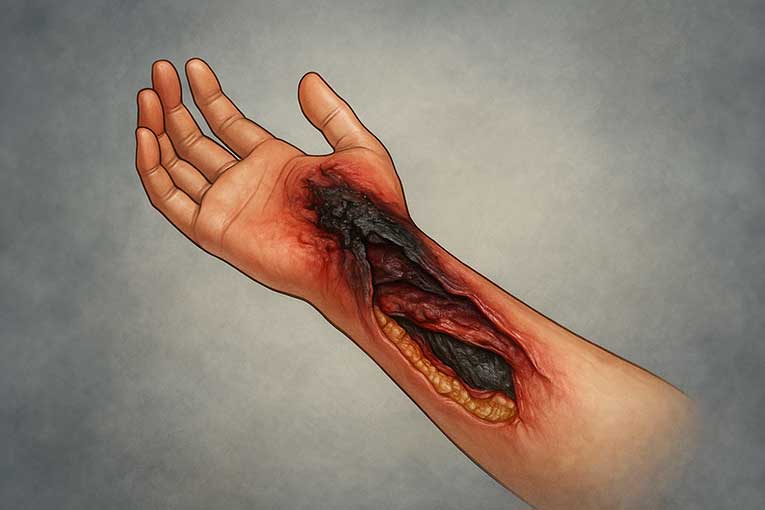
what is fourth degree burn

A fourth degree burn is the most severe type of burn injury. 

It goes beyond damaging just the skin and affects deeper layers of tissue, including fat, muscles, tendons, and even bone. 

At this level, the burn completely destroys both the outer (epidermis) and inner (dermis) layers of skin, leaving the affected area blackened, charred, or dry and white in appearance.

Because fourth degree burns damage nerves, the injured area may not be painful at first. This absence of pain does not mean the injury is minor, it is often a sign that the nerve endings have been destroyed. 

These burns are usually caused by prolonged exposure to intense heat, open flames, electricity, or strong chemicals.

Due to the depth of tissue damage, fourth degree burns can lead to serious complications, such as infection, fluid loss, shock, and organ failure. 

Immediate medical treatment is essential. 

These burns often require surgery, including skin grafts or even amputation in severe cases.

What Are The Most Common Causes of a Fourth Degree Burn?
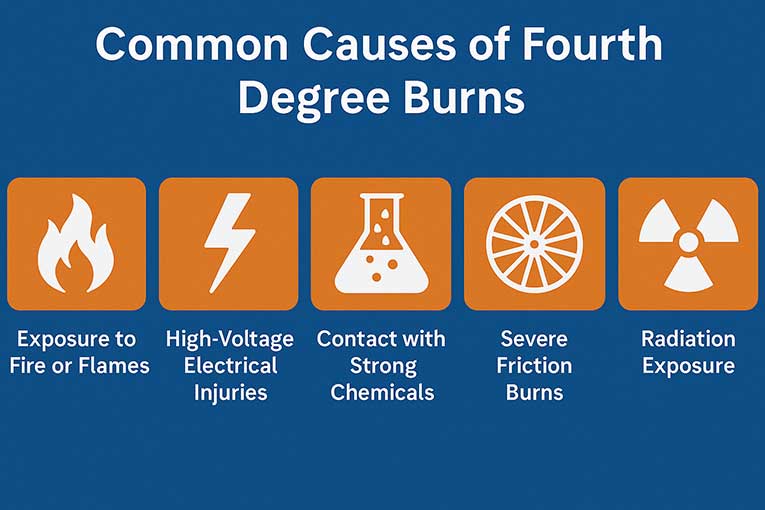
fourth degree burn causes

Fourth degree burns are serious injuries that occur when the body is exposed to extreme heat or harmful substances for a prolonged period. 

These burns go beyond the skin and affect deeper tissues, such as fat, muscle, and bone. Below are the most common causes.

Prolonged Exposure to Fire or Flames

One of the leading causes of fourth degree burns is prolonged contact with open flames. 

This often occurs in house fires, vehicle accidents, or industrial incidents where escape is delayed. 

Clothing can catch fire, holding heat against the skin and allowing the burn to penetrate deep into the body.

High-Voltage Electrical Injuries

Electrical burns, especially from high-voltage sources, can cause fourth degree burns. 

Electricity generates intense heat as it travels through the body, burning internal tissues even if the skin appears only mildly affected. 

This type of injury is common in construction sites, industrial settings, and electrical accidents.

Contact with Strong Chemicals

Exposure to strong acids or alkalis, such as industrial cleaning agents or corrosive substances, can lead to deep tissue burns. 

Chemical burns can continue to damage the skin and tissue long after the initial contact if not washed off quickly and thoroughly.

Severe Friction Burns

Friction burns occur when the skin rubs against a rough surface at high speed, such as in motorcycle accidents or being dragged across a hard surface. 

If the contact is strong and long enough, it can lead to fourth degree burns that extend into muscle and bone.

Radiation Exposure

Though less common, extremely high doses of radiation, such as in industrial accidents or overexposure during radiation therapy, can damage tissue layers beyond the skin, resulting in deep burns.

How Is a Fourth Degree Burn Different to Other Types of Burns?
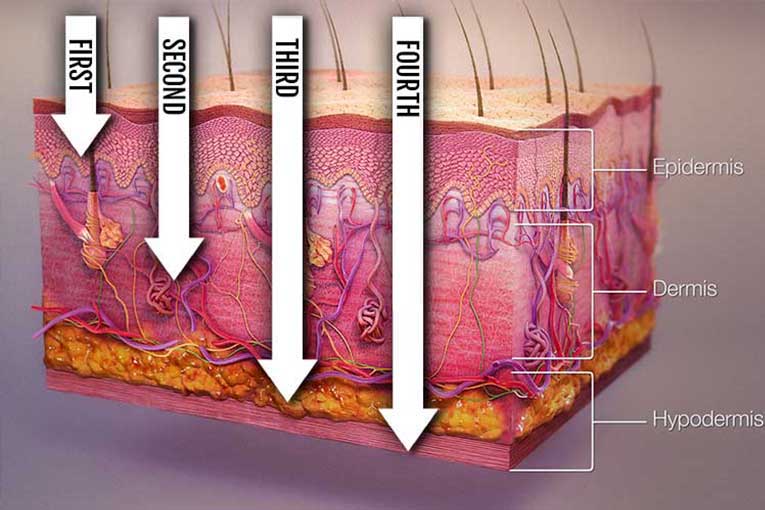
classifications of burns
Source: Wikipedia

There are different classifications of burns, based on their severity. 

Fourth degree burns are the most severe, causing destruction far beyond what is seen in first, second, or even third degree burns.

Here’s how fourth degree burns compare to other burn types:

First  Degree Burns

First degree burns affect only the outermost layer of skin, known as the epidermis.

The area becomes red, sore, and dry, with mild swelling.

Pain is usually present, but the burn typically heals within a week without scarring.

Second Degree Burns

Second degree burns reach into the second skin layer, the dermis.

They cause blisters, intense pain, and swelling.

Healing may take several weeks, and scarring is possible, depending on the depth.

Third Degree Burns

Third degree burns destroy both the epidermis and dermis.

The skin may appear white, blackened, or leathery.

Because nerve endings are damaged, the area may feel numb.

These burns often require skin grafts and leave permanent scars.

Fourth Degree Burns

Fourth degree burns extend through all layers of skin and into the underlying fat, muscle, and bone.

These burns are usually painless at the site due to complete nerve destruction.

The affected area may look charred, blackened, or dry and white.

They require immediate emergency treatment, often involve surgery or amputation, and result in long-term disability, permanent scarring, and significant functional loss.

How is a Fourth Degree Burn Treated?

fourth degree burn treatments

Treating a fourth degree burn is a complex and urgent medical task. 

Because these burns affect all layers of skin and deeper tissues such as fat, muscle, and even bone, they require immediate and specialist care. 

Treatment usually begins in an emergency department or burn unit.

The first step is to stabilise the patient. 

Doctors will assess the extent of the burn, manage pain, and prevent or treat shock. 

Intravenous fluids are given to prevent dehydration and maintain blood pressure. 

Antibiotics may also be used to prevent infection, which is a major risk with deep burns.

Next, dead or damaged tissue must be removed through a process called debridement. 

This helps the wound heal and reduces the chance of infection. 

Skin grafts are often needed to replace damaged tissue. 

In very severe cases, amputation of affected limbs may be necessary.

Ongoing treatment may include reconstructive surgery, physical therapy, and occupational therapy to restore movement and strength. 

Due to the trauma of the injury, psychological support is also a vital part of recovery.

Patients with fourth degree burns typically require long-term hospital care, including time in an intensive care or specialist burn unit. 

Early and aggressive treatment at a healthcare facility is essential for improving survival and long-term outcomes. 

Without it, fourth degree burns can lead to life-threatening complications and permanent disability.

How Long Does a Fourth Degree Burn Take to Heal?

Healing from a fourth degree burn is a long and complex process. 

These burns destroy all layers of the skin and reach into deeper tissues such as fat, muscle, and even bone. 

Because of this severe damage, the body cannot heal on its own without major medical intervention.

The initial hospital stay can last several weeks to months, depending on the size and location of the burn and whether complications arise. 

During this time, the patient may undergo multiple surgeries, such as debridement (removal of dead tissue) and skin grafts. 

In some cases, amputations or reconstructive surgery may also be required.

Even after leaving the hospital, long-term recovery continues. 

Physical therapy is often needed to regain movement, particularly if joints or muscles are affected. 

Patients may also need occupational therapy, psychological support, and regular check-ups to monitor healing.

Full recovery can take many months or even years. 

The exact timeline varies depending on the person’s age, overall health, and how quickly they respond to treatment. 

Some people may face lifelong challenges, including scarring, reduced mobility, or chronic pain.

Does a Fourth Degree Burn Scar?

Yes, a fourth degree burn almost always leaves significant scarring. 

Because this type of burn destroys all layers of the skin and extends into underlying tissues such as fat, muscle, and bone, the damage is permanent and severe. 

As the skin cannot heal naturally in these cases, scarring is an unavoidable part of the recovery process.

The scars from fourth degree burns are often deep, large, and discoloured. 

They may appear raised, tight, or shiny, and can be either lighter or darker than the surrounding skin. 

Common types of scarring include hypertrophic scars, which are thick and red but remain within the wound area, and keloid scars, which grow beyond the boundaries of the original injury.

In addition to scarring, many patients develop contractures, where the skin and underlying tissues tighten and restrict movement, especially when burns are near joints. 

This can affect mobility and lead to long-term physical difficulties.

To manage scarring, patients may undergo treatments such as pressure garments, silicone gel sheets, steroid injections, and in some cases, reconstructive surgery. 

While these methods can reduce the appearance and discomfort of scars, they cannot remove them entirely.

Emotional and psychological support is also important, as scarring can impact confidence and mental wellbeing.

Conclusion

You should now have an understanding of what a fourth degree burn is. 

Fourth degree burns are among the most devastating and life-threatening injuries a person can suffer. 

This level of damage can result in permanent disability, disfigurement, and, in the most severe cases, death. 

Recovery is rarely straightforward and often requires months or even years of intensive medical care, surgeries, and physical rehabilitation.

Immediate medical intervention is essential. 

The faster a patient receives professional care, the better the chances of stabilising their condition, preventing infections, and beginning the long road to recovery. 

Fire safety education, use of protective gear, and better awareness of hazards can all play a role in prevention.

What is a First Degree Burn?

Burns are a common injury, and they can occur in a variety of settings, whether at home, at work, or during outdoor activities. 

One of the most common types of burns is a first-degree burn. 

But what does a first degree burn mean?

While these burns are typically not severe, they can still cause discomfort and require attention to avoid complications. 

Understanding what a first-degree burn is, how it differs from other types of burns, and how to treat it properly can help prevent further damage and ensure a speedy recovery. 

This article will explore what a first-degree burn is, its common causes, how it differs from other burns, how to treat it, and how long it takes to heal.

What is a First Degree Burn?

what is first degree burn

A first-degree burn is the mildest type of burn injury. 

It affects only the outer layer of the skin, known as the epidermis

This type of burn is usually caused by mild heat, such as a sunburn or a brief exposure to a hot object, and typically does not lead to permanent damage.

Characteristics of a First Degree Burn

The main characteristics of a first-degree burn include:

  • Redness: The skin may appear red or pink, especially around the affected area.
  • Pain: A first-degree burn may be painful, but the discomfort is usually mild to moderate.
  • Swelling: The affected skin may become slightly swollen, though it does not typically result in blistering.
  • Dry Skin: The skin may feel dry, and peeling can occur as the burn heals.

Since first-degree burns only affect the epidermis, they are generally considered to be minor burns that do not require medical attention unless they cover a large area or cause extreme discomfort.

What Are The Most Common Causes of a First Degree Burn?

first degree burn causes

First-degree burns can be caused by a variety of everyday situations. 

They are typically the result of exposure to heat or sun, though other factors can also play a role. 

Some of the most common causes include:

Sunburn

One of the most common causes of a first-degree burn is sunburn, which occurs when the skin is overexposed to ultraviolet (UV) radiation from the sun. 

Sunburns often cause redness and discomfort, and the skin may peel after a few days as it heals.

Hot Objects

Contact with hot objects, such as a stovetop, iron, or heated metal, can cause a first-degree burn. 

The skin may redden and feel sore, but there is typically no blistering or significant damage to the underlying tissue.

Scalds from Hot Liquids

Spilling hot liquids, such as boiling water, soup, or coffee, can also lead to a first-degree burn. 

The severity of the burn can depend on how long the skin is exposed to the hot liquid, but first-degree burns from scalds are usually not severe.

Mild Electrical Burns

Electrical burns from low-voltage sources, like a faulty electrical appliance, can cause first-degree burns if the skin comes into brief contact with the electrical source. 

These burns usually cause redness and mild pain.

Friction Burns

Friction burns can occur when the skin is rubbed against a rough surface, such as when a person falls onto the pavement. 

These burns typically affect only the epidermis and are considered first-degree burns if the damage is limited to this outer layer.

How Is a First Degree Burn Different to Other Types of Burns?

first degree burn different to other types of burn
Source: Wikipedia

There are four main burn classifications based on their severity: first-degree burns, second-degree burns, third-degree burns, and fourth-degree burns. 

Each type of burn differs in how deep it penetrates the skin and how severe the symptoms are.

First-Degree Burns

As previously mentioned, first-degree burns affect only the epidermis, the outermost layer of the skin. 

These burns are usually mild and can be treated at home with basic first aid. 

Symptoms include redness, mild swelling, and pain, but there is no blistering.

Second-Degree Burns

Second-degree burns affect both the epidermis and the underlying layer of skin, known as the dermis. 

These burns are more severe than first-degree burns and typically cause more intense pain, swelling, and redness. 

Blisters may form, and the skin may appear shiny or wet. 

Second-degree burns often require medical attention and may take longer to heal.

Third-Degree Burns

Third-degree burns are the most severe type of burn. 

They penetrate through the epidermis and dermis and can affect the underlying tissue, including muscles and bones. 

These burns may appear white, charred, or leathery and are often painless due to nerve damage. 

Third-degree burns are a medical emergency and require immediate attention. 

They can cause permanent damage to the skin and may require grafting or other surgical treatments.

Fourth-Degree Burns

Fourth-degree burns are the most severe and deepest type of burn. 

These burns extend beyond the skin into the underlying tissues, including fat, muscles, tendons, and bones. 

Fourth-degree burns are often caused by extreme heat or prolonged exposure to a heat source, such as a fire or electrical burns. 

The skin may appear blackened, charred, or leathery, and the area may be completely numb due to nerve damage. 

Fourth-degree burns are a medical emergency, and immediate treatment is necessary. 

These burns can result in permanent tissue damage, loss of function in the affected area, and, in extreme cases, can be life-threatening. 

Treatment often involves surgical interventions like debridement, skin grafting, or amputation.

How is a First Degree Burn Treated?

first degree burn treatments

First-degree burns are typically easy to treat at home, as they do not cause significant damage to the skin. 

Here are some steps to follow for effective first-degree burn treatment:

Cool the Burn

The first step in treating a first-degree burn is to cool the skin. 

You should immediately run cool (not cold) water over the affected area for about 10-15 minutes. 

This will help to reduce the pain and prevent the burn from getting worse. 

If running water is not available, you can also apply a cool, damp cloth to the burn.

Avoid Ice

While it may seem tempting to use ice to cool the burn, this can actually cause further damage to the skin. 

Avoid placing ice directly on the burn or using very cold water, as it can freeze the skin and make the situation worse.

Apply a Moisturiser or Aloe Vera Gel

After cooling the burn, you can apply a moisturiser or aloe vera gel to soothe the skin. 

Aloe vera is known for its cooling properties and can help to reduce redness and swelling. 

Be sure to use a product that is free of alcohol or other harsh ingredients, as these can irritate the skin further.

Take Over-the-Counter Pain Relievers

If the burn is painful, over-the-counter pain relievers such as ibuprofen or paracetamol can help to reduce discomfort. 

Always follow the recommended dosage instructions on the packaging.

Protect the Burn from Further Damage

If the burn is located on an area that may be exposed to friction or further irritation (such as the hands or feet), you may want to cover the burn with a clean, non-stick bandage. 

Make sure the bandage is not too tight, as this could restrict circulation.

Avoid Popping Blisters

Although first-degree burns typically do not cause blisters, if they do form, it’s important not to pop them. 

Blisters act as a natural barrier against infection, and breaking them can lead to further complications.

How Long Does a First Degree Burn Take to Heal?

The healing time for a first-degree burn is relatively short. 

Most first-degree burns heal within 7 to 10 days without leaving permanent scars. 

However, the healing time can vary depending on the severity of the burn, the size of the affected area, and how well the burn is treated.

Factors Affecting Healing Time

  • Size of the Burn: Larger burns may take slightly longer to heal, although they are still considered first-degree burns.
  • Location of the Burn: Burns on more sensitive areas of the body, such as the face or hands, may take longer to heal.
  • Proper Treatment: Burns that are treated properly and promptly usually heal more quickly than those that are not cared for correctly.

During the healing process, the skin may peel as it regenerates, and the redness will gradually fade. 

Once healed, the skin will usually return to its normal colour, but it may feel dry or slightly sensitive for a short time.

Does a First Degree Burn Scar?

First-degree burns generally do not result in scarring, especially if they are properly treated. 

Since these burns only affect the outer layer of the skin, the body is typically able to heal without permanent damage. 

However, in some cases, if the burn is extensive or improperly treated, there may be a slight chance of scarring.

How to Minimise Scarring

To minimise the risk of scarring, it is essential to:

  • Keep the burn clean and avoid infection.
  • Use moisturising lotions to keep the skin hydrated during the healing process.
  • Avoid picking at the burn or peeling off the skin prematurely.
  • Protect the healing skin from excessive sun exposure, as sunburn can cause pigmentation changes and increase the risk of scarring.

Conclusion

You should now have an understanding of exactly what a first degree burn is. 

A first-degree burn is a common and usually mild type of burn that affects only the outer layer of the skin. 

These burns are generally caused by mild heat or sun exposure and can be easily treated at home. 

With proper care, first-degree burns typically heal within a week to ten days and rarely leave permanent scarring. 

By understanding the symptoms, causes, and treatment of first-degree burns, individuals can effectively manage this type of injury and avoid complications. 

If a burn appears more severe or shows signs of infection, it’s important to seek medical attention promptly.

What is a Third Degree Burn?

A third-degree burn is one of the most severe type of burn. 

But exactly what is a third degree burn?

It affects all layers of the skin, and can cause serious damage to tissues beneath. 

These burns require immediate medical attention, as they can lead to lasting damage and complications. 

In this article, we will discuss what a third-degree burn is, its causes, treatments, healing time, and potential scarring.

What is a Third Degree Burn?

A third-degree burn is the deepest type of burn injury. 

It affects the epidermis, dermis, and sometimes the subcutaneous tissue (fat and muscle). 

This kind of burn causes the skin to become charred, white, or leathery. 

The skin may also look dry and may not bleed. 

Because the damage extends to nerve endings, a third-degree burn might not be as painful initially as a first- or second-degree burn. 

However, it is extremely serious.

In third-degree burns, nerve endings are often destroyed, leading to numbness in the area. 

This is why the burn may not cause much immediate pain. 

These burns can also affect underlying tissues, such as muscles, tendons, and bones.

They may require significant treatment, such as skin grafts or even surgery, depending on the severity.

What Are The Most Common Causes of a Third Degree Burn?

causes of third degree burn

Third-degree burns are usually caused by extreme heat or chemicals. 

Below are some of the most common causes:

Flames

One of the most common causes of third-degree burns is fire. 

Whether from a house fire, an explosion, or being caught in flames, direct exposure to fire can quickly cause severe burns. 

Clothing that catches fire can also lead to third-degree burns.

Hot Liquids or Steam

Hot liquids, such as boiling water or oil, can cause third-degree burns if they are spilled or splashed onto the skin. 

Prolonged contact with hot steam can also cause serious burns, especially in areas like the face and chest.

Electrical Burns

Electricity can cause severe burns when it passes through the body. 

These burns can cause deep tissue damage and even cardiac arrest. 

Electrical burns usually occur when someone comes into direct contact with a live electrical source.

Chemical Burns

Certain chemicals can cause third-degree burns if they come into contact with the skin. 

Acids and alkalis, for example, can cause serious burns. 

Chemical burns may occur in industrial settings or due to household cleaners.

Radiation Burns

Exposure to radiation, such as from sunburns or radiation therapy, can also lead to third-degree burns. 

Sunburns from prolonged sun exposure, especially in sensitive areas, can reach this level of severity in extreme cases.

How Is a Third Degree Burn Different to Other Types of Burns?

how third degree burn different
Source: Wikipedia

There are different classifications of burns, based on their severity. 

Third-degree burns are the most serious, affecting deeper layers of skin and tissue. 

Here’s how they differ from first- and second-degree burns:

First-Degree Burns

A first-degree burn affects only the outer layer of the skin, the epidermis

The skin becomes red, sore, and may peel after a few days. 

These burns are mild, and usually heal within a week. 

They rarely cause scarring.

Second-Degree Burns

A second-degree burn affects both the epidermis and the dermis

These burns cause blisters, pain, and swelling. 

They can lead to deeper damage and may require weeks to heal. 

Second-degree burns often leave scarring but are not as severe as third-degree burns.

Third-Degree Burns

A third-degree burn is the most severe. 

It damages all layers of the skin and may affect muscles, tendons, and bones. 

The skin may appear white, charred, or leathery, and it may feel numb due to nerve damage. 

Third-degree burns require immediate medical treatment and can result in long-term scarring, disability, and loss of function.

How is a Third Degree Burn Treated?

A third-degree burn requires immediate medical attention.

It is important to follow the right steps to prevent complications and promote healing. 

Here’s how third-degree burns are typically treated:

Call for Help

If you or someone else suffers a third-degree burn, call emergency services immediately. 

This is a life-threatening situation, and professional medical help is essential.

Stop the Burning Process

If the burn is caused by fire, stop, drop, and roll to extinguish the flames. 

If the burn is caused by chemicals, remove any contaminated clothing and rinse the area with water (unless directed otherwise by medical personnel). 

For electrical burns, ensure the person is no longer in contact with the electrical source before offering help.

Cover the Burn

While waiting for medical help, cover the burn with a sterile, non-stick dressing or a clean cloth. 

This helps protect the area from infection and reduces pain. 

Avoid using ice or applying any ointments, as they can worsen the damage.

Monitor for Shock

A person with a third-degree burn may go into shock. 

Signs of shock include rapid breathing, weak pulse, and pale or clammy skin. 

If this happens, lay the person flat, raise their feet, and keep them warm until help arrives.

Hospital Treatment

In the hospital, doctors will assess the burn and may perform treatments like fluid resuscitation (to replace lost fluids), debridement (removal of dead tissue), and skin grafts (to cover large areas of damage). 

Pain management is a priority.

How Long Does a Third Degree Burn Take to Heal?

how long third degree burn heal

Healing time for a third-degree burn depends on its severity and the treatment required. 

These burns are serious, and full recovery may take weeks, months, or even longer.

Initial Healing

The immediate response to a third-degree burn is to stabilise the person and prevent infection. 

The skin and underlying tissues will begin to heal, but the process can take a long time. 

Skin grafts may be needed to replace the damaged skin, especially if the burn is large.

Recovery Time

For most third-degree burns, healing can take weeks to months. 

Smaller burns might heal faster, but larger burns can require ongoing treatment and rehabilitation. 

A person may need physical therapy to regain strength and mobility.

Long-Term Care

Even after the burn heals, the person may need continued care to address complications like infection, scarring, or loss of function. 

Ongoing medical treatment may be necessary to improve the appearance of scars and restore skin function.

Does a Third Degree Burn Scar?

Yes, third-degree burns almost always cause scarring. 

The deeper the burn, the more likely it is to cause permanent scarring. 

The skin may form thick, keloid scars, or it may be contracted, causing the skin to tighten.

Scar Treatment

While third-degree burn scars can be severe, treatment can help minimise their appearance. Scar treatment options include:

  • Pressure garments to help flatten scars
  • Surgical revision to improve the appearance
  • Laser therapy for scar reduction
  • Physical therapy to prevent skin tightening

It’s important to follow medical advice to improve scar healing and prevent long-term complications.

Conclusion

You should now have more of an understanding of exactly what is a third degree burn. 

A third-degree burn is a serious injury that can cause extensive damage to the skin and underlying tissues. 

Immediate medical care is essential to prevent complications, promote healing, and reduce scarring. 

With proper treatment and ongoing care, people can recover from third-degree burns, though healing time is long, and scarring is inevitable. 

If you or someone you know suffers a third-degree burn, seek medical help immediately.