Edwards has introduced its ConnectedSafety+ Cellular Gateway series in the United States.
AEI Cables calls for Building Safety Act to be widely understood
AEI Cables has said the performance of cabling in critical fire safety systems needs to be clearly understood as part of the new Building Safety Act.
The new Building Safety Act makes requirements for higher-risk buildings which are those deemed to be of at least 18 metres in height or at least seven storeys containing at least two residential units.
The Act updates guidelines for construction and management of higher risk buildings and covers the whole supply chain including electrical safety systems and cabling. The current British Standard Code of Practice BS 8519 identifies six categories of power and control cables with survival times of 30, 60 or 120 minutes.
General Manager, AEI Cables, Stuart Dover’s statement
Stuart Dover, General Manager of AEI Cables, said: “There is a lot of new detail in the legislation and we welcome the requirements of the Act. However, there is a pressing need to understand the part played by electrical safety systems and the cabling that operates these systems.
“There is good information available through the cabling industry including our own technical advisers about cable testing, cable classifications and cable performance in real fire conditions.”
The systems in these buildings powered by electrical cables, including smoke and heat extraction systems, assist fire services in firefighting and a safe evacuation in the case of life safety.
The Building Safety Regulator
The Building Safety Regulator will oversee the safety and performance of all buildings, as well as having a special focus on high-rise buildings. It will promote competence and organisational capability within the sector including for building control professionals and tradespeople.
Building owners should now have their building safety regime in place and any occupied higher-risk buildings should be registered with the Building Safety Regulator.
New legislation needs to be welcomed, says AEI Cables: Summary
AEI Cables has called for the updates to the Building Safety Act to be widely understood. AEI’S General Manager said that there is a pressing need to understand the part played by electrical safety systems and the cabling that operates these systems.
Protecting properties with fire safety systems: Market analysis
IFSJ explores how modern technologies are revolutionising fire safety systems and enhancing building protection
Fire safety systems are critical for safeguarding lives and properties from fire hazards.
These systems include a variety of technologies such as smoke and heat detectors, fire alarms, and automatic sprinkler systems designed to detect, control, and extinguish fires.
Effective fire safety systems are integral to building designs and maintenance protocols, complying with rigorous regulations and standards to reduce fire risks.
This analysis explores the current state and future prospects of the global fire safety systems market, providing valuable insights for fire and safety professionals worldwide.
Market overview
The global market for fire safety systems is experiencing steady growth, driven by increasing awareness of fire hazards and stringent safety regulations.
According to Grand View Research, in 2023, the market was valued at approximately $67 billion and is projected to reach $95 billion by 2028, growing at a compound annual growth rate (CAGR) of 7.1%.
Key drivers include urbanisation, industrialisation, and the rising investments in infrastructure development, particularly in emerging economies.
The demand for advanced fire safety technologies, such as smart sensors and integrated fire safety solutions, is also contributing to market expansion.
Strengths
Fire safety systems have several strengths that contribute to their market growth.
Firstly, technological advancements have led to the development of more reliable and efficient detection and suppression systems.
Innovations such as wireless fire alarms and intelligent fire detection systems enhance the effectiveness and ease of installation.
Secondly, stringent regulatory frameworks mandate the implementation of fire safety systems in residential, commercial, and industrial buildings, ensuring a continuous demand.
Additionally, the growing awareness of the importance of fire safety among businesses and individuals supports the adoption of these systems.
Challenges
Despite the positive market outlook, the fire safety systems market faces certain challenges.
High installation and maintenance costs can deter small and medium-sized enterprises from adopting advanced systems.
The complexity of integrating new technologies with existing infrastructure also poses a significant hurdle.
The market is highly fragmented, with numerous local and international players, leading to intense competition and price pressures.
Ensuring compliance with varying regional regulations adds another layer of complexity for market participants.
Recent developments
The fire safety systems market has seen several recent developments that are shaping its future.
The integration of Internet of Things (IoT) technology with fire safety systems is gaining traction, enabling real-time monitoring and improved response times.
Companies are investing in the development of eco-friendly fire suppression systems to meet increasing environmental concerns.
Moreover, mergers and acquisitions among key players are consolidating the market, enhancing capabilities and expanding geographic reach.
Regional insights
The fire safety systems market exhibits diverse trends across different regions.
North America remains the largest market, driven by stringent building codes and significant investments in infrastructure.
Europe follows closely, with strong regulatory frameworks and high awareness levels contributing to market growth.
The Asia-Pacific region is expected to witness the fastest growth, propelled by rapid urbanisation, industrialisation, and increased government initiatives to enhance fire safety standards.
In contrast, the market in the Middle East and Africa faces slower growth due to economic and political challenges, although the demand is gradually rising with increasing infrastructure projects.
Expert comment
On how modern technologies are changing the fire safety landscape, Jurgen Van Goethem, VPGM, Europe, Honeywell Building Automation says: “In recent years, modern technologies and advancements have revolutionised the fire safety landscape, especially in commercial environments.
“Today, fire safety systems are seamlessly integrated with digital platforms, allowing for remote monitoring and control.
“Internet of Things (IoT) enabled devices allow for real-time data collection, providing immediate insights into potential fire risks.
“Implementing this modern technology into fire safety systems unlocks an array of benefits.
“From making sure maintenance checks are carried out as outlined by local regulations, to providing first responders with real-time information that can result in faster response times.
“By supplying a constant data trail that is automatically updated with the latest inspection data, it becomes significantly easier to rectify any issues that might need clarifying as all the data is stored in one place.
“The adoption of digitisation in fire safety systems is a crucial advancement, offering a myriad of benefits for both organisations and occupants.
“Smart fire safety systems not only enhance safety protocols but also foster a proactive, data-driven approach that significantly improves the effectiveness of fire prevention and response strategies, ultimately safeguarding buildings and, most importantly, lives.”
This article was originally published in the August 2024 issue of International Fire & Safety Journal. To read your FREE digital copy, click here.
Chain Bridge Honey Farm fortifies its fire safety with LogiFire solution
Upgrade in fire safety system at a prominent honey farm
Chain Bridge Honey Farm, recognised for its honey production and visitor experience, has enhanced its fire safety systems with the installation of Comelit-PACs LogiFire solution.
Nestled in the scenic countryside of Horncliffe, the farm has been a thriving family enterprise since William Selby Robson, a beekeeping advisor, established it in 1948.
Today, the farm comprises three honey houses, over 2,000 hives, and a visitor centre.
LogiFire system fortifies fire safety
Aiming to bolster fire safety measures primarily in the Farm’s Visitor Centre, the farm’s team collaborated with local experts, SPARC Fire and Security.
The latter was brought onboard to design and install a compliant fire safety system.
Relying on previous experiences, SPARC Fire and Security recommended the LogiFire system, renowned for its self-addressing solution and ability to integrate cloud-based monitoring and management.
Frances Robson of Chain Bridge Honey Farm said: “Our farm draws thousands of visitors annually. We needed to ensure the safety and security of our visitor centre and our observation hive, a key attraction.”
She added : “SPARC Fire and Security worked closely with us to upgrade our existing fire safety system. They suggested LogiFire for its customised capabilities and cutting-edge features, ensuring we are compliant with the latest regulations.”
LogiFire system assures safety at Chain Bridge Honey Farm
The LogiFire system, compliant with EN Approvals, is paired with a series of detectors, blending effortlessly with the surroundings.
Andrew Harris, Director at Sparc Fire and Security, commented: “Chain Bridge Honey Farm needed to modernise their existing fire safety infrastructure to meet evolving safety regulations. They required a system that would provide early detection and reliable fire alarms.”
He also mentioned that LogiFire checked all the boxes, being a self-addressing, cloud-based system offering remote monitoring capabilities.
Mandy Bowden, Fire Manager at Comelit-PAC, said: “Chain Bridge Honey Farm illustrates the true potential of LogiFire. The system can accommodate any site without compromising on compliance, style, or capabilities.
“It allows the farm to concentrate on its core operations of producing high-quality honey products, safe in the knowledge that its premises and visitors are protected by a state-of-the-art fire safety system.”
IFSJ Comment
The upgrade of Chain Bridge Honey Farm’s fire safety systems underscores the importance of incorporating advanced technologies such as cloud-based systems like LogiFire, that enable remote monitoring and management, in mitigating fire risks and ensuring compliance.
Integrated Fire Systems joins PSI in strategic acquisition move
In a strategic expansion of its fire and life safety platform, Performance Systems Integration (PSI), a leading fire and life safety services provider based in Portland, Oregon, has announced the acquisition of Integrated Fire Systems (IFS).
This development is set to bolster PSI’s presence across the Pacific Northwest, Mountain West, and Northern California regions, where it provides a comprehensive suite of services, including system inspection, service and monitoring, equipment and first-aid sales, cylinder repairs, and installations for new construction and retrofits.
Julie and Jim Rios, co-owners of Integrated Fire Systems, voiced their confidence in the partnership: “After meeting with the PSI team, we immediately recognized their commitment to building on IFS’s legacy. PSI’s philosophy and values were in complete alignment with our own. We knew that the opportunity for our team’s growth and our customers’ continued satisfaction was enhanced greatly by partnering with the PSI team.”
Located in Rocklin, California, IFS has established a strong reputation for its provision of consistent fire and life safety system inspection, repair, maintenance, monitoring services, and installations. It serves commercial building owners and property managers in the Sacramento, CA region.
Expressing enthusiasm over the acquisition, PSI CEO Travis Everton said: “We’re excited to add IFS to the PSI family. We look forward to providing expanded services and support to customers in the greater Sacramento, CA region and building on the strong business the team at IFS has worked hard to build over the years.”
About Performance Systems Integration
PSI is committed to delivering high-quality customer service through its “single-point-of-management” compliance services for all fire and life safety installations and inspections in the Pacific Northwest and the Northern California regions. PSI also operates cylinder requalification, cylinder maintenance, and fire equipment parts distribution businesses under the Fire King brand.
With over 20 years of fire and life safety industry experience, its highly qualified technicians are carefully factory-trained and NICET-certified to deliver the highest level of services. Beyond compliance, PSI’s mission is to help save lives by providing meaningful fire and life safety protection and training.
Global Fire Equipment unveils new manufacturing facility
Leading European-based fire safety system manufacturer, Global Fire Equipment (GFE), has announced the opening of its new manufacturing facility in the Algarve region of Portugal, representing an investment of €7.5 million by GSS Group, creating a new home for two of the group’s companies – GFE and CREATECH Emergency Lighting.
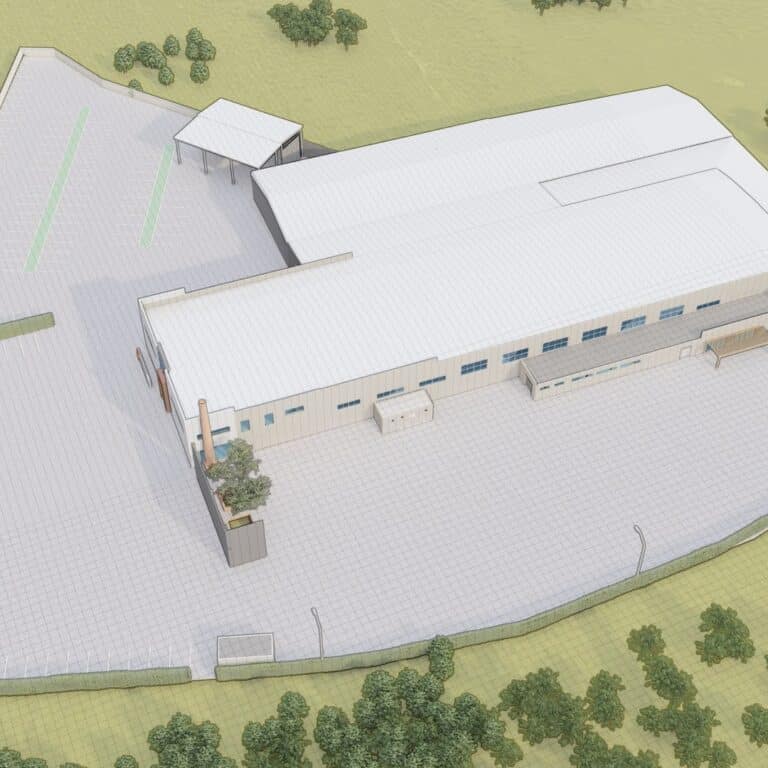
The 7,500-sq m facility is more than twice the size of GFE’s previous plant, and the land purchased spans 16,000-sq m meaning there is plenty of scope for further expansion should this be required as the company works towards its future growth targets.
GFE has seen sustained growth over the last 10 years including double digit growth during the COVID-19 pandemic. CREATECH Emergency Lighting has also achieved grown and will need the increased manufacturing capacity to help deliver its international sales ambitions. GSS Group said it sees a significant market advantage of integrating both its fire safety and emergency lighting divisions under one roof, with space to expand in the coming years.
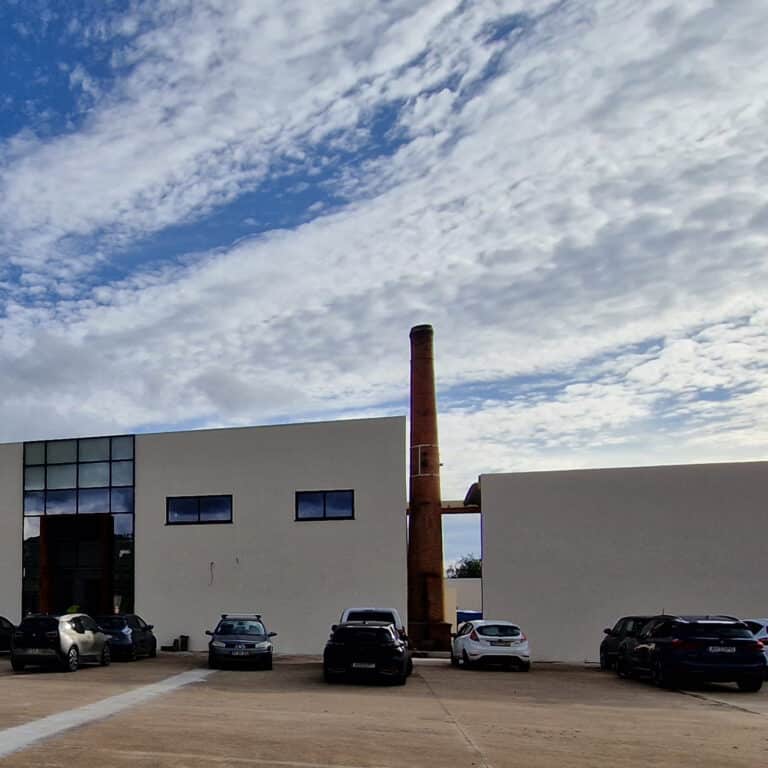

Initially the new facility will operate a single 8-hour shift pattern, but GFE could triple production capacity if it wishes as there is the option to add two further 8-hour shifts thus allowing the facility to operate 24/7.
A number of dedicated manufacturing zones are incorporated into the new facility, including on-site injection moulding and PCB manufacture. The new assembly lines have been designed to maximise efficiency in the manufacturing process and, with the additional space, GFE has been able to increase stock storage and dispatch areas by 400% compared to its previous plant. Other areas include product testing, general assembly and management, sales and administration.
Building a sustainable and energy-efficient manufacturing facility was one of GFE’s key pre-requisites for the new plant. The Algarve is one of the sunniest places in Europe which allows GFE to maximise on-site solar energy generation. Having installed a large number of solar carports, GFE’s on-site solar energy generation has jumped an impressive 600% compared to the former plant which means that almost 90% of the facility’s energy needs will be supplied by solar power.
All manufacturing and office support are scheduled to be in place by the end of January 2023, with the remaining services moving in by the end of February. The new facility is located within 3km of the former site so all employees will retain their positions and GFE will continue to have good access to the labour market within the Algarve.
Paul Pope, GFE’s Global Business Development Manager, commented: “Our new manufacturing facility reflects the vast amount of work and investment every member of the GFE team has put into the company over the past few years. Our drive to deliver high quality, affordable fire safety systems is at the forefront of our operations and is clearly evident in the design of this facility. We are also delighted that we have been able to invest in energy efficiencies which will undoubtedly make our business more sustainable.”
Joao Paulo, GFE’s Founder and Managing Director, adds: “Today marks a pivotal moment in our company’s history. Building on our years of manufacturing experience and technical developments, this facility will ensure that we not only continue supporting our existing customers with industry-leading products and technical support, but also that we will be able to expand further into new markets around the world.
“We have always been focused on ways to improve efficiencies in our manufacturing process and have been able to develop sophisticated automated production lines in our new facility to increase our manufacturing capacity. Whilst these productions lines will carry forward GFE’s drive for automation, we will also be looking to expand our team to ensure we continue to meet the high quality and standards our customers know they can rely on.”
Read IFSJ’s exclusive article with GFE in the latest edition.
Fire Shield installs SRF fire safety systems
Fire Shield Systems has provided waste management company Hamilton Waste and Recycling and cement company Tarmac with “specialised and technical” fire safety systems to safeguard the production and storage of solid recovered fuel (SRF).
Fire Shield was engaged by the two companies last year after Tarmac partnered with Hamilton Waste in spring 2019 with to boost the sustainability of its cement plant in Dunbar, Scotland.
This included using SRF produced at Hamilton Waste’s Edinburgh site from non-recyclable waste material, to fuel Tarmac’s Dunbar plant’s operations.
Director of Fire Shield Systems James Mountain underlined that “the production of SRF carries a high fire risk, which, if not managed properly, can impact on the safety of people, machinery and other resources. The safe storage of any flammable materials also requires careful planning and consideration.”
Accordingly, Field Shield Systems surveyed the relevant fire risks at the process and storage areas of the two sites and designed two “bespoke, automatic systems” approved by Tarmac and Hamilton Waste’s insurers and the Environment Agency.
At Hamilton Waste’s production site, Fire Shield Systems installed a fire cannon and organic class A wetting agency, operated by a multi-zonal, flame-detection system to target suppression, offer fast protection and minimal clean up.
A standalone fire suppression Dafo system was also installed to protect the machinery-drive enclosure, which Mountain said “offers robust and reliable, linear, heat detection, using mains power and a stored-nitrogen cartridge to operate the foam hybrid wetting agent to provide maximum protection.”
At Tarmac’s plant, Field Shield Systems designed a type-tested, water spray system, designed for its efficiency in water usage and reduction in contaminated run offs. The water spray system operates with fast-acting, IR3 flame detection which means, in the event of activation, any operations downtime is minimised.
Commenting on the results of Fire Shield’s fire protection system, David Hamilton, Director of Hamilton Waste, said: “We’ve used other systems in the past, but this situation required a more specialised and technical solution. Fire Shield’s experience in installing similar systems gave us confidence in the team’s expertise.
“From start to finish, Fire Shield has been very professional. We couldn’t fault the service. They’ve delivered the best-in-class and most cost-effective solution to a very high standard. We would absolutely recommend Fire Shield Systems to other businesses looking to improve the fire safety of their operations. We couldn’t be happier with the results.”