Becoming a firefighter is a noble pursuit that requires dedication, training, and a strong sense of public service, but how long does it take to become a firefighter?
Aspiring firefighters embark on a journey that involves meeting specific requirements, undergoing rigorous training, and gaining the necessary skills to handle emergencies.
In this article, we’ll explore the various steps involved in becoming a firefighter, how long it takes to become a firefighter, what the requirements are, and what can stop you from becoming one.
What Are the Requirements to Be a Firefighter?
To embark on the path of becoming a firefighter, individuals must meet specific requirements that vary depending on state regulations and fire department policies.
Typically, aspiring firefighters must be between the ages of 18 and 37, though these age limits can vary by jurisdiction.
Qualifications play a crucial role, with most fire departments requiring candidates to possess a high school diploma or equivalent.
Some departments may prefer or mandate candidates to have completed college-level coursework or earned a degree in fire science or a related field.
Physical fitness is a non-negotiable requirement, as firefighters often find themselves in physically demanding situations.
Candidates must pass rigorous fitness assessments to demonstrate their ability to handle the strenuous tasks associated with firefighting.
A valid driver’s licence is usually a prerequisite, considering the need for firefighters to operate emergency vehicles.
Additionally, having a clean driving record is essential.
Candidates with criminal convictions may face disqualification, emphasising the importance of a clean legal history.
Fire departments seek individuals with high moral character and reliability, ensuring the public’s trust in their service.
Meeting these requirements lays the foundation for individuals aspiring to join the ranks of dedicated and capable firefighters.
How Long Does It Take to Become a Firefighter?
Becoming a firefighter involves a multi-step process, and the duration can vary based on individual choices and career paths.
The primary components of firefighter training include the Fire Academy, college degree, paramedic training, and emergency medical training.
Notably, not every step is mandatory, and aspiring firefighters can combine certain elements to streamline the process.
The Fire Academy
The Fire Academy is a foundational training program that typically spans 3 to 6 months.
It provides essential skills in fire suppression, rescue operations, and emergency response.
Some individuals opt to attend the Fire Academy after obtaining other qualifications, while others make it their initial step.
College
A college degree, often in fire science or a related field, is another avenue for aspiring firefighters.
This educational path can take anywhere from 2 to 4 years to complete.
While a degree enhances a candidate’s knowledge and credentials, it’s not a prerequisite for all fire departments.
Paramedic Training
Paramedic training, lasting 1 to 2 years, is crucial for those aspiring to work as firefighter-paramedics.
This additional certification enables firefighters to provide advanced medical care in emergencies, enhancing their versatility on the job.
EMT Training
Emergency medical technician training, typically lasting around 6 months, focuses on basic life support skills.
While not as comprehensive as paramedic training, it equips firefighters with essential medical knowledge to address immediate needs in emergency situations.
Individuals can choose to combine these steps based on their career goals and department requirements.
For example, someone aiming to become a firefighter-paramedic might opt for simultaneous paramedic training while attending the Fire Academy.
This flexibility allows aspiring firefighters to tailor their journey to align with their specific career objectives and the demands of their chosen fire department.
Why Does Firefighter Training Take So Long?
Firefighter training is comprehensive and extensive due to the diverse range of skills and knowledge required for the profession, and the reason why it takes so long to become a firefighter.
The length of training reflects the demanding nature of the job and the need for firefighters to be well-prepared for various emergency situations.
The thoroughness of firefighter training is essential to ensure that individuals can respond effectively to a wide range of incidents, from fires and rescues to medical emergencies.
The extended duration allows for practical, hands-on experience, simulation exercises, and theoretical learning, ensuring that firefighters are well-prepared and confident in their abilities when facing real-life challenges.
Why Do You Need EMT Training to be a Firefighter?
EMT training is a crucial component of firefighter preparation, enhancing their ability to respond to a variety of emergencies.
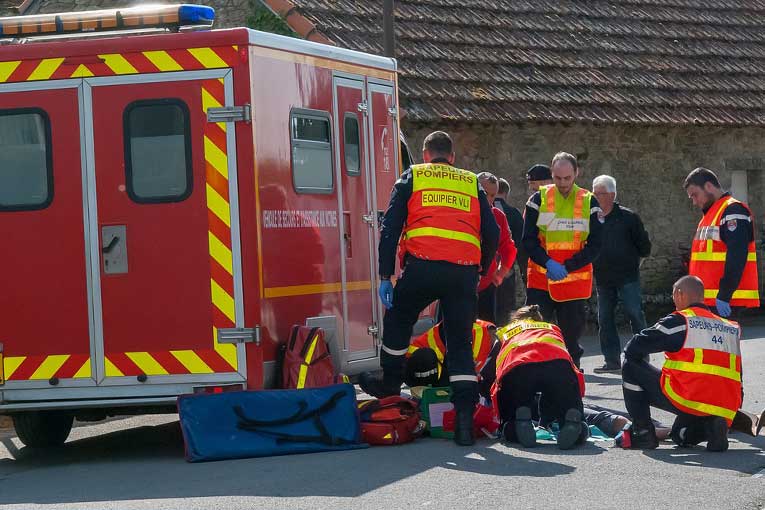
Firefighters often serve as first responders in medical incidents, and EMT training equips them with the necessary skills to provide immediate and potentially life-saving care.
Firefighters frequently encounter situations where medical intervention is required, such as accidents, injuries, or incidents involving hazardous materials.
EMT training allows them to assess and stabilise patients, manage trauma, administer medications, and perform other critical medical procedures.
This capability ensures a well-rounded response to emergencies, addressing both fire-related and medical aspects.
Moreover, EMT training aligns with the broader trend of emergency services convergence, emphasising the integration of firefighting and emergency medical services.
This approach recognizes the interconnected nature of emergencies, where incidents often involve both fire and medical components.
As such, firefighters with EMT training can offer a comprehensive and immediate response to a diverse array of situations, contributing to public safety and well-being.
What Does Firefighter Training Look Like?
Firefighter training is a comprehensive and rigorous process designed to equip individuals with the skills and knowledge necessary for the challenging and diverse aspects of the profession.
The training encompasses a blend of classroom instruction, hands-on practical exercises, and physical fitness regimens.
Classroom Sessions
Classroom sessions cover essential theoretical knowledge, including fire science, hazardous materials awareness, emergency medical procedures, and incident command systems.
These foundational concepts provide a theoretical framework for understanding firefighting principles.
Practical Exercises
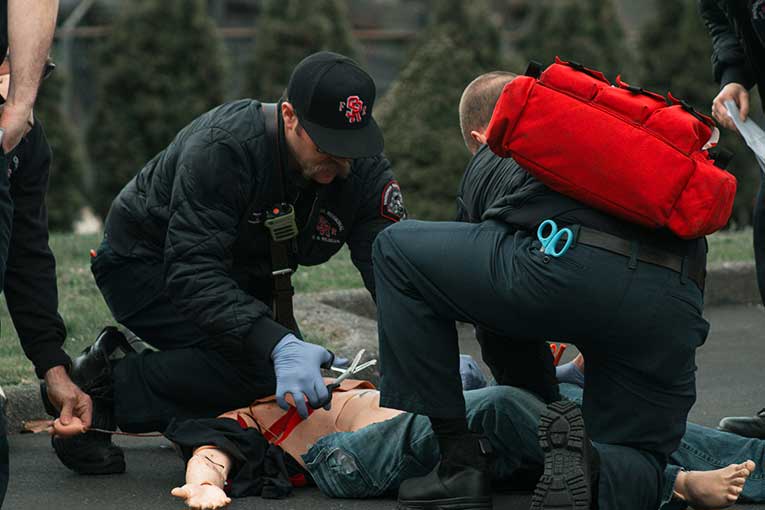
Hands-on practical exercises are a vital component, allowing trainees to apply theoretical knowledge in realistic scenarios.
This includes fire suppression techniques, search and rescue operations, handling specialised equipment, and responding to various emergency situations.
Practical training fosters muscle memory and enhances the ability to perform under pressure.
Physical Fitness
Physical fitness is a core focus throughout firefighter training.
The demanding nature of firefighting requires firefighters to be in excellent physical condition.
Training includes endurance exercises, strength training, agility drills, and simulations to prepare individuals for the physical demands of the job.
Live-fire Training
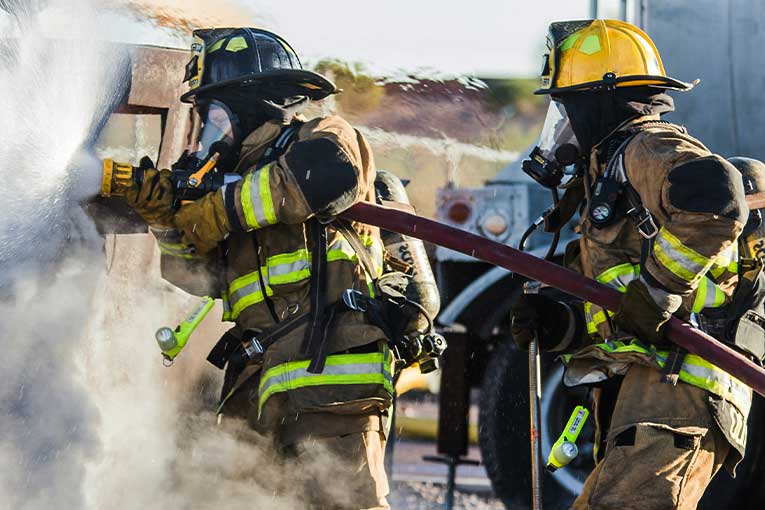
Live-fire training exercises in controlled environments simulate real-life scenarios, allowing trainees to experience the intensity and dynamics of firefighting.
These exercises involve using firefighting equipment, coordinating team efforts, and making quick decisions in a dynamic environment.
How Often do Fire Departments Hire Firefighters?
The frequency of firefighter hiring by fire departments varies based on factors such as department size, budget constraints, retirements, and community needs.
In larger urban areas, where the demand for firefighting services is higher, fire departments may have more frequent recruitment cycles.
Smaller communities or rural fire departments may have less frequent hiring cycles due to budgetary constraints and lower call volumes.
In such cases, hiring may occur less regularly, typically when there is a need to replace retiring firefighters or expand the department’s capabilities.
Fire departments often plan recruitment drives strategically, considering long-term projections for retirements and community growth.
They may announce openings, conduct written exams, physical assessments, and interviews as part of the selection process.
Prospective firefighters should monitor announcements from local fire departments, municipalities, or government websites for information about upcoming hiring processes.
Additionally, networking with current firefighters, attending job fairs, and staying informed about industry trends can provide valuable insights into potential opportunities.
What Can Disqualify You From Becoming a Firefighter?
Several factors can disqualify individuals from becoming firefighters, as fire departments have stringent requirements to ensure the safety and effectiveness of their teams.
Criminal Record
Common disqualifiers include a history of felonies or serious criminal offences, as they can undermine the public’s trust and pose a potential risk in emergency situations.
Substance abuse issues or a history of drug-related offences may also lead to disqualification due to the importance of maintaining a clear-headed and focused mindset during emergencies.
Poor driving records, especially if they involve serious offences or a history of reckless driving, may be grounds for disqualification, as firefighters often operate emergency vehicles.
Medical Conditions
Certain medical conditions or physical limitations may disqualify candidates, as firefighting demands a high level of physical fitness and endurance.
Conditions that may affect a candidate’s ability to perform essential job functions, such as severe vision or hearing impairments, can be disqualifying.
Why Can’t You Become a Firefighter With No Training?
Becoming a firefighter without training is typically not possible due to the complex and demanding nature of the profession.
Firefighters are required to handle a wide range of emergencies, from fires to medical incidents, and they must possess the necessary skills and knowledge to respond effectively.
Training provides essential instruction on fire behaviour, rescue techniques, emergency medical procedures, and the operation of specialised equipment.
Firefighters need to understand how to navigate hazardous environments, conduct search and rescue operations, and administer first aid.
Moreover, they must be proficient in using firefighting tools and apparatus, such as hoses, ladders, and breathing apparatus.
Conclusion
Becoming a firefighter is a rewarding but challenging journey that demands commitment and perseverance.
Answering the question of ‘how long does it take to become a firefighter’ is a difficult one, as the time it takes to become a firefighter varies based on individual choices and department requirements.
Whether attending the fire academy, pursuing a college degree, or completing paramedic training, each step contributes to shaping competent and capable firefighters ready to serve their communities.