Marcus Parnham, commercial director at Profab Access, discusses how professionals can successfully futureproof a building
The construction sector is currently facing one of its biggest transitions to date, with legal requirements regarding the testing and certification of building products, including fire critical solutions, under much needed scrutiny and reform.
The recent introduction of the Building Safety Bill is the latest stage in the government’s strategy to creating a new era of accountability throughout the construction industry. The draft regulation outlined within the Construction Products Regulations 2022 summaries the general safety requirements that all construction products being placed on the UK market must meet.
With regard to safety-critical products, Part 3 outlines the obligations that manufacturers must fulfil, with tougher penalties applying to those who do not meet their obligations. Special focus has also been placed on the communication of false or misleading claims regarding the performance of a product.
The revised regulations have been drafted following the learning of Phase 1 of the Grenfell Inquiry, which highlighted the inefficacy of the government’s current testing regime and its enforcement. This included associated complications regarding how key building information is obtained or interpreted by relevant individuals throughout the construction and maintenance stages of a development.
The inquiry also exposed concerning ambiguities regarding current guidelines and regulations, not only in relation to the testing of building materials that are specified, installed and maintained, but also the roles and responsibilities of each individual involved throughout these pivotal points to ensure continued compliance.
For example, in relation to fire integrity riser doors in particular, there are current disparities between the guidelines outlined in BS EN 1634 Standard and Annex B of Approved Document B2. As a result, some manufacturers may only conduct product assessments via a third party, whilst others may undertake continuous rigorous independent product testing and certification to evidence their products are consistently suitable for installation.
For those manufacturers who may submit evidence in the form of assessment reports, it is often based on primary testing that may have been conducted many years ago. Providing that a manufacturer states nothing has changed in terms of product materials, specifications and manufacturing techniques, assessments will often be renewed for a further five-year period, without any substantial fire performance tests being completed.
This is a prime example of the substantial dissimilarities and associated misperceptions that the industry currently faces.
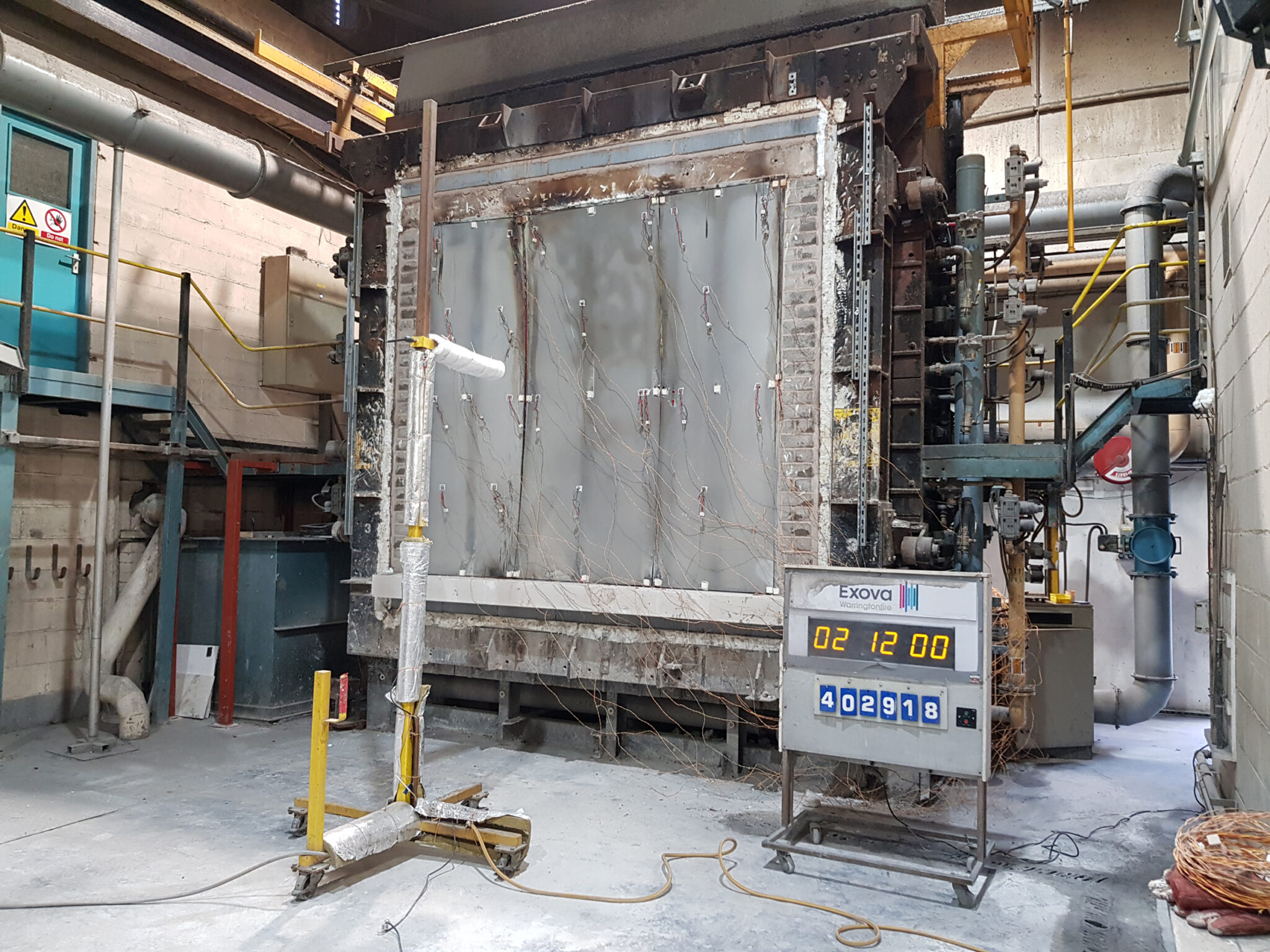
In response to this, Phase 2 of the Grenfell Inquiry is addressing whether existing guidance on how to comply with Building Regulations is sufficiently clear and reliable. In addition to the Building Safety Bill, the National Construction Products Regulator will also be responsible for identifying the corresponding weaknesses of the current product testing regime in relation to legal requirements.
Whilst the regulator will have the ability to conduct its own tests of building materials specified in fire critical environments, it is also the responsibility of the manufacturer to ensure the products they supply are not only compliant, but suitable for the proposed application.
This responsibility is also shared by the customer, who has a legal obligation to undertake and evidence comprehensive due diligence by ensuring they request demonstration of compliance and subsequent testing reports, not just product assessments, for each building component specified on their project. This will ensure no assumptions are made regarding the suitability and performance of the materials installed to ensure the long term suitability and safety of the building for its entire lifecycle.
First raised in Dame Hackitt’s Independent Review of Building Regulations and Fire Safety, the fire-resistance of a building product should also be tested in ‘real-world conditions’, to ensure that all performance figures stated by the manufacturer are factual and represent the final installation.
In this new era of accountability, simply meeting current standards and regulations will no longer be acceptable – it is imperative that the industry sets the standard for achieving a proactive and comprehensive approach to building safety.
By undertaking product testing and certification by an accredited third party, manufacturers can prove they have fulfilled their duty of care in terms of best practice. This can be done by providing evidence that the solution is not only fit for purpose, but goes above and beyond current requirements to offer the highest possible standards in quality, performance and safety.
The certification of a product by an accredited third party via a dedicated testing programme, rather than through product assessments, also reassures each party involved throughout the construction and maintenance stages that it will not fail in the event of a fire. This is because testing provides continued assurance with regard to the product being supplied, whereas product assessments alone do not provide continuous surveillance and assurance of consistency and quality.
This is further reflected throughout third party testers’ involvement throughout the entire construction process, as they ensure manufacturers implement appropriate measures that maintain manufacturing consistency and that the product tested is a true representative of production.
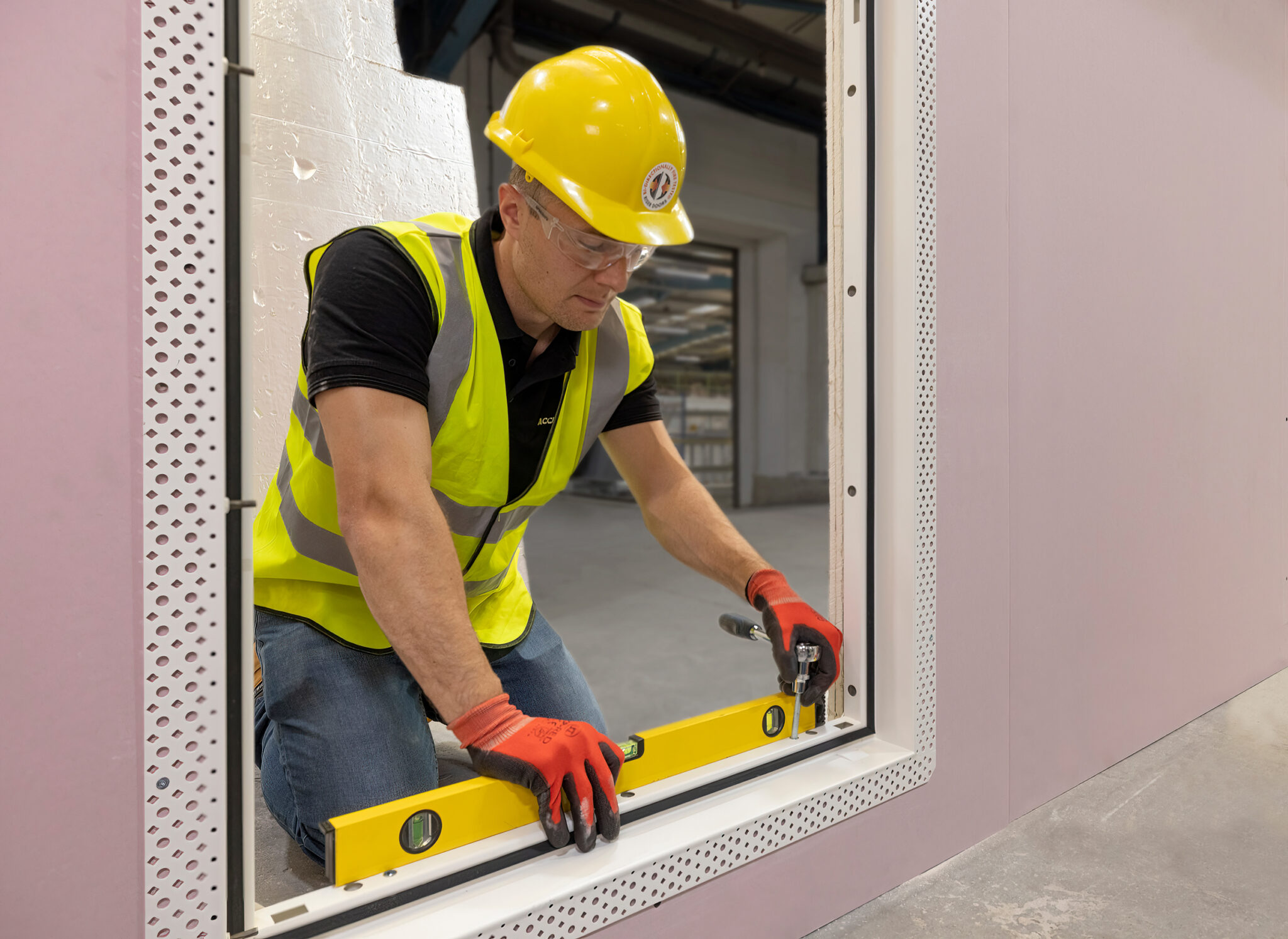
With regard to riser doors in particular, this extensive testing process will guarantee a manufacturer goes above the guidance outlined in BS EN 1634 to ensure complete compliance with the legislation defined in Annex B of Approved Document B2, to consistently provide construction professionals and their clients with the highest levels of protection, certification and compliance.
However, for manufacturers to completely fulfil their duty of care and for customers to also ensure they are taking all reasonable measures to ensure the building is complaint, safe and suitable, third party testing should be undertaken for the complete doorset, including each individual component, to successfully futureproof the project.
Beyond the testing of the doorset, it is also critical that it is installed into an approved wall construction in a method consistent with the sample originally tested. In practice, the installation process poses a number of risks to the overall fire integrity of a construction through variables such as the packer type and intumescent mastic bead application.
To overcome this potential gap in compliance, professionals should look to work with manufacturers that are taking this commitment to third party testing and certification even further through latest advancements in technology and product design, which are providing a revolutionary approach to the installation and maintenance processes.
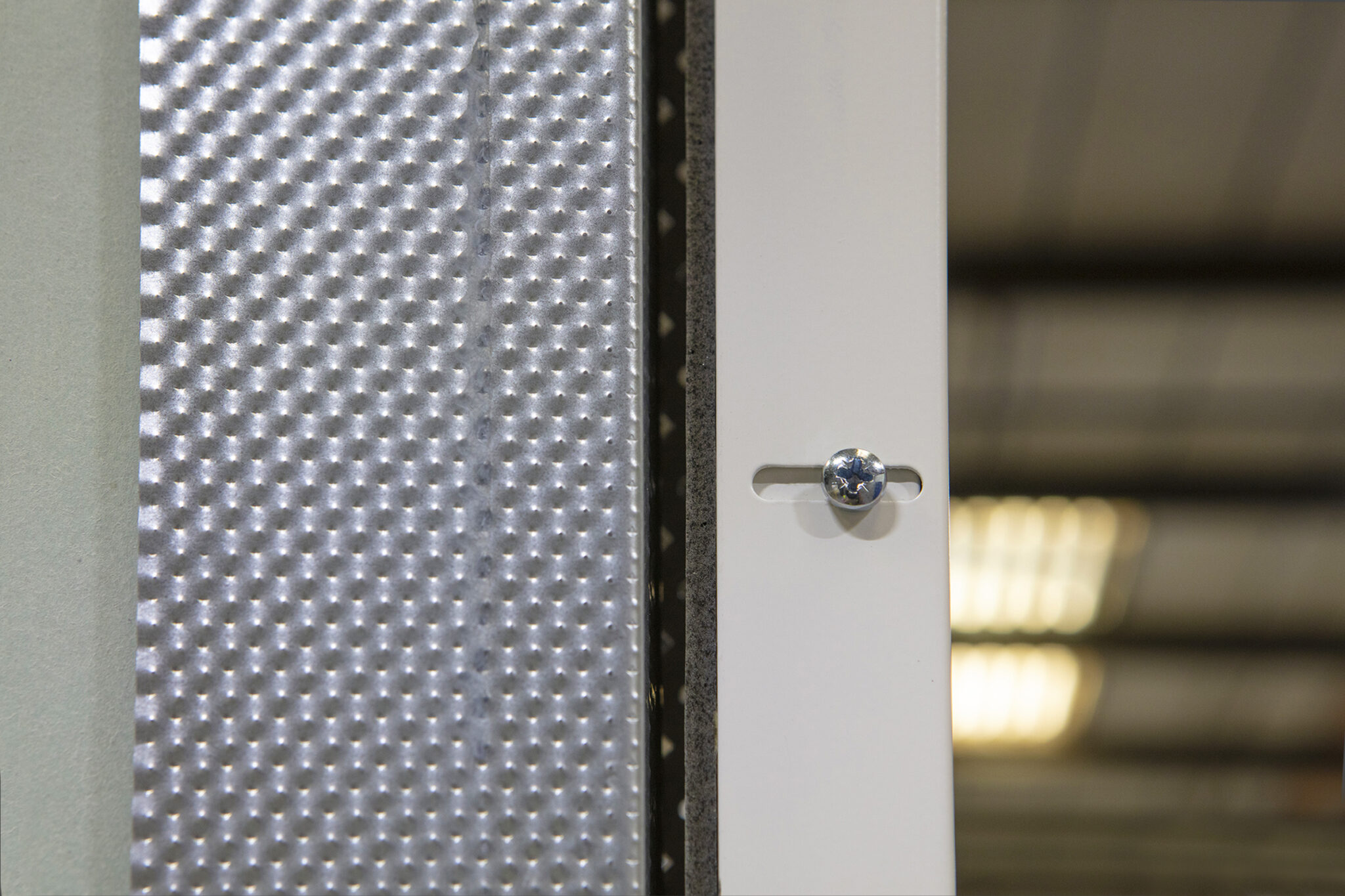
This includes the design and manufacture of high-quality steel riser doors that are supplied with adjustable frames that include an integral intumescent strip to provide fire stopping between the wall and frame. This not only eliminates the requirement of packers and the reliance of the correct thickness of intumescent mastic bead, but most importantly ensures the compliance and adequacy of the entire installation, as its fire integrity performance has been sufficiently documented by an independent assessor. As a result, this also subsequently increases the efficiencies of installation and removes any potential margins for error.
By considering each individual element that forms part of the entire installation and ensuring that the relevant components have undergone the necessary testing and certification processes, professionals can not only streamline the initial design and specification stages but produce an extensive digital audit trail that documents compliance and product suitability at every stage of the construction process.
As the construction sector continues to unearth deep rooted issues regarding the development, testing and certification of products, we are starting to see proficient changes in action, as manufacturers, architects, specifiers and contractors work together to create and communicate an uninterrupted set of information and certification that goes above and beyond adhering to regulations.
For further information on Profab Access and its range of riser doors, access panels, and steel doors, call +44(0)1827 719051 or visit www.profabaccess.com.