Fire doorset testing: Why integrated fire resistance and smoke leakage testing matters

Peter Barker of Element Materials Technology explains how integrated fire doorset testing helps manufacturers demonstrate fire resistance, smoke leakage performance and prepare for future EN classification requirements

Fire-resisting doorsets play an important role in compartmentation, helping to limit the spread of fire and smoke throughout a building. Fire resistance has traditionally been perceived as the primary performance characteristic for fire doors, but smoke control is coming into sharper focus when assessing how a doorset performs as a complete assembly.

The planned withdrawal of BS 476 classifications from Approved Document B in September 2029 and adoption of EN-based classification is prompting manufacturers to review how fire and smoke performance is evidenced and classified.

For many manufacturers, that means taking a more joined-up approach to testing, combining fire resistance and smoke leakage programmes to build a clearer picture of overall doorset performance.

Why fire doorset testing is changing

Smoke leakage testing has traditionally focused on sealing systems fitted to the head and jambs of a doorset.

While that approach remains aligned with the current regulatory guidance for smoke control doors, there is now greater attention on understanding the performance of the complete assembly, including how smoke may pass through gaps at the threshold.

More recent guidance, such as BS 8214:2026 has encouraged wider consideration of threshold sealing and the contribution that the bottom gap can make to smoke leakage.

This reflects a broader move towards assessing the complete doorset rather than individual components and ensuring performance clearly links to realworld applications.

Smoke leakage testing and complete doorset performance

Many organisations still approach smoke leakage testing and fire resistance testing through separate programmes. There can be good reasons for working in this way. Product development rarely follows a straight line and designs can evolve.

However, the risk of working in this way is that important design details may be missed that need to be evaluated for both fire and smoke performance characteristics.

The result is that when smoke leakage testing has been carried out on one design and fire resistance testing on another, additional work may be required to establish how those results apply to the final doorset being offered to the market.

The process can become even more complicated when multiple product variations, sizes or hardware options are involved. Manufacturers may find themselves managing several test reports, assessments and supporting documents to demonstrate that a doorset can deliver both fire resistance and smoke control performance.

Benefits of integrated fire doorset testing

Planning smoke leakage and fire resistance testing together in a coordinated programme reduces duplication, testing schedules and project management activities. It can also help manufacturers build a more coherent technical package while reducing the risk of gaps emerging later in the process.

This becomes particularly valuable when results are intended to support extended field of application reports and classifications using the EN 13501-2 framework for doorsets. Integrated programmes can also provide greater confidence when supporting future product developments, particularly where manufacturers plan to introduce additional sizes, hardware arrangements or design variations.

Integrated testing at Warringtonfire Birchwood

Demand for more joined-up testing programmes is one of the reasons Element has expanded its smoke leakage testing capability at the Warringtonfire Birchwood facility. The facility forms part of Element’s £24 million investment in fire testing infrastructure and was opened in January 2025 to support growing demand for construction product testing.

The site includes an indicative furnace for small-scale rapid testing, as well as two horizontal furnaces, two vertical furnaces and 18 preparation bays including confidentiality shields, providing capacity to support a broad range of testing requirements.

Dedicated witnessing facilities and meeting spaces also allow manufacturers to work closely with technical specialists throughout a programme. It also includes a solution that enables both fire resistance and smoke leakage testing from a single test buildup, providing manufacturers with performance data more efficiently.

The addition of smoke leakage testing allows manufacturers to access both fire and smoke testing for doorsets through a single facility and technical team. Alongside testing, Warringtonfire also provides support with technical assessments, extended field of application reports and classification services, helping manufacturers build a clearer route from testing through to the final evidence package.

Preparing for future fire doorset classification

Establishing the fire resistance performance of doorsets remains fundamental, however organisations are increasingly being asked to demonstrate how complete doorset assemblies perform across a range of characteristics, including smoke control.

Testing is also being considered alongside other conformity assessment activities, including sampling, factory production control and audit testing which are designed to provide added assurance of product performance and form the basis of accredited third-party certification schemes, such as Q-Mark and Certifire.

The Warringtonfire-Birchwood facility provides Fire doorset testing

Manufacturers are being asked not only to demonstrate how products perform, but also how that performance is evidenced and maintained throughout the supply chain. Early engagement with testing specialists is also important.

By discussing intended applications, certification objectives and future product development plans before a programme begins, manufacturers can identify potential limitations and opportunities much earlier in the process.

In many cases, this helps avoid additional cost, project delays and unplanned testing further down the line. By considering fire resistance and smoke leakage together from the outset, organisations can simplify assessment and classification activities while building stronger foundations for future product development.

Supporting manufacturers from fire doorset testing to classification

The Warringtonfire Birchwood facility provides fire resistance testing, smoke leakage testing, technical assessment, extended field of application and classification support from a single location.

Whether the objective is supporting a new product launch, extending an existing product range or preparing for future classification requirements, Warringtonfire’s technical specialists can help develop testing programmes aligned with commercial and compliance objectives.

To find out more about Warringtonfire’s fire resistance and smoke leakage testing services at Birchwood, visit warringtonfire.com to discuss your requirements.

Fire Door Inspections – Step-by-Step Checklist

Fire doors are a vital part of a building’s fire safety system, acting as strong barriers that slow the spread of flames and smoke. 

Properly maintained fire doors give occupants time to escape and prevent damage to other areas, and are a vital fire suppression tool. 

Regular fire door inspections are essential to make sure these doors will work as intended in an emergency. 

This article explains what a fire door inspection involves, why inspections matter, the legal obligations around them, and who should carry them out. 

It also provides a step-by-step checklist to help you perform thorough fire door inspections.

What is a Fire Door Inspection

an image showing a fire door

A fire door inspection is a detailed check to confirm that a fire door assembly will perform correctly if a fire occurs. 

A qualified inspector examines the door leaf, frame, hardware and all related components to ensure they meet safety standards. 

For example, the inspector checks the door’s certification label and fire rating, examines the door and frame for damage, and tests that hinges, locks and closers function properly. 

Smoke seals and intumescent strips are also inspected to ensure they will expand and seal gaps in heat. 

Basically, a fire door inspection systematically tests every part of the door against a pass/fail protocol to make sure the door can contain fire for its rated duration.

Step-by-Step Fire Door Inspections Checklist

an image showing a fire door inspection

A thorough fire door inspection follows a clear checklist. 

Inspectors typically perform the following checks one by one:

Certification Label & Rating

Confirm the fire door’s certification label is present, legible, and matches its required fire-rating. 

Without a valid label, you cannot prove the door is properly rated.

Door and Frame Condition

Inspect the door leaf and frame for damage or warping. 

Look for holes, cracks, dented edges, heavy corrosion or other defects that could weaken the door’s integrity. 

Any significant damage should be noted.

Gaps and Clearances

Measure the gap around the closed door. 

The clearances at the top, sides and bottom should meet regulatory limits. 

Excessive gaps allow smoke or fire to bypass the door.

Glazing

Check any vision panels or windows in the door. 

Ensure the glass is unbroken, fire-rated and correctly fitted to the door. 

Improper glazing can compromise the door’s fire performance.

Door Hardware

Examine all door hardware.

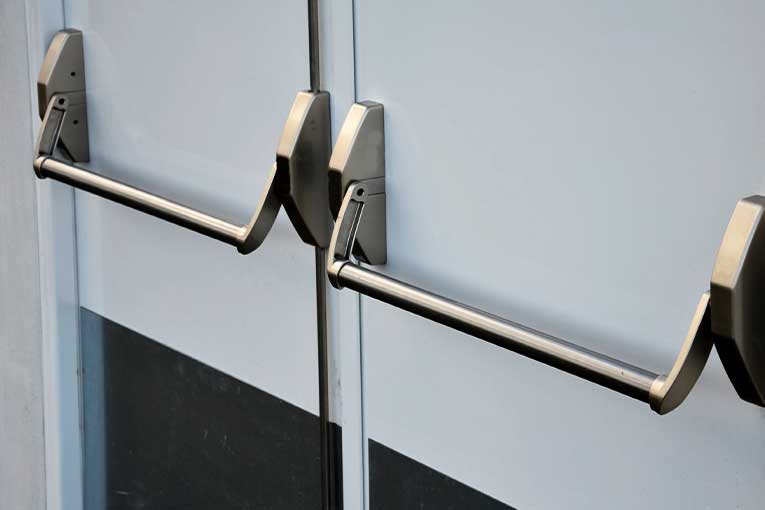
This includes hinges, lock sets, handles, latches and panic bars. 

Ensure each item is fire-rated, securely fixed, and functions smoothly. 

For example, hinges must be fitted with fire-rated pins and allow the door to swing freely.

Door Closer and Closing Action

Test the door closer by opening the door fully and releasing it from different angles. 

It should close the door fully and latch securely on its own. 

If the closer is weak or jammed, the door will not shut, defeating its purpose.

Seals and Intumescent Strips

Look around the edges of the door for smoke seals and intumescent strips. 

These should be intact and undamaged. 

Intumescent strips expand in heat to seal the gap between door and frame. 

Any missing or torn seals reduce effectiveness.

Coordinator

On pairs of fire doors, check that the inactive leaf closes before the active leaf. 

This sequence is critical for double doors to seal properly in a fire.

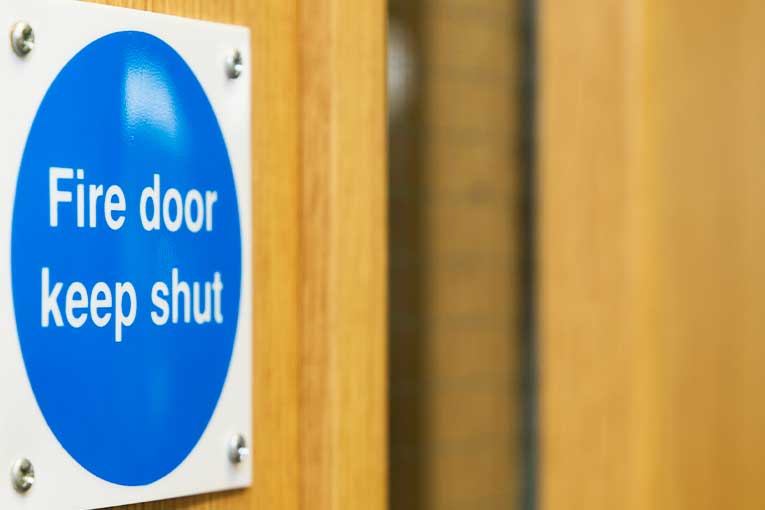
Signage

Verify that any required fire door signs (such as ‘Fire Door – Keep Shut’) are fitted and legible. 

Proper signage is part of compliance.

Modifications and Obstructions

Look for unauthorised alterations (extra holes, cuts, oversized glazing) that might void the fire-rating. 

Also check that nothing blocks the door from closing.

Document Findings

Record the condition of each door. 

Note any faults or failures. Many regulations require keeping written records of inspections. 

A clear inspection report helps ensure all issues are tracked and fixed.

Why are Fire Door Inspections Important

Fire doors are only effective if they are maintained in good condition. 

Routine inspections help catch problems early. 

UK fire safety law (the Regulatory Reform Order 2005) makes it a legal duty to keep fire doors working properly. 

Beyond compliance, inspections are a vital safety measure. 

Fully functioning fire doors significantly slow the spread of fire and smoke, protecting escape routes and giving people extra time to evacuate safely. 

Over time, normal wear and tear, or damage from everyday use, can degrade a door’s performance. 

Hinges might loosen, seals might tear, and closers can weaken if not checked. 

Regular checks find these issues before an emergency happens. 

Inspections also provide documented proof of maintenance, which is important for audits or insurance.

How Long Do Fire Door Inspections Take?

an image showing how long fire door inspections take

The time needed depends on the building and the number of doors. 

For a single door, a thorough check often takes on the order of around 15 minutes. 

This includes opening and closing the door, measuring gaps, and logging results. 

For a building with many fire doors, the inspection will take correspondingly longer.

The total duration varies with how many doors are checked. 

Inspecting a small number of doors might only take an hour or two, whereas a large multi-storey building with dozens of doors could require a half-day or more. 

Factors like restricted access, complicated layouts or any required intrusive checks can also extend the time. 

In any case, it’s wise to schedule inspections well in advance so the inspector can work carefully and document everything properly.

What Happens if You Fail a Fire Door Inspection?

Failing an inspection means defects were found that could stop the door from working in a fire. 

The inspector’s report will list these issues and rate each door as pass or fail. 

If a fire door fails, the report usually includes clear recommendations on what remedial work is needed to bring it up to standard. 

Common fixes include repairing or replacing damaged seals, fixing hardware, rehanging the door to align properly, or even installing a new certified door if the old one is beyond repair. 

You should promptly create an action plan to address the failures. 

A failure should trigger repairs within an acceptable timeframe. 

This means arranging maintenance or hiring a specialist to fix issues quickly. 

Until the door is fixed, it should not be considered compliant or relied on for fire safety.

Are Fire Door Inspections a Legal Requirement

an image showing the legal requirements of fire door inspections

Yes.

Fire door inspections are explicitly required by law as part of maintaining fire safety. 

In the UK, the Regulatory Reform (Fire Safety) Order 2005 (covering England and Wales) states that fire safety measures, including doors, must be kept in efficient working order. 

In other words, fire doors must be regularly inspected and maintained. Similar laws apply in Scotland and Northern Ireland (for example, the Fire (Scotland) Act 2005 and related regulations). 

Fire safety legislation for all UK regions highlights these responsibilities, and penalties for non-compliance can include unlimited fines or even imprisonment.

British Standards like BS 8214 and BS 9999 give detailed guidance on how often to inspect doors, but following those is a matter of compliance with the overall legal duty. 

For residential apartment blocks, recent regulations (Fire Safety Act 2021 and the 2022 Fire Safety Regulations in England) have clarified that flat entrance doors must be treated as part of the building’s fire safety provisions. 

The bottom line is that if your building falls under fire safety law, you must inspect fire doors on a planned basis. 

Skipping inspections not only endangers people but also violates the law.

Who Can do Fire Door Inspections

Legally, the building’s ‘responsible person’ (often the owner, landlord or employer) is ultimately accountable for fire door safety. 

However, the actual inspections can be carried out by others. 

Basic visual checks can be done by trained in-house staff or facility managers. 

These routine checks help catch obvious damage like broken hardware or blocked doors. 

For full formal inspections, UK guidance says they must be performed by a competent person.

This is someone with specific knowledge and training about fire doors. 

This person may be a facilities manager who has attended a fire door inspection course, or maintenance staff with. 

In high-risk or larger buildings, it is common to hire accredited fire door inspectors from third-party companies. 

These professionals often hold industry certificates (for example from the Door & Hardware Federation or other bodies) and have deep expertise. 

The key point is that anyone performing the inspection must be properly trained and know how to interpret fire door standards. 

You do not have to be a fire brigade officer, but you do need either competent staff or qualified contractors. 

Key Takeaways

Regular fire door inspections are essential for safety and compliance. 

By following a systematic checklist and having qualified people perform the checks, building owners can catch problems before a fire ever occurs. 

Inspections confirm that doors and frames, hardware and seals are all in good working order.

This is so the doors will hold back fire and smoke as designed. 

UK fire safety law makes these inspections mandatory, not optional. 

A well-maintained fire door can save lives and property. 

Using the steps outlined above, anyone responsible for fire safety can ensure their doors remain reliable barriers in an emergency.

Which Fire Extinguisher Should Be Used for Flammable Liquids?

Understanding how to handle fires involving flammable liquids is crucial for ensuring personal safety and protecting property from potential devastation. 

Flammable liquids, such as gasoline, oils, and solvents, pose unique fire hazards due to their ability to ignite easily and spread rapidly. 

In such situations, using the correct type of fire extinguisher becomes paramount to swiftly and effectively extinguishing the flames without exacerbating the risk.

By understanding the specific hazards associated with flammable liquids and knowing how to respond effectively with the right equipment, individuals can significantly reduce the potential for injury, property damage, and environmental impact caused by such fires. 

This article explores the different types of fire extinguishers suitable for flammable liquid fires and provides guidance on their proper use to enhance fire safety practices in various settings.

What Different Types of Fire Extinguishers are there?

different types of fire extinguisher

Fire extinguishers are categorised into several types, each designed to combat specific classes of fire

Choosing the right type of fire extinguisher depends on the specific fire hazards present in a given environment.

Understanding these types is crucial for effective fire response and safety:

Water

These are designed for Class A fires, which involve solid materials such as wood, paper, and textiles. 

Water extinguishers work by cooling the fire and reducing its heat until it is extinguished. 

They are not suitable for use on flammable liquids or electrical fires due to the risk of spreading the fire or electrical shock.

Foam

Foam extinguishers are effective against Class A and B fires. 

They work by creating a barrier between the fuel and the air or by cooling and smothering the fire. 

Foam extinguishers are versatile and commonly used in environments where both solid materials and flammable liquids are present.

Dry Powder

These extinguishers are suitable for Class A, B, and C fires. 

They work by smothering the fire and interrupting the chemical reaction necessary for combustion. 

Dry powder extinguishers are effective for extinguishing fires involving flammable gases and are also safe for use on electrical fires.

CO2

CO2 extinguishers are designed for Class B and electrical fires. 

They work by displacing oxygen around the fire, suffocating it and leaving no residue. 

CO2 extinguishers are ideal for use on fires involving flammable liquids such as oil and petrol, as well as electrical fires.

Wet Chemical

These are specifically designed for Class F fires, which involve cooking oils and fats. 

Wet chemical extinguishers create a blanket that cools the burning oil and prevents reignition. 

They are effective in commercial kitchens and other environments where cooking oils are used and grease fires can happen.

What Class of Fire are Flammable Liquids?

flammable liquids class of fire

Flammable liquids are classified as Class B fires according to fire safety standards. 

This classification encompasses fires fueled by flammable gases, liquids, greases, and similar substances. 

Class B fires are characterised by their ability to ignite easily and burn rapidly, often with intense flames.

Common examples of flammable liquids include gasoline, diesel fuel, kerosene, alcohol, acetone, and various industrial solvents. 

These liquids typically have low flash points, meaning they can vaporise quickly at relatively low temperatures and ignite easily when exposed to an ignition source.

Fires involving flammable liquids pose unique challenges due to the volatility of the fuel involved. 

They can spread rapidly and may produce intense heat and flames, making them potentially dangerous and difficult to extinguish if not addressed promptly and effectively.

Which Fire Extinguisher Should Be Used for Flammable Liquids?

When dealing with flammable liquids, choosing the right fire extinguisher is crucial to effectively and safely extinguish fires of this type. 

Here are the recommended fire extinguishers for flammable liquids:

Foam Fire Extinguisher

foam fire extinguisher
Source: Amazon

Foam extinguishers are suitable for Class B fires, which involve flammable liquids such as gasoline, oil, and paint. 

They work by forming a blanket of foam over the liquid surface, cutting off the fire’s oxygen supply and cooling the fuel below its ignition point. 

Foam extinguishers are effective for both indoor and outdoor use and are particularly useful where flammable liquids may spill or pool.

Dry Powder Fire Extinguisher

dry powder fire extinguisher
Source: Amazon

Dry powder extinguishers are versatile and can be used on Class B fires.

They work by smothering the fire and interrupting the chemical reaction necessary for combustion. 

Dry powder extinguishers are effective for quickly extinguishing fires involving flammable liquids like petrol, diesel, and solvents. 

However, they can create a cloud that reduces visibility and may cause respiratory irritation, so they should be used in well-ventilated areas.

CO2 Fire Extinguisher

co2 fire extinguisher
Source: Amazon

CO2 extinguishers are suitable for Class B fires involving flammable liquids. 

They work by displacing oxygen and reducing the heat of the fire. CO2 extinguishers are ideal for use in confined spaces or areas with sensitive equipment because they do not leave a residue that can damage electronics or other materials. 

However, they should be used with caution in enclosed spaces to avoid the risk of suffocation due to the displacement of breathable air.

How do you Extinguish a Flammable Liquid Fire?

how to extinguish flammable liquids

Extinguishing a flammable liquid fire requires careful consideration and the right approach to prevent the fire from spreading or reigniting. 

Here are the steps to effectively extinguish a flammable liquid fire:

Assess the Situation

Before attempting to extinguish the fire, assess the size and nature of the fire. 

If the fire is small and contained, you may attempt to extinguish it using a fire extinguisher. 

For larger fires or those involving significant quantities of flammable liquids, evacuate the area immediately and call emergency services.

Select the Correct Extinguisher

Choose the appropriate fire extinguisher based on the type of flammable liquid involved. Foam, dry powder, and CO2 extinguishers are suitable for flammable liquid fires.

Approach the Fire

Approach the fire from a safe distance to avoid exposure to heat and flames. 

Aim the nozzle of the fire extinguisher at the base of the flames where the liquid fuel is burning.

Use the PASS Method

Follow the PASS method to operate the fire extinguisher effectively:

  • Pull: Pull the pin to unlock the extinguisher.
  • Aim: Aim the nozzle at the base of the fire.
  • Squeeze: Squeeze the handle to discharge the extinguishing agent.
  • Sweep: Sweep the nozzle from side to side, covering the base of the fire with the extinguishing agent.

Discharge the Extinguisher

Maintain a steady discharge of the extinguishing agent until the fire is fully extinguished. 

Continue to apply the agent to prevent re-ignition.

Monitor the Area

After extinguishing the fire, monitor the area for any signs of reignition or hotspots. 

Ensure the area remains evacuated until it is declared safe by firefighting professionals.

Dispose of Extinguisher Properly

After use, even if partially discharged, fire extinguishers should be serviced or replaced according to manufacturer guidelines to ensure readiness for future emergencies.

What are the Dangers of Using a Wrong Fire Extinguisher Type on Flammable Liquids?

wrong fire extinguisher dangers

Using the wrong type of fire extinguisher on flammable liquids can lead to several dangers and exacerbate the fire rather than extinguish it effectively. 

Here are the key risks:

Increased Fire Spread

Using the wrong extinguisher type may not effectively control or suppress the flammable liquid fire. 

Instead, it could spread the fire by agitating the burning liquid or dispersing it, increasing the area affected by flames.

Escalated Danger

Certain extinguishing agents, if incompatible with flammable liquids, can react chemically, producing hazardous by-products or increasing the intensity of the fire. 

For instance, using water or foam on some flammable liquids can cause splashing, spreading the fire or causing explosions.

Ineffective Suppression

Incorrect extinguisher types may not effectively smother the flames or cool the burning liquid, allowing the fire to reignite or continue burning.

Personal Safety Risks

Incorrect use can endanger the person attempting to extinguish the fire. 

Exposure to heat, flames, or chemical reactions from the wrong extinguisher type can result in burns, inhalation of toxic fumes, or other injuries.

Damage to Property

Inadequate suppression can lead to greater property damage. 

Uncontrolled fires can spread rapidly, causing structural damage or affecting nearby equipment and materials.

Conclusion

Hopefully you now have an understanding of which fire Extinguisher should be used for flammable liquids.

Knowing which fire extinguisher to use for flammable liquids is crucial for effective fire management and ensuring the safety of individuals and property. 

By understanding the specific fire classes and corresponding extinguisher types, you empower yourself to respond confidently and swiftly during emergencies.

Fire safety education plays a pivotal role in equipping individuals with the knowledge to make informed decisions under pressure. 

When faced with a fire involving flammable liquids, the ability to identify the appropriate extinguisher – such as a foam or dry powder extinguisher – can significantly mitigate risks and prevent the situation from escalating.

How Do You Use a Fire Extinguisher?

Knowing how to use a fire extinguisher is not just a valuable skill but a critical aspect of ensuring safety in any environment. 

Fires can erupt suddenly and escalate rapidly, posing immediate threats to life and property. 

Being equipped with the knowledge of how to operate a fire extinguisher can make the difference between containing a small fire and facing a potentially devastating situation.

But how do you use a fire extinguisher?

This article aims to empower individuals by providing essential insights into the effective use of fire extinguishers. 

Whether at home, in the workplace, or in public spaces, understanding the principles behind each type of extinguisher and how to apply them correctly is paramount. 

By familiarising yourself with these basics, you’ll be better prepared to respond calmly and effectively in the event of a fire emergency, potentially minimising its impact and safeguarding those around you.

What are the Different Types of Fire Extinguishers?

types of fire extinguisher

Understanding the different types of fire extinguishers is crucial for effective fire suppression

Each type of fire extinguisher is identified by a colour-coded label and symbol that indicates the classes of fires it is suitable for. 

It’s essential to choose the correct type of extinguisher based on the specific classes of fire in your environment to ensure safe and effective firefighting. 

Regular maintenance and proper training in the use of extinguishers are also critical for preparedness in emergencies.

Here’s an overview of the most common types:

Water Fire Extinguishers

Water extinguishers are suitable for Class A fires, which involve ordinary combustibles like wood, paper, and fabrics. 

They work by cooling the fire and lowering the temperature below its ignition point.

Foam Fire Extinguishers

Foam extinguishers are effective against Class A and Class B fires. 

Class B fires involve flammable liquids such as gasoline, oils, and paints. 

Foam extinguishers create a blanket over the fuel, smothering the fire and preventing reignition.

Dry Powder Fire Extinguishers

Dry powder extinguishers are versatile and can be used on Class A, B, and C fires. 

Class C fires involve flammable gases like propane and methane. 

These extinguishers work by coating the fuel with a fine powder that interrupts the chemical reaction of the fire.

CO2 Fire Extinguishers

CO2 extinguishers are suitable for Class B and Class C fires. 

They work by displacing oxygen, which suffocates the fire. 

CO2 extinguishers are effective for electrical fires and flammable liquid fires (Class B).

Wet Chemical Fire Extinguishers

Wet chemical extinguishers are specifically designed for Class F fires, which involve cooking oils and fats. 

They work by creating a soapy layer on the surface of the burning oil, suppressing the fire and preventing splashing.

How Do You Use a Fire Extinguisher?

how do you use a fire extinguisher image

Using a fire extinguisher effectively can make a crucial difference in containing small fires before they escalate. 

Here’s a comprehensive guide on how to use a fire extinguisher:

Assess the Situation

Before attempting to use a fire extinguisher, evaluate the type of fire. 

Fire extinguishers are designed for specific classes of fires and using the wrong type can worsen the situation.

Choose the Right Extinguisher

Identify the correct type of fire extinguisher needed for the fire. 

The types include water, foam, dry powder, CO2, and wet chemical . 

The label on the extinguisher indicates the classes it can handle.

Remember PASS

The PASS method is vital for effective fire suppression:

  • Pull the pin: This unlocks the operating lever.
  • Aim low: Point the nozzle or hose at the base of the fire.
  • Squeeze the handle: This releases the extinguishing agent.
  • Sweep from side to side: Move the extinguisher nozzle or hose back and forth to cover the fire until it’s extinguished.

Position Yourself Safely

Stand about 6 to 8 feet away from the fire. 

This distance provides safety while allowing you to effectively aim the extinguisher at the base of the flames, and gives you the greatest chance of extinguishing the fire.

Activate the Extinguisher

Pull the pin or safety clip to unlock the operating lever. 

Some extinguishers may require twisting or other actions to activate.

Aim at the Base of the Fire

Direct the nozzle or hose toward the base of the flames, not at the top of the fire. 

This targets the source of the fire and helps smother it effectively.

Squeeze the Handle

Firmly squeeze the handle or lever to discharge the extinguishing agent. 

Maintain control of the extinguisher while applying the agent.

Sweep from Side to Side

Using a sweeping motion, move the nozzle or hose from side to side to cover the entire area of the fire. 

Continue until the flames are completely extinguished.

Monitor the Area

After extinguishing the fire, monitor the area for any signs of reignition. 

Stay cautious, as fires can rekindle from hidden hot spots.

Evacuate if Necessary

If the fire grows or becomes uncontrollable, evacuate the area immediately. 

Close doors behind you to contain the fire and alert others to evacuate.

After Use

Once the fire is out, let the area cool down and ventilate if necessary. 

Report the incident and ensure the fire extinguisher is refilled or replaced promptly.

What to do if You are Unable to Put Out a Fire Using a Fire Extinguisher?

unable to put fire out with fire extinguisher

If you find yourself unable to extinguish a fire using a fire extinguisher, follow these critical steps to ensure safety and minimise the fire’s impact:

Evacuate Immediately

If the fire continues to grow despite your efforts, prioritise your safety and evacuate the area. 

Alert others nearby and ensure everyone leaves the building or area safely.

Close Doors

As you evacuate, close any doors, not just fire doors, behind you to help contain the fire and prevent it from spreading further.

Call Emergency Services

Once you are safely outside, call the emergency services (fire department) immediately. 

Provide them with accurate information about the location, size, and nature of the fire.

Do Not Re-enter

Under no circumstances should you re-enter the building or area until emergency responders have declared it safe to do so. 

Fire can spread rapidly and unpredictably, posing serious risks to anyone inside.

Follow Emergency Procedures

Follow any emergency procedures or evacuation plans in place for the building. 

These plans are designed to ensure everyone’s safety in the event of a fire or other emergency.

Monitor the Situation

While waiting for emergency services to arrive, monitor the situation from a safe distance. 

Be prepared to provide additional information or assistance as needed.

Report the Incident

After the fire has been dealt with by professionals, report the incident to building management or authorities as required.

Conclusion

Hopefully this article has answered your question on exactly how do you use a fire extinguisher.

Knowing how to effectively use a fire extinguisher is crucial for protecting lives and property during emergencies. 

Each type of fire extinguisher is designed to combat specific classes of fires, so understanding their distinctions is essential. 

Remembering the PASS method – Pull the pin, Aim at the base of the fire, Squeeze the handle, and Sweep from side to side – provides a systematic approach to using an extinguisher effectively. 

Regular practice of these steps enhances familiarity and readiness, ensuring quick and confident action during a fire incident. 

By staying prepared and knowledgeable about fire extinguisher operation, individuals can play a proactive role in fire safety and potentially mitigate the impact of fires in their environments.

List of Firefighting Equipment

Firefighting equipment is what helps firefighters to extinguish flames, ensuring the safety of lives and property, and the varied list of firefighting equipment shows how diverse firefighting really is. 

From traditional tools like fire extinguishers to cutting-edge technology such as thermal imaging cameras, each item plays a crucial role in a firefighter’s arsenal. 

In this article, we’ll explore the diverse list of firefighting equipment, shedding light on their functions and importance in the face of fire emergencies.

What is Firefighting Equipment?

Firefighting equipment encompasses a diverse range of tools, devices, and protective gear specifically designed to combat and manage fires effectively. 

These crucial elements are essential for firefighters in their mission to extinguish flames, rescue individuals, and mitigate the impact of fire emergencies. 

Each piece of equipment serves a unique purpose in the complex and challenging task of firefighting.

Firefighting equipment is not only about extinguishing flames but also about ensuring the safety of those on the front lines. 

Protective gear, such as fire suits and gloves, shields firefighters from extreme heat, allowing them to navigate hazardous environments. 

The continuous advancements in firefighting equipment underscore a commitment to improving the efficiency, safety, and overall effectiveness of firefighting operations.

Firefighting equipment is the lifeline for those who risk their lives to protect communities and properties from the devastating impact of fires.

List of Firefighting Equipment

Firefighting equipment constitutes a comprehensive arsenal designed to combat fires of varying intensities and types. 

Each tool plays a crucial role in ensuring the safety of firefighters and the effectiveness of fire suppression efforts.

Fire Extinguishers

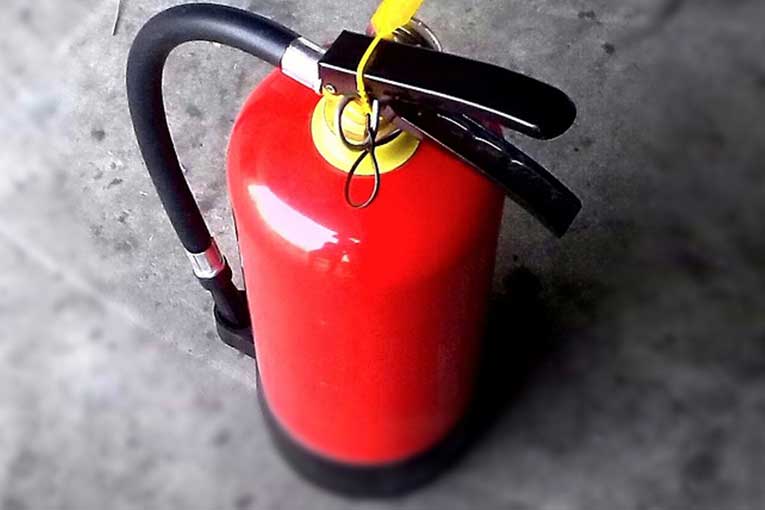
fire extinguisher firefighting equipment

Portable and versatile, fire extinguishers are essential for promptly suppressing and extinguishing small fires. 

There are many different types of fire extinguisher, each containing specific firefighting agents such as water, foam, dry powder, or CO2. 

The diversity in extinguisher types ensures flexibility in addressing different classes of fires—whether involving ordinary combustibles, flammable liquids, electrical equipment, or gases. 

This adaptability allows firefighters and individuals to employ the most suitable extinguishing agent, enhancing the effectiveness of fire suppression efforts across a wide range of fire scenarios.

Fire Extinguisher Ball

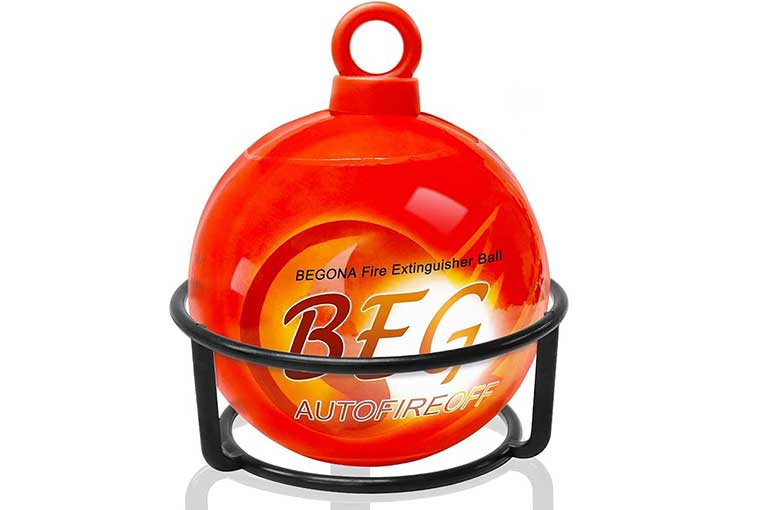
fire extinguisher ball firefighting equipment
Source: Amazon

An innovative self-activating fire suppression system, the Fire Extinguisher Ball offers a unique approach to firefighting. 

When exposed to flames, the ball bursts autonomously, releasing a fine powder that swiftly and effectively extinguishes the fire. 

This ingenious device is particularly advantageous in confined spaces or areas with limited accessibility, where traditional firefighting methods might face challenges. 

The Fire Extinguisher Ball’s ability to initiate fire suppression independently makes it a valuable addition to fire safety measures, ensuring a rapid response even in scenarios where immediate human intervention may be difficult.

Fire Hoses

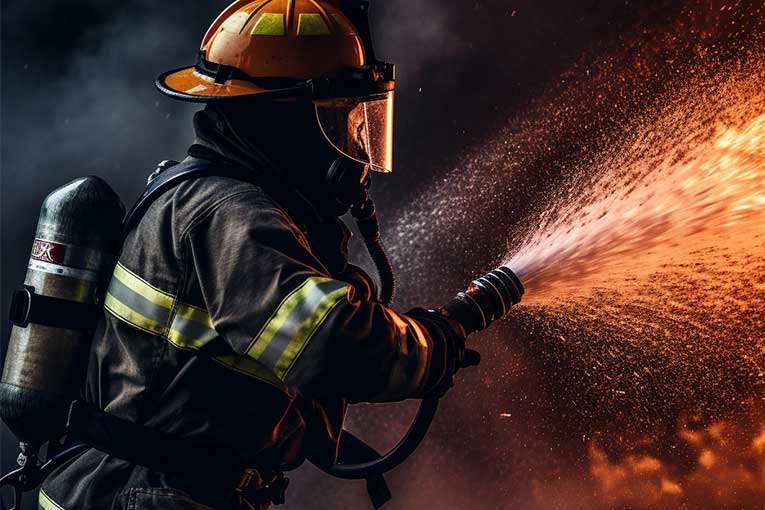
fire hose firefighting equipment

As one of the most prevalent tools in large-scale firefighting, fire hoses are indispensable for firefighters combating significant flames. 

These flexible and robust hoses serve as critical conduits, allowing the directed flow of water onto the fire. 

Their length and adaptability empower firefighters to reach remote or challenging locations, providing a versatile means of effectively delivering water to suppress fires. 

The strategic use of fire hoses enhances the agility and reach of firefighting efforts, enabling responders to address fires in diverse environments and mitigate potential challenges posed by the fire’s scale and intensity.

Hose Jets

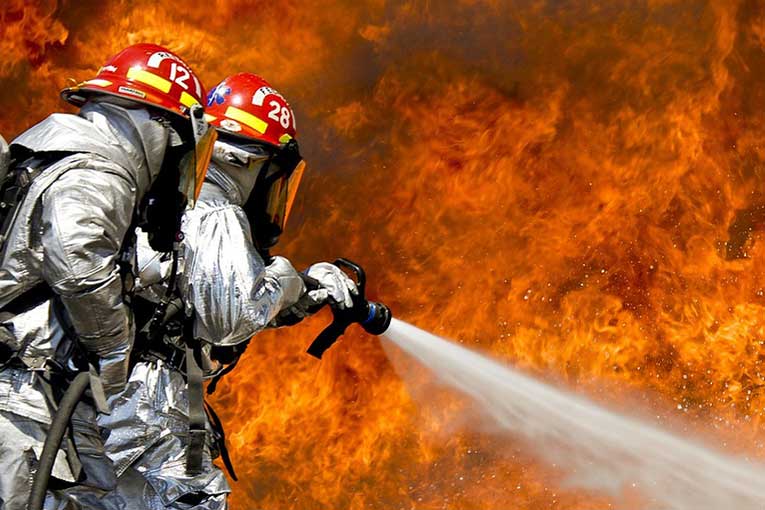
fire hose firefighting equipment

Hose Jets represent heightened firefighting capabilities, requiring the collaboration of two firefighters to handle their extra power. 

These specialised tools offer an elevated force and flow, allowing firefighters to exert increased control over the extinguishing process. 

With the ability to adjust the jet stream, firefighters enhance precision in directing water onto the flames, addressing specific firefighting requirements. 

The collaborative use of Hose Jets reflects a strategic approach, amplifying the effectiveness of firefighting efforts in scenarios where a more robust and targeted water delivery is essential to combat fires of greater scale or intensity.

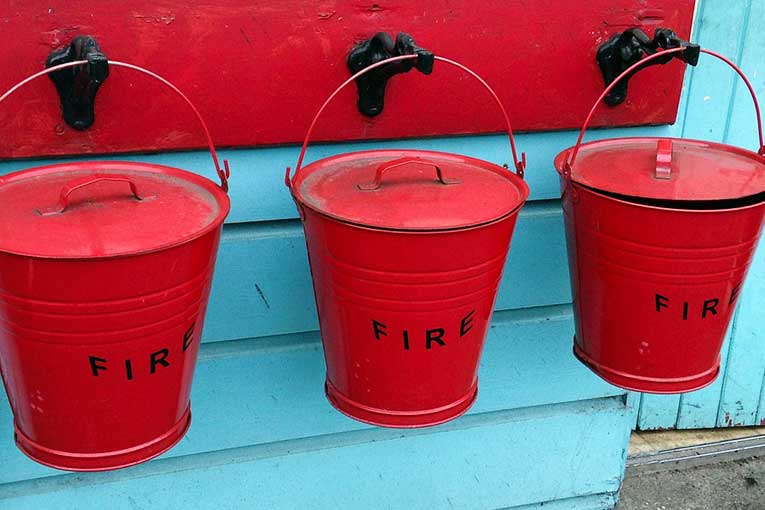
Fire Buckets

fire buckets firefighting equipment

Simple in design yet highly effective, fire buckets are containers filled with either water or sand. 

Positioned strategically, these buckets serve as immediate response tools, offering a swift and accessible means to douse small fires or control sparks. 

Their simplicity makes them an essential first line of defence, providing an uncomplicated yet crucial tool in the initial stages of firefighting. 

Whether used by trained personnel or as part of fire safety measures in public spaces, fire buckets play a fundamental role in empowering individuals to take immediate action and contribute to fire containment efforts.

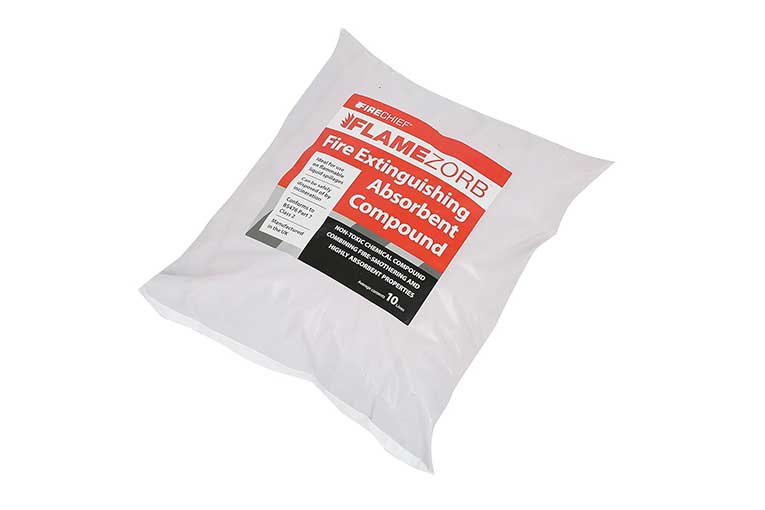
Flamezorb

flamezorb firefighting equipment
Source: Amazon

Flamezorb, a granular substance, serves as a rapid-response tool in firefighting by efficiently absorbing flammable liquids. 

When applied to spills, it swiftly neutralises and absorbs the substances, preventing the spread of fire. 

This versatile and effective tool finds particular utility in scenarios involving hazardous materials or potential chemical fires, where the quick containment of flammable liquids is essential to mitigate the risk of fire escalation. 

Flamezorb’s ability to address such specific challenges makes it a valuable asset in the firefighting arsenal, contributing to the overall effectiveness of fire suppression efforts in diverse and complex situations.

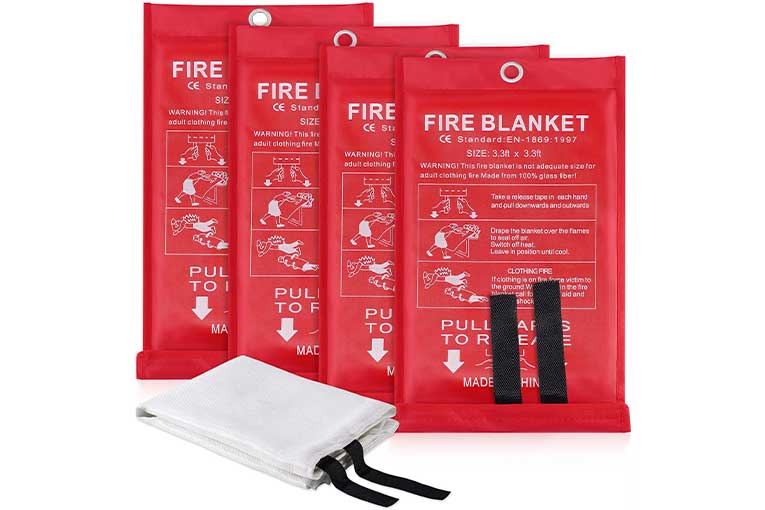
Fire Blankets

fire blanket firefighting equipment
Source: Amazon

Constructed from fire-resistant materials, fire blankets emerge as versatile tools in firefighting and emergency response. 

Beyond their primary function of smothering small fires, these blankets provide a multifaceted solution. 

In emergency situations, they offer protection by wrapping around individuals, creating a temporary shield against flames and heat. 

The adaptability of fire blankets extends their utility beyond traditional firefighting scenarios, making them valuable assets in various emergency situations where rapid response and versatile tools are paramount to ensuring the safety of individuals and effectively addressing evolving challenges.

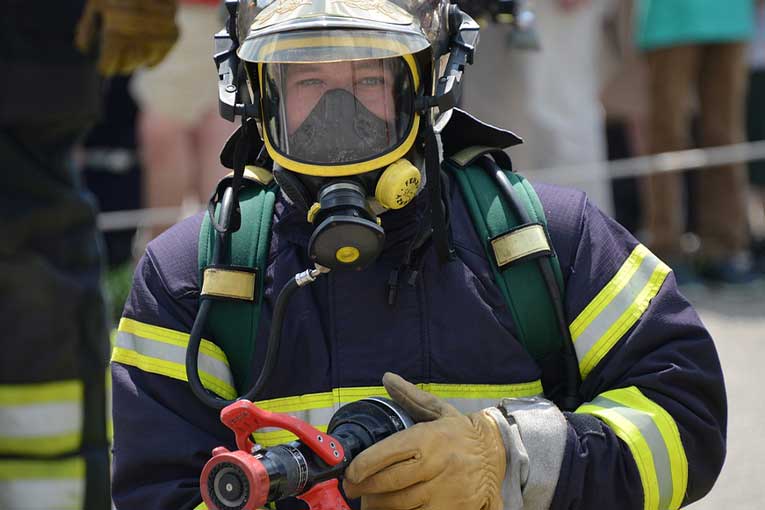
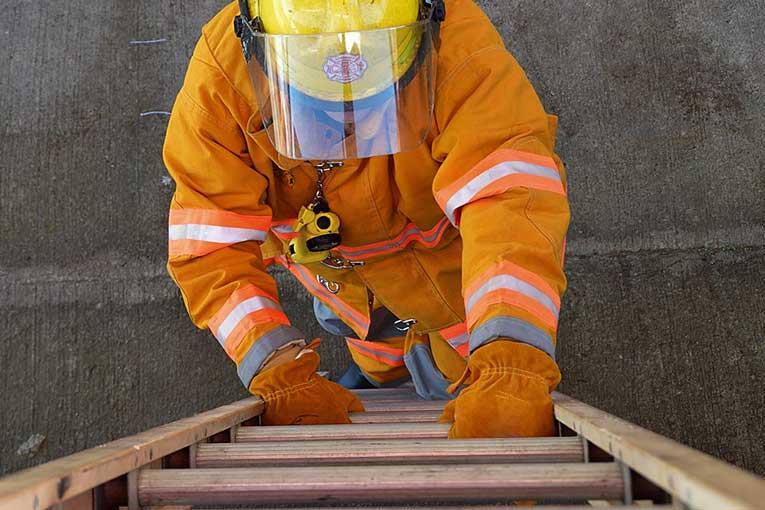
Fire Suit

fire suit firefighting equipment

Specially designed for the demanding challenges of firefighting, a fire suit is more than  a mere uniform – it’s a shield against extreme heat and flames. 

Crafted from fire-resistant materials, these suits envelop firefighters in a protective barrier during the most intense operations. 

With layers designed to withstand the harsh conditions of a fire, these suits are crucial in ensuring the safety and well-being of firefighters. 

The specialised construction of fire suits exemplifies the commitment to providing a robust defence against the hazards encountered in the line of duty, reinforcing the resilience of those who bravely confront the flames.

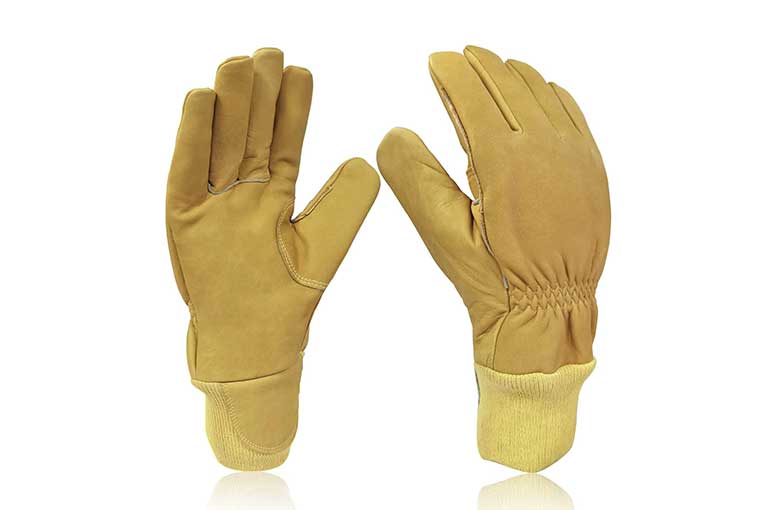
Firefighter Gloves

firefighting gloves firefighting equipment
Source: Amazon

These gloves are essential for firefighters, offering crucial hand protection in the dynamic and intense environments encountered during firefighting operations. 

Crafted from materials resistant to high temperatures, they enable firefighters to handle hot surfaces and materials with confidence. 

The specialised design of firefighter gloves prioritises both dexterity and protection, allowing firefighters to navigate challenging situations while safeguarding their hands from the formidable heat generated in the course of combating fires. 

Gas Tight Suit

gas tight suit firefighting equipment
Source: Wikipedia

Comprising a multi-layered construction, these suits act as an impermeable barrier, creating a formidable shield between the firefighter and potentially harmful substances. 

Their purpose extends beyond conventional firefighting gear, addressing the specific challenges posed by chemical fires and the release of dangerous gases. 

By providing an encapsulating defence, gas-tight suits empower firefighters to navigate complex and perilous environments, ensuring their safety while enabling effective response and mitigation in the face of chemical hazards.

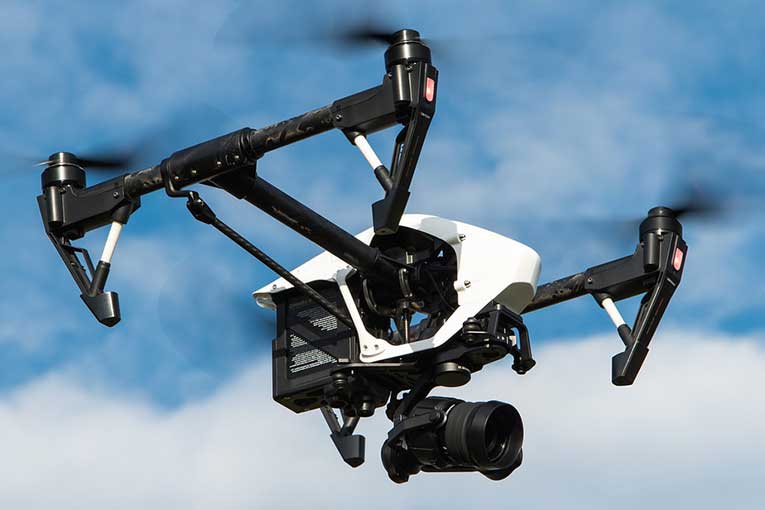
Drones

drones firefighting equipment

These unmanned aerial vehicles, equipped with advanced cameras, offer invaluable aerial views that significantly enhance fire assessment capabilities. 

Providing real-time situational awareness, drones become the eyes in the sky for firefighting teams. 

Their ability to swiftly survey large areas and capture critical information aids in strategizing and responding effectively to incidents. 

Drones not only contribute to the safety and efficiency of firefighting operations but also offer a technological edge, elevating the precision and speed with which responders can assess, plan, and execute strategies in the dynamic context of firefighting scenarios.

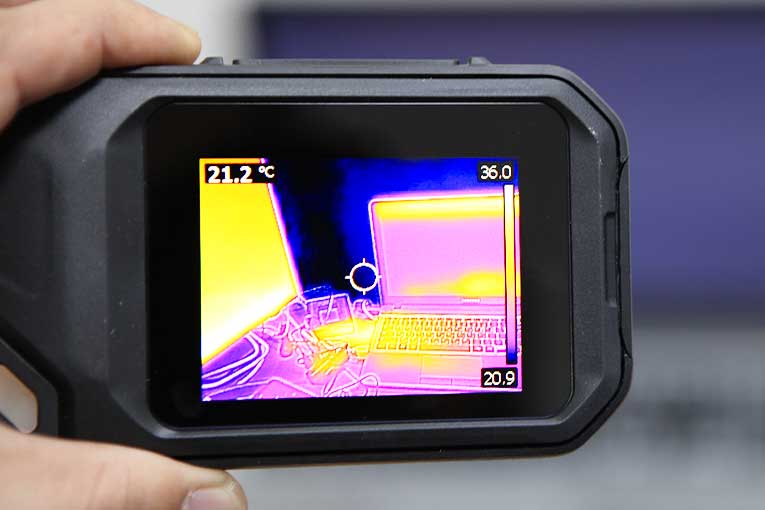
Thermal Imaging Camera

thermal camera firefighting equipment

Thermal imaging cameras aid in locating individuals trapped in smoke-filled environments and identifying hotspots that may not be visible to the naked eye. 

The invaluable data provided by thermal imaging cameras enhances the efficiency and safety of firefighting operations. 

By offering real-time insights into the intensity and distribution of heat, these devices empower firefighters with the ability to make informed decisions, optimise resource allocation, and execute targeted strategies for suppressing fires and conducting search and rescue operations.

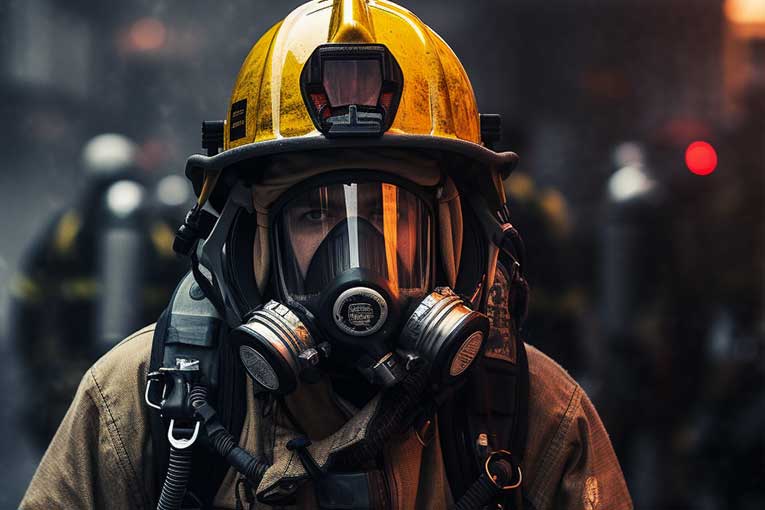
Breathing Apparatus

breathing apparatus firefighting equipment

In smoke filled environments, these devices play a crucial role in ensuring the safety of firefighters by providing a continuous supply of clean air. 

The reliability and functionality of these apparatuses exemplify their vital role in preserving the well-being of firefighters and ensuring their ability to execute effective firefighting and rescue operations in environments where clean air is a precious commodity.

Positive Pressure Ventilation Fan

positive pressure ventilation fans firefighting equipment
Source: Wikipedia

Positive pressure ventilation fans are devices designed to create airflow that effectively removes smoke and toxins from enclosed spaces. 

By generating a controlled and directed flow of air, these fans contribute significantly to improving visibility for firefighters within confined areas. 

Beyond enhancing visibility, the removal of smoke and toxins creates a safer working environment, allowing firefighters to operate more efficiently and with reduced exposure to hazardous substances. 

Ladders

ladders firefighting equipment

These versatile devices play a pivotal role in firefighting operations by enabling firefighters to access elevated areas, conduct rescues, and navigate challenging environments. 

Whether extending to reach upper floors of buildings or providing a stable platform for rescue operations, ladders enhance the agility and effectiveness of firefighting teams. 

Their portability and adaptability make them fundamental in addressing the diverse challenges posed by fires in varying structures and scenarios, contributing to the overall success and safety of firefighting operations.

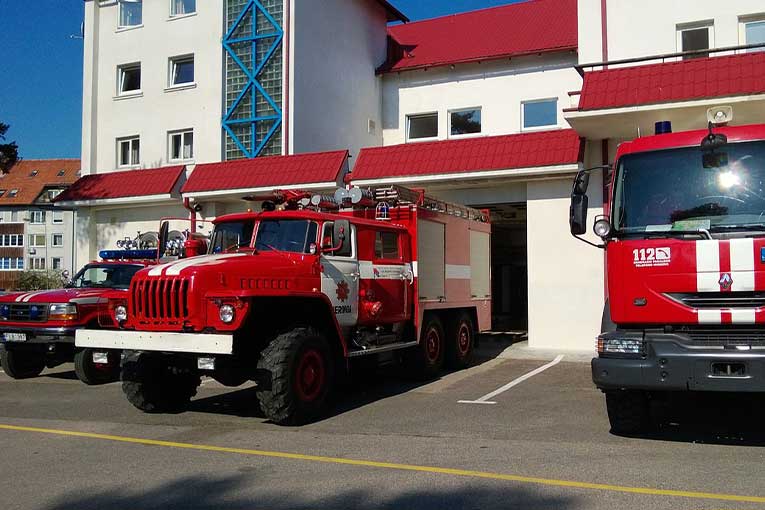
Fire Fighting Vehicle

vehicles firefighting equipment

These vehicles carry essential firefighting tools, water tanks, and hoses, ensuring a swift and effective response to fire emergencies. 

Beyond their mobility, the specialised equipment on these vehicles equips firefighters with the resources needed to combat fires of varying scales. 

Whether navigating through urban environments or remote locations, these vehicles enhance the reach and capabilities of firefighting teams, playing a vital role in the timely containment and suppression of fires to protect lives and property.

How is Firefighting Equipment Used?

The strategic use of equipment is paramount, requiring a careful assessment of each fire’s unique characteristics. 

Firefighters, equipped with a diverse array of tools, employ a systematic approach to address different scales and types of fires.

Fire extinguishers, compact and versatile, find their application in swiftly suppressing small fires. 

Firefighters select the appropriate extinguisher based on the fire’s nature and discharge the firefighting agent with precision, aiming at the fire’s base. 

For larger incidents, fire hoses connected to water sources become instrumental. 

The hoses allow firefighters to direct water effectively, reaching inaccessible areas, while sprinklers automatically release water upon detecting excessive heat, contributing to fire containment.

Protective gear, including fire suits and gloves, plays a pivotal role in ensuring firefighters’ safety as they confront flames. 

These specialised garments shield against extreme heat, providing a critical barrier between the firefighter and the hazardous environment.

Cutting-edge technology, such as drones equipped with cameras and thermal imaging devices, offers invaluable insights. 

Drones provide aerial views, enhancing situational awareness for better decision-making, while thermal imaging cameras aid in locating individuals and identifying hotspots within a fire.

The use of firefighting equipment is not only reliant on the tools themselves but also on the skill, training, and coordination of firefighting teams. 

Firefighters undergo rigorous training to understand the capabilities and limitations of each tool, ensuring a synchronised and effective response to diverse fire scenarios. 

The strategic and well-coordinated utilisation of firefighting equipment remains a cornerstone in the battle against the unpredictable and destructive force of fires.

What Other Equipment Helps with Firefighting?

Some firefighting equipment is not directly used to directly put out fires, but it used to improve the safety and efficiency of firefighters.

Fire Sprinklers

fire sprinklers firefighting equipment
Source: Wikipedia

Installed in buildings, fire sprinklers are automatic devices that release water when detecting excessive heat. 

They play a crucial role in suppressing fire outbreaks and limiting damage in enclosed spaces. 

Strategically positioned, their rapid response significantly contributes to controlling fires, preventing their escalation, and protecting lives and property within structures.

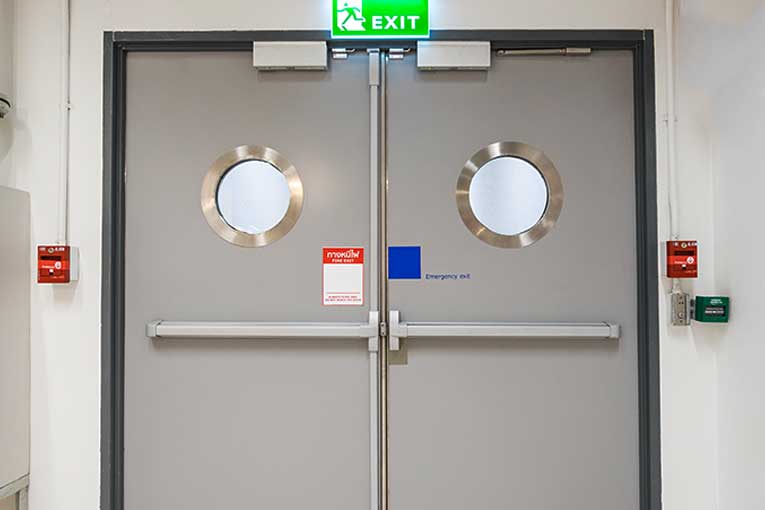
Fire Doors

Specialised fire doors are meticulously designed to resist fire and smoke, acting as effective barriers to limit their spread within a building. 

These doors are critical components of passive fire protection systems, providing crucial time for evacuation and minimising the potential for fire extension.

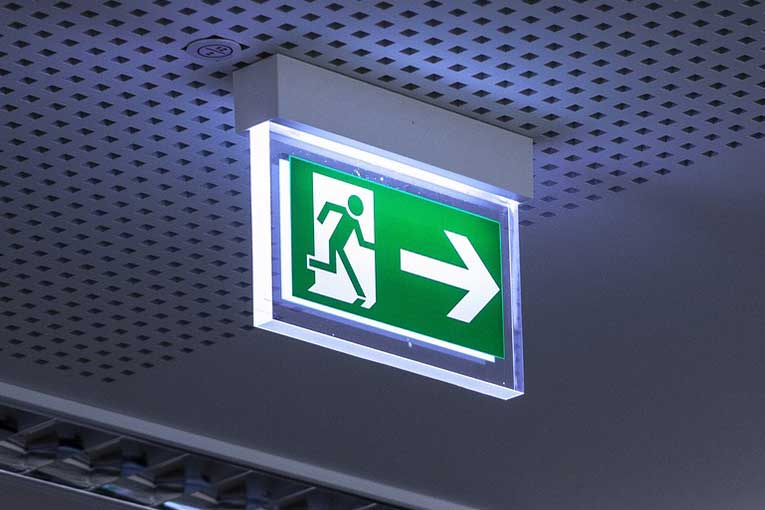
Emergency Signs

emergency signs firefighting supporting equipment

Clearly marked emergency lighting and signs are indispensable in ensuring swift and safe evacuation. 

These signs delineate evacuation routes and indicate the locations of firefighting equipment, guiding occupants to safety during fire emergencies.

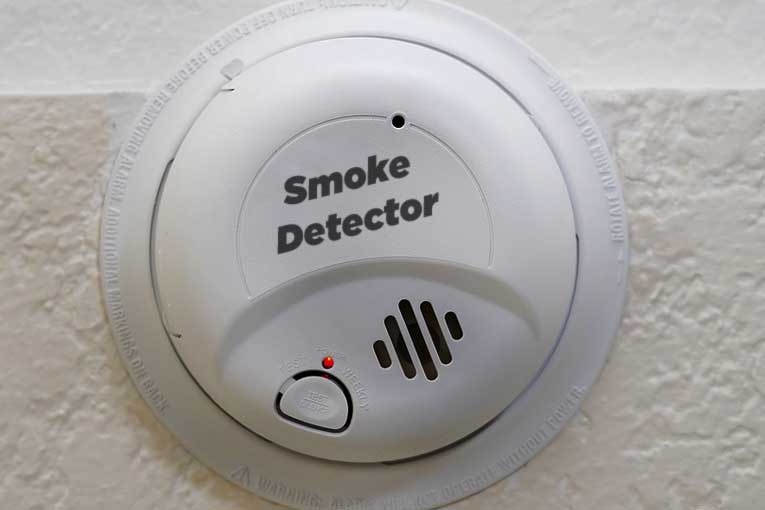
Smoke Alarms

There is 4 different smoke detector types

Essential components of early warning systems, smoke detectors are devices that promptly detect smoke, alerting occupants to potential fire hazards. 

Their rapid detection capability is pivotal in providing early warnings, allowing for timely response and evacuation.

The different types of smoke alarms ensure people can react quickly  to different types of fires.

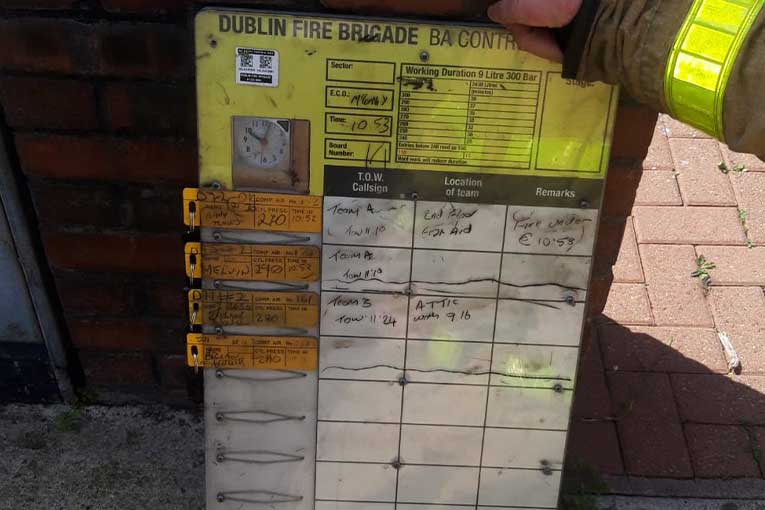
BA Entry Board

The Breathing Apparatus (BA) Entry Board serves as a control hub during breathing apparatus operations. 

It manages the entry and exit procedures of firefighters equipped with breathing apparatus, ensuring systematic and safe operations in environments with compromised air quality.

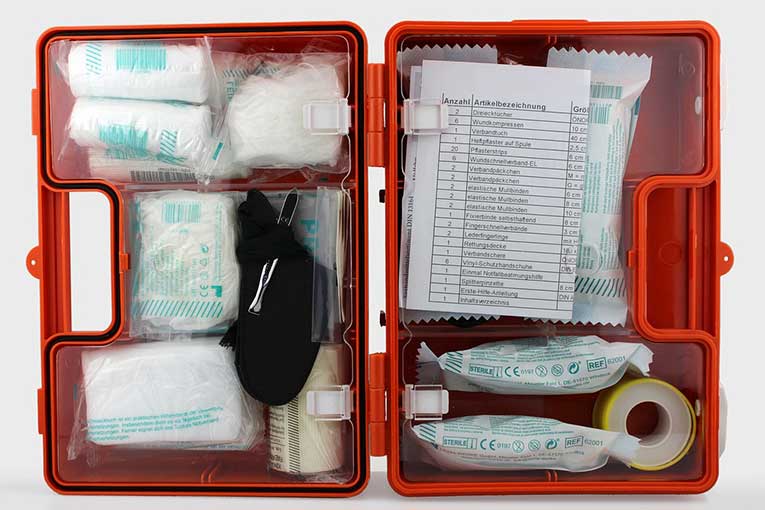
First Aid Kit

first aid kit firefighting supporting equipment

Containing medical supplies, first aid kits address injuries sustained during firefighting or rescue operations. 

They provide essential support until more extensive medical assistance is available.

Light Portable Pump

light portable pump firefighting equipment
Source: Amazon

Compact and portable, light pumps are indispensable for transporting water to areas inaccessible to larger firefighting vehicles. 

These pumps enhance operational flexibility, providing firefighting teams with the ability to establish water supply points in diverse environments.

Cutters

cutters firefighting equipment
Source: Wikipedia

Cutting through materials obstructing access or rescuing individuals, cutters are versatile tools used by firefighters. 

They play a crucial role in extrication operations, enabling swift and precise interventions in situations where immediate access is essential.

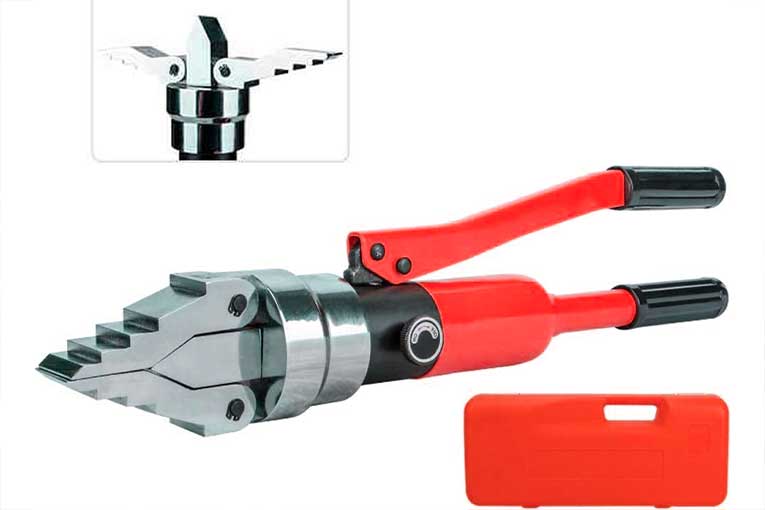
Spreaders

spreaders firefighting equipment
Source: Amazon

Hydraulic spreaders are powerful devices used to pry open objects or create openings in rescue situations. 

These tools are instrumental in providing access to trapped individuals, facilitating efficient rescue operations.

Rams

rams firefighting equipment
Source: Wikipedia

Hydraulic rams are tools designed to force open doors or create pathways during rescue operations. 

Their robust construction and power make them essential for situations where conventional access methods are insufficient.

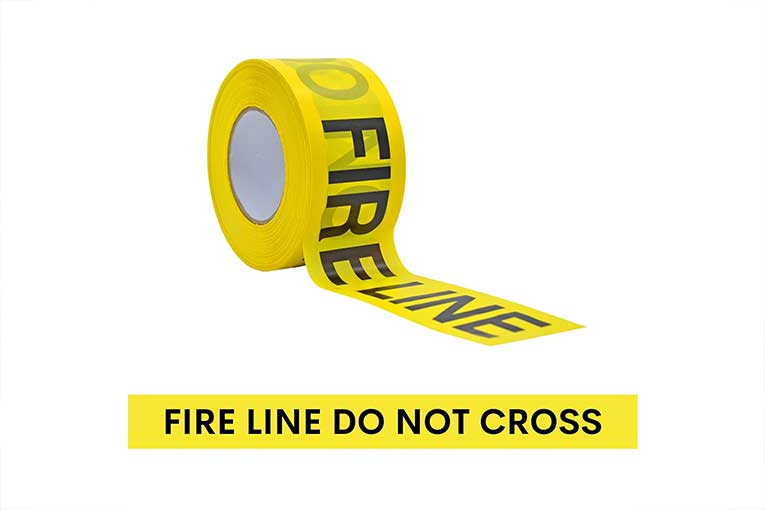
Do Not Cross Tape

do not cross tape firefighting equipment
Source: Amazon

Visible tape with the clear directive “Do Not Cross” is utilised to cordon off unsafe areas and control access to the fire scene. 

This tape ensures the safety of both emergency responders and the public by preventing unauthorised entry into potentially hazardous zones.

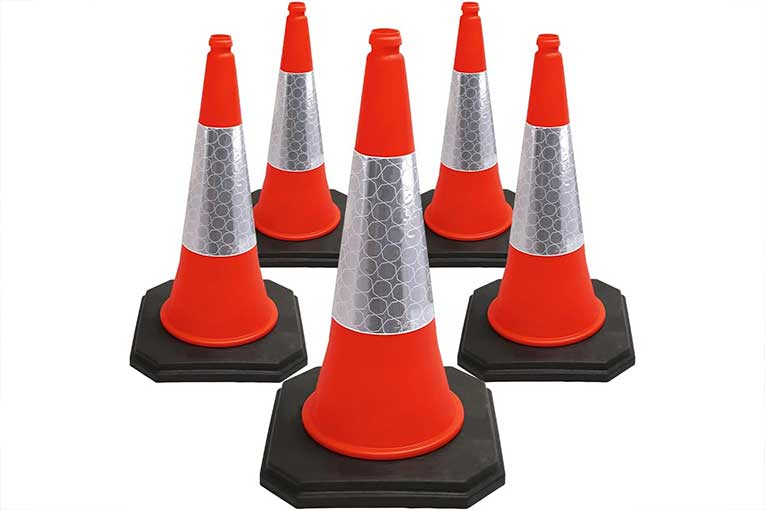
Traffic Cones

traffic cones firefighting equipment
Source: Amazon

Deployed to manage traffic and create clear pathways for emergency vehicles, traffic cones are essential in ensuring unimpeded access for firefighting teams. 

These cones play a crucial role in maintaining order and facilitating the rapid movement of emergency vehicles to and from the incident scene.

What Does the Future Hold for Firefighting Equipment?

The future of firefighting equipment holds exciting possibilities, driven by advancements in technology, materials, and design. 

One prominent trend is the integration of smart technologies, such as artificial intelligence and the Internet of Things, into firefighting gear. 

This includes wearable sensors and augmented reality visors that provide real-time data to firefighters, enhancing situational awareness and decision-making. 

Innovations in materials science are shaping the development of more lightweight yet durable protective gear, addressing comfort and mobility concerns for firefighters. 

Nanotechnology may lead to advanced flame-resistant fabrics, ensuring greater protection against extreme temperatures. 

Additionally, the use of robotics in firefighting, ranging from autonomous vehicles to robotic firefighting assistants, is on the horizon.

As climate change intensifies, firefighting equipment is likely to evolve to cope with more frequent and severe wildfires. 

This may involve the development of specialised tools for wildfires and improved strategies for early detection and prevention. 

The collaborative efforts of researchers, engineers, and firefighters promise a future where technology plays a pivotal role in enhancing the safety, efficiency, and effectiveness of firefighting operations, ultimately better equipping first responders to address evolving challenges.

Conclusion

The array of equipment at a firefighter’s disposal is vast and diverse. 

From traditional tools that have stood the test of time to cutting-edge technology ensuring efficiency and safety, each item plays a crucial role in combating fires and protecting lives. 

The continuous evolution of firefighting equipment reflects a commitment to enhancing the capabilities of those who bravely confront the unpredictable nature of fires. 

As technology advances, so does our ability to respond effectively to fire emergencies, ensuring a safer and more resilient future for communities worldwide.

Where are Fire Doors Required & Why Are They Needed?

One of the most common questions with regards to fire safety is where are fire doors required?

Fire safety is of paramount importance in any building or structure, and fire doors are an integral part of ensuring the safety and protection of occupants and property during a fire emergency. 

These specialised doors are meticulously engineered to serve as barriers against the rapid spread of fire, smoke, and toxic gases, effectively compartmentalising the building and providing valuable time for evacuation and firefighting efforts. 

In this article we will answer questions such as where are fire doors required, why fire doors are needed, what materials are used in their construction, what regulations that govern their installation, what safety checks are needed to maintain their functionality and what their cost implications are.
Where are Fire Doors Required?

Where fire doors are required is one of the most common questions raised by new business owners.

They are required by law in all properties that are for business or non-domestic usage.

Close up of a fire door
Fire doors are vital for fire safety

Fire doors play an essential role in various settings to enhance fire safety and protect occupants from the dangers of fire incidents. 

They are strategically installed in a wide range of locations, including commercial buildings, residential buildings, industrial facilities, educational institutions, and healthcare facilities.

Commercial Buildings

Fire doors serve a critical role in securing escape routes during a fire emergency, providing occupants with a clear and safe path to evacuate the building. 

In various commercial settings, such as offices, hotels, restaurants, and shops, fire doors are essential for ensuring the safety of employees, customers, and visitors. 

These doors compartmentalise the building, containing the fire and allowing occupants to safely exit.

Similarly, in multi-occupancy residential buildings like apartments and care homes, fire doors play a crucial role in safeguarding residents. 

By preventing the rapid spread of fire between units, fire doors provide precious time for evacuation and help minimise the impact of the fire on the entire building.

Industrial Facilities

Industrial facilities, including manufacturing plants, warehouses, and storage areas, require fire doors to protect both employees and valuable assets. 

In these settings, the risk of fire can be significant due to the presence of flammable materials and machinery.

Fire doors play a crucial role in such environments by sectioning the building. 

In the event of a fire, the fire doors act as barriers, containing the fire to a specific area and preventing its rapid spread. 

This containment allows employees to safely evacuate the affected area and seek refuge in other fire-resistant compartments until help arrives.

By containing the fire, fire doors help to minimise damage to the facility, its contents, and the surrounding areas. 

They also provide additional time for emergency responders to arrive and mitigate the situation. 

This is vital in industrial settings where a rapid and uncontrolled fire could have catastrophic consequences for both human lives and business operations.

Educational Institutions

Fire safety is a top priority in educational institutions like schools, colleges, and universities, where the safety and well-being of students, staff, and visitors are of utmost importance. 

To achieve this, fire doors are strategically installed throughout the buildings.

In educational settings, fire doors are commonly found in corridors, classrooms, and assembly areas.

Healthcare Facilities

Healthcare facilities, including hospitals and clinics, must maintain a safe environment to protect patients and staff. 

Fire doors are a critical component of fire safety in healthcare settings, ensuring that patients can be evacuated safely and that critical areas, such as operating rooms and patient wards, remain protected.

Where are Fire Doors Required in a House?

In most residential properties, fire doors are not required by law, however there are exceptions to this rule. 

If the property is 3 stories or more, for example a block of flats, then a fire door is needed on every floor where a room connects onto the stairwell.

Also, if a garage connects directly to a property with access via a door, then the door must comply with fire safety regulations.

Some property owners install fire doors where not required by law, just to increase fire safety in the property. 

If fire doors are installed in a house, then they are strategically placed in key areas to prevent fire spread:

  • Kitchen: Fire doors in the kitchen separate it from living spaces, containing potential fires.
  • Garage: Fire doors are crucial if the garage has direct access to living areas.
  • Basement: Fire doors may be necessary in the basement to protect escape routes and contain fires.

What Do Fire Doors Do?

Fire doors serve as essential components of passive fire protection measures, providing critical barriers to contain flames, smoke, and toxic gases in the event of a fire. 

When a fire occurs, the proper functioning of fire doors can significantly impact the safety of building occupants and the overall integrity of the structure.

Fire doors can help stop fire spreading to other parts of buildings

One of the primary functions of fire doors is their ability to compartmentalise a building.

When closed, fire doors form a seal between different areas of the building, preventing the rapid spread of fire and smoke to other parts of the structure. 

By containing the fire to its point of origin, fire doors effectively limit the extent of damage and provide occupants with valuable time to evacuate the building safely.

What are Fire Doors Made From?

Fire doors are made from various materials with excellent fire-resistant properties, ensuring that they can withstand high temperatures and intense heat.

Timber

Timber is a commonly used material for fire doors, valued for its aesthetic appeal and reliable fire protection. 

Solid timber fire doors offer a classic and natural look, making them a popular choice for residential and commercial buildings alike. 

Timber fire doors are available in various finishes and can be customised to complement the overall interior design of a space. 

The thickness and quality of the timber used in the door’s construction determine its fire-resistant capabilities.

Steel

Steel fire doors are another widely used type of fire door, particularly in commercial and industrial settings. 

Steel doors offer exceptional strength and durability, making them suitable for high-traffic areas and locations with more stringent security requirements. 

Steel fire doors are commonly found in industrial and commercial properties

Steel fire doors can be coated with fire-resistant materials to enhance their fire resistance, and they are often used in facilities where protection against fire and potential break-ins is paramount.

Composite

Composite fire doors are a versatile option that combines various materials to provide enhanced fire resistance and durability. 

These doors typically feature a core made from fire-resistant materials, such as mineral wool or vermiculite boards, sandwiched between layers of other materials like timber, steel, or laminate. 

The combination of different materials in composite fire doors creates a door that is both robust and capable of withstanding the effects of fire for an extended period.

What are the Regulations of Fire Doors?

Fire doors play a crucial role in fire safety, and to ensure their effectiveness, they must adhere to specific regulations and standards. 

These standards are designed to test and assess the fire resistance and integrity of fire doors, ensuring that they can withstand the impact of a fire and provide adequate protection to occupants and property.

Fire Rating

One of the essential aspects of fire door regulations is the fire rating. 

Fire doors are rated based on their ability to withstand fire for a specific duration, usually indicated as 30, 60, or 90 minutes. 

This fire rating determines how long the door can effectively contain the spread of fire, smoke, and heat, providing occupants with valuable time to evacuate safely and emergency responders to take action.

Integrity

In addition to fire resistance, fire doors must also maintain their structural integrity during a fire. 

This means that they should prevent the passage of flames and smoke, forming a barrier that can effectively contain the fire to a specific area of the building. 

The ability of fire doors to maintain their integrity is critical in preventing the rapid spread of fire, protecting other parts of the building and allowing a more controlled response to the emergency.

Self-Closing Mechanism

Another essential feature of fire doors is the self-closing mechanism. 

Fire doors should automatically close and latch when not in use, ensuring that they are ready to act as a barrier in case of a fire. 

This self-closing mechanism helps prevent the accidental propping open of fire doors, which could compromise their effectiveness during an emergency.

Labelling

To provide clear and easily accessible information, fire doors should have appropriate labelling. 

The label on a fire door typically indicates its fire rating and compliance with safety standards. 

This labelling helps building occupants and emergency responders quickly identify fire doors and understand their fire resistance capabilities.

How are Safety Checks on Fire Doors Carried Out?

A proper safety check on fire doors is essential to ensure their functionality during an emergency, and has to be done by someone trained in fire door inspections.

Here are some key steps to include in a fire door safety inspection:

Check Closers

Verify that the door closes smoothly and latches securely without any obstructions.

Proper functioning closers are crucial to ensure that the door can effectively close and seal off the area in case of a fire.

Inspect Seals

Ensure that intumescent seals around the door frame and perimeter are intact.

These seals expand when exposed to heat, creating a barrier against the spread of flames and smoke.

Examine Hinges

Check for loose or damaged hinges that could affect the door’s performance.

Hinges should be in good condition and securely attached to the door and frame.

Look for Damage

Check for any cracks, holes, or damage that may compromise the door’s integrity.

Any damage to the door can weaken its ability to withstand fire and limit its effectiveness in containing flames and smoke.

Test Latching

Confirm that the latch engages correctly with the strike plate when the door is closed.

A properly functioning latch ensures that the door remains closed and prevents the passage of smoke and flames.

Evaluate Gap Sizes

Ensure that the gaps around the door are within the specified limits.

Properly sized gaps are essential for the door’s fire resistance, as excessive gaps can allow the passage of smoke and flames.

Regular fire door inspections are critical to maintaining their effectiveness in fire safety. 

If any issues are identified during the safety check, prompt repairs or replacements should be made to ensure that the fire doors are ready to perform their vital role in protecting lives and property during a fire emergency.

Changes in Regulations

As of January 2023, there have been significant changes to the fire door inspection regulations, due to the majority of fire doors in the UK failing inspections

Previously, inspections were conducted every six months to ensure compliance with fire door rules and regulations. 

However, with the new regulations in place, there are updated inspection frequencies for different types of fire doors:

Communal Fire Doors

These will now be expected to undergo inspection every 3 months.

This increased frequency aims to enhance safety and ensure that communal areas are adequately protected.

Fire & Escape Doors (FEDs)

FEDs will be subject to inspection at least once a year.

This measure aims to maintain the integrity of escape routes and vital access points in buildings.

Fire and Escape doors need regular inspections to ensure maximum protection against fire

These changes reflect a more proactive approach to fire safety, ensuring that fire doors are regularly checked and maintained to meet the highest safety standards.

Can Fire Doors Have Windows?

Fire doors are designed with the option of including vision panels that are equipped with fire-resistant glazing. 

These vision panels offer the advantage of visibility between different areas, allowing natural light to pass through while maintaining fire safety regulations. 

High-quality fire-rated glass can withstand temperatures of up to 900 degrees Celsius, over seven times that of normal glass. 

Moreover, it can maintain its integrity for over 60 minutes, effectively preventing the fire from spreading and providing ample time for evacuation and fire personnel to respond.

By following these regulations, property owners can strike a balance between safety and functionality, providing occupants with both fire protection and the convenience of visual communication within the building.

How Much Do Fire Doors Cost?

The cost of fire doors can vary significantly depending on several factors. 

The primary determinants of the price include the material used, the fire rating of the door, its size, and any additional features it may have. 

Here are some key factors that influence the cost of fire doors:

Material

Fire doors can be made from various materials, including timber, steel, and composite materials.

Each material has different characteristics and price points, with steel doors generally being more expensive than timber doors.

Fire Rating

Fire doors are assigned specific fire ratings, indicating the duration they can withstand exposure to fire.

Doors with higher fire ratings tend to be more expensive due to their increased fire resistance capabilities.

Size

The size of the fire door is another important factor in determining its cost.

Larger doors may require more materials and hardware, resulting in a higher price.

Additional Features

Some fire doors come with additional features, such as vision panels, glazing, or special hardware.

These features can add to the overall cost of the door.

The cost of a standard fire door can vary because of these factors, with a low-end fire door being rather low cost, to the upper end coming in with a price tag in the thousands. 

However, it is essential to consider that investing in high-quality fire doors is a crucial aspect of ensuring fire safety in any building. 

Fire doors play a critical role in preventing the spread of fire and protecting lives and property. 

Therefore, it is recommended to prioritise the quality and compliance of fire doors over cost considerations to ensure the utmost safety and security in the event of a fire emergency.

Conclusion

Fire doors are indispensable components of fire safety measures, protecting lives and properties during emergencies. 

Having an answer to the question of where are fire doors required, as well as their functions, materials, regulations, and safety checks is essential for creating a secure environment. 

Whether in commercial buildings, residential properties, or industrial facilities, the proper installation and maintenance of fire doors contribute significantly to fire prevention and enhanced safety for occupants.

Panic and emergency exit hardware for aluminium doors launched by ASSA ABLOY

A newly launched range of push bar, push pad, and touch bar panic and emergency exit devices and external hardware has been launched by ASSA ABLOY to form an integral part of building safety

Specifically designed for aluminium doors with Concealed Vertical Rods (CVR), the range is compatible with both new builds and renovations on private and commercial projects, including as retail and hospitality spaces and retrofitting to the most common current hardware products in the marketplace, making them ideal for RMI projects in the public sector.

Independently tested and certified to EN 1125 and EN 179, the hardware is fully compliant to UKCA and CE standards. Successfully passing the rigours of PAS 24 as a component of a doorset – a security requirement in many commercial buildings – they offer added peace of mind to the building owner and users.

No additional keeps or doorset detailing are required for a doorset to complete PAS 24 testing, making this latest solution compliant out of the box and saving customers time and cost. Plus, ASSA ABLOY can help customers with PAS 24 testing through its UKAS-accredited test lab.

The external hardware can be locked off to prevent un-authorised entry, without compromising building users’ ability to escape. The OAD lever shape and panic products help meet the requirements of BS 8300, ensuring buildings are accessible by all users as well as giving an attractive suited range that creates a coordinated finish throughout the building.

Alison Aston from ASSA ABLOY said: “Building on our heritage in the aluminium door hardware market, with our brands like Adams Rite, the new range is easier for our customers to stock and simpler to install, saving them time and cost. Thanks to our in-house expertise, our products are UK designed, tested, and manufactured – providing added supply chain security and quality assurance.

“When creating the new range, we’ve listened to customer feedback, and have developed products that are affordable and instantly compatible with PAS 24 and non-PAS 24 doorsets, reducing the need for additional stock holding and/or door fabrication. Plus, as a retrofittable product, they are quick to install and can instantly upgrade a building’s aesthetics and safety.”

Suitable for a wide variety of applications, the new range can be used on either single or non-rebated double doors and both the push bar and touch bar can be cut to size on site, allowing for a more bespoke fit.

UL Solutions and CFEL team up on Fire Door Testing

UL Solutions, a global leader in applied safety science, and CFEL have entered into an agreement, to cooperate on fire door testing and assessment for global market access. 

A Memorandum of Understanding signed during a ceremony on 14 September 2022, at UL Solutions offices in Seoul, South Korea, formalised the relationship between the two companies. 

Yun Chung, regional managing director in South Korea for UL Solutions said: “The cooperation of UL Solutions and CFEL advances our capabilities through shared resources and expertise regarding fire door performance testing.

“UL Solutions is well versed in fire door safety requirements and offers the technical know-how needed to meet the needs of our customers. Our team in South Korea welcomes the agreement with CFEL, and we look forward to working together to help bring safer fire doors to the market.” 

Hong Kim, director of CFEL, commented: “Once the designation of the laboratory is completed, we intend to develop CFEL’s international capabilities by discovering new overseas testing demands through continuous technological cooperation and actively responding to the testing and certification market.”

Sentry Doors partners with Door Data Systems for Golden Thread solution

Supplier of fire safety doorsets, Sentry Doors, has partnered with the leader in fire door traceability, Door Data Systems, to implement a data tagging solution.

This will allow open access to fire door manufacture, installation, and maintenance records, meeting the requirements of establishing a Golden Thread of information.

Manufacturers records will now be accessible and viewed for free via the Door Data Pin, linked to an app, in every Sentry fire door.

The Door Data Pin, which is embedded into a Sentry door during manufacture, will allow those responsible to record all processes of a door. The easily accessible system can be utilised at any stage of the doors lifecycle, providing a flexible and comprehensive location to securely store assets such as certification records, installation guides and warranties.

Also known as ‘The National Fire Door Register’, Data Door Systems’ compliance software application brings together all trades involved in the lifecycle of fire doors and provides Building Safety Managers, duty holders and those responsible with a true ‘Golden Thread’ of critical information.

Ty Aziz, Managing Director of Sentry Doors, said: “We are thrilled to have an open access solution powered by the leader in fire door traceability.

“The Golden Thread means making information on every aspect of a fire door’s compliance easy to access. Our Golden Thread solution means that data is available via a simple app with no manufacturer’s restrictions. That means better safety for our customers and increased efficiency for everyone in the fire safety industry.”

Jim Kerr, Director of Door Data Systems, said: “We have long been the leader in open access door data systems. No one should own the data that keeps customers safe – and our easy app means that it is available throughout the lifetime of the door. We are thrilled to be working with Sentry, with its history of leading fire door safety compliance to power its Golden Thread solution.”

New partnership sees Rhino Doors focus on the nuclear industry

Rhino Doors has signed an agency contract with UniTech Services Group Ltd, based in Crumlin, South Wales. UniTech will now act as Rhino’s agent and represent the company’s comprehensive range of doors, including those designed for radiation protection, to customers working in the nuclear power and military nuclear sectors.

Rhino’s new partner is the UK subsidiary of the worldwide UniTech Services Group Inc., based in Massachusetts, which generates over $100m in turnover and has operations throughout Europe and the US.

UniTech specialises in the decontamination of PPE, tools, equipment and other consumables used in the nuclear industry, as well as offering an as-new reconditioning service, temporary on-site decontamination structures, and ancillary products to assist with decontamination routines.

The new relationship was formed through negotiations between Jon Walter, Managing Director of Rhino Doors, and Paul Chesters, UniTech’s UK Business Manager, which brought into focus the potential of a partnership.

Commenting on the deal, Walter said: “Rhino has supplied doors to the nuclear industry for several years, but we have been looking for the right partner to enable us to grow our presence in the sector.

“UniTech is well known and respected in the industry, with almost 100% coverage of all UK nuclear sites and a high-quality service and product offering.

“In particular, its radiological expertise and its breadth of contacts will be a significant resource for us in developing our business in this sector.”

Chesters added: “UniTech has always been interested in developing the scope of the products it can offer to the nuclear sector, and we’re delighted to have Rhino as a partner.

“With high-quality products, a professional approach to design and manufacture, and a strong customer service culture, Rhino Doors is ideally suited to the nuclear sector.

“As well as offering the required radiological protection, the company’s doors are extremely secure and can be supplied in an anti-terrorist format, which is highly relevant in these uncertain times. We are confident of a very fruitful partnership with Rhino.”