How Many People Died in 9/11 Attacks?

The September 11, 2001 attacks killed 2,977 innocent people, including civilians, airline passengers, and first responders.

It remains the deadliest terrorist attack in world history and the single largest loss of life from a foreign assault on American soil.

What Occurred on 9/11?

911 Flight Paths
Image credit: Britannica

On the morning of September 11, 2001, four commercial airplanes were hijacked by 19 terrorists belonging to the extremist group al-Qaeda.

Their coordinated plan was to use the planes as weapons against key symbols of the United States.

Within less than two hours, two of the aircraft struck New York City’s World Trade Center towers, one hit the Pentagon in Virginia, and the fourth crashed into a field in Shanksville, Pennsylvania after passengers fought back.

The scale, coordination, and devastation of the attacks shocked the world and permanently reshaped global security, aviation, and counterterrorism efforts.

WTC 1 North Tower

WTC1 After Impact
Image credit: ABC News (Australia)

At 8:46 a.m, American Airlines Flight 11 crashed into the North Tower of the World Trade Center between the 93rd and 99th floors.

The impact instantly killed hundreds of people and trapped many others on the upper floors. 

The intense fire weakened the building’s steel structure until it collapsed at 10:28 a.m., 102 minutes after being struck.

Thousands of office workers, building staff, and first responders were killed or injured.

The collapse sent a massive cloud of dust and debris across Lower Manhattan.

WTC 2 South Tower

WTC2 During Impact
Image credit: Reddit

At 9:03 a.m, United Airlines Flight 175 struck the South Tower between the 77th and 85th floors. 

The impact and resulting fire caused catastrophic damage.

Despite being hit second, the South Tower collapsed first at 9:59 a.m, just 56 minutes after impact.

Both towers’ destruction created enormous debris fields and released toxic dust that would later contribute to long-term illnesses among survivors and emergency workers.

The Pentagon

The Pentagon After Impact
Image credit: History

At 9:37 a.m, American Airlines Flight 77 crashed into the western side of the Pentagon, the U.S. Department of Defense headquarters, located in Arlington, Virginia.

The impact caused a partial collapse of the building and a massive fire.

A total of 184 people were killed, including 59 passengers and crew on the plane and 125 military and civilian personnel inside the Pentagon.

WTC 7

WTC 7 Before Collapse

The World Trade Center 7 building, located north of the Twin Towers, was not hit by an aircraft but was heavily damaged by falling debris when the towers collapsed.

Fires burned for hours throughout the structure, and at 5:20 p.m, WTC 7 also collapsed.

Although no one inside died because the building had been evacuated, its fall marked the third high-rise collapse in New York that day; an unprecedented event in modern history.

Shanksville, Pennsylvania

Shanksville Crash Site
Image credit: Britannica

United Airlines Flight 93 was the fourth hijacked aircraft.

After learning about the other attacks through phone calls, passengers and crew members fought to regain control of the plane.

Their heroic struggle caused the aircraft to crash into a field near Shanksville, Pennsylvania, at 10:03 a.m, preventing it from reaching its intended target in Washington, D.C.

All 40 passengers and crew members aboard were killed, but their actions saved countless lives on the ground.

How Many Buildings Collapsed on 9/11?

911 Ground Zero
Image credit: Wikipedia

A total of seven buildings within the World Trade Center complex were destroyed or severely damaged beyond repair.

The most notable were WTC 1 (North Tower), WTC 2 (South Tower), and WTC 7, all of which collapsed completely.

Surrounding structures, including WTC 3 (the Marriott Hotel), WTC 4, WTC 5, and WTC 6, sustained heavy damage from falling debris and fires.

How Many People Died on 9/11?

In total, 2,977 victims were killed as a direct result of the 9/11 attacks.

This number excludes the 19 hijackers, who also died that day.

Civilian Deaths

911 Victim Photographs
Image credit: The Times of Israel

The majority of victims were civilians from more than 90 countries.

At the World Trade Center site in New York City, 2,753 people were killed, including passengers from both planes, office workers in the towers, and individuals on the ground.

At the Pentagon, 125 military and civilian personnel died, along with 59 passengers and crew from Flight 77.

In Shanksville, Pennsylvania, all 40 passengers and crew members on Flight 93 lost their lives.

Among the dead were 343 firefighters, 60 police officers, 8 paramedics, and thousands of office workers, airline staff, and visitors.

First Responders
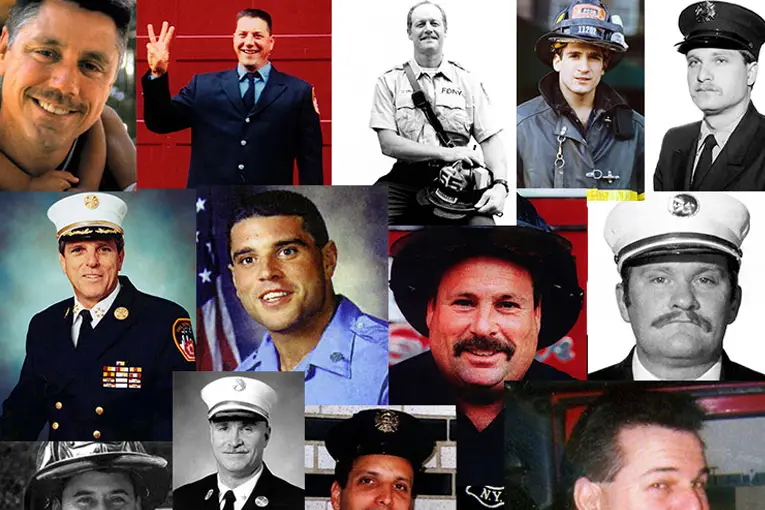
Firefighters Who Died on 911
Image credit: Fire Engineering

The bravery of first responders on 9/11 remains one of the most profound aspects of the tragedy.

Many firefighters and police officers entered the Twin Towers to rescue trapped occupants, knowing the risks.

When the towers collapsed, 344 firefighters died of the 442 first responders killed.

343 were from the New York City Fire Department (FDNY), 23 from the New York City Police Department (NYPD), 37 from the Port Authority Police Department (PAPD), and several emergency medical technicians and paramedics.

It remains the largest single-day loss of emergency personnel in U.S. history.

How Many People Survived the 9/11 Attacks?

Despite the enormous loss of life, thousands of people were rescued or managed to escape the World Trade Center before the towers collapsed.

Estimates suggest more than 14,000 people were safely evacuated from the Twin Towers and surrounding buildings.

Many survivors owe their lives to quick-thinking colleagues, emergency personnel, and ordinary bystanders who helped guide others to safety.

At the Pentagon, approximately 18,000 people were inside at the time of the attack.

Due to its vast size and rapid evacuation procedures, most were able to escape before parts of the building gave way.

Deaths Caused by Illness Since 9/11

Image source: Asbestos.com

In the years that followed, thousands more people have died from illnesses linked to exposure to toxic dust and debris from the World Trade Center site.

The collapse released a massive cloud of asbestos, heavy metals, and microscopic glass particles that blanketed Lower Manhattan.

According to the World Trade Center Health Program and the September 11th Victim Compensation Fund, more than 5,000 additional deaths have since been attributed to respiratory diseases, cancers, and other conditions related to 9/11 exposure.

Tens of thousands of survivors and responders continue to live with long-term health effects, making the tragedy’s human toll far greater than the original numbers suggest.

Who Carried Out the 9/11 Attacks?

Osama bin Laden and Khalid Sheikh Mohammed

The attacks were orchestrated by al-Qaeda, a militant Islamist terrorist organization founded by Osama bin Laden.

The 19 hijackers were divided among the four flights and received training in aviation and coordination to carry out the suicide missions.

Following the attacks, the United States and its allies launched the Global War on Terror, including the invasion of Afghanistan to dismantle al-Qaeda and remove the Taliban regime that harbored its leaders.

Osama bin Laden remained a fugitive until May 2, 2011, when he was killed by U.S. Navy SEALs in Pakistan during Operation Neptune Spear.

Key Takeaways

The 9/11 attacks were an act of terrorism that claimed 2,977 lives on the day itself and have since led to thousands more deaths due to illness and long-term exposure.

Four coordinated plane hijackings caused massive destruction in New York City, Virginia, and Pennsylvania, changing the course of global history.

Behind every statistic were people including families, friends, and colleagues; whose loss continues to shape the collective memory of nations worldwide.

Remembering the human impact of 9/11 ensures that the courage, sacrifice, and unity shown in the face of tragedy are never forgotten.

How Many Firefighters Died in 9/11 Attack?

The September 11, 2001 attacks were one of the darkest days in American history.

Among the thousands of lives lost, 343 firefighters from the New York City Fire Department (FDNY) died during the attacks, along with one firefighter from the New York City Fire Patrol, bringing the total number of firefighters who died on that day to 344.

In the years since, many additional firefighters and first responders have died from illnesses directly linked to exposure at the World Trade Center site, highlighting the long-term sacrifices made by these heroes.

What Happened on September 11, 2001?

911 Twin Towers Burning

On the morning of September 11, 2001, a series of coordinated terrorist attacks were carried out in the United States.

Hijackers flew four commercial airplanes, two of which crashed into the Twin Towers of the World Trade Center in New York City.

The South Tower collapsed less than an hour after being hit, followed by the North Tower.

This was followed by the total collapse of World Trade Center Building 7 later that day at 5:20pm, with the building falling onto its own footprint.

A third plane struck the Pentagon, while the fourth, United Flight 93, crashed in Pennsylvania after passengers attempted to retake control of the aircraft.

The attacks resulted in widespread devastation and prompted an immediate, massive emergency response.

How Many People Died on 9/11?

Approximately 2,996 people lost their lives as a result of the 9/11 attacks, not including the 19 terrorists involved.

This total includes civilians, law enforcement officers, and firefighters.

In New York City alone, the World Trade Center attacks caused 2,753 deaths, making it the single deadliest terrorist incident in U.S. history.

What Fire Departments Responded to 9/11?

911 First Responders
Image credit: CNN

The FDNY was the primary responder to the World Trade Center attacks.

Firefighters from all five boroughs of New York City, as well as mutual aid companies from nearby areas, rushed to the scene.

Other notable departments and organizations included the New York City Police Department (NYPD), Port Authority Police, and private firefighting units, all of which played crucial roles in evacuation, rescue, and firefighting efforts.

The response was immediate and heroic, with personnel entering collapsing structures to save civilians and fellow first responders.

How Many Firefighters Died on 9/11?

Firefighters Who Died on 911
Image credit: Fire Engineering

During the attacks themselves, 343 FDNY firefighters were killed while performing rescue operations and attempting to evacuate the Twin Towers.

These men and women included firefighters of all ranks, from probationary firefighters to chiefs, reflecting the broad participation of the FDNY workforce that day.

Additionally, Keith Roma, a firefighter with the New York City Fire Patrol, also died responding to the scene, which brings some records to cite 344 total firefighter deaths.

Many of these individuals were trapped in the towers when the structures collapsed, illustrating the extreme danger and heroism of the operation.

How Many First Responders Died on 9/11?

Firefighter at Ground Zero

Beyond firefighters, other first responders also lost their lives, including 23 police officers and 37 Port Authority officers.

Collectively, the number of first responders who perished that day amounted to approximately 403 individuals, highlighting the extreme risk faced by those on the front lines of the attacks.

How Many Firefighters Have Died from 9/11 Related Illnesses Since the Attack?

Tragically, the toll of 9/11 extends far beyond that single day.

Exposure to toxic dust, smoke, and debris at Ground Zero has resulted in chronic illnesses and cancers among first responders.

As of 2024, over 200 additional FDNY firefighters have died from 9/11-related illnesses, including respiratory diseases, gastrointestinal cancers, and other health complications directly linked to their work at the site.

This ongoing loss underscores the long-term dangers faced by first responders and the need for continued healthcare support and monitoring for those who served during the recovery and cleanup efforts.

Why We Should “Never Forget”

911 Memorial
Image credit: Wikipedia

The heroism displayed by firefighters and other first responders on 9/11 serves as a lasting testament to courage and selflessness.

Remembering their sacrifices not only honors the fallen but also emphasizes the importance of preparedness, training, and community support for emergency responders.

Memorials, educational programs, and annual ceremonies ensure that their bravery and the lessons of 9/11 continue to be recognized worldwide.

Key Takeaways

  • 343 FDNY firefighters died on 9/11, with an additional firefighter from the Fire Patrol, totaling 344 firefighter deaths on the day.
  • Thousands more first responders have died in subsequent years due to 9/11-related illnesses.
  • The FDNY, NYPD, Port Authority Police, and other agencies worked heroically to save lives amid unprecedented chaos.
  • Ground Zero exposure has long-term health consequences, emphasizing the sacrifices of first responders.
  • Remembering these heroes helps educate and inspire future generations while highlighting the risks and responsibilities of emergency personnel.

The 9/11 attacks resulted in an immense and lasting loss for firefighters and first responders. 

343 FDNY firefighters perished during the attacks, and hundreds more have died since due to illnesses caused by exposure at the World Trade Center site.

Their bravery, sacrifice, and continued impact are a powerful reminder to honor and support those who serve in the fire and rescue professions.

“People sometimes forget our work is more than just fighting fires”: London Fire Brigade conducts terrorist incident training

Firefighters train with emergency services for high-threat response

London Fire Brigade has conducted a series of exercises at the JobServe Community Stadium in Colchester to test its preparedness for responding to marauding terrorist attacks.

According to London Fire Brigade, the exercises were carried out with paramedics and police officers in a simulated high-threat environment.

The scenario involved a mass casualty incident requiring a coordinated emergency response.

Firearms officers cleared the venue while firefighters managed rescues, assessed casualties, and assisted with evacuation procedures.

The training aimed to simulate realistic conditions for joint operations between the fire service, police and ambulance teams.

Enhanced capability follows new training and equipment rollout

London Fire Brigade confirmed that all its firefighters have received training to respond to marauding terrorist attacks.

The training has been embedded into recruit programmes and includes the use of ballistic personal protective equipment such as vests, helmets and ear defenders, which are now standard issue on all fire engines.

The Brigade stated that its operational role includes coordinating rescue efforts and providing immediate emergency care alongside paramedics in high-risk environments.

Exercises reflect inspection results and partnership work

The Brigade received an outstanding rating in its response to major and multi-agency incidents from His Majesty’s Inspectorate of Constabulary and Fire & Rescue Services.

Assistant Commissioner Pat Goulbourne said: “Along with other emergency partners, London’s firefighters are always ready to respond to a terrorist attack.

“People sometimes forget our work is more than just fighting fires.

“Our crews are trained to coordinate and carry out complex rescue operations and provide immediate emergency care.

“In Colchester, we’ve been testing how we’d carry out those operations in response to a high-risk incident.”

Deputy Mayor for Fire Services Jules Pipe CBE said: “London Fire Brigade plays a critical role in the preparedness and response to terrorist attacks and these multi-agency exercises help to ensure our key emergency services are ready and prepared for the constantly evolving threat of terrorism.”

Programme influenced by previous incidents and public inquiry

London Fire Brigade said the training forms part of a wider response developed after several high-profile incidents since 2017, including Westminster Bridge, London Bridge and Fishmongers’ Hall, as well as recommendations from the Manchester Arena public inquiry.

The initiative was developed with the Fire Brigades Union and is supported by additional funding from the Mayor of London.

The Brigade stated it is one of two fire services in the UK with this frontline capability, alongside Greater Manchester Fire and Rescue Service.

Colchester United Football Club provided the stadium for the training.

General Manager Tim Waddington said: “We are incredibly proud to support London Fire Brigade, the Metropolitan Police Service and London Ambulance Service by providing a venue for these vital training exercises.

“In the challenging times we live in, ensuring our emergency services are fully prepared to respond to major incidents is more important than ever.”

London Fire Brigade conducts terrorist incident training at Colchester stadium: Summary

London Fire Brigade carried out multi-agency training exercises at the JobServe Community Stadium in Colchester.

The exercises involved firefighters, paramedics and police officers responding to a simulated marauding terrorist attack.

The scenario included a firearms threat and mass casualty event, requiring joint operations and evacuation.

All London firefighters have received dedicated training on how to respond to such incidents.

Ballistic vests, helmets and ear defenders are now carried on all fire engines.

The Brigade’s role includes coordinating rescues and supporting immediate medical care.

The training followed several major incidents and recommendations from the Manchester Arena public inquiry.

His Majesty’s Inspectorate rated the Brigade outstanding in its response to multi-agency incidents.

The programme was supported by the Mayor of London and developed in collaboration with the Fire Brigades Union.

London Fire Brigade and Greater Manchester Fire and Rescue Service are the only UK fire services with this capability deployed across their frontlines.