Fire Risk Assessment – A Guide for Workplaces

A Fire risk assessment is crucial in ensuring the safety of a workplace. 

They help identify potential fire hazards and create a plan to reduce risks. 

Having an effective fire risk assessment can prevent serious incidents and save lives.

In this article, we will explore what a fire risk assessment is, why it’s necessary, who needs it, how to conduct one, and how often it should be done.

What is a Fire Risk Assessment?

what is fire risk assessment

A fire risk assessment is a process that identifies potential fire hazards in a workplace and evaluates the risk they pose. 

The goal is to prevent fires from starting and to ensure that people can safely evacuate if one occurs. 

The assessment involves looking for sources of ignition, flammable materials, and any risks that could make a fire worse.

It also includes checking if there are enough fire safety measures in place, such as fire alarms, extinguishers, and emergency exits. 

The findings help create an action plan to reduce risks, ensuring the workplace complies with fire safety regulations.

A fire risk assessment isn’t just a one-time task. 

It needs to be reviewed regularly, especially if there are changes in the workplace, like new equipment or staff. 

By conducting regular fire risk assessments, workplaces can minimise the chance of fires, protect lives, and avoid costly damages. 

They’re a legal requirement for most businesses, but more importantly, they ensure a safe environment for everyone in the building.

Why is a Fire Risk Assessment Needed?

why fire risk assessment needed

A fire risk assessment is essential for several reasons. 

Legal Requirements

It ensures that workplaces comply with legal requirements. 

Many countries have laws that mandate regular fire risk assessments for businesses.

Accident Prevention

Fire risk assessments help prevent accidents and injuries. 

Fires can spread quickly, and without proper precautions, they can cause serious damage or even fatalities. 

Identifying fire hazards early allows businesses to put in place measures to prevent fires.

Property Protection

A fire risk assessment helps protect property. 

Fires can cause significant financial losses by damaging buildings, equipment, and inventory. 

By reducing fire risks, businesses can protect their investments and ensure continuity.

Safe Working Environment

Finally, fire risk assessments promote a safe working environment. 

Employees will feel safer knowing that their workplace has taken steps to protect them from potential fire risks. 

This can boost morale and increase productivity.

Who Needs a Fire Risk Assessment?

who needs fire risk assessment

A fire risk assessment is essential for almost all businesses and organisations. 

It is a legal requirement in most countries for any workplace that has more than five employees. 

Whether it’s a small office, a large factory, or a retail store, fire risks exist, and conducting regular fire risk assessments helps minimise them.

Businesses and Offices

Any business, regardless of size or industry, needs a fire risk assessment. 

This includes offices, retail stores, restaurants, and warehouses. 

Even low-risk environments, like small offices, should assess potential fire hazards, such as electrical equipment or paper storage.

Industrial Facilities

Factories and warehouses deal with larger risks, especially when handling hazardous materials, machinery, or chemicals. 

Regular assessments help manage these risks and ensure that proper safety measures, like fire suppression systems and clear evacuation routes, are in place.

Public Buildings

Public spaces, such as schools, healthcare buildings such as hospitals, and care homes, need fire risk assessments to protect large groups of people. 

These places often have vulnerable individuals, such as children, the elderly, or people with disabilities, who require extra safety considerations during evacuation.

Landlords and Property Owners

Landlords and property managers are responsible for ensuring that their properties, particularly multi-occupancy buildings like apartment complexes, are fire-safe. 

Regular fire risk assessments ensure that residents have adequate fire alarms, clear escape routes, and functioning fire doors.

What to do For a Fire Risk Assessment

fire risk assessment what to do

Conducting a fire risk assessment is essential for maintaining workplace safety. 

It involves identifying potential fire hazards, assessing risks, and implementing measures to reduce those risks. 

Below is a step-by-step guide on what to do for a fire risk assessment.

Identify Fire Hazards

The first step in a fire risk assessment is identifying potential fire hazards in the workplace. 

Hazards can include sources of ignition, such as electrical equipment, heaters, or machinery, and combustible materials like paper, fabric, or chemicals. 

Look for areas where heat or sparks could come into contact with flammable items. 

This can be anything from overloaded power outlets to improper chemical storage.

Identify People at Risk

Next, identify who might be at risk in the event of a fire. 

This includes not only employees but also visitors, contractors, or members of the public. 

Consider specific groups that may be more vulnerable, such as the elderly, disabled, or those with mobility issues. 

Make sure that emergency exits and lighting, and evacuation procedures are suitable for everyone, including those who may need assistance during an evacuation.

Evaluate the Risks and Take Action

Once you’ve identified hazards and people at risk, evaluate the level of risk associated with each hazard. 

Ask yourself: How likely is it that a fire could start, and how severe would the consequences be? 

After evaluating the risks, take appropriate actions to eliminate or reduce them. 

This could involve:

  • Removing or reducing fire hazards (e.g., properly storing flammable materials).
  • Installing or improving fire detection systems, such as smoke alarms.
  • Ensuring that fire extinguishers are accessible and maintained.
  • Implementing clear fire safety protocols and ensuring exits are unobstructed.

Record Your Findings and Implement Changes

In businesses with more than five employees, it is a legal requirement to document your findings. 

This documentation should include the hazards identified, the people at risk, and the actions taken to reduce or eliminate risks. 

Keep a detailed log of all fire safety measures in place, such as fire extinguishers, fire exits, and alarms.

Once you have recorded the findings, make sure the necessary changes are implemented. 

Assign responsibilities to individuals, such as fire wardens or fire marshals, who can oversee the implementation of safety measures.

Review and Update Regularly

Fire risk assessments are not a one-time task and should be reviewed regularly.

By keeping your assessment up to date, you ensure that new risks are addressed, and fire safety measures remain effective.

Who Can Do a Fire Risk Assessment?

who can do fire risk assessment

A fire risk assessment can be conducted by a competent person within the workplace. 

This person must have adequate knowledge of fire safety regulations and an understanding of fire hazards. 

Often, businesses will appoint a fire warden or safety officer to conduct these assessments.

For complex buildings or high-risk environments, it may be necessary to hire a professional fire risk assessor. 

A professional will have the expertise and experience to identify risks that might be overlooked by someone with less training.

Some businesses choose to outsource their fire risk assessment entirely to certified professionals. 

This ensures that the assessment is thorough and compliant with legal standards. 

However, even if you hire a professional, the employer is still responsible for ensuring the assessment is carried out properly.

How Often Should a Fire Risk Assessment be Done?

how often fire risk assessment

A fire risk assessment should be conducted regularly to ensure the safety of a workplace and its occupants. 

The frequency of these assessments depends on various factors, such as the type of business, the size of the premises, and the level of fire risk involved.

Annual Reviews

As a general rule, businesses should review their fire risk assessments at least once a year. 

This ensures that any changes in the workplace, such as new equipment or changes in staff, are considered and any new risks are identified and addressed.

After Significant Changes

If there are significant changes in the workplace, such as renovations, new machinery, or changes in the number of employees, a new fire risk assessment should be done immediately. 

These changes can introduce new fire hazards or affect existing safety measures, such as fire exits or alarm systems.

High-Risk Environments

Workplaces with higher fire risks, such as factories, chemical plants, or places that handle flammable materials, may need more frequent fire risk assessments. 

Depending on the level of risk, reviews might be necessary every six months or even quarterly.

After a Fire Incident

If a fire has occurred, an immediate review and reassessment should be conducted. 

This helps identify what went wrong and ensures that additional safety measures are put in place to prevent future incidents.

Conclusion

You should now have the knowledge on exactly what a fire risk assessment is. 

A Fire risk assessment is vital for ensuring workplace safety and preventing devastating incidents. 

They help identify potential hazards, protect employees, and ensure compliance with fire safety regulations. 

Conducting regular fire risk assessments, documenting findings, and acting on identified risks will create a safer environment for everyone. 

Remember, whether your workplace is an office, a factory, or a care home, fire safety is a responsibility that should never be overlooked. 

By following the steps outlined in this guide, you can ensure that your fire risk assessment is thorough, effective, and up to date.

What is a Dual Sensing Smoke Alarm?

A smoke alarm is an essential safety device that can save lives. 

It detects smoke, alerting occupants to a fire, giving them time to escape. 

While there are different types of smoke alarms, a dual sensing smoke alarm is known for its enhanced detection abilities. 

This article will explore what a dual sensing smoke alarm is, its types, advantages, disadvantages, and other smoke alarm options.

What is a Dual Sensing Smoke Alarm?

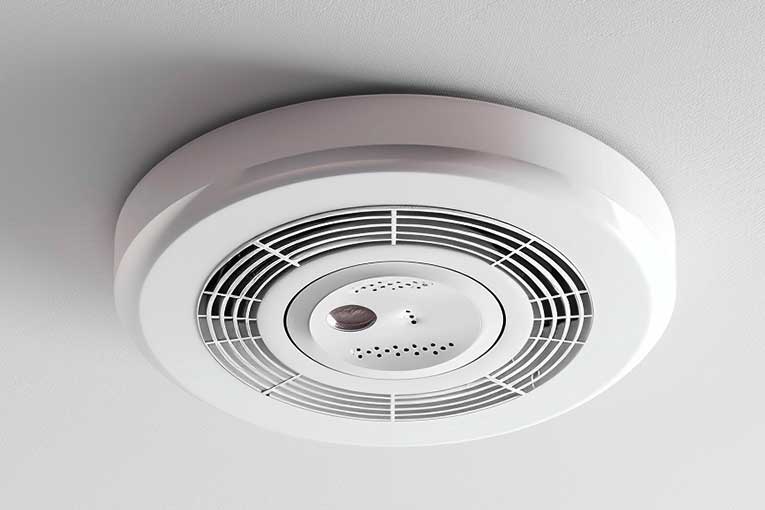
dual sensing smoke alarm image

A dual sensing smoke alarm is a type of fire detection device designed to improve fire detection by using two different sensors: ionisation and photoelectric.

Ionisation Sensors

These are more responsive to fast-flaming fires, such as those caused by paper. 

They detect small particles of smoke that are typically produced in these types of fires.

Photoelectric Sensors

These are better at detecting slow, smouldering fires, like those caused by cigarettes. 

They work by sensing larger smoke particles that scatter light.

Why Dual Sensing is Safer

By combining these two sensors, dual sensing smoke alarms offer more comprehensive coverage, ensuring faster and more accurate detection of different types of fires. 

This dual approach minimises the chances of false alarms while maximising the likelihood of detecting a real fire.

These alarms are recommended by safety experts and are ideal for providing enhanced protection in homes, giving occupants crucial time to respond in case of a fire. 

Despite being slightly more expensive than single-sensor alarms, the added safety they provide makes them a valuable investment for any household.

What are the Different Types of Dual Sensing Smoke Alarm?

dual sensing smoke alarm types

Dual sensing smoke alarms come in several types, categorised by their power source, connectivity, and additional features. 

Understanding these types can help you choose the best option for your home.

Battery-Powered Dual Sensing Smoke Alarms

Battery-powered dual sensing smoke alarms are standalone units that rely on batteries for operation. 

These alarms are easy to install and can be placed anywhere in the home. 

They are especially useful in homes without hardwired smoke alarm systems. 

However, they require regular battery checks and replacements to ensure they function properly. 

Some models come with long-life lithium batteries, reducing the frequency of battery changes.

Hardwired Dual Sensing Smoke Alarms

Hardwired dual sensing smoke alarms are connected directly to your home’s electrical system, ensuring continuous power. 

These alarms usually include a battery backup to maintain functionality during power outages. 

Hardwired alarms are often interconnected, meaning that if one alarm is triggered, all alarms in the system will sound. 

This feature enhances safety by ensuring that the alarm is heard throughout the home.

Smart Dual Sensing Smoke Alarms

Smart dual sensing smoke alarms are equipped with wireless connectivity, allowing them to be monitored and controlled via a smartphone app. 

These alarms can send alerts to your phone if smoke is detected, even when you’re not home. 

Some models integrate with other smart home devices, such as lights or thermostats, to enhance safety. 

For example, if smoke is detected, a smart alarm could automatically shut off the HVAC system to prevent the spread of smoke.

Combination Alarms

Combination alarms are dual sensing smoke alarms that also detect other hazards, such as carbon monoxide (CO). 

These alarms provide comprehensive protection by combining smoke and CO detection in a single device. 

They are ideal for areas like bedrooms, where both fire and CO risks may be present.

What are the Advantages of a Dual Sensing Smoke Alarm?

dual sensing smoke alarm advantages

Dual sensing has a wide array of advantages over single-sensing alternatives.

The main benefits are: 

Comprehensive Fire Detection

Dual sensing smoke alarms combine two types of sensors: ionisation and photoelectric. 

This dual approach allows them to detect both fast-flaming fires and slow, smouldering fires. 

Ionisation sensors are more responsive to fires that spread quickly, like those involving paper or grease. 

Photoelectric sensors, on the other hand, are better at detecting smouldering fires, which may start from something like a cigarette or an electrical fault. 

By covering both types of fires, dual sensing alarms offer more reliable and comprehensive protection.

Reduced False Alarms

One of the significant advantages of dual sensing smoke alarms is their ability to reduce false alarms. 

Single-sensor alarms, like those with only ionisation or only photoelectric sensors, may trigger false alarms due to non-fire-related activities like cooking or steam from a shower. 

The dual sensors in a dual sensing smoke alarm work together to provide a more accurate response to actual fire threats, reducing the chances of unnecessary alarms.

Enhanced Safety and Peace of Mind

Dual sensing smoke alarms increase safety by providing earlier and more accurate fire detection. 

Early detection is critical in preventing injury or loss of life, giving occupants valuable time to escape in the event of a fire. 

Knowing that your smoke alarm can detect different types of fires effectively gives you peace of mind, especially when it comes to protecting your family and property.

Compliance with Safety Recommendations

Many fire safety organisations recommend the use of dual sensing smoke alarms due to their enhanced detection capabilities. 

Installing these alarms can help ensure that your home meets current safety standards and regulations, providing an extra layer of security and compliance.

Cost-Effective Protection

While dual sensing smoke alarms may be slightly more expensive upfront, they offer cost-effective protection in the long run. 

By combining the functions of two alarms into one, they eliminate the need to install multiple devices, reducing overall costs and maintenance efforts.

What are the Disadvantages of a Dual Sensing Smoke Alarm?

dual sensing smoke alarm disadvantages

While dual sensing smoke alarms have many benefits, they are not without their drawbacks. 

The main ones are: 

Higher Initial Cost

One of the main disadvantages of dual sensing smoke alarms is their higher initial cost compared to single-sensor alarms. 

Because they incorporate both ionisation and photoelectric sensors, dual sensing alarms are generally more expensive to purchase. 

For homeowners on a tight budget, the upfront cost may be a deterrent, especially when multiple units are required for comprehensive home coverage.

Maintenance and Battery Replacement

Dual sensing smoke alarms require regular maintenance, including battery checks and replacements. 

Although this is true for most smoke alarms, the complexity of dual sensing alarms can sometimes make maintenance slightly more cumbersome. 

Homeowners may also need to familiarise themselves with the specific maintenance needs of both types of sensors. 

In addition, if the alarm includes a battery backup for a hardwired system, maintaining both the electrical and battery components can be a hassle.

Potential for Over-Detection

While dual sensing smoke alarms are designed to reduce false alarms, their heightened sensitivity to different types of fires can sometimes lead to over-detection. 

For example, activities like cooking or using a fireplace may trigger the alarm more frequently, which could become annoying and lead to complacency. 

If the alarm goes off too often for non-emergencies, occupants may start ignoring it, which defeats the purpose of having an advanced detection system.

Installation Complexity

Dual sensing smoke alarms, particularly hardwired or interconnected models, can be more complicated to install than basic single-sensor alarms. 

Homeowners who are not comfortable with electrical work might need to hire a professional, adding to the overall cost. 

The complexity of installation might also make it more difficult to troubleshoot issues if the alarm malfunctions or needs to be replaced.

Limited Availability in Some Markets

In some areas, dual sensing smoke alarms might not be as readily available as single-sensor models. 

This limited availability can make it harder for homeowners to find and purchase the right alarm, especially if they live in remote or less densely populated regions.

What Other Types of Smoke Alarms are There?

other types of smoke alarms

Aside from dual sensing smoke alarms, there are other types of smoke alarms available, each with its own advantages and disadvantages.

Ionisation Smoke Alarms

Ionisation smoke detectors are designed to detect fast-flaming fires. 

They contain a small amount of radioactive material between two electrically charged plates, which ionises the air and creates a flow of current between the plates. 

When smoke enters the chamber, it disrupts this current, triggering the alarm. 

These alarms are particularly effective at detecting fires that produce little visible smoke but spread quickly, such as those involving paper or flammable liquids. 

However, they are more prone to false alarms from cooking or steam.

Photoelectric Smoke Alarms

Photoelectric smoke detectors are more sensitive to slow, smouldering fires that produce a lot of smoke before they burst into flames. 

These alarms use a light beam and a sensor inside the chamber. 

When smoke enters the chamber, it scatters the light beam, directing it towards the sensor and triggering the alarm. 

Photoelectric alarms are less likely to be triggered by cooking fumes, making them ideal for installation near kitchens. 

They provide earlier warning for smouldering fires, such as those caused by unattended candles or cigarettes.

Heat Alarms

Heat alarms are designed to detect a rapid rise in temperature rather than smoke. 

They are particularly useful in environments where smoke alarms might give false alarms, like kitchens or garages. 

Heat alarms are ideal for detecting fires in areas prone to dust, smoke, or fumes. 

However, because they don’t detect smoke, they are often used in conjunction with smoke alarms to provide comprehensive fire detection.

Conclusion

You should now have more of an understanding of dual sensing smoke alarms. 

A dual sensing smoke alarm is a critical safety device that enhances fire detection in your home. 

By combining ionisation and photoelectric sensors, these alarms provide comprehensive coverage for various types of fires. 

While they come with higher costs and some maintenance needs, the added protection they offer can be invaluable. 

Understanding the different types of dual sensing smoke alarms, their advantages, and disadvantages helps you make an informed decision when safeguarding your home. 

Remember, no matter which type of smoke alarm you choose, regular maintenance and testing are key to ensuring it functions correctly and provides the protection you need.

Firefighter Ranks in Order (Low to High)

Firefighting is a noble profession that requires bravery, dedication, and skill. 

Firefighters play a crucial role in protecting lives and property from fire hazards. 

The firefighting profession in the U.S. is organised with a clear hierarchy of ranks. 

But what are the firefighter ranks in the U.S.?

Firefighter ranks indicate a firefighter’s experience, responsibilities, and leadership within the department. 

Understanding the different firefighter ranks helps to clarify the structure and functioning of fire departments across the country.

The History of Firefighting in the US

history of firefighting

The Beginning of Firefighting the in US

Firefighting in the United States has a rich history that dates back to the colonial era

The first organised firefighting efforts began in the early 1600s, with bucket brigades made up of volunteers. 

These early firefighters would form lines to pass buckets of water from the nearest source to the fire. 

In 1736, Benjamin Franklin assisted in the creation of the Union Fire Company in Philadelphia, the first formal firefighting company in the colonies. 

This marked the beginning of organised fire departments.

The Evolution of Firefighting

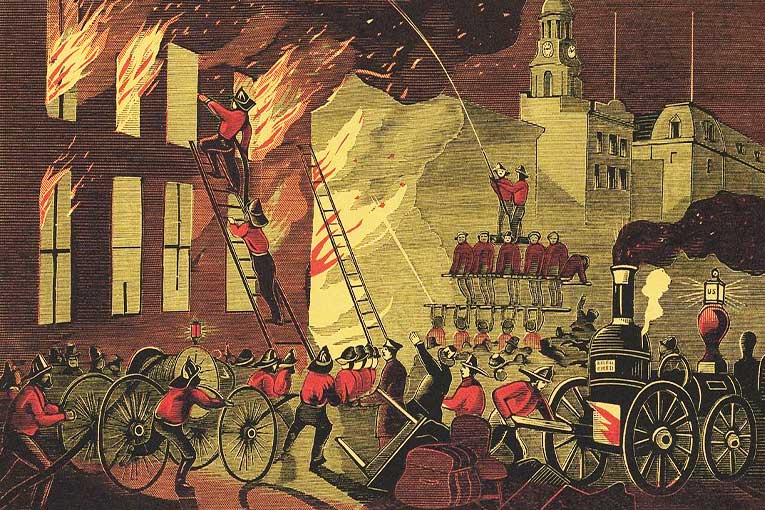
Throughout the 19th century, fire suppression evolved with the introduction of hand-pumped fire engines, steam-powered engines, and, eventually, motorised fire trucks. 

The development of better firefighting equipment and techniques significantly improved the effectiveness of fire departments. 

The formation of paid, professional fire departments in major cities further enhanced the ability to respond quickly and efficiently to fires.

Modern Firefighting

In the 20th century, advancements in technology and communication, along with improved building codes and fire detection and prevention measures, contributed to a significant reduction in fire-related deaths and property damage. 

Today, firefighting is a highly professionalised field, with rigorous firefighter training and a clear rank structure that ensures the efficient operation of fire departments across the country.

Firefighter Ranks in the US

The U.S. fire service is organised into several ranks, each with specific roles and responsibilities. 

The firefighter ranks, listed from lowest to highest, reflect a firefighter’s level of experience, training, and leadership within the department.

Probationary Firefighter

The probationary firefighter is the entry-level of firefighter ranks in the fire service. 

After completing initial training at a fire academy, probationary firefighters are assigned to a fire station, where they gain practical experience under the supervision of senior firefighters.

During the probationary period, which typically lasts six months to a year, new firefighters must demonstrate their ability to perform the duties required of them. 

This includes responding to emergencies, maintaining equipment, and participating in ongoing training. 

Successful completion of the probationary period is required to be promoted to the next rank.

Firefighter

Once the probationary period is successfully completed, the firefighter becomes a full-fledged member of the department. 

Firefighters are responsible for responding to emergency calls, including fires, medical emergencies, and hazardous material incidents. 

They work as part of a team to extinguish fires, rescue victims, and provide emergency medical care. 

Firefighters also participate in ongoing training to maintain their skills and stay updated on the latest firefighting techniques. 

The role of a firefighter is physically demanding and requires a strong commitment to public service.

Driver Engineer

The driver engineer, also known as a fire apparatus operator, is responsible for driving the fire truck to and from emergency scenes. 

In addition to operating the vehicles, driver engineers are responsible for maintaining and operating the pumps, hoses, and other equipment on the fire truck. 

This role requires a thorough understanding of the mechanical aspects of fire apparatus and the ability to operate the equipment under high-pressure situations. 

Driver engineers also assist with firefighting and rescue operations when not engaged in driving duties. 

This rank is typically achieved after several years of experience as a firefighter and requires additional training in vehicle operation and equipment maintenance.

Lieutenant

firefighter ranks lieutenant

A lieutenant is the first level of officer in the firefighter ranks.

Lieutenants are responsible for leading a small team of firefighters during emergency operations and daily activities. 

They are in charge of directing the team’s efforts at the scene of a fire or other emergency, making critical decisions, and ensuring that all safety protocols are followed. 

In addition to their leadership duties, lieutenants are responsible for training and mentoring junior firefighters. 

The role of a lieutenant requires strong leadership skills, decision-making ability, and a thorough understanding of firefighting tactics.

Captain

firefighter ranks captain

The captain is a higher-ranking officer who oversees a larger team of firefighters and often manages an entire fire station. 

Captains are responsible for coordinating emergency response efforts, developing operational plans, and ensuring that all equipment is properly maintained and ready for use. 

They also play a key role in the training and development of their team members, ensuring that they are prepared to handle a wide range of emergency situations. 

Captains are often involved in administrative tasks, such as scheduling shifts, managing budgets, and conducting performance evaluations. 

This rank requires extensive experience, strong leadership skills, and the ability to manage complex operations.

Battalion Chief

firefighter ranks battalion chief

A battalion chief is a senior officer responsible for overseeing multiple fire stations or a specific geographic area within a fire department. 

They manage several teams of firefighters, including lieutenants and captains, and coordinate their efforts during large-scale emergencies. 

Battalion chiefs are responsible for making high-level strategic decisions, allocating resources, and ensuring that all operations are conducted safely and efficiently. 

They also serve as the primary point of contact between the fire department and other emergency services, such as police and medical teams, during major incidents. 

The role of a battalion chief requires extensive experience in the fire service, strong leadership abilities, and the capacity to manage complex, high-pressure situations.

Assistant Chief

firefighter ranks assistant chief

The assistant chief is a top-level officer who assists the fire chief in managing the entire fire department. 

Assistant chiefs oversee major divisions within the department, such as operations, training, or administration. 

They are responsible for developing and implementing department-wide policies, managing budgets, and ensuring that all personnel and resources are effectively utilised. 

Assistant chiefs also play a key role in strategic planning, working closely with the fire chief to set long-term goals and priorities for the department. 

This rank requires extensive experience in leadership and management, as well as a deep understanding of all aspects of fire department operations.

Fire Chief

firefighter ranks fire chief

The fire chief is the highest-ranking officer for firefighter ranks. 

The chief is responsible for the overall leadership and administration of the department, including setting the vision and direction for the organisation. 

Fire chiefs manage all aspects of the department’s operations, from emergency response and training to budgeting and public relations. 

They work closely with city or county officials, other emergency services, and the community to ensure that the department meets its public safety objectives. 

The fire chief is ultimately responsible for the department’s performance and plays a key role in shaping its future. 

This rank requires extensive experience, strong leadership skills, and the ability to manage a large, complex organisation.

How do you get Promoted as a Firefighter?

firefighter promotion

Promotion within the fire service is based on a combination of experience, training, and performance. 

To be considered for promotion, firefighters must meet specific criteria set by their department. 

This often includes a minimum number of years in service, completion of advanced training courses, and demonstrated leadership ability.

Promotions are typically awarded through a competitive process that may include written exams, practical assessments, and interviews. 

The process is designed to ensure that only the most qualified and capable individuals are selected for higher ranks.

In addition to technical skills, leadership and communication skills are crucial for promotion, as higher-ranking officers are responsible for managing teams and making critical decisions during emergencies. 

Continuous learning and professional development are also important, as firefighting techniques and technologies are constantly evolving.

How do you Become a Firefighter?

how to become firefighter

Becoming a firefighter requires a combination of education, training, and physical fitness. 

The first step is to obtain a high school diploma or equivalent, followed by completing a firefighter training program at a fire academy. 

These programs provide the necessary skills and knowledge to perform the duties of a firefighter, including fire suppression, rescue techniques, and emergency medical care.

In addition to formal training, aspiring firefighters must pass a series of physical fitness tests to demonstrate their ability to perform the physically demanding tasks required in the field. 

These tests may include endurance exercises, strength assessments, and obstacle courses.

After completing training and passing the required tests, candidates must apply to a fire department. 

The application process may include additional testing, background checks, and interviews. 

Once hired, new firefighters typically undergo a probationary period, during which they receive on-the-job training and evaluation before becoming full members of the department

Conclusion

You should now have more of an understanding of firefighter ranks. 

Firefighting is a challenging and rewarding profession with a well-defined rank structure. 

Each of the firefighter ranks carry specific responsibilities and reflects a firefighter’s experience and leadership within the department. 

From the entry-level probationary firefighter to the top-ranking fire chief, each position plays a vital role in ensuring public safety and protecting lives and property. 

Becoming a firefighter requires dedication, physical fitness, and a commitment to continuous learning, but it offers the opportunity to serve the community and make a real difference in people’s lives.

8 Types of Fire Alarm Systems

Fire alarm systems play a crucial role in keeping buildings safe. 

They detect smoke, heat, or flames and alert occupants to evacuate. 

There are various types of fire alarm systems, each designed for different needs and building types. 

Understanding these systems helps in choosing the right one for effective fire protection. 

This article explores nine types of fire alarm systems, classified into different categories.

Why Different Types of Fire Alarm System Exist

different types of fire alarm

Different types of fire alarm systems exist to address the unique safety needs of various buildings and environments. 

Fire risks can vary significantly depending on factors like building size, occupancy, use, and potential fire hazards. Here’s why diverse systems are necessary:

Varying Levels of Risk

Buildings have different levels of risk associated with fire. 

High-risk environments, such as hospitals or chemical factories, require advanced systems for early fire detection

Lower-risk settings, like small offices, might need less comprehensive coverage.

Building Complexity

The complexity and layout of a building affect the type of fire alarm system needed. 

Large or multi-story buildings may require intricate systems with multiple detectors and alarms. 

Smaller or simpler structures might only need basic systems.

Specific Needs

Certain buildings have unique requirements based on their use. 

For instance, museums may need systems that avoid false alarms while protecting valuable artefacts. 

Laboratories might need detectors sensitive to specific types of chemicals.

Compliance and Regulations

Different types of fire alarm systems help meet specific legal and safety regulations. 

Compliance with these regulations ensures that buildings adhere to fire safety standards, protecting both occupants and property.

9 Types of Fire Alarm Systems

M Category

m category fire alarm

The M category focuses on manual fire alarm systems. 

These systems require human intervention to activate the alarm and alert occupants to a fire. 

They are designed for situations where manual activation is practical and effective.

Manual Call Points

Manual call points are a primary component of M category systems. 

These devices are typically mounted on walls throughout a building. In the event of a fire, someone pulls the handle to trigger the alarm. 

This action sends a signal to the fire alarm system, initiating an alert. 

Manual call points are commonly found in schools, offices, and public buildings where manual intervention is feasible.

Manual Alarm Bells

Manual alarm bells are another form of M category systems. 

These bells emit a loud sound when activated. 

They are often used in smaller buildings or areas where manual activation is practical. 

Manual alarm bells alert everyone in the vicinity to evacuate immediately.

L Category

The L category of fire alarm systems refers to automatic fire detection systems designed to provide early warning and minimise the risk of fire spreading. 

These systems are crucial in safeguarding lives and property by detecting fires before they become uncontrollable. 

The L category is subdivided into several classes based on the level of protection provided and the specific needs of the building.

L1 Category

l1 category fire alarm

L1 systems offer the highest level of protection and are designed for buildings where early detection is crucial. 

They provide comprehensive coverage by installing detectors throughout the entire building. This includes smoke detectors, heat detectors, and manual call points in every area.

L1 systems cover all areas of the building, including all rooms, corridors, and staircases.

These systems use a combination of smoke, heat, and sometimes flame detectors to ensure early and accurate detection.

L1 systems are equipped with alarms that provide immediate notifications to occupants, giving them more time to evacuate safely.

L1 systems are typically used in high-risk buildings such as hospitals, high-rise buildings, and large commercial properties. 

In these environments, the prompt detection of a fire can prevent significant damage and save lives.

L2 Category

l2 category fire alarm

L2 systems offer a slightly less extensive level of coverage compared to L1 systems. 

They focus on protecting specific high-risk areas within a building while providing basic coverage for other parts.

L2 systems include detectors in high-risk areas such as kitchens, laboratories, and electrical rooms. 

These areas are more likely to experience fires due to the nature of their activities.

While L2 systems provide detection in high-risk areas, they do not cover every room or corridor. 

The coverage is focused on areas where fires are more likely to start.

L2 systems often include manual call points in other areas of the building, allowing occupants to manually activate the alarm if necessary.

L2 systems are suitable for buildings where specific areas pose a higher fire risk but where full L1 coverage is not required. 

L3 Category

l3 category fire alarm

L3 systems provide protection primarily for escape routes such as corridors and stairwells. 

These systems ensure that people can safely evacuate in the event of a fire by detecting smoke or heat along these critical paths.

L3 systems focus on protecting escape routes, ensuring that these paths are clear of smoke and allowing for safe evacuation.

Detection is typically limited to areas along escape routes. 

The system may not include detectors in other parts of the building.

Manual call points may be included near escape routes, enabling occupants to trigger the alarm if they notice a fire.

L3 systems are used in buildings where ensuring safe evacuation is the primary concern. 

They are commonly found in residential buildings, small commercial properties, and places where escape routes are crucial for safety.

L4 Category

l4 category fire alarm

L4 systems are designed for buildings with specific fire risks, such as storage areas or specialised equipment rooms. 

These systems provide detection and protection tailored to the unique needs of these areas.

L4 systems include detectors in areas with specific fire risks. 

For example, they may be used in data centres, warehouses, or areas with high-value assets.

The detection system is tailored to the types of hazards present in the protected area, such as smoke detectors in a server room or heat detectors in a storage area.

L4 systems are appropriate for buildings with unique or high-value areas that require specialised fire protection. 

They are often used in facilities with critical equipment or valuable inventory, where targeted detection is essential.

L5 Category

l5 category fire alarm

L5 systems are customised to meet specific needs and requirements based on the building’s layout and fire risks. 

These systems are highly adaptable and can be designed to address unique fire safety challenges.

L5 systems are tailored to the specific requirements of a building, including its size, use, and fire risks. 

This customization ensures that the fire alarm system meets the exact needs of the environment.

The system may include a combination of smoke, heat, and other detectors, depending on the building’s needs. 

It can also integrate with other fire safety systems for comprehensive protection.

L5 systems are used in buildings with unusual layouts or specialised fire safety needs. 

Examples include historical buildings, museums, and custom-built facilities where standard systems may not provide adequate protection.

P Category

The P category of fire alarm systems focuses on providing automatic fire detection and alerting occupants to evacuate. 

These systems are designed to ensure that a fire is detected early and that people are promptly informed. 

The P category is divided into two sub-categories based on the level of coverage and protection provided:

P1 Category

p1 category fire alarm

P1 systems offer the highest level of protection by providing comprehensive coverage throughout an entire building. 

These systems are designed to detect fires early in all areas, ensuring that any outbreak is quickly identified and addressed.

P1 systems include detectors in every area of the building, such as offices, corridors, storage rooms, and stairwells.

The system uses a variety of detectors, including smoke, heat, and sometimes flame detectors, to ensure early and accurate detection of fires.

P1 systems are equipped with alarms that notify all occupants immediately, allowing for quick evacuation and reducing the risk of injury or damage.

P1 systems are suitable for high-risk environments like shopping centres, large industrial sites, and multi-story buildings where early detection and prompt evacuation are critical for safety.

P2 Category

p2 category fire alarm

P2 systems offer a more targeted approach compared to P1 systems. 

They provide automatic fire detection in specific areas or zones within a building.

P2 systems focus on high-risk areas or zones, such as kitchens, server rooms, or laboratories, while providing basic detection in other areas.

The system can be tailored to address specific fire risks in the protected areas, using the appropriate types of detectors.

P2 systems may include alarms and notifications tailored to the specific areas being protected.

P2 systems are ideal for buildings where full P1 coverage is not necessary but where specific areas require targeted fire detection. 

Examples include schools, smaller offices, and specialised facilities.

Conclusion

The different types of fire alarm systems are essential for protecting buildings and their occupants from fire hazards. 

The different categories and subcategories of fire alarm systems provide varying levels of protection based on specific needs and risks. 

The M category includes manual systems, while the L and P categories focus on automatic detection and warning systems. 

By understanding these systems, you can choose the right fire alarm system for your building and ensure effective fire safety measures.

What is COSHH?

Keeping your business safe for everyone in your workplace is vitally important. 

This is where COSHH comes in, but exactly what is COSHH?

COSHH is a crucial regulation for workplace safety. 

This article explains what COSHH is, what it covers, how to comply with it, and everyone’s responsibilities.

What is COSHH?

what is coshh image

COSHH stands for Control of Substances Hazardous to Health. 

It is a set of regulations in the United Kingdom designed to protect workers from health risks associated with hazardous substances. 

COSHH requires employers to manage and control risks associated with these substances to ensure the safety and health of their employees. 

This involves several key activities, including identifying hazardous substances, assessing their potential risks, and implementing control measures to minimise exposure.

The regulations mandate that employers must conduct a thorough risk assessment to evaluate how these substances might affect employees. 

Based on this assessment, they must implement control measures, which may include ventilation systems, protective equipment, and safe handling procedures. 

Employers are also required to provide adequate training for employees on the safe use of hazardous substances and ensure that safety data sheets are available for all chemicals used.

Additionally, COSHH requires regular monitoring and review of the control measures to ensure they are effective and up-to-date. 

Employers must also keep records of risk assessments and any incidents related to hazardous substances.

What Does COSHH Cover?

what does coshh cover

COSHH is a regulation that addresses a wide range of hazardous substances found in various workplaces. 

Understanding what COSHH covers is crucial for managing health risks effectively.

Chemicals

COSHH covers chemicals used in industrial processes, laboratories, and cleaning. 

These include solvents, acids, and detergents. 

Chemicals can pose risks such as toxicity, flammability, or corrosivity. 

COSHH requires employers to identify these risks and implement control measures.

Fumes and Vapours

Workplaces that involve high-temperature processes, such as welding or metalworking, often produce fumes and vapours. 

These can be harmful if inhaled over time. COSHH regulations require proper ventilation and air filtration systems to control exposure.

Dusts

Dusts from materials like wood, flour, or minerals can cause respiratory issues and other health problems. 

COSHH requires measures such as dust extraction systems and regular cleaning to minimise dust levels and protect workers.

Biological Agents

Biological agents include bacteria, viruses, and fungi that can pose health risks. 

For instance, healthcare settings or laboratories may deal with potentially infectious materials. 

COSHH covers the handling, storage, and disposal of these agents, requiring proper hygiene and protective equipment.

Nanomaterials

Nanomaterials are substances with particles smaller than 100 nanometers. 

They can have unique and potentially hazardous properties. 

COSHH regulations apply to the handling and safety of these materials, including risk assessments and protective measures.

Carcinogens

Substances that can cause cancer are covered by COSHH. 

Employers must implement stringent controls to limit exposure, such as using less hazardous alternatives or providing personal protective equipment.

Explosives

COSHH also applies to substances that are explosive or flammable. 

Proper storage, handling, and emergency procedures are required to prevent accidents.

Who Must Comply with COSHH?

who comply coshh

COSHH applies to all employers and self-employed individuals who handle hazardous substances in the workplace. 

This includes a wide range of industries and sectors where hazardous materials are used, stored, or produced.

Employers

Employers are responsible for ensuring compliance with COSHH regulations. 

This means they must:

  • Identify and assess risks associated with hazardous substances.
  • Implement control measures to minimise exposure.
  • Provide training and information to employees about handling these substances.
  • Ensure that safety data sheets are available for all hazardous chemicals.
  • Regularly review and update safety procedures and risk assessments.

Self-Employed Individuals

Self-employed individuals who work with hazardous substances are also required to comply with COSHH. 

They must:

  • Conduct their own risk assessments.
  • Implement appropriate control measures.
  • Use personal protective equipment (PPE) as needed.
  • Keep records of safety procedures and risk assessments.

Contractors and Visitors

Contractors and visitors may need to comply with COSHH if they work with hazardous substances while on site. 

Employers must ensure that they are informed of the risks and safety procedures.

What do the COSHH Symbols Mean?

COSHH symbols are essential for understanding the hazards associated with various substances. 

Each symbol indicates a specific type of risk and helps in handling materials safely. 

Here’s a guide to what each COSHH symbol means:

Compressed Gas

compressed gas coshh symbol

The compressed gas symbol looks like a cylinder and indicates that the substance is stored under pressure. 

This can be dangerous if the gas is released suddenly. 

Compressed gases can cause explosions or injuries if not handled correctly. 

Safety measures include proper storage and handling procedures.

Corrosive

corrosive coshh symbol

The corrosive symbol, represented by a container pouring liquid onto a hand and a metal surface, signifies that the substance can cause severe damage to skin, eyes, or materials. 

Corrosive substances can cause burns or corrosion, so proper protective equipment and careful handling are required.

Environmentally Hazardous

environmentally hazardous coshh symbol

An environmentally hazardous symbol features a dead tree and fish. 

This indicates that the substance can cause significant harm to the environment. 

It may be toxic to aquatic life or contribute to long-term ecological damage. 

Safe disposal and spill containment are essential.

Explosive

explosive coshh symbol

The explosive symbol shows an exploding bomb and warns that the substance can explode under certain conditions. 

Explosive materials can pose a severe risk of blast and fire. 

Proper storage, handling, and safety precautions are necessary to prevent accidents.

Flammable

flammable coshh symbol

The flammable symbol, a flame, indicates that the substance can easily catch fire. 

Flammable materials pose risks of fire and explosion. 

Avoid exposure to sources of ignition and store them away from heat sources.

Health Hazard

health hazard coshh symbol

The health hazard symbol features a human silhouette with a star. 

It denotes substances that may cause serious health effects such as cancer, respiratory issues, or reproductive harm. 

Using personal protective equipment and proper handling procedures is crucial.

Irritant

irritant coshh symbol

The irritant symbol, showing an exclamation mark, represents substances that can cause irritation to skin, eyes, or respiratory tract. 

While not as severe as corrosive substances, irritants can cause discomfort and long-term health effects if not handled properly.

Oxidiser

oxidiser coshh symbol

An oxidiser symbol looks like a flame over a circle and indicates that the substance can cause or enhance a fire. 

Oxidisers can make other materials burn more intensely. 

Store them carefully and away from flammable substances.

Toxic

toxic coshh symbol

The toxic symbol, with a skull and crossbones, signifies that the substance can cause severe health effects or death if ingested, inhaled, or absorbed. 

Extreme caution is needed when handling toxic substances, including using appropriate protective gear and ensuring proper storage.

What are COSHH Employer Responsibilities?

coshh employer responsibilities

Under COSHH regulations, employers have several key responsibilities to ensure the safety and health of their employees when dealing with hazardous substances:

Risk Assessment

Employers must conduct thorough risk assessments to identify hazardous substances and evaluate the risks they pose. 

This includes assessing how substances are used, handled, and stored, and determining the potential impact on employees’ health.

Control Measures

Based on the risk assessment, employers must implement control measures to minimise exposure. 

This can include engineering controls like ventilation systems, administrative controls such as safe working procedures, and personal protective equipment (PPE) like gloves and masks.

Training and Information

Employers are required to provide training for employees on how to handle hazardous substances safely. 

This includes understanding COSHH symbols, following safety procedures, and using PPE correctly. 

Employers must also ensure that employees have access to Safety Data Sheets (SDS) for all hazardous substances used.

Health Surveillance

Employers must monitor employees’ health if they are exposed to hazardous substances. 

This may involve regular health checks to detect any adverse effects early and take corrective actions.

Record Keeping

Employers must keep records of risk assessments, safety procedures, and any incidents involving hazardous substances. 

These records help ensure compliance and provide documentation for regulatory purposes.

What are COSHH Employee Responsibilities?

coshh employee responsibilities

Under COSHH regulations, employees also have important responsibilities to ensure their own safety and the safety of others when working with hazardous substances. 

These responsibilities include:

Following Procedures

Employees must adhere to all safety procedures and instructions provided by their employer. 

This includes using hazardous substances according to the guidelines and following established protocols for handling and storage.

Using Personal Protective Equipment (PPE)

Employees are required to wear and use PPE as specified by their employer. 

This includes items like gloves, masks, and goggles designed to protect against exposure to hazardous substances.

Reporting Hazards and Incidents

Employees must report any unsafe conditions, spills, or incidents involving hazardous substances to their employer immediately. 

Prompt reporting helps to address and mitigate potential risks and prevents accidents.

Attending Training

Employees should attend all training sessions provided by their employer. 

This training covers safe handling practices, understanding COSHH symbols, and emergency procedures related to hazardous substances.

Using Equipment Properly

Employees must use all equipment and tools as instructed and ensure they are in good working condition. 

Proper use of equipment helps to prevent accidents and reduce exposure to hazards.

Conclusion

You should now have more of an understanding of exactly what is COSHH.

COSHH is essential for protecting workers from health risks related to hazardous substances. 

By understanding COSHH regulations, symbols, and responsibilities, employers and employees can work together to create a safer workplace. 

Proper risk assessment, control measures, and training are key to managing hazardous substances effectively.

Which Fire Extinguisher Should Be Used for Flammable Liquids?

Understanding how to handle fires involving flammable liquids is crucial for ensuring personal safety and protecting property from potential devastation. 

Flammable liquids, such as gasoline, oils, and solvents, pose unique fire hazards due to their ability to ignite easily and spread rapidly. 

In such situations, using the correct type of fire extinguisher becomes paramount to swiftly and effectively extinguishing the flames without exacerbating the risk.

By understanding the specific hazards associated with flammable liquids and knowing how to respond effectively with the right equipment, individuals can significantly reduce the potential for injury, property damage, and environmental impact caused by such fires. 

This article explores the different types of fire extinguishers suitable for flammable liquid fires and provides guidance on their proper use to enhance fire safety practices in various settings.

What Different Types of Fire Extinguishers are there?

different types of fire extinguisher

Fire extinguishers are categorised into several types, each designed to combat specific classes of fire

Choosing the right type of fire extinguisher depends on the specific fire hazards present in a given environment.

Understanding these types is crucial for effective fire response and safety:

Water

These are designed for Class A fires, which involve solid materials such as wood, paper, and textiles. 

Water extinguishers work by cooling the fire and reducing its heat until it is extinguished. 

They are not suitable for use on flammable liquids or electrical fires due to the risk of spreading the fire or electrical shock.

Foam

Foam extinguishers are effective against Class A and B fires. 

They work by creating a barrier between the fuel and the air or by cooling and smothering the fire. 

Foam extinguishers are versatile and commonly used in environments where both solid materials and flammable liquids are present.

Dry Powder

These extinguishers are suitable for Class A, B, and C fires. 

They work by smothering the fire and interrupting the chemical reaction necessary for combustion. 

Dry powder extinguishers are effective for extinguishing fires involving flammable gases and are also safe for use on electrical fires.

CO2

CO2 extinguishers are designed for Class B and electrical fires. 

They work by displacing oxygen around the fire, suffocating it and leaving no residue. 

CO2 extinguishers are ideal for use on fires involving flammable liquids such as oil and petrol, as well as electrical fires.

Wet Chemical

These are specifically designed for Class F fires, which involve cooking oils and fats. 

Wet chemical extinguishers create a blanket that cools the burning oil and prevents reignition. 

They are effective in commercial kitchens and other environments where cooking oils are used and grease fires can happen.

What Class of Fire are Flammable Liquids?

flammable liquids class of fire

Flammable liquids are classified as Class B fires according to fire safety standards. 

This classification encompasses fires fueled by flammable gases, liquids, greases, and similar substances. 

Class B fires are characterised by their ability to ignite easily and burn rapidly, often with intense flames.

Common examples of flammable liquids include gasoline, diesel fuel, kerosene, alcohol, acetone, and various industrial solvents. 

These liquids typically have low flash points, meaning they can vaporise quickly at relatively low temperatures and ignite easily when exposed to an ignition source.

Fires involving flammable liquids pose unique challenges due to the volatility of the fuel involved. 

They can spread rapidly and may produce intense heat and flames, making them potentially dangerous and difficult to extinguish if not addressed promptly and effectively.

Which Fire Extinguisher Should Be Used for Flammable Liquids?

When dealing with flammable liquids, choosing the right fire extinguisher is crucial to effectively and safely extinguish fires of this type. 

Here are the recommended fire extinguishers for flammable liquids:

Foam Fire Extinguisher

foam fire extinguisher
Source: Amazon

Foam extinguishers are suitable for Class B fires, which involve flammable liquids such as gasoline, oil, and paint. 

They work by forming a blanket of foam over the liquid surface, cutting off the fire’s oxygen supply and cooling the fuel below its ignition point. 

Foam extinguishers are effective for both indoor and outdoor use and are particularly useful where flammable liquids may spill or pool.

Dry Powder Fire Extinguisher

dry powder fire extinguisher
Source: Amazon

Dry powder extinguishers are versatile and can be used on Class B fires.

They work by smothering the fire and interrupting the chemical reaction necessary for combustion. 

Dry powder extinguishers are effective for quickly extinguishing fires involving flammable liquids like petrol, diesel, and solvents. 

However, they can create a cloud that reduces visibility and may cause respiratory irritation, so they should be used in well-ventilated areas.

CO2 Fire Extinguisher

co2 fire extinguisher
Source: Amazon

CO2 extinguishers are suitable for Class B fires involving flammable liquids. 

They work by displacing oxygen and reducing the heat of the fire. CO2 extinguishers are ideal for use in confined spaces or areas with sensitive equipment because they do not leave a residue that can damage electronics or other materials. 

However, they should be used with caution in enclosed spaces to avoid the risk of suffocation due to the displacement of breathable air.

How do you Extinguish a Flammable Liquid Fire?

how to extinguish flammable liquids

Extinguishing a flammable liquid fire requires careful consideration and the right approach to prevent the fire from spreading or reigniting. 

Here are the steps to effectively extinguish a flammable liquid fire:

Assess the Situation

Before attempting to extinguish the fire, assess the size and nature of the fire. 

If the fire is small and contained, you may attempt to extinguish it using a fire extinguisher. 

For larger fires or those involving significant quantities of flammable liquids, evacuate the area immediately and call emergency services.

Select the Correct Extinguisher

Choose the appropriate fire extinguisher based on the type of flammable liquid involved. Foam, dry powder, and CO2 extinguishers are suitable for flammable liquid fires.

Approach the Fire

Approach the fire from a safe distance to avoid exposure to heat and flames. 

Aim the nozzle of the fire extinguisher at the base of the flames where the liquid fuel is burning.

Use the PASS Method

Follow the PASS method to operate the fire extinguisher effectively:

  • Pull: Pull the pin to unlock the extinguisher.
  • Aim: Aim the nozzle at the base of the fire.
  • Squeeze: Squeeze the handle to discharge the extinguishing agent.
  • Sweep: Sweep the nozzle from side to side, covering the base of the fire with the extinguishing agent.

Discharge the Extinguisher

Maintain a steady discharge of the extinguishing agent until the fire is fully extinguished. 

Continue to apply the agent to prevent re-ignition.

Monitor the Area

After extinguishing the fire, monitor the area for any signs of reignition or hotspots. 

Ensure the area remains evacuated until it is declared safe by firefighting professionals.

Dispose of Extinguisher Properly

After use, even if partially discharged, fire extinguishers should be serviced or replaced according to manufacturer guidelines to ensure readiness for future emergencies.

What are the Dangers of Using a Wrong Fire Extinguisher Type on Flammable Liquids?

wrong fire extinguisher dangers

Using the wrong type of fire extinguisher on flammable liquids can lead to several dangers and exacerbate the fire rather than extinguish it effectively. 

Here are the key risks:

Increased Fire Spread

Using the wrong extinguisher type may not effectively control or suppress the flammable liquid fire. 

Instead, it could spread the fire by agitating the burning liquid or dispersing it, increasing the area affected by flames.

Escalated Danger

Certain extinguishing agents, if incompatible with flammable liquids, can react chemically, producing hazardous by-products or increasing the intensity of the fire. 

For instance, using water or foam on some flammable liquids can cause splashing, spreading the fire or causing explosions.

Ineffective Suppression

Incorrect extinguisher types may not effectively smother the flames or cool the burning liquid, allowing the fire to reignite or continue burning.

Personal Safety Risks

Incorrect use can endanger the person attempting to extinguish the fire. 

Exposure to heat, flames, or chemical reactions from the wrong extinguisher type can result in burns, inhalation of toxic fumes, or other injuries.

Damage to Property

Inadequate suppression can lead to greater property damage. 

Uncontrolled fires can spread rapidly, causing structural damage or affecting nearby equipment and materials.

Conclusion

Hopefully you now have an understanding of which fire Extinguisher should be used for flammable liquids.

Knowing which fire extinguisher to use for flammable liquids is crucial for effective fire management and ensuring the safety of individuals and property. 

By understanding the specific fire classes and corresponding extinguisher types, you empower yourself to respond confidently and swiftly during emergencies.

Fire safety education plays a pivotal role in equipping individuals with the knowledge to make informed decisions under pressure. 

When faced with a fire involving flammable liquids, the ability to identify the appropriate extinguisher – such as a foam or dry powder extinguisher – can significantly mitigate risks and prevent the situation from escalating.

How Do You Use a Fire Extinguisher?

Knowing how to use a fire extinguisher is not just a valuable skill but a critical aspect of ensuring safety in any environment. 

Fires can erupt suddenly and escalate rapidly, posing immediate threats to life and property. 

Being equipped with the knowledge of how to operate a fire extinguisher can make the difference between containing a small fire and facing a potentially devastating situation.

But how do you use a fire extinguisher?

This article aims to empower individuals by providing essential insights into the effective use of fire extinguishers. 

Whether at home, in the workplace, or in public spaces, understanding the principles behind each type of extinguisher and how to apply them correctly is paramount. 

By familiarising yourself with these basics, you’ll be better prepared to respond calmly and effectively in the event of a fire emergency, potentially minimising its impact and safeguarding those around you.

What are the Different Types of Fire Extinguishers?

types of fire extinguisher

Understanding the different types of fire extinguishers is crucial for effective fire suppression

Each type of fire extinguisher is identified by a colour-coded label and symbol that indicates the classes of fires it is suitable for. 

It’s essential to choose the correct type of extinguisher based on the specific classes of fire in your environment to ensure safe and effective firefighting. 

Regular maintenance and proper training in the use of extinguishers are also critical for preparedness in emergencies.

Here’s an overview of the most common types:

Water Fire Extinguishers

Water extinguishers are suitable for Class A fires, which involve ordinary combustibles like wood, paper, and fabrics. 

They work by cooling the fire and lowering the temperature below its ignition point.

Foam Fire Extinguishers

Foam extinguishers are effective against Class A and Class B fires. 

Class B fires involve flammable liquids such as gasoline, oils, and paints. 

Foam extinguishers create a blanket over the fuel, smothering the fire and preventing reignition.

Dry Powder Fire Extinguishers

Dry powder extinguishers are versatile and can be used on Class A, B, and C fires. 

Class C fires involve flammable gases like propane and methane. 

These extinguishers work by coating the fuel with a fine powder that interrupts the chemical reaction of the fire.

CO2 Fire Extinguishers

CO2 extinguishers are suitable for Class B and Class C fires. 

They work by displacing oxygen, which suffocates the fire. 

CO2 extinguishers are effective for electrical fires and flammable liquid fires (Class B).

Wet Chemical Fire Extinguishers

Wet chemical extinguishers are specifically designed for Class F fires, which involve cooking oils and fats. 

They work by creating a soapy layer on the surface of the burning oil, suppressing the fire and preventing splashing.

How Do You Use a Fire Extinguisher?

how do you use a fire extinguisher image

Using a fire extinguisher effectively can make a crucial difference in containing small fires before they escalate. 

Here’s a comprehensive guide on how to use a fire extinguisher:

Assess the Situation

Before attempting to use a fire extinguisher, evaluate the type of fire. 

Fire extinguishers are designed for specific classes of fires and using the wrong type can worsen the situation.

Choose the Right Extinguisher

Identify the correct type of fire extinguisher needed for the fire. 

The types include water, foam, dry powder, CO2, and wet chemical . 

The label on the extinguisher indicates the classes it can handle.

Remember PASS

The PASS method is vital for effective fire suppression:

  • Pull the pin: This unlocks the operating lever.
  • Aim low: Point the nozzle or hose at the base of the fire.
  • Squeeze the handle: This releases the extinguishing agent.
  • Sweep from side to side: Move the extinguisher nozzle or hose back and forth to cover the fire until it’s extinguished.

Position Yourself Safely

Stand about 6 to 8 feet away from the fire. 

This distance provides safety while allowing you to effectively aim the extinguisher at the base of the flames, and gives you the greatest chance of extinguishing the fire.

Activate the Extinguisher

Pull the pin or safety clip to unlock the operating lever. 

Some extinguishers may require twisting or other actions to activate.

Aim at the Base of the Fire

Direct the nozzle or hose toward the base of the flames, not at the top of the fire. 

This targets the source of the fire and helps smother it effectively.

Squeeze the Handle

Firmly squeeze the handle or lever to discharge the extinguishing agent. 

Maintain control of the extinguisher while applying the agent.

Sweep from Side to Side

Using a sweeping motion, move the nozzle or hose from side to side to cover the entire area of the fire. 

Continue until the flames are completely extinguished.

Monitor the Area

After extinguishing the fire, monitor the area for any signs of reignition. 

Stay cautious, as fires can rekindle from hidden hot spots.

Evacuate if Necessary

If the fire grows or becomes uncontrollable, evacuate the area immediately. 

Close doors behind you to contain the fire and alert others to evacuate.

After Use

Once the fire is out, let the area cool down and ventilate if necessary. 

Report the incident and ensure the fire extinguisher is refilled or replaced promptly.

What to do if You are Unable to Put Out a Fire Using a Fire Extinguisher?

unable to put fire out with fire extinguisher

If you find yourself unable to extinguish a fire using a fire extinguisher, follow these critical steps to ensure safety and minimise the fire’s impact:

Evacuate Immediately

If the fire continues to grow despite your efforts, prioritise your safety and evacuate the area. 

Alert others nearby and ensure everyone leaves the building or area safely.

Close Doors

As you evacuate, close any doors, not just fire doors, behind you to help contain the fire and prevent it from spreading further.

Call Emergency Services

Once you are safely outside, call the emergency services (fire department) immediately. 

Provide them with accurate information about the location, size, and nature of the fire.

Do Not Re-enter

Under no circumstances should you re-enter the building or area until emergency responders have declared it safe to do so. 

Fire can spread rapidly and unpredictably, posing serious risks to anyone inside.

Follow Emergency Procedures

Follow any emergency procedures or evacuation plans in place for the building. 

These plans are designed to ensure everyone’s safety in the event of a fire or other emergency.

Monitor the Situation

While waiting for emergency services to arrive, monitor the situation from a safe distance. 

Be prepared to provide additional information or assistance as needed.

Report the Incident

After the fire has been dealt with by professionals, report the incident to building management or authorities as required.

Conclusion

Hopefully this article has answered your question on exactly how do you use a fire extinguisher.

Knowing how to effectively use a fire extinguisher is crucial for protecting lives and property during emergencies. 

Each type of fire extinguisher is designed to combat specific classes of fires, so understanding their distinctions is essential. 

Remembering the PASS method – Pull the pin, Aim at the base of the fire, Squeeze the handle, and Sweep from side to side – provides a systematic approach to using an extinguisher effectively. 

Regular practice of these steps enhances familiarity and readiness, ensuring quick and confident action during a fire incident. 

By staying prepared and knowledgeable about fire extinguisher operation, individuals can play a proactive role in fire safety and potentially mitigate the impact of fires in their environments.

What Extinguisher Should Be Used for Electrical Fires?

Fires can start unexpectedly and spread quickly. 

Knowing how to respond is essential. 

One common type of fire is an electrical fire. 

These fires involve electrical equipment and wiring. 

Knowing what extinguisher should be used for an electrical fire can prevent injuries and save property. 

This article will guide you on which extinguisher to use for electrical fires, how to use it, and how to handle electrical fire emergencies.

What Types of Fire Extinguishers are There?

fire extinguisher types

There are 5 main types of fire extinguishers, each used for different classes of fire

Water

Water fire extinguishers are designed for Class A fires, which involve ordinary combustibles like wood, paper, and textiles. 

They work by cooling the burning material, which helps to extinguish the fire. 

Some water extinguishers are not suitable for electrical fires or fires involving flammable liquids and gases, as water can spread the fire or cause electric shock.

Foam

Foam fire extinguishers are suitable for Class A and Class B fires. 

They work by forming a blanket over the burning material, cutting off the fire’s oxygen supply and cooling the material. 

Foam extinguishers are effective on flammable liquids like petrol and oil, but they should not be used on electrical fires, as foam can conduct electricity and cause hazards.

Dry Powder

Dry powder fire extinguishers are versatile and can be used on Class A, B, and C fires. 

They contain a powder that smothers the fire, cutting off its oxygen supply. 

These extinguishers are suitable for flammable liquids, gases, and electrical fires. 

However, they leave a residue that can damage sensitive equipment and create a mess.

CO2

Carbon dioxide (CO2) fire extinguishers are primarily used for Class B and electrical fires. 

They work by displacing the oxygen around the fire and cooling it. CO2 extinguishers are ideal for electrical fires because they leave no residue and do not damage electrical equipment. 

However, they are not effective on Class A fires and should not be used in confined spaces due to the risk of asphyxiation.

Wet Chemical

Wet chemical fire extinguishers are specifically designed for Class F fires, which involve cooking oils and fats. 

They contain a solution that reacts with the burning oil to form a thick, soapy layer on the surface, cutting off the oxygen supply and cooling the oil. 

Wet chemical extinguishers are highly effective in commercial kitchens but are not suitable for other types of fires.

What Extinguisher Should Be Used for Electrical Fires?

what extinguisher used for electrical fire image
Source: Amazon

For electrical fires, which are one of the most dangerous types of fire, the safest and most effective fire extinguishers are Dry Powder and CO2 (carbon dioxide) extinguishers.

Dry Powder Extinguishers

Dry Powder extinguishers are specifically designed for electrical fires. 

They contain non-conductive agents like dry chemicals, such as monoammonium phosphate or sodium bicarbonate

These agents interrupt the chemical reaction of the fire and do not conduct electricity, making them safe for use on electrical equipment.

CO2 Extinguishers

CO2 extinguishers are also suitable for electrical fires. 

Carbon dioxide is a non-conductive gas that displaces oxygen around the fire, suffocating it. 

Additionally, CO2 extinguishers cool the equipment, helping to prevent re-ignition. 

Since CO2 leaves no residue, it is ideal for use on sensitive electronic devices and machinery.

Certain Water-Based Fire Extinguishers

An approved water-based extinguisher or one that has passed a di-electrical test is safe to use on live electrical equipment up to 1000V, provided you maintain a distance of at least 1 meter.

This safety standard is recognized internationally and is outlined in the BS EN 3-7 product standard, ensuring its reliability and effectiveness.

What are the Dangers of Using the Wrong Fire Extinguisher Type on an Electrical Fire?

electrical fire wrong extinguisher dangers

Using the wrong type of fire extinguisher on an electrical fire can pose several serious dangers.

Electric Shock

Water-based and foam extinguishers can conduct electricity. 

Using these on an electrical fire can result in electric shock to the person operating the extinguisher. 

This can lead to severe injury or even death.

Fire Spread

Some water and foam extinguishers are ineffective on electrical fires and can cause the fire to spread. 

Non-dielectric tested water extinguishers can cause the fire to spread to other areas by dripping into electrical systems and creating short circuits. 

Foam can have a similar effect by spreading conductive materials.

Equipment Damage

Using incorrect extinguishing agents can damage electrical equipment irreparably. 

For instance, dry powder extinguishers leave a residue that can harm sensitive electronics. 

This residue is difficult to clean and can cause long-term damage.

Ineffective Fire Suppression

Using an inappropriate extinguisher may provide ineffective fire suppression, leaving it to grow and become more dangerous. 

This inefficacy wastes critical time during an emergency, allowing the fire to spread and cause more damage.

Toxic Fumes

Using the wrong extinguisher can produce toxic fumes, especially if the extinguishing agent reacts with the burning materials. 

These fumes can be harmful if inhaled and pose additional health risks.

How to Use a Fire Extinguisher 

how to use a fire extinguisher

Knowing how to use a fire extinguisher properly is crucial for effectively combating small fires. 

The PASS technique is a simple method to remember:

Pull the Pin

Pull the pin at the top of the extinguisher. 

This action breaks the tamper seal and allows you to discharge the extinguisher.

Aim at the Base

Aim the nozzle or hose at the base of the fire. 

Focusing on the base, where the fuel source is, helps to extinguish the flames more effectively.

Squeeze the Handle

Squeeze the handle or lever slowly and evenly. 

This releases the extinguishing agent. 

Make sure to control the discharge by applying steady pressure.

Sweep Side to Side

Sweep the nozzle or hose from side to side at the base of the fire. 

Continue this motion until the fire is completely out. 

Be thorough and ensure the fire doesn’t reignite.

Safety Precautions

  • Stay Alert: Always keep an eye on the fire, even after it seems to be extinguished.
  • Maintain Distance: Stand at a safe distance from the fire, typically about 8-10 feet, and move closer as the fire diminishes.
  • Know When to Evacuate: If the fire becomes uncontrollable or spreads rapidly, evacuate immediately and call emergency services.

What are the Main Causes of Electrical Fires?

electrical fire causes

Electrical fires are a common and dangerous type of household fire. 

Understanding their causes can help in preventing them.

Faulty Wiring

Old, damaged, or improperly installed wiring is a leading cause of electrical fires. 

Over time, wires can degrade, leading to exposed or frayed wires that can spark and ignite surrounding materials. 

Additionally, amateur electrical work can create unsafe conditions that may result in fires.

Overloaded Circuits

Plugging too many devices into a single outlet or power strip can overload circuits. 

This overload causes excessive heat, which can melt the wiring and start a fire. 

Using high-wattage appliances on circuits not designed to handle them is particularly risky.

Faulty Appliances

Defective or poorly maintained appliances can also spark electrical fires. 

Appliances with damaged cords or internal electrical faults can overheat and ignite. 

Regular maintenance and prompt repairs are essential to keep appliances safe.

Extension Cords

Improper use of extension cords is another common cause. 

Extension cords can overheat if used to power high-wattage appliances or if they are used for long periods. 

Running extension cords under carpets or through doorways can damage them, increasing the fire risk.

Space Heaters

Space heaters are often used to provide additional warmth but can be dangerous if not used correctly. 

Placing them too close to flammable materials or leaving them unattended can cause fires. 

Heaters with faulty thermostats or those left on for too long are particularly hazardous.

Light Fixtures

Using incorrect bulb wattage in light fixtures can lead to overheating. 

Exceeding the recommended wattage can cause the light fixture to overheat, melt, and potentially ignite surrounding materials. 

Ensure all bulbs match the recommended wattage for your fixtures.

Electrical Outlets

Loose or worn-out electrical outlets can cause arcing, where electricity jumps from one connection to another. 

This arcing can generate heat and ignite nearby materials. 

Ensuring outlets are securely fitted and in good condition helps prevent this risk.

What to do if There is an Electrical Fire?

electrical fire what to do

If there is an electrical fire, use these steps to stay as safe as possible: 

Stay Calm and Assess the Situation

If an electrical fire starts, staying calm is crucial. 

Panicking can lead to mistakes and make the situation worse. 

Quickly assess the severity of the fire. If it is small and manageable, you might be able to extinguish it safely.

Disconnect Power

If it is safe to do so, disconnect the power source to the electrical device causing the fire. 

This can often be done by unplugging the device or turning off the power at the circuit breaker. 

Cutting off the power source can help stop the fire from spreading.

Use the Right Extinguisher

Use a Dry Powder or CO2 fire extinguisher, which is designed for electrical fires. 

Remember to use the PASS technique: Pull the pin, Aim at the base of the fire, Squeeze the handle, and Sweep from side to side.

Evacuate if Necessary

If the fire is too large or out of control, evacuate immediately. 

Do not try to extinguish a fire that is spreading rapidly or producing a lot of smoke. 

Make sure everyone in the building is aware of the fire and evacuates safely. 

Close doors behind you as you leave to help contain the fire.

Call Emergency Services

Once you are safely outside, call the emergency services number. 

Provide the dispatcher with your location and details about the fire. 

Do not assume someone else has already called. 

Emergency responders have the equipment and expertise to handle electrical fires safely.

Do Not Use Water

Never use water to extinguish an electrical fire. 

Water conducts electricity, which can cause electric shock and make the fire worse. 

It is essential to use only the appropriate fire extinguishers.

Wait for Professionals

Wait for the fire department to handle the situation. 

They have the necessary training and equipment to extinguish electrical fires safely and prevent them from reigniting.

Conclusion

Electrical fires can be dangerous, but knowing how to prevent and respond to them can save lives and property. 

Use CO2 extinguishers for electrical fires and follow the PASS technique for effective use. 

Regularly inspect your home for potential fire hazards, maintain electrical equipment, and never use water on an electrical fire. 

By staying informed and prepared, you can protect your home and loved ones from the dangers of electrical fires.

How to Prevent Fires in the Home

Preventing fires in the home is crucial for safety. 

Fires can cause injury, property damage, and even death. 

Understanding fire causes and how to prevent fires in the home can significantly reduce the risk. 

This article explains the main causes of home fires and provides practical prevention tips, as well as what to do in the event of a fire in the home. 

The Main Causes of Fires in the Home

causes of fires home

Fires in the home can have several causes, these are the 6 most common:

Electrical Equipment

Electrical equipment is a common cause of home fires. 

Faulty wiring, damaged cords, and overloaded circuits can ignite flames. 

Older homes may have outdated wiring that isn’t up to current safety standards, increasing the risk. 

Misusing electrical appliances, such as running them for too long or using them with improper outlets, can also lead to fires. 

Power strips and extension cords should be used cautiously, avoiding overloads. 

Cooking

Cooking is a leading cause of home fires, often due to unattended cooking. 

Grease fires are particularly dangerous because they can spread quickly and are difficult to extinguish with water. 

Other common cooking-related fire causes include leaving flammable items near the stove, overheating cooking oil, and using faulty cooking appliances. 

Distractions in the kitchen, such as leaving the stove unattended to answer a phone call or watching TV, significantly increase the risk of a cooking fire. 

Appliances

Household appliances like dryers, washers, and refrigerators can also be fire hazards. 

Dryers, for example, can catch fire if lint builds up and obstructs airflow, causing overheating. 

Washers and refrigerators may have electrical malfunctions that can spark a fire. 

Over time, the wear and tear on appliances can lead to electrical shorts or overheating. 

Heating Equipment

Heating equipment, including space heaters, furnaces, and fireplaces, is another major cause of home fires. 

Space heaters can ignite nearby flammable materials if placed too close. 

Faulty or poorly maintained furnaces can develop issues that lead to fires. 

Fireplaces can cause fires if they are not properly cleaned or if embers escape. 

Smoking

Smoking indoors poses a significant fire risk. 

Cigarettes, cigars, and pipes can easily ignite flammable materials such as furniture, bedding, and carpets. 

Falling asleep while smoking is particularly dangerous, as the burning embers can ignite bedding or upholstery.

Candles

Candles add ambiance but also present a fire hazard. 

Unattended candles, candles placed near flammable objects, or those knocked over by pets or children can start fires. 

Even a small flame can quickly ignite nearby materials like curtains, papers, or decorations. 

How to Prevent Fires in the Home

how to prevent fires home

There are many ways to help reduce the risks of fire in the home: 

Install Smoke Alarms

Fire detection is a necessity to staying safe in the home, so install smoke alarms on every level of your home, inside bedrooms, and outside sleeping areas. 

Smoke alarms provide early warning in case of a fire, giving you and your family more time to escape. 

Test smoke detectors monthly and replace batteries at least once a year. 

Replace the entire smoke alarm unit every ten years to ensure it functions correctly.

Maintain Electrical Equipment

To protect yourself from electrical fires, you should regularly inspect electrical cords for damage, such as fraying or exposed wires. 

Avoid overloading outlets and use surge protectors to prevent electrical fires. 

Unplug appliances when not in use and ensure that all electrical work in your home is done by a licensed electrician. 

If your home is older, consider having the wiring inspected and updated to meet current safety standards.

Practice Safe Cooking

Never leave cooking food unattended. Stay in the kitchen, especially when using high heat or cooking with oil. 

Keep flammable items like dish towels, paper towels, and pot holders away from the stove. 

Have a fire extinguisher in the kitchen and know how to use it. 

Avoid wearing loose clothing while cooking, as it can catch fire easily. 

Maintain Appliances

Clean the lint filter in your dryer after every use, and ensure the vent is clear and unobstructed. 

Keep the area around appliances free of clutter. 

Follow the manufacturer’s instructions for maintenance and repairs to prevent electrical malfunctions. 

Unplug small appliances like toasters and coffee makers when not in use.

Use Heating Equipment Safely

Keep space heaters at least three feet away from anything flammable, such as curtains, furniture, or bedding. 

Never leave space heaters unattended or use them while sleeping. 

Ensure your furnace is inspected and maintained annually by a professional. 

Use a fireplace screen to prevent embers from escaping, and only burn seasoned wood

Have your chimney cleaned regularly to prevent creosote buildup, which can cause chimney fires.

Smoke Outside

If you smoke, do so outside. 

Use deep, sturdy ashtrays and ensure cigarettes are fully extinguished before disposing of them. 

Never smoke in bed or when you are drowsy, as falling asleep with a lit cigarette is a major fire risk.

Use Candles Responsibly

Place candles in sturdy holders and keep them away from flammable items like curtains or paper. 

Never leave candles unattended, and extinguish them before leaving the room or going to sleep. 

Consider using battery-operated, flameless candles as a safer alternative.

Plan Fire Drills

Create a fire escape plan for your home and practise it with your family. 

Know two ways out of every room and establish a meeting place outside the home. 

Practise your escape plan regularly to ensure everyone knows what to do in case of a fire.

Keep Flammable Materials Away

Store flammable materials such as gasoline, paint, and solvents in proper containers and away from heat sources. 

Keep matches and lighters out of reach of children.

What to do if There is a Fire in the Home

what to do if fire

If there is a fire in the home, these are the steps you should take to stay safe: 

Stay Calm and Act Quickly

If a fire breaks out in your home, it’s essential to stay calm and act quickly. 

Panic can hinder your ability to make sound decisions and escape safely. 

Alert Everyone

Shout “Fire!” to alert everyone in the home. 

Make sure everyone knows to evacuate immediately. 

Ensure that children, the elderly, and anyone with mobility issues get help to evacuate.

Evacuate Immediately

Leave the house immediately. 

Do not stop to gather valuables or pets. 

Every second counts, and delaying your exit can be deadly. 

Follow your predetermined escape routes and avoid using elevators if you live in an apartment building.

Check Doors for Heat

Before opening any door, check it for heat by using the back of your hand. 

If the door is hot, do not open it; there may be fire on the other side. 

If it is cool, open it slowly and proceed with caution.

Crawl Low Under Smoke

Smoke and toxic gases rise during a fire. 

If you encounter smoke, get low to the ground and crawl under it to avoid inhaling dangerous fumes. 

Keep your nose and mouth covered with a cloth if possible.

Use an Alternative Exit

If your primary escape route is blocked by fire or smoke, use your alternative route. 

This might involve exiting through a window or using a fire escape ladder. 

Ensure you have a safe way to reach the ground from upper floors.

Close Doors Behind You

Close doors as you leave to help contain the fire and slow its spread. 

This can buy you more time to escape and reduce damage to your home.

Call the Emergency Services

Once you are safely outside, call the emergency services. 

Provide the dispatcher with your location and details about the fire. 

Do not assume someone else has already called. 

Wait for emergency responders at a safe distance from the fire.

Do Not Re-enter the Home

Never go back inside a burning building for any reason. 

Wait for firefighters to handle the situation. Your safety and the safety of your family come first.

Conclusion

You should now have a better understanding of how to prevent fires in the home. 

Preventing home fires requires awareness and proactive measures. 

By understanding the main causes of fires and following safety tips, you can protect your home and loved ones. 

Install smoke alarms, maintain electrical equipment, and practise safe habits in the kitchen and with heating devices. 

Create a fire escape plan and practise it regularly. 

Stay vigilant and prepared to reduce the risk of fires and keep your home safe.

Types of Firefighting Foam Classes & Applications

When it comes to battling fires, especially those fueled by flammable liquids, firefighting foam emerges as a crucial tool. 

Understanding the nuances of different foam classes and their specific applications is essential for effective fire suppression.

Firefighting foam is not a one-size-fits-all solution. Different types of foam are designed to combat different types of fires. 

In this article, we’ll explore the various classes of firefighting foam, how they work, their advantages, disadvantages, and alternative options. 

Understanding these aspects will equip you with the knowledge necessary to choose the right firefighting foam for any given situation, ensuring efficient and effective fire suppression.

What is Firefighting Foam?

what is firefighting foam

Firefighting foam is a specialised firefighting agent used for fire suppression, particularly those involving flammable liquids. 

It is a stable mass of small bubbles with a lower density than oil, gasoline, or water.

The foam is designed to cool the flames and prevent oxygen from reaching the fuel, thus extinguishing the fire. 

Firefighting foam is effective because it not only smothers the fire but also seals the fuel vapours, preventing re-ignition.

Firefighting foam comes in different classes, each formulated for specific types of fires. 

Firefighting foam is typically applied using specialised equipment such as foam generators, foam cannons, and foam nozzles. 

It is an essential tool for firefighters and is widely used in industrial, commercial, and military firefighting operations.

Classes of Firefighting Foam

firefighting foam classes

Class A

What is Class A Firefighting Foam Used For?

Class A firefighting foam is specifically formulated to combat Class A fires, which involve solid materials such as wood, paper, and textiles.

It is commonly used in structural firefighting, wildland firefighting, and in situations where water alone may not be effective in extinguishing the fire.

What is Class A Firefighting Foam Made of?

Class A firefighting foam is typically made from a mixture of surfactants, wetting agents, and stabilisers, which reduce the surface tension of water and allow it to penetrate deep into porous materials.

The foam is mixed with water to create a solution that can be applied using firefighting equipment such as foam nozzles and foam cannons.

Examples of Class A Firefighting Foam

Protein-based Foam 

Made from natural proteins such as animal or vegetable proteins. 

Protein-based foams are highly effective for penetrating deep-seated fires and are commonly used in structural firefighting.

Synthetic-based Foam

Made from synthetic materials such as synthetic surfactants and stabilisers. 

Synthetic-based foams are designed to produce a thick, stable foam blanket that can quickly extinguish fires and prevent re-ignition.

Film-forming foam (FFFP)

A combination of Class A and Class B foam, FFFP foam forms a thin film on the surface of the fuel, preventing oxygen from reaching the fire and extinguishing it more quickly.

Class B

What is Class B Firefighting Foam Used For?

Class B firefighting foam is specifically formulated to combat Class B fires, which involve flammable liquids such as gasoline, oil, and alcohol.

It is commonly used in industrial, commercial, and military firefighting operations, as well as in situations where water alone may not be effective in extinguishing the fire.

What is Class B Firefighting Foam Made of?

Like Class A firefighting foam, Class B firefighting foam is typically made from a mixture of surfactants, wetting agents, and stabilisers and allows it to form a blanket over the fuel, preventing oxygen from reaching the fire.

The foam is mixed with water to create a solution that can be applied using firefighting equipment such as foam nozzles and foam cannons.

Examples of Class B Firefighting Foam

Aqueous film-forming foam (AFFF) 

AFFF foam forms a thin film on the surface of the fuel, preventing oxygen from reaching the fire and extinguishing it more quickly. 

It is one of the most common types of Class B firefighting foam and is widely used in industrial and commercial firefighting operations.

Alcohol-resistant aqueous film-forming foam (AR-AFFF)

AR-AFFF foam is specifically designed to combat fires involving alcohol-based fuels such as ethanol and methanol. 

It forms a thick, stable foam blanket that can quickly extinguish the fire and prevent re-ignition.

Fluoroprotein foam

Fluoroprotein foam is a protein-based foam that contains fluorinated surfactants, which make it more effective for extinguishing fires involving hydrocarbon fuels. 

It is commonly used in aviation firefighting and in situations where Class B fires are likely to occur.

What is Firefighting Foam Expansion?

firefighting foam expansion
Source: Wikpedia

Firefighting foam expansion refers to the increase in volume of foam solution when it is discharged from a nozzle.

How Does Foam Expansion Work?

When foam is discharged from a nozzle, it expands to create a foam blanket that covers the surface of the fuel.

The expansion process is caused by the introduction of air into the foam solution as it is discharged from the nozzle.

Why is Foam Expansion Important?

Foam expansion is an important factor in firefighting because it determines the amount of foam solution required to effectively suppress the fire.

Proper expansion ensures that the foam blanket is thick enough to smother the fire and prevent re-ignition, while minimising the amount of water and foam concentrate used.

Factors Affecting Foam Expansion

Expansion ratios vary depending on factors such as the type of foam, the equipment used, and the application method.

Expansion ratios can range from 2:1 to 20:1 or higher.

Firefighters must be trained to calculate expansion ratios and adjust foam application rates accordingly to ensure effective fire suppression.

What are the Advantages to Using Firefighting Foam?

firefighting foam advantages

Firefighting foam is a highly effective tool for suppressing fires, especially those involving flammable liquids. 

Here are some key advantages of using firefighting foam:

Rapid Fire Suppression

Firefighting foam can quickly extinguish fires by forming a thick blanket over the fuel, smothering the flames and preventing re-ignition. 

This rapid suppression helps to minimise damage and reduce the risk of injury or loss of life.

Versatility

Firefighting foam can be used to combat a wide range of fires. 

This versatility makes it a valuable tool for firefighters in various situations, from structural fires to industrial incidents.

Reduced Water Usage

Foam has a lower density than water, which means that less water is required to create an effective firefighting solution. 

This reduced water usage helps to minimise water damage and runoff, making foam a more environmentally friendly option compared to water alone.

Increased Visibility

Foam has a higher visibility than water, which allows firefighters to see where the foam has been applied and ensure that the fire is completely extinguished. 

This increased visibility makes foam a more effective firefighting agent, especially in low-light conditions.

Long Lasting

Firefighting foam can create a long-lasting barrier over the fuel, preventing re-ignition and reducing the need for continuous application. 

This long-lasting effectiveness helps to ensure that the fire remains extinguished and does not reignite.

Cooling Effect

Foam has a cooling effect on the fire, reducing the temperature of the fuel and helping to prevent re-ignition. 

This cooling effect helps to minimise damage to surrounding structures and equipment, making foam an effective tool for protecting property and assets.

What are the Disadvantages to Using Firefighting Foam?

firefighting foam disadvantages

While firefighting foam is an effective tool for suppressing fires, it also has some disadvantages that need to be considered:

Environmental Impact

Some types of firefighting foam contain chemicals that can be harmful to the environment and aquatic life. 

When foam is discharged into waterways, it can contaminate the water and harm marine ecosystems.

However, there has been a large shift in recent years into the use of fluorine free foam, minimising the risk to the environment.

Health Concerns

Firefighting foam can contain toxic chemicals that can pose health risks to firefighters and other individuals exposed to the foam. 

Prolonged exposure to foam can lead to respiratory problems, skin irritation, and other health issues.

Cleanup and Disposal

Firefighting foam can be difficult and expensive to clean up and dispose of properly. 

Foam residue left behind after a fire can contaminate soil and water sources, requiring extensive cleanup efforts.

Cost

Firefighting foam can be more expensive than other firefighting agents such as water or dry chemical agents. 

The cost of purchasing and maintaining foam equipment, as well as the cost of foam concentrate, can add up over time.

Training and Equipment

Using firefighting foam requires specialised training and equipment. 

Firefighters must be trained in the proper use of foam equipment and techniques to ensure effective fire suppression. 

Additionally, foam equipment such as foam generators and foam nozzles can be expensive to purchase and maintain.

What are the Alternatives to Using Firefighting Foam?

firefighting foam alternatives

While firefighting foam is a highly effective tool for suppressing fires, there are some alternatives that may be more suitable in certain situations:

Water

Water is the most common and widely used firefighting agent. 

It is effective for extinguishing Class A fires involving solid materials such as wood, paper, and textiles. 

Water can also be used in combination with foam for Class B fires involving flammable liquids.

Dry Chemical Agents

Dry chemical agents such as ABC powder and Purple-K powder are effective for extinguishing Class A, B, and C fires. 

They work by interrupting the chemical reaction that sustains the fire, smothering the flames, and preventing re-ignition.

Carbon Dioxide (CO2)

Carbon dioxide is a clean agent that is effective for extinguishing Class B and C fires. 

It works by displacing oxygen, smothering the flames, and preventing re-ignition. 

Carbon dioxide is non-conductive and leaves no residue, making it suitable for use in areas with electrical equipment.

Foam-Water Sprinkler Systems 

Foam-water sprinkler systems combine water with foam concentrate to create a foam blanket that covers the fuel, preventing oxygen from reaching the fire. 

These systems are effective for extinguishing Class A and B fires and are commonly used in industrial and commercial settings.

Fire Blankets

Fire blankets are made of fire-resistant materials and are used to smother small fires or wrap around a person whose clothing is on fire. 

They are effective for extinguishing Class A and B fires and are commonly used in kitchens, laboratories, and welding areas.

Conclusion

Firefighting foam is a versatile tool that plays a crucial role in fire suppression. 

Understanding the different classes of foam and their applications is essential for effective firefighting.

While foam offers numerous advantages, it’s important to weigh these benefits against potential concerns. 

Choosing the right firefighting agent depends on various factors such as the type of fire, the environment, and the availability of resources.

Ultimately, whether firefighting foam is the best choice will depend on the specific circumstances of each fire incident. 

By carefully considering the advantages and disadvantages of foam, firefighters can make informed decisions that prioritise both effective fire suppression and environmental safety.