Fire chiefs worldwide stress on the growing risks of climate change

In a recent position paper coinciding with the UN’s Climate Ambition Summit in New York, global fire chiefs from major cities expressed deep concerns about the increasing risks posed by climate change.

They stressed the imperative for proactive strategies and greater cooperation to strengthen the capabilities of fire and rescue departments around the world.

Chiefs collaborate for a proactive stance on climate change impacts

This marks the inaugural occasion where chiefs from the Urban Fire Forum have published a position paper focusing on climate change’s implications for the fire service.

The paper was formulated with the backing of the US Fire Administration.

The National Fire Protection Association (NFPA), located in Quincy, MA, hosts the Urban Fire Forum. It brings together fire chiefs from prominent cities across the globe.

Their annual gathering facilitates the chiefs to provide policy direction concerning emerging challenges facing fire departments internationally.

Prominent figures from the fire service, including US Fire Administrator Dr. Lori Moore-Merrell and NFPA President and CEO Jim Pauley, were present.

Extreme weather patterns underline the urgency

Recent occurrences have underscored the fire chiefs’ urgency regarding this issue. For instance, in August, Lahaina in Maui faced devastating wildfires intensified by drought conditions and storm-like winds, marking it as the most fatal wildfire in the US in over 100 years.

Globally, such severe weather phenomena are on the rise.

In 2022, a total of 42 weather-induced disasters were recorded worldwide, each leading to damages exceeding a billion dollars.

In their paper, the chiefs mentioned: “Throughout history, fire and rescue departments have dedicated countless hours preparing to respond to catastrophic events, striving to minimise the effects on the communities they protect.”

However, with climate change’s persistent effects, there’s a growing need for fire service leaders to re-evaluate typical risks and acclimatise to the evolving threats of the present-day emergency response scenario.

They highlight the increasing challenge fire departments face, from impacts on their resources and manpower to the demand for specialised equipment and skills.

Pauley commented: “This isn’t merely a plea; it’s a guide to ensure our firefighters and communities are optimally equipped for the evident repercussions of climate instability.”

He further indicated that this position paper serves as a good representation of fire chiefs pioneering an essential facet of the NFPA Outthink Wildfire policy initiative, which aims to ensure fire departments are equipped to address wildfires safely and effectively.

Dr. Moore-Merrell, responding to the paper, said: “Across our nation and the globe, the menace of climate change-induced wildfires, coupled with frequent potent storms in unfamiliar territories, poses threats to individuals, communities, and first responders.”

She emphasised that fire departments, being at the forefront of such climate-induced incidents, require immediate enhancement in resilience and resources.

A forward-thinking approach and flexibility towards sustainable solutions are paramount, she added.

Mounting challenges and the road ahead

The position paper sheds light on the escalating challenges due to climate change and offers resources for fire departments to tackle them.

Recent news headlines offer evidence of community impacts ranging from severe heatwaves, catastrophic wildfires to unforeseen floods like the ones at the 2023 Burning Man Festival in Nevada’s Black Rock Desert.

Such incidents lead to loss of life, extensive damage, and significant socio-economic consequences, imposing an unparalleled strain on fire and rescue units.

The paper also outlines five core principles to guarantee a climate-resilient fire service, including proactive risk rethinking, a whole-system approach, a focus on mission, collaboration and inclusivity, and the adoption of durable solutions.

Otto Drozd, executive secretary of the NFPA Metropolitan Chiefs Association which coordinates the Urban Fire Forum, noted: “The scope of climate-related catastrophes affects both small towns and large cities universally.”

He added that this position paper from forum members underscores the gravity and extensive concerns of fire leaders.

For those interested in a deeper dive, the position paper is accessible here.

IFSJ Comment

The release of this position paper by global fire chiefs highlights a pressing concern that resonates universally.

It isn’t just a statement but a testament to the evolving challenges that fire and rescue departments face in light of our changing climate.

By offering a blend of insights, resources, and principles, this paper provides a foundational roadmap for departments worldwide.

As the frequency and intensity of climate-induced events rise, the collective efforts, as outlined in the position paper, can ensure that our fire and rescue services remain robust, resilient, and equipped to safeguard communities against the unpredictable adversities of a changing climate.
The first line of defence against wildfire

Gabriel Reza discusses the crucial role of community and infrastructure in the face of growing wildfire threats

With wildfires intensifying their frequency and ferocity, communities globally are grappling with the realities of evacuation, loss, and recovery.

However, proactive measures, from community education to home hardening, offer a beacon of hope.

IFSJ Editor Iain Hoey sat down with Gabriel Reza, an expert in the field, to shed light on the techniques used by professionals to combat this escalating hazard and share strategies that individuals and communities can employ to enhance their safety.

Can you tell me about yourself and your background?

I’ve been with the Glendale Fire Department for about 17 years, serving a city of roughly 200,000 within Los Angeles County, California.

I hold the title of Senior Environmental Safety Specialist.

This role is versatile in our department; one day I might be reviewing plans at the front desk, the next I could be out on a construction inspection or at a wildfire scene.

It’s a multi-functional title unique to our area.

During my time with Glendale Fire, I’ve served on numerous committees spanning both fire and building safety.

I firmly believe these professions should communicate regularly, as they share the common goal of ensuring safety.

I’ve also been the past president of the Southern California Fire Prevention Officers and am currently the Chair of the International Code Council, LA Basin chapter, Fire Life Safety committee.

Additionally, I participate in Wildland Fire Committees and the NFPA Committee.

What’s the significance of wildfire prevention in the current global climate?

Over the last decade, we’ve amassed significant data on wildland fire cycles.

Our objective is to break these cycles using active management in fire-prone areas.

This includes thoughtful planning to avoid placing homes and cities in danger zones.

We aim to predict the trajectories and spread of fires to ensure safety.

The State Fire Marshal’s office in California is extensively processing data to understand wildfire patterns.

The main importance lies in understanding the cycle, and then mitigating risks through vegetation management, home hardening, etc.

How has wildfire prevention and management changed in the past decade?

While wildfires are a natural occurrence with a history spanning centuries, the difference today lies in the legislation and policies.

Compared to the 1970s, 80s, and 90s, we now see unprecedented levels of legislative activity around wildfires.

Every three years, the US revises building and fire codes through national discussions.

Wildfire-related topics have now surged to the forefront of these discussions, affecting a range of codes from mechanical to plumbing.

Over the past decade, with the influx of data and legislation, there’s been a shift from national to state to local levels in ensuring homes are fire-resistant, a trend likely to continue for the foreseeable future.

What strategies effectively create defensible spaces around homes and communities?

Traditionally, a defensible space is maintained up to 100 feet around a property.

The first 30 feet is the most critical, emphasising proper brush clearance and yard maintenance.

Beyond those 30 feet, the focus shifts to pruning larger trees and shrubs.

During our inspections in the city and neighbouring counties, we’ve noticed the significance of this initial 30 feet.

It’s essential to be conscious of the vegetation type near your home, as well as any items or structures, like trash bins or sheds, which might increase fire risk.

There’s upcoming California legislation introducing a “zone zero,” targeting plants directly against homes that pose high fire threats.

This could result in mandatory removal of certain plants, underscoring the state’s focus on minimising fire hazards.

How is technology being used in wildfire prevention and management? Can you discuss any advancements?

Technological advancements have played a pivotal role in bolstering wildfire prevention and management efforts in recent years.

One such improvement is in our Geographic Information Systems (GIS).

This system’s ability to intricately map terrains aids in strategising preventive measures.

As cities and insurance companies leverage this data, it not only allows for a more proactive approach but also assists in forecasting fire patterns based on historical data.

Drones, too, have revolutionised our approach, particularly in the realm of enforcement and inspection.

Previously inaccessible or hard-to-reach areas are now within our grasp.

These devices provide us with real-time imagery and videos, enabling local authorities to comprehensively assess regions for potential hazards or breaches in safety protocols.

This has not only optimised the inspection process but has also been instrumental in formulating preventive strategies.

The exciting frontier, however, lies in the realm of Artificial Intelligence (AI).

Collaborative projects in California are now harnessing AI to develop sophisticated algorithms.

These algorithms aim to predict the onset of fires and their subsequent spread, taking into account an array of variables from wind patterns to topography.

Given the unpredictable nature of fires, having an AI system that can analyse vast amounts of data, including offshore wind flows or ocean breezes, marks a significant leap in pre-emptive fire management.

Additionally, California’s initiative to install cameras in the most fire-prone areas provides a continuous stream of data.

When this real-time data is processed by AI, it can highlight potential high-risk zones, offering an alert system to Fire Authorities even before a fire might break out.

This combination of AI and real-time monitoring ensures that responses are quicker, and preventive measures are more data-driven than ever.

Could you clarify the concept of home hardening and its importance in wildfire prevention?

Home hardening refers to the use of specific building materials and techniques that reduce the chances of a home igniting during a wildfire.

It doesn’t necessarily mean a complete overhaul of your home; instead, incremental changes can make a significant difference.

For instance, shifting to metal or non-combustible clay roofs, or various fire-resistant tiles, can offer considerable protection.

Similarly, opting for metal gutters with shields prevents the accumulation of flammable debris, while switching to dual-pane windows can guard against radiant heat, which has been known to pass through older, single-pane windows, causing interior fires.

In California, you can even get professionals to assess your home’s vulnerability to fire.

The objective is to make your home as fire-resistant as possible, step by step.

How vital is community education in wildfire prevention?

Public awareness is crucial, and unfortunately, for many, wildfires aren’t on their radar until they experience one first hand.

Early education, starting with schools, is pivotal.

Our outreach has evolved from merely teaching children to dial 911, to now informing them about evacuation procedures and emergency preparedness.

Engaging not only with schools but also communities and homeowners’ associations ensures everyone understands the risks and precautions.

When sharing information, we aim for simplicity and clarity.

Avoiding technical jargon and providing easy-to-understand guidance ensures everyone can actively participate in safeguarding their homes and neighbourhoods.

How can communities prepare for wildfire season?

I’d strongly recommend visiting your local fire station. Check if your city or county has an emergency mass notification system.

Many cities are now adopting such systems that alert residents through emails, text messages, or voice-recorded phone calls about incidents in their vicinity.

Additionally, check if there are any committees or training sessions in place for neighbourhood evacuations.

While many departments conduct evacuation drills, often, the notifications go unnoticed in mailed flyers.

Active participation in these drills may not always be high, but they are available in several places.

My primary suggestion would be to get in touch with your local fire department or city administration.

They can provide insights into available programs, especially since there’s an increasing focus, backed by grant funds, on public education, community outreach, and mass evacuation.

What should be prioritised when it comes to wildfire prevention?

The enforcement and awareness of proper vegetation management are paramount.

While the topic of enforcement can be sensitive, there are times when legal interventions become necessary to clear hazardous vegetation from private properties.

If homeowners don’t undertake the necessary precautions, fire departments might be compelled to intervene directly, using legal avenues if required, to manage the vegetation.

While our aim is always increased awareness, for authorities, a lot rests on the enforcement process.

Some fire departments may hesitate to strictly enforce these measures, but I believe it’s essential.

If we don’t address the risk in our most vulnerable regions, especially with habitual offenders, we are potentially inviting danger.

Addressing these issues proactively is crucial for everyone’s safety.

This article was originally published in the September 2023 issue of International Fire & Safety Journal. To read your FREE digital copy, click here.

From spark to inferno: Wildland fire mitigation strategies

As wildfire takes over the globe, WFCA Senior Policy Advisor Bob Roper navigates the complex terrain of wildland fire policy development and mitigation strategies

The world’s attention is riveted on the increasing threat posed by wildfires, a global issue that has been amplified exponentially by the spectre of climate change. Recent developments underscore the severity and global scale of this escalating crisis. From the vast wilderness of Canada to the diverse landscapes of Europe, the wildfire threat casts a long, ominous shadow.

In Canada, an unprecedented wildfire season has been unfolding, triggered by a heat dome that caused temperatures to soar to unheard-of levels. This extreme heatwave, a direct consequence of climate change, has ignited hundreds of wildfires across British Columbia, Alberta, and other provinces.

The fires have incinerated vast swaths of forests, destroyed properties, and claimed lives. Toxic smoke from these wildfires has not only choked Canadian cities but has travelled thousands of kilometres to reach as far as Europe, underscoring the transcontinental reach of this crisis.

Meanwhile, across the Atlantic, Europe is grappling with its own wildfire challenges. A deadly heatwave, dubbed “Lucifer,” has been sweeping across the continent, triggering a spate of wildfires from Spain to Greece. Climate scientists are unambiguous about the role of climate change in these extreme weather events.

The continent is seeing its temperature records shattered, and the scorching heat has turned vast tracts of vegetation into tinderboxes ready to ignite. The wildfires in the Mediterranean, known for their holiday destinations, are also threatening lives, homes, and the region’s valuable tourism industry.

The intersection of climate change, extreme heat events, and wildfires has created an inferno of catastrophe. It paints a dystopian portrait of a future where uncontrollable wildfires could become an annual event, drastically impacting ecosystems, human health, and economies.

This harsh reality is also evident in the United States, which grapples with its own unique challenges. The interplay of climate change, land-use practices, and an increasingly complex electrical infrastructure has created a unique tinderbox for wildfires. A confluence of factors, including drought conditions, rising temperatures, and human activity, has created a perfect storm for the wildfires.

Mitigating this crisis calls for a global response, and importantly, expert insight and guidance. As we dive into this looming threat, we sought the expertise of someone deeply embedded in the heart of this issue – Bob Roper.

Roper, with a career spanning over 45 years in the fire service and wildland fire policy development, has worked in various roles from Ventura County Fire Department Fire Chief to State Forester for Nevada. Currently, he is the wildfire policy advisor for the Western Fire Chiefs Association, where he focuses his expertise on strategic planning and public policy related to Wildland Fire issues. In our conversation, Roper sheds light on the complexities of wildfire prevention, the role of electrical utility vendors, and his vision for the future of wildfire mitigation.

As our understanding of the complexities deepens, it underscores the pressing need for strategic responses to manage and navigate this escalating threat. We sat down with Roper to these explore challenges in depth, providing insight into the complexities of wildfire prevention, the role of electrical utility vendors, and his vision for the future of wildfire mitigation.

What drove your decision to focus specifically on wildland fire policy issues?

Coming up through the Ventura County Fire Department, I had the pleasure to work with some of the founding members of FIRESCOPE. FIRESCOPE was created in the early 70’s to address issues involving common operational procedures and organization of emergency incidents. Thus, the Incident Command System (ICS) was born. My work experience focused on wildfires as I found that if an agency can command a dynamic moving wildfire incident, that agency can successfully handle most any other type of emergency incident.

I soon became involved in local wildfire policy development which dictated state policy coordination. This compounded and I soon became involved in the International Association of Fire Chiefs’ Wildland Fire Policy Committee, which created the opportunity to evolve into national policy interaction. It was through these collective experiences that I found the integral nature of how policies at all levels must work up and down for success.

How have you seen the strategies for handling wildfires evolve, especially with the advancements in technology?

Technology and procedural changes always enhance our overall success, but the real secret to success is getting the right players to the table to discuss and create good policy. These players need to understand all perspectives and remove the barriers to success while focusing on the goals.

We have seen top-down policy at all levels get enacted, but the degree of success actually lies with the performance of the policy at the field level. We also cannot rely on policy being adopted without proper education and marketing of consequence management. So, technology is not the be all end all – it becomes the supporting tool to make policies successful.

Can you discuss challenges and achievements in wildland fire policies across local, state, and federal levels?

When addressing the local, state, and federal policy levels, it really boils down to a matter of perspective. Example, Ventura County has a model Hazard Reduction program that builds defensible space. Its success rate speaks volumes, but it was built on local community relationships and hard data to gain the needed political support.

This program became a model for CA, but the enforcement program has not gained the same success rate. This is because of the exponential nature of education and outreach needed to have the same success as Ventura County did.

This situation is further exacerbated at the federal level when you do not have the same community bonds that the local level has. This is why the wildfire problem cannot be a one-size-fits-all approach. Success relies on a common vision and/or an enforcement program to force compliance rather than rely on intrinsic values.

How do electrical utility vendors’ transmission systems contribute to wildfire ignitions, and how significant is this issue?

Utility systems are an essential part of our daily lives, but everything needs to be maintained. These systems can produce trouble faults from arcing, heat exposures and critical failures due to age, accidents (traffic accidents) and acts of nature (trees into lines and animal ground faults). Serious consideration has been made to evaluate the cost of undergrounding the transmission and distribution systems, but that mitigation option can be cost prohibitive.

This becomes a conundrum where we ask: “What is the financial pain tolerance in utility bills to upgrade systems vs. what are acceptable wildfire losses?” It’s interesting that electrical utility caused wildfires only account for 7-10% of all wildfires. It’s just that many of the high-profile wildfires recently have been attributed to electrical utility ignitions.

What are some of the potential pitfalls of vendors being left in charge of their own system monitoring?

It’s always best to have all parties practice full transparency, so public trust is maintained. We must recognise that technology isn’t foolproof, leading to false positive trouble reports that can undermine our trust in it. However, as these systems improve over time and our confidence grows, this creates a corresponding dependence on them.

Can you explain how a state warning control centre might utilise technology to monitor these transmission systems more effectively?

By a state warning centre or equivalent having this type of data, utility companies can ensure that they have the best data available to mitigate potential ignition starts. This type of data also provides an overwatch display for the respective governing entity. The real secret in this type of data is the elimination of false positives, so there is a high degree of reliability for response.

How might such monitoring help in pre-positioning emergency resources before adverse wildfire weather conditions are present?

In many cases today, when actual or anticipated incidents occur, resources are staged or prepositioned on a regional basis. This type of reliable data can locate scarce resources to a latitude/longitude location to verify a trouble spot or be in the immediate area pending a utility response. If an ignition does occur, hopefully it can be controlled much faster than from a regional response location.

What are some strategies or methods you recommend for mitigating the risk of wildfires in areas with high-density electrical utility infrastructures?

It starts with a wildfire mitigation plan. These plans detail probable areas, control actions and updates to the infrastructure. Maintenance of the infrastructure is key and improves the system’s performance while reducing liabilities.

Identifying the probable areas of ignition also allows a utility to consider how they might want to restructure grids to lessen the impact of a Public Safety Power Shutoff (PSPS). Also, many utilities have created their own response capabilities ranging from watch patrols to firefighting resources. In addition to these steps, I strongly urge utilities and their respective fire response agencies to enhance their relationships.

What is your vision for the future of wildland fire prevention?

We are currently witnessing an increase in wildfires due primarily to extreme wind conditions. We are also seeing utilities doing an amazing amount of infrastructure upgrades. My vision is that we will see the utility caused wildfire data flip-flop as utility infrastructure improvements become reality.

How can we better educate the public and private sectors about these issues, and what role can they play in wildfire prevention?

We must provide an on-going education message that the wildfire challenges are not one entity’s issue, it is the collective challenge to government, private sector, and the public at all levels. We need to form a common bond that enables all of us to focus on the right solutions for our communities.

That being said, there are general guidelines that each community can use to address their specific challenges. We also need to understand that wildfires have been part of our ecosystems for centuries and we must learn to live with wildfires as part of our culture today and into the future.

This exclusive article was originally published in the September 2023 issue of International Fire & Safety Journal. To read your FREE digital copy, click here.

The Twin Towers’ Legacy: How 9/11 changed our understanding of progressive collapse

The catastrophic collapse of the World Trade Center’s Twin Towers on September 11, 2001, marked a dark chapter in global history.

Beyond the profound geopolitical implications and human tragedy, the event prompted a meticulous examination into why these modern skyscrapers fell and what lessons could be gleaned to prevent similar failures in the future.

From a fire and safety perspective, understanding the collapse has led to significant changes in building design, construction, and safety protocols.

The Collapse Explained

Initial Impact and Immediate Damage

When the hijacked airplanes struck the Twin Towers, they inflicted substantial structural damage by severing several exterior columns and damaging the building’s internal core. Moreover, the aircraft carried a significant volume of jet fuel, which ignited upon impact, initiating fierce fires.

The Role of Fire

Jet fuel, while a potent accelerant, burned away relatively quickly. However, the ignited office materials, from furnishings to paper, led to temperatures of up to 2,000°F (1,093°C).

While the Twin Towers were designed with fire-resistant materials, the intense heat weakened the steel structural components.

Steel starts losing its strength when exposed to temperatures exceeding 1,000°F (538°C).

The fireproofing, designed to protect the steel, was dislodged upon impact, rendering the structural steel vulnerable to the fires.

Progressive Collapse

The intense fires weakened critical structural components, making them incapable of supporting the immense weight of the floors above.

Once a floor failed, it set off a domino effect, with each subsequent floor collapsing under the weight of the debris and floors above, a phenomenon known as “pancaking”.

Progressive collapse, sometimes termed “pancaking,” is a chain-reaction failure of building elements.

When one structural component fails, it leads to the failure of adjoining elements, causing a cascade of failures throughout a structure.

In the worst-case scenario, this can result in the entire building collapsing.

The phenomenon became tragically well-known in the wake of the Twin Towers’ collapse, but its implications reach far beyond that singular event.

What Triggers a Progressive Collapse?

Several factors can initiate a progressive collapse, including:

  1. Extreme Loads: Unanticipated loads, such as blasts, can cause initial structural failure.
  2. Design Flaws: Inadequate design can lead to weak points in a structure, which, under stress, may initiate a collapse.
  3. Material Failure: Sub-standard materials or deterioration can weaken critical structural components over time.
  4. Construction Errors: Mistakes during construction can compromise the integrity of structural elements.
  5. Natural Disasters: Earthquakes, hurricanes, and other disasters can stress buildings beyond their design limits.

The Mechanism of Progressive Collapse

  1. Initiation: The process begins with the failure of a primary structural component. This can be a critical column, a load-bearing wall, or any component that supports significant weight.
  2. Load Redistribution: When one part fails, the load it was carrying doesn’t simply disappear. Instead, it’s redistributed to adjacent components. If these neighboring parts aren’t designed to carry this additional load, they too can fail.
  3. Cascade of Failures: As adjoining components fail and shed their loads onto neighboring elements, the cycle continues, leading to a cascading series of failures. In high-rise structures, the weight of the upper floors can be substantial, and as they fall, they add significant force to the floors below, further accelerating the cascade.
  4. Final Outcome: Depending on the building’s design, materials, and the cause of the initial failure, the outcome can range from the collapse of a single section to the complete destruction of the entire structure.

The Twin Towers and Progressive Collapse

In the case of the Twin Towers, the intense fires weakened the structural components of the affected floors.

Once these components failed, the floors above began to collapse onto the floor immediately below.

The combined weight of the falling floors and the force generated by the height they fell from were far beyond what the next floor could bear.

As each subsequent floor collapsed, it added its weight to the falling mass, progressively intensifying the force and momentum.

This cascade continued floor-by-floor until the entire structure was brought down.

Prevention and Mitigation Strategies

Understanding the potential for progressive collapse has led to architectural and engineering strategies to prevent or mitigate such events:

  1. Redundancy: Designing structures with backup systems or alternative load paths. If one component fails, the load can be safely transferred to other parts without causing a cascade of failures.
  2. Robustness: Constructing elements, especially critical ones, to endure unforeseen stresses or loads. This might involve using stronger materials or over-engineering certain aspects.
  3. Local Resistance: Designing specific structural components to withstand localised damage without a widespread collapse. This is particularly crucial for potential terrorist targets or buildings in disaster-prone areas.
  4. Tie Forces: Ensuring all parts of a structure are securely connected to one another, so that if one part fails, it doesn’t drag down adjoining elements.
  5. Regular Inspection and Maintenance: This ensures that any wear and tear, corrosion, or other degradation in structural integrity is detected and rectified in its early stages.

Lessons Learned: Fire and Safety Perspectives

Improved Fireproofing

The dislodged fireproofing in the Twin Towers was a pivotal factor in their collapse.

As a result, there’s been a push for more resilient fireproofing materials and application techniques to ensure that they remain in place during extreme events.

Redundancy in Building Design

Modern buildings are now designed with additional redundancy.

In engineering terms, redundancy refers to having multiple backup systems or structural elements to compensate if one part fails.

This reduces the chance of a progressive collapse.

Enhanced Evacuation Protocols

One critical lesson from 9/11 was the importance of efficient evacuation methods.

Modern skyscrapers now incorporate wider stairwells, fortified evacuation “safe zones,” and better signage to guide occupants during emergencies.

Some buildings have even introduced dedicated evacuation elevators.

Sprinkler Systems and Fire Suppression

While the Twin Towers had sprinkler systems, their effectiveness was compromised by the impact.

Enhanced sprinkler systems, which are more robust and cover more area, have since become a standard recommendation.

First Responder Communication

One challenge during the 9/11 rescue efforts was the difficulty first responders had communicating within the building and with their external teams.

Improved communication tools, training, and in-building systems have been introduced to address these challenges.

Building Codes and Standards

Post-9/11, building codes around the world have been revised.

They now incorporate lessons learned from the tragedy, emphasising not just the structural integrity of buildings but also their ability to withstand and contain fires, especially in high-rises.

IFSJ Comment

The fall of the Twin Towers was a multifaceted tragedy that resulted from a combination of unforeseen terrorist actions and the consequent fires.

The event galvanised the global community to re-examine and redefine skyscraper construction and safety standards.

Today, as a direct result of those lessons learned, buildings are not only designed to be taller and more awe-inspiring but also safer and more resilient.

Editor’s Note

The information presented in this article draws upon several key reports and studies. Primarily, the National Institute of Standards and Technology’s (NIST) “Final Report on the Collapse of the World Trade Center Towers” provides a detailed examination of the events leading up to and the reasons behind the Twin Towers’ collapse.

Additionally, FEMA’s “World Trade Center Building Performance Study” from 2002 offers valuable insights into the structural behaviour of the towers during the attacks.

Expert analyses in architectural and engineering journals, along with insights from the “9/11 Commission Report,” further enrich our understanding of the progressive collapse phenomenon and its implications in modern construction and safety standards.

Reflecting on 9/11

Lessons Learned for the International Fire and Safety Community

Today, we take a solemn pause to remember the tragic events of September 11th, 2001.

Over two decades have since passed, but the repercussions and lessons of that fateful day continue to reverberate throughout the fire and safety industry on a global scale.

The loss of nearly 3,000 lives, including those of 343 brave firefighters, is a sombre reminder of the sacrifices made by emergency response personnel and the inherent dangers they face.

As of now, an additional 341 FDNY members have succumbed to Ground Zero-related illnesses.

Last week, the FDNY added 43 new names to its World Trade Center Memorial Wall.

This wall commemorates Firefighters, Paramedics, and civilian support staff members who’ve passed away due to illnesses stemming from their valiant efforts during the rescue and recovery phases post the 9/11 attacks.

This addition represents the second largest group to be memorialized since the wall’s inception 12 years ago, which began with 55 names.

For the B2B community engaged in fire safety and response, the aftermath of 9/11 was a significant inflection point.

It underscored the urgent need to continuously adapt, innovate, and improve upon safety standards and protocols.

Several takeaways have shaped our industry in the post-9/11 era:

Inter-Agency Collaboration

The events of 9/11 emphasised the importance of seamless communication and coordination between various emergency response agencies.

Across the world, departments have worked harder to break down silos and establish joint training initiatives, ensuring a cohesive response in times of crisis.

Advanced Technology

The role of technology in fire and safety has grown exponentially since 9/11.

From sophisticated communication devices to drone-assisted reconnaissance, the tools available to our professionals have advanced, aiming to mitigate risks and improve response times.

Building Codes and Infrastructure

The collapse of the Twin Towers prompted a global re-evaluation of building codes, especially in high-rise structures.

As a result, many countries have revised their building standards, focusing on more resilient designs and materials that can better withstand extreme events.

Training and Preparedness

9/11 revealed vulnerabilities in crisis response.

Subsequently, training regimens have evolved, placing a greater emphasis on real-world simulations, scenario planning, and mental wellness support for emergency responders.

Global Network

Fire and safety professionals worldwide now recognise that threats are not localised.

By establishing international partnerships and sharing best practices, the global community can benefit from a collective wealth of knowledge.

As we look back at 9/11, let it be a reminder that our work in the fire and safety community is never truly done.

Continuous learning, adaptation, and collaboration remain crucial.

We owe it to those who lost their lives, and to the generations to come, to remain vigilant, prepared, and committed to safeguarding our communities from future perils.

To all our readers, partners, and those on the frontline – we honour your commitment and stand with you in ensuring a safer world.

International Fire and Safety Journal remembers and pays tribute to all the victims of 9/11, especially our fallen firefighting heroes. Let us never forget their sacrifice.

MSA Safety’s newest gas detector earns the Frost & Sullivan New Product Innovation Award

The ALTAIR io 4Gas detector gains recognition

MSA Safety has revealed that its latest portable gas detector, the ALTAIR io 4, has been awarded the 2023 Frost & Sullivan New Product Innovation Award in the global gas detection sector.

This announcement came as a testament to the product’s advanced features and MSA’s commitment to innovation.

Elevating the gas detection industry

The ALTAIR io 4 is the inaugural product in the MSA Connected Work Platform and was built to be a holistic and user-friendly safety solution.

It boasts a pioneering direct-to-cloud structure, enabling it to smoothly integrate with MSA Grid cloud-based software and the ALTAIR io Dock.

This interconnectivity can assist safety managers in amplifying compliance, efficiently handling their device arsenal, and boosting awareness of worker safety.

When used with MSA’s MSA+ subscription service, this device provides a robust system that augments worker safety, simplifying safety program supervision by offering immediate insight, ultimately optimising safety and efficiency for workers and worksites alike.

Recognition of distinction

Frost & Sullivan’s award acknowledges businesses introducing innovative products or solutions that aptly cater to essential consumer requirements.

This entails the company’s ability to envisage future industry needs and address emerging challenges and prospects.

The entirety of the Connected Work Platform ecosystem, which includes the ALTAIR io 4, the MSA Grid software platform, MSA+, and MSA id digital device assignment capabilities, is what set it apart during the evaluation.

A company’s perspective on innovation

Gustavo Lopez, MSA Safety’s Vice President of Product Strategy and Pricing, stated: “The Connected Work Platform is designed to make safety more straightforward and empower safety managers to devise adaptable and forward-thinking safety schemes.

“By utilising our top-tier sensor technology and cloud-based solutions, we’re facilitating safety managers to streamline their safety programmes via digital reporting and allowing them remote access to data.

“It’s a privilege to be acknowledged by Frost & Sullivan for this award, underscoring our persistent efforts to craft pioneering safety measures that safeguard people in their daily work environments.”

The criteria for success

To win a Frost & Sullivan award, products must meet the demands of industry customers, demonstrate reliability and superior quality, and display innovation in design.

Additionally, customer impact criteria such as cost-effectiveness, user experience during purchase and ownership, customer service, and brand value are factored in.

Further details on the Connected Work Platform and ALTAIR io 4 can be found here.

IFSJ Comment

The recognition of MSA Safety’s ALTAIR io 4 by a reputable institution like Frost & Sullivan signifies a significant shift in the realm of gas detection.

The device’s innovative design, coupled with its cloud capabilities, brings a fresh approach to safety management.

Moreover, the Connected Work Platform shows MSA’s dedication to optimising worker safety, which will likely set new standards in the industry.

Maui fires investigation: Fire Safety Research Institute appointed by Attorney General Lopez

In a recent announcement, Hawaiʻi Attorney General Anne E. Lopez disclosed her choice for a comprehensive probe into the Maui wildfires.

FSRI to evaluate state and county preparedness for Maui fires

The Fire Safety Research Institute (FSRI), a leading nonprofit research body, will assess state and county agency strategies and response to the Maui wildfires.

These catastrophic fires led to a tragic loss of life and caused damages approximating $5.5 billion.

Attorney General seeks clarity and accountability

Attorney General Lopez stated: “I am committed to an independent, unbiased, and transparent investigation into government actions during the fires.”

Her commitment aims to renew the public’s faith in the government, especially after this devastating event.

In a reassuring tone, she added: “We can improve our responsiveness and resilience. Once the FSRI investigation is completed, our next step is to take decisive action.”

The investigation will scrutinise government agency actions during the initial 24 to 72 hours of the fire outbreak.

Lopez intends to keep the Hawaiʻi community updated at the conclusion of each investigation phase and once the final report is ready in late 2024.

FSRI’s three-phase investigation

Dr. Steve Kerber, FSRI vice president and executive director, expressed FSRI’s empathy with the Maui community.

His team aims to offer an evidence-based understanding of the incident to prevent future recurrences.

This investigation, which will closely involve local emergency services and federal, state, and local organisations, will span three phases:

  1. Fact-finding on Maui fires’ progression: This initial phase, estimated to last three months, focuses on gathering data to construct a comprehensive incident timeline.
  2. Data analysis and agency response: In approximately six months, this phase aims to evaluate the functioning of various fire protection systems during the Maui fires.
  3. Future prevention strategies: The final phase will offer insight into preventing such disasters in the future, producing a Forward-Looking Report after approximately 12 months.

“The FSRI investigation and what we learn from science and sound investigative practices will result in a set of concrete policy recommendations that will help ensure a safer, more prepared Hawaiʻi,” added Attorney General Lopez.

IFSJ Comment

The selection of the Fire Safety Research Institute by Attorney General Lopez to investigate the Maui fires holds significant implications for the global fire and safety community.

The scale of the Maui wildfires, both in terms of human tragedy and financial costs, underscores the urgent need for rigorous, evidence-based investigations.

The three-phase approach proposed by FSRI, particularly its emphasis on producing actionable, forward-looking recommendations, has the potential to greatly influence fire preparedness and response strategies not just in Hawaiʻi but around the world.

Collaborative efforts between government bodies and research institutes, as seen here, might very well set the gold standard for addressing future fire-related challenges.

Fire protective clothing: Finding the best fit

Nik Blymiller, MSA Safety Product Group Manager for Fire Protective Clothing, highlights the evolution of firefighter PPE

Where do things currently stand with fire protective gear across the fire industry and the latest trends you are seeing?

We’ve been seeing the market evolve over the years and the roles firefighters are playing in responding to all different kinds of incidents, not just house fires.

Today, technical rescue situations are becoming more prominent, like during wildland fires and flooding, and we’re also seeing a desire for garments that can perform across new and different scenarios.

It’s these kinds of trends that are driving innovation and diversity in the fire protective clothing market.

The market used to desire having one set of garments that were suitable for everything, but customers have been calling for change.

We’re working to develop new solutions in our fire protective clothing offerings to address these changes.

Not every firefighter is built in the same way.

How is customer feedback incorporated into fire protection clothing design?

Customer feedback is imperative to what we do and how we work to design and deliver new protective firefighting equipment.

MSA Safety and its affiliates, like Globe Manufacturing Company and MSA Bristol, invest heavily in Voice of Customer (VOC) activities during the product development process, and that is critical in firefighter product development.

We work closely with customers throughout their selection, evaluation and tender process to ensure we’re putting forth a garment and solution that aligns with their needs.

That can include different fabric combinations, designs, trims, pockets, whatever it might be.

The flexibility that Globe and Bristol offer is what makes them differentiators in the fire protective clothing industry.

We see that with just the number of different fabric combinations and garment styles that Globe and Bristol can provide.

We’re seeing a move toward lighter, more flexible material, and we’re getting more requests for comfort shields.

Additionally, working through our service Care Teams, we are able to use real life wear experience to design common repairs that can help optimise the cost of ownership.

What efforts are being made to accommodate the diverse physical builds of firefighters?

When it comes to fitting firefighters for protective clothing, we have an array of solutions, whether it’s our MSA Bristol or Globe fire protective clothing.

We offer a wide range of sizes, both male and female, for chest and waist widths, along with five different height groups ranging from extra short to extra tall.

All of our styles are available in women’s fit, which is important as we see the number of women in the fire service continue to grow.

Ultimately, it’s about helping firefighters find their best fit and so they can concentrate on safely doing their jobs.

If you have the feeling that something with a garment is stopping you or is uncomfortable or is physically restrictive, it might be time to consider the latest options.

Layer combinations are becoming lighter and more flexible and there is also the desire for gear that looks nice, as well.

What recent developments have impacted fire protection clothing?

It is well documented that there has been a rise in the frequency and intensity of wildland fires.

We’re seeing a demand for more flexible PPE that allows firefighters to fight those types of incidents in a way that can help reduce or prevent excess heat stress or burden on their person while they’re fighting such fires.

As we speak with customers, we’re hearing more about the different kinds of PPE needed for these types of wildland responses.

To develop solutions for these situations, we’re looking at balancing appropriate levels of thermal protection, particulate protection, heat stress and garment weight for these responses.

A second lesson is about the diversity in the type of firefighter. We are seeing more women and diverse firefighters.

As such, we’re working to make sure we offer products that work effectively to help protect firefighters across a wide range of body types and sizes.

How are hygiene and maintenance aspects being balanced with PPE design?

Cleanability and serviceability are two important factors we look at when designing PPE for firefighters.

In the United Kingdom we offer the Bristol Care managed service, which gives us the ability to help maintain garments for our customers.

We’re also looking at ways to help more of our US fire and rescue customers care for their gear because, after all, purchasing fire protective clothing is an investment and having longevity in protective gear is important.

In addition, observing best practices in cleaning is an important way that our fire and rescue customers can help protect themselves against exposures in the field, so helping to streamline that process can really add value.

We also take attention to selecting trims and seam tapes that can help reduce or prevent particulates from being trapped in the clothing.

For example, we heat seal labels for turnouts with a heat activated adhesive. This eliminates stitching and gives a smoother surface that’s easier to clean.

These tapes also tend to be lighter, more supple and breathable in challenging environments.

How is MSA Bristol staying on top of evolving rules and standards?

MSA Bristol is actively engaged with the various standards organisations, including EN, NFPA and ISO.

We work with these standards making organisations and help provide input on areas like the latest technology and trends in fire protective clothing.

By working through leading laboratories and approval bodies, we ensure our products meet the standards that our customers expect.

This exclusive article was originally published in the September 2023 issue of International Fire & Safety Journal. To read your FREE digital copy, click here.

Fire Prevention Week – Everything You Need to Know

Fire, in all its elemental splendour, has long been a double-edged sword in human history. 

It’s been the beacon that guided our ancestors through dark nights and the hearth around which stories were spun. 

Yet, it’s also been the beast that consumed entire cities and forests, leaving destruction in its fiery wake. 

In recognising the duality of fire’s nature, we find ourselves face to face with the elemental truth: fire is a force to be reckoned with.

It’s this very duality that underscores the importance of understanding the role of fire safety in our lives. 

While fire has been instrumental in shaping our progress and culture, it has equally posed threats to our safety, often when we least expect it. 

In this delicate balance between harnessing fire’s potential and protecting ourselves from its destructive tendencies, we find the essence of Fire Prevention Week.

Fire Prevention Week stands as an annual reminder, a beacon of awareness that illuminates the path to safeguarding our homes, families, and communities from the perils of fire. 

In the following pages, we’ll delve into the heart of this vital event, exploring its significance, tracing its historical roots, and uncovering why it’s a pivotal moment on the calendar for everyone. 

So, let’s embark on this journey to unravel the essence of Fire Prevention Week and discover how it shapes our understanding of fire in the modern world.

What is Fire Prevention Week?

Fire Prevention Week is an annual event that brings together communities and organisations throughout the United States, rallying under the common banner of fire safety. 

This crucial week serves as a powerful reminder of the paramount importance of fire prevention and preparedness in our lives. 

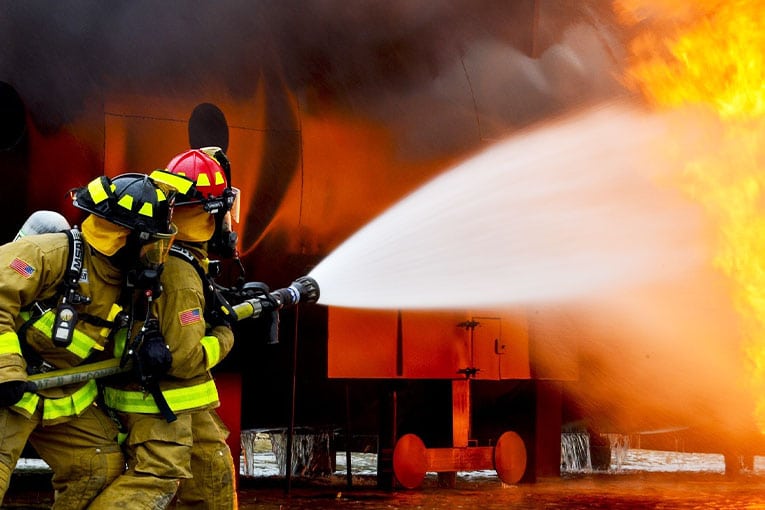
Firemen putting out fire
Promoting fire safety helps the fire service

It’s a time when our collective focus sharpens, and we turn our attention towards understanding the hazards posed by fire and some of the most common causes of fire, and learning how to mitigate them.

Throughout the duration of Fire Prevention Week, an array of activities and educational programs are thoughtfully organised to enlighten people about the ever-present risks of fires and, most importantly, how to actively mitigate these risks. 

It’s a concerted effort to ensure that individuals, families, and communities are equipped with the knowledge and tools necessary to protect themselves and their surroundings.

These activities and programs span a wide spectrum, catering to diverse audiences. 

For instance, schools often incorporate fire safety lessons into their curricula, ensuring that young minds grasp the fundamentals of fire prevention early on. 

Fire departments and local organisations host open houses, where the public is invited to explore fire stations, interact with firefighters, and witness live demonstrations that highlight fire safety techniques.

Furthermore, many local communities conduct fire drills and evacuation exercises, enabling residents to practice their response to potential fire emergencies. 

These drills instil a sense of readiness and ensure that everyone knows how to react swiftly and effectively in the event of a fire. 

Additionally, fire safety workshops and seminars are commonly held, where experts share invaluable insights on fire prevention strategies, home fire safety, and the proper use of fire extinguishers.

The collective aim during Fire Prevention Week is to foster a culture of fire safety that transcends this specific week and becomes an integral part of our daily lives. 

It’s about ingraining the knowledge of fire risks and safety measures into our consciousness, ensuring that fire safety is not just an annual event but a lifelong commitment. 

By actively participating in the activities and programs offered during this week, individuals and communities stand better prepared to protect themselves against the devastating impact of fires.

When is Fire Prevention Week?

Fire Prevention Week is observed in the United States and Canada during the week in which October 9th falls. 

October 9th holds historical significance as it commemorates the Great Chicago Fire of 1871, one of the most devastating fires in American history. 

This tragic event serves as a stark reminder of the destructive power of fires and the need for fire prevention measures.

When is Fire Prevention Week 2023?

Fire Prevention Week is between October 8-14 in 2023. 

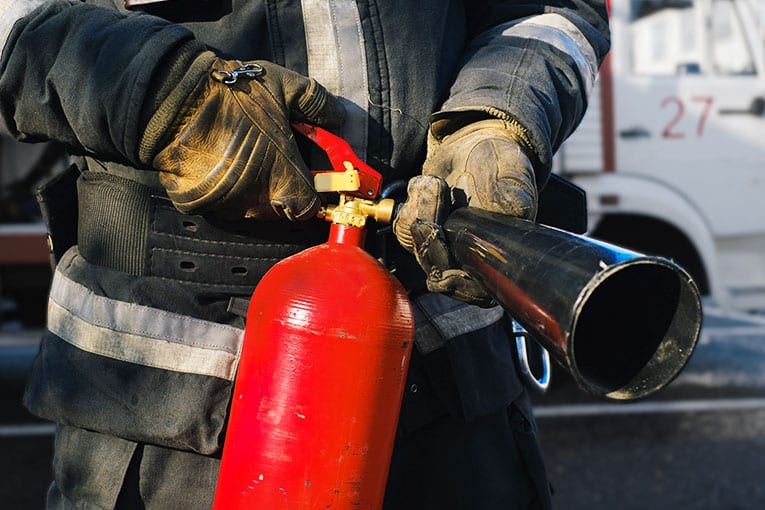
fireman holding fire extinguisher
Promoting fire prevention is in everyone’s best interest

What is the History of Fire Prevention Week?

The origins of Fire Prevention Week are deeply rooted in one of the most tragic and defining events in American history – The Great Chicago Fire of 1871. 

This devastating fire, which ignited on the fateful night of October 8 and continued to rage into October 9, marked a turning point in the nation’s understanding of fire safety.

The Great Chicago Fire was an inferno of unparalleled proportions. 

It consumed over 2,000 acres of land, leaving behind a trail of destruction that stretched as far as the eye could see. 

The flames roared through the city, devouring everything in their path. 

The devastation was not limited to property; it also claimed the lives of hundreds of people and displaced thousands more, rendering them homeless in its wake.

The aftermath of this catastrophic event left a profound impact on the collective consciousness of the nation. 

It served as a stark reminder of the destructive force of fire and the imperative need for comprehensive fire prevention measures.

In the wake of this tragedy, the Fire Marshals Association of North America, an organisation that later evolved into the International Fire Marshals Association, took a decisive step to honour the memory of the Great Chicago Fire. 

In 1920, they designated October 9 as National Fire Prevention Day, a solemn day to remember the fire’s victims and to reflect on the importance of fire safety.

However, recognizing that a single day of reflection and awareness was insufficient to address the magnitude of the fire safety challenge, the event was expanded.

In 1922, it was transformed into a week-long initiative, evolving into the enduring institution we now know as Fire Prevention Week. 

This extension allowed for a more comprehensive approach to fire safety education and outreach, enabling communities to delve deeper into the complexities of fire prevention.

Fire Prevention Week, with its roots firmly embedded in the lessons of the Great Chicago Fire, has since become a poignant annual tribute to the resilience of communities in the face of disaster and a platform for educating generations on the vital importance of fire safety. 

It stands as a testament to the enduring commitment to the evolution of fire safety that arose from the ashes of one of the nation’s most devastating fires.

What is the Theme of Fire Prevention Week 2023?

Each year, Fire Prevention Week has a specific theme that guides its educational efforts.

The theme for Fire Prevention Week 2023 is “Prevent Kitchen Fires.” 

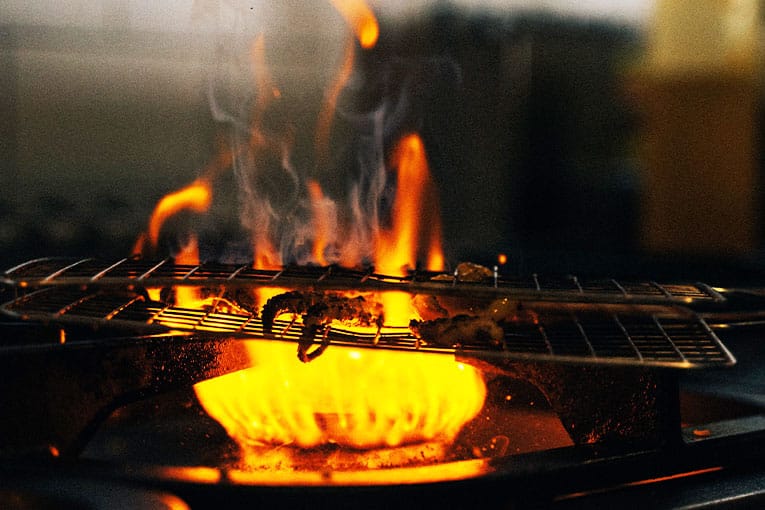
a fire in a kitchen
Fire Prevention week for 2023 promotes fire safety in the kitchen

This theme emphasises the importance of fire safety in the kitchen, one of the most common types of fire, where a significant number of fires originate. 

It aims to educate people on how to prevent kitchen fires, what to do if one occurs, and how to keep their families safe.

What Were the Themes of Previous Fire Prevention Weeks?

Since its inception, Fire Prevention Week has tackled various fire safety topics, evolving to address contemporary concerns. 

Here are some recent themes and their associated messages:

2022: “Fire Won’t Wait, Plan Your Escape”

  • Theme: Focused on the importance of having an escape plan and practicing it regularly.
  • Message: Encouraged people to be proactive in fire safety by planning and rehearsing escape routes from their homes. Fire doesn’t wait, and being prepared saves lives.

2021: “Learn the Sounds of Fire Safety”

  • Theme: Emphasised understanding the different sounds of smoke and carbon monoxide alarms.
  • Message: Educated people about the significance of smoke alarms and carbon monoxide detectors in early fire detection and prevention.

2020: “Serve Up Fire Safety in the Kitchen”

  • Theme: Centred on kitchen fire safety and the prevention of cooking-related fires.
  • Message: Highlighted the importance of safe cooking practices, including attention to stovetop and oven cooking to prevent kitchen fires.

2019: “Not Every Hero Wears a Cape. Plan and Practice Your Escape!”

  • Theme: Highlighted the importance of fire escape planning.
  • Message: Encouraged families and individuals to create and practice fire escape plans for their homes. Being prepared can make a life-saving difference in emergencies.

2018: “Look. Listen. Learn. Fire Can Happen Anywhere”

  • Theme: Focused on the importance of learning fire safety in various settings.
  • Message: Urged people to understand the basics of fire safety, whether at home, work, or in public spaces.

2017: “Every Second Counts. Plan Two Ways Out”

  • Theme: Emphasised the need for multiple escape routes in case of fire.
  • Message: Encouraged households to plan not just one but two ways to exit their homes during a fire. Seconds matter in emergencies.

2016: “Don’t Wait. Check the Date. Replace Smoke Alarms Every 10 Years”

  • Theme: Highlighted the importance of regularly maintaining and replacing smoke alarms.
  • Message: Informed people about the necessity of checking the age and condition of smoke alarms and replacing them every decade for reliable fire detection.

2015: “Hear the Beep Where You Sleep. Every Bedroom Needs a Working Smoke Alarm”

  • Theme: Advocated for smoke alarms in every bedroom.
  • Message: Promoted installing smoke alarms in all sleeping areas to ensure early warning and escape in case of fire.

2014: “Working Smoke Alarms Save Lives. Test Yours Every Month”

  • Theme: Focused on the life-saving role of smoke alarms.
  • Message: Encouraged monthly testing of smoke alarms to ensure they are functioning correctly.

2013: “Prevent Kitchen Fires”

  • Theme: Centred on kitchen fire prevention.
  • Message: Raised awareness about the common causes of kitchen fires and promoted safe cooking practices.

2012: “Have 2 Ways Out”

  • Theme: Stressed the importance of having multiple exit routes.
  • Message: Reminded people that having two ways out of every room is vital for swift evacuation during a fire.

2011: “Protect Your Family From Fire”

  • Theme: Focused on overall family fire safety.
  • Message: Encouraged households to take comprehensive measures to safeguard their loved ones from fire hazards.

2010: “Smoke Alarms: A Sound You Can Live With”

  • Theme: Emphasised the importance of smoke alarms.
  • Message: Highlighted the life-saving role of smoke alarms in providing early warning of fires.

These themes illustrate the evolving focus of Fire Prevention Week, aiming to address current fire safety challenges and educate the public on ways to prevent fires and protect lives.

Conclusion

Fire Prevention Week is important. It reminds us that fires are dangerous, both in the past and today.

It started because of the Great Chicago Fire, but it’s not just about that. Fires can hurt anyone, anywhere.

During this week, we learn about fire safety. We should use this knowledge to protect our homes.

This week’s actions should last all year. We need to stay safe from fires, always.

So, during Fire Prevention Week and always, remember to be safe from fires. Teach your family and community about fire safety. 

Let’s keep our homes and loved ones safe from fires. Fire Prevention Week is more than just a week; it’s a promise to stay safe.

Fire automation system market projected to reach a value of USD 130.37 billion by 2030

In a recent report by Adroit Market Research, predictions indicate that the fire automation system market is on track to achieve a value of USD 130.37 billion by 2030.

This growth is expected at a compound annual growth rate (CAGR) of 6.7% between 2021 and 2030.

Integration with modern technologies: Key to efficiency

Harnessing the power of smart building and Internet of Things (IoT) technologies is proving beneficial for fire automation systems.

These integrations offer real-time data, sophisticated analytics capabilities, and remote monitoring.

Such developments result in a comprehensive building management solution, enhancing the efficacy of fire detection and prevention.

Cloud-based fire automation technologies present a promising future. Perks of these systems include scalability, flexibility, and the elimination of bulky on-site equipment.

Advanced sensors: Improving fire detection

Emerging advanced sensor technologies, such as multi-sensor detectors and thermal imaging cameras, are finding their way into fire automation systems.

These innovations boost the system’s speed and accuracy in detecting fires.

Additionally, advanced sensors minimise false alarms and offer early warning signals, further solidifying the system’s dependability.

Increasing demand: A safety-driven market

The market is seeing growth driven by heightened fire safety awareness and the implementation of stringent building codes.

Government bodies and regulatory agencies worldwide emphasise the importance of fire detection in various structures, from commercial to residential.

Factors such as the surge in fire incidents globally amplify the need for early detection and swift response systems.

Furthermore, as urban landscapes evolve, so does the demand for robust fire automation systems in multiple establishments.

Insurance companies often mandate the installation of fire automation systems, promoting industry growth.

This requirement is a reflection of businesses’ efforts to adhere to insurance regulations and minimise potential fire-related financial risks.

Market benefits are also seen from the upgrades and retrofitting of existing fire automation systems, especially when building regulations undergo changes.

Equipment breakdown: Ensuring comprehensive protection

The critical components in these systems are devices like smoke and heat detectors.

Smoke detectors use various mechanisms like ionization and photoelectric methods to sense smoke and activate alarms.

Heat detectors respond to abrupt temperature increases or when temperatures surpass set limits.

The Fire Alarm Control Panel (FACP) acts as the system’s central hub, triggering audio-visual alarms, including sirens and emergency messages, upon detecting threats.

Visual and auditory sirens are strategically placed to ensure residents are promptly alerted during emergencies.

Additionally, buildings are equipped with manual call points, allowing individuals to activate alarms manually during fire emergencies.

North America: Leading the market

North America, particularly the US and Canada, remains at the forefront of the fire automation system market.

Emphasising fire prevention, the region’s well-established safety regulations play a significant role in driving demand.

Strict construction standards, technological advancements, and renovation projects further fuel the market’s expansion in this region.

IFSJ Comment

The insights provided by Adroit Market Research shed light on the evolving landscape of fire safety.

As urbanisation continues at an unprecedented rate, ensuring the safety of infrastructures becomes paramount.

Fire automation systems, particularly with their integration of modern technologies like IoT, are proving to be invaluable tools in this quest.

Their adaptability, efficiency, and increasing dependability make them indispensable in today’s safety-first environment.

This growth trajectory is not just a testament to technological advancements but reflects the global emphasis on prioritising safety.

Such market projections underscore the significance of continued innovation and adherence to safety standards, ensuring a safer future for all.