The Foam Pump Evolution with Fire Lion

Unpacking the ground-breaking innovations of Fire Lion in fire-fighting foam technology under Director Aaron Johnson’s stewardship

From firefighter to foam expert to Director of Fire Lion, Aaron Johnson is a global leader in fire-fighting foam technology. His journey began in the industrial heartland of Marinette, Wisconsin with Ansul, a company rooted deep within his family tree since 1951.

Johnson tells: “I was at Ansul for about 14 years. I started in research and development, testing the performance of new foam agents and hardware. There was a lot of trial and error in those early days, plenty that didn’t work, but it also paved the way for innovation and advancement.” The mix of research, technical services, training, and sales engineering roles equipped him with an industry-wide perspective, providing him with an invaluable understanding of the fire industry landscape.

In 2021, Fire Lion spotted the fire industry veteran and brough him as Global Business Development Sales Manager. A year later, he ascended to the role of Director, taking over from Tom Reser.

“Fire Lion is not merely a manufacturer of positive displacement gear pumps. We provide the very backbone for the foam industry used in firefighting,” says Johnson. Fire Lion’s gear pumps are found in a diverse range of applications from petroleum, oil and gas industries to industrial fire apparatus in global companies like Shell and Valero, and across the Middle East.

Fire Lion’s expertise extends to creating a range of foam pumps that can function via an electric motor, a diesel engine, or even a water turbine, depending on the end user’s requirements. “We can drive the pump using Pelton wheels if we don’t have an electric supply or if the end user does not want a diesel engine on site. If there’s water, we can use a Pelton wheel.”

Fire Lion’s Herringbone Rotor

Johnson proudly notes: “We offer a wide array of pumps, ranging from five or 10 gallons a minute, all the way up to a listed pump of 425 to 450 gallons a minute. With non-listed pumps, we can go up to 700 to 750 gallons a minute. This capacity and flexibility have positioned us as a vital player in the foam market.”

Beyond firefighting, Fire Lion also caters to the water mist market. “If there’s a water mist application and someone needs an FM approved pump to drive their water supply for a low-pressure water mist system, Fire Lion can supply that as well. Our FM approval extends to water too.”

Expanding footprints

“We’re not just a small company, we’re a global force with a wide-reaching footprint,” Johnson declares, reflecting on the company’s standing in the market. Fire Lion collaborates with major foam agent Original Equipment Manufacturers (OEMs) worldwide, reinforcing the comprehensive spectrum of their full foam systems.

Fire Lion’s versatility is underlined by its ability to comply with a plethora of international standards: UL listed, FM approved, CE marking for Europe, and even Civil Defense approvals in Dubai and Abu Dhabi. “We’re well entrenched into the Middle East,” Johnson asserts. “Our reach is global and our commitment is absolute.”

Their vast distribution network extends from North America to Africa, Asia, and Europe, to the Middle East and South America. Antarctica remains the only untouched continent, a challenge Johnson approaches with a good-natured determination: “I haven’t been to Antarctica. I’m not sure I want to go, but I will if there’s a big enough project.”

This global reach has roots in Fire Lion’s past, specifically the tenacity and vision of previous owner, Tom Reser. “He was vital in establishing those global relationships when he created Fire Lion. Today, we maintain and hope to grow these relationships,” explains Johnson.

Regarding prospective growth, Johnson identifies Latin America as a region where Fire Lion currently lacks a strong presence, and the sub-Saharan Africa, rich in petroleum oil and gas, as another promising market. The Middle East, where the company is already deeply entrenched, also offers further potential. “We always want to grow the market. It’s one of our primary goals,” Johnson says.

Johnson also mentions Australia as a key market, acknowledging the country’s transition to fluorine-free foam and the ensuing opportunities. “We know that there’s a foam market in Australia. With the ban on AFFFs, we foresee projects emerging, and a deeper involvement in Australia would be great.

“Across the globe, we’re always looking to grow the business, expand market share, and provide a solution for the end users that they’re going to need.”

Pioneering a sustainable future

“At Fire Lion, we’re always investigating how we can improve the efficiency of our pumps,” Johnson tells. The company’s ethos of continuous improvement, fuelled by a restless curiosity for emerging technologies, has been a significant factor in their market success.

“Improving the product you sell is something every company should strive to do. There are always opportunities for improvement; the challenge lies in discovering them,” he stated. With the advancement in composites and technology in the fire industry, Johnson believes that breakthroughs might be right around the corner.

Fire Lion also remains cognisant of the latest trends in the industry, such as the growing interest in remote monitoring and testing of pumps. This area, Johnson shares, is currently a hot topic in the NFPA 20 Committee, of which he is a member.

He reveals: “Tom Reser sold the company to a Netherlands-based company called WB Fire Packs, a major fire pump supplier for the European market. They have developed a product called Fire Coach, a tool for remote monitoring and testing of fire pumps. It’s a new technology entering the marketplace.”

Another innovative offering from Fire Lion is an electronic foam proportioner that allows testing of foam systems without discharging foam solution. Johnson explained, “The end users are getting pressured not to discharge foam solution for testing purposes. We have an FM-approved product that enables testing according to NFPA guidelines while allowing the foam concentrate to be recirculated back to the foam tank, which means no more disposal and replenishment costs.”

Such innovations could lead to significant cost savings for end users. “Installing this component means you can test the system by recirculating back to the tank. You no longer have to discharge anything for testing, and you can easily gain your ROI back in a very short timeframe.”

Advocating for a safer industry

“Fire Lion’s current focus is assisting with the transition from PFAS Foam agents, AFFFs, ARFFFs to SFFF (Synthetic Fluorine Free Foam),” Johnson says when discussing the company’s priority in the short term.

This transition is not without its challenges, as system design must be carefully reviewed to ensure compatibility with new foam types. “There is no drop-in replacement these days, you have to do a full design review,” Johnson warns. He also added that this process often involves revisiting details such as piping dimensions and friction loss calculations.

“We are trying to help them understand those differences and realise what needs to get done. That way, we can provide a solution for the end user that they’re going to be happy with,” Johnson affirmed. He emphasises the importance of ensuring that the systems are not just satisfactory to the customer, but also offer the highest level of protection. This, after all, is the central ethos of a company operating in the life safety industry.

He praises the relationships Fire Lion has built with foam OEMs: “They’re the ones who make the foam agents; they’ve got a lot of that background information. It has helped out to have that relationship and use them as a resource.”

Looking to the future, Johnson hinted at exciting developments for Fire Lion. “We’re getting back to improving our pump and design. There’s going to be some significant news coming up, and we’re hoping to make a big splash into the marketplace.”

While he remains tight-lipped on specifics, he stresses the company’s commitment to constant improvement and efficiency enhancement. “We really want to showcase our commitment to making our product better, more efficient. That way, end users and customers get the best product available on the marketplace.” He adds.
This exclusive article was originally published in the June 2023 issue of International Fire & Safety Journal. To read your FREE digital copy, click here.

IFSJ Exclusive: Fighting fire with technology

From digital simulation to gas and carbonaceous training, Mathé Koenen unveils how LION’s NFTT is revolutionising firefighter training

Who are you, and what is your job position within LION?

I’m an electrical and mechanical engineer and also a firefighter, a role I took on in 1983, which was 40 years ago.

Over the years, I’ve had a variety of positions, including serving as the head of a fire brigade.

Following that, I worked as an assistant plant manager and then joined an international centre focusing on extrication techniques.

Additionally, I worked for Falk Fire Training, which is one of the largest fire training organisations in Europe.

We provided diverse types of fire training such as industrial, residential, urban firefighting, and structural. There, I led the training department and delivered trainings myself.

As for my role at LION, I wear several hats: I am a trouble-shooter, consultant, and trainer.

You’re here to discuss a new concept from LION, the New Fire Training Technology or NFTT. Could you tell us more about it?

Certainly. The NFTT, a term coined by our director, represents our response to the world’s increasing environmental demands.

It’s not just about environmental impact but also significantly about the health and safety of our instructors and students.

The NFTT gave birth to what we refer to as digital firefighting technology. This involves no actual heat or real smoke— we use artificial smoke—and eliminates stress.

Consequently, new students can acquire skills and knowledge effectively without the typical pressures. They can fully concentrate on the training without worrying about surrounding hazards while acclimating to new experiences like using breathing apparatus under simulated smoke and heat conditions.

It’s a significant advancement in terms of the environment and the health of firefighters in training and their instructors.

In addition to this, we specialise in gas-heated simulators. These are complementary to the digital firefighting training.

A firefighter, naturally, needs to have experience real flames, feel actual heat, and work with real breathing apparatus. Gas-simulators can do all this within a controlled setting.

With a simple push of a button, a fire is ignited and another push, it’s extinguished. The process is highly controllable and stress-free, allowing trainees to focus on refining their skills and procedures as initially learned in the digital simulation.

Before they graduate and begin their real careers, firefighters must experience real heat, smoke, stress, and master the use of breathing apparatus. This complete package of the NFTT provides valuable and efficient training.

In the past, learning to become a firefighter was a lengthy process because training mainly used wood-driven fires, which created a lot of stress and heat, making learning slower. But with the NFTT, we’re changing this.

As an experienced firefighter who has been in the field for many years and as a fire trainer, what is your honest opinion about this approach? Do you think it’s better?

 It’s definitely better. I believe this combined approach of digital and gas simulations is the most comprehensive training package available.

The digital aspect alone could cater to around 75% of all training needs in firefighting. It’s beneficial not only for new firefighters but also for experienced ones.

Although some firefighters initially associate digital with children’s games and gas with cooking and yearn for “real fires,” they often overlook the negative impacts of wood-driven fires on the environment, their own health and safety, and the effectiveness of training.

We’re beginning to see a shift towards more environmentally friendly training, and we’re proud that NFTT is leading the way.

One successful element in our NFTT project is the development of an afterburner, allowing carbonaceous fire training in city centres without producing smoke.

This means the final part of the training can be performed in a realistic setting without causing significant stress to the environment.

What is the ideal blend of fire technology in a training centre?

I believe the perfect mix would be 75% digital, 15% gas, and 10% carbonaceous training.

Aren’t you concerned that the quality of training could suffer without exclusively using wood-burning methods?

 To be honest, I had similar reservations when I began with digital training in 2019. I had the same misconceptions—digital was for video games, and gas was for cooking.

However, after half a year of working with these methods, I was astounded by their effectiveness.

This sequence—digital, gas, and carbonaceous—completely changed my perspective. I firmly believe this approach is the best for training, environmental impact, and health and safety.

What advice would you give for “smart” management of training facilities?

My suggestion would be to consider adopting this 75-15-10 split. It’s crucial to remember that the environment is as important as the health and safety of the students and instructors.

Moreover, this approach is more cost-effective, enabling the delivery of more trainings—a smart move financially. So, my advice is to start working within the 75-15-10 ratio.

This exclusive article was originally published in the June 2023 issue of International Fire & Safety Journal. To read your FREE digital copy, click here.

The frustration and failures of missed opportunities

Firefighters are dedicated to preserving the safety and well-being of individuals and communities by responding to a wide range of incidents and helping in various emergency situations, writes IFSJ Managing Editor Duncan J. White

The globally reported loss of the Titan submersible was a tragic event. If initial reports are correct, it appears that those with responsibility decided they knew best despite the concerns of experts. No doubt over time the marine accident investigation will report on the facts of the case, but how often do we as a fire industry have to deal with the failure of not listening to experts?

When it goes wrong we know that our firefighters will respond to the call. The primary focus for a firefighter in a response situation remains that of saving and protecting life, property, and the environment from the adverse effects of fires and other emergencies.

My experience has always confirmed that a firefighter is a firefighter wherever they happen to live in the world.

Uniformity in Firefighting

Risk profiles aside, the focus of a firefighter in London is arguably the same as a firefighter in Liberia? Whilst local variations will exist for a range of circumstances, the way in which firefighters manage an incident will be largely the same.

With this being the case why do we still see fire services reinventing the wheel when it comes to implementing policies, procedures, and training programmes, not to mention the procurement of equipment and services?

With three decades of knowledge and experience in the UK fire and rescue sector I am still saddened to continually witness the lack of communication and shared good practice between the services of the United Kingdom, let alone across the wider world.

There are of course some great examples of joined up working but overall, I fear there remain too many missed opportunities and expertise is ignored or unheard.

Lessons from the Past

A topical example is the way in which our fire services in the UK respond to wildfires. In 2022 we witnessed higher numbers, and more severe wildfires than ever before, affecting many parts of the UK.

Northumberland Fire and Rescue Service, under the leadership of Chief Fire Officer Paul Hedley, are regarded as the country’s leader in wildfire preparedness with Paul taking the lead for the National Fire Chiefs Council on wildfire. Despite this, it appears the best practice developed and ably demonstrated by Northumberland and some other fire and rescue services, a national policy for fighting wildfires is still not in place. Why?

In addition to varying procedures for incidents that arguably require more frequent cross border liaison than others, how can a risk assessment support firefighters wearing personal protective clothing (PPE) designed for internal compartment firefighting to tackle wildfires?

The global standards for compartment firefighting gear is high and we’ve seen huge advances in the design, materials, and protection it affords the wearer when needed, but a wildfire demands a different approach. Failure to address this risks created by the very clothing that works so well inside leaves firefighters vulnerable to the serious  physiological effects of heat stress and impacts on their ability to work over the distances and duration needed. The result is that firefighters will ‘dress down’ to t shirts in response to the risk of overheating and in doing so increase their exposure to both the fire and the sun.

In the early 2000’s I was fortunate to have experienced the work of  a US wildland firefighting team. Over two decades ago these firefighters were provided with a lightweight wildland PPE ensemble which had passed all the necessary certifications and demonstrated to be fit for purpose. So why, after almost a quarter of a century, is it acceptable that we continue to expose UK firefighters to such hazards through PPE which is simply unfit for purpose in a wildfire scenario?

This is just one example but there are countless other missed opportunities for sharing good practice at the national and international level. It is time for fire and rescue services and departments across the world to share their knowledge and understanding and to be open to new ideas and solutions.

This should be led, endorsed, and coordinated by the relevant professional bodies such as the National Fire Chiefs Council (NFCC), the International Association of Fire Chiefs (IAFC) and the Comité Technique International de prevention et d’extinction de Feu (CTIF), amongst others.

The benefits of sharing of knowledge and understanding

International Cooperation: Fire incidents and emergencies ignore boundaries. By sharing knowledge and understanding, fire services can foster international cooperation and collaboration. This supports shared learning and development through the exchange best practices, and to adopt innovative approaches to firefighting and emergency response.

Rapid Technological Advancements: The field of firefighting and emergency response is constantly evolving, driven by technological advancements and new research. By sharing knowledge and information, fire services can stay updated on the latest developments in firefighting equipment, techniques, and safety protocols. This enables them to promptly adopt new technologies and practices that improve their effectiveness and efficiency in dealing with emergencies.

Hazard Identification and Mitigation: Different regions of the world face unique hazards and challenges when it comes to fire incidents. Sharing knowledge and understanding across fire services allows for a broader perspective on hazard identification and mitigation strategies. Fire services can learn about different types of hazards, such as wildfires, industrial fires, or urban fires, and gain insights into effective approaches for prevention, suppression, and mitigation specific to those hazards.

Training and Education: Fire services have a critical role in training and educating their personnel to ensure their readiness to handle emergencies. By sharing knowledge and understanding, fire services can enhance their training programs and curricula. They can incorporate lessons learned from other fire services, utilise case studies from different regions, and integrate diverse perspectives into their training materials. This helps in building a well-rounded and informed workforce capable of responding to a wide range of fire incidents.

Standards and Regulations: Sharing knowledge and understanding helps in the development and harmonisation of standards and regulations related to firefighting and emergency response. Fire services can exchange information about their regulatory frameworks, codes, and standards, enabling them to align their practices and ensure consistency in safety protocols. This collaboration promotes a higher level of professionalism and standardization within the firefighting community.

Research and Innovation: Sharing knowledge and understanding facilitates research and innovation in the field of firefighting and emergency response. Fire services can collaborate on research projects, share data, and exchange findings to improve their understanding of fire behaviour, fire dynamics, and human factors in emergencies. This collective effort leads to the development of new technologies, methodologies, and approaches that advance the overall effectiveness of firefighting operations.

By sharing knowledge and understanding, fire and rescue services and departments and civil defence forces across the world can work together to enhance their capabilities, improve safety standards, and ultimately save lives and protect property more effectively in the face of fire emergencies.

Let’s work collectively, by being more effective we can become far more efficient and deliver our services to the highest possible standards.

This exclusive article was originally published in the June 2023 issue of International Fire & Safety Journal. To read your FREE digital copy, click here.

Igniting change: LION looks at fire training equipment

LION looks at the current state of fire training equipment and how new technologies impact it

All firefighters will always tell you the importance of having proper fire training equipment and how it can improve the outcome of any emergency incident. The current state of fire training equipment has greatly improved over the years, with new technologies being developed to better prepare firefighters for real-life scenarios.

Digital fire is among the most significant new technologies in fire training equipment. This technology allows firefighters to experience simulated fire scenarios in a controlled environment. Fire training with digital fire technology aims to help prepare for real-life situations, as you can practice your response and decision-making skills in a safe and controlled environment.

The importance of training as a team strengthened with Digital Fire Technology.

In firefighting, where lives are at stake and every second counts, the importance of team training cannot be overstated. Fire rescue operations demand high coordination, communication, and trust among team members. Exercise with digital fire technology strengthens the significance of team training in equipping fire rescuers with the necessary skills, fostering effective teamwork, enhancing situational awareness, and ultimately saving lives.

Why use digital fire technology for team training?

Skill development and readiness

They are using this technology without worrying about budget and stock of consumables (wood or gas) or health impact (CO2 or Toxic particles). Team training is pivotal in developing and honing the skills required for fire rescue operations. It allows firefighters to learn and practice critical techniques like search and rescue, ventilation, ladder operations, and fire suppression.

By simulating realistic scenarios, training helps firefighters become familiar with equipment usage, response protocols, and incident command systems. Regular training sessions enable them to remain prepared, ensuring a prompt and effective response when emergencies arise.

Enhancing teamwork and communication

Successful fire rescue operations depend on seamless teamwork and clear communication. Team training activities facilitate the development of a shared understanding and trust among team members. By engaging in exercises emphasising coordination, cooperation, and decision-making, firefighters learn to work cohesively, relying on each other’s expertise and support. Regular practice enables them to anticipate each other’s actions, minimising errors and maximising efficiency during high-pressure situations.

Building situational awareness

Assessing and adapting to changing circumstances is crucial in fire rescue operations. Team training aids in building situational awareness, enabling firefighters to analyse and respond to dynamic situations quickly. They learn to evaluate potential risks, identify hazards, and make rapid decisions under stress through simulated scenarios. Training also exposes them to various types of fire incidents, increasing their familiarity with challenges they may encounter in the field.

Stress management and decision-making

Fire rescue operations can be incredibly demanding, both physically and mentally. Team training exposes firefighters to real stressors, helping them develop resilience and effective stress management strategies. Practicing decision-making in high-pressure environments makes them better equipped to make swift, informed judgments during emergencies. Training allows them to anticipate potential risks, adapt to unforeseen circumstances, and execute well-coordinated plans, even in chaotic situations.

Continuous improvement and professional growth

Team training is not a one-time event but an ongoing process. It provides a platform for continuous improvement and professional growth. Regular training sessions allow firefighters to refine their skills, learn from past experiences, and stay updated with the latest firefighting techniques and technologies. By participating in joint training exercises with other fire departments or specialised rescue teams, they broaden their knowledge and exchange best practices, fostering a culture of innovation and excellence.

In the challenging realm of fire rescue, team training is an indispensable component for effective operations and preserving life. Through skill development, enhanced teamwork, situational awareness, stress management, and continuous improvement, fire rescuers are better prepared to face their profession’s demanding and unpredictable nature. Investing in comprehensive team training programs not only strengthens individual capabilities but also ensures that the collective efforts of firefighters can be seamlessly coordinated, resulting in safer and more successful rescue operations.

The total cost of ownership of fire training units: Emphasising long-term investment

When it comes to fire training units, considering the total cost of ownership is essential. While short-term costs may seem appealing, evaluating the long-term benefits and expenses associated with these units is crucial. Looking beyond immediate expenditures and making informed decisions prioritising long-term investments in fire training units is critical.

Initial cost vs. lifespan

Short-term thinking often centres around the initial cost of fire training units. However, more than focusing on the upfront price is needed to consider the lifespan of the equipment. Investing in a high-quality, skilful mix of digital, gas and wood-fired training units may involve a higher initial cost but can significantly extend their useful life. By prioritising long-term investment, fire departments can avoid frequent replacements and associated expenses, ultimately leading to cost savings over time.

Maintenance and repairs

Fire training units require regular maintenance and occasional repairs to ensure optimal performance. Homemade units may seem attractive initially, but they often need more frequent and costly repairs. Long-term investment in reliable and well-constructed training units minimises maintenance requirements and reduces the risk of unexpected breakdowns. This approach allows fire departments to allocate resources efficiently, preventing interruptions in training schedules and maintaining operational readiness.

Safety and risk mitigation

Fire training units must prioritise safety for both firefighters and the environment. Opting for high-quality units that adhere to safety standards and regulations reduces the risk of accidents, injuries, and environmental hazards. Short-term investments in cheaper, substandard units may compromise safety measures and result in costly legal consequences, liabilities, and reputational damage. Long-term investments in reliable training units prioritise safety, minimising potential risks and safeguarding the well-being of personnel and the community.

Scalability and adaptability

Fire departments must consider the scalability and adaptability of training units to meet evolving training needs. Short-term investments often limit flexibility and restrict future expansion or modification. In contrast, long-term investments in versatile training units offer the flexibility to accommodate changing training requirements, additional features, and technological advancements.

This approach provides a higher return on investment by ensuring the units remain relevant and effective over an extended period.

Reducing the carbon footprint of fire training

The first step in reducing the carbon footprint of fire training is to conduct a comprehensive assessment of current practices. This involves evaluating equipment, fuel consumption, energy sources, waste management, and transportation methods employed during training exercises. Understanding the existing carbon emissions and their sources enables identifying improvement areas and developing targeted sustainability strategies.

Encouraging eco-friendly training methods

Exploring and promoting eco-friendly training methods is vital to achieving the carbon reduction objectives in fire training. Emphasising digital fire-based training, combining digital, gas and wood burns provides cost-effective alternatives that enhance training’s environmental impact. Incorporating these innovative technologies into fire training curricula can significantly minimise the carbon footprint and how fire departments can substantially contribute to carbon reduction efforts.

More research and development are needed to determine any potential drawbacks to relying heavily on technology for fire training or to create even more effective and efficient tools for firefighters to use in training and on the job.

Other new technologies are being developed to improve fire training equipment, like virtual or augmented reality. We must continue to invest in developing new technologies for fire training equipment. By doing so, we can better equip our firefighters to handle the challenges they face and keep our communities safe.

This exclusive article was originally published in the June 2023 issue of International Fire & Safety Journal. To read your FREE digital copy, click here.

From start-up to stalwart: The story of Telgian CEO James Tomes

IFSJ sits down with Telgian’s CEO James Tomes to find out how the once small fire safety firm became an industry powerhouse

In the dynamic world of fire safety and protection, few leaders are as well-versed and accomplished as James Tomes, President and CEO of Telgian Holdings, Inc. Having ascended the ranks within the company since 1990, Tomes has played an instrumental role in shaping Telgian’s strategic vision, cementing its reputation as a trusted industry leader.

He manages a company that is a leading fire safety firm, and is also actively involved in influencing industry standards and advocating for clients through participation in the National Fire Protection Association (NFPA) code development committees.

Beginnings

Tomes joined the small fire safety consulting firm started by his father, Bill Tomes, in 1990 right after finishing college. He intended to transform the four-person company into a significant player in the industry. His vision capitalised on the growing trend of big-box retail, an ‘exploding market’ that presented unique fire safety risks and the firm rode the wave of big-box retail growth across the United States. However, the journey was not without obstacles.

Telgian’s singular focus on code consulting risked the loss of a significant client due to the absence of in-house design services. This challenge led to a rapid merger with a company led by Russ Leavitt, the now Chair of the National Fire Protection Association (NFPA). “After meeting him three times, I approached him and said ‘Russ, how about a merger?’”, recalls Tomes. Born quite literally on the side of a freeway, this partnership set the stage for Telgian’s future growth.

Over the years, Telgian adapted to customer needs, adding design, engineering, and facility services to their offerings. Today, Telgian, born from this adaptive approach, employs over 400 people.

Tomes cites the firm’s readiness to take risks as a key success driver: “We did what we believed was right for our customers and our people. We weren’t really concerned about what anybody else thought.” The company’s growth from four to 400 employees, achieved without external capital, is a testament to Telgian’s tenacity and discipline. “We don’t have tonnes of cash sitting around… so we’ve had to sometimes do things a bit on a shoestring,” says Tomes. Despite the challenges of self-financing and surviving multiple economic downturns, Telgian has emerged as a leading global brand in fire safety.

Tomes also attributes Telgian’s success to its people-centric approach. “If I’m proud of anything, personally, it’s that I have the wisdom and the foresight to let go and let somebody else take centre stage,” he reflects. This leadership philosophy, he believes, has enabled the company to attract and nurture exceptional talent.

A winning strategy

In his vision for Telgian’s future, Tomes shares his strategic plan: “We don’t need to be the biggest…but our strategic plan is to flat out be the best.” He believes in offering high-quality, high-valued services and taking care of customers across a wide spectrum of needs, from strategic risk discussions to tasks as basic as hanging a tag on an extinguisher.

He underlines Telgian’s unique positioning as a one-stop-shop in the industry, and its intention to leverage this advantage. This unique position, he says, has helped Telgian secure relationships with some of the biggest names in the retail world.

Telgian is also setting its sights on other key markets. The company is making inroads into automated storage and retrieval systems and leading the world in research at UL. “Nobody’s doing what we’re doing right now,” Tomes tells, highlighting the growth potential in e-commerce, a sector where Telgian is utilising its already considerable warehouse and distribution knowledge.

The company is also developing core competencies in many emerging technologies and associated risks including lithium batteries and energy storage, addressing their unique fire risks: “We’re doing a lot of research in many areas. We want to go where we can add value.”

On Telgian’s approach to market selection, he says that the company does not shy away from standard fire safety tasks but finds its true value in solving unique problems. The goal, he says, is to provide high value to customers: “We really strive to be high value to our customers.” This strategy, he believes, avoids creating a ‘mill’ culture and instead fosters a partnership approach.

Telgian and the NFPA

The NFPA is an integral part of Telgian’s identity. “I’m a firm believer that when you can align yourselves with doing the right thing that’s also good for you and your customers, it’s just a win-win,” says Tomes. The company’s relationship with the NFPA began with Tomes’ father, who was known as a code ‘guru’, establishing Telgian’s national reputation.

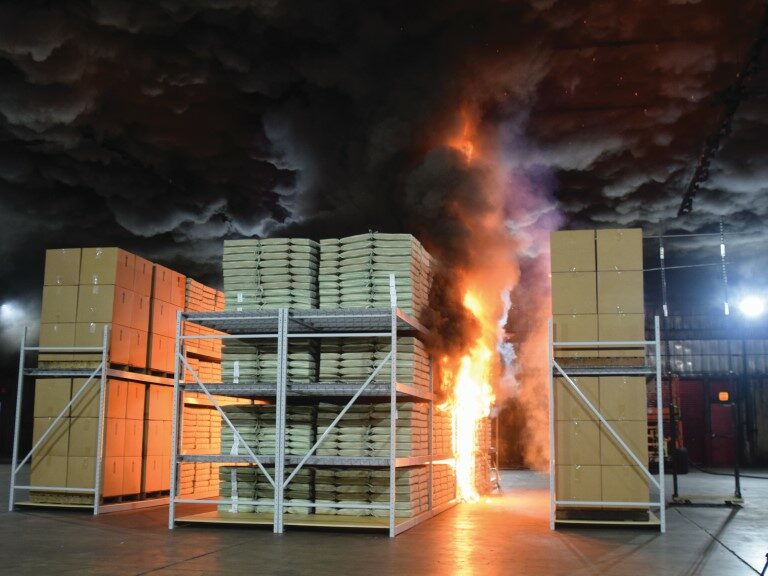
Telgian Full scale fire testing
Telgian’s full scale fire testing

Over the years, Telgian has not just been involved in code work and committees but has been at the forefront of cutting-edge research and full-scale fire testing. “With the knowledge we bring, we help develop the national standards. We help form what actually goes into them because of our expertise,” Tomes explains.

Giving back to the NFPA is crucial to Telgian, he says. The company actively serves on committees and offers its time as instructors for NFPA classes worldwide. Tomes believes this commitment to industry involvement strengthens both Telgian and the wider industry.

When dealing with clients, Tomes says this deep understanding of the NFPA standards allows Telgian to speak with authority about compliance. He underlines that his focus is more on risk management than rote compliance, suggesting that effective risk management will result in alternative means and methods rather than cookie-cutter solutions.

“If you really manage your risk, you get effective compliance, if you only manage compliance by cookie-cutter solutions you’re not managing risk” he says. “Life safety is paramount. You can make different decisions about how you want to protect your property. But life safety, getting people out of the building so people don’t get hurt, or even worse, is the ethos we have.”

Ensuring life safety

On the topic of communicating the importance of life safety, Tomes says plainly, “I never scare a customer – I don’t believe in it.” He believes that when it comes to fire protection, spending exorbitantly does not necessarily add value to the business, unlike spending on aesthetics like hotel lobbies or swimming pools. “If I spent an extra 20 bucks on fire protection, that doesn’t add any value to the business. I need to spend the right amount of money,” he explains.

Tomes emphasises that Telgian approaches fire safety as a matter of risk management, acknowledging that businesses must balance investment in fire protection with their revenue and productivity needs. However, he warns that without appropriate investment in fire protection there can be disastrous consequences.

A major concern for Tomes is the ethical issues he sees within the industry, particularly the fear-based selling of unnecessary fire protection equipment. “Our industry takes the fear of fire to sell things to our customers that they don’t need,” he says, expressing his frustration at the practices he has witnessed time and again. He criticises vendors who he perceives as profiting from this fear, advocating for investments in areas that truly need them rather than selling more smoke detectors for the sake of it.

At Telgian, he says, the team continuously asks if their actions are in the best interest of their customers. This gives them the credibility to truly advocate for life safety, “Our customers sense that about us – that we’re here, truly, to advocate for them to ensure safety, life safety, and then help them manage their risk on the property side as to what’s actually important to their business,” Tomes explains. 

Future plans

The CEO hints at the prospect of expanding Telgian through acquisitions, in addition to the ongoing focus on organic growth. He emphasises, however, that any potential acquisitions must be strategic and thoughtful rather than simply an aim to buy revenue. Tomes envisions targeted acquisitions that would extend Telgian’s reach to new geographical markets, including international ones, or industry segments where they currently have a limited presence.

In addition to the company’s expansion, Tomes shares his excitement about developing the company’s operating culture and systems to ensure the success of future growth. The goal is to ensure Telgian’s operating excellence matches its service excellence, making it easier to integrate potential new entities.

Reflecting on the company’s growth from four to 400, Tomes expresses joy in watching the development of both long-standing and new members of the team, reflecting on and appreciating the unique characters who have joined Telgian during its expansion, contributing to its entrepreneurial spirit.

Putting the customer first

In the rapidly evolving fire and safety industry, Tomes has a clear message for his peers: the customer comes first. He emphasises the importance of prioritising customers and addressing their specific needs and risks.

“At the end of the day, it’s their risk. We’re here to advise and educate, and I think sometimes we like to dictate,” he explains, underscoring the idea that professionals in the industry should see themselves as advisors and educators, helping customers understand and manage their risk rather than dictating solutions.

The CEO draws attention to the industry’s tendency to lose sight of the scale of individual businesses and the wealth they represent. Using Elon Musk as an example, he points out that the net worth of one entrepreneur can exceed the total value of the entire fire and safety industry.

However, Tomes doesn’t diminish the importance of the fire and safety industry. Instead, he stresses the vital role it plays. “What we do is so important,” he states, reminding the industry of its significant responsibility in protecting lives and properties.

The mission statement at Telgian reflects this crucial role, with a unique twist: “We save lives and property in partnership with our customers.” By incorporating the word ‘partnership’, Telgian emphasises the centrality of the customer in its operations, a distinguishing factor according to Tomes.

He concludes by critiquing the industry’s customer centricity, suggesting that there is room for improvement. To truly serve their customers and fulfil their roles as lifesavers and protectors, he believes that companies in the fire and safety industry must prioritise the needs and perspectives of their customers above all else.

This exclusive article was originally published in the June 2023 issue of International Fire & Safety Journal. To read your FREE digital copy, click here.

IFSJ Exclusive: Creating the NFPA LiNK

With new features added, IFSJ takes a look at the NFPA LiNK platform

The National Fire Protection Association (NFPA) recently announced enhanced features and a supporting YouTube channel to NFPA LiNK, its subscription-based application that delivers digital NFPA codes and standards, expert commentary and supplemental content. The NFPA LiNK YouTube channel is designed to complement NFPA LiNK by providing tutorials and quick-start video guides for optimising NFPA LiNK.

Iain Hoey, Editor at IFSJ, spoke the Kyle Spencer, Director of NFPA LiNK to find our more about the online learning platform and its recent upgrades.

What is NFPA LiNK?

A digital platform providing instant access — via your favorite device — to NFPA codes and standards, plus exclusive expert commentary, visual aids, and more.

Why was it developed and who is it for?

The digital tool enables fire and life safety professionals to easily navigate and understand code requirements based on real-life situations. The platform was developed to streamline workflows, solve industry challenges, and encourage continuous education past traditional handbooks. NFPA LiNK’s capabilities were also developed to simplify communication and collaboration amongst teams, ultimately increasing workplace efficiency.

How does it work?

In NFPA LiNK, users can store content for offline viewing, curate content, bookmark, add notes, share, and collaborate. NFPA LiNK is continuously updated with the latest codes and standards information, enabling workers to always perform their jobs accurately and efficiently. The search feature allows users to quickly search all NFPA code books by keyword or phrase – eliminating time spent scanning physical pages to find answers – and users can filter their search to further refine code content results.

NFPA LiNK is a progressive web application (PWA), which is an enriched application software that is delivered through a web browser. This all-in-one solution allows NFPA LiNK to be delivered to all devices and does not require the installation of an application through an app-store.

What content is available on the platform?

NFPA LiNK provides digital access to 1,500 codes and standards publications dating all the way back to 1993. This includes the most current edition of every code and standard. In addition, NFPA LiNK users have access to 43 documents translated in Spanish, mitigating the challenge of a language barrier during the design-build process.

NFPA LiNK also provides several learning opportunities for subscribers to keep their knowledge growing in a world that is constantly advancing. NFPA DiRECT is a section of the digital tool allowing access to industry-specific scenarios and illustrations. Users who have a Team subscription also have access to team collections where their peers can share industry knowledge, enabling a continuous flow of collaboration and education among teammates.

What are some recent additions to the platform?

The most recent additions to the platform consist of navigational improvements and code change indicators. The NFPA LiNK team is continuously implementing user feedback to improve and personalise the platform to fit the needs of the end-users, as seamlessly as possible. Three new code change indicator tools were recently added to NFPA LiNK. Subscribers can view the prior code edition side-by-side with the current edition to identify and understand changes made to codes.

Additionally, users have access to change summaries which provide detailed explanations to why the changes to the code were made. Lastly, a new indicator was added for Tentative Interim Amendments (TIA), allowing users to make a quick comparison of the original text and the amendment.

Why was the YouTube Channel launched and what can people find on there?

The NFPA LiNK YouTube Channel was launched to provide industry professionals with supplemental content and encourage ways to maximise the use of the platform. The channel offers tutorials, quick-start guides, and explanations to industry specific codes, classifications, and requirements. The channel also serves as a visual guide to future and potential NFPA LiNK subscribers.

Are there any plans to further develop NFPA LiNK?

NFPA LiNK is continuously being updated to include new features that improve the user experience and enable users to work seamlessly and safely. NFPA is constantly searching for user feedback and creating plans to adjust and advance the platform based on the preferences of its everyday users.

Why should people use NFPA LiNK?

People around the world have turned to NFPA codes and standards to do their jobs efficiently and effectively for more than a century. As the world around us is constantly evolving, being able to adapt and grow as an employee will set organisations up for future success. At NFPA, we found that digital transformation solves our challenges rather than creating them. Other leaders may find they are able to create a more meaningful customer experience or interpret their business data more efficiently.

NFPA’s approach to implementing NFPA LiNK was to create a tool that requires little to no training, is easy to access and navigate, and provides tangible value to employees’ daily operations. Digital transformation looks different for everybody; however, the implementation should aim to improve functionality, add value and drive innovation.

This exclusive article was originally published in the June 2023 issue of International Fire & Safety Journal. To read your FREE digital copy, click here.

NFPA Conference & Expo: Empowering fire protection

Experience the forefront of innovation, codes, and technologies at the 2023 NFPA Conference & Expo, where industry leaders gather to shape the future of fire protection

The National Fire Protection Association (NFPA) is set to organise its yearly Conference & Expo at the Mandalay Bay Convention Center, Las Vegas, from June 19th to 21st, 2023. The event is a comprehensive gathering of top industry professionals, who will participate in over 110 educational sessions discussing recent developments, challenges, and trends in fire, electrical, and life safety.

The Expo, showcasing more than 300 exhibitors, will provide a platform for attendees to explore the latest products and services essential for ensuring and maintaining compliance with relevant codes and standards in the creation and operation of all types of buildings and facilities. The event will be punctuated by pavilions, presentations, and special events focusing on diverse areas like electrical safety, emerging technologies, and community risk reduction (CRR), among others.

The NFPA will also host the Spotlight on Public Education (SOPE) on June 19-20, shedding light on various public education topics such as fire prevention programs for various age groups, the effectiveness of community partnerships, and CRR strategies to enhance community-wide impact.

Following the conference, the NFPA Technical Meeting will commence on June 22, providing an opportunity for NFPA members and the general public to voice their views on each certified amending motion (CAM). Depending on the volume of CAMs, the meeting may extend to June 23, allowing ample time for comprehensive debate and action.

The Keynote Speaker

Dr. Albert Manero, the Co-Founder of Limbitless Solutions and an engineer by profession, has dedicated his life to effect global change through the power of creativity, inclusion, and empathy. His nonprofit organisation, Limbitless Solutions, aims to make 3-D printed bionic prosthetic limbs accessible to all, with a special focus on children, veterans, and first responders.

As a Fulbright Scholar and a graduate student at the University of Central Florida, Dr. Manero was inspired to establish Limbitless Solutions after learning about the high costs of prosthetic limbs. Within a year of its founding, the organisation had developed and donated its first prosthetic arm, garnering widespread attention and support, including from Microsoft’s The Collective Project and actor Robert Downey Jr.

His team’s innovative work extends beyond prosthetics to include projects like a jaw and facial muscle-controlled wheelchair for those diagnosed with ALS, quadriplegia, and spinal cord injuries, and the use of video game technology in stroke rehabilitation. Dr. Manero’s vision aims to revolutionise perceptions of science by integrating art, humanity, and aesthetics into this traditionally technical field.

The Expo

The NFPA Expo is set to be a spectacular event, creating a tangible platform for the essential products and services integral to the design, construction, and operation of various buildings and facilities. This crucial gathering will provide attendees with the opportunity to ensure they meet and maintain compliance with the prevailing codes and standards. At this premier industry event, compliance and safety intersect with innovation, offering a unique blend of educational and networking opportunities.

The ExpoAdvantage pass offers complimentary three-day access to the exhibit hall and special exhibitor presentations for those who register before June 15, 2023. Expo hours span across three days from June 19 to June 21, packed with opportunities to evaluate thousands of products, meet experts at the NFPA booth, participate in the digital passport program, attend exhibitor presentations, and much more. The Expo also presents a chance to network, grow personal and professional contacts, and uncover solutions to technical challenges.

2023 Technical Meeting

In a critical update, the 2023 Technical Meeting is announced to be a single-day event, a change that’s attributed to the number of Notice of Intent to Make a Motion (NITMAMs) received for the Annual 2023 standards. This intensive session will take place on Thursday, June 22nd, with a start time of 8:00am. The meeting will commence with the presentation of Committee Service and Special Achievement Awards, recognising outstanding contributions in the field.

Following the awards ceremony, a concentrated session of debate and presentation of certified amending motions will take place. All Certified Amending Motions, as recorded in the final Motions Committee Report, are set to be discussed and finalised within this single day. The complete agenda and the sequence of the certified amending motions will be posted on the official website, with the final details expected to be available on or before June 8, 2023.

On the agenda

The 2023 NFPA Conference and Expo is set to be a platform for engaging presentations and discussions on a wide range of topics related to alternative fuels. Attendees can look forward to sessions covering chemical and industrial aspects, codes and standards, community risk reduction strategies, and data collection, management, and utilization practices. Design and engineering considerations, along with detection and notification technologies, will be explored in detail.

Electrical safety and emergency preparedness will also take centre stage, alongside discussions on emerging technologies and issues. Energy storage systems, facility management, and the fire and life safety ecosystem will be among the key areas of focus. Additionally, the conference will address critical concerns such as first responder health and safety, hazardous materials management, and health care considerations within the alternative fuels industry. Inspection and code enforcement practices, international impact, life safety measures, and loss control strategies will also be discussed.

NFPA products and services will be showcased, and public education initiatives will be highlighted. The conference will provide a platform for sharing the latest research findings and insights, while addressing storage and warehousing practices, fire suppression techniques, and the availability of tools and resources. Transportation considerations and wildland fire management will also feature prominently, making the event a comprehensive gathering for anyone interested in the diverse aspects of fire and safety.

Key sessions

On Monday, June 19, a presentation titled “Addressing Life Safety Risks and Hazards of EV Manufacturing” will discuss the unique hazards in lithium-ion battery and electric vehicle (EV) production. James Taylor and Tanner Burke from ACS Group will present from 8am to 9am.

Another session, “Fireground Contaminant Exposure Control: National and Regional Approaches” will focus on exposure control policies and training used by fire departments. Meanwhile, “Emergency Action Plans and the Role of the Fire and Life Safety Director” will emphasize the importance of emergency action plans in protecting building occupants, from 10:30am to 12pm.

Tuesday, June 20, begins with a significant presentation titled “Constructing the World Cup – Qatar Civil Defense leads with Fire and Life Safety” at 8 am. It will delve into Qatar’s preparations for the FIFA World Cup 2022, including extensive infrastructure expansion, construction, and renovations to ensure fire and life safety, crowd management, and stadium protection. Qatar’s Civil Defense, part of the Ministry of Interior, will share their experiences, highlighting successes and challenges in this unique event.

Later in the day a session called “Fire Alarm Contractor Shortcuts and Mistakes: How to Avoid Common Code Violations” will educate attendees on identifying and avoiding common code violations committed by fire alarm technicians. The discussion will refer to NFPA 70 (National Electrical Code) and NFPA 72 (National Fire Alarm and Signaling Code) and their practical application in the field.

On Wednesday, Lieutenant Joe Kovalsky will discuss “Mental Health Resources in the Fire Service: Tips, Advice, and More,” addressing the industry’s mental health challenges and the stigma around seeking help. Attendees will hear a firefighter’s personal journey with PTSD and treatment.

Elsewhere, Ashley Rodrigue, Public Affairs Director at Louisiana State Fire Marshal’s Office, will present “Data-Driven Community Risk Reduction: Innovative Ideas and Action Steps,” equipping participants with tools to implement effective Community Risk Reduction initiatives, connecting theory to practice.

IFSJ at NFPA Conference and Expo

The IFSJ team will be exhibiting at the show on stand 965 and are looking forward to catching up many of you there!

This exclusive article was originally published in the June 2023 issue of International Fire & Safety Journal. To read your FREE digital copy, click here.

A systematic approach to fire safety

Fire Chiefs Call for Systematic Testing of Construction Products to Ensure Building Safety

In recent years, the construction industry has faced increased scrutiny over its approach to fire safety. Following the tragic Grenfell Tower fire in 2017, there has been a call for change in how construction products are tested and how buildings are designed and constructed, pushing the safety of occupants to the forefront.

One of the key issues recently highlighted by fire service leaders is the need for testing within complete systems rather than solely on individual components. This recommendation comes following a review of the construction product testing regime by former government advisor Paul Morrell and legal expert Anneliese Day.

The importance of a systems-led approach to fire protection is by no means a new concept, but it has gained renewed attention in recent years, and rightly so. The idea is that, to ensure effective fire safety in a building, the sector needs to step away from its current mentality of treating a project as a collection of individual assets and instead see structures as one complete system, working in unison.

Systematic testing needed

This shift in mindset is crucial to guarantee that the construction industry erects buildings that safeguard occupants. Ian King, COO of fire protection technology company, Zeroignition, is among those who are deeply committed to this topic. He strongly supports the need for a methodical and systematic testing building approach. In his view, this is a non-negotiable element during the construction process.

It is Ian’s view that to make this approach successful, the construction industry must adopt a checklist-style approach to fire safety, like that used in the automotive and aviation industries. Embracing the digital revolution will enable the sector to create ‘digital footprints’ that prove the right building criteria and safety checks have been adhered to – a critical step in creating the ‘golden thread’ of information. This will become essential in the handover process so occupants can feel assured rigid safety checks have been carried out.

System-led design

A systems-led fire protection design method must also be adopted. This involves checking the specified components work both individually and holistically. Without this joined-up approach, we can’t be sure individual elements will perform as they should in an emergency. System components will generally include active fire protection measures such as sprinkler systems and smoke alarms, as well as passive fire protection measures such as fire doors and fire-retardant materials.

A systems-led approach can combine compartmentation, including fire doors, sprinkler systems and FR-rated products. Each fire safety component used in a structure must be assessed for its individual performance and how it works in combination with other components.

For a systems-led approach to fire protection to really work, a shift in mindset, knowledge and awareness must be encouraged across all areas of the industry. Adopting this approach will feed into wider goals of safe and fit-for-purpose buildings and structures.

It is a systems-led approach to fire protection that will help ensure the safety of occupants. The time for the construction industry to adopt a methodical and systematic testing approach that considers complete systems rather than just individual components is now. Let’s embrace the digital revolution and adopt a firm checklist-style approach that will record the right building criteria and safety checks have been adhered to. This, in turn, will feed into wider goals of safe and fit-for-purpose buildings and structures, ensuring the safety and wellbeing of occupants.

Market Analysis: Tool Mounting

International Fire and Safety Journal analyses the tool mounting solutions market

The fire and rescue service industry plays an indispensable role in safeguarding public safety on a global scale. As emergency response teams continually strive for heightened efficiency and effectiveness, the proper organisation and accessibility of tools and equipment become paramount. Tool mounting solutions have become the indispensable components within fire and rescue vehicles that offer secure and efficient storage for essential firefighting tools.

Growth Drivers

Firefighter safety remains a paramount concern for fire and rescue services worldwide. In this regard, tool mounting solutions have emerged as invaluable assets, offering a secure haven for tools while ensuring easy accessibility. By doing so, these solutions not only reduce the risk of injuries but also significantly enhance response times during emergencies. The growing recognition of occupational hazards and the pressing need for efficient tool organisation have fuelled the widespread adoption of these solutions.

Tool mounting solutions have become indispensable in enabling swift response times. Firefighters can swiftly locate and retrieve the necessary equipment, minimising precious moments wasted searching for specific items. As a result, operational efficiency skyrockets, enabling responders to focus on their primary tasks with heightened efficacy.

Technological advancements have further revolutionised the realm of tool mounting solutions. Cutting-edge features such as quick-release mechanisms, adjustable brackets, and customisable storage options have been introduced, propelling ease of use, flexibility, and adaptability to new heights.

Stringent safety regulations and standards enforced by regulatory bodies have compelled fire and rescue service agencies to give top priority to the systematic organisation and safeguarding of tools. Tool mounting solutions provide a reliable means of ensuring compliance with these rigorous standards, empowering agencies to meet safety requirements and regulations with utmost efficiency.

Challenges

Implementing tool mounting solutions can pose a substantial financial burden, particularly when retrofitting existing fire and rescue vehicles. Limited budget allocations and the need to balance various operational expenses present significant challenges for agencies considering the adoption of these solutions. However, the industry is actively seeking cost-effective and modular alternatives to overcome these barriers and make tool mounting solutions more accessible to a broader range of organisations.

Fire and rescue vehicles come in a wide array of sizes, layouts, and equipment configurations, which adds another layer of complexity to the adoption of tool mounting solutions. Manufacturers are under pressure to design flexible and customisable solutions that can be tailored to fit different vehicle specifications while ensuring compatibility and seamless integration. This adaptability is crucial in meeting the unique needs and requirements of fire and rescue service agencies.

The successful implementation of tool mounting solutions hinges upon proper training and raising awareness among firefighters. It is vital to ensure that all responders are well-versed in the system’s functionality and operation. By providing comprehensive training programs, agencies can enhance adoption rates and empower firefighters to fully leverage the benefits of tool mounting solutions.

Regional breakdown

The tool mounting solutions market across all regions is driven by similar factors such as firefighter safety, operational efficiency, regulatory compliance, and technological advancements. However, each market has its own unique characteristics and requirements based on regional regulations, infrastructure development, and specific challenges faced by fire and rescue service agencies.

North America boasts a well-established fire and rescue services that place a strong emphasis on safety and efficiency. This market thrives under the influence of stringent safety regulations, remarkable technological advancements, and the pressing need to upgrade existing equipment. Meanwhile, Latin American countries such as Brazil and Mexico are witnessing a surge in investments directed towards enhancing firefighting infrastructure, contributing to the overall growth of the market.

The European market for tool mounting solutions within the fire and rescue service demonstrates remarkable diversity. European nations adhere to stringent safety standards and regulations, thereby driving the widespread adoption of tool mounting solutions. The market is currently witnessing a noticeable trend towards lightweight and space-efficient solutions. Moreover, sustainability and the utilisation of eco-friendly materials have emerged as focal points within the realm of tool mounting systems.

In the Middle East, substantial investments in fire and rescue services are being made to support the expansion of infrastructure projects and an intensified focus on safety. Within this thriving market, the demand for advanced equipment, compliance with international safety standards, and efficient tool organisation are driving forces. The Middle East particularly seeks customised solutions capable of withstanding extreme weather conditions.

Industry expert comment: Performance Advantage Company

The global firefighting industry has been witnessing steady growth over the years. Factors contributing to this growth include increasing urbanization, infrastructure development, stringent safety regulations, and the need for advanced firefighting equipment.

Advancements in firefighting technologies have led to the development of more efficient and effective firefighting solutions. Innovations such as intelligent fire detection systems, advanced firefighting foams, thermal imaging cameras, and improved PPE have enhanced the industry’s capabilities.

The demand for firefighting products and services varies across regions due to variations in fire safety regulations, infrastructure development, industrial activities as well as budgetary constraints. Developed regions like North America and Europe have well-established firefighting markets, driven by stringent safety standards and high infrastructure investments. Developing regions, such as Asia-Pacific and Latin America, are experiencing rapid urbanization, which is fueling the demand for firefighting equipment and services.

Overall, the worldwide firefighting industry is expected to continue growing as the importance of fire safety remains a priority. Advancements in technology, increasing urbanization, and stricter safety regulations will continue to drive market expansion. As a supplier to the industry as well as a member and safety advocate, PAC is excitedly looking toward future expansion and changes.

IFSJ Exclusive: Innovative training for fire officers

Yen I Chia, Chief Operating Officer, Emergency Response Command Academy, and Bruce Wong, the Asia-Pacific Ambassador of the Institute of Civil Protection Emergency Management, share experiences from fire commander training in New Taipei City, Taiwan

As in many modern cities, large-scale fire incidents have significantly dropped in recent years in New Taipei City due to the public’s heightened awareness of fire safety. Eventually, the new generation of fire commanders will not be able to gain experience in coordination and command, as well as communication with other partners in fire scene, such as subway, hospital, and port, etc. They can only equip themselves through training, but it is difficult for them to predict the fire behaviour and rate of fire spread, resulting in substantially reduced efficacy of the training. 

Obviously, there is a significant gap between training and reality. A few years ago, the New Taipei City Fire Department started to study how to further strengthen the command capabilities for the commanders in different levels. They learned that Virtual Reality (VR) technology emulates different disaster scenarios with great realism from South Korea, Singapore and France.

The Emergency Response Command Academy (ERCA) was established in 2018. Costing some US$1.2 million, the ERCA occupies a total floor area of 1,500 square metres and use the ADMS as the command-and-control training system. Since the official opening, more than 600 commanders were trained in ERCA each year on average.

The VR system installed 12 scenarios, such as apartments, high-rise buildings, chemical plants, tunnels and highways. Periphery of the New Taipei City Hall and nearby streets is also mapped out as the first local scene, adding to the authenticity of the training experience.

Another localised scenario is in a historic building. The public awareness of the importance of heritage conservation is increased in the Island. For protecting the irreplaceable structures, the commanders need to formulate the most suitable firefighting strategy according to distribution of historic buildings during the VR training.

Facilities

The ERCA has four sections: the On-scene Simulation Training Field, Operation Section, Incident Command Post and Crisis Decision-Making Room. All sections are connected via computers.

The On-scene Simulation Training Field is the main training ground of the ERCA. It equips 14 computers for simulating different roles in disaster scenes, such as ambulance commander, police officers, witness, and so on. The commanders can practice the strategies of command and control in small-scale incident or at the early stage of disaster. These commanders can learn how to make decisions in different scenarios for the purpose of handling real situations. The Operation Section is designed for the senior commanders to strengthen the deployment capacity at scene in complex scenarios.

In order to promote effective communication internally and externally, the commanders in the room can feel as if they are in a real incident command post and communicate and coordinate with different departments by radio, instant messaging applications and video conference. During a major disaster, senior government officials might involve commanders in decision making and coordination. The senior commanders can practice the workflow for effectively coordinating across different departments in the Crisis Decision-Making Room. Different levels of commanders can receive different levels of training in ERCA.

With an establishment of 14 core instructors and 14 tactical instructors, the ERCA develops 9 training courses. The training curriculum is a combination of theories and practices. Before operating the VR, the commanders will have case study and group discussions first. Then they will have practical session by using the VR device, turn the theory into reality. Afterwards, the commanders will share their opinions with each others. Finally, the instructors will review their performance and make appropriate recommendations for improvement if necessary.

Performance evaluation

After the training, the commanders’ performance will be reviewed. If the performance is weaker than expected, the instructor will talk to the commanders being assessed to find out the reason. In the past, performance may have been biased of the commanders being assessed. Nowadays, the ERCA has an assessment system that can provide systemic and objectivity methodology, with a view to enhancing the acceptability of the evaluation as well as to provide a quantitative overview.

Results

The ERCA has so far trained over 2,200 fire commanders over the last four years. Other fire departments from neighbouring cities also sent delegates to exchanges and learning. In addition, 2 VR table-top exercise with Toxic and Chemical Substances Bureau and Bureau of Cultural Heritage were organised to evacuate the objectives of the exercise by after-action-review and to enhance interdepartmental coordination. The VR exercise saved the cost, manpower and time to set the example of using high technology in the disaster preparedness in the Island. In 2022, the ERCA has been accredited with the ISO9001 reflecting the international training standards.

Looking forward

In the future, more local scenarios will be developed based on previous significant cases, including the fire in hospital, serious road traffic incident in highway, and hazmat incidents in port. The ERCA not only embeds in the commanders’ minds the lessons learned from previous cases, but has also become a knowledge hub to grow up with the departments from fire service, police, public health and culture.

This exclusive article was originally published in the June 2023 issue of International Fire & Safety Journal. To read your FREE digital copy, click here.