Thermal Runaway in Batteries – What are the Dangers?

Over the past decade, batteries have quietly become the unsung heroes that power our daily lives. 

From the smartphones that keep us connected to the electric vehicles revolutionising our commutes, batteries play an integral role in our modern existence. 

Yet, as our appetite for high-performance batteries grows, so does the threat of a potentially catastrophic danger: thermal runaway.

It’s a term that’s often shrouded in mystery for many, but its implications are profound. 

When thermal runaway takes hold, it can transform a seemingly harmless battery into a ticking time bomb, capable of causing fires, explosions, and substantial damage to property and life.

In this article, we will shine a light on the shadowy realm of thermal runaway in batteries. 

We’ll dissect what it is, unravel the intricate web of dangers it weaves, dissect the main culprits behind its occurrence, and, most importantly, arm you with the knowledge to prevent it. 

As we journey through the world of batteries, we’ll equip you with insights and strategies to ensure that these energy storage devices remain the trusted servants they are meant to be, rather than becoming potential hazards. 

What is Thermal Runaway in Batteries?

Thermal runaway in batteries is an intricate and potentially catastrophic chain reaction, rooted in the physics and chemistry of these energy storage devices. 

It’s a phenomenon that occurs when a battery experiences an overheat, causing a domino effect of events within its confines.

Thermal runaway can happen from overheating

At the heart of thermal runaway lies a crucial factor: temperature. 

Batteries are designed to operate within a specific temperature range. 

When this equilibrium is disrupted trouble begins to brew.

As the battery’s temperature starts to rise, it initiates chemical reactions within its cells that generate heat and energy. 

These reactions, usually tightly controlled during normal battery operation, become increasingly exothermic as temperatures climb. 

In other words, they start producing more heat than they release under normal circumstances.

This excess heat further accelerates the chemical reactions, akin to throwing fuel onto a fire. 

As the heat and energy production surge, the temperature inside the battery spikes uncontrollably. 

It’s a self-sustaining cycle, akin to a snowball rolling downhill, picking up speed and mass as it goes.

As the battery’s temperature surges beyond critical levels, its components can undergo significant structural changes. 

The electrolyte, which typically serves as a benign mediator of ions between the battery’s anode and cathode, can break down into volatile compounds. 

This breakdown releases gases that can lead to internal pressure buildup. The battery may swell or vent these gases in an attempt to release the mounting pressure.

In extreme cases, this pressure release can lead to a battery rupture or even an explosion. 

More often, it results in the battery catching fire, creating a hazardous and difficult-to-control situation. 

The outcome is a devastating release of thermal energy that can cause significant damage to property and pose grave risks to human safety.

What are the Dangers of Thermal Runaway?

The dangers associated with thermal runaway in batteries are multifaceted and far-reaching, encompassing a spectrum of immediate and long-term risks. 

Understanding these perils is essential in appreciating the gravity of this danger:

Fire Hazard

Perhaps the most immediate and palpable peril is the propensity for thermal runaway to cause fires

As the battery’s temperature skyrockets and chemical reactions spiral out of control, it generates intense heat. 

This heat can readily ignite flammable materials within or around the battery. 

In enclosed spaces or environments where combustible materials are present, such as homes or vehicles, the consequences can be catastrophic. 

With the rise in E-bike fires, it’s more of a concern than ever. 

Thermal runaway can cause fire and explosions

Explosions

In the most severe instances of thermal runaway, the battery may undergo catastrophic failure, leading to explosions. 

The relentless buildup of pressure from the release of gases within the battery can exceed the structural integrity of its enclosure. 

The resultant explosion can send debris flying and create shockwaves, posing grave risks to anyone in proximity. 

These explosions can also exacerbate fires or lead to secondary explosions of nearby objects, amplifying the overall threat.

Toxic Gas Emissions

Certain types of batteries, such as lithium-ion batteries, have the potential to release toxic gases when subjected to thermal runaway. 

These gases, which may include carbon monoxide and hydrogen fluoride, can be harmful to human health when inhaled. 

Exposure to these toxic fumes can lead to respiratory distress, poisoning, or other severe health consequences, particularly in situations where adequate ventilation is lacking.

Property Damage

Thermal runaway events have the capacity to cause extensive property damage, especially in cases where fires or explosions occur indoors. 

The combination of intense heat, flames, and toxic emissions can wreak havoc on structures and belongings. 

Not only does this result in significant financial losses, but it can also ruin lives.

Environmental Impact

Beyond immediate safety concerns, thermal runaway poses environmental threats. 

Batteries contain a variety of chemicals and materials that can be harmful to the ecosystem. 

Improper disposal of batteries that have experienced thermal runaway can lead to contamination of soil, water, and air. 

The leaching of hazardous substances can have lasting ecological consequences, affecting wildlife and vegetation in the vicinity.

The dangers associated with thermal runaway are not confined to a single aspect; rather, they encompass a complex web of risks that can have dire consequences for individuals, property, and the environment. 

Addressing these perils necessitates a multifaceted approach that includes prevention, mitigation, and appropriate responses to thermal runaway events.

What are the Main Causes of Thermal Runaway?

Understanding the main causes of thermal runaway in batteries is essential for both safety and prevention. 

Overcharging

Overcharging occurs when a battery receives more electrical energy than it can safely store, which can be a major issue with regards to electric vehicle fires

This excess energy leads to an increase in temperature, which can trigger thermal runaway. 
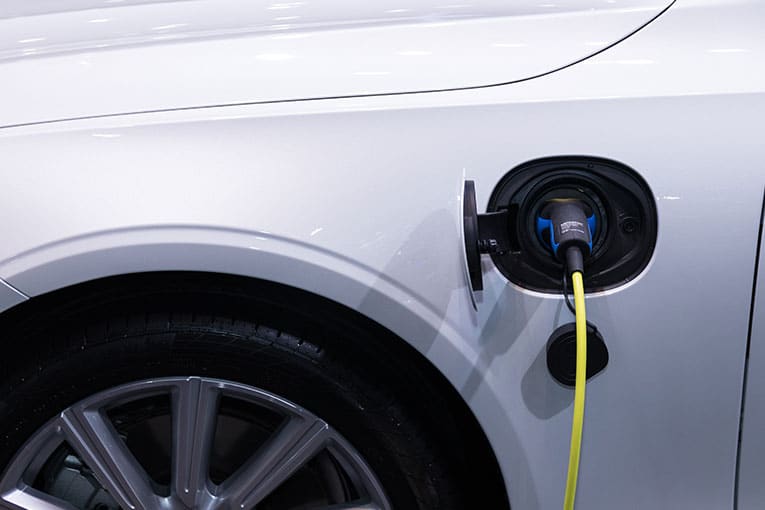
Thermal Runaway can happen from overcharging

Modern batteries often incorporate protective measures like built-in voltage regulators or charge controllers to prevent overcharging. 

These mechanisms help ensure that the battery doesn’t receive excessive energy during charging.

External Heat

Batteries exposed to elevated temperatures from external sources are at risk of overheating. 

High ambient temperatures can cause chemical reactions within the battery to accelerate, leading to thermal runaway. 

It’s crucial to avoid leaving batteries in direct sunlight, hot vehicles, or other environments with extreme heat to mitigate this risk.

Physical Damage

Physical damage to a battery can compromise its internal structure and safety mechanisms. 

Even minor punctures or dents can create pathways for internal components to come into contact, potentially leading to short circuits and thermal runaway. 

Proper handling and storage of batteries are vital to prevent physical damage.

Manufacturing Defects

Poorly manufactured batteries can have internal defects that make them prone to thermal runaway. 

These defects may include subpar assembly, improper sealing, or flaws in the battery’s internal components. 

Quality control during battery production is essential to detect and prevent such defects.

Short Circuits

A short circuit represents a direct pathway for the rapid discharge of electrical energy within a battery. 

This discharge generates heat, which can contribute to thermal runaway. 

Short circuits can occur due to various factors, including internal defects, physical damage, or contaminants within the battery.

Contamination

Contaminants that infiltrate a battery can disrupt its chemical reactions, leading to thermal runaway. 

Contaminants might include foreign materials or impurities introduced during manufacturing or as a result of exposure to external elements. 

Ensuring that batteries remain free from contamination is crucial for their safe operation.

Thermal runaway in batteries is a complex process that can result from a combination of factors. 

Mitigating this risk involves proper battery management, including avoiding overcharging, protecting batteries from external heat sources, preventing physical damage, and maintaining stringent quality control in battery production. 

Additionally, user awareness and responsible disposal of old or damaged batteries contribute to overall safety. 

Recognizing and addressing these causes are essential steps in minimising the potential dangers associated with thermal runaway in batteries.

How can Thermal Runaway be Prevented?

Preventing thermal runaway in batteries is a matter of paramount importance to ensure the safety of individuals and property.

Battery Management Systems (BMS)

Advanced battery management systems technology is a cornerstone of preventing thermal runaway. 

These systems continuously monitor various battery parameters, including voltage, current, and, crucially, temperature. 

If the BMS detects that the battery is operating outside safe temperature limits or is at risk of overcharging or over-discharging, it can take corrective actions. 

These may include adjusting the charging rate, shutting down charging, or even disconnecting the battery from the system to prevent further temperature escalation.

Proper Charging

One of the most effective ways to prevent thermal runaway is to follow the manufacturer’s charging guidelines diligently. 

Overcharging a battery forces excess energy into it, increasing the risk of overheating. 

By adhering to recommended charging practices, you help maintain the battery within safe operating conditions.

Temperature Management

Batteries should be operated and stored within their specified temperature ranges. 

Extreme heat can accelerate internal chemical reactions, while extreme cold can reduce a battery’s efficiency. 

Ensuring that batteries are not exposed to temperatures outside these limits helps prevent thermal runaway.

Physical Protection

Physical damage to batteries, such as punctures or impacts, can create internal short circuits and lead to thermal runaway. 

Handling batteries with care and protecting them from physical harm is essential. This includes proper packaging during transport and storage.

Quality Assurance

Choosing batteries from reputable manufacturers with stringent quality control measures reduces the risk of using batteries with manufacturing defects. 

High-quality batteries are more likely to adhere to safety standards and are less prone to internal flaws that could lead to thermal runaway.

Avoid Contaminants

Contaminants within a battery can disrupt its chemical reactions and increase the risk of thermal runaway. 

To prevent this, batteries should be kept clean and protected from foreign substances that might infiltrate their internal components.

Safe Disposal

When it’s time to dispose of batteries, follow local regulations and guidelines for proper disposal methods. 

Recycling or disposing of batteries correctly not only prevents environmental contamination but also reduces the risk of mishandling that could lead to thermal runaway.

Conclusion

While batteries have revolutionised the way we power our devices and vehicles, they are not without risks. 

Thermal runaway in batteries is a serious issue that can lead to fires, explosions, and environmental damage. 

Understanding the dangers, causes, and prevention methods associated with thermal runaway is essential for safely harnessing the power of batteries in our modern world and helping with the future of fire safety

By following best practices and being aware of the risks, we can continue to benefit from the convenience and efficiency that batteries provide while minimising potential hazards.

Euralarm releases guidance on integrated fire protection for batteries

The Extinguishing Section of Euralarm has published a guidance document on integrated fire protection solutions for lithium-ion batteries. This new guideline provides information on the issues related to the use of lithium-ion batteries, how fires start in batteries and on how they may be detected, controlled, suppressed, and extinguished. It also provides guidance on post fire management. Excluded from the scope are explosion and ventilation issues.

Lithium-Ion batteries have become the battery technology of choice in a variety of areas, including amongst others, power generation, communications, industrial, vehicles and many other applications. Active control of the energy being stored and extracted from lithium-ion batteries has been the foundation of their increasing popularity. The relatively low frequency of major incidents is testament to the effort and successful design applied to the critical aspect of using such high-density energy products. However, active control of the battery energy is not sufficient to prevent safety-critical situations and multiple levels of defence are needed to minimize the serious consequences of a failure in a lithium-ion battery.

The increasing number of lithium-ion batteries and an increasing amount of stored energy in different energy storage applications present a new type of fire hazard where fire protection is challenging. Key issues in any fire protection system are the selection of the most appropriate agent for the specific hazard, system layout, the correct discharge of the extinguishing agent, as well as correct installation, the use of approved systems and constant maintenance by appropriately trained staff.

The guidance document ‘Integrated fire protection solutions for lithium-ion batteries’ is intended as guidance for all professionals dealing with fire safety, fire protection, extinguishing and fire suppression in connection with the use, storage or transport of lithium-ion batteries and their fire risks. Aspects of consumers products are not covered in this guidance.

The document is intended as general guidance and is not a substitute for detailed advice in specific circumstances. It represents the current understanding of the industry and will be updated as more information becomes available.

TfL bans e-scooters on transport network amid safety concerns

Transport for London (TfL) has announced that all privately-owned e-scooters and e-unicycles will be banned on London’s transport network from Monday 13 December as a result of safety concerns. Customers in possession of such devices will not be permitted to enter any premises on TfL’s network or travel on any of its services, including on the Tube, buses, Overground, TfL Rail, Trams and DLR.

Recently there have been incidents of privately-owned e-scooters and e-unicycles catching fire whilst on TfL services or infrastructure. In response to these incidents, TfL has undertaken further work to review the safety of the vehicles and their suitability for carriage on the TfL transport network.

This review has found that the incidents that occurred were caused by defective lithium-ion batteries which ruptured without warning. This led to fires that caused toxic smoke to be released. TfL consider that if this were to happen again and fires occurred in an enclosed area like a Tube train or a bus, there could be significant harm to both customers and staff, as well as secondary injuries from customers trying to escape the area.

Whilst privately owned e-scooters remain illegal to use in public spaces, they are widely available for purchase. Private e-scooters and e-unicycles are currently unregulated, meaning they are not currently required to meet any minimum vehicle standards. TfL will keep these changes under review pending any future changes to legislation by the Government regarding e-scooters and e-unicycles, specifically around safety standards. TfL is collecting data from the rental e-scooter trials to help shape future policy on safety standards in London and the rest of the UK.

TfL’s trial of rental e-scooters, which began in June 2021 as part of trials permitted nationally by the Department for Transport (DfT), offers the only e-scooters legally allowed on London’s roads. Rigorous safety measures are central to the trial, with vehicles that exceed the DfT’s regulatory requirements for trial vehicles and that are considerably more robust than the most common private e-scooters. The safety criteria for the trial were agreed by TfL, London Councils, the participating boroughs and the DfT, as well as with key stakeholder groups and other cities that have previously launched similar trials. These e-scooters are also not currently allowed on TfL services.

Lilli Matson, TfL’s Chief Safety, Health and Environment Officer, said: “Our primary concern is always for the safety of our customers and staff. We have been extremely worried by the recent incidents on our public transport services, which involved intense fires and considerable smoke and damage. We have worked with London Fire Brigade to determine how we should deal with these devices and, following that review, we have decided to ban them. Customers who try to bring them onto our network will be refused access to our stations and premises, and not be permitted to use any of our services.”

The ban will include all e-scooters and e-unicycles, but does not include mobility scooters that are permitted on the network or foldable e-bikes. E-bikes are generally subject to better manufacturing standards and the batteries are usually positioned in a place where they are less likely to be damaged, and so are less of a fire risk. Non-foldable e-bikes will continue to be allowed on some parts of the network at certain times of the day. More information can be found here: https://tfl.gov.uk/modes/cycling/cycles-on-public-transport

London Fire Brigade Assistant Commissioner for Fire Safety, Paul Jennings, said: “We have growing concerns about the safety of e-scooters due to the amount of fires we are seeing involving them, so we fully support TfL’s ban of private e-scooters on public transport.

“Fires are dangerous and terrifying wherever they happen, but a fire on the transport network has the potential to become very serious very quickly and involve hundreds of people, particularly on trains where evacuation may be challenging, so anything that can be done to mitigate that risk is a positive step.”

TfL staff will engage with customers to remind them of the ban. TfL’s 500 uniformed enforcement officers and its police partners will be deployed across the transport network ensuring that customers comply. Anybody who does not comply may be refused entry, directed to leave the network or face a fine of up to £1,000. The Metropolitan Police has also appealed to retailers to be responsible in selling e-scooters, and has reminded Londoners that the use of privately-owned e-scooter and e-unicycles on public roads, cycleways and highways is illegal.

British Transport Police Superintendent, Lisa Garrett, said: “Our priority is the safety of passengers and the staff members working across Transport for London services. We’ll be working alongside frontline staff to engage with the public on this issue, and enforce where necessary.”

British Airways fined after vehicle collision injures employee

British Airways Plc has been fined following a vehicle collision at Terminal 5 of Heathrow Airport.

Southwark Crown Court heard that on 16 March 2018, an employee was struck by a tug pulling a train of dollies (vehicles used to transport baggage around the airport). She was knocked under another passing tug with dollies loaded with luggage, sustaining serious crush injuries.

An investigation by the Health and Safety Executive (HSE) found that the injured worker was using the centre of the roadway between the two lanes as a walking route and this unsafe practice had been commonplace in the baggage hall for at least ten years. The investigation also identified significant failings in the general management of health and safety and workplace transport risks, including issues relating to supervision and monitoring, risk assessment and training.

British Airways PLC of Waterside, Harmondsworth, Greater London pleaded guilty to breaching section 2(1) of the Health and Safety at Work etc. Act 1974. The company was fined £1.8 million and ordered to pay costs of £35,724.

Speaking after the hearing, HSE inspector Megan Carr said: “The situation in the baggage hall at Heathrow Terminal 5 was an incident waiting to happen.

“British Airways failed to appreciate the serious nature of the risks to which its employees were exposed and as a result failed to take appropriate action to ensure they were properly protected.”

The key to a smart city lies within intelligent transport systems

Michael Deruytter, Director of Product, Solutions Business at ITS (UK) member FLIR Systems explains why intelligent transport systems are key for smart cities.

Smart cities are essentially an ecosystem of technologies driven by data and analytics to manage assets and resources efficiently. The idea of what a smart city is, and the technology that will be used to create it, is constantly changing. Smart city solutions are becoming more of a reality, with localities being empowered to rapidly shape and customise user-specific applications that enhance public safety.

Innovations across the transport and energy sectors are expected to fuel the largest spend in smart city development over thInnovations across the transport and energy sectors are expected to fuel the largest spend in smart city development over the coming decade, with global expenditure reaching nearly $124 billion in 2020 . The vision of a fully connected city through technological innovations have already surpassed what existing current infrastructure can provide. That said, some advancements in this sector are already playing a huge role underpinning safety of operations throughout Europe – UK, Germany, Belgium – to name a few.

Smart sensing solutions are becoming an essential part of the technology needed to improve the safety of public operations across a myriad of local infrastructure, from streets, roadways, and intersections to buildings and other public spaces. These systems are already making a difference and are allowing us to envisage the future of cities based on interconnectivity and, in turn, situational awareness and data driven operations. A key question we must now ask is: how can local authorities tap into the technology and infrastructure already available to make this vision a reality?

Thermal transport solutions

A critical aspect of intelligent transport systems is thermal imaging. The technology works through tracking heat movement in any situation or condition, and therefore can be used in a safety capacity through extending the visibility of traditional cameras by up to four-times. This has been rolled out in many cities across the globe. Intelligent transportation solutions such as smart thermal and visible imaging systems that monitor traffic flow and detect incidents can empower cities to better inform road users of hazards, delays and alternate routes to keep everyone moving.

Hamburg, which has previously been named one of the most congested cities in Germany, is building a name for itself as the most innovative smart city in the country. Smart solutions provide resolution to the issue Hamburg’s commuters face, with 113 hours a year being wasted to traffic jams – by providing a better picture of traffic dynamics. City authorities are installing thermal imaging technology to traffic and street lights which will allow authorities to “see” data-points. These cameras are interconnected via a cloud-based system which will allow for high-resolution and real-time information to be collected and analysed, resulting in fully comprehensive datasets from all 420 intersections across the city.

Traffic controllers can differentiate between pedestrians, vehicle types, and cyclists allowing them to accurately count and process how busy the roads are. This provides cloud-based control systems with invaluable data which enables them to adjust signals in real-time. Furthermore, information can be seamless transferred across the city, meaning that controllers can improve long-term planning and reduce blockages, so traffic flow is adapted to minimise daily congestion.

Enhancing visual awareness

Advancements in traffic systems are already playing a huge role in the safety of operations across cities globally. For example, authorities in the UK, including the City of Durham recently deployed FLIR thermal imaging sensors onto pre-existing road signs to build a unique collision avoidance system that reduced the number of incidents at the junction to zero. By putting electronic road signs that spur signalisation into action upon the detection of a passing object has helped prevent crashes and ultimately save lives. Over-time this can change driver behaviour through early-warning systems that prevent heavy breaking, allow drivers to adapt their speed accordingly and drive more economically.

Having this data to hand enables city authorities to analyse the information which can be used to optimise infrastructure performance and make roads safer. By getting ahead of rush hour on busy arterials to posting travel-times on variable messaging boards, technology is enabling urban planners and dwellers to make safer and smarter transport decisions.

Driven by data connectivity

With city operators and first responders sharing data and detecting incidents in real-time, more collaborative and efficient interactions are enabled, and safety can be maximised. Working with a single platform for data sharing, inter-device connectivity and end-user infrastructures all provide greater control for command centres to enhance public safety operations.

The flexibility and scalability of cloud platforms enable these solutions to be tailored to address specific needs – those that operate seamlessly within any city- or urban-level operation, management platform, and associated interface. Through one central node of communication, command centres can monitor their environment from a single access point. On top of this, AI driven-data processing allows for a faster, more unified response across the city, regardless of the scenario.

By connecting cities through intelligent transportation solutions – like FLIR smart thermal and visible imaging systems that monitor traffic flow and detect incidents – we can better inform travellers of hazards, delays and alternate routes to keep people moving. These systems are already making a difference and allow for the visualisation of a future connected city based on situational awareness and data-driven operations.

The ideas and understandings behind smart cities are constantly changing while their purpose remains, and should always remain, centred on public safety.

While the vision of a fully connected city has exceeded what the current infrastructure can provide, we’ve seen through city operations in Hamburg and Durham, that it’s possible to transform existing infrastructure into part of an interconnected ecosystem of technologies. Through this, citizens are kept better informed of hazards, delays, and alternative routes – keeping cities moving and communities safe.