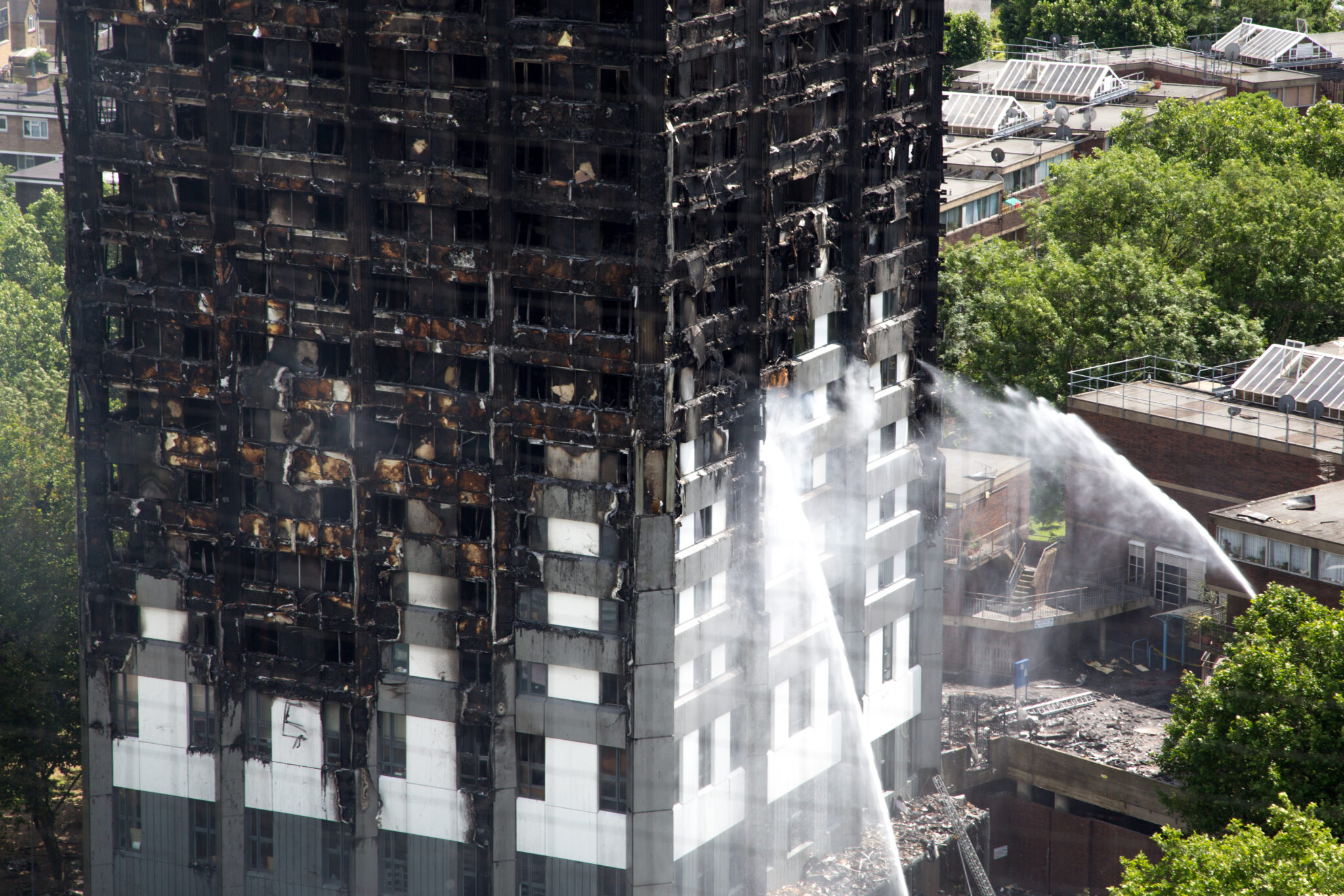
RICS releases guidance on building safety inspections

The Royal Institution of Chartered Surveyors (RICS) have taken a crucial step forward in unlocking the flat market for buyers and sellers. The new guidance Valuation of properties in multi-storey, multi-occupancy residential buildings with cladding, clarifies types of properties which will, and those which will not, require additional inspections, as a result of concerns about fire safety.

The guidance is the result of consultation with valuers, leaseholders, lenders fire safety experts and government.

Dame Janet Paraskeva, chair of the RICS Standards & Regulation Board which approved the guidance last week, said: “We recognise the significant distress caused to leaseholders struggling to sell flats in blocks with external cladding. This announcement is a crucial step in unlocking the market, by ensuring that only those buildings where there are risks of costly remediation as a result of safety concerns from cladding are subject to additional checks.

“The guidance is anticipated to result in a reduction in the number of EWS1 requests which will therefore allow more focus on the assessments of higher risk buildings, which should speed up the overall process whilst ensuring appropriate protection for lenders and purchasers.”

RICS will now work with UK government and other stakeholders to ensure the guidance is implemented by 5 April 2021. In order to assist consumers, RICS will shortly produce consumer guidance to inform buyers and sellers about the information that might be available to help them understand the risks of a property in a multi-story, multi occupancy building.

The guidance creates clarity and consistency about when a valuer is not required to request further investigation of cladding through an EWS1 form before valuing a property in a building of multiple occupation.

As a result of the consultation, the new guidance makes clear that where a valuer or lender can establish that the building owner has met the advice in the consolidated advice note, an EWS1 form should not be required, nor would an EWS1 form be required for a building that is over 18 metres that has a valid building control certificate in place.

Safety requirements mean that not all flat-owners can benefit from this measure. While originally not proposed in the initial document that went out for public consultation, but in the light of the evidence received during the consultation, buildings of any height that have high pressure laminate (HPL) cladding and those of five stories or higher with combustible cladding linking balconies, will still need an EWS1 form. This will provide appropriate protection for lenders and purchasers

Ben Elder, RICS’ Head of Valuation Standards, commented: This guidance provides a framework for consistency across the mortgage valuation sector as to when an EWS1 form is required. We are pleased to see, from the consultation responses, that many believe that the guidance will reduce the number of EWS1 forms requested.

“We have reached our final position following very careful consideration of the evidence to ensure that buildings at higher risk of remediation work are appropriately investigated in the valuation process, to support reliable advice by valuers to their lender clients.

“With the majority of lenders in support of the guidance, we now call on all UK lenders to support the guidance and work with their valuation providers to implement.”

The guidance itself is for valuers and is not a life safety risk assessment. It is for the mortgage valuation process to determine when a valuer needs more information about whether remediation work affecting value is required

Criteria:

For buildings over six storeys an EWS1 form should be required where:

  • There is cladding or curtain wall glazing on the building or
  • there are balconies which stack vertically above each other and either both the balustrades and decking are constructed with combustible materials (e.g. timber) or the decking is constructed with combustible materials and the balconies are directly linked by combustible material.

For buildings of five or six storeys an EWS1 form should be required where:

  • There is a significant amount of cladding on the building (for the purpose of this guidance, approximately one quarter of the whole elevation estimated from what is visible standing at ground level is a significant amount) or
  • there are ACM, MCM or HPL panels on the building** or
  • there are balconies which stack vertically above each other and either both the balustrades and decking are constructed with combustible materials (e.g. timber), or the decking is constructed with combustible materials and the balconies are directly linked by combustible materials.

For buildings of four storeys or fewer an EWS1 form should be required where:

  • There are ACM, MCM or HPL panels on the building.
Fire Services tackle huge blaze at Dartmoor National Park

Devon and Somerset Fire and Rescue Service are advising the public to stay away from Dartmoor National Park, after a fire engulfed the historical site overnight.

The fire, which started on Thursday evening, has spread across three miles, but firefighters are now confident that they have traced the source of the fire and have managed to contain it.

A statement on the Devon and Somerset Fire and Rescue Service said: “Crews from Tavistock, Plympton, Princetown, Okehampton, Crownhill, Totnes, Chagford, Holsworthy and Crediton attended this incident along with supporting officers. One of the first fire engines on arrival reported a large fire involving the moorland which was some considerable distance from the roadside.”

Due to extreme weather conditions, the fire services have focused on containing the fire until conditions improve.

FBU claims cladding funds won’t end building safety crisis

Responding to the government’s announcement of further measures to tackle the building safety crisis, the Fire Brigades Union (FBU) has accused the government of taking a “piecemeal and patchwork approach – designed to shield itself from responsibility”.

Matt Wrack, FBU general secretary, said: “From the very start, firefighters and residents have warned that the building safety crisis goes far beyond the flammable cladding that was on Grenfell Tower.

“This funding falls far short of the estimated £15bn needed to end the crisis. The government’s piecemeal and patchwork approach – designed to shield itself from responsibility – is wreaking havoc on the lives of millions of innocent people.

“The government has sent a clear message that it cares more about their friends and donors in the housing and construction industry than residents trapped in dangerous buildings below 18m or the tens of thousands more with other serious fire safety defects.”

UK Government pledge £3.5bn for cladding removal

The UK Government have announced that they are releasing more funds for cladding removal on unsafe buildings in a bid to “end the cladding scandal in a way that is fair and generous to leaseholders”.

The funds will pay for cladding removal and replacement for all leaseholders in high-rise residential buildings of 18 metres and higher – or above six storeys.

Robert Jenrick, the Housing Secretary Robert Jenrick said: “This is a comprehensive plan to remove unsafe cladding, support leaseholders, restore confidence to this part of the housing market and ensure this situation never arises again.

“Our unprecedented intervention means the hundreds of thousands of leaseholders who live in higher-rise buildings will now pay nothing towards the cost of removing unsafe cladding.

“Remedying the failures of building safety cannot just be a responsibility for taxpayers. That is why we will also be introducing a levy and tax on developers to contribute to righting the wrongs of the past.

“These measures will provide certainty to residents and lenders, boosting the housing market, reinstating the value of properties and getting buying and selling homes back on track. We are working with lenders and surveyors to make this happen.

“Our landmark intervention will make homes safer and free those who did the right thing – saving for years to get on the property ladder – to enjoy the homes in which they have invested so much.”

The new funding brings the total funding for cladding removal by the Government up to £5bn.

Fire forces evacuation of BBC Scotland headquarters

Staff at BBC Scotland headquarters were forced to evacuate the building after a fire broke out on Sunday.

Crews were called to the building at 11:30 am after reports of smoke coming from the roof of the broadcaster’s six-storey building emerged.

A spokeswoman for the Scottish Fire and Rescue Service said: “We were alerted at 11:26 on Sunday 31 January to reports of smoke issuing from the roof of a commercial building at Pacific Quay.

“Operations control have mobilised four appliances and one aerial platform appliance to the scene and firefighters are presently working to extinguish a fire which has taken hold in a utility room on top of the roof.”

There were no reports of any injuries, and staff were allowed back in the building after the fire services extinguished the fire shortly after arriving.

Fire at Houses of Parliament a ‘false alarm’

Smoke coming from the Houses of Parliament was a ‘false alarm’, according to a spokesman for the Commons.

A video circulating on Twitter yesterday seemed to show smoke coming from the historic building, but a source told the Express that due to the cold weather, excessive amounts of steam were coming from generators.

London Fire Brigade confirmed that although they were called, there were no immidiate dangers. “Firefighters were called to reports of smoke coming from some flats on Parliament Square in Westminster this morning. The smoke was caused by a generator starting up. There is no fire at the Palace.”

The incident comes just days after the Public Accounts Committee warned that if safety within the building isn’t improved, it could suffer the same fate as Notre Dame.

Reviewing Safety in Specialised Housing

Whether it’s adhering to fire safety or infection control guidelines – a topic that is never far from our thoughts at the moment – there are many options that decision makers can take to ensure maximum safety and compliance in specialised housing settings.

Only recently, the pandemic has left facilities such as care homes and their staff under scrutinity over their infection control methods. And now, with the winter period playing a role in the spread of common colds and such, infection control, along with the safety of occupants, is rife in the news. So with that in mind, what are the steps that must be taken to ensure occupants in supported housing stay safe and secure?

Providing a safe environment for all doesn’t have to be a complex process, although it is important that the process is thorough, with occupants in these settings potentially far more vulnerable to injury or worse in the event of a fire. The same is true for infection control, where robust policies and protocols should be in place to protect those living in supported housing, as well the staff looking after them.

Fire Safety

The National Fire Chiefs Council’s (NFCC) comprehensive guide for specialised homes, published in 2017, includes many proprosals, all designed to protect the estimated three quarters of a million residents situated in specialised housing in the U.K.

Further to this, in January 2020, the Scottish Government strengthed its response to fire safety – the Practical fire safety for existing specialised housing and similar premises: guidance – which is aimed at housing and care providers, as well as care regulators and care service commissioners.

Both reports detail ways in which specialised homes should work to minimise fire risk to protect both the people living, working and visiting there, and the building itself.

Examining the statistics surrounding fire safety in these environments, it’s unsurprising that it remains a priority. According to the NFCC report, sheltered and extra care housing accounts for about 2% of housing stock, but between 2010 and 2016, they accounted for about 7% of fires – a critical finding.

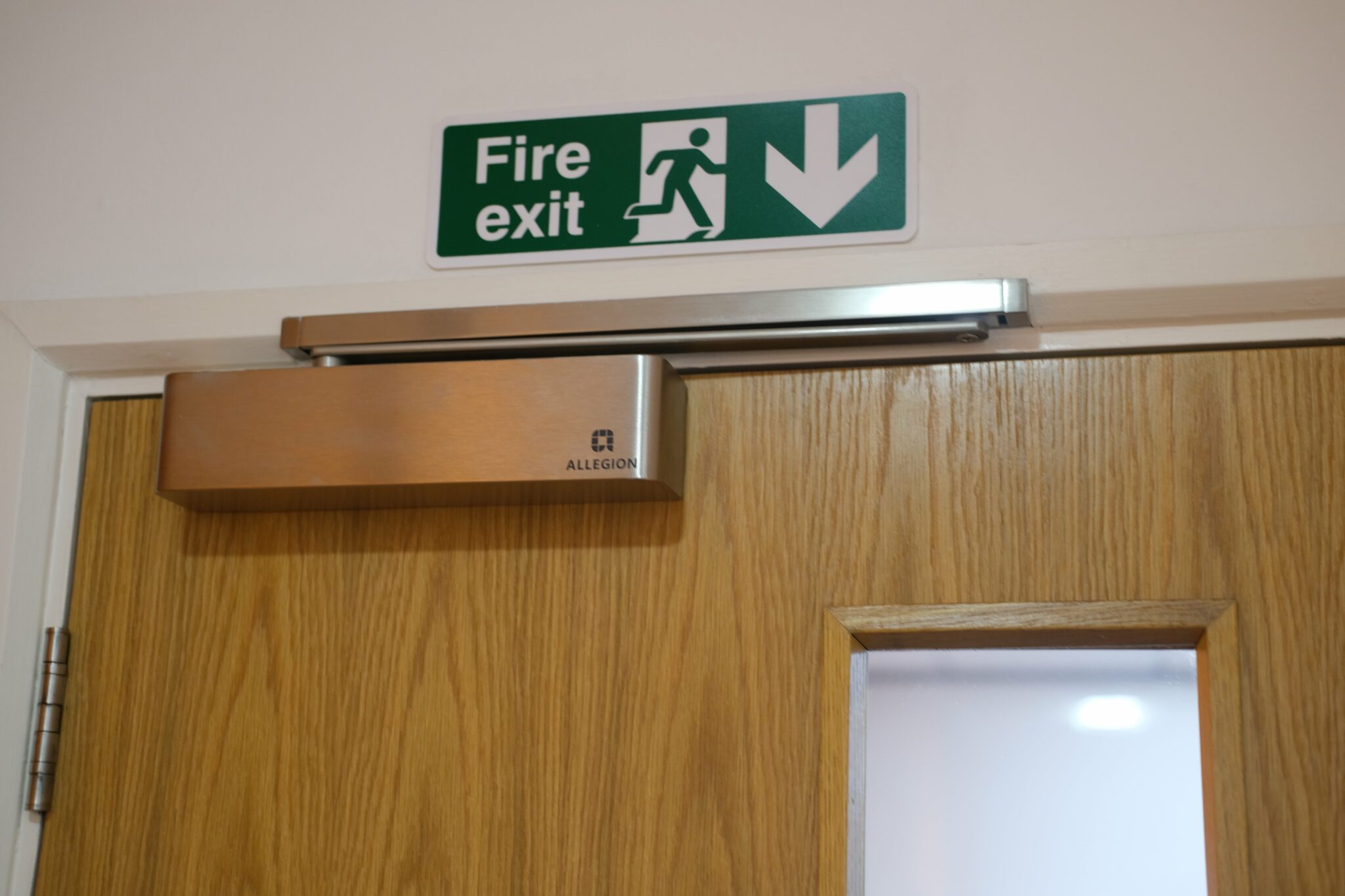
From this, London Fire Brigade’s eight-page document distilled the main information and includes a person-centred fire risk assessment checklist and a list of the main fire safety management procedures, such as testing fire doors and fire alarms, record-keeping and essential maintenance. Crucially, fire doors and their appropriate door hardware, such as mechanical and electromagnetic closers and panic emergency exit hardware, must be fitted correctly and regularly checked to ensure these heavily used products are fit for purpose.

However, key for specialised housing, it’s important to remember that there is no one-size-fits-all solution to fire safety products. Residents for example, must be comfortable using fire doors and their hardware, thus removing the risks associated with heavy or non-functional doors that residents in these settings may have additional problems operating. Decision makers are advised to consult a door hardware expert, who will provide further guidance as to the products that will best meet the needs of a speficic facility. These experts consider such issues as assessing the emergency access and egress systems, as well as establishing how best to accommodate the needs of all occupiers and staff.

Infection Contol

Infection control has long been front and centre of people’s minds – and never more so since the Covid-19 pandemic, which highlighted the endemic risks in all commercial, healthcare, domestic and care home settings.

In 2018, a report conducted by Allegion UK revealed that while 80% of infections are transmitted through the enivornment, only 71% of healthcare facilites used environmental cleaning to prevent the spread of infection. Furthermore, just 52% of healthcare respondents said they were satisfied that their existing infection control measures were robust and effective.

The potential for exposure to pathogens is significant within specialised home settings. While hand washing and disinfection protocols, as well as ventilation procedures, all form an important part of infection control, there are additional measures that can be taken, such as installing antibacterial door hardware, handles and levers in high-traffic areas.

These solutions contain added antibacterial protection to help eliminate potentially harmful bacteria and defend against the spread of microorganisms. In an environment where health risks are more probable, this provides extra peace of mind when it comes to maintaining the highest levels of hygiene and minimising the risk of contamination.

It’s also key to observe the building’s emergency exits. Emergency exit devices can also be coated with antibacterial properties, contributing to both fire safety standards and now infection control, by reducing the risk of cross-contamination, providing long-lasting protection and enabling people to escape a building quickly. Furthermore, touchless electromagnetic door controls can assist with ease of movement, fire safety and infection control by being linked to the building’s alarm system, closing shut in the event of a fire and eliminating the need for people to wedge the doors open.

Taking Responsibility

In what is now a critical time for many specialised housing facilities, decision makers must take responsibility in their choices to help meet both the fire safety and infection control requirements that have been set.

While it’s true that the varied nature of running sheltered, extra care and supported housing facilities can make decisions feel like complex challenges, today’s hardware solutions provide one helpful and easy solution, enabling higher levels of building safety and security – and that, in the current environment, is more important than ever.

Article was written by Karen Trigg of Allegion UK

Building Safety White Paper proposes extensive reform

The Welsh Government have revealed plans to reform building safety in the country through proposals in the Building Safety White Paper.

Proposals in the Building Safety White Paper cover all multi-occupied residential buildings, from a house converted into two flats, to a high-rise apartment block.

The White Paper sets out major reforms in to ensure that that safety is observed at all stages of a building’s lifecycle, whilst proposing clear lines of accountability for building owners and managers as well as a stronger regulatory system.

The Building Safety White Paper includes:

  • Clear lines of accountability, creating dutyholders with the appropriate knowledge and expertise, who will be legally responsible for safety and reducing fire risk throughout the lifecycle of the building;
  • An enhanced programme of checks during construction to support evidence of compliance;
  • The creation of two risk categories, with a ‘Golden Thread’ of up to date information about design, construction and ongoing maintenance required for all buildings of 18 metres or over;
  • A duty for building to contain the capacity to contain a fire where it originates for long enough to allow it to be extinguished.
  • A wholly new means for identifying and reducing risks of fire in blocks of flats. This will be easier for landlords and others to understand and apply, and more effective in reducing risks to residents;
  • A process for residents to raise building safety concerns;
  • A single process for escalating concerns to the regulator.

The Welsh Government have already taken a number of steps to improve building safety. Last January, following a change to regulations, the use of combustible materials in cladding systems was banned in Wales. This applied to all new residential buildings (flats, student accommodation and care homes) and hospitals over 18m in height.

Julie James said: 

In the wake of the tragedy at Grenfell Tower, the Welsh Government has already taken action to make buildings safer for residents.

It’s always been clear, however, that far more fundamental changes were needed to improve building safety in the round.

That’s why we are proposing improvements to every stage of the life-cycle of multi-occupied buildings, from design, through construction and into occupation, so new buildings are safe for each and every resident.

Most importantly, these proposals are designed to empower residents by giving them far more say in the matters that affect their homes and providing clear channels for them to speak up and alert those responsible when things go wrong. Those who own and manage our buildings must live up to their obligations to put things right.

These proposals, if passed into law in the next Senedd term, will create a new and 

Removal of ACM cladding ‘77% complete’

The ministry of Housing, Communities and Local Government (MHCLG) has said in its latest data release that removal and replacement of aluminium composite material (ACM) cladding has ‘begun or completed’ on 77% of ‘identified’ high rise buildings.

IFSEC Global reported on the claim by MHCLG in its latest data release for cladding remediation, stating that works have ‘either started or been completed’ on 77% of the high rise buildings identified as having ACM cladding. This was an increase of 10 since August, with 41% of buildings having ‘completed all’ works, an increase of 22, but 105 buildings have still not seen work begin, and only eight ‘are vacant’.

The news outlet pointed out in turn that 23% of high rises identified as ‘unlikely to meet’ building regulations by the government are ‘still yet to begin any remediation work’, and that ‘many in the sector will argue that the process has not been carried out quickly enough’. MHCLG said that this is a ‘complex process’, and remediation work is ‘addressing any issues with the exterior cladding system and broader fire safety systems for each building’.

ACM cladding

ACM cladding unlikely to meet regulations

It added that ‘all of this work takes time and varies considerably depending on the building structure’, with the estimated total number of multi occupant high rises 18m or taller in England said to be 12,500, with 456 of these identified as high risk and having ‘ACM cladding systems unlikely to meet building regulations’. The ‘majority’ or 95% of social sector buildings have completed or started works, while 61% of private sector buildings have begun works.

Despite these figures, IFSEC Global pointed out that industry experts ‘regularly argue that there are many more thousands of potential “at risk” buildings with unsafe cladding’, and ‘continue to highlight the dangers’ of not identifying other buildings ‘with just as dangerous non-ACM cladding’ as high risk.

Ceramic Glazing and sprinklers could offer alternative fire protection

Ceramic Glass LTD take a look at how ceramic glazing and sprinklers could offer a genuine, flexible alternative to the traditional methods of fire safety.

Councils are now thinking more seriously of better levels of protection for residents in residential tower blocks. That’s signalled by commitments from some to install sprinklers and to look more closely at fire door performance.
Both point to an increasing consideration of wider holistic fire safety – combining different systems since no single measure on its own can provide the full level of assured protection that is needed, given the risks that can apply in high-rise and multi-occupancy residential buildings that were originally designed and built, perhaps refurbished, at a different time when fire safety was not as prominently on the public agenda as now applies.
Where the main attack/defence strategy against fire is to use water – either as sprinklers or reliance on firefighter action – then equally part of the strategy should be to consider transparent glazing panels that are resilient against cold water thermal shock should events turn out to be more severe and different from those originally anticipated.
Ceramic glass is a distinctive glazing product that characteristically has in-built resilience against water under fire conditions. It is specifically designed to resist thermal stress.  
Thermal shock is a major failure risk for glass in fire.  But water and ceramic can happily co-exist, without fears that a ceramic glass panel can so easily crack and fall apart under thermal stress and cold-water shock.
  • Ceramic glass is transparent, 5mm thick, easily glazed, handled and cut (using a basic tile cutter) to suit basic vision panel sizes or larger panes alike. It is readily available and obtained.
  • The core property of ceramic glass is resilience against thermal stress, ideal for fire conditions.  That’s because of its marginally negative and close to zero thermal expansion coefficient, so that significant thermal stresses just cannot be generated in fire.
  • Compatibility with water.  It is even possible to combine glazed screen arrangements with sprinklers to form large area water curtains, which function as normal glazed screens, without the risks of screen failure in fire due to uneven or sporadic water flow over the glazed surface.
  • The ceramic softening point due to its foundation composition is also high, much higher than standard glass and well above temperatures likely to be experienced in fire.   
Ceramic glass as a transparent and robust fire-resistant glazing has significant advantages in fire.  Those apply especially where risks and concerns lead to a higher level of assured protection that may have been the case in the past, to remove doubt and uncertainty.
The Hackitt Review concludes that change is needed.  It observes that a “race to the bottom” is not the right direction of travel. What is needed instead is a race to the top because of the uncertainties of fire – to drive standards up in the interests of dispelling uncertainties, risks and doubts about protection in fire, in a broader holistic context which combines the best of available technologies.
There should be no room for complacency and uncertainty in fire. Confidence has naturally taken a hitfollowing the Grenfell tragedy, which at the same time also brings to mind the previous disaster at Lakanal House.  That should mean thinking more broadly and adopting available technical solutions, such as ceramic glass, that haven’t previously been given as much attention as they deserve.