Exclusive: Tackling fire door inspection & maintenance

Expertise should be sought when assessing fire door safety, writes Richard Bingley, Technical Advisor (Fire Doors) at Yeoman Shield  

According to the Fire Door Inspection Scheme (FDIS), in 2019, three-quarters of fire doors examined in the UK by scheme inspectors failed to reach acceptable standards. 

This shines the spotlight on the lack of current understanding and expertise concerning fire door manufacture, installation and maintenance. 

It also supports the need for fire door manufacture, installation and maintenance to be carried out by a certified third-party to ensure conformity of products and workmanship.  

Duties of the Responsible Person 

The Regulatory Reform (Fire Safety) Order 2005 makes it a legal requirement that the Responsible Person must take steps to ensure that fire doors comply with regulations and are kept in good working order by means of a documented system of regular planned maintenance. Such maintenance should be undertaken by competent persons. 

Understanding a Fire Rated Doorset  

The purpose of a fire rated doorset is to restrict the passage of fire and/or smoke, allowing more time for people to evacuate the building in the event of a fire. Limiting the spread of the fire will also protect the rest of the building from smoke and fire damage.  

The standard for all UK fire rated door designs is testing carried out in accordance with BS 476 Part 22 or BS EN 1634-1. Essentially, fire tests are undertaken at a UKAS (United Kingdom Accreditation Service) approved laboratory where a fire test report will be prepared. More than one test can be undertaken on each door resulting in a wealth of documented evidence. 

A fire rated doorset is a component of many parts and therefore it is not only the fire door blank itself that requires testing but products such as ironmongery, glass vision panels, seals and fire door protection. For these items to be included within assessment packages manufacturers must have their products tested to the relevant standards.      

A Tried & Tested Recipe 

To further endorse fire rated doors and associated products a global fire resistance assessment package for each product type can be produced. This essentially is a “recipe book” detailing all the “ingredients” required to produce a fire rated doorset based on fire test evidence and expert opinion. 

An assessment package is produced based on the tested specimens and the results achieved and will cover all the material and components that go into making a fire rated doorset, effectively detailing an approved list of compatible products and components for manufacturers and installers.   

Specifying Fire Rated Doorsets 

The correct specification of fire rated doorsets is paramount, Code of Practice BS8214: 2016 Timber-based fire door assemblies provide the following recommendations. Firstly, fire doors should be sourced as coordinated fire rated doorsets or door assemblies in accordance with the manufacturers’ fire test evidence and global assessment package. Secondly, the expectation of this is to ensure that all the correct components are supplied, and full fitting instructions are available.  

Thirdly, the specification of fire rated doorsets should be undertaken only by persons with appropriate expertise. This is to ensure that a knowledgeable person will be able to assess other considerations.  

Doors should also be sourced from a manufacturer that operates as a member of a third-party certification scheme. Following this guidance will ensure consistency of product conformity. 

Fire rated doorsets that are supplied under a third-party certification scheme will generally be identified in some way, such as a label or plug indicating the fire rating. This makes traceability of the door manufacturer, door type and fire certification much easier. 

Installing Fire Rated Doorsets 

The installation of fire rated doorsets also comes under the guidance of BS8214: 2016 Timber-based fire door assemblies, which initiates the good practice of utilizing an installation company operating as a member of a third-party certification scheme for fire door installation. This produces a registered documentation trail of the installation of work carried out offering traceability as part of RRO requirements.   

All doorsets and associated products should be supplied complete with the manufacturer’s installation instructions which must be adhered to so again conformity can be assured. 

If not available then they should be installed in accordance with BS8214: 2016 and the ASDMA Best Practice Guide to Timber Fire Doors. 

Maintaining Fire Rated Doorsets 

Once correctly manufactured and installed, again following the Code of Practice, it is prudent to examine the condition of door leaves, door frames, hardware, glass and seals at regular intervals. 

The timescales for these inspections can be determined by a risk assessment based on where a door is situated, the surrounding environment and the level of use. The BWF Fire Door Alliance offers the recommendation of inspections to be at least every six months and more frequently if a door is in an area of higher use and exposed to impact damage.     

When undertaking fire door conformity surveys several considerations are made including the condition of the door, frame, seals, hinges, hardware, glazing, fire signs and gaps around the door which all play a part in the functioning and conformity of a fire rated doorset. 

From these observations a list of recommendations can be provided to bring doors back to conformity using best practice which may range from something as simple as replacing a fire door sign to the more in-depth process of replacing an entire doorset. 

The Advantages of Using Third-Party Certification Scheme Company Members  

Third-party certification schemes are run by independent bodies and are designed to ensure consistency of product conformity and the standard of workmanship being provided. 

Being a certified company member demonstrates an acceptable level of competence which is supported by the undertaking of audits from an independent external body to ensure that scheme standards are continually met. 

These encompass office audits which will concentrate on paper trails and processes to ensure the correct procedures are being followed correctly and more importantly understood. It is necessary that not only does an operative follow the correct procedure but also shows understanding of why that procedure is in place and what it is for. 

During audits a random sample of employee training records will be reviewed to ensure the employees responsible for undertaking each process have suitable training and that the training is up to date. 

On site audits will also be carried out to observe actual work undertaken, will also be carried out at least once a year, for installation and maintenance registered companies. 

Manufacturing scheme members will also have to undergo product type testing every few years. A sample doorset from the range offered by the company (usually selected by the scheme, not the manufacturer) is tested at a UKAS approved testing facility. 

Often requiring company members to have additional certification such as ISO9001 offers Layers of Quality Management & Assurance for clients.  

Fire Rated Door Protection as Part of a Maintenance Regime 

Adding tested fire rated door protection products can protect essential elements of the door. Applying these types of products will not affect the integrity of the fire door but can shield parts of the door most vulnerable to impact damage.   

For example, door edges are persistently damaged leading to the gaps between the meeting edges/edges and frames becoming greater than the 3-4 mm constant recommended for the efficient employment of intumescent strips, which help to seal a door in the event of a fire, slowing the passage of smoke and flame. 

The installation of a fire rated PVCu door edge protector to both meeting and hinged edges can put a halt to such damage. 

As long as a door edge is not too badly damaged a door edge protector along with adjustments where necessary to hinges and frames, can also provide a solution to reducing the oversized gaps.  

One of the most vulnerable components of the door is glazing beads which can become split, loose or missing, undoubtably affecting the integrity of a fire door. These problems again stop the all-important intumescent seals around the vision panel of a fire door from working to an optimum. 

A glazing bead unit can be replaced with a fire rated PVCu clad hardwood unit. The plastic covering will preserve both the timber and the enclosed intumescent and will not affect the integrity of the fire door. 

The main body of the door – or leaf, is subjected to continual wear and tear simply by people using it. If a door leaf is continually hit at the same point, it will in time form a hole, crack or indent, which will render a fire door non-conformant to fire regulations. 

A simple solution to ward off this onslaught would be the installation of a 2mm thick PVCu fire rated door protection panel. 

Proactive Maintenance – Protecting People, Buildings & Budgets

The provision of a certified, proactive fire door maintenance regime offers assurance of conformity of the condition and functioning of a fire rated doorset with supporting, traceable documentation. 

Not only that but the exercise can, by identifying problems and carrying out remedial work early, help reduce the amount of precious time and money spent in the repair and replacement of doorsets. 

Proving that if you look after your fire doors, they will look after you – in more way than one. 
Fire Crest drives industry professionalism through Kentec Taktis Panel installation

Fire Crest Fire Protection, a Kentec Installation Partner (KIP), has installed a sophisticated Taktis fire panel at its headquarters in Cornwall to train and support its engineers using the technology on future projects.

Installing the panel enables engineers to test configurations in the office, prior to configuring a panel on the client premises, reducing the time needed on site and increasing the likelihood of a right-first-time installation.

The move is part of Fire Crest’s commitment to upskilling its own people and further improving professionalism within the industry by working with Kentec Electronics, a leading manufacturer of life-critical control systems, as one of its select partners. It also reflects the need for its engineers to keep pace with the greater networking and configuration potential that panels such as Taktis can now deliver.

As a registered KIP, Fire Crest has access to a full suite of Taktis training modules and resources. Only KIPs are able to install Taktis panels.

Anthony Kent, Fire and Security Manager at Fire Crest, says training, experience and forward planning are essential to ensure fire panels are used to their full potential: “The sites we install are typically large and complex, such as schools, hospitals and manufacturing depots and so it vital that systems are configured expertly.

“Configuring the Taktis panels prior to installation enables us to test out cause and effect scenarios and mitigate the potential risk of false alarms on site. The installation adds to our training capabilities and is a considerable benefit to our installer and customers.”

Kevin McCarthy, Business Development Manager of Kentec Electronics, says Fire Crest’s approach is commendable: “It is vital that our industry is committed to furthering professionalism and raising standards. We recognise that it is our responsibility to provide detailed and thorough training through our KIP programme – and it is excellent that Fire Crest has gone another step further with this in-office installation.”

Taktis is available in up to 16 loops, providing up to 144 zone indications, and supporting more than 2,000 detection devices. It can network up to 127 panels, making it ideal for the largest sites such as schools, hospitals, multi-site retail/supermarkets, critical infrastructure and major commercial and industrial facilities. 

Multiple protocols can be supported on each panel to give installers and end-users maximum choice in their systems’ design, and the scalable nature of the product provides the highest level of futureproofing and networking possibilities.

Public asked to have their say on changes to workplace automatic fire alarm response

A consultation on proposals to change the response to workplace automatic fire alarm (AFA) signals has been launched today by the Scottish Fire and Rescue Service (SFRS). These alerts result in more than 28000 call outs each year, with only two per-cent of all incidents resulting in a fire.

The potential options for responding to AFAs are outlined in a consultation document ‘Time for Change: Reducing Unwanted Fire Alarm Signals’ (UFAS) and the public are being encouraged to take part and give their views.

The twelve-week consultation will seek views on three proposed options – developed in partnership with staff and stakeholders – to allow the SFRS to use its resources more effectively in future.

Chief Officer Martin Blunden explained why change is needed saying: “We undertake in the region of 57,000 unnecessary blue light journeys every year responding to workplace AFAs that turn out to be false alarms. This brings risks to our crews, other road users and pedestrians as well as having an impact on the environment with an estimated 575 tonnes of carbon emissions produced.

“In almost all cases they are false alarms and only two per-cent result in fires, many of which are often extinguished before we arrive. In changing our response to these calls, we can use SFRS resources more effectively, including further improving our response to genuine emergencies. We can also use this time for more training and fire prevention activity, as well as realising the knock-on benefits of improving road safety and reducing our carbon impact.

“It will also mean less disruption to businesses as they no longer need to wait for us to attend to give the all clear after an AFA.”

“What I also want to be clear on is that there is no change to how we respond to AFAs that are confirmed fires or from private homes, this consultation is about changing our response to workplace AFAs only.”

The consultation brings the SFRS into line with how the majority of UK fire and rescue services respond to workplace AFAs explained Chief Officer Blunden: “The legal responsibility for dealing with an AFA alert lies with the duty holder of a property and most UK fire and rescue services now seek confirmation of a fire before attending.

“Current SFRS practice means that every AFA has an average response of two fire appliances involving at least nine firefighters. Each call takes on average 15 minutes and workplaces and businesses face disruption while firefighters enter the building to confirm on ninety-eight per cent of occasions there is in fact no fire.”

He stressed the scale of the current practice saying: “If we can change how we respond to these alerts potentially 64,000 hours of staff time can be freed up for other activities, including responding even more quickly to genuine emergencies.  That’s why we are consulting with the public and key stakeholders to seek their views on the best way to respond to these types of alerts in future.”

Chief Officer Blunden added: “Each of the options will see a significant reduction in the number of UFAS calls we attend. We want to know what you think of our three proposed options so please read the document and have your say on how you think we can best use our resources to keep you, your family and your community even safer.”

The consultation document and survey can be accessed online at /consultations/ufas-consultation.aspx until Monday, October 11. A report based on analysis of the consultation responses – including a preferred option – will be considered by the SFRS Board in December 2021. Any changes to service delivery will be implemented from early 2022 in a carefully managed process and in partnership with directly affected stakeholders.

Hochiki Europe roundtable: How can we improve life safety in care homes?

Over the last 12 months, the country has watched COVID-19 tear through care homes and leave devastation in its wake. With the sector experiencing the first major escalation in fatalities due to the close knit and closed off nature of homes, the importance of protecting society’s most vulnerable has been thrust firmly to the top of the nation’s agenda.

As well as the threat of the virus though, care home residents still face the risks they did pre-pandemic from a variety of other factors, including fire. And when it comes to making, installing, maintaining and supplying life safety technology, the care home environment presents a range of unique challenges.

In April 2021, Hochiki Europe hosted a roundtable made up of industry experts focused on the requirements and opportunities around life safety in care homes. The virtual conversation explored how the people responsible for keeping residents and care givers safe can work together, sharing knowledge and ideas to improve standards and best practice.

The Panel

  • Paul Adams, Marketing Manager, Hochiki Europe (Chair)
  • Martin Green, Regional Sales Manager, Hochiki Europe
  • Ian Hill, Emergency Lighting Manager, Hochiki Europe
  • Andy Hollingshead, Health and Safety Manager, Barchester Healthcare & Vice Chair NASHiCS
  • Simon Titley, National Account Manager – Healthcare, Churches Fire & Security
  • Ian Watts, Business Development Manager, Llumarlite Lighting Solutions

How has the pandemic affected the provision of fire safety in the care environment?

The discussion began with a reflection of the last year and how COVID-19 has impacted the delivery of fire safety services within care homes – taking into consideration the battle of controlling infection and reducing visitors, while observing stringent safety standards and maintenance requirements.

“It’s obviously been a very difficult time within the industry, particularly in March and early April last year when people were being discharged from hospital without a test, as testing wasn’t the norm at that time,’ stated Andy Hollingshead – who is part of the H&S Team for one of the country’s largest independent care providers. Like any other business, he stressed that those within the care sector had faced no choice but to adapt almost overnight.

“Fire and evacuation drills are a vital part of any fire safety strategy, but they encourage people to gather together, which is a challenge in the current climate. To combat this, we turned drills into desktop training where scenarios were given and staff had to describe the actions they’d take. This has been extremely well received and we’ll be continuing to run these exercises even after restrictions are lifted.

“We also had a number of fire and rescue crews that were concerned about how they’d know which residents had tested positive/suspected if they arrived to support with an emergency. We overcame this by putting red letter Cs on PEEPS to identify who was high risk, which made things immediately clear to fire fighters.”

On the topic of maintenance, all parties agreed that the legal requirement to inspect and test systems over the last 12 months has been challenging. Simon Titley shared his experience: “By law, risk assessment and method statements (RAMs) must be updated regularly, so we had no choice but to continue. We altered our approach to offer more virtual appointments via WhatsApp video calls to maintenance staff or care home managers to ascertain whether or not a site visit was necessary.

“When they are, all appointments are pre booked and technicians are instructed not to enter a care home until they’ve called from the vehicle to ensure it’s still appropriate to visit. We have put certain protocol in place where contractors can’t enter bedrooms and with smaller properties, we’ve prearranged for the carer to take the patient out into the garden while we are on site. We’ve also produced a letter for staff which states that they provide an essential service to support them with accessing the vaccine as a priority.”

Everyone agreed that new processes are key and looking to how life safety technology itself can support, Hochiki’s Martin Green expanded – “hybrid wireless systems are a great fit as they are designed to reduce installation time, which minimises the time installers need to spend in people’s rooms. The wireless technology that’s on offer now is so much more robust than it was a few years ago – it’s ideal for the care environment.”

Working alongside vulnerable individuals

Albeit obvious, one of the most challenging considerations of providing life safety systems to the care sector is the fact that many residents have poor sight, mobility issues, are hard of hearing or living with dementia – all adding to the complexity of ensuring systems are appropriately designed.

Hollingshead explained that protecting those with bariatric care requirements and reduced mental capacity causes the most issues and in response, Green went on to offer his insight into the technology designed specifically with vulnerable individuals in mind. He said, “In the event of a fire alarm being activated, visual alarm devices – or VADs – complying to BS EN54-23 are required in locations where they are considered to be the primary source of warning to building occupants.

“Within care homes, this is extremely common so we offer devices which flash brightly to serve as a primary indicator of a fire occurrence for those with impairments. More innovative control panels which enable a programmed phased evacuation are also perfectly suited to care environments, as they help to control the evacuation process and minimise confusion and chaos – a must when dealing with people who may not have any comprehension of the danger they’re facing.”

Hollingshead agreed – “People believe the concept of fire evacuation is total evacuation but in the care industry, it’s progressive horizontal evacuation (PHE). Getting people away from the point of a fire and moving them into a point of safety (minimum 2 fires doors away) is the best approach.”

When questioned on the recommended two and a half minute evacuation time, Hollingshead shared some interesting trivia – “the story goes that this originates over 100 years ago from theatres playing the national anthem in the event of a fire, as it typically signalled the end of a performance and encouraged audiences to leave. Whether this is true or not, it makes very little sense to a care worker in an emergency who’s trying to assist a resident that requires a hoist to get out of bed, for example. That’s why we take the simple approach of ‘you do whatever it takes to save a life.’”

Minimising false alarms

Next, the panel discussed the importance of reducing occurrences of false alarms – due to the reoccurring issue of the frailty of care home residents. Simon Titley reminded the group that this can be supported by regular, planned preventative maintenance programmes which extend the life expectancy of equipment, in particular sensors. In addition, visual checks of electrical equipment that come into a premises are vital to monitor for scorched plugs or broken cables.

Andy Hollingshead commented – “Toasters are a huge issue – they usually cause smoke rather than fires, which cause activation of alarms. Halogen floor lights have recently cause problems too, so we only use LED bulbs across our homes now. It’s so important to be smart in order to avoid bad relationships with local fire brigade, as the work they do is incredible and it’s vital to keep them on side.”

Turning to how technology can help avoid false alarms, Hochiki’s Martin Green said: “Investigation delays can be set to give staff a few minutes to respond before the fire brigade is alerted and cause and effect programming in multi-sensors can also help, particularly with common causes such as toasters. For example, you can program the multi-sensor to provide an initial alert at the fire control panel to inform a manager that there is smoke present and then, while also monitoring for the presence of heat, begin to determine whether it’s a real fire and whether a full alarm condition should be initiated.”

When asked what companies can do to improve system design and engineering, Simon Titley stressed that every design should be built around a fire risk assessment (FRA) provided by the owner of the care home – “creating a robust fire safety strategy relies on a partnership between contractor and operator”, he said.

Picking up on a potential design flaw, Hollingshead explained that people living with dementia often set off call points. “We do everything we can to try and stop this with covers and howlers and it still happens. Within BS 5839-1, there’s a proviso that all manual call points are fitted with covers to reduce false alarms but when you’re dealing with people living with dementia, it’s almost impossible to avoid them completely,” he said.

The group were in agreement and FIA trainer, Ian Watts, advised that it’s possible to write something into the care home’s risk assessment to override this issue. He commented – “There’s so much ability to create variations to the BS and this is something that I’m always keen to stress during training courses. Of late, there has been a real uplift in the take-up for training, which is wonderful to see. People are taking their knowledge and applying it to individual buildings successfully – it’s a lovely movement.”

The role of regular risk assessments

Expanding on the subject of risk assessments, all parties agreed that they don’t just offer an understanding of fire safety, but also the people that use a home and the unique difficulties of each care home. “This isn’t often appreciated within the industry. An ex-fire officer isn’t necessarily a risk assessor,” said Hollingshead. “We have a full survey every three years and an additional review annually that looks at the people and the environment, not just the system.”

Under the Regulatory Reform (Fire Safety) Order 2005, the responsible person is required to – following a risk assessment – implement appropriate fire safety measures to minimise the risk to life from fire, and to keep the assessment up to date. However, within the industry, there is often confusion around how a responsible person is defined. Andy continued: “Under legislation, it’s officially the CEO but typically it’s down to managers to make sure remedial work from assessments are carried out.”

Energy efficiency

While it’s clear that fire safety must not be disregarded in the quest for energy efficiency, there is a clear link between the two. The panel discussed ways that new build homes are more energy efficient and fire safe by design – through the use of products such as LED bulbs and USB charger ports. However, when it comes to older buildings it can be more challenging, as it’s hard to put demands on people regarding their own belongings.

Hollingshead said: “We wouldn’t like people to come into our bedrooms and start altering things, so it can be tricky! There are ways to overcome this though, for example, we’ll quite often replace the halogen bulbs in residents’ reading lamps for cooler running LEDs, so you’re not taking someone’s belongings away, just changing them to make them safer and more efficient.”

The benefits of wayfinding technology

At this point, Hochiki’s emergency lighting manager, Ian Hill, raised the topic of wayfinding technology and emergency lighting, which is also now designed to use LED – not only more efficient but also long-lasting, meaning products are much more reliable, reducing the chance of failure and simplifying maintenance.

Ian explained: “The majority of fire risks in care homes are at night, when there’s substantially less staff than during the day and it’s dark, which highlights the importance of designing a fire system with emergency lighting in mind.

“Design is vital here. It’s extremely important to communicate an exit plan right the first time to minimise confusion – especially when dealing with people with dementia. In care homes, there tends to be corridors with lighting signs at each end, so blocking off exits to take choice away makes evacuations safer and quicker. With some intelligent life safety systems that combine emergency lighting and fire detection, at the first instance of a fire, the nearby exit signs will change from a green running man to a red cross to show the exit is compromised. In these instances, there’s no room for ambiguity and it must be totally clear to residents and staff alike.”

Closing the discussion, Paul Adams asked the group for any final advise they’d offer those within the care industry, as well as where they can access support or technical guidance.

Ian Watts suggested the FIA, while Andy Hollingshead praised the HSE and NASHiCS websites. He also urged them to always consider the ‘three c’s’ – communicate, command and control. “We use this motto to train care sector staff and believe that if all these are in place, nobody will lose their life.” Watts echoed this sentiment – “in a similar vein, we use ‘review, refresh, replace’ when referring to the importance of maintaining risk assessments.”

In conclusion, Ian Hill stressed that reading the guidance and keeping abreast of evolving standards and requirement is important, a robust life safety strategy comes down to a successful initial design and the quality of products installed. By working with industry experts, those within the care sector can rest assured that every possible measure is in place to protect residents and staff.

For more information about Hochiki Europe and its range of intelligent life safety devices suitable for the care sector, visit www.hochikieurope.com. To watch the panel discussion, head to www.youtube.com/hochikieurope

Howe Green: Set the standard for certification and performance

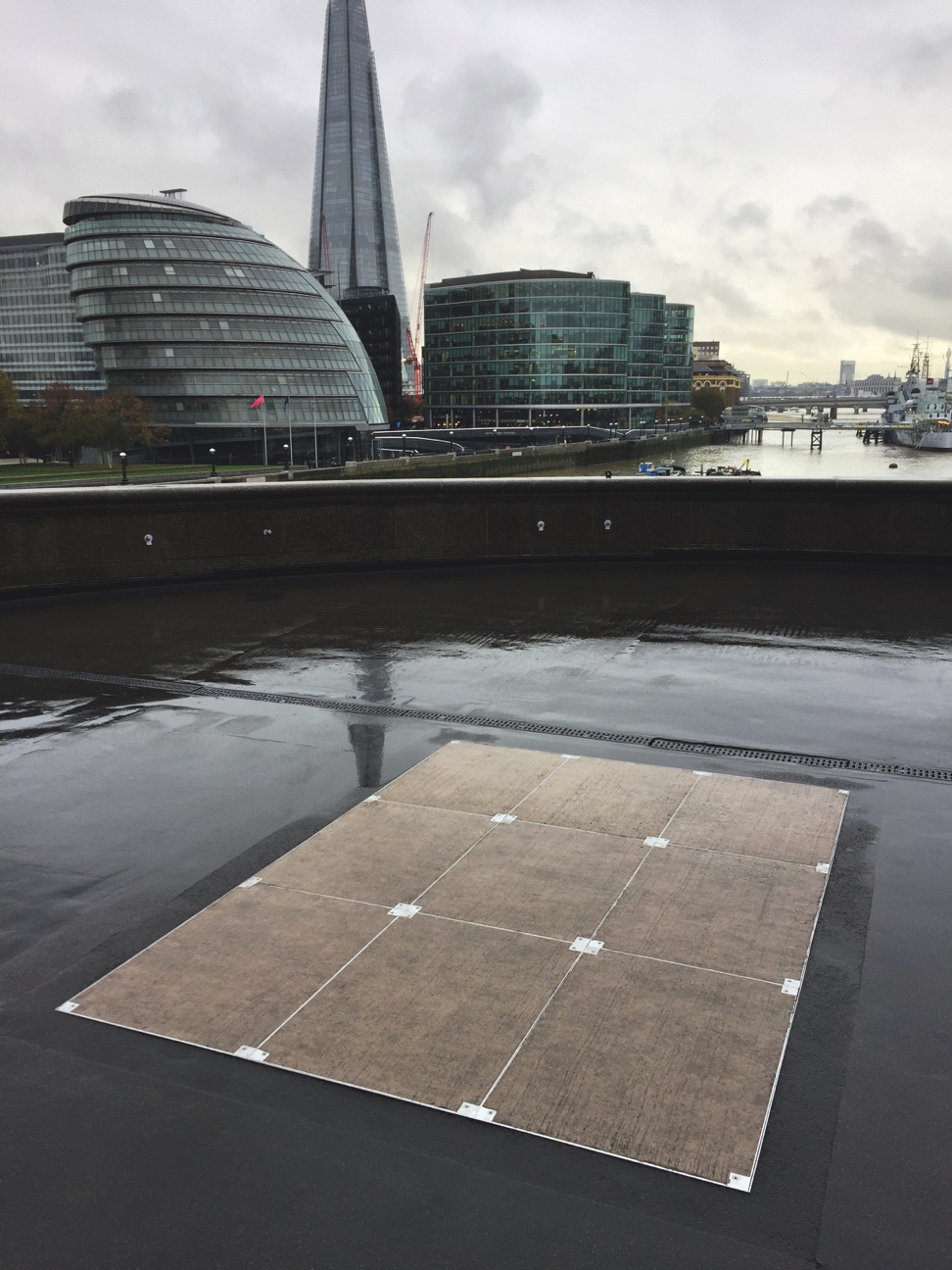
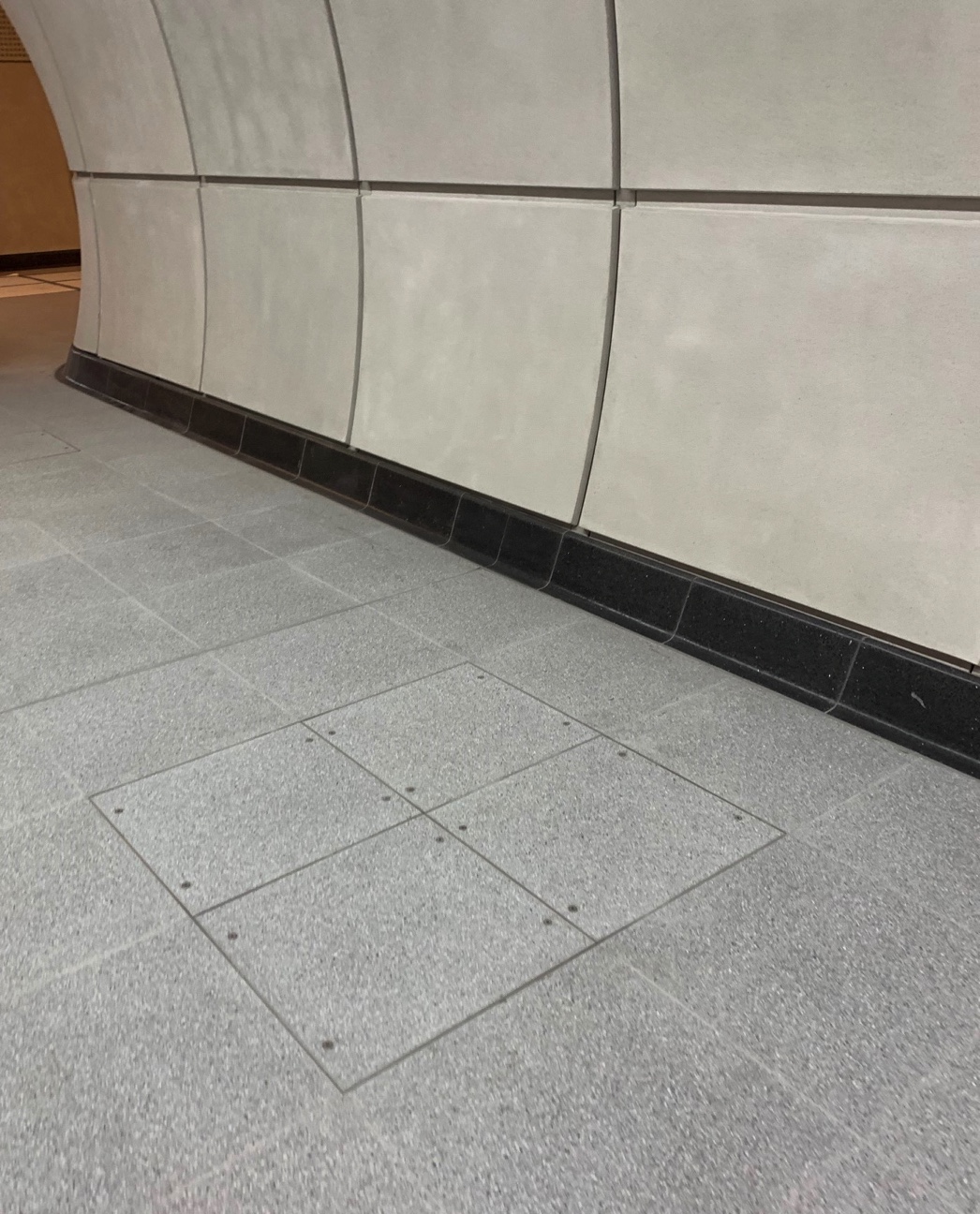
Howe Green’s durable 7500 Series and 1050 Series Floor Access Covers are independently tested to BS 476 Part 22 to support construction professionals in achieving the highest levels of compliance, without compromising on quality or functionality.

CERTIFIRE accredited for Fire Integrity and Insulation for up to two hours, the resilient Floor Access Covers provide permanent, discreet and secure access to underground services for a diverse range of applications, from healthcare to infrastructure.

Ensuring building professionals consistently meet legal compliance, without impacting on the chosen visual appeal, the Floor Access Covers are constructed of high quality aluminium or stainless steel, dependent on specification requirements.

IMG_9521

Frequently specified for both interior and exterior applications, the Floor Access Covers are suitable for installation with all types of hard floor finishes, including stone, tiles and ceramics, and can withstand up to 6.5 tonne pneumatic tyre wheel load, depending on specification.

The Medium-Duty 7500 Series is available in single, duct and multi-part configurations, all of which are certified for two hours on integrity and one hour for insulation. The 7500 Series is available in a range of sizes, from 900mmx900mm as a single cover, right through to 4m x 3m as a multi-part cover.

The Heavy-Duty 1050 Series is constructed of stainless steel and is also available in single, duct and multi-part configurations. The single cover and duct run specifications are fire rated for two hours on integrity and two hours for insulation, whilst the multi-part cover, which is available up to 4m x 3m, is fire rated for two hours on integrity and one hour for insulation.

IMG_3195

Specified for high profile infrastructure and construction projects across a range of industries, Howe Green’s innovative Floor Access Covers offer unrivalled levels of certification, performance and ease of installation.

Supplied with comprehensive test certification, the Floor Access Covers support professionals in not only achieving constant compliance, but provide a trial of due diligence, if and when required. Tested to BS 476 – Part 22 for integrity in the case of a fire, the test is for use of the cover in a dead load environment only. Any multi-parts above 4m x 3m are not covered by the fire rating.

All insulation times are also based on the Floor Access Covers being completely filled with C40 Concrete. If a surface finish is applied, such as tile, then the insulation times must be disregarded.

As a member of the official Made in Britain organisation, Howe Green manufactures its extensive portfolio of floor access solutions at its UK headquarters in Hertfordshire to exact client and project specifications, meeting the functional and aesthetic requirements of any environment.

NBS and ASFP announce safety-based passive fire collaboration

Today, NBS, a leading specification and product information platform for the construction industry, has entered into a new partnership agreement with the ASFP (Association for Specialist Fire Protection), the UK’s leading association for the passive fire protection sector.

The partnership aims to assist with peer review and ensure the accuracy and quality of specifications relating to passive fire protection. It allows NBS to publish references to and extracts from ASFP Technical Guidance in NBS products and services, and to provide ASFP with extracts of NBS content for peer review. 

The move will result in improved support to architects, designers and specifiers in developing specifications for passive fire protection products and systems. It ensures they will have access to appropriate high-quality guidance and technical content, helping them to produce accurate and structured specifications. It will also assist passive fire protection manufacturers to provide product information and technical data in an appropriate and structured format. 

Commenting on the partnership, ASFP CEO, Steve Davies, said: “One of the ASFP’s key aims is to raise the standards and improve the quality of passive fire protection products and installations. This new partnership with NBS offers us the opportunity to influence the way in which passive fire protection products are specified and to improve understanding throughout the construction sector of the properties and performance of these key life safety products.

“We look forward to working with NBS to raise awareness so that passive fire protection will be considered much earlier in the construction process. By sharing our technical expertise and best practice guidance we hope to promote the correct design, specification and installation of passive fire protection products and systems.”

Richard Waterhouse from NBS, said: “Fire safety has never been more important, and the ASFP bring a wealth of knowledge that’s unmatched in the industry. Having them on board will no doubt prove invaluable to our users when looking to specify passive fire protection products. Equally, this will be hugely beneficial to manufacturers who are looking to provide the very best standard of data and in a format that architects and specifiers can easily obtain.

“As specialists in their field, ASFP are the leading authority on passive fire protection and the design and installation of passive fire protection products, so we’re thrilled to be announcing this partnership. We’re also keen to share with ASFP members how NBS software can help protect against risk through our digitally collaborative specification writing platform.”

Commenting on the partnership, Sascia Elliott, Head of Partnerships at NBS, said: “Similar to the NBS ethos, end-user safety is at the heart of what ASFP do. The need for further expertise and guidance on this matter has never been more relevant and we’re looking forward to introducing this knowledge into the NBS platform as soon as possible.”

CIEH call on MP’s to protect environmental health workforce

The Chartered Institute of Environmental Health (CIEH) has called on MPs and members of the House of Lords to protect the UK’s environmental health workforce.

CIEH recently published the concerning results of its inaugural workforce survey of environmental health professionals across the country, finding that over half of local authorities are not taking on trainees or apprentices in environmental health, due to funding and capacity issues. It has now provided further briefings for Parliamentarians and called on them to ensure that the profession is not hollowed out.

Environmental Health Practitioners (EHPs) have played a vital role throughout the COVID-19 pandemic, from supporting contact tracing efforts, to business closure enforcement during lockdown, and were classified by the UK Governments as “Key Workers”. Following the gradual reopening of businesses, EHPs have been at the forefront of inspecting establishments to ensure that they are COVID-secure and working with businesses to help them comply with government guidelines.

Last September, the Prime Minister, Boris Johnson, recognised the value of environmental health and vowed to create a new national register of EHPs, highlighting their role in fighting the pandemic.

The findings from CIEH’s workforce survey are deeply concerning as both trainees and apprenticeships are key routes into the profession, as practical training is an integral part of the qualification process. If unchecked, the current state of affairs could cut away at the roots of the profession and deprive communities across the nation of an essential local resource.

Key findings from CIEH’s Workforce Survey:

  • There are significant difficulties in recruitment of qualified and experienced EHPs. 9 out of 10 environmental health teams used agency staff last year because of shortages in resources or delays in recruitment, while 56% of local authorities reported that they had vacancies that were left unfilled for 6 months or more. There are now only around 3,300 Full Time Equivalent (FTE) fully qualified EHPs working at district level local authorities in England – averaging 10.1 per local authority.
  • EHPs have played a major role during the pandemic, including providing business advice, strategic planning for local authorities and supporting the vulnerable in the community. Around 8 out of 10 EHPs working for local authorities were redeployed last year in response to the pandemic, due to their varied skillset and infectious diseases training. Most were involved in enforcing business restrictions (98%), advising businesses on trading safely (97%), developing COVID-related policies and procedures (95%), managing local outbreaks (78%), emergency planning (69%) and contact tracing (59%). Additionally, some also ran food banks and other community support programmes.
  • Budgets and resources are deeply under pressure and having negative impacts on local services. Nearly a third (31%) of respondents told us that the delivery of some statutory environmental health duties was at risk, due to resourcing issues. More environmental health departments reported decreases (24%) in their budgets than increases (17%), in 2020/21, suggesting that budgets are continuing to shrink.
  • A lack of funding in local authorities to recruit new trainees and apprentices in environmental health leading to shortages of qualified and experienced EHPs across England. In 2019/20, 52% of local authorities did not have a single apprentice or trainee, whilst 70% did not take on any apprentices in environmental health. Not having any budget (66%) and not having capacity to mentor (52%) were the primary reasons given for not taking on any trainees. Only 20% said that no trainees were taken because there was no demand from students.

CIEH has called for a range of key stakeholders to come together to support the future of the environmental health profession. In particular, the report asks the UK Government to:

  • Provide ring-fenced funding to pay for the salaries of environmental health apprentices
  • Provide increased funding to support regulatory and public health functions in local authorities
  • Deliver the recommendations of the Cross-Government working groups in England
  • Establish a new role in England of a Chief Environmental Health Officer to mirror roles already in place in other UK nations reporting to the Chief Medical Officer, and work with the newly established UK Health Security Agency, which will seek to prevent future pandemics.

CIEH’s Workforce Survey report also includes information on capacities, budgets and the future outlook for environmental health teams in local authorities in England, with the data presenting one of the most comprehensive pictures of the profession at the present time.

Dr Phil James, Chief Executive of CIEH, said:

“Environmental health professionals have played a huge role during this past year, from ensuring that businesses re-open safely to supporting vulnerable members of the community and putting together strategic plans locally. Now it is time to focus on this multi-skilled profession and provide support to the people who have been working tirelessly to protect us in recent months.

The Government, and the Prime Minister himself, have recognised the importance of environmental health, and it is essential that they now tangibly support the profession.

Our research clearly points to shortages of fully qualified and experienced officers and we need to put plans in place right away to ensure that we are supporting young people and career changers to enter the profession as well as providing the necessary funding to support employers in training the next generation of environmental health practitioners.

We are calling on MPs and Peers from across the political spectrum to stand up for environmental health and commit to providing the right support. Failing to do so could see this valuable profession hollowed out and a vital resource for communities across our country lost.”

BAFE release statement on the fourth anniversary of Grenfell

BAFE have paid their respects to the people who loved lost loved ones as a result of the Grenfell Tower Fire on the fourth anniversary of the disaster.

The fire highlighted multiple areas where substantial change is required to maintain a safe environment for people in their homes. To be part of positive change to improve the fire safety arena, BAFE have strong objectives and will continue to provide input and support to relevant Working Groups and consultations.

Change is Necessary

Earlier this year James Maxwell-Scott QC for RBKC (Royal Borough of Kensington & Chelsea) also highlighted that in respect of Fire Risk Assessments “the sector was and remains completely unregulated. No qualifications are required by law. No training is required by law. There was and is no bar whatsoever to anyone seeking to go into business as a fire risk assessor.” – Grenfell Tower Inquiry, Day 114, March 29 2021 (Opus 2 – Official Court Reporters Transcript)

Following the fire key figures and organisations within the industry, notably Jonathan O’Neill OBE – Managing Director of the Fire Protection Association, publicly called for UKAS Accredited Third Party Certification to be mandated by Government (most notably in his speech demanding Government “get on with it” at the Fire Sector Summit in 2019). This move has been fully supported by BAFE, and the industry is primed to be part of the solution in raising the overall level of quality and accountability for specific fire safety services available.

BAFE have commended the work undertaken by the fire safety and construction sectors following the Grenfell Tower fire and they have been actively involved in development. Requirements for critical life safety work to be performed at a high quality and Third Party Certificated level should be mandatory, but the BAFE are confident that this is going in the right direction. The fourth anniversary of this tragic event continues to highlight the importance of building safety, including the quality life safety systems and provisions within it (maintained efficiently to ensure they remain ready in the event of fire).Evidencing Competency.

BAFE continue to believe that UKAS Accredited Third Party Certification is the best quality and robust method of evidencing that an organisation has the right systems and expertise in place to perform specific life safety work.

NFCC pay tribute to Grenfell Tower fire victims

On the fourth anniversary of the Grenfell Tower fire, the Chair of the National Fire Chiefs Council (NFCC) Mark Hardingham has paid tribute to the victims of the disaster.

In a statement posted on the NFCC website, Mark Hardingham said: “Today marks the fourth anniversary of the Grenfell Tower fire and I will be reflecting with colleagues on the 72 people who lost their lives. My thoughts are also with those who suffered injuries, along with the families, friends and community which continues to be affected by this terrible tragedy.

“I have been shocked by the public inquiry’s recent findings, and the many organisations involved in the refurbishment who neither face up to their responsibilities or take accountability for their actions.

“The recent evidence that suggested decisions about the refurbishment were focussed more on the aesthetics of the building than the fire safety of those within it will have been distressing evidence to all those concerned. This also further reinforces the difficult situation firefighters faced on the night of the fire and the actions they took to try and save lives in a failing building.

“NFCC is continuing its work with government and Fire and Rescue Services to improve the building safety regime and ensure people feel safe in their homes. I want to see everyone afforded the right level of protection and safety from fire, regardless of where they live.”

Company prosecuted following insufficient fire risk assessment

Hampshire and Isle of Wight Fire and Rescue service have been successful in their attempts to ensure a company was prosecuted for carrying out an insufficient fire risk assessment.

UK Fire Consulting Ltd risked the lives of a Southampton residential block by failing to lift ceiling tiles or open riser cupboard doors to check for fire safety risks at Cranleigh House, a three-storey block of fully occupied flats in Southampton.

The managing agent for the premises, Denfords Property Management had pleaded guilty at an earlier magistrates’ court hearing, of a failure to comply with an enforcement notice to provide a suitable fire risk assessment. They were fined £10,000 with £6,000 costs and the individual manager specifically responsible for the premises was given a conditional discharge and £1,800 costs.

As well as a £2,750 fine and a three-month prison sentence suspended for 18 months, Mr Morgan was ordered to pay costs of £19,952.

Prosecuting on behalf of the Fire Authority, Klentiana Mahmataj stated that Mr Morgan had not lifted ceiling tiles or even opened riser cupboard doors to check for fire safety risks at the three-storey block of fully occupied flats in Southampton.

During a visit to the block a Hampshire and Isle of Wight Fire and Rescue Service Fire Safety Inspector discovered electrical wiring penetrating the compartment walls.

Compartmentation is critical in a residential property with a ‘stay put’ policy, and at Cranleigh House there was also no apparent fire stopping added to holes in the walls, meaning that smoke or fire could travel into the communal escape routes to other parts of the building.

His Honour, Judge Burrell QC said: “The job of a fire risk assessor is a highly responsible one. Lives are in their hands and their judgement is crucial. It is not a job to be taken lightly.“It is important to hold risk assessors to account and these are serious breaches. I find it odd that there exists no regulatory framework in regard to Fire Risk Assessors.”

Station Manager Dave Clements joined His Honour, Judge Burrell QC, in commending the HIWFRS Enforcement Support Team for their resilience and professionalism in bringing such a robust case that sent a clear message to those responsible for providing the fire safety of the residents of Hampshire and the Isle of Wight.

The Fire Safety Order places the onus on the Responsible Person to comply with the legislation. However, in this case, the managing agents for the Premises had placed their trust in the professionalism and competency of UKFC Ltd to complete the fire risk assessment to a satisfactory standard.

Speaking after the case Deputy Chief Fire Officer Steve Apter said:“Fire risk assessments underpin the whole process of building fire safety. Mr Morgan failed to inspect and identify fire safety deficiencies within the building and failed to note a compromised alarm and evacuation strategy for the residents. This shortfall meant that those responsible for implementing fire safety measures were unable to fulfil their legal obligations and placed occupants at risk of death or serious injury had a fire occurred. 

“Mr Morgan elected to go to trial in the crown court and his legal team, Warren Spencer of Blackhurst Budd, submitted an abuse of process defence resulting in significant extra work for the prosecution team, extra legal argument hearings and resulting in additional costs to the public purse.

“We were confident that the case passed the evidential threshold and following the Judge’s comments that the abuse of process argument was “without merit”, it was pleasing that the Fire Authority’s cost application was met in full.”