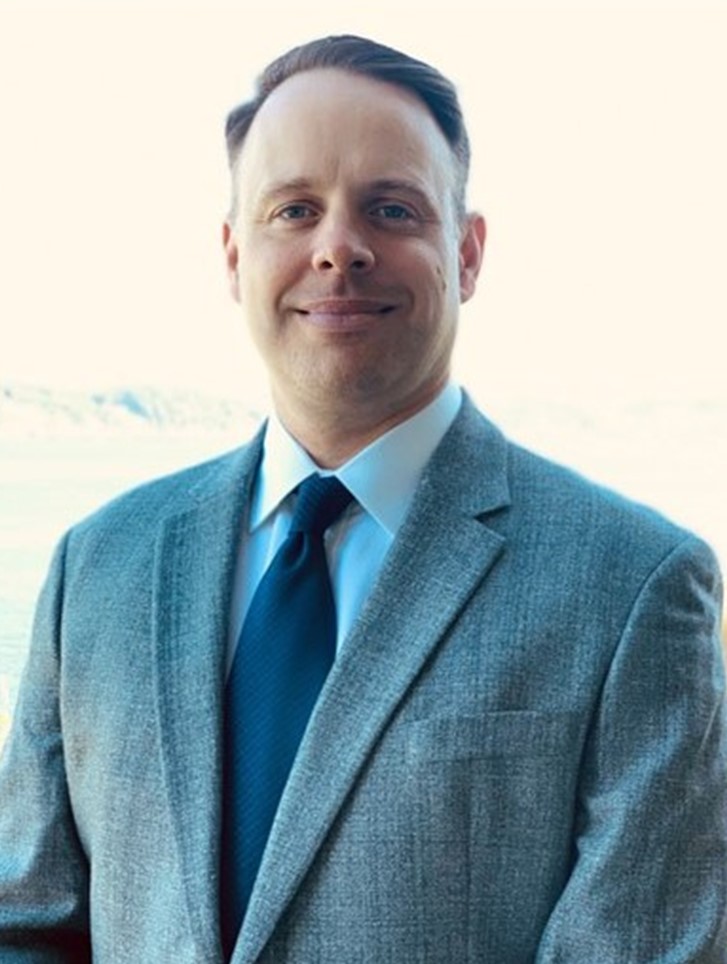
UL celebrate 100 year milestone

UL, a leading global safety science company, officially marks its 100th anniversary in Canada this year. Initially established in Toronto by UL founder, William H. Merrill, to test the safety of appliances and other household devices, UL in Canada has grown over the past century to now employ more than 275 engineers, technicians and administrative staff at its nine facilities throughout Canada in Toronto, Edmonton, Mississauga, Montreal, Ottawa and Vancouver.

Today, as a leading, trusted science-based safety, security and sustainability partner, UL continues to help companies bring safer products to Canadian and global marketplaces. As Canada’s industries have grown, changed and innovated, UL has evolved from focusing on fire safety testing to include construction and engineering, energy and utilities, life safety and security as well as legal cannabis.

“For the past 100 years, UL has helped advance the possibilities of today while safeguarding the unknowns of tomorrow,” said Joseph Hosey, country manager for UL in Canada. “As our customers have innovated to succeed in their own industries, we too have innovated our proven scientific processes and solutions to drive positive changes.”

Developing solutions for local or regional needs within Canada is key to UL’s success.  Recent advances include:

In 2017, UL acquired CLEB, a Montreal-based building envelope and building sciences service provider to increase building science services that included building envelope testing, building forensics, field testing and building system commissioning for architects, building owners and manufacturers.

In 2018, Canada was the first country to federally legalize recreational cannabis. UL saw the need for safety services with this new and unregulated industry and looks to lead the development of industry guidelines and recommendation to address the safety, security and sustainability of facilities and operations in the legal cannabis industry. UL recently partnered with the Standards Council of Canada (SCC) to host an international workshop agreement through the International Organization for Standardization (ISO) to further define industry guidelines.

Canada is a leader in providing energy safety solutions, not just to Canadian consumers but around the globe. In 2019, UL opened a new office in Edmonton, Alberta, to provide local support to the country’s energy hub.  The location offers collaborative safety solutions for market demand today with a vision toward supporting the new, sustainable energy solutions of the future.

Over the past year, facing challenges brought on by COVID-19, UL continued to help customers in Canada test the safety, security, performance and sustainability of their products.  The company shifted key parts of its business to a virtual model, including remote inspections, audits and witness testing, to compensate for modified working arrangements in order to keep its employees as well as its customers safe.

“We swiftly mobilized our resources to support customers during this challenging time. It’s less invasive to our customers’ operations, and we can still deliver best-in-class services to our customers regardless where they are,” Hosey said.

As UL focuses on the next 100 years, it looks to continue to help support customer growth by partnering with innovators in Canada to discover new possibilities and deliver what matters – safety, security and sustainability.

“Canada has a lot to be proud of, now and in the future,” said Sajeev Jesudas, international president, UL. “UL is committed to its customers, and we’re here to help with challenges big or small. Whether it’s research and development, manufacturing automation or supply chain complexity, our customers can draw from the knowledge of our highly competent local teams.”

For more information about the UL in Canada, please visit Canada.UL.com.
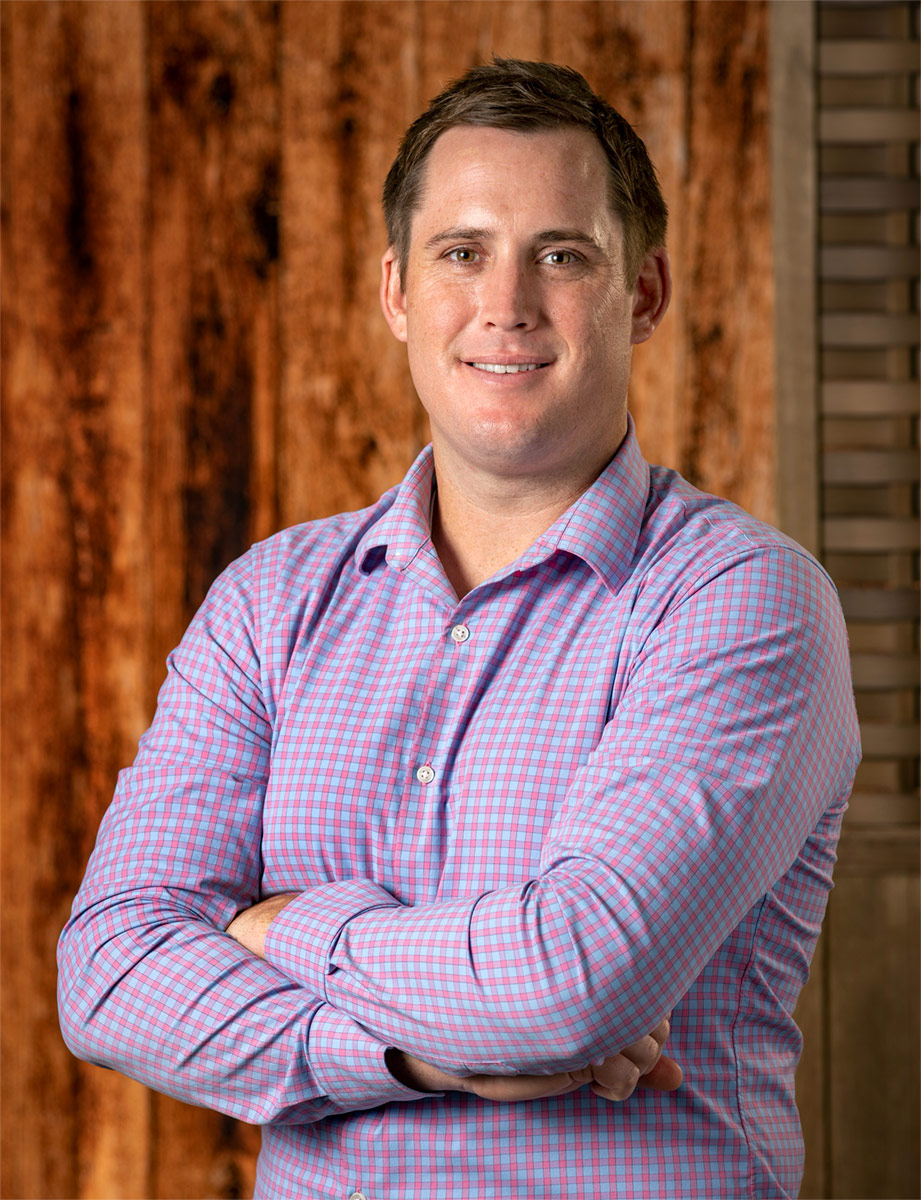
Paul Pope re-elected to main board of Fire Industry Association (FIA)

Global Fire Equipment have announced that its Global Business Development Director, Paul Pope Eng.Tech AIFireE, has been re-elected to the main board of the Fire Industry Association (FIA). This is Paul’s third consecutive term on the board.

Paul was also elected as Vice Chair of the FIA’s Fire Detection and Alarm Council which represents manufacturers and suppliers of fire detection and alarm equipment. In addition, Paul remains the Vice Chair of the Service Council and has also been appointed to a new position on the FIA’s Export Council.

Paul Pope comments: “As someone who is firmly committed to improving standards within the fire safety sector, I am thrilled to have been re-elected to the FIA’s main board and appointed as Vice Chair of the Fire Detection and Alarm Council. I am also very pleased to have been elected to the Export Council for the first time, particularly at such an important time for the sector with Brexit fast approaching.”

Paul has previously sat on the FIA’s main board for four years and has been involved in the Fire Detection and Alarm Council for more than 12 years.

Winners of award receive equipment to improve member safety

The latest two winners have been announced in MSA Safety Incorporated’s and DuPont’s 2020 Globe Gear Giveaway. Douglas City (CA) Volunteer Fire Department and Cooper Landing (AK) Emergency Services will each receive four sets of state-of-the-art turnout gear and four helmets to increase the safety of their members.

Providing Turnout Gear

MSA, DuPont, and the National Volunteer Fire Council (NVFC) team up each year to help volunteer fire departments obtain much-needed gear. With the latest round of awards, 118 departments in need have received 547 sets of gear since 2012 to better equip their members for response.

An additional three departments will be awarded turnout gear in December, 2020

An additional three departments will be awarded turnout gear in December, 2020. The first 500 applicants in this year’s giveaway also received a one-year NVFC membership, courtesy of MSA.

Douglas City Volunteer Fire Department

The Douglas City Volunteer Fire Department (DCVFD) protects 25 square miles of rural northern California, serving around 1,000 residents and responding to an average of 165 calls annually. Despite their small size, DCVFD plays a vital role in their community, especially during wildfire season.

Additionally, DCVFD responds to a high number of medical calls, vehicle crashes, and high- and low-angle rescues, and are often the first and sometimes only resource available. They also provide mutual aid to neighboring departments who likewise have limited resources.

Douglas City Volunteer Fire Department’s seven active firefighters share five sets of turnout gear, three of which are more than 10 years old. Because they are funded entirely by donations from their community, they are unable to replace their aging gear or purchase additional needed PPE such as helmets.

Providing PPE (Personal Protective Equipment)

Additionally, the lack of PPE (Personal Protective Equipment) makes recruiting new volunteers a challenge, and probationary members are issued well-used turnout gear that is often ill-fitting and compromised by age and use.

 “New and well-fitting turnout gear and helmets will enable us to present as a professional and modern fire department with high standards, as well as allow us to complete our tasks in a safer and more effective way,” said Firefighter, James Dunsdon.

Cooper Landing Emergency Services

Cooper Landing Emergency Services protects a 70 square-mile expanse of Alaska’s rural Kenai Peninsula

Cooper Landing Emergency Services (CLES) protects a 70 square-mile expanse of Alaska’s rural Kenai Peninsula. The community’s population swells from 350 to nearly 1,000 during the summer months due to tourism and seasonal residents. CLES responds to an average of 120 calls annually, including on two of the busiest roads in the state, as well as provides mutual aid to neighboring departments.

In 2019, Cooper Landing was the center of the Swan Lake Wildfire, which burned over 175,000 acres and threatened homes and businesses through CLES’ response area. “It became clear during the fire and on dozens of highway motor vehicle accidents that the department’s gear, made up of previous donations, was woefully inadequate to protect our members against the elements or the hazards of an involved structure fire,” said Firefighter/EMT, Riley Shurtleff.

Firefighting Apparatus And Equipment

All of Cooper Landing Emergency Services’ turnout gear are over 10 years old and were donated by other fire departments. Because they rely solely on fundraisers, donations, grants, and ambulance patient billings, their budget is limited. CLES recently had to purchase new firefighting apparatus, meaning that their ability to afford new turnout and protective gear was significantly diminished.

“This turnout gear will greatly increase the safety for our members and be a continued source of pride for years to come,” adds Riley Shurtleff.

Ryan Darley, International Sales Manager at Darley reveals what makes them unique

In an exclusive interview with IFSJ, Ryan Darley, International Sales Manager at Darley reveals the key elements that make the company a unique fire and safety equipment supplier – including their enhancements in robotics and automation.

What makes Darley a key aspect to the fire safety sector?  

Darley provides lifesaving equipment to first responders around the world.  We manufacture high quality pumps, trucks, CAFS and other life safety products built to handle the tough environments.  

We also supply most all the equipment you will find on a fire truck.  We are a family-owned business dedicated to serving our first responders. Darley is proud to provide the highest quality products available backed by a team who cares about those who serve our countries.   

What makes Darley’s range of fire equipment an integral part of fire safety strategy? 

Darley partners with industry-leading manufacturers to offer trusted and innovative equipment that is built to last, improving first responder preparedness and efficiency.  

In addition to focusing on providing solutions to current challenges, we are also looking towards the future needs of the fire industry, partnering with companies to provide virtual reality training, wearable technology to monitor firefighter health and wellness, drones and robots to work where firefighters can’t.   

Our focus on quality and bringing new technology into the industry make Darley not only a great choice for today’s product needs, but also a company to look to for emerging technology.  

Could you tell us about Darley’s pump solutions and how the pump division is starting to embrace robotics and automation?  

We have been implementing robotics and new machinery/technology into our production process for years. We invest heavily into unmanned robotics to automate critical processes. We utilise machines that fix themselves or select a replacement tool to eliminate down time.  

Darley uses smart hoists to keep our employees from heavy lifting. We have used telematics so that pumps can be run and monitored from across the world. We also utilise CMM’s (coordinate measuring machines) that ensure our products are built to the tightest tolerance and specification in the industry.  

Our test room uses electric engines and state-of-the-art monitoring devices ensuring a great product is delivered every time. We have X-Ray machines to scan products for quality. Technology, precision, and care go into every fire pump we manufacture.   

How does Darley compare to other similar fire and emergency service providers in the market?  

Not only do we offer the best products in the market, but they are also backed by the longest warranty in the industry by a team that takes pride in what they produce. Our customer service and sales team are always available, and you can even reach our company president 24 hours a day.   

We publish our numbers and stand behind our product. Our price is generally higher than competitors, but customers save money over the life of the product. Buying less expensive/lower quality products will incur higher costs in the long run and potentially put first responders at risk.    

What are Darley’s plans over the next 12 months?  

Darley is looking toward innovation and a return to somewhat normal business practice. We have quickly adapted to the digital transformation and virtual meeting environment, while in-person events and visits continue to be postponed.  

We are excited to be offering PPE and introducing new and innovative products to the industry. Our goal is to continue to be the first-choice solutions provider serving those who serve.  

Pelican Products Announce Brad Antoine as VP of Financial Planning and Analysis

Pelican Products, Inc. is pleased to announce the addition of Brad Antoine to its financial leadership team. As of October 26, 2020, Brad has taken the reins as Vice President of Financial Planning and Analysis.

As Pelican’s newest VP, Brad is responsible for managing the company-wide business planning process, the capital expenditure process and modeling the financial aspects of various initiatives and transactions. His role includes an emphasis on delivering disciplined growth for Pelican, and continually enhancing financial and operational analysis, reporting, and leading business review processes. Brad also leads and manages a team of Finance professionals, maintaining a strong focus on professional people development, accountability, and driving for results.

“Brad is a strategic financial expert whose breadth and depth of experience makes him an invaluable addition to the team,” stated Chief Financial Officer, George Platisa. “We look forward to his strengths lending themselves to Pelican’s financial planning efforts and having a positive impact on Pelican’s future growth”.

Pelican products
Brad Antoine (Credit: Pelican Products)

Prior to joining Pelican Products, Brad held senior financial positions at Sierra Aluminum, Sun Opta and Kaiser Aluminum, where he took the lead on modeling, valuation, due diligence, deal financing, and integration activities post acquisitions.

Brad holds a Bachelor of Arts Degree in Economics and Finance from San Diego State University and earned his MBA with a concentration in Finance at California State University Fullerton.

GreCon welcome Richard Brooks as Service Manager

GreCon have announced that Richard Brooks has been appointed Service Manager, replacing former Manager Jeremy Eschle.

GreCon makes people and places safer and enables the ‘smart factory’ as the leading provider of innovative industrial fire prevention and process measurement solutions.

Last week the company bid farewell to outgoing Service Manager, Jeremy Eschle, wishing him well for his future and thanking him for his contribution.

This week, Richard Brooks received a warm welcome as he takes up his role as the new Service Manager.

GreCon provide first class support across the UK

With a track record spanning 28 years, the company developed a reputation for providing first-class support to customers across the UK & Ireland.

Jonathan Hamill, Managing Director, said, “I’m delighted to welcome Richard. It is a key appointment which reaffirms our commitment to the UK and Ireland market.

Richard brings considerable systems engineering experience from his service with the Royal Signals and has managed engineering teams in commercial organisations. Our customers rely on us, and we look forward to Richard’s input as we seek opportunities for continuous improvement”.

Richard Brooks can be contacted by email: service@grecon.co.uk or by telephone on 01914147200

ASFP CEO to step down from role

The Association for Specialist Fire Protection (ASFP) is seeking a new Chief Executive Officer following an announcement by the current CEO Niall Rowan of his intention to step down after the Association’s Annual General Meeting in 2021.

Niall took on the role of Chief Executive Officer at the ASFP at the start of 2017, having been the Association’s Technical Officer since 2010. Having taken over just before the Grenfell tragedy, Niall has led the ASFP through a period of huge change both for the Association and the fire and construction sectors.

During his tenure, Niall has played a hugely influential role, providing input to the full range of Government and industry committees tasked with transforming the building safety landscape and improving competency across the built environment and significantly raising the ASFP’s profile as the go-to authority on passive fire protection.

He has also presided over a period of substantial growth for the Association and overseen the launch of its highly successful Foundation Course in Passive Fire Protection, which enables passive fire protection professionals to demonstrate their competency and study towards Level 2 and 3 qualifications awarded by the Institution of Fire Engineers.

Highlighting his intention to continue to support the Association in other roles, Niall stated:

“It has been a great honour to lead the ASFP through a period of such turbulence and change but I now feel the time is right for a new CEO to build on the achievements to date and complete the ASFP’s transformation into a modern, professional and outward-reaching association that can represent the needs of its members and the industry long into the future.”

ASFP Chair Roger Williams added:

“The Association wishes to thank Niall for his tireless work in promoting the ASFP and representing its views across the wider fire sector and built environment. He leaves the ASFP in a very strong position and ready to embark on an important period of change due to its substantial growth in recent years.

“We are seeking a new Chief Executive to build on this legacy and develop the ASFP’s future strategic direction. The new CEO will need to maximise the Association’s growth and revenue to ensure it continues to be the pre-eminent voice in the industry, improving standards across the passive fire protection industry and wider built environment.

Jensen Hughes acquires CFT Engineering

Jensen Hughes, a global leader in safety, security and risk-based engineering and consulting, announced today its acquisition of CFT Engineering,  a top fire protection engineering and building code consulting firm in British Columbia, Canada.

CFT Engineering was founded in 1992. Its five principals, Brad Walton, Michael Linton, Robert Heikkila, Emilia Mazzonna and Samir Adnani, will remain with the business. Walton has served as CEO and, with his team, grown CFT to 26 employees and increased revenue year over year. The company is well-known in the Western Canadian architecture, engineering and construction industry, with CFT providing their core services to many of the major construction projects in the province over the last 20 years.

“CFT has long been on our radar, especially since many of our team members share the same fire protection engineering heritage and have known each other for decades. We are thrilled we were able to make this happen, as it accelerates the strategies for both businesses and allows us to provide the market with the strongest team of fire protection engineers,” says Raj Arora, CEO, Jensen Hughes.

This will mark the second acquisition in 2020 for Jensen Hughes, a portfolio company of Gryphon Investors. Over the last several years, the company has made a number of investments in prominent fire protection engineering firms worldwide, in markets such as the UK, Ireland, Finland and Korea.  

“We are proud of what we’ve been able to accomplish as CFT Engineering and the reputation we’ve built for the company. This is an exciting new partnership for all of us as our scale and depth of expertise will allow us to bring the best of both companies to clients in British Columbia and beyond, and makes our office a very attractive place to work for top talent,” says Brad Walton, CEO, CFT Engineering. 

For more information, visit jensenhughes.com or cftengineering.com.

Troy Wiltbank, Telgian, highlights the benefits of Aqueous Film Forming Foam

Regional Practice Leader at Telgian, Troy Wiltbank highlights the benefits of Aqueous Film Forming Foam, while posing the risk of prohibition in the US.

Aqueous Film Forming Foam (AFFF), a firefighting foam agent that has been utilised since the 1960’s, is one of the best products for use on flammable and combustible liquids. 

In its Alcohol Resistant (AR-AFFF) version it is just as, if not more, robust and effective in these hazard applications. However, this type of foam has been under some immense pressure regarding environmental and health risks, but before we get into the future of this product, let us talk about what it does so well. 

Troy-Wiltbank-Telgian-1

It is truly hard to match the performance and efficiency of AFFF on hydrocarbon hazards and AR-AFFF on polar solvent-based hazards. To truly understand AFFF, you must first understand a couple of terms.

The term “concentrate” refers to the foam product in its unmixed form, as received from the supplier and the term “solution” refers to the foam after it has been mixed with water at its proportioning rate. 

With industry standard proportioning rates at 3% through numerous proportioning devices and discharge nozzles or sprinklers, AFFF products are very versatile in providing excellent protection in challenging applications.   

These products take efficiency even further with 1% options that perform equally to the 3% versions; the ability to reduce the amount of foam concentrate you need by a third and provide the same performance is truly amazing.

For every 100 gallons of water flow through a proportioning device, the usage of foam concentrate is 1 gallon (1%) and 3 gallons (3%) which equates to large reductions on foam concentrate storage.   

AR-AFFF is different in that it contains a special “gum” or membrane additive that allows the foam solution to stay on top of the fuel surface. This is important for several reasons. 

It first functions to separate the fuel from oxygen to dilute the vapor phase below what is necessary for combustion.  Secondly, it cools the surface and finally, it creates a stable foam blanket that then prohibits fuel vapors from migrating through the blanket for reignition.   

The other advantage that these fluorinated surfactants offer with the film forming characteristics is that they do not require a lot of expansion to be effective, as opposed to non-fluorinated products.

This is reflected in the vast number of discharge devices that are listed with the AFFF family. They perform very well out of nozzles and sprinklers that are non-aspirated.   

PFOA Stewardship Program 

Unfortunately, the presence of PFAS (perfluoroalkyl and polyfluoroalkyl) in the fluorinated chemicals is the target of many states that are, or are soon to be, banning its use.

In 2006 the PFOA product stewardship program was put into motion as a result of findings in a 3M product that resulted in their AFFF being pulled from the market. The EPA worked with eight of the leading producers of per- and polyfluoroalkyl (PFAS) substances in the market. 

Another targeted chemical within this program is perfluoro octane sulfonic acid (PFOS). This chemical has not been known to be manufactured in the US since 2002 and this includes importing per Chemical Data Reporting (CDR) efforts in 2006 and 2012.  These are bio persistent chemicals in the environment, and in the human body, that do not break down. In fact, they accumulate over time.  

The short version of this program was to reduce the carbon chain molecule of all AFFF formulations of 8 or more down to what is known as a short chain of 6 or less.

At the time, this was the solution to eliminate or significantly reduce PFOS/PFOA in the formulations and thus brought forth the latest advancement in AFFF chemistry, the designation of C6 AFFF formulations.   

This new short chain formulation requirement was required of all foam manufacturers by January 1st of 2016. The products were released to market with C6 nomenclature by manufacturers.

This was a massive effort to develop and list equipment and devices, in order to meet the needs of the market with equal performance to the longer chain formulations.

The shorter chain chemistry proved challenging in trying to equal the performance of the previous long chain formulations.  All in all, this was completed quite successfully and was thought to be a huge step forward in taking AFFF into the future with the environment in mind. 

Challenges for manufacturers  

The solution to the AFFF fluorine, Fluorine Free Foam (F3) is a huge decision and it will take a massive effort to achieve. Manufacturers of F3 products will be challenged to provide products that can come close to the type of protection AFFF could provide.

Some notable performance requirements of Mil-Spec AFFF were to achieve military extinguishment standards at half the proportioning rate and twice its proportioning rate.

There are some big challenges for foam manufacturers to overcome in developing a solution such as we are seeing with F3 products. The products that are currently available have minimal listings and limitations to applications.

Some of this is due to the fact that the products are very new to the market, as compared to the AFFF family. There have also been challenges in performance and inability to meet similar application rates.   

A fundamental solution  

PFAS bans are in place and they will continue so, finding a solution is a top priority. There are many options that are close and are achieving success in very minimal applications.  In many cases though, as the flammables and combustibles get more exotic and in-depth, the performance of F3’s drops significantly. 

These regulations have put many in a very tough situation where the new technology is not equivalent yet to replace the current technology.  A proper study must be conducted in order to make the right choice for a new or existing facility or hazard.

There are many fire protection professionals, manufacturers and fire protection engineers who specialise in this type of hazard, and it is important to reach out to them when making critical decisions with fire protection products for a Class B hazard.   

NFCC respond to Grenfell recommendations

The National Fire Chiefs Council have released the following statement in response to recommendations made in the Grenfell inquiry.

NFCC statement in full

The Grenfell Tower fire was an appalling tragedy that has sent shock waves throughout this country and the rest of the world. Nowhere more so than in fire and rescue services across the UK.

The National Fire Chiefs Council (NFCC) is working with every Fire and Rescue Services (FRS) in the UK to drive changes that will stop such an event from ever happening again.

On the first anniversary (October 30th) of the publication of Sir Martin Moore-Bick’s Grenfell Tower Inquiry (GTI) report all FRS continue to react to the 46 recommendations – making changes to the way that firefighters would respond in similar circumstances.

The NFCC Chair, Roy Wilsher said: “It is more than three years since the fire and the thoughts of all in fire and rescue services across the UK remain with families still coming to terms with the appalling and unnecessary loss of their loved ones. Our hearts go out to them.”

The NFCC is dedicated to identifying the root causes of the fire and making sure that the right things are done to address them. Therefore, the overriding priority for NFCC is to make sure there is change in the way that buildings – including high-rise homes – are constructed, refurbished and managed.

Mr Wilsher added: “High-rise residential buildings need to have safety features that protect both the residents and firefighters from a fire. If those features are not present, or fail, the public and the firefighters who serve them will find themselves in a hugely challenging and very dangerous situation. We are seeing clear evidence of a failure in the building system that should make sure that buildings are safe – sadly, the Grenfell Tower fire is not an isolated example.”

In the face of the possibility of the failure of the features designed to protect people all FRS are making changes to the way that they will respond in these circumstances. The NFCC is supporting them to do this.

Mr Wilsher said: ‘Although the Grenfell Tower fire happened in London, its lessons are applicable to every fire and rescue service in the UK. Every one of Sir Martin’s 46 recommendations has been studied to determine what the implications are across the UK’.

NFCC to help FRS respond Grenfell recommendations

NFCC is determined to help all FRS respond to the recommendations. It has grouped them into 11 national themes which are being rigorously pursued, with multiple actions being taken against each theme. Having national themes with supporting work aligned to them helps ensure a consistent adoption in local fire and rescue services.

Key progress to date includes fire services reviewing all high-rise residential buildings with ACM cladding. Further to this, and to ensure other safety features are in place, all high-rise residential buildings will be audited or reviewed by the end of 2021.

The NFCC is working with Government to improve the legal framework that supports safety, including prioritising which buildings should be ‘in scope’ under the New Building Safety Regulator, responsible for ensuring new regulations are followed as outlined in the Building Safety Bill, currently going through parliament.

Evacuation related to nine of the inquiry’s recommendations. As a result, more than half of all fire services are now using smoke hoods; highlighted by the inquiry’s chairman. Used by firefighters when evacuating people from buildings, the air filters remove smoke’s toxic gasses, providing additional protection for up to 15 minutes. 

And nearly all fire and rescue services have made changes to their approach to moving from ‘stay put’ to ‘get out’ in high rise residential buildings, when it is safe to do so.

NFCC has updated national guidance on firefighting in tall buildings and has updated control room guidance with a specific priority on the guidance given by fire control to occupants who are trapped or being affected by the fire. New Fire Standards in England will form part of the fire service inspection programme, to ensure the guidance is embedded in fire and rescue services. This is all supported by national training requirements and learning materials.

Mr Wilsher concluded by saying: “Fire services cannot be held responsible for decades of failure caused by buildings that are not built – or maintained – in accordance with building regulations. Significant action is needed by those responsible for buildings; without this, people will continue to be put at risk.

“I would also like to see leaseholders unburdened from the cost of expensive temporary measures that have been put into place, such as fire patrols and waking watches. Building owners need to take responsibility and not pass on crippling costs to leaseholders. These measures were intended to be temporary and certainly not still in place more than three years later.

“Since the night of the fire, NFCC has been involved in a wide-range of work to ensure an incident like this cannot happen again. We have had a major role in areas such as the Hackitt Review, calling on the government to make legislative change and played a key role in influencing the direction of forthcoming government bills, based on the extensive collective knowledge of the entire UK FRS.

“I would like to reiterate how members of the Grenfell community have carried themselves with dignity and compassion in the pursuit of justice. I sincerely hope the second phase of the inquiry gives them the answers they need and deserve.”