Tools to improve wellbeing make frontline workers safer

This year’s Emergency Services Show (ESS), taking place at the NEC, Birmingham, on 7 and 8 September 2021 is designed to equip frontline workers with the tools and techniques needed to maximise wellbeing and drive performance.

“Employees of blue light services are at greatest risk of experiencing mental health issues and yet among the least likely to deal with them. A recent survey also showed 69% of emergency responders feel their mental health has deteriorated during the pandemic[1]. Improving wellbeing makes frontline working safer, more effective and more rewarding, so we must now make it a priority to build resilience in our emergency services,” explains David Brown, Event Director, The Emergency Services Show.

The dedicated Health & Wellbeing Seminar Theatre, sponsored by MSA Safety, will feature a speaker line-up of experienced professionals who will share their expertise of mental wellness, health and nutrition, menopause, fatigue, workforce diversity and the latest digital support platforms. Mind Blue Light will talk about Mind’s Covid-19 response and offer advice on how emergency responders can look after their own mental health and support their colleagues during the pandemic. Consultant psychotherapist Rebekah Golds-Jones will present findings from her MSc thesis on suicide and first responders which considers how to reduce the stigma around seeking mental health support and the importance of therapy for 999 teams.

Audiences will also hear about the real-life experiences of practitioners, front line responders and experts in the field including the likes of Andy Elwood, an experienced former RAF paramedic and now campaigner on mental wellbeing. Other speakers include Greg Lesson from London Fire Brigade who will talk about the work he has been doing on nutrition and diet with the Fire Service to help maintain firefighters in peak physical and mental shape. Anna Stec, Professor in Fire Chemistry and Toxicity at UCLan will present a session on minimising firefighters’ exposure to toxic fire effluents.

The mental health of service-users will be the subject of a session presented by James Lewis of South Western Ambulance. He will showcase the Trust’s ground-breaking project which uses animal therapy to help fight community isolation; thereby reducing pressure on the ambulance service.

Delegates will also hear how the Police Federation is fighting for changes to current legislation on police conduct cases which currently have no time cap, and are often the cause of considerable distress to officers.

Diversity in the fire and rescue service will be covered by Jenny Pollock and Emma Shute from the organisation Women to Work. They will share their experiences of working with South Yorkshire Fire and Rescue to overcome the barriers to women’s progression in the service, enabling them to maximise their potential.

Visitors can also find out how a digital workplace platform called 87% has helped tens of thousands of frontline workers to build mental fitness throughout the COVID-19 pandemic. The platform has been used by NHS Practitioner Health, the Royal College of Emergency Medicine, Air Ambulances UK, the London Ambulance Service and Police Scotland.

In the networking hub of the show, The Collaboration Zone, over 80 emergency services, voluntary groups, charities and NGOs will be sharing details of the support they offer. Organisations involved include Christian Ambulance Association, Railway Mission, Response Pastors, The Fire Fighters Charity and UK Firefighters Sailing Challenge. Visitors can also find out more about the UK’s first ever cycling club to support emergency service workers. Launched this summer, the Bluelight Cycling Club provides emergency service workers with an opportunity to network and access peer support from like-minded colleagues whilst enjoying the mental and physical benefits of cycling. The club raises money for five emergency services charities and members can access deals and discounts from major sports brands.

The newly launched Future Policing Zone will also showcase organisations such as Oscar Kilo, Police Care UK, Surfwell – Devon & Cornwall and Dorset Police, and Service Dogs UK; who are providing best practice, research and guidance to help shape the wellbeing agenda and encourage collaboration.

In the main exhibition, visitors with an interest in wellbeing can speak to safety technology experts MSA Safety about their campaign to protect firefighters’ health. Meanwhile people services’ experts Rego will be discussing transforming workplace culture, The Eleos Partnership will be sharing tips on reducing the impacts of stress and pressure and PSTD999 will be offering trauma response training, and expertise on psychological health and safety and the assessment and treatment of PTSD.

Health & Wellbeing is also a key theme in the co-located Health & Safety Event. As post-Covid working practices evolve, experts in the Lone Worker Theatre will share their knowledge and practical experience of managing wellbeing for lone and remote workers. The British Safety Council’s Conference programme includes an entire day dedicated to health and wellbeing, while each afternoon in the Professional Development Zone, HSE Recruitment Network’s team of advisors will host a sessions on culture and community, showing employers how to build a diverse and inclusive workforce.

Free-to-attend and based in Hall 5 and the Outside Area at the NEC, The Emergency Services Show 2021 will for the first time be co-located with not only The Health & Safety Event but also the Safety & Security Event Series, The Fire Safety Event, The Security Event, The Facilities Event and newly launched National Cyber Security Show, creating the UK’s largest event dedicated to the protection of people, places and assets.

The NEC Venue Protect programme ensures all participants in The Emergency Services Show enjoy a COVID-safe and secure visit with comprehensive social distancing measures and enhanced cleaning and sanitisation.

Parking at the NEC for show visitors is free. Register in advance for free entry to all six events with a single pass at: www.emergencyuk.com

NIOSH offers coal miners free health screenings

In September 2021, the National Institute for Occupational Safety and Health (NIOSH) will offer a series of free, confidential health screenings to coal miners as part of the Coal Workers’ Health Surveillance Program (CWHSP). The screenings are intended to provide early detection of coal workers’ pneumoconiosis (CWP), also known as black lung, a serious but preventable occupational lung disease in coal miners caused by breathing respirable coal mine dust.

The health screenings are provided through the state-of-the-art NIOSH mobile testing units at convenient community and mine locations. This year’s screenings will be held from September 9 through September 24 in areas throughout southern West Virginia.

“Black lung disease can occur in miners who work in mines of all sizes,” said NIOSH Director John Howard, M.D. “Early detection of black lung disease allows underground, surface and contract miners to take the steps needed to keep it from progressing to severe lung disease.”

Screenings include a work history questionnaire, an x-ray, a respiratory assessment questionnaire, and blood pressure screening. The screenings typically take about 15 minutes and each individual miner is provided with their results. By law, each miner’s results are confidential. Individual medical information and test results are protected health information and not publicly disclosed. Spirometry, a common breathing test, will not be conducted during this year’s survey.

Participation in this program provides the coal miner:

  • An easy way of checking on their health
  • A confidential report regarding whether or not they have x-ray evidence of CWP

The NIOSH mobile health unit is considered a “healthcare setting” so COVID-19 prevention strategies will be followed.
Please watch for health screening locations, dates, and additional announcements on the CWHSP web pageCWHSP Facebook, and @NIOSHBreathe on Twitter.  Local and individual outreach will be done in all specific locations.  All coal miners – current, former, underground, surface, and those under contract – are welcome to participate.

Safety standards: Don’t compromise on aesthetics for performance

The release of the Draft Building Safety Bill, alongside the formation of the new National Construction Products Regulator, is paving the way for new safety standards of compliance that ensures consistently remains the top priority throughout each stage of the design, construction and maintenance processes. 

However, achieving these aims should not have to come at the expense of aesthetics. Here Mick Hill, Lead Technical Manager at Profab Access, discusses how architects and specifiers can secure specifications that achieve the highest safety standards and adherence with latest legal requirements, without having to compromise on style.

As riser doors offer convenient and safe access to essential services for ongoing maintenance, their primary motivation for specification is one of practicality and functionality, rather than visual appeal.

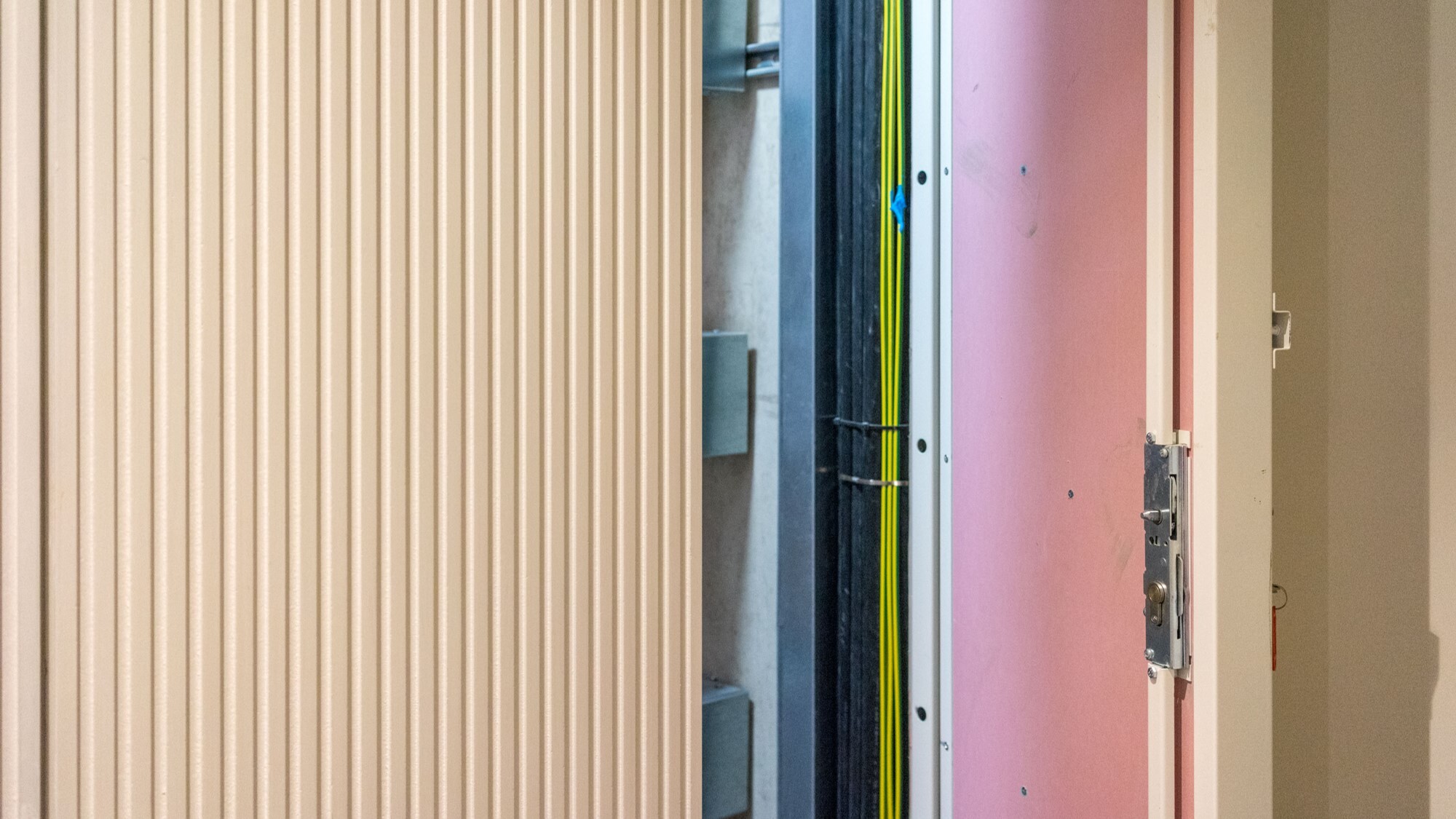
However, latest industry advancements are paving the way for a new generation of riser doors that deliver the highest standards in fire certification and performance, yet have simultaneously been designed and manufactured to help enhance the project’s interior aesthetic. 

Achieving this optimum balance between style and substance can be facilitated through the specification of steel riser doors that seamlessly integrate into masonry walls, shaft walls and drywall partitions to deliver an unobtrusive finish, without impeding the ease of access for engineers.

Taking this theme one step further, by specifying riser doors that offer the ability to create bespoke facades, architects and designers can actually utilise the riser doors to complement and enhance the surrounding interior, rather than detracting from the chosen visual appeal.

For example, steel riser doors that can be clad in a range of additional materials, including stone, ceramic, marble and tiles can support the creation of a unified aesthetic that completely disguises the riser door, without affecting its fire combustibility or overall performance, as permeant means of access to mechanical and electrical services is unaffected.

This type of riser door is a popular choice for busy commercial applications, including reception areas and public washrooms, due to the facade being the exact same material as the surrounding walls.

While cladding a riser door in different materials may present initial concerns with regard to the combustibility and fire performance of the overall installation, professionals can ensure compliance and provide the highest levels of protection and suitability for the entire lifecycle of the building by specifying riser doors that have been third party tested.

NHS Trust fined for failure to manage environmental risks

Essex Partnership University NHS Foundation Trust (EPUFT) has been fined for failing to manage environmental risks within its mental health inpatient wards. These breaches were committed by North Essex Partnership University NHS Foundation Trust (NEPUFT) before EPUFT came into existence.

Chelmsford Crown Court heard that, between 25 October 2004 and 31 March 2015, NEPUFT failed to effectively manage recognised risks from potential fixed ligature points in its inpatient wards, resulting in mental health patients being exposed to unacceptable and avoidable risk at a time when they were most vulnerable. Tragically eleven inpatients died during this timeframe whose deaths involved access to fixed ligature points.

An investigation by the Health and Safety Executive (HSE) found that NEPUFT failed to adequately identify, or address with sufficient urgency, the significance of the environmental risks within its inpatient wards.

Essex Partnership University NHS Foundation Trust of The Lodge, Lodge Approach, Runwell Wickford, Essex pleaded guilty to breaching Section 3(1) Health and Safety at Work Act 1974. The Trust was fined £1,500,000 and ordered to pay costs of £ 86222.23.

Speaking after the hearing, HSE inspector Dominic Elliss said: “It has long been recognised that a key control in the prevention of inpatient death or self-harm is the identification and removal of potential fixed points of ligature from the ward environment. For a period of more than 10 years, NEPUFT repeatedly failed to manage these well documented risks, including learning from tragic experience, thereby needlessly exposing vulnerable patients in its care to unacceptable risk.

“I hope this case acts as a reminder to all mental health trusts of the need to continue to review their current arrangements and ensure their service users receive the protection they need at, what is often, their most vulnerable time.”

Det Chief Insp Stephen Jennings, the Senior Investigating Officer who led the Essex Police investigation into the North Essex Partnership University Foundation Trust (NEPUFT) welcomed today’s sentencing. He said: “I hope the conclusion of this HSE prosecution against NEPUFT, which we have supported throughout, now gives the families time to continue to grieve in peace.

“Following a full investigation, which began in 2017, into the circumstances of a number of deaths, and following expert legal advice, the evidential threshold was not met to allow us to take the Essex Police investigation any further. However, we ensured all of the evidence we had gathered was given to our HSE colleagues to support their investigation and it has unquestionably helped to secure this result.”

BSI publishes guidance on psychological health and safety

BSI, in its role as the UK National Standards Body, has published international guidance on psychological health and safety and managing psychosocial risks at work.

The new standard, named ISO 45003: Occupational health and safety management — Psychological health and safety at work — Guidelines for managing psychosocial risks, provides recommendations to organisations on how to prevent work-related psychological ill health in their workers and other relevant interested parties.  

It publishes as psychosocial hazards are increasingly recognised as major challenges to health, safety and well-being at work. For the past year and a half, the COVID-19 pandemic has disrupted ways of working and demanded that people adapt to new challenges like increased isolation and changing priorities.

For organisations, the impact of psychosocial risks includes increased costs due to absence from work, reduced ability to work effectively and increased staff turnover, as well as damage to the organization’s reputation. Effective management can eliminate or mitigate these risks and lead to benefits such as improved engagement, enhanced productivity and organizational resilience and sustainability.

Scott Steedman, Director-General, Standards at BSI said: “We are proud to have led the development of ISO 45003, the first international standard on managing psychosocial health and safety at work. The global pandemic has put new pressures on people whose employers expect them to work from home or in challenging new working conditions. This important business standard is a consensus of good practice for organisations everywhere, providing off-the-shelf advice for companies so that they can enhance the wellbeing of their employees whilst striving to meet business needs, a win-win outcome.”

The committee that is made-up of experts from 40 countries developed this international standard to be practical and easy to understand for every organization, including those without a dedicated occupational health and safety or human resources function. It is applicable to organizations of all sizes and in all sectors, for the development, implementation, maintenance and continual improvement of healthy and safe workplaces.

Organisations can download the standard via the BSI website here.

Safety professionals group recognised for commitment to workplace safety

The U.S. Department of Labor’s Occupational Safety and Health Administration has named the American Society of Safety Professionals’ Big Sky Chapter an OSHA Alliance Program Ambassador in recognition of its partnership with OSHA and commitment to addressing workplace safety and health hazards in Montana.

As an ambassador, ASSP’s Big Sky Chapter will promote enforcement, regulatory and outreach initiatives, enhance information exchanges and joint technical discussions, and support OSHA’s national initiatives. OSHA’s Billings Area Office began collaborating with ASSP’s Big Sky Chapter in February 2012 when the chapter entered into its first OSHA safety alliance.

“OSHA is confident that its continued partnership with the Big Sky Chapter of the American Society of Safety Professionals will ensure workplace safety and health training remain a top priority throughout Montana,” said OSHA Area Office Director Arthur Hazen in Billings, Montana. “We will use all of our available tools and strategies to prevent workplace-related injuries, illnesses and fatalities and ensure all workers go home safely each day to their loved ones.”

ASSP is a global association for occupational safety and health professionals that for more than a century has provided education, standards development, advocacy and a professional community to support the advancement of their members and the profession as a whole.

“Sound safety practices are both socially responsible and good business, leading to increased productivity, a better reputation and higher employee satisfaction,” said Big Sky Chapter’s Alliance Coordinator Kirby Fugle.

OSHA Alliance Program Ambassadors commit to sharing timely and relevant safety and health information with members, and work collaboratively with members and stakeholders on emerging issues. Learn more about OSHA’s Alliance Program, and view the list of national alliances and program ambassadors.

Company failed to assess health and safety risks prior to employee death

BAM Nuttall Limited has been fined after an employee was run over by a dumper vehicle. An investigation by the Health and Safety Executive (HSE) found that the company failed to adequately assess health and safety risks to their employees whilst they were repairing and replacing equipment. They failed to provide a system of work in relation to this task which defined a place or places where such work could be carried out safely and which segregated people from vehicles.

Inverness Sheriff Court heard that on 28 October 2016, at Blackhillock Substation, Keith, then under construction, Mr John Cameron was changing over a blade on a piece of work equipment at the side of a roadway when he was run over by a six-tonne dumper truck. Mr Cameron sustained serious pelvic injuries and died as a result.

BAM Nuttall Limited of St James House, Knoll Road, Camberley, Surrey, pleaded guilty to breaching Sections 2 and 33(1)(a) of the Health and Safety at Work etc. Act 1974 and was fined £700,000.

After the hearing, HSE inspector, Penny Falconer said: “This tragic incident led to the avoidable death of a man. “This death could easily have been prevented if his employer had acted to identify and manage the risks involved, and to put a safe system of work in place.”

BSF launches Charter Champion initiative

The Building a Safer Future (BSF) Charter has launched its ‘Charter Champion’ initiative to help companies drive the systemic culture change required to put building safety first.

The Charter, which is open to all, will help companies identify potential issues and develop continuous improvement plans to advance their overall approach and performance on leadership and culture in relation to building safety. This is critical if further tragedies like the Grenfell fire – where failure of leadership and culture were key underlying causes – are to be avoided in the future.

The British Safety Council is delighted that the first 12 companies have signed up to complete the robust benchmarking and independent assessment process required by the ‘Charter Champion’ status, and in so doing are demonstrating real sectoral leadership.

Mike Robinson, Chief Executive at the British Safety Council, commented: “The Charter is a key mechanism for delivering the culture change badly needed by the sector. Becoming a registered signatory means organisations can proactively demonstrate their commitment to building safety. The whole sector has a collective responsibility to safeguard the people living in their buildings and ensure these are safe places to live, both now and in the future.”

“We would encourage participation in the Charter Champion initiative from across the construction and wider built environment sector and, in particular, the Duty Holders required under the new legislation to undertake the benchmarking process.”

“We look forward to seeing the Charter Champions group grow as others also realise the benefits of becoming part of this important scheme.”

Abigail Bainbridge, Chair of the British Safety Council Construction Sector Group and Persimmon Homes Group Health, Safety and Environment Director, said:

“The principles of the BSF Charter clearly align with our commitment to building safety, so we are proud to sign up to the initiative. We look forward to encouraging partners and suppliers across the industry to strive for Charter Champion status.”

Report into New Providence Wharf fire shows building fire safety issues

A serious failure of a smoke ventilation system that resulted in the building acting like a “broken chimney”  left residents’ only escape route smoke logged during the New Providence Wharf fire, a report released today by London Fire Brigade has said.

The report confirms that the fire on May 7th 2021 started in a consumer unit, known more commonly as the fuse board, in an 8th floor flat. Due to the severity of the fire more testing is needed to find out how exactly the consumer unit failed.

The fire then travelled out of an open balcony window. At the same time smoke poured into the corridor through a flat door that had accidentally been kept open.  

The Brigade’s provisional investigation into the fire has found that in this particular instance, ACM cladding panels did not significantly contribute to the external spread of the fire.   

The response to New Providence Wharf fire demonstrated the significant changes the Brigade has made since the Grenfell Tower fire. Increased numbers of firefighters and appliances initially sent to high rise fires as standard; familliarisation visits conducted by crews prior to the fire, the introduction new evacuation procedures; improved communications between the control room and the incident ground; and fire escape hoods - backed by the professionalism of firefighters and control officers all helped save lives. 

shutterstock_667008772
Significant changes have been made since the Grenfell Tower fire

On arrival firefighters immediately focused on responding to a number of rescue calls that had come into Brigade control centre. This resulted in 35 rescues, 22 involving fire escape hoods. Overall, only two people were taken to hospital as a result of the fire.

The initial findings from Senior Brigade Fire Investigators show that the smoke detectors on the 8th floor communal corridor failed to operate both the Automatic Opening Vent (AOV) and the cross corridor fire doors.

It is the responsibility of the building owner or manager to make sure the AOV, which is designed to ventilate and extract smoke during a fire to help residents escape, operates correctly.

Following the release of its preliminary fire investigation report, the Brigade is urging all those responsible for high rise buildings, especially those in charge of properties that no longer support a stay put strategy, as was the case at New Providence Wharf, to check their fire safety measures including smoke ventilation systems (such as AOVs) as a priority. These should be regularly inspected and any issues acted upon.  

The spread of fire on the outside of the building from floors 8 to 11 is believed to have been facilitated by timber decking on the balconies - but not ACM panels. Government advice issued in January 2020 states that: “Balconies should not assist fire spread along the external wall. Balconies including combustible materials may not meet an appropriate standard of safety and could pose a risk to the health and safety of residents and other building users.”

The Brigade is asking all building owners and managers to check the materials used on external balconies and consider whether they could contribute to the spread of fire, and if necessary modify them as soon as possible.  

The Brigade’s parallel investigation into possible breaches of fire safety regulations at New Providence Wharf at the time of the fire is continuing.    

London Fire Brigade Deputy Commissioner Richard Mills said:  “The smoke ventilation system inside New Providence Wharf acted like a broken chimney  leading to a potentially life-threatening situation. Had it not been for the exceptional actions of our firefighters and 999 control officers this could have had tragic consequences.  

“Despite our response to this fire and drawing on the many lessons learned from the Grenfell Tower fire, in many cases we are sadly still not seeing a culture change in all those responsible for fire safety in high rise buildings.  

“The New Providence Wharf fire needs to be an urgent wake-up call to all building owners and managers. Look at the fire safety solutions inside your building and take action if they are not performing correctly. It is too late to wait for a fire to see if they work.”

Company fined following fatal gas explosion

An asbestos removal contractor has been fined after a worker was fatally injured and another worker seriously injured in a fatal gas explosion.

Hamilton Sheriff’s Court heard how on 5 October 2017, workers were removing a boiler and pipework, and overspraying walls to remove asbestos residue, at the former Pastoral Centre in Bonkle Road, Newmains in Wishaw.

The work was being carried out prior to demolition. The plan was to cut the boiler and pipework into sections to make it easier to remove. However, the gas supply had not been isolated and the workers cut through a live gas outlet pipe, the gas ignited causing an explosion.

Two workers received extensive burns to their body and underwent surgery. One of the employees died in hospital several days after the incident.

An investigation by the Health and Safety Executive (HSE) identified that the risk assessment and plan of work for the job had identified services were present in the boiler room, but the company failed to ensure the gas pipe was isolated and purged of gas before work commenced.

Enviraz (Scotland) Limited of Kelvin Avenue, Hillington Business Park, Glasgow pleaded guilty to breaching Section 2(1) of the Health and Safety at Work etc Act 1974. The company was fined £150,000.

Speaking after the hearing, HSE inspector Helen Diamond said: “This incident could so easily have been avoided if the company had ensured that the gas pipe in the boiler room had been isolated and purged prior to removal. Within the asbestos licensing permissioning regime, HSE expects licensed contractors to have adequate management arrangements in place to control non-asbestos risks.

“Given the potential consequences of using a power tool on live or unpurged pipework, the management system to establish the status of the pipework needs to be robust and there should be written confirmation of isolation.

“Tragically, one man has lost his life as a result of this incident and a second worker has sustained life-changing injuries.”