What causes wildfires is a commonly asked question, with wildfires during the summer months being shown almost every day in the news.
Fire only needs three components to thrive: fuel, oxygen, and heat. This is commonly referred to as the fire triangle.
During hot summer days when drought conditions are at their peak, even the tiniest spark can set off a wildfire.
In certain instances, fires occur naturally, sparked by the intense heat of the sun or from lightning strikes.
Unfortunately, similarly to the main causes of fires in general, the majority of wildfires stem from human negligence.
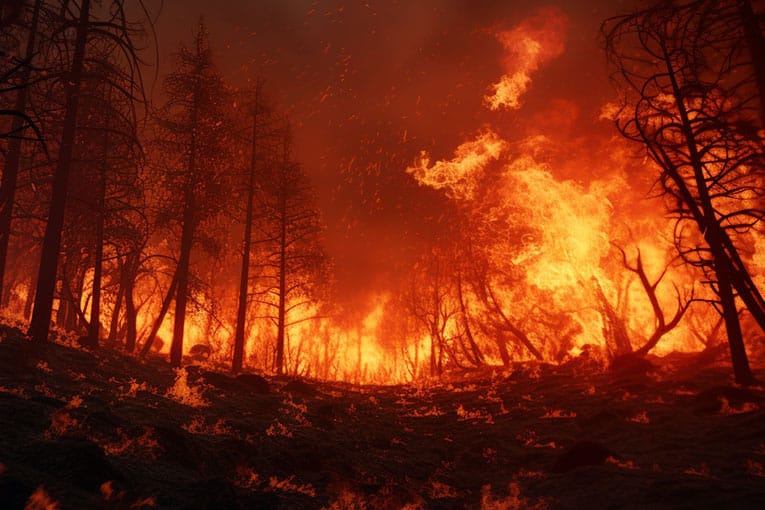
Events such as arson, poorly managed campfires, careless littering of lit cigarettes, improper burning of debris, and playing with matches or fireworks are often held responsible for igniting these devastating blazes.
This article aims to explore what causes wildfires, ranging from natural occurrences to human activities.
By delving into these causes, we can enhance our knowledge and promote responsible behaviour to mitigate the future risks of devastating consequences of wildfires.
What is a Wildfire?
Wildfires are powerful and destructive forces of nature that can cause extensive damage to forests, natural habitats, and communities.
Understanding the common causes of wildfires is crucial for prevention and effective fire management.
By identifying the main causes of wildland fires, we can take proactive measures to reduce the risk of wildfires and protect our natural environment.
What Causes Wildfires?
Wildfires start due to a number of reasons, with 11 of the most common causes being:
Lightning
Lightning is a natural cause of wildfires.
Lightning strikes can ignite dry vegetation, particularly during periods of drought. The heat from a lightning strike can spark flames that spread through the surrounding landscape.
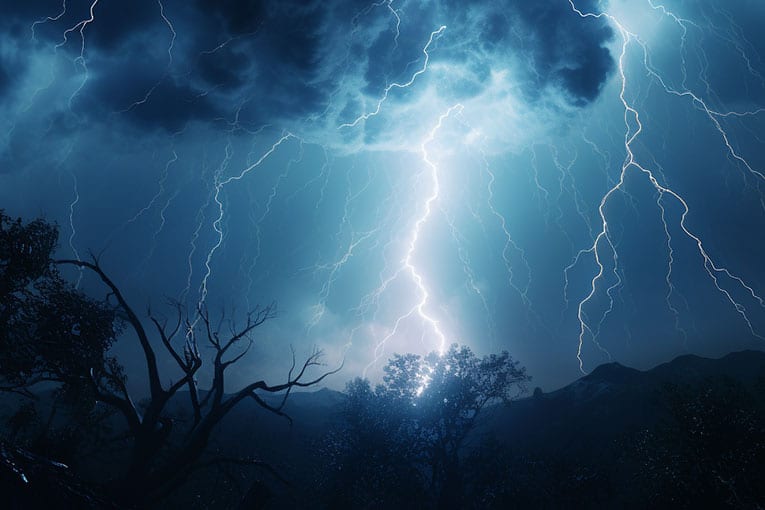
This can lead to large-scale wildfires, especially in areas with dry and combustible vegetation.
Climate conditions and the frequency of thunderstorms can contribute to wildfires.
Campfires
Improperly managed campfires are a significant cause of wildfires.
Unattended or poorly extinguished campfires can spread to surrounding vegetation and ignite a fire.
Campers should always follow fire safety guidelines, including keeping fires small, using designated fire rings or pits, and ensuring that the fire is completely extinguished before leaving the site.
It is crucial to douse the fire with water, stir the ashes, and repeat the process until the fire is cold to the touch.
Burning Vegetation
Whether intentional or not, burning of vegetation like agricultural burning or land clearing, can lead to wildfires.
When uncontrolled, the spread of fires during vegetation burning can quickly escalate, especially in dry and windy conditions.
Proper permits, monitoring weather conditions, and employing trained workers are essential for safe and controlled burning practices.
It is important to follow local regulations and guidelines to prevent wildfires when conducting any form of vegetation burning.
Fallen Power Lines
Fallen power lines can be a significant cause of wildfires, particularly during windy conditions.
Strong winds can cause power lines to break or come into contact with trees or dry vegetation, resulting in sparks and fires.
Regular maintenance and inspection of power lines, timely tree trimming around power lines, and prompt repair of damaged infrastructure are essential for reducing the risk of wildfires caused by fallen power lines.
Cigarettes
Carelessly discarded cigarette butts can accidently start wildfires.
Smokers should always use designated ashtrays or fire-safe containers to dispose of cigarette butts.
It is crucial to fully extinguish cigarettes before discarding them and avoid smoking in fire-prone areas, particularly during dry and windy conditions.
Equipment Malfunctions
Equipment malfunctions, such as power tools, chainsaws, or machinery, can lead to wildfires if they generate sparks or excessive heat.
Proper maintenance, regular inspection, and safe equipment operation are essential to prevent equipment-related wildfires.
It is crucial to follow manufacturer guidelines, conduct routine maintenance checks, and promptly address any issues with equipment.
Vehicle Crashes
Vehicle crashes can cause wildfires when sparks or friction from the collision ignite.
The heat generated from the impact, particularly with metal components, can also lead to fire ignition.
Safe driving practices, proper vehicle maintenance, and avoiding off-road driving in fire-prone areas can help minimise the risk of wildfires caused by vehicle crashes.
Arson
Intentional acts of arson, where fires are intentionally set, are a significant cause of wildfires, and can lead to dangerous scenarios, and even loss of life.
Arson can occur due to various motives, including vandalism, revenge, and even pyromania.
It is a criminal offence and poses a serious threat to lives, property, and natural resources.
Public awareness, community vigilance, and reporting suspicious activities can aid in preventing arson-related wildfires.
Controlled Burning
Controlled burning, also known as prescribed burning, is a planned fire management technique used to reduce vegetation fuel loads and promote ecosystem health.
However, if not carefully executed, prescribed burns can escape control and result in wildfires.
Proper planning, comprehensive risk assessments, and skilled personnel are essential for conducting prescribed burns safely.
Adhering to specific weather conditions, monitoring fire behaviour, and having appropriate resources in place helps minimise the risk of prescribed burns turning into uncontrolled wildfires.
Fireworks
Improper use of fireworks, especially in areas with dry vegetation, can lead to wildfires.
Fireworks produce sparks and embers that can ignite nearby combustible materials, including dry grass or trees.

Adhering to local laws and upkeep high fire safety standards regarding fireworks, using fireworks in designated areas, and ensuring proper disposal of fireworks debris is crucial to prevent wildfires.
Volcanoes
Volcanic eruptions can cause wildfires, particularly when hot lava or volcanic ash comes into contact with dry vegetation.
Active volcano regions should have comprehensive emergency response plans in place to mitigate the impacts of volcanic-induced wildfires.
How does weather affect wildfires?
Increased temperatures alone do not guarantee a rise in wildfires.
As previously stated, fires need a combination of 3 factors to survive; availability of fuel, fire-friendly conditions (such as dry weather), and the presence of an ignition source, whether human-caused or triggered by lightning strikes.
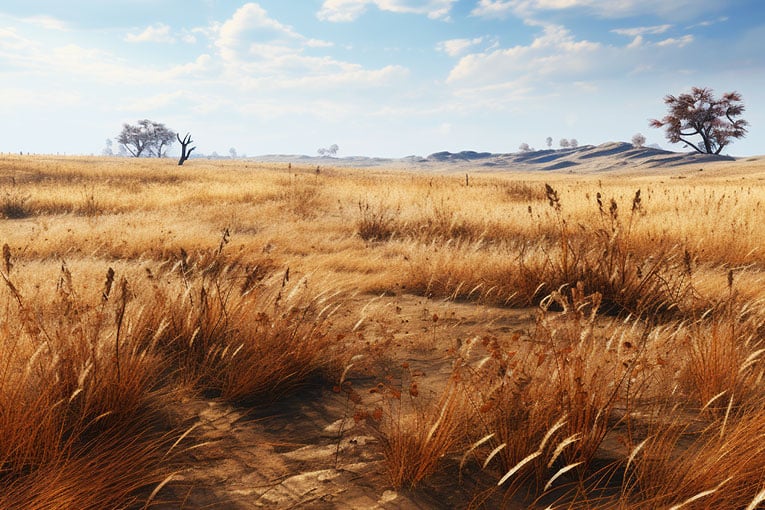
The amount and dryness of vegetation are crucial factors since live, moist vegetation is less susceptible to burning compared to dry, dead vegetation, which easily catches fire and aids in the fire’s spread.
This is why areas affected by hot, dry weather and drought are much more likely to have wildfires than areas that are often rainy and cold.
Weather conditions play a critical role in fire behaviour.
Strong winds, like those experienced in the 2022 Colorado wildfires, can accelerate the spread of fires, resulting in unprecedented devastation for the affected communities.
Wildfires become more severe during prolonged periods of hot and dry weather due to higher temperatures leading to increased evaporation, which dries out the vegetation and provides ample fuel for the fires to thrive.
Where do most wildfires occur?
Wildfires happen all over the world. Places like the United States, Canada, Australia, the Western Cape of South Africa, and Southern Europe, especially forested areas, grasslands, and shrublands, are particularly susceptible to these blazes, particularly during extended periods of drought and high temperatures.
Among the regions in the United States, California and other Western states stand out as being prone to wildfires.
The vegetation in this area, comprising pine needles, dry shrubs, and grasses, possesses higher flammability compared to moister trees like maple and beech found in other parts of the country.
The Western US’s mild and arid climate further contributes to the fire risk. California, in particular, experiences long, hot, and dry summers, which lead to the dehydration of vegetation, leaving it highly susceptible to wildfires.
Conclusion
Wildfires can have devastating consequences for ecosystems and communities.
Understanding the common causes of wildfires is necessary to be able to better prevent them.
Whether ignited by natural occurrences or as a result of human negligence, wildfires can be mitigated through responsible behaviour, adherence to fire safety guidelines, and community awareness.
Implementing fire prevention strategies, practising safe habits, and promoting fire education can help minimise the occurrence and severity of wildfires.
By working together, we can reduce the impact of wildfires and protect our environment for future generations.