Overstory raises $43 million to scale wildfire prevention intelligence globally

Series B funding for wildfire prevention tools

Overstory, a vegetation intelligence company for the utility industry, has announced $43 million in Series B funding to develop its AI-based risk models and expand its wildfire prevention work.

The company said the funding round, announced on 25 November 2025, was led by Blume Equity with participation from Energy Impact Partners and existing investors.

Overstory plans to use the capital to advance its wildfire prevention offering and support international growth.

Existing investors include B Capital, Semapa Next, Pale Blue Dot, CapitalT, Convective Capital, Bentley Systems, MCJ and Moxxie Ventures.

The company said the new funding follows seven years of rapid expansion, during which it has come to serve six of the ten largest utilities across the Americas.

Overstory’s team now numbers more than 80 people, representing 16 nationalities and combining machine learning and data science expertise with arborists and wildfire specialists.

Guiding the company through its next phase will be new Chief Operating Officer Tamara Mendelsohn, a former Eventbrite Chief Marketing Officer with experience in scaling a business from early-stage to public listing.

Vegetation intelligence used to manage outage risk

According to Overstory, vegetation is the leading cause of outages and wildfires for utilities and is often their largest operational expense.

The company said rising tree mortality, higher labour costs, growth in demand and more frequent extreme weather are driving utilities to seek more precise vegetation management.

Overstory uses high-resolution satellite data and AI models to assess vegetation conditions tree by tree.

Its tools are designed to help utilities locate high-risk vegetation, reduce outages and limit wildfire ignition potential while keeping power delivery safe, reliable and cost-effective.

Andy Abranches, VP of Wildfire Mitigation at Pacific Gas and Electric Company (PG&E), said: “Innovation and technology have become the pillars of progress when it comes to wildfire prevention.

“Satellite data, AI and the vegetation-management intelligence we get from companies like Overstory are transforming how utilities think about wildfire prevention.

“The details are in the data, and that precision allows us to deploy our crews where wildfire risk is greatest.”

James Sprinz, Principal at Energy Impact Partners, said: “Utilities are at a pivotal moment, facing more extreme weather events every year.

“Overstory is tackling this challenge in a way that utilities can act on immediately, making sense of satellite data to spot the exact tree to trim, pole to clear, or asset to replace.”

Wildfire intelligence product targets high-risk fuels

Overstory said it has built its current position by helping utilities identify vegetation that could trigger outages and sparks.

The company has now launched an updated version of its Wildfire Intelligence product backed by a proprietary Fuel Detection Model.

Overstory said the Fuel Detection Model identifies areas across a network that contain the highest risk fuels, where a spark is most likely to ignite and spread.

The company stated that, unlike publicly available fire risk maps, its AI tools highlight precise locations and recommended actions that can have a larger effect on wildfire mitigation.

Fiona Spruill, CEO of Overstory, said: “Utilities are on the front lines of keeping communities safe, and they’re eager to use the best data available.

“When we talk about how satellites and remote sensing can identify dying trees and wildfire risk, they lean in.

“We’re grateful to our forward-thinking investors for supporting this next chapter – expanding our intelligence product to address storms and wildfires, helping utilities build a more resilient and reliable grid.”

Investor backing and leadership for growth phase

Blume Equity, which led the Series B round, framed the investment as a climate-focused move with operational benefits for utilities.

Michelle Capiod, Co-Founding Partner at Blume Equity, said: “The companies that will drive the greatest impact on our planet are those that deliver climate solutions with real economic value.

“Overstory exemplifies this — transforming satellite data into actionable insights that help utilities both prevent climate-related disasters and drive operational efficiencies.

“Their customer-first approach and leadership in AI has enabled them to develop cutting-edge, yet highly practical, solutions that deliver a tangible return on investment.

“This is exactly the kind of scalable, high impact climate solution we’re proud to support at Blume Equity.”

Overstory said Mendelsohn’s appointment as Chief Operating Officer is intended to support international scaling and operational discipline during the company’s next growth phase.
Wildfire prevention project in Spain trials smart collars for livestock grazing

Digital collars and geofencing tested in Andalusia fire safety project

A pilot project in Andalusia is testing digital tools to prevent wildfires through controlled livestock grazing.

According to the Silvopastoralism Operational Group, the project was presented during a workshop in Torres de Albanchez, Sierra de Segura, and includes contributions from the University of Jaén, Consule Group, Hermanos Martínez Castillo livestock farm, and Segura Common Foundation.

The initiative uses smart collars and virtual fencing to manage grazing in fire-prone areas. These tools are designed to keep flammable vegetation under control and reduce wildfire risks.

The Group confirmed that the demonstration was targeted at local farmers, regional officials, and rural organisations.

The programme is funded by the Ministry of Agriculture, Fisheries, Water and Rural Development of the Andalusian Regional Government, with support from the European Agricultural Fund for Rural Development.

Silvopastoralism used to manage fire-prone land

The University of Jaén explained that silvopastoralism integrates forestry and livestock grazing to manage vegetation and reduce fire risk.

The method includes grazing in firebreaks and High Fire Risk Zones to limit fuel accumulation.

The Group stated that combining pasture management with forest conservation supports biodiversity and provides a natural method of fire control.

By mapping vegetation and adjusting grazing routes accordingly, the approach aims to replace some manual and mechanical land-clearing practices.

Researchers added that this practice also supports rural development goals.

New collar-based livestock monitoring technologies

One of the project’s key innovations is the use of smart collars fitted to livestock.

These collars collect GPS location data and physiological information, transmitting it to remote systems.

The University of Jaén said the collars include sensors to detect feeding, movement, and other behavioural indicators.

Some devices also track temperature and other parameters that may reflect animal welfare.

Rafael López Nieto, agricultural engineer and project researcher, said: “The collars we use execute stimuli that the animal learns to associate with the fence, learning to turn around if it hears a beep.”

Virtual fencing supports targeted grazing

The University added that virtual fencing tools are used to digitally mark boundaries and guide livestock.

This system is controlled via mobile app, allowing farmers to update grazing areas remotely.

According to the project team, this helps align grazing patterns with fire safety strategies.

The collars respond to the virtual boundaries with sound cues or mild stimuli, reducing the need for physical fences.

This approach enables livestock to graze independently while staying within high-risk fire zones designated for vegetation control.

Rural sustainability and traceability goals

Rafael López Nieto said: “This demonstration project has demonstrated its potential to revitalize rural areas by helping to prevent depopulation and ensuring generational renewal through the digitalization of grazing, enabling the development of a viable livestock sector based on environmental and economic sustainability and its role in fire prevention.”

The project also aims to add value to meat and dairy products by enabling full traceability.

Products from digitally managed herds may be eligible for certification indicating they originate from natural pasture systems.

The team stated that this could create new opportunities for rural economies and market differentiation.

Public engagement through the workshop was intended to broaden interest in sustainable grazing practices.

Wildfire prevention project in Spain trials smart collars for livestock grazing: Summary

The Pyric Silvopastoralism Operational Group held a workshop in Torres de Albanchez, Spain.

The group includes the University of Jaén, the Consule Group, the Martínez Castillo Livestock Farm, and the Segura Common Foundation.

The event introduced a digital livestock management system for wildfire prevention.

Smart collars are used to collect geospatial and behavioural data from animals.

Virtual fences are created using a mobile app to direct grazing patterns.

The tools aim to reduce flammable vegetation in fire-prone zones.

The project includes certification plans for traceable meat and dairy products.

It is funded by the Ministry of Agriculture, Fisheries, Water and Rural Development.

Funding support also comes from the European Agricultural Fund for Rural Development.

The project aims to support both fire prevention and rural sustainability.

What Causes Wildfires – 11 Common Reasons

What causes wildfires is a commonly asked question, with wildfires during the summer months being shown almost every day in the news.

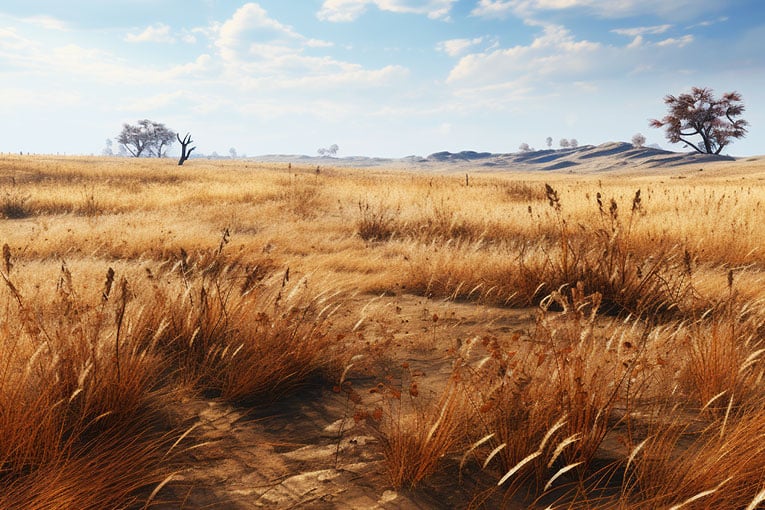
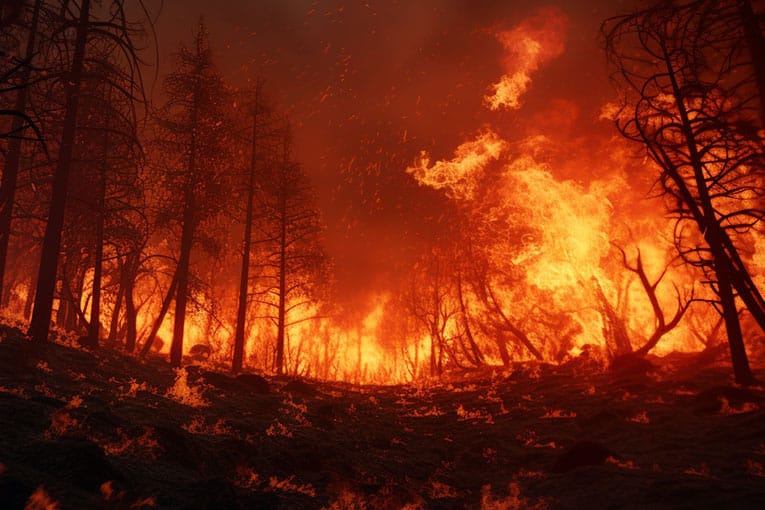
Fire only needs three components to thrive: fuel, oxygen, and heat. This is commonly referred to as the fire triangle.

During hot summer days when drought conditions are at their peak, even the tiniest spark can set off a wildfire. 

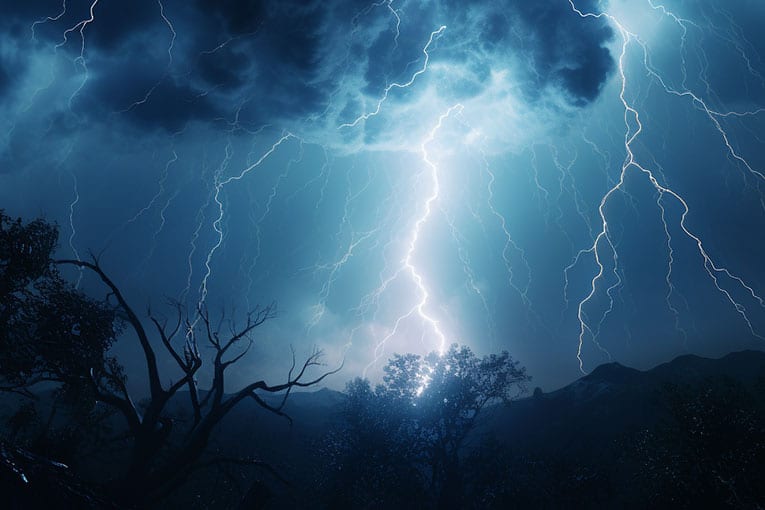
In certain instances, fires occur naturally, sparked by the intense heat of the sun or from lightning strikes.

Unfortunately, similarly to the main causes of fires in general, the majority of wildfires stem from human negligence. 

A large wildfire
Wildfires can be incredibly destructive

Events such as arson, poorly managed campfires, careless littering of lit cigarettes, improper burning of debris, and playing with matches or fireworks are often held responsible for igniting these devastating blazes.

This article aims to explore what causes wildfires, ranging from natural occurrences to human activities. 

By delving into these causes, we can enhance our knowledge and promote responsible behaviour to mitigate the future risks of devastating consequences of wildfires.

What is a Wildfire?

Wildfires are powerful and destructive forces of nature that can cause extensive damage to forests, natural habitats, and communities. 

Understanding the common causes of wildfires is crucial for prevention and effective fire management. 

By identifying the main causes of wildland fires, we can take proactive measures to reduce the risk of wildfires and protect our natural environment. 

What Causes Wildfires?

Wildfires start due to a number of reasons, with 11 of the most common causes being:

Lightning

Lightning is a natural cause of wildfires. 

Lightning strikes can ignite dry vegetation, particularly during periods of drought. The heat from a lightning strike can spark flames that spread through the surrounding landscape. 

A lightning storm
Lightning is one of the main natural causes of wildfires

This can lead to large-scale wildfires, especially in areas with dry and combustible vegetation. 

Climate conditions and the frequency of thunderstorms can contribute to wildfires.

Campfires

Improperly managed campfires are a significant cause of wildfires. 

Unattended or poorly extinguished campfires can spread to surrounding vegetation and ignite a fire. 

Campers should always follow fire safety guidelines, including keeping fires small, using designated fire rings or pits, and ensuring that the fire is completely extinguished before leaving the site. 

It is crucial to douse the fire with water, stir the ashes, and repeat the process until the fire is cold to the touch.

Burning Vegetation

Whether intentional or not, burning of vegetation like agricultural burning or land clearing, can lead to wildfires. 

When uncontrolled, the spread of fires during vegetation burning can quickly escalate, especially in dry and windy conditions. 

Proper permits, monitoring weather conditions, and employing trained workers are essential for safe and controlled burning practices. 

It is important to follow local regulations and guidelines to prevent wildfires when conducting any form of vegetation burning.

Fallen Power Lines

Fallen power lines can be a significant cause of wildfires, particularly during windy conditions. 

Strong winds can cause power lines to break or come into contact with trees or dry vegetation, resulting in sparks and fires. 

Regular maintenance and inspection of power lines, timely tree trimming around power lines, and prompt repair of damaged infrastructure are essential for reducing the risk of wildfires caused by fallen power lines.

Cigarettes

Carelessly discarded cigarette butts can accidently start wildfires

Smokers should always use designated ashtrays or fire-safe containers to dispose of cigarette butts. 

It is crucial to fully extinguish cigarettes before discarding them and avoid smoking in fire-prone areas, particularly during dry and windy conditions.

Equipment Malfunctions

Equipment malfunctions, such as power tools, chainsaws, or machinery, can lead to wildfires if they generate sparks or excessive heat. 

Proper maintenance, regular inspection, and safe equipment operation are essential to prevent equipment-related wildfires. 

It is crucial to follow manufacturer guidelines, conduct routine maintenance checks, and promptly address any issues with equipment.

Vehicle Crashes

Vehicle crashes can cause wildfires when sparks or friction from the collision ignite. 

The heat generated from the impact, particularly with metal components, can also lead to fire ignition. 

Safe driving practices, proper vehicle maintenance, and avoiding off-road driving in fire-prone areas can help minimise the risk of wildfires caused by vehicle crashes.

Arson

Intentional acts of arson, where fires are intentionally set, are a significant cause of wildfires, and can lead to dangerous scenarios, and even loss of life

Arson can occur due to various motives, including vandalism, revenge, and even pyromania. 

It is a criminal offence and poses a serious threat to lives, property, and natural resources. 

Public awareness, community vigilance, and reporting suspicious activities can aid in preventing arson-related wildfires.

Controlled Burning

Controlled burning, also known as prescribed burning, is a planned fire management technique used to reduce vegetation fuel loads and promote ecosystem health. 

However, if not carefully executed, prescribed burns can escape control and result in wildfires. 

Proper planning, comprehensive risk assessments, and skilled personnel are essential for conducting prescribed burns safely. 

Adhering to specific weather conditions, monitoring fire behaviour, and having appropriate resources in place helps minimise the risk of prescribed burns turning into uncontrolled wildfires.

Fireworks

Improper use of fireworks, especially in areas with dry vegetation, can lead to wildfires. 

Fireworks produce sparks and embers that can ignite nearby combustible materials, including dry grass or trees. 

A fireworks show
Even though fireworks can be pretty to look at, they can be a cause of wildfires

Adhering to local laws and upkeep high fire safety standards regarding fireworks, using fireworks in designated areas, and ensuring proper disposal of fireworks debris is crucial to prevent wildfires.

Volcanoes

Volcanic eruptions can cause wildfires, particularly when hot lava or volcanic ash comes into contact with dry vegetation. 

Active volcano regions should have comprehensive emergency response plans in place to mitigate the impacts of volcanic-induced wildfires.

How does weather affect wildfires?

Increased temperatures alone do not guarantee a rise in wildfires. 

As previously stated, fires need a combination of 3 factors to survive; availability of fuel, fire-friendly conditions (such as dry weather), and the presence of an ignition source, whether human-caused or triggered by lightning strikes. 

One small spark can cause wildfires when conditions are dry and arid

The amount and dryness of vegetation are crucial factors since live, moist vegetation is less susceptible to burning compared to dry, dead vegetation, which easily catches fire and aids in the fire’s spread. 

This is why areas affected by hot, dry weather and drought are much more likely to have wildfires than areas that are often rainy and cold.

Weather conditions play a critical role in fire behaviour. 

Strong winds, like those experienced in the 2022 Colorado wildfires, can accelerate the spread of fires, resulting in unprecedented devastation for the affected communities.

Wildfires become more severe during prolonged periods of hot and dry weather due to higher temperatures leading to increased evaporation, which dries out the vegetation and provides ample fuel for the fires to thrive.

Where do most wildfires occur?

Wildfires happen all over the world. Places like the United States, Canada, Australia, the Western Cape of South Africa, and Southern Europe, especially forested areas, grasslands, and shrublands, are particularly susceptible to these blazes, particularly during extended periods of drought and high temperatures.

Among the regions in the United States, California and other Western states stand out as being prone to wildfires. 

The vegetation in this area, comprising pine needles, dry shrubs, and grasses, possesses higher flammability compared to moister trees like maple and beech found in other parts of the country.

The Western US’s mild and arid climate further contributes to the fire risk. California, in particular, experiences long, hot, and dry summers, which lead to the dehydration of vegetation, leaving it highly susceptible to wildfires.

Conclusion

Wildfires can have devastating consequences for ecosystems and communities. 

Understanding the common causes of wildfires is necessary to be able to better prevent them. 

Whether ignited by natural occurrences or as a result of human negligence, wildfires can be mitigated through responsible behaviour, adherence to fire safety guidelines, and community awareness. 

Implementing fire prevention strategies, practising safe habits, and promoting fire education can help minimise the occurrence and severity of wildfires. 

By working together, we can reduce the impact of wildfires and protect our environment for future generations.

California retains title as state with most Firewise communities

California has set a new record of designated Firewise USA communities with the recognition of Rancho/Middle Canyon in Monterey County as the 600th Firewise Community in the state.

The recognition by the National Fire Protection Association (NFPA) highlights the steps the community has taken to ensure that wildfire risk is reduced in their area.

The Carmel Valley community of Rancho/Middle Canyon in Monterey County gets the distinction of being California’s 600th Firewise USA Community. The community worked closely with the CAL FIRE – Office of the State Fire Marshal’s Firewise Southern California Area Liaison, Battalion Chief Gene Potkey and Monterey County Regional Fire District’s Division Chief Kevin Kamnikar to complete the application.

The Firewise USA recognition program is administered by NFPA. Individuals and communities participate on a voluntary basis and are recognized as a Firewise community upon the completion of certain tasks, including forming a committee of residents and other wildfire stakeholders, obtaining a written risk assessment form, with assistance from Division Chief Kevin Kamnikar, including hosting an outreach event and ultimately completing their application to become a Firewise community.  

Mark Angel, community leader, commented: “Building the connection in the community allows us to check on neighbours and check on our neighbour’s properties when an evacuation occurs. Community building is the greatest benefit as it is the first line of defence, it is your neighbours that need to stick together and work together, it makes all the difference in the world.”

California State Fire Marshal Mike Richwine, said: “While we celebrate the recognition of the Rancho/Middle Canyon community, we are grateful to all 600 communities who have worked hard this year to prepare their neighborhoods for wildfire.”

Chief Daniel Berlant, Deputy Director of CAL FIRE-Office of the State Fire Marshal’s Community Wildfire Preparedness and Mitigation Division., said: “A part of our wildfire preparedness strategy this year has been to work closely with local communities and neighborhoods in earning the Firewise Community recognition. Reaching the 600th community mark is a huge accomplishment, especially since it was just seven months ago that we hit 500.”

“Wildfires can impact dozens or hundreds of homes simultaneously,” said Michele Steinberg, NFPA Wildfire Division director. “The work that people do along with their neighbors through Firewise USA helps the whole community to bend down the risk curve.”

To learn the steps and begin the process of becoming a California Firewise community, visit the Ready for Wildfire website

New Community Wildfire Prevention grants available in Canada

The Wawanesa Mutual Insurance Company (Wawanesa) has partnered with the Institute for Catastrophic Loss Reduction (ICLR) and collaborated with FireSmart Canada to offer a new community wildfire prevention grant.

Wawanesa and ICLR have announced six grants of up to $15,000 each to help communities across Canada increase their resilience to wildfire through prevention and mitigation activities.

“Climate change is here and one of the most destructive implications is the increased threat of wildfires,” said Carol Jardine, President of Canadian P&C Operations for Wawanesa.

“As a Canadian owned and operated mutual company, we want to help communities across Canada improve their climate resilience and protect themselves, their homes and their businesses. That’s why we are working with experts at ICLR and FireSmart Canada to reduce the risk of wildfires and help make communities across Canada safer and more resilient.”

These grants will support prevention, mitigation, and preparedness activities aligned with FireSmart Canada’s seven disciplines: education, emergency planning, vegetation management, legislation, development, interagency cooperation and cross training.

Grant applications must be received before December 1, 2022 at 12 p.m. CST and will be evaluated by a committee of wildfire prevention subject matter experts from Wawanesa, ICLR, and FireSmart Canada. Grant recipients will be announced on March 1, 2023.

Paul Kovacs, Executive Director of the Institute for Catastrophic Loss Reduction, commented: “From 2008 to 2021, wildfires have cost Canadian insurers more than $4.6 billion, with over 87,000 claims filed. This represents only a portion of the overall costs caused by wildland fires, as uninsured public infrastructure is damaged, lives are disrupted, and individual health – both physical and mental – is affected.

“Wawanesa’s leadership in supporting grants targeted at preventing and mitigating the impacts of wildfires will help communities increase their resilience to this increasingly prevalent peril, serve as learning opportunities for other communities wishing to take action, and reduce the immense personal toll wildfires have on people and businesses across our country.”  

Ray Ault, Director of FireSmart Canada, added: “FireSmart Canada is happy to provide support for and input towards Wawanesa’s Community Wildfire Prevention Grants. This is an important initiative that will help Canadians increase their wildfire resilience.”

Interested community groups can visit the program webpage for project eligibility and application criteria at wawanesa.com/wildfire-grants. Communities across Canada are now welcome to apply.

NFCC issues precautions as 70 UK wildfires breakout in 2022

Following more than 25 wildfires last weekend alone, the National Fire Chiefs Council is urging the public to take additional precautions. And there is now a large-scale wildfire in Devon and Somerset which has ten fire appliances in attendance, with alerts out for similar fires in both South Wales and Lancashire.

In additon, a six hectare wildfire in East Sussex has also been reported earlier this week. To date in 2022, there have already been more than 70 significant wildfires across England and Wales – showing how serious the issue is this early into the year.

Over the last weekend, firefighters tackled wildfires which broke out in Cornwall, Wales, Cumbria and areas of the Pennines, with incidents in Derbyshire, Greater Manchester, West Yorkshire and Lancashire. With the additional incidents reported today, firefighters across the UK will be battling these over the coming days.

According to NFCC, the dry weather conditions the UK is currently experiencing – combined with strong winds and dead vegetation which has built up over the winter can lead to spate conditions for such fires – and makes fighting and controlling wildfires incredibly difficult.

Wildfires often result in sustained and prolonged operations by UK fire & rescue services and other partner agencies.

Often, firefighters from across the country will be deployed to deal with just one in a different part of the country, depending on its severity. This includes specialist equipment, tools and vehicles, as well as national tactical advisers to give expert help and assistance on how to tackle them.

As the weather improves and temperatures rise, NFCC is calling on the public to ensure they are not putting our green spaces and natural habitat at risk. While encouraging people to enjoy the countryside, simple measures can help prevent wildfires.

Fire chiefs and fire services across the UK are urging the public to enjoy the countryside responsibly; asking them not to have barbeques or campfires and to ensure cigarettes are fully extinguished before disposing of them.

Paul Hedley, NFCC’s wildfire lead points out: “We have seen over 20 wildfires in just one weekend; these can take hold incredibly quickly, destroying land and habitats, while impacting on local communities. They also create one of the most challenging incidents for firefighters as they not only battle with the fire itself, but also the weather conditions.

“We want the public to enjoy our wonderful green spaces, but the use of portable barbecues and campfires can be catastrophic for our countryside. Even a poorly discarded cigarette or a glass bottle can spark a wildfire, leading to a major incident.”