Wales Wildfire Board urges public caution after sharp rise in wildfire incidents

Fire services report sharp increase in wildfire incidents

The Wales Wildfire Board has reported a 407% increase in wildfires across Wales between March and May 2025 compared to the same period in 2024.

The board has urged members of the public to take precautions and act responsibly outdoors to help reduce the risk and impact of wildfires during the warmer months.

Andrew Wright, Chair of the Wales Wildfire Board, said the increase came during a particularly active grass fire season.

The board is encouraging residents and visitors to be “Wildfire Wise” and follow seasonal safety guidance when spending time in the countryside.

According to the Wales Wildfire Board, the rise in incidents affects not only emergency response services but also wildlife habitats, land, and the wider community.

Summer outdoor activity raises fire risk

The Wales Wildfire Board stated that warmer weather and outdoor activity can increase fire risk if care is not taken.

Andrew Wright said: “As the seasons change, and the promise of warmer weather is on the horizon, it is the ideal time to enjoy a variety of outdoor activities, book your staycations or holidays, take your family on a camping trip, or just enjoy your local area.”

He continued: “We are encouraging all members of our communities to respect our countryside and play their part in safeguarding our environment and keeping our communities safe.”

He added: “Every year, fire is responsible for the destruction of thousands of hectares of countryside, open space and wildlife habitats.

“We want to work with our communities to build a healthier and resilient countryside and to develop a more biodiverse countryside for the future.

“Working with our communities and sharing our knowledge provides us with a better understanding of what we can do to limit the damage that accidental fires cause to our environment.”

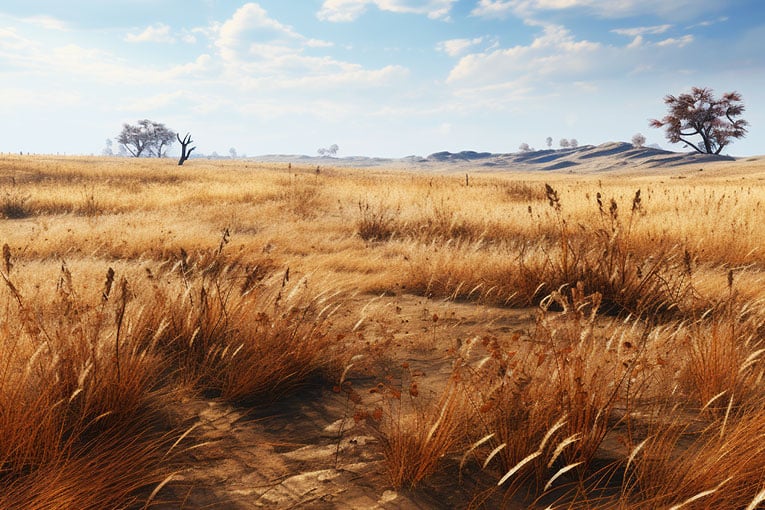
The board said that dry grass and open landscapes can quickly fuel fast-spreading fires if ignition occurs.

Health and environmental effects highlighted

The Wales Wildfire Board said the impact of wildfires extends beyond immediate damage.

Andrew Wright said: “As wildfires become an increasingly dire reality, it is imperative that we address not only the immediate threats but also the long-term implications for our health, economy, and environment.”

He added: “Air quality is severely compromised during and after wildfires. Smoke can travel hundreds of miles, affecting communities far removed from the flames.

“While some partners on the Wales Wildfire Board are working tirelessly to better understand the health impact of wildfires, what we do know is that vulnerable populations can be particularly at risk, with wildfire smoke affecting your breathing, irritating your skin and eyes, and causing chest pains.”

The board stated that fires also disrupt natural ecosystems and can contribute to longer-term environmental degradation, including increased carbon emissions.

It explained that the destruction of vegetation and wildlife alters habitats, affecting biodiversity and increasing soil and water quality issues.

Economic impacts on Welsh communities

The Wales Wildfire Board has warned that wildfires have wide-reaching economic effects on rural and tourism-based communities.

Andrew Wright said: “The economic fallout from wildfires is also often misunderstood and, in many cases, is profound and long-lasting.

“In addition to immediate firefighting costs, communities face prolonged impacts on tourism, agriculture, and local businesses.”

The board noted that these costs are not always immediately visible, but they can place pressure on local economies for months or even years after an incident.

According to the organisation, proactive investment in prevention is essential to reduce long-term community impact.

Community and policy action encouraged

The Wales Wildfire Board said it is increasing its work with communities and policymakers to improve wildfire preparedness.

Andrew Wright said: “In light of these overwhelming challenges, the Wales Wildfire Board is stepping up efforts to bolster community resilience.

“Programs focused on fire preparedness, education, and support are being implemented to aid communities in recovery.

“Innovative approaches to land management and ecological restoration are also being explored to mitigate future fire risks and enhance community safety.”

He added: “But we know there is more we can do, and we are urging policymakers, community leaders, and individuals to come together to play their part in investing in and supporting preventive measures, affected communities, and advocating for sustainable practices.”

The board is asking the public to visit the Mid and West Wales Fire and Rescue Service website for guidance and information on how to take part in fire safety efforts.

Wales Wildfire Board urges public caution after sharp rise in wildfire incidents: Summary

The Wales Wildfire Board has reported a 407% rise in wildfires across Wales between March and May 2025 compared to 2024.

The board said the increase followed a particularly dry grass fire season.

Chair Andrew Wright urged communities to take precautions and follow safety advice.

The board warned that wildfires damage land, affect health, and impact local economies.

It stated that smoke from fires can affect air quality over long distances.

The board said economic effects include disruption to tourism and agriculture.

Wildfires can also destroy habitats and contribute to biodiversity loss.

The Wales Wildfire Board is increasing its efforts on community resilience and land management.

It is calling on individuals, community leaders, and policymakers to support prevention and recovery measures.

The public is encouraged to visit the Mid and West Wales Fire and Rescue Service website for information.
What Causes Wildfires – 11 Common Reasons

What causes wildfires is a commonly asked question, with wildfires during the summer months being shown almost every day in the news.

Fire only needs three components to thrive: fuel, oxygen, and heat. This is commonly referred to as the fire triangle.

During hot summer days when drought conditions are at their peak, even the tiniest spark can set off a wildfire. 

In certain instances, fires occur naturally, sparked by the intense heat of the sun or from lightning strikes.

Unfortunately, similarly to the main causes of fires in general, the majority of wildfires stem from human negligence. 

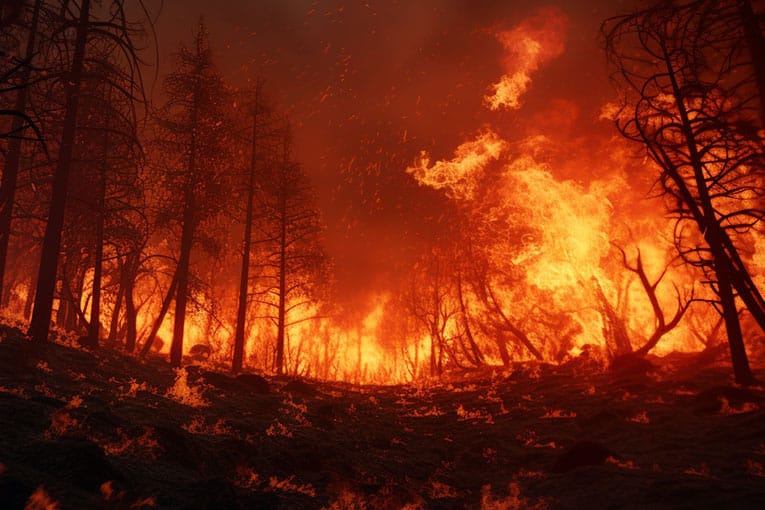
A large wildfire
Wildfires can be incredibly destructive

Events such as arson, poorly managed campfires, careless littering of lit cigarettes, improper burning of debris, and playing with matches or fireworks are often held responsible for igniting these devastating blazes.

This article aims to explore what causes wildfires, ranging from natural occurrences to human activities. 

By delving into these causes, we can enhance our knowledge and promote responsible behaviour to mitigate the future risks of devastating consequences of wildfires.

What is a Wildfire?

Wildfires are powerful and destructive forces of nature that can cause extensive damage to forests, natural habitats, and communities. 

Understanding the common causes of wildfires is crucial for prevention and effective fire management. 

By identifying the main causes of wildland fires, we can take proactive measures to reduce the risk of wildfires and protect our natural environment. 

What Causes Wildfires?

Wildfires start due to a number of reasons, with 11 of the most common causes being:

Lightning

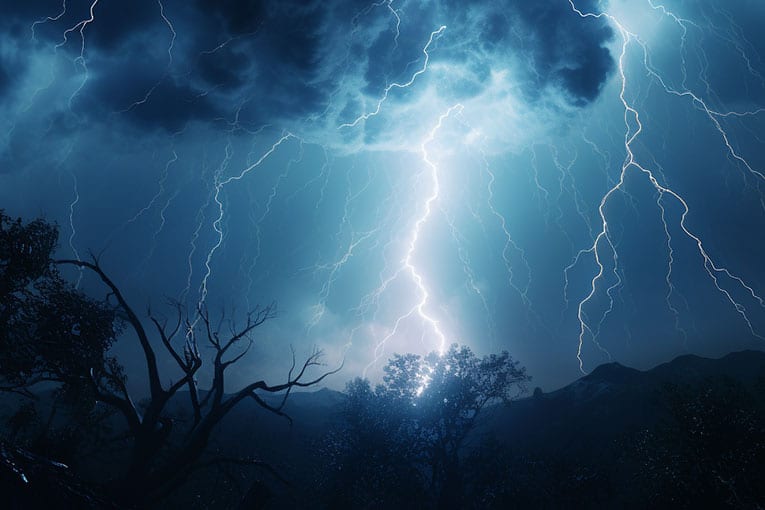
Lightning is a natural cause of wildfires. 

Lightning strikes can ignite dry vegetation, particularly during periods of drought. The heat from a lightning strike can spark flames that spread through the surrounding landscape. 

A lightning storm
Lightning is one of the main natural causes of wildfires

This can lead to large-scale wildfires, especially in areas with dry and combustible vegetation. 

Climate conditions and the frequency of thunderstorms can contribute to wildfires.

Campfires

Improperly managed campfires are a significant cause of wildfires. 

Unattended or poorly extinguished campfires can spread to surrounding vegetation and ignite a fire. 

Campers should always follow fire safety guidelines, including keeping fires small, using designated fire rings or pits, and ensuring that the fire is completely extinguished before leaving the site. 

It is crucial to douse the fire with water, stir the ashes, and repeat the process until the fire is cold to the touch.

Burning Vegetation

Whether intentional or not, burning of vegetation like agricultural burning or land clearing, can lead to wildfires. 

When uncontrolled, the spread of fires during vegetation burning can quickly escalate, especially in dry and windy conditions. 

Proper permits, monitoring weather conditions, and employing trained workers are essential for safe and controlled burning practices. 

It is important to follow local regulations and guidelines to prevent wildfires when conducting any form of vegetation burning.

Fallen Power Lines

Fallen power lines can be a significant cause of wildfires, particularly during windy conditions. 

Strong winds can cause power lines to break or come into contact with trees or dry vegetation, resulting in sparks and fires. 

Regular maintenance and inspection of power lines, timely tree trimming around power lines, and prompt repair of damaged infrastructure are essential for reducing the risk of wildfires caused by fallen power lines.

Cigarettes

Carelessly discarded cigarette butts can accidently start wildfires

Smokers should always use designated ashtrays or fire-safe containers to dispose of cigarette butts. 

It is crucial to fully extinguish cigarettes before discarding them and avoid smoking in fire-prone areas, particularly during dry and windy conditions.

Equipment Malfunctions

Equipment malfunctions, such as power tools, chainsaws, or machinery, can lead to wildfires if they generate sparks or excessive heat. 

Proper maintenance, regular inspection, and safe equipment operation are essential to prevent equipment-related wildfires. 

It is crucial to follow manufacturer guidelines, conduct routine maintenance checks, and promptly address any issues with equipment.

Vehicle Crashes

Vehicle crashes can cause wildfires when sparks or friction from the collision ignite. 

The heat generated from the impact, particularly with metal components, can also lead to fire ignition. 

Safe driving practices, proper vehicle maintenance, and avoiding off-road driving in fire-prone areas can help minimise the risk of wildfires caused by vehicle crashes.

Arson

Intentional acts of arson, where fires are intentionally set, are a significant cause of wildfires, and can lead to dangerous scenarios, and even loss of life

Arson can occur due to various motives, including vandalism, revenge, and even pyromania. 

It is a criminal offence and poses a serious threat to lives, property, and natural resources. 

Public awareness, community vigilance, and reporting suspicious activities can aid in preventing arson-related wildfires.

Controlled Burning

Controlled burning, also known as prescribed burning, is a planned fire management technique used to reduce vegetation fuel loads and promote ecosystem health. 

However, if not carefully executed, prescribed burns can escape control and result in wildfires. 

Proper planning, comprehensive risk assessments, and skilled personnel are essential for conducting prescribed burns safely. 

Adhering to specific weather conditions, monitoring fire behaviour, and having appropriate resources in place helps minimise the risk of prescribed burns turning into uncontrolled wildfires.

Fireworks

Improper use of fireworks, especially in areas with dry vegetation, can lead to wildfires. 

Fireworks produce sparks and embers that can ignite nearby combustible materials, including dry grass or trees. 

A fireworks show
Even though fireworks can be pretty to look at, they can be a cause of wildfires

Adhering to local laws and upkeep high fire safety standards regarding fireworks, using fireworks in designated areas, and ensuring proper disposal of fireworks debris is crucial to prevent wildfires.

Volcanoes

Volcanic eruptions can cause wildfires, particularly when hot lava or volcanic ash comes into contact with dry vegetation. 

Active volcano regions should have comprehensive emergency response plans in place to mitigate the impacts of volcanic-induced wildfires.

How does weather affect wildfires?

Increased temperatures alone do not guarantee a rise in wildfires. 

As previously stated, fires need a combination of 3 factors to survive; availability of fuel, fire-friendly conditions (such as dry weather), and the presence of an ignition source, whether human-caused or triggered by lightning strikes. 

One small spark can cause wildfires when conditions are dry and arid

The amount and dryness of vegetation are crucial factors since live, moist vegetation is less susceptible to burning compared to dry, dead vegetation, which easily catches fire and aids in the fire’s spread. 

This is why areas affected by hot, dry weather and drought are much more likely to have wildfires than areas that are often rainy and cold.

Weather conditions play a critical role in fire behaviour. 

Strong winds, like those experienced in the 2022 Colorado wildfires, can accelerate the spread of fires, resulting in unprecedented devastation for the affected communities.

Wildfires become more severe during prolonged periods of hot and dry weather due to higher temperatures leading to increased evaporation, which dries out the vegetation and provides ample fuel for the fires to thrive.

Where do most wildfires occur?

Wildfires happen all over the world. Places like the United States, Canada, Australia, the Western Cape of South Africa, and Southern Europe, especially forested areas, grasslands, and shrublands, are particularly susceptible to these blazes, particularly during extended periods of drought and high temperatures.

Among the regions in the United States, California and other Western states stand out as being prone to wildfires. 

The vegetation in this area, comprising pine needles, dry shrubs, and grasses, possesses higher flammability compared to moister trees like maple and beech found in other parts of the country.

The Western US’s mild and arid climate further contributes to the fire risk. California, in particular, experiences long, hot, and dry summers, which lead to the dehydration of vegetation, leaving it highly susceptible to wildfires.

Conclusion

Wildfires can have devastating consequences for ecosystems and communities. 

Understanding the common causes of wildfires is necessary to be able to better prevent them. 

Whether ignited by natural occurrences or as a result of human negligence, wildfires can be mitigated through responsible behaviour, adherence to fire safety guidelines, and community awareness. 

Implementing fire prevention strategies, practising safe habits, and promoting fire education can help minimise the occurrence and severity of wildfires. 

By working together, we can reduce the impact of wildfires and protect our environment for future generations.

California to drive down insurance costs with wildfire safety regulations

Insurance Commissioner Ricardo Lara is set to enforce a new insurance pricing regulation recognising and rewarding wildfire safety and mitigation efforts made by homeowners and businesses.

Commissioner Lara’s regulation is the first in the nation requiring insurance companies to provide discounts to consumers under the Safer from Wildfires framework created by the California Department of Insurance in partnership with state emergency preparedness agencies. The regulation is now state law and enshrined in the California Code of Regulations.

The regulation requires insurance companies to submit new rate filings incorporating wildfire safety standards created by the Department, and to establish a process for releasing wildfire risk determinations to residents and businesses within 180 days. Transparency is an important benefit of this regulation, by requiring insurance companies to provide consumers with their property’s “wildfire risk score” and creating a right to appeal that score.

This regulation is part of a comprehensive solution that Commissioner Lara initiated after taking office to protect consumers from climate change-intensified wildfires. When Commissioner Lara took office in 2019, insurance companies representing 7 percent of the residential market provided insurance discounts and, under his leadership, that figure has grown to 40 percent. When this regulation is fully implemented, it will be 100 percent of the residential and commercial market aligned with the Safer from Wildfires framework.

“Protecting Californians from deadly wildfires means everyone doing their part, including insurance companies by rewarding consumers for being safer from wildfires,” said Commissioner Lara.

“The reality of climate change is driving my determination to help communities better prepare, help our firefighters save lives, and help more Californians find insurance they can afford. My Department will work diligently to increase discounts to reward the hard work that California consumers do to protect their families, homes, businesses, and communities.”

Commissioner Lara directed the Department to write the regulation to protect consumers and improve market competition after hearing first-hand from consumers and business owners about their frustration with insurance companies that did not consider mitigation in their rating plans. During town hall meetings in more than 38 counties and an extensive Department investigatory wildfire hearing in 2020, many consumers testified that their homes and businesses were subject to “wildfire risk scores” that many did not know existed and had no right to appeal if inaccurate.

“Home Hardening retrofits, along with Defensible Space significantly increase a home’s chance of surviving a wildfire,” said Chief Daniel Berlant, CAL FIRE Deputy Director of Community Wildfire Preparedness & Mitigation. “Using the latest fire science and recent wildfire data, these retrofits and landscaping requirements provide a strong path to structure survivability. CAL FIRE is currently funding over three hundred million dollars in local wildfire prevention projects to prepare communities against wildfire, but we know it will take every resident doing their part to ensure California is fully protected.”

“I applaud and welcome the new insurance pricing regulation developed by Commissioner Lara,” said Los Angeles County Supervisor Kathryn Barger, who represents approximately 2 million residents, including many who own properties in the county’s wildland urban interface. “Over the years, I’ve met with many wildfire survivors who were underinsured and, as a result, were financially ruined – left with a home that’s uninhabitable, that they can’t afford to repair, yet still liable for meeting their mortgage payments. The discounts offered to property owners who harden their homes and take action to mitigate wildfire threats are a financial reward that I believe will be embraced by many. This is a big step forward towards promoting community-driven preparedness and resilience.” 

“Communities have been engaging in wildfire risk reduction through the national Firewise USA program for two decades,” said Michele Steinberg, wildfire division director for the National Fire Protection Association (NFPA). “The Firewise USA process requires annual preparedness work across neighbourhoods, and a long-term commitment. This ongoing effort has proven to reduce property losses from wildfire and should factor into risk evaluations and insurance rates.”