Presentations on wildland fire behaviour now accessible online

The Department of Fire Protection Engineering at the University of Maryland recently concluded its Summer School focused on “Fire Safety Science – Wildland/WUI fire behaviour” from June 5-9, 2023.

In an exciting update for those keen on the topic, all the PowerPoint presentations and video lectures from this event are now available for viewing on the summer school website.

Notable lectures and their esteemed presenters

The programme featured a robust list of lectures delivered by global experts:

  • “Introduction to Wildland and Wildland-Urban-Interface Fires,” presented by Alex Filkov from the University of Melbourne.
  • “Fire behaviour” by Albert Simeoni of Worcester Polytechnic Institute.
  • University of Maryland’s own Stas Stoliarov and Arnaud Trouvé discussing “Ignition and Pyrolysis” and “Combustion” respectively.
  • And many more covering diverse topics from “Flame Spread” to “Technology: Real-Time Fire Forecasting”.

Panel discussion delves into challenges of large outdoor fires

A panel was also convened, which comprised notable figures like Danielle Antonellis of Kindling, USA, Erica Kuligowski from RMIT University, Australia, and Albert Simeoni from Worcester Polytechnic Institute, among others.

These panellists deliberated on the pressing challenges in large outdoor fires, offering invaluable insights into the domain.

IAFSS remarked: “Learn from 20 international experts. Listen to the engineering point of view on wildland/WUI fire behaviour: Join us in trying to develop solutions to these growing fire problems!

“Also, please spread the word on these resources and share this material with fellow students and colleagues!”

IFSJ Comment

As urban areas continue to expand and intertwine with natural landscapes, understanding the science behind these fires becomes imperative.

The University of Maryland’s effort in bringing together global experts to deliberate, discuss, and share knowledge is a commendable step.

We encourage our readership to delve into these resources, as collaborative learning is key in our collective quest to enhance fire safety in such vulnerable terrains.

NFPA urges action to mitigate wildfire risks following major US blazes

After the devastating wildfires in Maui, considered among the deadliest in the history of the US, and current destructive fires in Washington, the National Fire Protection Association (NFPA) is calling on governments, local communities, and individual property owners to implement scientifically-backed measures to prepare for wildfires, lessen risks, and bolster firefighting measures locally.

Recent events emphasise the importance to mitigate wildfire risks

“The recent tragedy in Maui and the ongoing fires in Washington underscore the vital need for collective action,” said Lorraine Carli, vice president of outreach and advocacy at NFPA.

“From local homeowners to top-tier governmental bodies, embracing mitigation strategies is essential for the safety of our communities.”

Around 45 million homes sit within the wildland/urban interface (WUI). The National Interagency Fire Center states that nearly 71.8 million US properties are at potential risk from wildfires.

Each year, the WUI witnesses some of the most damaging fires.

Over the past half-decade, wildfires have led to the destruction of close to 63,000 US structures, with a significant portion being residential properties, excluding the recent Maui incidents.

The US Forest Service has found that under 10% of communities facing such risks have put community action plans into place to minimise wildfire damages.

Mitigating wildfire risks: Steps and statistics

“These concerning figures emphasise the pressing need for an all-encompassing approach to the wildfire situation.

The NFPA’s Outthink Wildfire initiative offers a policy framework along with suggestions on preparing for, mitigating, and combating wildfires,” added Carli.

Outlined below are the Five Tenets of Outthink Wildfire:

  1. Ensuring homes and businesses in the WUI can withstand wildfire threats: It’s essential to guide, incentivise, and set clear directives to assist property owners in lowering ignition risks. Given the vast number of properties in wildfire zones, risk reduction efforts should be proportionate to the threat’s magnitude.
  2. Adherence to current codes and practices for construction in wildfire areas: Governments are urged to adopt and enforce present fire and building codes, along with effective land use practices to mitigate wildfire risks.
  3. Adequate preparation of fire departments in the WUI: There’s a dire need to equip local fire departments with necessary training, safety gear, and tools. A majority of these departments attend to wildfires, yet they often lack ample resources for efficient and safe operations.
  4. Increased vegetative fuel management on public terrains: Emphasising methods like cultural burning, prescribed burning, mechanical methods, and restoration practices.
  5. Public involvement in reducing wildfire hazards: Individual homeowners play a crucial role in wildfire preparedness. They can take several measures to ready their homes and families against potential wildfire threats.

For a comprehensive understanding of the initiative, visit NFPA’s dedicated resource on wildfire preparedness.

IFSJ Comment

The escalating number of wildfires and their resultant destruction in the US underlines the pressing need for comprehensive and science-backed mitigation strategies.

The recent events in Maui and Washington are stark reminders of the vulnerabilities communities face, especially those in the wildland/urban interface.

As the NFPA points out, the onus isn’t just on governmental bodies, but equally on local communities and individual homeowners.

Adopting well-researched and robust mitigation strategies is not just about property protection, but also about safeguarding lives.

The statistics reveal a concerning trend, and collective action has become not just necessary but imperative.

FireSmart BC offers guidance on wildfire preparedness

In the midst of what is described as the worst wildfire season British Columbia has ever experienced, millions of hectares have already succumbed to the raging fires across the province.

A report from FireSmart BC emphasises the importance of being prepared in these dire situations.

Knowing what to do in an emergency

For those unsure of emergency procedures during a wildfire, FireSmart BC has provided vital information to aid residents.

The aim is to ensure the safety of both individuals and their properties. Information includes how to handle the situation for yourself, your family, and even your pets.

Residents are encouraged to familiarise themselves with this information, available on the FireSmart BC website.

Steps to take for wildfire preparedness

Creating a sound evacuation plan

PreparedBC offers a plethora of information to guide individuals in creating a comprehensive evacuation strategy.

This includes planning for all members of the household, as well as assisting vulnerable individuals in the community.

Such preparation ensures everyone’s safety in the event of an evacuation alert or order.

Getting your home ready

To enhance your home’s resistance against wildfires, there’s a specific checklist recommended by FireSmart BC.

This encompasses tasks such as clearing your roof and gutters of debris, mowing grass near your home to a specific length, and securing a non-combustible zone around the property.

Residents are also advised to relocate any combustibles near the home, including objects on or under decks, to a safer location, either inside the house or the garage.

Staying updated on evacuation alerts and orders

It’s imperative to be aware of the fire danger rating in your community.

FireSmart BC provides a Last Minute Checklist to ensure readiness in case of an alert or order.

During an evacuation alert, it’s crucial to be ready to vacate immediately if an evacuation order is announced.

Once an evacuation order is given, preparation time is over, and residents should head to their local evacuation centre.

All resources mentioned can be found and shared from the firesmartbc.ca website.

IFSJ Comment

Wildfires have become an increasingly prevalent threat, particularly in regions like British Columbia.

The steps laid out by FireSmart BC not only provide a roadmap for individual safety but also emphasise the collective responsibility of communities.

Such preparation aids emergency response teams, reduces strain on resources, and most importantly, saves lives.

We would encourage residents in vulnerable areas worldwide to utilise resources such as this to increase there wildfire preparedness.

NIST releases new emergency response guidance for wildfires

The National Institute of Standards and Technology (NIST) has published two reports, offering advice to enhance wildfire readiness in the United States.

These reports propose measures for communities when there’s insufficient time for a full evacuation of residents.

Moreover, NIST has launched a new platform providing advice on making structures and communities more resistant to fires.

Learning from past wildfires

The guidance stems from a comprehensive study of the 2018 Camp Fire in California.

This fire tragically claimed the lives of 85 individuals.

Years of research were poured into this project by specialists from NIST and various other state and federal agencies.

NIST fire protection engineer Alex Maranghides stated: “The goal of these reports is to apply lessons learned from the Camp Fire to make our communities safer from ongoing wildfire risks.”

In-depth look at the Camp Fire

On November 8, 2018, the Camp Fire ignited in Butte County, Northern California.

Rapidly spreading, it affected several communities and resulted in over 40,000 people trying to flee.

Despite previous planning for such events, the fast spread resulted in major traffic and hundreds were caught in a burnover, a perilous situation where the fire moves through their location.

Maranghides commented: “The Camp Fire demonstrated the potential outcome even in a community that’s prepared when there’s not ample time to evacuate.”

Following the calamity, data was gathered by NIST in collaboration with the California Department of Forestry and Fire Protection (CAL FIRE) and other agencies to understand the disaster more thoroughly.

Steven Hawks of CAL FIRE observed: “Evacuations are paramount and the significance of seconds cannot be undermined when wildfires pose a threat. Early notification is vital for survival.”

Their detailed study, A Case Study of the Camp Fire: Notification, Evacuation, Traffic, and Temporary Refuge Areas, combines over 2,600 observations with the timeline of the Camp Fire’s spread, examining the response of the first responders.

Eric Link, a NIST researcher, noted: “The collective endeavour among first responders was monumental in saving thousands. Their actions were particularly highlighted by the documentation of 198 specific rescue events.”

The ESCAPE report: another perspective on emergency response

Another outcome of the Camp Fire lessons is the ESCAPE report, aiming to guide communities during wildfires by offering general response advice.

This report emphasises that evacuation might not always be feasible.

Under tight constraints, Maranghides suggests that individuals might need to seek refuge within their community in pre-established safety zones.

The ESCAPE report recommends officials understand their community’s response capabilities better.

Having prior knowledge about evacuation times will assist officials in making more informed decisions during crises.

Furthermore, planning for the safe evacuation of crucial care facilities and people with mobility challenges is a necessity.

Nicole LaRosa, senior policy adviser to the U.S fire administrator, remarked: “State and local fire service leaders and emergency managers need evidence-based guidance for making informed decisions that can be lifesaving.”

Introducing the Hazard Mitigation Methodology website

In addition to the reports, NIST has introduced a new website designed to assist leaders in areas vulnerable to wildfires.

This website offers a unique perspective, proposing a community-centric approach rather than focussing only on individual structures.

Maranghides concludes by recognising the significant impact of these resources, stating that smaller communities, previously lacking such tools, now have a clearer path to prepare for wildfires.

IFSJ Comment

The release of the new guidance and resources by NIST represents a crucial step in the ongoing effort to enhance community resilience to wildfires.

Drawing from the tragic events of the Camp Fire in 2018, these reports and the new website offer tangible, evidence-based tools for communities of all sizes.

As wildfire events become increasingly prevalent, tools such as these are invaluable in equipping communities with strategies not just for prevention, but also for effective response and mitigation.

The collaboration between NIST, CAL FIRE and other agencies underscores the importance of a cohesive and well-researched approach to wildfire preparedness.

About NIST

The National Institute of Standards and Technology (NIST) is an agency within the United States Department of Commerce.

Founded in 1901, NIST’s mission is to promote innovation and industrial competitiveness by advancing measurement science, standards, and technology in ways that enhance economic security and improve our quality of life.

Canadian wildfires: Trudeau criticises Meta for blocking news during crisis

Canadian Prime Minister, Justin Trudeau, has voiced concerns over Meta’s decision to block domestic news on its platforms.

Citing the current wildfire crisis, he said the company appears to prioritise profits over public safety.

Canada wildfires and the role of social media

In a recent conference in Prince Edward Island, Trudeau mentioned: “Facebook is putting corporate profits ahead of people’s safety.”

He described the action as “inconceivable.”

Just last week, federal ministers labelled the move as reckless.

Many evacuating due to the wildfires expressed difficulties in sharing vital information about the fires because of the ban.

Canada’s unprecedented wildfire season

Currently, Canada is undergoing its most severe wildfire season to date.

Major areas affected include British Columbia and the Northwest Territories.

“It’s time for us to expect more from corporations like Facebook,” remarked Trudeau.

Despite the news block, Meta reports that Canadians are still using its platforms to connect and access information, including from official government and emergency services.

As of Friday, over 45,000 individuals had used the “Safety Check” feature on Facebook.

Additionally, 300,000 had visited crisis response pages to seek support, the company stated.

IFSJ Comment

In the evolving era of digital information, timely access to local news is critical, especially during emergencies such as the wildfires ravaging Canada.

Social media platforms, due to their vast reach and real-time capabilities, play a pivotal role in dissemination.

It’s concerning when obstacles, like the news block initiated by Meta, hamper the flow of essential information.

These challenges underscore the importance of multiple information channels and the responsibility tech giants hold in public safety scenarios.

Firefighter shortage in Canada intensifies as international reinforcements depart

Amid escalating fire risks, provinces and territories in Canada are voicing concerns over the departure of hundreds of international firefighters.

The immediate worry stems from expiring contracts and the need for these firefighters to address blazes back in their home countries.

This surge in wildfire emergencies, especially in Canada, has prompted at least one province and territory to urgently request additional assistance.

International support sees dramatic decrease

Earlier this year, a record area was engulfed by flames across Canada, especially pronounced in regions like British Columbia, the Northwest Territories, Yukon, and Alberta.

Contrasting the situation, Marieke deRoos from the Canadian Interagency Fire Fighting Centre (CIFFC) commened: “680 international firefighters are battling blazes across Canada, compared to their record peak in early July, when 1,754 were deployed.”

CIFFC is crucial in coordinating the movement of interprovincial and foreign fire personnel within Canada.

Federal efforts to mitigate firefighter shortage

During a federal briefing, Michael Norton, a director-general at the Canadian Forest Service, said: “Ottawa is in active talks with other countries to supply more firefighting help.”

The aim is to prevent a dire staffing crisis during what he described as a “challenging marathon” of a fire season.

However, precise details regarding these negotiations remain undisclosed by Natural Resources Canada, responsible for overseeing the federal government’s wildfire response.

Challenges on the front lines

Facing an intimidating blaze threatening its capital, the Northwest Territories confirmed its plea for additional manpower to aid the 65 South African firefighters and 120 Canadian soldiers currently battling 236 active wildfires.

Mike Westwick, representing the Northwest Territories, said: “We’ve got folks who are tired – they’ve been working all summer – and we need to keep refreshing people.”

The BC Wildfire Service also announced its ongoing plea to CIFFC for added manpower.

This comes in light of the recent exit of close to 200 American and Australian firefighters.

Arrival of reinforcements from Mexico

The BC Wildfire Service expressed optimism as over 100 firefighters from Mexico received clearance for deployment and are expected within a week.

However, while Alberta currently hosts 200 firefighters from various countries, the province is not seeking additional help.

Changing dynamics and the role of climate change

The dynamics of the situation are fluid. As Marieke deRoos explained: “Things shift and change almost on an hourly basis.”

Yet, the overarching narrative suggests an alarming trend.

With climate change exacerbating fire seasons, experts and critics alike are urging Ottawa to consider a national wildfire personnel team.

The intent is to bolster provincial efforts and reduce dependency on international partners, who sometimes can take an extended period to arrive and combat fires.

Immediate outlook and local efforts

Sarah Budd from the BC Wildfire Service shed light on upcoming weather patterns that might worsen the situation.

However, she commended the determination of local and international crews working tirelessly to contain the situation.

Comment from International Fire & Safety Journal

The rapid departure of international firefighting personnel from Canada is deeply concerning, reflecting the broader challenges many nations face due to escalating fire risks.

As climate change intensifies, collaboration and resource sharing become even more critical.

This recent development underscores the need for a more coordinated, international approach to tackling wildfires, ensuring that nations can lean on each other during these challenging times.

Maui’s wildfire decision: An examination of the choice not to sound sirens

Maui’s emergency management recently defended their decision not to sound sirens during the ongoing wildfire crisis, sparking debates on whether sirens could have saved lives.

Maui’s reasoning behind the decision

Herman Andaya, administrator of the Maui County Emergency Management Agency, highlighted that sirens in Hawaii are traditionally used to alert the public to tsunamis.

People are conditioned to seek higher ground when sirens sound.

Hence, sounding sirens during the fire might have led to evacuations in the wrong direction, potentially moving people toward the fire.

The case against sounding the sirens

Andaya stressed that if sirens had been sounded, there was a fear people would have evacuated mauka (towards the mountainside), which would have taken them directly into the fire’s path.

To counteract this potential threat, Maui relied on two different alert systems.

One of these systems sent text alerts to phones, and another broadcasted emergency messages on TV and radio.

Furthermore, since sirens are mainly located along the waterfront, they may not have been effective for individuals on higher ground.

Reasons against sounding sirens

  1. Potential for misunderstanding: Given that the sirens in Hawaii are typically used for tsunamis, there was a valid concern that people might misinterpret the warning and evacuate towards danger, especially if the siren’s intended meaning isn’t clear.
  2. Location of sirens: Sirens are primarily located on the waterfront.
    This positioning means they might not be effective in alerting people on higher ground or those further inland.
  3. Conflicting instructions: If the sirens were sounded for the wildfire, it could cause confusion in the future if there were an actual tsunami.
    People might hesitate, wondering if it’s another fire or a different kind of emergency.
  4. Alternative methods available: Maui had other alert systems in place. These systems sent text messages and broadcasted emergency messages on television and radio.
    With these technologies, there’s an argument that sirens might not be necessary for all emergencies.

The case for sounding the sirens

Opponents might argue that the sirens could have served as a general alert mechanism, regardless of their traditional usage.

The fire resulted in significant casualties, with 110 confirmed deaths and considerable property damage, and thus any method to quickly alert the public could have been beneficial.

A rapid evacuation might have saved more lives.

Reasons for sounding sirens

  1. Instant alert mechanism: Sirens serve as an immediate and universal alerting mechanism.
    When sounded, they can quickly notify a large group of people in an area that there’s an emergency.
  2. Reaching those without technology: Not everyone has access to smartphones, televisions, or radios.
    In such situations, relying solely on text alerts or emergency messages on media channels might mean leaving out a segment of the population.
    Sirens can ensure that even those without technology are informed.
  3. Tangibility and urgency: The very nature of a loud siren brings with it an inherent sense of urgency.
    The sound can evoke a visceral reaction, prompting people to take immediate action.
  4. Historical precedence: In many places worldwide, sirens have traditionally been used to warn of various threats, not just tsunamis.
    People might expect a siren during any major crisis and could feel more secure knowing that this system would be used in various emergencies.

When should sirens be used in emergencies?

There is a clear need for the public to be educated on varied siren sounds or messages for different emergencies.

Tsunamis and wildfires pose opposite risks.

A unified system that clearly differentiates between the two would help in directing people appropriately during crises.

Hawaii’s Governor, Josh Green, has also backed the decision not to use sirens.

He emphasised the importance of learning from the situation to enhance safety protocols in the future.

IFSJ Comment

The Maui wildfire raises critical questions about public alert systems.

With wildfires becoming more common worldwide, it’s vital to re-evaluate how we communicate during emergencies.

The traditional methods might need adjustments to face contemporary challenges.

The Maui situation offers insights into this need for adaptability and evolution in disaster management systems.

More on Maui’s wildfire tragedy

The BBC provided names of some victims, shedding light on the human stories behind the statistics.

Meanwhile, an investigation reported on in The Washington Post suggests power lines might have been a possible cause of the wildfire, underscoring the need for infrastructure upkeep and timely response to predicted natural events.

Were power lines the cause of the wildfire?

Recent investigative efforts as reported in The Washington Post shed light on a significant potential cause of the devastating Maui wildfire: power lines.

These findings add another layer to the narrative surrounding this unprecedented disaster, pointing towards possible infrastructure vulnerabilities.

Key Findings

  1. Eyewitness Accounts: Multiple local residents, in interviews with The Washington Post, recalled witnessing sparks from power lines just hours before the outbreak of the wildfire.
    These testimonies suggest a potential correlation between these electrical disturbances and the ignition of the fire.
  2. Historical Precedent: The investigation also highlighted previous instances where compromised power lines led to wildfires, both in Hawaii and mainland US.
    In many of these cases, high winds, aging infrastructure, or fallen tree branches were identified as catalysts that triggered electrical malfunctions, leading to fires.
  3. Infrastructure Examination: Preliminary assessments of the area indicate that some power lines were outdated and perhaps not equipped to handle extreme weather conditions.
    This raises questions about whether adequate maintenance and safety protocols were in place.

Utility Company’s Response

In light of these revelations, the local utility company responsible for the power lines has responded with a commitment to cooperate fully with investigators.

They have initiated an internal review to ascertain the state of their infrastructure at the time of the wildfire.

While not admitting liability, the company acknowledged the importance of understanding the origins of the fire to prevent future occurrences.

Implications and Next Steps

Investigations have spurred discussions about the broader implications for infrastructure safety and maintenance.

Many are advocating for:

  1. Upgraded Infrastructure: There is a growing call for utility companies to modernise and reinforce their power lines, especially in areas prone to wildfires.
  2. Regulatory Oversight: Some argue that stricter regulations and regular inspections of power lines are necessary to ensure they are maintained to a standard that can withstand extreme conditions.
  3. Community Preparedness: The potential role of power lines in wildfire outbreaks underscores the need for communities to be vigilant and prepared, emphasising local reporting mechanisms for any observed irregularities in power line behaviour.

While the exact cause of the Maui wildfire remains under investigation, the investigation into the potential involvement of power lines presents a compelling case for thorough examination.

As the community grapples with recovery, ensuring robust infrastructure and understanding the root causes become paramount in preventing future disasters of a similar nature.

Maui wildfire: A devastating blow to Hawaii

Update on the Maui wildfires

According to a recent report on CNN, crews in west Maui are painstakingly sifting through the remains of homes and landmarks destroyed by the most lethal wildfire the US has witnessed in over a century.

The death toll has reached 96. Several individuals are still missing, with search teams and cadaver dogs scanning the razed neighbourhoods.

Hawaii’s unprecedented natural disaster

Hawaii Gov. Josh Green commented on the tragedy: “This is the largest natural disaster we’ve ever experienced.”

He further noted: “It’s going to also be a natural disaster that’s going to take an incredible amount of time to recover from.”

Although the Federal Emergency Management Agency hesitated to place a financial estimate on the damage in Maui, the governor suggested that the losses could be around $6 billion.

Despite efforts to evaluate the damage, the firefight continues.

Maui County Fire Chief Brad Ventura revealed on Saturday that, while significant progress has been made against the three main wildfires, the deadly fire in Lahaina remains not fully under control.

Gov. Green highlighted the intense speed of the Lahaina wildfire in a video update, stating: “When the winds rose up – winds gusting as high as 81 miles per hour – fires spread rapidly.”

He added: “We believe between 60 miles per hour and 81 miles per hour across that part of the island, and that meant that fire travelled one mile every minute.”

A red flag warning was previously declared by the weather service on Monday, pointing out the critical fire weather conditions created by the combination of dry lands, gusty winds, and low humidity levels.

By Tuesday afternoon, winds from the powerful Hurricane Dora, which was hundreds of miles south of Hawaii, exacerbated the already raging wildfires leading to multiple evacuations in Lahaina and Upcountry Maui.

As of Sunday 3 p.m. local time, the Lahaina wildfire had consumed 2,170 acres and was 85% contained, whereas the Upcountry or Kula fire covered an estimated 678 acres and was 60% contained.

Communication breakdown during the crisis

Even as fires advanced quickly into neighbourhoods, the world’s largest siren system remained silent.

Residents mainly depended on mobile phones and broadcasters for emergency updates during times when most power and cell services were down.

When questioned about the lack of siren alerts, Green elaborated, “There were multiple fires at the same time, and the circumstance was greatly complicated also by the heat and the speed with which the fire spread, destroying a great deal of infrastructure.”

He assured that a comprehensive review would be undertaken to determine potential improvements in safeguarding residents in future.

NFPA’s perspective on the global wildfire issue

The NFPA draws attention to the global issue of unprecedented wildfires, emphasising both human and natural causes.

Jim Pauley, the President and CEO of NFPA, stated: “This painful and tragic reality was on full display in Maui as wind-driven fires overwhelmed the small island.”

He stressed the necessity for stronger policies, saying: “While voluntary actions to mitigate property have proved successful to an extent, the sheer volume of communities at risk requires changes to where we build, how we build, and what we do to existing properties.”

Recent statistics show that wildfires over the past five years have obliterated nearly 63,000 structures in the U.S., the majority being homes.

Officials are predicting more wildfires in the upcoming months due to persistent dry heat and elevated storm activity, urging residents to take preventative measures.

IFSJ Comment

The increasing prevalence and intensity of wildfires globally underscore the urgency of proactive community planning, improved infrastructure resilience, and comprehensive emergency response strategies.

The Maui wildfire serves as a poignant reminder of the risks many regions face and the need for ongoing education, prevention, and preparedness.

Wildfire protection products to be showcased by Silvflame in live demonstration

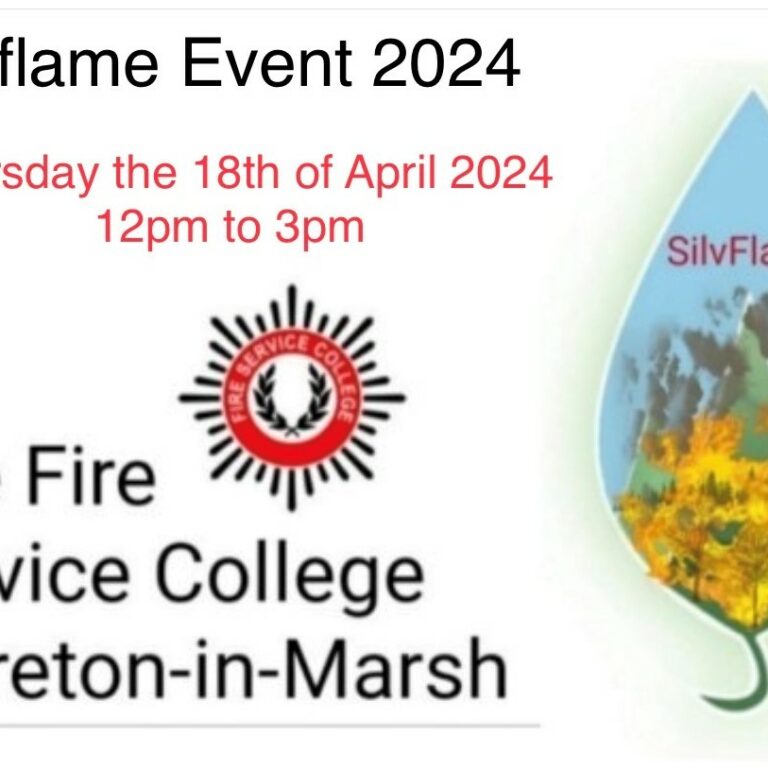
Silvflame Ltd, a trailblazer in wildfire protection technology, has announced an upcoming live fire demonstration event to take place at The Fire Service College in Moreton in Marsh, Gloucestershire.

Scheduled for Thursday, 18th April 2024, from 12 pm to 3 pm, the event is set to highlight the company’s latest advancements in wildfire containment and protection.

Wildfire protection products on display

Under the guidance of Silvflame’s Director, Jon Silvester, and in partnership with wildfire specialist Andy Elliott, attendees will have an opportunity to witness first-hand a series of cutting-edge products designed to protect against the devastating effects of wildfires.

The products to be displayed include:

  • Wildfire containment system
  • Critical infrastructure protection systems
  • Agricultural land protection
  • Populated area protection
  • Evacuation system

There will be also be a training VR simulator that people can use on where they can deploy the fire protection system themselves.

These solutions are developed with the aim of containing wildfires within a smaller area, allowing for quicker extinguishing and protecting lives, homes, land, and vital infrastructures.

Event networking

Following the demonstration, attendees are invited to an informal talk by Silvester, where he will discuss the products in detail and share insights about their potential impact on wildfire protection. The event will also provide a glimpse into future products such as Wildfire Suppression Systems and Vehicle Protection products.

Silvester expressed his excitement about working with industry specialists and highlighted the potential of Silvflame’s products to “save forests, homes, vital infrastructures, land, livestock, money, vehicles, and most importantly, lives.”

The event is free to attend, and on-site accommodation is available. Those interested in attending can register through the Silvflame Ltd website.

IFSJ Comment

Silvflame Ltd’s commitment to developing innovative solutions for wildfire containment and prevention reflects a growing concern about the increasing frequency and intensity of wildfires globally.

Their work promises to be a significant step forward in protecting communities and natural resources from the destructive power of wildfires.

For more information or to register for the event, visit www.silvflameltd.co.uk or contact silvflameevent@gmail.com.

Wildfire emissions surge: Unpacking the environmental implications

A devastating wildfire season leads to record-breaking emissions

Fires raging across the Canadian wilderness this year have unleashed 290 million tonnes of carbon.

This represents a twofold increase over any previous yearly record.

The wildfire emissions are expected to rise even further, given the fact that hundreds of blazes continue to seethe throughout the country, according to a recent report by the EU’s Copernicus Atmospheric Monitoring Service shared by Reuters.

This year’s fire emissions from Canada alone have contributed over 25% to the total global count for 2023 thus far.

These emissions notably surpass the prior Canadian record of 138 million tonnes, recorded in 2014, as reported by Copernicus.

Since the inception of satellite monitoring of wildfire emissions in 2003, this year’s wildfire season has been deemed the worst on record for area burned.

Wildfire emissions and their vast impact on global carbon levels

An alarming area of about 131,000 square kilometres has already been torched across eastern and western Canada.

That’s roughly equivalent to the size of Greece and exceeds the combined areas affected in the years 2016, 2019, 2020, and 2022, as indicated by the Canadian Interagency Forest Fire Centre.

This year, smoke emanating from the Canadian wildfires shrouded several major cities, including New York City and Toronto.

The smoggy conditions led public health authorities to issue air quality alerts.

The smoke from wildfires is associated with elevated incidences of heart attacks, strokes, and increased emergency room visits for respiratory ailments.

To date, almost all of Canada’s 13 provinces and territories have been impacted by wildfires.

As of Thursday, over 1,040 fires were recorded, with approximately 660 of them deemed uncontrollable.

The consequences of wildfire emissions and the continued monitoring

According to Mark Parrington, a senior scientist at Copernicus: “As fire emissions from boreal regions typically peak at the end of July and early August, the total is still likely to continue rising for some more weeks and we will continue to monitor.”

Forests serve as essential carbon sinks, helping to mitigate the effects of global warming.

Canada’s northern boreal forest, in particular, is estimated to store more than 200 billion tonnes of carbon.

This figure equates to several decades’ worth of global carbon emissions.

However, when forests burn, they release a portion of this carbon back into the atmosphere.

This process accelerates global warming and establishes a dangerous feedback loop, as it results in conditions that make forests more susceptible to fires.

Scientists express particular concern about the atmospheric and health impacts of Canada’s fires.

The carbon being released is roughly equivalent to Indonesia’s annual carbon dioxide emissions produced from burning fossil fuels.

IFSJ Comment

With wildfires becoming more frequent and intense, understanding their emissions and impacts on the atmosphere is paramount.

As one of the most significant carbon sinks globally, the health of Canada’s boreal forest has profound implications for global climate change.

This serves as a critical reminder of the need for effective strategies in forest management and wildfire prevention to protect these indispensable ecosystems and limit future carbon emissions.

Wildfire emissions explained

In recent years, the frequency and intensity of wildfires have significantly increased worldwide, largely attributed to climate change and human activities.

The International Panel on Climate Change confirms this trend.

However, one aspect that hasn’t been examined in detail until now is the environmental implications of wildfire emissions.

Wildfires generate a wide range of pollutants, including fine particulate matter (PM2.5), carbon monoxide (CO), and nitrogen oxides (NOx). These pollutants have significant implications for both human health and the environment.

The climate impact of wildfire emissions

The primary climate impact of wildfire emissions stems from the significant amount of carbon dioxide (CO2) released into the atmosphere. CO2 is a greenhouse gas that directly contributes to global warming.

The U.S. Environmental Protection Agency categorizes CO2 as the most crucial greenhouse gas emitted through human activities.

A less known but equally impactful pollutant from wildfires is black carbon.

When wildfires burn vegetation, they release large amounts of black carbon (also known as soot), a short-lived climate pollutant.

Black carbon absorbs sunlight and warms the atmosphere, contributing to climate change.

According to the European Environment Agency, black carbon is the second-largest contributor to global warming after CO2.

The health impact of wildfire emissions

Health impacts from wildfire emissions are significant and wide-ranging.

Fine particulate matter (PM2.5) generated from wildfires can penetrate the respiratory system, leading to heart and lung diseases, including stroke and asthma.

The World Health Organization has classified PM2.5 as a major health risk.

CO and NOx from wildfires can also lead to harmful health effects.

High CO levels can cause symptoms such as headaches, dizziness, and at extremely high levels, death.

The Centers for Disease Control and Prevention warns that people with chronic heart disease are particularly at risk.

Similarly, exposure to NOx can lead to respiratory problems and can also contribute to the formation of other harmful pollutants such as ground-level ozone.

The ecological impact of wildfire emissions

Wildfires’ ecological impacts are far-reaching. Besides the immediate destruction of habitats, wildfire emissions’ persistent impacts on ecosystems often get overlooked.

Persistent nitrogen deposition from NOx emissions can lead to changes in species composition and soil nutrient imbalances, negatively affecting biodiversity. Studies from the U.S. Geological Survey emphasize the growing importance of this aspect.

Wildfire emissions also lead to localized air pollution, resulting in acidic rain and contamination of water bodies, impacting aquatic life.

A study in the Proceedings of the National Academy of Sciences identified a correlation between wildfires and elevated mercury levels in nearby fish.

In conclusion, the surge in wildfire emissions is an environmental issue that deserves our urgent attention.

Efforts must be directed towards not just mitigating wildfires, but also understanding and addressing the multi-dimensional implications of wildfire emissions.

It is not just about saving the forests; it’s about preserving the planet for generations to come.