Rosenbauer America announces multi-year contract with the City of San Francisco

Rosenbauer America have confirmed they have signed a multi-year contract with the City of San Francisco. The contract for high-volume hose tenders was awarded to Rosenbauer with the support of local dealer, Burton’s Fire, Inc.  

“Rosenbauer fire trucks have been leading firefighting innovation for more than 150 years,” said John Slawson, CEO and President of Rosenbauer America. “We are honored to support the firefighters and community of San Francisco.”

The City of San Francisco submitted an initial order of three custom Rosenbauer hose tenders and a 3,000 GPM hydraulicly driven submersible pump. The hose tenders are equipped with 5,500 GPM Rosenbauer pumps. Capable of carrying 6,000 feet of 5-inch hose, Rosenbauer hose tenders are designed to supply large amounts of water, perfect for city settings.

“Rosenbauer is dedicated to developing partnerships with progressive, large-scale departments that are looking for more in a vendor relationship. Through these unique collaborations, Rosenbauer and Burton’s Fire will provide full-service support to men and women across the country working the front lines,” said Slawson.

The Rosenbauer Commander custom fire chassis offers indisputable reliability. Engineered entirely with the goal of reduced maintenance stress, Rosenbauer broke away from industry practices by purposely using as many off-the-shelf components as possible. The EXT heavy-duty body is perfect for extreme-duty, high call volume areas, such as large metropolitan districts. Rosenbauer has conquered the demands of hard work with their FX formed aluminum body option for decades. 

Rosenbauer’s contract with the City of San Francisco is effective through 2024, with four additional yearly renewals.

For more information about Rosenbauer America, visit www.RosenbauerAmerica.com, Facebook, and Twitter.

Exclusive: Meeting the demand for electric vehicles

Environmental challenges are driving demand for electric vehicles writes Lisa Barwick, VP of Marketing for Pierce Manufacturing  

With the announcement of Pierce Manufacturing and Oshkosh Airport Products’ development of the Volterra platform of electric vehicles for the fire and emergency market, there have been questions about the demand for the technology, why it is critical, how it works and how it supports the environmental initiatives for municipalities and airports.    

According to the International Council on Clean Transportation, cities around the world are taking increased responsibility for pollution, climate change and green economic growth. As municipalities grapple with these challenges, several key indicators are helping to drive change, including evolving regulations, environmental initiatives, and cost-saving opportunities.  

Changing Regulations and Legislation  

Cities and local governments are developing clean vehicle policies to reduce greenhouse gases, improve air quality, and increase sustainability. Over 170 cities in the U.S. have goals to power their communities with 100% clean, renewable energy. Increasingly, cities are promoting electric vehicles as a solution to solve environmental issues. In the U.S., The Clean Air Act (CAA) requires every engine and motor vehicle to meet a set of emission standards and conformity requirements. All of the U.S. Environmental Protection Agency’s (EPA) emission regulations specify test procedures to measure engine or vehicle emission levels, including fire trucks.  

With increasing demand to meet environmental goals, cities are seeking ways to reduce emissions and the carbon footprint of communities. Electric fire trucks, like the Pierce Volterra electric pumper, provide municipalities with a sustainable solution to help meet local and state legislative requirements.  

Environmental Initiatives  

In addition to meeting legislative requirements, municipalities are also demanding electric vehicles to meet more broad environmental goals. Emissions from vehicles contribute to about one-third of all U.S. air pollution. Choosing electric vehicles for municipal fleets sets a standard for excellence with a focus on improving overall community health. By making the decision to support fleets of electric vehicles, municipalities are leading the charge for citizens to follow suit.  

When it comes to transportation planning, municipalities have a lot of decision-making power. Environmentally focused initiatives can regulate taxis and ridesharing programs and include plans to purchase electric vehicles for large municipal fleets. Moreover, municipalities can develop the required charging infrastructure to support electric vehicles.  

When a municipality chooses to purchase an electric fire truck, it helps to normalise new technology and set a standard for environmental sustainability. The overall growth of electric vehicle use in municipalities supports reduced emissions and environmental initiatives.  

Cost-Savings  

Transportation fleets represent a major source of fuel consumption and can cause a detrimental environmental impact. The adoption of electric vehicles can help cut both fuel costs and the negative impacts of fuel consumption. Electric fire trucks require less maintenance because the main source of power is not the internal combustion engine. The chassis operates under electric power in all normal operational situations and leverages the internal combustion engine only for backup power in extended emergency operations. As a result, there is less wear and tear on the engine. With fewer maintenance requirements, municipalities and fleet management can anticipate savings on preventive maintenance and ongoing engine repairs.  

First Electric Municipal Fire Truck Now in Service in North America  

Oshkosh Corporation, Pierce Manufacturing’s parent company, has been developing electric drives and vehicles for over 25 years. The U.S. Postal Service (USPS) recently selected Oshkosh Defense to build and deliver between 50,000 and 165,000 vehicles over the next ten years. Both zero-emission battery electric vehicles (BEV) and fuel-efficient low-emission internal combustion engine (ICE) vehicles will be provided, with the option of producing any combination of models, including a 100% electric fleet, if specified by the USPS.  

With that proven technology as a foundation, the development of the Volterra Platform of Electric Vehicles was driven by listening to the vision of customers. As the development of an electric fire truck was in progress, Pierce approached the City of Madison, Wisconsin, to discuss the opportunity to partner on technology advancements for fire apparatus that aligned with the City’s Climate Forward initiative. The City of Madison has been a pioneer in adopting new technologies to minimise its carbon footprint and has been purchasing fire apparatus from Pierce Manufacturing for many years.  

The Volterra Platform is the first zero-emissions electric fire truck in service in North America and is equipped with a 155 kW Battery pack to meet the City of Madison’s daily duty cycle. The battery system allows for flexibility in sizing so Pierce can customise the solution to meet various department’s needs, and the operational range has been tailored to the City of Madison’s needs and is designed for a minimum of a full-shift operation.  

The electric drive is extremely powerful and emission-free. The fire truck also features significantly reduces noise emissions which makes crew communication easier and benefits residents. The electric drive train only uses fuel when the electrical system is fully depleted. While in electric mode, there is no diesel fuel consumed.  

The electric fire truck technology consists of a patented parallel-electric drive train featuring an electro-mechanical infinitely variable transmission which allows zero-emissions operation when powered by the integrated onboard batteries, and can be coupled to the internal combustion engine to provide continuous and uninterrupted power to the pumping system or drive system.  

Pierce is continuing the final development, evaluation, and on-highway certification process for their electric vehicle technology. Having this vehicle in service in the City of Madison’s busiest fire station allows Pierce to closely monitor operator feedback and opportunities for further vehicle enhancements.  

Advancements in Hybrid Electric Aircraft Rescue and Fire Fighting Vehicles   

In addition to Pierce’s Volterra electric pumper, the Striker®Volterra performance hybrid Aircraft Rescue and Fire Fighting (ARFF) vehicle is also making its debut across the U.S. The Striker Volterra is a hybrid electric vehicle (HEV) that has been developed to meet the growing emergency response and environmentally conscious needs among airports of all sizes.  

Available on the 4×4 and 6×6 chassis platforms, the Striker Volterra performance hybrid offers the highest caliber chassis performance, advanced safety systems, innovative fire suppression technology, and superior reliability and durability. The vehicle has an Oshkosh patented hybrid-electric drivetrain that features an electro-mechanical infinitely variable transmission that allows zero-emissions operation when powered by the integrated onboard batteries and can be coupled to the internal combustion engine to provide continuous and uninterrupted power to the pumping system or drive system. The Striker Volterra can achieve 28% improved acceleration when fully loaded, resulting in a quickened response time. The vehicle also comes with idle reduction for up to one hour of zero-emissions standby using onboard energy storage, zero-emission driving during entry and exit of the fire station using onboard energy storage and also has available Plug-In Hybrid Electric Vehicle (PHEV) options. 

Pierce Manufacturing and Oshkosh Airport Products have been known leaders in fire apparatus technology for more than 100 years. The push for green technology was fueled from within the organisation as it began to focus on more environmental sustainability manufacturing and in reaction to global shifts in green-powered energy requirements.  

With the introduction of the Volterra platform of electric vehicles, Pierce and Oshkosh Airport Products are proud to meet the needs of fire departments while providing advanced technology designed to support environmentally conscious initiatives.  

This article was originally published in issue 6 of International Fire and Safety Journal
Exclusive: Safety equipment to challenge climate change

Vincent Azibert, Global Product Group Manager First Responder Helmets of MSA reviews climate change implications and reveals the importance of protection for first responders

Climate change is one of the defining issues of our time. There has been a dramatic increase in climate-related disasters over the past two decades with more extreme weather events like wildfires and floods occurring over large areas affected by higher wind speeds and storms. 

However, climate change influences not only the environment but also socio-economical aspects of our lives, as well as many industries including fire and rescue services by implicating changes in their working conditions from strategy and budgeting through to how they equip the frontline workers to face up extreme weather challenges now and in the future. 

The Changing Environment 

Fire and rescue services are commonly known as organisations that respond to all hazardous incidents. Due to the effects of climate change, fires are bigger than they used to be and fire seasons seem to no longer exist. Warm weather is coming sooner and lasting longer. Hence, wildland fires occur more frequently, are complicated to battle, are hotter, last longer, and can be devastating to the health of firefighters.  

In the face of climate change, however, increased wildland fires are far from the only consequence affecting the fire and rescue services. The risk of floods are increasing, and owing to the melting of glaciers the water levels of the oceans, seas, rivers is rising. Some regions, especially along the coast, are most vulnerable to flooding. In the UK more than 5 million people live and work in flood risk areas. 2.4 million properties are at risk from rivers or the sea, while 2.8 million are currently at risk from flooding from surface water.  

Changes in the climate are also causing stress on the earth’s crust, resulting in increased risk for natural disasters such as rock avalanches and powerful earthquakes. In such events, it is the role of urban search and rescue teams to step in and save lives, often travelling great distances to provide urgent relief in dangerous conditions, which also require protection, specialist training and gear to navigate.  

The strength of cyclones, that are another cause of disasters that firefighters battle with, is correlated with global warming. The significant increase in the number of storms and cyclones observed in recent years can be evidenced by the six major weather events of a category 3 or higher which took place in the North Atlantic in 2017. Rescuers called more frequently to such incidents face exceptionally dangerous conditions, yet may not be properly equipped to do so safely. 

Climate change has already led many industries to search for innovative and more environmentally friendly alternatives to traditional technologies

Climate change has already led many industries to search for innovative and more environmentally friendly alternatives to traditional technologies, such as electric vehicles. However, electric vehicles pose a unique challenge for first responders and require adapting their protection to new conditions and threats. The way the vehicles are powered triggers longer-burning fires when they crash and get into serious accidents. They contain high voltage cables that are extremely dangerous during road rescue operations, particularly in the poorly lit conditions of roads at night, which is when the majority of fatal accidents take place. 

First Responders Deserve the Best Protection 

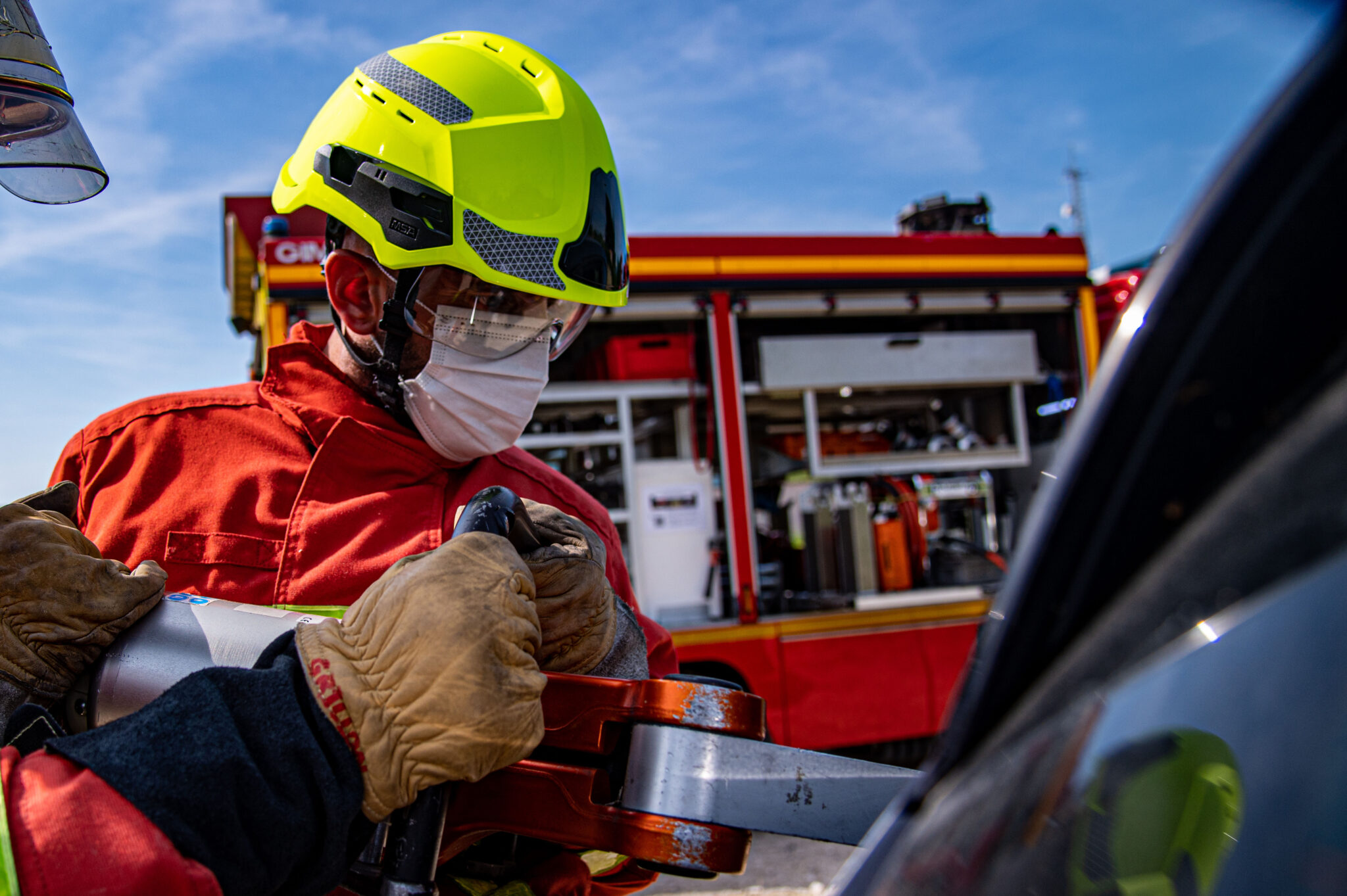
Working on the frontline to save lives under various conditions caused by climate change or new technology means putting yourself at physical risk of serious or fatal injury. First Responders deserve the best protection and need to select a rescue helmet that is equipped with innovative features providing substantial protection and comfort while wearing the helmet in different applications.  

climate challenge

These features can include integrated lighting systems, providing spot and proximity lighting and a tail light to help quickly identify teams on an incident scene, face protection in order to be guarded against arc flash injuries, and hearing protection with integrated communications to keep up the communication within the rescue team. Helmets also need to be compatible with respiratory devices and goggles for protection in unpredictable environments. In addition, the rescuers need to receive new training on how to handle unfamiliar risks, such as those posed by electric vehicles, and a greater overall awareness of both the climate situation and its health implications for firefighters. Nevertheless, perhaps the most urgent manner in which climate change is affecting the fire and rescue services, and the industry in turn, is the need for a helmet that can be used in a wide range of applications. 

Certification for Versatile Use 

MSA has taken on the mission to create a single rescue helmet fully prepared for a future affected by climate change that is designed and tested to meet the latest standards for Helmets for Wildland Firefighting (EN16471), Helmets for Technical Rescue (EN16473), Helmets for Mountaineers (EN12492), and Helmets for Water Rescue – compliant on both non-motorised and motorised rescue crafts (EN1385 +PAS028). 

This demonstrates that it is possible to engineer integrated, adaptable and versatile equipment that is suitable to respond to a variety of applications and increasing needs of fire and rescue services to better adapt to the new risks driven by climate change. 

This article was originally published in issue 6 of International Fire and Safety Journal
Champlain Towers: Rescuers fear there may be no more survivors

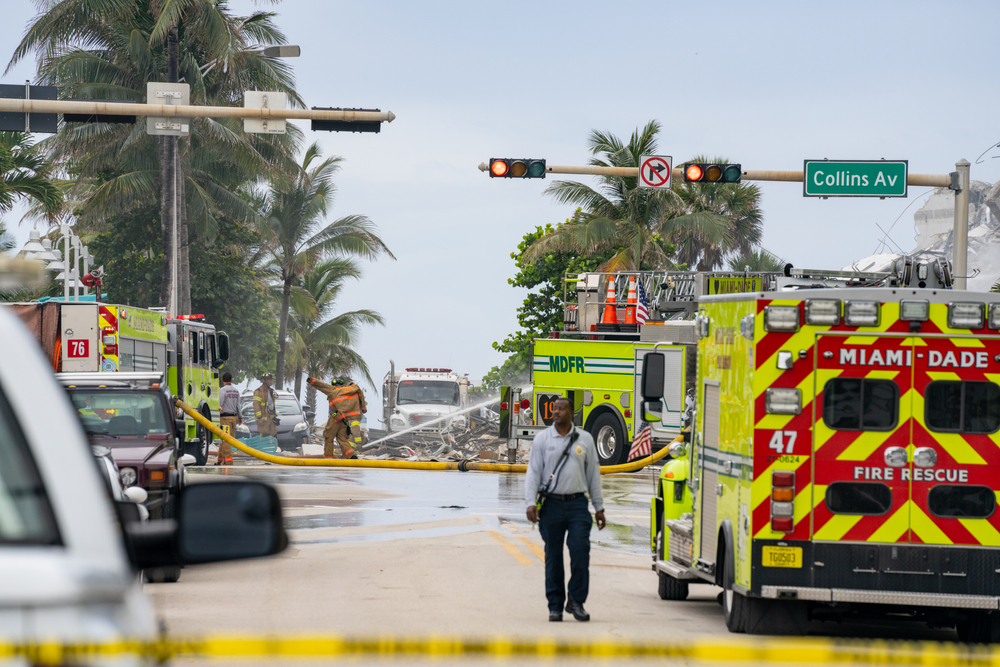
Rescuers working on the Champlain Towers wreckage have said they fear that the chances of finding survivors are decreasing, as the death toll rises to 36.

First responders have been searching air pockets for survivors, but Miami-Dade County fire chief Alan Cominsky has told the media that they are not seeing key signs of survivors: “Unfortunately, we are not seeing anything positive. The key things – void spaces, living spaces – we’re not seeing anything like that.”

Champlain Towers demolished over safety fears

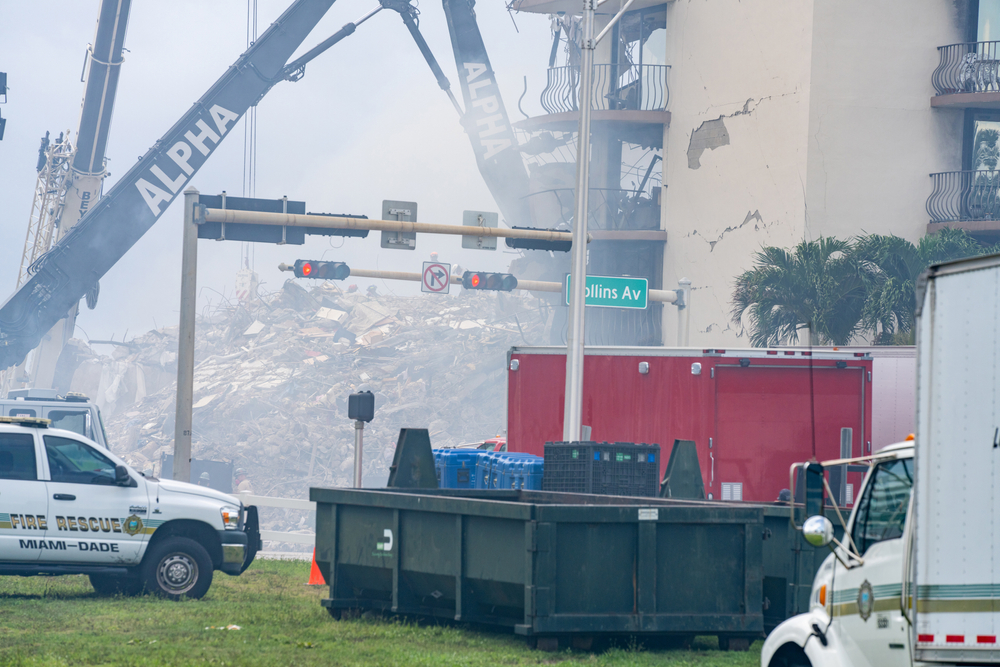
As the rescue mission continues, the remainder of Champlain Towers South, which had partially collapsed, has been demolished following fears that a tropical storm may bring additional safety fears such as falling debris. Charges were placed on the building and search crews were able to resume within hours of the demolition.

Following the demolition, rescuers are hoping that they will be able to gain access to the underground garage and search for voids that may contain survivors.

Having found survivors early on in the rescue mission, no one has been found alive in the wreckage since the early hours following the collapse.

Miami building collapse: Death toll rises as rescue mission continues

First responders have begun searching air pockets for survivors of the Miami building collapse. Although there is hope that some residents may still be found, no survivors have been rescued since Thursday.

Officials in Miami have confirmed that the number of people believed to have died in the Miami building collapse has risen to 9, with hundreds of people still missing. Officials are now claiming that as they begin to clear the scene, they are expecting the death toll to rise.

The rescue mission from the building wreckage, which collapsed last Thursday while many residents were asleep, had also been hampered as parts of the building had caught fire.

Mayor announces audit inspection of Miami building collapse

As the area begins to come to terms with the aftermath of the disaster, Miami-Dade County Mayor Daniella Levine Cava has announced an audit of residential properties in the wake of the tragedy in Surfside.

The Department of Regulatory and Economic Resources will conduct an audit of residential properties of five stories or higher at the recertification point – 40 years or older – that have not completed the process, in order to achieve compliance or to swiftly seek appropriate remedy which could include declaring unsafe structures or more immediate orders from the Building Official. The audit will start immediately and will be completed within 30 days.

shutterstock_1997922038

For any buildings located within municipalities, the Mayor has urged cities to swiftly conduct their own similar audits. The County will work closely with municipalities and provide any technical assistance necessary to conduct these audits.

Miami-Dade County Code requires all buildings 40 years and older to undergo a recertification to determine the general structural condition of the building at the 40 year mark and every 10 years following.

2018 report warned of major building design error

An engineers report carried out in 2018 has revealed that there were major errors within the structure of the building that prevented water draining from the base of Champlain Towers.

Frank Morabito, the engineer responsible for the report said he believed the lack of drainage stemmed from a flaw in the original contract documents. He also stated that if the waterproofing wasn’t replaced it could cause concrete deuteriation. However, he didn’t report that any errors could lead to a disaster.

Knox product grant assistance provided to first responders

FireGrantsHelp.com is expanding its grant application assistance program to include Knox rapid access products. Grant funding often plays an integral role in fire and EMS departments acquiring the rapid access products they need for their jurisdiction. With the current range of potential funding opportunities, expertise and assistance is often the only path to success. Navigating the grant process is complex and can be confusing, causing applicants to have missteps that lead them to be unsuccessful in their quests for funding.

Through the Knox partnership with FireGrantsHelp.com, first responders can receive free assistance from professional grant industry specialists. The grant experts provide guidance throughout the process from research and application to narrative review, which all assist in helping applicants secure funding.

“By partnering with FireGrantsHelp.com, we’re helping first responders overcome the challenges of limited funding to acquire rapid access products,” said Chris Rovenstine, Vice President of the Knox Company. “Seconds matter during emergencies, and Knox products help reduce response times, property damages, and also the risk of injuries by eliminating forced entries.”

Most Knox rapid access products, can be purchased with grant funding, including eLock cores for the transition of mechanical key lock boxes to the electronic model, key retention units, FDC Locking Caps, and the HomeBox (a residential Knox box). Additional Knox products will be added soon. 

Departments interested in obtaining grant assistance can visit FireGrantsHelp.com to complete a grant assistance form or access it at this link GRANTS.

MSA Safety launches GALLET F2XR rescue helmet

The GALLET F2XR rescue helmet from MSA Safety is set to bring a new standard for head protection in wildland firefighting and technical rescue

MSA Safety, industry-leading designer, manufacturer and distributor of safety products the world over, announced today the introduction of the GALLET F2XR rescue helmet. It is the first and only firefighters’ helmet on the  market that can be used in a wide range of applications, including wildland firefighting and technical rescue operations, including responding to road traffic collisions, rescue at height and water rescue operations. The F2XR helmet is produced at MSA’s design and production center in Chatillon, France.

The new design of the helmet is marked by substantial upgrades in technology integration, comfort, weight and balance – all without compromising quality, durability and safety performance expected from the MSA Gallet brand. The F2XR rescue helmet mees  the needs of modern firefighter and is the first helmet platform with a comfortable, modular and polyvalent range of use due to interchangeable components that allow for individual integration to use all the necessary accessories required in the most demanding operations.

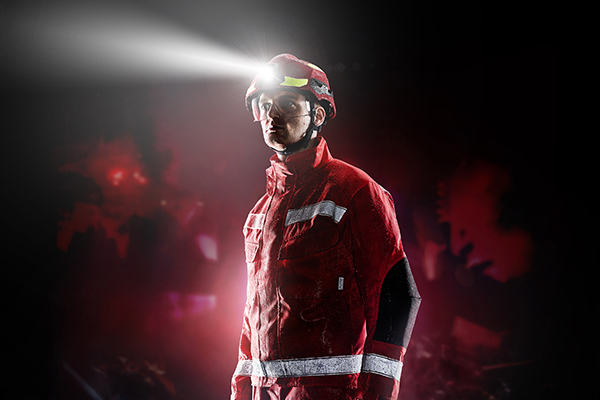
The helmet is equipped with innovative features providing unmatched protection and comfort while wearing the helmet in different applications.  These features include  integrated LED lamps – both a dual-beam headlamp providing spot lighting and a tail light to help quickly identify teams on an incident scene; an ocular visor with adjustable face-fit; a variety of textile options to protect the neck; and  hearing protection. To ensure optimal airflow and keep wearers cool in hot weather, the helmet also incorporates a  dual ventilation on the side and at the top of the helmet.  The high-quality soft one-piece soft good can be easily removed from the F2XR helmet for easy and proper cleaning.

Comparing to the previous version of the helmet, the F2XR ensures versatile use to be perfectly in line with any emergency. The adjustability of the accessory range was eased for both right and left-handed wearers, even with gloves on. Besides, goggle attachment and adjustment to the face were improved as well as an accessory attachment with a click-in face shield and earmuffs making the F2XR helmet perfect for any technical rescue operation which also includes water rescue on small and fast crafts. 

The versatility and safety of the F2XR helmet have been approved according to EN16471 standards for wildland firefighting helmets, EN16473 for technical rescue as well as EN12492 for mountain climbing. Additionally, it meets EN1385 and PAS028 requirements for water rescue.

Avon Protection announces NFPA certification

The argus range of thermal imaging cameras by Avon Protection have been certified to the levels set forth in the 2021 edition of National Fire Protection Association (NFPA) 1801, Standard on Thermal Imagers for the Fire Service. The argus range includes the Mi-TIC E, Mi-TIC E L, Mi-TIC 320 and Mi-TIC S models. Once again, Avon Protection offers the largest, most diverse, lightweight range of NFPA-compliant thermal imaging cameras.

The 2021 edition of NFPA 1801 is the latest edition of the standard. First published in 2013 and again in 2018, the standard defines minimum performance requirements for sophisticated thermal imaging equipment and is adopted throughout the world.

While there are no physical changes to the Mi-TIC cameras as a result of the latest edition, the most notable changes are specific to testing requirements and software. Those include spot temperature measurement moving from “TI BASIC” to “TI BASIC PLUS”, updated test matrices for both stand-alone and integrated thermal imagers, an amended spacial resolution source target used for testing, and a revised region of interest figure used for testing.

The NFPA 1801:2021 certification still includes the IGNIS Engine technology in all Mi-TIC models that was originally introduced in the 2018 edition. The IGNIS Engine, along with its sensor and lens improvements, provides unrivalled scene detail, enabling firefighters to see more of the important background details such as exit points, obstacles, and casualties, even in the presence of a fully developed fire.

Commenting on the approvals, Darren Wolfe, Global Product Manager for Thermal Imaging, said, “We are very excited to continue building on to our over 40-year legacy of designing and manufacturing state-of-the-art thermal imaging cameras that allow firefighters to operate safely in the most demanding and dangerous of environments.”

The combination of NFPA certification along with the IGNIS Engine maintains Avon Protection’s position as a leading supplier of NFPA 1801 certified thermal imagers in the world.

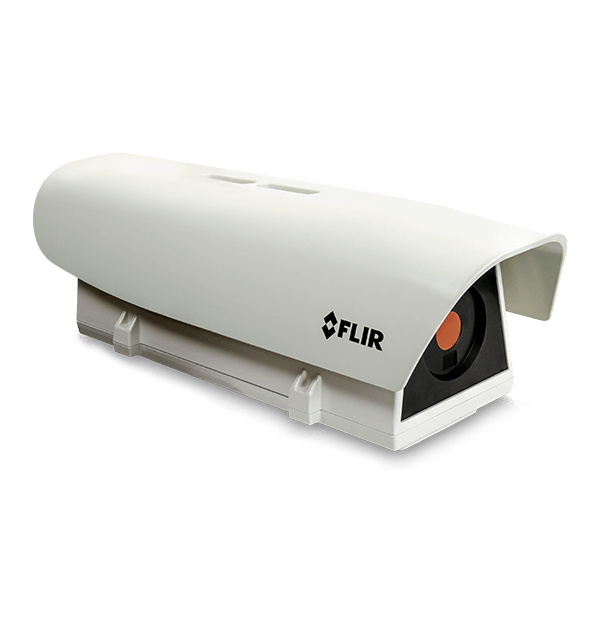
Teledyne FLIR launches FLIR A500f/A700f cameras

The FLIR A500f/A700f Advanced Smart Sensor ruggedized thermal cameras feature high-temperature detection for extreme environments paired with on-camera analytics and alarm capabilities – ideal for industrial early fire detection or outdoor condition monitoring applications.

Along with enhanced spot, area, line, polygon, and polyline analytic functions that improve the definition of areas of interest and object curvatures, the A500f/A700f can help commercial and industrial organizations protect assets, improve safety, maximise uptime, and minimize maintenance costs.

Fire Detection and Condition Monitoring for Industrial Facilities

For early fire detection, the A500f and A700f thermal cameras can quickly identify increased temperatures related to potentially dangerous conditions.

If smoke is present, the cameras can help provide increased awareness for decision makers to properly assess and address incidents. Both cameras feature Flexible Scene Enhancement (FSX) technology, found on Teledyne FLIR K-Series handheld firefighting devices. The result is an ultra-sharp, finer-textured image that shows subtler edge details supplied by the embedded visible camera onto the thermal image, enabling operators to recognize objects and people more easily.  

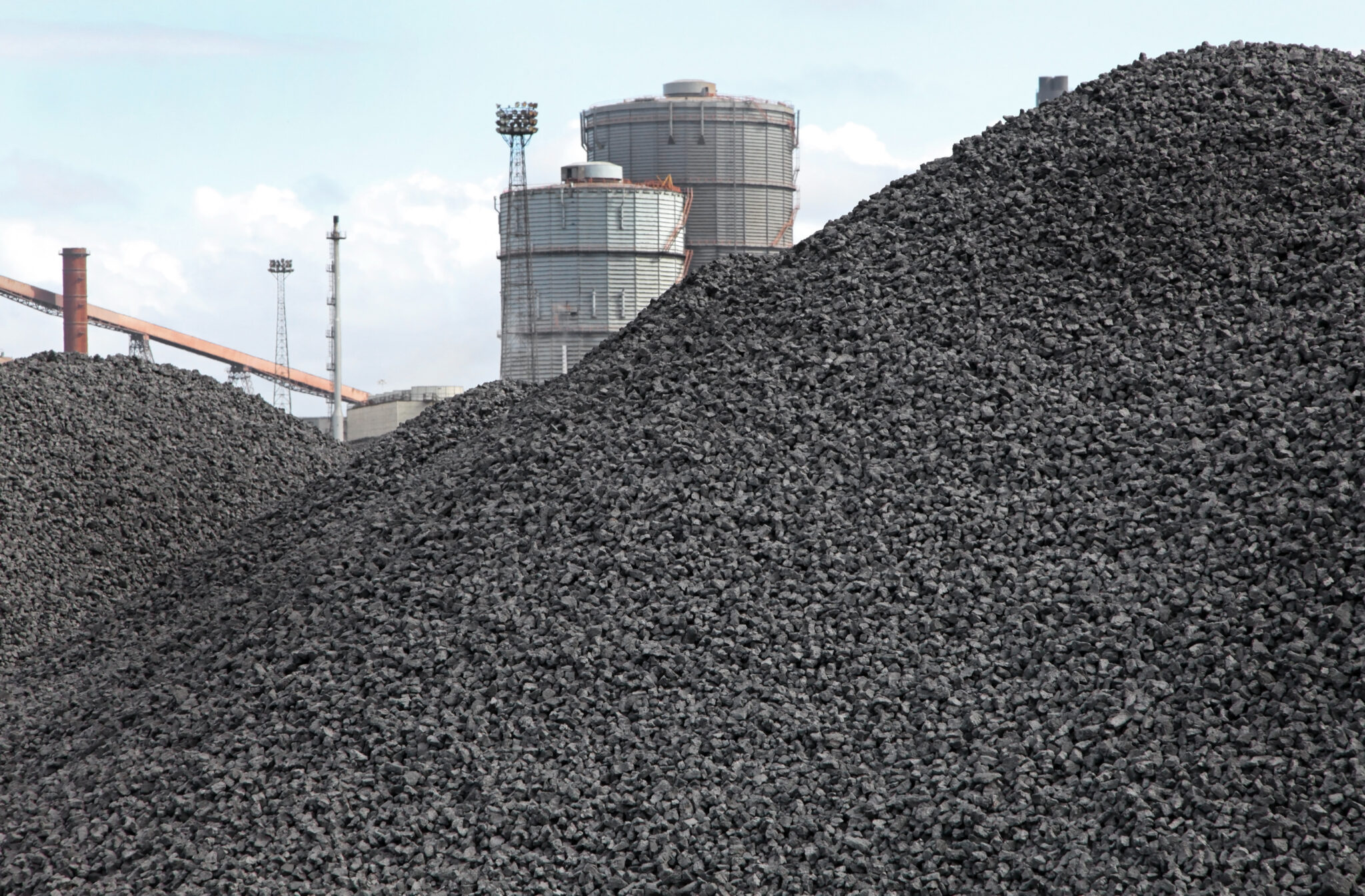
The A500f/A700f are also effective tools for pile-burn monitoring, providing automated early warnings for potential issues in waste management facilities or coal collection areas that operate around the clock.

iStock-182913202-1024x672
“Stock piles of coking coal, used in steel production, at a steel making plant.”

Manufacturing facilities, chemical processing locations, or power substations that use common communications and control language can also benefit from the A500f and A700f beyond fire detection. These cameras empower those organizations to reduce maintenance costs by identifying heat anomalies from mechanical problems early, thereby extending the life of plant components while maximizing uptime.

Effective Ruggedness and Thermal Range for Outdoor Applications

Featuring a protective IP67-rated housing designed to withstand temperatures between -30° to 50°C (-22° to 112° F), the A500f/A700f cameras are designed for harsh environments and discreet enough to deter from theft. In addition, the cameras use a single power-over-Ethernet (PoE) cable for both power and communication, helping to further minimize points of potential failure.

The A500f/A700f offers superior thermal imaging capability with a resolution of 464 x 348 (161,472) for the A500f and 640 x 480 (307,200) thermal pixel resolution for the A700f. Users can expect a ±2° C (±‐3.6° F) temperature measurement accuracy. 

iStock-495253294
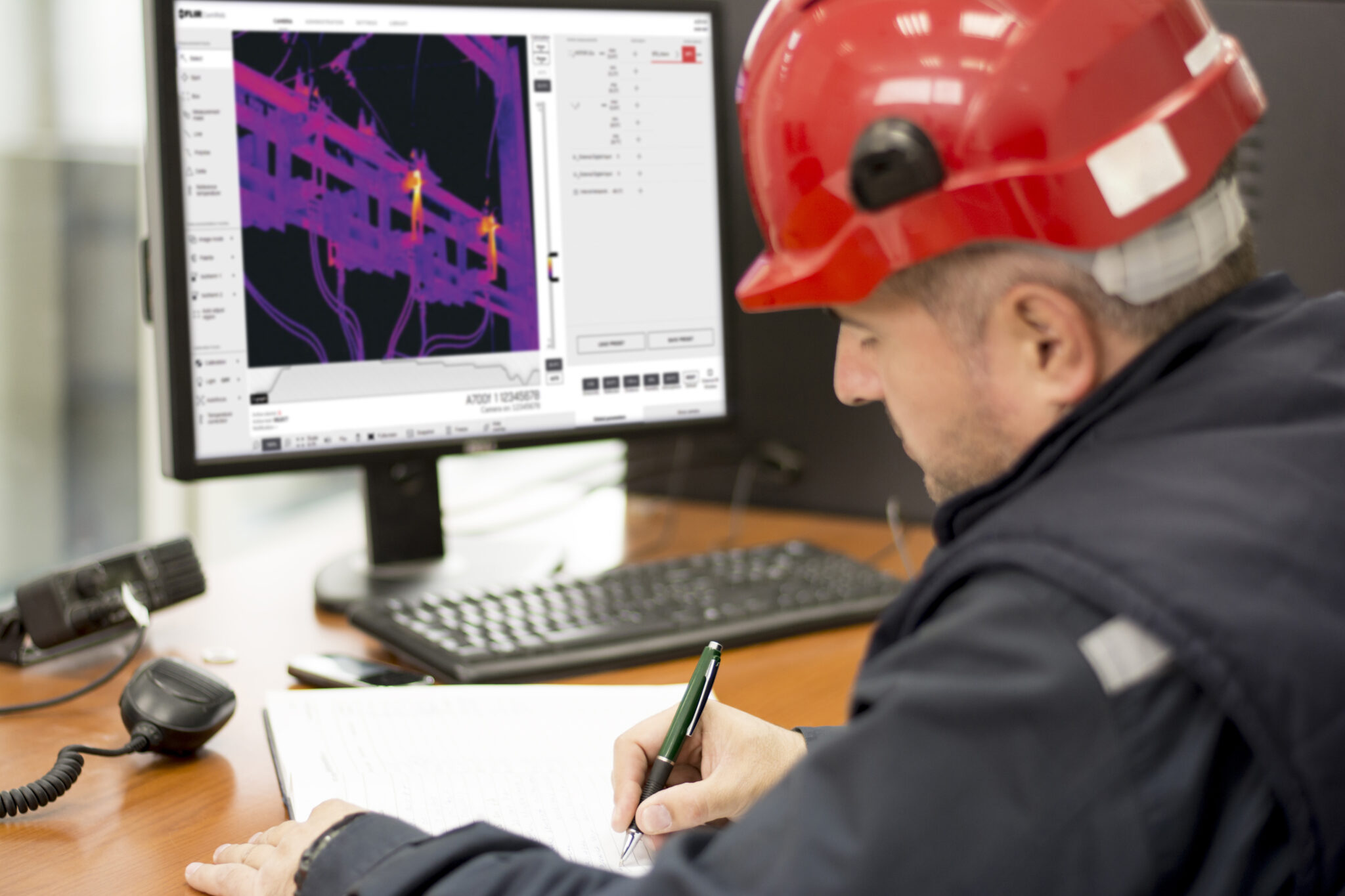
Electrical engineer writes notes in the book of maintaining power substations

The A500f has a temperature detection range between -20° to 1500°C (-4° to 2732° F), while the A700f offers a temperature range of between 20° to 2000°C (68° to 3632°F) for detecting chemical fires and other extreme industrial fire conditions.

Along with thermal lens options ranging from 14° to 42° and an embedded HD visible camera, these devices fulfill the needs of most outdoor condition monitoring and fire detection applications.

Seamless Integration and Set Up

Installing the FLIR A500f/A700f cameras is seamless. Both cameras are ONVIF compliant and integrate easily into standard security VMS and NVR solutions including control of pan/tilts.

For VMS integrations, thermal and visible streams can be viewed independently or simultaneously. The cameras are easy to add, set up, and operate in HMI (Human Machine Interface) SCADA (supervisory control and data acquisition) systems, offering automation system solution providers a running start. Both the A500f and A700f fully support IIoT protocols such as MQTT (Message Queuing Telemetry Transport) and RESTful API with a system unique token key for extra security.

a500f-a700f

The FLIR A500f and the A700f are available now through Teledyne FLIR distributors. For more information, please visit www.teledyneflir.com/products/a500f_a700f-environmental-housing-camera.

IAFC recognises Michael Metro with James O. Page EMS Achievement Award

The James O. Page EMS Achievement Award winner has been confirmed as Chief Michael Metro. The annual award is presented to a leader who has made a positive impact on a national scale, creating, and promoting non-clinical innovation and achievements in fire service EMS management. 

Throughout his distinguished and tenured career, Chief Deputy Michael Metro has been dedicated to the advancement and growth of emergency medical services (EMS). Chief Metro began his career with the El Cajon (California) Fire Department and five years later joined the Los Angeles County Fire Department in 1980.

He served in several capacities including managing all EMS, homeland security planning, the fire department’s aerial resources, and ultimately overseeing emergency services delivered from 170 fire stations to more than 4.5 million residents across 58 cities. 

Beyond Chief Metro’s service to the residents of El Cajon and Los Angeles County, he helped the EMS industry grow through his contributions in revising the State of California’s Code of Regulations for EMS service delivery, assisting in the effort to establish the California Association of Fire Chiefs’ EMS Leadership Academy, drafted innovative EMS financing models such as the ALS Passthrough which generated significant reimbursements for California fire departments, and with the assistance of AMR, developed ambulance strike teams on September 11, 2001. This model was adopted nationwide to prepare for major terrorist incidents.  

Chief Metro has been a long-standing member of the IAFC and served for 14 years on the IAFC EMS Section Board of Directors. During Chief Metro’s tenure with the IAFC, he led many significant projects, including chairing the IAFC Patient Protection and Affordable Care Act Task Force, serving on the IAFC EMS Reimbursement Task Force, advising the IAFC on-air medical issues, and most recently assisting the IAFC manage its response operations during the COVID-19 Public Health Emergency.

Chief Metro has received many fire service and EMS-related honors including a Distinguished Service Award from the California State EMS Authority, the Howard W. Rayon Distinguished Service Award from the California Fire Services Training Institute, the IAFC EMS Section Meritorious Service Award, and the IAFC President’s Award for Outstanding Service.

“EMS and the fire service have benefitted tremendously from the many contributions Chief Metro has made,” said Chief Mike McEvoy, EMS Section chair. “I am personally honored and humbled to have worked with him throughout his career and to call him a friend.”