Duncan J. White appointed as IFSJ Managing Editor

Centurian Media Ltd. is delighted to confirm the appointment of Duncan J. White as Managing Editor of International Fire & Safety Journal (IFSJ).

Duncan – who joins the IFSJ team from MDM Publishing Ltd. where he spent the last ten years as Editorial Advisor – brings a wealth of experience, industry knowledge and relationships from over 35 years’ in the global fire sector.

Commencing his new role on 9 January 2023, Duncan will be working closely alongside Editor Iain Hoey, as well as the wider Centurian Media Editorial Department, to further strengthen IFSJ’s position as the market leading international publication for fire and safety professionals.

Discussing the new role and his plans with IFSJ, Duncan remarked: “I am delighted to join the team at Centurian Media Ltd as Managing Editor of International Fire & Safety Journal (IFSJ).

“This exciting opportunity will allow me to create new partnerships and explore ideas which will build on the amazing achievements which has seen IFSJ become a market leading publication in such a short space of time.

“I will be joining the IFSJ team at Intersec in Dubai and am looking forward to catching up with friends and colleagues to discuss the exciting plans being developed to take the IFSJ brand to the next level.”

Commenting on Duncan’s appointment, Ian Stokes, CEO, Centurian Media Ltd. said: “We are delighted to welcome Duncan to the Centurian Media team.

“As we continue to grow as a business and invest more into each platform, we are delighted that the opportunity has arisen to bring in someone who has been recognised as one of the leading voices in the fire and safety industry for over ten years whilst at MDM Publishing.

“Duncan has an unrivalled knowledge, network and passion for the fire and safety market and is respected by industry leaders, associations and major manufacturers around the world. I believe we are appointing a true ambassador of the industry.

“Duncan’s decision to join Centurian Media as Managing Editor of IFSJ is a true reflection of our position in the market currently and once again shows our continued ambitions to grow both the print and digital publication, our social media community and our exciting conference portfolio.”

Duncan started his involvement with the fire service in 1987 at the age of 18 and his passion and enthusiasm for his chosen career was plain to see as he grasped every opportunity available to further his knowledge and understanding, while always taking the opportunity to raise awareness of fire safety. During his career he studied hard to attain the necessary qualifications for promotion and was promoted to Leading Firefighter in 1992, Sub Officer in 1996 and Station Manager in 2003.

Duncan has worked tirelessly raising money and promoting the work of The Fire Fighters Charity and was also responsible for editing and producing the fire service magazine. In 2003, Duncan became the first fully operational firefighter to wear hearing aids in the UK. Using his experience of disability, he founded The National Disabled Fire Association (NDFA), a UK registered charity which assists firefighters and fire services to ensure disabilities are dealt with in a ‘can do’ manner.

Throughout his tenure as Chairperson of the NDFA, Duncan devoted his time and energy to helping countless individuals with disabilities to become firefighters as well as working with UK fire and rescue services to put in place policies and procedures which ensured disabled people weren’t discriminated against.  

Duncan was also appointed the UK Event Safety lead for the Chief Fire Officers Association and oversaw the development of safety processes which were implemented across the UK. He held this position until his retirement from the fire and rescue service in 2016.

In early 2013, Duncan was approached by MDM Publishing Ltd, publishers of Gulf Fire, International Fire Protection, International Fire Fighter, UK Fire and Asia Pacific Fire magazines, who were interested in collaborating with him to enhance the quality, diversity and reach of its magazines.

Duncan accepted the challenge on the understanding that he had total control of all editorial content. Using his knowledge of the global fire sector he was able to draw upon his networking skills to build strong foundations.

Duncan has always worked to the belief that a good magazine should not be filled with press releases and adverts but a mix of feature articles that actually teach the reader something. This quality is something which will be extremely transferrable to his new role with IFSJ.

The creation of partnerships with national, international and voluntary organisations in the fire sector is an area where Duncan has excelled. The partnerships he has put in place range into the hundreds, however, some of the more high profile ones include: The Institution of Fire Engineers (IFE); The National Fire Protection Association (NFPA) and the Firefighter Behavioural Health Alliance.

Connect with Duncan by email: duncanj.white@intfireandsafetyjournal.com / Tel: 01622 476311
Hochiki Europe launches new training facility

Life safety manufacturer Hochiki Europe has opened its all-new training facility as well as launched brand new online courses to allow customers from all over to upskill for life.

The new classroom is located at Hochiki Europe’s head office in Gillingham, and is set to be a key asset in the organisation’s vision to provide world class training in the life safety industry.

The new training centre will cater for businesses and system partners who want to ensure their employees stay at the forefront of fire safety. The new educational facility will allow companies to send individuals or whole teams to attend life safety courses.

A range of application-led educational content can now be delivered via both online modules and practical face-to-face sessions, either at customer premises or at the brand new classroom. The resources and course content have been compiled by Hochiki’s team of highly experienced training facilitators, who also deliver the face-to-face courses. 

Remote product and systems training is also possible via the new training centre’s large interactive screen which includes an integrated web cam, allowing customers further afield to benefit from the Hochiki team’s expertise.

Within the classroom, engineers will be able to learn at individual workstations which feature working versions of Hochiki’s life safety system, Latitude, along with two loops of devices.

The product boards at each station have also been designed to be able to be swapped out, depending on the course the student is attending – for example fire detection, emergency lighting or hybrid wireless.

Speaking about the launch of the new classroom and online courses, Nathan Hudson, Hochiki’s Sales and Marketing Director said: “We are committed to ensuring the world is a safer place to live and work in, this goes way beyond designing and selling our own industry leading life safety products. We understand how important ongoing training is to enable our customers to be commercially successful and for their employees to be the best they can be. That’s why we are really excited about launching this new training facility here at our European head office, we are looking forward to welcoming the first cohort through the doors.”

IFSJ Exlclusive: The Nuclear Challenge

Sinclair Duffie, Chief Fire Officer, Nawah Energy Company, examines the role of firefighting in a nuclear setting

As one of many thousands of firefighting professionals throughout the world I have developed my skills through regular practice at the many incidents I have attended in various roles. Over time we tend to develop a broad categorisation of the type of incident that faces us, and we are able to dig into our subconscious and pull out some experience gained previously to help us formulate a plan and achieve the results we desire.

We can add multiple variables into this basic formula which make each one different but essentially, they follow a similar pattern or template with which we base all our firefighting learning and development on. It is a truly valuable asset a firefighter has in their armoury and gives them a level of perspective when facing a situation knowing their outcomes and expectations are developed from some previous experience and can help form the basis of a successful approach to what they are about to do.

This opinion leads me to look at the approach to firefighting in traditional terms which includes mobilising, or getting to the incident, using visual cues gained at the point of arrival, accessing the scene, choosing the appropriate extinguishing method, assessing the life risk, determining the fire spread characteristics and a myriad of other critical considerations to allow the response to be coordinated, effective but most of all to mitigate the risk to those involved and to the firefighters themselves.

This long-standing philosophy was challenged when I undertook the fire response lead role at a developing Nuclear Power Plant in the UAE. This is where my lifelong formed outlook on how I approached my fire response duties was challenged due to this new environment I was now exposed to.

New challenges

Nuclear, as is common in many industries, regards fire as a combination of threat to the workforce and disruption to the business process and the appropriate assessment of that threat is included in the overall risk management process. In many instances this threat is generally restricted to within the physical boundaries of the business but as has been witnessed on numerous occasions, those barriers can be breeched with the rapid escalation of fires due to reasons where control is not able to be effectively applied.

In that respect the nuclear power industry is no different to other industries in terms of physical barriers, with the exception of radiological containment, the buildings and infrastructure are designed along similar lines to gas or other types of fossil fuel generating facilities with some subtle differences particular to the process.

However, the nuclear power industry differs from the others, clearly by virtue of the fuel used in the process of that power generation. The health physics associated with the industry provides the greatest hazard to the workforce but also the effect on the population and environment should there be an uncontrolled release which is widely documented and been the subject of great debate for years by the lobbies both opposed and in support of nuclear power generation.

The process of safety engineering in a nuclear power station is carried out relative to the risk and the measures which are supplied and maintained to assure fire protection is calculated and provided on a beyond design basis. Part of this includes the provision of a capability for manual fire suppression which is in the form of a fire response facility either locally based and within reach of the establishment or as is the case at my location, an in-house, full-time fire brigade.

The challenges faced at a nuclear power generating facility throw up many dilemmas to the responding firefighter and incident commander. Traditional values of primarily saving life then assessing property and environmental concerns in a moral, hierarchal methodology become less routine.

This immediately puts the fire response team in a position where they must prioritise protecting the process first whilst simultaneously deal with any immediate threat to life. Conventional processes of a non-nuclear nature are unlikely to produce such a radical rethink of strategy and planning as there are also significant hazards created by fire in those types of locations.

Access issues

Access to affected areas within the plant can prove problematic as the design of the structure strongly leans towards an enclosure which does not encourage free movement air in order to control and contain the accidental release of contaminants.

The responding team must rely on accurate information from the pre-fire plan, the fire alarm system or someone on scene to direct them to the location which may be obscured by multiple doors and a range of access corridors.

Restrictions in air movement invariably can cause respiratory issues as HVAC (Heating, Ventilation and Air Condition) systems are under the control of the supervisor in charge of the Main Control Room. They are unable to forcibly ventilate areas requested by the Fire Officer until strict radiological monitoring is carried out which adds time to the duration locations are classified as IDLH (Immediately Dangerous to Life or Health) which is another consideration for determining a safe position for occupants, firefighters, and evacuees.

Traditional methods of deploying hose and equipment from staging areas to the fire scene must be adjusted due the practicalities of having the equipment in a safe and quickly retrievable location. Multiple floor levels encapsulated in concrete boxes with a mixture of radiologically sensitive areas alongside equipment with high pressure steam and high voltage apparatus makes the assignment of staging areas difficult due to access and exit, distance from the scene of operations, limited visibility, and many other variables which have to be taken into consideration.

Plan of action

A fire responder arriving at a fire in a nuclear power generating facility has to consider dealing with a set of objectives which may have to focus more on plant protection in the longer term sense of people protection than of immediate life risk, they have to contend with being unable to see a fire location within the building due to the nature of construction and no natural light apertures, be faced with a potential delay in access to the scene due to a combination of extensive corridors, multiple doors many of which are security barriers and require special permissions for opening and confrontation with an extended IDLH due to restrictions and control of ventilation in areas considered radiologically sensitive.

Plant design, extensive safety systems, high quality management and an exceptional safety culture have driven nuclear power generation into a position today where the lessons learned of past experiences are used to provide a platform for promoting excellence in everything that is done to safely generate electricity.

Firefighters within the nuclear industry must be familiar with the process to understand the fundamentals of operation and appreciate the consequences of their actions during firefighting. Control of the process under normal operating conditions is absolute within the Main Control Room which has highly qualified, dedicated staff who are ultimately responsible for the safe operation of the plant but more importantly able to safely shut down the reactor where conditions exist that compromise its effective and safe operation.

Firefighting affects that level of control applied to the process and must be carried out with full consultation and approval of the Main Control Room stepping away from convention where the fire Incident Commander knows best in terms of where to deploy resources, which area of the fire to concentrate on and more controversially, where priorities lie when it comes to life risk.

To date, fires in nuclear plants across the world have had minimal impact on the communities that surround them with very few experiencing the potential for radiological release. Most fires were generally recorded as being extinguished within fifteen minutes, some burned for over an hour. Those which burned longer were identified as being in less critical locations and did not pose a threat to the fuel used in the reactor.

This observation supports that whilst nuclear plants do report fires, similar to many other industries, there is a healthy respect for fire prevention which keeps numbers low and a similarly healthy respect for intervention which quickly extinguishes those fires and takes effective measures to prevent spread and increased risk by having trained, qualified and experienced fire response members available and ready for deployment.

This article was originally published in the January edition of IFSJ. To read your FREE digital copy, click here.

IFSJ Exclusive: Connection, Compatability and Comfort with MSA

MSA Safety reveals the latest firefighting equipment it has in store for the Middle East fire market at Intersec

Intersec 2023 is set to see MSA Safety introducing a new line of protective clothing to the Middle East fire market, along with advanced safety equipment and innovative Connected Firefighter solutions.

The global leader in firefighter safety equipment and technology, will be introducing a new line of firefighter protective clothing for the Middle East fire market at Intersec 2023.  The MSA® Bristol X4 uses the very latest fabric and fiber technology alongside modern streamlined styling to provide enhanced comfort, ergonomics and protection.

Originally launched at Interschutz for firefighters on the continent, the Bristol X4 design has been adapted to suit the various needs and preferences of fire services in the Middle East, featuring premium materials such as Hainsworth Titan outer fabric with a Gore Parallon moisture barrier for ultimate comfort and breathability, along with reflective taping in specific figurations favored by Civil Service firefighters.

The new line meets European CEN standard EN469:2020 Level 2 for firefighter protective clothing, as well as EN1149:2018 for anti-static properties.  It is available in a wide range of color combinations to suit regional preferences and can be customised with a selection of optional pockets and loops to accommodate specific equipment. 

Crucially, the Bristol X4 also offers full compatibility with MSA’s suite of state-of-the art firefighter equipment, from helmets and self-contained breathing apparatus (SCBA), to the very latest in monitoring accountability and communication devices.

“We’re excited to be showcasing the latest version of the MSA Bristol X4 line, which has been strategically adapted to suit fire services in the Middle East.  Visitors to Intersec will be able to see first-hand how the design integrates with other MSA products to provide superior comfort and protection,” said Dave Howells, Vice President Business Leader EMEA. 

MSA Safety will also be showcasing its Connected Firefighter Platform – a suite of advanced safety technologies, which includes the LUNAR® Connected Device and FireGrid® software services, that work in collaboration to significantly improve firefighter monitoring, accountability and communication. 

LUNAR is a multifunctional handheld device, combining personal thermal imaging capabilities with Firefighting Assisting Search Technology (F.A.S.T.), for alerting and guiding firefighters to teammates in difficulty.  In addition, cloud connectivity provides incident command with an overview of on-scene operations by aggregating data from other MSA devices, such as the M1 breathing apparatus, transmitting key SCBA information such as cylinder air pressure, battery status and various alarm indicators. In turn, FireGrid gives incident commanders the ability to evaluate and manage multiple situations in real time and from any location.

Visitors to Intersec can experience this innovative technology in person with demonstrations on the MSA stand at Intersec (stand number 2-F12).

Alongside these latest innovations, a host of MSA PPE and equipment for the fire industry will be on display, suitable for a wide range of first responder roles and applications, including:

Structural firefighting

  • High quality, ergonomic protective clothing lines including XFlex and the new Bristol X4.
  • Industry-leading fire helmets such as the iconic Gallet F1XF.
  • The modular and versatile M1 SCBA which can be upgraded to accommodate advancing technologies.

Technical Rescue

  • RescueFlex protective clothing, designed for Urban Search and Rescue operations, confined space operations and road traffic accidents.
  • The recently launched, modular rescue helmet, Gallet F2XR which is particularly versatile with accessories to suit a variety of operations.

Wildland Firefighting

  • MSA’s Wildland Firefighting protective clothing range is constructed from a single layer of flame retardant fabric, meaning that it’s lightweight, cool and effective when fighting wildfires.

MSA’s Middle East Sales Manager, Yassin Afroukh, comments: “With such an extensive portfolio of safety solutions, MSA is uniquely placed to provide the Middle East’s industrial and Civil Defence fire services with a full suite of protection for their firefighters, from helmets, clothing, and advanced SCBA, to gas detection and innovative safety monitoring. 

“We have identified significant opportunities to further serve these markets and are demonstrating our commitment to the region by expanding our sales team to help meet demand.”

To stay up to date with the latest news from MSA at Intersec, visit the company’s stand at 2-F12 or follow MSA Fire’s Facebook, Instagram and LinkedIn pages.

This article was originally published in the January edition of IFSJ. To read your FREE digital copy, click here.

Interview with Alex Nicholl, Show Director for Intersec 2023

Alex Nicholl, Show Director, Messe Frankfurt Middle East tells what fire and safety professionals should look out for at Intersec 2023

Why should people attend Intersec Dubai 2023?

Intersec 2023 is the must attend event for anyone in the security, fire and protection industries in the Middle East and further afield. It is the leading event bringing together key players in Commercial & Perimeter Security, Homeland Security, Fire & Rescue, Safety & Health, and Cyber Security, creating a unique platform for buyers, sellers and decision makers to meet, network and do business. The exhibition brings the the latest technology and innovations from around the world to Dubai. What’s more, Intersec is truly global, expecting more than 850 exhibitors from around the world – and an incredible 80% of the companies exhibiting are travelling from as far afield as the USA, Europe and Asia, in addition to the wider Middle East region.

We are also thrilled to be bringing some fantastic new features to Intersec for 2023: the Fire Fighter Challenge in association with 911 Fighter Challenge and supported  Dubai Civil Defense; the Attack Zone hosted by the Loss Prevention Certification Board; the Safety Walk showcase where exhibitors can to showcase and demonstrate their latest safety clothing and products; the Tech Stage gathering tech disruptors, innovators and thought leaders and finally Start Smart Zone connecting start-ups directly with key decisions makers, buyers and investors.

In addition to that, Intersec will feature four conference streams, each dedicated to bringing together the best and brightest minds in their respective market sector: fire & rescue, safety & health, cybersecurity and the security leaders’ summit. Attendees to these events will benefit from knowledge and insights from key players from around the world.

What’s particularly exciting about Intersec is that every element is affiliated with the relevant government entities here in the UAE, which, along with the Patronage of HH Sheikh Mansoor Bin Mohammad Bin Rashid Al Maktoum, demonstrates the commitment of the UAE Government to these important industries. Dubai Police and the Security Industry Regulatory Authority (SIRA) are affiliated with the security sector; Dubai Civil Defence with the Fire & Rescue element of Intersec; while Dubai Municipality supports the safety sector and the Cyber Security Council and Dubai Electronic Security Center (DESC) underscore the importance of the cyber sector. It is a testament to the value that the region places on these industries and how Intersec brings them together in Dubai, that we receive so much official patronage and affiliation.

So attendees to Intersec will benefit from networking and educational opportunities alongside discovery of the latest products and technologies – all in an incredible three-day program that has been designed to provide the greatest value to both exhibitors and visitors alike.

What is on the agenda for fire and safety professionals at Intersec this year?

Fire and Safety is one of the five pillars of Intersec and remains an essential part. Fire and safety professionals can, in addition to making connections with over 400 dedicated fire and safety exhibitors, as well as attend the dedicated conference stream hosted by Dubai Civil Defence and take part in – or simply watch – live activations such as the Fire Fighter Challenge or the Attack Zone.

The Fire Fighter Challenge in particular is taking place for the first time at Intersec, with teams of firefighters from across the GCC taking part. It’s a fantastic and fun way for exhibitors to demonstrate their equipment in action, to draw attention to the extraordinary levels of fitness required of our heroic firefighters and also introduces a level of friendly competition among the region’s firefighters.

The Attack Zone gives exhibitors a chance to really put their products to the ultimate test – where each will be tested to its limits by the LPCB in order to discover breaching time and breakthrough limits. Assessment will be based on LPCB standards and is another live action demonstration which will bring a new element to the exhibition.

And of course, both of these features are sure to be a magnificent spectacle for visitors too!

In terms of hosted visitors, we are expecting to receive delegations of Civil Defence representatives, including Director Generals, from around the region, including other Emirates such as Abu Dhabi and Sharjah, as well as Saudi Arabia and other locations within the GCC.

What key speakers and seminars should attendees from the fire industry look out for?

The Fire & Rescue conference at Intersec is hosted by Dubai Civil Defence and has been specifically designed to address the challenges and opportunities that are unique to the GCC region, as well as introduce the latest innovative technological advancements. The agenda for the conference focuses on several key themes: Standards & Policies, which will feature an update on the regional standards & policies and what we can learn from other countries outside the region; New Energy sources, assessing the risks associated with new and sustainable energy resources and taking measures to prevent fire breakouts; Innovation & Technology, dealing with changes in the fire environment due to innovative technologies and finding new solutions to existing and emerging challenges before an emergency response is required; Education, identifying the greatest hazards facing the communities and using that information to create education and prevention programs to reduce the effect of those hazards and finally Collaboration, which will examine how to adopt a collaborative plan for disaster management, working together with other nations.

As this conference is dedicated to Fire & Rescue, I do think that all of the sessions will be invaluable for attendees from the fire industry. However, if I had to select a few in particular, some of the key sessions I would advise to look out for include ‘High Rise Firefighting – Practical to tactical’, during which Captain Brent Brooks of Toronto Fire, Canada will examine the unique firefighting challenges posed by tall buildings and review tactical response options to address challenges in operational deployment; as well as ‘100 Years – 100 Cities – The Evaluation of Urban Fire Risks’ by Dr Peter Wagner, Head of Leadership Department, Berlin Fire and Rescue Academy, Member of CTIF, who will discuss the specifics of urban fire risks and distinct types of fire risks in cities.

In addition, Vinay Deshpande, Technical Director – Fire & Life Safety, WSP; Steven Reilly, Principal Engineer – Fire & Life Safety Lead MENA, Cundall and Susan Lamont, Director of Fire Safety, Arup will take part in panel discussion focused on ‘Fire safety & sustainability – approaching the net zero challenge’, which I am really looking forward to.

It is also worth attendees making the effort to discover the Tech Zone activation, which allows exhibitors at Intersec, including those in the fire and safety sector, to showcase their products and solutions in 20 minute bitesize sessions. The schedule for these presentations will be announced closer to the time, so attendees should keep an eye out to make sure that they don’t miss any exciting announcements.

Can you tell us about the range of exhibitors from the fire industry at the show this year?

There are over 400 fire sector exhibitors taking part at Intersec 2023 from all corners of the globe. We are particularly excited to welcome NAFFCO – one of the world’s the world’s leading producers and suppliers of top-tier firefighting equipment, fire protection systems, fire alarms, security and safety engineering systems worldwide – as strategic sponsor for Intersec 2023.

The fire industry exhibitors at Intersec 2023 span the entire spectrum of products and services in the industry, including alarm panels, smoke detection systems, extinguishers and firefighting foams, pumps and equipment, rescue equipment and hoses and nozzles, to name a few. Intersec really brings the global fire industry to Dubai, exhibitors come from around the world, such as Reliable and Potter from the USA, HD Fire and KV Fire from India, Detnov from Spain, Luke Alexander from Singapore and Coopers Fire and Reaction Fire from the UK. Of course, this is in addition to the many UAE based companies represented, including NAFFCO, Bristol Fire Engineering and Waterfall Pumps. In fact, around 70% of the industry’s global market leaders will be at Intersec 2023 – it really is the place to be to interact with the worldwide fire industry.

What networking opportunities will be available at this year’s event?

Networking is such an important part of any industry, and is particularly important in the Middle East region, where face-to-face business transactions are extremely important. Intersec 2023 provides a large number of networking opportunities, from the conference streams and meeting opportunities with more than 850 exhibitors present. Another key opportunity to interact with the whole industry will be at the Intersec Awards – a glittering gala dinner dedicated to celebrating success and innovation. Taking place during the evening on the second day of Intersec, Wednesday 18th January at the Ritz Carlton Dubai, the ceremony will recognise and reward the products and people in the industry for innovation, sustainability, commitment and achievement. With around 350 attendees expected for the celebration, it provides a collegiate yet professional platform for networking with industry peers. Tickets for the gala will go on sale soon – so I really recommend people don’t miss out

What are you most excited for as the event draws closer?

Oh, there is so much to be excited about at Intersec 2023. Personally, I am excited about many things but have to say that in particular, I am excited to see the growth of the show since the last edition. Intersec 2023 will be almost one and half times bigger than Intersec 2022 – I am thrilled to see that the industry’s appetite for large events is returning, now that it is possible safely. So I’m excited to welcome the global industry back to Dubai for sure.

I’m also excited about all the impressive demonstrations that will be at Intersec Dubai, like the Fire Fighter challenge and the Attack Zone, as well as the opportunities to hear from incredible key players at the conferences. The agendas for this year in all sectors are insightful, though provoking and focused on the challenges and opportunities of the GCC in particular.

This article was originally published in the January edition of IFSJ. To read your FREE digital copy, click here.

IFSJ Exclusive: No cause for alarm

Shahab Anjum, Head of Sales, Hochiki Middle East talks Intersec 2023

For over 100 years Hochiki Corporation has led the way in the design and manufacture of innovative life safety solutions. IFSJ sat down with Shahab Anjum, Head of Sales, Hochiki Middle East, to find out more about the Middle East branch’s 10th anniversary, Hochiki’s plans for Intersec 2023, and its latest products.

What is your role at Hochiki and what is your background in the industry?

I have worked in the fire industry for over 20 years, with almost half of that time at Hochiki as head of sales for the Middle East operation. In that time, I have seen Hochiki lead the world in life safety technology, helping our customers around the world to ensure they have the best on the market when it comes to fire detection.

Can you give me a brief overview of who Hochiki is and what they do?

Hochiki was launched in Japan in 1918 as a fire alarm design and manufacturer. Since then, with its HQ still in Japan, Hochiki has grown to become a multinational, publicly listed group of companies with over 2000 employees working across six manufacturing plants, 38 sales offices and 14 subsidiaries including the Middle East, India, Europe, the USA, Australia, Asia Pacific, Taiwan and Mexico.

For over 100 years Hochiki Corporation has led the way in the design and manufacturing of innovative life safety solutions. I am immensely proud to be a part of a global team whose fire detection innovation has acquired global acceptance as the benchmark for high-integrity and long-term reliability.

The Middle East Hochiki operation is a team made up of fire industry experts and we are proud that Hochiki Fire Detection and Emergency Lighting Solutions are approved in Dubai, Abu Dhabi, Ras al-Khaimah, Ajman and Sharjah.

Congratulations on Hochiki Middle East’s ten-year anniversary – are you doing anything to mark the occasion?

Thank you. Ten years is quite the landmark for the Middle East team, and I am proud of the work we do – the feedback from our customers is testament to my team’s hard work in building trusted customer relationships. We will be celebrating with our valued customers and partners at a seminar for our business partners during the Intersec 2023 show followed by dinner that evening.

We are also going to be previewing our new emergency lighting system at the Intersec event ahead of the official launch in 2023, so it’s a great opportunity for visitors to see a demo on our stand.

Can you tell me about Hochiki Middle East’s history in the region and how it has grown and developed?

 Many countries in the region are now expanding into new economic activities, such as banking, tourism and manufacturing. This diversification has led to a substantial increase in infrastructure, and therefore, an increased requirement for the installation of fire detection and emergency lighting systems.

Hochiki products were already selling in the Middle East region directly via our American and European offices. However, as the demand grew, we felt it was important to establish an office in the Middle East to be near our customers and provide them with the support and products, they needed. So, in November 2012 the Hochiki Middle East office was established and here we are ten years later celebrating with our customers.

Are there any lessons you have learned since entering the Middle East market?

Fire safety awareness has increased substantially over the past decade, which is partly due to western influence. However, as regulations and standards in the Middle East are developed, installers are looking to Europe and America for best practice. As such we are now seeing an increased demand for EN, UL and FM approved fire detection and alarm systems.

We are working in a fast growing and competitive market, and as such we have always offered a high level of service to our customers, in order to build confidence. I’d say this is the most important aspect, to really listen and understand the customer in order to achieve their goals. You are always learning as the market evolves so we keep our eyes and ears open as there might be learnings from one sector that could be applied to another. By understanding the marketplace, and how modern technology might evolve you can provide better options to your customer.

Have you noticed any recent trends in the Middle East region in terms of detection?

Yes, there is a greater awareness of the importance of life safety – protecting people, assets and buildings. The customers we work with understand this is an essential part of their business, they also want to know if the technology can be more efficient, so in the case of our emergency lighting range it has been proven to save money on running costs. Or perhaps they are looking to reduce false alarms which can lead to less interruptions to productivity levels, especially in manufacturing businesses. These are important questions for businesses in the Middle East, all of which we can help with.

Do you have any examples of customer projects you would like to talk about?

Hochiki offer a wide range of robust and reliable solutions, all approved to the highest standards. In addition to point detectors, beam detectors, wireless devices etc. we also offer devices for specialist application. For example, our Intrinsically Safe (I.S.) and SIL approved products are ideal for use in hazardous environments – particularly useful when you consider most of the revenue in the region comes from the oil and gas sector.

As a global business, at Hochiki we are always striving to be the first to provide the latest and most reliable technology to our customers. We have worked on some of the most prestigious projects in the Middle East – Hochiki has been installed to protect lives and property. One such example would be an exciting and intricate project we completed with Dafoos Fire and Security, where we installed a new fire safety system for the Dubai Metro.

With tens of thousands of passengers using the network daily and the system itself operating in a hot and sandy environment, any false alarm could potentially cause mass disruption and cost the operator financially, especially during peak service times. Hochiki sensors were installed inside the metro and tram coaches and the feedback we had from the customer has been excellent.

We are a customer insight driven company, and feedback like this from the Dubai Metro project is encouraging. Our customers are vital to the research and development arm of our business and often that feedback leads to improvements to many of our products. It also shapes the training we provide to our customers.

What is Hochiki’s focus for Intersec this coming year?

Firstly, Intersec is a great opportunity to meet with customers, new and old, as well as colleagues from across the fire sector. We’re looking forward to many conversations on innovation and the latest news from the wider industry, as well as running demos on a range of high-quality products including our fire detection system, Latitude and FIREscape Nepto, the latest generation of our intelligent emergency lighting system.

What is the Latitude range?

The Latitude range of fire alarm control equipment combines the very latest hardware and software to produce an approved control and indication system, which is powerful and sophisticated, yet simple to use and understand. The flexibility of the Latitude platform is such that it can be re-configured to realise many other control and indication applications, with direct integration into intelligent buildings.

The modular nature of the Latitude system allows all field wiring to be connected to a passive mother board enabling addition, re-configuration or replacement of all electronic hardware without the need to disconnect any field wiring.

This modularity also allows each panel to be customised with addressable loop detection circuits, conventional detection circuits, relay cards, sounder outputs or programmable I/O modules as required.

What is FIREscape Nepto?

Brand new to the market and demonstrated for the first time exclusively at Intersec 2023, FIREscape Nepto is the latest generation of our environmentally friendly, cost effective, compliant emergency lighting system.

Moving away from bulk heads and central battery systems, Hochiki offers a unique, cost effective and fully compliant emergency lighting system. FIREscape Nepto is based around an addressable, emergency lighting control panel with addressable, intelligent self-contained LED luminaires and exit signage connected via screened, extra-low voltage (40V) cabling.

The whole system is networkable, fully self-monitored and self-testing with a central point of control, with the added benefit of cloud-based interrogation and reporting. These features, along with integral batteries with a 10-year lifespan, make installation and maintenance of the FIREscape Nepto system quick and easy.

Hochiki will showcase Latitude, FIREscape and more at Intersec 2023 In Hall 4, Stand 4 B22.

This article was originally published in the January edition of IFSJ. To read your FREE digital copy, click here.

IFSJ Exclusive: Smart rescue equipment from Weber

Reda Nouzhani, Area Sales Manager at Weber Hydraulik for the brand WEBER RESCUE SYSTEMS talks about the smart rescue equipment and digital applications on show at Intersec 2023

Weber Hydraulik, a family-owned group, is a serious player in the field of firefighting extraction and rescue operations and has become a leading manufacturer in the field. With colleagues having worked for the brand for over 30 years and firefighter partners working on solutions behind the scenes, the company is consistently driving innovation in the market.

At Intersec 2023, WEBER RESCUE SYSTEMS is set to present its smart rescue equipment and digital applications to the Middle East market following the launch of several new products at the return of INTERSCHUTZ in 2022. Among these innovations on show are the SMART-FORCE line up and RESCUE DIGITAL SYSTEMS.

SMART-FORCE

With the introduction of the WEBER’s new SMART-FORCE device series, smart functions have been integrated into rescues for the first time. The SMART-FORCE devices enable communication via WLAN/UMTS (Universal Mobile Telecommunications Service) connection and offer numerous additional functions for device control and management within their own app, including a pressure display, a training and theft mode, and the ability to analyse the current device status.

Reda Nouzhani, Area Sales Manager at Weber Hydraulik for the brand WEBER RESCUE SYSTEMS, says that the SMART-FORCE series has enabled the company to be innovative: “We are fully equipped, we are fully smart”. At the core of SMART-FORCE is duty: being able to effectively cut, spread and do whatever is needed during the extrication process. These tools are among the fastest and most powerful battery-operated solutions on the market.

SMART-FORCE features include: large power reserves for future vehicle technologies and materials; a patented, compact and maintenance-free motor; new generation of cutters including F7 rescue cutter for extreme conditions with high-strength materials; SMART FEATURE Device theft protection which includes device deactivation in case of theft; digital and SMART functions for tool operations and control including training mode, a live service dashboard and self-diagnosis; LED lights for improved visibility; and a central control panel  that is easily reachable with thumb and index finger. The tools use Milwaukee M18 High-Output batteries are capable of being used under water up to a depth of three metres – whether its fresh, salty or dirty.

The battery used by the SMART-FORCE series offers boundless flexibility as the same battery can be used across 17 rescue tools and more than 200 Milwaukee other tools. “At the end of the day, money is going to factor in when choosing firefighting tools. Having a range of equipment that uses one battery saves both time and money,” says Nouzhani.

“It is our duty to provide firefighters with the most efficient equipment so they can do their job quickly and effectively in high pressure situations. This means being able to select extrication tools and equipment faster. Firefighters should not have to spend time determining what battery is needed for a piece of equipment – this is why we have adopted a one-size-fits-all compatibility model for the SMART-FORCE series.”

Tool electrification

Nouzhani says that WEBER recognises its duty to consider governmental advice surrounding sustainability and the environment. One part of this has been the move towards electrification being able to provide a single battery that can be used across the entire range. The transition from fuel and oil powered tools to battery powered tools is something that WEBER is focusing on in the Middle East as many customers are looking to make the switch.

WEBER’s tools are certified to ISO 14001, which sets out the criteria for an environmental management system and can be certified to: “We are showing to our customer that we are respecting the environment across the manufacturing, production and sales process. It is important that we are providing efficient tools that are environmentally conscious.”

Smart reporting

Nouhzani tells that there was an increasing number of requests for remote control systems and as a result WEBER recognised this and have incorporated numerous smart features that elevate them beyond being simple rescue tools. He says that we should also think about people working in the back office, which is why SMART-FORCE offers the capability to remotely monitor equipment.

In terms of connectivity features, the SMART-FORCE range has features including anti-theft mode and being able to locate a tool remotely. Batteries all come with a connectivity sim card, giving the option to connect remotely to the equipment via UMTS or wireless. Nouzhani explains: “The teams in the control centre are able to monitor tools from their location, and so if there is a specific incident which requires a specific tool they are able to locate the equipment, have it sent where it is needed and communicate how long it will take to arrive.”

RESCUE DIGITAL SYSTEMS

Digitalisation has long been a core topic for WEBER RESCUE SYSTEMS. To drive development in this area, a separate subsidiary was founded – RESCUE DIGITAL SYSTEMS GmbH. The company has developed individual and easy-to-use apps and software applications in the areas of: Alerting, Administration, Training, Accident Prevention, Rescue and more.

One solution is the RETTERAlarm – the individual alerting system for emergency organisations. RETTERAlarm makes it possible to alert emergency forces individually, in groups or also subsequently and specifically. It features fast alerting even without a control centre via push, SMS, call or e-mail directly to the smartphone. It also has eser and vehicle management, calendar functions and alarm monitor create a complete overview, DSGVO-compliant encryption and redundant server systems in Germany ensure 100% data security, and optimised deployment planning and readiness queries with direct feedback from the comrades via the app.

Another digital solution is the Crash Recovery System. This system continuously updated mobile database with all vehicle information for accident rescue and includes all production vehicles with airbags or alternative drive systems (cars, vans, trucks and buses). It features: simple updating system, uniform, easily interpretable vehicle graphics; Information on all components relevant to the rescue (airbags, gas generators, belt-tensioners, automatic roll-bars, reinforcements);

There is also RETTERSeismo, the seismographic measurement tool on the app. The tool supports teams in training and in the deployment of relief organisations as well as in the recording of movements and vibrations during the lifting of loads, building collapse as well as during the rescue of persons or in the context of traffic accidents with cars and trucks.

Intersec 2023

Nouzhani says that Intersec will be a great opportunity to access partners from around the world to present the SMART-FORCE series to the Asian, African and European markets.  He notes that, as a trendsetter in the market, it is important to note that WEBER RESCUE has firefighters working behind the scenes on all their new solutions.

“All the experience we have in the field we apply and implement for our tools,” he tells. “Whenever we speak about our partners around the world we are referring to the feedback from our firefighting colleagues.” He says that in the firefighting world, there has previously not been equipment that is ‘digital enough’ on the field. This, he says, is what WEBER is changing: “This is my target during Intersec: to present these tools and services in terms of training and added value software and IT solutions.

“For the next year we will keep moving and keep working on our Digital solutions and SMART-FORCE. For our partners around the world: this is the starting point for a digital world. We started this two years ago and now its getting serious with our Smart Force. This is just the beginning.”

This article was originally published in the January edition of IFSJ. To read your FREE digital copy, click here.

IFSJ Exclusive: Versatile Fire Safety Solutions from Advanced

Sasi Kumar, Commercial Manager Middle East and Africa at Advanced, speaks about Intersec and current trends in the GCC

Are you looking forward to Intersec 2023? We’re delighted to be exhibiting at Intersec again and demonstrating why we are a ‘one-stop shop’ for a variety of fire-safety needs across a wide range of different sites and sectors – from high-rise and infrastructure to hospitality and commercial. As well as showcasing some innovative new and updated products we will also be demonstrating the benefits of each and the problems they can solve.

What new products is Advanced showcasing this year?

Our AxisGo will be on our stand, it is the new-generation single-loop non-networkable fire panel that is versatile and packed with premium features, offering a powerful option for protecting smaller sites. AxisGo gives access to Advanced’s Axis EN range performance, quality, and ease of use but in a simpler, non[1]networkable format for complete fire protection peace of mind. We’ll be demonstrating AxisGo and outlining the typical settings where it can be used, such as villa projects and smaller commercial sites. Visitors to Intersec will also be able to see the benefits of AxisGo being available as a wired, wireless or hybrid system.

What requirements does the GCC have compared with other regions?

The Middle East is a unique market with both EN and UL solutions being used. GCC customers can be disappointed if a fire system doesn’t meet the standard they require on a project, but we offer solutions for both standards in our Axis EN and Axis AX product ranges respectively. Few competitors are able to match us from that respect and this flexibility is valued by our GCC customers.

We will have our Axis ranges, with solutions for both EN and UL standards on show. The Axis ranges are not only robust and versatile, but also easy to use – from installation and commissioning to servicing, maintenance and day-to-day operation.

Providing powerful networking capacity, the Axis EN system supports robust networks of up to 200 panels per network. Networks can also be combined to create very large fire systems making the Axis EN ideal for complex, large-scale installations. Whether networking high-risk sites with complicated cause and effect, remotely monitoring networked sites, or integrating with building management systems, intuitive software and panel navigation make setup straightforward.

Meanwhile, the UL 864-approved Axis AX fire system makes light work of integrating the smoke control and audio or voice options which are frequently required for fire systems in the Middle East. The flexible Axis AX offers integrated audio for automatic (and manual) fire alarm signalling and live voice paging during an emergency. The system also provides access to DynamixSmoke, a revolutionary approach to smoke control that radically reduces the time and associated costs of configuring fans and dampers.

What trends are you seeing in wireless technology?

 Versatility is becoming key in wireless technology. We are therefore seeing heightened interest in both our Axis EN wireless system and our MxPro 5 and Go open protocol solutions. Open protocol fire panels offer great versatility by allowing customers to choose from a range of different leading detector protocols to suit individual sites and needs.

We are also seeing a growth in hybrid wireless solutions. While many companies offer wired or wireless systems, we can offer both as well as combining wired and wireless elements in one system. This versatility is ideal for existing systems requiring expansions or upgrades in settings where fire system work needs to have minimum disturbance.

What is the most common question installers ask when they come to your stand at Intersec?

They ask about false alarms – these can cause financial, operational and reputational damage, as well as costly downtime. Where they occur frequently, they can even put lives at risk through fire alarm complacency.

Our solution is AlarmCalm which allows easy, flexible configuration of false alarm strategies. It provides unprecedented control of verification and investigation delays thanks to its unique use of ‘building areas’, independent of fire zones, for programming. This feature allows precise application of different false alarm strategies across various parts of a building. Kitchens, bathrooms and conference rooms in a hotel for example require very different approaches and AlarmCalm provides plenty of freedom to choose exactly the right one.

What will visitors be looking for at Intersec when it comes to fire systems?

Reliability and quality of product – customers want complete peace of mind. We’re proud our UK-made products are proven to be robust, reliable, resilient and efficient. Some of our systems which were installed way back in 1999 are still working in 2022.

Innovation – specialist fire system manufacturers like Advanced have the innovation expertise to be able to build what the customer wants and turn things around quickly. We offer our AdSpecials service for more complex sites requiring customised fire safety equipment and we can provide both EN and UL systems as well as extinguishing systems, 100% redundant backup – and more.

Will you have any products on show for critical and high-risk sites?

Yes, we will have our ExGo gas extinguishing panels on display. It is vital to be able to protect critical infrastructure, data centres and sensitive sites where water extinguishing could destroy irreplaceable assets, so gas extinguishing is required. ExGo provides the control for the extinguishing system and is certified to extinguishing system standards.

We will also have on show our specialist redundant panel that kicks in if the main fire panel stops working and so maintains fire protection. It’s ideal for big oil and gas power plants, manufacturing, datacentres and places requiring uninterrupted fire protection. We provide a 100% hot redundant panel so users have the assurance the fire system will continue to work should a fire panel fail as the redundant panel takes over completely. This also allows repairs and maintenance to take place without any operational downtime.

What are the current trends in the Middle East when it comes to fire systems?

Most high-rise buildings require an option of voice activation but issues can arise if the audio doesn’t sync and people are able to hear multiple messages at once. To solve this our Axis AX range features PerfectSync which ensures audio synchronisation across the entire network to avoid confusion by a mixed message. This includes large networks where we are able to deliver the message from the first panel to the 200th with highly synchronised fast messaging to help people evacuate faster in case of fire.

Is building management system (BMS) connectivity important?

As buildings become increasingly complex and we see the rise in smart buildings, the use of BMS continues to grow. There has been a rise in open communication protocols such as BACnet and Modbus which allow third-party devices, such as fire panels, to be easily integrated with the BMS.

What support does Advanced provide to back up its products?

We have a highly experienced technical support team. They offer support from presale, through design and installation to maintenance. We also provide training and want users to be confident they are specifying and installing the right solution for their customers every time. Plus, this is all backed up with a good warranty for extra peace of mind.

How does Advanced see the GCC market?

We’re committed to the GCC market and are expanding our presence for the long term and we’re recruiting in the region to expand our sales and support teams. Advanced has distribution partners in UAE, Oman and South Africa and we are actively looking for partners in the rest of the GCC and beyond, as well as OEM partnerships across the world.

Visit Advanced at Intersec on 17-19 January at stand F24, Hall 4. For further information about Advanced and its products tel: +971-504854165 email: skumar@advancedco.com or visit: https://uk.advancedco.com

This article was originally published in the January edition of IFSJ. To read your FREE digital copy, click here.

IFSJ Exclusive: The right fit for London

Patrick Tawney, Group Commander at London Fire Brigade, explains why they selected MSA Safety’s M1 SCBA

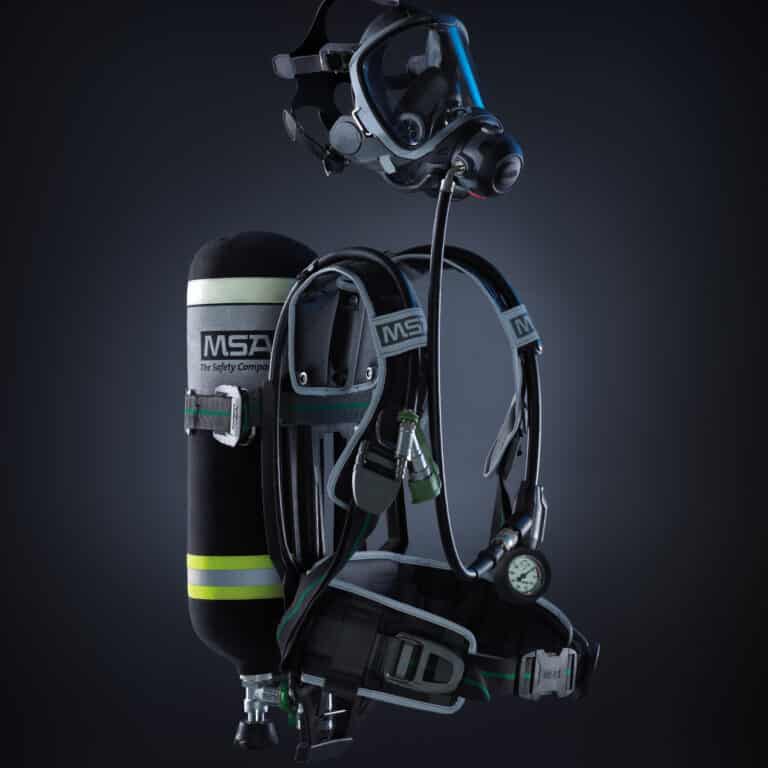
London Fire Brigade recently selected MSA Safety to supply its firefighters with new M1 self-contained breathing apparatus (SCBA) and telemetry technology. IFSJ sat down with Patrick Tawney, Group Commander at London Fire Brigade and Project Manager for the replacement of respiratory protective equipment (RPE), to discuss the procurement process and the benefits the new equipment will bring.

How often do you procure new SCBA?

In line with most fire services in the UK, we refresh and upgrade our SCBA every ten years.  It’s important for us to have up-to-date equipment that takes advantage of new technologies to maximise safety for our firefighters.  In the years since our existing SCBA was purchased, there have been significant innovations and developments in the industry which have improved and enhanced not only SCBA itself but also associated communication and monitoring capabilities. 

What in particular were you looking for in the new equipment?

We had lots of specific requirements, but most importantly, the SCBA had to be comfortable to wear, straightforward to operate, easy to clean, and it had to fit well with our other existing PPE.   We were also looking for equipment that would enhance safety monitoring and improve communication between firefighters and incident commanders during operations.

Tell us about the procurement process, what did it involve?

We began the procurement process in March 2022.  This involved outlining our requirements and undertaking an exhaustive evaluation process to explore the options on the market.  Once a shortlist of suppliers was established, we organised practical trials at the Fire Services College in Moreton-in Marsh, where a diverse volunteer group of our firefighters were tasked with putting the equipment through its paces. We devised a number of complex and challenging operational scenarios at the College incident training ground, and our firefighters provided feedback on their experiences wearing and operating the various SCBA equipment.

The MSA M1 SCBA emerged as the clear frontrunner, performing extremely well without a single failure, and consistently scoring highly across the board. The firefighters’ positive experiences with the M1 SCBA during the training for these trials and at the trials themselves led directly to the decision to select it.  The true test of a product is in the experience of the end-users, and our firefighters were almost unanimous in their preference.

What are the advantages of the M1 SCBA?  Why did it perform so well in the trials?

Most notably, we found the M1 SCBA intuitive and easy to use, facilitating the job in hand rather than proving a distraction or hindrance. It is also light in weight and particularly comfortable to wear, with an advanced hip belt that evenly distributes the weight of the BA set, and a padded harness. The ergonomic backplate has a one-handed adjustment which means it is easily customised to ensure a good fit for any size and frame.  In an industry where we are actively working to attract and retain a diverse workforce to reflect and engage the communities that we serve, this is particularly important.  

We also trialled and subsequently ordered the MSA C1 headset which attaches easily to the outside of the SCBA facepiece and provides enhanced voice communications.  There was a notable improvement in clarity – essential for relaying and receiving instructions under pressure during emergency situations.

Another element which particularly impressed us, was the telemetry provided alongside the M1 SCBA system and its modernised Entry Control Board (ECB), which has been developed specifically for UK fire services.  Essentially, an ECB is a means of keeping a tally of each firefighter wearing SCBA, noting details such as cylinder pressure and time spent fighting a fire. Working with an ECB has long been embedded in the operations of the London Fire Brigade, as it provides a safe system of working where everyone is accounted for.

The new MSA ECB enhances this traditional system by using integrated cloud-based technology to provide instant live monitoring and the capture of reliable data. Incident commanders can now connect remotely from wherever they are and download information quickly and easily either in real time, or retrospectively. This will significantly improve firefighter safety at incidents, as the air and alarm status of every firefighter can be closely monitored automatically and in real time, freeing up radio contact for other essential communications. Additionally, the post-incident reporting and automated documentation it provides will be invaluable in assisting with accident investigation, operational debriefs and for monitoring the long-term health of our firefighters.  For example, a graphic display of data on air consumption rates can show exactly where and when a firefighter is breathing more heavily during an incident, which could be due to physical exertion or extreme heat. This will enable us to identify not only possible areas of health concern for individuals, but also trends and patterns which could be useful for general research into firefighters’ physical response to certain scenarios.

Does the M1 SCBA work well with your existing equipment?

Yes, during the procurement process we undertook a series of tests to ensure the new SCBA would be compatible with all our existing kit and equipment.  Our firefighters wear protective clothing supplied by MSA Bristol via the Collaborative Framework, so it was unsurprising to find that the M1 SCBA fits perfectly with our fire tunics.

How easy is the M1 SCBA to clean, and why is this important?

The efficient decontamination of PPE following a fire-related incident is absolutely essential, since toxic smoke particles can be particularly harmful to health, whether inhaled or absorbed through the skin.  The M1 SCBA has been specifically designed to minimise trapping of particles and is easy to clean without disassembling: the padded harness is fully water repellent, making the entire BA system machine-washable.  As such, it complies with our strict policies on how to manage and minimise contamination. Currently, we clean our own SCBA by hand but are looking to introduce cleaning machines in the near future.

How would you rate MSA’s customer service?

It must be noted that over and above the superiority of their product, MSA have demonstrated an outstanding level of customer care throughout the procurement process.  Everything we’ve asked of them as a manufacturer, they have carefully considered and provided solutions.  As an example, we highlighted a precarious situation whereby a firefighter running low on air may need a teammate to top up their air supply. Previously, the firefighter would be required to hold their breath while the old supply was disconnected and the new supply reconnected. This can be a tricky and stressful procedure, particularly under challenging conditions.  MSA considered this and devised an innovative system whereby the new supply can be plugged straight in without airlines being broken, allowing continuous breathing. 

We’re looking forward to this relationship and collaboration continuing well into the future so that MSA’s technical and design expertise can continue to feed directly into solutions for firefighters on the ground.  The fact that the M1 SCBA is a modular system, means that we should be able to easily supplement and upgrade the equipment in the years to come. 

When will you receive the new kit?

Our crews across the city are very much looking forward to receiving their new SCBA.  Roll out of deliveries is now underway, with a thorough multi-phased training programme for our 4,500 firefighters to follow, and an anticipated ‘go live’ date of January 2024. Training will be supplemented by MSA’s online support programmes, whereby firefighters can access online demonstration videos whenever they need a refresher or reminder.

I’m satisfied we’ve made an excellent selection with the M1 SCBA, in both quality and value for money. When purchasing protective equipment for our firefighters, safety is absolutely the primary focus, but thankfully the M1 SCBA provides a very high standard of safety and quality at a competitive price.  Replacing our current provision now will enable us to benefit from technological developments, which will in turn enhance firefighter safety and increase our capacity for rescue.  We’re certain that this investment and our new partnership with MSA will continue to serve us well into the future.

The M1 SCBA

The M1 Self contained breathing apparatus (SCBA) is an advanced, ergonomic, and modular system that meets a broad range of needs and budgets. It includes several innovative and customisable features to help enhance hygiene, improve comfort and provide capability for future upgrades.  

Modularity

The M1 SCBA is a modular design to suit different needs, preferences, budgets and expectations. Benefits include:

  • Easily customised and adapted to suit specific requirements and applications.    
  • Easily upgraded when budgets allow.
  • Easily enhanced so no need for full, costly upgrades.

Ergonomics

The M1 SCBA has been designed to be comfortable and lightweight in all scenarios:

  • Integrated height adjustment on the backplate ensures the apparatus fits the natural shape of the back.
  • The swivel hip belt follows body movement and ensures even weight distribution.
  • The M1 is the lightest SCBA with height adjustment on the market (less than 4kg/9lbs).

Integration of components

The M1 SCBA platform can be also configured with:

  • M1 Control Module – a personal alert safety system (PASS) with motion sensor. Its full-color, integrated digital display also helps firefighters better understand their situation by providing clear pressure and alarm indications. It comes with optional telemetry, which allows the transmission of firefighter information directly to Incident Command, or to those monitoring the incident remotely, helping them to better manage incidents and keep firefighters safe.
  • G1 Face Mask – produced in three sizes, also offers three further sizes of nose cup to give the perfect fit and help prevent infiltration of smoke particles. The G1 Mask is comfortable and adapts to all face shapes. The visor allows for a wide, distortion-free field of vision.
  • C1 Communication Module – for clear voice projection. The C1 headset easily attaches to the G1 mask and is integrated seamlessly to provide clear voice transmission and reception of incoming messages, whilst eliminating background noise.

Cleanability and enhanced hygiene

MSA’s M1 SCBA has innovative features to ensure the system is easy to clean to prevent exposure to harmful substances.

Future-ready

By offering an excellent foundation system with optional “add-ons”, the M1 SCBA equips firefighters with all the revolutionary capabilities of safety technology. Easy access to the cloud, effortless monitoring and reliable data ultimately make it an integrated platform for firefighter safety now and in the future.

This article was originally published in the January edition of IFSJ. To read your FREE digital copy, click here.

IFSJ Exclusive: Investing in the future of detection

IFSJ looks at Global Fire Equipment’s new fire safety system manufacturing plant, its recent work in Istanbul and its plans for Intersec 2023

Just ahead of Intersec 2023, leading European-based fire safety system manufacturer, Global Fire Equipment (GFE), announced the opening of its new manufacturing facility in the Algarve region of Portugal. The new facility represents an investment of €7.5 million by GSS Group, creating a new home for two of the group’s companies – GFE and CREATECH Emergency Lighting.

One of the largest fire safety system manufacturing plants in Europe

At 7,500-sq m, the facility is more than twice the size of GFE’s previous plant, and the land purchased spans 16,0000 sq m so there is plenty of scope for further expansion should this be required as the company works towards its ambitious future growth targets. GFE has sustained impressive growth over the last 10 years, including double digit growth during the COVID-19 pandemic.

CREATECH Emergency Lighting has also achieved strong growth and will need the increased manufacturing capacity to help deliver its international sales ambitions. GSS Group sees a significant market advantage of integrating both its fire safety and emergency lighting divisions under one roof, with space to expand in the coming years.

Initially the new facility will operate a single 8-hour shift pattern, but GFE could triple production capacity as there is the option to add two further 8-hour shifts thus allowing the facility to operate 24/7.

A number of dedicated manufacturing zones are incorporated into the new facility, including on-site injection moulding and PCB SMD/THT assembly. The new assembly lines have been designed to maximise efficiency in the manufacturing process and, with the additional space, GFE has been able to increase stock storage and dispatch areas by 400% compared to its previous plant. Other areas include product testing, general assembly and management, sales and administration.

All manufacturing and office support are scheduled to be in place by the end of January 2023, with the remaining services moving in by the end of February. The new facility is located within 2km of the former site so all employees will retain their positions and GFE will continue to have good access to the labour market within the Algarve.

Building a sustainable and energy-efficient manufacturing facility was one of GFE’s key pre-requisites for the new plant. The Algarve is one of the sunniest places in Europe which allows GFE to maximise on[1]site solar energy generation. By installing a large number of solar carports, GFE’s on[1]site solar energy generation has jumped an 600% compared to the former plant which means that almost 90% of the facility’s energy needs can be supplied by solar power.

Paul Pope, GFE’s Global Business Development Manager, comments: “Our new manufacturing facility reflects the vast amount of work and investment every member of the GFE team has put into the company over the past few years. Our drive to deliver high quality and affordable fire safety systems is at the forefront of our operations and is clearly evident in the design of this facility. We are also delighted that we have been able to invest in energy efficiencies which will undoubtedly make our business more sustainable.”

Joao Paulo, GFE’s Founder and Managing Director, adds: “Building on our years of manufacturing experience and technical developments, this facility will ensure that we not only continue supporting our existing customers with industry-leading products and technical support, but also that we will be able to expand further into new markets around the world.

“We have always been focused on ways to improve efficiencies in our manufacturing process and have been able to develop sophisticated automated production lines in our new facility to increase our manufacturing capacity. While these productions lines will carry forward GFE’s drive for automation, we will also be looking to expand our team to ensure we continue to meet the high quality standards our customers know they can rely on.”

Intersec 2023

The opening of GFE’s new manufacturing facility coincides with the company’s launch of a number of new products which will be showcased on GFE’s stand (F10 in Hall 3) at Intersec 2023 in Dubai. The new manufacturing facility will be vital in ensuring GFE can meet the anticipated high market demand for these new products which include a new ZEOS 2 range of detectors and new panels.

Commenting on the products on show at Intersec, Paul Pope, says: “Intersec is widely regarded as one of the most important industry exhibitions in the Middle East, and as it’s such a strategically important market for us, we’re delighted to have a strong presence again at this year’s show. We are also particularly pleased to have Intersec as a platform to showcase our new ZEOS 2 range of detectors which we believe will generate a lot of interest in the market.

“Innovation is at the heart of GFE, with further new products expected later this year. The combined impact of our new manufacturing facility, new products and the expansion of our international sales teams means that 2023 is set to be a very exciting year for GFE and the market as a whole.”

Equipping Istanbul

A strategically important region for Global Fire Equipment, the local team in Turkey has been operating since 2013, completing a vast range of projects. GFE Turkey, was chosen to design, supply and install the fire detection and alarm system for Eston Sehir Mahallem, a prestigious residential development located in the Bahcesehir district of Istanbul, Turkey.

The development comprises 315 flats and villas on 68,000-sq m area, 70% of which is dedicated to green spaces and social and leisure areas, such as pedestrian walkways, bike paths, a children’s park and sports fields.

The design, installation and commissioning of the fire detection system for the development was undertaken by GFE’s appointed distributor in Turkey, GFE Bina Kontrol Sistemleri. GFE’s fire alarm system was chosen because it is modern and innovative, and also because it meets the legislative requirements set by the Turkish Government for residential developments which have become increasingly stringent in recent years.

The system for Eston Sehir Mahallem comprises eighteen addressable control panels, 500 ZEOS addressable smoke detectors, as well as other addressable devices including manual call points, sounders and Gas detectors.

Feride Cilesun, Site Manager at Eston Sehir Mahallem, comments: “We have been very impressed with the support and expertise of GFE Turkey at every stage in this project. They were able to give us a working system in a very short space of time which offers extensive configuration options and a great range of value-added features. The quality of all the equipment installed throughout the development is very high, and the technical support and expertise of the GFE team has been invaluable.

“We have been particularly impressed with GFE’s remote monitoring and control software, Odyssey, which allows us to manage the development in a preventative failure manner. Odyssey has also enabled us to integrate the fire detection and alarm system with the development’s third-party public address system and voice alarm system so that in the event of a fire, we are able to quickly and easily notify residents in the affected areas to evacuate their properties. The finished system is very user friendly and reliable, and we now have an ongoing maintenance contract with GFE which we have also been very happy with.”

Murat Efir, Regional Director (Turkey and Balcans) at GFE, who operates out of GFE Turkey’s headquarters in Istanbul and has worked for GFE since 2013, adds: “There was strong competition during the tender process, GFE was chosen because of our bespoke approach to the project and our extensive expertise in large[1]scale projects in the region, including hospitals, hotels, schools and other residential developments. GFE’s reputation in Turkey is very strong and we have experienced significant sales growth over the past 8 years. We have stepped up our presence in the region and are continuing to strengthen our customer offering. We are also looking forward to launching a number of new products in the coming year, including products that have been designed specifically for the Turkish market such as a detector which is capable of detecting both LPG and PNG leaks.”

This article was originally published in the January edition of IFSJ. To read your FREE digital copy, click here.