London Fire Brigade to stop attending automatic fire alarms in non-residential buildings during daytime hours

London Fire Brigade’s new policy on automatic fire alarm responses

From 1st October 2024, the London Fire Brigade (LFB) will cease attending automatic fire alarms in most non-residential buildings, including office blocks and industrial estates, during daytime hours (7am – 8:30pm).

As reported by Assist Security Group (ASG), this policy change will place the onus on building managers and security personnel to conduct initial fire checks, raising concerns about fire safety and resource allocation in the private sector.

Troy Hewitt, CEO of ASG, highlighted the pressures this policy could place on building managers: “This new policy represents a big shift in fire safety responsibilities.

“Building managers and security teams are now expected to perform roles previously handled by fire services, creating additional pressure on already stretched resources.”

Implications for building management and security teams

The policy shift mirrors similar trends in police services, where budget constraints have increased the reliance on the private sector for public safety.

This development has raised questions about the long-term effects on public safety and the financial burden placed on businesses.

Key concerns include increased responsibility for fire checks, potential understaffing, the need for additional training, and heightened risks for tall buildings and vacant properties.

Hewitt noted that building managers must critically assess their capabilities: “Building managers must ask themselves: Do we have sufficient manpower to ensure thorough checks can be made? Is our building going to be safe under this new regime?”

ASG’s response and recommendations

In response to these changes, ASG is offering comprehensive risk assessments and tailored solutions to address the new fire safety landscape.

These services include evaluations of existing fire safety protocols, development of customised security strategies, provision of trained security officers, and access to mobile response teams for building managers.

ASG has emphasised the particular vulnerability of tall buildings and vacant properties, advising that these environments may require enhanced measures such as mobile patrols, alarm response systems, or the deployment of dedicated fire wardens or security officers.

The need for a proactive approach in fire safety

The LFB’s decision underlines the necessity for a proactive stance on fire safety within the private sector.

Building owners and managers must now evaluate whether their current staffing and safety measures are adequate to meet the demands of this policy change, particularly in high-risk settings like tall buildings or vacant properties.

Troy Hewitt of ASG reiterated the importance of readiness: “Security users need to be ready to navigate these new challenges and ensure fire safety.”

ASG continues to urge stakeholders to prioritise comprehensive risk assessments and robust fire safety strategies as the private sector adapts to this shift in responsibility.

London Fire Brigade Comment

London Fire Brigade Assistant Commissioner for Prevention & Protection, Craig Carter, said: “Following a consultation with key stakeholders, it is clear that support for the new policy recognises the significant benefits these changes will have on our service for Londoners.

“We are here to keep London’s communities safe, and we want to do this as effectively as possible.

“We will always attend any incident where a person dials 999 to report a fire or they can see signs of fire such as smoke issuing.

“We will also continue to attend all alarms at any premises where people sleep – such as homes, hotels and prisons.

“As outlined in our Community Risk Management Plan, reducing our attendance at false alarms will give firefighters more time to focus on preventative activity, such as visiting our most vulnerable residents and communities, fire safety checks, as well as operational training.

“Over the summer, the Brigade has been working closely with stakeholders, businesses, community groups and Londoners to ensure they understand what these changes mean for them, what they need to do to prepare and how to ensure they can keep their buildings and the people they are responsible for safe.

“Responsible persons are encouraged to thoroughly read through our Frequently Answered Questions page ahead of the roll-out to ensure they are prepared.”

Further Background from London Fire Brigade

Less than 1% of automatic fire alarms signal genuine fires – the remaining 99 per cent are false alarms.

Almost all other UK fire and rescue services have introduced policies that aim to reduce attendance at false alarms and the National Fire Chiefs Council (NFCC) and His Majesty’s Inspectorate of Constabulary and Fire & Rescue Services support efforts that reduce false alarm attendances.

It is imperative that automatic alarm systems are correctly managed and maintained to minimise false alarms, as well as ensuring that staff in businesses are suitably trained to understand their responsibilities under fire safety law.

Recurring false alarms can often be resolved quickly and easily.

The Brigade is urging businesses who experience recurring false alarms to investigate each occurrence in order to find and remedy the cause, including contacting the alarm system company or arranging maintenance if necessary by an appropriate engineer.

The responsibility of staff training for commercial premises does not fall under the remit of London Fire Brigade.

If a person owns, manages or operates a business (Responsible Person), they need to comply with UK fire safety law.

The main law is the Regulatory Reform (Fire Safety) Order 2005.

It applies across England and Wales and came into force on 1 October 2006.

As part of a Responsible Persons’ responsibilities under the Act, they need to make sure Employees are provided with adequate fire safety training.

London Fire Brigade announces end to daytime automatic fire alarm responses in non-residential buildings: Summary

Starting 1st October 2024, the London Fire Brigade will no longer respond to automatic fire alarms during daytime hours in most non-residential buildings.

This policy change shifts fire safety responsibilities to building managers and security teams, prompting concerns about the adequacy of current fire safety measures.

Assist Security Group has highlighted the challenges this change may bring, including the need for additional training, staffing, and resources.

ASG is offering tailored risk assessments and strategies to help businesses adapt to the new requirements and ensure the safety of their premises and occupants.

How is Honeywell ushering in a new era of digitised maintenance?

Honeywell discusses the importance of digital Test and Inspect processes for maintaining life safety standards

Installing and maintaining life safety systems in compliance with a building’s occupancy type is required by fire codes and follows legal requirements globally.

Once a building owner installs a new life safety system, proof must be filed with the local fire authority that the system has been designed to the local Code of Practice and that it is working as intended.

At prescribed intervals during the life cycle of the installed fire system, it will require testing, inspection, and maintenance to confirm that it continues to work well for the building and those who occupy it.

For example, smoke detectors are generally required to be functionally tested and inspected annually.

Historically, processes relating to the provision of life safety Test and Inspection have been manual.

Digitising these processes can help service providers and building owners in many ways, including saving time on site, reducing building disruption, providing real-time updates on Test and Inspect progress, and improving life safety performance by validating that the entire system works as intended and has been tested to code.

What has changed in the life safety system industry?

As the world around us has become increasingly connected and automated using new Internet of Things (IoT) technologies, using connected devices and apps in fields ranging from banking to home appliances has become second nature.

Life safety is no different.

The expectation to manage and control building systems, including the fire system, using a mobile device is growing.

Fire code enforcement authorities have also benefited from ‘going digital’ and some regions have implemented electronic compliance reports.

Many life safety system manufacturers and Test and Inspect app providers have introduced connected features enabling remote status updates, and in some applications, controlling and even automating processes anytime, or anywhere, using connected software.

In the context of the last four years, COVID-19 prevention efforts accelerated the pre-pandemic trend of automating Test and Inspect processes to ensure engineers on site are there for a shorter amount of time, with the added intent of being less invasive and manage occupancy levels in sensitive areas of buildings.

Furthermore, as service providers are finding it difficult to hire and retain skilled labour, there is even more focus on ways to speed up and improve the Test and Inspect compliance process.

Improving life safety

According to a Fire Safe Europe report, every day in Europe alone there are, on average, 5,000 fires, 11 lives lost, and 190 hospitalisations due to building fires.

Total GDP impacted is 1% from building fires and, in the UK alone, 5,000 full-time jobs are lost each year due to warehouse fires.

There is an environmental impact, too.

A Swedish study showed that Carbon Monoxide (CO) created by unburned particles from building fires was greater than the CO emissions from commercial transport.

More advanced digitised maintenance such as automation can help to uncover hidden issues that are often missed with manual processes, for example, covered detectors.

Some detectors can remain covered for years, especially if they are placed in ceiling in voids and hard to reach areas.

These issues can lead to tragic events such as a real case in the UK, where a fire occurred in a community housing association property leading to the death of an elderly resident.

The coroner confirmed that this fire was not detected quickly enough as the dust covers were still in place.

All app-based Test and Inspect processes help to support the effective and provable maintenance of fire alarm systems.

Thorough maintenance processes help to uncover issues that might prevent fires being detected and located, which can lead to property damage, work disruption, environmental impact and, most importantly, loss of life.

Saving you time

Manual inspection processes are time consuming and cause disruption to building occupants whilst testing is underway.

Testing smoke detectors manually represents about 70%-80% of the time needed to inspect an average fire detection system.

All app-based processes are designed to improve engineer efficiency and accuracy.

The least intrusive automated processes can mean that maintenance inspection can now be done during normal working hours, as opposed to being supported on evenings or weekends.

Manual test report creation can take days to complete, yet as app-based testing is stored digitally, report generation to specific to code compliant templates can now be done in seconds.

Proving compliance

Professional life safety Test and Inspect service providers strive to do a thorough and accurate inspection; however, evidence demonstrates the limitations of relying on manual Test and Inspect processes, ‘the word’ of a poor service provider or the negligence of a building owner.

  • Approximately 70% of automatic fire alarm systems in Danish companies and public institutions are faulty when they are inspected.
  • A restaurant director was sent to prison because the fire alarm system had been turned off which led to a huge fire going undetected.
  • An “indecipherable message” on the fire alarm control panel leading to the wrong part of the Notre Dame cathedral being inspected after a fire.

We are no longer required to blindly trust that life safety systems are inspected, tested, and maintained accurately.

With digital Test and Inspect compliance reports, now you can prove it.

What are the levels of connected?

Level 1: Digital Test and Inspect

There are three levels of connected Test and Inspect.

Level 1 Digital Test and Inspect processes allow the recording of inspection routines via a mobile app using device-specific inspection and testing forms.

As Test and Inspect activities are passed or failed, the data results are logged and saved for configuration into reporting templates specified by the local authority.

For additional security, they can also be stored in the cloud.

Level 2: Connected Digital Test and Inspect

Connected Test and Inspect allows direct connection to the fire alarm control panel through a connected Gateway or communicator, which helps to ensure greater testing accuracy.

With the app connecting to the fire panel remotely, it is possible to monitor and control fire system events.

Facilities managers and service providers benefit from real-time system event statuses, allowing them to view fire events or failures with swift remedial action.

The support engineer can also perform functions such as acknowledge, silence, reset, enable, and disable within the Test and Inspect app allowing faster customer support.

Level 2 connection provides the ability to fetch detailed device data from the fire panel, which means any Test and Inspect inspection plan accurately represents all devices stored in the panel, so nothing is missed.

Imported data can include detector sensitivity metrics, addresses, serial numbers, device age, event history and other information to support the maintenance provider in delivering accurate supporting information around the health of the system and guidance on any potential remedial work.

Importantly, it also allows the engineer to amend and update inaccurate system information, such as device labels, as they go through the building carrying out maintenance inspections.

As the maintenance engineer tests the addressable devices, the fire panel picks up the test signal and automatically passes the test acknowledgement back to the mobile Test and Inspect app, meaning the engineer receives instant feedback of a successful test before they move to the next device.

Additionally, they can pick up any other fire events, including real events, directly to their mobile app allowing them carry out a maintenance inspection without needing have a second engineer back at the panel.

This process helps provide indisputable evidence as to what has been tested.

Level 3: Automated Connected ‘Self-Test’ Test and Inspect

Self-Test detectors, which automatically perform a functional test of the detector using a mobile app, provide a new level of efficient, accurate, and validated Test and Inspect results.

Code-compliant Self-Test detectors are designed to generate a small amount of smoke to test the optical smoke chamber and then measure the smoke dilution speed to prove the detection chamber’s smoke entry points are clear from obstruction.

A built-in heat generator also verifies any heat detector response, which can often go untested in multi-criteria detectors.

Self-Test detectors incorporate Bluetooth compatibility, which allows the engineer to validate they have been within visual inspection range of the device when carrying out the visual inspection.

When in Bluetooth range of the detector, the device information is communicated directly to the Test and Inspect app, so the engineer can easily validate device’s address and label.

A Self-Test detector eliminates the need for a technician to carry a smoke pole, heat pole, step ladders and toolkit around the building to perform functional testing.

Additionally, Self-Test detectors mitigate the risk of an engineer applying too much aerosol test spray, which can leave a detector in a pre-alarm condition for an extended period.

It is important to note that the detector magnet test, or software driven verification tests, do not meet the requirements of a functional smoke detector test and is rejected by nearly all codes of practice.

The bottom line

Fire continues to be a significant risk and local authorities are continuously seeking ways to ensure that building owners, facility managers, and other responsible parties are in complete compliance with the appropriate building life safety codes.

It is not uncommon for a fire official to pay an unannounced visit to review compliance reports and life safety standards in a building.

Paper-based compliance report storage is time consuming to manage and prone to errors.

A digital, or automated Test and Inspect solution, takes proving building compliance to new levels by providing undisputable evidence that a system was correctly tested and inspected, and that any required system improvements have been completed.

This article was originally published in the August 2024 issue of International Fire & Safety Journal. To read your FREE digital copy, click here.

Siemens introduces new ASD+: A single device can cover an area of up to 6,700 m2

Advantages of the new ASD+ range

Siemens has launched the ASD+ range, enhancing the aspirating smoke detection (ASD) market with substantial coverage capabilities.

As reported by Siemens, the new generation features two detectors – FDA261 and FDA262 – designed for large and complex projects.

Each device covers up to 6,700 m2.

For Class A installations, the coverage is up to 2,000 m2, making it suitable for large spaces like data centres, retail distribution warehouses, and industrial production facilities.

The ASD+ range has a modular design allowing easy replacement of the detection chamber and aspirator without replacing the entire unit.

This extends the product’s lifetime and reduces its environmental impact.

Easy commissioning and maintenance

The ASD+ Connect app simplifies digital commissioning using a QR-code approach, reducing commissioning time by up to 20%.

Enhanced detection performance includes optics designed for high sensitivity and improved signal processing to differentiate smoke from dust, reducing false alarms.

The new system is suitable for harsh environments, maintaining optimal operation.

Maintenance is easier with ASD+ systems.

Siemens provides cloud data for pre-alarm, dust detection, airflow, and contamination levels via a mobile app.

This system is particularly beneficial for areas with high ceilings, floor voids, escalators, and other hard-to-reach spaces.

Integration and flexibility

ASD+ integrates seamlessly with existing Siemens ASD solutions without additional hardware costs.

The detectors include built-in relays for easy connection to third-party systems via onboard relay outputs.

Adjustable alarm thresholds and extension slots for future upgrades provide flexibility for various applications.

Planning support

Siemens offers extensive planning support for ASD+ detectors.

This includes application guides, a fire system builder, a BIM and CAD platform, and a spec writer for system specification.

These tools and documents assist in the effective planning and implementation of fire safety systems.

Siemens ASD+ smoke detectors now offer extensive coverage: Summary

Siemens has introduced the ASD+ range, featuring the FDA261 and FDA262 detectors, which offer substantial coverage in the aspirating smoke detection market.

Each device covers up to 6,700 m2, making it suitable for large spaces.

The modular design, easy commissioning through the ASD+ Connect app, and simplified maintenance enhance the system’s usability and longevity.

The detectors integrate with existing Siemens solutions and third-party systems and offer flexible alarm thresholds and future-proofing.

Siemens also provides extensive planning support to assist with implementation.

What Extinguisher Should Be Used for Electrical Fires?

Fires can start unexpectedly and spread quickly. 

Knowing how to respond is essential. 

One common type of fire is an electrical fire. 

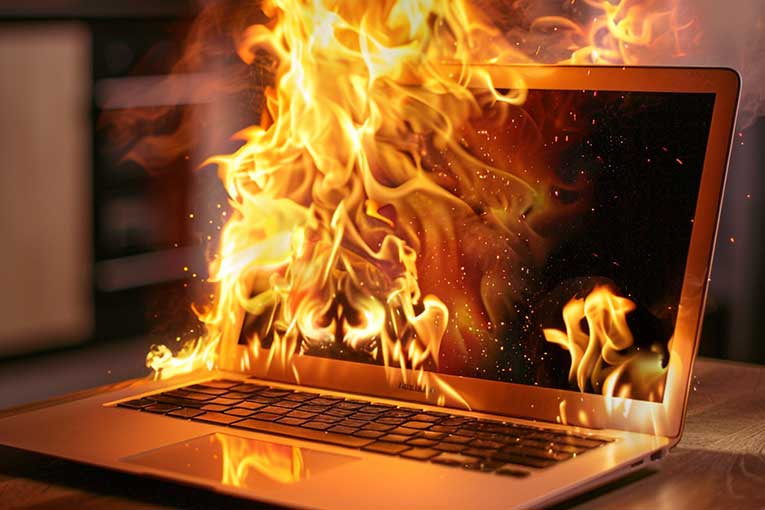
These fires involve electrical equipment and wiring. 

Knowing what extinguisher should be used for an electrical fire can prevent injuries and save property. 

This article will guide you on which extinguisher to use for electrical fires, how to use it, and how to handle electrical fire emergencies.

What Types of Fire Extinguishers are There?

fire extinguisher types

There are 5 main types of fire extinguishers, each used for different classes of fire

Water

Water fire extinguishers are designed for Class A fires, which involve ordinary combustibles like wood, paper, and textiles. 

They work by cooling the burning material, which helps to extinguish the fire. 

Some water extinguishers are not suitable for electrical fires or fires involving flammable liquids and gases, as water can spread the fire or cause electric shock.

Foam

Foam fire extinguishers are suitable for Class A and Class B fires. 

They work by forming a blanket over the burning material, cutting off the fire’s oxygen supply and cooling the material. 

Foam extinguishers are effective on flammable liquids like petrol and oil, but they should not be used on electrical fires, as foam can conduct electricity and cause hazards.

Dry Powder

Dry powder fire extinguishers are versatile and can be used on Class A, B, and C fires. 

They contain a powder that smothers the fire, cutting off its oxygen supply. 

These extinguishers are suitable for flammable liquids, gases, and electrical fires. 

However, they leave a residue that can damage sensitive equipment and create a mess.

CO2

Carbon dioxide (CO2) fire extinguishers are primarily used for Class B and electrical fires. 

They work by displacing the oxygen around the fire and cooling it. CO2 extinguishers are ideal for electrical fires because they leave no residue and do not damage electrical equipment. 

However, they are not effective on Class A fires and should not be used in confined spaces due to the risk of asphyxiation.

Wet Chemical

Wet chemical fire extinguishers are specifically designed for Class F fires, which involve cooking oils and fats. 

They contain a solution that reacts with the burning oil to form a thick, soapy layer on the surface, cutting off the oxygen supply and cooling the oil. 

Wet chemical extinguishers are highly effective in commercial kitchens but are not suitable for other types of fires.

What Extinguisher Should Be Used for Electrical Fires?

what extinguisher used for electrical fire image
Source: Amazon

For electrical fires, which are one of the most dangerous types of fire, the safest and most effective fire extinguishers are Dry Powder and CO2 (carbon dioxide) extinguishers.

Dry Powder Extinguishers

Dry Powder extinguishers are specifically designed for electrical fires. 

They contain non-conductive agents like dry chemicals, such as monoammonium phosphate or sodium bicarbonate

These agents interrupt the chemical reaction of the fire and do not conduct electricity, making them safe for use on electrical equipment.

CO2 Extinguishers

CO2 extinguishers are also suitable for electrical fires. 

Carbon dioxide is a non-conductive gas that displaces oxygen around the fire, suffocating it. 

Additionally, CO2 extinguishers cool the equipment, helping to prevent re-ignition. 

Since CO2 leaves no residue, it is ideal for use on sensitive electronic devices and machinery.

Certain Water-Based Fire Extinguishers

An approved water-based extinguisher or one that has passed a di-electrical test is safe to use on live electrical equipment up to 1000V, provided you maintain a distance of at least 1 meter.

This safety standard is recognized internationally and is outlined in the BS EN 3-7 product standard, ensuring its reliability and effectiveness.

What are the Dangers of Using the Wrong Fire Extinguisher Type on an Electrical Fire?

electrical fire wrong extinguisher dangers

Using the wrong type of fire extinguisher on an electrical fire can pose several serious dangers.

Electric Shock

Water-based and foam extinguishers can conduct electricity. 

Using these on an electrical fire can result in electric shock to the person operating the extinguisher. 

This can lead to severe injury or even death.

Fire Spread

Some water and foam extinguishers are ineffective on electrical fires and can cause the fire to spread. 

Non-dielectric tested water extinguishers can cause the fire to spread to other areas by dripping into electrical systems and creating short circuits. 

Foam can have a similar effect by spreading conductive materials.

Equipment Damage

Using incorrect extinguishing agents can damage electrical equipment irreparably. 

For instance, dry powder extinguishers leave a residue that can harm sensitive electronics. 

This residue is difficult to clean and can cause long-term damage.

Ineffective Fire Suppression

Using an inappropriate extinguisher may provide ineffective fire suppression, leaving it to grow and become more dangerous. 

This inefficacy wastes critical time during an emergency, allowing the fire to spread and cause more damage.

Toxic Fumes

Using the wrong extinguisher can produce toxic fumes, especially if the extinguishing agent reacts with the burning materials. 

These fumes can be harmful if inhaled and pose additional health risks.

How to Use a Fire Extinguisher 

how to use a fire extinguisher

Knowing how to use a fire extinguisher properly is crucial for effectively combating small fires. 

The PASS technique is a simple method to remember:

Pull the Pin

Pull the pin at the top of the extinguisher. 

This action breaks the tamper seal and allows you to discharge the extinguisher.

Aim at the Base

Aim the nozzle or hose at the base of the fire. 

Focusing on the base, where the fuel source is, helps to extinguish the flames more effectively.

Squeeze the Handle

Squeeze the handle or lever slowly and evenly. 

This releases the extinguishing agent. 

Make sure to control the discharge by applying steady pressure.

Sweep Side to Side

Sweep the nozzle or hose from side to side at the base of the fire. 

Continue this motion until the fire is completely out. 

Be thorough and ensure the fire doesn’t reignite.

Safety Precautions

  • Stay Alert: Always keep an eye on the fire, even after it seems to be extinguished.
  • Maintain Distance: Stand at a safe distance from the fire, typically about 8-10 feet, and move closer as the fire diminishes.
  • Know When to Evacuate: If the fire becomes uncontrollable or spreads rapidly, evacuate immediately and call emergency services.

What are the Main Causes of Electrical Fires?

electrical fire causes

Electrical fires are a common and dangerous type of household fire. 

Understanding their causes can help in preventing them.

Faulty Wiring

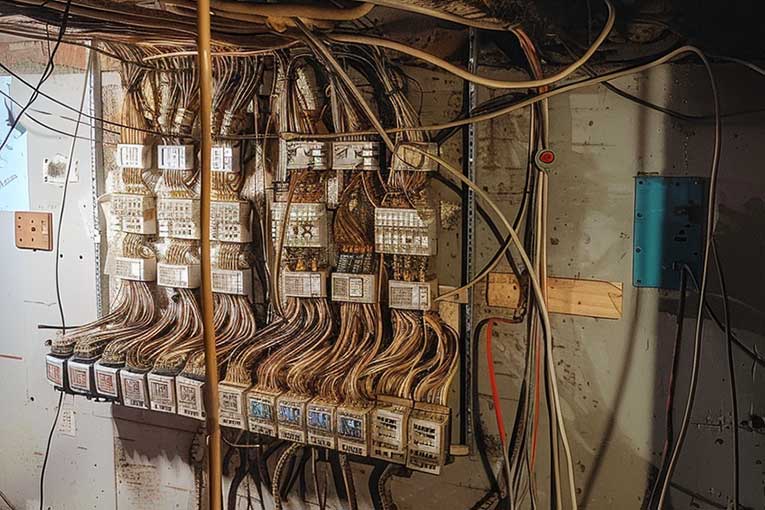
Old, damaged, or improperly installed wiring is a leading cause of electrical fires. 

Over time, wires can degrade, leading to exposed or frayed wires that can spark and ignite surrounding materials. 

Additionally, amateur electrical work can create unsafe conditions that may result in fires.

Overloaded Circuits

Plugging too many devices into a single outlet or power strip can overload circuits. 

This overload causes excessive heat, which can melt the wiring and start a fire. 

Using high-wattage appliances on circuits not designed to handle them is particularly risky.

Faulty Appliances

Defective or poorly maintained appliances can also spark electrical fires. 

Appliances with damaged cords or internal electrical faults can overheat and ignite. 

Regular maintenance and prompt repairs are essential to keep appliances safe.

Extension Cords

Improper use of extension cords is another common cause. 

Extension cords can overheat if used to power high-wattage appliances or if they are used for long periods. 

Running extension cords under carpets or through doorways can damage them, increasing the fire risk.

Space Heaters

Space heaters are often used to provide additional warmth but can be dangerous if not used correctly. 

Placing them too close to flammable materials or leaving them unattended can cause fires. 

Heaters with faulty thermostats or those left on for too long are particularly hazardous.

Light Fixtures

Using incorrect bulb wattage in light fixtures can lead to overheating. 

Exceeding the recommended wattage can cause the light fixture to overheat, melt, and potentially ignite surrounding materials. 

Ensure all bulbs match the recommended wattage for your fixtures.

Electrical Outlets

Loose or worn-out electrical outlets can cause arcing, where electricity jumps from one connection to another. 

This arcing can generate heat and ignite nearby materials. 

Ensuring outlets are securely fitted and in good condition helps prevent this risk.

What to do if There is an Electrical Fire?

electrical fire what to do

If there is an electrical fire, use these steps to stay as safe as possible: 

Stay Calm and Assess the Situation

If an electrical fire starts, staying calm is crucial. 

Panicking can lead to mistakes and make the situation worse. 

Quickly assess the severity of the fire. If it is small and manageable, you might be able to extinguish it safely.

Disconnect Power

If it is safe to do so, disconnect the power source to the electrical device causing the fire. 

This can often be done by unplugging the device or turning off the power at the circuit breaker. 

Cutting off the power source can help stop the fire from spreading.

Use the Right Extinguisher

Use a Dry Powder or CO2 fire extinguisher, which is designed for electrical fires. 

Remember to use the PASS technique: Pull the pin, Aim at the base of the fire, Squeeze the handle, and Sweep from side to side.

Evacuate if Necessary

If the fire is too large or out of control, evacuate immediately. 

Do not try to extinguish a fire that is spreading rapidly or producing a lot of smoke. 

Make sure everyone in the building is aware of the fire and evacuates safely. 

Close doors behind you as you leave to help contain the fire.

Call Emergency Services

Once you are safely outside, call the emergency services number. 

Provide the dispatcher with your location and details about the fire. 

Do not assume someone else has already called. 

Emergency responders have the equipment and expertise to handle electrical fires safely.

Do Not Use Water

Never use water to extinguish an electrical fire. 

Water conducts electricity, which can cause electric shock and make the fire worse. 

It is essential to use only the appropriate fire extinguishers.

Wait for Professionals

Wait for the fire department to handle the situation. 

They have the necessary training and equipment to extinguish electrical fires safely and prevent them from reigniting.

Conclusion

Electrical fires can be dangerous, but knowing how to prevent and respond to them can save lives and property. 

Use CO2 extinguishers for electrical fires and follow the PASS technique for effective use. 

Regularly inspect your home for potential fire hazards, maintain electrical equipment, and never use water on an electrical fire. 

By staying informed and prepared, you can protect your home and loved ones from the dangers of electrical fires.

New technology to tackle wildfires introduced by Bath-based company

New technology for wildfire detection and suppression

Bath-based fire detection company Optect has partnered with Sonic Fire Tech to develop a new wildfire detection and suppression technology, as reported by SETsquared.

This collaboration has led them to the final 30 in the Autonomous Wildfire Response category of the $11m XPRIZE WILDFIRE competition.

The competition challenges teams to autonomously detect and suppress high-risk fires in a 1,000km² area within 10 minutes.

Optect’s solution employs drones for spotting fires and flying robot taxis that deploy fire-extinguishing robo-dogs.

Sonic Fire Tech’s infrasound wildfire suppression technology, demonstrated to extinguish high-temperature wood fires within seconds, is central to this approach.

Geoff Bruder, an ex-NASA engineer and developer of the method, highlighted the technology’s potential: “Our technology can continuously suppress fires for as long as battery power is available without any refuelling or resupply.”

Advancements in flame detection technology

Optect has also recently launched a new flame detection product with a range 5-10 times greater than existing devices.

This product aims to significantly reduce fire risks in both wildfire and industrial settings.

Matthias Jaeger, Chief Technical Officer of Optect, commented on their progress: “The challenge, as with many XPRIZE competitions, is set close to the limit of possible, and in response, we’re pushing technology to the limits too.”

Optect’s advancements have been supported by SETsquared, enabling the company to grow its customer base.

The team is preparing for a live demonstration of their technology in a real-world environment in 2025.

Deploying advanced detection and suppression systems

The Optect XPRIZE Wildfire team is developing comprehensive detection and suppression systems.

Their approach includes airborne loitering detection UAVs equipped with ultra-long-range IR3 sensors, visual, and thermal cameras.

These UAVs will enhance detection speed during critical wildfire conditions.

Ground-based sensors, including long-range IR3 flame sensors and visual cameras, will complement the airborne system, ensuring rapid and reliable detection.

Upon detecting a wildfire, autonomous VTOL UAVs will transport ground robots to the fire site.

These robots, equipped with Sonic Fire Tech’s suppression technology, will navigate complex terrains to target and extinguish fires with precision.

Challenges and future prospects

The combination of advanced detection and suppression technologies aims to address the increasing severity of wildfires, which contribute to up to 20% of global carbon emissions.

Optect’s collaboration with external companies under the team name Optect – Optical Detection is crucial for tackling this issue.

As the severity of wildfires increases, deploying innovative technology becomes essential.

Optect and Sonic Fire Tech’s partnership represents a significant step towards improving wildfire response.

The team remains optimistic about their progress and looks forward to the final round of the XPRIZE competition.

Wildfire detection tech competes in global challenge: Summary

Optect, a Bath-based fire detection company, has partnered with Sonic Fire Tech to develop an advanced wildfire detection and suppression solution.

This technology has advanced to the final 30 in the $11m XPRIZE WILDFIRE competition.

The system includes drones for fire detection and flying robot taxis deploying fire-extinguishing robo-dogs.

Sonic Fire Tech’s infrasound suppression method, developed by ex-NASA engineer Geoff Bruder, can extinguish fires without the need for resupply.

Optect has also introduced a new flame detection product with a significantly increased range.

The team, supported by SETsquared, is preparing for a live demonstration in 2025, aiming to address the growing severity of wildfires globally.

Children’s heart hospital in El Salvador receives Advanced wireless fire safety system

Advanced equips El Salvador heart hospital with wireless fire safety system

A mobile children’s heart hospital in El Salvador has been equipped with a state-of-the-art wireless fire safety system by Advanced.

This initiative, reported by Advanced, aims to protect children undergoing heart surgery, their doctors, and staff.

The hospital, operated by Kinderherzen, ensures that children with serious heart conditions receive essential treatment.

Kinderherzen, based in Germany, sends doctors to provide critical care to young patients in regions with limited medical services.

Advanced, in collaboration with Crowcon, was tasked with developing a fire safety system that could be easily installed and reinstalled as the mobile hospital moved across Europe.

Installation details and system features

Advanced’s solution involved creating a bespoke wireless fire alarm system for ease and speed of setup.

At the core of the installation is an Axis EN single-loop panel, accompanied by a translator and 19 devices including point detectors, sounder-beacon bases, and call points, covering various rooms within the hospital.

The system was pre-programmed at Advanced’s headquarters in Newcastle upon Tyne, UK, and shipped to El Salvador for immediate installation.

The process was streamlined using special mounting plates for the control panel, translators, detectors, and sounders, reducing setup time to under half an hour.

Paul Duffy, Technical Services Manager at Advanced, said: “We are extremely proud to support Kinderherzen in their mission to provide critical medical care to children in need.

“Given the temporary nature of the hospital, the fire alarm system needed to be robust but highly versatile.

“The reliability and ease of use of Advanced equipment make it perfect for this unusual brief, ensuring the ideal combination of mobility, performance, and safety.”

System capabilities and benefits

The Axis EN wireless installation ensures that Kinderherzen staff can perform their essential work with peace of mind, knowing their team, facilities, and patients are protected by the highest fire safety standards.

The system supports robust networks of up to 200 panels, making it suitable for complex, large-scale installations.

Advanced products are known for their high performance and ease of use, supporting networking high-risk sites with complicated cause and effect, remote monitoring of networked sites, and integration with building management systems.

Intuitive software and panel navigation simplify setup processes.

Advanced’s role in global fire safety

Advanced, owned by Halma PLC, a FTSE 100 company, is a global leader in the development and manufacture of intelligent fire systems.

Their products are used worldwide in various settings, from single-panel installations to large, multi-site networks.

The company’s portfolio includes complete fire detection systems, multiprotocol fire panels, extinguishing control, false alarm management and reduction systems, and emergency lighting.

Artificial intelligence to enhance wildfire detection using satellite data

NOAA’s new AI wildfire detection system

A new artificial intelligence program developed by the National Oceanic and Atmospheric Administration (NOAA) aims to identify wildfires as small as an acre by analysing images from weather satellites orbiting approximately 22,000 miles above Earth.

As reported by Phys.org, the AI, called the Next Generation Fire System, processes vast amounts of satellite data, detecting heat from fires smaller than a football field and flagging potential new fires for human verification.

This system, tested in Boulder, promises to reduce the time between fire detection and response, a critical factor in fire containment.

Mike Pavolonis, NOAA Satellites’ Wildland Fire Program manager, explained the advantage: “While humans are great at detecting a new fire from satellite images, they can’t process the data as quickly and easily as the AI program.”

The system underwent its first significant test run with fire weather forecasters, state wildfire managers, and researchers using simulated fire scenarios.

Real-time application and success of the Next Generation Fire System

The Next Generation Fire System has been online in an experimental form for about a year, but agencies have now started using it in real time.

The system provides GPS locations of suspected fires, which are more accurate than traditional methods of locating smoke sources.

It also offers information about fuels in the area and potential weather conditions that could affect fire behaviour.

Zach Tolby, manager of NOAA’s Fire Weather Testbed, highlighted the tool’s importance for remote areas: “In populated areas, 911 gets called pretty quickly when there is new smoke. But that’s not the case in more rural areas.”

The program’s advanced detection capabilities are crucial as wildfires in the West have become larger and more devastating due to drought, climate change, and decades of fire suppression.

Broader AI applications and funding in wildfire management

NOAA’s artificial intelligence initiative is one of several projects leveraging AI to detect and combat wildfires.

In Colorado, multiple governments and companies, including Xcel Energy Colorado and the Aspen Fire Department, use AI-driven systems like those provided by Pano AI to monitor for smoke.

State lawmakers in Colorado attempted to allocate $2 million for AI camera systems in 2023, but the bill did not pass.

However, the federal government has invested heavily in new technologies for wildfire management, with the Fire Weather Testbed and the Next Generation Fire System funded through a $5 billion allocation in the Bipartisan Infrastructure Law.

NOAA Administrator Rick Spinrad commented on the impact of rising temperatures and frequent droughts: “Rising temperatures, declining snowpack and frequent droughts are all leading to a dramatic surge in wildfire frequency and severity across the United States.”

He added that the investments aim to develop tools to improve forecast accuracy and assist local officials in decision-making.

Continued advancements in wildfire detection technology

NOAA has long used weather satellites for wildfire detection, but recent technological advancements have significantly enhanced their utility.

The organisation is also working on an AI program to detect and predict lightning strikes, which can potentially start wildfires based on weather conditions and other factors.

Pavolonis expressed optimism about the progress made: “The rate at which progress has been made on this has been pretty exciting.”

How to Prevent Fires in the Home

Preventing fires in the home is crucial for safety. 

Fires can cause injury, property damage, and even death. 

Understanding fire causes and how to prevent fires in the home can significantly reduce the risk. 

This article explains the main causes of home fires and provides practical prevention tips, as well as what to do in the event of a fire in the home. 

The Main Causes of Fires in the Home

causes of fires home

Fires in the home can have several causes, these are the 6 most common:

Electrical Equipment

Electrical equipment is a common cause of home fires. 

Faulty wiring, damaged cords, and overloaded circuits can ignite flames. 

Older homes may have outdated wiring that isn’t up to current safety standards, increasing the risk. 

Misusing electrical appliances, such as running them for too long or using them with improper outlets, can also lead to fires. 

Power strips and extension cords should be used cautiously, avoiding overloads. 

Cooking

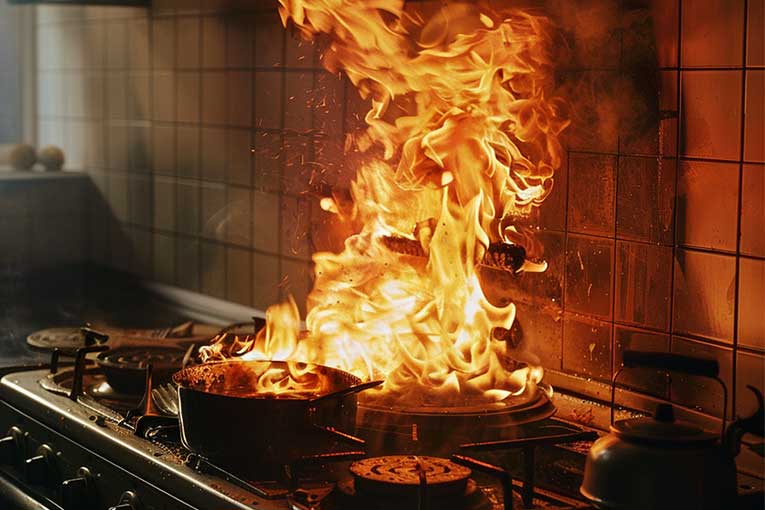
Cooking is a leading cause of home fires, often due to unattended cooking. 

Grease fires are particularly dangerous because they can spread quickly and are difficult to extinguish with water. 

Other common cooking-related fire causes include leaving flammable items near the stove, overheating cooking oil, and using faulty cooking appliances. 

Distractions in the kitchen, such as leaving the stove unattended to answer a phone call or watching TV, significantly increase the risk of a cooking fire. 

Appliances

Household appliances like dryers, washers, and refrigerators can also be fire hazards. 

Dryers, for example, can catch fire if lint builds up and obstructs airflow, causing overheating. 

Washers and refrigerators may have electrical malfunctions that can spark a fire. 

Over time, the wear and tear on appliances can lead to electrical shorts or overheating. 

Heating Equipment

Heating equipment, including space heaters, furnaces, and fireplaces, is another major cause of home fires. 

Space heaters can ignite nearby flammable materials if placed too close. 

Faulty or poorly maintained furnaces can develop issues that lead to fires. 

Fireplaces can cause fires if they are not properly cleaned or if embers escape. 

Smoking

Smoking indoors poses a significant fire risk. 

Cigarettes, cigars, and pipes can easily ignite flammable materials such as furniture, bedding, and carpets. 

Falling asleep while smoking is particularly dangerous, as the burning embers can ignite bedding or upholstery.

Candles

Candles add ambiance but also present a fire hazard. 

Unattended candles, candles placed near flammable objects, or those knocked over by pets or children can start fires. 

Even a small flame can quickly ignite nearby materials like curtains, papers, or decorations. 

How to Prevent Fires in the Home

how to prevent fires home

There are many ways to help reduce the risks of fire in the home: 

Install Smoke Alarms

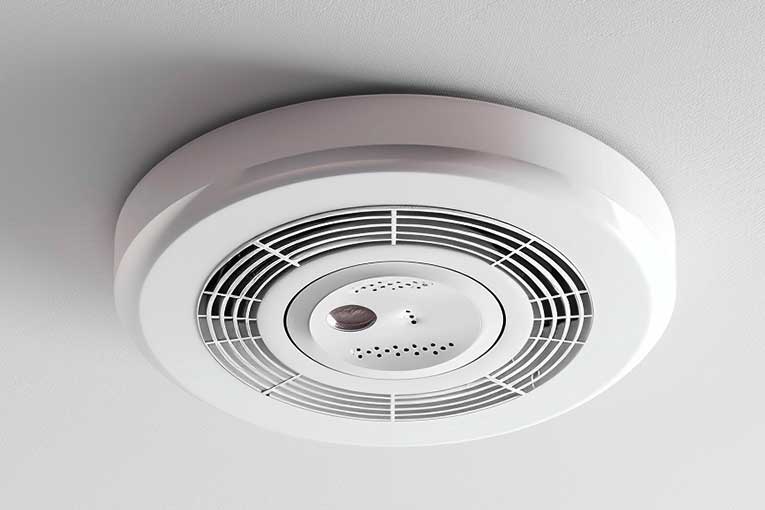
Fire detection is a necessity to staying safe in the home, so install smoke alarms on every level of your home, inside bedrooms, and outside sleeping areas. 

Smoke alarms provide early warning in case of a fire, giving you and your family more time to escape. 

Test smoke detectors monthly and replace batteries at least once a year. 

Replace the entire smoke alarm unit every ten years to ensure it functions correctly.

Maintain Electrical Equipment

To protect yourself from electrical fires, you should regularly inspect electrical cords for damage, such as fraying or exposed wires. 

Avoid overloading outlets and use surge protectors to prevent electrical fires. 

Unplug appliances when not in use and ensure that all electrical work in your home is done by a licensed electrician. 

If your home is older, consider having the wiring inspected and updated to meet current safety standards.

Practice Safe Cooking

Never leave cooking food unattended. Stay in the kitchen, especially when using high heat or cooking with oil. 

Keep flammable items like dish towels, paper towels, and pot holders away from the stove. 

Have a fire extinguisher in the kitchen and know how to use it. 

Avoid wearing loose clothing while cooking, as it can catch fire easily. 

Maintain Appliances

Clean the lint filter in your dryer after every use, and ensure the vent is clear and unobstructed. 

Keep the area around appliances free of clutter. 

Follow the manufacturer’s instructions for maintenance and repairs to prevent electrical malfunctions. 

Unplug small appliances like toasters and coffee makers when not in use.

Use Heating Equipment Safely

Keep space heaters at least three feet away from anything flammable, such as curtains, furniture, or bedding. 

Never leave space heaters unattended or use them while sleeping. 

Ensure your furnace is inspected and maintained annually by a professional. 

Use a fireplace screen to prevent embers from escaping, and only burn seasoned wood

Have your chimney cleaned regularly to prevent creosote buildup, which can cause chimney fires.

Smoke Outside

If you smoke, do so outside. 

Use deep, sturdy ashtrays and ensure cigarettes are fully extinguished before disposing of them. 

Never smoke in bed or when you are drowsy, as falling asleep with a lit cigarette is a major fire risk.

Use Candles Responsibly

Place candles in sturdy holders and keep them away from flammable items like curtains or paper. 

Never leave candles unattended, and extinguish them before leaving the room or going to sleep. 

Consider using battery-operated, flameless candles as a safer alternative.

Plan Fire Drills

Create a fire escape plan for your home and practise it with your family. 

Know two ways out of every room and establish a meeting place outside the home. 

Practise your escape plan regularly to ensure everyone knows what to do in case of a fire.

Keep Flammable Materials Away

Store flammable materials such as gasoline, paint, and solvents in proper containers and away from heat sources. 

Keep matches and lighters out of reach of children.

What to do if There is a Fire in the Home

what to do if fire

If there is a fire in the home, these are the steps you should take to stay safe: 

Stay Calm and Act Quickly

If a fire breaks out in your home, it’s essential to stay calm and act quickly. 

Panic can hinder your ability to make sound decisions and escape safely. 

Alert Everyone

Shout “Fire!” to alert everyone in the home. 

Make sure everyone knows to evacuate immediately. 

Ensure that children, the elderly, and anyone with mobility issues get help to evacuate.

Evacuate Immediately

Leave the house immediately. 

Do not stop to gather valuables or pets. 

Every second counts, and delaying your exit can be deadly. 

Follow your predetermined escape routes and avoid using elevators if you live in an apartment building.

Check Doors for Heat

Before opening any door, check it for heat by using the back of your hand. 

If the door is hot, do not open it; there may be fire on the other side. 

If it is cool, open it slowly and proceed with caution.

Crawl Low Under Smoke

Smoke and toxic gases rise during a fire. 

If you encounter smoke, get low to the ground and crawl under it to avoid inhaling dangerous fumes. 

Keep your nose and mouth covered with a cloth if possible.

Use an Alternative Exit

If your primary escape route is blocked by fire or smoke, use your alternative route. 

This might involve exiting through a window or using a fire escape ladder. 

Ensure you have a safe way to reach the ground from upper floors.

Close Doors Behind You

Close doors as you leave to help contain the fire and slow its spread. 

This can buy you more time to escape and reduce damage to your home.

Call the Emergency Services

Once you are safely outside, call the emergency services. 

Provide the dispatcher with your location and details about the fire. 

Do not assume someone else has already called. 

Wait for emergency responders at a safe distance from the fire.

Do Not Re-enter the Home

Never go back inside a burning building for any reason. 

Wait for firefighters to handle the situation. Your safety and the safety of your family come first.

Conclusion

You should now have a better understanding of how to prevent fires in the home. 

Preventing home fires requires awareness and proactive measures. 

By understanding the main causes of fires and following safety tips, you can protect your home and loved ones. 

Install smoke alarms, maintain electrical equipment, and practise safe habits in the kitchen and with heating devices. 

Create a fire escape plan and practise it regularly. 

Stay vigilant and prepared to reduce the risk of fires and keep your home safe.

Google expands wildfire boundary maps to Europe and Africa

Expansion of wildfire tracking to new regions

Google has announced the expansion of its wildfire boundary tracker to 15 new countries across Europe and Africa.

This expansion aims to provide vital information to communities, helping them stay safe amidst increasing wildfire risks.

As reported by Google, the tool, which utilizes AI for detailed wildfire boundary tracking, is now available in Andorra, Bosnia & Herzegovina, Croatia, Cyprus, France, Greece, Italy, Kenya, Monaco, Montenegro, Portugal, Rwanda, Slovenia, Spain, and Türkiye.

During a week in July, wildfires severely affected regions such as the Greek islands of Kos, Chios, and Crete, and the Spanish community of Extremadura, where authorities deployed 60 personnel to control a forest fire.

In the Paphos region of Cyprus, a wildfire was reportedly caused by light refracted through broken glass.

Estimates suggest that fire-prone territories in Europe have doubled in the past 50 years.

Enhanced accuracy with AI technology

Google’s AI-powered wildfire tracking model leverages multiple sources of data, including various satellite imagery datasets.

The model’s accuracy is enhanced by comparing it against fire scars, which are shapes determined after a fire has been contained.

Additional AI models are used to verify the existence of fires, providing more definitive wildfire boundaries than satellite imagery alone.

As of this summer, Google mapped over 40 wildfires in southern Europe, including those in Spain, Greece, and Cyprus, and extended the tracking from Portugal to Kenya.

This information was made available through Google Search, Maps, and push notifications, complementing on-the-ground efforts to keep people informed and safe.

In the first week of July alone, 1.4 million people viewed Google’s wildfire information following wildfire outbreaks across Europe and Africa.

Providing accessible information for all

The wildfire boundary tracking feature is designed to be accessible and useful to both native language speakers and visitors who may not speak the local language.

Notifications are based on user settings and preferred language, ensuring timely, localized information.

Additionally, wildfire information is overlaid on Google Maps driving directions, aiding travelers in understanding potential wildfire risks along their routes.

This initiative is part of Google’s broader efforts to help communities adapt to the impacts of climate change and the hazards it brings.

By improving their models over time, Google aims to expand this feature to more countries, continuing to provide critical information when it is needed most.

Ramtech launches new Partner Programme to enhance global collaboration

Overview of Ramtech’s new Partner Programme

Ramtech has announced the launch of its Partner Programme.

This initiative is designed to enhance collaboration within the safety industry by providing partners with the tools, resources, and support necessary to succeed in their markets.

Ramtech, known for its commitment to advancing safety standards globally, aims to drive innovation and foster mutually beneficial partnerships through this programme.

James Pecz, Head of Global Customer Service and Business Development at Ramtech, said: “At Ramtech, we recognise the immense value of collaboration in driving industry-wide progress.

“Our Partner Programme represents a significant milestone in our journey towards shaping a safer world through innovation.”

Empowering partners worldwide

The Ramtech Partner Programme is a strategic initiative aimed at empowering partners around the world.

By leveraging the collective expertise of its partners, Ramtech seeks to accelerate innovation and deliver unparalleled value to customers.

Partners will receive comprehensive training sessions covering commercial, technical, and service aspects to effectively market, install, and maintain Ramtech solutions.

Alan Middup, Business Unit Director at Ramtech, highlighted the programme’s potential: “By aligning our efforts and resources, we can unlock new opportunities for growth and innovation.

“We look forward to working closely with our partners to deliver exceptional value to customers and drive collective success.”

Benefits of the programme

Participants in the Partner Programme will gain access to exclusive events, marketing support, and ongoing guidance from Ramtech’s team of experts.

The programme is designed to ensure that partners are well-equipped to thrive in their respective markets, fostering a collaborative environment that supports mutual growth and innovation.

Charne Prentice, Marketing Manager at Ramtech, stated: “Our Partner Programme is the result of extensive collaboration with our partners and internal teams.

“It reflects our collective effort to create a programme that delivers real value and supports our partners’ success.”

Focus on training and support

The training sessions provided through the Partner Programme are comprehensive, covering various aspects to ensure partners can effectively market and maintain Ramtech solutions.

The programme is structured to provide continuous support and guidance, helping partners to navigate the evolving needs of the industry successfully.

Ramtech believes that through this initiative, it can build stronger relationships with its partners, ultimately benefiting the customers with innovative and reliable safety solutions.

The company is dedicated to supporting its partners every step of the way, ensuring mutual success.