Global Fire Equipment (GFE), a European leader in fire safety systems, has announced its participation in the upcoming Intersec 2024.
The event, a prominent industry exhibition, will take place in Dubai from 16 – 18 January.
GFE will be located on Stand F10 in Hall 3, presenting the latest additions to its product portfolio.
Advanced fire safety solutions
The GFE team will be available to demonstrate the company’s range of advanced addressable fire alarm control panels and detectors.
Attendees will have the opportunity to learn about the advantages of working with a complete systems provider like GFE, especially with its compliance to the latest approval standards such as EN 54-13:2017+A1:2019.
Innovation and expansion
GFE is set to reveal its latest innovations in detectors, emergency lighting, and graphical fire alarm monitoring, control, and communications software.
João Paulo Ajami, Managing Director of GFE, expressed enthusiasm for the event, stating: “Intersec is widely regarded as one of the most important industry exhibitions in the Middle East.
The Middle East is a strategically important market for GFE so we are delighted to have a strong presence again at this year’s show.”
Ajami further commented: “We look forward to welcoming customers – new and old – on stand and bringing them up to speed on our latest product innovation, our projects in the region and our future plans.”
Arranging meetings with Global Fire Equipment
For those interested in pre-arranging a meeting with GFE at Intersec 2024, the company encourages contacting them at +351 289 896 560 or via email at info@globalfire-equipment.com.
More information about Global Fire Equipment can be found on their website.
IFSJ Comment
Global Fire Equipment’s participation in Intersec 2024 represents a significant step in showcasing cutting-edge fire safety technology.
The event offers an invaluable platform for GFE to demonstrate its latest advancements in fire safety solutions, emphasizing the importance of modern, integrated systems in fire detection and prevention.
This move reinforces GFE’s standing in the industry and highlights the ongoing evolution of fire safety technology.
Such innovations are crucial in enhancing safety standards, especially in regions rapidly expanding their infrastructure like the Middle East.
GFE’s presence at Intersec 2024 is expected to contribute positively to the discourse on fire safety and encourage the adoption of advanced technologies in this crucial sector.
Bosch Building Technologies has recently introduced the Aviotec 8000i IR camera, incorporating advanced AI algorithms based on deep learning.
These algorithms allow the camera to accurately differentiate real fires from false alarms in real time.
This innovative technology promises a significant leap in fire safety, particularly in challenging environments like manufacturing sites with hazardous materials and outdoor spaces prone to wind, humidity, and dust.
Superior performance over conventional detectors
The Aviotec 8000i IR camera outperforms traditional aspirating smoke detectors, achieving approximately three times faster detection times.
This enhancement is pivotal in improving the reliability and accuracy of fire detection systems.
The camera can transmit alarms or trouble signals to a local network or directly to a central fire panel, enhancing the responsiveness to actual fire situations.
Round-the-clock protection with IR Illuminator
The integrated infrared (IR) illuminator in the Aviotec 8000i IR camera ensures 24/7 fire protection, enabling it to detect smoke and flames even in total darkness.
This feature eliminates the need for additional lighting, including emergency lighting, making the camera a more convenient and cost-effective solution for fire safety.
Simplified installation process
The Aviotec 8000i IR camera is designed for easy installation, being a one-product solution that requires no additional accessories.
It features a rugged, waterproof housing, a new 4-megapixel sensor, and a motorized lens, all integrated into one unit.
Moreover, its Power-over-Ethernet capability eliminates the need for installing separate power cables.
Expanding applications in various environments
This new technology expands the camera’s applications, enhancing fire safety in diverse settings.
It is particularly beneficial in manufacturing areas with hazardous materials, train and metro stations, and electric car charging stations, where traditional fire alarms may have limitations.
The camera’s sensitive AI algorithms can detect smoke even in windy conditions, helping to prevent fire spread in open spaces.
Decade of expertise and global trust
“The new Aviotec 8000i IR is the result of more than a decade of expertise in video-based fire detection,” stated Patrizia Bogers, Global Business Development Manager Aviotec.
Thousands of Aviotec cameras operating across 72 countries reflect the global trust in this proven technology.
IFSJ Comment
The introduction of the Aviotec 8000i IR camera by Bosch marks a significant advancement in fire safety technology.
The integration of AI algorithms for accurate fire detection addresses the critical need for reliable fire safety measures in challenging environments.
This innovation not only enhances safety in high-risk areas but also offers practical benefits like simplified installation and round-the-clock protection.
The Aviotec 8000i IR camera’s ability to outperform traditional fire detection systems signifies a paradigm shift in how fire safety is approached, particularly in industrial and outdoor settings.
Its global usage and acceptance further attest to its effectiveness and reliability.
As fire safety standards continue to evolve, such technological innovations play a crucial role in shaping a safer future.
Hochiki, the leading provider of innovative, Japanese designed life safety solutions, specialising in the design, manufacturing, and distribution of state-of-the-art fire detection and emergency lighting systems will be at Intersec 2024 – the world’s leading event for emergency services, security, and safety.
The Hochiki regional team, who are based in Dubai, UAE, will be available to demonstrate their range of advanced fire detection devices and emergency lighting system, Nepto, on 16th – 18th January 2024 at the Dubai World Trade Centre, hall 4, stand B-22.
With a rich heritage spanning over 100 years, Hochiki has established itself as a trusted name in the fire safety industry.
The company’s commitment to excellence and continuous research and development has earned them a reputation for delivering high-quality, reliable products that meet the most stringent international safety standards.
Working with customers across the Middle Eastern region, Hochiki serve diverse sectors including commercial, industrial, healthcare, education, and transportation.
The Dubai team also provide customer product training and on-site consultation for a range of project types, across the region.
Hochiki’s extensive product portfolio encompasses a wide range of internationally certified EN, UL and FM approved intelligent fire detection equipment, including UL 268 7th Edition compliant sensors, fire control panels and intelligent emergency lighting systems.
These cutting-edge solutions utilise the latest technologies such as smart software algorithms, wireless connectivity, and cloud-based management systems, enabling efficient and effective fire detection and response.
With a strong emphasis on customer satisfaction, Hochiki works closely with clients to understand their unique requirements and develop tailored solutions that ensure optimal fire safety for their premises.
As a pioneer in the field of life safety, Hochiki remains dedicated to advancing the industry through continuous innovation, research, and collaboration.
Their unwavering commitment to protecting lives and property makes them a trusted partner for organisations seeking reliable and advanced life safety solutions.
The Euralarm Fire Section recently announced the release of two new Country Fact Sheets for Romania and the Netherlands, alongside updates to five existing sheets covering Bulgaria, Germany, Italy, the USA, and the United Kingdom.
These fact sheets are crucial for Euralarm members, providing comprehensive details on product and system requirements in the classic fire detection sector within specific countries.
Detailed information on fire safety standards
The Euralarm Country Fact Sheets offer in-depth information on pivotal requirements for each country.
These include fire standards, marking and certification, legal and regulatory frameworks, major installation codes, and other relevant notes.
This information serves as a valuable guide for Euralarm members and their affiliates.
Enhancing industry standards and safety
Euralarm, representing over 5000 companies across Europe, plays a significant role in advancing the fire safety and security industry.
It provides expertise and leadership, influencing industry trends, market dynamics, policy-making, and standard-setting processes.
Euralarm’s members, including national associations and individual companies, contribute to making society safer through advanced fire detection, extinguishing systems, security systems, and alarm receiving centres.
Euralarm’s commitment to fire safety
Founded in 1970, Euralarm has a longstanding history of advocating for improved fire safety and security measures.
The organization’s comprehensive representation of stakeholders across Europe underlines its commitment to enhancing safety standards and regulations in the fire safety and security sectors.
IFSJ Comment
The recent update and introduction of new Euralarm Country Fact Sheets signify a critical step towards standardization and increased awareness in the fire safety industry.
These documents provide essential guidance, helping Euralarm members navigate complex national requirements and enhance compliance.
This initiative not only supports individual businesses in aligning their products and systems with specific country standards but also contributes to the broader goal of enhancing fire safety across Europe.
By offering a detailed overview of legal, regulatory, and technical requirements, Euralarm reinforces its role as a key influencer in the fire safety and security industry, promoting higher standards and safer practices.
Aico Launches the Skills Hub: A New Initiative for Electricians
Aico, a leading provider in fire and carbon monoxide detection, has announced the launch of The Skills Hub.
This new initiative is designed to provide electricians and installers with up-to-date industry knowledge and skills.
The Skills Hub marks a significant step in Aico’s commitment to education within the fire safety sector.
expanding educational horizons
The Skills Hub, certified by the Fire Industry Association (FIA), brings together a variety of training providers to offer a diverse range of courses.
These courses are aimed at equipping industry professionals with the necessary skills to ensure safety in the workplace.
This collaborative effort includes providers such as City Electrical Factors (CEF), Electrical Contractors Association (ECA), Ratio Electric, and Zemper.
Aico’s role in professional development
Aico’s involvement in The Skills Hub extends to delivering their Expert Installer training scheme.
This program is specially designed for Electrical Contractors, focusing on the correct installation of domestic Fire and Carbon Monoxide Alarm Systems.
Aico’s commitment to professional development in the industry is evident through their daily nationwide CPD-certified training courses and the recently introduced City & Guilds certified course in Oswestry.
The inaugural Skills Hub event
The first Skills Hub event is scheduled for Tuesday, January 30, 2024, at Aico’s Centre of Excellence in Oswestry.
The event promises an engaging experience with five training sessions, each led by a leading expert in the field.
Attendees will have the opportunity to network with fellow professionals and participate in various educational activities.
Andy Speake, Aico’s National Technical Manager, expressed enthusiasm for the initiative: “The Skills Hub is a fantastic initiative that we believe is crucial for equipping professionals with the latest industry knowledge and skills.
We are delighted to have CPD certification from the Fire Industry Association (FIA), which further underscores the Skills Hub’s significance as a valuable resource for industry professionals.
We are proud to collaborate with some of the sector’s leading training providers.
We look forward to welcoming attendees to our first-ever Skills Hub.”
IFSJ comment
The launch of The Skills Hub by Aico represents a significant advancement in the field of fire safety and electrical installation.
By bringing together various training providers and offering CPD-certified courses, Aico is not only reinforcing its commitment to professional development but also enhancing the overall safety standards in the industry.
This initiative is particularly important given the evolving nature of fire safety technology and regulations.
The Skills Hub stands as a testament to Aico’s leadership in the sector and its dedication to ensuring that professionals are equipped with the most current knowledge and skills.
Such initiatives play a crucial role in maintaining high safety standards and adapting to new challenges in fire safety and electrical installation.
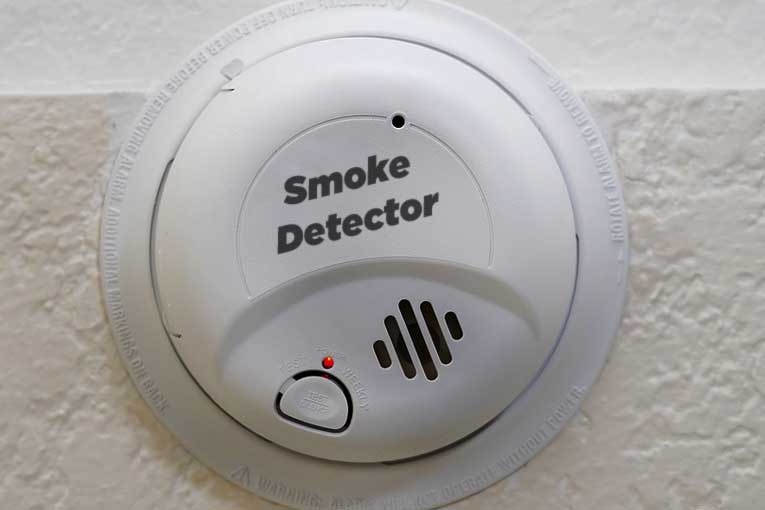
In home safety, smoke detectors are always ready to alert us to potential dangers.
However, not all smoke detectors are created equal.
There are different types, each designed for specific purposes.
In this article, we’ll unravel the mystery of smoke detector types, explaining their functionalities, strengths, and ideal applications.
Understanding these variations is crucial for ensuring the safety of your home and loved ones.
Why are there Different Smoke Detector Types?
There are 4 different smoke detector types
You might wonder why there’s a need for different smoke detector types.
The answer lies in the varying natures of fires.
Some fires produce different types of smoke and heat, making it essential to have varied smoke detector types that sense these differences.
By having multiple types, you’re ensuring a higher chance of early detection regardless of the fire’s origin.
Ionisation Smoke Detector
Ionisation smoke detectors operate on the principle of ionising radiation, utilising a small, controlled amount of radioactive material, often americium-241.
This material emits alpha particles, which ionise the surrounding air molecules in a small chamber inside the detector.
This ionisation process creates a stable electric current within the chamber.
When smoke particles enter the detector due to a nearby fire, they interfere with the electric current.
The presence of smoke disrupts the ions’ flow, causing fluctuations in the electric current.
This disruption triggers the alarm, indicating the potential presence of a fire.
Advantages of Ionisation Smoke Detectors
Swift Detection of Fast Fires
Ionisation detectors excel in swiftly detecting fast, flaming fires.
Fires that rapidly consume combustible materials produce fewer large smoke particles and more small, invisible particles.
Ionisation detectors are highly sensitive to these smaller particles, ensuring prompt detection and alerting occupants promptly.
Cost-Effectiveness
Ionisation detectors are generally cost-effective, making them accessible for residential and commercial use.
Their affordability allows for widespread adoption, enhancing overall fire safety in various settings.
Commonly Used in Living Spaces
Ionisation smoke detectors are better in living spaces such as the bedroom
These detectors one of the most common smoke detector types in living rooms, bedrooms, and hallways, where typical combustible materials like fabrics and paper are present.
Their ability to quickly detect fast-burning fires makes them valuable in spaces with these materials.
Disadvantages of Ionisation Smoke Detectors
Limited Sensitivity to Slow Fires
Ionisation detectors might not be as sensitive to slow-burning fires, such as smouldering electrical fires.
In scenarios where the fire generates more significant smoke before escalating, ionisation detectors might not provide as early a warning as desired.
Potential False Alarms
In areas like kitchens, where cooking activities can produce steam or minor smoke, ionisation detectors are prone to false alarms.
This limitation requires careful placement to avoid unnecessary disruptions.
Radioactive Material Concerns
While the radioactive material used is minimal and safely enclosed, some individuals might have concerns about the presence of any radioactive substance within their homes, even in minute quantities.
Heat Smoke Detector
Unlike traditional smoke detectors, heat smoke detectors operate on a different principle.
Instead of sensing smoke particles, they respond to temperature changes.
Inside a heat detector, there’s a thermal sensor or a thermistor that continuously monitors the surrounding temperature.
When a significant and sudden rise in temperature occurs, indicating the presence of a fire, the heat detector triggers the alarm.
Advantages of Heat Smoke Detectors
Specific Response
Heat detectors respond only to significant temperature increases, making them immune to smoke, steam, or minor heat fluctuations.
This specificity makes them ideal for places like kitchens, garages, or workshops, where false alarms from cooking activities or exhaust fumes can be common with traditional smoke detectors.
Reliability in Harsh Environments
Heat detectors are highly reliable in harsh environments where smoke detectors might malfunction.
Areas with high dust, moisture, or drastic temperature changes, which could interfere with the operation of traditional smoke detectors, make heat smoke detectors the prime choice for smoke detector types in these conditions.
Complementary Protection
They provide an additional layer of safety when used alongside traditional smoke detectors.
By detecting temperature changes, they offer a backup alarm system, ensuring that fires are detected even if smoke detectors fail to respond due to specific conditions.
They respond only when a fire has already generated a substantial amount of heat.
This delay in detection can be a disadvantage, especially in situations where early detection is critical for evacuation and fire control.
Not Suitable for All Areas
While excellent for specific environments, heat detectors are not suitable for areas where early detection of smouldering fires or small flames is essential, such as bedrooms or living rooms.
In these spaces, smoke detectors are more appropriate.
Limited Applicability
Heat detectors are specialised devices suited for specific situations.
They cannot replace the versatility and broad application of smoke detectors, making them a supplementary rather than a primary fire detection method.
Optical Smoke Detector
Optical smoke detectors, often referred to as photoelectric smoke detectors, rely on a straightforward yet ingenious mechanism.
Inside the detector, there’s a light source, typically an LED, and a light sensor.
The chamber between these components is designed to be free of smoke under normal conditions.
When smoke particles enter this chamber, they scatter the light, causing it to hit the sensor. This interruption triggers the alarm, indicating the presence of smoke.
Advantages of Optical Smoke Detectors
Early Detection of Smouldering Fires
Optical smoke detectors excel in detecting slow-burning, smouldering fires, which often produce more smoke than flames.
This early detection capability is crucial for timely evacuation and fire control, making them ideal for bedrooms, living rooms, and other areas where people might be asleep or unaware of a fire’s initial stages.
Reduced False Alarms
Optical detectors are less sensitive to minute particles and minor heat fluctuations, reducing the likelihood of false alarms caused by cooking activities or steam.
This specificity ensures reliable detection without unnecessary interruptions, making them suitable for residential spaces where false alarms can be disruptive and concerning.
Suitable for Residential Spaces
Due to their ability to detect slow-burning fires and their reduced sensitivity to common household disturbances, optical smoke detectors are widely used in homes.
They provide reliable fire detection while minimising the inconvenience of false alarms, ensuring the safety of occupants without causing unnecessary panic.
Disadvantages of Optical Smoke Detectors
Slower Response to Fast Flames
Optical smoke detectors may respond slightly slower to fast, flaming fires compared to ionisation detectors.
While they are excellent for smouldering fires, their response time might be marginally delayed in situations where rapid flame detection is crucial.
Limited Sensitivity to Certain Particles
While reduced sensitivity is an advantage for preventing false alarms, it can also mean that in certain conditions, such as detecting very fine smoke particles, optical detectors might take longer to activate, potentially delaying the alarm in specific fire scenarios.
Not Universal for All Fire Types
Optical detectors are highly effective for specific fire types, but no single type of detector is universally perfect for all situations.
For comprehensive fire protection, a combination of different types of smoke detectors might be necessary to cover various fire behaviours.
Combination Smoke Detector
Combination smoke detectors revolutionise fire safety by integrating multiple sensor technologies within a single unit.
One common combination involves merging ionisation and optical sensors.
The ionisation sensor excels in detecting fast, flaming fires, while the optical sensor specialises in recognizing slow, smouldering fires.
By combining these sensors, the detector can swiftly identify a broad range of fire types.
When smoke particles disrupt either sensor, the alarm is triggered, ensuring rapid response regardless of the fire’s nature.
Advantages of Combination Smoke Detectors
Comprehensive Fire Detection
The primary advantage of combination smoke detectors is their ability to detect various fire types.
By integrating different sensor technologies, they provide comprehensive coverage, ensuring early detection of both fast and slow-burning fires.
This versatility makes them highly effective in diverse environments.
Reduced False Alarms
Combination detectors leverage the strengths of different sensors, making them less prone to false alarms triggered by common household activities like cooking.
Their enhanced specificity ensures that alarms are only activated when genuine fire threats are detected, minimising unnecessary interruptions.
Versatility for Different Environments
Combination detectors are versatile and adaptable, making them suitable for various settings.
They are commonly used in homes, where different fire scenarios can arise, ensuring that residents are safeguarded from a wide range of potential threats.
Disadvantages of Combination Smoke Detectors
Complexity in Maintenance
Due to their multifaceted design, combination smoke detectors can be more complex to maintain and troubleshoot.
If one sensor malfunctions, diagnosing the issue might require specialised knowledge, potentially leading to challenges in repairs or replacements.
Higher Initial Cost
Combination detectors, equipped with advanced sensor technologies, often come at a higher initial cost compared to single-sensor counterparts.
While the investment provides comprehensive fire protection, it’s crucial for consumers to weigh this against their specific safety needs and budget constraints.
Power Consumption
Combination detectors, due to their dual-sensor configuration, might consume slightly more power than single-sensor models.
While the difference is usually minimal, it’s essential to consider power efficiency, especially in areas where battery life is a critical concern.
Which Smoke Detector Type Should You Use?
Different smoke detector types are required in certain rooms, such as the kitchen
Selecting the appropriate smoke detector for your home involves thoughtful consideration of its layout, the activities conducted in different areas, and the potential fire risks unique to each space.
Here’s a detailed guide to help you make an informed choice:
Kitchen and Cooking Areas
Best Choice: Heat Detector
Kitchens are prone to false alarms due to cooking activities.
Heat detectors, which respond to a rise in temperature rather than smoke, are ideal here.
They won’t trigger unnecessarily due to cooking fumes or burnt toast, ensuring reliable performance in this high-risk zone.
Bedrooms and Living Spaces
Best Choice: Optical Smoke Detector
Bedrooms and living rooms often experience slow-burning fires, such as those caused by faulty wiring or smouldering fabrics.
Optical smoke detectors, sensitive to the visible smoke particles in slow-burning fires, are well-suited for these areas.
They offer reliable performance and are less prone to false alarms caused by common household activities.
Hallways and general areas can experience a variety of fire scenarios.
A combination smoke detector, integrating both ionisation and optical sensors, ensures comprehensive coverage.
These detectors can quickly detect both fast, flaming fires and slow, smouldering fires, making them ideal for spaces where diverse fire risks exist.
Entertainment or Workshop Spaces
Best Choice: Combination Smoke Detector (Ionization + Heat)
Spaces like entertainment rooms or workshops might have a mix of fast-burning materials and potential heat sources.
A combination smoke detector that combines ionisation for fast fires and heat detection for abrupt temperature changes provides effective protection in these environments.
Strategic Placement for Enhanced Protection
Beyond selecting the right type of smoke detector for specific areas, strategic placement is vital for maximum effectiveness:
Install smoke detectors in every bedroom, outside each sleeping area, and on every level of the home.
Place detectors high on walls or ceilings as smoke rises.
Avoid placing detectors near windows, doors, or ducts where drafts might interfere with their operation.
Regularly test smoke detectors to ensure functionality.
By tailoring your choice of smoke detectors based on the unique needs of each space and strategically placing them throughout your home, you create a comprehensive safety net against potential fire threats.
Remember, a well-planned smoke detector setup can significantly enhance your home’s overall safety and provide invaluable peace of mind.
Conclusion
Understanding the nuances of all smoke detector types is paramount.
By tailoring your choice to the specific requirements of different areas in your home, you’re ensuring a robust safety net against potential fires.
Remember, the best protection comes from a combination of these detectors, strategically placed to detect various types of fires promptly.
Investing in the right smoke detector types is not just about adhering to safety regulations; it’s a proactive step towards safeguarding what matters most – your family and home.
UL Solutions has recently launched a pioneering service that aims to revolutionise the way monitoring centers and public safety professionals prioritise Calls for Service.
This development is grounded in the requirements of the TMA AVS-01, a standard that is reshaping the landscape of security and emergency response.
Enhancing emergency response through standardisation
The core of this new service by UL Solutions is a validation program that leverages the TMA AVS-01 standard.
This program seeks to standardise how monitoring centers request public safety services in response to burglar alarm signals.
By categorising alarm events and employing a standardised communication protocol, the program aims to enhance the allocation of resources and situational awareness for first responders.
This is a crucial step in ensuring effective emergency response, as the reliability of alarm monitoring can significantly impact these elements.
The role of the TMA AVS-01 Standard
The TMA AVS-01, developed in collaboration with various stakeholders including UL Solutions, sets the groundwork for this innovative approach.
It provides a standardised method for creating an alarm scoring or classification metric for unauthorised human activity detected by alarm systems.
This metric assists law enforcement in resource allocation and prioritising Calls for Service.
The standard, initiated in 2020, has received ANSI accreditation and is now a critical component in the process of alarm validation and scoring.
Certification process and benefits
UL Solutions’ certification program is designed to assess whether the Alarm Validation Scoring process used by monitoring centers aligns with the ANSI/TMA AVS-01 requirements.
The program includes validating the self-assessment process of monitoring centers, auditing their alarm notification and response procedures, and ensuring the implementation of a standardised approach to alarm scoring.
The potential benefits of this certification are manifold.
For monitoring stations, it facilitates the acceptance of standardised requests for service, demonstrates alignment with industry best practices, and provides evidence for enterprise liability mitigation portfolios.
For ECCs and first responders, it helps reduce false alarms, provides accurate alarm event information, facilitates efficient resource prioritisation, and prepares responders for the situations they will encounter.
Alarm levels and their implications
The ANSI/TMA-AVS-01 standard outlines a classification metric for alarms, ranging from Level 0 (No Call for Service) to Level 4 (indicating a threat to life).
This scoring system adds meaning to the Calls for Service, based on operator observations and alarm system detection.
This standardisation is crucial in ensuring that alarm events are appropriately escalated or de-escalated, enhancing the efficiency of emergency responses.
UL Solutions: a trusted certification partner
UL Solutions, with its longstanding history as a trusted partner in the monitoring industry, brings expertise and a deep understanding of technical requirements and evolving stakeholder objectives.
Their collaboration with TMA and other industry associations positions them uniquely to provide comprehensive support throughout the certification process.
IFSJ Comment
The introduction of UL Solutions‘ Alarm Validation Scoring Certification represents a significant advancement in the field of public safety and emergency response.
By standardising the process of alarm validation and scoring, this initiative promises to improve the efficiency and effectiveness of first responders, ultimately enhancing public safety.
The integration of the TMA AVS-01 standard into this process ensures a robust and consistent approach to alarm assessment, a crucial factor in resource allocation and situational awareness for emergency situations.
This development not only benefits monitoring centers and public safety professionals but also signifies a broader shift towards more systematic and data-driven approaches in emergency response protocols.
The wireless fire detection systems market is set to experience significant growth in the coming years.
As per The Business Research Company’s global market report for 2023, the market size is projected to increase from $1.88 billion in 2022 to $2.03 billion in 2023.
This remarkable growth, at a Compound Annual Growth Rate (CAGR) of 8.0%, is expected to continue, reaching $2.72 billion by 2027, with a maintained CAGR of 7.6%.
Key drivers of growth
The primary catalyst for this market growth is the escalating adoption of the smart city concept.
Smart cities, which integrate technologies like the Internet of Things (IoT) and big data, are increasingly incorporating advanced fire detection systems to enhance efficiency, safety, and sustainability.
Wireless fire detection systems, in this context, are essential for ensuring the safety and security of such urban developments.
The construction of the smart city Neom in Saudi Arabia, as part of the Vision 2030 plan, exemplifies this trend.
Market leaders and trends
The market is currently concentrated, with the top ten competitors accounting for 43.7% of the total market in 2022.
Siemens AG leads the market with an 11.2% share, followed by Honeywell International, Inc.
with 9.2%.
Other key players include Robert Bosch Gmbh, Johnson Controls International PLC, Halma Plc, Hochiki Corporation, Ceasefire Industries Pvt.
Ltd, EMS Wireless Fire & Security Ltd, Electro Detectors Ltd, and Eurofyre Ltd.
The market trends highlight strategies such as the development of rapid detection and alert features, advanced tools for smaller fire systems, hybrid wireless fire detectors, and collaborative initiatives among industry players.
Market segmentation
The wireless fire detection systems market is segmented across various dimensions, including product type (smoke detector, heat detector, gas detector, multi-sensor detector), model (fully wireless, hybrid), installation type (new installation, retrofit), application (indoor, outdoor), and vertical (residential, commercial, government, manufacturing).
Future prospects for wireless fire detection
The market is on an upward trajectory, driven by the growing adoption of smart city concepts and advancements in technology.
Industry players can maximize their potential by leveraging insights from the Global Wireless Fire Detection Systems Market Report 2023.
This report offers a comprehensive analysis of market trends, competitive landscapes, and strategic opportunities, empowering businesses to make informed decisions and capitalize on emerging prospects.
IFSJ Comment
The rapid expansion of the wireless fire detection systems market signifies a major shift in fire safety and security protocols, particularly in the context of modern urban development.
The integration of these systems into the fabric of smart cities highlights a pivotal move towards more technologically advanced, efficient, and safer urban environments.
The significant investment and interest from major market players underscore the importance and potential of this market.
This trend not only reflects technological advancements but also a growing awareness of the need for sophisticated fire safety measures in both residential and commercial sectors.
As the market continues to evolve, it will be crucial for industry players to stay abreast of the latest developments and technological innovations to maintain a competitive edge.
Kidde Commercial, a leader in fire and life safety for over a century, has announced the launch of KESMobile, a next-generation remote fire and life safety systems management tool.
This cloud-based service offers enhanced real-time data access, enabling service providers to optimise the management of systems, sites, and site groups.
Kidde Commercial, part of Carrier Global Corporation, a global leader in intelligent climate and energy solutions, is set to revolutionise the industry with this new offering.
KESMobile’s impact on operational workflows
In an industry where time is of the essence, KESMobile offers site managers real-time insights, accessible both remotely and on-site.
The service comes with an intuitive dashboard that streamlines operational workflows and efficiencies.
This advancement ensures that service providers remain fully informed about the real-time status of their systems, enabling proactive management, resource planning, and efficient service scheduling.
Key advantages for service providers
KESMobile brings a host of benefits to service providers.
Key features include live system monitoring to minimise disruptions, streamlined troubleshooting with remote diagnostics and system analytics, real-time reporting for immediate and remote access to comprehensive reports, and complete event history for compliance reporting.
These features collectively enhance the efficiency and effectiveness of fire and life safety systems management.
Kartik Kumar, VP & GM Commercial Fire and Kidde Commercial Managing Director, stated: “KESMobile exemplifies Kidde Commercial’s commitment to creating and leveraging cutting-edge technology to continuously evolve the future of fire & life safety so that it is not just secure but also smart and accessible.”
KESMobile is now available for both existing dealers and those interested in becoming dealers.
IFSJ Comment
The introduction of KESMobile by Kidde Commercial marks a significant advancement in the fire and life safety industry.
This cloud-based solution both enhances the efficiency of system management and revolutionises the way service providers interact with and manage fire safety systems.
By offering real-time data access and a comprehensive suite of tools for system monitoring, troubleshooting, and reporting, KESMobile empowers service providers to make more informed decisions, optimise resources, and maintain compliance with safety standards.
Such technological innovations are crucial in an industry where every second can make a difference in preventing disasters and saving lives.
KESMobile’s launch reflects the ongoing evolution of fire safety management towards smarter, more accessible, and more secure solutions, aligning with the industry’s commitment to safeguarding lives and properties.
Apollo Fire Detectors Ltd, a leading innovator in fire detection and safety solutions, has announced its commitment to a sustainable future through a comprehensive sustainability strategy aimed at fostering environmental responsibility and championing industry-wide change.
In recent years, Apollo has dedicated extensive efforts to research, dialogue, and collaboration within the sustainability landscape of the fire detection and alarm systems industry.
Through these endeavours, Apollo has identified key focus areas for both its manufacturing processes and products, including responsible sourcing, carbon reduction, circular economy adoption, and material considerations.
‘Building a sustainable world’
Victoria Wells, Sustainability Manager at Apollo commented: “As we move forward into this sustainable future, we are committed to providing insights and solutions that contribute to the broader mission of building a sustainable world while maintaining the highest standards of fire safety.”
Apollo firmly believes that being a responsible, sustainable business is not just a choice but an integral part of the industry’s future.
As a leader in fire detection and alarm systems, the company aspires to set a standard for responsible practices, going beyond mere compliance.
Key sustainability objectives
Addressing Climate Change: Apollo is committed to achieving Net Zero emissions across all three scopes, reducing its carbon footprint, and offering a greener product portfolio.
Embracing the Circular Economy: The company is transitioning to a circular economy, designing out waste in products and operations, using recycled materials, and prioritising responsible end-of-life practices.
Championing Diversity, Equity & Inclusion: Apollo is dedicated to fostering diversity and embedding equity and inclusion into its workforce.
Significant milestones achieved
Silver EcoVadis Certification: Apollo has received the Silver EcoVadis certification, recognising its commitment to sustainable practices.
Zero-Waste-to-Landfill Approach: The company has adopted a zero-waste-to-landfill approach, emphasising responsible waste management practices.
100% Renewable Energy: Apollo is proud to announce the use of 100% renewable energy in its operations.
Supplier Sustainability Program: The launch of a Supplier Sustainability Program aims at decarbonising the upstream value chain.
Apollo’s sustainability journey comprehensively addresses the entire carbon footprint, encompassing operational efficiency, embodied carbon from materials and production processes, and indirect carbon caused by fire systems, such as false alarms.
Wells added: “We are evaluating every aspect of our products’ lifecycle and supply chain to lead the conversation about sustainability within the fire detection and alarm systems industry.”