Amthal levels the playing field with Boots2Africa

Fire and security specialist, Amthal is heading up a campaign with its sponsored football team to support Boots2Africa and donate much needed sporting equipment and football boots to children across Africa.

10,000 people die each year of snake bites in Africa and thousands more get seriously ill through foot infections, with no access to boots to go about daily activities.  The aim of Boots2Africa is to receive and deliver 1 million donated boots by 2030.

Heading up the current campaign is Jamie Allam, CEO of Amthal Fire & Security and Committee Member of Welwyn Pegasus FC, Amthal’s sponsored football team.  Jamie also volunteers as an Ambassador for Club Support for Boots2Africa.

Boots2Africa

Says Jamie: “Whilst our children are often lucky enough to play football with all the necessary kit, even discarding equipment at the end of every season, millions of children across Africa, have no access to shoes for school, life and playing games.  We can help and Boots2Africa is a campaign that we are pleased to support.

“It delivers on Amthal’s vision, incorporating our sustainability values, whereby we are striving for a better and safer world for everyone. 

It also introduces our children who play at Welwyn Pegasus FC to the ideals of ‘levelling the playing field’ and donating trainers and unwanted kits to those who can benefit and really save lives.” 

Boots2Africa, established by Iain Finch, was set up to collect, transport and distribute donated boots to Africa’s children and young adults through relief organisations.  It is funded solely by voluntary donations.

Iain adds: “I have seen first-hand how disease, infections and snakebites kill thousands and injure and incapacitate many others every year.  Many others struggle because of illness caused from infections of the foot.

“I am so grateful for Amthal and Welwyn Pegasus FC’s support in donating so many boots and kits that will undoubtedly make such a difference. 

Together, we can ensure we are doing our best to change the game and ultimately ‘protect what’s precious’ for so many children across Africa.”

To get involved or find out how to donate any unwanted kit, boots or equipment, please visit www.boots2africa.co.uk

Project shows benefits of aspirating smoke detection

An aspirating smoke detection system (ASD) from Patol has helped an award-winning architect to achieve the clean lines he wanted for a dramatic new house project in South Devon.

Stan Bolt is an architect with a reputation for creating imaginative buildings, primarily in Cornwall and Devon, from the practice’s studio in Brixham. Attention to detail is crucial to the architect’s philosophy – “we are equally interested in the arrangement of electrical boxes and ironmongery as we are in how our buildings sit in the landscape and relate to the wider environment.”

In the case of Hare Wood House, a new home built on a plot of land on which the previous house had been demolished, this focus was carried through to the fire detection system.

Bolt was adamant that he did not want conventional smoke detectors impacting on the building interior so, working with builders Alec Hoare and Sons and electrical contractors Daniel Knight Electrical Ltd, he sought a solution. They, in turn, approached EastHill Fire and Security who recommended a Securiton system from Patol.

The resulting design accommodated all the specific challenges of the bespoke house. Kris Hill, Managing Director of EastHill, comments – “ASD is more commonly associated with commercial rather than domestic applications so we did need to think a little differently.

An example was the need to review the original design to accommodate a log burner but by working closely with Stan and the contractors on the project we were able to deliver a system which not only provided excellent levels of fire detection but also met the aesthetic requirements of the brief.”

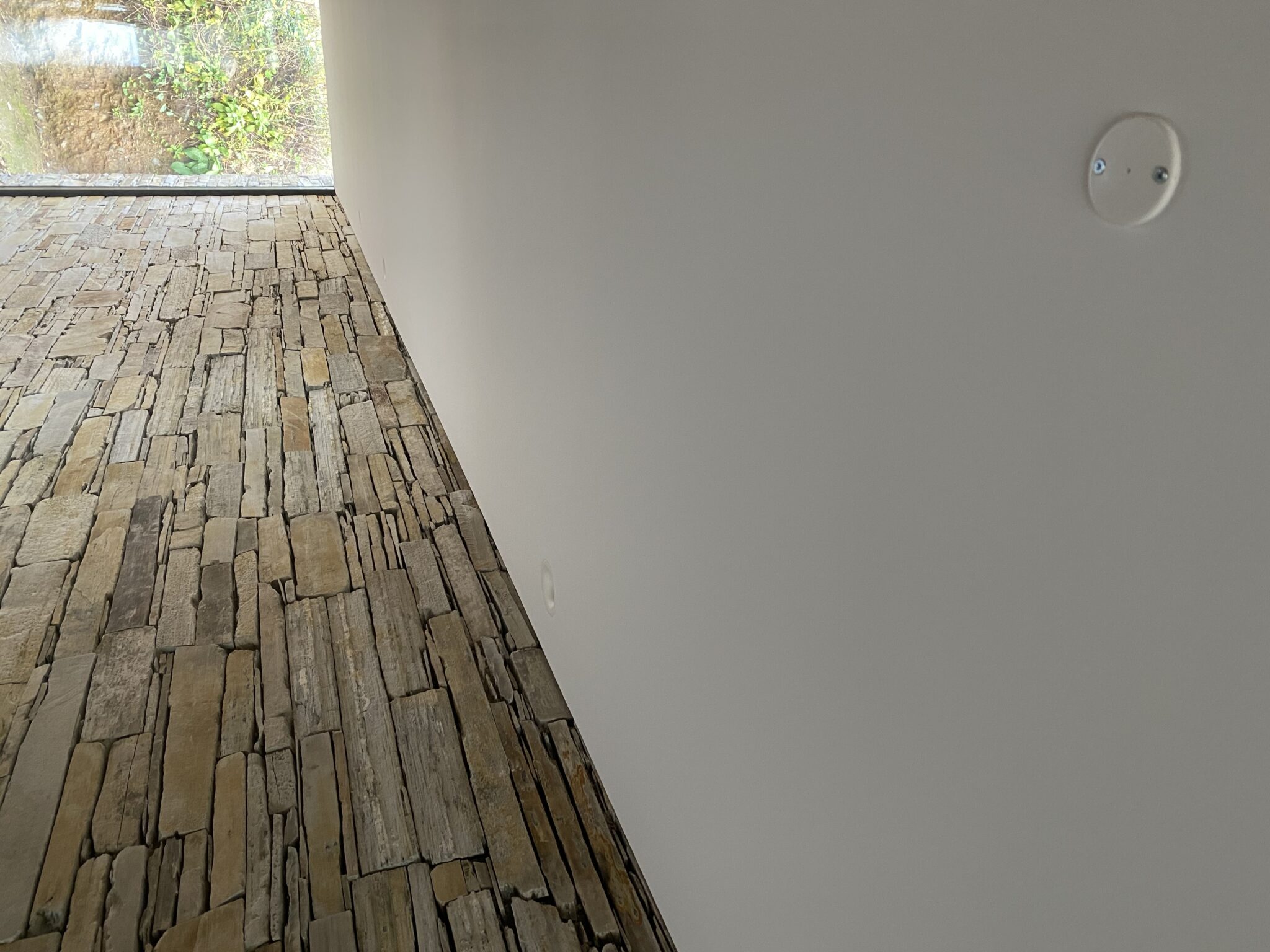
The house has a central plant room in which the Securiton ASD 535-2 detector is located. Air sampling pipework feeds from the detector, through the ceiling void and into capillary tubes which draw air from sampling points in the lounge, master bedroom and corridors.

If even tiny smoke particles are detected (at the earliest incipient stages of a fire), this is identified by the detector which goes into alarm. This provides highly efficient early warning smoke detection in a system which is effectively invisible.

ASPIRATING SMOKE DETECTION

The plant room also houses other equipment central to the functioning of the house. This includes a Tesla battery which operates as a back-up unit should there be an interruption to the house’s main electricity supply.

The ASD detector’s powerful fan, with radial speeds of 1-5, ensures continuous sampling of the air while still operating quietly (just 32 Dba) – an important factor in a domestic setting.

The Securiton ASD 532 is one of three models in the range, all of which are approved to EN54-2 class A, B & C. Through the options available, scalable high sensitivity can be achieved for a wide range of environments, from small single premises right through to large facilities.

Offshore oil and gas safety report released

A flagship report released has outlined the state of the UK offshore oil and gas safety, health, and environmental performance in 2019, and highlights future plans for further improvement.

The latest findings were revealed by leading representative body OGUK, which today published its first combined report into health, safety and environment data, showing encouraging signs of improvement across a broad range of HSE indicators.

While the findings reveal an increase in total hydrocarbon releases, more serious RIDDOR-reportable releases decreased year-on-year, from 85 to 67. Overall, 49 per cent (62) of all releases were classed as minor, with 10 per cent still to be classified, and three were classified as major releases.

Offshore oil and gas safety improving

In aviation safety, last year saw a third consecutive year of accident-free flying in the UKCS, and for the second year running, the five-year fatal accident rate per 100, 000 flying hours remained at zero.

The results demonstrate that, overall, 2019 saw stabilised environmental performance, underlining that good management remains a priority alongside continued improvements in this area.

Commenting on the report, OGUK’s health, safety and environment director Trevor Stapleton said:

“The COVID-19 pandemic has had a significant impact on oil and gas operations in the North Sea. However, this virus should not and will not distract industry from focusing on its key goal of maintaining safe operations while continuing to provide the energy society needs – however challenging that might be.

“Understanding our past performance means we can identify areas of strength and areas that need further work and focus our efforts accordingly.

“As an industry, we take any hydrocarbon release very seriously. The UK offshore oil and gas industry’s work to improve safety performance is delivering in many areas – but we must continue our relentless focus on safe operations in every aspect.

“The number of these releases considered reportable under RIDDOR requirements is down year-on-year, but there are signs of an increase in the three-year rolling average. We are working closely with operators and regulators to maintain Principles of Process Safety, and our hydrocarbon release prevention strategies will be refined for next year.

“It is encouraging to see that dangerous occurrences and the non-fatal injury rate both fell to their lowest levels in 2019 and, while a single one is too many, it is a testament to industry that continued focus in these areas has resulted in improvement.”

Mr Stapleton added: “We are taking action and working with the UK government on a major sector deal. The deal will give industry opportunities and guidance on decarbonisation, electrification of assets and the development of carbon capture and storage – all of which will drive down emissions.

“Despite the signs of improvement, there can be no room for complacency and offshore oil and gas safety of our workforce remains a key priority for our members.”

The Report can be found at: https://oilandgasuk.co.uk/product/health-safety-environment-report/

Should Covid-19 uncertainty make you delay taking on a franchise?

Jackson Fire and Security discuss whether Covid-19 uncertainty should stop you opening a franchise in the fire industry.

For someone who aspires to be their own boss, the right franchise offers an excellent opportunity and in many ways, it’s a much safer option than choosing to start a business from scratch. You’ll be responsible for running it, but will have the support of the franchiser behind you.

You’ll also benefit from the fact that your business is already part of a well-established brand. You must however be careful about the choice of franchise and now more than ever one of the most vital criteria is finding a franchise that operates in an industry with strong demand, no matter what’s going on in the economy.

Fire and security remains a strong sector

We know that we offer a franchise that can weather tough times. In fact, our customer demand is actually increasing. Fire and security solutions will always be needed. In England and Wales, employers, owners, landlords and occupiers of business or other commercial premises are legally responsible for fire safety.

Amongst other things they must regularly complete fire risk assessments, decide on measures needed to address the risks they find, then put steps in place to reduce or eliminate those risks.

That will include installing fire alarms and fire prevention equipment such as fire extinguishers. And even once they’re installed, there’s an ongoing need for servicing and maintenance.

Aside from the very obvious potential harm that could occur if a fire broke out, if these fire safety regulations aren’t adhered to, it could mean fines and even prison sentences. So it’s rare that people with fire safety responsibilities would take a chance and disregard them.

At the same time, crime remains a challenge in many settings. That means there is an ongoing need for a variety of security solutions such as CCTV systems, intruder alarms and control systems that manage access into buildings.

Employers, owners, landlords and occupiers of business premises want a straightforward way to ensure they’re managing their risks – and an integrated solution from a trusted supplier is exactly what they’re after.

Jackson Fire and Security is an extremely well-established brand. The company started nearly thirty years ago and has gone on to become an industry leader with a superb reputation.

We’re the first fire and security company to offer franchise opportunities and those branches are now flourishing. Thanks to the combination of excellent service and a growing market, there’s constant demand and repeat business.

Take the time to do your research

For some people the pandemic, and perhaps the extra reflection time due to being furloughed, might have provided a positive opportunity to take stock of where they are now and where they want to be in the future. For others, disruption to their work and possibly even redundancy might mean they have found themselves forced to contemplate what comes next.

Whatever your circumstances, we would definitely encourage you to take your time to do your research. We are confident we offer an excellent franchise opportunity, and indeed there are many other good franchise opportunities out there. Don’t delay because of the pandemic but you must be sure that it’s a good move for you.

Think through the financial and personal commitment carefully. Find out as much information as you can about the franchise and franchising business. Scrutinise the market you will be selling into.

Talk to franchisees in the business you are interested in. Taking on a franchise is a rewarding but also significant commitment so do your research to make sure it’s the right move for you.

Would you like to know more about the Jackson Fire and Security opportunity?

We are continuing to run our discovery days on a socially distanced basis at our Head Office in North Wales. They are an excellent way to find out more about our franchise opportunity and to ask all the questions you might have. If you would like to book onto one then you can do so here or you’re welcome to give us a call on 01352 755866 to find out more information.

Blog originally posted on the Fire Safety Event website

Building costs grow as a result of safety defects

Owners of flats in blocks clad in combustible materials, or with other fire safety defects, have seen buildings insurance costs grow ‘by as much as’ 800% in a year.

The Times reported on the cost of cover for apartments in blocks with combustible cladding having ‘soared’ in the three years since the Grenfell Tower fire, and stated that ‘hundreds of thousands’ of residents living in this situation have seen buildings insurance costs ‘increase by as much as’ 800% in one year. Premiums ‘are skyrocketing’, it adds, because some residents are ‘now being covered by a hotchpotch of different insurers because no company will provide cover on its own’.

In turn, other insurers ‘refuse to provide cover altogether’, and The Times states that ‘about’ 700,000 people continue to live in flat blocks 18m or taller clad in combustible materials. While the government has provided cladding remediation funding, ‘that will pay for only a fraction of the work needed’, and repairs taking place ‘are being carried out so slowly that it will take 150 years to replace all the flammable cladding’.

Number of flats with safety defects

There are also thousands of other residents living in blocks smaller than 18m or six storeys, who ‘do not qualify for government help’, and leaseholders are required to pay freeholders for replacement cladding, while insurance providers are ‘refusing to provide cover – or are increasing the cost – on buildings of all sizes’.

safety defects

The news outlet discussed a number of examples of blocks across the country, mentioning first the Paddington Walk development in west London, which is clad in both timber and aluminium composite material (ACM), and whose residents saw premiums increase from £130,000 in 2019 to £690,000 in 2020. The building’s previous insurer Axa used to cover the whole development ‘but will now only cover 50%’, with the remainder provided by Allied World, AIG, Ecclesiastical and Aviva.

This increase means each flat’s average service charge is now £4,540 a year, an increase of £3,684 on last year. The second development mentioned, New Festival Quarter in Poplar, east London, is having ACM cladding replaced by its developer, but a recent survey highlighted other fire safety issues including missing cavity barriers – as a result, building insurance rose from £137,000 in 2016 to £340,000, or from £273 for a two bedroom flat up to £677.

Resident Philippe Wilson said that ‘we have been landed with massive rises that many residents just can’t afford’, while flat owners in the Albion Works development in Manchester have seen their two bedroom flat premiums increase from £200 to £800 per year – it ‘had been so difficult to find cover that the block went for a month without any insurance at all’.

The Association of Residential Management Agents found the biggest rise at a block in Peckham in south east London, where the 2019 premium of £34,000 increased to £300,000, a growth of 782%. A spokeswoman for the Association of British Insurers stated: ‘The rise in insurance costs for properties with combustible materials on the outside of the building — including cladding and insulation — is rational given the current risk and the declaration that some combustible materials are unfit for purpose.

‘There is a clear responsibility on building owners and the government to step in and ensure these buildings have dangerous combustible materials removed as soon as possible to make sure people are safe in their homes.’

A spokeswoman for the Ministry of Housing, Communities and Local Government said that building owners ‘should ensure their buildings are safe without passing costs to leaseholders, where possible’, and added: ‘We empathise with everyone who is concerned about the safety of their home.

‘Our comprehensive reforms will hold building owners to account on safety, regardless of the height of the building – including the new Fire Safety Bill, that will strengthen enforcement powers to ensure building owners protect residents and manage and reduce the risk of fire in their buildings.’

Story originally posted on Fire Protection Association website.

What are the best practice’s to help reduce firefighter risk?

The role of a firefighter has never been more challenging. Some of these challenges are because of climate change with firefighters called out to incidents of flooding, wildfires and other natural disasters, but others are as a result of the changes in the fabric of our own lives.

Recently, the fire service industry has become aware of long-term health and safety risks inherent in the fire service profession, including indications of higher incidence rates of cancers and other malignancies believed to stem from occupational exposure. While it is impossible to precisely discern the causes of long-term malignancies, it is now generally accepted that firefighting is linked to long-term health hazards, which is believed to be connected to exposure to unknown chemicals and constituents released during the fire.

Picture1

Industry organisations and leaders are making a push to raise awareness about these risks and have suggested several best practices by which firefighters can help to reduce their risk. Firefighters must properly wear the best protective gear, and, more importantly, maintain, clean and disinfect it.

How does MSA Safety address that topic to the Firefighter community?

For many fire departments, garment cleaning and maintenance already has an established protocol, with many brigades working with garment suppliers who provide a full-service solution for regular repair and maintenance. However, there has been a strong culture that says,“The dirtier the kit the more of a hero the firefighter!”. There’s a growing realisation that actually, the dirtier the kit, the greater the risk of exposure to harm. In some regions, the culture is changing with firefighters having a better understanding of the risk and demanding a clear set of guidelines to help them safely wear, remove and decontaminate or clean their kit.

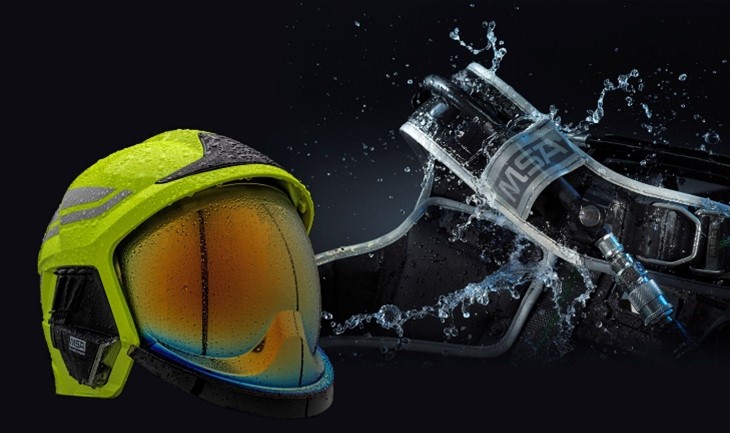
MSA Safety is working with its customers to provide a “head to toe” recommendation on cleaning and disinfection of its flagship products, such as SCBA and Fire Helmets. As a trusted advisor to brigades all over the world, MSA has established a set of recommended guidelines on cleaning and disinfection available in the product manuals.

Cleanability is now a key focus for all new product development. MSA is helping to advise its customers of industry-accepted cleaning and disinfecting processes and procedures in an effort to help maintain firefighters’ equipment and protect it from damage caused by cleaning agents or the cleaning methods themselves.

Learn more athttp://msane.ws/Firefighter-Health

Government announce £33 million grant projects

The UK Government have announced the projects that are part of a £33 million grant scheme that focuses on ground-breaking aviation projects solving major global challenges.

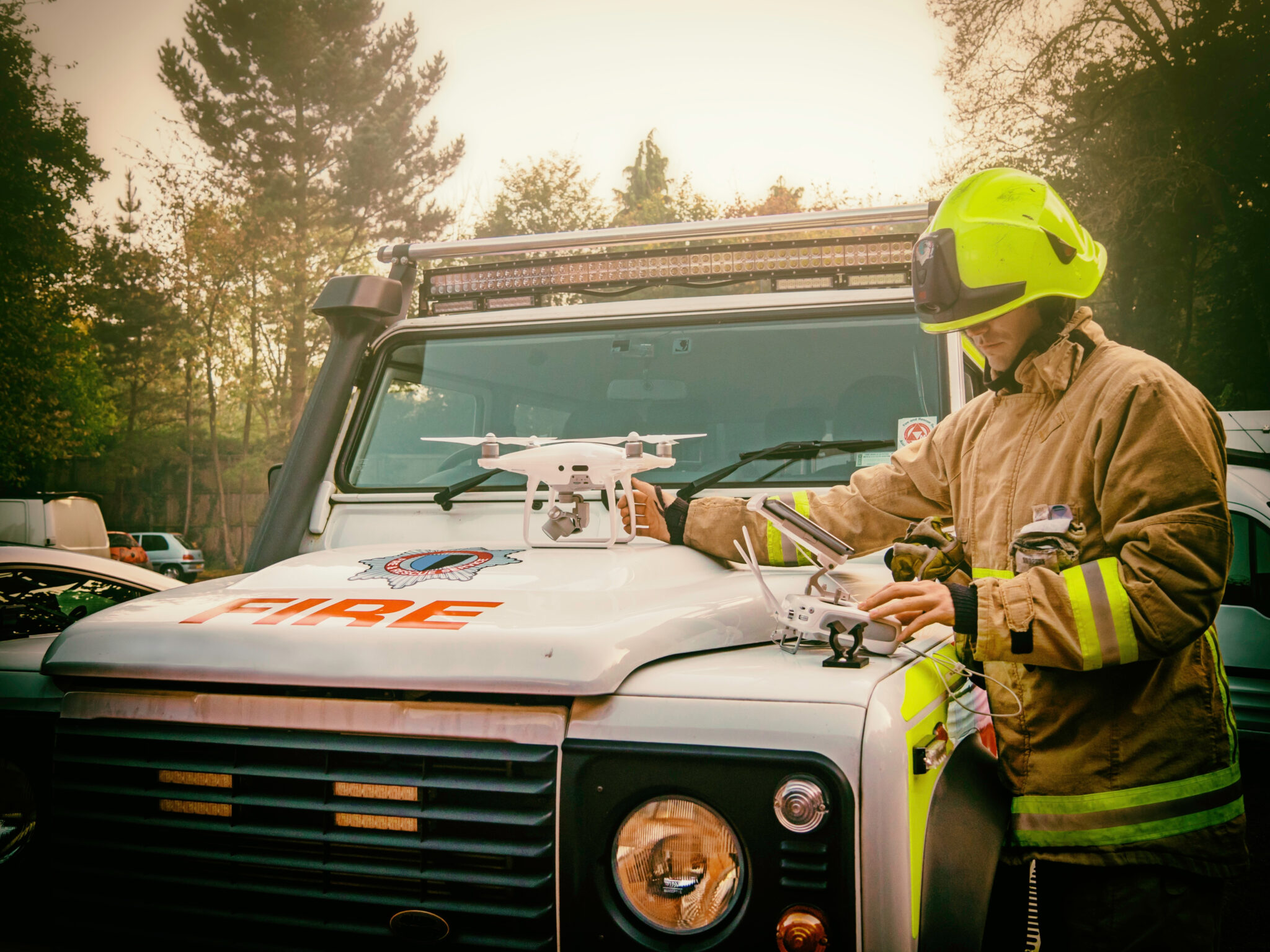
One company, Windracers Distributed Avionic, based in Southampton and Bristol, were awarded part of the grant for its innovations in drone technology. They will use the grant to further develop swarming technology, an approach to coordinate multiple robots, to allow multiple drones to fly in close formations and work together to provide humanitarian aid or fight fires.

Business and Industry Minister, Nadhim Zahawi, said: “As the UK leads the way in the aviation revolution, these bold proposals showcase the pioneering spirit of the UK’s aerospace and aviation industries in solving global issues, and those facing us here in the UK.

Government announce £33 million grant projects

“Today we have announced over £7 million of funding for projects across the country which demonstrate how using the latest and most cutting-edge aviation technologies can step up our response to the coronavirus pandemic, help us build back better and cement our well-earned reputation for research and development excellence, while creating hundreds of new jobs.”

Transport Minister Rachel Maclean added: “The UK is already a world-leader when it comes to innovation in aviation and this funding will allow us to carry on supporting the extraordinary work taking place right across the country.

“Innovation delivers real change and our support for dynamic ideas in this exciting sector means we are now seeing real life solutions, like the drone delivery of COVID-19 medical supplies, for challenges such as public health and climate change.”

Testifire supports faster testing in spain

Recently we (detectortesters) featured how Testifire was benefiting engineers across the Middle East by supporting productivity on site, this month it’s been great to hear from some of our customers in Spain who shared their experience of using the industry’s leading all-in-on solution.

Like other countries, Spain has been hit particularly hard by the COVID-19 out-break, however testing and maintenance of buildings fire systems has remained vital to ensure the ongoing safety of people and premises.

This has certainly been the case for a large number of our customers who we’ve heard from, many have continued to work throughout the pandemic to ensure sites that need to remain open are able to do so safely with a compliant fire system and that those that have been forced to close temporarily remain protected from the risk of fire.

M Conejero are a fire maintenance company based in Alicante, they have continued working during the current pandemic and recently shared some photos and thoughts about Testifire with our distribution partner in Spain, Ingstrom.

Increasing productivity

The photos were taken from a recent site visit to Texduo Trading, a company in the footwear manufacturing industry, like many commercial sites, there are a number of different usage areas on site – including production, office and warehousing – all presenting slightly different challenges in terms of access and detection type.

“The feedback from M Conejero was that Testifire makes their daily work much easier, there are numerous ways in which Testifire does this but the standout reasons for M Conejero were the time savings it offers and the savings in brings in terms of consumables.”

It was great to hear this feedback and even better to receive these photos, at a time when the industry looks to build on the early signs of recovery – productivity is as important as ever and from the feedback we’ve had we know that Testifire continues to make a massive difference in this area to users worldwide.

UL explore sustainability trends in Asian business

UL, a global safety science company, has helped companies adopt more sustainable practices for more than 10 years. In a new white paper, Five Sustainability Trends for Businesses in Asia, UL explores five sustainability trends that are impacting businesses across Asia as they pursue measures in accordance with the UN SDGs.

Adopted by 193 countries in 2015, the UN Sustainable Development Goals outline 17 objectives designed to end extreme poverty, reduce inequality and protect the planet by 2030. Companies worldwide are aligning their sustainability plans to take their part in advancing these critical objectives. In fact, 72% of companies mentioned the SDGs in their reporting, according to PwC. This has driven companies to pursue a variety of sustainability initiatives that demonstrate progress toward global sustainability goals:

  • Convergence of green and wellness in building standards – Support of human health and wellness is increasingly a priority among businesses. By ensuring indoor environments offer good air quality and other wellness features, companies protect occupants and increase productivity.
  • Driving insights and performance from environmental data – Growing demand from green investors, consumers and regulatory agencies alike calls for companies to advance their sustainability reporting. Comprehensive reporting from across the organization is quickly becoming commonplace.
  • Innovation optimises manufacturing processes – In the midst of increasing urbanization and a growing global population, we face particular urgency for effective waste management solutions. Companies will continue to advance this effort with rigorous verification of recycling and other waste diversion strategies.
  • Rise of the circular economy – With e-waste expected to reach 52.2 million metric tons by 2021, according to the Global W-waste Monitor, there is growing pressure to achieve more responsible consumption and production through circular business models. Companies will continue to pursue innovative circular models that will prove sustainable in the new economy.
  • The advent of carbon regulations – As more countries introduce carbon regulations in an effort to mitigate climate change, businesses will work to increase their carbon emissions reporting.

Asian business introducing sustainability efforts

“We are excited to see leading businesses in Asia introducing these sustainability efforts into their strategy, reporting and daily operations. As local companies expand their sustainability efforts and report on progress toward the U.N. Sustainable Development Goals, UL will be here to offer the expertise, solutions and support to help them on their journey,” said Alberto Uggetti,  vice president and general manager of UL’s environment and sustainability division.

UL is a leader in science-based safety and sustainability solutions and manages some of the most respected and rigorous sustainability programs in the world, including UL GREENGUARD for low-emitting products and UL ECOLOGO, a certification for products that achieve reduced environmental impact and sustainability software and reporting tools, such as UL’s 360 Software and Turbo Carbon™. UL supports companies worldwide with solutions that build transparency and trust through testing, inspection and certification.

To download the white paper, visit five-sustainability-trends-businesses-asia or explore our other resources or solutions at www.UL.com.

Fire Departments urged to take part in NFPA survey

National Volunteer Fire Council (NVFC) chair Steve Hirsch has called on volunteer and combination fire departments across the country to respond to the National Fire Protection Association’s (NFPA) 2020 Needs Assessment survey.

“The NFPA Needs Assessment Survey is a once-every-five-years survey that looks at what fire departments are being asked to do, and if they have the resources necessary to carry out those tasks,” said Hirsch.

“We know from past needs assessments that smaller fire departments tend to lack adequate resources compared to larger, better-funded agencies. Having an adequate response rate from volunteer and combination fire departments is critical to ensuring that we have accurate, representative data on the needs in smaller communities in particular.”

NFPA survey published next year

The survey includes questions on PPE, apparatus and equipment, training, health and wellness, and cancer prevention to address critical, timely issues facing the fire service.

The NVFC uses the results of the survey, which will be published by the NFPA next year, to educate federal policymakers on the needs of volunteer fire and EMS. The NVFC also helped the NFPA develop the survey questions.

The NFPA survey is open and available to all U.S. fire departments through January 1, 2021. To date, NFPA has received more than 1,000 responses. If you are a member of a fire department that would like to participate in the survey but have not received it, please email nasurvey@nfpa.org with your fire department’s name, state, and zip code. You can also reach NFPA toll-free at 800-343-8890. For more information on the survey, along with reports from previous surveys, visit www.nfpa.org/needsassessment.