What is a First Degree Burn?

Burns are a common injury, and they can occur in a variety of settings, whether at home, at work, or during outdoor activities. 

One of the most common types of burns is a first-degree burn. 

But what does a first degree burn mean?

While these burns are typically not severe, they can still cause discomfort and require attention to avoid complications. 

Understanding what a first-degree burn is, how it differs from other types of burns, and how to treat it properly can help prevent further damage and ensure a speedy recovery. 

This article will explore what a first-degree burn is, its common causes, how it differs from other burns, how to treat it, and how long it takes to heal.

What is a First Degree Burn?

what is first degree burn

A first-degree burn is the mildest type of burn injury. 

It affects only the outer layer of the skin, known as the epidermis

This type of burn is usually caused by mild heat, such as a sunburn or a brief exposure to a hot object, and typically does not lead to permanent damage.

Characteristics of a First Degree Burn

The main characteristics of a first-degree burn include:

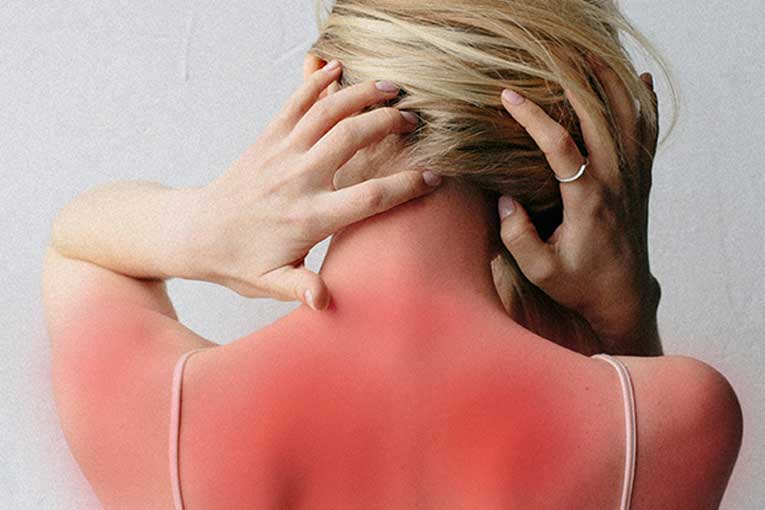
  • Redness: The skin may appear red or pink, especially around the affected area.
  • Pain: A first-degree burn may be painful, but the discomfort is usually mild to moderate.
  • Swelling: The affected skin may become slightly swollen, though it does not typically result in blistering.
  • Dry Skin: The skin may feel dry, and peeling can occur as the burn heals.

Since first-degree burns only affect the epidermis, they are generally considered to be minor burns that do not require medical attention unless they cover a large area or cause extreme discomfort.

What Are The Most Common Causes of a First Degree Burn?

first degree burn causes

First-degree burns can be caused by a variety of everyday situations. 

They are typically the result of exposure to heat or sun, though other factors can also play a role. 

Some of the most common causes include:

Sunburn

One of the most common causes of a first-degree burn is sunburn, which occurs when the skin is overexposed to ultraviolet (UV) radiation from the sun. 

Sunburns often cause redness and discomfort, and the skin may peel after a few days as it heals.

Hot Objects

Contact with hot objects, such as a stovetop, iron, or heated metal, can cause a first-degree burn. 

The skin may redden and feel sore, but there is typically no blistering or significant damage to the underlying tissue.

Scalds from Hot Liquids

Spilling hot liquids, such as boiling water, soup, or coffee, can also lead to a first-degree burn. 

The severity of the burn can depend on how long the skin is exposed to the hot liquid, but first-degree burns from scalds are usually not severe.

Mild Electrical Burns

Electrical burns from low-voltage sources, like a faulty electrical appliance, can cause first-degree burns if the skin comes into brief contact with the electrical source. 

These burns usually cause redness and mild pain.

Friction Burns

Friction burns can occur when the skin is rubbed against a rough surface, such as when a person falls onto the pavement. 

These burns typically affect only the epidermis and are considered first-degree burns if the damage is limited to this outer layer.

How Is a First Degree Burn Different to Other Types of Burns?

first degree burn different to other types of burn
Source: Wikipedia

There are four main burn classifications based on their severity: first-degree burns, second-degree burns, third-degree burns, and fourth-degree burns. 

Each type of burn differs in how deep it penetrates the skin and how severe the symptoms are.

First-Degree Burns

As previously mentioned, first-degree burns affect only the epidermis, the outermost layer of the skin. 

These burns are usually mild and can be treated at home with basic first aid. 

Symptoms include redness, mild swelling, and pain, but there is no blistering.

Second-Degree Burns

Second-degree burns affect both the epidermis and the underlying layer of skin, known as the dermis. 

These burns are more severe than first-degree burns and typically cause more intense pain, swelling, and redness. 

Blisters may form, and the skin may appear shiny or wet. 

Second-degree burns often require medical attention and may take longer to heal.

Third-Degree Burns

Third-degree burns are the most severe type of burn. 

They penetrate through the epidermis and dermis and can affect the underlying tissue, including muscles and bones. 

These burns may appear white, charred, or leathery and are often painless due to nerve damage. 

Third-degree burns are a medical emergency and require immediate attention. 

They can cause permanent damage to the skin and may require grafting or other surgical treatments.

Fourth-Degree Burns

Fourth-degree burns are the most severe and deepest type of burn. 

These burns extend beyond the skin into the underlying tissues, including fat, muscles, tendons, and bones. 

Fourth-degree burns are often caused by extreme heat or prolonged exposure to a heat source, such as a fire or electrical burns. 

The skin may appear blackened, charred, or leathery, and the area may be completely numb due to nerve damage. 

Fourth-degree burns are a medical emergency, and immediate treatment is necessary. 

These burns can result in permanent tissue damage, loss of function in the affected area, and, in extreme cases, can be life-threatening. 

Treatment often involves surgical interventions like debridement, skin grafting, or amputation.

How is a First Degree Burn Treated?

first degree burn treatments

First-degree burns are typically easy to treat at home, as they do not cause significant damage to the skin. 

Here are some steps to follow for effective first-degree burn treatment:

Cool the Burn

The first step in treating a first-degree burn is to cool the skin. 

You should immediately run cool (not cold) water over the affected area for about 10-15 minutes. 

This will help to reduce the pain and prevent the burn from getting worse. 

If running water is not available, you can also apply a cool, damp cloth to the burn.

Avoid Ice

While it may seem tempting to use ice to cool the burn, this can actually cause further damage to the skin. 

Avoid placing ice directly on the burn or using very cold water, as it can freeze the skin and make the situation worse.

Apply a Moisturiser or Aloe Vera Gel

After cooling the burn, you can apply a moisturiser or aloe vera gel to soothe the skin. 

Aloe vera is known for its cooling properties and can help to reduce redness and swelling. 

Be sure to use a product that is free of alcohol or other harsh ingredients, as these can irritate the skin further.

Take Over-the-Counter Pain Relievers

If the burn is painful, over-the-counter pain relievers such as ibuprofen or paracetamol can help to reduce discomfort. 

Always follow the recommended dosage instructions on the packaging.

Protect the Burn from Further Damage

If the burn is located on an area that may be exposed to friction or further irritation (such as the hands or feet), you may want to cover the burn with a clean, non-stick bandage. 

Make sure the bandage is not too tight, as this could restrict circulation.

Avoid Popping Blisters

Although first-degree burns typically do not cause blisters, if they do form, it’s important not to pop them. 

Blisters act as a natural barrier against infection, and breaking them can lead to further complications.

How Long Does a First Degree Burn Take to Heal?

The healing time for a first-degree burn is relatively short. 

Most first-degree burns heal within 7 to 10 days without leaving permanent scars. 

However, the healing time can vary depending on the severity of the burn, the size of the affected area, and how well the burn is treated.

Factors Affecting Healing Time

  • Size of the Burn: Larger burns may take slightly longer to heal, although they are still considered first-degree burns.
  • Location of the Burn: Burns on more sensitive areas of the body, such as the face or hands, may take longer to heal.
  • Proper Treatment: Burns that are treated properly and promptly usually heal more quickly than those that are not cared for correctly.

During the healing process, the skin may peel as it regenerates, and the redness will gradually fade. 

Once healed, the skin will usually return to its normal colour, but it may feel dry or slightly sensitive for a short time.

Does a First Degree Burn Scar?

First-degree burns generally do not result in scarring, especially if they are properly treated. 

Since these burns only affect the outer layer of the skin, the body is typically able to heal without permanent damage. 

However, in some cases, if the burn is extensive or improperly treated, there may be a slight chance of scarring.

How to Minimise Scarring

To minimise the risk of scarring, it is essential to:

  • Keep the burn clean and avoid infection.
  • Use moisturising lotions to keep the skin hydrated during the healing process.
  • Avoid picking at the burn or peeling off the skin prematurely.
  • Protect the healing skin from excessive sun exposure, as sunburn can cause pigmentation changes and increase the risk of scarring.

Conclusion

You should now have an understanding of exactly what a first degree burn is. 

A first-degree burn is a common and usually mild type of burn that affects only the outer layer of the skin. 

These burns are generally caused by mild heat or sun exposure and can be easily treated at home. 

With proper care, first-degree burns typically heal within a week to ten days and rarely leave permanent scarring. 

By understanding the symptoms, causes, and treatment of first-degree burns, individuals can effectively manage this type of injury and avoid complications. 

If a burn appears more severe or shows signs of infection, it’s important to seek medical attention promptly.

What is a Third Degree Burn?

A third-degree burn is one of the most severe type of burn. 

But exactly what is a third degree burn?

It affects all layers of the skin, and can cause serious damage to tissues beneath. 

These burns require immediate medical attention, as they can lead to lasting damage and complications. 

In this article, we will discuss what a third-degree burn is, its causes, treatments, healing time, and potential scarring.

What is a Third Degree Burn?

A third-degree burn is the deepest type of burn injury. 

It affects the epidermis, dermis, and sometimes the subcutaneous tissue (fat and muscle). 

This kind of burn causes the skin to become charred, white, or leathery. 

The skin may also look dry and may not bleed. 

Because the damage extends to nerve endings, a third-degree burn might not be as painful initially as a first- or second-degree burn. 

However, it is extremely serious.

In third-degree burns, nerve endings are often destroyed, leading to numbness in the area. 

This is why the burn may not cause much immediate pain. 

These burns can also affect underlying tissues, such as muscles, tendons, and bones.

They may require significant treatment, such as skin grafts or even surgery, depending on the severity.

What Are The Most Common Causes of a Third Degree Burn?

causes of third degree burn

Third-degree burns are usually caused by extreme heat or chemicals. 

Below are some of the most common causes:

Flames

One of the most common causes of third-degree burns is fire. 

Whether from a house fire, an explosion, or being caught in flames, direct exposure to fire can quickly cause severe burns. 

Clothing that catches fire can also lead to third-degree burns.

Hot Liquids or Steam

Hot liquids, such as boiling water or oil, can cause third-degree burns if they are spilled or splashed onto the skin. 

Prolonged contact with hot steam can also cause serious burns, especially in areas like the face and chest.

Electrical Burns

Electricity can cause severe burns when it passes through the body. 

These burns can cause deep tissue damage and even cardiac arrest. 

Electrical burns usually occur when someone comes into direct contact with a live electrical source.

Chemical Burns

Certain chemicals can cause third-degree burns if they come into contact with the skin. 

Acids and alkalis, for example, can cause serious burns. 

Chemical burns may occur in industrial settings or due to household cleaners.

Radiation Burns

Exposure to radiation, such as from sunburns or radiation therapy, can also lead to third-degree burns. 

Sunburns from prolonged sun exposure, especially in sensitive areas, can reach this level of severity in extreme cases.

How Is a Third Degree Burn Different to Other Types of Burns?

how third degree burn different
Source: Wikipedia

There are different classifications of burns, based on their severity. 

Third-degree burns are the most serious, affecting deeper layers of skin and tissue. 

Here’s how they differ from first- and second-degree burns:

First-Degree Burns

A first-degree burn affects only the outer layer of the skin, the epidermis

The skin becomes red, sore, and may peel after a few days. 

These burns are mild, and usually heal within a week. 

They rarely cause scarring.

Second-Degree Burns

A second-degree burn affects both the epidermis and the dermis

These burns cause blisters, pain, and swelling. 

They can lead to deeper damage and may require weeks to heal. 

Second-degree burns often leave scarring but are not as severe as third-degree burns.

Third-Degree Burns

A third-degree burn is the most severe. 

It damages all layers of the skin and may affect muscles, tendons, and bones. 

The skin may appear white, charred, or leathery, and it may feel numb due to nerve damage. 

Third-degree burns require immediate medical treatment and can result in long-term scarring, disability, and loss of function.

How is a Third Degree Burn Treated?

A third-degree burn requires immediate medical attention.

It is important to follow the right steps to prevent complications and promote healing. 

Here’s how third-degree burns are typically treated:

Call for Help

If you or someone else suffers a third-degree burn, call emergency services immediately. 

This is a life-threatening situation, and professional medical help is essential.

Stop the Burning Process

If the burn is caused by fire, stop, drop, and roll to extinguish the flames. 

If the burn is caused by chemicals, remove any contaminated clothing and rinse the area with water (unless directed otherwise by medical personnel). 

For electrical burns, ensure the person is no longer in contact with the electrical source before offering help.

Cover the Burn

While waiting for medical help, cover the burn with a sterile, non-stick dressing or a clean cloth. 

This helps protect the area from infection and reduces pain. 

Avoid using ice or applying any ointments, as they can worsen the damage.

Monitor for Shock

A person with a third-degree burn may go into shock. 

Signs of shock include rapid breathing, weak pulse, and pale or clammy skin. 

If this happens, lay the person flat, raise their feet, and keep them warm until help arrives.

Hospital Treatment

In the hospital, doctors will assess the burn and may perform treatments like fluid resuscitation (to replace lost fluids), debridement (removal of dead tissue), and skin grafts (to cover large areas of damage). 

Pain management is a priority.

How Long Does a Third Degree Burn Take to Heal?

how long third degree burn heal

Healing time for a third-degree burn depends on its severity and the treatment required. 

These burns are serious, and full recovery may take weeks, months, or even longer.

Initial Healing

The immediate response to a third-degree burn is to stabilise the person and prevent infection. 

The skin and underlying tissues will begin to heal, but the process can take a long time. 

Skin grafts may be needed to replace the damaged skin, especially if the burn is large.

Recovery Time

For most third-degree burns, healing can take weeks to months. 

Smaller burns might heal faster, but larger burns can require ongoing treatment and rehabilitation. 

A person may need physical therapy to regain strength and mobility.

Long-Term Care

Even after the burn heals, the person may need continued care to address complications like infection, scarring, or loss of function. 

Ongoing medical treatment may be necessary to improve the appearance of scars and restore skin function.

Does a Third Degree Burn Scar?

Yes, third-degree burns almost always cause scarring. 

The deeper the burn, the more likely it is to cause permanent scarring. 

The skin may form thick, keloid scars, or it may be contracted, causing the skin to tighten.

Scar Treatment

While third-degree burn scars can be severe, treatment can help minimise their appearance. Scar treatment options include:

  • Pressure garments to help flatten scars
  • Surgical revision to improve the appearance
  • Laser therapy for scar reduction
  • Physical therapy to prevent skin tightening

It’s important to follow medical advice to improve scar healing and prevent long-term complications.

Conclusion

You should now have more of an understanding of exactly what is a third degree burn. 

A third-degree burn is a serious injury that can cause extensive damage to the skin and underlying tissues. 

Immediate medical care is essential to prevent complications, promote healing, and reduce scarring. 

With proper treatment and ongoing care, people can recover from third-degree burns, though healing time is long, and scarring is inevitable. 

If you or someone you know suffers a third-degree burn, seek medical help immediately.

What is a Second Degree Burn?

A second-degree burn can cause serious damage to the skin. 

While not as severe as third-degree burns, they still require attention and care. 

Second-degree burns affect deeper layers of the skin, causing pain, swelling, and blistering. 

Understanding what a second-degree burn is and how to treat it is important for healing and preventing further complications. 

In this article, we’ll explain the nature of second-degree burns, their causes, treatments, healing times, and more.

What is a Second Degree Burn?

A second-degree burn affects both the outer layer of skin (epidermis) and the deeper layer (dermis). 

These burns are more serious than first-degree burns, which affect only the outer skin. 

Second-degree burns typically cause blisters, severe pain, redness, and swelling. 

In some cases, the skin may appear wet or shiny due to the loss of fluids from the affected area.

Second-degree burns are classified into two categories based on the depth of the injury:

Superficial Partial-thickness Burns

These affect the top layer of the dermis and may cause the skin to blister and appear red and swollen. 

Deep Partial-thickness Burns: 

These burn deeper into the dermis, causing more severe damage. 

The skin may appear pale or blotchy and take longer to heal.

What Are The Most Common Causes of a Second Degree Burn?

second degree burn causes

Second-degree burns can occur due to several common factors. 

The most frequent causes include:

Hot Liquids

Scalding from hot liquids such as boiling water, coffee, or tea is one of the leading causes of second-degree burns. 

Spilling or splashing these liquids onto the skin can cause severe burns and blistering.

Hot Objects

Contact with hot objects, such as irons, stoves, or ovens, can lead to second-degree burns. 

Skin can burn quickly if it comes into direct contact with these surfaces for even a short period.

Sunburn

Excessive exposure to the sun’s ultraviolet (UV) rays can cause second-degree burns. 

Sunburns from prolonged sun exposure can cause the skin to blister and become red, painful, and swollen.

Electrical Burns

Electrical burns occur when an electrical current passes through the body, damaging the skin. 

These burns can be deep and severe, especially when the current is high.

Chemical Burns

Certain chemicals, such as acids or alkalis, can cause second-degree burns if they come into contact with the skin. 

These burns can be dangerous and require immediate medical attention.

Fire or Flames

Second-degree burns can result from direct exposure to flames, often during accidents, fires, or cooking mishaps, such as grease fires

The skin may burn if exposed to high heat for too long.

How Is a Second Degree Burn Different to Other Types of Burns?

how second degree burn different
Source: Wikipedia

There are different classifications of burns, based on how severe they are.

A second-degree burn is more severe than a first-degree burn but not as serious as a third-degree burn.

First-Degree Burns

A first-degree burn affects only the outer layer of the skin (epidermis). 

It causes redness, mild swelling, and pain. 

Sunburn is a common example of a first-degree burn.

Second-Degree Burns

Second-degree burns affect both the epidermis and the dermis (the deeper layer of skin). 

They cause blisters, severe pain, redness, and swelling. 

These burns often result from contact with hot liquids, flames, or chemicals. 

Third-Degree Burns

A third-degree burn is the most severe. 

It affects all layers of the skin, and can also damage underlying tissues, nerves, and muscles. 

The skin may appear white, charred, or leathery. 

Third-degree burns often do not cause pain initially due to nerve damage. 

How is a Second Degree Burn Treated?

Treating a second-degree burn quickly and properly is crucial for healing and preventing complications. 

The main focus is to reduce pain, prevent infection, and promote healing.

Cool the Burn

Immediately after the injury, cool the burn by running cool (not cold) water over the affected area for 10 to 20 minutes. 

This helps to stop the burn from getting worse and reduces pain. 

If running water is not available, apply a cool, wet compress. 

Avoid using ice, as it can cause further damage to the skin.

Clean the Burn

Gently clean the burn area with mild soap and cool water to remove any dirt or debris. 

Do not scrub the burn, as this could damage the skin further. 

Pat the area dry with a clean towel, being careful not to break any blisters that may have formed.

Apply an Antibiotic Ointment

Once the area is clean, apply an over-the-counter antibiotic ointment such as neosporin to help prevent infection. 

Cover the burn with a sterile, non-stick dressing to protect it from dirt and bacteria.

Pain Relief

Take over-the-counter pain relief medication like paracetamol or ibuprofen to manage the pain and reduce swelling. 

Follow the instructions on the packaging for correct dosing.

Avoid Popping Blisters

Blisters that form during healing protect the underlying skin. 

Do not pop or burst them, as this can lead to infection. 

If a blister breaks on its own, clean the area and apply a sterile dressing.

Seek Medical Help

If the burn is large, covers the face, hands, or genitals, or if it seems infected, seek medical help immediately. 

For deep second-degree burns, professional care may be needed.

How Long Does a Second Degree Burn Take to Heal?

how long second degree burn heal

The healing time for a second-degree burn depends on the depth of the burn, the location, and the treatment. 

Superficial Partial-thickness Burns

These usually heal within 2-3 weeks without scarring, although some discolouration may remain for a while.

Deep Partial-thickness Burns

These burns take longer to heal, often requiring 3-4 weeks or more. 

Scarring may occur, and the skin may need additional care during healing.

It is important to continue monitoring the burn during the healing process. 

If there are any signs of infection or complications, seek medical help immediately.

Does a Second Degree Burn Scar?

Second-degree burns can scar, especially if they are deep or not treated properly. 

Scarring is more likely if:

  • The burn is deep and affects the dermis.
  • The burn becomes infected.
  • The burn heals slowly due to poor care.

Superficial second-degree burns may not leave permanent scars, but there can be temporary skin discolouration. 

Deeper second-degree burns, on the other hand, are more likely to cause noticeable scars. 

The skin may also be more sensitive in the affected area even after it heals.

To minimise scarring, it’s important to:

  • Keep the burn clean and covered to prevent infection.
  • Avoid sun exposure, which can make scars more noticeable.
  • Apply moisturising creams or ointments to help with skin regeneration.

In some cases, scar treatments like silicone gel sheets or creams may be recommended by healthcare professionals to reduce the appearance of scars.

Conclusion

You should now have more of an understanding of what is a second degree burn. 

A second-degree burn is a painful injury that affects the skin’s epidermis and dermis. 

It is caused by factors like hot liquids, chemicals, fire, and sunburn. 

While not as severe as third-degree burns, second-degree burns require careful treatment and monitoring.

Cooling the burn, protecting the area, and seeking medical help if necessary can help promote healing. 

With proper care, second-degree burns often heal within 2-3 weeks, although deeper burns may take longer. 

Scarring is possible but can be minimised with appropriate treatment.

If you experience a second-degree burn, it is important to treat it as soon as possible and seek professional advice if the injury is extensive or becomes infected. 

With proper care, most second-degree burns will heal without long-term complications.

How to Treat a Burn

Burns can happen quickly and unexpectedly, and knowing how to treat them immediately is crucial.

But do you know how to treat a burn? 

Whether caused by fire, chemicals, electricity, or the sun, proper first aid can minimise damage and reduce the risk of infection. 

This article outlines the different types of burns and the best ways to treat them effectively.

Types of Burn

types of burn
Source: Wikipedia

There are four different classifications of burns:

First-Degree Burns

These are the least severe, affecting only the outer layer of skin (epidermis). 

Symptoms include redness, mild swelling, and pain. 

Sunburns are a common example of first-degree burns.

Second-Degree Burns

These burns penetrate both the outer layer and the underlying skin (dermis). 

They cause more intense pain, redness, swelling, and blisters. 

If left untreated, second-degree burns can result in scarring.

Third-Degree Burns

The most severe type of burn, third-degree burns affect all layers of the skin and may extend to deeper tissues. 

The skin can appear white, blackened, or charred, and the person may not feel pain due to nerve damage. 

These burns often require immediate medical attention and can lead to permanent damage.

Fourth-Degree Burns

Fourth-degree burns are the most severe form of burn, causing extensive damage to the skin, muscles, tendons, and bones.

These burns penetrate all layers of the skin and may also damage deeper tissues and bones.

The affected area may appear blackened or charred, and due to severe nerve damage, there may be little or no pain.

Fourth-degree burns are critical and require urgent medical attention.

Burn Type

Burns can also be categorised by their cause. 

These include thermal burns (from heat), electrical burns (from electrical sources), chemical burns (from toxic substances), and sunburns (caused by overexposure to UV light). 

Each type of burn requires specific care to minimise damage and promote healing.

How to Treat a Burn

how to treat a burn image

Providing immediate first aid is crucial to minimise burn damage and alleviate pain. 

Here are the essential steps to follow:

Stop the Burning Process

Quickly remove the person from the source of the burn, whether it’s fire, hot liquid, or electricity. 

Remove any clothing or jewellery near the affected area, but be cautious not to pull off anything stuck to the skin, as this could cause further damage.

Cool the Burn

For most burns, hold the affected area under cool (not icy) running water for 20 minutes. 

This helps reduce both pain and the extent of the burn. 

Avoid using ice, as it can cause further tissue damage. 

Greasy substances like butter or oils should also be avoided, as they trap heat and worsen the injury.

Keep Warm

If the burn is severe and covers a large area, wrap the person in a blanket or add layers of clothing to maintain warmth. 

This helps prevent hypothermia, particularly if the burn is extensive.

Cover the Burn

After cooling the burn, cover it with clean cling film or plastic wrap. 

If the burn is on a hand or arm, use a non-stick cloth. 

Avoid wrapping it tightly, as it may cause more harm.

Treat the Pain

For pain relief, offer over-the-counter medications like paracetamol or ibuprofen. 

Do not give aspirin to children under 16 years old.

Raise the Area

If possible, elevate the affected area to reduce swelling, particularly for burns on limbs.

How to Treat an Electrical Burn

how to treat an electrical burn

Electrical burns can be dangerous, even if they seem minor. 

Here’s how to treat them:

Disconnect the Power

For safety reasons, the first step is to ensure the power supply is turned off. 

If you cannot immediately turn off the power, use a material that does not conduct electricity, such as a wooden stick or a dry cloth, to move the person away from the electrical source. 

Never touch the person directly while they are still in contact with the electrical current.

Seek Medical Attention

Even if the burn appears small, it’s crucial to seek medical help immediately. 

Electrical burns can cause deep internal damage, including to organs or tissues, which may not be visible. 

Only a healthcare professional can properly assess the extent of the injury.

Do Not Approach High-Voltage Sources

For burns caused by high-voltage electricity (1,000 volts or more), never approach the person until the power is safely turned off. 

Call emergency services immediately, as these burns can cause severe damage and require immediate medical care.

How to Treat a Chemical Burn

how to treat a chemical burn

Chemical burns can cause significant damage if not treated promptly. 

Here’s what you should do if you encounter one:

Identify the Chemical

If possible, try to determine what chemical caused the burn. 

Knowing the substance involved helps medical professionals provide the correct treatment. 

Check for labels on containers or ask the person who was burned, if they can identify the chemical.

Wear Protective Gear

If you’re assisting someone with a chemical burn, wear gloves or any other appropriate protective gear. 

This helps prevent further exposure to the chemical and contamination for both you and the injured person.

Remove Contaminated Clothing

Carefully take off any clothing that has come into contact with the chemical. 

Be sure to avoid spreading the chemical to other areas of the body. 

If clothing is stuck to the skin, do not attempt to pull it off.

Flush with Water

Use running water to rinse the affected area for at least 20 minutes. 

This will dilute and wash away any chemical residue. 

If the chemical is dry or powdery, gently brush it off before flushing the area.

Seek Medical Help

Even if the burn appears minor, always seek medical assistance immediately. 

Chemical burns can cause internal damage, and only trained professionals can provide proper treatment.

How to Treat Sunburn

how to treat sunburn

Sunburns, though common, can be uncomfortable and painful. 

Here’s how to treat sunburn and ease the discomfort:

Move to Shade

The first step is to get out of the sun. 

Move the affected person into the shade or preferably indoors to prevent further exposure to UV rays.

Cool the Skin

To relieve the heat in the skin, take a cool shower or bath for about 10 minutes. 

Avoid using hot water, as this can further irritate the burn.

Apply After-Sun Lotion

Use after-sun lotion or aloe vera gel to soothe the skin and provide moisture. 

These products can help cool and hydrate the burn. 

Avoid using greasy or oily products like petroleum jelly, as they can trap heat in the skin and worsen the burn.

Pain Relief

To reduce pain, over-the-counter medications like paracetamol or ibuprofen can be used. 

Always follow the manufacturer’s instructions. 

Never give aspirin to children under 16 years of age due to the risk of Reye’s syndrome.

Stay Hydrated

Sunburns can lead to dehydration, especially if the skin is extensively burned. 

Drink plenty of fluids, particularly water, to stay hydrated.

Monitor for Heat Exhaustion

Watch for signs of heat exhaustion or heatstroke, which include dizziness, rapid pulse, or vomiting. 

If symptoms worsen, seek immediate medical help.

When Should You Go to Hospital With a Burn?

when to go hospital with burn

While many burns can be treated at home, there are some situations where immediate medical attention from a healthcare professional is required. 

You should seek medical attention if:

Large Burns

If the burn covers an area larger than the size of the person’s hand, it requires medical evaluation. 

Larger burns can be more severe and prone to complications.

Deep Burns

Burns that cause the skin to appear white, blackened, or charred indicate severe tissue damage. 

These require prompt medical attention.

Burns on Sensitive Areas

Burns to the face, neck, hands, feet, joints, or genitals are considered high-risk and should be treated at a hospital. 

These areas have delicate tissue and can lead to long-term complications if not properly treated.

Electrical or Chemical Burns

Any burn caused by electricity or chemicals must be evaluated by healthcare professionals. 

These burns can cause deeper, hidden damage and may lead to serious complications.

Signs of Shock

Symptoms of shock include cold, clammy skin, rapid breathing, weakness, and dizziness. 

If any of these occur, immediate medical attention is necessary.

Special Conditions

Children under 10, people with medical conditions such as heart disease or diabetes, or those with a weakened immune system should seek hospital care for burns.

Breathing Problems

If someone has inhaled smoke or fumes, they should be assessed at a hospital, even if they seem fine.

Things to Avoid When Treating a Burn

When treating a burn, it’s essential to avoid certain actions that can cause further damage. 

Here’s a list of things to steer clear of:

Ice or Ice Water

Applying ice or using ice-cold water to cool a burn can cause frostbite and further harm the skin. 

It also slows down blood flow, which can worsen the injury.

Butter or Greasy Substances

Never apply butter, oils, or greasy creams to a burn. 

These substances may feel soothing initially, but they can trap heat and hinder the cooling process, making the burn worse.

Breaking Blisters

If blisters form on the burn, avoid popping them. 

Blisters act as a natural barrier to protect the skin underneath from infection. 

Popping them exposes the sensitive tissue and increases the risk of infection.

Tight Bandages

Don’t wrap a burn with tight bandages. 

This can restrict blood flow and increase the severity of the injury. 

If a bandage is necessary, use a loose, non-stick dressing to cover the burn.

Scrubbing the Area

Avoid scrubbing or rubbing the burned skin, as this can cause irritation and damage to the affected area. 

Gently clean the burn using cool water and avoid friction that could lead to further injury.

Burn Aftercare

burn aftercare

Once the immediate first aid has been applied, proper aftercare is vital for the burn to heal properly. 

Here are some steps to follow:

Keep the Area Clean

Gently wash the burn with mild soap and water to prevent infection. 

Avoid scrubbing the burn, as this can cause further damage. 

Do not use harsh chemicals or strong soaps, as they can irritate the skin and delay healing.

Moisturise

To prevent the skin from drying out and to promote healing, apply a soothing lotion, such as aloe vera gel. 

Aloe vera helps hydrate the skin and reduce inflammation. 

Avoid using products with alcohol, as they can dry out the skin and cause irritation.

Monitor for Infection 

It’s important to keep an eye on the burn for signs of infection. 

Symptoms such as increased redness, swelling, pus, or an unpleasant smell may indicate an infection. 

If you notice any of these signs, seek medical help immediately to prevent complications.

Avoid Further Sun Exposure

The burn should be kept out of direct sunlight to prevent further skin damage and reduce the risk of scarring. 

Consider covering the area with loose clothing or using sunscreen once the skin has healed enough.

Follow-Up Care

For severe burns, follow-up care may be necessary. 

This may include dressing changes, further treatment, or checking for complications, and should be done under the guidance of a healthcare professional.

Conclusion

You should now have the knowledge on how to treat a burn.

Treating a burn correctly and promptly can significantly reduce pain and the risk of complications. 

It is essential to follow proper first aid steps, such as cooling the burn, protecting the area, and seeking medical help when necessary.

10 Most Common Flammable Materials

Flammable materials are everywhere in our daily lives, both at home and work. 

Understanding what they are and how to handle them safely is essential for preventing accidents. 

They can be found in nearly every environment, from our homes to workplaces, factories, and vehicles. 

Everyday products, such as cleaning agents, fuels, and textiles, can all be flammable.

In this article, we will explore what flammable materials are, why they are dangerous, and how to stay safe around them. 

We will also look at 10 of the most common flammable materials that you might encounter regularly. 

By learning to identify these materials and how to handle them correctly, you can help prevent fires and keep your surroundings secure. 

What Are Flammable Materials?

Flammable materials are substances that can easily ignite and catch fire when exposed to heat, flame, or sparks. 

These materials have a low flashpoint, which is the temperature at which they release enough vapor to catch fire.

Materials with a flashpoint under 100°F (37.8°C) are generally considered flammable.

Flammable materials can be found in solids, liquids, or gases and can be natural or man-made.

It’s important to handle flammable materials with care, store them properly, and use them in safe conditions. 

Recognising and understanding flammable substances in your environment is crucial for preventing fires and ensuring safety in both homes and workplaces. 

Proper knowledge and caution can minimise the risk of accidents.

10 Most Common Flammable Materials

Flammable materials are substances that can catch fire easily when exposed to heat, sparks, or open flames. 

Many of these materials are found in our homes, workplaces, and public areas. 

Being aware of these materials and how to handle them safely is crucial in preventing accidents and ensuring fire safety. 

Here are 10 common flammable materials, explaining their characteristics and risks.

Acetone

flammable materials acetone
Source: Wikipedia

Acetone is a colorless, flammable liquid commonly used as a solvent in nail polish removers, paint thinners, and some cleaning products. 

Acetone is highly volatile and evaporates quickly, forming flammable vapours. 

Its flashpoint – the lowest temperature at which it can vaporize and ignite – is -4°F (-20°C), making it one of the most flammable substances in households.

Store acetone in a cool, dry, and well-ventilated area, away from heat and open flames and always use acetone in well-ventilated spaces, as the vapours can be hazardous to your health.

Alcohol Spirits

flammable materials alcohol spirits

Alcoholic spirits, such as vodka, whiskey, and rum, are commonly found in homes, bars, and restaurants. 

These beverages are made by fermenting and distilling various grains, fruits, and other ingredients. 

Due to their high alcohol content (usually above 20%), they are highly flammable and can ignite easily when exposed to heat, sparks, or open flames.

Make sure to store alcoholic spirits in tightly sealed containers, away from heat sources and open flames.

Deodorant

flammable materials deodorant
Source: Wikipedia

Aerosol deodorants contain flammable propellants such as butane or propane, which are highly volatile gases. 

These gases make deodorants easy to spray but also pose a significant fire hazard. 

If exposed to heat or flames, deodorant cans can explode, leading to serious injuries or property damage.

Store aerosol deodorants in cool, dry places and away from direct sunlight and always follow the manufacturer’s instructions on proper usage and storage.

Flour

flammable materials flour

Flour is a common ingredient in kitchens, but it can pose a significant fire risk. 

While flour itself doesn’t ignite easily, the fine flour particles can create a dust cloud that is highly combustible. 

If this dust comes into contact with a spark or flame, it can ignite and cause a dust explosion. 

This is particularly a concern in industrial environments like flour mills, but it is still important to be cautious in the home.

Clean up flour spills immediately, and avoid sweeping or vacuuming to prevent dust clouds.

Furniture Polish

flammable materials furnture polish

Furniture polish contains flammable chemicals, including solvents and oils that can easily ignite. 

These products are designed to clean and shine surfaces, but they often contain petroleum-based ingredients that make them highly flammable. 

Furniture polish is commonly used in homes and offices, so proper storage and handling are essential to avoid accidents.

Store furniture polish in a cool place, away from direct sunlight and heat sources.

Hair Spray

flammable materials hair spray
Source: Wikipedia

Hair sprays, like deodorants, are often contained in aerosol cans and contain flammable propellants such as butane, propane, or ethanol. 

These chemicals allow the product to spray evenly, but they also make the product highly flammable. 

When applied to the hair, hair spray can ignite if exposed to a flame or excessive heat, especially if used near a stove, cigarette, or open flame.

Always follow the manufacturer’s safety instructions on the label.

Hand Sanitiser

flammable materials hand sanitiser
Source: Wikipedia

Hand sanitisers, which contain high amounts of alcohol, are highly flammable and should be handled with care. 

Most hand sanitisers contain between 60% to 95% ethanol or isopropyl alcohol, both of which have low flashpoints. 

As these alcohol-based products have become increasingly popular, and not just found in the healthcare industry, it’s essential to be aware of the fire risks associated with improper use and storage.

Never use hand sanitiser near open flames or high-temperature surfaces.

Permanent Markers

flammable materials permanent markers
Source: Wikipedia

Permanent markers often contain flammable solvents such as toluene or xylene. 

These chemicals help the ink dry quickly and provide long-lasting marks. 

The solvents are highly volatile and can easily catch fire when exposed to heat or flames. 

Though the risk may seem small, using permanent markers around heat sources can be dangerous.

Avoid using permanent markers near candles, stoves, or any equipment that could generate sparks.

Petrol (Gasoline)

flammable materials petrol gasoline

Petrol, or gasoline, is one of the most well-known flammable substances. 

It is commonly used as fuel for vehicles, lawnmowers, and generators. 

Petrol has a low flashpoint, which means it can ignite easily when exposed to a heat source or spark. 

Petrol vapours are also highly flammable, making it dangerous to handle, especially when fueling up vehicles.

Always store petrol in approved containers and keep it away from living spaces and never refuel a vehicle or machine near an open flame, heat source, or while the engine is running.

Turpentine

flammable materials turpentine
Source: Wikipedia

Turpentine is a solvent derived from pine trees and is commonly used in paint thinners and cleaning products. 

It has a low flashpoint, making it highly flammable, and can ignite easily when exposed to heat, sparks, or open flames. 

Turpentine is used in various artistic and industrial applications but must be handled with care due to its volatile nature.

Make sure to store turpentine in airtight containers and away from heat sources or flames and use turpentine in well-ventilated areas to avoid inhaling harmful fumes.

How Can You Stay Safe Around Flammable Materials?

Ensuring safety around flammable materials is crucial to prevent accidents and ensure both personal and property safety. 

Here are some important steps to take:

Proper Storage

Always store flammable materials in well-ventilated areas away from heat sources, flames, or sparks. 

Use approved containers to hold liquids and keep them tightly sealed. 

Ensure that containers are labeled clearly to identify the material inside.

Keep Away from Flames

Avoid using flammable substances near open flames, heat sources, or electrical equipment. 

In areas where flammable materials are used, make sure there are no exposed wires or sparks that could ignite vapors.

Use Materials Carefully

When using flammable substances such as cleaning agents, paints, or aerosols, follow the manufacturer’s instructions carefully. 

Use them in well-ventilated spaces, and never leave them unattended while in use.

Proper Disposal

Dispose of flammable materials, such as rags soaked with oil or paint, in designated fire-resistant containers. 

Do not throw them in regular trash bins, as they could ignite from friction or heat.

Install Smoke Detectors

Ensure working fire detection, such as smoke detectors, are installed in areas where flammable materials are stored or used, such as kitchens or workshops. 

This can provide an early warning in case of a fire.

Keep Extinguishers Nearby

Keep fire suppression equipment such as fire extinguishers in places where flammable materials are stored or used. 

Be sure to have one suitable for the type of fire that could occur.

How is Flammable Different to Combustible?

Flammable and combustible are both terms used to describe materials that can catch fire, but they are not the same. 

The main difference lies in the temperature at which each type of material ignites.

Flammable materials are substances that ignite easily at relatively low temperatures, usually below 100°F (37.8°C). 

These materials are highly volatile, meaning they can catch fire quickly when exposed to heat, sparks, or flames. 

Flammable substances are particularly dangerous because they can release vapors that catch fire even without direct contact with a flame.

Combustible materials, on the other hand, require higher temperatures to catch fire, typically above 100°F (37.8°C). 

While combustible materials are still capable of burning, they are less likely to ignite quickly compared to flammable materials. 

Although they can burn, they are generally less hazardous than flammable materials in terms of ignition risks.

Conclusion

You should now have an understanding of 10 of the most common flammable materials.

Flammable materials are part of everyday life and require careful handling to ensure safety. 

Understanding their properties, risks, and differences from combustibles can help prevent accidents. 

By staying informed and following safety precautions, you can minimise the risks associated with these common materials. 

Always prioritise safety and treat flammable substances with caution.

11 Most Common Flammable Gasses

Flammable gases are an integral part of our everyday lives. 

From household uses like cooking and heating to industrial applications, these gases are both useful and potentially dangerous. 

If not handled properly, flammable gases can lead to fires, explosions, or health hazards. 

This article will explore what flammable gases are, introduce 11 common examples, and provide essential safety tips for handling them.

What are Flammable Gasses?

Flammable gases are substances that can easily ignite and burn when mixed with air and exposed to an ignition source. 

These gases typically have a low flashpoint, meaning they ignite at relatively low temperatures, making them highly dangerous in certain conditions.

Flammable gases are used in many industries and everyday applications. 

Common examples include cooking fuel, industrial processes, chemical production, and energy generation. 

While they are incredibly useful, improper handling can lead to fires, explosions, or toxic exposure.

A flammable gas becomes hazardous when its concentration in the air reaches its flammability limits, creating an environment ripe for ignition. 

These limits are the lower explosive limit (LEL) and the upper explosive limit (UEL). 

Outside these ranges, the gas may not ignite, but within them, a spark or flame can cause severe damage.

11 Most Common Flammable Gasses

Acetylene

flammable gasses acetylene

Acetylene is a hydrocarbon gas used primarily in the welding and cutting industry. 

Composed of carbon and hydrogen, this gas is known for its ability to produce an extremely high-temperature flame. 

It plays a vital role in the metalworking industry for processes like oxyacetylene welding and cutting. 

Additionally, acetylene is a critical raw material in the production of certain plastics and chemicals. 

However, acetylene is highly unstable and flammable. 

It can ignite at very low temperatures and is prone to explosive reactions when stored or handled improperly, particularly under high pressure.

Ammonia

flammable gasses ammonia

Ammonia is a pungent gas widely used in agriculture and refrigeration. 

It is crucial in the production of fertilisers, helping boost crop yields. 

Ammonia also serves as a refrigerant in industrial cooling systems and is a component in certain cleaning agents. 

Although it is not as flammable as some other gases on this list, it can ignite under specific conditions, particularly in the presence of high heat. 

Ammonia is also highly toxic, and exposure can lead to respiratory distress, skin irritation, and even death at high concentrations.

Butane

flammable gasses butane

Butane is a highly flammable gas that is colorless and odourless in its natural state. 

It is widely used as a fuel in lighters and portable stoves and as a propellant in aerosol sprays. 

Butane is also a common component in liquefied petroleum gas (LPG), used for heating and cooking. 

The dangers of butane lie in its ability to ignite easily, even with minimal exposure to a spark or flame. 

In confined spaces, butane can accumulate and cause explosive reactions. 

Its high flammability requires careful storage and handling to prevent accidents.

Carbon Monoxide

flammable gasses carbon monoxide

Carbon monoxide is a flammable and highly toxic gas that is colorless, odourless, and tasteless. 

It is produced by incomplete combustion of carbon-containing fuels such as wood, coal, and gasoline. 

Carbon monoxide is used in industrial processes, including the production of certain chemicals and fuels. 

Its dangers, however, are immense. 

Inhalation of carbon monoxide can result in poisoning, as it binds to hemoglobin in the blood, reducing oxygen delivery to vital organs. 

Additionally, its flammability makes it a fire and explosion hazard, especially in poorly ventilated spaces.

Ethane

flammable gasses ethane

Ethane is a colorless and odorless hydrocarbon gas that serves as a vital component in the petrochemical industry. 

It is used primarily as a feedstock for ethylene production, which in turn is used to manufacture plastics, antifreeze, and other chemicals. 

Ethane is also found in natural gas and is used as a fuel for heating. 

The primary risk associated with ethane is its high flammability. 

It forms explosive mixtures with air and requires careful storage and monitoring to prevent leaks that could lead to fires or explosions.

Ethylene

flammable gasses ethylene

Ethylene is another hydrocarbon gas that plays a significant role in agriculture and industry. 

It is used as a plant hormone to accelerate the ripening of fruits and as a feedstock for producing polyethylene, the most common plastic. 

Ethylene is also used in the automotive industry for antifreeze production. 

Despite its widespread use, ethylene is highly flammable and can ignite easily. 

In industrial settings, it poses a risk of fire and explosion, particularly in enclosed spaces without adequate ventilation.

Hydrogen

flammable gasses hydrogen

Hydrogen is the lightest and most abundant element in the universe. 

It is a versatile gas used in various industries, including energy production, chemical manufacturing, and aerospace. 

Hydrogen is a key component in fuel cells, which produce clean energy, and is also used in refining petroleum and producing ammonia. 

However, hydrogen’s flammability and small molecular size make it highly dangerous. 

It burns with an invisible flame, making fires difficult to detect, and is prone to leaks, which can lead to explosions in confined areas.

Hydrogen Sulfide

flammable gasses hydrogen sulfide

Hydrogen sulfide is a flammable and highly toxic gas with a distinct smell of rotten eggs. 

It is commonly found in crude oil, natural gas, and sewage systems. 

Hydrogen sulfide is used in the production of sulfuric acid and other chemicals. 

Despite its usefulness, this gas is extremely hazardous. 

It can cause respiratory failure and death at high concentrations and is flammable, forming explosive mixtures with air. 

Proper monitoring and ventilation are essential to ensure safety when working with hydrogen sulfide.

Methane

flammable gasses methane

Methane is the primary component of natural gas and one of the most abundant flammable gases on Earth. 

It is used as a fuel for heating, electricity generation, and as a feedstock for producing hydrogen and other chemicals. 

Methane is also a significant contributor to greenhouse gas emissions when released into the atmosphere. 

The dangers of methane lie in its flammability and potential to cause explosions. 

It is odourless in its natural state, making gas detectors crucial for leak detection.

Propane

flammable gasses propane

Propane is a widely used fuel in residential, commercial, and industrial settings. 

It is a component of LPG and is used for heating, cooking, and powering vehicles. 

Propane is stored as a liquid under pressure and vaporizes when released, making it easy to transport and use. 

However, propane is highly flammable and can cause explosions if leaks occur in confined spaces. 

Its use requires proper storage, regular inspections, and adherence to safety guidelines.

Silane

flammable gasses silane

Silane is a silicon-based gas used primarily in the electronics and renewable energy industries. 

It is essential in the production of semiconductors, solar panels, and silicon-based materials. 

Silane is highly reactive and ignites spontaneously upon contact with air, making it one of the most dangerous gases on this list. 

Its handling requires specialized storage and strict safety protocols to prevent accidental ignition or explosions.

How to Stay Safe Around Flammable Gasses

Flammable gases can pose serious risks if not handled correctly. 

Proper safety measures are crucial to prevent fires, explosions, and exposure-related hazards.

Store Gases Safely

Always store flammable gases in approved, clearly labeled containers. 

Keep them in well-ventilated areas, away from heat sources, sparks, or open flames. 

Ensure storage areas are cool and dry to prevent leaks or pressure buildup.

Leak Detection

Regularly inspect gas containers, pipelines, and connections for leaks. 

Gas detectors are highly recommended in storage or usage areas to identify leaks early.

Fire detection systems should also be used in case due to their flammability. 

Maintain Proper Ventilation

Work with flammable gases in areas with good airflow. 

Ventilation helps disperse gas buildup, reducing the risk of accidental ignition.

Avoid Ignition Sources

Keep flammable gases away from open flames, smoking, electrical equipment, and other potential ignition sources.

Follow Manufacturer Guidelines

Always follow the safety instructions provided for storing and using specific gases.

Wear Protective Gear

Use appropriate personal protective equipment (PPE), such as gloves, goggles, and flame-resistant clothing, when handling flammable gases.

Provide Training

Ensure all workers handling gases are trained in safety protocols and emergency response procedures.

Conclusion

You should now have an understanding of 11 of the most common flammable gasses. 

Flammable gases are essential in various applications but pose significant risks if mishandled. 

Understanding their characteristics and following safety guidelines can reduce the risk of accidents and create a safer environment. 

Stay informed, stay vigilant, and always prioritize safety when working with flammable gases.

10 Most Common Combustible Materials

Combustible materials are an essential part of daily life, present in homes, workplaces, and industrial settings. 

From everyday items like paper and cloth to industrial fuels like diesel and kerosene, combustible materials are both useful and hazardous.

Understanding the nature of these materials is crucial for maintaining safety and preventing accidents. 

Knowing how and why they ignite, the risks they pose, and the precautions needed to handle them can help reduce the chances of dangerous situations. 

In this article, we’ll delve into the most common combustible materials and discuss their characteristics, risks, and practical safety measures. 

By the end, you’ll have a clear understanding of how to use and store these materials responsibly, ensuring a safer environment for everyone.

What are Combustible Materials?

what are combustible materials

Combustible materials are substances that can catch fire and burn when exposed to sufficient heat, oxygen, or an ignition source. 

Combustible materials are often used in everyday life, from cooking and heating to construction and manufacturing. 

However, their potential to burn poses safety risks if not handled correctly. 

Proper storage, ventilation, and adherence to safety guidelines are essential to prevent accidents and ensure that combustible materials are used responsibly in homes and workplaces.

How Dangerous are Combustible Materials?

Combustible materials can pose significant risks if not handled or stored properly. 

These substances can catch fire when exposed to heat, sparks, or open flames, leading to potentially devastating consequences. 

Fires fueled by combustibles can spread rapidly, causing property damage, injuries, or loss of life. 

Additionally, improper storage or disposal of these materials increases the likelihood of accidental ignition. 

Awareness of their dangers, along with proper safety measures is crucial to minimising risks and ensuring safety in homes and workplaces.

10 Most Common Combustible Materials

Here are the most common combustible materials, their uses, and associated risks:

Paper

combustible materials paper

Paper is a highly combustible material, primarily due to its thin structure and cellulose content. 

The cellulose fibers in paper make it easy to ignite, and once set on fire, it burns rapidly. 

Paper is one of the most common fire starters found in homes and offices. 

It’s often accumulated as waste in the form of newspapers, magazines, cardboard, and office documents, making it a significant fire risk when exposed to heat sources. 

Paper can easily catch fire if it comes into contact with flames from candles, faulty wiring, or overheated electronics. 

In offices or homes, paper products are typically stacked or stored in areas that could become fire hazards if not carefully managed. 

Straw

Straw, often used in farming as bedding for animals or as feed, is another highly combustible material. 

This dry, fibrous material ignites quickly when exposed to a heat source, which makes it a significant fire hazard. 

Straw is especially dangerous in barns or storage areas, as the dense bundles can create the perfect environment for rapid fire spread. 

A fire starting in a haystack or straw-filled barn can quickly escalate and spread through entire buildings, leading to catastrophic damage. 

In fact, straw is a common cause of barn fires, and these fires often occur when straw is improperly stored or when there is a buildup of heat within large quantities of straw. 

Wood

Wood is one of the most widely used combustible materials, both for construction and as a source of fuel for heating and cooking. 

It burns at high temperatures, and dry wood is especially prone to ignition. 

Wood is commonly used for furniture, flooring, and building materials, but it is also a major fuel source in fireplaces, wood stoves, and campfires. 

Storing wood in dry, well-ventilated areas is critical to prevent unintentional fires. 

For homes that use wood-burning stoves, it is essential to maintain a safe distance between firewood and any other flammable materials, as well as ensuring that the chimney is regularly cleaned to prevent buildup of highly combustible creosote.

Cloth

Cloth, particularly natural fibers like cotton and wool, is another common combustible material found in homes and businesses. 

While cloth generally burns slower than paper, it still poses a fire hazard once it catches fire. 

Cloth is a key component in items like clothing, curtains, bed linens, and upholstery. 

In a fire, clothing can act as fuel, spreading flames across a room rapidly. 

To mitigate the risks associated with cloth, it is essential to keep fabric items away from open flames such as candles, space heaters, or cooking appliances. 

Coal / Charcoal

Coal and charcoal are fuels commonly used in barbecues, fireplaces, and industrial applications due to their ability to burn steadily and produce significant heat. 

However, both coal and charcoal are highly combustible materials. 

They require proper handling and storage to avoid spontaneous combustion, which can occur when stored improperly. 

When coal or charcoal is exposed to heat, it can begin to smolder and eventually catch fire. 

To prevent this, coal or charcoal should always be stored in cool, dry areas away from flammable liquids or materials.

Cooking Oil

combustible materials cooking oil

Cooking oil is commonly used in cooking and is a combustible liquid. 

While it may not ignite as easily as some flammable liquids like petrol, oil can still catch fire if it reaches its flash point or is exposed to high heat. 

When cooking oil is overheated, it can ignite and burn rapidly, making it difficult to extinguish with water. 

It is important to monitor oil temperatures and avoid overfilling cooking appliances. 

If cooking oil begins to smoke heavily, it should be removed from heat immediately.

Grease

Grease, a byproduct of cooking oil, is another highly combustible material, often found in kitchens and machinery. 

Grease fires are especially hazardous because water can exacerbate the flames and spread the fire. 

In kitchens, grease can accumulate in stove hoods, exhaust fans, and cooking appliances, creating fire risks if not cleaned regularly. 

In industrial settings, grease is often used in machinery and can ignite if exposed to heat or sparks. 

Lubricants

Lubricants like motor oil and industrial greases are essential for reducing friction in machinery, but they are also combustible. 

Improper storage or exposure to heat can cause lubricants to catch fire, particularly in industrial or mechanical environments where sparks or high temperatures are common. 

To safely store lubricants, they should be kept in sealed containers and away from heat or open flames. 

It’s also important to keep storage areas well-ventilated and to follow manufacturer recommendations for handling and disposal to reduce fire risks.

Kerosene

Kerosene, used as a liquid fuel for heating, lighting, and in aviation, is a highly combustible material. 

While it is less volatile than petrol, it can still cause significant fire hazards. 

Kerosene should always be stored in approved containers designed for flammable liquids. 

In homes, kerosene lamps and heaters must be handled with care, and the fuel should never be stored near heat sources. 

Diesel

Diesel is another commonly used combustible liquid, found in transportation and heavy machinery. 

While it is less flammable than petrol, it can still cause significant fires if not handled properly. 

Diesel fires can escalate quickly if fuel spills or leaks occur near heat sources. 

Diesel should always be stored in proper containers and kept away from sparks or open flames. 

How Can Combustible Materials Be Used or Stored Safely?

storing combustible materials safely

Proper handling and storage of combustible materials are essential to prevent fires and ensure safety. 

Here are some practical tips for their safe use and storage:

Use Approved Containers

Store combustible liquids in containers specifically designed for flammable substances. 

These containers should be leak-proof, clearly labeled, and kept sealed when not in use.

Maintain Proper Ventilation

Store materials like coal, charcoal, and lubricants in well-ventilated areas to prevent heat buildup. 

This reduces the risk of spontaneous combustion.

Keep Away from Heat Sources

Ensure combustible items are stored far from open flames, heaters, or electrical appliances. 

Even indirect heat can cause materials like straw or cloth to ignite.

Avoid Overloading Storage Areas

Avoid piling materials too high, as this can trap heat and increase fire risks.

Regular Inspections

Check for leaks, damage, or signs of overheating in storage areas. 

Repair or replace damaged containers promptly.

Have Fire Extinguishers Nearby

Place appropriate fire extinguishers, and other fire suppression equipment near storage areas.

What is the Difference Between Flammable and Combustible Materials?

The primary difference between flammable and combustible materials lies in their ignition temperature. 

This determines how easily they catch fire under certain conditions.

Flammable Materials

Flammable materials ignite easily at lower temperatures, typically below 37.8°C (100°F). 

These materials can catch fire with minimal heat or a small spark, making them more hazardous. 

Due to their high volatility, flammable materials require stringent handling and storage conditions, such as being stored in sealed containers away from heat sources.

Combustible Materials

Combustible materials require higher temperatures, typically above 37.8°C, to ignite. 

Although they are less volatile than flammable materials, they still pose significant fire risks if improperly handled. 

While not as easily ignited, combustible materials can fuel large fires once they start.

Both flammable and combustible materials can be hazardous, but understanding their differences helps ensure proper storage, handling, and fire safety precautions.

What are Non-Combustible Materials?

non combustible materials

Non-combustible materials are substances that do not ignite, burn, or support combustion under normal conditions. 

These materials are often used in construction, manufacturing, and safety applications due to their fire-resistant properties.

Characteristics of Non-Combustible Materials

Non-combustible materials can withstand high temperatures without catching fire or emitting toxic gases. 

They do not contribute to the spread of fire and are considered safe for use in environments where fire risk is a concern.

Examples of Non-Combustible Materials

Metal

Steel and aluminum are widely used in construction due to their durability and fire resistance.

Concrete

A common choice for buildings, it resists heat and provides structural integrity during fires.

Glass

Certain types, like tempered or fire-rated glass, can endure high heat without breaking.

Brick and Stone

These materials are naturally resistant to fire and commonly used in construction.

Conclusion

You should now have more of an understanding of the most common combustible materials.

Understanding combustible materials and their risks is essential for safety. 

By following safety protocols and training, using appropriate fire extinguishers, and ensuring proper storage, the dangers of combustion can be minimised. 

Awareness and preparedness are key to preventing fires and protecting lives and property.

10 Most Common Flammable Liquids in the Home

Many everyday items in our homes are more flammable than we might realise. 

Common household liquids like cooking oils, cleaners, and even hand sanitizer can ignite and spread flames if mishandled. 

Knowing which items pose a fire risk is crucial for keeping your household safe. 

By understanding these hidden fire hazards, you can take steps to store and use them properly. 

This article covers the ten most common flammable liquids in many homes, providing essential safety tips and precautions. 

With the right knowledge, you can prevent accidents and protect your home from the dangers of fire.

1. Cooking Oil

flammable liquids cooking oil
Source: Amazon

What Is It?

Cooking oils, such as vegetable oil, olive oil, and peanut oil, are commonly used for frying or sautéing food. 

They are liquid at room temperature and can quickly become highly flammable when heated.

Why It’s Flammable

When cooking oil is heated to high temperatures, it can reach its flash point – the temperature at which the vapours can ignite when exposed to a heat source. 

The flash point of most cooking oils ranges between 160°C and 230°C, which is within the range of typical cooking temperatures.

Safety Tip

Always monitor cooking oils closely while cooking. 

Never leave a hot pan unattended, and turn off the heat if you see the oil starting to smoke. 

In case of fire, use a metal lid to cover the pan or use a fire extinguisher rated for grease fires.

2. White Spirit

flammable liquids white spirit
Source: Amazon

What Is It?

White spirit is a solvent commonly used for cleaning brushes, thinning paint, and degreasing surfaces. 

It is a clear liquid that evaporates quickly.

Why It’s Flammable

White spirit contains hydrocarbons, which are volatile and can ignite easily. 

Its flash point is between 35°C and 50°C, making it highly combustible at relatively low temperatures.

Safety Tip

Store white spirit in a cool, well-ventilated area, away from heat sources or open flames. 

Never pour white spirit near an open flame, and make sure to close the container tightly after use to prevent vapours from escaping.

3. Spirits (Alcohol)

flammable liquids alcohol spirits
Source: Amazon

What Are They?

Spirits include alcoholic beverages such as vodka, whiskey, rum, gin, and tequila. 

These beverages are commonly found in many homes, particularly in bars or kitchens for personal consumption.

Why They’re Flammable

Spirits typically contain alcohol concentrations ranging from 40% to 50%, though some higher-proof spirits can exceed 75% abv. 

This high alcohol content makes them extremely flammable, with a flash point as low as 13°C depending on the concentration. 

The vapours released from the alcohol can ignite easily when exposed to an open flame, heat, or spark.

Safety Tip

When handling or storing drinking spirits, always keep them away from heat sources and open flames. 

Ensure bottles are tightly sealed to avoid vapour leakage. 

Avoid drinking alcohol near candles, stoves, or other open flames. 

Additionally, be cautious when lighting a grill or cooking over an open flame if consuming alcohol, as alcohol vapours can mix with the air and ignite unexpectedly.

4. Hand Sanitizer

flammable liquids hand sanitizer
Source: Amazon

What Is It?

Hand sanitizers are widely used for disinfecting hands, especially in public spaces. 

They typically contain high concentrations of ethanol or isopropyl alcohol as their active ingredient.

Why It’s Flammable

Hand sanitizers usually contain 60% to 95% alcohol, which makes them highly flammable. 

As alcohol evaporates quickly, vapours can ignite in the presence of a spark or flame.

Safety Tip

Keep hand sanitizers away from heat sources and open flames. 

Allow your hands to dry fully before touching anything flammable, especially if you’ve used hand sanitizer in large amounts.

5. Acetone

flammable liquids acetone
Source: Amazon

What Is It?

Acetone is a powerful solvent found in many household products like nail polish remover, cleaning agents, and paint thinners. 

It is a colourless, highly volatile liquid with a strong odour.

Why It’s Flammable

Acetone is highly flammable due to its low flash point of around -20°C. 

It can easily catch fire when exposed to heat, sparks, or open flames. 

Its vapours are also hazardous and can travel long distances to an ignition source.

Safety Tip

Use acetone in a well-ventilated area, away from heat or open flames. 

Keep the container tightly sealed when not in use, and never pour acetone near a flame. 

Store acetone in a cool, dry place away from children and pets.

6. Lighter Fluid

flammable liquids lighter fluid
Source: Amazon

What Is It?

Lighter fluid is used in lighters, grills, and other ignition devices. 

It is typically a mixture of hydrocarbons like butane, propane, or naphtha. 

Lighter fluid is a common household item for starting a fire in outdoor settings.

Why It’s Flammable

Lighter fluid has a very low flash point, making it highly flammable. 

Vapours can easily catch fire in the presence of a spark or flame. 

The liquid itself can also ignite when exposed to heat.

Safety Tip

Always use lighter fluid outdoors or in well-ventilated areas. 

Store it in a cool, dry place, away from open flames or heat sources. 

Be cautious when handling it to prevent spills.

7. Aerosol Sprays

flammable liquids aerosol sprays
Source: Amazon

What Is It?

Aerosol sprays, including air fresheners, hairsprays, and cleaning products, are widely used in homes for various purposes. 

These products typically contain compressed gases mixed with liquid chemicals.

Why It’s Flammable

Aerosol sprays often contain alcohol or flammable solvents, and the pressurised gas inside can cause them to ignite easily when exposed to an open flame or spark. 

The contents can ignite even if the can is not directly in contact with the flame.

Safety Tip

Store aerosol sprays in cool, dry places and avoid placing them near heat sources, such as stoves or radiators. 

Never puncture or incinerate aerosol cans, as this can cause them to explode.

8. Perfume and Aftershave

flammable liquids perfume
Source: Amazon

What Is It?

Perfumes and aftershaves are alcohol-based liquids used for fragrance. 

They contain a mixture of alcohol, essential oils, and other chemicals.

Why It’s Flammable

Perfumes and aftershaves typically contain around 60% to 80% alcohol, which makes them highly flammable. 

The alcohol evaporates quickly, and the vapours can catch fire easily when exposed to a heat source.

Safety Tip

Store perfumes and aftershaves away from heat, flames, and sunlight. 

Apply them in well-ventilated areas, and avoid using them near open flames or electrical devices that could spark.

9. Linseed Oil

flammable liquids linseed oil
Source: Amazon

What Is It?

Linseed oil is commonly used for woodworking, painting, and as a finish for wooden furniture. 

It is made from the seeds of the flax plant and is often used to treat wood or as an ingredient in oil-based paints.

Why It’s Flammable

Linseed oil is flammable because it is made of oils that can combust at high temperatures. 

The drying process of linseed oil also involves oxidation, which generates heat and can lead to spontaneous combustion, especially when rags or cloths used with linseed oil are left in piles.

Safety Tip

Store linseed oil in a well-ventilated area and away from heat sources. 

Dispose of rags used with linseed oil by placing them in a metal container with a tight-fitting lid, as they can ignite spontaneously.

10. Some Household Cleaners

flammable liquids household cleaners

What Are They?

Some household cleaning products contain flammable solvents, detergents, and degreasers. 

These cleaners, such as those for ovens, drain unblockers, and industrial cleaners, may contain alcohol, acetone, or petroleum-based solvents.

Why They’re Flammable

Certain household cleaners contain volatile chemicals that can easily ignite at relatively low temperatures. 

The flammable nature of these cleaners depends on their specific formulation and the percentage of flammable ingredients they contain.

Safety Tip

Check labels for safety warnings about flammability. 

Store cleaners in a cool, dry place, away from heat sources and open flames. 

Always use them in well-ventilated areas and avoid mixing cleaners with incompatible substances.

What to do if Flammable Liquids Start a Fire in the Home

If a flammable liquid does start a fire in your home, follow these steps to keep you and your family safe:

Act Quickly but Stay Calm

If flammable liquids ignite in your home, it’s essential to act fast while staying calm. 

First, assess the fire’s size. 

If it’s a small fire, attempt to extinguish it with a foam, dry powder, or CO2 fire extinguisher, which are made for flammable liquids. 

Never use water on these types of fires, as it can cause the flames to spread, especially with substances like oils.

Smother the Flames

For small flames caused by flammable liquids, another form of fire suppression you can try is smothering. 

If it’s in a pan or pot, cover it with a metal lid and turn off the heat source. 

Evacuate If the Fire Grows

If the fire is not manageable, evacuate immediately. 

Alert everyone in your home and get to a safe location. Close doors behind you to help contain the fire.

Call the Fire Brigade

Once outside, call emergency services. 

Explain the situation clearly, and wait for firefighters to arrive. 

Refrain from re-entering your home until it’s declared safe.

Practice Fire Safety Regularly

Store flammable liquids properly and make sure extinguishers are accessible. 

Practising a fire escape plan ensures everyone knows how to exit safely.

How Can You Keep Your Home Safe From Flammable Liquids?

You can lower your risk of keeping flammable liquids in your home by following these steps:

Store Flammable Liquids Safely

Keep flammable liquids in their original containers with secure lids. 

Store them in a cool, dry, and well-ventilated space, away from heat sources like stoves or radiators. 

Avoid storing them near items that could ignite easily, such as paper or fabric.

Use and Handle Carefully

When using flammable liquids, follow the instructions on the label. 

Avoid spilling or splashing, and use them only in well-ventilated areas. 

Avoid smoking or using open flames nearby, and never leave flammable liquids unattended during use.

Dispose of Flammable Waste Safely

Dispose of oily rags or cloths used with flammable liquids carefully. 

Place them in a metal container with a tight-fitting lid, as they can spontaneously ignite. 

Many communities offer disposal sites for household hazardous waste.

Keep Fire Safety Equipment Accessible

Equip your home with fire safety tools, such as an appropriate fire extinguisher, smoke alarms, and fire blankets. 

Make sure extinguishers are easily accessible and that all family members know how to use them. Regularly check smoke alarms to ensure they are functioning correctly.

Limit Amounts at Home

Only store the amount of flammable liquid you need. 

Excessive storage of these liquids increases fire risks, so keep quantities to a minimum whenever possible.

Conclusion

You should now have more of an understanding of common flammable liquids in the home.

Understanding which common flammable liquids are in the home is essential for fire prevention and household safety. 

Many products we use daily, like cooking oils, cleaners, and hand sanitizers, can easily catch fire if mishandled or stored improperly. 

By practising caution and following basic safety guidelines, you can significantly reduce fire risks in your home. 

Simple steps like keeping flammable liquids away from heat sources, storing them in cool places, and using them responsibly can make a big difference. 

With these precautions, you’re helping to create a safer living environment for you and your family.

Different Classifications of Burns Explained

Burns are a common injury that can range from mild to severe. 

Understanding the different classifications of burns can help in providing the right treatment and knowing how to prevent them. 

Burns can be caused by a variety of factors, and knowing how to handle them is important for both prevention and care.

In this article, we will explain the different classifications of burns and how they are caused. 

We will also explore the best ways to treat burns and provide helpful tips on preventing them in different situations.

What are the Main Causes of Burns?

causes of burns

Burns can occur in many ways. 

Understanding the different causes helps in both preventing and treating burns effectively. 

Below are the main causes of burns.

Thermal

Thermal burns are caused by exposure to heat sources like fire, hot liquids, steam, or heated surfaces. 

These burns are the most common and can happen in various environments, especially in the kitchen or around open flames. 

Thermal burns can range from mild to severe, depending on the temperature and length of exposure. 

Examples include burns from a hot stove, boiling water, or touching a heated iron.

Cold

Cold burns, also known as frostbite, occur when the skin is exposed to extremely cold temperatures for extended periods. 

These burns damage the skin and tissues, leading to numbness, discoloration, and in severe cases, tissue death. 

Cold burns commonly happen in freezing temperatures or when handling extremely cold objects, such as liquid nitrogen or snow.

Friction

Friction burns happen when skin rubs against a rough surface, generating heat. 

This can occur during physical activities such as running, falling, or using tools like a belt sander. 

The friction generates enough heat to damage the skin’s surface, causing redness, blisters, and pain. 

These burns can be superficial but may cause discomfort and take time to heal.

Radiation

Radiation burns are caused by exposure to ultraviolet (UV) radiation from the sun or other sources of radiation. 

Sunburn is a common example of a radiation burn. 

These burns can damage the skin’s DNA, leading to redness, swelling, and peeling. 

Prolonged or intense exposure to radiation can also increase the risk of skin cancer.

Electrical

Electrical burns happen when the body comes into direct contact with an electrical current. 

These burns can cause both external skin damage and internal injuries, depending on the voltage and duration of exposure. 

Electrical burns may occur from faulty appliances, downed power lines, or electrical equipment mishandling. 

The damage can be severe and may require emergency medical attention.

Chemical

Chemical burns occur when the skin comes into contact with corrosive substances like acids, alkalis, or solvents. 

These chemicals can cause deep tissue damage by breaking down cells. 

Chemical burns often happen in industrial or home settings where chemicals are used for cleaning, gardening, or maintenance. 

Immediate washing and neutralising the chemical are essential to minimise damage.

The Different Classifications of Burns

classifications of burns image
Source: Wikipedia

Burns are classified into four different degrees. 

Each degree indicates the severity of the burn and helps determine the appropriate treatment.

First Degree

First-degree burns are the mildest type of burn. 

They affect only the outer layer of the skin, known as the epidermis

These burns typically result in redness, pain, and slight swelling. 

A common example of a first-degree burn is a mild sunburn. 

The skin may appear red, and the affected area might feel tender to the touch, but no blisters form. 

First-degree burns usually heal within a few days without permanent damage. 

Second Degree

Second-degree burns are more severe and affect both the epidermis and the second layer of skin, called the dermis

These burns can cause intense pain, swelling, and blistering. 

The skin may appear red, shiny, and wet, due to fluid leaking from damaged tissue. 

Second-degree burns can occur from hot liquids, steam, or direct contact with fire. 

The healing process takes longer than first-degree burns and may take up to 2–3 weeks, depending on the severity. 

Third Degree

Third-degree burns are deep burns that extend through all layers of the skin and into the underlying tissues. 

These burns can cause the skin to appear white, charred, or leathery, and they may not be painful initially due to nerve damage. 

However, third-degree burns are extremely serious and can cause permanent damage to the skin and underlying structures. 

Third-degree burns can result from prolonged exposure to fire, hot liquids, electrical sources, or chemicals. 

Immediate medical care is required to treat these burns, as they can lead to severe complications such as infections or shock.

Fourth Degree

Fourth-degree burns are the most severe type of burn, causing deep damage not only to the skin but also to muscles, tendons, and bones. 

These burns destroy all layers of the skin and may also affect the underlying tissue and bone. 

The skin may appear blackened or charred, and there may be no pain in the area due to extensive nerve damage. 

Fourth-degree burns are life-threatening and require immediate medical intervention. 

How are Burns Treated?

how are burns treated

Treatment for burns depends on the degree of the burn and its severity. 

For minor burns, at-home care may be sufficient, while more severe burns require immediate medical attention.

First Degree

First-degree burns are the least severe and typically require minimal treatment. 

The main goal is to relieve pain and reduce inflammation. 

To treat a first-degree burn:

Cool the Burn

Run cool (not cold) water over the burned area for 10-15 minutes or use a cold, wet compress to reduce heat.

Moisturise

After cooling, apply soothing lotions like aloe vera gel or over-the-counter burn creams to prevent the skin from drying out and to alleviate pain.

Pain Relief

Over-the-counter pain relievers, such as ibuprofen or acetaminophen, can help manage discomfort.

Protect the Area

Keep the burn clean and covered with a sterile, non-stick bandage to prevent infection.

Hydration

Drink plenty of fluids to help the skin heal.

Second Degree

Second-degree burns involve both the epidermis and dermis, so they require more attention:

Cool the Burn

Similar to first-degree burns, cool the area with cool water to reduce pain and swelling.

Don’t Pop Blisters

If blisters form, don’t pop them, as this can lead to infection. Keep them covered with a sterile bandage.

Moisturise

Apply aloe vera gel or burn creams to soothe the area.

Pain Relief

Use pain medications such as ibuprofen or acetaminophen to reduce pain and swelling.

Medical Care

For larger second-degree burns, or if infection is suspected, seek medical care.

Third Degree

Third-degree burns are much more serious and often require professional medical treatment:

Call Emergency Services

Seek medical attention immediately for third-degree burns.

Cover the Burn

If possible, cover the burn with a clean, dry cloth or sterile bandage.

Don’t Remove Burned Clothing

Avoid removing burned clothing, unless it is smouldering.

Do Not Immerse in Water

For deep burns, do not immerse the area in water as it could cause further damage.

Pain Relief and IV Fluids

Medical staff may provide pain management and IV fluids to prevent dehydration and shock.

Third-degree burns often require surgery, such as skin grafts, and have long recovery times.

Fourth Degree

Fourth-degree burns are life-threatening and require immediate medical intervention:

Call Emergency Services

Fourth-degree burns require immediate attention from healthcare professionals.

Prevent Shock

Keep the patient warm and lay them down with their legs elevated to reduce shock.

Monitor Breathing

Ensure the person is breathing, and if necessary, perform CPR until help arrives.

Treatment for fourth-degree burns involves extensive medical care, including surgery, skin grafts, and possibly amputations, depending on the severity.

How to Help Prevent Different Types of Burns?

prevent types of burns

Many burns can be prevented with careful attention to safety

Here are some tips for avoiding burns in various situations.

Thermal Burns

To prevent thermal burns, always handle hot objects with care. 

Use oven mitts or gloves when handling hot pots and pans. 

Ensure that hot liquids or foods are kept away from the edges of counters and tables where they could spill. 

Install and use smoke detectors to alert you of any fire hazards in the home. 

When cooking, never leave the kitchen unattended.

Cold Burns

Cold burns can be avoided by dressing warmly in cold weather. 

Wear layers of clothing, including gloves, hats, scarves, and thermal socks, especially when spending time outdoors in freezing temperatures. 

Avoid prolonged exposure to cold environments, and take regular breaks to warm up. 

Ensure that children and elderly people are properly protected from the cold.

Friction Burns

To prevent friction burns, wear protective gear, such as gloves, elbow pads, or knee pads, when participating in activities that involve physical contact or intense movement, like sports or cycling. 

Make sure footwear is suitable for the environment to prevent slipping and falling, which could cause friction burns.

Radiation Burns

Radiation burns can occur due to prolonged exposure to the sun or other sources of radiation. 

To prevent sunburns, wear sunscreen with SPF 30 or higher, seek shade, and wear protective clothing like hats and sunglasses. 

Avoid prolonged sun exposure, especially during peak hours (10 a.m. to 4 p.m.). 

When dealing with other forms of radiation, always follow safety protocols and wear protective clothing or shields.

Electrical Burns

To prevent electrical burns, ensure that all electrical outlets, cords, and devices are in good working condition. 

Keep electrical appliances away from water sources, and never use electrical devices with wet hands. 

Always turn off the power supply before repairing any electrical equipment. 

Install safety covers on outlets to protect children.

Chemical Burns

To prevent chemical burns, always handle chemicals with caution. 

Wear appropriate protective gear such as gloves, goggles, and aprons when working with cleaning products, solvents, or industrial chemicals. 

Store chemicals in a safe location, away from children and pets, and read labels carefully for handling instructions. 

Ensure good ventilation when using strong chemicals

Conclusion

You should now have more of an understanding of the different classifications of burns.

Burns are a common injury, but they can range from minor to life-threatening depending on the severity. 

Understanding the different classifications of burns and knowing how to treat them is essential. 

Whether the burn is caused by heat, cold, chemicals, or friction, timely and proper treatment is crucial.

By practising safety measures in the home and work environment, burns can be prevented. 

Whether cooking, handling chemicals, or enjoying outdoor activities, taking precautions can help keep you and your loved ones safe from burns.

Always remember, if a burn seems severe, it’s important to seek medical help immediately.

Essential Personal Protective Equipment List

Personal Protective Equipment (PPE) plays a crucial role in keeping people safe in various work environments. 

Whether you’re working in construction, healthcare, or manufacturing, the right equipment helps reduce the risk of injury or exposure to hazards. 

This article will walk you through everything you need to know about PPE, including what it is, who needs it, and an essential personal protective equipment list.

What is Personal Protective Equipment?

what is personal protective equipment

Personal Protective Equipment refers to specialised gear and clothing designed to protect individuals from workplace hazards. 

PPE is used to minimise exposure to risks that can cause injury or illness. 

This equipment includes items such as helmets, gloves, goggles, masks, earplugs, and protective clothing, depending on the specific hazards present in a given environment.

PPE is commonly used in industries like construction, manufacturing, healthcare, and laboratories, where workers may be exposed to physical, chemical, or biological dangers. 

The type of PPE required varies based on the job, such as hard hats for construction workers or gloves and masks for healthcare professionals.

The main goal of PPE is to provide a barrier between the individual and potential hazards, ensuring a safer working environment. 

It’s a critical element of workplace safety and is often legally required in high-risk industries.

Who Needs Personal Protective Equipment?

who needs- personal protective equipment

Personal Protective Equipment is essential for anyone working in environments with potential hazards. 

Various industries require different types of PPE to ensure worker safety. 

Here are some key groups that need PPE:

Construction Workers

Construction sites are full of risks, such as falling objects, loud noises, and hazardous materials. 

Workers in this field need hard hats, safety glasses, gloves, and steel-toed boots to protect against injuries.

Healthcare Professionals

Doctors, nurses, and other healthcare workers are exposed to biological hazards, chemicals, and infectious diseases. 

They require gloves, masks, gowns, and face shields to safeguard themselves and their patients.

Manufacturing Workers

In manufacturing environments, workers often operate heavy machinery and handle hazardous substances. 

They need PPE like safety goggles, gloves, and hearing protection to minimise risks associated with machinery and chemicals.

Laboratory Personnel

Chemists and laboratory technicians frequently work with potentially dangerous chemicals and biological materials. 

PPE such as lab coats, safety goggles, and respirators is necessary to protect against spills and inhalation of harmful substances.

Agricultural Workers

Farmworkers face unique hazards, including exposure to pesticides, machinery, and the elements. 

They need gloves, masks, and protective clothing to reduce the risk of exposure to chemicals and injuries.

Emergency Responders

Firefighters, paramedics, and police officers encounter various hazards, including toxic environments and physical dangers. 

They rely on specialised PPE to protect themselves while performing their duties.

Essential Personal Protective Equipment List

This is the essential Personal Protective Equipment List used in various industries. 

Below are the main categories of personal protective equipment:

Head Protection

head personal protective equipment

Head protection is crucial for workers in environments where there is a risk of head injuries from falling objects or bumps.

Hard Hats

Hard hats are designed to protect the head from impacts and penetration. 

They are made of durable materials like high-density polyethylene (HDPE) and come with adjustable straps for a secure fit. 

Hard hats also often have a built-in sweatband for comfort. 

Bump Caps

Bump caps provide limited protection against minor bumps and scrapes. 

They are softer than hard hats and are often used in low-risk environments, such as warehouses or indoor facilities.

Eye Protection

eye personal protective equipment

Eye protection is necessary in jobs where workers are exposed to flying debris, chemicals, or harmful light.

Safety Goggles

Safety goggles protect the eyes from various hazards, including dust, splashes, and chemical fumes. 

They provide a snug fit around the eyes and often have anti-fog and scratch-resistant coatings.

Face Shields

Face shields offer full-face protection and are commonly used in welding, grinding, and chemical handling. 

They are usually worn over safety goggles for additional eye protection.

Ear Protection

ear personal protective equipment

Exposure to loud noises can lead to hearing loss. Ear protection helps minimise this risk.

Earplugs

Earplugs are small devices inserted into the ear canal to block out sound. 

They are effective in reducing noise levels and are often disposable for hygiene.

Earmuffs

Earmuffs cover the entire ear and provide higher noise reduction than earplugs. 

They are ideal for environments with extreme noise levels, such as factories and construction sites.

Respiratory Protective Equipment (RPE)

respiratory personal protective equipment

Respiratory protective equipment is vital in environments where workers may inhale harmful substances, including dust, gases, and vapours.

Dust Masks

Dust masks provide basic protection against dust and non-toxic particles. 

They are lightweight and easy to use, making them suitable for short-term tasks.

Respirators

Respirators offer more robust protection and can filter out specific airborne contaminants. 

They come in two main types: half-mask and full-face. 

Half-mask respirators cover the nose and mouth, while full-face respirators protect the eyes as well. 

Respirators must be fitted correctly to ensure they provide adequate protection.

Hand Protection

hand personal protective equipment

Hand protection is essential in environments where workers may encounter cuts, abrasions, or exposure to chemicals.

Work Gloves

These gloves are designed to protect against cuts, abrasions, and punctures. 

They come in various materials, such as leather, cotton, and synthetic options. 

Different gloves are available for different tasks, so it’s essential to choose the right type for the job.

Chemical-Resistant Gloves

These gloves protect against hazardous substances, including chemicals and solvents. 

They are made from materials like nitrile, neoprene, or latex, depending on the specific chemical hazards present.

Body Protection

body personal protective equipment

Body protection involves clothing designed to shield workers from physical and chemical hazards.

Coveralls

Coveralls provide full-body protection from dirt, abrasions, and chemicals. 

They are often used in manufacturing, automotive, and agricultural settings. 

Some coveralls are flame-resistant or chemical-resistant for added safety.

Aprons

Aprons protect the front of the body from spills and splashes. 

They are commonly used in kitchens, laboratories, and industries dealing with chemicals or hazardous materials.

Foot Protection

foot personal protective equipment

Foot protection is crucial in environments where workers are at risk of foot injuries from heavy objects or slippery surfaces.

Steel-Toed Boots

Steel-toed boots protect the toes from falling objects and punctures. 

They also provide support and insulation for the feet. It’s important to ensure that these boots fit correctly for maximum comfort and protection.

Slip-Resistant Shoes

These shoes have specialised soles that provide grip on slippery surfaces, reducing the risk of slips and falls. 

They are essential for workers in kitchens, restaurants, and outdoor settings.

Is Personal Protective Equipment A Legal Requirement?

is personal protective equipment legal requirement

Yes, in most countries, providing and using PPE is a legal requirement for businesses. 

Employers must assess the risks in the workplace and provide appropriate PPE to their employees. 

For example, the Occupational Safety and Health Administration (OSHA) in the United States mandates that employers ensure workers use PPE when necessary. 

Failure to comply with these regulations can result in fines and legal consequences.

PPE regulations differ between industries, so it’s essential to follow the specific guidelines relevant to your field. 

In most cases, both employers and employees share responsibility for ensuring PPE is used correctly.

How Often Should Personal Protective Equipment be Replaced?

how often personal protective equipment replaced

The frequency of replacing Personal Protective Equipment PPE depends on several factors, including the type of equipment, its usage, and the work environment.

Manufacturer Guidelines

Always refer to the manufacturer’s recommendations for replacement intervals. 

Many PPE items come with guidelines that specify how often they should be replaced.

Wear and Tear

Inspect PPE regularly for signs of wear and damage. 

Equipment that shows signs of deterioration, such as cracks, tears, or faded materials, should be replaced immediately, even if it hasn’t reached the recommended time frame.

Frequency of Use

PPE that is used frequently or in harsh conditions will wear out faster. 

For example, gloves and respirators may need replacement after a specific number of uses, while hard hats may last several years with proper care.

Regulatory Standards

Some industries have strict regulations regarding PPE replacement. 

Be aware of any legal requirements specific to your workplace.

Changes in Workplace Conditions

If the work environment changes, such as increased exposure to hazardous materials, consider replacing PPE to ensure adequate protection.

Does Personal Protective Equipment Require Training?

personal protective equipment require training

Yes, Personal Protective Equipment (PPE) requires training to ensure that employees understand how to use it correctly and safely. 

Proper training is crucial for maximising the effectiveness of PPE and minimising workplace injuries. 

Here are key aspects of PPE training:

Understanding PPE Types

Employees need to know the different types of PPE relevant to their job. 

This includes hard hats, gloves, goggles, and respirators. 

Training helps workers identify which PPE is necessary for specific tasks.

Correct Usage

Training should cover how to wear and adjust PPE properly. 

This includes ensuring a snug fit and understanding how to operate any equipment, such as respirators, correctly.

Maintenance and Inspection

Employees must be trained on how to inspect PPE for signs of wear or damage. 

Knowing when to replace or repair equipment is essential for ongoing safety.

Legal Requirements

Many regulatory bodies require employers to provide PPE training. 

Understanding these regulations helps ensure compliance and promotes a culture of safety in the workplace.

Emergency Procedures

Training should also cover what to do in case of an emergency, including how to remove PPE safely after exposure to hazardous materials.

Conclusion

That was our essential personal protective equipment list.

Personal Protective Equipment is vital for maintaining safety in various industries. 

From head protection to proper footwear, each piece of PPE serves a specific purpose in preventing injury and harm. 

Employers must provide appropriate PPE and ensure workers are trained in its use, care, and maintenance.

Regular inspections and timely replacements ensure that PPE continues to offer adequate protection. 

While PPE is a legal requirement in many workplaces, its importance goes beyond compliance. 

It safeguards lives and helps create a safer work environment for everyone. 

By investing in the right PPE and ensuring it’s used correctly, businesses can minimise risks and keep their workers safe.