The new resource provides warehouse safety statistics; identifies key benchmarks that are available for those responsible for warehouse safety; and summarises best practices for keeping storage structures, contents and occupants safe from harm.
With more and more businesses looking for storage space to meet online shopping and shipping demand, warehouse fire safety is at the forefront these days – or should be.
Several recent large scale warehouse fires including the epic explosion in Beirut, Lebanon, a suspicious fire at an Amazon distribution center in Redlands, California, and a relentless blaze at a recycling facility in South Carolina have also prompted interest in warehouse fire safety.
NFPA research shows that warehouse fires happen at a frequent rate with an average of 1,410 warehouse fires, two deaths, 20 injuries, and an estimated $159.4 million in direct property damage annually.
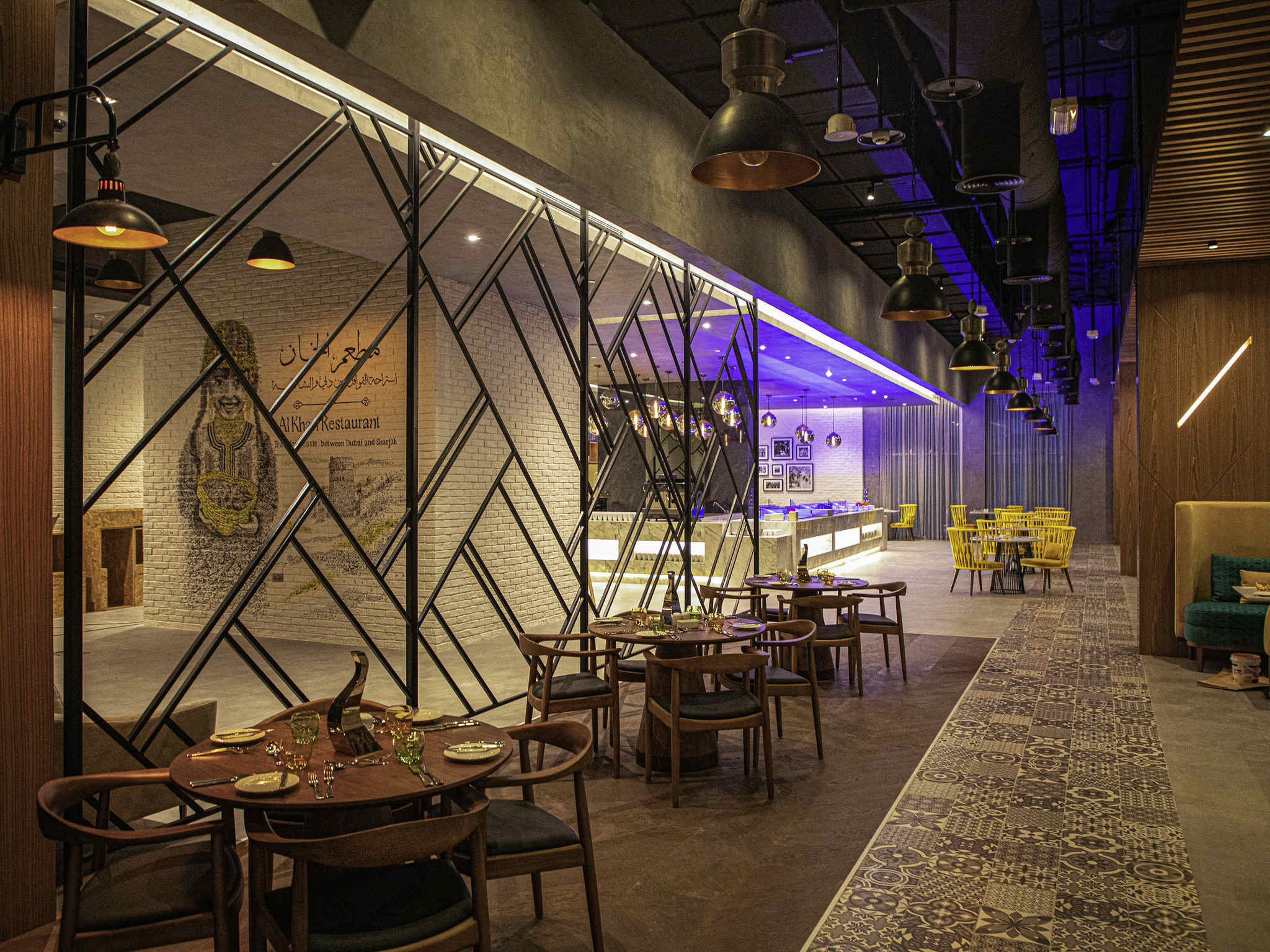
The Pullman Sharjah Hotel and Residential Unit, a luxury twin tower block located in the United Arab Emirates, is benefiting from a range of innovative life safety technologies from leading manufacturer, Hochiki.
The 43-storey property is home to a modern 5-star hotel in one tower and residential apartment block in the other, with a communal basement connecting the two.
With approximately 1,500 occupants, installation firm Dafoos Fire Protection knew the buildings needed to be equipped with the latest fire and safety technology, so turned to Hochiki Middle East to provide a hospitality solution that met the required standards and could be installed with minimal disruption.
Dafoos Fire Protection specified Hochiki’s renowned L@titude system, a powerful and sophisticated control and indication system that combines the very latest hardware and software, and FIREscape emergency lighting.
An innovative, reliable solution
The innovative life safety platform L@titude, has been installed by Dafoos Fire Protection across the numerous floors of the hotel and residential units, to ensure controlled and ultra-reliable protection for occupants and their possessions.
The L@titude control panel has been designed to maximise usability and ease of operation for end users, so facilities management and maintenance teams can instantly locate safety breaches in real-time from any location.
To allow clear and concise information to be displayed about each detection device within the hotel and apartment blocks, the product also uses a full-colour touchscreen display.
The modular nature of the system allows all field wiring to be connected to a passive mother board, enabling addition, re-configuration or replacement of electronic hardware without the need to disconnect older wiring. This, in turn, allowed for a quick and easy installation process, with minimal disruption.
The L@titude panel is available in either EN or UL system configurations, ideal for a region that regularly specifies projects involved in both types of system approvals. For this project, an EN (European) system was specified, with L@titude being complaint with the highest European global safety standards, including EN54-2, EN54-4 and EN54-13, while supporting up to 5,000 cause and effect entries. The platform has a 10,000-capacity event log and can run up to 144 zone indicators.
Subin Suhas, Territory Sales Manager at Hochiki Middle East, explained: “This project was quite challenging due to the infrastructure and the number of devices that would be needed throughout the buildings. As we were working within a hotel as well, the client wanted to ensure the products used were of a high quality and known for fewer false alarms, so we knew L@titude was the perfect solution. The fact we could offer a combination of fire alarms and emergency devices under the same umbrella was also an added advantage, with FIREscape ensuring an added layer of safety for occupiers.”
FIREscape is a unique, cost effective and fully compliant emergency lighting system. It is based around an addressable, emergency lighting control panel with a battery back-up and features self-contained LED luminaries and exit signage connected via screened, extra-low voltage cabling. FIREscape is also a fully self-monitored and self-testing system with a central point of control, making both installation and maintenance quick and easy.
Dafoos Fire Protection installed seven L@titude panels, each of which had eight circuit loops, and around 3,500 fire alarm devices throughout the towers. Eight emergency lighting panels and 1,200 devices were installed. Throughout the installation, Hochiki engineers visited the site on multiple occasions to provide extended help in design and commissioning, and to offer support with inspections from the civil defence.
Vijay Chandran, Marketing Manager at Dafoos Fire Protection Equipment, commented: “For this project, we needed to ensure we could provide reliable products with high compliance to standards. Hochiki clearly outlined how each of the products conformed to industry, European and global standards, and we were also very impressed with the quality of materials used. Due to the scale of the project, the approvals process involved different stages with multiple product submittal involving numerous brands, but Hochiki really stood out and the support we received from its team of engineers throughout the installation was extremely valuable in ensuring the work ran smoothly. The installation was quick and easy, and we’ve left the customer with the confidence that the building is protected to the highest standard.”
For more information about Hochiki’s L@titude and FIREscape products, please visit: www.hochikieurope.com.
C-TEC’s innovative CAST XFP addressable fire alarm system has been specified for a high-tech logistics site in County Durham.
Established in 1954, Stiller Warehousing & Distribution Ltd is one of the UK’s leading specialists in the storage and distribution of palletised goods with a turnover of £14M.
The purchase of a new 94,000 sq ft site to accommodate existing client growth led to the company approaching Key Security Group to design, supply and install a fire system to meet the site’s specific requirements. However, due to a major order and a delivery that would fill up the entire warehouse, the installation had to be completed within two weeks.
Tony Leck, Key Security’s Head of Systems said: “The tight two-week timescale presented a big commitment due to the sheer size of the building. As a swift installation was required, we specified C-TEC’s robust and easy-to-install CAST addressable system.
“With a short-circuit loop isolator in each device to simplify fault-finding, multi-level addressing for easy device addition and two speedy programming options, we were confident CAST XFP could be installed quickly and meet the requirements for a first class intelligent fire system for the site.”
In a project undertaken by Key Security’s own specialist fire engineers and managed by Tony Leck, a 2-loop 32-zone CAST addressable fire panel connected to over 500 CAST XFP detectors, sounder VADs and multi-sensors was installed.
Third-party manufactured beam detectors were also interfaced to the system via CAST XFP input output units to cover the vast warehouse space. The system was then commissioned by Key, all within the two-week deadline.
Tony added: “C-TEC’s CAST system is very intuitive, easy-to-install and proved ideal for this time-tight installation. C-TEC also offer a fantastic technical support service and are always available to answer any enquiries which is great when you are on site. CAST is a powerful high-quality fire system and definitely our system of choice for future projects.”
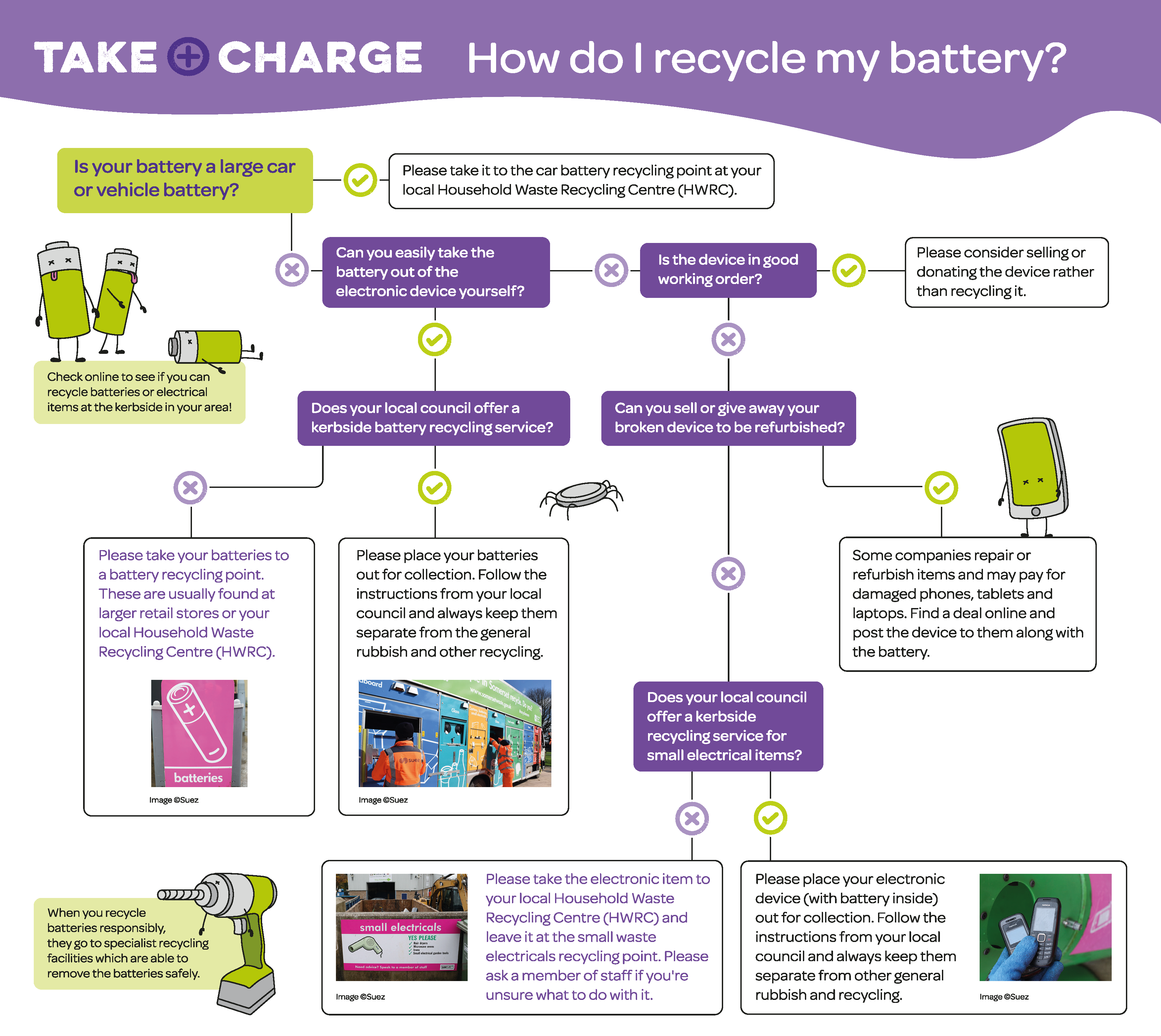
Consumers across the UK are today being urged to “join the fight against Zombie batteries” in a bid to tackle the growing number of fires caused by carelessly discarded dead batteries.
The National Fire Chiefs Council (NFCC) supports the new national Take Charge campaign, which urges consumers to only recycle dead batteries using specialist battery recycling services, and to never throw batteries away alongside general rubbish or other recycling.
Dead batteries thrown away with other waste and recycling, which the campaign refers to as “zombie batteries”, are likely to be crushed or punctured once the waste is collected and processed. Some battery types in particular, like lithium-ion (Li-ion) and nickel-metal Hydride (NiMH), can ignite or even explode when they’re damaged. Once this happens, the batteries can quickly set fire to other materials present in the waste, like paper, leading to serious incidents that put lives at risk.
Although safe to use normally, powerful lithium-ion batteries are typically the most dangerous if they are not recycled properly. These batteries are often found in products like laptops, tablets, mobile phones, radio-controlled toys, Bluetooth devices, shavers, electric toothbrushes, power tools, scooters and even e-cigarettes.
The recycling and waste management trade body, the Environmental Services Association (ESA), which launched the campaign, conducts an annual survey of its members to record the proportion of fires occurring at recycling and waste facilities that are known or thought to have been started by lithium-ion batteries in particular.
Recent data collected by the ESA shows that, between April 2019 and March 2020, lithium-ion batteries alone were thought to be responsible for more than 250 fires at its members’ facilities during the year – or well over a third (38%) of all fires.
Members of the ESA hope that by encouraging the public to recycle batteries responsibly, it will reduce the number of “zombie batteries” present in general waste and recycling, thereby reducing the number of fires in future.
Executive Director of the Environmental Services Association (ESA), Jacob Hayler said: “Unfortunately, the majority of batteries thrown away in the UK at the moment are not recycled properly. Fires caused by carelessly discarded batteries endanger lives; cause millions of pounds of damage and disrupt waste services. We urge consumers to please recycle batteries responsibly by using widely available local battery recycling services.”
Mark Andrews, NFCC Waste Fires Lead and Assistant Chief Fire Officer of East Sussex Fire and Rescue Service, said: “Batteries in household waste and recycling can lead to large scale and protracted fires. These incidents are often very challenging for fire services to deal with and can cause significant disruption to communities. “Many people may not realise the importance of the correct disposal of batteries so this simple advice can make a real difference in preventing waste fires”
Consumers can find out more about the dangers of Zombie Batteries, by visiting the campaign website at www.takecharge.org.uk
Fraport Aviation Academy has announced a new partnership with STHAMER, one of the leading researchers, developers and producers of foam fire extinguishing compounds, as it prepares for stricter European legislative requirements, develops safer aviation foam training, and tries to decrease the overall impact of fire intervention on the environment and health of firefighters.
Growing environmental awareness and the related requirements are becoming increasingly challenging for the field of firefighting, but they also promote the development of environmentally sound technologies and products.
This particularly affects firefighting with foam agents; there is a push to replace the currently most-used foam agent worldwide, AFFF (Aqueous Film Forming Foam), with Fluorine-Free Foam, which has been developed to avoid issues with recent European regulations on fluorine-containing chemicals.
AFFF is known for its high performance, which is based on fluoro-organic compounds such as fluorosurfactants and fluoropolymers. As these chemicals make foam bubbles fuel repellent, AFFF has proven to be very efficient at extinguishing chemical and petrochemical fires.
However, apart from its lack of biodegradability, it poses hazards to health and the environment, and so its use is going to become more and more limited by both legal restrictions and the fear of liability issues following AFFF-use.
Fluorine-Free Foam agents have been known for a long time, and under the pressure on AFFF have improved significantly and are now able to yield a fire performance similar to AFFF if properly applied.
Fraport Aviation Academy and STHAMER have wealth of experience
Fraport Aviation Academy provides training for airport firefighters based on several European, non-European and national standards and regulations, which all require safe and realistic training with all the available extinguishing agents.
“Although our training field is well-equipped for training with AFFF, we have decided to use Fluorine-Free Foam as the safer alternative. It not only preserves the environment and the health of the training participants, but prepares them for the future,”said Thomas Uihlein, Director of Aviation Academy.
The new generation of foams require the development of new extinguishing/application methods and tactics to maximise their extinguishing capabilities, which can only be carried out through testing. The partners will work together to develop these tactics, increase awareness of raising environmental demands, and create better understanding of the new generation of Fluorine-Free Foams.
Fraport Aviation Academy and STHAMER both have a long tradition and huge experience in their respective fields. Outstanding theoretical knowledge and practical experience set the foundation for the development of new products, procedures and guidelines. The partners are committed to increasing firefighters’ knowledge of Fluorine-Free Foam and helping them understand how to best apply this new foam type in order to maximize results.
The companies already began to pursue this goal last week, when they prepared the first lecture and presentation for representatives of the Slovene firefighting community. At the same time, they have also begun to develop new training courses for aviation firefighters in order to fill the identified knowledge gap and equip firefighters with better skills for the future.
Luminite Electronics, manufacturer of the widely used wireless Genesis PIR detector range has added wireless heat and smoke detectors that, when used with a Genesis IP masthead receiver, will provide a site wide security solution for evolving construction projects.
When triggered, the heat and smoke detectors will send an alert via the masthead receiver informing the end user of the location of the heat/smoke event. The heat and smoke detectors can alternatively be used in conjuction with Nexus Fire Alerts so that the entire site can be alerted both audibly and visually via sounders and strobes.
Any existing system already using Genesis detectors with an IP masthead can add heat and smoke sensors to the system as one of it’s 64 reporting units. With the IP masthead working with a variety of remote monitoring software platforms including Immix, Hikvision and Dahua this added functionality is a powerful tool in the early detection of arson or accidental fires, particularly in timber framed buildings.
The Genesis PIR detectors and Nexus Call Points have a transmission range of 1km and heat and smoke detectors of 100m. The systems are portable and quick and easy to install with no civil works or cabling required.
Heat and smoke detectors comply with European regulations. The smoke detectors are approved to EN15604:2005 standard and the heat detectors conform to BS5446-2:2003 standard. Genesis detectors are EN505-1 Grade 2 compliant.
For more information contact Laura Grainger at Luminite on 0208 368 7887 or visit www.luminite.co.uk
Fire poses a significant risk to the hospitality sector – apart from causing costly damage and bringing operations to a halt, CLM Fireproofing claims it can seriously undermine an organisation’s brand. The evidence suggests fire is fairly commonplace in the industry; according to the government’s latest figures, hotels are one of the most vulnerable types of buildings, with 263 out of every 1,000 experiencing a fire in the period September 2012 – September 2019. Pubs, restaurants, and takeaways fared slightly better, with 89 fires per 1,000 buildings during the same period – yet the figure remains unacceptably high.
So, what are fire risks behind these statistics? In this article, CLM Fireproofing highlight the main causes of fire in the hospitality industry, and how effective passive fireproofing can help to prevent them.
Cooking Equipment
One of the most common places for fires to start is in the kitchen. Risks arise from the use of combustible materials (frying medium), faulty or unsupervised equipment, and human error. According to the London Fire Brigade, 44% of all restaurant fires in the capital during 2015-2017 started from cooking. Kitchen fires are also more likely to develop into serious blazes which cause significant damage. Worldwide insurer, AIG, estimates the average loss per significant
Cigarettes
Despite a decrease in the total number of smokers in the UK cigarettes and other smoking materials still pose a significant fire risk both to the hospitality industry and elsewhere. The latest data (from 2018/19) shows that they accounted for 8% of all accidental dwelling fires. More significant, however, is that fires caused by cigarettes, cigars, or pipe tobacco are more fatal; 34% of fires ignited by smoking materials in 2018/19 resulted in at least one fatality.
Electrical appliances
Hotels, restaurants, and bars are full of electrical appliances. From lamps and kettles, to hairdryers and irons, there are many appliances that pose a potential fire risk. Whilst not relating specifically to their use in the hospitality sector, the number of electrical appliance fires has increased dramatically in the past decade; in 2019/20 there were 21% more instances than in 2010/11, probably as a result of the increased number of electrical appliances in circulation.
How to mitigate fire risk in the hospitality industry
The effective management of fire risk for hotels, bars, and restaurants requires thorough fire risk assessments, regular and properly-documented checks, and the stringent implementation of policies in line with current fire safety regulations. Just as important (if not more so) is passive fireproofing; whether through compartmentation or intumescent painting, passive fireproofing helps to stop the spread of fire, limiting the damage it causes and giving occupants more time to escape safely. With limited fire damage and minimal risk to occupants, your business can return to operations sooner and negate any reputational harm.