Heathrow Airport closure following fire triggers scrutiny of power supply systems

Impact of Heathrow closure questioned after power supply failure

More than 1,300 flights were cancelled on 21 March 2025 after a fire damaged an electrical substation serving Heathrow Airport.

According to AP News, airport executives said the disruption lasted 18 hours and affected over 200,000 passengers, prompting criticism of Heathrow’s planning and operational response.

Heathrow said the incident required “hundreds of critical systems across the airport” to be “safely powered down and then safely and systematically rebooted”.

The International Air Transport Association (IATA) criticised the lack of redundancy in Heathrow’s infrastructure.

Willie Walsh, IATA’s Director General, said: “This is yet another case of Heathrow letting down both travellers and airlines. And that begs some serious questions.”

Power supply resilience under scrutiny

Heathrow’s management and the National Grid have disagreed over whether the airport could have remained operational using other substations.

John Pettigrew, National Grid’s chief executive, said to the Financial Times: “Each substation individually can provide enough power to Heathrow.”

He added: “Losing a substation is a unique event — but there were two others available. So that is a level of resilience.”

In contrast, Heathrow said its response was focused on safety and that operations resumed “as soon as safely and practically possible”.

Transport Secretary Heidi Alexander stated: “It required hundreds of systems to be safely powered down and then safely powered up with extensive testing.”

Police and security response to substation fire

The London Fire Brigade is leading the investigation into the incident.

Police initially treated the case with counterterrorism protocols due to heightened concerns about infrastructure sabotage across Europe.

However, authorities later confirmed there was “no indication of any foul play”.

MI6 has previously warned of sabotage risks linked to Russia.

Gareth Bacon, transport spokesperson for the Conservative Party, said in Parliament: “Malicious actors will undoubtedly have taken note of this weekend’s events.”

Decision-making process at Heathrow faces review

Questions have been raised regarding Heathrow’s internal decision-making during the incident.

Heathrow CEO Thomas Woldbye assigned the airport’s Chief Operating Officer, Javier Echave, to lead the response.

When asked about the leadership decisions, Transport Secretary Alexander said: “I don’t have all the information that they had available when they made the decision.”

She added: “Safety should always be paramount, but, as I say, it was not my decision.”

Government commissions urgent investigation into Heathrow incident

On 22 March 2025, the UK government formally launched an investigation into the Heathrow power outage.

Energy Secretary Ed Miliband commissioned the National Energy System Operator (NESO) to lead the inquiry under powers granted by the Energy Act.

The investigation will examine the causes of the outage and assess the resilience of energy systems supporting critical national infrastructure.

Miliband said: “That is why working with Ofgem, I have today commissioned the National Energy System Operator to carry out an investigation into this specific incident.”

Investigation to examine broader implications for energy security

NESO will work with Ofgem and other stakeholders, including Heathrow Airport, to assess the incident’s technical causes.

NESO Chief Executive Fintan Slye said: “We will now work with all relevant stakeholders to understand the lessons that can be learned to improve future resilience of Great Britain’s energy system.”

The terms of reference for the investigation will be agreed between NESO, Ofgem and the Department for Energy Security and Net Zero.

Initial findings are expected within six weeks.

Ongoing review part of wider UK energy resilience efforts

The Heathrow investigation forms part of the government’s broader “Plan for Change” to strengthen national infrastructure.

This plan includes the Cabinet Office’s resilience review, which is still underway and due to report in spring 2025.

Transport Secretary Alexander said: “Heathrow is a massive airport that uses the energy of a small city, so it’s imperative we identify how this power failure happened and learn from this.”

Akshay Kaul, Director General for Infrastructure at Ofgem, said: “It’s important we now understand how that happened. Households and businesses should be able to have confidence in the resilience of critical national infrastructure.”

Regulatory oversight and enforcement powers

If the investigation identifies breaches of standards or licence obligations, Ofgem has stated it will consider taking enforcement action.

Kaul said: “To the extent the review finds any breaches of standards or licence obligations, we will not hesitate to take action.”

The findings will inform future steps to strengthen energy resilience and emergency response planning.

Further details of the investigation’s scope will be published in the coming days.

Heathrow power outage triggers UK infrastructure review: Summary

On 21 March 2025, a fire damaged one of three electrical substations serving Heathrow Airport.

The incident resulted in the cancellation of more than 1,300 flights and disrupted travel for over 200,000 passengers.

Heathrow said it safely rebooted systems after an 18-hour shutdown.

National Grid stated that the other two substations could supply sufficient power.

IATA criticised Heathrow’s planning and called for a fairer cost allocation.

Police ruled out foul play.

On 22 March, Energy Secretary Ed Miliband commissioned NESO to investigate the outage.

Ofgem and NESO will assess the technical causes and recommend improvements to energy resilience.

NESO’s initial findings are expected within six weeks.

The Cabinet Office’s broader resilience review is ongoing.

Ofgem has stated it will take enforcement action if any licence breaches are identified.

The investigation’s scope and terms will be published in coordination with the Department for Energy Security and Net Zero.

Faulty electricals spark thousands of house fires in UK: fire services issue festive season safety warnings

Fire risks heightened during festive season, according to new data

Research by Legal Expert, based on Freedom of Information requests to UK fire services, has linked thousands of house fires to faulty electrical products, with increased risks during the holiday season.

The reports highlight issues with wiring, cooking appliances, and online purchases as common sources of electrical fires across the UK.

Fire services from Cambridgeshire to Greater Manchester are issuing reminders to exercise caution with electrical devices, decorations, and holiday lighting.

According to the Home Office, faulty electrics cause approximately 4,000 house fires annually.

Cambridgeshire Fire and Rescue Service reports a substantial number of incidents tied to lithium battery-powered devices, such as e-bikes and e-scooters, which can result in dangerous battery explosions.

Station Commander Gareth Boyd said: “Our crews have dealt with an increased number of incidents involving e-bikes, e-scooters, and lithium battery-powered devices.” He advised residents to use original chargers and avoid cheaper alternatives that can lead to thermal runaway incidents.

Essex Fire Service urges verification of online purchases

Essex Fire and Rescue Service has identified counterfeit online purchases as a contributing factor to electrical fire risks.

With over 1,100 electrical fires reported in Essex in the past three years, the service stresses the importance of verifying the safety certifications, such as UKCA or CE marks, of products bought from online retailers.

Head of Prevention Andrea MacAlister said: “Cheap or untested products may save a few pounds initially but can lead to devastating consequences.” She further advised purchasing from reputable sources, particularly during high-sales periods like Black Friday.

The service underscores that counterfeit goods often lack essential safety features, putting buyers at a greater risk.

By choosing verified retailers and avoiding low-cost, uncertified items, consumers can protect themselves and their homes.

East Sussex: electrical supply and kitchen appliances lead fire causes

East Sussex Fire and Rescue Service has responded to 1,300 electrical fires since 2021, with 68% of these occurring in residential properties.

Main causes include problems with electricity supplies and cooking appliances, which accounted for a combined 669 incidents.

The service advised residents to turn off decorative lights and other electrical items when not in use, particularly during the holiday season.

They also issued guidance on battery safety for devices like e-bikes, recommending safe charging practices.

East Sussex Fire advises residents to “switch off fairy lights and unplug them before you go to bed or leave the house,” as improper handling of electrical items can lead to fire incidents.

Warwickshire highlights risks with tumble dryers, dishwashers, and wiring

In Warwickshire, over 210 electrical fires have been reported in the past three years, with wiring, tumble dryers, and dishwashers among the primary causes.

Councilor Andy Crump emphasised the need for fire prevention at the individual level, saying: “Our firefighters are vital in keeping us safe… but it is on us as residents to try and prevent dangerous situations from arising, especially in the home.”

Warwickshire Fire and Rescue Service advises avoiding overloading sockets and recommends using only one plug per socket when possible.

The service underscores that by adhering to basic electrical safety tips, residents can reduce the risk of fire hazards.

Faulty equipment, cooking, and holiday decorations heighten risks in Greater Manchester

Greater Manchester Fire and Rescue Service handled over 3,700 electrical fires over the past three years, with cooking and faulty equipment among the leading causes.

Cooking incidents alone accounted for 1,002 fires, while faulty equipment and defective electricity supplies led to 1,397 incidents combined.

Head of Prevention Paul Duggan advises caution during the holiday season: “Christmas is an extremely busy time of year for our firefighters… by taking care not to leave candles or cooking unattended, and not overloading plug sockets with Christmas lights and electronic toys.”

The service offers special recommendations for those living in high-rise buildings, encouraging residents to ensure clear escape routes and to be cautious with decoration placement.

Faulty electricals spark warnings for holiday season safety

Legal Expert’s findings underline the importance of electrical safety as the festive season approaches.

Fire services across the UK advise the public to verify product safety standards, avoid overloading sockets, and follow essential fire prevention tips to reduce the risks associated with electrical faults.

These services stress the benefits of purchasing items from reputable sources and observing safety practices, aiming to prevent house fires and promote a safe holiday season.

Faulty electricals spark thousands of house fires in UK: fire services issue festive season safety warnings: Summary

Data from Legal Expert’s recent research, based on UK fire service reports, links thousands of house fires each year to faulty electrical items, highlighting increased risks during the Christmas season.

Electrical faults in items like cooking appliances, lithium batteries, and online counterfeit purchases significantly contribute to fire incidents.

Cambridgeshire and Essex fire services have warned of the dangers of low-quality lithium batteries and counterfeit products, while East Sussex, Warwickshire, and Greater Manchester services stress safe practices with decorations, cooking, and device charging.

The research urges vigilance with electrical products, purchasing only from reputable retailers, and practising fundamental fire safety measures for a secure holiday season.

South Yorkshire Fire and Rescue Service issues Christmas safety advice amid rising electrical fire incidents

South Yorkshire Fire and Rescue Service warns of electrical fire risks

South Yorkshire Fire and Rescue Service (SYFR) has responded to nearly 2,000 electrical fires in the past three years, with domestic properties accounting for over 60% of incidents.

Figures, shared by Legal Expert, indicate that cooking is the primary cause of these fires, with faulty electrical equipment and appliances also contributing.

Nationally, approximately 4,000 house fires are caused by faulty electrics each year, as reported by the Home Office.

Ahead of the Christmas season, SYFR issued a safety advisory encouraging residents to exercise caution, particularly in the kitchen, where many household fires begin.

The service stated: “Do not leave cooking unattended. The kitchen is often the centre of activity during the Christmas period, but it’s also where many fires start.”

Breakdown of SYFR’s response to electrical fires

Between 2021 and 2024, SYFR responded to 1,891 electrical fires, with 1,127 occurring in homes and 315 in commercial buildings such as offices.

Cooking incidents represented 354 of these cases, while faulty equipment and appliances accounted for 293 incidents.

Fires resulting from faulty electrical supplies made up 234 cases.

SYFR provided a list of the five most frequent causes of electrical fires in homes, with cookers and ovens identified as the primary cause, leading to 450 fires since 2021.

Wiring, cabling, and plugs, including seasonal items like Christmas lights and everyday items like phone chargers, caused 293 fires.

Changing trends in household fire hazards

SYFR’s analysis also highlighted evolving trends in fire hazards linked to electrical appliances.

Batteries or generators were the third most common cause of electrical fires in 2021–2022, while microwave ovens held this position in 2022–2023.

In the current year, separate hot plates or rings have been the third most common cause, with 28 incidents reported.

SYFR also reported four fatalities and 171 injuries related to electrical fires over the past three years.

Christmas safety advice from South Yorkshire Fire and Rescue Service

In its statement, SYFR urged residents to be cautious with holiday electrical decorations, particularly Christmas lights.

The advisory noted: “Christmas lights add festive charm but can be a potential fire hazard if not used safely.

“Check for damage, use certified lights, don’t overload, and turn off when not in use.”

Legal Expert, a firm with personal injury solicitors specialising in electrical fire claims related to defective products, operates a 24-hour helpline and offers online claims assistance on its website for those affected by such incidents.

South Yorkshire Fire and Rescue Service issues Christmas safety advice amid rising electrical fire incidents: Summary

South Yorkshire Fire and Rescue Service (SYFR) has responded to 1,891 electrical fires over the last three years, with cooking and faulty appliances as primary causes.

Most incidents occurred in domestic properties, with cookers and ovens cited as the leading source.

Changes in commonly implicated appliances were observed, including batteries in 2021–2022, microwaves in 2022–2023, and hot plates this year.

Ahead of Christmas, SYFR advises residents to use caution with festive decorations, particularly electrical lights, and stresses the importance of not leaving cooking unattended.

Four deaths and 171 injuries were reported from these incidents over the past three years.

Legal Expert, which offers a helpline and online support for claims related to electrical fires, provided these findings.

What Extinguisher Should Be Used for Electrical Fires?

Fires can start unexpectedly and spread quickly. 

Knowing how to respond is essential. 

One common type of fire is an electrical fire. 

These fires involve electrical equipment and wiring. 

Knowing what extinguisher should be used for an electrical fire can prevent injuries and save property. 

This article will guide you on which extinguisher to use for electrical fires, how to use it, and how to handle electrical fire emergencies.

What Types of Fire Extinguishers are There?

fire extinguisher types

There are 5 main types of fire extinguishers, each used for different classes of fire

Water

Water fire extinguishers are designed for Class A fires, which involve ordinary combustibles like wood, paper, and textiles. 

They work by cooling the burning material, which helps to extinguish the fire. 

Some water extinguishers are not suitable for electrical fires or fires involving flammable liquids and gases, as water can spread the fire or cause electric shock.

Foam

Foam fire extinguishers are suitable for Class A and Class B fires. 

They work by forming a blanket over the burning material, cutting off the fire’s oxygen supply and cooling the material. 

Foam extinguishers are effective on flammable liquids like petrol and oil, but they should not be used on electrical fires, as foam can conduct electricity and cause hazards.

Dry Powder

Dry powder fire extinguishers are versatile and can be used on Class A, B, and C fires. 

They contain a powder that smothers the fire, cutting off its oxygen supply. 

These extinguishers are suitable for flammable liquids, gases, and electrical fires. 

However, they leave a residue that can damage sensitive equipment and create a mess.

CO2

Carbon dioxide (CO2) fire extinguishers are primarily used for Class B and electrical fires. 

They work by displacing the oxygen around the fire and cooling it. CO2 extinguishers are ideal for electrical fires because they leave no residue and do not damage electrical equipment. 

However, they are not effective on Class A fires and should not be used in confined spaces due to the risk of asphyxiation.

Wet Chemical

Wet chemical fire extinguishers are specifically designed for Class F fires, which involve cooking oils and fats. 

They contain a solution that reacts with the burning oil to form a thick, soapy layer on the surface, cutting off the oxygen supply and cooling the oil. 

Wet chemical extinguishers are highly effective in commercial kitchens but are not suitable for other types of fires.

What Extinguisher Should Be Used for Electrical Fires?

what extinguisher used for electrical fire image
Source: Amazon

For electrical fires, which are one of the most dangerous types of fire, the safest and most effective fire extinguishers are Dry Powder and CO2 (carbon dioxide) extinguishers.

Dry Powder Extinguishers

Dry Powder extinguishers are specifically designed for electrical fires. 

They contain non-conductive agents like dry chemicals, such as monoammonium phosphate or sodium bicarbonate

These agents interrupt the chemical reaction of the fire and do not conduct electricity, making them safe for use on electrical equipment.

CO2 Extinguishers

CO2 extinguishers are also suitable for electrical fires. 

Carbon dioxide is a non-conductive gas that displaces oxygen around the fire, suffocating it. 

Additionally, CO2 extinguishers cool the equipment, helping to prevent re-ignition. 

Since CO2 leaves no residue, it is ideal for use on sensitive electronic devices and machinery.

Certain Water-Based Fire Extinguishers

An approved water-based extinguisher or one that has passed a di-electrical test is safe to use on live electrical equipment up to 1000V, provided you maintain a distance of at least 1 meter.

This safety standard is recognized internationally and is outlined in the BS EN 3-7 product standard, ensuring its reliability and effectiveness.

What are the Dangers of Using the Wrong Fire Extinguisher Type on an Electrical Fire?

electrical fire wrong extinguisher dangers

Using the wrong type of fire extinguisher on an electrical fire can pose several serious dangers.

Electric Shock

Water-based and foam extinguishers can conduct electricity. 

Using these on an electrical fire can result in electric shock to the person operating the extinguisher. 

This can lead to severe injury or even death.

Fire Spread

Some water and foam extinguishers are ineffective on electrical fires and can cause the fire to spread. 

Non-dielectric tested water extinguishers can cause the fire to spread to other areas by dripping into electrical systems and creating short circuits. 

Foam can have a similar effect by spreading conductive materials.

Equipment Damage

Using incorrect extinguishing agents can damage electrical equipment irreparably. 

For instance, dry powder extinguishers leave a residue that can harm sensitive electronics. 

This residue is difficult to clean and can cause long-term damage.

Ineffective Fire Suppression

Using an inappropriate extinguisher may provide ineffective fire suppression, leaving it to grow and become more dangerous. 

This inefficacy wastes critical time during an emergency, allowing the fire to spread and cause more damage.

Toxic Fumes

Using the wrong extinguisher can produce toxic fumes, especially if the extinguishing agent reacts with the burning materials. 

These fumes can be harmful if inhaled and pose additional health risks.

How to Use a Fire Extinguisher 

how to use a fire extinguisher

Knowing how to use a fire extinguisher properly is crucial for effectively combating small fires. 

The PASS technique is a simple method to remember:

Pull the Pin

Pull the pin at the top of the extinguisher. 

This action breaks the tamper seal and allows you to discharge the extinguisher.

Aim at the Base

Aim the nozzle or hose at the base of the fire. 

Focusing on the base, where the fuel source is, helps to extinguish the flames more effectively.

Squeeze the Handle

Squeeze the handle or lever slowly and evenly. 

This releases the extinguishing agent. 

Make sure to control the discharge by applying steady pressure.

Sweep Side to Side

Sweep the nozzle or hose from side to side at the base of the fire. 

Continue this motion until the fire is completely out. 

Be thorough and ensure the fire doesn’t reignite.

Safety Precautions

  • Stay Alert: Always keep an eye on the fire, even after it seems to be extinguished.
  • Maintain Distance: Stand at a safe distance from the fire, typically about 8-10 feet, and move closer as the fire diminishes.
  • Know When to Evacuate: If the fire becomes uncontrollable or spreads rapidly, evacuate immediately and call emergency services.

What are the Main Causes of Electrical Fires?

electrical fire causes

Electrical fires are a common and dangerous type of household fire. 

Understanding their causes can help in preventing them.

Faulty Wiring

Old, damaged, or improperly installed wiring is a leading cause of electrical fires. 

Over time, wires can degrade, leading to exposed or frayed wires that can spark and ignite surrounding materials. 

Additionally, amateur electrical work can create unsafe conditions that may result in fires.

Overloaded Circuits

Plugging too many devices into a single outlet or power strip can overload circuits. 

This overload causes excessive heat, which can melt the wiring and start a fire. 

Using high-wattage appliances on circuits not designed to handle them is particularly risky.

Faulty Appliances

Defective or poorly maintained appliances can also spark electrical fires. 

Appliances with damaged cords or internal electrical faults can overheat and ignite. 

Regular maintenance and prompt repairs are essential to keep appliances safe.

Extension Cords

Improper use of extension cords is another common cause. 

Extension cords can overheat if used to power high-wattage appliances or if they are used for long periods. 

Running extension cords under carpets or through doorways can damage them, increasing the fire risk.

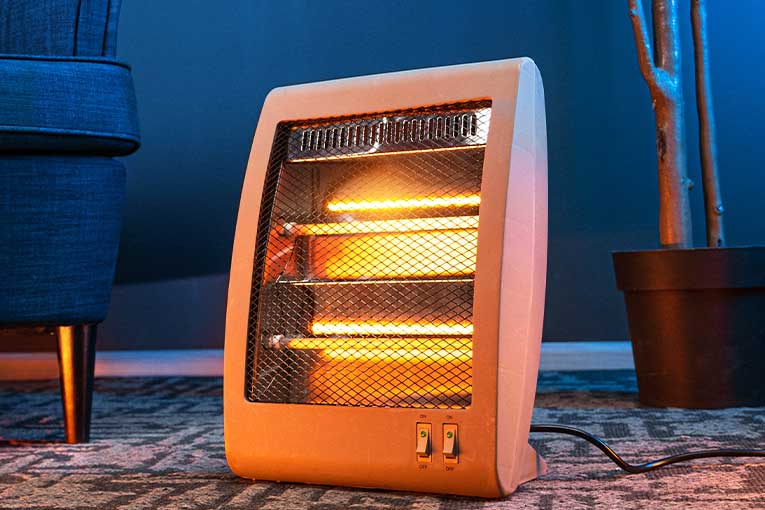
Space Heaters

Space heaters are often used to provide additional warmth but can be dangerous if not used correctly. 

Placing them too close to flammable materials or leaving them unattended can cause fires. 

Heaters with faulty thermostats or those left on for too long are particularly hazardous.

Light Fixtures

Using incorrect bulb wattage in light fixtures can lead to overheating. 

Exceeding the recommended wattage can cause the light fixture to overheat, melt, and potentially ignite surrounding materials. 

Ensure all bulbs match the recommended wattage for your fixtures.

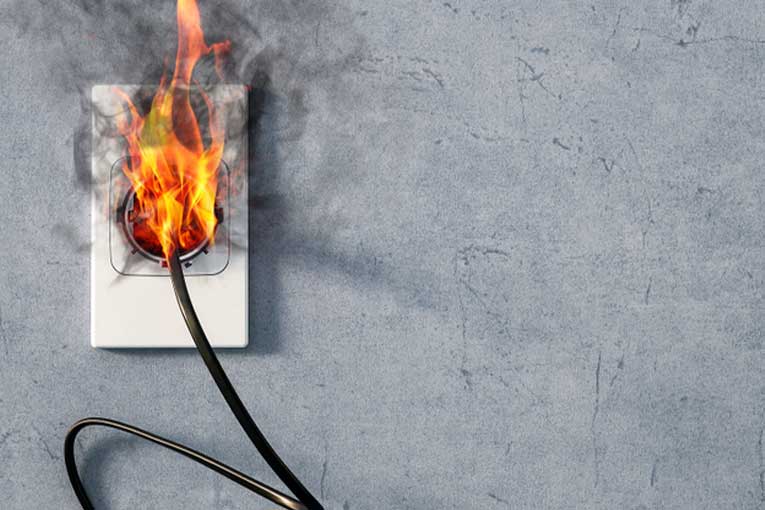
Electrical Outlets

Loose or worn-out electrical outlets can cause arcing, where electricity jumps from one connection to another. 

This arcing can generate heat and ignite nearby materials. 

Ensuring outlets are securely fitted and in good condition helps prevent this risk.

What to do if There is an Electrical Fire?

electrical fire what to do

If there is an electrical fire, use these steps to stay as safe as possible: 

Stay Calm and Assess the Situation

If an electrical fire starts, staying calm is crucial. 

Panicking can lead to mistakes and make the situation worse. 

Quickly assess the severity of the fire. If it is small and manageable, you might be able to extinguish it safely.

Disconnect Power

If it is safe to do so, disconnect the power source to the electrical device causing the fire. 

This can often be done by unplugging the device or turning off the power at the circuit breaker. 

Cutting off the power source can help stop the fire from spreading.

Use the Right Extinguisher

Use a Dry Powder or CO2 fire extinguisher, which is designed for electrical fires. 

Remember to use the PASS technique: Pull the pin, Aim at the base of the fire, Squeeze the handle, and Sweep from side to side.

Evacuate if Necessary

If the fire is too large or out of control, evacuate immediately. 

Do not try to extinguish a fire that is spreading rapidly or producing a lot of smoke. 

Make sure everyone in the building is aware of the fire and evacuates safely. 

Close doors behind you as you leave to help contain the fire.

Call Emergency Services

Once you are safely outside, call the emergency services number. 

Provide the dispatcher with your location and details about the fire. 

Do not assume someone else has already called. 

Emergency responders have the equipment and expertise to handle electrical fires safely.

Do Not Use Water

Never use water to extinguish an electrical fire. 

Water conducts electricity, which can cause electric shock and make the fire worse. 

It is essential to use only the appropriate fire extinguishers.

Wait for Professionals

Wait for the fire department to handle the situation. 

They have the necessary training and equipment to extinguish electrical fires safely and prevent them from reigniting.

Conclusion

Electrical fires can be dangerous, but knowing how to prevent and respond to them can save lives and property. 

Use CO2 extinguishers for electrical fires and follow the PASS technique for effective use. 

Regularly inspect your home for potential fire hazards, maintain electrical equipment, and never use water on an electrical fire. 

By staying informed and prepared, you can protect your home and loved ones from the dangers of electrical fires.

How to Put Out an Electrical Fire

Electrical fires are not only frightening but also pose a severe threat to life and property. 

Understanding the dynamics of these fires and, more importantly, knowing how to respond is paramount for personal safety. 

This article delves into the origins of electrical fires, provides practical insights into how to put out an electrical fire, and imparts crucial preventive measures. 

Hopefully you’ll gain the knowledge needed to protect yourself, your loved ones, and your surroundings from the potentially devastating consequences of electrical hazards.

What Causes Electrical Fires?

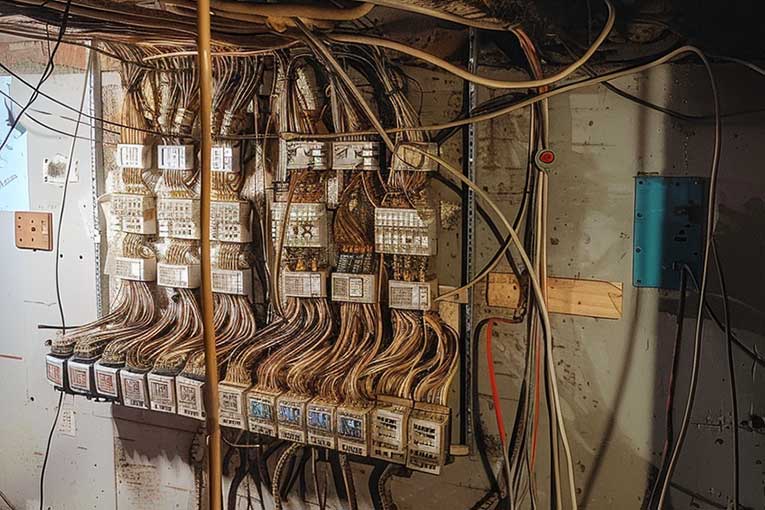
Overloading circuits cause electrical fires
Overloading circuits will cause electrical fires

Electrical fires can ignite from various sources, often stemming from issues within the electrical systems themselves. 

Here’s a breakdown of the common causes:

Faulty Wiring

Old or improperly installed wiring is one of the most common causes of fire.

Frayed wires, loose connections, or overloaded outlets can create a spark, initiating a fire hazard.

Appliance Malfunctions

Defective appliances, especially those with damaged cords or internal faults, can be catalysts for electrical fires. 

Overheating due to prolonged use or manufacturing defects can escalate the risk.

Outdated Electrical Systems

Ageing electrical systems, unable to meet the demands of modern appliances, are susceptible to overheating. 

This can result in sparks, leading to potential fire outbreaks.

Overloaded Circuits

Plugging too many devices into a single circuit can overload it, causing overheating and sparks. 

This is particularly prevalent in older homes with limited electrical capacity.

Power Strips and Extension Cords

Improper use of power strips and extension cords, such as daisy-chaining them or using them for high-wattage appliances, can lead to overheating and electrical fires.

Light Fixtures

Faulty light fixtures or incorrect wattage bulbs can generate excess heat, posing a risk of fire. Ensuring proper installation and using appropriate bulbs is essential.

Electrical Appliances Left On

Leaving electrical appliances on for extended periods, even when not in use, can result in overheating and potential fire hazards.

Infestations

Rodents chewing on electrical wiring can expose the conductors, leading to short circuits and the possibility of electrical fires.

Natural Disasters

Extreme weather events, such as lightning strikes or power surges during storms, can cause electrical fires by overwhelming the system.

Poor Electrical Maintenance

Neglecting regular electrical maintenance, including checking for wear and tear, loose connections, and outdated components, increases the likelihood of electrical fires.

Thermal Runaway

Thermal runaway is a phenomenon where a device’s temperature escalates uncontrollably, often leading to catastrophic consequences. 

In electrical systems, it’s a potential precursor to fires. 

If a component experiences thermal runaway, it can trigger a chain reaction, causing neighbouring components to heat up rapidly.

How to Put Out an Electrical Fire

Electrical fires demand swift action. 

If you encounter an electrical fire, follow these steps:

Cut the Power

Cutting the power put out electrical fire
Cutting the power will help to put out an electrical fire

The initial and most critical action when dealing with an electrical fire is to sever its power source. 

Find the fuse box and promptly turn off the electricity. 

This action eliminates the fuel that sustains the fire.

Use a Fire Extinguisher

In the case of a small electrical fire, a Class C fire extinguisher is the appropriate tool. 

Aim the extinguisher directly at the base of the flames and sweep from side to side. 

This targeted application helps smother the fire without posing additional risks.

Never Use Water

Water and electricity don’t mix well. 

Never attempt to use water to extinguish an electrical fire, as it can lead to electrocution and worsen the situation. 

Instead, opt for a fire extinguisher designed specifically for electrical fires.

Smother the Flames

Employ a fire blanket or a heavy, non-flammable material to smother the flames. 

Place the blanket over the fire to cut off its oxygen supply, a crucial element for combustion. 

This method is effective for smaller fires on electrical equipment.

Evacuate and Call for Help

If the electrical fire persists or escalates beyond your control, prioritise your safety. 

Immediately evacuate the premises, and from a safe distance, call the fire service

Await professional assistance to handle the situation effectively.

Why Electrical Fires are so Dangerous

Electrical fires pose a significant threat due to their unique characteristics.

Here’s a closer look at why these fires are particularly hazardous:

Rapid Escalation

Electrical fires have a notorious reputation for escalating swiftly. 

The high temperatures generated can cause surrounding materials to catch fire, leading to a rapid spread. 

What begins as a small electrical malfunction can transform into a full-blown inferno within moments.

Toxic Fumes

The materials involved in electrical fires, such as wiring and appliances, release toxic fumes when ignited. 

These fumes can include carbon monoxide and other harmful substances, posing severe health risks to occupants. 

Inhaling these toxic gases can lead to respiratory issues, unconsciousness, and, in extreme cases, fatalities.

Structural Damage

Beyond the immediate flames, electrical fires can cause extensive structural damage. 

The intense heat can compromise the integrity of wiring systems, insulation, and surrounding materials. 

This damage not only causes costly repairs but also increases the risk of subsequent fires.

Risk of Electrocution

Attempting to extinguish an electrical fire with water can lead to a grave risk of electrocution. 

Water conducts electricity, and using it on electrical fires can result in severe injuries or fatalities. 

This unique hazard makes responding to electrical fires more complex and necessitates specialised firefighting measures.

Challenges for Firefighters

Firefighters face distinct challenges when tackling electrical fires. 

The conductivity of electricity can interfere with standard firefighting methods, requiring specialised equipment. 

Moreover, the potential for hidden pockets of fire within walls or electrical systems makes complete extinguishment more challenging.

Reignition Potential

Even after seemingly successful extinguishment, electrical fires can reignite. 

This is often due to hidden smouldering embers or damaged wiring reigniting when power is restored. 

Addressing this reignition potential requires thorough assessment and preventative measures.

What Type of Fire is an Electrical Fire?

Electrical fires fall under Class C fires. 

Unlike other types of fire, they involve energised electrical equipment, making water a dangerous choice for extinguishing.

How to Prevent Electrical Fires

Electrical fires, with their potential for devastating consequences, underscore the importance of proactive preventive measures. 

Here’s a detailed look at how you can significantly reduce the risk of electrical fires:

Regular Inspections and Maintenance

Regular maintenance needed prevent electrical fires
Regular maintenance is needed to prevent electrical fires

Regular inspections of your electrical systems are vital. 

Ensure that wiring, outlets, and appliances are in good condition. 

Any signs of wear, damage, or overheating should be promptly addressed. 

Consider hiring a professional electrician for thorough inspections, especially in older properties.

Avoid Overloading Outlets

Overloading outlets is a common cause of electrical fires. 

Distribute electrical loads evenly and avoid daisy-chaining multiple devices to a single outlet. 

Invest in surge protectors to safeguard against power surges, which can also contribute to overheating.

Use Correct Wattage Bulbs

Incorrectly matched light bulb wattages can generate excessive heat, posing a fire risk. 

Always use bulbs that match the recommended wattage for fixtures. 

Check labels and replace bulbs promptly if they blow or flicker.

Replace Damaged Cords

Frayed or damaged electrical cords are hazardous. 

Replace them immediately to avoid short circuits and potential fires. 

When using extension cords, opt for high-quality ones designed for your specific needs and replace them if they show signs of wear.

Install Arc Fault Circuit Interrupters (AFCIs)

AFCIs detect dangerous electrical arcs, which can cause fires, and automatically shut off the circuit. 

Consider installing AFCIs in your home, especially in bedrooms and living spaces. 

They provide an additional layer of protection against electrical fires.

Keep Combustibles Away

Avoid placing flammable materials near electrical appliances and outlets. 

Curtains, papers, and other combustibles should be kept away from heaters, appliances, and other devices that generate heat.

Professional Wiring for Appliances

Ensure that major appliances like stoves, refrigerators, and washing machines are installed by professionals. 

Improper wiring or installation can lead to electrical faults and fires.

Upgrade Older Wiring

In older homes, outdated wiring systems may not meet current safety standards. 

Consider upgrading to modern wiring, especially if you experience frequent electrical issues or if your home is more than a few decades old.

Educate Household Members

Educate all household members about electrical safety. 

Teach them about the dangers of overloading circuits, the importance of reporting electrical issues promptly, and the proper use of appliances and electronic devices.

Emergency Planning

Include electrical fire safety in your overall emergency planning. 

Ensure that all family members know how to respond to electrical fires, including the location of fire extinguishers and emergency exits.

Conclusion

This article should now give you the information on how to put out an electrical fire.

Knowing how to put out an electrical fire is essential, but prevention is key. 

Prioritise electrical safety through regular maintenance, professional installations, and a quick response to warning signs. 

Your proactive efforts can make a significant difference in keeping your home or workplace safe from electrical fire hazards.

Around 200 shops damaged by fire market in Delhi

A large fire broke out in the shops of Bhagirath Palace market of Chandni Chowk in Delhi, India, last Thursday and has damaged around 200 shops. Firefighters spent several days struggling to suppress the blaze.

A police officer said the fire was brought under control on Friday morning and the cooling process was underway, but had reignited by the evening.

According to officials, the narrow lanes and congested area posed a major challenge for them while dousing the fire. A shortage of water and weak buildings were also said to have been factors in suppressing the fire.

“The narrow bylanes of congested Chandni Chowk made it difficult for the fire tenders to enter the spot. At some places, firefighters were forced to break the barriers which were put up for beautification of Chandni Chowk,” said Atul Garg, the director of Delhi Fire Service.

Most of the around 200 shops gutted in fire in the wholesale market dealt with electronic appliances, a senior police officer said.

Delhi Lieutenant Governor V K Saxena visited the Bhagirath Palace market on Saturday and commented: “With hanging wires, overloaded circuits, old buildings, water shortage and narrow lanes, such areas are dangerously prone to blazes.”

He said a multi-disciplinary committee had been constituted to look into ways to address these issues with the active involvement of residents and other stakeholders in areas like Chandni Chowk, Sadar Bazar, Pahar Ganj and others. A report has been sought within 30 days.

Energy operators warn against meter tampering over fire risk

Energy operators have warned of the risks associated with meter tampering and general electrical equipment interference with new figures showing an almost 400% increase in reported incidents between 2017 and 2021, a trend officials predict will continue to rise in 2022. 

It was shown that tampering with meters and cutting into wires or pipes to interfere with energy supplies has caused house fires, gas leaks and electrocutions and that electricity meters in UK premises are connected to a voltage that can be fatal if not installed by a qualified professional and gas meters ensure there’s a constant and safe flow of gas into a property.  

Investigators recently identified illegal meter tampering as the cause of a tragic fire that gutted a property in Glasgow and led to a woman’s death. Police discovered the fire was started by a spark from a prepayment meter that had been illegally bypassed. 

The dramatic rise in tampering and electrical equipment interference is causing increased risk of incidents for householders as operators are seeing DIY attempts at meter tampering that frequently lead to live electricity conductors being exposed or unsealed holes in gas supply pipes. 

David Spillett, Head of Safety, Health and Environment at Energy Networks Association (ENA), which represents the UK’s electricity and gas network operators, had the following safety warning:  “Tampering with your meter can create a ticking time bomb in your home.   

“The UK’s electrical and gas engineers are highly trained professionals who ensure your home’s power system is entirely safe –  tampering with their work risks serious harm to yourself, neighbours and your loved ones and damage to your property that will not be covered by insurance –  it’s just not worth the risk. 

“If you are struggling to pay your energy bill, please speak to your energy supplier or contact Citizen’s Advice for free and impartial advice.” 
 

Peter Smith,  Director of Policy, National Energy Action said: “National Energy Action campaigns to ensure everyone in the UK can live in a warm and safe home. Given the recent relentless increases in energy bills, we know 6.7 million UK households are now in fuel poverty. The crisis is fuelling many types of unsafe and dangerous coping strategies in the home as millions try and adjust to record high bills.

“This worrying research indicates tampering with energy meters is now on the rise and while the motives, scale and the impact of related injuries or incidents is still largely unknown, it’s right to warn people of the risks.

“Meter tampering can be exceptionally dangerous and in extreme incidents can be life threatening – not only to the perpetrators but also nearby neighbours.”

Electrical fire at Egyptian church claims lives of 41

An electrical fire which swept through an Egyptian Coptic Christian church during Mass on Sunday, caused a stampede has killed at least 41 people, most of them children, according to reports.

The blaze, which began just before 9am in the Abu Sifin church in the city of Giza, broke out during a gathering of around 1,000 people. The fire blocked an entrance to the building which caused a stampede.

In a statement, the Interior Ministry said a forensic examination showed that the fire began in the second floor air conditioning as a result of an electrical malfunction.

Two officers and three members of the civil defence are among the dead.

Yasir Munir, a worshipper who was present for the fire, said: “People were gathering on the third and fourth floor, and we saw smoke coming from the second floor. People rushed to go down the stairs and started falling on top of each other.”

Egyptian President Abdel Fattah al-Sisi said in a tweet: “I offer my sincere condolences to the families of the innocent victims that have passed on to be with their Lord in one of his houses of worship.”

The Governor of Giza has ordered an urgent aid of 50,000 pounds to each of the deceased’s family and 10,000 pounds to each family of the injured.