23 Common Causes of Fire

Fires are a devastating and dangerous occurrence that can cause immense damage to property and pose a threat to lives, with the cost of fire in the UK now above £12 billion.

Understanding the most common causes of fire is essential for prevention and safety. 

By being aware of these causes, we can take proactive measures to minimise the risk of fire incidents. 

This article aims to provide an overview of 23 of the most common causes of fire, ranging from everyday activities to potential hazards within our surroundings.

By exploring some of the main causes, we can enhance our knowledge and promote fire safety in our homes, workplaces, and communities.
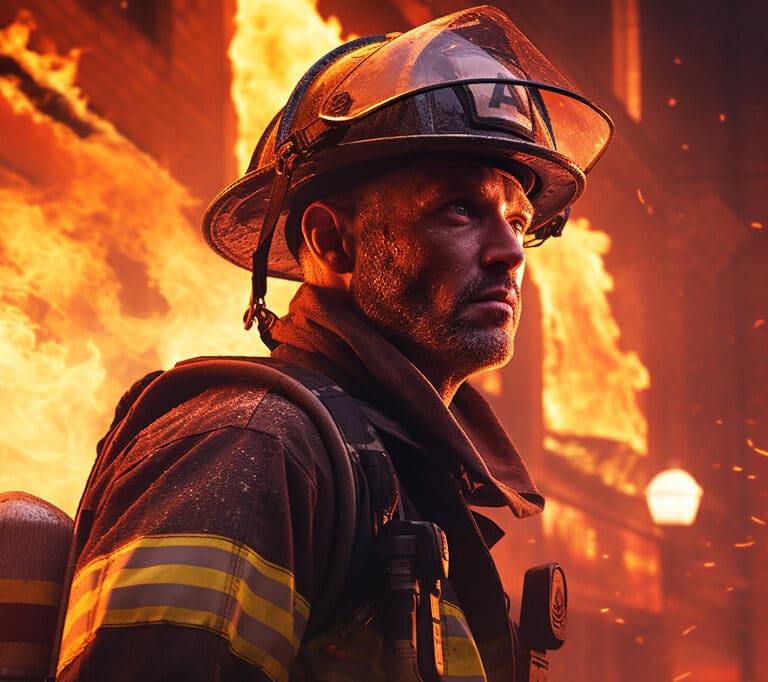
A firefighter fighting a fire
Knowing the causes of fire can help firefighters

Cooking Equipment

Cooking equipment is one of the leading causes of residential fires. 

Unattended cooking, grease buildup, and flammable objects left too close to heat sources can ignite fires. 

It’s crucial to maintain a high standard of cooking safety, use timers as reminders, and keep a safe distance between flammable materials and heat sources.

Heating Equipment

Heating equipment, including space heaters and furnaces, can pose a fire hazard if not used correctly. 

Overheating, lack of maintenance, and placing flammable items near heat sources can lead to fires. 

Regular inspection and maintenance of heating systems, proper ventilation, and keeping flammable items away from heaters are vital safety measures.

Electrical Equipment

Electrical equipment, such as faulty wiring, overloaded circuits, and malfunctioning appliances, is one of the leading causes of fire, as well as one of the most dangerous fires to put out. 

Electrical sparks, short circuits, and overheating due to loose connections or damaged cords can ignite fires. 

Ensuring proper installation, regular inspection, and prompt repair of electrical systems and appliances are crucial for fire prevention.

Cigarettes, Cigars & E-Cigarettes

Careless handling and improper disposal of cigarettes, cigars, and e-cigarettes are common causes of fires. 

Discarding lit cigarettes improperly or not fully extinguishing them can ignite flammable materials. 

Smokers should use designated ashtrays, never smoke in bed, and ensure proper disposal of smoking materials in fire-safe containers.

Candles

Candles, while creating a pleasant ambiance, can also be a fire hazard if left unattended. 

Accidental knocks, proximity to flammable objects, or forgetting to extinguish candles can result in fires. 

It’s important to place candles on stable surfaces, away from flammable materials, and never leave them burning when unattended.

Children Playing with Matches

Children playing with matches or lighters out of curiosity can lead to fire incidents. 

Educating children about the dangers of matches and lighters and keeping them out of their reach are essential preventive measures. 

Parents should store matches and lighters in secure locations to prevent access by children.

Faulty Electrical Wiring

A burning car on fire
Electrical faults can be especially dangerous in cars

Faulty electrical wiring, due to age, poor installation, or rodent damage, can cause electrical fires. 

Overheating wires, short circuits, and electrical arcing are common signs of faulty wiring. 

Regular electrical inspections, prompt repairs, and the use of licensed electricians can help prevent electrical fires.

Christmas Decorations

Christmas decorations, such as lights and candles, can pose fire risks if not used safely and are a serious cause of fire around the holiday season. 

Overloaded electrical sockets, damaged lights, and placing flammable decorations near heat sources can ignite fires. 

Following manufacturer’s instructions, using LED lights, and keeping decorations away from flammable materials are essential for fire safety during the holiday season.

BBQs
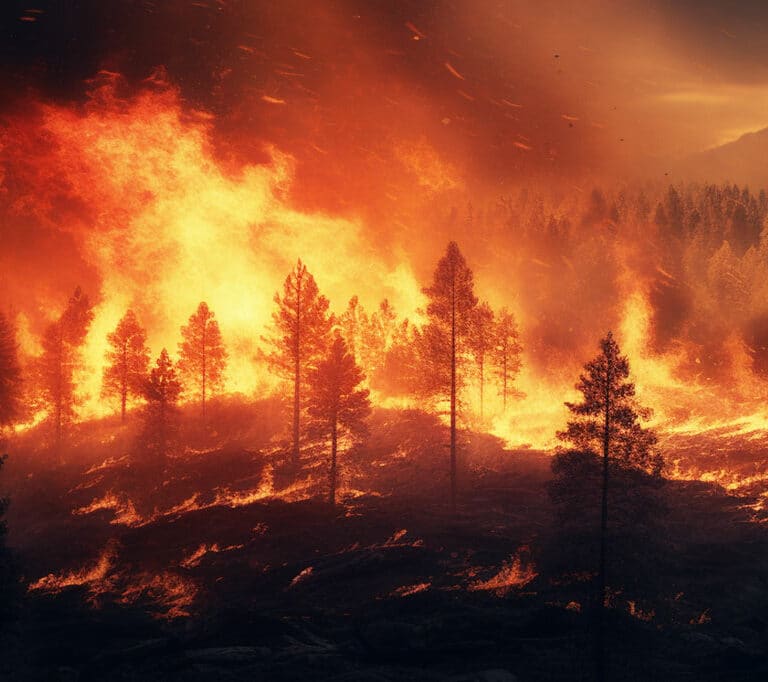
Disposable BBQ misuse can lead to dangerous wildfires

Barbecue grills, if used incorrectly, can be some of the main causes of fire

Improper placement near flammable structures, grease buildup, and failing to extinguish coals properly can result in fires.

Incorrectly used disposable BBQ’s also have a high risk of causing wildfires

Safe barbecue practices, regular cleaning of grills, and maintaining a safe distance from flammable materials are crucial for preventing accidents.

Bonfires

Bonfires, while enjoyable, require caution to prevent accidents. 

Inadequate containment, excessive size, and proximity to flammable materials can lead to uncontrolled fires. 

Ensuring proper construction, maintaining a safe distance from structures and vegetation, and having firefighting equipment nearby are important safety measures.

Remote Controls

Neglected or damaged remote controls can cause fires. 

Malfunctioning batteries, short circuits, and overheating can lead to remote control fires. 

Regularly checking and replacing batteries, keeping remote controls away from heat sources, and avoiding excessive pressure on buttons can prevent such incidents.

Batteries

Improper handling of batteries can be one of the causes of fire

Damaged or expired batteries, incorrect insertion, and mixing different types of batteries can cause overheating and fires. More public awareness is needed to help prevent battery fires. 

Safely storing batteries, using the correct battery type, and recycling old batteries properly are essential for fire prevention.

Tumble Dryers

Tumble dryers with clogged lint filters and vents pose a fire hazard. 

Accumulated lint can ignite from the dryer’s heat, leading to fires. 

Regularly cleaning lint filters, ensuring proper venting, and professional dryer maintenance can prevent such incidents.

Aerosol Cans

Aerosol cans, if exposed to heat or punctured, can explode and ignite fires. 

Leaving aerosol cans near heat sources or disposing of them improperly can lead to dangerous fire situations. 

Storing aerosol cans in cool, well-ventilated areas and following proper disposal guidelines are crucial for fire safety.

Arson 
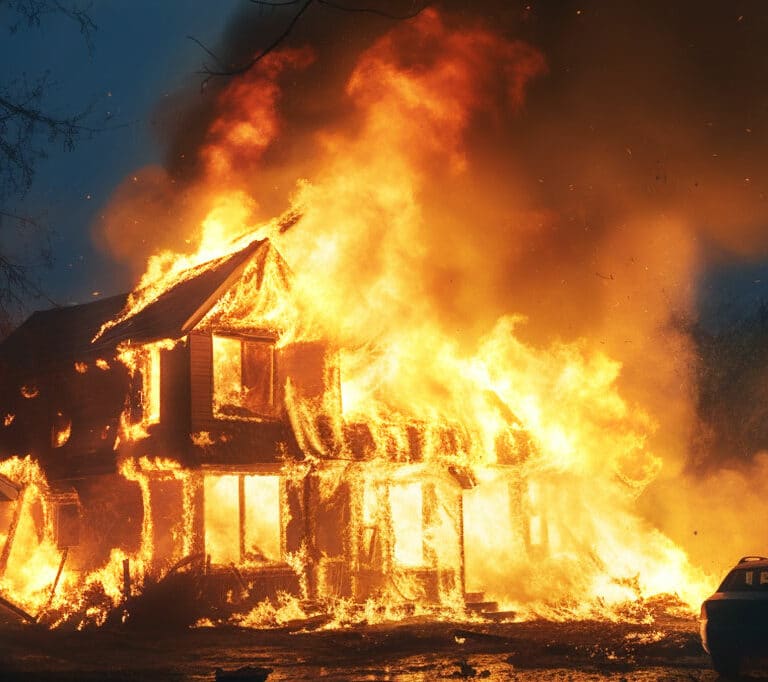
Arson attacks can ruin entire families

Intentional acts of arson, where fires are set deliberately, can cause significant damage. 

Arson can occur due to various reasons, including vandalism, revenge, or insurance fraud. 

Community awareness, neighbourhood watch programs, and reporting suspicious activities can help deter arson incidents.

Construction Materials

Construction materials, such as flammable insulation, paint, or chemicals, can contribute to causes of fire during building projects. 

Mishandling, improper storage, and inadequate fire safety measures can lead to construction site fires. 

Implementing proper fire prevention strategies, following safety regulations, and having fire extinguishers readily available are vital during construction activities.

Clutter

Accumulated clutter can increase the risk of fires by obstructing escape routes and providing fuel for flames. 

Cluttered spaces make it challenging to control or escape fires quickly. 

Regular decluttering, proper storage of items, and maintaining clear pathways can help minimise fire hazards.

Flammable Liquids, Gases & Materials 
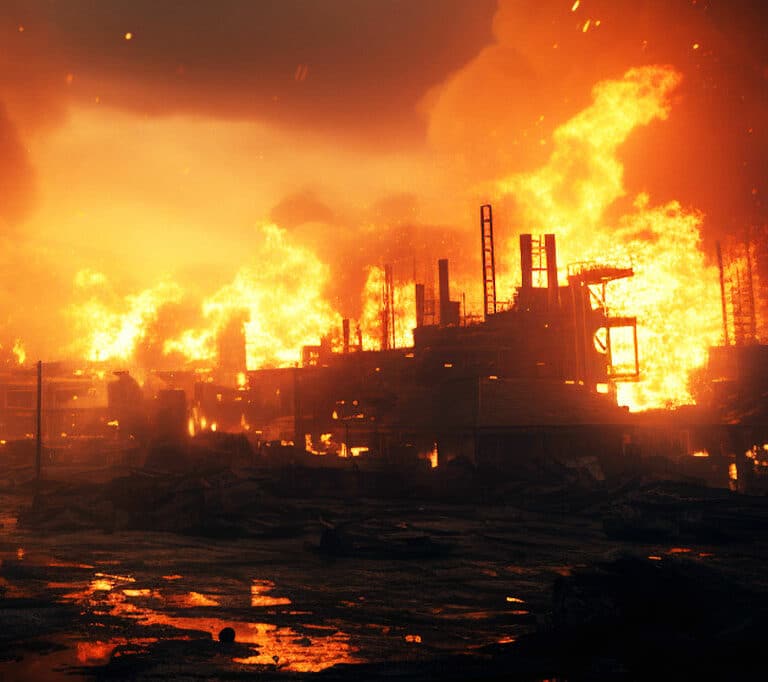
A burning factory on fire
Factory fires can be absolutely devastating, especially to the environment

Improper handling, storage, or use of flammable liquids, gases, and materials can lead to fires. 

Ignition sources near flammable substances, improper ventilation, and failure to follow safety guidelines are significant fire risk factors. 

Proper storage, using suitable containers, and adhering to safety protocols when working with flammable materials are essential for fire prevention.

Human Error

Human error, such as forgetfulness or negligence, can contribute to fire incidents. 

Leaving appliances unattended, forgetting to extinguish flames, or improperly handling flammable substances are examples of human error leading to fires. 

Being vigilant, practising fire safety habits, and staying aware of potential fire hazards are crucial for preventing accidents.

Outdated Fire Risk Assessments

Outdated or inadequate fire risk assessments can fail to address emerging fire hazards, increasing the risk of fire incidents. 

Regularly reviewing and updating fire risk assessments, considering changes in the environment or operations, and implementing appropriate fire safety measures are essential for effective fire prevention.

Mechanical Friction

Mechanical friction, such as faulty vehicles, machinery or equipment, can generate heat and sparks that ignite fires. 

Lack of lubrication, loose parts, or worn-out components can contribute to friction-related fires. 

Regular maintenance, inspection, and prompt repair of machinery are vital for preventing such incidents.

Negligence

Negligence, including careless behaviour, disregard for fire safety practices, or failure to follow regulations, can lead to fires. 

Ignoring safety protocols, misusing electrical equipment, or bypassing safety measures are examples of negligent actions that increase the risk of fire incidents. 

Cultivating a culture of safety, providing adequate fire prevention training, and enforcing compliance with fire safety standards can help mitigate the effects of negligence.

Nutella

In a tragic incident, sun rays shining through a glass jar of Nutella chocolate spread sparked a huge house fire that claimed the life of a family’s dog

The low winter sunlight refracted by the jar, which was used to collect loom bands, caused the rays to be magnified and ignited blinds, resulting in the devastating fire. 

This incident serves as a reminder to keep glass items away from windows and direct sunlight to prevent similar accidents.

Conclusion

Understanding the common causes of fire is crucial for promoting fire safety in our daily lives. 

By being aware of the potential fire hazards associated with cooking equipment, heating devices, electrical equipment, smoking materials, candles, and various other sources, we can take preventive measures to minimise the risk of fire incidents. 

Practising safe habits, ensuring regular maintenance, and adhering to fire safety guidelines can significantly reduce the likelihood of fires. 

It is important to educate ourselves and others about fire prevention, promote fire safety awareness, and create a culture of responsibility and vigilance. 
By taking these steps, we can protect our homes, workplaces, and communities from some of the main causes of fire and its devastating effects.

False fire alarms cost the UK economy nearly £7 million annually, report indicates

Impact of false fire alarms on UK SMEs

Research reveals that avoidable fire alarms, specifically false ones, are costing small and medium-sized enterprises (SMEs) in the UK a staggering £696 million annually.

This figure emerged from a comprehensive study conducted by Red Fox, a respected and independent entity specialising in technology and B2B research.

The study was commissioned by Hochiki Europe to gain insights into the financial burden false fire alarms are imposing on UK businesses.

More than 300 SMEs were asked to estimate the cost an unnecessary evacuation due to a false fire alarm had on their organisation and if it had a significant impact.

False fire alarms causing disruptions and financial losses

Over nine in ten false alarms triggered total evacuations, and one in every four caused substantial disruption to businesses.

On average, nearly 30% of these unplanned incidents cost £1,000 or more due to the resultant disruption.

This indicates that false alarms are having a substantial economic impact nationwide.

A diverse range of sectors were surveyed, including hospitality, leisure and travel, retail and e-commerce, finance and insurance, healthcare, manufacturing, public sector, not-for-profit, and education.

When considering the immediate financial impact, owners and senior managers revealed these unplanned alarms had extensive consequences in lost productivity.

Hidden impacts of false fire alarms on productivity

Disruptions included interrupted meetings (33%), employees taking time to settle back into work (32%), and time taken to restart production processes in manufacturing and IT sectors (over 25%).

In the food and drink sector, 10% highlighted the need to restart preparation processes and highlighted the resulting food wastage.

64% of respondents believed that most alarms experienced in the past year were false alarms, supported by the cited causes for these alarms, with 20% caused by dust and smoke from building works and maintenance, and 18% caused by equipment failures.

Alarm fatigue: a consequence of frequent false alarms

Alarmingly, the research found that 56% of business owners or managers stated that excessive false alarms were leading to complacency among staff, resulting in ‘alarm fatigue’.

These false alarms can stem from several factors such as lack of maintenance, burning toast or building renovations causing excess dust.

However, with multi-sensor technology continuously evolving, there is potential to mitigate the risk of false alarms and enhance fire safety.

IFSJ Comment

This research highlights an issue of major concern to businesses across the UK. False alarms are more than just a nuisance; they carry a high cost both financially and in terms of employee safety.

This is a clear call to action for businesses to tackle this problem head-on, employing best practices in fire safety and technology to reduce these costly false alarms.”

About Hochiki Europe

Hochiki Europe is an industry-leading manufacturer of commercial and industrial fire detection and emergency lighting solutions. Their innovative approach and high-quality products have been trusted by businesses globally for over 100 years. The company is committed to the continuous development of products and systems that enhance fire safety, ultimately reducing the incidence of false alarms and ensuring the safety of staff, the public, and businesses.

Harold Pinter theatre in London adopts Apollo wireless protection devices

London’s historic theatre finds wireless protection solution for fire safety

The Harold Pinter Theatre, a Victorian marvel nestled on Panton Street, Westminster, has embraced advanced wireless protection in the form of a fire system equipped with more than 100 devices from Apollo’s REACH range.

The theatre, dating back to 1881, is well-known for its preserved three-level horseshoe auditorium that can seat 796 spectators.

Not only is the theatre one of London’s finest preserved Victorian buildings, but it also holds an esteemed spot in the city’s West End theatre scene.

Balancing heritage with modern fire safety using wireless protection

The task of preserving a listed building while incorporating a state-of-the-art fire system has been challenging. However, wireless fire devices have brought about significant changes.

Sam Robinson, Project Manager at Barlows (UK) Ltd., pointed out: “Working with the theatre management and Apollo, we specified and installed a system with 110 wireless devices connected to four hubs.”

The benefits of the REACH wireless protection range

REACH’s wireless fire tech takes safety measures to a higher level. It solves complex installation scenarios, particularly for buildings with complex access, such as listed buildings.

Furthermore, its battery life of up to five years and advanced RF communications capability make it an ideal choice. REACH can also function as a standalone wireless system or as part of a hybrid network with both wires and wireless devices.

Craig Mole, Product Manager – Wireless at Apollo, stated: “The Harold Pinter Theatre is exactly the sort of building where wireless fire technology comes into its own.

“Not only is it simpler and quicker to install, but it also reduces cabling by up to 90 percent, resulting in less impact on the building and less need to make good once the installation is complete.”

Apollo’s mission to deliver wireless protection around the world

Apollo, a company dedicated to ensuring fire safety worldwide, specialises in designing and manufacturing high-quality fire detection solutions.

Since launching its XPander wireless range in 2008, the company expanded with the enhanced REACH Wireless range in 2022.

Barnaby Hallam, Technical and Building Manager at the Harold Pinter Theatre, said: “Working with the Apollo team, we were able to tick all the boxes and the finished system is doubly impressive, being both fit for purpose and also much less intrusive than the old wired network.”

Based in Havant, Hampshire, Apollo works through regional offices in the UK, China, Dubai, and Germany, supporting a network of partners and distributors on all five continents.

Since 1983, Apollo has been a part of Halma plc, a FTSE 100-listed group of life-saving technology companies.

IFSJ Comment

This advancement in the protection of historic structures represents an essential step in ensuring safety while respecting architectural integrity. The adoption of wireless protection by such a significant theatre in London underscores the importance and effectiveness of such systems in preserving heritage buildings.

About Apollo

Apollo is a world leader in fire safety solutions, dedicated to protecting people from fire every second of every day. The company has pioneered several innovative wireless protection technologies, including the XPander and the REACH range, ensuring efficient fire safety measures in over 100 countries around the world.

Bull Products launches Green Bull division focused on sustainable practices

Launch of Green Bull with a ministerial visit

The Right Honourable Jesse Norman, the Member of Parliament for Hereford and South Herefordshire and Minister of State (Decarbonisation and Technology), made an official visit to the Bull Products headquarters in Hereford to inaugurate the company’s fresh Green Bull division.

Green Bull: Bull Products’ response to sustainable manufacturing

Sandy Damm, the CEO at Bull Products, expressed his delight at Jesse Norman’s visit and the subsequent unveiling of the Green Bull division.

Damm explained: “Reducing waste and minimising carbon emissions in our product manufacturing, supply, and servicing of our products is a top priority and that is why we are launching Green Bull.”

In a shared dedication towards a sustainable future, the focus of the visit revolved around discussions about the necessity for businesses to demonstrate measurable progress in aiding the environment.

Damm also mentioned: “The future of the construction industry has to be green, and we are setting a new standard for temporary fire protection and alarm systems used on construction sites.”

Green Bull to focus on reuse and refurbishment of safety products

Through Green Bull, Bull Products is geared to reuse its safety products when safe and practical.

Fire protection gear, including fire extinguishers and trolleys, will be reused, incorporating a majority of the original components, resulting in a fully functional product adhering to all pertinent regulations.

“The scrapping of safety products when a building development is completed occurs far too frequently,” CEO Damm added.

He emphasised the ecological and financial sense of refurbishing products to reduce waste and carbon emissions.

Positive assessments for Green Bull’s future impact

Bull Products predicts it will be capable of refilling and re-circulating around 35-40% of returned water and foam extinguishers.

This process will decrease transportation costs, product manufacturing, and material costs, further aiding the environment.

An integral part of Bull Products, the asset management solution Fire360, exemplifies the company’s commitment to sustainable practices.

Launched in 2016, Fire360 enables safe storage of products after a site completes.

These products are then serviced, cleaned, delivered, installed, and commissioned for use at a new site.

For more information about Green Bull and Bull Products, visit the company’s sustainability page.

IFSJ Comment

This launch is significant as Bull Products’ Green Bull division marks a key step towards sustainable practices in manufacturing fire safety equipment.

It highlights the increasing importance placed on sustainability in the sector, setting a new standard for other businesses to follow.

Euralarm and Fire Suppression System Association join forces to boost fire safety

Key players promote cooperation in fire safety

Euralarm, alongside the US Fire Suppression System Association (FSSA), have formalised a Memorandum of Cooperation.

This agreement, as detailed here, solidifies their mutual commitment to enhancing fire safety through education, research, and service, among other domains.

The intended areas of collaboration between FSSA and Euralarm could encompass technical guidance.

This will mean the exchange of research and development insights.

Both associations hope to display thought leadership and foster cooperative initiatives concerning fixed firefighting systems.

IFSJ Comment

A collaboration between these influential organisations could lead to groundbreaking improvements in fire safety.

We eagerly await the potential advancements in fire safety technology and the greater security this partnership promises.

The commitment to education, research, and service in fire safety displayed by Euralarm and FSSA is commendable.

This agreement serves as an example of how cooperation between key players can lead to greater overall safety in our communities.

The continued innovation in the field of fire safety is vital for our rapidly evolving world.

Teledyne’s GD1 laser-based gas detector receives SIL2 certification

Teledyne Gas and Flame Detection recently announced its GD1 laser-based gas detector’s receipt of full SIL2 3rd party approval.

GD1 gas detector: A new standard for safety in the industry

The GD1 is the first open-path gas detector for hydrogen sulphide (H2S) safety-related applications to carry the SIL2 certification.

This development is significant, as the importance of SIL (Safety Integrity Level) in industries such as oil, gas, and petrochemicals has been increasing over the past decade.

Devices like the GD1, with their SIL2 certification, demonstrate compliance with stringent safety requirements.

The GD1: From launch to SIL2 approval

Teledyne GFD launched the GD1 in 2011. Over 1600 units have been deployed globally in oil and gas exploration and production companies since its introduction.

With the recent SIL2 certification, the GD1 now meets the requirements for use in SIL2 systems.

This certification denotes the device’s ability to perform automatic self-testing, resulting in reduced maintenance and downtime.

The GD1 complies with the latest standard for IEC 60079-0:2017 (IECEx).

The GD1 gas detector’s characteristics

One feature of the GD1 is a tunable laser diode that reduces environmental effects such as sun, rain, or fog.

The device can function with up to 98% obscuration.

Also, the GD1’s laser performs real-time dual automatic calibration and automatic proof testing, lessening the need for manual intervention and decreasing maintenance costs.

The device also has low power consumption (15W), a high detection rate (8000 times per second), and complies with the IEC 60079-0:2017 (IECEx) standard.

You can view a demonstration of the GD1 here.

IFSJ Comment

The SIL2 certification of Teledyne GFD’s GD1 laser-based gas detector marks a substantial leap in gas detection technology. Its capacity to function effectively in challenging environments, combined with lower maintenance requirements, promises to enhance safety while reducing costs.

Africa Centre in London reopens with new wireless fire devices from Hyfire

£6.5m refurbishment includes installation of Hyfire’s Taurus wireless fire devices

The Africa Centre, an acclaimed cultural and community hub in Southwark, South London, has recently been reopened by King Charles III following a £6.5m refurbishment.

The refurbishment included the installation of 158 Taurus wireless fire devices from Hyfire.

The Africa Centre is known for promoting creativity, innovation, and cultural exchange within the African and Diaspora community.

It organises a range of programmes and events to encourage engagement and understanding between African cultures and the UK.

Triple Star Fire & Security Limited implements wireless fire system

The new fire system, designed and implemented by Triple Star Fire & Security Limited, includes an Advanced MxPro 5 fire panel that covers all six floors of the building.

The Taurus devices were chosen for the project due to the speed of their installation and product availability.

Daren Pool, Managing Director at Triple Star Fire & Security Limited, commented: “Working on such an important venue like The Africa Centre has been a remarkable experience.

“The venue has been refurbished to the highest standards and the Taurus wireless fire devices from Hyfire offered the ideal solution, providing a discrete and effective fire system.”

Hyfire’s Taurus wireless fire devices: high performance and rapid installation

Hyfire, a leading provider of wireless fire devices, boasts a wide range of products that cater to commercial standards.

They include optical, multi-criteria and heat detectors, all certified to EN54 and fully compliant with BS5839 Part 1.

“We are proud to be part of this project, providing state-of-the-art fire safety technology to an institution as respected as The Africa Centre,” said Ollie Murray, Head of Sales at Hyfire.

The Taurus wireless fire devices have been developed in Trieste, Italy, a global hub for wireless fire design.

These devices feature Pathfinder Technology, which allows communication over a distance of 1km, expanding further with additional expansion hops.

Sarah Clark, Chief Finance and Operations Officer at The Africa Centre, said: “The safety of our visitors and staff is paramount.

“We are very pleased with the performance of the system and confident that the Hyfire Taurus wireless fire devices will provide the highest level of protection.”

Comment Section – International Fire & Safety Journal:

This installation demonstrates how wireless fire technology can seamlessly integrate into extensive refurbishment projects while ensuring top safety standards.

The installation of Hyfire’s Taurus devices at such a prestigious venue as The Africa Centre signals a clear commitment to prioritising safety, which is vital for public institutions.

Scottish Fire and Rescue Service introduces “call challenge” approach to reduce false alarms

The “call challenge” approach: Aiming to bring down false alarms

Starting 1st July 2023, the Scottish Fire and Rescue Service (SFRS) has stated that they will no longer respond to all automatic fire alarm system signals.

Instead, a “call challenge” approach will be initiated, targeting a reduction in false alarms attended by their teams.

Facing the high volume of false alarms: SFRS’s perspective

Fire and rescue service teams in the UK are accountable for providing immediate assistance and support in emergencies.

However, a steady rise in false alarms in recent years has put additional strain on these services.

In Scotland alone, SFRS crews are called to an average of 28,000 false alarms each year, involving numerous firefighters and up to two fire appliances per incident.

This translates to around 252,000 firefighters called out unnecessarily each year, a time they could be spending on real fires, training or community safety work.

How does the “call challenge” approach work?

The “call challenge” process is activated when a single smoke detector generates a fire signal.

Duty holders at the site are immediately contacted and asked a series of questions to confirm the severity and nature of the incident.

The goal is to ensure that the call is a genuine emergency requiring immediate response from a fire crew and appliance.

False alarms are often triggered by automatic fire alarm systems (AFAS) due to various reasons such as cooking fumes, dust from construction work, or lack of regular system maintenance and testing.

Implications of the “call challenge” approach: What do building owners need to know?

In a recent webinar, SFRS and guest speaker Colin Todd, MBE for services to the Fire Industry, highlighted the implications of the new approach.

He stated: “Building owners have a responsibility under the Fire (Scotland) Act 2005 to maintain facilities and equipment”.

Failure to comply could lead to prosecution.

It was also pointed out that staff and building occupants should be aware of how to respond to AFAS activations, and that building insurance might be affected by the SFRS’s new approach, depending on the type of fire alarm system and devices installed.

The use of true multi-sensors to reduce false alarms was recommended.

These devices operate by combining more than one trigger (smoke, heat, CO) to quickly confirm a fire’s presence, and the SFRS have pledged to respond to alarm signals from these intelligent multi-sensors.

The British Standard for fire system design, BS 5839 Part 1, defines a multi-sensor as a fire sensor that monitors more than one physical and/or chemical phenomenon associated with fire.

Research from the Building Research Establishment (BRE) and The Fire Industry Association (FIA) supports the use of advanced multi-sensors that detect multiple criteria to reduce false alarms without compromising real fire detection.

Industry experts weigh in on the “call challenge” approach

Nathan Hudson from Hochiki Europe commented on the SFRS’s announcement.

He shared: “Research shows false alarms cause millions of pounds in disruption to the UK economy every year, causing complacency in staff and the public, and wasting valuable resources for fire services”.

He further added: “The correct and compliant installation of true multi-sensors mean false alarms can be reduced”.

Hudson suggests the use of Hochiki’s ACC multi-sensor, which uses a combined sensing element response, making it an ideal choice for building owners needing to update

IFSJ Comment

The ‘call challenge’ approach represents a significant shift in policy, and it’s vital news for both the fire safety industry and the wider public.

The change will not only relieve the pressure on fire services but also encourage building owners and managers to be more responsible for maintaining their fire alarm systems.

Furthermore, the potential for false alarms to undermine trust in fire systems is a significant issue.

By reducing false alarms, we can improve trust in these systems, leading to better responses when real fires occur.

This approach by SFRS could well set a precedent for fire services worldwide.

About SFRS

The Scottish Fire and Rescue Service (SFRS) is Scotland’s nationwide fire and rescue service, responsible for delivering fire prevention, firefighting, and rescue activities across the country.

It’s a critical organisation that plays a pivotal role in ensuring public safety and maintaining emergency response readiness.

About Hochiki

For over a century, Hochiki has been a leading innovator in the design and manufacturing of high-quality, reliable commercial and industrial fire detection and emergency lighting products.

With global sales turnover exceeding £400m, the independent, multinational, publicly listed company employs over 2000 individuals across 14 subsidiaries, six manufacturing plants, and 38 sales offices.

Hochiki’s commitment to innovative manufacturing ensures customer satisfaction and international continuity in quality, service, and supply.

Largest wireless fire protection system installed in Solihull high-rise towers

An ambitious initiative by Solihull Community Housing to safeguard its residences

Solihull Community Housing has spearheaded a significant safety initiative by incorporating an advanced wireless fire detection and alarm system across its 37 high-rise towers. The implementation, claimed to be the largest of its kind, ensures reliable and early warning fire protection for the inhabitants of these buildings. The equipment has been supplied by Kentec Electronics, a leader in the field of life-critical control systems.

Collaboration with West Midlands Fire Service and Early Birds Fire Protection

This comprehensive project was conducted in close cooperation with the West Midlands Fire Service. Early Birds Fire Protection, a specialist fire protection firm, took up the challenge of installing the equipment. They chose the K-Mesh system from Kentec Electronics, noting its reliability and ease of installation. The system was installed in around 2,000 apartments within a five-mile radius, offering a quick and minimally disruptive solution for local residents and the housing association.

Advanced system offers real-time updates to the emergency services

The innovative system includes approximately 4,000 sensors linked to a mix of Kentec’s Taktis panels and Syncro AS analogue control panels. These are subsequently connected to an alarm monitoring station. “Such is the sophistication of the technology, that in the event of an alarm being raised, fire services and incident commanders are given an immediate view of exactly where smoke has been detected, and/or how far a fire may have progressed,” reports Derrick Hall, Director of Sales at Kentec Electronics.

Consideration for a diverse demographic in installation planning

The planning phase of this project encountered challenges due to the range of residents inhabiting the buildings. Several towers accommodate residents aged 50 and above. An extensive consultation with residents, staff, contractors and the local authority was conducted to understand their needs and take into consideration the significance of early warnings, particularly for residents living with disabilities or dementia.

Endorsements from project stakeholders and beneficiaries

Craig Puddefoot, Managing Director of Early Birds Fire Protection, lauded the project’s execution: “A large project is going to plan with great success and minimal disruption to residents and staff.” Steve Murray, Senior Project Manager for Solihull Community Housing, echoed these sentiments, stating that the project not only offered a customised safety solution but also presented an opportunity to gain a deeper understanding of residents’ lifestyles and the importance of early warning systems in emergencies. “We are now able to provide opportunities to spot emergencies sooner, provide life-saving information to fire and emergency staff and keep our community safe,” he said.

With this substantial upgrade to their fire safety system, Solihull Community Housing is paving the way in residential fire safety, setting a potential standard for other housing associations to follow.

Dorset County Hospital undertakes substantial upgrade of fire systems

Major upgrade to improve hospital safety

Dorset County Hospital, located in Dorchester, has successfully completed an extensive upgrade of its fire systems, implementing 2,700 Apollo Discovery fire detection devices amidst various challenges posed by the ongoing pandemic and the complexity of the hospital buildings. The hospital, a foundation trust, is home to 18 wards, 375 beds, and employs more than 3,300 staff. The old fire system, now outdated and inadequate, was replaced to enhance the safety of the buildings and to decrease the time taken for testing and operation of the fire system.

Navigating the hurdles of system installation

Installation teams faced the daunting task of implementing the new fire system while ensuring the hospital remained fully operational around the clock. This effort was further complicated by the need to observe additional safety measures imposed by the ongoing COVID-19 pandemic. Regardless of these complications, the installation was executed with minimal disturbance to the hospital’s services.

A tailored fire system solution

Mike Sutton, Regional Sales Manager – South at Apollo, spoke on the undertaking: “Our team worked closely with Dorset County Hospital to specify a fire system that meets the current needs of the site, and provides the option for future expansion or upgrades. About 2,700 multi-sensor devices were installed throughout the hospital, paired with an advanced fire panel, offering variable sensitivity settings to ensure optimal protection for patients, staff and visitors.”

Sutton further added: “The Hospital’s priority was to significantly improve fire safety across all its buildings, while reducing the required input from its staff and external fire engineers. This was achieved by streamlining the testing regime and decreasing the need for repairs and maintenance. Transitioning from a ‘make do and mend’ approach to the installation of a completely new fire system has significantly reduced the ongoing costs of testing and maintenance.”

Features and benefits of the new fire detection system

The fire detection devices installed are part of an innovative line of detectors, offering high versatility for complex environments. These detectors provide reliable fire detection and false alarm management, making them an ideal choice for facilities requiring a sophisticated fire system. The detectors feature five modes of operation, all approved to EN54-23 standards, allowing users to adjust the sensitivity based on the specific environment in which they are installed.

Roy Pinder, Fire Safety Advisor for the Dorset County Hospital, said: “The installation of the new fire system was particularly challenging during the pandemic, which consequently caused some delays. This has been a major project for the trust and could not have been delivered without the support of the staff and the estates team. Our new fire system provides greater versatility and flexibility.”

Superior detection capabilities and proactive safety measures

Apollos’ fire detection system is lauded for its superior detection capabilities, enhanced diagnostics, and maintenance features. The devices integrate seamlessly with the fire panel, providing a comprehensive fire safety solution. With self-monitoring capabilities, these detectors can identify and report potential issues before they escalate, ensuring the highest level of protection at all times. The range includes various detectors, including optical smoke detectors, heat detectors, and detectors with integrated carbon monoxide sensing, providing a holistic solution for diverse fire system needs.

The manufacturer of the fire detection devices, based in Havant, Hampshire, specialises in designing and manufacturing high-quality fire detection solutions. These protect people from fire in over 100 countries around the world. Since 1983, the company has been a part of a FTSE 100-listed group of life-saving technology companies.