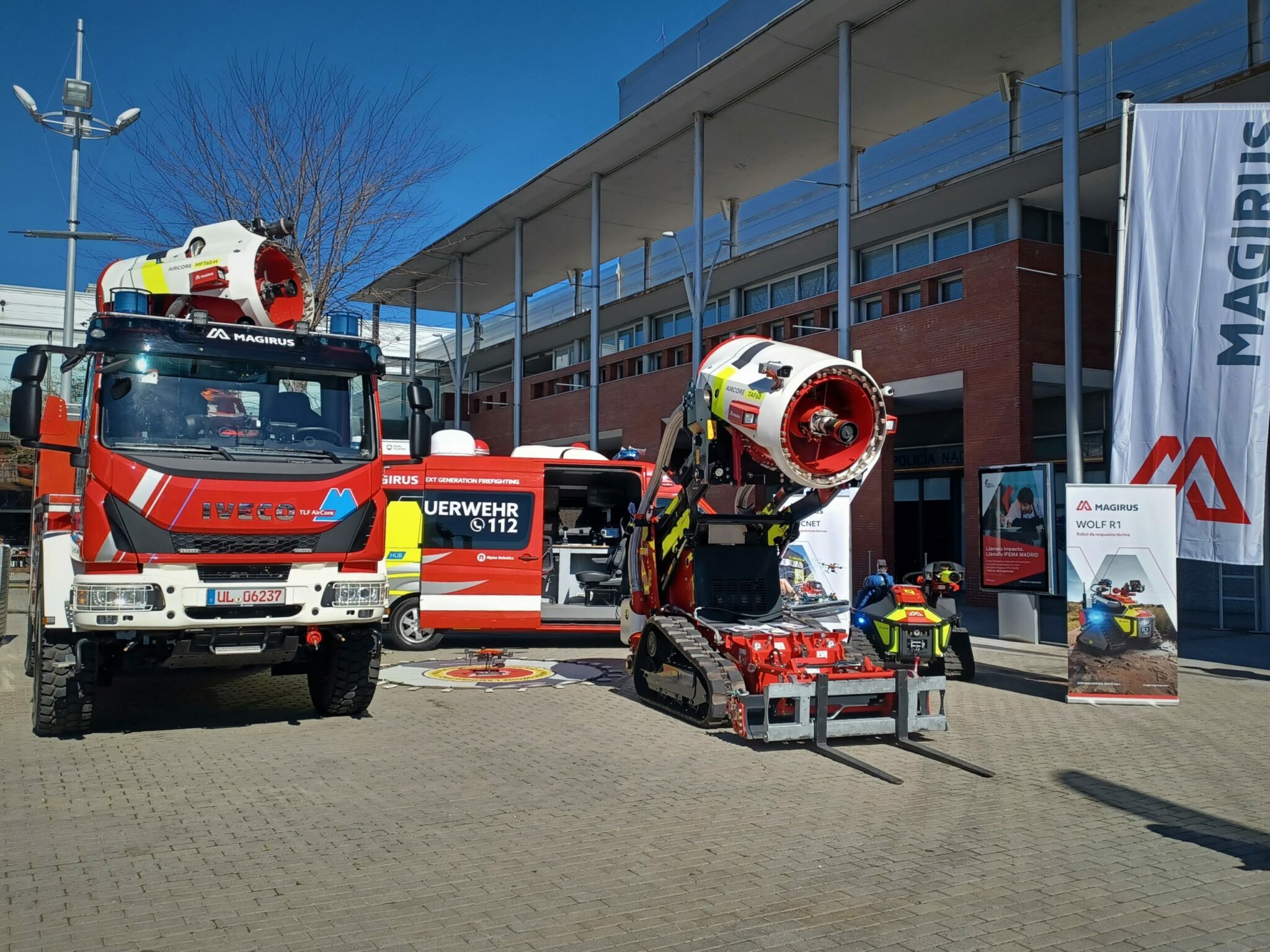
Why are Firetrucks Red?

Firetrucks, with their distinctive red hue, stand out as symbols of rapid response to emergencies, commanding attention on roads and streets worldwide. 

But why are firetrucks red?

The vibrant red colour has become synonymous with the urgency and gravity of firefighting efforts. 

While the sight of red firetrucks is deeply ingrained in our collective consciousness, the origins of this colour choice remain shrouded in curiosity and speculation.

In this article, we will delve into the mystery behind the enduring tradition of painting firetrucks red.

Why are Firetrucks Red?
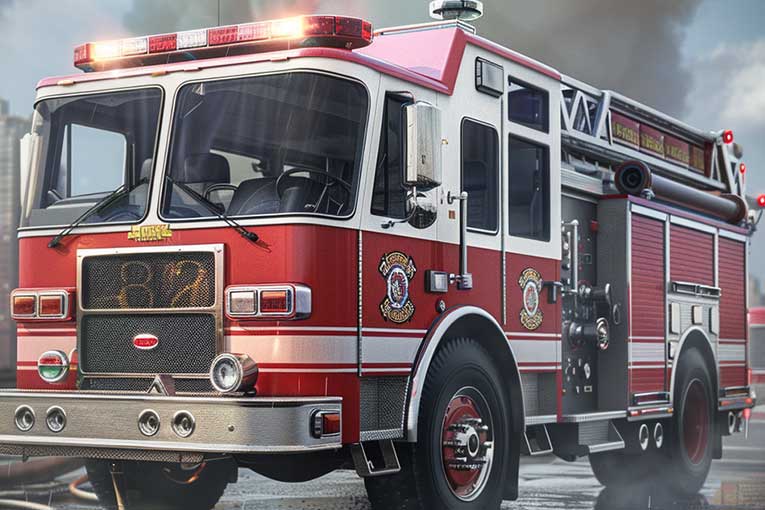
why are firetrucks red image

Firetrucks, with their bold and unmistakable red hue, have become iconic symbols of emergency response. 

The choice of this vibrant colour is deeply rooted in tradition. 

As to why firetrucks are red, the short answer is nobody knows for sure.

However there are numerous theories as to why, with some of the most common being:

Cheapest Colour of Paint

firetrucks red cheapest paint

One widely circulated theory suggests that red became the colour of choice for firetrucks due to its historical status as the least expensive colour of paint. 

In the early days of fire departments, when budgets were tight and they were mostly volunteers, the cost-effectiveness of red paint made it an economical choice. 

This theory reflects a pragmatic approach, where fire departments aimed for a uniform and easily recognizable colour without straining their limited resources.

Most Expensive Colour of Paint

firetrucks red most expensive paint

Contrary to the cost-effectiveness theory, another perspective argues that red was intentionally chosen as the most expensive colour of paint. 

In this view, fire departments sought high-quality, durable paint to protect their vehicles from the elements and enhance their visibility. 

While this theory challenges the notion of frugality, it underscores the importance of investing in materials that ensure the longevity and effectiveness of firefighting equipment.

Farmers
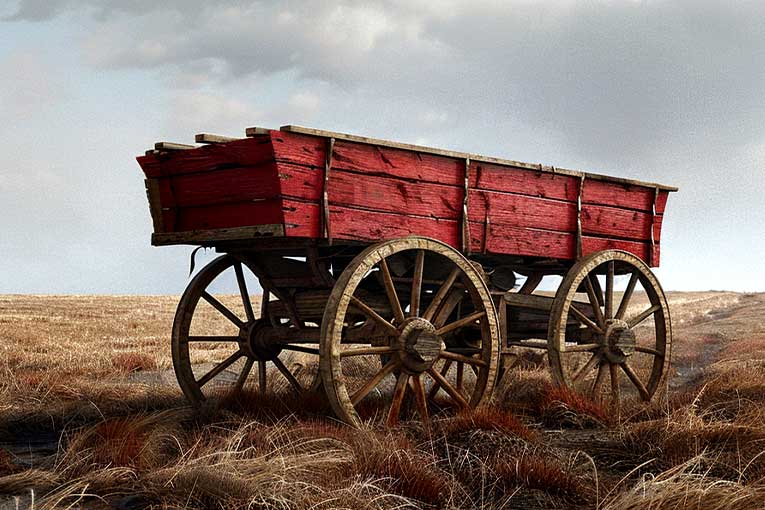
firetrucks red farmers carts

An interesting historical twist connects the colour choice of firetrucks to the practices of farmers. 

During the early days of fire departments, when acquiring vehicles for their fleets, departments often obtained used trucks from farmers. 

Farmers, who commonly painted their carts red to hide dirt and grime, unintentionally contributed to a surplus of red-painted carts that fire departments adopted. 

This theory highlights the influence of practicality and resourcefulness in shaping the colour palette of firefighting fleets.

Displaying Urgency
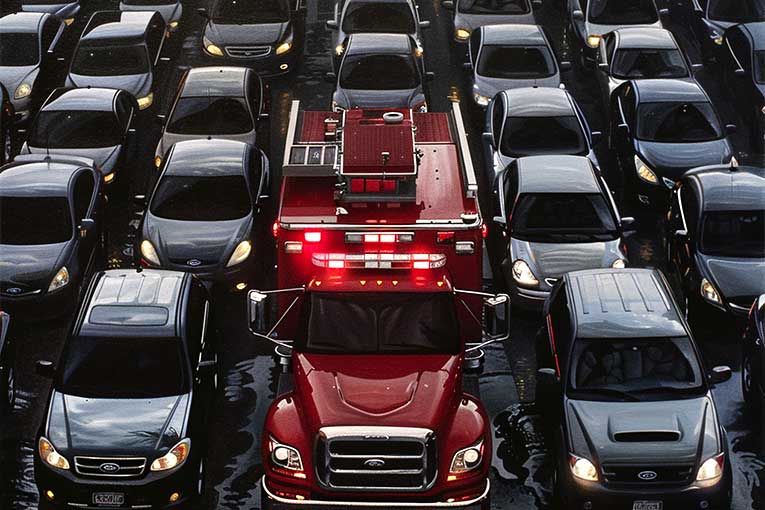
firetrucks red urgency

The early 20th century, marked by the dominance of black-coloured Ford cars, introduced another theory regarding the choice of red for firetrucks. 

In an era where many vehicles were black, fire departments opted for red to stand out and convey a sense of urgency. 

The stark contrast between the red firetrucks and the sea of black vehicles on the road facilitated quick identification and emphasised the critical nature of their mission.

An Old Joke
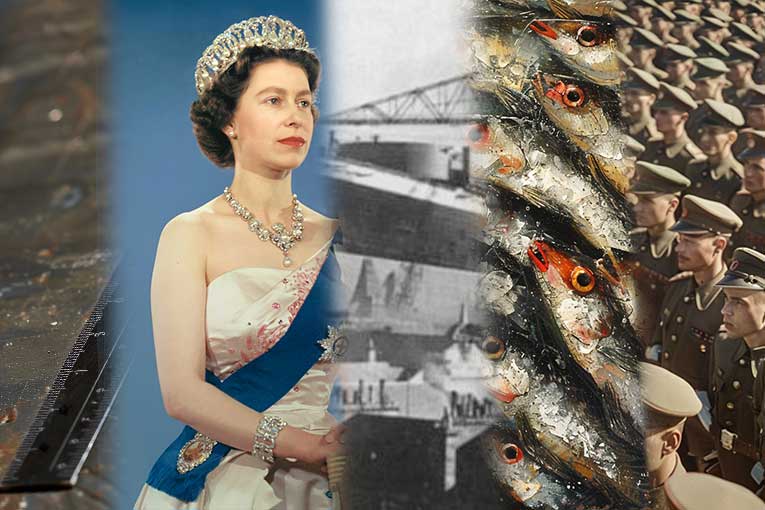
firetrucks red old joke

“Because they have 8 wheels and 4 people on them, and 4 plus 8 makes 12, and there are 12 inches in a foot, and 1 foot is a ruler, and Queen Elizabeth was a ruler, and Queen Elizabeth was also a ship, and the ship sailed the seas, and there were fish in the seas, and fish have fins, and the Finns fought the Russians, and the Russians are red, and fire trucks are always ‘Russian’ around, so that’s why fire trucks are red!”

Adding a humorous twist to the discussion is a centuries-old joke that offers a playful explanation for why firetrucks are red. 

According to this whimsical theory, the colour choice is a result of a convoluted chain of associations involving wheels, rulers, ships, fish, and even geopolitical references. 

While clearly a jest, this theory highlights the lighthearted and imaginative interpretations that have woven their way into the lore surrounding firetruck colours.

Can Firetrucks be Other Colours?

While red remains the traditional and widely recognized colour for firetrucks, fire departments around the world have occasionally deviated from this norm, experimenting with different colours for various practical and strategic reasons. 

These alternative colour choices not only break with tradition but also serve specific purposes in enhancing safety, visibility, and aesthetic appeal during emergency responses.

Yellow
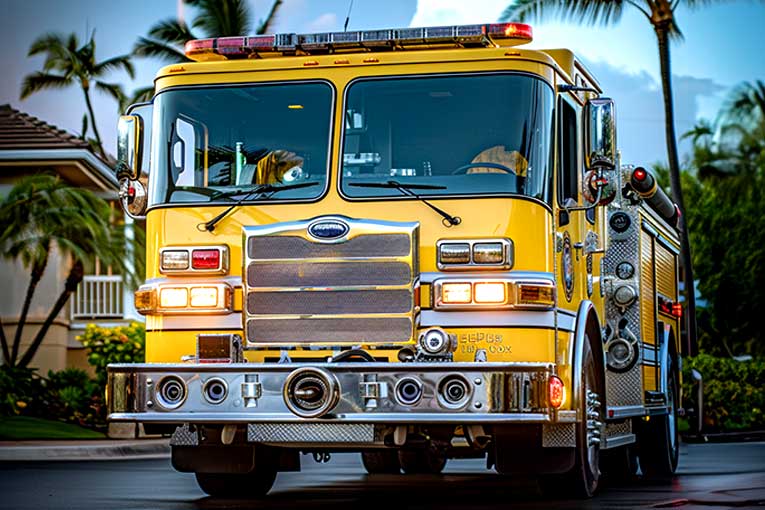
yellow firetruck

Yellow firetrucks are occasionally employed to address specific challenges posed by rural environments. 

The vibrant and contrasting colour of yellow enhances visibility, making the trucks more noticeable, especially in expansive rural landscapes. 

This increased visibility is crucial for navigating challenging terrains and locating emergency sites efficiently. 

A notable example is the use of yellow firetrucks in Australia, in regions where the topography and vegetation necessitate heightened visibility for effective emergency response.

Lime Green
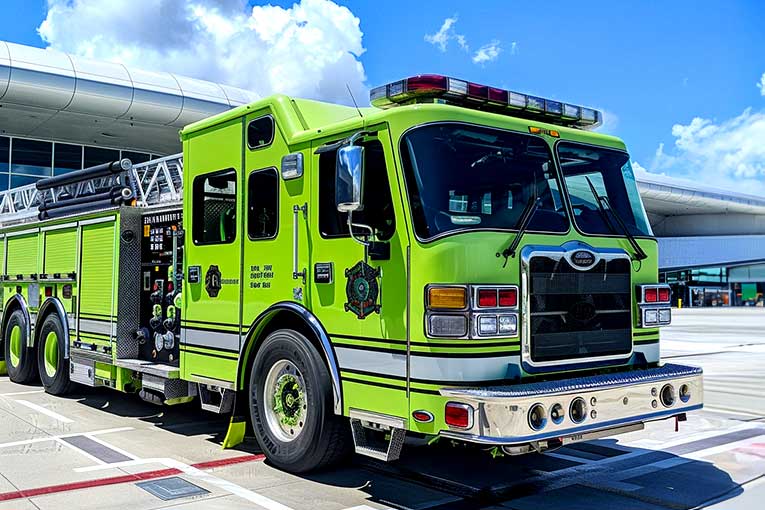
lime green firetruck

Lime green has emerged as a colour choice motivated by a desire to maximise visibility both during the day and at night. 

This highly visible hue stands out in various lighting conditions, ensuring that firetrucks are easily spotted by motorists and pedestrians alike. 

Fire departments adopting lime green firetrucks prioritise safety and awareness during emergency responses. 

This choice is particularly evident in urban areas where diverse lighting scenarios demand enhanced visibility. 

Several examples showcase fire departments incorporating lime green firetrucks into their fleets to bolster their visibility during critical operations.

White
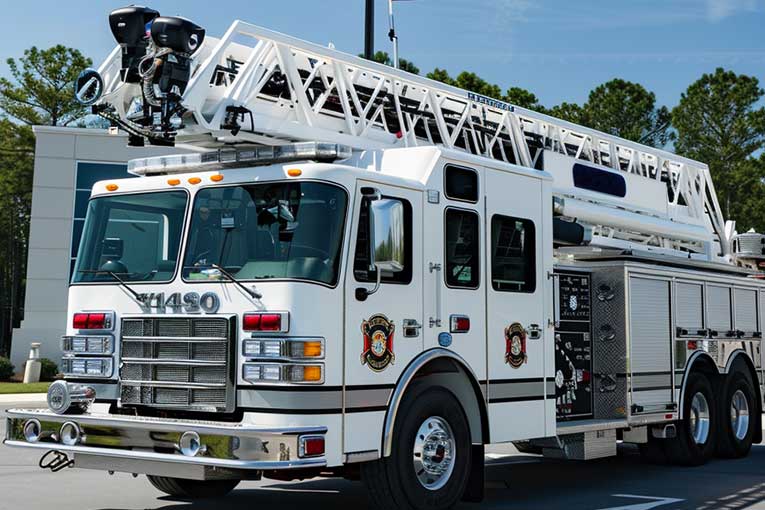
white firetruck

White firetrucks represent a departure from the traditional red, chosen by certain fire departments for their clean and modern aesthetic. 

The use of white not only imparts a contemporary look but also serves practical purposes. 

White is a reflective colour, aiding visibility, especially in low-light conditions. 

This choice aligns with the evolving design preferences of fire departments seeking a fresh and modern image while maintaining functionality. 

Examples of fire departments incorporating white firetrucks into their fleets can be found in urban settings where aesthetics and visibility converge as crucial considerations.

Blue
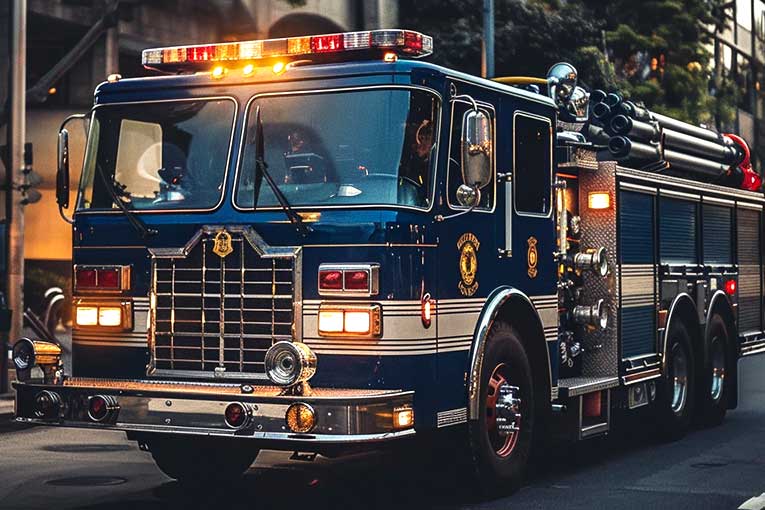
blue firetruck

While less common, blue firetrucks are occasionally employed for special purposes or to distinguish specific types of emergency vehicles. 

Blue may be reserved for specialised units within a fire department, signifying distinct functions or equipment. 

This colour choice can aid in rapidly identifying the purpose of a particular vehicle during multi-agency responses. 

Real-world instances include fire departments utilising blue firetrucks for hazardous materials response teams or specialised rescue units, where differentiation in colour supports quick and efficient coordination during emergencies.

Orange
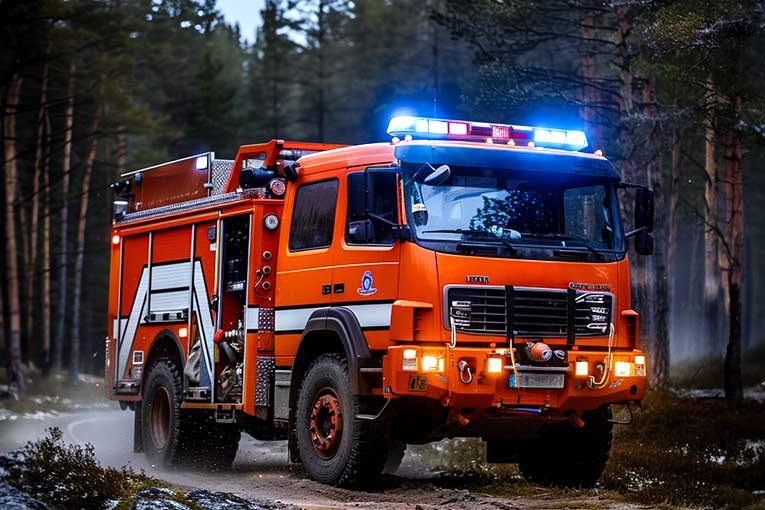
orange firetruck

In Finland, the use of orange firetrucks adds a distinctive touch to the country’s emergency response vehicles. 

The choice of orange as a colour for firetrucks is not only a departure from the traditional red but also serves specific purposes tailored to the unique challenges of Finland’s environment.

The vibrant orange hue enhances visibility, especially in the country’s varied landscapes, including forests and lakes. 

Finland’s terrain, characterised by vast expanses of nature, demands vehicles that can stand out against diverse backgrounds. 

Orange firetrucks address this need by providing increased visibility during emergency responses, ensuring that they can be easily spotted in both urban and rural setting

Conclusion

Hopefully this should answer your question of why are firetrucks red?

While red remains the predominant colour for firetrucks, the choice is not solely based on tradition or aesthetics. 

Practical considerations, historical influences, and attempts to increase visibility and safety have all played a role in shaping the colour choices for these vital emergency response vehicles. 

As fire departments continue to evolve and adapt to new technologies and safety standards, we may see further experimentation with colours in the future. 

Regardless of the colour, the primary goal remains the same – to ensure that firetrucks are easily recognizable and effective in responding to emergencies.
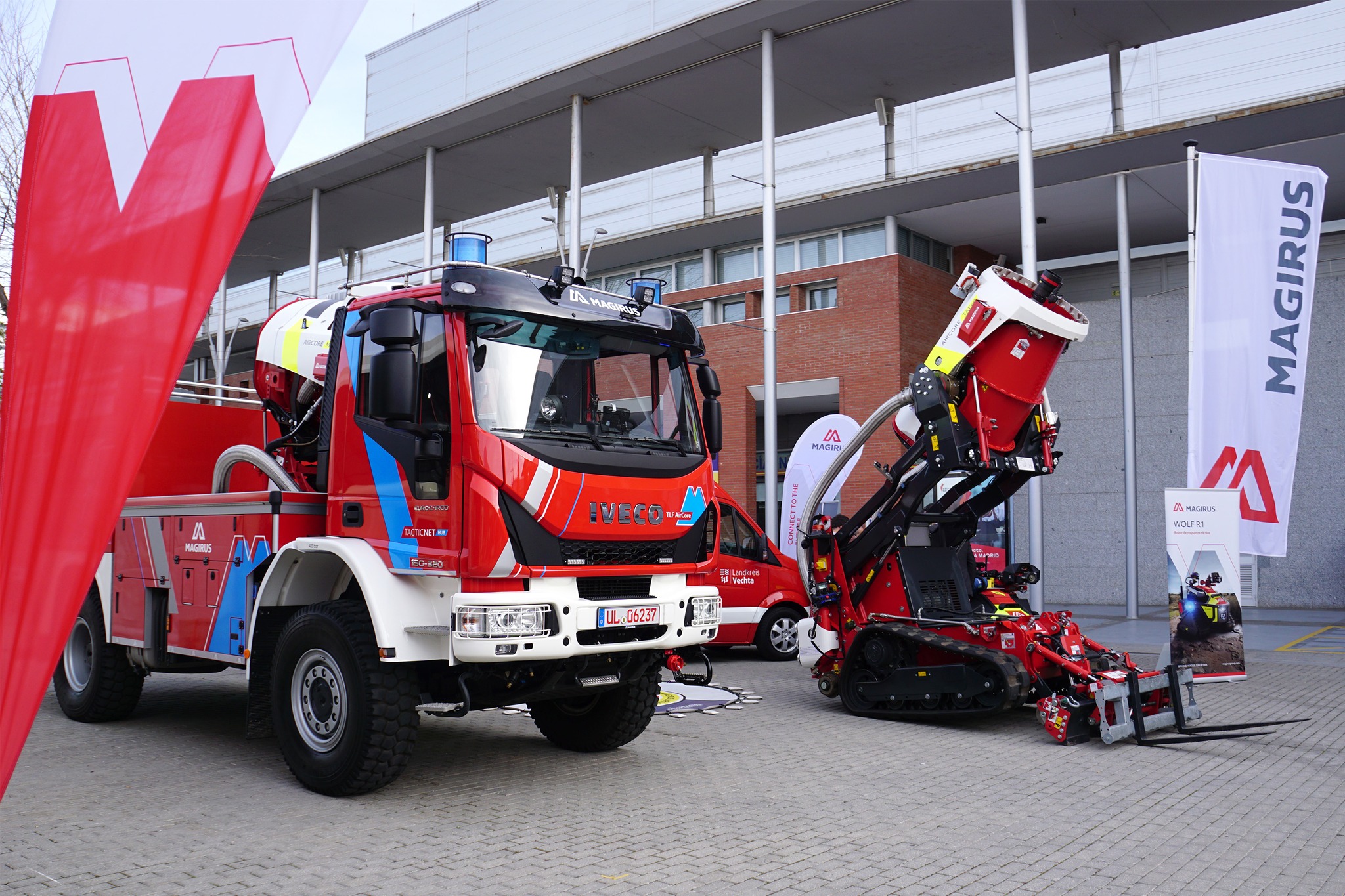
Pierce to showcase electric fire trucks at FDIC 2022

Pierce Manufacturing Inc will showcase an extensive selection of the latest fire apparatus and technology developments at the Fire Department Instructors Conference (FDIC) in Indianapolis, Indiana, April 28-30, 2022.

A main feature will be North America’s first-in-service and fully U.S. manufactured electric fire truck – the Pierce Volterra Pumper. Attendees will find Pierce’s display in the north end zone of Lucas Oil Stadium (booth #8807), which will feature 14 fire trucks and interactive opportunities to learn about the latest product and technology innovations.

“The past year has been monumental for our company in advancing our objective to create the most progressive solutions in fire apparatus safety and efficiency,” said Lisa Barwick, vice president of marketing for Pierce’s Fire and Emergency Segment. “We’re excited to welcome Fire Chief Steven Davis from The City of Madison Fire Department and EnTech Solutions to our 2022 FDIC booth. Visitors will have the opportunity to hear first-hand from these representatives about the performance of the Pierce Volterra electric pumper, its charging infrastructure, and the impact on reducing emissions and improving firefighter safety; all with no compromise on features, performance, or functionality.”

Pierce’s Volterra Electric Fire Truck Display to Include:

  • Two electric pumpers and charging infrastructure solutions
  • North America’s first-in-service electric fire truck – The City of Madison, Wisconsin Fire Department’s Volterra electric pumper
    -City of Madison Fire Department’s recently retired Chief Steven Davis, and Assistant Chief Scott Bavery will be on-site and available for Q&A
  • Portland, Oregon Fire & Rescue’s Pierce Volterra electric pumper
    -Pierce’s expert engineers will be available to discuss features, customizations, and attributes of the U.S.made electric fire apparatus
  • EnTech Solutions electric vehicle charging infrastructure – Pierce has partnered with EnTech Solutions, an expert in energy solutions provider from concept to installation, and representatives will be on-site at Pierce’s FDIC booth to discuss: 
    -The impact of EV charging on a fire station
    -The best options for the individual site
    -ROI opportunities with renewable energy
    -Available grants/incentives
    -Costs and anticipated lead times
    -Ongoing support  

Additional Technology and Latest Fire Truck Component Features on Display Will Include:

  • Introduction of the next generation in fire apparatus pump design and fire suppression upgrades with enhanced flow capabilities paired with unmatched serviceability and performance.
  • 100’ Heavy-Duty Low Profile Steel Aerial Ladder – Introduced in late 2021, this 100’ low profile steel ladder has an overall height as low as 10’ 10” with waterway, and 10’ 8” without waterway, a rated load capacity up to 750 lb in winds up to 35 mph with a 100 lb allowance of additional firefighting equipment at the ladder tip (while flowing up to 1500 gpm).
  • Pierce CZ Connect Fully Integrated Telematics Solution providing remote access to vehicle data from anywhere. Available in feature packages which provide the users’ desired level of dashboards for diagnostics, maintenance, operational overview, and more.
  • PACCAR MX-13 big block engine – available exclusively on Pierce Arrow XT, Enforcer, and Velocity custom chassis. PACCAR is known as a global leader in the design and manufacturer of diesel engines, and experts will be on-site at Pierce’s FDIC booth to discuss the industry-leading design attributes of the MX-13 engine.

Barwick continued, “The launch and North American placement of our new PierceVolterra  electric vehicle was an incredibly important event for our company, but certainly not the only Pierce innovation which has taken place in recent years. In our FDIC 2022 booth, we’re eager to showcase and help visitors learn more about the many advancements which have been made available as standard or custom features on some of our most in-demand fire apparatus.”

In addition to product and technology demonstrations, on Friday, April 29 at 1:00 pm (EDT), the opening ceremony for the National Fallen Firefighters Foundation (NFFF) 9/11 Stair Climb event will take place at Pierce’s booth. The 9/11 Stair Climb is a way for attendees to honor and remember those in the fire service community who selflessly gave their lives, so that others might live. In past years, more than 700 FDIC participants in each event have paid tribute by climbing or walking the equivalent of the 110 stories of the World Trade Center.

Charleston Fire Department orders three new Pierce pumpers

Pierce Manufacturing Inc., an Oshkosh Corporation company, will be supplying the Charleston Fire Department in South Carolina. The order includes two Arrow XT pumpers and one Saber pumper. The department purchased the fire apparatus through Pierce’s dealer Spartan Fire and Emergency Apparatus, and delivery is expected in August 2022.

The Pierce Arrow XT pumpers feature a heavy-duty design with a short overall length of 29 feet and will be stationed in Charleston’s historic downtown district. The Saber pumper will support Charleston Fire Department’s suburban and rural service areas.

Joseph Roberts, assistant chief of technical services, Charleston Fire Department said: “The Charleston Fire Department has several fire stations built in the 1880’s and 1910 with height and length restrictions. Working with Pierce and their dealer, Spartan Fire, we were able to develop specifications for apparatus to fit into these older stations and maneuver through Charleston’s narrow historic streets. We purchased our first Pierce fire engine from Spartan Fire and Emergency Apparatus in 1983 and we’re confident in our continued relationship.”

The Pierce Arrow XT Pumpers will feature Arrow XT chassis, 500-gallon water tank, Hale 1500 gpm pump, Cummins L9 450 hp engine, and Side roll and frontal impact protection. Meanwhile the Pierce Saber Pumper will be built on the Saber chassis, and have a 1000-gallon water tank, Hale 1500 gpm pump, Cummins L9 450 hp engine bolted to the Allison 3000 EVS transmission

Robby Fore, president of Spartan Fire and Emergency Apparatus said: “We appreciate the long-standing relationship we have with the department which has a fleet made up almost entirely of Pierce vehicles. We are familiar with the challenges the department faces, including its historic fire stations and narrow city streets, and are proud to be able to provide the customized solutions and ongoing support they need to best serve the City of Charleston.”

The Charleston Fire Department serves a growing, thriving, and historic port city. The department includes four battalions from 17 fire stations with 401 personnel who responded to 21,165 calls for service in 2021 across a 134 square-mile radius. Charleston is known for its historic architecture, cobblestone streets, and oak tree-lined neighborhoods. The community requires fire apparatus with superior maneuverability for easy navigation on narrow residential and city roadways.

Allison delivers fire trucks to the U.S. army fleet in Germany

The U.S. Army in Germany recently added eight Scania structural pumper P410 B4x4HZ trucks with Rosenbauer-body and Allison 4000 Series™ fully automatic transmissions to its fire fleet. The vehicles, featuring the new CP 31 Crew Cab, are powered by a 302 kW (410 hp) diesel engine combined with an Allison 4000 Series™ fully automatic transmission. They will be stationed at different locations across Germany.

The U.S. Army has procured this vehicle configuration for the last 10 years, partly because of the advantages of a standardised fleet for staff training and vehicle maintenance, but also due to its positive experience with Allison transmissions over the past three decades.

Operate Water Pump Via The Power Take-Off

“So far, the transmissions have fulfilled all requirements of the U.S. Army with regards to performance, operation and maintenance,” said Sigurd Mack, Fire Protection Specialist at the U.S. Army Installation Management Command’s European Headquarters in Sembach near Kaiserslautern. “This also applies to the integrated hydraulic retarder and the Power Take-Off with the pump and roll function. It enables us to manoeuvre the vehicle safely and, at the same time, operate the water pump via the Power Take-Off – which is indispensable for efficient firefighting. For our operations and emergency responses good acceleration, easy handling and robustness are essential.”

According to the American NFPA (National Fire Protection Association) 1901 (Standard for Fire Apparatus) directive for firefighting vehicles, fully automatic transmissions are mandatory for heavy firefighting vehicles. In its solicitation, the U.S. Army does not only specify fully automatic transmissions, it also identifies bespoke emergency vehicle transmission software.

“A fully automatic transmission will only properly benefit the driver during operation if the shift pattern is tuned to the vehicle and the transmission works together effectively with the driver. It has to meet the specific mission for emergency response,” said Mack.

Improved Acceleration and Higher Average Speed

Allison fully automatic transmissions differ from other technologies. Among other factors, they have specially developed shift calibration programs for the fire and rescue application. When combined with continuous power-shifting, this results in improved acceleration, higher average speed and faster response times.

The transmissions shift smoothly at precisely the right moment, allowing the driver to concentrate fully”

The fully automatic Allison transmission with its patented torque converter and Continuous Power Technology™ multiplies engine torque during vehicle start-up and acceleration. Gear changes are made without interruption, resulting in the smooth transfer of power to the drive wheels and maximum efficiency between engine and transmission.

“The transmissions shift smoothly at precisely the right moment, allowing the driver to concentrate fully on the road, which contributes significantly to accident prevention,” said Mack.

“In addition, to have competent and highly skilled service technicians, as well as spare parts service locally available greatly limits down time and contributes to our readiness,” said Mack. “The transmission manufacturer infrastructure has also supported our goals so far in this regard.”

Reliability and Durability In Extremely Difficult Conditions

The oldest Allison transmissions in the fire brigade of the U.S. Army in Germany have clocked up over 30 years of service

Allison fully automatic transmissions have demonstrated their outstanding reliability and durability under extremely difficult conditions and are consequently used by numerous fire brigade fleets worldwide. There are currently about 70 Allison fully automated vehicles in the fire truck fleet of the U.S. Army in Germany.

The oldest Allison transmissions in the fire brigade of the U.S. Army in Germany have clocked up over 30 years of service. In 2007, the drivetrain components from 12 older Amertek 2500L trucks were removed and installed into 12 overhauled firefighting trucks, so called “glider kits.” The Detroit diesel engines and Allison HT 750 DRD transmissions of the Amertek 2500L trucks, which at that time were already around 25 years old, were fitted to a new HME 1871 SFO chassis with a body made by Hensel.

Glider Kits Used For Multi-Purpose Vehicles For Firefighting

“In the USA, general vehicle overhaul is a recognised procedure for vehicle maintenance and service life extension. The engines and transmissions, especially in fire trucks, are still in relatively good working condition and have proven to be very reliable, even after a long period of time. This contributed to the decision for a service life extension,” said Mack.

Compared to a new purchase, the “glider kits” helped to save approx. 80,000 – 100,000 USD per vehicle without compromising the functionality. The “glider kits” are used as multi-purpose vehicles for firefighting and for providing technical assistance.

www.allisontransmission.com/