Training with a Lion’s roar

Martin Joosen, Managing Director EMEA, Lion EMEA sheds light on the company’s roots, and the latest trends in fire training.

Tell us a bit of Lion, and how you’ll got to where you are in the market as a fire training specialist.  

Lion EMEA was a Dutch company formed 30 years ago, we were founded by firefighter for firefighters. The mission was to offer better products and training scenarios. The desire was born out of the fact that the founder, Jac Haagen, was not happy with the quality of the smoke generators that were being using used, which were like the ones used in theatres / night clubs. He created his own products, small generators to begin with.  

We then progressed, sold our products to other fire brigades in the Netherlands, followed by Belgium, France, UK, Germany. Eventually, we got into the Middle East and into the USA. In 2012, we were bought by the Lion Group, which gave them the opportunity to broaden their portfolio beyond PPE. The benefits of the takeover were mutual, giving us the opportunity to expand as well. Lion also bought one of our competitors in America, that continues to provide training products in the USA.  

How did the takeover benefit Lion’s operations? 

The takeover allowed us to grow our footprint, we were able to attract larger projects. Along with our purpose-built firehouses and containers, we were able to build complete fire training skyscrapers in Shanghai and Melbourne. These are fully functional buildings, residential / office blocks whose sole purpose is to be set on fire.  

The facility in Melbourne includes scenarios that replicate everything that can catch fire such as a boat, car, helicopter, building, and a house. We are the biggest company in the market in our sector. We offer everything from the smallest training products, such as smoke generators and fire trainers, to delivering training centres.  

Since our centres involve burning gas, wood, and other components it requires the highest standard of maintenance. Ultimately, the training we impart is lifesaving in critical situations, which is paramount to firefighters and the industry. Well imparted training makes all the difference in critical situations where lives and property are at risk.  
 
The EMEA is a massive region, what are a few complexities of the different regions? 

Absolutely, the Europe Midde East and Africa is a broad region. The European market is different from the Middle East or Asia for that matter. Meanwhile the African market is still developing, and we are not there yet in terms of competition. We have an appetite to increase our market share in all these regions, but it needs to be done strategically, without loss of quality or standards.  
 
When we talk about our competition in the market, there aren’t too many companies that offer what we do. Some of our peers, for instance, cater to a specific market segment.  

Ultimately, in the fire training business it all comes down to the expertise of a company. The trainers you employ, methods and techniques they use, and standards we follow. For example, our competitors might focus on smoke generators in sewage extraction or night clubs, which is their remit. On the other hand, we are one of the only companies that’s looks at it from a firefighter’s point of view, and not from a product perspective.  
 

To what extent are Lion’s training regiments customisable?  

We always start with a blank canvas and paint the picture with our clients. We have more than 30 years expertise in the field, we are able to offer insight at different points throughout the journey. We want to be in a position, where we handover the keys to a client and they can get started straight away.  

Tell us about your other training facilities.  

Fire departments have a different thinking process across different regions. Each country tends to have its own set of training requirements. We don’t have many projects (in Europe) the size of our China or Australia facilities. We have several smaller purpose-built training facilities based on container systems, or a firehouse, kitted out to the requirements of the client. The most recent one was a facility we set up in Cardiff, Wales. A firehouse can be purpose built to any fire technology required by the client, wood, or gas fires, and so forth.  

What costs are involved in building training facilities? 

A fire training facility is resource intensive, after all we are burning critical components and resources, then you need to consider rising costs of natural gas and other non-renewable materials. You also need to go through the props that will catch fire for a period of 45 minutes. The costs tend to stack up a fair bit.  

Before training, we need to decide whether we are going to train in the defence or attack of firefighting or tracking fire dynamics. In Western Europe, clients are extremely precise about each training facility, geared to tackle each vertical within the industry. In France, there are approximately 95 to 99 fire departments, and we are present in 80 of them. Each region tends to have its own training facilities, which are based on the budget of their councils. 

Martin Joosen.

How receptive is the market in general towards making new investments? 

Budgets constraints usually impact negatively on training-related spends. Clients tend to invest more in PPE protection, which is critical because you need to have good tools for intervention and rescue. However, if firefighters are better trained, which also means better techniques to equipment, it would lead to saving a lot more lives. Compromising on training can be fatal.  

For instance, with the tragic Thailand bus disaster in 2018; there was a lack of training to rescue people from that situation. In the aftermath, within six months of the incident, authorities set up a bus simulator to help stay prepared.  

It’s a paradox when there are no catastrophes it’s hard to justify expenses towards training. On the flip side, without adequate training the results of an accident could be a lot worse. Slashing training budgets could also lead to more expenses in the form of compensations, use of hospital resources, and so forth.  

 
What new techniques are being introduced in firefighting? 

We are incorporating digital technology in our training centres. We have introduced screens within the training centres, along with sensory devices such as heat and smoke generators to replicate an emergency scenario. Having said that, these additions are nothing more than training aides for firefighters, which will never replace traditional techniques. That’s something we want to assure your readers. We are cautious when adding new technology to our facilities. It does have its benefits, they go a long way in helping firefighters drill repeat scenarios, helping them create muscle memory to specific situations. 

On one hand veteran firefighters love to deal with the actual fire, replicating the stress and tension of an emergency. This is also extremely important for newly qualified fire fighters as they need to experience 1,000 degrees Celsius environments where it’s nearly impossible to humanly function. It’s a fine balancing act to get the best training, in the most effective way.  
 

What new products are you’ll working on to meet different requirements?

We will launch a range of seven fully customisable container systems, which can be easily transported on site, and ready for use. Due to the high costs, it’s also important that our client’s get maximum ROI. Our containers and fire houses usually last for about 10 years, which is industry benchmark, which is a tried and tested tenure from our side. A few of our customers train in a London facility that has been in operation non-stop, day-after-day for more than 10 years. That’s testament to the quality and ingenuity of our products. 

 
Tell us about your initiatives to make your offerings more environment friendly. 

Burning non-renewable resources such as natural gas and wood are not the best for the environment, and we are extremely conscious about that. We try our best and use eco-friendly materials wherever we can. The inherent nature of fire means it’s always going to be a challenge to cut down on the pollution created by burning different components. That’s where our digital and technological offerings play a huge part.  
Developing non-technical skills in emergency response with Hazmat Academy

Antony Bholah, FRS station manager, Dorset & Wiltshire and Ed Sullivan NCEC Hazmat Academy manager put their highly sought-after expertise together as they go in detail analysing the importance of non-technical skills for emergency responders 

Training for emergency responders (ERs), specifically technical training, is centred around ensuring responders in the public and private sectors are safe, effective, competent, and confident in their response to incidents.  

But what about the skills that aren’t ‘technical’? After reviewing training requirements of more than 800 learners, experts at the Hazmat Academy, NCEC’s training platform, have found that there is still a lack of focus on developing and practising non-technical skills, which can fundamentally affect the management and outcome of an incident. Dorset and Wiltshire Fire and Rescue Service has already identified the benefits of such training and included it in its training programme. 

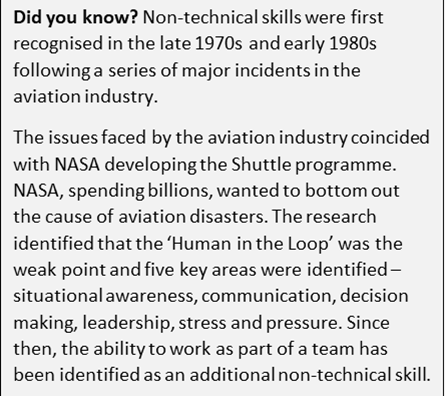
Non-technical skills can be defined as ‘the cognitive and social skills that complement a workers’ technical skills and, as such, contribute to safe and efficient task performance’ (Flin, O’Connor and Crichton 2008) and can be developed to complement an ER’s everyday skill set. These skills are include situational awareness, communication, decision making, leadership​, stress​ and pressure, and teamwork. 

Situational awareness 

The three stages of situational awareness are: the ability to know what is going on around you by gathering information; making sense of this information and anticipating what could happen next.  

ERs need to be able to demonstrate strong situational awareness in all three stages to fully understand the implications of acting on information received. They also need to consider that everyone perceives information differently based on the context and their own subconscious bias and experiences. The danger with situational awareness is that it can be affected by several components, which include lack of awareness in training, human limitations, stress, fatigue, and bias. ERs need to be trained to recognise these components to have a better chance of making the right decision.  

It can be difficult for ERs to develop situational awareness while dealing with low-frequency incidents, such as those involving hazardous materials, which are known to be high risk. There is little that can be done about the level of risk. However, by increasing the frequency of high-quality training, ERs can develop mental models to refer to during high-pressure response situations.  

Communication 

Communication is vitally important when responding to incidents. It must be of a suitable style and frequency for each situation. When reviewing lessons learned or case studies of incidents, communication is highlighted, but is usually focused on the technical aspects. Factors that are technical by their nature could include battery failings, radio dead spots or an individual failing to select the appropriate radio channel – but should there be more focus on communicating effectively during an incident? For maximum effectiveness, non-technical skills training should develop an ER’s ability to communicate effectively in a style suitable for the stakeholder and at an appropriate frequency. 

The following should be considered: Do you communicate effectively in 360 degrees? Do you consider the required frequency and most effective style of communications for each stakeholder? Do you communicate well under pressure? 

If the answer to any of the above is no or if you’re unsure, then you need to review your communication skill set. 

Decision making 
This is defined as the process of reaching a judgement or making the choice between options, perhaps better understood as a course of action to deal with the incident. In a pressured situation, the cognitive capacity of even the most resilient responders can become overloaded and compromised. Cognitive capacity can be affected by: too much information, habit, biases, health, groupthink, distractions, levels of experience, emotions, and pressure.  

Applying learnt controls and tools is necessary to enable the decision maker to reach a successful outcome when dealing with incidents.  

Leadership 

When leading a response team, ERs need to reflect on how their leadership style in an emergency is interdependent on their leadership style in a non-emergency situation. At any incident, the lead responder must enable and empower ERs to approach them with new information. The leadership style before the emergency sets the tone of how team members react during the emergency.  

Leaders must have the ability to be flexible in their leadership style in response to dynamic situations, taking on a more directive style when managing incidents and being more consultative in times of less risk. 

Stress and pressure 

There are many different factors to be considered regarding an individual’s ability to work in a stressful environment. Through self-awareness, training, utilising stress reduction techniques, being physically fit and being able to ask for support, responders can reduce the risk of negative impact from stress. When dealing with dynamic incidents, responders can manage the associated stress in the preparation phase by carrying out relevant training, which can assist them in becoming more familiar with that incident type. 

Teamwork 

When developing teamwork skills, responders must be mindful that they won’t always be part of the same team. They must reflect on how they are perceived by and respond to other team members, how they behave within a team and the impact of their behaviour. Within every highly effective team, there is a culture in which feedback is routinely given and accepted.  

Developing and practicing non-technical skills 

When reflecting on case studies of incidents where responders have been killed or seriously injured, there is usually an element of human error involved. To reduce the chance of this, ERs need to develop their non-technical skills. 

It is necessary to continue to train and test technical skills to enable responders to be safe, effective, competent, and confident. Non-technical and technical skills training can occur simultaneously to assist with the time constraints placed upon response teams and organisations.   

It is recommended that if training leads want to reduce the risk of human error and improve the safety of responders, they should look to integrate non-technical skills into training programmes at the earliest opportunity. Responders should continue to develop and practise these skills regularly. 

NCEC’s training platform, Hazmat Academy, is a hazardous materials (hazmat) training model. It has revolutionised hazmat training by providing a contemporary solution that meets the needs of individuals and takes account of the modern-day challenges that emergency services and commercial organisations are facing. 

The Hazmat Academy’s off-the-shelf courses cover non-technical skills, emergency response, chemical response training and detection, identification, and monitoring. They also offer distance learning modules on different topics such as waste fires, hydrogen fluoride and refrigerant gases and can cater to bespoke requirements.  

All courses are accredited by the International Organisation for Industrial Emergency Services Management (JOIFF) and the hazmat courses are delivered in partnership with the Fire Service College. 

The following schedule has been announced for this year’s emergency response courses: 

  • Hazardous materials adviser initial: 27 June, 5 September, and 21 November 
  • Hazardous materials first responder: 23 May 
  • Hazardous materials instructor: 12 September 
  • Hazardous materials adviser revalidation: 7 November 

Text BoxText Box

The academy’s distance learning courses are available to book all year around. You can find out more about the hazmat and chemical training courses through their website www.thehazmatacademy.co.uk. If you would like to speak with one of the hazmat academy experts for a more bespoke requirement, please contact them at support@hazmatacademy.co.uk.  

Pierce to showcase electric fire trucks at FDIC 2022

Pierce Manufacturing Inc will showcase an extensive selection of the latest fire apparatus and technology developments at the Fire Department Instructors Conference (FDIC) in Indianapolis, Indiana, April 28-30, 2022.

A main feature will be North America’s first-in-service and fully U.S. manufactured electric fire truck – the Pierce Volterra Pumper. Attendees will find Pierce’s display in the north end zone of Lucas Oil Stadium (booth #8807), which will feature 14 fire trucks and interactive opportunities to learn about the latest product and technology innovations.

“The past year has been monumental for our company in advancing our objective to create the most progressive solutions in fire apparatus safety and efficiency,” said Lisa Barwick, vice president of marketing for Pierce’s Fire and Emergency Segment. “We’re excited to welcome Fire Chief Steven Davis from The City of Madison Fire Department and EnTech Solutions to our 2022 FDIC booth. Visitors will have the opportunity to hear first-hand from these representatives about the performance of the Pierce Volterra electric pumper, its charging infrastructure, and the impact on reducing emissions and improving firefighter safety; all with no compromise on features, performance, or functionality.”

Pierce’s Volterra Electric Fire Truck Display to Include:

  • Two electric pumpers and charging infrastructure solutions
  • North America’s first-in-service electric fire truck – The City of Madison, Wisconsin Fire Department’s Volterra electric pumper
    -City of Madison Fire Department’s recently retired Chief Steven Davis, and Assistant Chief Scott Bavery will be on-site and available for Q&A
  • Portland, Oregon Fire & Rescue’s Pierce Volterra electric pumper
    -Pierce’s expert engineers will be available to discuss features, customizations, and attributes of the U.S.made electric fire apparatus
  • EnTech Solutions electric vehicle charging infrastructure – Pierce has partnered with EnTech Solutions, an expert in energy solutions provider from concept to installation, and representatives will be on-site at Pierce’s FDIC booth to discuss: 
    -The impact of EV charging on a fire station
    -The best options for the individual site
    -ROI opportunities with renewable energy
    -Available grants/incentives
    -Costs and anticipated lead times
    -Ongoing support  

Additional Technology and Latest Fire Truck Component Features on Display Will Include:

  • Introduction of the next generation in fire apparatus pump design and fire suppression upgrades with enhanced flow capabilities paired with unmatched serviceability and performance.
  • 100’ Heavy-Duty Low Profile Steel Aerial Ladder – Introduced in late 2021, this 100’ low profile steel ladder has an overall height as low as 10’ 10” with waterway, and 10’ 8” without waterway, a rated load capacity up to 750 lb in winds up to 35 mph with a 100 lb allowance of additional firefighting equipment at the ladder tip (while flowing up to 1500 gpm).
  • Pierce CZ Connect Fully Integrated Telematics Solution providing remote access to vehicle data from anywhere. Available in feature packages which provide the users’ desired level of dashboards for diagnostics, maintenance, operational overview, and more.
  • PACCAR MX-13 big block engine – available exclusively on Pierce Arrow XT, Enforcer, and Velocity custom chassis. PACCAR is known as a global leader in the design and manufacturer of diesel engines, and experts will be on-site at Pierce’s FDIC booth to discuss the industry-leading design attributes of the MX-13 engine.

Barwick continued, “The launch and North American placement of our new PierceVolterra  electric vehicle was an incredibly important event for our company, but certainly not the only Pierce innovation which has taken place in recent years. In our FDIC 2022 booth, we’re eager to showcase and help visitors learn more about the many advancements which have been made available as standard or custom features on some of our most in-demand fire apparatus.”

In addition to product and technology demonstrations, on Friday, April 29 at 1:00 pm (EDT), the opening ceremony for the National Fallen Firefighters Foundation (NFFF) 9/11 Stair Climb event will take place at Pierce’s booth. The 9/11 Stair Climb is a way for attendees to honor and remember those in the fire service community who selflessly gave their lives, so that others might live. In past years, more than 700 FDIC participants in each event have paid tribute by climbing or walking the equivalent of the 110 stories of the World Trade Center.

Comelit-PAC insists on integrating fire safety systems early

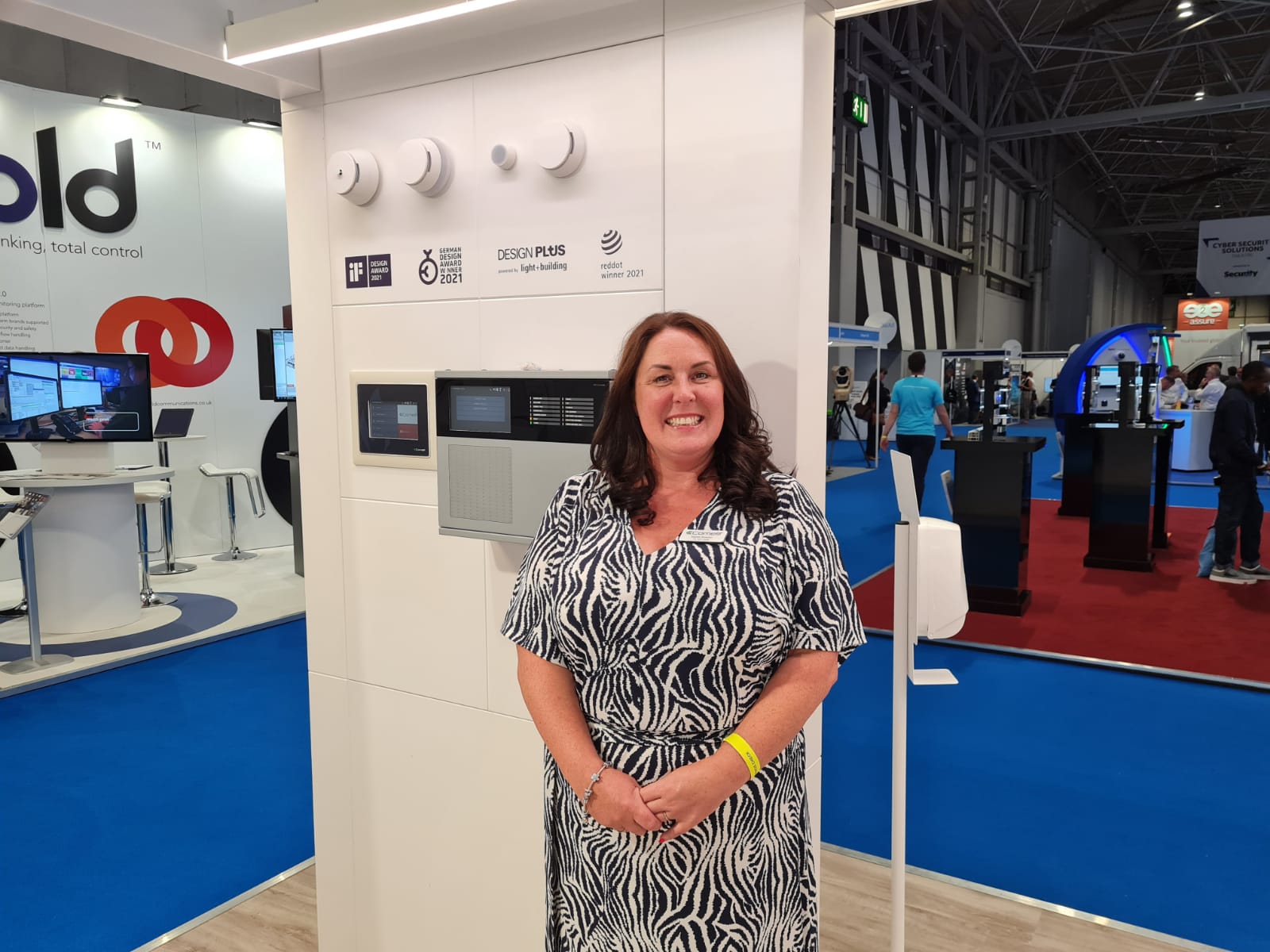
Mandy Bowden, fire manager, Comelit-PAC highlights how legislation and fire detection and alarm systems have evolved to enable tailor made solutions to meet individual smart building requirements 

Fire safety is vital to consider in new buildings, construction, or refurbishment projects as early in the specification process as possible, to ensure systems can be designed in compliance with latest legislation and still blend with their surroundings, without losing their function.  

Historically, fire safety design of buildings has been seen as a constraint to innovative design, but this needn’t be the case.  

The future of fire detection and alarm systems is changing. From predictive advancements to sustainable technologies, there is now an opportunity to specify preventative protection systems tailored to each individual property together with their owners and users. 

Setting the Scene 

Successful fire systems design requires an understanding of a wide range of issues and components, and the interactions between them such as, fire source, smoke movement, heat transfer to the building structure, detection, human behaviour and toxicity. 

Mandy Bowden.

Finding the right fire detection system and design is the most difficult task. And currently, this is set against time, budget and resource stretched personnel, who especially during the pandemic, had essential Government guidelines to comply, and fire safety found itself slipping down the agenda.  

Yet the findings of the Grenfell Tower tragedy and Fire Safety Act 2021 (alongside the forthcoming Building Safety Bill) as part of the ‘biggest changes to building safety in a generation,’ demonstrate the importance of fire safety.  

With its significant ramifications for those organisations considered “responsible persons” it highlights the need for compliance and the risk of enforcement powers and sanctions for those that do not prioritise fire safety. 

Today’s global environment requires the fire and life safety industry to innovate with solutions, installing systems that can adapt to its environment and support and understand the specific needs of a building’s purpose. 

It is down to consideration of these elements and all who occupy the facilities early in the specification process of any works programme, to determine the best technology and installation of compliant fire detection. 

Fire systems by design 

Above all else, fire detection is there to save lives; but the way in which systems are presented, will depend on their surroundings. Fire systems specification can begin as early as during the briefing and continue into the handover and close out stages.   

Even then the need for risk assessments are essential to maintain on a regular basis, again, especially in line with new expectations of the Fire Safety Act 2021. 

If fire safety is outlined in the initial design process, it can contribute to the smooth and efficient running of the building construction, which together with identifying design and consultancy services early on, can deliver on even the most demanding fire safety and security specification requirements, of today and the future. 

The same is true for refurbishment projects, and change-of-use schemes.  When you alter how a building is used, you also change the measures required to make it safe. 

It’s not a case of one size fits all as different buildings need different approaches. Areas within those buildings also need to be treated differently – for instance, escape routes in a residential block (like public corridors and staircases), need greater fire protection than individual flats to allow people time to evacuate.    

 The best fire protection strategies consider the design of individual buildings and how they are used by occupiers, using both active and passive measures in a holistic approach.   

Fire systems in education 

Comelit-PAC was involved in an award-winning eight-form entry secondary school and sixth form academy, designed as part of a £100m development in Broxbourne, Hertfordshire. 

Designed by architects Bond Bryan and built by Chase Homes, Broxbourne School offers multiple educational buildings, including a new indoor sports hall, 3G football pitch, a multi-use games area for sports such as netball and tennis, together with The Broxbourne Music Centre. 

Winner of the School Building Awards, presented by the Education Business Awards, the new campus, completed five months ahead of schedule, will cater to the 1,500 students aged 11 to 18, as well as the wider community.  

By integrating fire safety into the specification detail, systems could be installed that  

have the flexibility to expand with a facility or building requirement, to enable more to benefit from this ambitious new college. 

The LogFire system.

Says Ben Lewis, of Matrix Fire & Security: “We knew instantly that Atena would accommodate the requirements of the school and blend seamlessly with the fabulous teaching and learning environment that has been created.”   

What this demonstrates is when creating school buildings fit for 21st Century learning, holistic design principles must be adopted. While the Comelit-PAC Atena addressable panels represented just one component of this amazing new build, by being so easy to use, they provide an effective way to keep the school community, and the broader range of buildings’ users, safe and protected. 

Fire systems in healthcare 

Any fire detection technology must be strategically placed, unobtrusive and not affect the aesthetics or daily busy operations of the staff on site. And risk assessments were essential to maintain a safe environment. 

This is also particularly essential in new hospitals and mental health facilities, where the focus is the use of natural light and bright, airy spaces, to positively impact both workforce well-being and where every part of the site is seen as potentially having therapeutic value. 

Comelit fire specification 

Comelit-PAC is evolving with the specification requirements of discerning end users, providing the products and services necessary for installers to meet burgeoning expectations. 

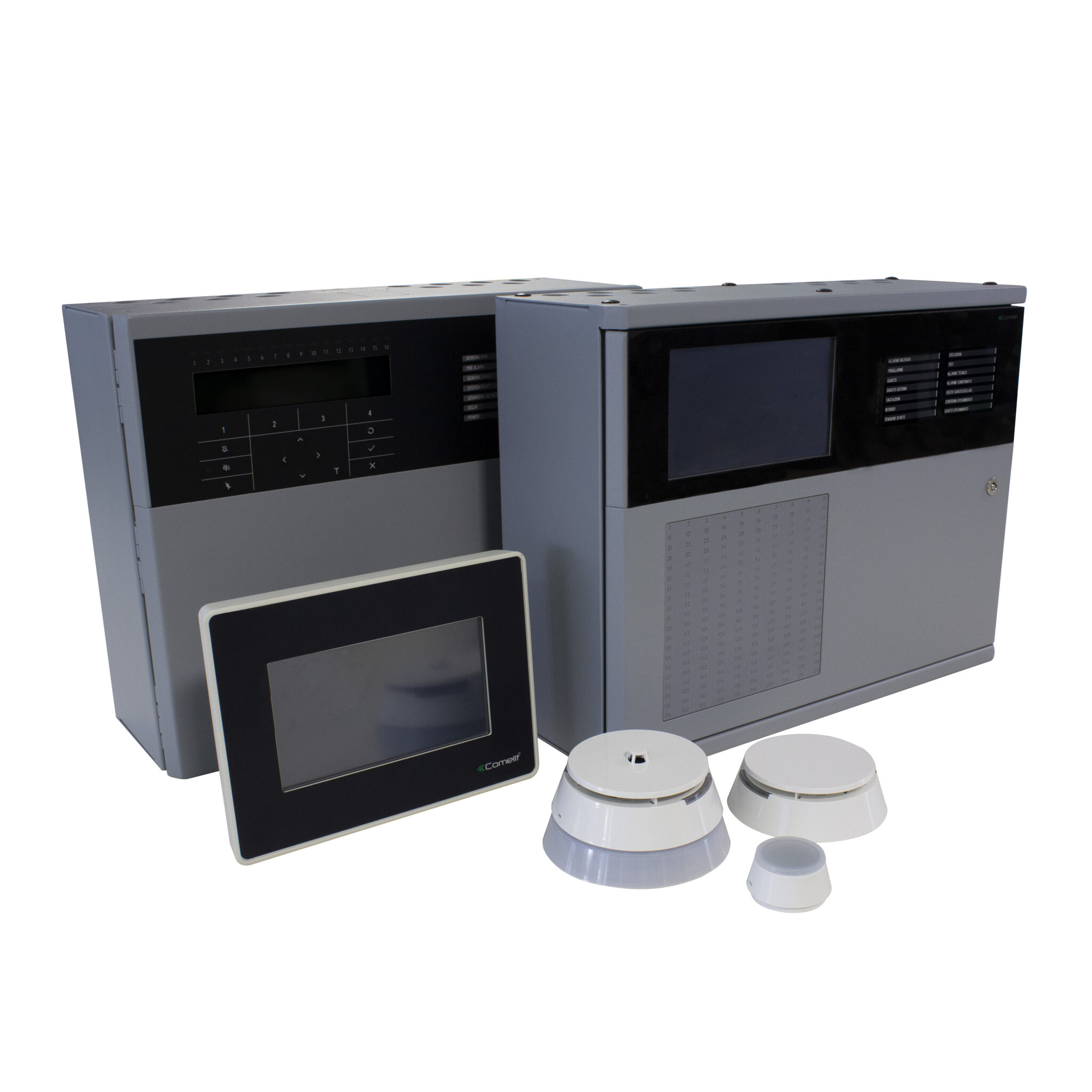
Most recently, it has upgraded its entire fire system range with the launch of LogiFire, which represents a complete technical and aesthetic evolution of its innovative addressable platforms. 

LogiFire is guaranteed by a new range of control panels. The systems can be expanded from 1 to 8 loops and support up to 2000 devices on an 8-loop system and have a greater loop capacity of 700mAh. The panels are feature rich and have many onboard fault-finding diagnostics. 

The stylish product design is a unique feature of the range, with carefully constructed lines and a neutral appearance to ensure fire safety has a natural blending with surroundings, without affecting the experience for visitors or staff on any site development. 

Most of all, LogiFire prioritises reliability and performance levels. Its development has taken consideration of increasing reliance on integrated systems with security through the internet of things, leaving room for LogiFire to evolve to meet changing fire safety requirements. 

In summary, many innovative building designs now utilise fire safety engineering rather than having to rely solely on functional-based codes. This approach can enable architects to achieve innovative cost-effective designs while meeting fire safety design needs. 

The introduction of the stringent Fire Safety Act 2021, added extra pressures on Responsible Persons as accountable for reducing the risk of fires. 

By considering fire detection and alarm systems early on in any works programme, establishing the facts about a building, its usage and purpose and engaging with experts through design and specification, project teams can ensure they navigate the issues safely and meet the needs of building users.    

Comelit-PAC can help to incorporate tailor-made fire system design principles into a building design project without impacting on the function, aesthetics or appearance of the building. 

NEBOSH joins OneWISH Coalition

The National Examination Board in Occupational Safety and Health (NEBOSH) has joined the OneWISH Coalition, which unites organisations and women’s networks. These networks are all working towards the aim of improving the prominence and influence of women in health and safety.

Women make up 60% of NEBOSH’s senior leadership team and 65% of the all employees. Julia Whiting, Director of Marketing and Communications said: “Here at NEBOSH we have great female representation; I’m proud to work alongside some passionate and tenacious women that share the same determination I do to be the best they can be.

“By joining OneWISH it is my hope that NEBOSH will be able to amplify this message of inclusivity. We want to encourage and enable even more women – and people of all gender identities – to achieve their ambitions and contribute towards the progress of the health and safety profession.”

Anne Gardner-Aston, Chair of OneWISH added; “We are delighted that NEBOSH are becoming part of the OneWISH Coalition to support women in the health and safety profession. We look forward to working with them and supporting their efforts to improve inclusivity in our profession.”

Nominations open for IAFC Ben Franklin Award for Valor

The International Fire Chiefs Association has opened nominations for the IAFC Ben Franklin Award for Valor. Since 1970, the IAFC’s most prestigious award has recognized the spirit of service, courage and heroism that is a proud tradition among the world’s fire and emergency service. The program is named for one of the first fire chiefs in the United States, Benjamin Franklin. An inventor, statesman and humanitarian, Mr. Franklin was a prime contributor to the wealth of tradition that symbolizes the fire and emergency service worldwide.

Presented annually at Fire-Rescue International (FRI) by the IAFC and Motorola Solutions, the award honors a firefighter(s) for their expert training, professional service and dedication to duty displayed in saving human life. More than that, the program helps raise public awareness and support for the fire and emergency service.

“We look forward to honoring the award recipients at FRI 2022 and every firefighter nominated for their heroic actions,” said Chris Lonnett, vice president of Central Region Sales, Motorola Solutions. “Motorola Solutions takes great pride in supporting the Ben Franklin Award for Valor.”

All active firefighters, career or volunteer, are eligible for award consideration, whether the event occurred while on or off duty. They need only to be nominated by their fire chief for an incident in which they saved a human life.

An individual or a team of up to four may be nominated. The chief must submit the nomination via the nomination link. The incident must have occurred between April 1, 2020, and December 31, 2021, to qualify for consideration. All nominations are reviewed by a committee of IAFC members.

The 2022 nomination period closes June 15 at 11:59 PM ET. Winner and regret notifications will be issued in July.

The winners will be announced Monday, August 22, 2022 and honored on Thursday, August, 25, 2022 at Fire-Rescue International in San Antonio, Texas.

Johnson Controls named to prominent Climate Leaders 2022 list

Johnson Controls has been named to the FT Climate Leaders in Europe list for a second consecutive year.

Europe’s 2022 Climate Leaders list recognizes companies across Europe that have shown the highest reduction of their emissions intensity between 2015 and 2020, which is measured by greenhouse gas emissions relative to revenue. Johnson Controls was one of only 400 companies selected from more than 4,000 across Europe.

“Being recognized by the Financial Times for a second consecutive year as a climate leader in Europe is a particularly meaningful and illustrious honor for us,” said Tomas Brannemo, vice president and president, Building Solutions Europe, Middle East, Africa and Latin America, Johnson Controls. “Sustainability has always been one of our key strategic pillars and as the critical climate change battle continues, it is important for Johnson Controls to keep leading the way in cutting emissions and delivering clean, smart and sustainable solutions for our customers and communities around the world.”

For the second time, FT and research firm Statista compiled a list of European invited companies that have achieved the greatest reduction in emissions intensity. Additionally, Statista analyzed publicly available data from financial and non-financial reports to determine Europe’s climate leaders.

Among the earliest industrial companies to report emissions and pledge emission reductions, Johnson Controls has made tremendous progress – reducing carbon emissions and energy intensity by more than 70 percent since 2002. It was recently named #1 in its industry group and #12 overall as one of the 100 Most Sustainable Corporations in the World and is one of just 45 corporations awarded the Terra Carta Seal which recognizes private sector companies who are creating genuinely sustainable markets.

While Johnson Controls reports their emissions in all three scopes, the ranking accounts for scope 1 and scope 2 emissions only since not all companies named to the list publish their scope 3 emissions. Since 2017, Johnson Controls has achieved a 38% reduction of scope 1 and 2 emissions, eliminating more than 415,000 metric tons of CO2e.

Research shows that almost 40% of greenhouse gases come from buildings, and as the EU seeks to become carbon neutral by 2050, Johnson Controls remains at the forefront of effectively turning the ambition into a reality through the decarbonization of buildings. Last year, the European Commission committed to cut greenhouse gas emissions from their 1990 levels by at least 55% by 2030 under the European Green Deal. The European Energy Performance of Buildings Directive will be an important pathway on how to drive down carbon emissions from buildings.

Through the deployment of its OpenBlue digital platform, Johnson Controls utilizes digitalization as a key enabler for the building renovation wave in Europe and the rest of the world. OpenBlue net zero solutions allow for the sustainable optimization of buildings, and Johnson Controls has seen a significant improvement in environmental impact by helping customers consume less energy, conserve resources, and identify pathways to achieving healthy, net zero carbon communities.

“Our Sustainability efforts boost our customers’ bottom line and help protect the planet by enhancing efficiency and cutting waste. We put the best technology to work so that buildings become flexible assets that are part of the smart, clean infrastructure needed to meet carbon reduction goals,” said Katie McGinty, vice president & chief sustainability and external relations officer at Johnson Controls. “Being at the forefront helping to drive efforts to tackle global climate change is part of our DNA, and we are dedicated to supporting a healthy planet, healthy people and healthy places.”

Johnson Controls continues to take significant steps to further improve its environmental impact and has committed to achieving net zero Scope 1 and 2 carbon emissions by 2040 – ten years ahead of the Paris Climate Agreement goal. By 2030, the company aims to cut its Scope 1 and 2 emissions by 55 percent and Scope 3 emissions by 16 percent. These ambitious 2030 emissions reduction targets have been approved by the Science Based Targets initiative.

Johnson Controls acquires UK’s Xcell Misting

Johnson Controls has acquired Xcell Misting Ltd, an expert fire protection company that designs and installs fire suppression and detection systems. Xcell Misting Ltd specializes in water mist technologies.

The acquisition will benefit Johnson Controls’ customers from Xcell’s expertise within fire protection and security, with access to the latest fire suppression technologies. Xcell Misting operates in a multitude of different sectors that include food, technology, data centers, high-hazard and gas turbines, car plants, residential, and waste management.

Xcell is headquartered in Norfolk, UK and employs fire professionals, engineers, installers and managers to design and deploy fire protection systems across the UK, along with providing support 24/7.

Sarah Dixon, general manager fire suppression UK and Ireland, Johnson Controls said: “Xcell Misting’s specialist watermist capabilities will allow us to maximise on our watermist opportunities, and in turn expand our current suppression offering to our customers.

“With a well-deserved reputation for the strong levels of customer care and expertise, we look forward to working with Xcell Misting Ltd’s talented team and welcoming them to the Johnson Controls family.”

In addition, Xcell Misting’s owners Kevin Musk, Andy Cooke and Deborah Bingham said: “This is a fantastic moment for all, including our employees who will to be part of a larger group with its associated opportunities and our customers who will continue to benefit from the best quality products and the best service at the best price. Xcell Misting will continue to thrive within Johnson Controls and the envisaged growth will be one that we can all be proud of as we move forward together.”

Sentry Doors on course for strong FY 2022

Sentry Doors is growing fast, driven by an absolute commitment to compliance and quality, its Managing Director, Ty Aziz, tells IFSJ.

Tell us about the legacy of Sentry and process of innovation over the last 33 years of existence…
In the last couple of years however, the company has seen a step change in growth. First, we received considerable new investment from our partner, Cairngorm Capital. This enabled us to invest in our manufacturing facilities — new CNC machines, new paint lines, as well as the advancement of an additional facility across the road. We’ve also invested in testing, compliance, and accreditation — all the hallmarks our customers associate with Sentry Doors.

Most importantly though, we have invested in our people — bringing in new expertise to work alongside the existing management team and production staff to ensure that Sentry has the right resources to take it from strength to strength. This has resulted in new customers, typically housing associations, local authorities and their contractors who see the considerable benefits of our bespoke timber doorsets as they replace non-compliant fire doors. By choosing Sentry, customers always know they have the highest standards of certification in their fire doorset partner.

Reflecting that growth is the new look and feel of the Sentry logo which you might have seen out and about or online. We like to think of it as ‘same great company but with an updated look and feel’. We have a new website, new brochures to showcase our range of certified fire doorsets, as well as our certification portfolio to make it easy for customers to immediately focus on the testing or accreditation required — and you can even visit our factory virtually online. We’d rather people came in person though – the quality of our manufacturing really speaks for itself, plus we’re a friendly bunch.

Looking to the immediate future, Sentry has a stand at the upcoming Fire Safety Event in early April at the NEC. We’ll all be there, meeting customers old and new, and we’d love to tell everyone the Sentry story. It’s something we’re really proud of.

A great example of innovation was the ‘timber doors’ that were on display at Intersec 2022 which were high spec, and purpose-built fire doors. Tell us about the research and development of your products?

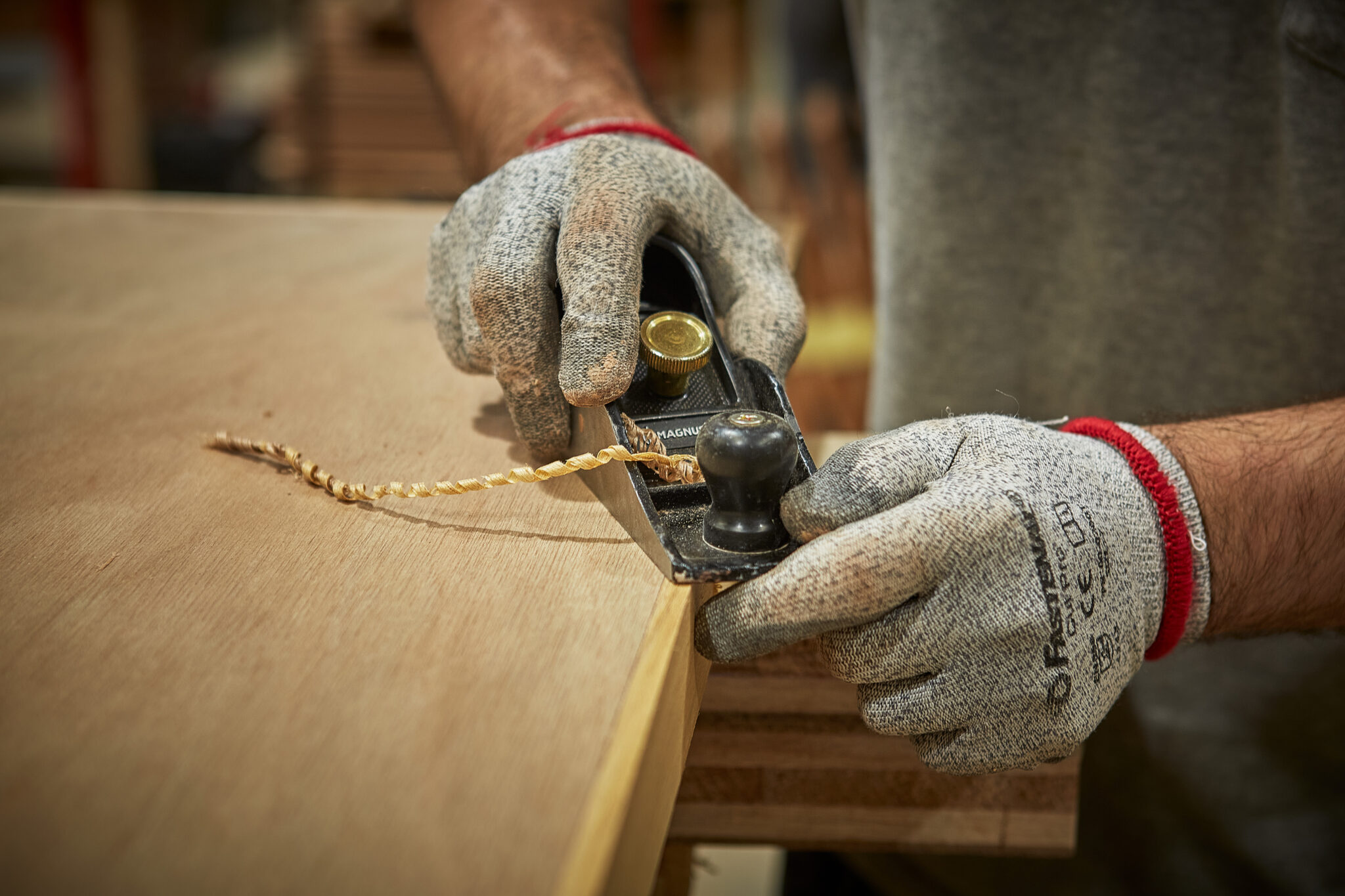
Sentry is a specialist provider of bespoke timber FD30s, FD60s doorsets, screens, and fanlights – that’s all we manufacture and consequently, we like to think we are experts! Every single doorset that leaves our factory is made specifically for a particular aperture — in order to ensure the highest safety standards and customer care, we manufacture each product specifically for an individual address, with a comprehensive choice of paint finish, glazing, security and ironmongery to complement it. Our Research & Development takes place at our facility in Doncaster, but it always has customers at its heart — we work closely with them to respond to their requirements. Budgets are whatever is required to keep us at the top of our industry.

Designed to offer peace of mind, our FD30s and FD60s doorsets undergo independent testing and approval from BM TRADA and Certifire standards. Both are certified by Secured by Design, and we are one of the few companies nationally to have achieved dual certification (Q-Mark Fire Door Manufacture and Q-Mark Enhanced Security) for both our FD30s and FD60s flat entrance doorsets. We were also the first fire and security door set manufacturer to hold the new UKCA mark, as certified by UK-approved body BM Trada. The standards, certification and compliance can be a complicated subject however, so we aim to provide ease via our certification portfolio, and we are always on hand to guide customers to ensure peace of mind.

Tell us about some of your major geographical markets, and expansion plans for 2022?
Sentry has a history of serving London boroughs and their contractors — we’ve been involved in manufacturing fire safety doorsets for many of the major replacement programmes in the capital’s housing stock both pre and post the dreadful events of Grenfell. We also work widely across the rest of the UK — we have ongoing projects in the north of England, Scotland and the across the South-East. Let me put it another way: if you’ve got a project that requires fire safety doors in the UK, you ought to be partnering with Sentry! 

What are some major trends in the fire door market, and what can we learn from them?
The trend is clearly towards ensuring only the highest standards of fire protection: that means timber because of its clear safety advantages over other materials, it means bespoke, because UK housing stock is diverse and not standardised like other markets.

Most importantly, it is about making sure that the choice you make is tested to the extreme and then certified to show that the specific doorset will protect people in the face of disaster. Those who specify and procure fire doors are absolutely committed to avoiding another disaster, and so is Sentry. That’s not so much a trend as the only right way, of course.

Sentry had previously predicted a 30% increase of “production operatives over the next 12 months”. How confident are you about your growth in 2022?

We’re growing really fast, and we are looking for more great people who share our ethos to join us: it could be more than 30% in 2022 and beyond. We are consistently recruiting in our factory, training, and developing people to achieve our manufacturing quality through open days, via our website and more. As more and more customers understand the benefits of the Sentry solution, we have invested in another CNC and a new paint line as well as expanding into our capacity across the road from our main factory. We also have opportunities in business development, customer service and more — so anyone who shares our values and wants to be part of the exciting Sentry story, do get in touch. 

In conclusion, I would like to tell your reader: Sentry is growing from strength to strength as the secure choice in fire safety doorsets. We look forward to meeting people from across our industry at the Fire Safety Event — we’ll have a prominent stand but do please contact us if you would like to book an appointment in advance. It will be great to tell you the Sentry story in person.

Solarsense and Avon win big at the Green Energy Awards

Solar energy specialist Solarsense and Avon Fire & Rescue Service have won clean energy scheme of the year at the Regen Green Energy Awards. The partnership was recognised for its “extraordinary” contribution to the energy transition.

The national Green Energy Awards aim to celebrate the best projects, leading organisations and inspiring people in the renewable energy sector. Solarsense and Avon Fire & Rescue were up against strong competition in the ‘clean energy scheme’ category, which recognises pioneering schemes which have delivered significant carbon savings.

The winning entry saw Solarsense work together with Avon Fire & Rescue to combine a range of integrated renewable energy technologies across five stations in the South West.  Through a combination of solar panels, battery storage, solar thermal and heat pumps, the project will generate carbon savings of more than 127,117kg per year – providing a benchmark for the role of the blue light sector in the UK’s net zero journey.

Stephen Barrett, Managing Director of Solarsense, said: “It was fantastic working with Avon Fire & Rescue Service on this project, which shows how a range of different clean technologies can be combined for maximum impact on carbon emissions – as well as long term cost savings. We were absolutely delighted to receive this award and hope that the scheme will inspire other Fire & Rescue services to make similar improvements.”

Annabel Harford, Environmental Manager at Avon Fire & Rescue Service, said: “As a Fire & Rescue Service we are on the frontline in responding to the increasing impacts of climate change and so we feel we have a responsibility to reduce our own carbon emissions. We have publicly committed to achieving Net Zero by 2030 and this project was an important step on the road to achieving that ambition. It was great to work with a local company who really shared our passion for sustainability.”

Based in North Somerset, Solarsense are located within approximately 25 miles of all the fire stations involved in the project, meaning they could minimise travel and reduce the overall carbon impact of the scheme. Both Solarsense and Avon Fire & Rescue Service operate with a sustainable procurement practice, ensuring that the products installed are as environmentally friendly as possible.

Avon Fire & Rescue Service will now look at the potential for these renewable energy technologies to be replicated across their other sixteen stations. In the longer term they will also consider the possibility of additional innovations such as electric vehicle charge points and the trialling of electric fire engines.

As well as reducing the Service’s carbon footprint, the ability to generate renewable power and heat on site will allow the organisation to make financial savings which can be reinvested in both core business activities and further sustainability efforts.

Merlin Hyman, chief executive, Regen, said: “The 2022 Green Energy Awards showcased the extraordinary range of innovative zero carbon solutions available and the pioneering individuals committed to bringing them forward. The inspiring award winners and nominees demonstrate we have the ability to end our addiction to fossil fuels and will, I hope, galvanise us all to take even bolder action towards net zero.”