Redefining safety standards with Reacton

Reacton’s CEO, Sam Malins, discusses the company’s global impact and the future of fire safety solutions

In the dynamic and technologically evolving world of fire safety, Reacton Fire Suppression has emerged as a front-runner.

Established originally in 1968 to protect racing cars from fire, the company has metamorphosed into a global manufacturer of critical fire suppression and detection systems​​.

Founded in 1996, Reacton has carved a niche for itself in the research, design, and manufacturing of pre-engineered automatic fire suppression systems, under the visionary leadership of Sam Malins​​.

Reacton’s systems, known for their reliability and innovative pneumatic tube-based detection, are manufactured exclusively in the UK and are a testament to the company’s commitment to quality and safety​​​​.

Under Malins’ stewardship, Reacton has expanded its global footprint.

With offices in Phoenix, Essex, and Dubai, the company has made significant inroads into the Middle Eastern market, a region of particular interest for its growth potential.

Reacton’s partnership with Tabra Trading in the UAE, aimed at safeguarding thousands of buses, exemplifies its proactive approach to market penetration and customer safety​​.

This exclusive interview with Sam Malins delves into his journey from the waste management sector to leading Reacton Fire Suppression, exploring the challenges, innovations, and strategies that have propelled the company to its current market position.

With a focus on Reacton’s expanding role in the Middle East, the interview promises insights into the company’s approach to navigating the unique challenges of the region, its recent successes, and its future aspirations in the evolving landscape of fire safety.

Could you share with us your journey in the fire safety industry up to your current role at Reacton?

My background originally lies in the waste management sector.

In the UK, we identified a unique opportunity to introduce a cost-effective fire safety system.

The existing systems on the market were prohibitively expensive.

My business partner, Ed Barnes, and I were driven to offer a highly reliable yet affordable alternative.

This endeavour began in 2009 when we partnered with a UK-based manufacturer of fire systems, initially installing their products.

However, we soon realised these systems weren’t tailored for heavy plant machinery.

After two to three years of installations, we felt a need to have greater control over the quality and certifications of the products, aiming to make a significant impact in the market.

Our passion for the technology, especially its simplicity and reliability, fuelled our desire to showcase it to a global audience.

In 2016, we acquired a company to further this vision, focusing on quality and approvals not previously available globally.

For the past seven years, we’ve been working towards this goal, and I’m proud to say we’re now on the map as one of the global market leaders.

Our primary motivation has always been to provide an affordable, durable, and highly dependable product for fire safety.

This commitment forms the core of our business journey.

On a personal note, Ed Barnes and I have been instrumental in leading our business to this point of success.

Can you set the scene for Reacton’s work in the Middle East?

Our journey began in 2019, just before the COVID-19 pandemic.

We established our office in the region that year, shortly before the onset of the pandemic, which led to a couple of years of inactivity.

Our focus in the Middle East involved collaborations with Civil Defense and understanding the market’s needs, particularly in protecting school buses.

This specific requirement was a key reason for our foray into the Middle Eastern market.

Our system’s competitive edge lies in its combination of high quality and cost-effectiveness, which aligns perfectly with the market’s demands there.

The region requires products that are not only outstanding in performance but also financially viable.

Entering the Middle Eastern market with a high-priced product would likely result in little to no market penetration.

Our approach to cost-engineering our products, coupled with their simplicity, positioned us to potentially become a market leader in that area.

I consider this phase as laying our foundation in the Middle East, primarily with bus protection.

However, our core products extend to engine bay protection for buses, heavy mining, and plant equipment.

Our current focus is on building upon this established foundation.

What has driven Reacton’s increased focus on the Middle East market, and how does this align with the company’s overall strategy?

Reacton’s intensified focus on the Middle East market is primarily driven by our expertise in vehicle protection.

This includes not only buses but also extends to heavy plant machinery.

We define ‘vehicle protection’ as encompassing a comprehensive safety approach.

Our systems are designed to safeguard engine bays and hydraulic bays, offering a broad range of protection, not just focused on engine bay protection, but covering additional risk areas, particularly in plant machinery.

This strategy of providing more extensive protection sets our systems apart in the market.

Looking forward, we aim to continue our engagement in the bus market while also expanding into the heavy machinery industry.

This dual approach aligns seamlessly with our company’s overall strategy, ensuring a broader impact and relevance in the sectors we serve.

What unique challenges does the Middle East present, and how has Reacton adapted its products to meet these challenges?

One unique challenge we face in the Middle East relates to the rapid pace of expectations.

In this region, there’s a prevalent ‘need it yesterday’ attitude, which I quite enjoy, although it does present its own set of pressures.

This is especially true as safety standards are becoming increasingly stringent.

New safety regulations are known to arrive overnight and suddenly, all products need to comply.

Another challenge is the competitive pricing and the presence of rogue competitors in the market.

These competitors often claim to have necessary approvals when they don’t.

This issue is a daily hurdle for us, and our response is to ensure that our customers are fully informed about how our products function and the legitimate approvals that substantiate their quality.

Can you share some of Reacton’s key successes or milestones in the Middle East?

We have several notable projects and partnerships in the Middle East.

A significant ongoing project involves Emirates Transport and Dubai Taxi, two of our major clients in the region.

With the support of our partners Tabra, these projects have been foundational for us in the UAE, where we have installed thousands of our systems across these two customers alone.

Additionally, we’ve made inroads into Oman by starting work on a major copper mine.

Another exciting development is our involvement in the NEOM project in Saudi Arabia, where we’ve successfully deployed a number of our protection systems.

These initiatives are indicative of the growing presence and impact of our market in the region.

What trends are you observing in the Middle East fire safety market, and how is Reacton responding to these?

One trend that stands out in the Middle East fire safety market is the region’s commitment to pushing the boundaries in safety standards, particularly in fire safety.

It’s impressive to see the heightened focus on this area.

There’s a noticeable upsurge in the demand for enhanced fire safety measures, especially concerning passenger vehicles and high-rise buildings.

The region, with Dubai leading the way, is elevating safety standards significantly, and the rest of the Middle East is following suit, albeit at varying speeds.

This is evident when you visit cities like Riyadh or Jeddah, where the seriousness with which fire safety is taken is quite apparent.

With Intersec 2024 approaching, what are Reacton’s goals for this event, and what innovations do you plan to showcase?

We have set clear goals for Intersec, focusing on showcasing our recent advancements and innovations.

Since last year, we have achieved six new approvals, and we plan to highlight these accomplishments.

These approvals span across various market verticals that we cater to.

We are lucky to operate in a broad spectrum of applications and industries, such as buses, mining, port equipment, CNC machines, and electrical control panels.

Many of our systems have attained UL approval, and we have also obtained UAE.S 5041 and SASO 2946 Approval for bus protection in the UAE and Saudi Arabia markets.

These milestones are significant achievements that we plan to showcase at Intersec 2024, reflecting our dedication to continuous improvement and adherence to rigorous safety standards in our industry.

I would like to highlight our recent accomplishments in certifications, particularly the UL 2166.

We have obtained two new UL approvals for our direct DLP (Direct Low Pressure) technology and indirect ILP (Indirect Low Pressure) technology.

Additionally, we have achieved certifications for a dry powder system under AS5062, and a foam system under AS5062.

We are excited to share that we have made significant investments in our UK headquarters, including research and development, precision component manufacturing, and product simulations.

Our investments have reduced product development time and improved our manufacturing capabilities.

We have introduced new machining centres and a metrology laboratory, which will be UKAS approved by the end of the year.

Our commitment to quality is reflected in our passion for delivering exceptional products to our customers.

We ensure the highest standards of quality in our systems before they leave our factory.

What long-term objectives does Reacton have for its operations and influence in the Middle East and beyond?

Reacton has set clear long-term objectives for its operations and influence beyond 2024, both in the Middle East and globally.

The company’s primary focus is on the markets where it currently operates, with a special emphasis on Saudi Arabia.

Reacton is dedicating significant efforts to developing this region, recognizing the substantial market potential for its systems, particularly given their price point and quality.

Furthermore, the company’s strategy involves its new UL direct system (DLP), which is UL2166 Approved.

This system presents a significant opportunity, particularly in the oil and gas industry, for the protection of electrical control panels with a UL approved system.

The UL direct system is a pioneering advancement that will offer a world-first solution for this critical industry need.
Intersec Dubai will take place between the 16th and 18th of January at the Dubai World Trade Centre, Dubai. Reacton Fire Suppression’s Stand Number is Stand 4-F39.

This article was originally published in the January 2024 issue of International Fire & Safety Journal. To read your FREE digital copy, click here.

How to Put Out a Grease Fire

Cooking can be an enjoyable and rewarding experience, but it also comes with its fair share of risks. 

One of the most common and potentially dangerous kitchen mishaps is a grease fire. 

Knowing how to put out a grease fire is not just valuable knowledge; it could be life-saving. 

In this article, we will explore the causes of grease fires, the best ways of how to put out a grease fire, and crucial prevention tips to keep your kitchen safe.

What Causes Grease Fires

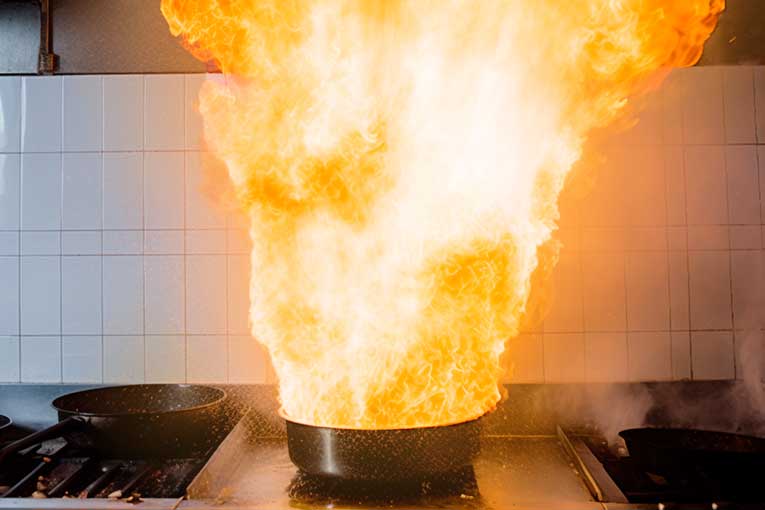
Grease fires are incredibly dangerous
Grease fires are incredibly dangerous and hard to put out

Grease fires, as every cautious cook knows, are the stuff of kitchen nightmares. 

It’s essential to comprehend their origins to prevent potential disasters and kitchen fires.

Overheating

At the heart of a grease fire lies the peril of overheating. 

When oil or grease in a pan is heated beyond its smoke point — the temperature at which it begins to emit smoke and break down — it becomes a volatile hazard. 

As the heat intensifies, the oil’s molecules break apart, and if not attended to, they ignite, turning a simmering pot into a raging inferno. 

This scenario is particularly common when deep frying, where oils are heated to high temperatures for cooking various delicacies.

Water

Another common catalyst for grease fires is the introduction of water. 

Imagine a sizzling pan filled with hot oil; a splash of water is akin to tossing a lit matchstick into a powder keg. 

When water meets hot grease, it doesn’t simply douse the fire; instead, it fuels it exponentially. 

The water sinks to the bottom of the pan, where it evaporates instantly due to the extreme heat. 

This rapid conversion of water to steam propels flaming grease droplets into the air, spreading the fire like a frenzied dance of danger.

Other Liquids

While water is the most notorious culprit, other liquids can also lead to disaster. 

Sauces, marinades, or even frozen foods with ice crystals can cause spattering when they come into contact with hot oil. 

These seemingly harmless elements, when introduced recklessly, can instigate a grease fire, transforming a calm cooking environment into a chaotic emergency.

Dirty Appliances

Dirty stoves, ovens, and exhaust hoods can also be unwitting accomplices. 

Grease buildup in and around these appliances serves as additional fuel. 

Over time, this accumulated grease can ignite from a simple spark or even the heat of nearby cooking. 

Thus, regular cleaning and maintenance are not just aesthetic concerns but crucial safety measures to prevent the unexpected eruption of a grease fire.

How to Put Out a Grease Fire

If a grease fire ignites, it’s crucial to act swiftly and correctly as grease fires are one of the most dangerous types of fire.

Never use water to extinguish a grease fire; water and oil don’t mix and can lead to explosive results. 

Instead, follow these steps:

Turn Off the Heat

The moment a grease fire erupts, your first action should be swift and decisive: turn off the heat source immediately. 

By removing the fire’s fuel supply, you halt its potential escalation. 

This simple act can prevent a small flare-up from spiralling into a major conflagration.

Covering the Pot

A metal lid or a baking sheet is your ally in combating a grease fire. 

Place it over the pot with precision, ensuring it entirely covers the flames. 

This makeshift shield serves a crucial purpose: it denies the fire access to oxygen, an element essential for combustion. 

While using a lid, avoid using a glass one; the intense heat can cause it to shatter, creating an additional hazard.

Baking Soda

For small, manageable fires, a common kitchen ingredient can prove to be a lifesaver: baking soda

Carefully and evenly sprinkle baking soda over the fire. 

Baking soda, also known as sodium bicarbonate, disrupts the chemical reaction of the fire, acting as a smothering agent. 

Keeping a box of baking soda within arm’s reach of your stove ensures that you have an immediate and effective countermeasure for minor grease fires.

Using a Fire Extinguisher

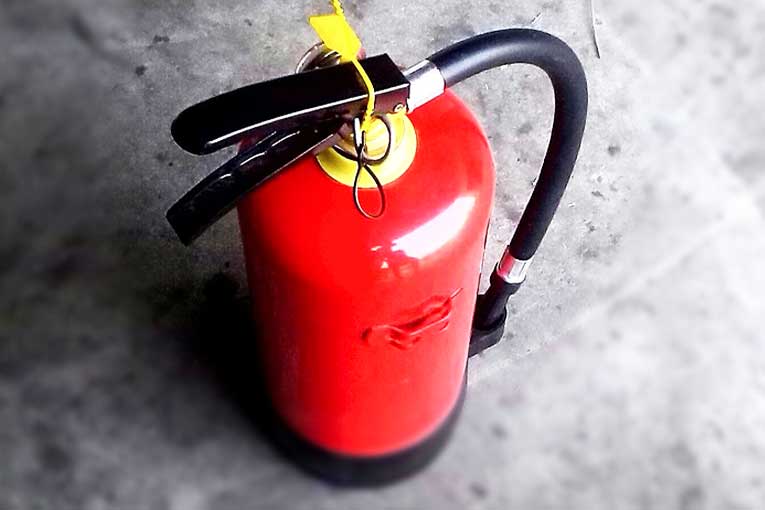
When a grease fire defies initial attempts at control, a specialised tool becomes essential: the Class F fire extinguisher. 

Specifically designed for kitchen fires, this extinguisher contains a special extinguishing agent that swiftly suppresses grease fires. 

Hold the nozzle, aim it at the base of the fire, and sweep it from side to side. 

Proper usage can rapidly diminish the flames, preventing further spread.

Prioritise Safety

Large grease fires should be left to professionals to put out

If, despite your efforts, the grease fire persists and grows, it’s imperative to prioritise safety above all else. 

Immediately evacuate the premises and call the fire department. 

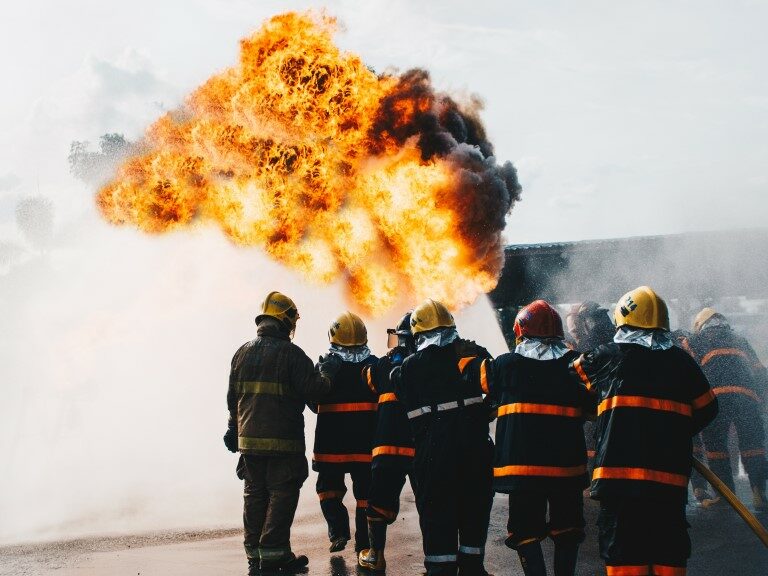
Firefighters are trained professionals equipped to handle even the most severe kitchen fires. 

Do not attempt to be a hero in such situations; your safety and the safety of those around you is paramount.

Why are Grease Fires so Dangerous

Grease fires are not just ordinary flames; they are a volatile combination of intense heat, rapid escalation, and unsuspecting triggers. 

Understanding why these fires are so perilous is crucial for everyone, as it can be the key to preventing and managing them effectively.

Rapid Escalation

The alarming characteristic of grease fires lies in their speed of escalation. 

Unlike some other fires that begin with a slow burn, a grease fire can transform from a minor sizzle to a raging inferno within seconds. 

The flammable nature of grease, coupled with the high temperatures used in cooking, creates a volatile mix. 

A mere distraction can lead to a small spill catching fire, and within moments, the entire kitchen can be ablaze. 

This swift escalation demands immediate, well-informed action to prevent the situation from spiralling out of control.

Unpredictable Expansion

What makes grease fires especially hazardous is their tendency to spread rapidly and unpredictably. 

Once ignited, the flames can swiftly engulf nearby items, including kitchen towels, curtains, or even cabinets. 

This rapid spread not only intensifies the danger but also makes it challenging to contain the fire within its initial source. 

In moments of chaos, the fire can leap from the stove to nearby surfaces, turning a localised incident into a kitchen-wide catastrophe.

Severe Burns and Property Damage

The high temperatures generated by grease fires pose significant risks to human safety. 

Anyone attempting to intervene without proper knowledge or equipment is at risk of severe burns. 

In worst-case scenarios, these burns can be life-threatening. 

Moreover, the intense heat can cause extensive damage to property. 

Cabinets, appliances, and kitchen structures can succumb to the flames, leading to costly repairs and emotional distress. 

It’s not just about extinguishing the fire; it’s about mitigating the aftermath, which can be devastating both physically and emotionally.

The Water Trap

A critical aspect that renders grease fires exceptionally dangerous is the widespread misconception regarding their extinguishing methods. 

The instinctive reaction for many is to reach for water. 

However, this instinct is profoundly misguided. When water meets hot grease, it reacts explosively, splattering burning grease and spreading the fire rather than dousing it. 

This misconception, if not corrected, can turn a controllable situation into a catastrophic event, magnifying the danger manifold.

What Type of Fire is a Grease Fire

Class F fire extinguishers are needed for grease fires

A grease fire falls under the category of a Class F fire. 

Class F fires involve cooking oils and fats, making them unique in their behaviour and extinguishing methods. 

Class F fires are one of the most dangerous classes of fire.

Regular fire extinguishers might not be effective against grease fires; it’s essential to have a specialised Class F fire extinguisher in your kitchen if you frequently cook with oils.

How to Prevent Grease Fires

Preventing a grease fire is far simpler than dealing with one. 

Here are some essential tips to keep your kitchen safe:

Stay in the Kitchen

Never leave the stove unattended while cooking. 

If you must leave, turn off the heat.

The smallest distraction can transform a simmering pot into a raging inferno.

Be Prepared

Preparedness is key. 

Every kitchen should be armed with a fire extinguisher and a trusty box of baking soda. 

Familiarise yourself with their usage. 

These tools are your first line of defence, swiftly neutralising a grease fire’s threat before it escalates. 

Knowing how to handle them can mean the difference between a minor mishap and a catastrophe averted.

Keep the Area Clean

A clean kitchen is a safe kitchen. 

Regularly scrub your stovetop, oven, and exhaust hood to banish grease buildup, the combustible culprit behind many a kitchen blaze. 

Grease, when left unchecked, can turn a simple cooking session into a disaster. 

Your diligent cleaning rituals act as a shield, guarding against unexpected conflagrations.

Use a Thermometer 

Temperature control is an art in cooking, especially when it comes to oils. 

Invest in a kitchen thermometer to monitor your oils’ temperatures closely. 

Oils have smoke points, beyond which they become highly flammable. 

By keeping your oils below these thresholds, you ensure you can stay safe.

Dry Before Cooking

Before introducing items to hot oil, ensure they are dry. 

Water droplets, when introduced to sizzling oil, create explosive splatters. 

These splatters not only pose burn risks but can also ignite surrounding surfaces. 

A simple pat-down of the items you’re frying ensures that your oil remains calm, reducing the risk of sudden, dangerous flare-ups.

Don’t Overcrowd the Pan

Avoid overcrowding the pan when frying. 

Overcrowded pans lead to spills, creating a hazardous situation where hot oil can spill onto open flames or heating elements. 

A controlled, appropriately filled pan ensures that your cooking stays safe, without the drama of a sudden fire.

Conclusion

Being aware of the causes, dangers, and prevention methods of grease fires is essential for anyone who spends time in the kitchen. 

By following these safety guidelines and acting promptly and correctly if a grease fire occurs, you significantly reduce the risk of a minor kitchen incident turning into a disaster. 

Remember, caution and preparedness are your best allies when it comes to keeping your kitchen and home safe.

Reacton achieves world’s first UL 2166 listing for direct DLP technology

Reacton’s landmark achievement

Reacton Fire Suppression has announced a significant milestone in fire suppression innovation.

The company has received the world’s first UL Listing to UL 2166 for Direct (DLP) Technology, applicable to both CE & DOT variants that utilise 3M™ Novec™ 1230 in their Clean Agent Automatic Fire Suppression Systems.

This accomplishment marks a major step in Reacton’s ongoing initiative for global product certification, underscoring their dedication to developing globally approved products to the highest standards.

The significance of UL 2166 certification

Having a system UL listed against the UL 2166 standard for Halocarbon Clean Agent Extinguishing System Units grants the product the world’s most recognised and adopted approval for Clean Agent systems.

Until now, UL 2166 listing had been common for indirect and total flood systems, but Reacton Fire Suppression has become the first to develop this for Direct technology.

Achieving this required substantial innovation and rigorous testing to meet the demanding UL 2166 standard.

Advantages of the Direct DLP technology

UL 2166 not only allows the Direct systems to be applied to larger volumes than current systems but also meets the requirements of NFPA 2001.

It includes performance, construction, and operational tests that larger systems undergo.

The certification is a testament to the Detection Tube systems’ ability to ensure the safety and reliability of high-value assets while offering an approved alternative technology.

This technology now includes applications such as electrical panels & enclosures, server cabinets, CNC machines, and fume cupboards.

Enhanced fire safety standards

UL 2166 is a standard for safety that applies to the construction, performance, and operation of Halocarbon clean agent fire extinguishing systems units, typically used for total flooding of enclosed rooms or structures.

The halocarbon agents used in these systems are non-conductive, leave no residue, and are safe for environments with sensitive equipment.

Reacton’s Clean Agent range, which includes 3M™ Novec™ 1230 Fire Protection Fluid and FM-200™ waterless fire suppressant, is recognised and listed in standards such as ISO 14520 & NFPA 2001.

Reacton’s commitment to safety

Systems and products bearing the Underwriters Laboratories (UL) Mark demonstrate Reacton’s focus on providing a secure, safe, and sustainable offering.

UL’s reputation as a leader in safety science for over 125 years gives ultimate confidence in their products and systems.

Reacton Fire Suppression, a global manufacturer of Fire Detection and Suppression Systems, continues to innovate and lead in the fire safety industry.

IFSJ comment

Reacton’s achievement in gaining the world’s first UL 2166 listing for its Direct DLP technology marks a notable advancement in fire suppression technology.

It sets a new standard in the industry, allowing for broader applications and enhanced safety measures.

This development is likely to influence future design and implementation strategies in fire suppression systems, reflecting a growing emphasis on versatility and efficiency in fire safety solutions.

Reacton’s commitment to innovation and adherence to stringent safety standards exemplifies the industry’s move towards more comprehensive and reliable fire protection mechanisms.

About Reacton

Reacton Fire Suppression Ltd, headquartered in the UK with offices in Dubai, UAE, and Arizona, USA, is a global leader in fire detection and suppression systems.

The company’s focus on innovation, quality, and safety is evident in its range of products, which now includes the pioneering Direct DLP technology.

Reacton’s dedication to meeting rigorous international standards has positioned it as a trusted and influential player in the fire safety industry.

IFSJ Influencer Insight: Bob Caputo, President of the American Fire Sprinkler Association

‘When immediate action is essential, fire sprinklers stand out as a pivotal, economical defense.’

In the ever-changing landscape of fire protection, the urgency to shield life and property from fire’s damage is amplified by new technologies and innovative practices. The fire protection field adapts to combat the increased risks posed by modern construction materials and combustible interior furnishings. When immediate action is essential, fire sprinklers stand out as a pivotal, economical defense, delivering prompt suppression at a fire’s outset, minimiding damage more effectively than traditional responses that come into play much later.

The American Fire Sprinkler Association (AFSA) is a key player in promoting these systems in the US and globally. Since its inception in 1981, the AFSA has been at the forefront of fostering expertise in automatic fire sprinkler usage. With 30 chapters nationwide, the association offers education and advocacy, keeping fire protection professionals current with evolving standards and technologies through a range of training and networking opportunities.

The fire protection industry is keenly focusing on technological advancements, such as smart sensors and artificial intelligence (AI), to advance detection, suppression, and monitoring systems. AI is set to refine protection strategies, particularly in storage facility management. Additionally, the AFSA plans to launch Spanish-language webinars by mid-2024, reflecting this trend towards international and accessible education.

Sustainability is also a significant concern, prompting the development of greener suppression agents and tackling the increased threat of wildfires exacerbated by climate volatility. Water scarcity for firefighting purposes is becoming an imminent challenge that the industry must address.

Labour shortages are compelling the sector towards automated inspection, testing, and the use of robotics, especially in complex storage facilities. In response, the AFSA is working to educate and attract the next generation to the field. Meanwhile, the construction industry’s supply chain issues are expected to extend into 2024, affecting the availability and costs of fire protection materials.

Despite these challenges, the US construction market’s economic forecast is positive, with expected growth into the next year. However, the industry’s success is subject to a plethora of global influences that leaders must monitor to remain competitive.

Looking at specific fire protection challenges, new types of buildings like automated storage facilities, electric vehicle charging stations, and parking structures necessitate innovative fire safety measures. The push for urban development and mixed-use buildings, particularly in emerging economies, underscores the need for practical fire protection solutions, such as sprinklers, for all types of dwellings.

Internationally, investments in infrastructure are surging, with the European Union aiming to renovate millions of buildings by 2030 under the Green Deal for a climate-neutral future. Sprinkler systems contribute to this vision by improving fire safety in energy-efficient structures, which are often more susceptible to fire incidents.

In summary, while the fire protection industry faces an array of new and complex challenges brought on by dynamic environmental and economic changes, these obstacles pave the way for ingenuity and growth. The future holds promising prospects for industry innovation, making it an exciting time for fire protection professionals and stakeholders as they navigate the road to meet these demands.

About the IFSJ Influencer

Bob Caputo, President of the American Fire Sprinkler Association and NFPA Technical Committee chair, has vast experience in fire protection education globally. His accolades include San Diego’s “Fire Prevention Officer of the Year,” “Man of the Year,” and the prestigious Henry S. Parmelee award. A Navy veteran, he’s also an esteemed speaker and author.

This article was originally published in the December 2023 issue of International Fire & Safety Journal. To read your FREE digital copy, click here.

Global fire suppression systems market to reach $28.8 billion by 2030

The global fire suppression systems market, valued at $19.7 billion in 2022, is anticipated to reach $28.8 billion by 2030, growing at a compound annual growth rate (CAGR) of 4.9%.

This growth is driven by various segments, notably the dry chemical-based segment, which is expected to achieve a CAGR of 5.4%​​.

Impact of the pandemic and market dynamics

The pandemic has heightened awareness of fire safety and security.

However, it has also disrupted supply chains and operations.

Despite these challenges, the market remains competitive, with manufacturers providing comprehensive support services.

Key players are focused on innovation and meeting evolving customer needs.

Notably, the U.S.

market is estimated at $5.8 billion, while China is forecast to grow at a robust 6.3% CAGR​​.

Innovations and regulations driving the market

Innovations are a major force in the market, with advancements in smart systems and sustainable technologies.

The implementation of stringent regulations and the rise in real estate investments are also significant drivers.

The integration of smart technologies like the Internet of Things (IoT) is becoming increasingly important for effective communication between fire detection and suppression systems​​​​.

Regional market insights for fire suppression systems

North America is a key player in the market, with significant demand for advanced fire safety equipment.

Europe and Asia-Pacific regions are also showing strong growth, driven by stringent fire safety regulations and advancements in technology.

The Asian market, in particular, is seeing increasing government investments in infrastructure, contributing to the growth of fire suppression systems​​​​.

Challenges and opportunities

While there are numerous opportunities, the high cost associated with installing advanced fire alarm and detection systems poses a challenge.

These systems are typically custom-designed for specific applications, such as in hospitals or data centers, contributing to their high cost.

However, the integration of fire alarm systems with building automation systems (BAS) offers significant growth opportunities, particularly in smart building systems​​.

IFSJ Comment

The growth of the global fire suppression systems market reflects an increasing emphasis on safety and security in both residential and commercial sectors.

The market’s expansion, driven by technological innovations and stringent regulations, underscores the growing importance of fire safety in modern infrastructure.

However, the challenges posed by the high costs of advanced systems highlight the need for cost-effective and accessible solutions.

The integration of fire safety systems with IoT and BAS represents a promising development, offering enhanced safety measures while potentially addressing cost concerns.

This trend towards smart and interconnected systems not only enhances fire safety but also aligns with the broader movement towards more integrated and intelligent building management systems.

Fogmaker International acquires Siveb Oy’s Assets, bolstering Finnish market presence

Fogmaker International expands Finnish market presence with strategic acquisition

Fogmaker International AB, a prominent supplier of fire suppression systems for engine compartments and enclosed spaces, announced a major expansion into the Finnish market with the acquisition of Siveb Oy’s assets through its subsidiary, Fogmaker Finland Oy.

This acquisition, completed on December 1st, 2023, represents a significant stride in strengthening Fogmaker International’s market influence in Finland​​​​.

A strategic move for market expansion

The acquisition is poised to broaden Fogmaker International’s reach in Finland, integrating the valuable expertise and experience of Siveb Oy’s team.

This move aims to enhance service to a more diverse customer base and drive further growth in the region.

It also aligns with the company’s vision of creating safer environments globally through advanced fire suppression solutions.

This strategic acquisition is expected to cater to the evolving needs of customers by delivering tailored industrialized solutions​​​​.

Leadership perspectives on the acquisition

Lars Alrutz, CEO of Fogmaker International, expressed enthusiasm about the acquisition, citing it as a crucial step in reinforcing the company’s regional presence and advancing their global vision of safety.

Kristian Lindström, owner of Siveb Oy, also shared his excitement about joining the Fogmaker International family, emphasizing the potential for delivering more innovative solutions and value to customers.

Lars Fredin, Group CEO of Dacke Industri and Chairman of Fogmaker International, highlighted the strategic expansion and alignment with growth ambitions, foreseeing a continued success trajectory for Fogmaker International​​​​.

About Fogmaker International AB

Fogmaker International, a subsidiary of Dacke Industri since 2022, operates from Växjö, Sweden, with approximately 100 employees and an annual turnover of around SEK 400 million.

The company is recognized for its high-pressure water-based mist fire suppression systems, catering to sectors like Buses, Mining, Material Handling, Forestry, Trucks, Construction Equipment, Agriculture, and Airports.

Their systems are known for their reliability, efficiency, and environmental friendliness​​​​.

About Dacke Industri

Dacke Industri, the parent company of Fogmaker International, focuses on investing in innovative technology companies with development potential.

It operates under a decentralized model, ensuring autonomy and independent operation of its subsidiaries.

With a portfolio of 18 subsidiaries across four divisions, nearly 1500 employees globally, and net sales of SEK 4.3 billion, Dacke Industri emphasizes technological focus, development expertise, and quality execution in its operations, with a commitment to environmentally sustainable products and production​​​​.

IFSJ Comment

The acquisition of Siveb Oy’s assets by Fogmaker International AB represents a significant advancement in the fire safety and suppression industry.

This strategic move not only expands Fogmaker’s market presence in Finland but also strengthens its global footprint.

By integrating Siveb Oy’s expertise and experience, Fogmaker International is positioned to offer more comprehensive and advanced fire suppression solutions, aligning with the evolving safety needs of various sectors.

This development underscores the importance of innovation and strategic partnerships in enhancing safety standards and solutions in the fire and safety industry.

As companies like Fogmaker International continue to expand and innovate, they contribute significantly to creating safer working and living environments worldwide.

Electric Car Fires – Facts & Fiction

Electric cars have become a hot topic, quite literally, in recent years. 

With the rise of these eco-friendly vehicles, myths and misconceptions about their safety have also surfaced. 

One of the most prevalent concerns revolves around electric car fires. 

In this article, we’ll debunk the myths and shed light on the actual facts about electric car fires.

The Myths of Electric Car Fires

Electric Car Fires are Impossible to Put Out

One widespread myth is that electric car fires cannot be extinguished easily. 

This fear stems from the complex nature of electric vehicles, particularly their intricate battery systems. 

However, it’s crucial to understand that modern firefighting techniques have evolved significantly to cope with these challenges.

Firefighters today undergo rigorous training, equipping them with specific protocols and advanced tools designed explicitly for electric vehicle fires. 

These tools include specialised cooling methods that help dissipate the heat generated during a battery fire

Cooling sprays and water-based solutions are utilised to control the temperature and prevent reignition. 

Advancements in fire-resistant materials used in electric vehicles contribute significantly to containing and preventing the spread of fires. 

These materials are engineered to withstand high temperatures and flames, giving firefighters valuable time to respond and manage the situation. 

Contrary to the myth, electric car fires are not insurmountable challenges for trained professionals. 

Through continuous training and the utilisation of cutting-edge equipment, firefighters can effectively tackle electric vehicle fires and ensure the safety of all involved parties.

Electric Car Fires are More Common than Petrol or Diesel Cars

Contrary to popular belief, electric car fires are not more common than those in traditional petrol or diesel vehicles. 

The reality is quite the opposite. 

Electric car fires are not inherently more common; in fact, statistics show that their occurrence rate is lower than that of conventional cars.

Various safety measures are in place in electric vehicles to prevent fires. 

Advanced battery management systems continuously monitor the battery’s temperature, ensuring it operates within safe limits. 

Moreover, electric cars undergo rigorous testing and adhere to stringent safety standards before they hit the market. 

These standards encompass the entire vehicle, including the battery and electrical systems.

Additionally, automakers invest heavily in research and development to enhance the safety of electric vehicles. 

This includes designing batteries with robust thermal management systems, making them more resilient to extreme conditions. 

In the event of a collision, electric vehicles have built-in safety features, like automatic power cutoffs, to minimise the risk of fire.

While any vehicle, regardless of its power source, can catch fire under extreme circumstances, it’s crucial to understand that electric cars are engineered with advanced safety features, making them as secure, if not more so, than traditional vehicles. 

Public safety remains a top priority for electric vehicle manufacturers, and continuous advancements in technology contribute significantly to reducing the already low incidence of electric car fires.

Rain can Cause Electric Car Fires

Another misconception is that rainwater can trigger electric car fires. 

However, this belief is entirely unfounded.

Electric cars undergo stringent safety testing and are equipped with multiple layers of protection to prevent such incidents.

Firstly, electric vehicles feature sealed battery compartments and electrical systems. 

These critical components are shielded from external elements, including rainwater. 

Manufacturers employ advanced engineering techniques to ensure that the vehicle’s electrical elements remain insulated and protected, even in adverse weather conditions.

Moreover, electric car batteries are equipped with management systems that monitor various parameters, including temperature and moisture levels. 

These systems are designed to detect and mitigate any issues related to external factors, such as rainwater. 

Additionally, electric cars are constructed following rigorous safety standards and regulations. 

These standards encompass every aspect of the vehicle, ensuring that it can withstand various environmental conditions without compromising safety. 

Manufacturers conduct extensive testing, including exposure to water and moisture, to validate the vehicle’s resilience under real-world scenarios.

The Facts of Electric Car Fires

Thermal Runaway can cause Electric Car Fires

Thermal runaway can cause fire and explosions

One of the real concerns is thermal runaway.

Lithium-ion batteries, like those found in electric cars, operate by shuttling lithium ions between two electrodes, separated by an electrolyte. 

During charging and discharging, these ions move back and forth, creating an electric current. 

If something disrupts this delicate balance, like damage to the battery or excessive heat, it can initiate thermal runaway.

It can set off a chain reaction of increasing temperatures and accelerating chemical reactions. 

In extreme cases, this can lead to a fire, and is one of the dangers of electric vehicles.

While this might sound alarming, it’s crucial to understand that thermal runaway is a rare occurrence, especially in well-designed electric vehicles.

EV Manufacturers are Working on Preventing Electric Car Fires

Car manufacturers are investing heavily in research and development to enhance electric vehicle safety. 

Electric vehicle manufacturers have made significant strides in bolstering the safety of their vehicles. 

These advancements are not only aimed at enhancing overall safety but also specifically mitigating the risks associated with electric car fires.

Firstly, it’s essential to note that electric vehicles are held to the same rigorous safety standards as traditional Internal Combustion Engine (ICE) cars. 

These standards ensure that EVs provide high levels of protection in the event of a collision, making them as safe as their conventional counterparts.

Manufacturers, in collaboration with independent safety organisations like Euro NCAP, conduct extensive crash tests on EVs. 

These tests simulate various real-life collision scenarios to evaluate the vehicle’s safety features. 

Consumers rely on safety ratings derived from these tests when choosing a new vehicle. 

Remarkably, no EV subjected to these tests has ever set alight due to a crash.

EV manufacturers are investing substantially in preventive technologies. 

These technologies are designed to significantly reduce the risk of electric car fires. 

One notable example is Tesla’s Model Y, the UK’s most popular EV, which achieved the highest safety score awarded by Euro NCAP. 

This achievement underscores the commitment of car manufacturers to ensuring not only the performance and efficiency of their vehicles but also their safety.

Moreover, car manufacturers are implementing advanced thermal management systems. 

These systems help regulate the battery’s temperature, ensuring it remains within safe operating limits. 

Whether through liquid cooling, where a coolant circulates around the battery cells, or air cooling, where fans direct cool air over the battery, these methods effectively dissipate heat, reducing the risk of overheating and, consequently, electric car fires.

Fire Services are Working on Solutions to Electric Car Fires

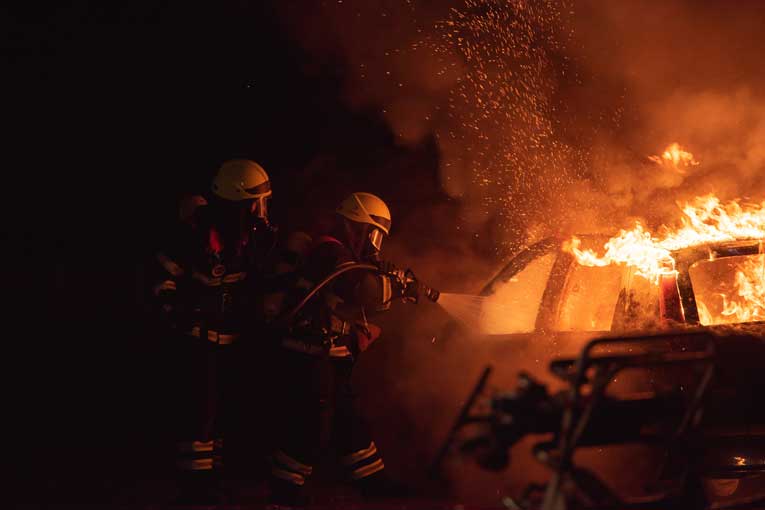
Fire services globally are proactively addressing the challenges posed by electric car fires.

Fire services have updated their guidelines, emphasising the importance of promptly identifying the type of alternative fuel vehicle (AFV) involved. 

This distinction is vital, as AFVs, especially electric cars, operate silently and can move unexpectedly if not immobilised. 

Firefighters are trained to stop these vehicles safely, often by disconnecting the 12-volt battery or removing the main vehicle fuse. 

Specialised techniques are employed to isolate high-voltage systems, crucial for preventing potential hazards post-collision.

Conclusion

Separating fact from fiction is essential when it comes to understanding electric car fires. 

While there are genuine concerns, the automotive industry, along with firefighting professionals, is actively working to address these challenges. 

As technology continues to advance, electric vehicles are becoming increasingly safe, paving the way for a sustainable and secure future in transportation.

A blanket approach to battery fires

Why Li-Fire’s collaboration with Fireaway Inc. could pave the way for effect EV extinguishing

As the electric vehicle (EV) market continues to burgeon so too does the danger of lithium-ion battery fires.

These fires, deep-seated and stubborn, have traditionally demanded massive water quantities for suppression or been left to burn themselves out.

Neither solution is optimal, considering the environmental impact and potential danger to responders and bystanders.

Enter the recent partnership between Li-Fire Suppression Solutions and Fireaway Inc., crafting a trailblazing solution to this fiery problem.

Combining Li-Fire’s state-of-the-art fire blankets with Fireaway’s innovative Stat-X First Responder condensed aerosol fire suppression tool, this alliance promises a safer, more efficient approach to handling EV lithium-ion battery fires.

According to Bricen Miller, CEO of Li-Fire, the problem stems from various factors, including manufacturing defects, thermal runaway due to overcharging or overheating, and physical damage.

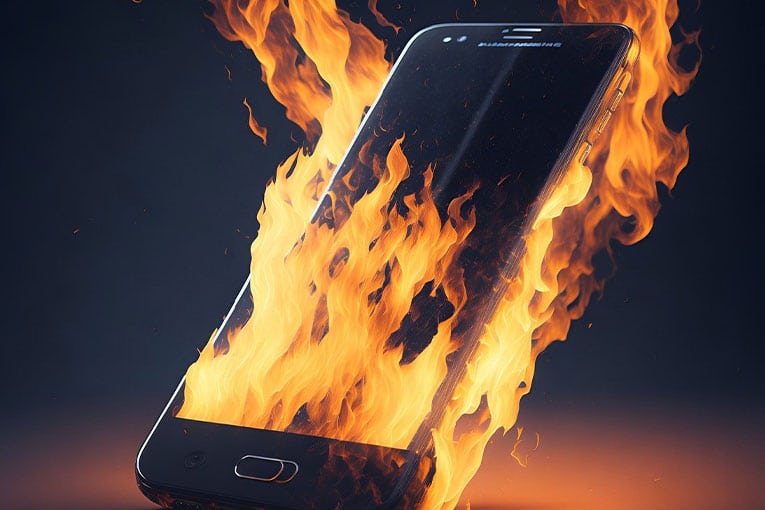
These fires have raised alarms about the safety of lithium-ion batteries, which are commonly used in e-bikes, smartphones, laptops, EVs, and energy storage systems.

The response from manufacturers, researchers, and regulatory bodies has been swift, focusing on improving battery safety through better manufacturing processes, enhanced safety features, and stricter testing standards.

The blanket approach

Miller introduces Li-Fire’s groundbreaking solution to this problem: a specialised fire blanket designed to combat lithium-ion battery fires in EVs.

The Li-Fire blanket can be deployed in two main ways.

Firstly, it can be used to cover a burning car directly.

Secondly, and crucially, it can isolate the surrounding area from a catastrophic fire in an EV.

“For example, if one car catches fire while charging, it’s very important to isolate as quickly as possible,” explains Miller.

This approach has shown very positive results, particularly in preventing the spread of fire to adjacent vehicles.

Li-Fire’s fire blanket is designed not just as a means of direct fire suppression, but as a critical tool in fire containment and prevention in scenarios involving lithium-ion battery fires.

Miller notes that Li-Fire’s fire blankets are tailored for a broad range of electric vehicles (EVs), from e-bikes to large vehicles such as 18-wheelers and city buses, emphasising Li-Fire’s commitment to quality and standards: “All of our blankets are manufactured to the highest standards and follow all ISO9001:2015 standards.”

This adherence to international standards ensures that the fire blankets are both versatile in terms of size and reliable and effective across various EV models.

Environment impact

Miller highlights the significant environmental impacts of traditional fire response methods for EV fires.

These methods, which can often involve the use of up to 10,000 gallons of water, foam, or dry chemical agents, are, he deems less effective and pose additional environmental risks.

Miller also points out that extinguished fires have re-ignited in towing yards up to a week later, leading to further property damage, air quality issues, and additional demands on fire services.

The current guidelines, including Tesla’s advice to “just let it burn out, or use enough water to cool,” underscore the challenges faced in controlling EV fires.

These traditional methods can negatively affect air quality and contribute to hazardous wastewater runoff, making them less sustainable.

Li-Fire’s fire blanket is designed to offer a more environmentally friendly solution that addresses these challenges, reducing the need for large volumes of water or chemical agents and mitigating the risk of re-ignition and subsequent environmental hazards.

The EV challenge

The rise in EV use has escalated the frequency and severity of lithium-ion battery fires, posing new challenges.

Traditional methods like extensive water use or allowing fires to burn out have significant downsides.

Li-Fire’s recently struck up a partnership with Fireaway Inc., was a bid to enhance lithium-ion battery fire safety solutions.

The collaboration merges Li-Fire’s innovative fire blankets with Fireaway’s Stat-X First Responder condensed aerosol fire suppression tool, addressing the growing concern of lithium-ion battery fires in EVs, creating a solution that is designed to provide professionals with a means to both contain and suppress lithium-ion battery fires in a wide range of vehicles.

The partnership’s solution reduces collateral damage, minimises water usage, and limits smoke and toxic gas production, enhancing fire scene safety and reducing environmental impact.

The Stat-X agent is environmentally friendly, effective in confined spaces, and complements Li-Fire’s blanket in suppressing fires safely.

This groundbreaking collaboration promises a significant impact across sectors, providing a much-needed solution for safely combating the increasing challenge of EV fires.

This combination, he says, has proven to be effective in drastically reducing temperatures during a fire incident.

“Our testing has shown a reduction of temperature inside the car from over 1000°C to less than 200°C in 3 seconds,” Miller tells.

This rapid cooling capability could prove pivotal in extinguishing fires quickly and reducing collateral damage and ensuring safety for surrounding areas and people.

When talking about the development process of this combined solution, Miller reflects on his extensive background in business development within novel battery technologies: “Through my exposure in this industry, I started to understand the major issues with Li-ion battery fires,” he says.

He believes deep understanding has been crucial in guiding the development of Li-Fire’s innovative solution, tailored to address the specific challenges posed by lithium-ion battery fires.

Looking at the potential applications of Li-Fire’s product, Miller identifies a diverse range of sectors and industries where their fire blanket could be indispensable.

These include fire fighters, tow operators, parking garages, charging stations, junkyards, airports, military bases, cargo ships, and disaster relief operations.

The wide array of industries underscores the versatility and necessity of Li-Fire’s solution in various scenarios where lithium-ion battery fires pose a significant risk.

By targeting these sectors, Miller says that Li-Fire aims to provide a crucial tool in fire safety and prevention, potentially transforming the way such fires are handled across different industries.

This article was originally published in the December2023 issue of International Fire & Safety Journal. To read your FREE digital copy, click here.

Convergence challenges with TLX Fire & Security

Jason Busalacchi, Business Development Manager at TLX Fire and Security, discusses the implications of globalising standards

In a rapidly globalising world, standards are no longer restricted to specific regions but are becoming more internationally harmonised.

One of the sectors witnessing this convergence is the safety and technical domain, where standards set by entities like NFPA, UL, and FM in the US are now aligning more closely with those in Europe and the UK.

As manufacturers and companies adapt, what does this mean for product safety, efficiency, and the future of global trade?

IFSJ Editor Iain Hoey sat down with TLX’ Business Development Manager for the Fire and Security Division, Jason Busalacchi. to delve deeper into this transformation, while also gaining insight into their innovative Continuous Weight Monitoring Solutions and their plans for the coming year.

Can you set the scene for the globalisation of standards?

Over time, there has been a notable increase in the adoption of specific standards, particularly those used in the US, to regions like the Middle East, Europe, and various parts of the APAC region.

Advancements and technologies in safety that have emerged within the US market have gained favour in the fire suppression market globally.

This trend has influenced some European standards to align more closely with US standards.

Additionally, we’re observing a significant uptick in the adoption of UL-certified products in mainland China.

As time progresses, we see an expanding global footprint for our products with their usage becoming more prevalent in diverse regions around the world.

Has this impacted the way TLX Fire & Security operates?

The globalisation of standards has significantly influenced how we operate internationally.

With our facility in China, we’ve achieved a global reach for our product lines.

This capability has enabled us to supply our products to customers in Asia more efficiently.

As a result, many companies are coming to TLX to obtain products that meet safety and compliance standards across numerous regions.

 Many of these companies hold certain approvals, but simple changes to specific components allow simplicity in attaining a broader spectrum of global approval and acceptability.

 For TLX, the vision is to provide products that allow for fast implementation on a global scale to meet our customer’s vision for expanding their product portfolios.

What are the benefits of harmonised standards?

Having harmonised standards across regions like Europe, the UK, and the US significantly simplifies the product development process.

When standards are harmonised globally, it allows us to create a single technology that meets these universal standards, rather than having to develop multiple iterations of the same product to comply with different regional specifications.

This uniformity in standards leads to a faster manufacturing process, reduces development costs, and accelerates the time-to-market for new products.

For the companies that we supply, harmonised standards open up a broader market.

They can now develop and deploy technologies that are universally compliant, which is a substantial advantage.

By adopting these global standards, they can easily enter multiple markets without the need for extensive modifications or separate compliance processes for each region, boosting their market reach and enhancing the competitiveness of their products on a global scale.

Additionally, harmonised standards bring about a level of consistency in quality and safety across different regions.

This consistency is crucial in industries like ours, where reliability and compliance are vital.

It ensures that no matter where our products are used, they maintain a high standard of quality and meet the requisite safety regulations.

The globalisation of standards not only aids in reducing the complexity and cost of product development but also enhances market accessibility and ensures consistent quality and safety for our products worldwide.

It’s a win-win scenario for us and the diverse companies we work with, as it fosters a more efficient and globally integrated approach to product development and distribution.

Are there challenges in aligning to globalised standards?

The main challenge is in the nuances of different standards.

At TLX, we have developed technologies that are being adopted globally for their safety and security benefits.

However, we also encounter specific nuances in some standards that, in subtle ways, limit the applicability of our technologies in certain markets.

For instance, our supervision technology for fire suppression systems triggers an audible and visual alarm at the fire control panel whenever an actuation device is removed from the system.

This feature alerts maintenance personnel to reinstall the device promptly, ensuring the system remains active.

While this technology is widely accepted, there are standards requiring that an actuation device must exert an actuation force of 200% of the operating force required to open the system.

Under certain standards, our actuator is required to provide enough force to discharge the system for five hundred cycles without failure.

 Under other standards, regardless of cycle testing, the 200% rule applies.

 The disadvantage to our customer is that they will now need to purchase an oversized actuator that provides more force than their system requires, which inherently dictates a higher cost.

To address this, we have developed and implemented a scalable family of actuators to satisfy the broader market.

This approach ensures compliance with all relevant standards, even when they demand specifications that go beyond our typical product range.

It’s a delicate balancing act between adhering to diverse global standards and maintaining the efficiency and practicality of our technologies.

Do you believe this trend towards globalisation will continue?

Yes.

In the future, I see a convergence of the best practices from various standards communities.

These groups will likely engage in discussions to adopt what they consider the best technology for safety and security on a global scale.

For example, the adoption of certain safety technologies like actuation supervision, which was first introduced by NFPA, is now being implemented by EN and ISO.

This is a testament to this trend.

Can you tell us about your Continuous Weight Monitoring Solutions?

Our Continuous Weight Monitoring Solutions, which include both platform and suspended versions, are designed to detect leaks in the cylinders before they require decommissioning.

The core objective of these solutions is to offer a technology capable of detecting weight changes as small as 100 grams.

This level of sensitivity allows maintenance personnel to be alerted to any significant loss of content in the cylinder at an early stage, helping to avoid the costly and time-consuming process of decommissioning.

The development of these solutions was driven by the need for a more efficient and cost-effective method for the industry to detect faults in fire suppression systems.

Traditionally, decommissioning cylinders to address leaks is an expensive and lengthy process.

Our technology aims to identify issues at a much earlier and more manageable stage.

An integral part of our design was to enable these monitoring solutions to communicate with fire suppression control panels.

This capability allows the systems to relay fault notifications to remote locations.

As a result, active maintenance personnel can be informed in real time about potential issues, ensuring that any necessary repairs or maintenance can be scheduled promptly and efficiently.

This feature enhances the effectiveness and contributes to the overall safety and reliability of fire suppression systems.

How do the two systems differ in their applications or functionalities?

The Platform Weight-Monitoring System is primarily used for cylinders that weigh 500 kilograms or less.

Whereas the suspended version, which involves hanging a cylinder from a load cell, supports a significantly smaller load.

Each version of the system continuously monitors the cylinder’s weight within a resolution of 100 grams.

The platform system is more commonly seen in single cylinder configurations due to the larger cylinder sizes but can be used on multi-cylinder configurations as well.

The Suspended Weight-Monitoring System is often used in gaseous applications, particularly in large-scale projects involving 150-200 cylinders.

Each load cell is capable of supporting a cylinder weighing 230 kilograms or less.

This design is particularly advantageous for seamless cylinders, which do not include a liquid level indicator port for measuring content.

 These ports are only present in welded cylinders.

With seamless cylinders, it’s crucial to monitor the system in a way that doesn’t interfere with the cylinder’s internal mechanisms, and the Suspended Weight-Monitoring System offers a solution for this specific requirement.

What industries will benefit from this technology?

The technology is immensely valuable in any context where the precise monitoring of cylinder content is critical.

This includes applications like CO2 monitoring in restaurants, which could greatly benefit from such precise monitoring.

Essentially, it is a versatile product that can be adapted to various industries where maintaining the integrity and proper functioning of cylinder systems is of paramount importance.

What new developments and goals can we expect from TLX Fire & Security as we approach 2024?

In terms of product development, TLX Fire & Security is excited to complete our supervised water valve, specifically a pilot-operated valve for pre-action and deluge systems.

This will extend our supervision technology to the sprinkler industry.

Additionally, we’re finalising our electric liquid level indicator, a complement to our weight monitoring solutions for welded cylinders.

Looking towards 2024, our vision is shaped by the globalisation of standards and the expansion of our actuator family.

We anticipate further growth, particularly in our larger actuation styles, as the obsolescence of NOVEC prompts a shift to alternative technologies.

This shift is likely to increase the demand for products suited to higher-pressure systems.

We’re also focusing on the growth of our explosion-proof and ATEX actuators for hazardous locations.

Geographically, our expansion efforts will be concentrated on Europe, the APAC regions, and Mainland China, as these areas increasingly adopt higher quality standards for fire protection.

Overall, 2024 promises to be a year of significant development and expansion for TLX Fire & Security.

This article was originally published in the December2023 issue of International Fire & Safety Journal. To read your FREE digital copy, click here.

Dousing doubts with Kappetijn Safety Specialists

Stationary extinguishing systems: do they work as well as we think? By Dick van Roosmalen, advisor Kappetijn Safety Specialists

On June 13, 2022, a fire at a Dutch warehouse containing fire starters challenged the efficacy of fire protection systems after a high-expansion foam system failed to extinguish the blaze.

The incident at the Oisterwijk company, which had prior nuisance complaints and fire incidents, prompted an investigation shared with the municipal council.

Findings indicated that fire suppression systems have intrinsic limitations, underscoring the need for expert management and preparedness.

However, the fire persisted, leading to the question: do fire protection systems actually work as well as we think?

Investigation results

The investigation of the permit status and incident history found that the warehouse had a high-expansion foam system which should have extinguished any fire.

Despite this, fire did spread inside the warehouse.

Fortunately the fire brigade prevented the fire from spreading beyond the warehouse, which was a complete loss.

The investigation additionally revealed the building’s insurer’s prior concerns regarding safety due to the history of incidents, leading to the mandate for a sophisticated high-expansion foam system with roof-mounted foam generators and a sensitive aspiration system for early smoke detection.

In the event of an incipient fire, the system’s roof domes would open and draw in fresh outside air to make foam.

Foam would fill the space and extinguish the fire.

The operating principle is based on the displacing oxygen by foam bubbles and isolating the seat of the fire.

Ultimately, the modern installation was ineffective due to two main factors.

Initially, the system was not delivered completely ready for operation.

The system’s roof domes open pneumatically, but the required CO2 gas cylinders had not been installed.

The system as installed was therefore able to produce some foam, but not nearly as much high-expansion foam as it intended to fill the space completely and extinguish fires effectively.

It is noteworthy that all required tests were performed in accordance with national protocols and that required certificates were formally and correctly issued.

The manufacturer of the foam generators prescribes in its documentation that the roof domes must be tested monthly.

The installer failed to include this procedure in the weekly test protocol, which the building owner had diligently followed.

Given the experiences in this case, such tests are not a bad idea, although an annual test may be sufficient to identify shortcomings after installation.

The second reason that the installation proved to be ineffective was that no risk analysis or normative scenario was described in the Principles Document (UPD).

The assessed as most likely cause of the fire on June 13 was over-heating.

However, a smouldering fire can be interrupted only by physically pulling the materials apart, then extinguishing the fire and cooling the materials with water.

This type of smouldering fire could therefore not have been extinguished using the high-expansion foam installation, which only temporarily isolated the fire with foam bubbles.

Examples of extinguishing gas systems

Other extinguishing systems are not without their drawbacks.

One example is extinguishing gas.

A well-known major incident occurred in 2008 in a German paint factory equipped with an extinguishing gas system.

 The system was triggered by a fire and, due to a defect, continued operating for much longer than it was programmed to.

Due to the weather conditions, the released CO2 extinguishing gas lingered as a cloud in the valley where the factory was located.

As a result, more than 100 people became unwell, including factory staff, firefighters and local residents.

Of those, more than 10 required hospital treatment.

Some fifty houses in the area required ventilation and air quality tests before the homes were considered safe.

Studies and research indicate that the impact of extinguishing gas systems are much greater than even knowledgeable users think or estimate.

In 2000, the United States Environmental Protection Agency researched risks of CO2 extinguishing systems.

They found that since 1975, there have been 51 incidents, with a total of 72 fatalities and 145 injuries.

Most casualties occurred during maintenance or testing of the installation, resulting in the unintentional release of extinguishing gas.

In two cases, fire extinguishing gas was deliberately tested and casualties still occurred because people were unaware of the test and safety procedures were not fully followed.

In one case, more CO2 was released than intended because a main valve was not closed properly.

The actual number of incidents and victims is probably even higher since reporting and analysis of these events are not mandatory.

Extinguishing systems in hangars

A report by Aviation International News in 2020 cited that from 2004 to 2020 there have been at least 137 incidents in which foam extinguishing systems in aircraft hangars were accidentally activated.

That is an average of one every six weeks.

The average direct damage per case is about a million dollars.

The National Air Transportation Association (NATA) estimates that the costs of cleanup and damage to aircraft from these incidents totalled between $64 and up to $235 million.

Interestingly, the NFPA (National Fire Protection Association) established the standard for hangar protection more than 70 years ago: a sprinkler system was required.

At that time, a hangar was more expensive than the aircraft it housed.

The situation is now reversed: if there are several business jets in a hangar, the aircraft are worth more than 10 times the building.

From 1984, the standards reflected the understanding that the defining scenario in a hangar was not the building on fire, but a pool of burning liquid under the aircraft.

Therefore, the updated standard no longer prescribed a sprinkler with water as the extinguishing agent, but a foam extinguishing system.

A foam extinguishing system should quickly extinguish a pool fire under an aircraft, thus limiting damage to the aircraft.

Research by the University of Maryland found that in 242 of 245 incidents in which foam was released (2004-2019), there had been no fire.

In three incidents with a fire, only one incident was confirmed to have involved a pool of burning liquid.

The activation of firefighting foam systems carries significant hazards.

For example, recently the foam extinguishing system in a hangar at an airport in Wilmington (Ohio, USA) was activated.

A mechanic who was working there was fatally injured.

Two others could be rescued because they were able to take shelter in a car in the hangar.

Eight firefighters were injured.

And there was no fire.

A Similar incident occurred in a Brisbane, Australia airport in 2017.

So much fluorine-containing foam was released that some reached a nearby river, leading to fish kills and other environmental damage.

Action perspective for the fire brigade

An important consideration for extinguishing systems is the operational strategy for the responding fire brigade.

After a space-filling fire-fighting foam system has been activated, people cannot enter the building.

Visual inspection inside the space often becomes impossible, especially with foam systems.

This makes it difficult, or impossible, to determine what happened and whether the extinguishing system functioned effectively.

The realistic perspective for action for the fire brigade is therefore very limited and requires specific knowledge.

Was this a justified or unjustified report?

It is also often impossible to locate or rescue any victim who may be left behind.

A comprehensive exploration and waiting interval to see whether a fire still breaks through is the remaining perspective in the absence of knowledge.

After activation, all the extinguishing agent in the stationary system will have been used.

If a fire has developed, large-scale action will still be necessary, and preventing fire spread becomes more difficult.

Selecting a system

When fire protection is mandatory for a building a permanent extinguishing system may seem a reliable solution.

However, selection of the appropriate system requires specialised knowledge.

A carefully chosen normative fire scenario and fitting extinguishing system must be properly documented as permitting conditions.

Just as important are correct installation, careful periodic inspections and intensive system tests.

It is important to note that extinguishing systems may have negative aspects, such as significant risks to employees, the surroundings, and the environment.

The system can also be activated accidentally, without being triggered by a relevant incident.

Therefore, ensure that expertise is available to record considerations and agreements in a realistic and coordinated emergency plan, so that there is as much certainty as possible that effective and safe action can be taken.

This article was originally published in the December2023 issue of International Fire & Safety Journal. To read your FREE digital copy, click here.