Ramtech provides fire safety solutions for Saudi Arabia’s ambitious developments

Ramtech’s WES3 and REACT systems bolster construction site safety

Ramtech is playing a pivotal role in Saudi Arabia’s large-scale development projects by providing innovative fire safety solutions tailored for construction sites.

These projects, including “The Line” and a Red Sea luxury resort, are part of the nation’s strategy to diversify its economy and embrace sustainability.

Ramtech’s WES3 wireless fire alarm system, combined with the REACT cloud-based platform, ensures construction sites are equipped with real-time safety alerts.

These technologies protect against fire, water damage, and injuries, helping to keep projects on schedule and within budget.

Supporting “The Line” with advanced fire safety technology

“The Line,” a 170 km-long linear city powered entirely by renewable energy, is one of Saudi Arabia’s most ambitious undertakings.

Ramtech’s systems provide crucial support for construction activities, offering adaptable wireless solutions that ensure safety across expansive and dynamic sites.

By integrating cloud-based monitoring, the REACT platform allows managers to address potential incidents swiftly, mitigating risks effectively.

Advancing construction safety with digital innovations

Saudi Arabia’s $120 billion construction sector is adopting digital tools to enhance efficiency and safety.

Ramtech’s fire safety systems align with these advancements, integrating seamlessly with technologies like IoT sensors and Building Information Modeling (BIM).

These combined approaches ensure comprehensive site safety while minimising delays and resource waste.

Ramtech’s role in Saudi Arabia’s vision for sustainability

Ramtech is committed to supporting Saudi Arabia’s transformative projects with reliable fire safety solutions.

Its WES3 and REACT systems deliver critical safety measures for temporary construction sites, contributing to the nation’s sustainable development goals.

By addressing unique challenges posed by large-scale projects, Ramtech ensures the safety and efficiency of construction operations.

Ramtech’s advanced fire safety systems support Saudi construction projects: Summary

Ramtech is providing essential fire safety solutions for Saudi Arabia’s major construction projects, including “The Line” and Red Sea developments.

The company’s WES3 wireless alarms and REACT cloud-based platform offer real-time alerts to protect against fire, water damage, and injuries.

These systems align with modern construction technologies, enhancing safety and efficiency in the $120 billion Saudi construction sector.

Through its innovative approach, Ramtech is helping safeguard the progress of transformative projects that aim to reduce oil dependence and promote sustainability.

Firefighter Ranks in Order (Low to High)

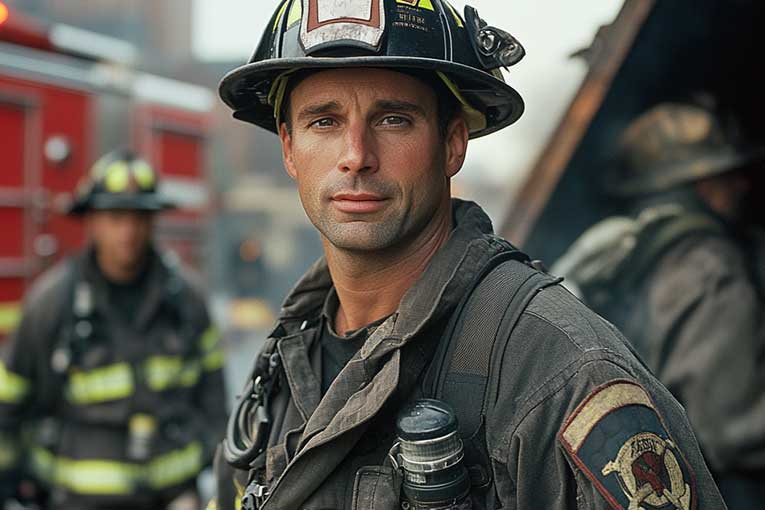
Firefighting is a noble profession that requires bravery, dedication, and skill. 

Firefighters play a crucial role in protecting lives and property from fire hazards. 

The firefighting profession in the U.S. is organised with a clear hierarchy of ranks. 

But what are the firefighter ranks in the U.S.?

Firefighter ranks indicate a firefighter’s experience, responsibilities, and leadership within the department. 

Understanding the different firefighter ranks helps to clarify the structure and functioning of fire departments across the country.

The History of Firefighting in the US

history of firefighting

The Beginning of Firefighting the in US

Firefighting in the United States has a rich history that dates back to the colonial era

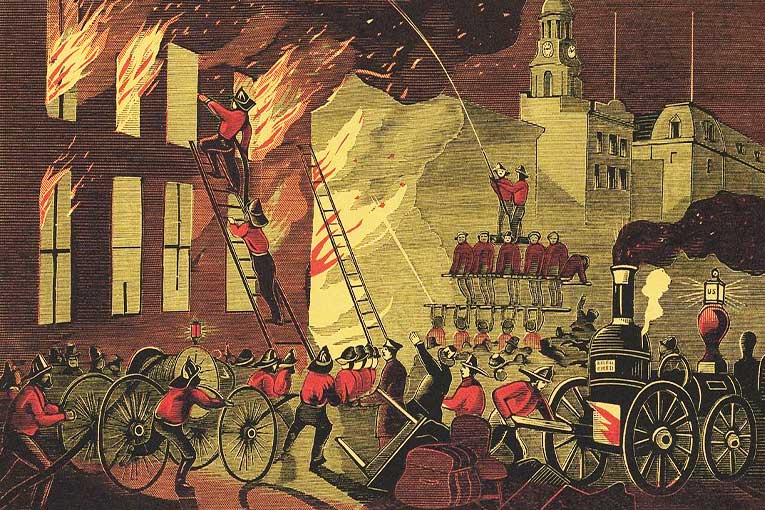
The first organised firefighting efforts began in the early 1600s, with bucket brigades made up of volunteers. 

These early firefighters would form lines to pass buckets of water from the nearest source to the fire. 

In 1736, Benjamin Franklin assisted in the creation of the Union Fire Company in Philadelphia, the first formal firefighting company in the colonies. 

This marked the beginning of organised fire departments.

The Evolution of Firefighting

Throughout the 19th century, fire suppression evolved with the introduction of hand-pumped fire engines, steam-powered engines, and, eventually, motorised fire trucks. 

The development of better firefighting equipment and techniques significantly improved the effectiveness of fire departments. 

The formation of paid, professional fire departments in major cities further enhanced the ability to respond quickly and efficiently to fires.

Modern Firefighting

In the 20th century, advancements in technology and communication, along with improved building codes and fire detection and prevention measures, contributed to a significant reduction in fire-related deaths and property damage. 

Today, firefighting is a highly professionalised field, with rigorous firefighter training and a clear rank structure that ensures the efficient operation of fire departments across the country.

Firefighter Ranks in the US

The U.S. fire service is organised into several ranks, each with specific roles and responsibilities. 

The firefighter ranks, listed from lowest to highest, reflect a firefighter’s level of experience, training, and leadership within the department.

Probationary Firefighter

The probationary firefighter is the entry-level of firefighter ranks in the fire service. 

After completing initial training at a fire academy, probationary firefighters are assigned to a fire station, where they gain practical experience under the supervision of senior firefighters.

During the probationary period, which typically lasts six months to a year, new firefighters must demonstrate their ability to perform the duties required of them. 

This includes responding to emergencies, maintaining equipment, and participating in ongoing training. 

Successful completion of the probationary period is required to be promoted to the next rank.

Firefighter

Once the probationary period is successfully completed, the firefighter becomes a full-fledged member of the department. 

Firefighters are responsible for responding to emergency calls, including fires, medical emergencies, and hazardous material incidents. 

They work as part of a team to extinguish fires, rescue victims, and provide emergency medical care. 

Firefighters also participate in ongoing training to maintain their skills and stay updated on the latest firefighting techniques. 

The role of a firefighter is physically demanding and requires a strong commitment to public service.

Driver Engineer

The driver engineer, also known as a fire apparatus operator, is responsible for driving the fire truck to and from emergency scenes. 

In addition to operating the vehicles, driver engineers are responsible for maintaining and operating the pumps, hoses, and other equipment on the fire truck. 

This role requires a thorough understanding of the mechanical aspects of fire apparatus and the ability to operate the equipment under high-pressure situations. 

Driver engineers also assist with firefighting and rescue operations when not engaged in driving duties. 

This rank is typically achieved after several years of experience as a firefighter and requires additional training in vehicle operation and equipment maintenance.

Lieutenant

firefighter ranks lieutenant

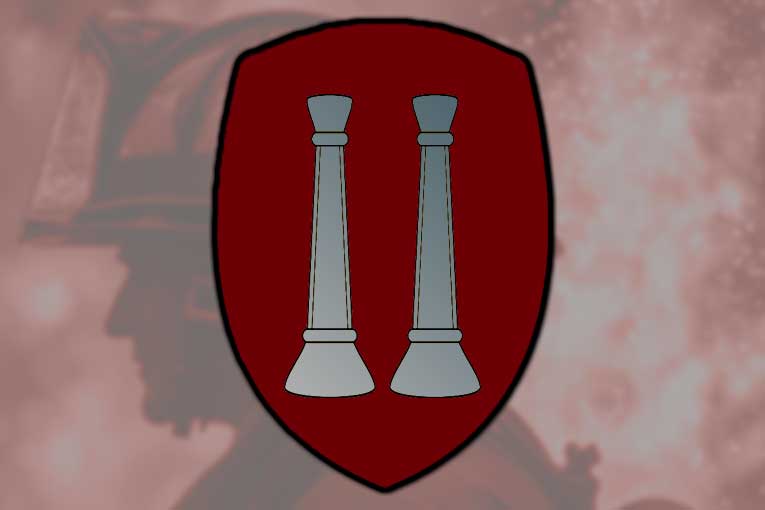
A lieutenant is the first level of officer in the firefighter ranks.

Lieutenants are responsible for leading a small team of firefighters during emergency operations and daily activities. 

They are in charge of directing the team’s efforts at the scene of a fire or other emergency, making critical decisions, and ensuring that all safety protocols are followed. 

In addition to their leadership duties, lieutenants are responsible for training and mentoring junior firefighters. 

The role of a lieutenant requires strong leadership skills, decision-making ability, and a thorough understanding of firefighting tactics.

Captain

firefighter ranks captain

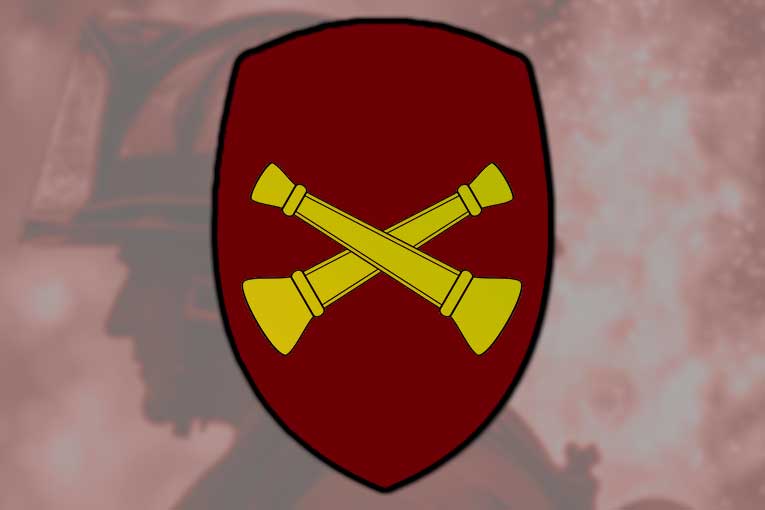
The captain is a higher-ranking officer who oversees a larger team of firefighters and often manages an entire fire station. 

Captains are responsible for coordinating emergency response efforts, developing operational plans, and ensuring that all equipment is properly maintained and ready for use. 

They also play a key role in the training and development of their team members, ensuring that they are prepared to handle a wide range of emergency situations. 

Captains are often involved in administrative tasks, such as scheduling shifts, managing budgets, and conducting performance evaluations. 

This rank requires extensive experience, strong leadership skills, and the ability to manage complex operations.

Battalion Chief

firefighter ranks battalion chief

A battalion chief is a senior officer responsible for overseeing multiple fire stations or a specific geographic area within a fire department. 

They manage several teams of firefighters, including lieutenants and captains, and coordinate their efforts during large-scale emergencies. 

Battalion chiefs are responsible for making high-level strategic decisions, allocating resources, and ensuring that all operations are conducted safely and efficiently. 

They also serve as the primary point of contact between the fire department and other emergency services, such as police and medical teams, during major incidents. 

The role of a battalion chief requires extensive experience in the fire service, strong leadership abilities, and the capacity to manage complex, high-pressure situations.

Assistant Chief

firefighter ranks assistant chief

The assistant chief is a top-level officer who assists the fire chief in managing the entire fire department. 

Assistant chiefs oversee major divisions within the department, such as operations, training, or administration. 

They are responsible for developing and implementing department-wide policies, managing budgets, and ensuring that all personnel and resources are effectively utilised. 

Assistant chiefs also play a key role in strategic planning, working closely with the fire chief to set long-term goals and priorities for the department. 

This rank requires extensive experience in leadership and management, as well as a deep understanding of all aspects of fire department operations.

Fire Chief

firefighter ranks fire chief

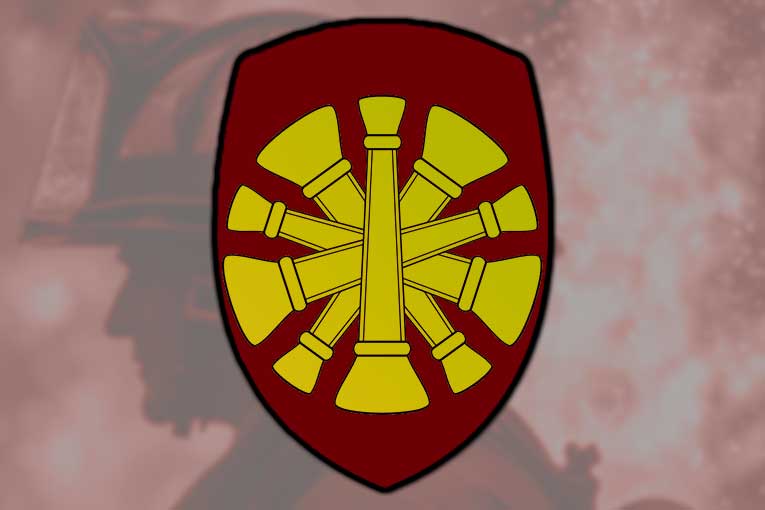
The fire chief is the highest-ranking officer for firefighter ranks. 

The chief is responsible for the overall leadership and administration of the department, including setting the vision and direction for the organisation. 

Fire chiefs manage all aspects of the department’s operations, from emergency response and training to budgeting and public relations. 

They work closely with city or county officials, other emergency services, and the community to ensure that the department meets its public safety objectives. 

The fire chief is ultimately responsible for the department’s performance and plays a key role in shaping its future. 

This rank requires extensive experience, strong leadership skills, and the ability to manage a large, complex organisation.

How do you get Promoted as a Firefighter?

firefighter promotion

Promotion within the fire service is based on a combination of experience, training, and performance. 

To be considered for promotion, firefighters must meet specific criteria set by their department. 

This often includes a minimum number of years in service, completion of advanced training courses, and demonstrated leadership ability.

Promotions are typically awarded through a competitive process that may include written exams, practical assessments, and interviews. 

The process is designed to ensure that only the most qualified and capable individuals are selected for higher ranks.

In addition to technical skills, leadership and communication skills are crucial for promotion, as higher-ranking officers are responsible for managing teams and making critical decisions during emergencies. 

Continuous learning and professional development are also important, as firefighting techniques and technologies are constantly evolving.

How do you Become a Firefighter?

how to become firefighter

Becoming a firefighter requires a combination of education, training, and physical fitness. 

The first step is to obtain a high school diploma or equivalent, followed by completing a firefighter training program at a fire academy. 

These programs provide the necessary skills and knowledge to perform the duties of a firefighter, including fire suppression, rescue techniques, and emergency medical care.

In addition to formal training, aspiring firefighters must pass a series of physical fitness tests to demonstrate their ability to perform the physically demanding tasks required in the field. 

These tests may include endurance exercises, strength assessments, and obstacle courses.

After completing training and passing the required tests, candidates must apply to a fire department. 

The application process may include additional testing, background checks, and interviews. 

Once hired, new firefighters typically undergo a probationary period, during which they receive on-the-job training and evaluation before becoming full members of the department

Conclusion

You should now have more of an understanding of firefighter ranks. 

Firefighting is a challenging and rewarding profession with a well-defined rank structure. 

Each of the firefighter ranks carry specific responsibilities and reflects a firefighter’s experience and leadership within the department. 

From the entry-level probationary firefighter to the top-ranking fire chief, each position plays a vital role in ensuring public safety and protecting lives and property. 

Becoming a firefighter requires dedication, physical fitness, and a commitment to continuous learning, but it offers the opportunity to serve the community and make a real difference in people’s lives.
Bull Products introduces Cygnus Mesh Analyser for improved fire detection system diagnostics

Bull Products launches new diagnostic tool for SITENET fire detection system

Bull Products has introduced a new diagnostic tool to enhance the performance of its SITENET fire detection and alarm system.

The Cygnus Mesh Analyser is designed to assist in the commissioning and maintenance of the wireless fire detection system.

As reported by Bull Products, the Cygnus Mesh Analyser provides detailed information about the structure and strength of the wireless mesh network.

It offers a graphical display of signal strength and connection paths between devices, helping users improve system performance.

This software is available nationwide for engineers and trained installer partners, making the installation and maintenance process more efficient.

Cygnus Mesh Analyser enhances network performance and reliability

The Cygnus Mesh Analyser software offers advanced features that track the history of how devices connect to the network, providing an audit trail of network events.

It displays primary and secondary paths, ensuring dual path redundancy for each device.

Carl Leeson, Head of Sales at Bull Products, said: “We are delighted to introduce the Cygnus Mesh Analyser to our SITENET range to enhance our installation and maintenance process.

Temporary installations such as construction sites are continually evolving environments, and the Cygnus Mesh Analyser software will provide confidence in the reliability and robustness of the network.”

SITENET system offers a wireless solution for temporary installations

Bull Products’ SITENET system is 100% wireless and EN 54 certified.

It is used on construction sites, including high-rise and subsurface rail projects.

The system provides a robust and reliable fire detection solution through a self-forming, self-healing wireless mesh network with multipath redundancy.

The SITENET range now includes modern, slimline devices suitable for internal environments like modular buildings.

This makes it ideal for temporary construction projects where appearance and functionality are equally important.

Comprehensive reporting and nationwide availability

The Cygnus Mesh Analyser allows engineers and installers to download a PDF report, which provides detailed information about network health and suggests actions to improve the system’s mesh network.

The tool is available for new and existing SITENET systems and ensures a robust network installation.

The software enhances the performance and reliability of the SITENET system by providing detailed diagnostics that help maintain network stability in various construction site environments.

Bull Products introduces Cygnus Mesh Analyser for improved fire detection system diagnostics: Summary

Bull Products has launched the Cygnus Mesh Analyser, a new diagnostic tool for its SITENET fire detection system.

The software enhances network performance by providing a graphical representation of signal strengths and connection paths between devices.

The system, which is fully wireless and EN 54 certified, is widely used on construction sites and other temporary installations.

The Cygnus Mesh Analyser can be used by engineers and trained installers to ensure efficient installation and maintenance processes.

It offers features such as an audit trail of network events, dual path redundancy, and PDF reporting capabilities.

ZIEGLER showcases vehicles and equipment at Florian 2024

ZIEGLER displays advanced firefighting vehicles and equipment

ZIEGLER will showcase a range of firefighting vehicles and equipment at the Florian trade fair, which takes place this year.

As reported by ZIEGLER, visitors will find the company at stand F30 in the outdoor area 3, where several key vehicles will be displayed.

These include the HLF 20, the MLF, and the GW-L 2, all built on MAN and Iveco chassis.

In addition to these vehicles, ZIEGLER will highlight its newly developed rolling containers, designed for various deployment scenarios such as firefighting, technical assistance, and disaster control.

The company emphasises the containers’ functionality and flexibility, ensuring that they are optimal for transporting and storing equipment safely during operations.

Z-Connect and Z-Remote digital systems on display

ZIEGLER will also present its digital products, Z-Connect and Z-Remote, which are integrated into all vehicle exhibits at Florian.

These systems offer real-time vehicle data and provide interfaces compatible with all standard industry platforms.

ZIEGLER’s latest series-ready system supports operation management with enhanced functions that can be continuously expanded in collaboration with their industry partners.

As a founding member of IMBOS e.V., ZIEGLER will be available at the trade fair for further discussions on digital innovations and integration within the industry.

This aims to foster industry-wide cooperation in adopting digital technologies in emergency services.

The return of ZIEGLER Ultra Power

ZIEGLER is also reintroducing its proven Ultra Power, a powerful solution used extensively in firefighting operations.

According to Heiko Riek, Head of Sales Equipment and Components at ZIEGLER, the Ultra Power is a reliable product that has “demonstrated its strength in practice” and is expected to be delivered in larger quantities soon.

Riek emphasised that customer trust and product reliability remain the company’s primary focus.

Visitors attending the Florian trade fair can get a closer look at the Ultra Power and learn more about its capabilities.

A wide selection of emergency vehicles available

ZIEGLER will also present a selection of emergency vehicles at the trade fair, including both customer vehicles and demonstration models.

The featured HLF 20 is particularly suited for firefighting and technical assistance, with its extensive equipment making it a vital part of emergency operations.

The MLF, with its compact design, is ideal for manoeuvring through narrow lanes, while the GW-L 2 offers generous storage space, perfect for varied deployment scenarios.

Additionally, a TLF 4000 will be displayed at the Unimog partner booth, giving visitors insights into the range of applications for ZIEGLER vehicles in forest fires.

The comprehensive ZIEGLER portfolio will be available for visitors to explore, with staff on hand to provide technical advice and answer questions.

ZIEGLER presents emergency vehicles and equipment at Florian 2024: Summary

ZIEGLER will showcase a variety of firefighting vehicles and equipment at the 2024 Florian trade fair.

Key exhibits include the HLF 20, MLF, and GW-L 2 vehicles, alongside newly developed Z-roll containers.

ZIEGLER’s digital products, Z-Connect and Z-Remote, will also be on display, offering real-time vehicle data and integration with industry platforms.

The Ultra Power firefighting solution, known for its reliability, is being reintroduced.

In addition to these displays, a TLF 4000 will be featured at the Unimog partner booth.

Visitors will have the opportunity to explore nearly the entire ZIEGLER portfolio and speak with experts at the event.

NFCC and SFJ Awards to launch qualification for FRS staff working with children and young people

A consultation is underway to support the development of a dedicated ‘working with children and young people’ qualification for fire and rescue service personnel.

Emergency services qualifications specialists SFJ Awards and the National Fire Chiefs Council (NFCC) have joined forces to design the Level 2 Award to help equip staff and volunteers with the knowledge and understanding required to support young people that come into contact with fire and rescue services.

Scheduled to launch in 2025, the qualification will be made available to staff and volunteers working with children and young people and will form part of their induction programme.

The Level 2 Award is anticipated to cover topic areas including child development, youth work, understanding challenging behaviour, ACEs and trauma, communication, neurodiversity and more.

David Higham, Managing Director at SFJ Awards comments:

“This new qualification provides an excellent opportunity for anyone working within fire and rescue services to gain recognition for the fantastic and beneficial work that they do supporting children and young people.

“Moreover, it will provide a professional pathway for career development and progression and enhance the different educational sessions and interventions for children and young people that fire and rescue services deliver.”

Susannah Hancock, Chief Executive Officer at NFCC said: “The NFCC recognises the key role that fire and rescue service staff and volunteers play in delivering this important work.

“It is vital that staff and volunteers can access specialist training to enable them to carry out activities with children and young people with the appropriate level of skill and knowledge.

“Having this qualification will enhance the training and development for fire and rescue services, ultimately leading to better outcomes for children and young people and their wider communities, including accessing our activities and programmes.”

An expert reference group convened by NFCC and SFJ Awards oversaw the development of the first iteration of the qualifications, and the views of stakeholders (including fire and rescue services) are now being sought to help refine and improve the qualification prior to launch.

The Level 2 Award in Working with Children and Young People consultation is open until 4 October. To provide a response, please get in touch with the SFJ Awards team by emailing QualificationsTeam@sfjawards.com.

Women in Fire Safety Awards 2024

Exceptional women honoured for their contribution to the fire safety industry.

The 4th Annual Women in Fire Safety Awards took place on Thursday 12th September at the Leonardo Royal Tower Bridge Hotel in Central London.

Founded in 2021, the Women in Fire Safety Awards honours the outstanding achievements and contributions of all women within the fire safety community.

The Awards strive to address the historical gender imbalance and champion for a more progressive industry. That is why, as an organisation, WIFS aim is to continuously motivate and promote women who exceptionally improve fire safety standards.

Throughout their journey, WIFS hope to also encourage the next generation to see fire safety as an astounding career opportunity by further highlighting how varied, inclusive, diverse and rewarding the industry is as a collective.

A full report and list of the winners will be published in the coming days.

For more information about WIFS, click here.

Highlighting women in fire protection

As part of its National Skills Week celebration in August, TAFE NSW highlighted the gap in female participation in the sector.

According to TAFE, only 4% of fire protection equipment technicians are women, despite the huge skills gap in a sector that needs to accommodate an increase of 173,000 homes in Greater Sydney alone in the years to 2029.

Graduate Hayley Gough bucks the trend – she joined the sprinkler fitting industry after high school and now works on sites across Sydney.

“I decided I wanted a career that was hands-on and not just sitting at a desk. Sprinkler fitting and fire protection ticked that box for me,” Ms Gough says. “As the construction industry grows and more houses and commercial complexes are built, the importance of my trade will continue to grow.”

To learn more about Hayley’s journey, click here.

Johnson Controls Community College Partnership Program Supports Skilled Trade Education and Training in 30 North American Communities

Program supported 655 scholarships during the 2023-2024 school year and helped students kickstart thousands of careers

Johnson Controls the global leader for smart, healthy and sustainable buildings, today announced renewed grants to 30 community colleges in North America as part of the companies Community College Partnership Program. Launched in 2021 to help students from historically underrepresented groups prepare for and embark on career paths in sustainable building practices, the program will, for the fourth consecutive year, provide each college a grant to support programming in HVAC, fire, security or digital fields valued up to $100,000.  

“For four years, the Community College Partnership Program has helped forward-thinking community colleges equip thousands of future leaders for successful careers in this growing industry,” said Julie Brandt, president of Building Solutions North America at Johnson Controls. “Our collaboration with these innovative institutions creates real job opportunities for students while making real progress in closing the skilled trades gap across North America.”   

Impact of the Community College Partnership Program 

During the 2023-2024 school year, the Johnson Controls Community College Partnership Program created significant impacts in North American communities:  

  • 3,868 students enrolled in educational programs  
  • 655 scholarships awarded to students  
  • 428 volunteer hours tracked by Johnson Controls team members 

Recipient community colleges are located in areas where the company operates, encouraging Johnson Controls employees to volunteer and share real-world experiences with students. Students have shared their appreciation for the industry exposure and mentorship, which have contributed to their academic success and career readiness. Additionally, participants have reported that the program alleviated financial stress and equipped them with essential workplace skills through coaching sessions, ultimately boosting their confidence in their job search.  

“I have gone from someone who had absolutely zero idea what an energy management controls technician does, to someone who has had the opportunity to get my foot into the industry and continue developing within my career,” said one student in the program. “The Johnson Controls scholarship grant I received when I came into the program helped me financially and served as motivation because it showed that there is a company out there that truly cares for the industry and provides that additional help to motivate individuals to pursue their careers.” 

Through the Community College Partnership Program, Johnson Controls is on track to donate up to $15 million by the end of 2026 to expand access to educational programs in the HVAC, fire, security and digital disciplines. 

To learn more about the program, including for a complete list of grant recipients, visit: https://www.johnsoncontrols.com/corporate-sustainability/community/philanthropy/community-college-partnership 

Gas Sensor for Highly Flammable Refrigerant (R290) Ensures Safe and AccurateRefrigerant Leak Detection in HVAC Systems

Environmental regulations are driving the European HVAC industry to switch from synthetic to natural refrigerants, such as R290. To ensure safe operation with this highly flammable refrigerant, Senseair, a Swedish subsidiary of Asahi Kasei Microdevices (AKM), has developed “Sunlight R290,” a gas
sensor featuring high measurement accuracy and operating range while minimizing heat generation, packaging space, and power consumption. High-volume shipments of Sunlight R290 are scheduled to begin in September 2024.

Existing and upcoming regulations in regard to PFAS (per- and polyfluoroalkyl substances, also called
“forever chemicals”) and F-gases (fluorinated greenhouse gases) are severely restricting the use of
conventional synthetic refrigerants in air conditioning, heat pumps, and other HVAC systems. The
natural refrigerant R290 is propane gas, which is considered to be a more sustainable alternative to
conventional solutions. However, due to its high flammability, reliable and highly accurate leakage
detection measures are required to ensure safe operation.

Senseair’s newly developed gas sensor Sunlight R290 employs the latest NDIR (non-dispersive
infrared) technology, utilizing LED light sources and photodiode sensors. Due to its minimal heat
generation, the sensor can be safely operated with R290. Additionally, due to the characteristics of the
NDIR method, the detection is less affected by vibrations or interfering gases, enabling robust and
reliable measurements that meet the stringent leak detection requirements of the IEC 60335-2-40
safety standard for electric heat pumps, sanitary hot water heat pumps, and air conditioners.

With a measurement range of 0-100% LFL (lower flammable limit) – the concentration of a combustible
material in air below which ignition will not occur – the sensor features a high measurement accuracy
of +/- 2.5% LFL.

Low power consumption and superior service life
With an operating temperature range of -40°C to 70°C, and a relative humidity (RH) range from 0 to
95%, Sunlight R290 can stably operate in challenging environments and covers a broad range of
applications, including air conditioning units, heat pumps, dehumidifiers, and control panel coolers.
Operated under normal environmental conditions, a service life of over 15 years can be expected. In
addition, the sensor features an automatic baseline correction (ABC) algorithm, enabling maintenance
free use over extended periods. All of this is achieved within a small packaging size of 34 mm × 21 mm
× 12 mm and a power consumption of 94 μA.

Sunlight R290 is also available in a standalone refrigerant detection system, the RDS R290, which
allows for leak detection without the need for integration into equipment.

To learn more, visit https://www.asahi-kasei.com/sustainability/

Survitec Suitxchange removes compliance burdens and reduces port delays

Global Survival Technology solutions provider Survitec has introduced a new rental and exchange service to ensure ship operators always have fully serviced and certified immersion suits onboard.

SuitXChange offers two immersion suits from its world-leading brands, Hansen Protection and Crewsaver. It is a fast exchange service designed to remove the administrative, financial, and operational challenges ship managers face awaiting the return of serviced suits during scheduled port visits.

The development, which provides a more timely and sustainable solution for immersion suit servicing, follows the success of Survitec’s RaftXChange service. When Survitec introduced the world’s first global Liferaft exchange programme in 2008, the industry quickly saw the benefits of quick port turnaround, controlled compliance, and lower capital costs.

Metkel Yohannes, Survitec’s Director of Service and Rental Solutions, said: “By opting for a rental and exchange agreement, no capital investment is required. The prices are fixed, meaning our customers will never be hit with unforeseen costs, allowing them to plan and budget more accurately”.

Under Survitec’s new SuitXChange programme, immersion suits due for certification can be replaced with newly serviced, fully certified suits of the same type, which are ready for exchange as soon as the vessel enters port, supporting customer calls for shorter port stays. The logistics required to service suits are reduced, so less transportation is needed, resulting in a more environmentally sustainable operation. The service facilitates overall cost reduction and better management through fixed annual charges. At the same time, Survitec’s team of highly skilled technicians ensure immersion suits are always compliant with the regulations.

Survitec implemented an eight-month SuitXChange pilot programme to gain insight from its customers. The research helped the company tailor the service to ship managers’ requirements before launching to the market.

“Ship managers often tell us they struggle to get their suits serviced in time, having to rent or buy additional suits to prevent port delays. And then had to pay for those suits being serviced to be shipped to their next location for pickup. With SuitXChange, ship managers no longer need to worry about ensuring they have compliant suits and in-date certificates. We take care of it all”, said Survitec’s Product Category Manager, Alex Scollins.

Ship managers who have already signed a Survitec rental agreement say SuitXChange negates any immersion suit capital expenditure and can reduce the time their vessel spends in port. SuitXChange also eliminates the administrative burden of due-date management, tracking, managing, and ensuring that all associated tasks are completed. Under the agreement, Survitec will fulfil all related tasks.

Since different immersion suits have different service intervals, Survitec offers its Crewsaver Endurance immersion suit for a six-year rental period, with exchanges taking place every three years.

The enhanced SuitXChange+ program offers the premium Hansen Protection SeaEco+ immersion suit, certified for use without a lifejacket.

Both offer fully tested, certified, and SOLAS-compliant immersion suits for a fixed annual rental fee. It is a mandatory requirement under SOLAS regulation III/32 (as amended by resolution MSC.152(78) that all persons on board merchant ships have an immersion suit regularly serviced and certified to prolong the in-water life of each crew member following ship abandonment ship.

“We offer a straightforward administration approach with a key account manager backed up by an experienced global customer service team. We facilitate all the preparation and logistics of the immersion suit exchange, delivering peace of mind.

“We have the largest, most comprehensive service network worldwide, so we can guarantee that immersion suits are replaced with newly serviced, fully certified suits of the same type at all the major maritime hubs,” said Yohannes.