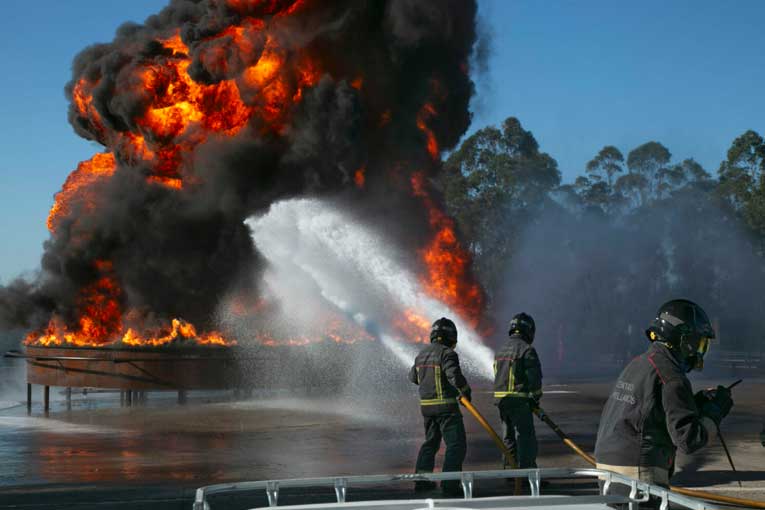
More than 125 firefighters locked horns with a blaze in East London as they successfully evacuated 60 people were from a tower block as a large fire broke out.
A fire broke out in the tower block of flats and offices on Whitechapel High Street in Aldgate East on Monday afternoon with large flames could be seen fanning out of the 17th floor of the building. Dramatic footage from onlookers showed falling burning had fallen to the ground.
In its aid firefighters deployed a 64m (210ft) ladder, which is being touted as Europe’s largest. The London Fire Brigade (LFB) said a woman had to be given ‘fire survival advice’ until firefighters got to her as she was trapped on the 17th floor.
Chris Jenner, station commander, told the BBC: “Fire crews used a fire escape hood to help lead the woman to safety via the internal staircase.”
A fire escape hood offers up to 15 minutes protection from fire gases such as carbon monoxide, hydrogen cyanide, hydrogen chloride and acrolein. They do not provide oxygen but temporarily filter toxic smoke to make breathing easier, LFB said.
London Ambulance Service said two patients were taken to hospital while two others were checked over at the scene.
We're dealing with this fire on #WhiteChapel High Street. Ten fire engines & 70 firefighters are at the scene. Please avoid the area if possible. https://t.co/KM59RSlaK4
Firefighters in Clifton, North Jersey have started a statewide gear collection drive to help their counterparts in Ukraine.
Pat Trentacost, fire chief, Passaic said: “What I’m seeing is nothing less than miraculous as they’re working to remove victims with limited resources, regardless of the potential of being killed by Russian attack.”
Clifton’s fire chief Frank Prezioso reached out to enlist his help to collect surplus fire equipment for Ukraine’s fire service. Trentacost had seen photos of firetrucks and apparatus buried in rubble after Russian attacks.
Prezioso said the idea came from third-year Clifton firefighter Oleg Skachko, who emigrated from Ukraine when he was 14.
Skachko’s first thought was to gather personal protection equipment, also known as turnout gear, for Ukraine’s firefighters. He had been contacted by friends in Ukraine who knew he was a firefighter, and their requests resonated, first with him and later with his peers.
In Ukraine, Skachko lived next to a fire station and when he moved to the US in 2022, he lived just down street from a Paterson fire station. He wanted to be a firefighter for as long as he could remember, he told NorthJersey.com.
Clifton is taking the lead in organising the effort to collect equipment and has reached out to fire departments across the region. The aim is to get departments from around New Jersey to contribute equipment to help their firefighters in Ukraine.
The worry is that as the war continues and resources are destroyed, firefighters would be forced to work in their street clothes.
Passaic discovered that neck collars, backboards, bandages and other supplies would soon be in high demand. In terms of shipping, the heavy, bulky equipment is being shipped to nearby areas which will then be transported to Ukraine. This is because several airports in Ukraine were targeted by Russians forces early on in the invasion.
The fire extinguisher market is set to reach US$7.1bn by 2026, according to a new study published by Global Industry Analysts Inc., (GIA). The report, titled “Fire Extinguishers – Global Market Trajectory & Analytics, presents fresh perspectives on opportunities and challenges in a significantly transformed post Covid-19 marketplace.
Improving global GDP, resurgence in remodeling and renovation activity in developed economies, steady rise in new constructions in emerging markets, and stricter law enforcements are driving growth in the market.
Along with their expiration date, the existence of international, national, or local building regulations, laws, and codes implies that some of the fire extinguishers must be replaced annually, which generates enough demand to ensure the industry’s stability.
Additional opportunities generated by the demand for fire suppression technologies and other proactive fire management systems, hold potential for the industry’s growth. Although the construction industry remains the primary end-use sector for fire extinguishers, growth is forecast to improve from expanding applications in automobiles, military vehicles, and aircrafts. Growing emphasis on safety is fueling demand for automotive fire extinguishers and poised to benefit against this backdrop are small, portable and lightweight fire protection systems. The growing base of military vehicles, especially army ground combat vehicles, is forecast to benefit demand for fast-opening hand-held fire extinguishers (HFE) to safeguard against combat-induced fires.
Amid the coronavirus pandemic, the global market for Fire Extinguishers is estimated at $5.2bn in 2022, is projected to reach a revised size of $7.1bn by 2026, growing at a CAGR of 7.5% over the analysis period.
Dry Chemical & Dry Powder, one of the segments analyzed in the report, is projected to grow at a 7.4% CAGR to reach $5.1bn by the end of the analysis period. After a thorough analysis of the business implications of the pandemic and its induced economic crisis, growth in the Carbon Dioxide segment is readjusted to a revised 9% CAGR for the next seven-year period. This segment currently accounts for a 14% share of the global Fire Extinguishers market.
Currently, the extensively used fire extinguisher type is the multiple use dry chemical, which is most efficient on class A, class B and class C fires. CO2 fire extinguishers, which can be deployed on Class A fires, put out fire by removing oxygen component from the fire triangle as well as eliminating the heat through an extremely cold release. These black colored fire extinguishers are ideal for electrical fires
The U.S. Market is Estimated at $1.4bn in 2022, While China is Forecast to Reach $1.2bn by 2026 The Fire Extinguishers market in the U.S. is estimated at $1.4bn in the year 2022. The country currently accounts for a 27.9% share in the global market. China, the world’s second largest economy, is forecast to reach an estimated market size of $1.2bn in the year 2026 trailing a CAGR of 9.2% through the analysis period. Among the other noteworthy geographic markets are Japan and Canada, each forecast to grow at 5.3% and 7.5% respectively over the analysis period.
Within Europe, Germany is forecast to grow at approximately 5.5% CAGR while Rest of European market (as defined in the study) will reach $422m by the end of the analysis period. Market growth is primarily led by change in standard building codes and mandating necessary deployment of fire extinguishers coupled with strong construction sector in developing markets such as Asia-Pacific, Latin America, Middle East and Eastern European markets. Both China and India have been investing significantly in expanding their infrastructure in order to gain competitive advantage and support burgeoning economy and population. The recovery in the construction industry in the US, coupled with steady gains in construction spending in developing countries including BRICs and CIVETs, is expected to drive the demand for fire extinguishers in the next few years.
Meanwhile, the foam-based segment is set to Reach $658.5m by 2026. Foam-Based and Water-Based Extinguishers put out fire by eliminating the heat component from the fire triangle, while foam agents remove oxygen component from additional components.
Foam extinguishers are expensive, and suitable for diverse use except for Class C fires due to shock risk. There are Aqueous Film Forming Foam (AFFF) based and Alcohol Resistant Aqueous Film Forming Foam (ARAFFF) based extinguishers, known as Class A and B fire extinguishers for fighting chemical fires, which involve alcohol. In the global Foam-based segment, USA, Canada, Japan, China and Europe will drive the 6.8% CAGR estimated for this segment.
These regional markets accounting for a combined market size of $355m will reach a projected size of $559.3m by the close of the analysis period. China will remain among the fastest growing in this cluster of regional markets. Led by countries such as Australia, India, and South Korea, the market in Asia-Pacific is forecast to reach $94.6m by the year 2026, while Latin America will expand at a 7.9% CAGR through the analysis period.
The Ozone-Depleting Substances (ODS) and Fluorinated Greenhouse Gases (F-gases) UK Common Framework has been published in a provisional form on GOV.UK. The framework is accessible here.
This command paper sets out how the UK government and devolved governments propose to work together on the regulation of substances that deplete the ozone layer and fluorinated greenhouse gases.
The provisional Common Framework has received ministerial approval from all four governments. It was laid in the UK Parliament to enable parliamentary scrutiny to begin.
Traditionally, fire extinguishers have utilised halogens (CFCs). They also harm aquatic systems and contaminate water supplies along with the ozone layer.
Experts have long professed the use of pyrocool, which is a nontoxic, biodegradable, fire-extinguishing, and cooling agent. It’s said to replace the traditional extinguishers, and is just as effective in putting out fires, does not deplete the ozone layer, or persist in the environment, unlike CFCs.
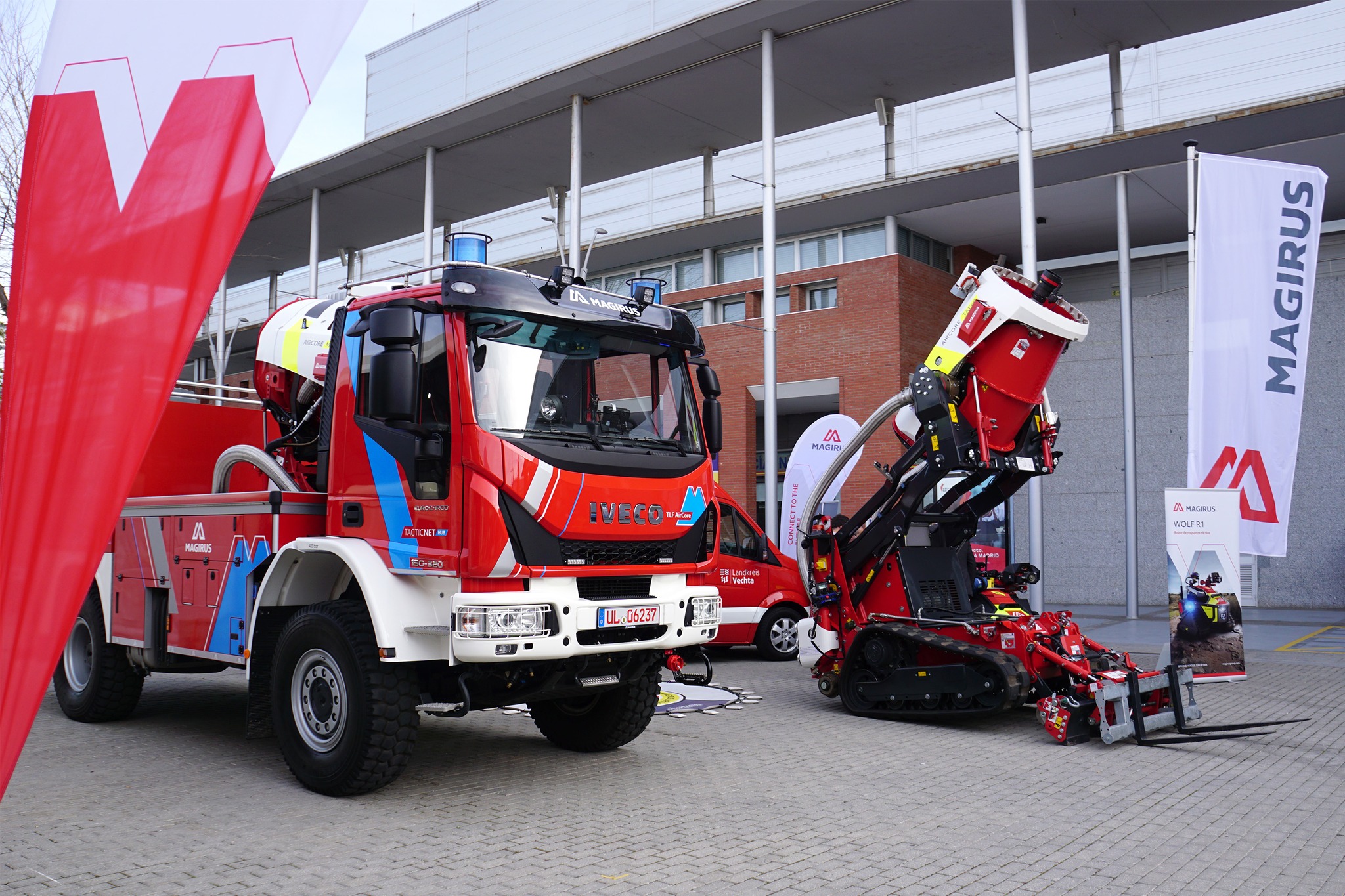
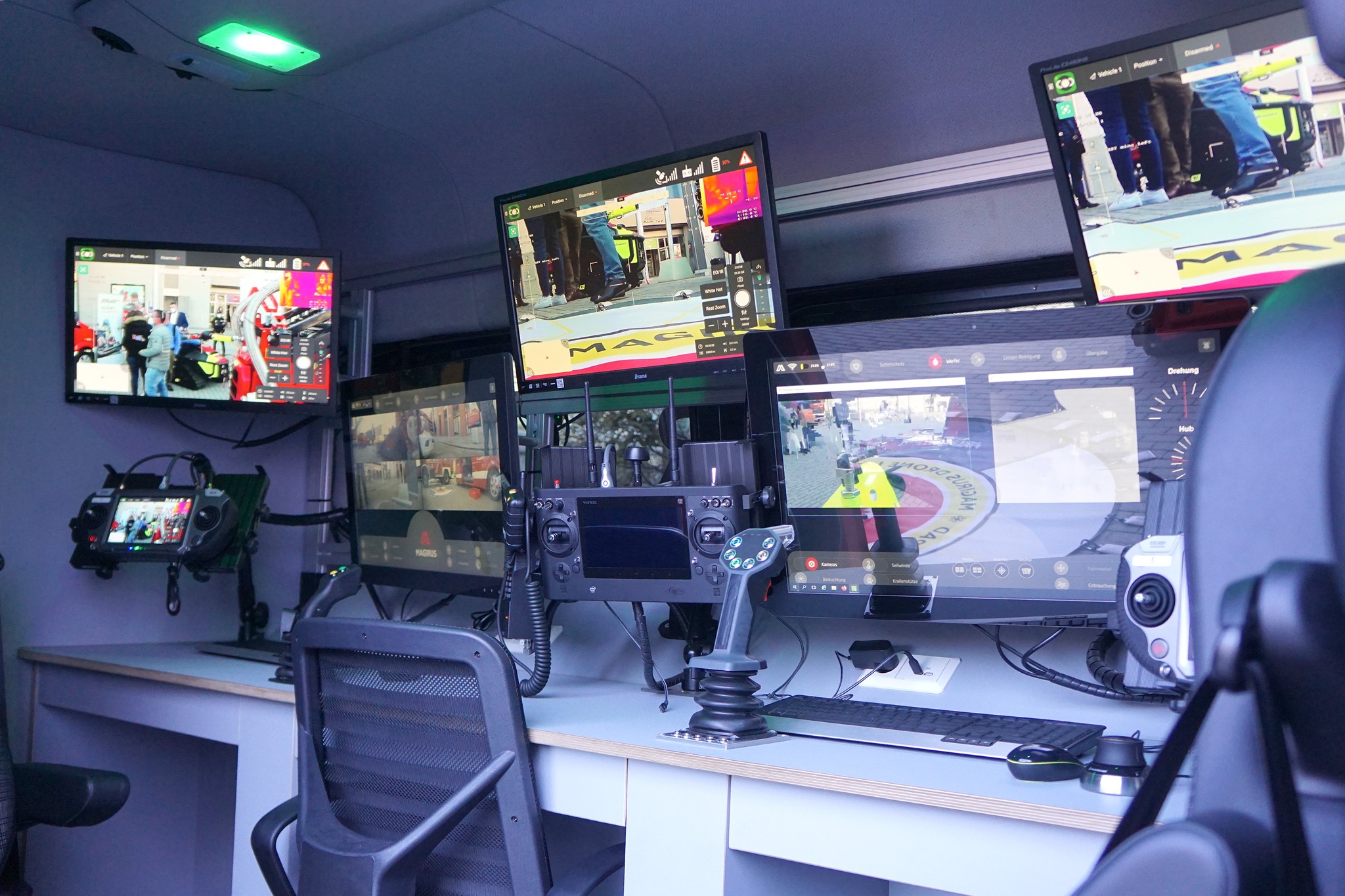
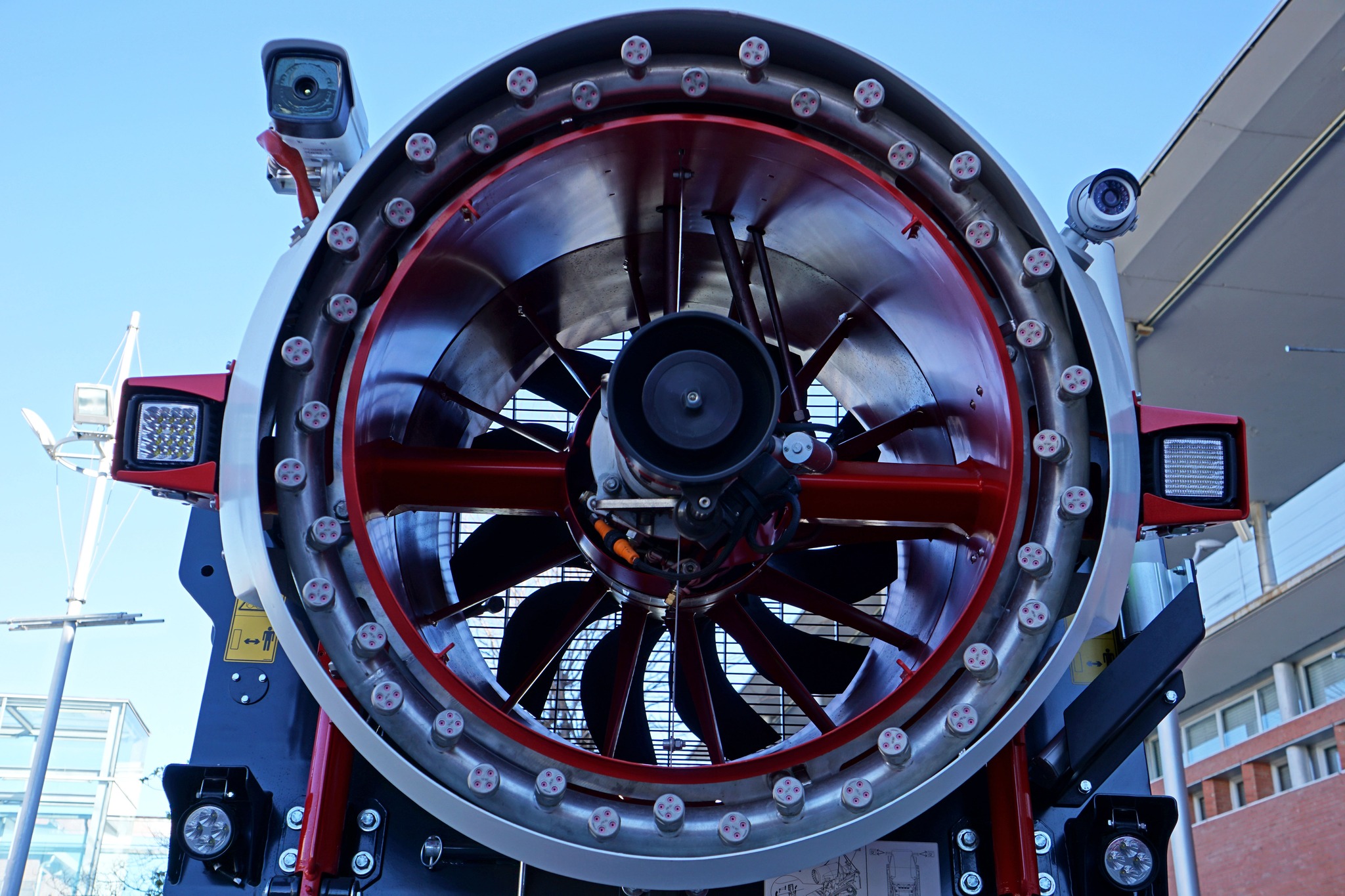
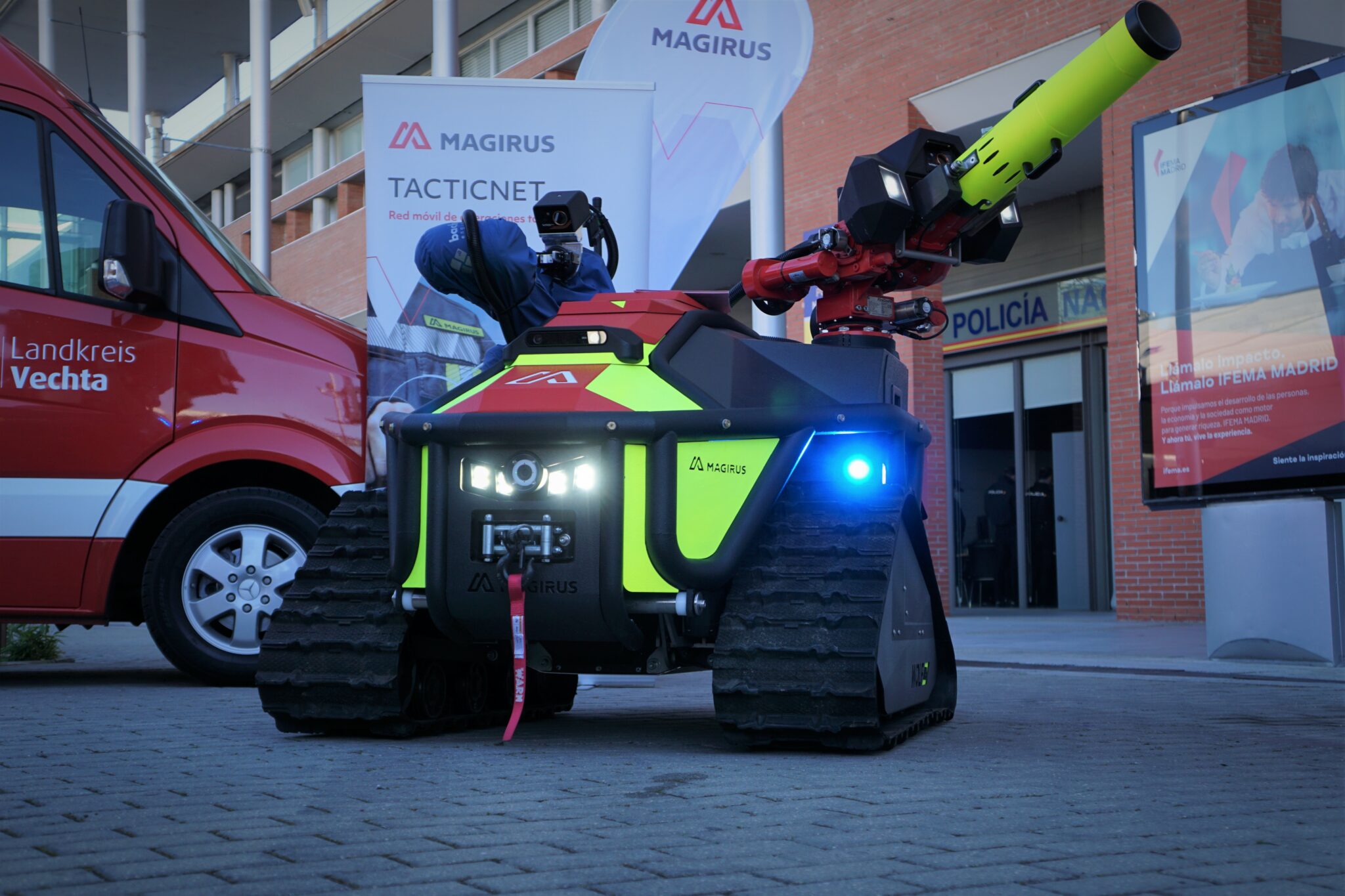
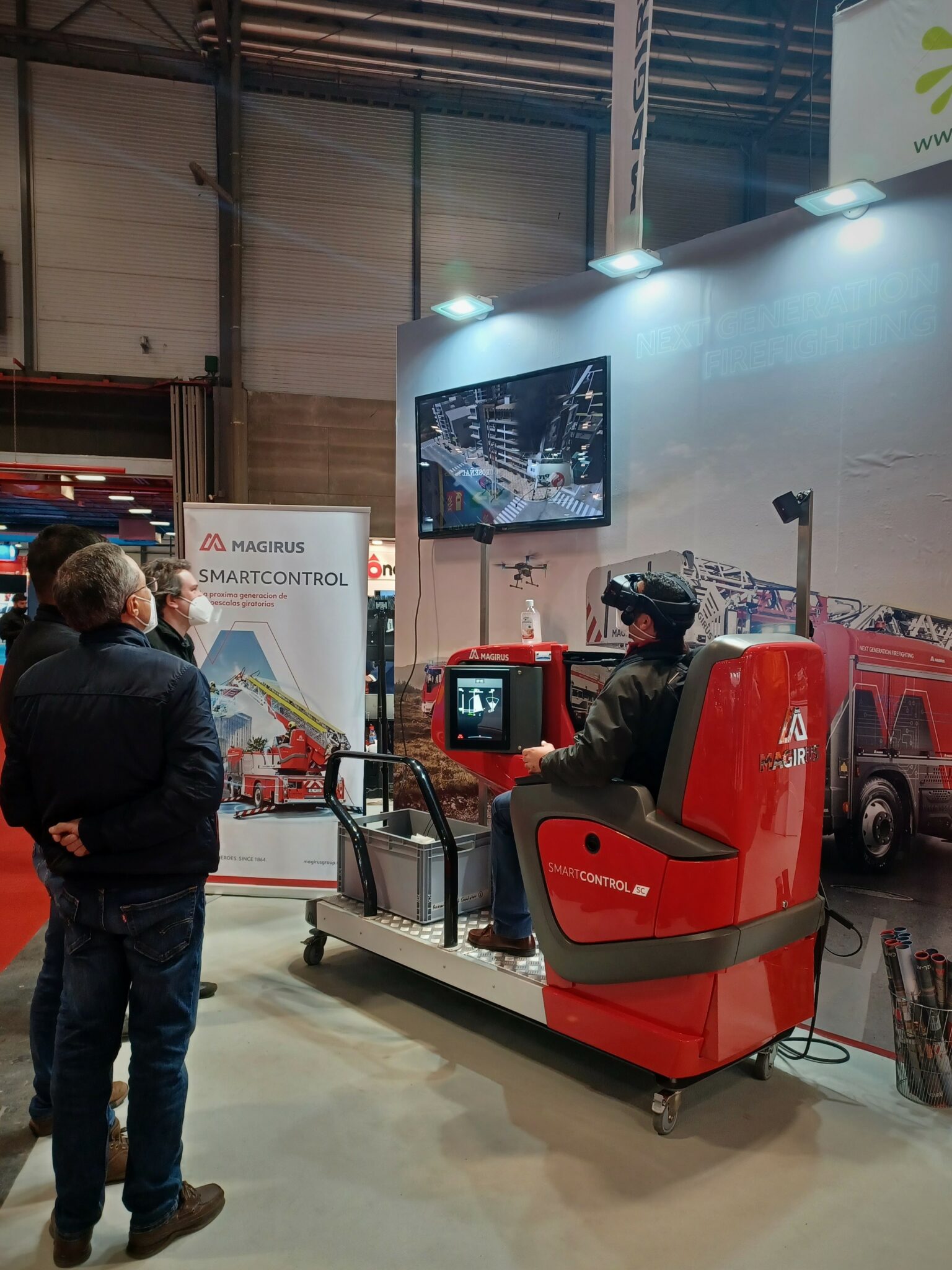
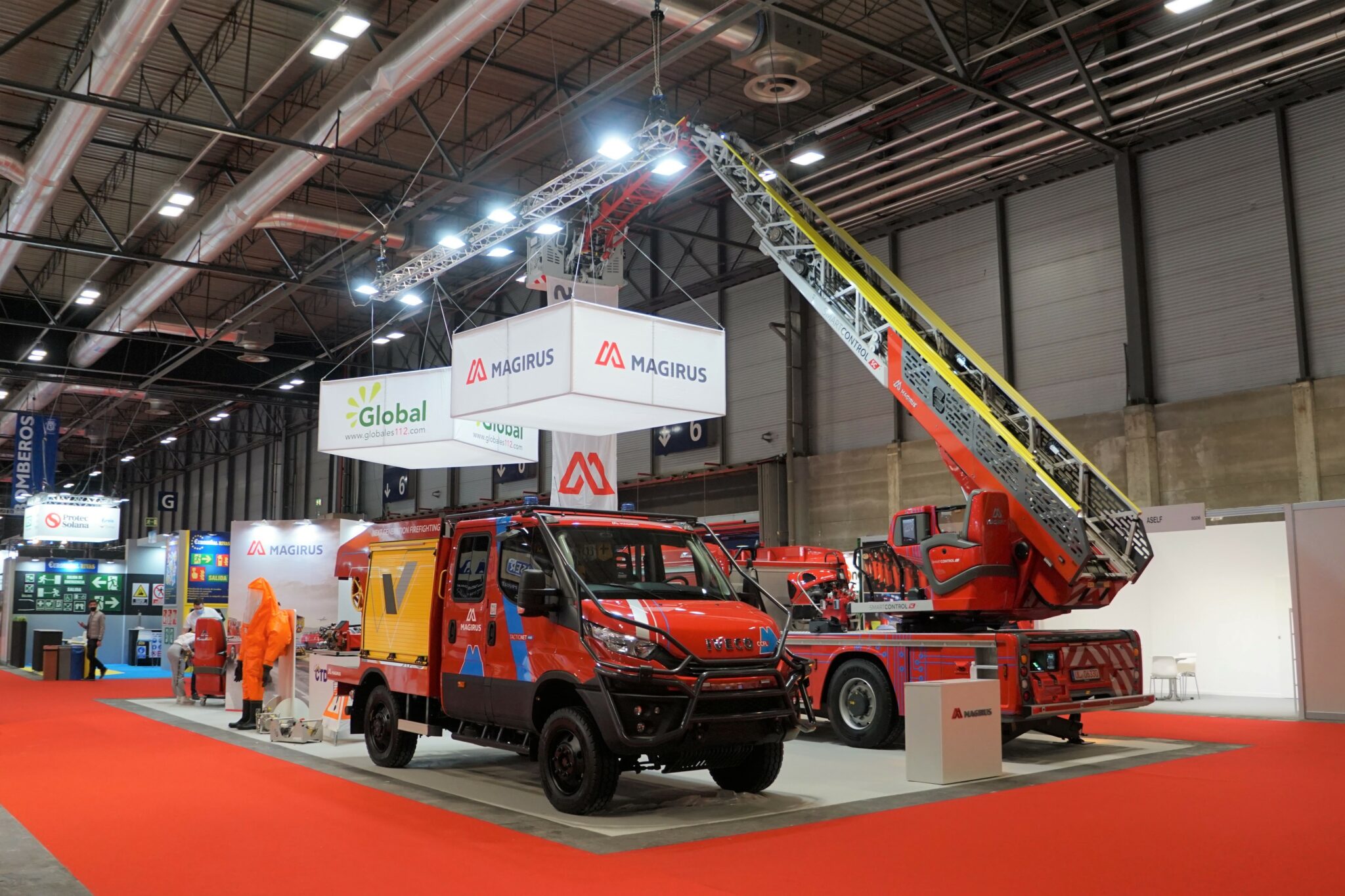
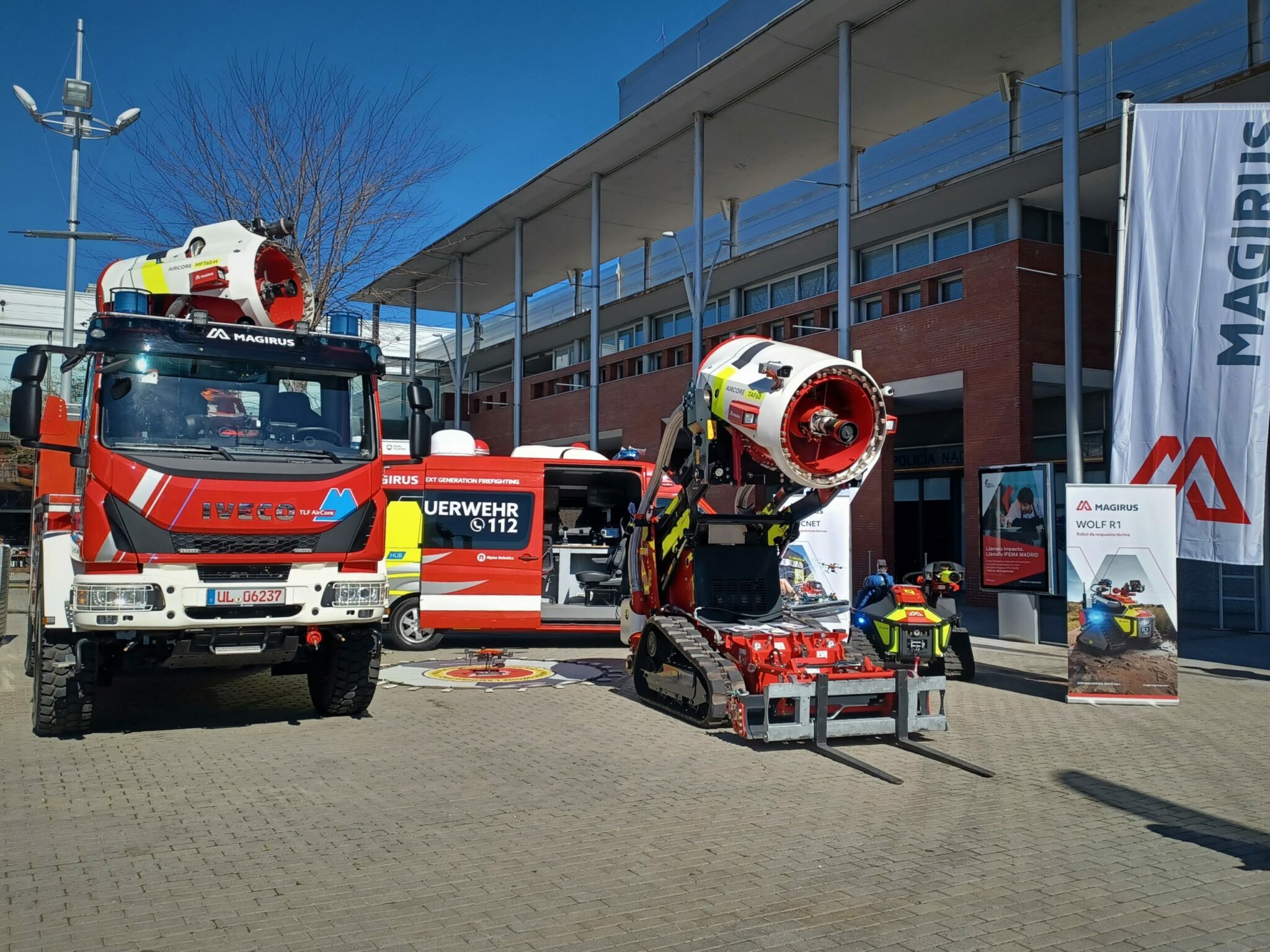
The Magirus M32L-AT NB with SmartControl.The interiors of a Magirus firetruck unit.The AirCore TAF60 eraser robotWolf R1 robot.SICUR was held in February 2022 in Spain. The show was said to have received several thousand visitors.Magirus launched a portfolio of firefighting products at the SICUR trade fair in Spain
Commercial fire protection and life safety company CertaSite has acquired Teasley Fire Protection, both companies are based in the Kentucky, USA. Teasley, a family owned and operated fire protection company, operates and serves in the city of Frankfort, based in Kentucky.
CertaSite operates in building safety and code compliance to its customer-base in the Midwest region of USA. This is the company’s first acquisition in Kentucky.
Teasley Fire Protection is a family business with a cumulative industry expertise of 20 years. The company has expertise in providing services for fire sprinkler systems, fire extinguishers, suppression systems, and emergency lighting solutions to their loyal customers. Teasley’s reputation in the region will allow the company to grow its customer base and expand into new markets thanks to its association with CertaSite.
Teasley co-owners Joe and Carissa Teasley commented: “CertaSite is a company that we trust because they share our values and code of ethics for saving lives and protecting property. We fully believe that under CertaSite, our customers will benefit from efficient and streamlined services, with enhanced administration support and advancements like online customer portals, inspection management and reporting, expanded service areas, life safety maintenance programs, and multi-location support with a certified expanded life safety technician workforce.”
Joe Teasley will remain with the company in a new role while CertaSite’s regional manager Don Hennessy will be overseeing office management.
Jeff Wyatt, CEO, CertaSite said: “We are grateful to Joe and Carissa Teasley and the Teasley family for their continued partnership throughout this process. We are committed to preserving the legacy that these dedicated professionals built, and we recognize and respect their strong local presence. We are thrilled to be expanding our unique brand of customer service in Kentucky and look forward to serving this market.”
In addition to Teasley Fire Protection, CertaSite already has acquired 14 fire protection and life safety companies and is actively engaged in bringing new businesses under the CertaSite portfolio.
The company’s regional focus for 2022 will include Missouri, Tennessee, and West Virginia. Along with other states that include Pennsylvania, Ohio, Indiana, Michigan, Wisconsin, Illinois, and Iowa.
Bull Products is leaping ahead to decarbonise its offerings by developing products and services that help to reduce the carbon impact of its customers’ activities.
The company has committed itself to becoming zero carbon by 2030 and has developed a seven-strand sustainability strategy to achieve this goal. Three of the strands directly reduce their customer’s impact on the environment.
Historically, many fire safety products are scrapped when a site or project reaches completion. This waste disposal strategy is detrimental to the environment.
Bull’s asset management solution will collect fire safety products from a project and securely store them at a regional centre. The products are then cleaned, serviced and certified, ready for delivery to a new site.
Bull also extends the life of products as part of its asset management programme. Take fire extinguishers as an example – extinguishers are reused until they are at the end of their life cycle. At this point, they are remanufactured by stripping them down and completely refurbishing them to be as good as new. This massively reduces carbon emissions when compared with manufacturing new products.
Ross Markham, managing director, Bull Products said: “Over time, we will reduce the energy we consume and secure energy supplies from sustainable sources. We are changing the way we work. We are focusing our business development on greener and more sustainable products and services. I am proud that Bull is leading the way in the fire safety industry by driving sustainability initiatives to create a zero-carbon future.”
At the beginning of 2020, Dahua Technology provided an intelligent forest fire prevention monitoring system for Rizhao. This solution gives an automatic early warning of fire, real-time fire control and closed-loop response through digital intelligence technology, significantly improving forest fire prevention and dispatch.
Mountainous regions, like Rizhao in Shandong Province of China, are vulnerable to forest fires. Recognised by the United Nations in 2009 as one of the most habitable cities in the world, this city consists of 4,358 mountains, with a forest area of 1,400 square kilometers that account for 70% of the region.
Up until now, forest rangers have manually scouted and monitored the area, walking nearly 10 kilometers of treacherous trails for several hours a day.
The Illegal wood burning in the area, if not controlled properly, can lead to a disastrous wildfire. According to a World Health Organization report, in 50% of wildfires recorded, the cause that triggered them is unknown.
At present, high-altitude dual-lens thermal imaging cameras cover the main mountains in the city, carrying out 360 ° remote monitoring 24/7. This solution also offers real-time sensing and intelligent management of people and vehicles coming in and out of the forest areas.
Furthermore, to reduce false alarms, the system adopts algorithms for deep smoke and mountain scanning, thus improving the accuracy of real fire alarms and saving manpower and material resources.
After half a year of operation, the system has detected more than 30 real mountain fires. The average number of fires found every day during fire season has significantly decreased by 80% compared with the initial stage of the project. This reflects the effectiveness of the solution in fire monitoring and the increasing awareness of villagers regarding fire safety.
Overall, this solution helps guarantee the safety of 1,400 square kilometers of forest resources in Rizhao.
People tasked with extinguishing flammable liquid fires have known the limitations of water as a fire suppressant for years.
The pursuit for a better solution led Russian chemist Aleksandr Loran to develop and introduce in 1902 the first firefighting foam for flammable liquid/oil fires, after witnessing thedestruction they caused in his hometown.
The foam is used to create a foam blanket, which has lower density than water and floats on top of the fuel surface separating the flammable liquid from oxygen.
Through the years, technological innovations have improved on the effectiveness of firefighting foam.
While the advancements to foam technology helped firefighters to save thousands of lives over the years, they sometimes also brought unwelcome properties that had an impact on the environment.
Emergence of Aqueous Film Forming Foam
Aqueous Film Forming Foam (AFFF) containing PFAS (per- or polyfluoroalkyl substance) were introduced in the mid-1960s, first commercialised in the early 1970s, and have served as the industry workhorse ever since.
PFAS is a term used to describe a broad category of fluorochemicals (polymers and non-polymers) of different carbon chain lengths, physical and toxicological properties, and environmental impacts.
It includes long-chain PFAS such as PFOS and PFOA that are considered persistent, bio-accumulative, and toxic (PBT).
It also includes short-chain PFAS, such as C6 fluorotelomer fluorosurfactants used in current-day AFFF agents.
Short-chain (C6) fluorosurfactants do not contain or breakdown in the environment to PFOS or PFOA, and they’re currently considered lower in toxicity with significantly reduced bio-accumulative potential compared to long-chain PFAS.
Foams made with only short-chain fluorosurfactants likely contain trace quantities of PFOA and PFOA precursors as an unavoidable byproduct of the manufacturing process.
Advanced analytical methods and more sensitive instrumentation developed in the 1990s led to the detection of small amounts of PFAS chemicals, specifically PFOS and PFOA, in blood and the environment.
In response to getting this data, some manufacturers, like 3M, began phasing out PFOS and PFOA production in 2002.
In the early 2000s, government environmental agencies around the world intensified their scrutiny of PFAS chemicals, and over the past twenty years, many governments have passed legislation that restricts or bans the use of PFAS-based foams.
Because of these changes, many end users are transitioning or planning their transition to the next generation of fire protection.
Making that transition, however, is a big decision for any company.
End users need to confirm compatibility between the next generation foam and existing hardware in the foam system.
A couple of key considerations include maintaining business continuity and minimizing the capital investment required to make the transition.
The final solution is almost always influenced by the Authority Having Jurisdiction (AHJ) approving the foam system – i.e., Fire Marshall, Municipal Fire Department, or Insurance company.
These organisations also must factor in third party approvals from Underwriter Laboratories (UL), Factory Mutual, EN 1568 standard and or other vertical market foam standards, including U.S. MIL-SPEC, International Civil Aviation Organisation (ICAO), International Maritime Organisation, or the U.S. Coast Guard.
Foam systems are often in place for decades, and end users must make sure that their solution is sustainable for years to come.
What to Consider When Moving to a New Foam System
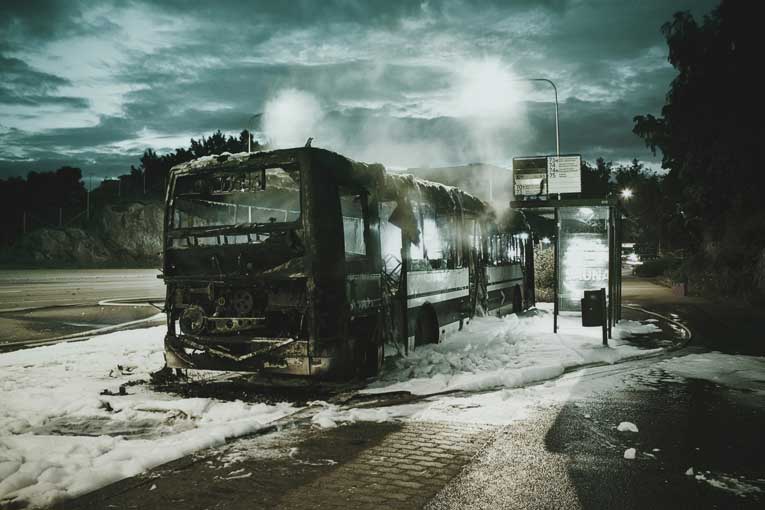
Burning Bus Extinguished by Fluorine Free Foam. Image credit: Unsplash
Class B foams are used to address the two primary types of fuel hazards – hydrocarbon and polar solvent.
Hydrocarbon fuels typically have a lower density than water and are not water miscible – i.e., gasoline, diesel, and aviation fuels.
Polar solvents include fuels such as ethanol, methanol, and isopropyl alcohol, which are miscible with water.
AFFF foams are used to create a foam blanket that readily spreads across the surface of the fuel separating the fuel source from the oxygen in the air and drainage of the foam blanket provides continual cooling to the surface of the fuel.
Alcohol resistant AFFF (AR-AFFF) firefighting foams have an additional feature that includes polymer(s) that are insoluble in the fuel.
These polymers precipitate out on the fuel surface and provide protection for the foam blanket from the polar solvent fuels that are hydrophilic (attracted to water).
This foam blanket separates the fuel from the oxygen in the air, suppressing the fire.
Perimeter Solutions’ new SOLBERG® VERSAGARD™ AS-100, is a fluorine-free alcohol type concentrate (ATC™) proportioned at 3% for both hydrocarbon and polar solvent fuel fires.
This is a tremendous advantage for municipal and/or industrial firefighters because they don’t have to worry about whether the foam they are using is the right foam for the job.
With all the focus on the use and regulations around PFAS based foams, there is little attention being paid to the inclusion of certain kinds of siloxanes in new fluorine-free solutions.
Some of these siloxanes are very persistent in the environment, and they are facing the same environmental pressures as fluorinated chemistries.
In fact, regulatory bodies including the Stockholm Convention for Persistent Organic Pollutants and California’s Prop 65 have already flagged certain siloxanes for their environmental persistence.
Case Studies – Making the Move to Fluorine Free
Perimeter Solutions is working with many customers to help them transition their fire safety systems. Each project is unique based on the customer, their industry and how old the system is that they are replacing.
One of the more recent projects we completed was with the Lehigh Valley Airport Authority.
They were interested in updating the fluorinated foam system used in one of their 40,000 square foot hangars.
That means that it requires an aircraft access door height of more than 28’, it can house an aircraft with a tail height over 28’, and that it needs to have a single fire area in excess of 40,000 square feet.
We helped the Airport Authority to convert its deluge fire sprinkler system, which was designed for 0.16 gallons per minute per square foot.
We were able to retrofit that existing system to use SOLBERG RE-HEALING™ foam 3%, fluorine-free 3%. This version of RE-HEALING foam has the exact same design application rate as the AFFF foam that they were previously using.
By selecting a foam with the same design application rate, the customer didn’t need to change out its discharge devices, or the piping infrastructure, dramatically reducing the amount they needed to invest to upgrade.
It was simply a matter of bringing in new foam storage, a change in the proportioner, and a change in the foam.
Another project recently completed involved the installation of a foam system at an 800,000 square-foot flammable liquid storage facility.
This was a racked storage facility that included a significant amount of flammable and combustible liquids on the property – both hydrocarbon and polar solvents.
The facility needed to transition to a versatile foam that would allow them to extinguish fires regardless of the fuel source.
Based on its versatility, the customer decided to use VERSAGARD AS-100 and has had great success with the new foam.
Fluorine Free Foam Technology- A Look Ahead
Fire Fighters Using Fluorine Free Foam.
Both of these transitions demonstrate that fluorine-free foams can now meet the needs of end-users who are looking for alternatives to legacy AFFF and AR-AFFF foams.
It will still be some time before AFFF and AR-AFF foams are completely replaced by fluorine-free alternatives, but we will see more of it in the next few years as regulations and requirements are updated.
In fact, the United States Federal Aviation Administration (FAA) recently issued a certification alert that removed a mandate to use fluorinated foams.
The FAA didn’t alter the existing performance specifications within the certification, so fluorine-free solutions must meet those specifications, but this shows that US agencies are creating inroads for fluorine-free technology.
The U.S. MIL-SPEC is also expected to transition to fluorine-free foam, and the U.S. military has stated that it will no longer purchase and/or use fluorinated foams starting in 2024, except for shipboard for the navy.
For those of you that have been around since the early days of AFFF and AR-AFFF, you may recall that they were proportioned up to 9% foam concentrate.
Through continued innovation, those percentages dropped to 3% and in some cases all the way down to 1%, meeting or exceeding the same level of effectiveness.
It is likely that fluorine-free foams will see the same type of development and will ultimately catch up to the legacy foams with the same proportioning percentage and application rates.
About the Author
Craig McDonnell is the General Manager at Fire Suppressions Americas, Perimeter Solutions profiles the history of fluorine-free Foam
Hochiki Europe has announced a new perfect fit partnership which will enable its most sophisticated addressable multi-sensor device, the ACD, to be compatible with the MxPro 5 range of addressable fire control panels from Advanced Electronics.
This new partnership with Advanced Electronics allows Hochiki’s ACD addressable loop-powered multi-sensor, with smoke, heat and CO sensing elements to be installed in even more projects than was previously possible. Schools, hospitals, accommodation, commercial premises, cultural properties and beyond will now benefit from greater choice when it comes to choosing the latest in life safety technology.
Both the ACD multi-sensor and MxPro 5 panel systems include several features that make this new partnership the perfect product and panel fit for the smallest to the largest of sites. Advanced Electronics’ MxPro 5 range is their highest performance analogue addressable fire panel range to date, approved to EN54 Parts 2, 4 and 13 and certified by FM approvals to EN54 Parts 2 and 4. There are 24 modes of operation in the Hochiki ACD multi-sensor, detecting smoke, heat, CO and the threat of COHb poisoning, all fully supported by the MxPro 5 panels.
There is also a Reduced False Alarm function (+RFA), where the sensor will automatically adjust the sensitivity of the optical sensing element over time, learning from its surrounding environment from the moment of installation. This allows the installer to ‘fine-tune’ the product to work perfectly with MxPro 5 panel and more importantly for the environment to which it is being fitted.
Commenting on the partnership, Nathan Hudson, Hochiki Europe’s Sales and Marketing Director said “It is imperative that installers and end users get the greatest choice across the market when selecting fire detection products and systems. Not only to ensure the best products are used to protect people and property, but also to ensure budgets are met, especially important on complex projects. We’re really excited by this partnership with Advanced Electronics as it means even more customers around the globe now have access to the most sophisticated and innovative life safety technology on the market which can be perfectly tailored to their projects” For more information about Hochiki Europe’s flagship product ACD visit: hochikieurope.com