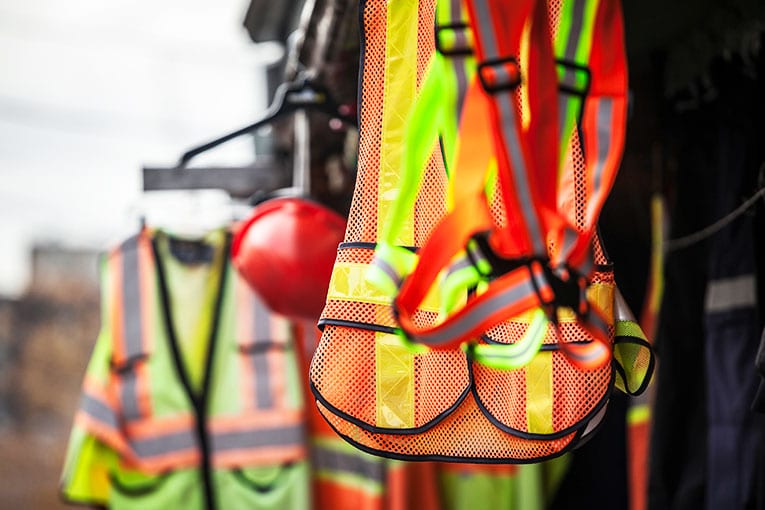
Air Systems introduces AQM monitor for Breather Box filtration equipment

Air Systems announces new AQM monitor for breathing air equipment

Air Systems International has introduced a new Air Quality Monitor (AQM) for its Breather Box portable filtration units, filtration panels, breathing air monitoring products and high-pressure compressors.

Air Systems described the AQM as a monitor designed to help ensure Grade-D breathing air delivery through measurement of carbon monoxide (CO), oxygen (O2) and dew point levels.

The monitor includes a 3-inch colour digital resistive touchscreen that guides users through monitoring, maintenance and calibration steps.

Features include automatic calibration with guided on-screen instructions, service icons for calibration reminders, sensor replacement and battery life, and a built-in instruction manual accessible through the display.

The system also includes a 120 dBA audible and visual alarm, multi-language support in English, Spanish and French and a universal power supply rated 110 – 230 VAC and 12-20 VDC.

Product specifications, options and transition from legacy monitors

Air Systems confirmed that the standard AQM version is currently available and that an intrinsically safe version has been submitted for review and certification.

From January 1, 2026, all new orders and some back orders are expected to include the new AQM monitor due to a back-order consuming existing legacy monitors.

Legacy monitors are defined as units in a black metal case, with model examples including CO-91, CO2-91, CO91-14LAC, CO-91 PM and CO-91IS series products.

The CO sensor and alarm cannot be disabled, while the O2 alarm can be enabled or disabled and the humidity sensor – dew point – can also be enabled or disabled.

Six AA batteries provide approximately 40 hours of operation, with power options including 12-12 VDC input from vehicles or commonly used cordless tool batteries.

The company is also working on retrofit logistics to install the AQM monitor into existing equipment in the field, including a process allowing products to be sent to the factory in Chesapeake, Virginia for modification.

A limited number of parts will remain available for legacy monitors in the near future, and the O2 sensor supply for legacy models has already been exhausted.

An adaptor – O2-NS-ADPT – is now being used to allow a new sensor – O2-NS – to be fitted in legacy models.

List of Firefighting Equipment

Firefighting equipment is what helps firefighters to extinguish flames, ensuring the safety of lives and property, and the varied list of firefighting equipment shows how diverse firefighting really is. 

From traditional tools like fire extinguishers to cutting-edge technology such as thermal imaging cameras, each item plays a crucial role in a firefighter’s arsenal. 

In this article, we’ll explore the diverse list of firefighting equipment, shedding light on their functions and importance in the face of fire emergencies.

What is Firefighting Equipment?

Firefighting equipment encompasses a diverse range of tools, devices, and protective gear specifically designed to combat and manage fires effectively. 

These crucial elements are essential for firefighters in their mission to extinguish flames, rescue individuals, and mitigate the impact of fire emergencies. 

Each piece of equipment serves a unique purpose in the complex and challenging task of firefighting.

Firefighting equipment is not only about extinguishing flames but also about ensuring the safety of those on the front lines. 

Protective gear, such as fire suits and gloves, shields firefighters from extreme heat, allowing them to navigate hazardous environments. 

The continuous advancements in firefighting equipment underscore a commitment to improving the efficiency, safety, and overall effectiveness of firefighting operations.

Firefighting equipment is the lifeline for those who risk their lives to protect communities and properties from the devastating impact of fires.

List of Firefighting Equipment

Firefighting equipment constitutes a comprehensive arsenal designed to combat fires of varying intensities and types. 

Each tool plays a crucial role in ensuring the safety of firefighters and the effectiveness of fire suppression efforts.

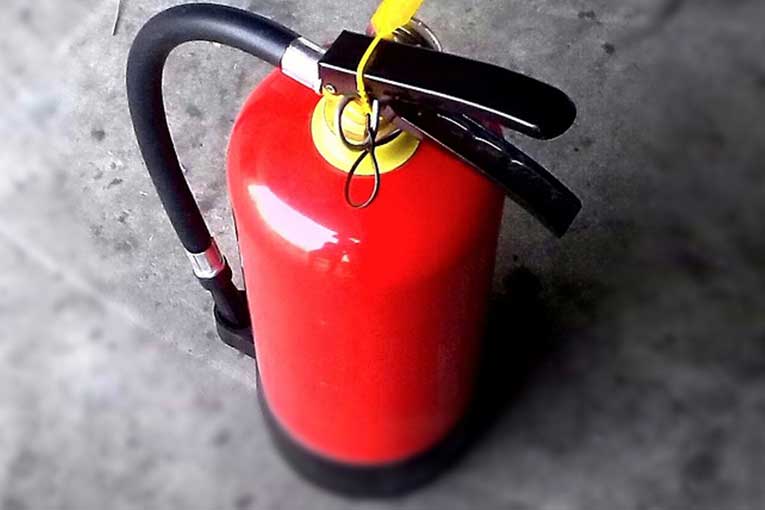
Fire Extinguishers

fire extinguisher firefighting equipment

Portable and versatile, fire extinguishers are essential for promptly suppressing and extinguishing small fires. 

There are many different types of fire extinguisher, each containing specific firefighting agents such as water, foam, dry powder, or CO2. 

The diversity in extinguisher types ensures flexibility in addressing different classes of fires—whether involving ordinary combustibles, flammable liquids, electrical equipment, or gases. 

This adaptability allows firefighters and individuals to employ the most suitable extinguishing agent, enhancing the effectiveness of fire suppression efforts across a wide range of fire scenarios.

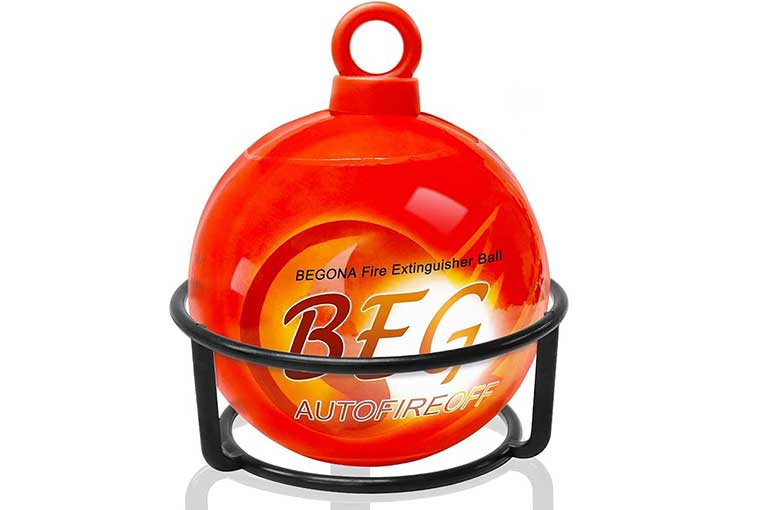
Fire Extinguisher Ball

fire extinguisher ball firefighting equipment
Source: Amazon

An innovative self-activating fire suppression system, the Fire Extinguisher Ball offers a unique approach to firefighting. 

When exposed to flames, the ball bursts autonomously, releasing a fine powder that swiftly and effectively extinguishes the fire. 

This ingenious device is particularly advantageous in confined spaces or areas with limited accessibility, where traditional firefighting methods might face challenges. 

The Fire Extinguisher Ball’s ability to initiate fire suppression independently makes it a valuable addition to fire safety measures, ensuring a rapid response even in scenarios where immediate human intervention may be difficult.

Fire Hoses

fire hose firefighting equipment

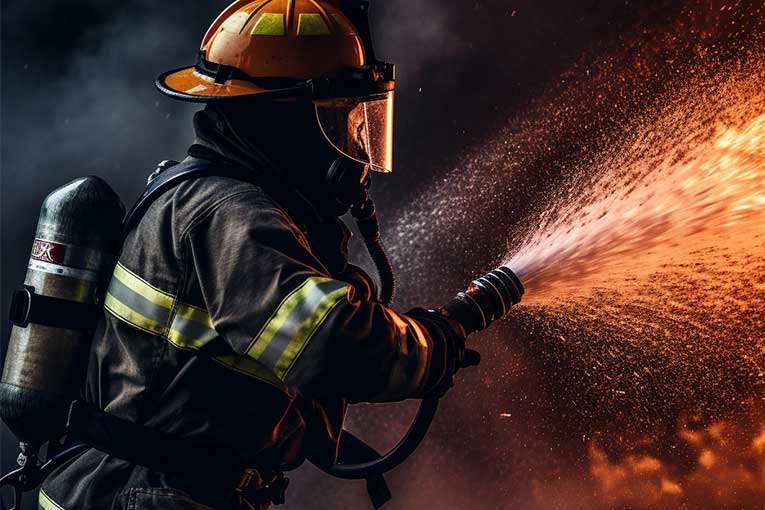
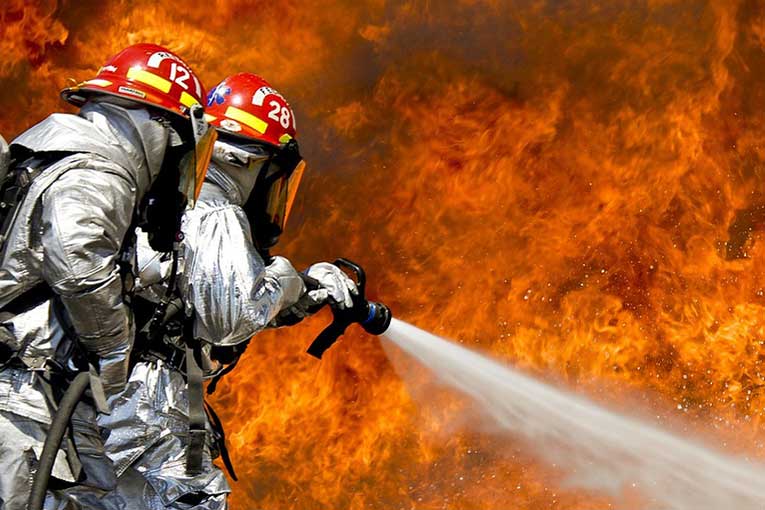
As one of the most prevalent tools in large-scale firefighting, fire hoses are indispensable for firefighters combating significant flames. 

These flexible and robust hoses serve as critical conduits, allowing the directed flow of water onto the fire. 

Their length and adaptability empower firefighters to reach remote or challenging locations, providing a versatile means of effectively delivering water to suppress fires. 

The strategic use of fire hoses enhances the agility and reach of firefighting efforts, enabling responders to address fires in diverse environments and mitigate potential challenges posed by the fire’s scale and intensity.

Hose Jets

fire hose firefighting equipment

Hose Jets represent heightened firefighting capabilities, requiring the collaboration of two firefighters to handle their extra power. 

These specialised tools offer an elevated force and flow, allowing firefighters to exert increased control over the extinguishing process. 

With the ability to adjust the jet stream, firefighters enhance precision in directing water onto the flames, addressing specific firefighting requirements. 

The collaborative use of Hose Jets reflects a strategic approach, amplifying the effectiveness of firefighting efforts in scenarios where a more robust and targeted water delivery is essential to combat fires of greater scale or intensity.

Fire Buckets

fire buckets firefighting equipment

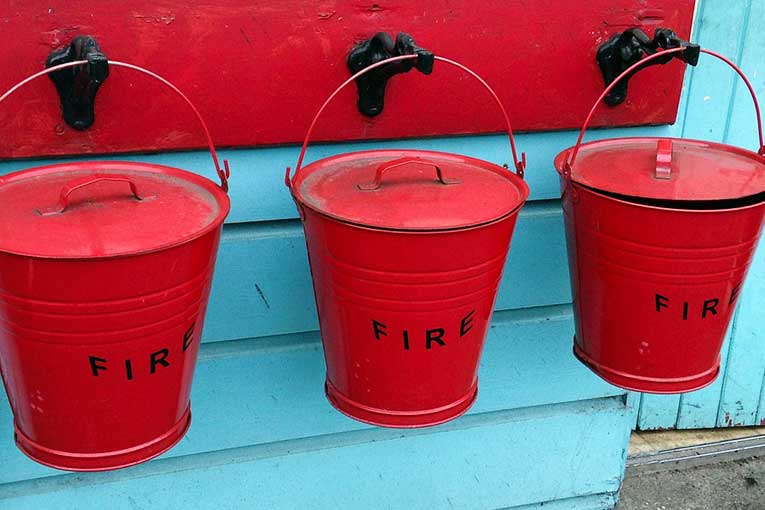
Simple in design yet highly effective, fire buckets are containers filled with either water or sand. 

Positioned strategically, these buckets serve as immediate response tools, offering a swift and accessible means to douse small fires or control sparks. 

Their simplicity makes them an essential first line of defence, providing an uncomplicated yet crucial tool in the initial stages of firefighting. 

Whether used by trained personnel or as part of fire safety measures in public spaces, fire buckets play a fundamental role in empowering individuals to take immediate action and contribute to fire containment efforts.

Flamezorb

flamezorb firefighting equipment
Source: Amazon

Flamezorb, a granular substance, serves as a rapid-response tool in firefighting by efficiently absorbing flammable liquids. 

When applied to spills, it swiftly neutralises and absorbs the substances, preventing the spread of fire. 

This versatile and effective tool finds particular utility in scenarios involving hazardous materials or potential chemical fires, where the quick containment of flammable liquids is essential to mitigate the risk of fire escalation. 

Flamezorb’s ability to address such specific challenges makes it a valuable asset in the firefighting arsenal, contributing to the overall effectiveness of fire suppression efforts in diverse and complex situations.

Fire Blankets

fire blanket firefighting equipment
Source: Amazon

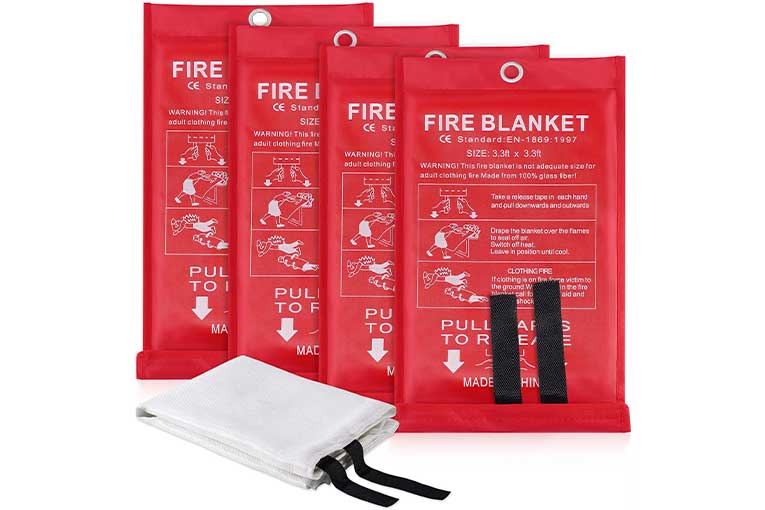
Constructed from fire-resistant materials, fire blankets emerge as versatile tools in firefighting and emergency response. 

Beyond their primary function of smothering small fires, these blankets provide a multifaceted solution. 

In emergency situations, they offer protection by wrapping around individuals, creating a temporary shield against flames and heat. 

The adaptability of fire blankets extends their utility beyond traditional firefighting scenarios, making them valuable assets in various emergency situations where rapid response and versatile tools are paramount to ensuring the safety of individuals and effectively addressing evolving challenges.

Fire Suit

fire suit firefighting equipment

Specially designed for the demanding challenges of firefighting, a fire suit is more than  a mere uniform – it’s a shield against extreme heat and flames. 

Crafted from fire-resistant materials, these suits envelop firefighters in a protective barrier during the most intense operations. 

With layers designed to withstand the harsh conditions of a fire, these suits are crucial in ensuring the safety and well-being of firefighters. 

The specialised construction of fire suits exemplifies the commitment to providing a robust defence against the hazards encountered in the line of duty, reinforcing the resilience of those who bravely confront the flames.

Firefighter Gloves

firefighting gloves firefighting equipment
Source: Amazon

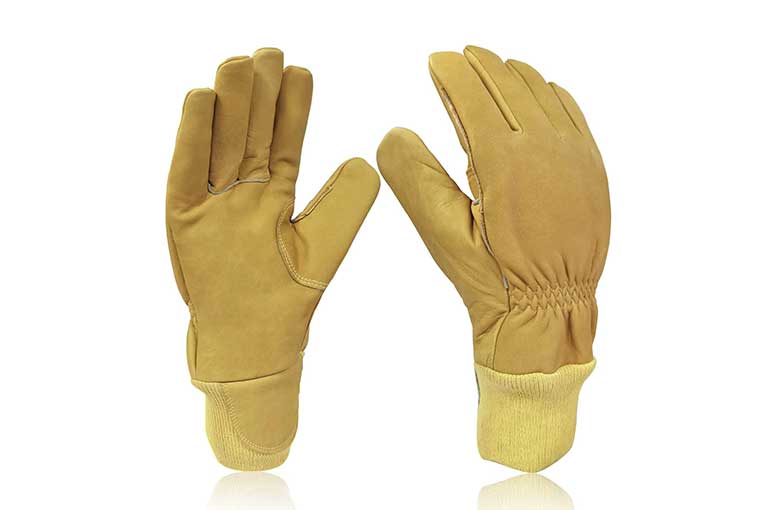
These gloves are essential for firefighters, offering crucial hand protection in the dynamic and intense environments encountered during firefighting operations. 

Crafted from materials resistant to high temperatures, they enable firefighters to handle hot surfaces and materials with confidence. 

The specialised design of firefighter gloves prioritises both dexterity and protection, allowing firefighters to navigate challenging situations while safeguarding their hands from the formidable heat generated in the course of combating fires. 

Gas Tight Suit

gas tight suit firefighting equipment
Source: Wikipedia

Comprising a multi-layered construction, these suits act as an impermeable barrier, creating a formidable shield between the firefighter and potentially harmful substances. 

Their purpose extends beyond conventional firefighting gear, addressing the specific challenges posed by chemical fires and the release of dangerous gases. 

By providing an encapsulating defence, gas-tight suits empower firefighters to navigate complex and perilous environments, ensuring their safety while enabling effective response and mitigation in the face of chemical hazards.

Drones

drones firefighting equipment

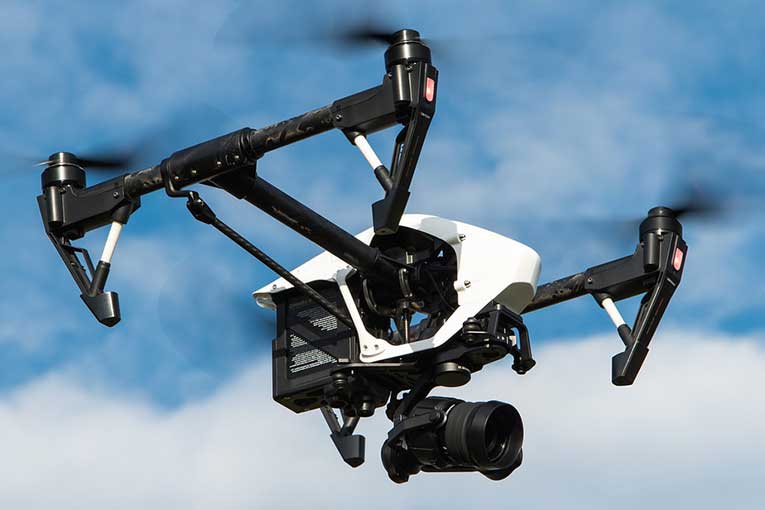
These unmanned aerial vehicles, equipped with advanced cameras, offer invaluable aerial views that significantly enhance fire assessment capabilities. 

Providing real-time situational awareness, drones become the eyes in the sky for firefighting teams. 

Their ability to swiftly survey large areas and capture critical information aids in strategizing and responding effectively to incidents. 

Drones not only contribute to the safety and efficiency of firefighting operations but also offer a technological edge, elevating the precision and speed with which responders can assess, plan, and execute strategies in the dynamic context of firefighting scenarios.

Thermal Imaging Camera

thermal camera firefighting equipment

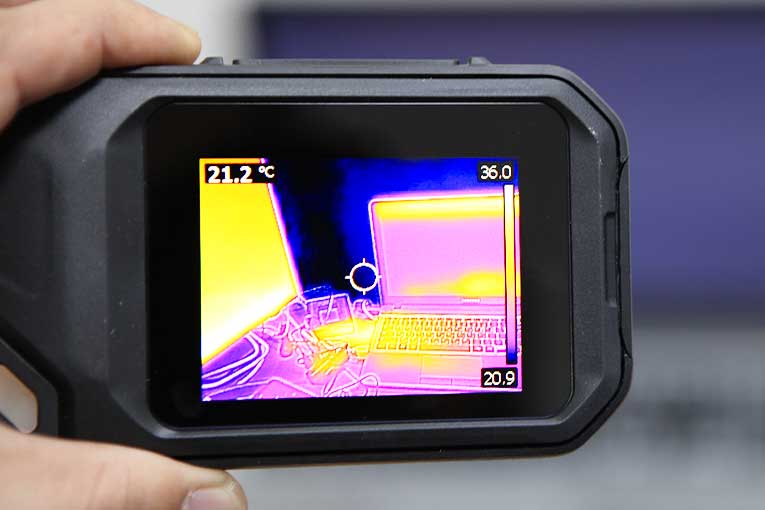
Thermal imaging cameras aid in locating individuals trapped in smoke-filled environments and identifying hotspots that may not be visible to the naked eye. 

The invaluable data provided by thermal imaging cameras enhances the efficiency and safety of firefighting operations. 

By offering real-time insights into the intensity and distribution of heat, these devices empower firefighters with the ability to make informed decisions, optimise resource allocation, and execute targeted strategies for suppressing fires and conducting search and rescue operations.

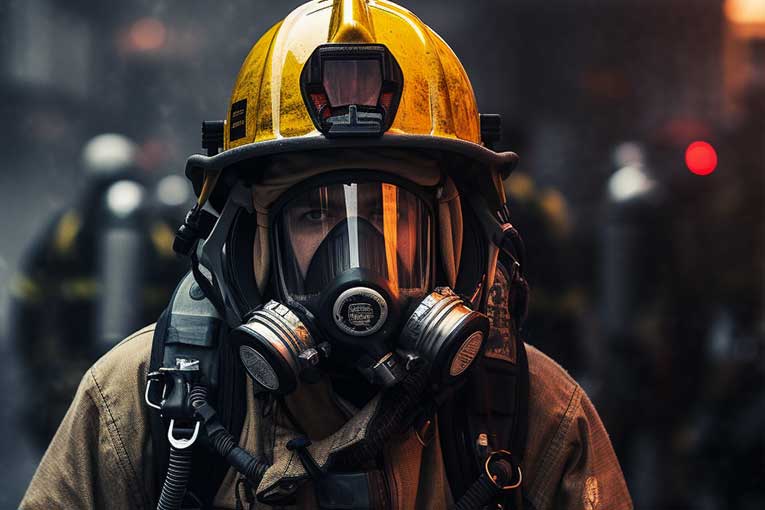
Breathing Apparatus

breathing apparatus firefighting equipment

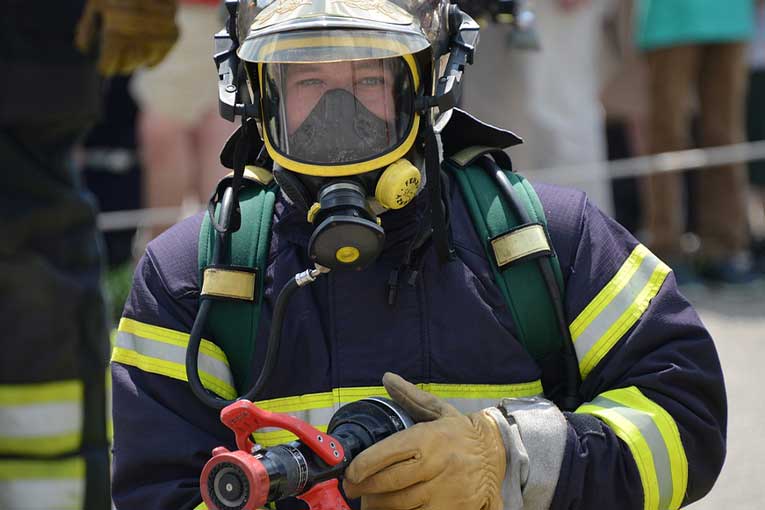
In smoke filled environments, these devices play a crucial role in ensuring the safety of firefighters by providing a continuous supply of clean air. 

The reliability and functionality of these apparatuses exemplify their vital role in preserving the well-being of firefighters and ensuring their ability to execute effective firefighting and rescue operations in environments where clean air is a precious commodity.

Positive Pressure Ventilation Fan

positive pressure ventilation fans firefighting equipment
Source: Wikipedia

Positive pressure ventilation fans are devices designed to create airflow that effectively removes smoke and toxins from enclosed spaces. 

By generating a controlled and directed flow of air, these fans contribute significantly to improving visibility for firefighters within confined areas. 

Beyond enhancing visibility, the removal of smoke and toxins creates a safer working environment, allowing firefighters to operate more efficiently and with reduced exposure to hazardous substances. 

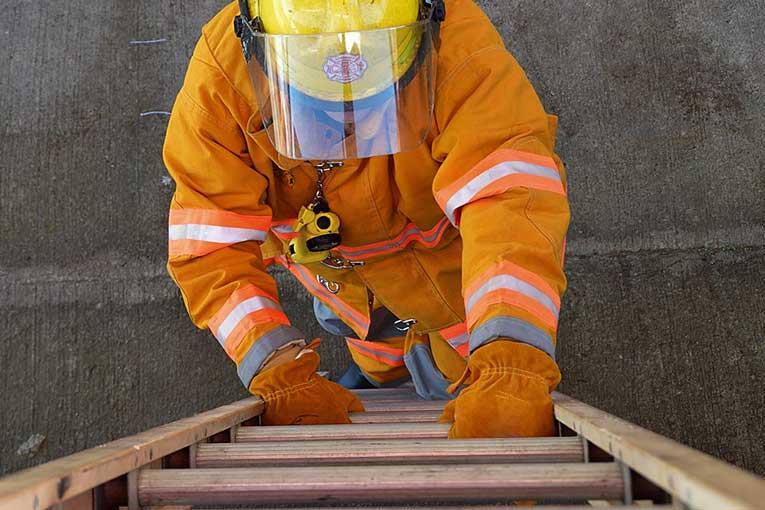
Ladders

ladders firefighting equipment

These versatile devices play a pivotal role in firefighting operations by enabling firefighters to access elevated areas, conduct rescues, and navigate challenging environments. 

Whether extending to reach upper floors of buildings or providing a stable platform for rescue operations, ladders enhance the agility and effectiveness of firefighting teams. 

Their portability and adaptability make them fundamental in addressing the diverse challenges posed by fires in varying structures and scenarios, contributing to the overall success and safety of firefighting operations.

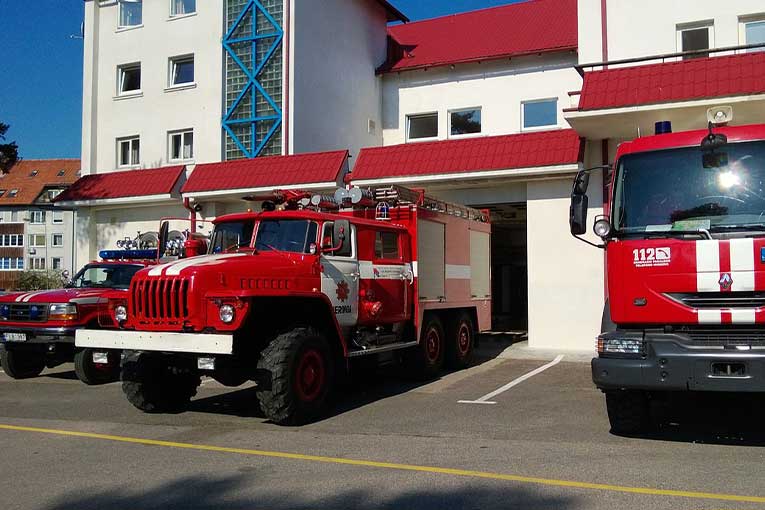
Fire Fighting Vehicle

vehicles firefighting equipment

These vehicles carry essential firefighting tools, water tanks, and hoses, ensuring a swift and effective response to fire emergencies. 

Beyond their mobility, the specialised equipment on these vehicles equips firefighters with the resources needed to combat fires of varying scales. 

Whether navigating through urban environments or remote locations, these vehicles enhance the reach and capabilities of firefighting teams, playing a vital role in the timely containment and suppression of fires to protect lives and property.

How is Firefighting Equipment Used?

The strategic use of equipment is paramount, requiring a careful assessment of each fire’s unique characteristics. 

Firefighters, equipped with a diverse array of tools, employ a systematic approach to address different scales and types of fires.

Fire extinguishers, compact and versatile, find their application in swiftly suppressing small fires. 

Firefighters select the appropriate extinguisher based on the fire’s nature and discharge the firefighting agent with precision, aiming at the fire’s base. 

For larger incidents, fire hoses connected to water sources become instrumental. 

The hoses allow firefighters to direct water effectively, reaching inaccessible areas, while sprinklers automatically release water upon detecting excessive heat, contributing to fire containment.

Protective gear, including fire suits and gloves, plays a pivotal role in ensuring firefighters’ safety as they confront flames. 

These specialised garments shield against extreme heat, providing a critical barrier between the firefighter and the hazardous environment.

Cutting-edge technology, such as drones equipped with cameras and thermal imaging devices, offers invaluable insights. 

Drones provide aerial views, enhancing situational awareness for better decision-making, while thermal imaging cameras aid in locating individuals and identifying hotspots within a fire.

The use of firefighting equipment is not only reliant on the tools themselves but also on the skill, training, and coordination of firefighting teams. 

Firefighters undergo rigorous training to understand the capabilities and limitations of each tool, ensuring a synchronised and effective response to diverse fire scenarios. 

The strategic and well-coordinated utilisation of firefighting equipment remains a cornerstone in the battle against the unpredictable and destructive force of fires.

What Other Equipment Helps with Firefighting?

Some firefighting equipment is not directly used to directly put out fires, but it used to improve the safety and efficiency of firefighters.

Fire Sprinklers

fire sprinklers firefighting equipment
Source: Wikipedia

Installed in buildings, fire sprinklers are automatic devices that release water when detecting excessive heat. 

They play a crucial role in suppressing fire outbreaks and limiting damage in enclosed spaces. 

Strategically positioned, their rapid response significantly contributes to controlling fires, preventing their escalation, and protecting lives and property within structures.

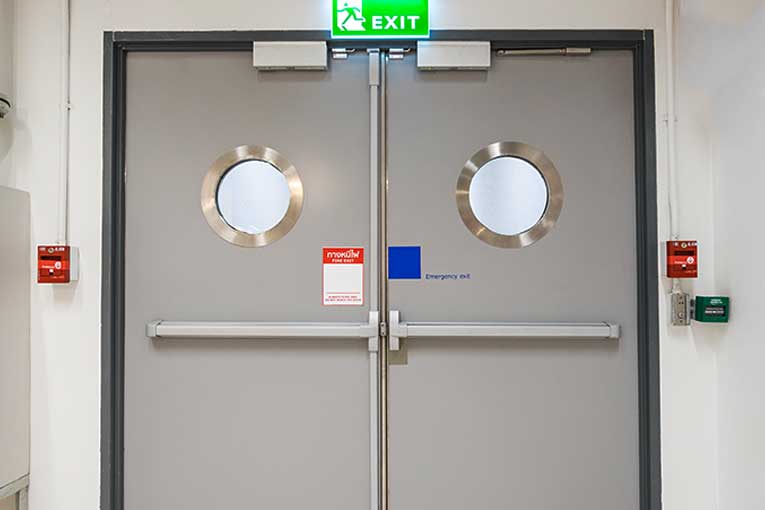
Fire Doors

Specialised fire doors are meticulously designed to resist fire and smoke, acting as effective barriers to limit their spread within a building. 

These doors are critical components of passive fire protection systems, providing crucial time for evacuation and minimising the potential for fire extension.

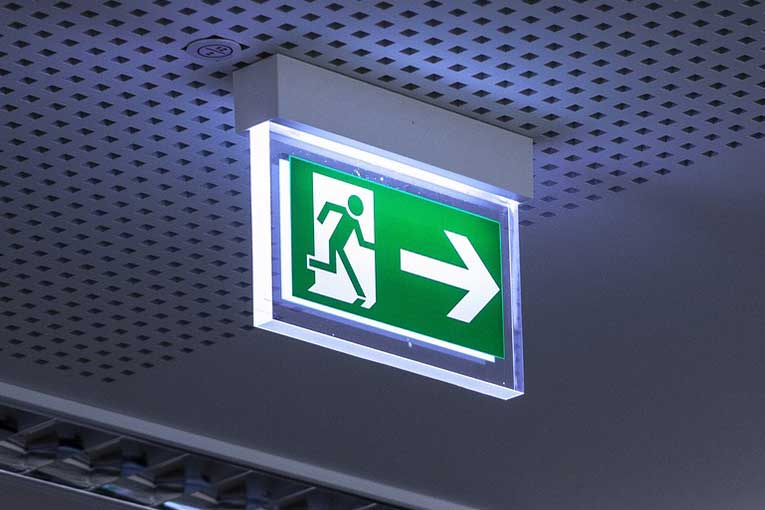
Emergency Signs

emergency signs firefighting supporting equipment

Clearly marked emergency lighting and signs are indispensable in ensuring swift and safe evacuation. 

These signs delineate evacuation routes and indicate the locations of firefighting equipment, guiding occupants to safety during fire emergencies.

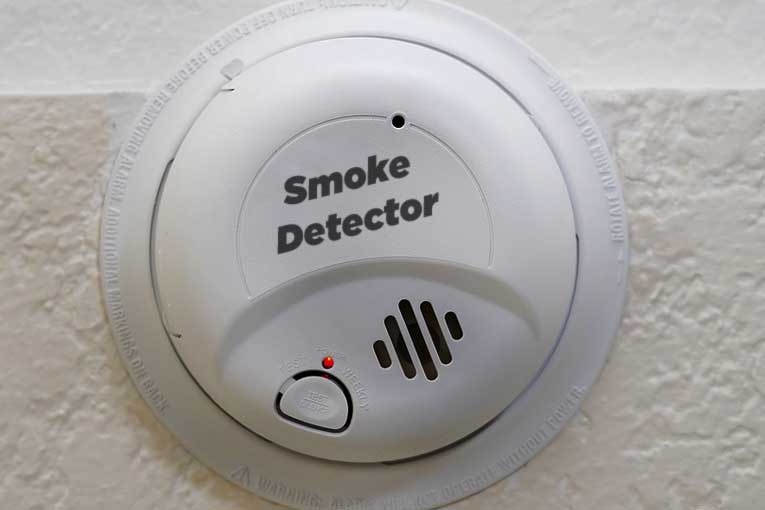
Smoke Alarms

There is 4 different smoke detector types

Essential components of early warning systems, smoke detectors are devices that promptly detect smoke, alerting occupants to potential fire hazards. 

Their rapid detection capability is pivotal in providing early warnings, allowing for timely response and evacuation.

The different types of smoke alarms ensure people can react quickly  to different types of fires.

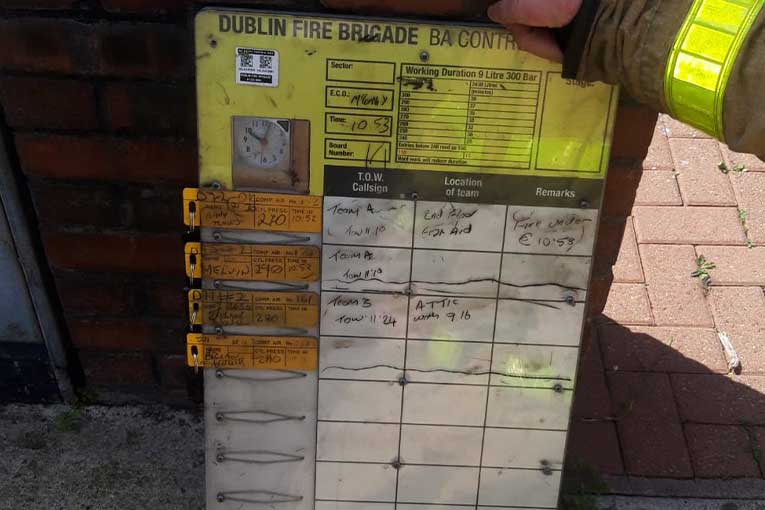
BA Entry Board

The Breathing Apparatus (BA) Entry Board serves as a control hub during breathing apparatus operations. 

It manages the entry and exit procedures of firefighters equipped with breathing apparatus, ensuring systematic and safe operations in environments with compromised air quality.

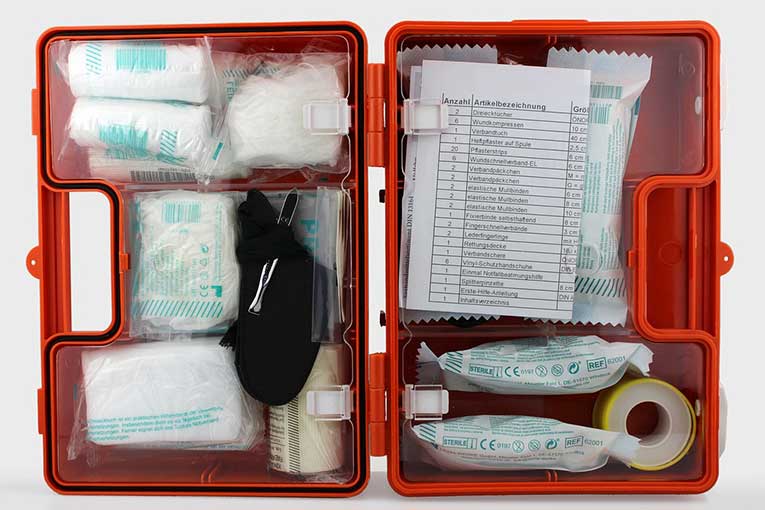
First Aid Kit

first aid kit firefighting supporting equipment

Containing medical supplies, first aid kits address injuries sustained during firefighting or rescue operations. 

They provide essential support until more extensive medical assistance is available.

Light Portable Pump

light portable pump firefighting equipment
Source: Amazon

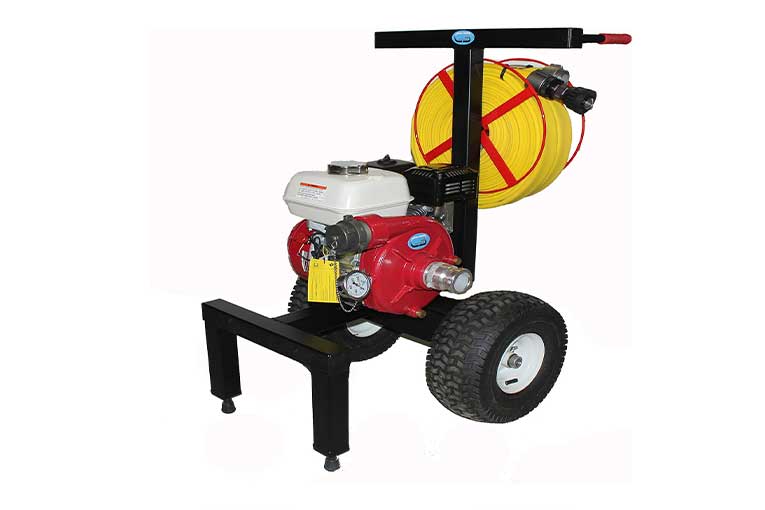
Compact and portable, light pumps are indispensable for transporting water to areas inaccessible to larger firefighting vehicles. 

These pumps enhance operational flexibility, providing firefighting teams with the ability to establish water supply points in diverse environments.

Cutters

cutters firefighting equipment
Source: Wikipedia

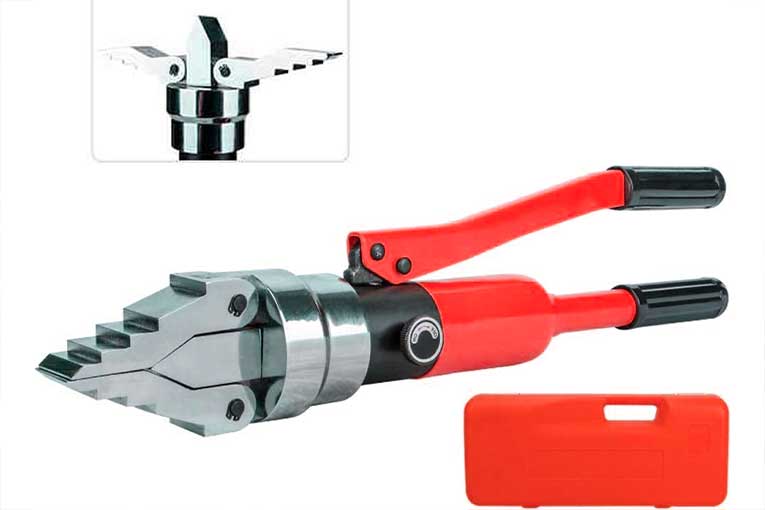
Cutting through materials obstructing access or rescuing individuals, cutters are versatile tools used by firefighters. 

They play a crucial role in extrication operations, enabling swift and precise interventions in situations where immediate access is essential.

Spreaders

spreaders firefighting equipment
Source: Amazon

Hydraulic spreaders are powerful devices used to pry open objects or create openings in rescue situations. 

These tools are instrumental in providing access to trapped individuals, facilitating efficient rescue operations.

Rams

rams firefighting equipment
Source: Wikipedia

Hydraulic rams are tools designed to force open doors or create pathways during rescue operations. 

Their robust construction and power make them essential for situations where conventional access methods are insufficient.

Do Not Cross Tape

do not cross tape firefighting equipment
Source: Amazon

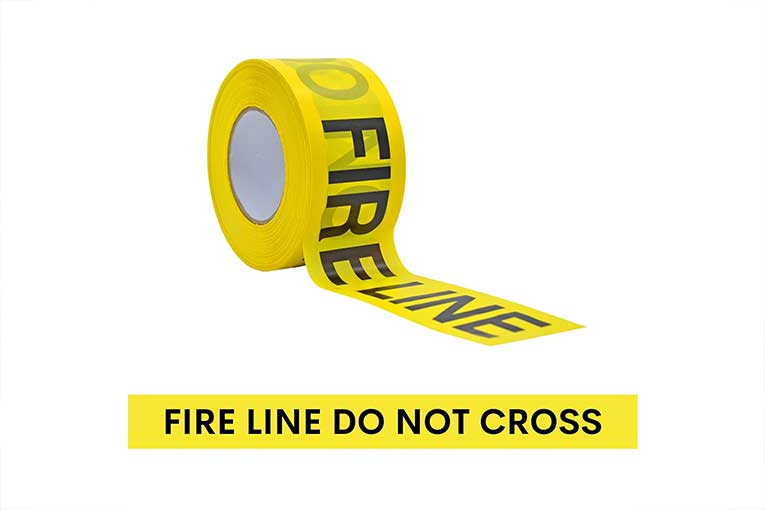
Visible tape with the clear directive “Do Not Cross” is utilised to cordon off unsafe areas and control access to the fire scene. 

This tape ensures the safety of both emergency responders and the public by preventing unauthorised entry into potentially hazardous zones.

Traffic Cones

traffic cones firefighting equipment
Source: Amazon

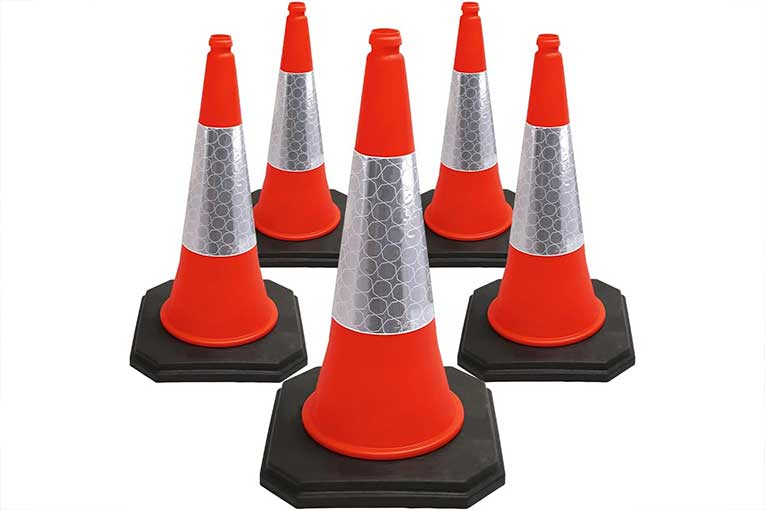
Deployed to manage traffic and create clear pathways for emergency vehicles, traffic cones are essential in ensuring unimpeded access for firefighting teams. 

These cones play a crucial role in maintaining order and facilitating the rapid movement of emergency vehicles to and from the incident scene.

What Does the Future Hold for Firefighting Equipment?

The future of firefighting equipment holds exciting possibilities, driven by advancements in technology, materials, and design. 

One prominent trend is the integration of smart technologies, such as artificial intelligence and the Internet of Things, into firefighting gear. 

This includes wearable sensors and augmented reality visors that provide real-time data to firefighters, enhancing situational awareness and decision-making. 

Innovations in materials science are shaping the development of more lightweight yet durable protective gear, addressing comfort and mobility concerns for firefighters. 

Nanotechnology may lead to advanced flame-resistant fabrics, ensuring greater protection against extreme temperatures. 

Additionally, the use of robotics in firefighting, ranging from autonomous vehicles to robotic firefighting assistants, is on the horizon.

As climate change intensifies, firefighting equipment is likely to evolve to cope with more frequent and severe wildfires. 

This may involve the development of specialised tools for wildfires and improved strategies for early detection and prevention. 

The collaborative efforts of researchers, engineers, and firefighters promise a future where technology plays a pivotal role in enhancing the safety, efficiency, and effectiveness of firefighting operations, ultimately better equipping first responders to address evolving challenges.

Conclusion

The array of equipment at a firefighter’s disposal is vast and diverse. 

From traditional tools that have stood the test of time to cutting-edge technology ensuring efficiency and safety, each item plays a crucial role in combating fires and protecting lives. 

The continuous evolution of firefighting equipment reflects a commitment to enhancing the capabilities of those who bravely confront the unpredictable nature of fires. 

As technology advances, so does our ability to respond effectively to fire emergencies, ensuring a safer and more resilient future for communities worldwide.
Why is PPE Important?

In every workplace, safety should be the top priority for both employers and employees.

Ensuring a safe and secure working environment not only protects the well-being of workers but also helps to increase productivity and overall organisational success. 

One crucial aspect of achieving workplace safety is the use of Personal Protective Equipment, commonly known as PPE

PPE refers to a diverse range of specialised gear designed to shield workers from various workplace hazards, such as chemical exposure, physical impacts, electrical shocks, and more. 

Cloth Facemasks
PPE equipment includes respiratory protection

Throughout this article, we will delve into the different types of PPE available, explore why is PPE important and understand the benefits they offer, all while emphasising the significance of compliance in fostering a culture of safety.

Different Types of PPE

There are countless potential workplace hazards which create the need for several categories of PPE options that are tailored to provide specific protection.

There are 5 main categories:

Protective Clothing

From standard coveralls, gloves and aprons, to specialised fire-resistant or high-visibility clothing, PPE workwear and clothing items are an essential part of everyday life for many organisations.

These garments act as a robust barrier against harmful chemicals, biohazards, and other potentially hazardous substances.

Eye Protection

Safety goggles, face shields, and safety glasses are important PPE items that shield the eyes from dust, debris, chemicals, and intense light. 

Doctor Wearing PPE
The right PPE has to fit for purpose for the right job

These protective gear options are especially important in the construction, manufacturing, and healthcare industries.

Respiratory Protection

Respiratory protection is essential for workers who could be exposed to airborne contaminants like dust, fumes, or gases. 

Respirators, masks, and filters ensure that the air the wearer breathes in is free from harmful particles, safeguarding their respiratory health.

Hearing Protection

Hearing protection, such as earplugs and earmuffs, is vital for employees working in noisy environments, as prolonged exposure to high levels of noise can lead to hearing damage or loss.

Head Protection

Head protection, most often hard hats, serves as a primary defence against head injuries resulting from falling objects or accidental collisions on construction sites or other hazardous workplaces.

Why is PPE Important in the Workplace?

PPE is an individual’s first line of defence against a wide range of workplace accidents, injuries and illnesses. 

Wearing and utilising the correct PPE significantly reduces the risk of severe injuries and long-term health issues caused by exposure to various hazards.

PPE provides an additional layer of safety, offering protection even in circumstances where other safety measures might fall short.

The proper use of PPE can give workers confidence, empowering them to carry out their duties effectively, knowing they have reliable protection against potential harm. 

This sense of security fosters a safer work culture, and can even boost employee morale and motivation.

As well as this, strict adherence to PPE guidelines showcases an employer’s commitment to their employees’ well-being and safety. 

High Vis PPE
PPE is vital for safety in the workplace

As such, a proactive approach to safety can enhance the company’s reputation and contribute to improved employee loyalty and retention.

PPE is especially important in high-risk industries such as construction, manufacturing, healthcare, and laboratories, where exposure to hazardous substances and potential accidents is much more prevalent.

The use of PPE ensures the continuity of business operations by minimising work disruptions due to accidents or illnesses. 

When workers remain safe and healthy, absenteeism decreases, leading to enhanced productivity and reduced downtime.

What are the Benefits of Wearing PPE?

Using PPE offers a multitude of benefits for both employers and employees alike. 

Reduces Risk of Injury or Illness

Using the correct PPE significantly lowers the risk of injury or illness, and prevents a wide range of accidents, from minor incidents to life-altering mishaps. 

For instance, using appropriate gloves when handling hazardous chemicals can prevent skin irritation or burns.

Enhances Overall Workplace Safety

PPE can enhance overall workplace safety, and lead to fewer accidents and injuries. 

A safe work environment instils a sense of confidence and well-being in employees, leading to improved job satisfaction and reduced stress.

Reduces Medical Expenses & Insurance Costs

By preventing accidents and illnesses, PPE can lead to reduced medical expenses and insurance costs for businesses. 

Fewer accidents result in fewer worker compensation claims, saving both time and financial resources.

Fosters Positive Work Environment

Prioritising creating a safe workplace fosters a positive work environment, promoting teamwork and trust among employees. 

As a result, workers are more likely to feel valued and loyal to their employer, contributing to higher employee retention rates and increased productivity.

Enhances Compliance

In addition to the immediate benefits of PPE, employers also benefit from enhanced compliance with safety regulations and standards when they supply their workers with the correct PPE. 

Adherence to safety guidelines helps businesses avoid penalties and fines from regulatory bodies and creates a more positive image for the company.

Attracts Potential Clients & Investors

A good safety record can also attract potential clients and investors, who recognise the company’s commitment to responsible business practices. 

A positive reputation for safety can give a competitive edge to the business, making it an attractive choice for clients and investors.

Longer Term Financial Savings

By investing in PPE and prioritising safety, companies can reduce the costs associated with accidents and injuries, leading to long-term financial savings and increased profitability.

What Can Be Done to Ensure Correct Use of PPE?

Thank You Sign
Positive Signage Encourages Compliance. Image credit: Pixabay

Ensuring the proper use of PPE requires a comprehensive approach that involves employees, employers, and the organisational culture. 

Training and education are the cornerstones of proper PPE implementation. 

All employees must be trained on the potential hazards in their workplace, the appropriate PPE for each task, as well as the correct way to wear and maintain their equipment. 

Here are some ways you can ensure that PPE is used correctly within your organisation:

Provide Easy Access to the Correct PPE

Ensure that it fits well and is comfortable for the workers.

One-size-fits-all approaches may not be suitable for all employees, so it is vital to offer a range of sizes and styles to accommodate individual needs.

Regularly Inspect PPE

Identify any defects or signs of wear and tear, so that damaged or outdated equipment can be replaced.

Get Supervisors to Enforce PPE Usage

Management should lead by example, consistently wearing PPE, and address any non-compliance promptly.

Recognising and rewarding employees who consistently use PPE can also boost compliance.

Create an Open Communication Culture

Encourage open dialogue to foster compliance with PPE guidelines.

Employees should feel comfortable expressing their safety concerns and providing feedback on PPE usage and any challenges they may face.

Host Regular Safety Meetings

Organise regular huddles and staff meetings where PPE usage is discussed.

This provides an opportunity to address any issues and find practical solutions collaboratively.

Promote the Importance of PPE

Create and display safety campaigns and posters as reminders in prominent areas of the workplace.

Periodic PPE Policy & Practice Evaluation

This ensures they remain up-to-date and effective.

As workplaces evolve, so do the potential hazards, and adjustments to PPE guidelines may be necessary to keep workers protected.

Conclusion

Personal Protective Equipment (PPE) plays a pivotal role in safeguarding employee from workplace hazards.

Hopefully from this article you have gained an answer to the question of why is PPE important.

The diverse range of PPE options, from protective clothing to eye, respiratory, hearing, and head protection, ensures a comprehensive defence against potential accidents and illnesses when implemented and used correctly.

Using PPE is not only vital for protecting individual workers but it can also contribute to a safer work environment overall. 

The benefits of proper PPE implementation are manifold, ranging from reduced injury rates and medical expenses to improved employee morale and enhanced productivity.

The key to effective PPE usage lies in comprehensive training, easy access to equipment, regular inspections, and a culture that prioritises safety. 

Employers, employees, and organisational leaders must work together to foster a safety-first mindset.

Pittsburgh Bureau of Fire opts for MSA Safety breathing equipment

Pittsburgh Bureau of Fire (PBF) has made the decision to choose respiratory protective gear manufactured by global safety equipment producer, MSA Safety, Inc.

The decision forms part of a contract worth $3.1 million.

The choice was concluded after thorough scrutiny by the Pittsburgh Bureau of Fire in conjunction with the Pittsburgh Fire Fighters Local No. 1.

MSA Safety’s advanced technology a deciding factor

The PBF is transitioning its self-contained breathing apparatus (SCBA) from the MSA FireHawk to the MSA G1 SCBA.

Several factors influenced this choice, among them were advanced technological capabilities, potential for future tech upgrades, and ergonomic considerations for user comfort.

Nish Vartanian, Chairman and CEO of MSA Safety, said: “We have a long-standing relationship with the Pittsburgh Bureau of Fire: as a local company rooted in western Pennsylvania for over a century, we are grateful that PBF continues to trust MSA in the protection of Pittsburgh’s first responders.”

Innovative features of the MSA G1 breathing equipment

The G1 SCBA is constructed at MSA Safety’s global HQ in Cranberry Township and assembled in their Murrysville facility.

The G1, which holds more than 15 patents, is a part of the MSA Connected Firefighter platform which enhances firefighter monitoring and communication.

Using Bluetooth technology, the G1 SCBA sends vital data, like cylinder air pressure and battery life, to leaders through MSA’s FireGrid System, a software that provides real-time data to incident commanders.

The ergonomic design of the G1, accompanied by an adjustable belt and wide shoulder straps, ensures the weight is more evenly spread, making it more comfortable for extended wear.

A notable feature of the G1 is its “Central Power”, which powers the unit from a singular, rechargeable battery compartment.

Vartanian added: “In developing the G1 apparatus, our aim was to produce the most forward-thinking firefighting platform.”

The Pittsburgh Bureau of Fire anticipates the delivery of the G1 SCBAs by year-end.

This department is tasked with safeguarding over 300,000 residents spanning the City of Pittsburgh and the adjacent Wilkinsburg and Ingram boroughs.

IFSJ Comment

The move by the Pittsburgh Bureau of Fire in opting for MSA Safety’s advanced respiratory protective equipment is a significant indicator of the value and trust placed in innovative safety technology.

The G1 SCBA‘s integration of state-of-the-art tech, from its Bluetooth capabilities to its ergonomic design, showcases the future direction of firefighter safety.

Such developments can set precedence for other fire departments globally, emphasising the need for investing in advanced tools that not only protect our first responders but also optimise their operations during critical incidents.

Dräger calls for increased use of fire escape hoods in evacuation safety.

Dräger, an international leader in the fields of medical and safety technology, is calling for fire escape hoods to become part of any fire safety plan where evacuation takes more than a couple of minutes – including educational facilities, hospitals, hotels and high-rise buildings.

Fire escape hoods are designed to provide wearers with crucial minutes of protection from fire-related vapours, particles and gases, including carbon-monoxide. Dräger’s PARAT smoke hood range provide wearers with up to 15 minutes of protection.  According to the UK Government, nearly one in three (30%) of fire-related fatalities are the result of being ‘overcome by gas or smoke’[1], which makes fumes a fire’s most deadly killer.

Dräger therefore believes it is essential that fire escape hoods are used as a supplementary support to other fire safety evacuation measures, e.g., fire doors and disabled refuge areas.

Indeed, the Fire Door Inspection Scheme (FDIS) recently found in a study of more than 100,000 fire door inspections that three in four, or 75% of all fire doors failed to meet required standards[2]. Buildings that had the highest number of fire door inspection failures included healthcare buildings, local authorities and housing associations, and private housing, but across the board the research supports the need for supplementary fire safety measures.

Ian Gil-Rodriguez of Dräger Safety UK says the Industry has a responsibility to promote the increased use of fire escape hoods “The fact that Fire and Rescue Services globally and in the UK are now using fire escape hoods is evidence of their critical importance,” he says. “Our Industry needs to come together and join forces to push this change, for the good of public safety. Fire Escape Hoods should be a standard component of evacuation plans, a complementary part of the complicated puzzle, as opposed to a standalone solution.”

For more information on Dräger or its product offering, please visit www.draeger.com  

[1] https://www.gov.uk/government/statistics/detailed-analysis-of-fires-attended-by-fire-and-rescue-services-england-april-2021-to-march-2022/detailed-analysis-of-fires-attended-by-fire-and-rescue-services-england-april-2021-to-march-2022#:~:text=2.4%20Causes%20of%20deaths%20and%20injuries&text=In%20the%20year%20ending%20March%202022%2C%20where%20known%2C%20the%20most,of%20fire%2Drelated%20fatalities).

[2] https://www.ifsecglobal.com/fire-news/three-quarters-of-fire-doors-fail-inspections-according-to-fdis/

Johnson Controls enhances fire suppression portfolio with Rescue Air Systems

Johnson Controls, a global leader for smart, healthy and sustainable buildings, has announced that it acquired Rescue Air Systems, a leading provider of firefighter air replenishment systems (FARS) that enable firefighters to refill breathing air bottles within a building during responses.

FARS stations are designed to replenish firefighters’ air bottles in less than two minutes using a building-installed air standpipe system. FARS provide firefighters with quick access to a safer, more constant and more dependable source of breathing air inside a compromised structure in an emergency.

Rescue Air Systems, based in San Francisco, will add to Johnson Controls’ comprehensive portfolio of fire suppression products and solutions including fire sprinkler system products; foam agents and hardware; and special hazards products.

Anna Khanova, vice president, global product management, Johnson Controls fire suppression products, commented: “We are committed to providing the best and most complete fire protection systems in the industry.

“This equipment allows us to better serve a rapidly growing safety vertical and comply with jurisdictions where FARS are increasingly required by code. As we help improve fire protection in buildings, our customers will benefit from a single, trusted source for residential and commercial fire suppression solutions as well as specialty applications.”

Anthony Turiello, RescueAir CEO and founder, commented: “When we started RescueAir almost 30 years ago, our goal was to make the world a safer place by equipping buildings and other large structures with firefighter air replenishment systems.

“With this acquisition, Johnson Controls will help us realize that vision on a global scale, and we’re excited our product will join their unique suite of fire suppression and safety offerings to better serve our customers.”

Mobile SCBA management system developed by BAUER

BAUER COMPRESSORS has developed a mobile SCBA management system to ensure that the air which first line responders breathe is clean, dry, and safely stored.

The RFIDPro SCBA Cylinder Management System allows fire departments to seamlessly log each and every SCBA fill event, to completely ensure that the air in each SCBA is clean and securely stored. 

SCBA cylinders can be scanned through the wireless handheld BAUER RFIDPro reader, which guides the user through the proper fill process. The system allows fire departments to manage every aspect of their SCBA cylinders in real-time, including cylinder expirations, hydrotesting, and repairs, while eliminating the workload associated with manually logging SCBA fills and inspections.

BAUER COMPRESSORS also ensures that each and every fire department’s data is completely secure, with cloud storage which is unique to each user, for total data integrity and compliance with data retention requirements.

SSL data communication encryption between the RFIDPro server and user, along with SHA-256 password encryption with optional two-factor password authentication, provides state-of-the art network security.

The BAUER RFIDPro system can keep track of when the SCBA was put into service; when and where it was last filled; what pressure it was filled to; and more.

The system also ensures that customers will not be caught off guard, since RFIDPro alerts the user when the SCBA cylinder needs to be hydrotested, as well as when it has reached its expiration date. This allows the fire department to seamlessly log every SCBA fill event for convenience and accuracy, while maintaining compliance with NFPA 1989 regulations.

Connected safety program announced by Blackline Safety

Blackline Safety Corp. a leader in connected safety technology, has announced a $2 million (£1.3 million) deal with Coventry, England-based Severn Trent Water – UK’s second largest water company – for connected personal gas detection devices to protect its employees and support its digital transformation.

With this new deal, Blackline Safety will protect more than 10,000 workers across six of the 12 UK water and wastewater authorities that now use Blackline’s industry-leading technology.

Earlier this month, Severn Trent began the deployment of the first 1,650 Blackline G7c wearable devices.  Over the coming months, the water authority will replace their existing gas detection units with more than 2,600 Blackline Safety G7c wearable devices and associated services.

The three-year investment, secured via Blackline Verwood, UK-based distribution partner Breathe Safety, includes an option to extend for an additional five years of service, which would bring the total value to more than $4.2 million (£2.7 million). Breathe Safety is leading the implementation and device rollout with Severn Trent.

Julian Jarvis, UK Zone Manager, Blackline Safety, said: “The value of real-time cloud-connected data, paired with scalable technology that adapts to changing work environments, allows Blackline to continue to see strong adoption of our connected safety solutions across the water and wastewater industry, providing water and wastewater services to over 26.6 million customers – almost 40% of the population of the UK.”

MSA Safety selected by London Fire Brigade for breathing apparatus contract

It has been announced that MSA Safety Incorporated has been selected for a $9 million contract to supply firefighters with the new M1 Self-Contained Breathing Apparatus and telemetry technology, by London Fire Brigade. The delivery of equipment is expected to start towards the end of 2022.

This also marks the commencing of a multi-phase SCBA training and deployment process, including more than 4,500 of the Brigade’s firefighters.

The decision to upgrade London’s SCBA technology was made after an extensive and comprehensive evaluation process.

“The M1 SCBA represents the most advanced, ergonomic and modular SCBA that MSA has ever introduced to the European and International markets,” said Nish Vartanian, MSA Chairman, President and CEO. “We are incredibly proud to establish this new partnership with one of the oldest and most respected fire brigades in the world. Most importantly, we’re honoured that the London Fire Brigade has entrusted MSA with the responsibility of protecting the men and women who keep the residents of London safe each day.”

London Fire Brigade Deputy Commissioner Richard Mills said: “following a competitive tender process, we’re really looking forward to developing our exciting partnership with MSA. The new state-of-the-art breathing apparatus equipment will be lighter and easier to carry and provide enhanced safety for our firefighters. The improved equipment shows how we are transforming as a fire service and investing in the latest technology to help protect London and Londoners.”

The groundbreaking design of the MSA M1 SCBA was a key factor in London’s selection of the new SCBA platform. The breathing apparatus includes several patented and customisable features that help to enhance ergonomics and improve firefighter comfort and hygiene. These include the industry’s lightest-weight backplate with a unique one-handed height adjustment; an advanced hip belt that evenly distributes the weight of the SCBA; and a padded harness that is fully water-repellent, making the entire SCBA system machine washable without disassembly.

Other features that factored into the Brigade’s selection of the M1 SCBA include a high-pressure cylinder connection for fast cylinder exchanges; compatibility with MSA’s industry-leading G1 facepiece; and integration with FireGrid, which gives incident commanders the ability to evaluate and manage multiple situations in real time and from any location.

MSA’s Entry Control Board (ECB), designed specifically to meet the unique needs of the UK fire service, also played a key part in the Brigade’s decision to choose the MSA brand. Serving as a cloud-connected fire-ground management tool that provides Incident Commanders with air and alarm status of all telemetry-enabled breathing apparatus on scene, MSA’s ECB is also capable of providing post-incident reporting and automated documentation.

As part of the contract, MSA will also provide London with a new communications system that provides enhanced voice communications. Called the C1 Headset, the device attaches easily to the outside of the SCBA facepiece.

Vartanian commented that the SCBA contract with London represents the beginning of a new and exciting partnership. “As a company whose only mission is worker safety, we are incredibly proud to be associated with a brigade that is regarded as a genuine industry leader and advocate for firefighter safety. London is one of the most progressive and respected fire brigades in the world and as part of our Voice of the Customer process, we will certainly be seeking their input on future product development initiatives,” he concluded.

For more information, visit: gb.msasafety.com

Union backlash as firefighters sent into fires with breathing equipment turned off

The Fire Brigades Union (FBU) has reported two fire and rescue services to the Health and Safety Executive (HSE), and identified several others in relation to bringing in policy which would see firefighters sent into fires with their breathing equipment turned off, in a newly published letter.

The policy change involves instructing firefighters to go beyond the point of safe air with their breathing equipment turned off in high-rise building fires which the union say breaks health and safety law. The policy had previously been struck down in London by the fire service’s health and safety advisory panel due to being unsafe.  

The letter calls for the HSE to “investigate our complaint and use its statutory powers to bring an end” to this policy. Hampshire & Isle of Wight and Dorset & Wiltshire fire and rescue services have both brought in the change. 

Riccardo la Torre, Fire Brigades Union national officer, said: “This procedure is unsafe, unlawful and unprofessional, and puts firefighters and the public at greater risk. It tears up half a century of health and safety law, best practice guidance, manufacturers’ instructions, and firefighter training. It will not make living and working in high rise buildings safer or tackle the wider crisis in building safety. It simply puts firefighters and residents at greater risk.

“Those chiefs imposing this policy have worked harder to take the breathing masks off of firefighters’ faces than they have to get flammable cladding off of people’s homes. It is scarcely believable that the recent fire and rescue white paper appears to propose giving fire and rescue chiefs more power over decisions such as these, and reducing workers’ voices. Some fire and rescue chiefs simply cannot be trusted to get vital decisions like these right.

“The policy aims to push firefighters beyond the duration of a breathing set, let’s be clear that means placing firefighters beyond the point of rescue if they become injured or trapped. Fire Bosses would do well to remember that the safety procedures they are ripping up exist for a reason, they were borne from the death and injury of firefighters. The NFCC and local fire services need to do the right thing and turn their backs on this policy.

“Following the IARC categorisation of the profession as class 1 carcinogenic, the highest level of certainty, it’s nothing less than scandalous that the NFCC continue with attempts to remove the very PPE that helps protect firefighters from that risk. Firefighters aren’t cannon fodder and don’t deserve to be treated as such”.

The Fire Brigades Union, which represents firefighters across the UK, said the policy is dangerous because:

  • Rapid expansions of fire may mean that firefighters cannot turn on breathing equipment before they are overwhelmed
  • Breathing apparatus are designed to be started in clean air conditions, with manufacturer instructions and user manuals making this clear
  • Any faults with BA sets may only be discovered when they have been started and firefighters are in the middle of the fire
  • Firefighters may breathe in toxic gases that are difficult to detect, such as carbon monoxide
  • Changing conditions may mean firefighters with their breathing equipment off may end up beyond the point later firefighters (with their own breathing equipment time-limited) can reach to rescue them
  • The union is also concerned that its officer members who are made to implement the policy could be subject to criminal charges, due to health and safety law breaches