List of Firefighting Equipment

Firefighting equipment is what helps firefighters to extinguish flames, ensuring the safety of lives and property, and the varied list of firefighting equipment shows how diverse firefighting really is. 

From traditional tools like fire extinguishers to cutting-edge technology such as thermal imaging cameras, each item plays a crucial role in a firefighter’s arsenal. 

In this article, we’ll explore the diverse list of firefighting equipment, shedding light on their functions and importance in the face of fire emergencies.

What is Firefighting Equipment?

Firefighting equipment encompasses a diverse range of tools, devices, and protective gear specifically designed to combat and manage fires effectively. 

These crucial elements are essential for firefighters in their mission to extinguish flames, rescue individuals, and mitigate the impact of fire emergencies. 

Each piece of equipment serves a unique purpose in the complex and challenging task of firefighting.

Firefighting equipment is not only about extinguishing flames but also about ensuring the safety of those on the front lines. 

Protective gear, such as fire suits and gloves, shields firefighters from extreme heat, allowing them to navigate hazardous environments. 

The continuous advancements in firefighting equipment underscore a commitment to improving the efficiency, safety, and overall effectiveness of firefighting operations.

Firefighting equipment is the lifeline for those who risk their lives to protect communities and properties from the devastating impact of fires.

List of Firefighting Equipment

Firefighting equipment constitutes a comprehensive arsenal designed to combat fires of varying intensities and types. 

Each tool plays a crucial role in ensuring the safety of firefighters and the effectiveness of fire suppression efforts.

Fire Extinguishers
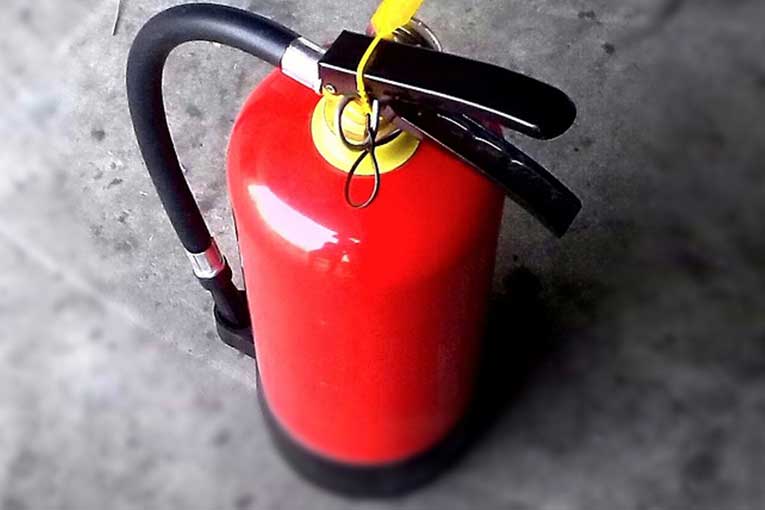
fire extinguisher firefighting equipment

Portable and versatile, fire extinguishers are essential for promptly suppressing and extinguishing small fires. 

There are many different types of fire extinguisher, each containing specific firefighting agents such as water, foam, dry powder, or CO2. 

The diversity in extinguisher types ensures flexibility in addressing different classes of fires—whether involving ordinary combustibles, flammable liquids, electrical equipment, or gases. 

This adaptability allows firefighters and individuals to employ the most suitable extinguishing agent, enhancing the effectiveness of fire suppression efforts across a wide range of fire scenarios.

Fire Extinguisher Ball
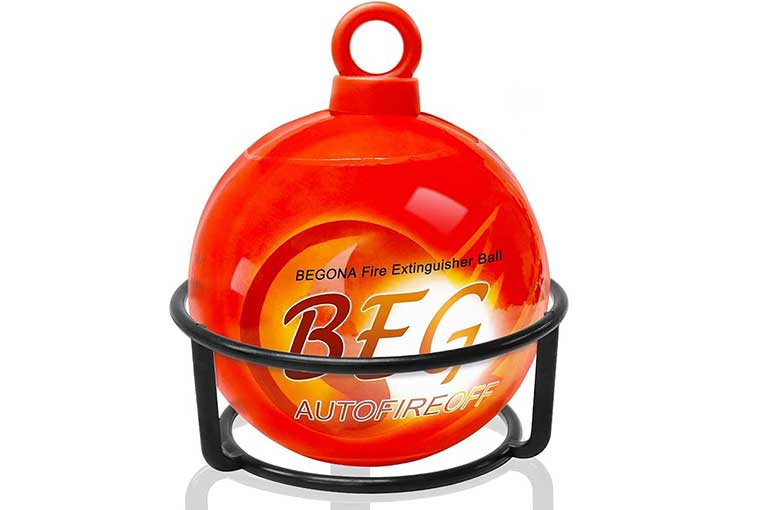
fire extinguisher ball firefighting equipment
Source: Amazon

An innovative self-activating fire suppression system, the Fire Extinguisher Ball offers a unique approach to firefighting. 

When exposed to flames, the ball bursts autonomously, releasing a fine powder that swiftly and effectively extinguishes the fire. 

This ingenious device is particularly advantageous in confined spaces or areas with limited accessibility, where traditional firefighting methods might face challenges. 

The Fire Extinguisher Ball’s ability to initiate fire suppression independently makes it a valuable addition to fire safety measures, ensuring a rapid response even in scenarios where immediate human intervention may be difficult.

Fire Hoses
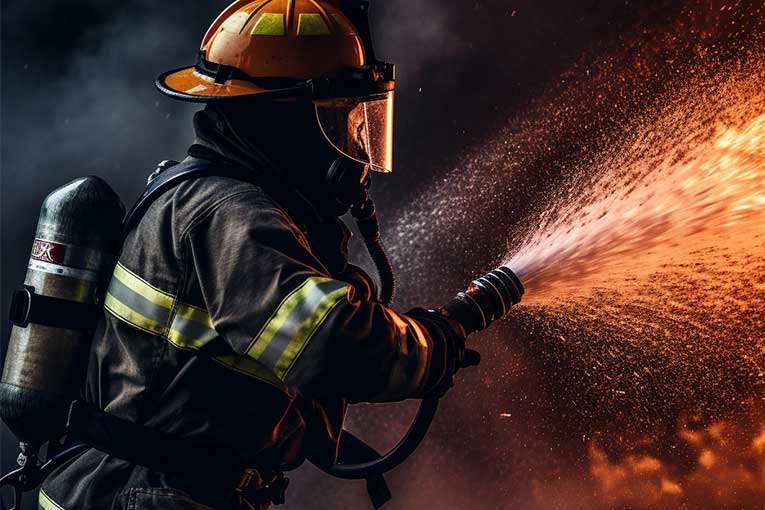
fire hose firefighting equipment

As one of the most prevalent tools in large-scale firefighting, fire hoses are indispensable for firefighters combating significant flames. 

These flexible and robust hoses serve as critical conduits, allowing the directed flow of water onto the fire. 

Their length and adaptability empower firefighters to reach remote or challenging locations, providing a versatile means of effectively delivering water to suppress fires. 

The strategic use of fire hoses enhances the agility and reach of firefighting efforts, enabling responders to address fires in diverse environments and mitigate potential challenges posed by the fire’s scale and intensity.

Hose Jets
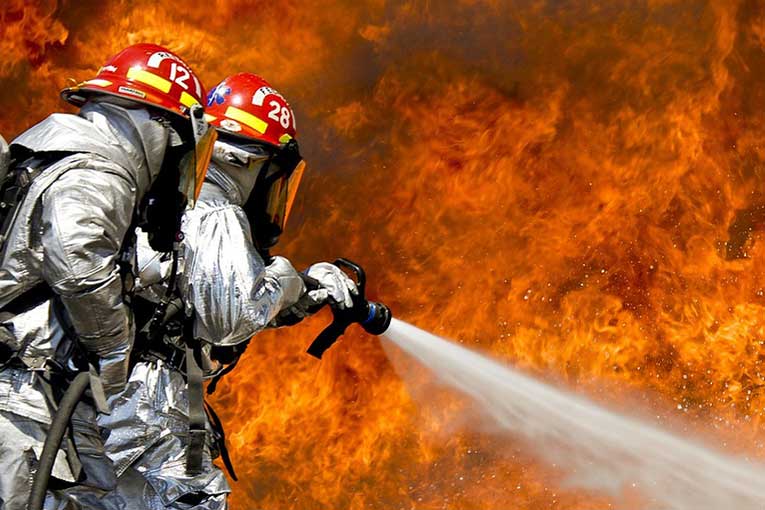
fire hose firefighting equipment

Hose Jets represent heightened firefighting capabilities, requiring the collaboration of two firefighters to handle their extra power. 

These specialised tools offer an elevated force and flow, allowing firefighters to exert increased control over the extinguishing process. 

With the ability to adjust the jet stream, firefighters enhance precision in directing water onto the flames, addressing specific firefighting requirements. 

The collaborative use of Hose Jets reflects a strategic approach, amplifying the effectiveness of firefighting efforts in scenarios where a more robust and targeted water delivery is essential to combat fires of greater scale or intensity.

Fire Buckets
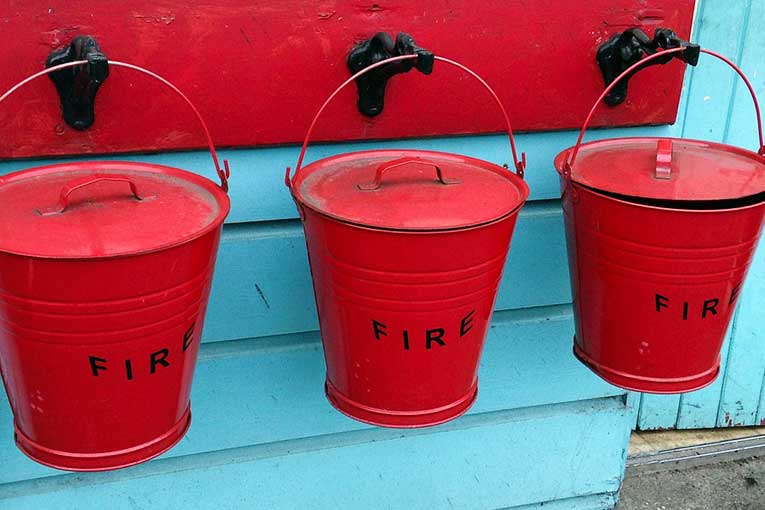
fire buckets firefighting equipment

Simple in design yet highly effective, fire buckets are containers filled with either water or sand. 

Positioned strategically, these buckets serve as immediate response tools, offering a swift and accessible means to douse small fires or control sparks. 

Their simplicity makes them an essential first line of defence, providing an uncomplicated yet crucial tool in the initial stages of firefighting. 

Whether used by trained personnel or as part of fire safety measures in public spaces, fire buckets play a fundamental role in empowering individuals to take immediate action and contribute to fire containment efforts.

Flamezorb
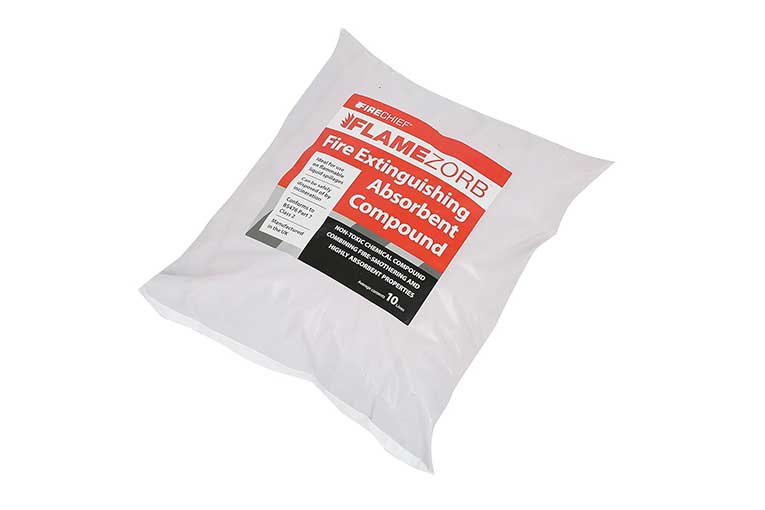
flamezorb firefighting equipment
Source: Amazon

Flamezorb, a granular substance, serves as a rapid-response tool in firefighting by efficiently absorbing flammable liquids. 

When applied to spills, it swiftly neutralises and absorbs the substances, preventing the spread of fire. 

This versatile and effective tool finds particular utility in scenarios involving hazardous materials or potential chemical fires, where the quick containment of flammable liquids is essential to mitigate the risk of fire escalation. 

Flamezorb’s ability to address such specific challenges makes it a valuable asset in the firefighting arsenal, contributing to the overall effectiveness of fire suppression efforts in diverse and complex situations.

Fire Blankets
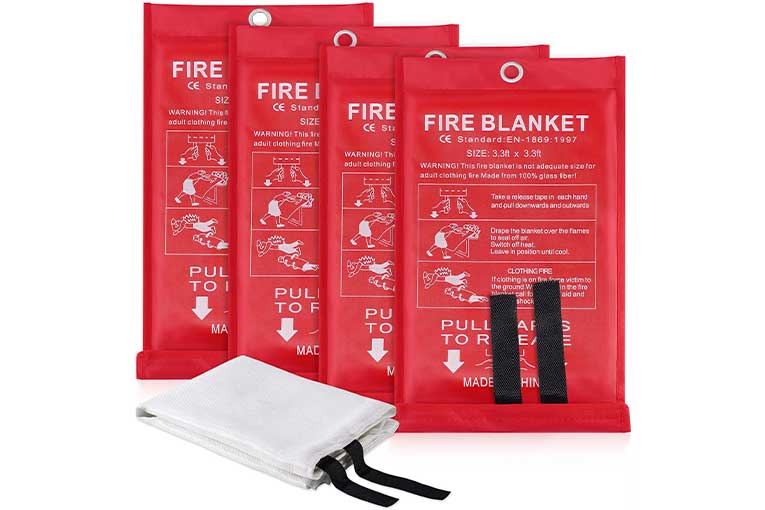
fire blanket firefighting equipment
Source: Amazon

Constructed from fire-resistant materials, fire blankets emerge as versatile tools in firefighting and emergency response. 

Beyond their primary function of smothering small fires, these blankets provide a multifaceted solution. 

In emergency situations, they offer protection by wrapping around individuals, creating a temporary shield against flames and heat. 

The adaptability of fire blankets extends their utility beyond traditional firefighting scenarios, making them valuable assets in various emergency situations where rapid response and versatile tools are paramount to ensuring the safety of individuals and effectively addressing evolving challenges.

Fire Suit
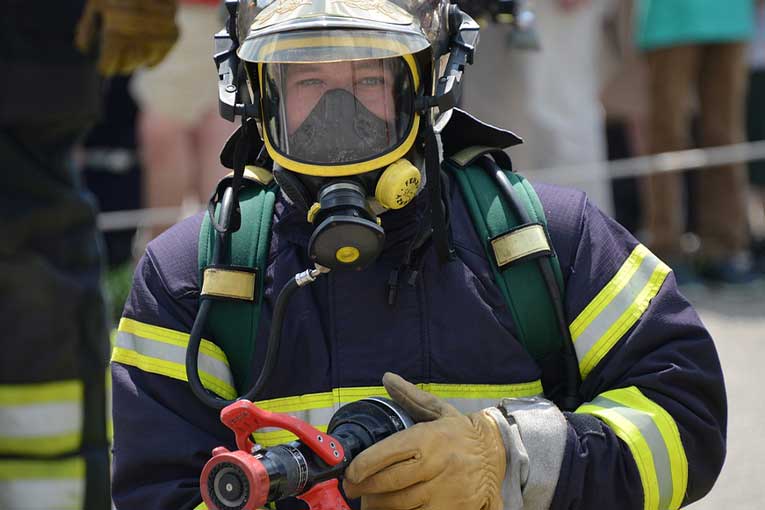
fire suit firefighting equipment

Specially designed for the demanding challenges of firefighting, a fire suit is more than  a mere uniform – it’s a shield against extreme heat and flames. 

Crafted from fire-resistant materials, these suits envelop firefighters in a protective barrier during the most intense operations. 

With layers designed to withstand the harsh conditions of a fire, these suits are crucial in ensuring the safety and well-being of firefighters. 

The specialised construction of fire suits exemplifies the commitment to providing a robust defence against the hazards encountered in the line of duty, reinforcing the resilience of those who bravely confront the flames.

Firefighter Gloves
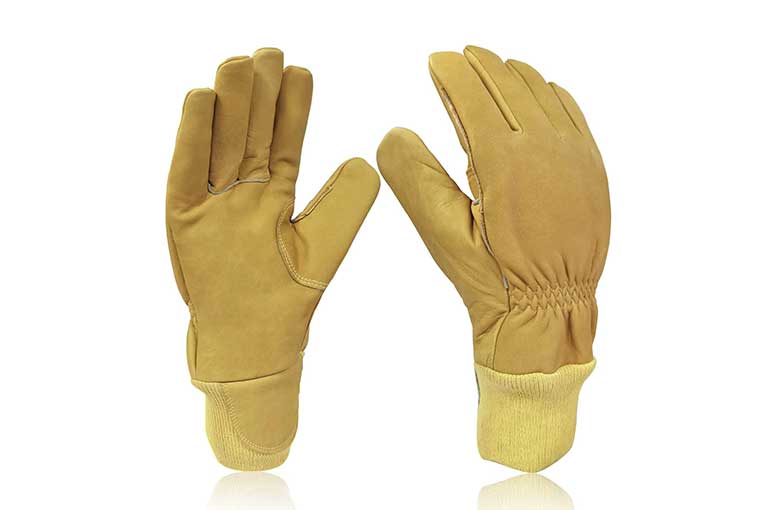
firefighting gloves firefighting equipment
Source: Amazon

These gloves are essential for firefighters, offering crucial hand protection in the dynamic and intense environments encountered during firefighting operations. 

Crafted from materials resistant to high temperatures, they enable firefighters to handle hot surfaces and materials with confidence. 

The specialised design of firefighter gloves prioritises both dexterity and protection, allowing firefighters to navigate challenging situations while safeguarding their hands from the formidable heat generated in the course of combating fires. 

Gas Tight Suit

gas tight suit firefighting equipment
Source: Wikipedia

Comprising a multi-layered construction, these suits act as an impermeable barrier, creating a formidable shield between the firefighter and potentially harmful substances. 

Their purpose extends beyond conventional firefighting gear, addressing the specific challenges posed by chemical fires and the release of dangerous gases. 

By providing an encapsulating defence, gas-tight suits empower firefighters to navigate complex and perilous environments, ensuring their safety while enabling effective response and mitigation in the face of chemical hazards.

Drones
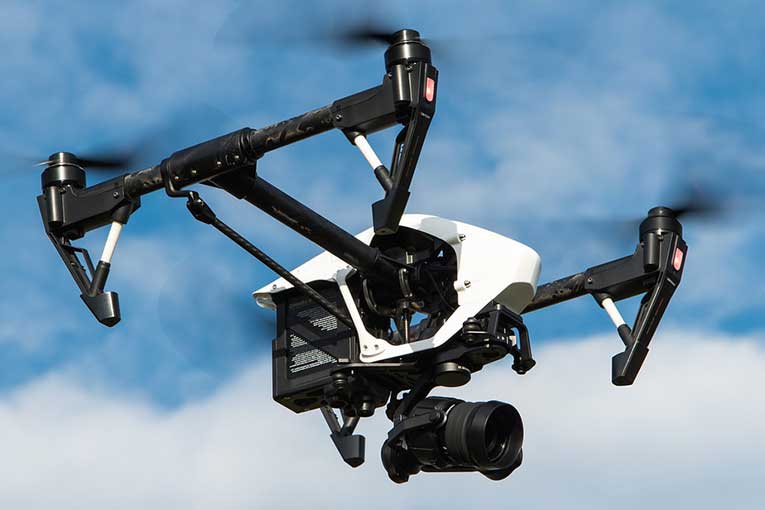
drones firefighting equipment

These unmanned aerial vehicles, equipped with advanced cameras, offer invaluable aerial views that significantly enhance fire assessment capabilities. 

Providing real-time situational awareness, drones become the eyes in the sky for firefighting teams. 

Their ability to swiftly survey large areas and capture critical information aids in strategizing and responding effectively to incidents. 

Drones not only contribute to the safety and efficiency of firefighting operations but also offer a technological edge, elevating the precision and speed with which responders can assess, plan, and execute strategies in the dynamic context of firefighting scenarios.

Thermal Imaging Camera
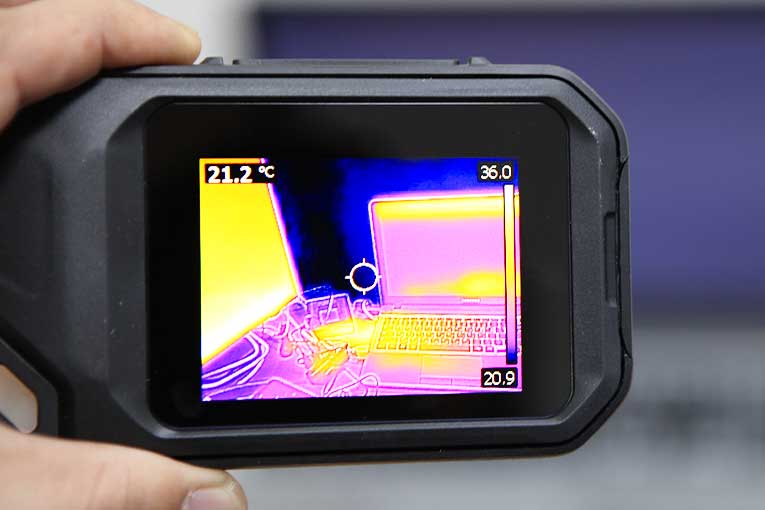
thermal camera firefighting equipment

Thermal imaging cameras aid in locating individuals trapped in smoke-filled environments and identifying hotspots that may not be visible to the naked eye. 

The invaluable data provided by thermal imaging cameras enhances the efficiency and safety of firefighting operations. 

By offering real-time insights into the intensity and distribution of heat, these devices empower firefighters with the ability to make informed decisions, optimise resource allocation, and execute targeted strategies for suppressing fires and conducting search and rescue operations.

Breathing Apparatus
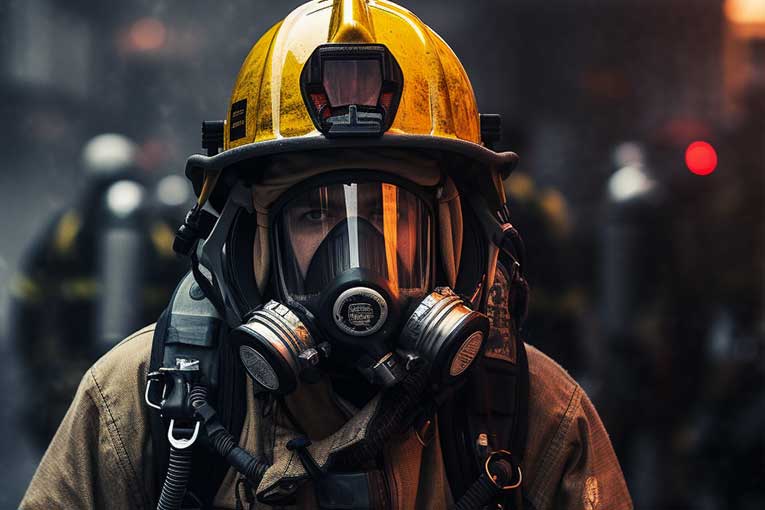
breathing apparatus firefighting equipment

In smoke filled environments, these devices play a crucial role in ensuring the safety of firefighters by providing a continuous supply of clean air. 

The reliability and functionality of these apparatuses exemplify their vital role in preserving the well-being of firefighters and ensuring their ability to execute effective firefighting and rescue operations in environments where clean air is a precious commodity.

Positive Pressure Ventilation Fan

positive pressure ventilation fans firefighting equipment
Source: Wikipedia

Positive pressure ventilation fans are devices designed to create airflow that effectively removes smoke and toxins from enclosed spaces. 

By generating a controlled and directed flow of air, these fans contribute significantly to improving visibility for firefighters within confined areas. 

Beyond enhancing visibility, the removal of smoke and toxins creates a safer working environment, allowing firefighters to operate more efficiently and with reduced exposure to hazardous substances. 

Ladders
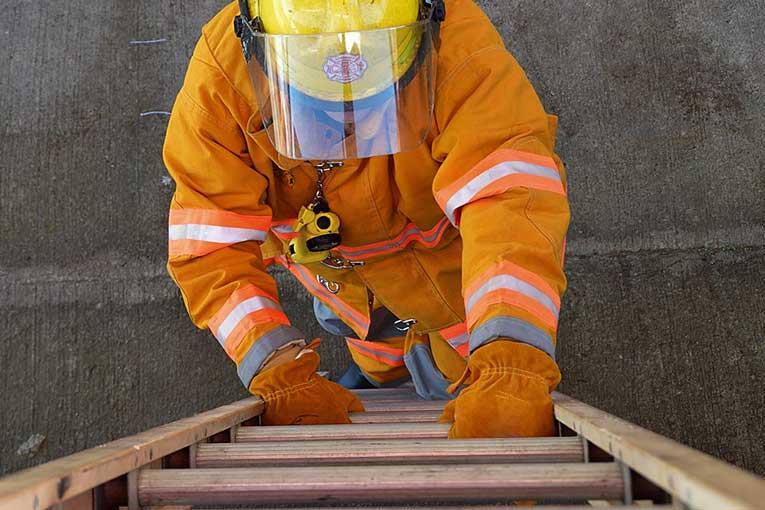
ladders firefighting equipment

These versatile devices play a pivotal role in firefighting operations by enabling firefighters to access elevated areas, conduct rescues, and navigate challenging environments. 

Whether extending to reach upper floors of buildings or providing a stable platform for rescue operations, ladders enhance the agility and effectiveness of firefighting teams. 

Their portability and adaptability make them fundamental in addressing the diverse challenges posed by fires in varying structures and scenarios, contributing to the overall success and safety of firefighting operations.

Fire Fighting Vehicle
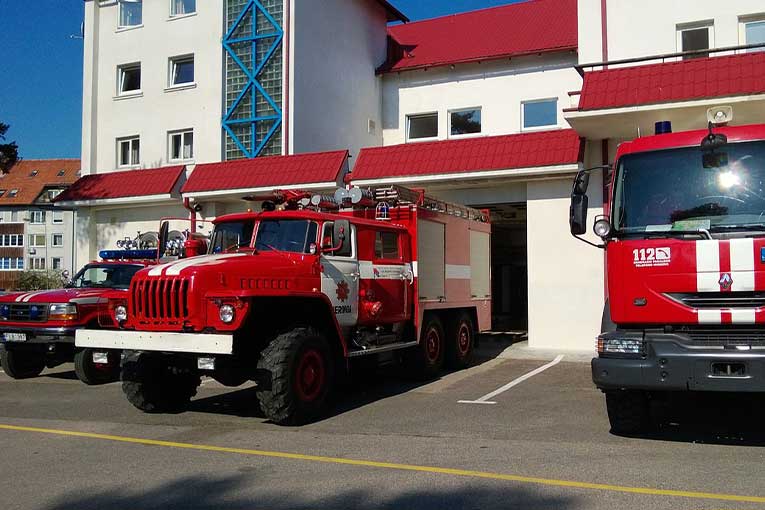
vehicles firefighting equipment

These vehicles carry essential firefighting tools, water tanks, and hoses, ensuring a swift and effective response to fire emergencies. 

Beyond their mobility, the specialised equipment on these vehicles equips firefighters with the resources needed to combat fires of varying scales. 

Whether navigating through urban environments or remote locations, these vehicles enhance the reach and capabilities of firefighting teams, playing a vital role in the timely containment and suppression of fires to protect lives and property.

How is Firefighting Equipment Used?

The strategic use of equipment is paramount, requiring a careful assessment of each fire’s unique characteristics. 

Firefighters, equipped with a diverse array of tools, employ a systematic approach to address different scales and types of fires.

Fire extinguishers, compact and versatile, find their application in swiftly suppressing small fires. 

Firefighters select the appropriate extinguisher based on the fire’s nature and discharge the firefighting agent with precision, aiming at the fire’s base. 

For larger incidents, fire hoses connected to water sources become instrumental. 

The hoses allow firefighters to direct water effectively, reaching inaccessible areas, while sprinklers automatically release water upon detecting excessive heat, contributing to fire containment.

Protective gear, including fire suits and gloves, plays a pivotal role in ensuring firefighters’ safety as they confront flames. 

These specialised garments shield against extreme heat, providing a critical barrier between the firefighter and the hazardous environment.

Cutting-edge technology, such as drones equipped with cameras and thermal imaging devices, offers invaluable insights. 

Drones provide aerial views, enhancing situational awareness for better decision-making, while thermal imaging cameras aid in locating individuals and identifying hotspots within a fire.

The use of firefighting equipment is not only reliant on the tools themselves but also on the skill, training, and coordination of firefighting teams. 

Firefighters undergo rigorous training to understand the capabilities and limitations of each tool, ensuring a synchronised and effective response to diverse fire scenarios. 

The strategic and well-coordinated utilisation of firefighting equipment remains a cornerstone in the battle against the unpredictable and destructive force of fires.

What Other Equipment Helps with Firefighting?

Some firefighting equipment is not directly used to directly put out fires, but it used to improve the safety and efficiency of firefighters.

Fire Sprinklers

fire sprinklers firefighting equipment
Source: Wikipedia

Installed in buildings, fire sprinklers are automatic devices that release water when detecting excessive heat. 

They play a crucial role in suppressing fire outbreaks and limiting damage in enclosed spaces. 

Strategically positioned, their rapid response significantly contributes to controlling fires, preventing their escalation, and protecting lives and property within structures.

Fire Doors
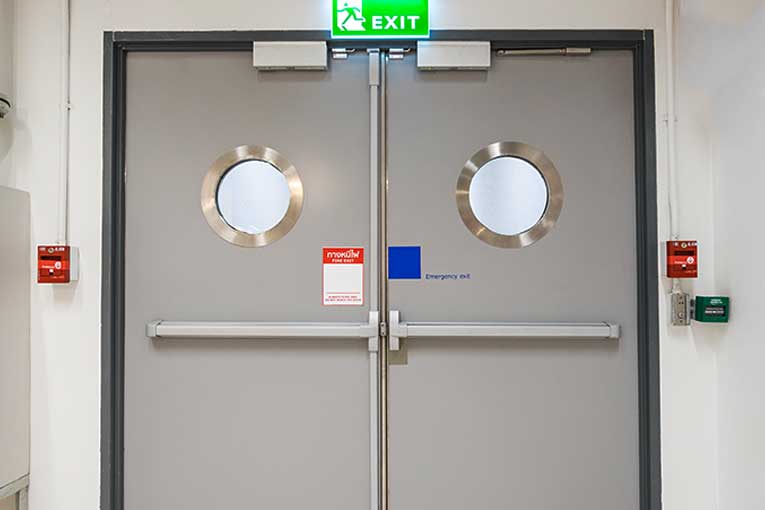
Specialised fire doors are meticulously designed to resist fire and smoke, acting as effective barriers to limit their spread within a building. 

These doors are critical components of passive fire protection systems, providing crucial time for evacuation and minimising the potential for fire extension.

Emergency Signs
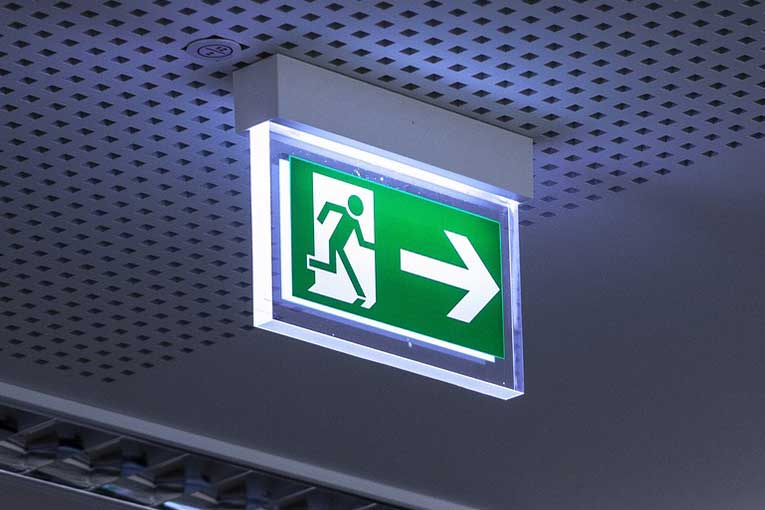
emergency signs firefighting supporting equipment

Clearly marked emergency lighting and signs are indispensable in ensuring swift and safe evacuation. 

These signs delineate evacuation routes and indicate the locations of firefighting equipment, guiding occupants to safety during fire emergencies.

Smoke Alarms
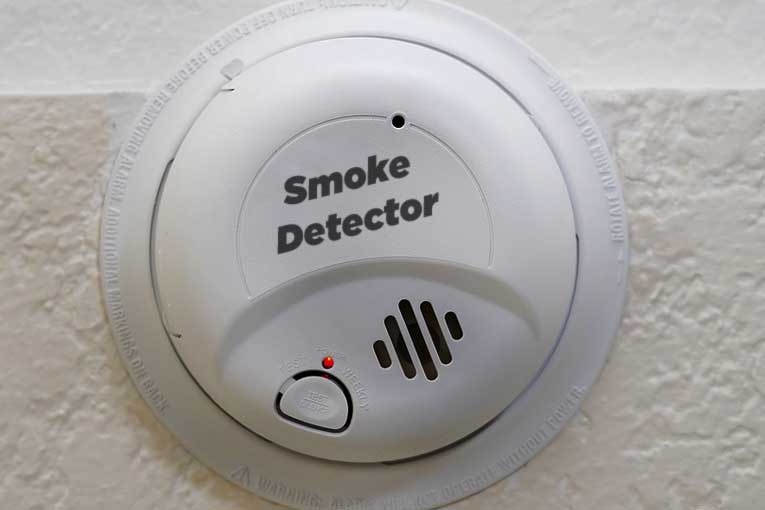
There is 4 different smoke detector types

Essential components of early warning systems, smoke detectors are devices that promptly detect smoke, alerting occupants to potential fire hazards. 

Their rapid detection capability is pivotal in providing early warnings, allowing for timely response and evacuation.

The different types of smoke alarms ensure people can react quickly  to different types of fires.

BA Entry Board
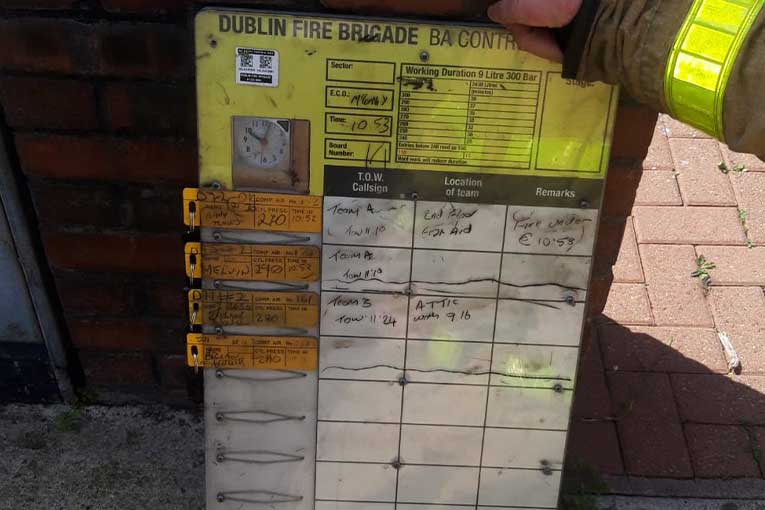
The Breathing Apparatus (BA) Entry Board serves as a control hub during breathing apparatus operations. 

It manages the entry and exit procedures of firefighters equipped with breathing apparatus, ensuring systematic and safe operations in environments with compromised air quality.

First Aid Kit
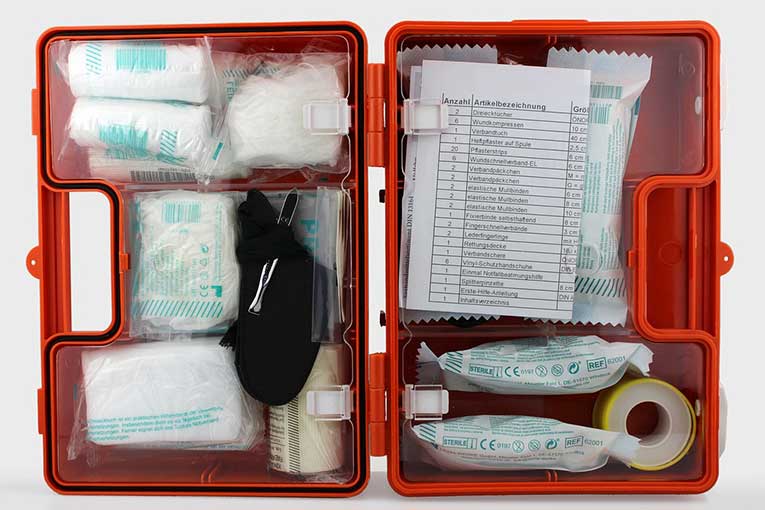
first aid kit firefighting supporting equipment

Containing medical supplies, first aid kits address injuries sustained during firefighting or rescue operations. 

They provide essential support until more extensive medical assistance is available.

Light Portable Pump
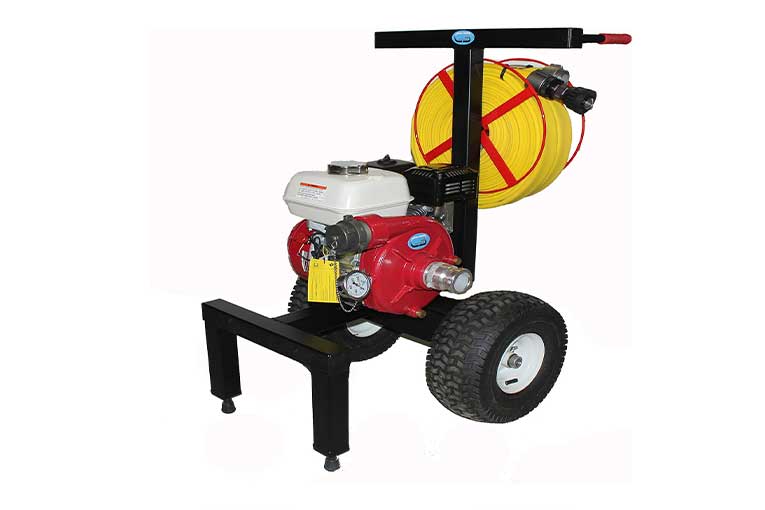
light portable pump firefighting equipment
Source: Amazon

Compact and portable, light pumps are indispensable for transporting water to areas inaccessible to larger firefighting vehicles. 

These pumps enhance operational flexibility, providing firefighting teams with the ability to establish water supply points in diverse environments.

Cutters

cutters firefighting equipment
Source: Wikipedia

Cutting through materials obstructing access or rescuing individuals, cutters are versatile tools used by firefighters. 

They play a crucial role in extrication operations, enabling swift and precise interventions in situations where immediate access is essential.

Spreaders
spreaders firefighting equipment
Source: Amazon

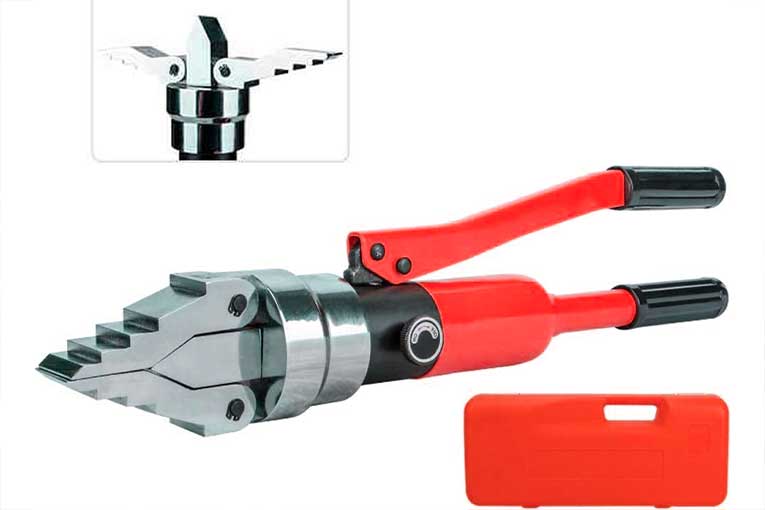
Hydraulic spreaders are powerful devices used to pry open objects or create openings in rescue situations. 

These tools are instrumental in providing access to trapped individuals, facilitating efficient rescue operations.

Rams

rams firefighting equipment
Source: Wikipedia

Hydraulic rams are tools designed to force open doors or create pathways during rescue operations. 

Their robust construction and power make them essential for situations where conventional access methods are insufficient.

Do Not Cross Tape
do not cross tape firefighting equipment
Source: Amazon

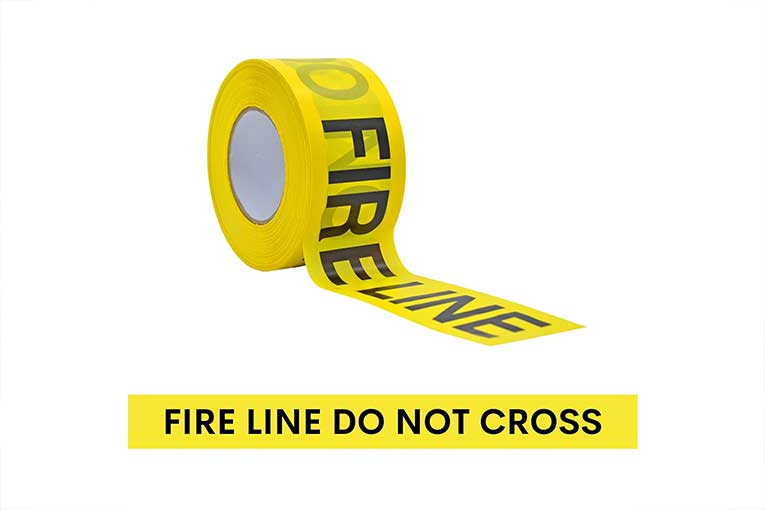
Visible tape with the clear directive “Do Not Cross” is utilised to cordon off unsafe areas and control access to the fire scene. 

This tape ensures the safety of both emergency responders and the public by preventing unauthorised entry into potentially hazardous zones.

Traffic Cones
traffic cones firefighting equipment
Source: Amazon

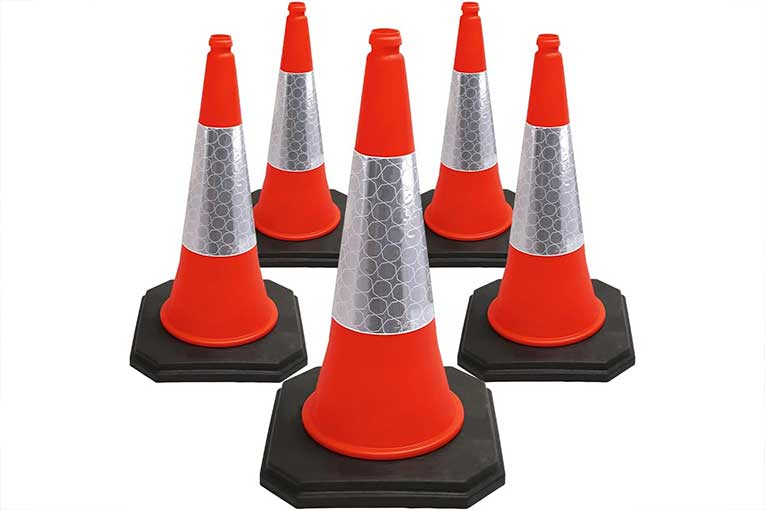
Deployed to manage traffic and create clear pathways for emergency vehicles, traffic cones are essential in ensuring unimpeded access for firefighting teams. 

These cones play a crucial role in maintaining order and facilitating the rapid movement of emergency vehicles to and from the incident scene.

What Does the Future Hold for Firefighting Equipment?

The future of firefighting equipment holds exciting possibilities, driven by advancements in technology, materials, and design. 

One prominent trend is the integration of smart technologies, such as artificial intelligence and the Internet of Things, into firefighting gear. 

This includes wearable sensors and augmented reality visors that provide real-time data to firefighters, enhancing situational awareness and decision-making. 

Innovations in materials science are shaping the development of more lightweight yet durable protective gear, addressing comfort and mobility concerns for firefighters. 

Nanotechnology may lead to advanced flame-resistant fabrics, ensuring greater protection against extreme temperatures. 

Additionally, the use of robotics in firefighting, ranging from autonomous vehicles to robotic firefighting assistants, is on the horizon.

As climate change intensifies, firefighting equipment is likely to evolve to cope with more frequent and severe wildfires. 

This may involve the development of specialised tools for wildfires and improved strategies for early detection and prevention. 

The collaborative efforts of researchers, engineers, and firefighters promise a future where technology plays a pivotal role in enhancing the safety, efficiency, and effectiveness of firefighting operations, ultimately better equipping first responders to address evolving challenges.

Conclusion

The array of equipment at a firefighter’s disposal is vast and diverse. 

From traditional tools that have stood the test of time to cutting-edge technology ensuring efficiency and safety, each item plays a crucial role in combating fires and protecting lives. 

The continuous evolution of firefighting equipment reflects a commitment to enhancing the capabilities of those who bravely confront the unpredictable nature of fires. 

As technology advances, so does our ability to respond effectively to fire emergencies, ensuring a safer and more resilient future for communities worldwide.

Thermal Imaging: The indispensable tool of firefighting

IFSJ looks at thermal imaging cameras as Teledyne FLIR‘s K-Series Firefighting Cameras marks a decade of innovation

Firefighting is no ordinary profession; it requires individuals to exhibit exceptional bravery, dedication, and resilience, often in the face of overwhelming danger. Beyond this personal commitment, effective firefighting also necessitates the availability and utilisation of appropriate, sophisticated equipment. In this respect, few tools have been as transformative for the profession as the advent of thermal imaging technology.

Thermal imaging tools give firefighters the ability to ‘see’ in conditions where visibility is severely compromised or practically non-existent – such as in pitch darkness, smoke-filled environments, or areas with intense heat. This level of visibility allows them to conduct their operations more safely, without needing to physically feel their way through a burning building or having to predict a fire’s movements based on its visible behaviour alone.

The enhanced visibility offered by thermal imaging extends to a variety of crucial tasks that firefighters must undertake. One of the most important of these is tracking the progress of a fire. Understanding how a fire is spreading, where the hottest areas are, and what materials or structures might be fuelling its spread are all critical pieces of information that firefighters can leverage to strategize their approach and operations.

In addition, thermal imaging can help firefighters identify hidden hotspots or embers that might not be immediately visible to the naked eye. These could be behind walls, beneath floors, or in the ceilings. Detecting and extinguishing these hidden sources of heat can prevent a fire from reigniting after it has been seemingly extinguished.

Since their introduction, thermal imaging cameras have moved from being an experimental tool to an indispensable part of the firefighter’s toolkit. Their impact on the profession is irrefutable, and their usage is now considered standard in fire departments around the world. As we mark the tenth anniversary of Teledyne FLIR’s K-series thermal imaging cameras, it is clear that these tools have revolutionized the field of firefighting. IFSJ Editor Iain Hoey spoke to Peter Dekkers, Director Global Business Development, First Responders to discuss Thermal Imaging and Teledyne FLIR’s K-Series.

Can you briefly introduce us to the world of thermal imaging and its importance in today’s industrial and firefighting applications?

Thermal imaging is a technology which allows you to visualize the thermal signature of a person, object, structure, vehicle, or anything It does not depend on light such as the sun or a lamp, so you will see in pitch dark conditions. And most importantly, you will see through smoke and can read the temperature of the scene. In firefighting, a thermal imager is a portable viewer, which is used by the firefighter to navigate through smoke or in dark environments.

What are the primary applications of Thermal Imaging Cameras, especially in the realm of firefighting?

A Thermal Imaging Camera, also called TIC, is a very versatile piece of equipment. Before entering a burning building, you’ll assess the exterior and decide on your plan for entering it. The prime use is fire attack, where you use the TIC to navigate your way in a building to the fire source and start controlling it.

The critical application is for search and rescue operations in burning, smoke-filled buildings, where you will use the TIC to locate and save persons, animals and other valuable. After the fire, the TIC is used to monitor if fire has been extinguished properly or whether there are still existing hotspots.

Can you take us through the journey of Teledyne’s K-Series thermal imaging cameras?

Thermal imaging has been used in the fire service since the 1990s. However, due to the high investment, technical limitations and overall unawareness at that time, the technology was not widely used. Some 10 years ago we wanted to break that circle and decided to enter the market with a much more affordable, but high-performance TIC. This step would allow fire departments across the globe to greatly expand or otherwise start using thermal imaging in their daily practices, helping them to fight fires and rescue people in faster and much more effective ways.

How did the development of the K-series thermal imaging cameras address the unique needs of firefighting professionals?

A TIC is a complex piece of equipment, as it needs to perform in the harshest conditions. Already from the inception of the development process we teamed up with firefighters from different countries to learn about how they operate, how they move, how they communicate, how they are trained; learn about their challenges etc. This helped us defining the shape, the video modes, the buttons and more. The K-Series is truly designed with the firefighter in mind in terms of usability and video image interpretation.

How did the evolution of the K-Series contribute to the disruption of the market for thermal imagers for firefighting?

Thermal imaging is a prime technology and is therefore also costly. Since we as FLIR own the technology, we had the opportunity to introduce the K-Series at a much better price. This not only helped fire departments scaling their TIC programs, but also forced other players in the market to focus more on price and performance.

How do the features of K-series cameras differentiate from a general-purpose or industrial thermal imaging camera?

Industrial cameras usually operate in a very controlled environment for a very specific purpose. This is far different for fire TICs. The conditions are very extreme, from cold to extreme heat, water, dust, steam, dirt, shock, vibration, and so on. Due to these circumstances, one should be able to use the TIC intuitively, therefore the operating is very straightforward. The IR image has specific colourisation which will help the firefighter to better interpret the situation and so the person can make faster and better decisions.

How has the thermal imaging technology evolved over time?

Thermal imaging has become mainstream in most of the firefighting community. This is very positive, because more lives will be saved, and property damages can be reduced greatly. With the wider use, come higher expectations. Users want a better and easier to interpret image, simplicity and reliability. That, for example, is the reason why we’ve put a lot of effort into our FSX technology, which gives you a much crisper image, so you can make a more educated decision.

Can you comment on the impact of K-series thermal imaging cameras on firefighting and emergency response?

Since so many firefighters are trained and are using TICs in their daily operations, the eagerness to learn more about thermal behaviour, fire dynamics etc. is increasing. Therefore, we put a lot of effort in having the best and most detailed image possible. Thanks to the FLIR K-Series, TICs are nowadays not just seen as devices to see hot-spots, but are an integral part of any fire or rescue mission.

What can we expect from Teledyne FLIR in the coming years in terms of innovation and product development?

A thermal imaging camera today is as good as its operator. We are working on technologies and innovation to move some of the decision-making challenges from the firefighter to the device – to the TIC itself. With that, the firefighter can concentrate more on other aspects in the harsh environment they are working in.

Teledyne FLIR releases a new radiometric thermal camera module

Teledyne FLIR unveils the Lepton 3.1R thermal camera module

Teledyne FLIR, a subsidiary of Teledyne Technologies Incorporated, has launched the Lepton 3.1R, which they describe as the world’s first radiometric thermal camera module boasting a 95-degree field of view, a 160 x 120 resolution, and a scene dynamic range up to 400 degrees Celsius.

This latest model retains the compact, energy-efficient design which has established the Lepton range as a top choice for mobile devices, compact electronics, and uncrewed systems.

For more about the Lepton series, visit here.

A legacy of innovation and practical application

Mike Walters, vice president of product management at Teledyne FLIR, remarked: “The innovative Lepton was the world’s first thermal micro camera module integrated into a wide array of devices from ruggedised smartphones to drones.”

He further added that the “Lepton 3.1R can now drive progress in cost-saving and potentially lifesaving autonomous products, including early fire detection in essential machinery, electrical gear, and data centres, as well as IoT products for smart factories, home automation, smart devices, and elder care solutions.”

The Lepton 3.1R offers enhanced compatibility, serving as an easy upgrade for current Lepton-based products.

It supports the same visual object and space perception interface (VoSPI), inter-integrated circuit (I2C), and retains the electrical and mechanical shape of earlier Lepton models, simplifying the development process.

Moreover, the Lepton continues its legacy as the most affordable focal plane array-based thermal sensor available.

Superior thermal radiometric capabilities

All Lepton modules offer unrivalled thermal sensitivity for a non-cooled micro thermal camera.

The Lepton range incorporates several advanced technologies, such as wafer-level detector packaging, wafer-scale micro-optics, a tailored integrated circuit, and an economical, integration-friendly camera package.

Additionally, the Lepton series can determine the temperature of every pixel within a scene, thanks to its built-in digital thermal image processing and radiometry capabilities.

Support and tools for integrators and developers

In a bid to reduce costs and fast-track product launches, developers have access to an online Lepton integration toolbox, complete with application guidelines and source code for testing across multiple platforms including Windows, Linux, Raspberry Pi, and BeagleBone.

The Teledyne FLIR Technical Services team stands ready to assist customers with licensing the MyFLIR application software and other image-enhancing tools, ensuring optimum performance while minimising technical risks.

IFSJ Comment

The Lepton 3.1R’s potential in early fire detection and monitoring critical machinery cannot be understated.

The integration into smart devices and home automation means better safety protocols for a range of environments, from industrial sites to domestic settings.

Teledyne FLIR celebrates ten years of its K-series firefighting cameras

Teledyne FLIR has marked the 10 year anniversary of the release of its K-series of firefighting cameras.

In March 2013, FLIR (now Teledyne FLIR) released the first models in its K-series thermal imaging cameras for firefighting applications. A decade down the line, the K-series remains a market leader in firefighting applications, allowing crews to visualise a plan of attack, locate hot spots and save lives – in ultra-quick time.

Initial launch

The firefighting success story began with the launch of the K40 and K50 thermal imaging cameras in the spring of 2013 with the idea of providing firefighters with a tool they can rely on to protect the lives of crew and save the lives of others.

Displaying different colour modes for every situation, the K40 and K50 models met a number of key market criteria, including affordability, dependability and ease-of-use. Furthermore, the devices displayed clear thermal images and produced simple reports.

Following the initial success and uptake of the K40 and K50, FLIR set about expanding the range. In January 2015, at the Intersec exhibition for fire protection technologies in Dubai, the company released its K45 and K55 models with enhanced field-of-view and thermal sensitivity. Next to join the line up in June 2015 were the K2 and K65 thermal imaging cameras, with a public unveiling at the Interschutz exhibition in Hanover.

The FLIR K2 combines capability, ruggedness and reliability in an affordable package. With features such as Multi-Spectral Dynamic Imaging (MSX®), easy-to-use buttons and operability in temperatures up to 260°C, the K2 is a small investment that pays big dividends, saving lives, protecting property and ensuring firefighter safety.

Product development

FLIR’s K65 is the advanced, feature-rich thermal imaging camera required when NFPA compliance is a must. With fully sealed connectors and a secured battery, the K65 is fully compliant with the NFPA 1801-2021 standard for thermal imaging cameras covering usability, image quality and durability in firefighting tasks.

With the release of four models in 2015 – K45, K55, K2 and K65 – and initial demand proving high, FLIR felt it an opportune moment to discontinue the original K40 and K50 models, especially as yet more K-series thermal imaging cameras were already in development and nearing release.

In April 2016, at the FDIC exhibition and conference in Indianapolis, FLIR took the opportunity to introduce its brand new K33 and K53 models.

The concept behind the K33 was to provide an economical, easy-to-use option that did not sacrifice clarity or performance. This impressive thermal imaging camera features FSX Flexible Scene Enhancement, which intensifies structural and textural details in thermal images.

The augmented perspective and orientation help improve situational awareness and give firefighters a greater sense of confidence and safety. In comparable terms, the K53 offers the same clarity and performance, but with enhancements such as greater IR resolution and thermal sensitivity.

Latest arrival

FLIR’s most recent addition to its K-series arrived in April 2019 with another grand unveiling at FDIC. Taking the number of available K-series cameras to seven, the K1 situational awareness camera is a rugged, compact thermal device that serves as an extra set of eyes on the fire scene, allowing commanders, officers and inspectors to complete a rapid yet thorough 360° assessment in total darkness and through smoke. With a bright, integrated flashlight, the FLIR K1 illuminates the scene to help users guide and manage crew members more effectively.

Peter Dekkers, Global Business Development Manager – FIRE EMEA at Teledyne FLIR, says: “Ten years ago, the market for thermal imagers for firefighting was somehow static: little innovation, clumsy design, battery challenges, blurry images and so on.

“Moreover, the hefty price tag didn’t support broader adoption among firefighters worldwide. So we took a huge risk by investing in this market, which was – at a first glance – not particularly dynamic. However, we love a challenge and decided to use our in-house industrial and defense expertise in addressing the Fire market.

“With the introduction of our K-Series we set a new standard with superb image quality, ease of use, robustness and reliability. All at a much friendlier price point to not only benefit smaller city or volunteer departments, but also metropolitan departments scaling up their ability to use thermal imaging.”

Dekkers added: “Of course, with broader use comes higher expectations. We therefore keep investing in our solutions, where continuous focus on ergonomics and a super clear image generates trust in reading fires correctly.”


Bird’s eye view: why thermal imaging is mission critical

When it comes to emergencies, minutes matter and so when critical information is received at the right time it can make all the difference. This is where rapid aerial situational awareness such as that provided by Fotokite can be invaluable in aiding fire services to make informed decisions.

Fotokite is a Swiss company with locations in Zurich, Switzerland, Syracuse NY, and Boulder CO. Founded in 2014, it designs, develops, and manufactures fully autonomous, persistent, and reliable tools designed from the ground up to help public safety teams manage complex, safety-critical situations.

When it arrives on scene, Fotokite can be immediately deployed up to the height of 45 metres and within a minute, full live thermal and a low-light enhanced colour imaging can be viewed without the need for any drone piloting experience, allowing critical decisions to be made quickly and effectively. The scale of the mission can be evaluated immediately and an informed decision on the amount of support needed can be made in real time as live video is remotely streamed directly to the control centre.

For fire brigades with active drone programmes, Fotokite is used as a complementary tool. It provides a first-hand and continuous overview of the scene before the drones are set up and ready to go or when adverse weather conditions prohibit traditional drones to fly.  It remains vigilant on overwatch while drone teams can explore in and out of the scene on limited battery life.

For fire brigades without drones, Fotokite Sigma systems are able to save team resources by launching, flying, and landing with the single push of a button with 24 hour continuous in-air time and requiring no active piloting, allowing teams to focus on their mission while providing live thermal and low-light imaging from the height of up to 45 meters.

Reliability, durability and safety are key aspects of Fotokite’s system. Fotokite Sigma systems are regularly deployed in harsh weather conditions such as high winds, snow or rain (IP55 rated) and first responders can rely on Fotokite’s safety and reliability. The reinforced load rated ultra-thin tether that connects the kite to the ground station acts as an interference free connection and a power source allowing the system to fly for over 24 continuous hours, or as long as the mission requires.

Live video streamed onto the tablet can be shared with team members for control hand-off and mutual aid responses. Optional remote video streaming via integrated cellular data 4G LTE modem enables off-site collaborators is also available to review and provide remote incident support from anywhere.

The Fotokite Sigma is an industrial grade, IP55 rated system that consists of the Ground Station and the Kite. A ruggedised tablet runs the Fotokite Live Application and displays the thermal and low light video streams simultaneously, giving teams actionable information throughout their mission. The system is offered in three configurations: vehicle rooftop mount, transport case, and vehicle-integrated tray mount.

This article was originally published in the June edition of IFSJ. To read your FREE digital copy, click here.

Dräger launches compact thermal imaging camera

Dräger, an international leader in the fields of medical and safety technology, has launched the UCF FireVista, a thermal imaging camera (TIC) that can be activated one-handed with just one button, providing split-second access to critical visual support within a firefighting incident.

TICs provide vital insight when visibility is significantly reduced due to fire, smoke or darkness, thereby supporting firefighters whilst attending the most challenging environments. They deliver vital intelligence in locating casualties and helping locate the seat of a fire, so that it can be rapidly extinguished.

With the ability to detect even the smallest change in temperature, and providing a clear contrast between walls, doors and stairs, the UCF FireVista proves especially useful in detecting hotspots when a fire is behind cladding or in a building’s void. It therefore limits invasive physical damage as emergency teams have less need to strip out the fabric of a building to reach the fire.  

The UFC FireVista is compact, robust and features an ergonomic design and almost indestructible outer shell. It can withstand mechanical stresses and its IP67 protection class guarantees that is water and dust resistant. A fast frame rate and ultra-high image picture quality deliver a quick overview of an incident even under the most difficult operating conditions.

Weighing only 870g, the UFC FireVista is one of the lightest thermal imaging cameras currently on the market. This helps increase the mobility and reduce the physical strain placed on the firefighter.

The camera has an operating time of approximately five hours, due to its powerful rechargeable battery, which gives enough leeway for longer deployments. The camera is virtually maintenance-free, and the integrated battery has a lifetime of approx. 4000 charging cycles.

The compact and intuitive camera is easy to use and operate, with just one on/off switch, which means it can deliver vital information in seconds. 

Liz Millward, Marketing Manager Emergency and Rescue Services at Draeger Safety UK, says the UFC FireVista is an excellent addition to the range: “Dräger’s thermal imaging cameras are designed to supply firefighters with vital information during any incident where visibility is impaired, whether as a result of smoke or an underground or collapsed environment. The UFC FireVista is an important tool when speed, straightforward functionality and high-quality imaging are required,” she says. 

“Ultimately, it supports firefighters’ ability to save the lives of others and to protect their own safety.”

FIA commends UK’s efforts towards Ukraine fire fighters

The Fire Industry Association (FIA) has lauded the efforts of UK’s fire industry in its efforts to assist firefighters in Ukraine.

The FIA CEO Ian Moore said it has been an “honour and a humbling experience”. As he lauded members for contributing not just equipment but other resources as well.

“The whole of the fire industry has come together to support the UK deployment of aid through Fire Aid, our charity partner,” Moore said in an official statement on the FIA’s website.

“It has been both an honour and humbling experience to be part of a truly collaborative humanitarian response from the UK.  We are incredibly proud of our sector for their determined and unified effort to help the fire fighters of Ukraine,” he added.

Fire Aid and International Development (Fire Aid), along with the National Fire Chiefs Council (NFCC) are coordinating donations of more than 5,000 items of fire and rescue equipment and PPE which will be sent in convoy to Ukraine.  

Eighteen fire engines, thermal imaging cameras for finding victims, generators, lighting, hoses, rescue equipment, and thousands of sets of PPE are among the items being donated. Every fire service across the UK has stepped in to support these efforts.

Moore said: “Our members have donated time, money, and equipment to supporting the UK Fire Sector Humanitarian response, but most of all they have stood shoulder to shoulder, working alongside all of the great organisations, as a team with a clear objective: to help the fire fighters of Ukraine. We are all united in our desire to do this.”

UK fire services collect kits for Ukraine firefighters

Fire services across the UK are donating thousands of items of kit and equipment to their counterparts in Ukraine.  

UK charity, FIRE AID and International Development (FIRE AID), and the National Fire Chiefs Council (NFCC) are coordinating donations of more than 5,000 items of fire and rescue equipment and PPE which will be sent in convoy to Ukraine.   

Eighteen fire engines, thermal imaging cameras for finding victims, generators, lighting, hoses, rescue equipment, and thousands of sets of PPE are among the items being donated. Every fire service across the UK has stepped in to support these efforts. 

The deployment of these donations is being supported by funding from the Home Office, Foreign, Commonwealth & Development Office, and the FIA Foundation, as well as through a public appeal via JustGiving – https://www.justgiving.com/campaign/KeepUkraineFireFightersSafe

Following a successful scoping visit to Poland conducted by FIRE AID volunteers this week, an initial convoy of three fire engines and a lorry of PPE and rescue equipment will depart the UK today, led by the Scottish Emergency Rescue Association (SERA).  

FIRE AID is then coordinating a subsequent convoy consisting of 15 fire engines and two lorries of equipment, donated by fire services across the UK, which will depart on 19th March. 40 UK firefighters will join FIRE AID volunteers as part of the team driving the vehicles across Europe, where it will be received by the Polish State Fire Service and transferred to Ukraine.  

When it reaches Ukraine, the equipment will be used to support firefighters, emergency services and volunteers who are battling together on the front line, often using old or worn equipment. They are dealing daily with fires and other emergencies to protect lives, people and property as the invasion devastates the country.  

Claire Hoyland, project manager, FIRE AID said: “FIRE AID and its members have over 25 years of experience responding to requests for aid and support for emergency services in over 50 countries. Following the invasion of Ukraine, our members immediately mobilised to gather equipment and aid to donate to their Ukrainian counterparts. FIRE AID members have been working in partnership with the Ukrainian emergency services since 2012 and we are proud to be coordinating this unprecedented emergency response on behalf of the UK Fire Sector.” 

Priti Patel, Home Secretary, said: “The British Government and British people are standing shoulder to shoulder with Ukraine and its citizens during this barbaric invasion. 

“I have been speaking regularly to my counterpart at Ukraine’s Interior Ministry and the Ukrainian Ambassador in London to understand what practical help we can offer. 

“We are helping to ensure that crucial fire and rescue equipment and PPE donated by Fire and Rescue Services will get to where it can directly provide succour to those brave firefighters, emergency services and volunteers on the front line in Ukraine.” 

Mark Hardingham, chair, National Fire Chiefs Council said: “As the terrible scenes unfold in Ukraine, the UK fire and rescue service is once again doing all it can to support those who urgently need help. The response has been incredible and it is testament to the public, private and voluntary sectors combining resources, enthusiasm and skills in response to the crisis. Thousands of items of kit and equipment – along with fire engines – have been donated to help the Ukrainian emergency services, battling together on the front line, as they strive to save lives and protect people and property.  

“I cannot express how proud I am of everyone who has come together to support this; from getting the equipment together, the hard work which has gone into ensuring the logistics of one of the largest convoys we have seen, to volunteering to be part of the journey itself. This is our sector at its very best – selflessly working together and supporting one other – ultimately helping and hoping to save lives.” 

The wider fire sector – including the MSA Safety, Fire Sector Federation (FSF), the Fire and Rescue Suppliers [FIRESA] Council and the Fire Industry Association (FIA) – are also key partners in supporting and making the deployment. 

MoviTHERM’s IoT tech enables early fire detection applications

MoviTHERM has launched iEFD Cloud – a secure cloud-based software application to support its iEFD Early Fire Detection series of solutions. The iEFD solution leverages the industrial internet of things (IIoT) to connect thermal imaging cameras, heat and smoke sensors to detect early fire formation at various stages and conditions.

The new cloud application provides real-time situational awareness to facility operators, employees, and first responders. The IoT solution alerts users of potential fire formation, helping prevent disasters.

The iEFD Cloud software has many built-in features that provide situational awareness to anyone who works in a high fire risk environment.

Markus Tarin, President and CEO, MoviTHERM said: “The days of expensive and overly complicated fire detection systems are over. Our iEFD solution provides optimal situational awareness that benefits both operators and first responders.”

Has the semiconductor shortage impacted fire and safety market?

The coronavirus pandemic has led to a rise in the uptick of digital technologies across different industry. However, the global semiconductor market has been facing an ongoing shortage due to various factors ranging from bottlenecks in the global supply chain and the pandemic itself, IDTechEx reported.

In the fire and safety market, RFID chips are being increasingly used in items such as SBCA firefighter clothing, helmets, regulators, vehicles, and other equipment. The technology works as the reader transmits a signal to unique tags, which respond with product data. This means teams can precisely track and take inventory of valuable assets and equipment.

Impinj, one of the leading UHF chip suppliers, stated in its Q3 2021 earnings call that semiconductor crisis has resulted in cost increases across the entire supply chain, from wafers to components, assembly, packaging, and shipping, and that the cost increases are too large for them to absorb at this time, and that they have no choice but to pass on the costs to their customers to maintain their margin model.

Despite the price hike, the business claims that demand for chips is still high – demand for endpoint ICs for UHF RFID tags exceeded shipments by more than 50% in Q3 alone. According to the company, both 200 mm and 300 mm wafers are in short supply for endpoint ICs, and the Demand will continue to outstrip supply, through 2022.

Major chip manufacturer GlobalWafers has told news outlets that the company won’t be able to meet the wafer demand until 2024. Doris Hsu, CEO, GlobalWafers said: “We have clear order visibility for 2023 and it should be okay into 2024. We do not see any signs of things slowing down in 2023 or 2024.”

This is because the worldwide expansion is moving at a snail’s pace. Over the next two years, the company plans to invest US$800 million in boosting production efficiency at its 12-inch fabs, including those in the United States, to increase production capacity. Last year, the business attempted to buy German wafer supplier Siltronic for $4.98 billion USD, but the deal fell through, and the funds will now be utilized to expand production. The firm announced in February 2022 that “the new manufacturing lines are planned to ramp up in H2 2023 and to be expanded on a quarterly basis.”

If the semiconductor and chip shortage has impacted your company or fire service’s operations, and you have found ways to overcome them, drop our editor an email on nikhil.pereira@intfireandsafetyjournal.com.