How Much Does a Fire Truck Weigh?

How much does a fire truck weigh is one of the most common questions asked by school kids whenever the fire service comes to visit. 

Fire trucks, with their red flashing lights and blaring sirens, are a symbol of emergency response and safety in communities around the world. 

These impressive vehicles are equipped with specialised tools and equipment to combat fires and save lives. 

But have you ever wondered as an adult, not just how much does a fire truck weigh, but what equipment does it carry or even what types of fire truck are there? 

In this article, we will answer these common questions and provide insights into the fascinating world of fire trucks.

How Much Does a Fire Truck Weigh?

The weight of a fire truck is a critical factor in its design and functionality. 

The range in weight is primarily due to the size and capacity of the vehicle. 

To answer the question of how much does a fire truck weigh, the simplest answer is that a standard fire engine, which is commonly used for responding to fires and emergencies, typically falls within the 20,000 to 40,000-pound range. 

These trucks are equipped with essential firefighting equipment which add to their overall weight.

On the other hand, larger aerial ladder trucks, often used for rescuing people from tall buildings and providing elevated water streams, can be significantly heavier. 

These trucks feature an extendable ladder, which requires additional structural support and hydraulic systems, contributing to their weight of up to 70,000 pounds.
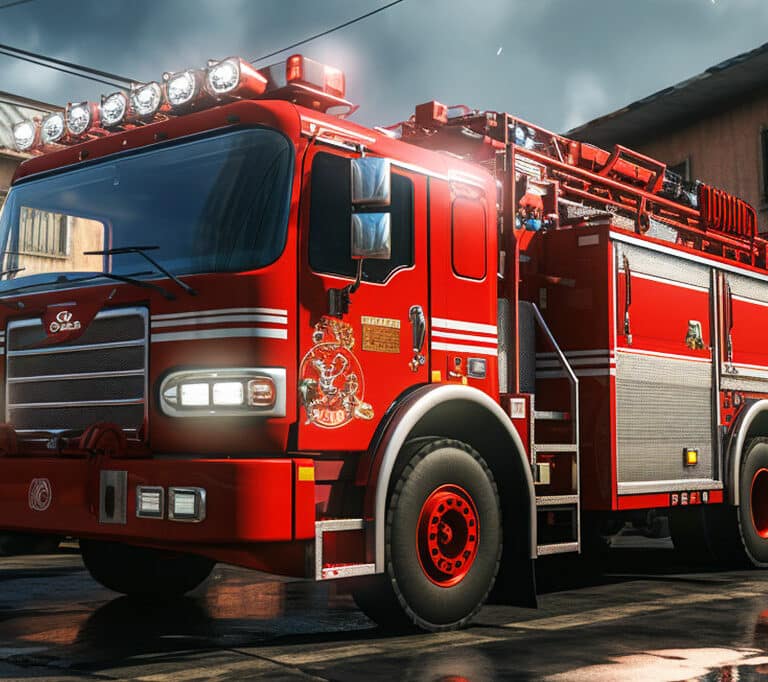
A fire truck can weigh up to 70,000 pounds

The total weight of a fire truck includes various components. 

The chassis, which serves as the foundation of the vehicle, contributes a significant portion to the overall weight. 

The body of the fire truck, made of steel or aluminium, houses the equipment and water tanks. 

Additionally, the equipment carried on the truck, such as ladders, firefighting tools, and medical supplies, further adds to the weight. 

All these factors are carefully considered during the design and construction of fire trucks to ensure they are efficient, durable, and capable of responding effectively to emergencies.

How Much Does a Fire Truck Weigh When Full of Water?

Probably the second most asked question in relation to how much does a fire truck weigh, is how much does it weigh when full of water. 

When a fire truck is filled with water, its weight can increase significantly due to the large water tank it carries. 

On average, a fire engine can hold between 500 to 1,500 gallons (1,893 to 5,678 litres) of water. 

Since each gallon of water weighs around 8.3 pounds (3.8 kilograms), a full tank can add an extra 4,150 to 12,450 pounds (1,882 to 5,647 kilograms) to the vehicle’s weight. 

This added weight is a crucial consideration for firefighters and drivers, as it affects the truck’s handling and performance during emergency responses. 

Properly managing the water supply is essential to ensure the fire truck can manoeuvre effectively and safely while combating fires and providing vital support to emergency situations.

How Long is a Fire Truck?

The length of a fire truck varies based on its type and model. 

Standard fire engines typically measure around 25 to 35 feet (7.6 to 10.7 metres) in length. 

However, aerial ladder trucks, equipped with extendable ladders, can reach impressive lengths of 75 to 100 feet (22.9 to 30.5 metres). 

These longer fire trucks are often employed in high-rise firefighting and rescue operations, where their extended reach is essential for accessing upper floors and providing a safe evacuation route. 

The varying lengths of fire trucks allow firefighting teams to choose the most suitable vehicle for specific emergency scenarios, ensuring an effective response to fires and other critical incidents.

How Wide is a Fire Truck?

The typical width of a fire truck ranges from 8 to 10 feet (2.4 to 3 metres). 

This dimension is carefully designed to ensure that the vehicle can manoeuvre through narrow streets and tight spaces in urban areas without encountering difficulties or causing damage to buildings and obstacles. 
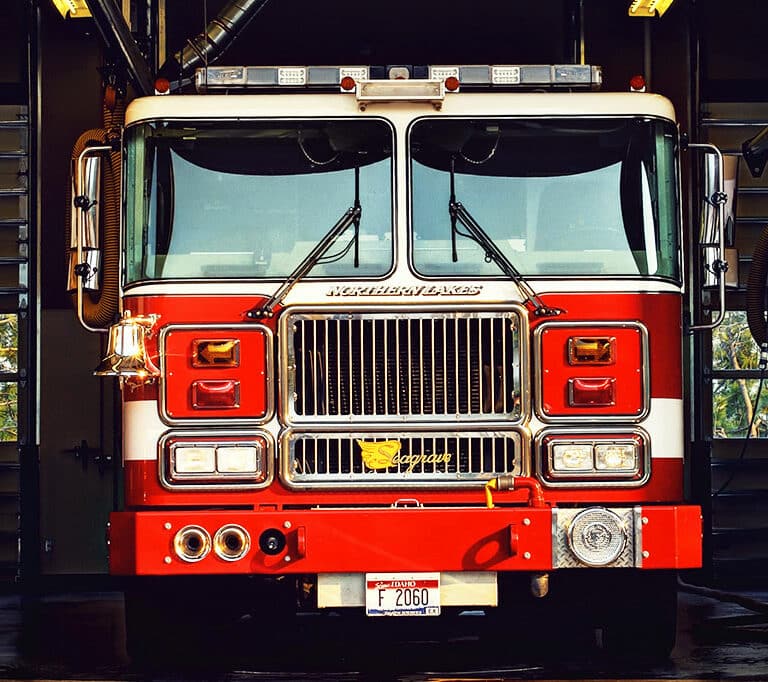
A fire truck can be up to 3 meters wide

The compact width enables fire crews to quickly reach emergency scenes and provide timely assistance, even in congested environments.

What Types of Fire Trucks Are There?

Fire trucks come in various types, each designed for specific firefighting tasks, depending on the cause and type of fire. The most common ones include:

Fire Engines 

Standard fire trucks equipped with water tanks, hoses, and firefighting equipment. They respond to most fire emergencies and carry a crew of firefighters. Recently, electric fire trucks have also been rolled out.

Aerial Ladder Trucks 

Also known as ladder trucks or hook-and-ladder trucks, these vehicles feature extendable ladders and platforms for rescue operations in tall buildings.

Rescue Trucks

Rescue trucks are equipped with specialised equipment for rescuing people from hazardous situations, such as vehicle accidents or collapsed buildings.

Wildland Fire Engines

Designed for fighting wildfires in rural and forested areas, these trucks have off-road capabilities and carry water to extinguish smaller fires.

Airport Crash Trucks

Specialised fire trucks used at airports to respond to aircraft emergencies, such as fires or crashes.

Foam Trucks

Equipped with foam-generating systems to fight fires involving flammable liquids.

Each type of fire safety vehicle is carefully designed to address specific fire scenarios, ensuring that firefighters have the right tools and resources to combat various emergencies effectively. 

The diversity of fire truck types enables firefighting teams to be prepared for a wide range of incidents, from standard structural fires to specialised hazardous material incidents. 

These versatile vehicles play a crucial role in ensuring the safety of communities and protecting lives and property during emergencies.

What Equipment is on a Fire Truck?

Fire trucks are equipped with a wide range of tools and equipment to handle various emergency situations. 

Some common equipment found on a fire truck includes hoses, nozzles, axes, saws, ladders, breathing apparatus such as oxygen masks, medical supplies, and thermal imaging cameras. 

The exact equipment may vary depending on the specific type and purpose of the fire truck. 

For example, ladder trucks will have extendable ladders and platforms for tall building rescues, while hazmat trucks will carry specialised gear for handling hazardous materials incidents. 

The availability of this diverse firefighting equipment ensures that firefighters have the necessary tools to effectively and safely respond to different emergencies they may encounter.

How Long is a Fire Truck Hose?

The length of a fire truck hose varies based on the truck’s size and intended use. 

Standard fire hoses used for firefighting operations are typically 50 feet (15 metres) long. 

Aerial ladder trucks may carry longer hoses, up to 100 feet (30 metres), to reach higher floors in tall buildings. 

The length of the hose is crucial in ensuring firefighters can effectively deliver water to the source of the fire, regardless of the building’s height or accessibility.

How Much Water Does a Fire Truck Hose Deliver?

The amount of water a fire truck hose can produce is determined by its diameter and water pressure. 

Most fire hoses have a diameter of 1.5 to 2.5 inches (3.8 to 6.4 centimetres) and can deliver water at pressures ranging from 50 to 150 pounds per square inch (psi). 

At an average flow rate of 100 psi, a fire hose can deliver around 50 to 125 gallons (189 to 473 litres) of water per minute. 

This water flow is critical for effectively extinguishing fires and controlling their spread, especially in larger and more intense fire incidents. 

Firefighters must skillfully operate the hoses to direct the water precisely and efficiently, making the most of their water supply to combat the flames and protect lives and property.

What Licence Do You Need to Drive a Fire Truck?

Driving a fire truck requires a specific commercial driver’s licence (CDL) with appropriate endorsements. 
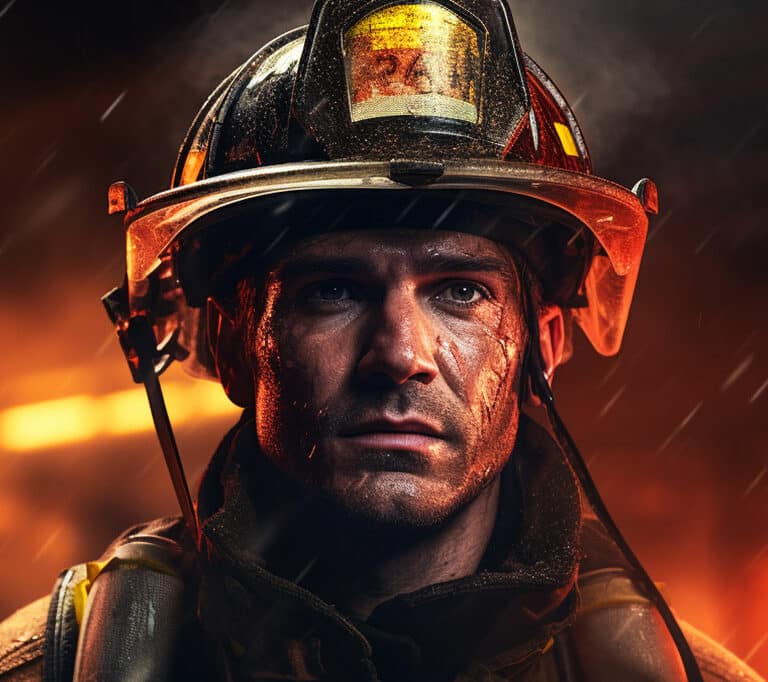
Firefighters need a special licence to drive a fire truck

The exact licence requirements vary depending on the fire truck’s weight, size, and type. For instance, a firefighter operating a standard fire engine may need a different endorsement than one operating an aerial ladder truck. 

To obtain the necessary CDL and endorsements, firefighters must undergo specialised training to operate these vehicles safely and effectively. 

This training includes learning how to handle the larger dimensions of fire trucks, understanding the unique challenges of emergency driving, and practising manoeuvres such as backing up, turning, and navigating tight spaces. 

Firefighters also receive instruction on vehicle maintenance and safety protocols to ensure the proper functioning of the fire truck during emergencies.

Conclusion

Hopefully this article provided a clear and concise answer to how much does a fire truck weigh, and some of the most common questions to do with fire trucks.

Fire trucks are essential vehicles in emergency response and play a crucial role in safeguarding communities. 

Their size, weight, and equipment are carefully designed to handle various firefighting and rescue tasks effectively. 

The training and expertise of firefighters who operate these machines are vital in ensuring their efficient use during emergencies. 

From carrying large amounts of water to navigating through tight spaces, fire trucks are equipped to tackle a wide range of challenges. 

Understanding the capabilities of these vehicles helps us appreciate the dedication and skill of firefighters who work tirelessly to protect lives and property in times of crisis.
A fire safety overhaul at Elmwood Primary School

Cygnus collaborates with Blake Fire & Security Systems to upgrade fire safety at Elmwood Primary School

Cygnus, a leading manufacturer of wireless fire detection and alarm systems, recently partnered with Southend-on-Sea-based Blake Fire & Security Systems to revamp the fire safety protocol at Elmwood Primary School in South Woodham Ferrers.

The two companies supplied the school with 130 of Cygnus’ SmartNet wireless alarm systems, bolstering safety measures for the school’s staff and students.

Elmwood Primary School reached out to Blake Fire & Security Systems for a comprehensive review and quotation of their existing, outdated fire alarm systems.

Rory Foster, Fire Safety Systems Manager at Blake Fire & Security Systems noted: “After discussing the options, it was obvious to see the benefits of using a wireless system for this project.”

Unveiling the benefits of wireless fire safety systems

Wireless systems came with a host of benefits.

Notably, their cost was lower than their wired counterparts, mainly due to the lack of required containment, cabling, and a streamlined installation process needing only a single engineer.

On the ease of installation, Foster said: “The speed and ease of installation meant that we were able to install SmartNet in just four days during the May half term.”

This meant that installation could be done outside of the lengthy summer holiday period.

The wireless system provided a solution that avoided penetration through walls or ceilings, a necessary step in the installation of wired alternatives.

Foster added: “Running cables through walls and ceilings with a wired system also requires extra fire proofing to maintain the fire compartments of the building.”

Cygnus’ SmartNet: The wireless solution for reliable fire safety

Post installation, the school’s fire safety system underwent a quick transformation with the help of Blake Fire & Security’s NSI Gold FD&A Designer.

They used a BS5839 Classification L2 System approved design, while Cygnus delivered the necessary products within two days, ensuring an efficient workflow.

The SmartNet wireless network, a product of patented Cygnus technology, is a self-forming and self-healing mesh network powered by battery-operated radio devices.

It guarantees a minimum of two communication paths to each wireless device, ensuring maximum reliability.

Foster concluded: “Following the installation of the SmartNet wireless fire alarm, the school was very impressed.

“We would highly recommend the Cygnus system due to its reliability, ease and speed of installation, lack of mess, and user-friendly functionality.”

IFSJ Comment

The collaboration between Cygnus and Blake Fire & Security Systems showcases how wireless technology can revolutionise fire safety, particularly in educational settings.

It highlights the efficiency, cost-effectiveness, and enhanced safety such a system brings, offering our readers valuable insight into the latest trends in fire safety solutions.

About Cygnus

Cygnus is a leading manufacturer of wireless fire detection and alarm systems, recognised for their cutting-edge technology and reliable solutions.

They are committed to enhancing fire safety across various sectors, with their patented technology serving as a testament to their innovative approach.

For more information, visit Cygnus.

Further details on Blake Fire & Security Systems are available at Blake Fire & Security Systems.

Arup collaborates with OZEV to formulate fire safety guidelines for covered car parks

Thousands of covered car parks set to be retrofitted

Thousands of covered car parks may soon require retrofitting, along with new designs for fresh constructions.

This is in response to the fire safety implications of electric vehicles (EVs), which significantly differ from those of combustion engines.

In partnership with the UK’s Office for Zero Emissions Vehicles (OZEV), Arup has stepped up to produce interim safety guidance aimed at supporting the parking and charging of EVs within covered car parks.

Fire safety in covered car parks as EVs gain popularity

The shift to electric vehicles is an integral part of achieving net zero. The UK has already planned to ban the sale of non-electric vehicles from 2030.

This monumental transition demands an infrastructural upgrade to accommodate the growing number of electric passenger vehicles and vans.

The provision of adequate charging capacity poses a major challenge. In the UK, grant programmes have been initiated to speed up the installation of EV charging points.

However, until now, there was a significant gap in the safety guidance surrounding fire risks at these charge points.

Different responses needed for rare EV fires

Although rare, EV fires necessitate a unique response. According to data reported by Arup, in Norway, where EVs constitute nearly ten percent of cars, they account for less than three percent of vehicle fires.

Thatcham Research, the UK motor insurers’ research centre, conducted a study between 2018 and 2020. They found that only 0.001% of plug-in hybrids and 0.003% of range-extended electric vehicles had fire claims, lower than the 0.007% of petrol vehicles and 0.011% of diesel vehicles.

Arup’s new guidelines underline why even these infrequent incidents require a radically different approach to fire safety.

Factors like the size of the battery, its chemistry, and the state of charge can influence the thermal runaway in an EV battery, leading to decomposition of battery elements and potential ignition.

Measures to improve safety in covered car parks

Arup’s report details a comprehensive range of measures to improve safety during the development or retrofitting of covered car parks.

These include certain structural changes that can help to prevent the spread of fires, such as increasing the distance between parked cars or constructing barriers between bays.

The report also emphasises technological solutions like thermal monitoring cameras at ground level. These can identify early signs of rising battery temperatures and allow for preventive action.

The most crucial advice is to ensure that EV charging points are installed with safety as the foremost consideration.

The guidelines stress the importance of adhering to a clear standard for EV charging points and ensuring a manual override function is in place.

The full guidelines can be found here.

IFSJ Comment

With the rise of electric vehicles, the significance of this new guidance cannot be overstated. It represents a crucial step towards creating a safer environment in covered car parks across the country, ultimately contributing to the broader goal of promoting sustainable mobility. It will be interesting to see how this guidance shapes the future design and retrofitting of car parks in the light of increasing EV usage.

Strict penalties for non-compliance with fire safety regulations in Abu Dhabi

Heavy fines introduced to reinforce fire safety

In an effort to reinforce fire safety compliance in Abu Dhabi, entities failing to meet the requisite standards are set to face a hefty fine of Dh10,000.

The announcement has been made public recently by the Abu Dhabi Civil Defence Authority (ADCDA) according to a report from Gulf News.

Legal background to the fire safety measures

This move has its legal basis in the UAE Cabinet Resolution No.24 of 2012. It underpins the organisation of Civil Defence services within the country.

It specifically targets those without a Civil Defence licence or a certificate indicating compliance with fire safety and prevention requirements.

Abu Dhabi’s commitment to fire safety

In a bid to reduce fire hazards in public buildings and facilities, Abu Dhabi had initiated an emirate-wide initiative in May.

The Field Survey Initiative, launched by ADCDA, is aimed at safeguarding the communities and properties across the industrial, commercial and service sectors in Abu Dhabi.

ADCDA is dispatching inspection teams under this initiative. Their mission is to ensure that safety and prevention measures are upheld.

They will particularly assess the presence and maintenance of smoke detectors, fire extinguishers, evacuation emergency signage, and other related equipment.

The decision to increase inspections comes just before the summer months, when temperatures in the UAE tend to increase, escalating fire hazards as a result.

IFSJ Comment

Fire safety is a global concern and the stringent measures being adopted by Abu Dhabi sets a precedence which other regions may look to follow.

This proactive approach of incorporating heavy fines reinforces the importance of fire safety, but it could potentially deter violations and increase overall safety standards.

23 Common Causes of Fire

Fires are a devastating and dangerous occurrence that can cause immense damage to property and pose a threat to lives, with the cost of fire in the UK now above £12 billion.

Understanding the most common causes of fire is essential for prevention and safety. 

By being aware of these causes, we can take proactive measures to minimise the risk of fire incidents. 

This article aims to provide an overview of 23 of the most common causes of fire, ranging from everyday activities to potential hazards within our surroundings.

By exploring some of the main causes, we can enhance our knowledge and promote fire safety in our homes, workplaces, and communities.

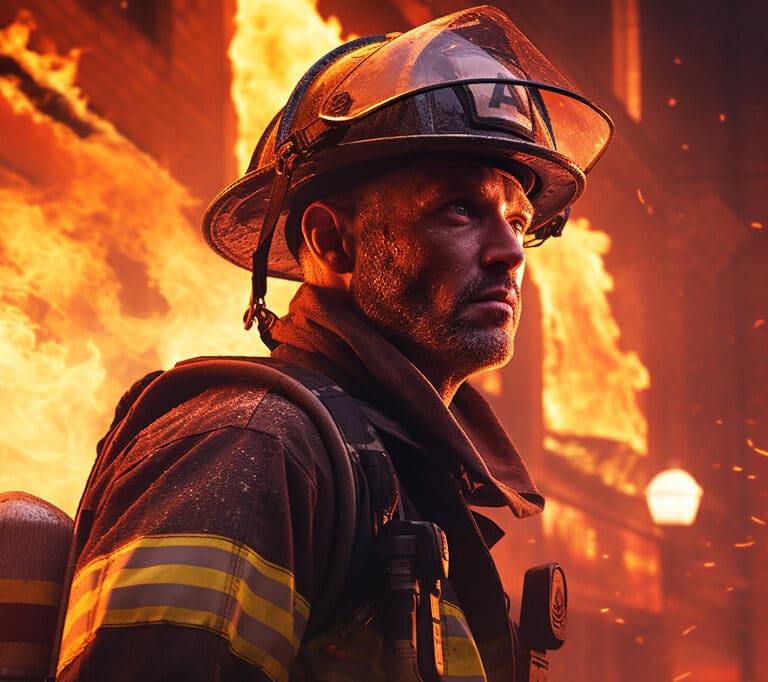
A firefighter fighting a fire
Knowing the causes of fire can help firefighters

Cooking Equipment

Cooking equipment is one of the leading causes of residential fires. 

Unattended cooking, grease buildup, and flammable objects left too close to heat sources can ignite fires. 

It’s crucial to maintain a high standard of cooking safety, use timers as reminders, and keep a safe distance between flammable materials and heat sources.

Heating Equipment

Heating equipment, including space heaters and furnaces, can pose a fire hazard if not used correctly. 

Overheating, lack of maintenance, and placing flammable items near heat sources can lead to fires. 

Regular inspection and maintenance of heating systems, proper ventilation, and keeping flammable items away from heaters are vital safety measures.

Electrical Equipment

Electrical equipment, such as faulty wiring, overloaded circuits, and malfunctioning appliances, is one of the leading causes of fire, as well as one of the most dangerous fires to put out. 

Electrical sparks, short circuits, and overheating due to loose connections or damaged cords can ignite fires. 

Ensuring proper installation, regular inspection, and prompt repair of electrical systems and appliances are crucial for fire prevention.

Cigarettes, Cigars & E-Cigarettes

Careless handling and improper disposal of cigarettes, cigars, and e-cigarettes are common causes of fires. 

Discarding lit cigarettes improperly or not fully extinguishing them can ignite flammable materials. 

Smokers should use designated ashtrays, never smoke in bed, and ensure proper disposal of smoking materials in fire-safe containers.

Candles

Candles, while creating a pleasant ambiance, can also be a fire hazard if left unattended. 

Accidental knocks, proximity to flammable objects, or forgetting to extinguish candles can result in fires. 

It’s important to place candles on stable surfaces, away from flammable materials, and never leave them burning when unattended.

Children Playing with Matches

Children playing with matches or lighters out of curiosity can lead to fire incidents. 

Educating children about the dangers of matches and lighters and keeping them out of their reach are essential preventive measures. 

Parents should store matches and lighters in secure locations to prevent access by children.

Faulty Electrical Wiring

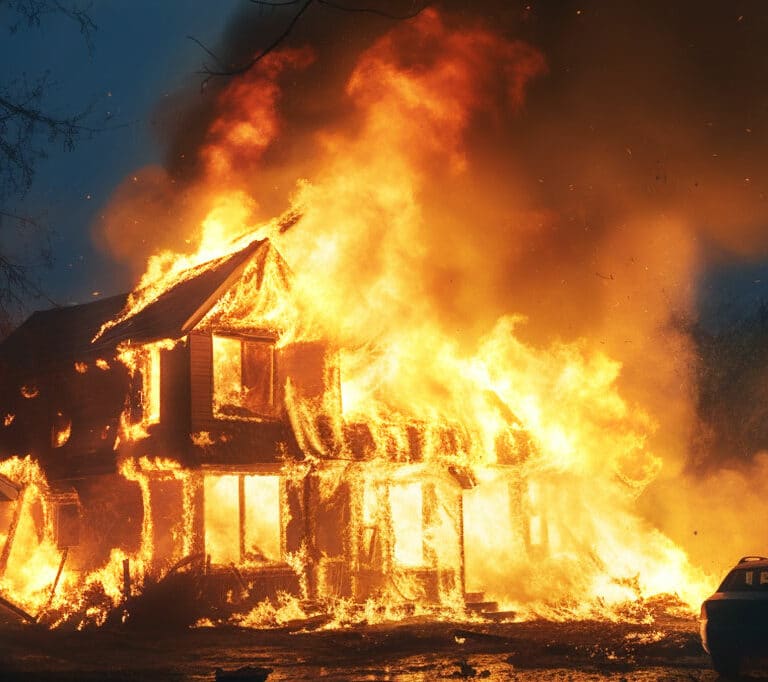
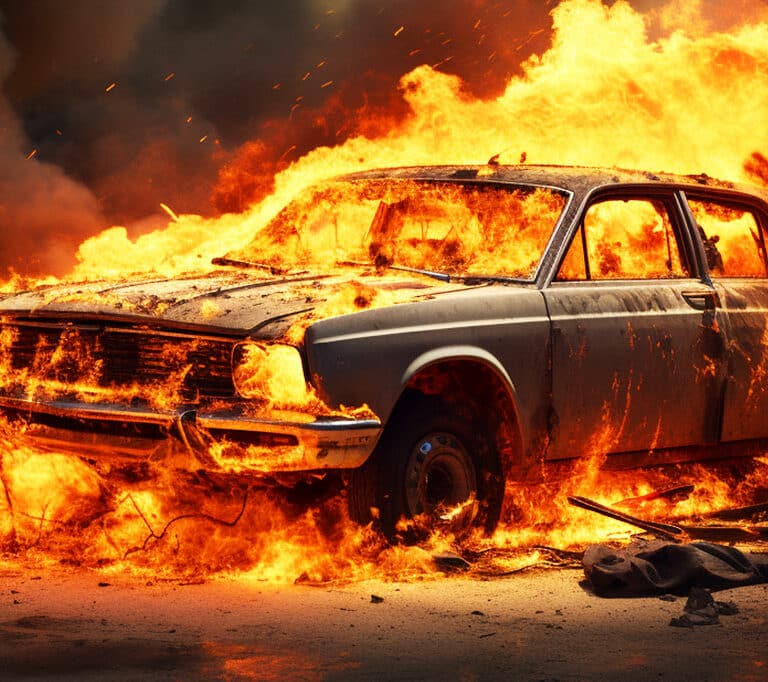
A burning car on fire
Electrical faults can be especially dangerous in cars

Faulty electrical wiring, due to age, poor installation, or rodent damage, can cause electrical fires. 

Overheating wires, short circuits, and electrical arcing are common signs of faulty wiring. 

Regular electrical inspections, prompt repairs, and the use of licensed electricians can help prevent electrical fires.

Christmas Decorations

Christmas decorations, such as lights and candles, can pose fire risks if not used safely and are a serious cause of fire around the holiday season. 

Overloaded electrical sockets, damaged lights, and placing flammable decorations near heat sources can ignite fires. 

Following manufacturer’s instructions, using LED lights, and keeping decorations away from flammable materials are essential for fire safety during the holiday season.

BBQs

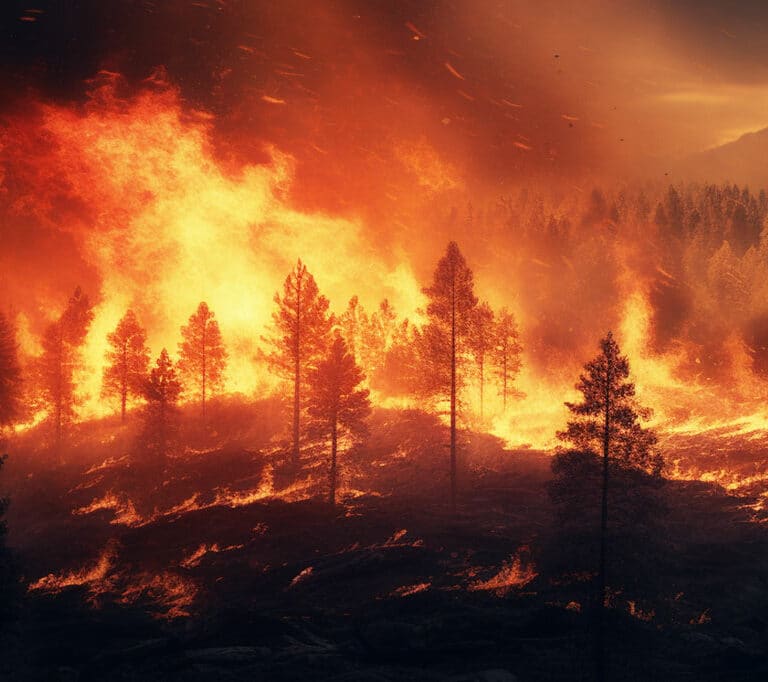
Disposable BBQ misuse can lead to dangerous wildfires

Barbecue grills, if used incorrectly, can be some of the main causes of fire

Improper placement near flammable structures, grease buildup, and failing to extinguish coals properly can result in fires.

Incorrectly used disposable BBQ’s also have a high risk of causing wildfires

Safe barbecue practices, regular cleaning of grills, and maintaining a safe distance from flammable materials are crucial for preventing accidents.

Bonfires

Bonfires, while enjoyable, require caution to prevent accidents. 

Inadequate containment, excessive size, and proximity to flammable materials can lead to uncontrolled fires. 

Ensuring proper construction, maintaining a safe distance from structures and vegetation, and having firefighting equipment nearby are important safety measures.

Remote Controls

Neglected or damaged remote controls can cause fires. 

Malfunctioning batteries, short circuits, and overheating can lead to remote control fires. 

Regularly checking and replacing batteries, keeping remote controls away from heat sources, and avoiding excessive pressure on buttons can prevent such incidents.

Batteries

Improper handling of batteries can be one of the causes of fire

Damaged or expired batteries, incorrect insertion, and mixing different types of batteries can cause overheating and fires. More public awareness is needed to help prevent battery fires. 

Safely storing batteries, using the correct battery type, and recycling old batteries properly are essential for fire prevention.

Tumble Dryers

Tumble dryers with clogged lint filters and vents pose a fire hazard. 

Accumulated lint can ignite from the dryer’s heat, leading to fires. 

Regularly cleaning lint filters, ensuring proper venting, and professional dryer maintenance can prevent such incidents.

Aerosol Cans

Aerosol cans, if exposed to heat or punctured, can explode and ignite fires. 

Leaving aerosol cans near heat sources or disposing of them improperly can lead to dangerous fire situations. 

Storing aerosol cans in cool, well-ventilated areas and following proper disposal guidelines are crucial for fire safety.

Arson 

Arson attacks can ruin entire families

Intentional acts of arson, where fires are set deliberately, can cause significant damage. 

Arson can occur due to various reasons, including vandalism, revenge, or insurance fraud. 

Community awareness, neighbourhood watch programs, and reporting suspicious activities can help deter arson incidents.

Construction Materials

Construction materials, such as flammable insulation, paint, or chemicals, can contribute to causes of fire during building projects. 

Mishandling, improper storage, and inadequate fire safety measures can lead to construction site fires. 

Implementing proper fire prevention strategies, following safety regulations, and having fire extinguishers readily available are vital during construction activities.

Clutter

Accumulated clutter can increase the risk of fires by obstructing escape routes and providing fuel for flames. 

Cluttered spaces make it challenging to control or escape fires quickly. 

Regular decluttering, proper storage of items, and maintaining clear pathways can help minimise fire hazards.

Flammable Liquids, Gases & Materials 

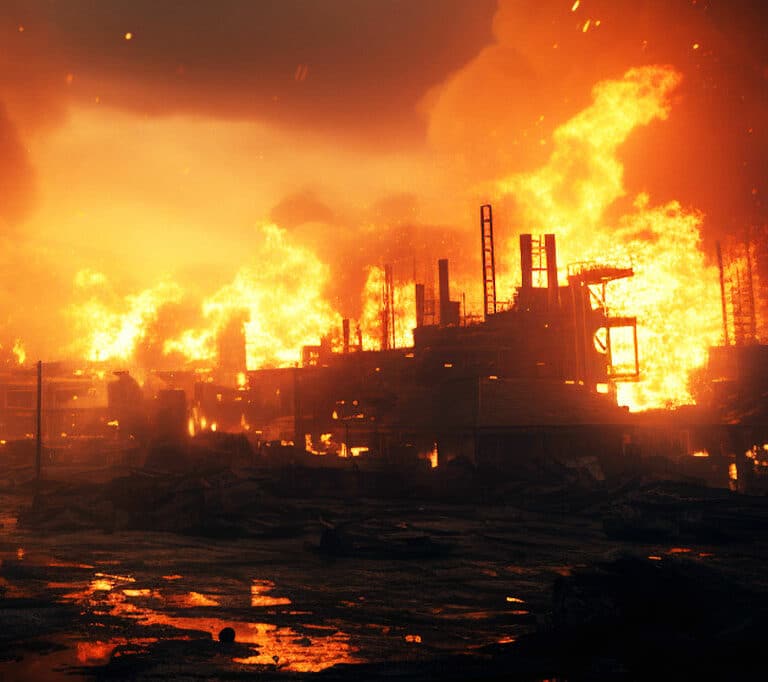
A burning factory on fire
Factory fires can be absolutely devastating, especially to the environment

Improper handling, storage, or use of flammable liquids, gases, and materials can lead to fires. 

Ignition sources near flammable substances, improper ventilation, and failure to follow safety guidelines are significant fire risk factors. 

Proper storage, using suitable containers, and adhering to safety protocols when working with flammable materials are essential for fire prevention.

Human Error

Human error, such as forgetfulness or negligence, can contribute to fire incidents. 

Leaving appliances unattended, forgetting to extinguish flames, or improperly handling flammable substances are examples of human error leading to fires. 

Being vigilant, practising fire safety habits, and staying aware of potential fire hazards are crucial for preventing accidents.

Outdated Fire Risk Assessments

Outdated or inadequate fire risk assessments can fail to address emerging fire hazards, increasing the risk of fire incidents. 

Regularly reviewing and updating fire risk assessments, considering changes in the environment or operations, and implementing appropriate fire safety measures are essential for effective fire prevention.

Mechanical Friction

Mechanical friction, such as faulty vehicles, machinery or equipment, can generate heat and sparks that ignite fires. 

Lack of lubrication, loose parts, or worn-out components can contribute to friction-related fires. 

Regular maintenance, inspection, and prompt repair of machinery are vital for preventing such incidents.

Negligence

Negligence, including careless behaviour, disregard for fire safety practices, or failure to follow regulations, can lead to fires. 

Ignoring safety protocols, misusing electrical equipment, or bypassing safety measures are examples of negligent actions that increase the risk of fire incidents. 

Cultivating a culture of safety, providing adequate fire prevention training, and enforcing compliance with fire safety standards can help mitigate the effects of negligence.

Nutella

In a tragic incident, sun rays shining through a glass jar of Nutella chocolate spread sparked a huge house fire that claimed the life of a family’s dog

The low winter sunlight refracted by the jar, which was used to collect loom bands, caused the rays to be magnified and ignited blinds, resulting in the devastating fire. 

This incident serves as a reminder to keep glass items away from windows and direct sunlight to prevent similar accidents.

Conclusion

Understanding the common causes of fire is crucial for promoting fire safety in our daily lives. 

By being aware of the potential fire hazards associated with cooking equipment, heating devices, electrical equipment, smoking materials, candles, and various other sources, we can take preventive measures to minimise the risk of fire incidents. 

Practising safe habits, ensuring regular maintenance, and adhering to fire safety guidelines can significantly reduce the likelihood of fires. 

It is important to educate ourselves and others about fire prevention, promote fire safety awareness, and create a culture of responsibility and vigilance. 
By taking these steps, we can protect our homes, workplaces, and communities from some of the main causes of fire and its devastating effects.

Understanding of fire safety systems specifications wanes among building control professionals

Lack of confidence growing in fire safety systems specifications among industry professionals

Building control professionals are expressing a lack of confidence in understanding the specifications for fire safety systems.

Specification Online recently reported that less than a fifth, or 14% to be precise, are confident when it comes to these specifications.

Confusion arises over approved document B fire safety guidelines

Uncertainty continues to surround fire safety guidance as detailed within Approved Document B (ADB), adding confusion for professionals in the construction industry.

An overwhelming 86% of these professionals express concerns about liability when specifying fire safety systems.

This finding is part of new research from Siniat, a leading provider in the industry.

In 2019, changes were made to Approved Document B.

This document now states that fire resistance products and systems must undergo testing according to the most recent EN standards.

Furthermore, any fire resistance assessment has to be evidence-based and conducted by third parties, in alignment with the DIAP or EXAP standard for direct or extended application.

Limited knowledge on fire safety building regulations in the industry

Despite these changes, a survey involving over 200 construction professionals discovered that only 35.7% of those in building control are aware that ADB includes the fire safety building regulations guidelines.

Moreover, 28% are unfamiliar with the extended application standards that should be used for assessing and classifying fire performance systems.

Robert Cridford, a technical manager at Siniat, said: “The updated guidelines in Approved Document B are more burdensome than previous testing standards.”

He continued: “EXAP is more stringent and necessitates comprehensive additional testing, extension and the classification of a manufacturer’s entire portfolio of systems.”

This, Cridford explained, means that manufacturers have the responsibility of providing performance data and testing their products using the most robust standards possible.

He further emphasised that building control professionals should make sure that sufficient fire performance data is provided for any project.

He suggested: “The easiest way to do this, as requested by Approved Document B, while also maintaining a Golden Thread of performance data, is to request third-party classification reports for all systems used for fire safety.”

Cridford noted that Approved Document B allows for some continued use of the 1980s BS476 fire resistance methods.

He added: “In some cases, newer EN standards don’t cover every eventuality, so reverting back might be the last resort, but for partitions, and many other areas, full EN testing and classification is now available.”

Cridford’s final message was that the industry cannot afford mistakes and must work together to ensure that all are building to the highest standards.

He concluded: “This is the only way we, as an industry, can adhere to the most current legislation, prevent liability issues and most importantly, ensure the safety of the people who will inhabit and work in the buildings we build.”

Since 2019, Siniat has invested heavily in gaining third-party EXAP classifications for 700 of its partitions.

These official third-party reports have been included as standard in project specification packs since February 2023.

For more information on Siniat’s third-party classifications, please visit their official website.

Why is this important?

This news is crucial as it highlights an industry-wide issue that could potentially impact fire safety in buildings.

Building control professionals play a critical role in ensuring safety standards, and their lack of confidence in fire safety systems specifications is a cause for concern.

This underlines the need for improved guidelines, training, and resources to assist these professionals in their crucial roles.

New Fire Safety Framework seeks experts for £140m public sector project

LHC Procurement Group invites applications for Fire Safety Framework

The non-profit public sector framework provider, LHC Procurement Group, is inviting applications for their new Fire Safety (FS2) Framework.

The initiative has been launched to secure end-to-end fire safety measures for the public sector across Britain.

Applications will be open until mid-August.

Fire Safety Framework: A £140m opportunity

Valued at £105 million in England, £20 million in Scotland, and £15 million in Wales, the FS2 framework is an opportunity that fire safety experts should not miss.

The framework will accommodate six suppliers per lot, for each regional area.

Those interested can register for the LHC’s FS2 webinar slated for 11am on Monday, 3 July, to learn more about the framework.

FS2 Framework: Replacing FS1 with advanced fire safety measures

FS2 aims to build upon and replace the current Fire Safety (FS1) framework.

The new framework extends to passive and active fire protection measures for both existing and new domestic and non-domestic buildings, while also covering fire suppression, consultancy, waking watch services and cladding remediation.

Drafted in collaboration with industry experts, FS2 adheres to current legislation including the Building Safety Act 2022, Fire Safety Act 2021, and Fire Safety (England) regulations 2022.

Dean Fazackerley, Head of Technical Procurement at LHC, noted: “Fire safety has become a paramount concern for local authorities and social housing providers due to the recent implementation of the Building Safety Act 2022 post the Grenfell Tower tragedy.”

On the new framework, Fazackerley added: “FS2 represents a significant advancement from FS1 by expanding the range of fire safety measures available.

“Developed in partnership with expert consultants, the framework ensures comprehensive coverage of current legislation, giving our clients peace of mind through compliance with regulations and industry best practices.”

Inclusive of SMEs: The new Fire Safety Framework

In addition to working with established players, FS2 will provide opportunities for Small and Medium Enterprises (SMEs).

Fazackerley explained: “We recognise the valuable knowledge and capabilities of SMEs and aim to utilise their expertise.

“FS2 will offer our clients a range of both national and local organisations capable of undertaking specialised projects, providing value and tailored solutions.”

The framework will be made available through both direct award and mini competition via LHC’s business units across Britain.

This includes Scottish Procurement Alliance (SPA), Consortium Procurement Construction (CPC), Welsh Procurement Alliance (WPA), South-West Procurement Alliance (SWPA) and LHC London and South East England (LSE).

For more information about FS2 and how to become a part of the framework, click here.

IFSJ Comment

This news is particularly significant as it heralds a robust approach to fire safety in the public sector, providing opportunities for both established businesses and SMEs to play a part in a safer future.

Citywide audit reveals serious fire safety deficiencies in Delhi’s coaching centres

None of the 130 audited centres deemed satisfactory

In a citywide audit conducted recently, 130 coaching centres in Delhi were found to be lacking in adequate fire safety measures. The inspections were driven by a major blaze on June 15 at a building in Mukherjee Nagar, where several such centres operate. The Delhi Fire Services (DFS) failed to identify a single centre that could be deemed “satisfactory” with respect to fire safety standards, according to their officers.

Many centres found to have inadequate safety provisions

DFS director Atul Garg pointed out the concerning reality: “Some coaching centres had a few arrangements to deal with fire situations, and some didn’t have any. But not one was found to be satisfactory in terms of fire safety standards.” It became apparent that many of these coaching centres had just a single, narrow staircase, often serving as the sole entry and exit route for hundreds of students.

Further issues include outdated or improperly positioned fire extinguishers

Fire extinguishers were present at some of these centres, Garg reported, but they were either obsolete, there were no personnel trained to operate them, or they were located in places challenging to access during emergencies.

Lack of regulations and guidelines clouding the issue

Garg further elaborated on the complications the audit team faced, as the lack of regulations for these coaching centres made it unclear whether they were legally required to have a fire no-objection certificate (NOC). “The problem is that since coaching centres in Delhi are unregulated, they may not be legally in the wrong in not having the necessary fire safety arrangements. That is because there are no guidelines for the coaching centres,” explained Garg.

Audit to continue and final report expected next month

Despite the challenges, the audit will continue till Sunday, with a final report being prepared to submit to the court early next month. The current inspections have included coaching centres in notable hubs such as Mukherjee Nagar, Kalu Sarai, Janakpuri, and Laxmi Nagar. However, the exact total number of centres remains unknown due to a lack of complete records.

This report underscores the critical need for stringent fire safety guidelines and robust regulations for coaching centres in Delhi, to ensure the safety of students and staff alike.

Source: Hindustan Times

IFSJ Exclusive: The digital-first approach to fire safety

Robert Norton, UK Team Lead at PlanRadar, explains why digital platforms are the answer to new fire safety legislation

Fire safety in construction is facing increasing levels of scrutiny, influencing new laws and legislation. As of January 23rd 2023, updates to the Fire Safety (England) Regulations 2022 came into play, forcing developers and asset owners to sit up and take the issue seriously. The changes are a result of widespread fire safety failings, particularly around fire door checks, which have consistently fallen short of required standards. The Fire Door Inspection Scheme (FDIS), for example, recently found that three quarters of inspected doors failed to meet required standards.

It’s no surprise tighter legislation has come into effect. While the new laws are helping to create safer homes and buildings, particularly for those living in high-rise developments, the changes are also increasing the pressure on developers to update their approach to fire safety. Those that fail to do so face legal prosecution and segregation from the wider industry. Michael Gove MP’s six-week ultimatum for developers is a recent example – either sign contracts relating to fixing fire safety or face the consequences.

One of the major issues preventing the sector from improving its processes is knowledge of new laws and details around fire safety. Expert knowledge is few and far between – a lack of trained professionals and previous regulation has hindered standardised processes, creating a race against time to become fire safety compliant. However, many are yet to realise that the answer lies in technology that is improving fire safety record keeping and making assessments easier than ever. They just need the right tools for the job.

Digital evolution

This is where digital construction tools and platforms come in to their own. One of the biggest updates to the new regulations is the increased legal duties of the Responsible Person (RP). The RP must ensure that annual checks of flat entrance doors and quarterly checks of all fire doors in common parts are taking place in residential buildings over 11 metres in height. What’s more, the RP must submit critical building information on the layout of buildings and flag any faults of fire equipment to the local fire and rescue services. The latter of which needs to be delivered digitally.

Opting for a digital platform where proof of fire safety checks can be logged and recorded can be invaluable for RPs trying to ensure a watertight audit trail. Having information stored digitally makes delivering important information more secure and easier to manage.

Not only that, but by choosing easy-to-use digital systems, teams can adopt tech straight into their working day, improving both the accuracy and efficiency of day-to-day activities. A digital footprint of checks around key firefighting equipment can also help keep local fire services up-to-date, creating running logs to keep them well-informed on potential issues. Importantly, working in this way is helping to achieve the all-important digital ‘golden thread’ of information – one of the key recommendations of the new and improved Building Safety Act.

Compliance can also be improved through greater communication between teams. The latest on-the-go software allows ‘tickets’ or jobs to be assigned to specific individuals for clarity as to ‘who did what and when’. It’s also possible to send instant messages along with images and videos for further proof that work has been carried out to a high standard.

Collating this information digitally means that fire safety reports can be created in seconds, saving businesses the laborious task of manually writing up reports and unnecessarily duplicating work. We have found platforms can save users as much as seven hours a week on reporting, helping to claw back valuable time better spent elsewhere.

Combined with intuitive design, digital platforms allow teams to hit the ground running without the need for time-intensive training, they simply download the app or platform and start using the tech right away. Against the backdrop of a growing labour crisis, this ease of use couldn’t be more imperative.

Just the beginning

A digital-first approach is a sign of the times, and it’s likely that these new regulations are just the beginning. Being able to navigate data governance to meet new legal challenges with ease will be invaluable to companies, particularly as the ‘safety-first approach’ increases within the sector. Let’s not forget that the government has the construction sector in its sights, and is using its full weight to ensure RPs are held accountable.

For those in the industry feeling underprepared or overwhelmed by the idea of increased safety protocols and compliance, the time to act is now. Adopting a ‘digital-first’ approach is paramount, and it no longer needs to be complex or overly expensive. Tech represents a new age in fire safety – offering more accurate and time-efficient fire safety checks, quicker fire assessments, all through a tamperproof digital audit trail. It’s now in the hands of building owners to deliver the change the industry so desperately needs.

This exclusive article was originally published in the June 2023 issue of International Fire & Safety Journal. To read your FREE digital copy, click here.

Irish Government issues statement on fires in public spaces

National Parks and Wildlife Service Boosts Patrols and Aerial Surveillance amid Fears for Irish Wildlife and Habitats

In a compelling appeal from the National Parks and Wildlife Service (NPWS), part of Ireland’s Department of Housing, Local Government and Heritage, the public have been asked to refrain from sparking fires or barbecues in public areas during the forthcoming summer months. The request arises from mounting concerns over the safety of our wildlife and habitats during the hot season.

The NPWS is escalating efforts to guarantee compliance with this call, increasing their ground team numbers and escalating aerial monitoring, deploying both helicopters and drones.

‘Prevention is better than cure’

Ireland’s Minister for Housing, Local Government and Heritage, Darragh O’Brien, shared advice with the public, underlining the need for immediate action. If a fire is detected, he insists that people should call the emergency services on 112 immediately. He further noted that the NPWS has reinforced its patrols to identify potential fire situations rapidly. But he echoed a familiar sentiment, emphasising, “prevention is better than cure,” as he encouraged citizens to steer clear of starting fires in open areas.

Malcolm Noonan, Minister of State for Heritage and Electoral Reform, detailed the potential damage such activities could inflict on our natural surroundings and wildlife: “Our National Parks and Nature Reserves, coastal sand dunes, mountains and upland areas, forests, meadows and urban parks…are also home to our precious wildlife and their vulnerable young,” Noonan said. He spotlighted this critical period for wildlife, notably ground-nesting birds and mammals, currently rearing their young, and advocated for responsible enjoyment of the pleasant weather, without endangering nature.

Report any fire activity without delay

The Director General of the NPWS, Niall O Donnchú, reinforced this request for public cooperation in preserving nature. Despite the increased ground crews and aerial monitoring measures initiated by the NPWS, he emphasised the vital role of public engagement. O Donnchú called upon the public to abstain from lighting fires or barbecues in National Parks, Nature Reserves, or in nature generally. Additionally, he urged the public to maintain vigilance, appealing for them to report any fire activity without delay.

As we approach the peak of the summer season, this appeal from government officials provides a sobering reminder of our shared responsibility to respect and safeguard Ireland’s cherished natural spaces.