Introduction of new welfare units for Firefighters
Cumbria Fire and Rescue Service is demonstrating its commitment to the wellbeing of its crews through the introduction of two advanced welfare units.
Costing £180,000, these vehicles serve as mobile bases, offering essential facilities to crews during extensive or challenging incidents.
These units, equipped with kitchens, toilet/shower facilities, and changing spaces, provide a supportive environment for Firefighters on duty.
One vehicle is currently based at Cockermouth Fire Station, while the second will be stationed in the Westmorland and Furness area.
However, both units are available for deployment across the county wherever needed.
Ian Seel, Cumbria Fire and Rescue Service Area Manager, highlighted the benefits of these vehicles: “Cumbria Fire and Rescue Service is pleased to introduce these two new vehicles to the service.
“They offer a warm, dry and safe space for Firefighters working in an operational environment, supporting their health, safety and wellbeing during a lengthy or challenging incident.”
Visit by Deputy Police, Fire and Crime Commissioner
Mike Johnson, Cumbria’s Deputy Police, Fire and Crime Commissioner, recently visited Cockermouth Fire Station to interact with the crew and explore the welfare unit.
During his visit, Mr Johnson underscored the importance of investing in Firefighter welfare, especially considering the risks they face in their line of duty.
He remarked: “Our Firefighters regularly put their own lives at risk to save others in their communities, so it is only right that we invest in their welfare, especially during large-scale incidents that can take place over several hours.
“The addition of these latest new vehicles means that we will soon have three mobile welfare units spread across the county.
“It is important that we provide our Firefighters with the best resources possible, to help keep Cumbria safe.”
Recruitment of On-Call Firefighters in Cockermouth
In addition to enhancing crew welfare, Cockermouth Fire Station is actively recruiting On-Call Firefighters.
An open evening was organised this week to offer prospective recruits more information and a guided tour of the station and vehicles.
Those interested in joining the team and contributing to community safety can find more details and application instructions on the Cumbria Fire and Rescue Service website.
IFSJ Comment
The introduction of new welfare units by Cumbria Fire and Rescue Service marks a thoughtful investment in the wellbeing of its Firefighters.
Providing these facilities recognises the demanding nature of their work and the need for a supportive environment during prolonged incidents.
It exemplifies a forward-thinking approach to resource allocation, ensuring that those who protect the community are themselves well cared for.
Such developments in crew welfare are essential for maintaining a resilient and effective emergency service.
The CTIF Health Commission convened on February 28th, 2024, where leading fire safety and health experts from across Europe shared insights and developments in cancer prevention for firefighters.
The meeting, marked by the introduction of a new AI note-taking tool by Anders Christian Geertsen, underscored the ongoing efforts to mitigate occupational hazards within the fire service community.
Challenges and initiatives in cancer prevention
The assembly provided a platform for members to exchange experiences and initiatives from their respective countries, with a special focus on the unique challenges faced by volunteer firefighters in Portugal.
The need for a shift in mindset towards prevention measures was a significant topic of discussion.
Anders Christian Geertsen highlighted the importance of these discussions: “Sharing our experiences and challenges is vital for developing effective cancer prevention strategies within our community.”
Advancements in decontamination procedures
A key point of the meeting was the implementation of decontamination and hygiene measures designed to reduce firefighters’ exposure to carcinogens.
This includes the innovative use of liquid CO2 decontamination for personal protective equipment (PPE), a technology patented by the Belgian company Decontex.
Tommy, a contributor to the conversation, shared updates from a new cleanliness study in Finland, cautioning against certain washing methods that may lead to toxic contamination of fire suits noting that the study from Finland provides critical insights into maintaining the safety and effectiveness of our decontamination procedures.
Strategies to reduce PFAS contamination
The discussion also delved into the presence of PFAS in firefighting gear, with members discussing the legal and health implications of PFAS contamination.
Strategies for lowering PFAS levels, such as giving blood and using broccoli seed extract, were among the solutions presented.
Focus on firefighter health and readiness
The commission also explored the impact of eye surgeries on firefighters, emphasizing the need for regular health assessments, including annual checks and specific vision testing procedures.
Dorothee Knauf-Hübel from Luxembourg sought clarity on tests for stereopsis, highlighting the importance of maintaining high health standards for all firefighting roles as understanding the specific health requirements for firefighters will ensures they are always ready and capable of performing their duties.
Looking ahead: the Delegates Assembly in Oslo
The meeting concluded with discussions about the upcoming Delegates Assembly in Oslo, scheduled for June 19th and 20th.
Participants expressed enthusiasm for the event and discussed logistical arrangements, including travel and the possibility of a pre-meeting to enhance collaboration and planning.
Otto Drozd III, reflecting on the productive session, shared: “Today’s meeting reinforces our commitment to the health and safety of our firefighters.
“Through collaborative efforts and shared knowledge, we are making significant strides in cancer prevention and overall firefighter well-being.”
IFSJ Comment
The CTIF Health Commission’s latest meeting highlights a concerted effort within the fire service community to address cancer risks and improve the health and safety of firefighters.
By focusing on innovative decontamination procedures, reducing hazardous materials in gear, and ensuring rigorous health assessments, these leaders are setting new standards in occupational health.
The exchange of ideas and strategies across countries reflects a strong collective commitment to not only enhancing firefighter safety but also to fostering a culture of health awareness and prevention.
As the fire service community continues to confront these challenges, the insights and advancements shared during these meetings will undoubtedly contribute to safer working environments and healthier lives for firefighters.
The impact of health issues on UK workforce participation
The Office for National Statistics has recently revealed a concerning trend: 2.8 million people in the UK are not seeking employment due to health-related issues, marking a one-third increase from pre-pandemic figures.
In a recent blog, Corey Edwards, a policy expert at the Institution of Occupational Safety and Health (IOSH), examines the repercussions for individuals, enterprises, and the broader economy.
Edwards stresses the importance of governmental action in addressing this issue through the prioritisation of occupational safety and health (OSH) investments.
Such measures, he argues, are essential not only for keeping individuals employed but also for preventing today’s workforce from becoming tomorrow’s economically inactive population.
The government’s ambitions to expand the economy and reduce waiting lists post-Brexit are threatened by the neglect of long-term sickness and the economic inactivity of over a quarter of the UK’s working-age population.
Additionally, there’s a 60% rise in the last decade of people working with health conditions limiting their work capacity, now totalling 3.7 million.
The necessity of a human-centred workplace health culture
The situation has been described as a “tragic waste of human talent and potential” by a recent Guardian editorial, which calls for a national effort to utilise human capabilities fully.
Such an approach includes revitalising the NHS and rethinking employment conditions, pay, and the dignity of work, highlighting the interconnectedness of worker health and economic prosperity.
Edwards advocates for a shift towards a more human-centred workplace culture, emphasising the widespread benefits of such a change.
By improving health and well-being at work, businesses can support all employees, including the disadvantaged, in beginning, returning to, staying, and thriving in their roles.
This strategy aligns with IOSH’s vision for strong worker and public health protections through robust workplace regulatory standards, which are seen as a driver for economic success rather than an obstacle.
The economic argument for investing in occupational safety and health
The financial implications of neglecting workplace health are stark, with poor mental health alone costing UK employers up to £45 billion annually due to absenteeism, presenteeism, and staff turnover.
However, research indicates that for every £1 spent on mental health by employers, returns can reach up to £5, underscoring the economic benefits of investing in OSH practices.
Despite the challenges ahead, as highlighted by the Resolution Foundation’s statement on the significant social and economic challenges posed by rising ill-health, Edwards remains optimistic.
The focus on enhancing mental health and well-being is crucial, requiring genuine, impactful, and sustained efforts.
IFSJ Comment
The pressing issue of health-related economic inactivity in the UK underscores the urgent need for a comprehensive approach to workplace health and safety.
The connection between occupational safety and health investments and economic growth is clear, with benefits extending beyond the immediate workplace to the broader economy.
By fostering a culture that values the health and well-being of its workforce, the UK can navigate the challenges of the 2020s, improving employment rates and ensuring a resilient economy.
The Institution of Occupational Safety and Health (IOSH) has announced the launch of a beta version of its newly redesigned website.
This development follows months of dedicated efforts to rebuild the site, addressing the need for enhanced security and support due to the previous platform reaching the end of its operational life.
Urgent need for an update
The decision to overhaul the website was prompted by the imminent risk posed by the outdated nature of the former site.
“Our previous website platform had reached the end of its life, and we needed to move and rebuild to avoid vulnerabilities and ensure ongoing support,” IOSH stated.
The rebuild has been characterised by a swift and agile project methodology, allowing for iterative updates and improvements throughout the development process.
Collaboration and technology at the forefront
In its journey to create a robust and scalable website, IOSH collaborated with digital partner Rock Solid Knowledge (RSK).
The focus has been on developing a platform that is optimised for all devices, leveraging up-to-date technology to facilitate the introduction of new features and enhance control over messaging, campaigns, and promotions.
Enhanced user experience and content optimisation
The redesigned website offers a cleaner, more modern interface with simplified structure and navigation, tested and approved by IOSH members.
Efforts to declutter the site included a significant reduction in content volume.
“There was too much information on our old website, making it unsustainable and more like a digital archive than an optimised marketing channel,” IOSH explained.
This was addressed by conducting a comprehensive audit and rewriting content for the launch, removing outdated and extraneous information.
Future developments and user feedback
IOSH describes the current launch as a ‘beta version’, indicating that further improvements and developments are planned.
The next phase aims to integrate transactional elements from the old site, enhancing user interaction and engagement.
IOSH acknowledges the potential challenges of adapting to the new site, urging users to share their experiences and feedback to facilitate ongoing enhancements.
Feedback can be directed to webhelp@iosh.com.
IFSJ comment
The IOSH’s initiative to revamp its website signifies a proactive approach to digital transformation, ensuring its platform remains secure, efficient, and user-friendly.
This project highlights the importance of agile methodologies in digital development, allowing for continuous improvement and adaptation to user needs.
The emphasis on streamlined content and enhanced user experience is commendable, reflecting a forward-thinking strategy in digital communication.
As IOSH moves forward with its beta launch, the organisation’s openness to feedback underscores a commitment to serving its diverse membership effectively.
Workplace safety is of the utmost importance and understanding and implementing proper risk assessments is paramount.
One such essential assessment is COSHH, short for Control of Substances Hazardous to Health.
The COSHH assessment aims to safeguard employees and others from potential harm due to exposure to hazardous substances in the workplace.
What is a COSHH Assessment?
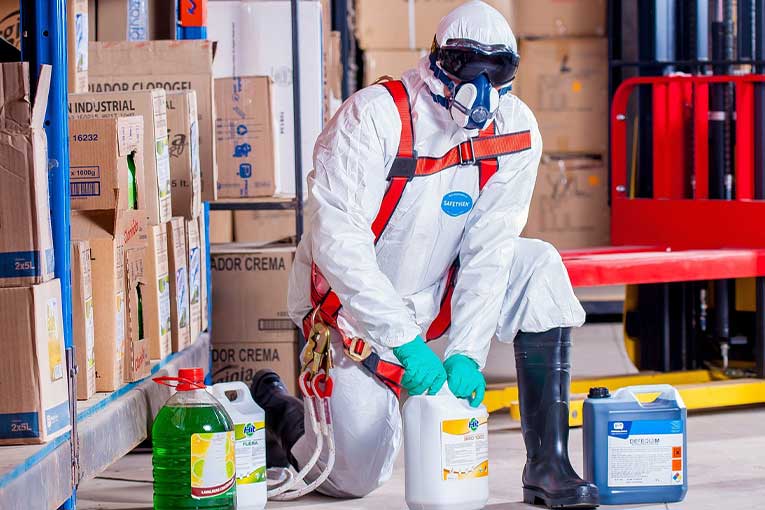
A COSHH assessment is needed for any employee exposed to chemicals
A COSHH assessment is a crucial process designed to systematically manage and mitigate the risks linked to hazardous substances within a workplace.
The fundamental objective is to safeguard the health and well-being of individuals exposed to these substances during various work activities.
The assessment encompasses a broad spectrum of materials, not just limited to traditional chemicals.
It includes biological agents, dust, fumes, and other substances that have the potential to pose health risks.
This systematic evaluation ensures that any potential harm associated with these substances is identified and effectively controlled.
COSHH assessments play a pivotal role in fostering a secure work environment.
By scrutinising all substances within the workplace that could be considered hazardous, this process enables organisations to take proactive measures to minimise risks and adhere to regulatory standards.
The systematic steps involved in a COSHH assessment, from identifying hazardous substances to evaluating control measures, contribute to the creation of a detailed and effective risk management plan.
Through documentation, communication, and training, a COSHH assessment becomes a cornerstone in promoting awareness and understanding among personnel about the potential risks associated with hazardous substances and the measures in place to mitigate them.
Overall, it is an indispensable tool for organisations committed to maintaining a safe and healthy workplace.
Who Needs to have a COSHH Assessment?
A COSHH assessment happens in several industries, including healthcare
Any business where employees are exposed to hazardous substances requires a COSHH assessment.
This includes but is not limited to:
Manufacturing and Industry
Industries that involve the use of chemicals, solvents, or other hazardous substances in processes or production.
Healthcare
Hospitals, clinics, and other healthcare settings where various substances, including cleaning chemicals and pharmaceuticals, are utilised.
Laboratories
Research facilities and testing laboratories dealing with chemicals and biological agents.
Construction
Sites where workers may encounter substances like dust, adhesives, or paints.
Cleaning Services
Companies involved in cleaning, janitorial, or sanitation services using various cleaning agents.
Agriculture
Farms and agricultural settings where pesticides, fertilisers, and other chemicals are employed.
Retail
Businesses that sell products containing hazardous substances, such as paints, adhesives, or cleaning supplies.
Office Environments
Even seemingly low-risk environments may have substances like cleaning chemicals that require assessment.
Educational Institutions
Schools, colleges, and universities where laboratories and workshops involve the use of various chemicals.
How Often Should a COSHH Assessment be Done?
According to COSHH Regulations, there is no set frequency specified for how often a COSHH assessment should be conducted.
Instead, it is a dynamic process that depends on the nature of the work, the substances involved, and any changes in the workplace that may affect exposure.
The law requires that COSHH assessments be carried out systematically and be reviewed regularly.
The Health and Safety Executive (HSE) advises that assessments should be reviewed if there is any reason to suspect they are no longer valid or if there has been a significant change in the workplace or work processes.
For example, if new substances are introduced into the workplace, processes change, or if there is evidence that control measures are not effective, a review of the COSHH assessment is necessary.
This flexible approach allows for the adaptation of safety measures to the evolving nature of work environments.
It’s crucial for employers to stay vigilant and ensure that COSHH assessments are not treated as a one-off task but rather as an ongoing process that reflects the dynamic nature of workplaces.
Regular reviews help in identifying emerging risks and adjusting control measures accordingly.
Failure to regularly review COSHH assessments can lead to a workplace being ill-prepared to manage new risks, potentially endangering the health and safety of employees.
What Happens in a COSHH Assessment?
What exactly happens in a COSHH assessment?
Here’s an in-depth look at what happens during a COSHH assessment:
Identification of Hazardous Substances
The process begins with identifying all the hazardous substances used, stored, or generated in the workplace.
This includes any substances that could pose a risk to health.
Assessment of Risks
Once identified, the next step is to assess the risks associated with these substances.
This involves evaluating how employees might be exposed, the potential harm it could cause, and the likelihood of that harm occurring.
Evaluation of Control Measures
The effectiveness of existing control measures is examined.
This includes ventilation systems, personal protective equipment (PPE), safe work procedures, and any other measures in place to minimise exposure.
The assessment considers whether these measures are sufficient or if additional controls are needed.
Recording and Documentation
All findings are recorded, and a written assessment is created.
This document outlines the identified hazards, the risks associated, and the control measures in place.
This serves as a reference for employees, management, and regulatory bodies.
Review and Update
The assessment is not a one-time task. It needs to be regularly reviewed and updated, especially when there are changes in work processes, substances used, or if control measures prove ineffective.
This ensures that the assessment remains relevant and effective over time.
Communication and Training
Employees need to be informed about the hazards associated with the substances they work with and the measures in place to protect them.
Training is essential for ensuring that everyone understands the risks and knows how to use control measures effectively.
Emergency Planning
In the event of an emergency, such as a spill or exposure, there should be clear plans and procedures in place.
This could include evacuation plans, first aid procedures, and emergency contact information.
Consultation with Employees
Employees should be actively involved in the assessment process.
They are often the ones with valuable insights into the practical aspects of their work, and their input can contribute to a more comprehensive and effective assessment.
How can you Minimise Risks in a COSHH Assessment?
Here are strategic approaches to minimise these risks:
Robust Employee Training
Ensuring that employees are well-versed in handling hazardous substances is paramount.
Training should cover the proper usage of personal protective equipment (PPE), safe handling procedures, and emergency response protocols.
An educated workforce is a critical line of defence against potential risks.
Effective Ventilation Systems
Investing in and maintaining effective ventilation systems is pivotal.
Adequate ventilation minimises the concentration of hazardous substances in the air, reducing the risk of inhalation and airborne contamination.
Stringent Control Measures
Implementing stringent control measures, such as engineering controls and administrative procedures, is essential.
This could include enclosure systems, fume hoods, or designated work practices that limit exposure.
Regular Health Surveillance
Conducting regular health surveillance of employees exposed to hazardous substances is a proactive measure.
Monitoring their health allows for early detection of adverse effects and the adjustment of control measures as needed.
Substitution of Hazardous Substances
Exploring less hazardous alternatives or substitutes for substances in use is a powerful risk reduction strategy.
Where feasible, replacing hazardous substances with safer alternatives minimises potential harm.
Adequate Storage and Handling Protocols
Establishing and enforcing proper storage and handling protocols is critical.
This involves secure storage, clearly labelled containers, and meticulous procedures to prevent spills or accidental exposure.
Emergency Response Planning
Having a robust emergency response plan is non-negotiable.
This includes clear procedures for spills, leaks, or unintended exposures.
Employees should be well-trained on emergency protocols, including evacuation routes and first aid procedures.
Regular Audits and Inspections
Frequent audits and inspections ensure that control measures are consistently implemented and effective.
Identifying and rectifying any lapses promptly enhances the overall safety of the workplace.
Conclusion
COSHH assessments are not just regulatory requirements; they are fundamental tools for ensuring workplace safety.
Whether you are in a chemical manufacturing plant or a bakery, identifying and controlling hazards is critical.
By understanding the significance of COSHH assessments and actively implementing their findings, businesses can create safer environments for their workforce, promoting health, well-being, and overall productivity.
Lincolnshire Fire and Rescue Service’s commitment to mental health
Lincolnshire Fire and Rescue Service (LFRS), with the endorsement of the National Fire Chiefs Council (NFCC), has become the first UK fire and rescue service to sign the refreshed Prevention Concordat for Better Mental Health.
This public pledge signifies their commitment and detailed action plan to combat preventable poor mental health in their community.
The Prevention Concordat, overseen by the Office for Health and Improvement Disparities (OHID), is a national agreement.
Signatories acknowledge that factors like unemployment, debt, and drug misuse can escalate the risk of poor mental health.
The NFCC, which achieved Concordat status in 2019 through its Mental Health Board, collaborated with OHID to create a framework aiding other fire and rescue services in achieving this status.
Key elements of the Concordat pledge
The Concordat requires its signatories to:
Collaborate across sectors with various partners to minimise preventable poor mental health risks.
Employ evidence-based strategies to allocate resources effectively.
Exchange successful practices for wider implementation and regularly monitor and report progress to improve community wellbeing.
Statements from NFCC and LFRS representatives
Mark Thomas, NFCC’s Mental Health Lead, expressed his enthusiasm: “I am delighted to see NFCC and Lincolnshire Fire and Rescue Service confirm their ongoing commitment to collaborating with partners to promote good mental health through a prevention-focused approach.
“Members of our communities suffering from poor mental health are often at greater risk of coming to harm and therefore require prevention related assistance.
“Lincolnshire Fire and Rescue Service, and future Services signing up to principles of the Concordat, are sending a clear message that effective prevention can only be secured through a collaborative approach ensuring wherever possible, ‘every contact counts.”
Dan Moss, Area Manager for Prevention and Protection at LFRS, commented on the significance of this initiative: “This concordat offers a unique opportunity to fully integrate our work as a Service with those partner organisations who also act to ensure the safety and security of those with mental health problems.
£We take our responsibilities under the concordat very seriously, and we’re proud to be the first fire and rescue service to achieve this status.”
He further added: “Mental Health is just as important as physical health and we as a fire and rescue service, have a role to play in our community to support this and work to reduce health inequalities.”
Prevention Concordat Assessment Panel’s review
In reviewing LFRS’s application, which detailed their cross-sector prevention and people-centred actions, the Prevention Concordat Assessment Panel acknowledged the following:
LFRS’s active role in the Lincolnshire ICS mental health workstream.
The comprehensive approach towards vulnerable groups such as those with dementia and older adults.
Internal mental health support for fire and rescue staff being an exemplary practice.
Extensive partnership work across local government and the NHS, shaping LFRS’s practices and priorities in mental health.
LFRS’s submission being a welcome addition to the Concordat, introducing evidence-based initiatives to improve public mental health and inform future practices across England.
The broader impact of mental health issues
It is noted that one in six adults will experience at least one diagnosable mental health problem in their lifetime, influenced by various environmental factors.
Thus, many mental health issues can be prevented.
Signatories of the Prevention Concordat for Mental Health are committed to addressing these determinants to work towards a more equitable society.
IFSJ Comment
The commitment of Lincolnshire Fire and Rescue Service (LFRS) to the Prevention Concordat for Better Mental Health marks a significant step in acknowledging and addressing mental health issues within the community.
This initiative reflects a growing awareness of the broader role fire and rescue services play in public health and wellbeing.
By becoming the first UK fire and rescue service to sign this concordat, LFRS sets a precedent for other services, demonstrating the importance of a comprehensive approach to mental health.
A recent survey conducted by the Institution of Occupational Safety and Health (IOSH) has highlighted a growing consensus among professionals for the integration of mental health and wellbeing management into occupational safety and health (OSH) roles.
Survey reveals support for expanded OSH roles
Nearly three-quarters of respondents to the IOSH member survey expressed the opinion that managing mental health and wellbeing at work should be a part of the OSH role.
These findings underscore the evolving nature of OSH responsibilities in contemporary work environments.
Additionally, the survey, which received 7,015 responses last year, revealed that nine out of ten participants consider the health and safety role to be valued in their organisations, with 61% regarding it as “highly valued”.
IOSH President emphasises the role of OSH in mental health
IOSH President Stuart Hughes reflected on the survey results, emphasising the growing importance of mental health and wellbeing in the business landscape.
He stated: “The mental health and wellbeing of staff is something many more businesses take seriously now, rightly so, and OSH professionals have a key role in supporting this.
“So, it’s encouraging to see that many of our members view it as a part of their role”.
Hughes further elaborated that OSH transcends physical safety risks, including managing risks to health, which encompasses mental health and wellbeing.
He highlighted the potential benefits of effective management in these areas, such as reduced staff absence and turnover, leading to enhanced sustainability and productivity for businesses.
Positive response to IOSH initiatives
The survey also revealed strong support for IOSH’s efforts in advancing the OSH profession.
Key findings included:
91% of respondents believe IOSH builds excellence in the OSH profession.
87% acknowledge that IOSH prioritises OSH standards globally.
77% feel IOSH puts people at the heart of sustainability.
74% think IOSH offers good value for money.
Member testimonials on IOSH membership
IOSH members cited various reasons for recommending the organisation.
One member described IOSH membership as “your ticket to the dance,” a straightforward way of demonstrating competence.
Another member recommended IOSH to colleagues as it is a globally-recognised professional body, enhancing professional credibility and providing access to valuable resources and knowledge for occupational safety and health practitioners.
Demographics and aspirations of IOSH members
The survey provided insights into the demographics of IOSH members.
A quarter of respondents were Chartered members, and 60% of those not yet Chartered aspire to achieve this status, contingent on attaining the required competence and experience.
Construction emerged as the most common industry among respondents (43%), followed by manufacturing (23%) and consultancy and training (20%).
Additionally, nearly a quarter (24%) of respondents were based outside the UK, with 51% aged 50 or over.
Hughes expressed gratitude to those who participated in the survey and encouraged more members to share their views, stating, “Your voice is important to IOSH and your opinions help to shape our future direction”.
IFSJ Comment
The IOSH survey results mark a significant shift in the perception and scope of occupational safety and health roles.
The inclusion of mental health and wellbeing management within OSH responsibilities reflects a broader understanding of workplace health that transcends traditional physical safety concerns.
This evolution aligns with the increasing awareness and prioritisation of mental health in workplaces globally.
For businesses, the integration of these aspects into OSH roles promises not only a more holistic approach to employee welfare but also potential benefits in terms of sustainability and productivity.
As OSH professionals adapt to these expanded roles, organisations stand to gain from reduced absenteeism and improved staff retention.
The IOSH survey serves as a bellwether for this changing landscape, signalling a growing recognition of the multifaceted nature of health and safety in the modern work environment.
The Fire Brigades Union (FBU) has called on Labour leader Keir Starmer to endorse financial assistance and health monitoring measures for firefighters who have developed cancer and other diseases due to their occupation.
FBU General Secretary Matt Wrack expressed that firefighters have been “betrayed” by the UK government and urged Starmer to ensure compensation for those suffering from cancer, heart, lung, and other conditions caused by exposure to fire contaminants.
Rising cancer rates among firefighters
A report commissioned by the FBU and conducted by the University of Central Lancashire highlighted alarming cancer rates among firefighters.
The study revealed significantly higher mortality rates in firefighters compared to the general population, with prostate cancer 3.8 times, leukaemia 3.17 times, oesophageal cancer 2.42 times, and cancer of unknown origin 6.37 times more likely.
Furthermore, cancer incidence in UK firefighters aged 35-39 is up to 323% higher than in the general population of the same age group.
International comparisons and the call for action
The FBU emphasised that the UK lags behind countries like the US, Canada, and Australia, which have had similar compensation measures for firefighters for decades.
Wrack sees this as a historic opportunity for Starmer to deliver justice for affected firefighters, suggesting a commitment to swift compensation delivery in Labour’s General Election manifesto.
He highlighted the need for a program of regular health monitoring and improved prevention measures.
IFSJ Comment
The FBU’s call for Labour support in providing justice for firefighters battling serious illnesses marks a crucial moment in addressing occupational health risks faced by firefighters.
The stark statistics presented by the University of Central Lancashire study underline the urgent need for effective health monitoring and compensation measures.
This appeal not only seeks to rectify past oversights but also aims to align the UK with global standards in firefighter health and safety.
The outcome of this initiative could significantly influence the well-being of firefighters and set a precedent for occupational health policies.
The Northern Ireland branch of the Institute of Fire Engineers (IFE) is set to host an enlightening webinar titled “The Mindful Firefighter”.
This upcoming event, chaired by Hayley Burgess, IFE’s International President and Northern Ireland branch chair, aims to shed light on the critical topic of mindfulness in the firefighting profession.
Focus on mindfulness in firefighting
In a field known for its high-stress and demanding nature, the concept of mindfulness is increasingly becoming vital for firefighters.
This webinar is a timely initiative to explore this important aspect of mental health in the firefighting community.
Expert insights from Daniel Meeks
The event will feature a presentation by Daniel Meeks, a certified life coach with a deep understanding of mindfulness techniques.
Meeks’ presentation will delve into four key areas: cultivating a state of awareness, the benefits of mindfulness, his unique concept of past, present, and future, and how this approach can benefit the delegates in their professional and personal lives.
Interactive session with opportunity for questions
Following Daniel Meeks’ presentation, the webinar will provide a platform for attendees to engage in a question-and-answer session.
This interactive segment will allow for a deeper understanding and discussion of the topics covered.
Support from industry partners
The Mindful Firefighter webinar is supported by prominent industry partners, including MH Fire Safety Ltd, MSC Fire Ltd, and HB Safety Consultancy Ltd.
Their sponsorship is a testament to the industry’s commitment to the well-being of firefighting professionals.
Upcoming dates for the event
The webinar is scheduled for the following date and time:
The Mindful Firefighter webinar is a commendable initiative by the IFE’s Northern Ireland branch, highlighting the growing recognition of mental health in the firefighting profession.
The focus on mindfulness, especially in a high-pressure environment like firefighting, is not only progressive but essential.
Daniel Meeks’ insights into mindfulness and its application in both professional and personal realms offer valuable tools for firefighters.
This webinar is an important step towards fostering a more mentally resilient and aware firefighting community.
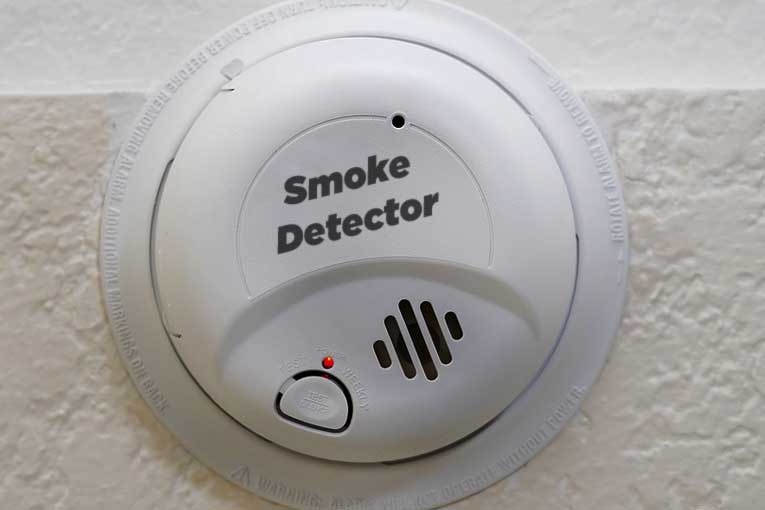
In home safety, smoke detectors are always ready to alert us to potential dangers.
However, not all smoke detectors are created equal.
There are different types, each designed for specific purposes.
In this article, we’ll unravel the mystery of smoke detector types, explaining their functionalities, strengths, and ideal applications.
Understanding these variations is crucial for ensuring the safety of your home and loved ones.
Why are there Different Smoke Detector Types?
There are 4 different smoke detector types
You might wonder why there’s a need for different smoke detector types.
The answer lies in the varying natures of fires.
Some fires produce different types of smoke and heat, making it essential to have varied smoke detector types that sense these differences.
By having multiple types, you’re ensuring a higher chance of early detection regardless of the fire’s origin.
Ionisation Smoke Detector
Ionisation smoke detectors operate on the principle of ionising radiation, utilising a small, controlled amount of radioactive material, often americium-241.
This material emits alpha particles, which ionise the surrounding air molecules in a small chamber inside the detector.
This ionisation process creates a stable electric current within the chamber.
When smoke particles enter the detector due to a nearby fire, they interfere with the electric current.
The presence of smoke disrupts the ions’ flow, causing fluctuations in the electric current.
This disruption triggers the alarm, indicating the potential presence of a fire.
Advantages of Ionisation Smoke Detectors
Swift Detection of Fast Fires
Ionisation detectors excel in swiftly detecting fast, flaming fires.
Fires that rapidly consume combustible materials produce fewer large smoke particles and more small, invisible particles.
Ionisation detectors are highly sensitive to these smaller particles, ensuring prompt detection and alerting occupants promptly.
Cost-Effectiveness
Ionisation detectors are generally cost-effective, making them accessible for residential and commercial use.
Their affordability allows for widespread adoption, enhancing overall fire safety in various settings.
Commonly Used in Living Spaces
Ionisation smoke detectors are better in living spaces such as the bedroom
These detectors one of the most common smoke detector types in living rooms, bedrooms, and hallways, where typical combustible materials like fabrics and paper are present.
Their ability to quickly detect fast-burning fires makes them valuable in spaces with these materials.
Disadvantages of Ionisation Smoke Detectors
Limited Sensitivity to Slow Fires
Ionisation detectors might not be as sensitive to slow-burning fires, such as smouldering electrical fires.
In scenarios where the fire generates more significant smoke before escalating, ionisation detectors might not provide as early a warning as desired.
Potential False Alarms
In areas like kitchens, where cooking activities can produce steam or minor smoke, ionisation detectors are prone to false alarms.
This limitation requires careful placement to avoid unnecessary disruptions.
Radioactive Material Concerns
While the radioactive material used is minimal and safely enclosed, some individuals might have concerns about the presence of any radioactive substance within their homes, even in minute quantities.
Heat Smoke Detector
Unlike traditional smoke detectors, heat smoke detectors operate on a different principle.
Instead of sensing smoke particles, they respond to temperature changes.
Inside a heat detector, there’s a thermal sensor or a thermistor that continuously monitors the surrounding temperature.
When a significant and sudden rise in temperature occurs, indicating the presence of a fire, the heat detector triggers the alarm.
Advantages of Heat Smoke Detectors
Specific Response
Heat detectors respond only to significant temperature increases, making them immune to smoke, steam, or minor heat fluctuations.
This specificity makes them ideal for places like kitchens, garages, or workshops, where false alarms from cooking activities or exhaust fumes can be common with traditional smoke detectors.
Reliability in Harsh Environments
Heat detectors are highly reliable in harsh environments where smoke detectors might malfunction.
Areas with high dust, moisture, or drastic temperature changes, which could interfere with the operation of traditional smoke detectors, make heat smoke detectors the prime choice for smoke detector types in these conditions.
Complementary Protection
They provide an additional layer of safety when used alongside traditional smoke detectors.
By detecting temperature changes, they offer a backup alarm system, ensuring that fires are detected even if smoke detectors fail to respond due to specific conditions.
They respond only when a fire has already generated a substantial amount of heat.
This delay in detection can be a disadvantage, especially in situations where early detection is critical for evacuation and fire control.
Not Suitable for All Areas
While excellent for specific environments, heat detectors are not suitable for areas where early detection of smouldering fires or small flames is essential, such as bedrooms or living rooms.
In these spaces, smoke detectors are more appropriate.
Limited Applicability
Heat detectors are specialised devices suited for specific situations.
They cannot replace the versatility and broad application of smoke detectors, making them a supplementary rather than a primary fire detection method.
Optical Smoke Detector
Optical smoke detectors, often referred to as photoelectric smoke detectors, rely on a straightforward yet ingenious mechanism.
Inside the detector, there’s a light source, typically an LED, and a light sensor.
The chamber between these components is designed to be free of smoke under normal conditions.
When smoke particles enter this chamber, they scatter the light, causing it to hit the sensor. This interruption triggers the alarm, indicating the presence of smoke.
Advantages of Optical Smoke Detectors
Early Detection of Smouldering Fires
Optical smoke detectors excel in detecting slow-burning, smouldering fires, which often produce more smoke than flames.
This early detection capability is crucial for timely evacuation and fire control, making them ideal for bedrooms, living rooms, and other areas where people might be asleep or unaware of a fire’s initial stages.
Reduced False Alarms
Optical detectors are less sensitive to minute particles and minor heat fluctuations, reducing the likelihood of false alarms caused by cooking activities or steam.
This specificity ensures reliable detection without unnecessary interruptions, making them suitable for residential spaces where false alarms can be disruptive and concerning.
Suitable for Residential Spaces
Due to their ability to detect slow-burning fires and their reduced sensitivity to common household disturbances, optical smoke detectors are widely used in homes.
They provide reliable fire detection while minimising the inconvenience of false alarms, ensuring the safety of occupants without causing unnecessary panic.
Disadvantages of Optical Smoke Detectors
Slower Response to Fast Flames
Optical smoke detectors may respond slightly slower to fast, flaming fires compared to ionisation detectors.
While they are excellent for smouldering fires, their response time might be marginally delayed in situations where rapid flame detection is crucial.
Limited Sensitivity to Certain Particles
While reduced sensitivity is an advantage for preventing false alarms, it can also mean that in certain conditions, such as detecting very fine smoke particles, optical detectors might take longer to activate, potentially delaying the alarm in specific fire scenarios.
Not Universal for All Fire Types
Optical detectors are highly effective for specific fire types, but no single type of detector is universally perfect for all situations.
For comprehensive fire protection, a combination of different types of smoke detectors might be necessary to cover various fire behaviours.
Combination Smoke Detector
Combination smoke detectors revolutionise fire safety by integrating multiple sensor technologies within a single unit.
One common combination involves merging ionisation and optical sensors.
The ionisation sensor excels in detecting fast, flaming fires, while the optical sensor specialises in recognizing slow, smouldering fires.
By combining these sensors, the detector can swiftly identify a broad range of fire types.
When smoke particles disrupt either sensor, the alarm is triggered, ensuring rapid response regardless of the fire’s nature.
Advantages of Combination Smoke Detectors
Comprehensive Fire Detection
The primary advantage of combination smoke detectors is their ability to detect various fire types.
By integrating different sensor technologies, they provide comprehensive coverage, ensuring early detection of both fast and slow-burning fires.
This versatility makes them highly effective in diverse environments.
Reduced False Alarms
Combination detectors leverage the strengths of different sensors, making them less prone to false alarms triggered by common household activities like cooking.
Their enhanced specificity ensures that alarms are only activated when genuine fire threats are detected, minimising unnecessary interruptions.
Versatility for Different Environments
Combination detectors are versatile and adaptable, making them suitable for various settings.
They are commonly used in homes, where different fire scenarios can arise, ensuring that residents are safeguarded from a wide range of potential threats.
Disadvantages of Combination Smoke Detectors
Complexity in Maintenance
Due to their multifaceted design, combination smoke detectors can be more complex to maintain and troubleshoot.
If one sensor malfunctions, diagnosing the issue might require specialised knowledge, potentially leading to challenges in repairs or replacements.
Higher Initial Cost
Combination detectors, equipped with advanced sensor technologies, often come at a higher initial cost compared to single-sensor counterparts.
While the investment provides comprehensive fire protection, it’s crucial for consumers to weigh this against their specific safety needs and budget constraints.
Power Consumption
Combination detectors, due to their dual-sensor configuration, might consume slightly more power than single-sensor models.
While the difference is usually minimal, it’s essential to consider power efficiency, especially in areas where battery life is a critical concern.
Which Smoke Detector Type Should You Use?
Different smoke detector types are required in certain rooms, such as the kitchen
Selecting the appropriate smoke detector for your home involves thoughtful consideration of its layout, the activities conducted in different areas, and the potential fire risks unique to each space.
Here’s a detailed guide to help you make an informed choice:
Kitchen and Cooking Areas
Best Choice: Heat Detector
Kitchens are prone to false alarms due to cooking activities.
Heat detectors, which respond to a rise in temperature rather than smoke, are ideal here.
They won’t trigger unnecessarily due to cooking fumes or burnt toast, ensuring reliable performance in this high-risk zone.
Bedrooms and Living Spaces
Best Choice: Optical Smoke Detector
Bedrooms and living rooms often experience slow-burning fires, such as those caused by faulty wiring or smouldering fabrics.
Optical smoke detectors, sensitive to the visible smoke particles in slow-burning fires, are well-suited for these areas.
They offer reliable performance and are less prone to false alarms caused by common household activities.
Hallways and general areas can experience a variety of fire scenarios.
A combination smoke detector, integrating both ionisation and optical sensors, ensures comprehensive coverage.
These detectors can quickly detect both fast, flaming fires and slow, smouldering fires, making them ideal for spaces where diverse fire risks exist.
Entertainment or Workshop Spaces
Best Choice: Combination Smoke Detector (Ionization + Heat)
Spaces like entertainment rooms or workshops might have a mix of fast-burning materials and potential heat sources.
A combination smoke detector that combines ionisation for fast fires and heat detection for abrupt temperature changes provides effective protection in these environments.
Strategic Placement for Enhanced Protection
Beyond selecting the right type of smoke detector for specific areas, strategic placement is vital for maximum effectiveness:
Install smoke detectors in every bedroom, outside each sleeping area, and on every level of the home.
Place detectors high on walls or ceilings as smoke rises.
Avoid placing detectors near windows, doors, or ducts where drafts might interfere with their operation.
Regularly test smoke detectors to ensure functionality.
By tailoring your choice of smoke detectors based on the unique needs of each space and strategically placing them throughout your home, you create a comprehensive safety net against potential fire threats.
Remember, a well-planned smoke detector setup can significantly enhance your home’s overall safety and provide invaluable peace of mind.
Conclusion
Understanding the nuances of all smoke detector types is paramount.
By tailoring your choice to the specific requirements of different areas in your home, you’re ensuring a robust safety net against potential fires.
Remember, the best protection comes from a combination of these detectors, strategically placed to detect various types of fires promptly.
Investing in the right smoke detector types is not just about adhering to safety regulations; it’s a proactive step towards safeguarding what matters most – your family and home.