Fire doorset testing: Why integrated fire resistance and smoke leakage testing matters

Peter Barker of Element Materials Technology explains how integrated fire doorset testing helps manufacturers demonstrate fire resistance, smoke leakage performance and prepare for future EN classification requirements

Fire-resisting doorsets play an important role in compartmentation, helping to limit the spread of fire and smoke throughout a building. Fire resistance has traditionally been perceived as the primary performance characteristic for fire doors, but smoke control is coming into sharper focus when assessing how a doorset performs as a complete assembly.

The planned withdrawal of BS 476 classifications from Approved Document B in September 2029 and adoption of EN-based classification is prompting manufacturers to review how fire and smoke performance is evidenced and classified.

For many manufacturers, that means taking a more joined-up approach to testing, combining fire resistance and smoke leakage programmes to build a clearer picture of overall doorset performance.

Why fire doorset testing is changing

Smoke leakage testing has traditionally focused on sealing systems fitted to the head and jambs of a doorset.

While that approach remains aligned with the current regulatory guidance for smoke control doors, there is now greater attention on understanding the performance of the complete assembly, including how smoke may pass through gaps at the threshold.

More recent guidance, such as BS 8214:2026 has encouraged wider consideration of threshold sealing and the contribution that the bottom gap can make to smoke leakage.

This reflects a broader move towards assessing the complete doorset rather than individual components and ensuring performance clearly links to realworld applications.

Smoke leakage testing and complete doorset performance

Many organisations still approach smoke leakage testing and fire resistance testing through separate programmes. There can be good reasons for working in this way. Product development rarely follows a straight line and designs can evolve.

However, the risk of working in this way is that important design details may be missed that need to be evaluated for both fire and smoke performance characteristics.

The result is that when smoke leakage testing has been carried out on one design and fire resistance testing on another, additional work may be required to establish how those results apply to the final doorset being offered to the market.

The process can become even more complicated when multiple product variations, sizes or hardware options are involved. Manufacturers may find themselves managing several test reports, assessments and supporting documents to demonstrate that a doorset can deliver both fire resistance and smoke control performance.

Benefits of integrated fire doorset testing

Planning smoke leakage and fire resistance testing together in a coordinated programme reduces duplication, testing schedules and project management activities. It can also help manufacturers build a more coherent technical package while reducing the risk of gaps emerging later in the process.

This becomes particularly valuable when results are intended to support extended field of application reports and classifications using the EN 13501-2 framework for doorsets. Integrated programmes can also provide greater confidence when supporting future product developments, particularly where manufacturers plan to introduce additional sizes, hardware arrangements or design variations.

Integrated testing at Warringtonfire Birchwood

Demand for more joined-up testing programmes is one of the reasons Element has expanded its smoke leakage testing capability at the Warringtonfire Birchwood facility. The facility forms part of Element’s £24 million investment in fire testing infrastructure and was opened in January 2025 to support growing demand for construction product testing.

The site includes an indicative furnace for small-scale rapid testing, as well as two horizontal furnaces, two vertical furnaces and 18 preparation bays including confidentiality shields, providing capacity to support a broad range of testing requirements.

Dedicated witnessing facilities and meeting spaces also allow manufacturers to work closely with technical specialists throughout a programme. It also includes a solution that enables both fire resistance and smoke leakage testing from a single test buildup, providing manufacturers with performance data more efficiently.

The addition of smoke leakage testing allows manufacturers to access both fire and smoke testing for doorsets through a single facility and technical team. Alongside testing, Warringtonfire also provides support with technical assessments, extended field of application reports and classification services, helping manufacturers build a clearer route from testing through to the final evidence package.

Preparing for future fire doorset classification

Establishing the fire resistance performance of doorsets remains fundamental, however organisations are increasingly being asked to demonstrate how complete doorset assemblies perform across a range of characteristics, including smoke control.

Testing is also being considered alongside other conformity assessment activities, including sampling, factory production control and audit testing which are designed to provide added assurance of product performance and form the basis of accredited third-party certification schemes, such as Q-Mark and Certifire.

The Warringtonfire-Birchwood facility provides Fire doorset testing

Manufacturers are being asked not only to demonstrate how products perform, but also how that performance is evidenced and maintained throughout the supply chain. Early engagement with testing specialists is also important.

By discussing intended applications, certification objectives and future product development plans before a programme begins, manufacturers can identify potential limitations and opportunities much earlier in the process.

In many cases, this helps avoid additional cost, project delays and unplanned testing further down the line. By considering fire resistance and smoke leakage together from the outset, organisations can simplify assessment and classification activities while building stronger foundations for future product development.

Supporting manufacturers from fire doorset testing to classification

The Warringtonfire Birchwood facility provides fire resistance testing, smoke leakage testing, technical assessment, extended field of application and classification support from a single location.

Whether the objective is supporting a new product launch, extending an existing product range or preparing for future classification requirements, Warringtonfire’s technical specialists can help develop testing programmes aligned with commercial and compliance objectives.

To find out more about Warringtonfire’s fire resistance and smoke leakage testing services at Birchwood, visit warringtonfire.com to discuss your requirements.

How Do Wildfires Start?

Wildfires are one of the most powerful and destructive natural events on Earth. 

They can sweep through forests, grasslands, and even towns with alarming speed, leaving devastation behind. 

While wildfires are often seen in news headlines, many people don’t fully understand how they begin or why they spread so quickly. 

So how do wildfires start?

Some start naturally, while others are caused by human activity. 

In recent years, rising global temperatures and longer dry seasons have made these fires more frequent and harder to control. 

This article will explain what wildfires are, how they start, why they’re so dangerous, and how we can help prevent them.

What is a Wildfire?

what are wildfires

In simple terms, a wildfire is an out-of-control fire in forests, grasslands, brush or moorland. 

Depending on where they happen, they might also be called forest fires or bushfires. 

Unlike a campfire or a planned garden bonfire, a wildfire spreads through natural landscapes without deliberate management. 

Once ignited, a wildfire can quickly burn trees, shrubs, grass and the organic litter on the forest floor if dry fuel and wind are present. 

While the word ‘wildfire’ sounds threatening, it’s important to know that fires can be a natural part of many ecosystems. 

In small doses, fires can clear away old vegetation, kill disease-carrying insects, and help new plants grow. 

In fact, some forests and grasslands rely on occasional fires to stay healthy. 

However, today’s major wildfires are often larger and faster-spreading than the fires of the past. 

They can burn over huge areas of land before they finally stop. 

Such large fires can cause severe damage to wildlife and habitats and take decades for the land to recover.

How Do Wildfires Start?

Wildfires can be started by either natural or human causes:

Natural Causes

how do natural wildfires start

Natural events can trigger wildfires. 

The most common natural cause is lightning strikes. 

When a lightning bolt hits a tree, dry grass or the ground, it can instantly ignite a fire.

For example, during a single week in August 2020, more than 12,000 lightning strikes caused over 650 separate wildfires in California, burning more than 1.5 million acres. 

Other natural ignitions are less common but still possible. 

Volcanic eruptions can start wildfires: when lava flows over forested land, it sets vegetation alight. 

Another rare cause is spontaneous combustion in piles of dry leaves or compost. 

As rotting plant material breaks down, it can heat up and if a pile of leaves or manure gets hot enough, it can burst into flames without any spark. 

These natural causes do happen, but compared to human-related starts they account for only a small fraction of wildfires.

Human Causes

how do man made wildfires start

Humans are responsible for most wildfires. 

Careless or malicious actions can provide the spark that ignites dry vegetation. 

Key human causes include:

Arson

Sadly, some fires are set on purpose. 

People may set fires for various motives, such as land clearing or vandalism. 

In the United States alone, a study found over 52,000 intentional wildfires between 2014 and 2018

These arson fires led to an estimated 400 deaths, 950 injuries and about $815 million in damage every year.

Campfires and Barbecues

An unattended or poorly extinguished fire at a campsite or picnic can easily grow into a wildfire. 

For example, the 2007 Ham Lake fire in Minnesota (USA) was traced to a campfire left burning on the Gunflint Trail. 

It ended up burning 75,000 acres of forest and destroying hundreds of properties. 

Always make sure any outdoor fire is completely out before you leave it.

Burning Debris

People sometimes burn garden waste or bonfire piles. 

If conditions are windy or dry, the fire can escape. 

Sparks or embers from a debris burn may drift into nearby fields or forests and ignite new fires. 

Even if a fire looks like it’s out, smoldering embers can be carried by wind to start a new blaze.

Equipment and Machinery

Sparks from equipment can start fires. 

Faulty power lines cause many wildfires. 

In California, broken power wires are linked to about 10% of wildfires each year

Farm machines, chain saws or car brakes can also throw off sparks. 

For instance, the 2007 Zaca Fire (California) began when a metal grinder hit a rock and sent a spark into dry grass. 

Discarded Cigarettes and Matches

A lit cigarette butt tossed from a car window or from a building can land on dry grass and start a fire. 

Even small careless acts like this add up.

Other Causes

Fireworks, sky lanterns, or even broken glass bottles can focus sunlight and ignite grass. 

Anything that produces heat or sparks in a dry environment can become the start of a wildfire.

Why are Wildfires so Dangerous?

why are wildfires dangerous

Wildfires can grow extremely fast and spread over wide areas, making them very dangerous to people and nature. 

Even trained firefighters can be overwhelmed by the speed of a wildfire. 

Such fires can force evacuations of whole villages and towns, destroying homes and property in their path. 

Environment

Wildfires also have terrible effects on the environment. 

They can kill animals and destroy habitats. 

Entire forests can be turned to ash, and recovering from this damage can take decades. 

Many plants and animals lose their homes and food sources. 

Fires also release pollution and carbon dioxide. 

Trees normally store carbon from the air, but when they burn that carbon goes back into the atmosphere. 

A single large fire can emit as much carbon as many years of a city’s car traffic. 

In fact, studies have shown wildfires can release huge amounts of greenhouse gases, making climate change worse. 

This creates a feedback loop: hotter climate increases fire risk, and fires in turn boost the climate problem. 

Smoke

One of the most serious dangers is wildfire smoke. 

Smoke carries tiny particles of ash and chemicals that can travel long distances on the wind. 

It can make the air unsafe to breathe, even in places far from the fire itself. 

For example, smoke from North American wildfires in 2024 drifted across the Atlantic and reddened skies in the UK

Locally, smoke causes serious health problems: it aggravates asthma, heart disease and other conditions, and can trigger hospital admissions. 

Economy

Wildfires also have a large economic cost. 

The effort of firefighting can run into the hundreds of millions. 

Rebuilding after a fire, repairing homes, clearing burnt trees, restoring utilities, costs even more. 

Worldwide, the annual economic losses due to wildfires are in the tens of billions of pounds. 

Flooding and Landslides

Finally, wildfires can increase risk of flooding and landslides after they are out. 

The heat often soaks into soil and makes it hard for rain to seep in. 

Then heavy rains can wash ash, mud and debris downhill very quickly, causing flash floods or landslides. 

In this way, wildfires can trigger new hazards even after the flames are gone.

Can Weather Affect Wildfires?

Weather and climate have a huge impact on wildfires. 

Droughts & Heatwaves

In general, hot, dry and windy conditions make wildfires more likely and more severe. 

Droughts and heat waves dry out trees, grass and soil, turning once-green vegetation into brown tinder. 

Heatwaves in Europe or North America have repeatedly led to record-breaking fires. 

Scientists have linked this to climate change: by making heatwaves hotter and droughts longer, climate change is lengthening the fire season. 

On the other hand, cold or rainy weather helps to prevent fires; a period of heavy rain will soak vegetation and greatly reduce fire risk. 

Wind

Wind deserves special mention. 

Strong winds can carry burning embers miles ahead of the main fire, starting spot-fires that are very hard to contain. 

Winds also fan flames, supplying them with oxygen and pushing the fire front forward rapidly. 

Even gentle breezes on a very dry day can make a fire spread much faster. 

By contrast, still, humid air is much less favourable to fire growth. 

Recent weather patterns have already increased wildfire risk. 

How to Help Prevent Wildfires

how to prevent wildfires

Preventing wildfires is something everyone can help with. 

Most wildfires could be avoided if people behaved responsibly when using fire outdoors. 

The key is to avoid providing sparks or flames when conditions are dry. 

For example:

Be Careful With Open Flames

Never leave a campfire, bonfire or barbecue unattended. 

Keep them small, use a proper fire ring or container if available, and always have a bucket of water or a hose nearby. 

When you’re done, douse the fire completely with water and stir the ashes until no smoke or heat remains. 

This ensures hidden embers don’t flare up later.

Dispose of Smoking Materials Safely

Do not drop cigarette butts, matches or lighters onto the ground. 

A lit cigarette can smoulder unseen and ignite dry grass. 

Always put out cigarettes fully in a stubber or an ashtray, and never throw them out of car windows.

Avoid Fire in High Risk Areas

In hot, dry weather do not light any kind of flame in parks, forests or open countryside. 

That includes barbecues, as they can easily start grass fires. 

Equally, say no to fireworks or sky lanterns on dry days. 

These may seem harmless, but any spark they produce in a dry field can ignite a wildfire.

Position Equipment Safely 

If you barbecue, place the grill on a flat non-flammable surface (not on grass or decking). 

Keep it well away from hedges, fences or trees, and have water handy. 

Never use petrol or other flammable accelerants. 

When you finish cooking, make sure the fire is fully out and cool before disposing of ashes.

Follow Local Guidance

Many areas issue fire danger warnings or total fire bans during very dry spells. 

Check local advice and follow any restrictions. 

If a ban is in place, do not light even a small fire. 

Also clear leaf litter and long grass from around homes and outbuildings to create a safety zone – this ‘defensible space’ can stop fires from reaching buildings.

In forest areas, leaving dead wood on the ground or allowing undergrowth to build up can turn small sparks into major fires, so controlled clearing can help. 

Report Fires Quickly

If you see a fire starting, do not assume someone else will call for help. 

Call the emergency services immediately with the location. 

Give clear information about where the fire is, what it looks like, and if it is spreading. 

Early reporting allows firefighters to respond fast before the fire grows out of control.

Conclusion 

You should now have more of an understanding of how wildfires start.

Wildfires are complex natural disasters with many causes, but with awareness and care we can reduce their impact. 

We have seen that wildfires can start from nature or human actions. 

Weather and climate play a key role with hot, dry, windy conditions making fires far more likely. 

However, each of us can help prevent them. 

By following simple precautions – never leaving fires unattended, disposing of cigarettes safely, heeding fire bans and clearing dry vegetation.

Understanding wildfires helps us live more safely with them. 

Although wildfires will never disappear entirely, training people to act responsibly and learning about wildfire causes and fire weather can greatly reduce the risk. 

After all, it only takes one spark to start a wildfire, but many small actions to prevent one.

When waste sites watch themselves: FireVu brings cloud intelligence to high-risk waste sites

Mike Newton, CTO and founder of NetVu, explains how cloud connected systems like FireVu help waste sites respond faster to growing detection and verification challenge

As high-risk industries like waste and recycling evolve, so must their approach to fire safety.

The sector continues to grapple with a range of deepening challenges – growing volumes of combustible materials, the threat of lithium-ion battery fires, and increasingly remote or minimum staffed sites.

In this context, a new generation of cloud connected fire prevention technologies are coming to the market to meet these demands, promising speed, intelligence, and reliability.

At the heart of this evolution is a concept I’ve believed in and developed for over 40 years: remote access.

From the early days of Dedicated Micros through to today at NetVu, I’ve worked to make security systems smarter, more resilient, and accessible from anywhere.

The same thinking underpins fire detection and verification through our FireVu solution– bringing together real-time monitoring, intelligent analysis, and integrated suppression through strategic partners into one cohesive solution.

The core of this shift is about integration; fire detection systems provide local onsite standalone detection that is augmented by a broader digital infrastructure, combining sensors, video analytics, thermal imaging, and cloud access to create proactive, adaptive safety platforms.

These systems aren’t just detecting fires, they are verifying them, responding in real time, and offering stakeholders full situational awareness from anywhere in the world.

In a sector where every second counts, the ability to act early and with confidence is critical.

The challenges and changes in the waste and recycling sector

Waste and recycling facilities are among the most fire-prone industrial environments.

Daily operations involve sorting and processing large quantities of combustible materials.

Add to that the rising use and disposal of lithium ion batteries in the waste stream – often damaged or improperly disposed of – and the risk profile intensifies significantly.

Dust, vapours, and airborne particles complicate detection further.

Traditional fire alarms may fail or give false alerts in these conditions, and manual inspections are not fast or reliable enough to detect smouldering fires before they escalate.

Many facilities operate with minimal staff overnight or over weekends.

This has made remote monitoring and instant verification essential.

It’s no longer sufficient to simply trigger an alarm, operators need to see, evaluate, and respond to an event in real time.

Cloud-connected edge-based detection systems address these specific market needs by offering:

  • Remote access to live video and alerts: enabling faster responses from off-site teams or emergency services.
  • Layered detection methods: smoke, flame, and thermal, backed by AI analytics to reduce false alarms.
  • Integration with automated suppression systems: ensuring fires are not only detected, but extinguished quickly and appropriately

The value of resilience and remote access

Over the past four decades, I’ve seen firsthand how remote access and digital resilience have revolutionised the security and fire safety sectors.

My journey began with the invention of the time-division multiplexer and early networked video recording – technologies that laid the foundation for what we now consider the modern surveillance industry.

That same thinking powers fire prevention.

Today’s cloud connected systems continue this legacy, giving users around the-clock access to critical footage and system health, no matter where they are.

For industries like waste management, where the risks are high and the stakes even higher, including risk to life, such resilience is essential.

Sites can’t afford downtime in detection systems.

They need reliable, tamper-proof solutions that can function through smoke, vibration, or network fluctuations, that can be supported remotely.

Real-time response in action

Effective fire prevention isn’t just about having better sensors, it’s also about having better insight.

Another critical component in this ecosystem is metadata – the contextual information generated alongside video and sensor data.

Metadata includes time stamps, sensor types, detection zones, and event classifications, all of which enhance situational awareness and streamline incident response.

In surveillance and fire prevention, metadata enables faster search and retrieval of relevant footage, supports automated decision making, and allows systems to distinguish between routine activity and potential threats.

By embedding metadata into cloud connected platforms, operators gain a powerful tool for forensic analysis, compliance reporting, and continuous system learning.

Cloud platforms give facility managers, insurers, and emergency services instant access to critical data: live video, thermal heat maps, and historical analysis.

This not only enables fast decisions during an incident but also supports investigation, training, and risk mitigation afterward.

The integration of video based detection systems with automated suppression technology is becoming the gold standard.

FireVu’s visual verification capabilities are compatible with suppression technologies – whether water, foam, or inert gas – allowing sites to precisely target and contain fires in the very early stages.

Our strategic partnerships create a comprehensive ecosystem for fire prevention and suppression, providing facilities with a seamless, reliable solution that covers all stages of fire risk management; from early detection to containment and resolution.

This shift is not just about technology for technology’s sake.

It’s about meeting the evolving demands of insurers, regulators, and communities who expect better safeguards around fire-prone operations.

Whether dealing with the sudden ignition of flammable waste or the long-smouldering threat of hidden hotspots, cloud-enabled platforms offer a smarter, more accountable approach.

Driving smarter fire safety

The convergence of cloud computing, AI-powered analytics, and real-time verification has reshaped what’s possible in fire prevention.

No longer reactive, systems can now predict, detect, and respond with unprecedented precision.

For the waste and recycling industry, this is not a luxury, it’s an imperative.

As waste streams diversify and operational models shift, having intelligent, connected fire detection and suppression systems is critical to keeping people, property, and the environment safe.

Ultimately, the conversation must move beyond simple compliance.

Fire prevention is becoming a strategic pillar of business continuity and operational excellence.

Cloud managed systems that offer remote oversight, integrated response, and trusted resilience are no longer the future, they’re the standard we must build upon.

What the industry is talking about: Top 3 trends in fire prevention

Across the fire safety and waste management sectors, three clear priorities are shaping procurement and innovation strategies:

1. Cloud-connected and remote monitoring solutions

There is increasing pressure to monitor and manage fire risks across multiple locations with fewer staff.

Cloud-connected platforms make this possible, offering mobile visibility, incident archiving, and remote diagnostics that help teams act fast without having to be physically present.

2. False alarm reduction through AI and multi-sensor verification

Advanced detection platforms are now combining different sensing technologies, such as thermal cameras and flame analytics, with AI pattern recognition to exclude known heat sources including people and vehicles.

3. Integrated detection and suppression systems

A growing number of operators are turning to full-circle fire safety solutions.

One of our key strategic partners, Fire Shield combines FireVu with high performance dynamic suppression solutions which can cut response times dramatically and improve safety compliance.

Central to FireVu’s approach is its proprietary VSD (Visual Smoke Detection) and VFD (Visual Flame Detection) technologies.

Unlike traditional sensors, these systems use advanced video analytics to identify smoke and flame signatures visually, enabling earlier and more accurate detection, minimising false alarms and maximising response speed.

Why fire safety in recycling matters

Cory Environmental, London

The Smugglers Way site in London experienced a number of significant incidents within an 18-month period which caused substantial damage and shut downs.

This was identified as a growing problem, with a pending risk of a site destroying fire.

The speed of development and rising rates of damage were a particular concern.

In 2016, a new solution was deployed using FireVu detectors.

This has resulted in incidents being detected quickly, and addressed before the fire could spread to other areas of the site.

The FireVu solution proved highly effective and is now considered the default solution when there have been further expansions on the site.

Since the installation there have been no major incidents resulting in significant damage or extended shutdowns.

This was originally published in the July 2025 Edition of International Fire & Safety Journal. To read your FREE copy, click here. 

10 Most Common Combustible Materials

Combustible materials are an essential part of daily life, present in homes, workplaces, and industrial settings. 

From everyday items like paper and cloth to industrial fuels like diesel and kerosene, combustible materials are both useful and hazardous.

Understanding the nature of these materials is crucial for maintaining safety and preventing accidents. 

Knowing how and why they ignite, the risks they pose, and the precautions needed to handle them can help reduce the chances of dangerous situations. 

In this article, we’ll delve into the most common combustible materials and discuss their characteristics, risks, and practical safety measures. 

By the end, you’ll have a clear understanding of how to use and store these materials responsibly, ensuring a safer environment for everyone.

What are Combustible Materials?

what are combustible materials

Combustible materials are substances that can catch fire and burn when exposed to sufficient heat, oxygen, or an ignition source. 

Combustible materials are often used in everyday life, from cooking and heating to construction and manufacturing. 

However, their potential to burn poses safety risks if not handled correctly. 

Proper storage, ventilation, and adherence to safety guidelines are essential to prevent accidents and ensure that combustible materials are used responsibly in homes and workplaces.

How Dangerous are Combustible Materials?

Combustible materials can pose significant risks if not handled or stored properly. 

These substances can catch fire when exposed to heat, sparks, or open flames, leading to potentially devastating consequences. 

Fires fueled by combustibles can spread rapidly, causing property damage, injuries, or loss of life. 

Additionally, improper storage or disposal of these materials increases the likelihood of accidental ignition. 

Awareness of their dangers, along with proper safety measures is crucial to minimising risks and ensuring safety in homes and workplaces.

10 Most Common Combustible Materials

Here are the most common combustible materials, their uses, and associated risks:

Paper

combustible materials paper

Paper is a highly combustible material, primarily due to its thin structure and cellulose content. 

The cellulose fibers in paper make it easy to ignite, and once set on fire, it burns rapidly. 

Paper is one of the most common fire starters found in homes and offices. 

It’s often accumulated as waste in the form of newspapers, magazines, cardboard, and office documents, making it a significant fire risk when exposed to heat sources. 

Paper can easily catch fire if it comes into contact with flames from candles, faulty wiring, or overheated electronics. 

In offices or homes, paper products are typically stacked or stored in areas that could become fire hazards if not carefully managed. 

Straw

Straw, often used in farming as bedding for animals or as feed, is another highly combustible material. 

This dry, fibrous material ignites quickly when exposed to a heat source, which makes it a significant fire hazard. 

Straw is especially dangerous in barns or storage areas, as the dense bundles can create the perfect environment for rapid fire spread. 

A fire starting in a haystack or straw-filled barn can quickly escalate and spread through entire buildings, leading to catastrophic damage. 

In fact, straw is a common cause of barn fires, and these fires often occur when straw is improperly stored or when there is a buildup of heat within large quantities of straw. 

Wood

Wood is one of the most widely used combustible materials, both for construction and as a source of fuel for heating and cooking. 

It burns at high temperatures, and dry wood is especially prone to ignition. 

Wood is commonly used for furniture, flooring, and building materials, but it is also a major fuel source in fireplaces, wood stoves, and campfires. 

Storing wood in dry, well-ventilated areas is critical to prevent unintentional fires. 

For homes that use wood-burning stoves, it is essential to maintain a safe distance between firewood and any other flammable materials, as well as ensuring that the chimney is regularly cleaned to prevent buildup of highly combustible creosote.

Cloth

Cloth, particularly natural fibers like cotton and wool, is another common combustible material found in homes and businesses. 

While cloth generally burns slower than paper, it still poses a fire hazard once it catches fire. 

Cloth is a key component in items like clothing, curtains, bed linens, and upholstery. 

In a fire, clothing can act as fuel, spreading flames across a room rapidly. 

To mitigate the risks associated with cloth, it is essential to keep fabric items away from open flames such as candles, space heaters, or cooking appliances. 

Coal / Charcoal

Coal and charcoal are fuels commonly used in barbecues, fireplaces, and industrial applications due to their ability to burn steadily and produce significant heat. 

However, both coal and charcoal are highly combustible materials. 

They require proper handling and storage to avoid spontaneous combustion, which can occur when stored improperly. 

When coal or charcoal is exposed to heat, it can begin to smolder and eventually catch fire. 

To prevent this, coal or charcoal should always be stored in cool, dry areas away from flammable liquids or materials.

Cooking Oil

combustible materials cooking oil

Cooking oil is commonly used in cooking and is a combustible liquid. 

While it may not ignite as easily as some flammable liquids like petrol, oil can still catch fire if it reaches its flash point or is exposed to high heat. 

When cooking oil is overheated, it can ignite and burn rapidly, making it difficult to extinguish with water. 

It is important to monitor oil temperatures and avoid overfilling cooking appliances. 

If cooking oil begins to smoke heavily, it should be removed from heat immediately.

Grease

Grease, a byproduct of cooking oil, is another highly combustible material, often found in kitchens and machinery. 

Grease fires are especially hazardous because water can exacerbate the flames and spread the fire. 

In kitchens, grease can accumulate in stove hoods, exhaust fans, and cooking appliances, creating fire risks if not cleaned regularly. 

In industrial settings, grease is often used in machinery and can ignite if exposed to heat or sparks. 

Lubricants

Lubricants like motor oil and industrial greases are essential for reducing friction in machinery, but they are also combustible. 

Improper storage or exposure to heat can cause lubricants to catch fire, particularly in industrial or mechanical environments where sparks or high temperatures are common. 

To safely store lubricants, they should be kept in sealed containers and away from heat or open flames. 

It’s also important to keep storage areas well-ventilated and to follow manufacturer recommendations for handling and disposal to reduce fire risks.

Kerosene

Kerosene, used as a liquid fuel for heating, lighting, and in aviation, is a highly combustible material. 

While it is less volatile than petrol, it can still cause significant fire hazards. 

Kerosene should always be stored in approved containers designed for flammable liquids. 

In homes, kerosene lamps and heaters must be handled with care, and the fuel should never be stored near heat sources. 

Diesel

Diesel is another commonly used combustible liquid, found in transportation and heavy machinery. 

While it is less flammable than petrol, it can still cause significant fires if not handled properly. 

Diesel fires can escalate quickly if fuel spills or leaks occur near heat sources. 

Diesel should always be stored in proper containers and kept away from sparks or open flames. 

How Can Combustible Materials Be Used or Stored Safely?

storing combustible materials safely

Proper handling and storage of combustible materials are essential to prevent fires and ensure safety. 

Here are some practical tips for their safe use and storage:

Use Approved Containers

Store combustible liquids in containers specifically designed for flammable substances. 

These containers should be leak-proof, clearly labeled, and kept sealed when not in use.

Maintain Proper Ventilation

Store materials like coal, charcoal, and lubricants in well-ventilated areas to prevent heat buildup. 

This reduces the risk of spontaneous combustion.

Keep Away from Heat Sources

Ensure combustible items are stored far from open flames, heaters, or electrical appliances. 

Even indirect heat can cause materials like straw or cloth to ignite.

Avoid Overloading Storage Areas

Avoid piling materials too high, as this can trap heat and increase fire risks.

Regular Inspections

Check for leaks, damage, or signs of overheating in storage areas. 

Repair or replace damaged containers promptly.

Have Fire Extinguishers Nearby

Place appropriate fire extinguishers, and other fire suppression equipment near storage areas.

What is the Difference Between Flammable and Combustible Materials?

The primary difference between flammable and combustible materials lies in their ignition temperature. 

This determines how easily they catch fire under certain conditions.

Flammable Materials

Flammable materials ignite easily at lower temperatures, typically below 37.8°C (100°F). 

These materials can catch fire with minimal heat or a small spark, making them more hazardous. 

Due to their high volatility, flammable materials require stringent handling and storage conditions, such as being stored in sealed containers away from heat sources.

Combustible Materials

Combustible materials require higher temperatures, typically above 37.8°C, to ignite. 

Although they are less volatile than flammable materials, they still pose significant fire risks if improperly handled. 

While not as easily ignited, combustible materials can fuel large fires once they start.

Both flammable and combustible materials can be hazardous, but understanding their differences helps ensure proper storage, handling, and fire safety precautions.

What are Non-Combustible Materials?

non combustible materials

Non-combustible materials are substances that do not ignite, burn, or support combustion under normal conditions. 

These materials are often used in construction, manufacturing, and safety applications due to their fire-resistant properties.

Characteristics of Non-Combustible Materials

Non-combustible materials can withstand high temperatures without catching fire or emitting toxic gases. 

They do not contribute to the spread of fire and are considered safe for use in environments where fire risk is a concern.

Examples of Non-Combustible Materials

Metal

Steel and aluminum are widely used in construction due to their durability and fire resistance.

Concrete

A common choice for buildings, it resists heat and provides structural integrity during fires.

Glass

Certain types, like tempered or fire-rated glass, can endure high heat without breaking.

Brick and Stone

These materials are naturally resistant to fire and commonly used in construction.

Conclusion

You should now have more of an understanding of the most common combustible materials.

Understanding combustible materials and their risks is essential for safety. 

By following safety protocols and training, using appropriate fire extinguishers, and ensuring proper storage, the dangers of combustion can be minimised. 

Awareness and preparedness are key to preventing fires and protecting lives and property.

Fire Risk Assessment – A Guide for Workplaces

A Fire risk assessment is crucial in ensuring the safety of a workplace. 

They help identify potential fire hazards and create a plan to reduce risks. 

Having an effective fire risk assessment can prevent serious incidents and save lives.

In this article, we will explore what a fire risk assessment is, why it’s necessary, who needs it, how to conduct one, and how often it should be done.

What is a Fire Risk Assessment?

what is fire risk assessment

A fire risk assessment is a process that identifies potential fire hazards in a workplace and evaluates the risk they pose. 

The goal is to prevent fires from starting and to ensure that people can safely evacuate if one occurs. 

The assessment involves looking for sources of ignition, flammable materials, and any risks that could make a fire worse.

It also includes checking if there are enough fire safety measures in place, such as fire alarms, extinguishers, and emergency exits. 

The findings help create an action plan to reduce risks, ensuring the workplace complies with fire safety regulations.

A fire risk assessment isn’t just a one-time task. 

It needs to be reviewed regularly, especially if there are changes in the workplace, like new equipment or staff. 

By conducting regular fire risk assessments, workplaces can minimise the chance of fires, protect lives, and avoid costly damages. 

They’re a legal requirement for most businesses, but more importantly, they ensure a safe environment for everyone in the building.

Why is a Fire Risk Assessment Needed?

why fire risk assessment needed

A fire risk assessment is essential for several reasons. 

Legal Requirements

It ensures that workplaces comply with legal requirements. 

Many countries have laws that mandate regular fire risk assessments for businesses.

Accident Prevention

Fire risk assessments help prevent accidents and injuries. 

Fires can spread quickly, and without proper precautions, they can cause serious damage or even fatalities. 

Identifying fire hazards early allows businesses to put in place measures to prevent fires.

Property Protection

A fire risk assessment helps protect property. 

Fires can cause significant financial losses by damaging buildings, equipment, and inventory. 

By reducing fire risks, businesses can protect their investments and ensure continuity.

Safe Working Environment

Finally, fire risk assessments promote a safe working environment. 

Employees will feel safer knowing that their workplace has taken steps to protect them from potential fire risks. 

This can boost morale and increase productivity.

Who Needs a Fire Risk Assessment?

who needs fire risk assessment

A fire risk assessment is essential for almost all businesses and organisations. 

It is a legal requirement in most countries for any workplace that has more than five employees. 

Whether it’s a small office, a large factory, or a retail store, fire risks exist, and conducting regular fire risk assessments helps minimise them.

Businesses and Offices

Any business, regardless of size or industry, needs a fire risk assessment. 

This includes offices, retail stores, restaurants, and warehouses. 

Even low-risk environments, like small offices, should assess potential fire hazards, such as electrical equipment or paper storage.

Industrial Facilities

Factories and warehouses deal with larger risks, especially when handling hazardous materials, machinery, or chemicals. 

Regular assessments help manage these risks and ensure that proper safety measures, like fire suppression systems and clear evacuation routes, are in place.

Public Buildings

Public spaces, such as schools, healthcare buildings such as hospitals, and care homes, need fire risk assessments to protect large groups of people. 

These places often have vulnerable individuals, such as children, the elderly, or people with disabilities, who require extra safety considerations during evacuation.

Landlords and Property Owners

Landlords and property managers are responsible for ensuring that their properties, particularly multi-occupancy buildings like apartment complexes, are fire-safe. 

Regular fire risk assessments ensure that residents have adequate fire alarms, clear escape routes, and functioning fire doors.

What to do For a Fire Risk Assessment

fire risk assessment what to do

Conducting a fire risk assessment is essential for maintaining workplace safety. 

It involves identifying potential fire hazards, assessing risks, and implementing measures to reduce those risks. 

Below is a step-by-step guide on what to do for a fire risk assessment.

Identify Fire Hazards

The first step in a fire risk assessment is identifying potential fire hazards in the workplace. 

Hazards can include sources of ignition, such as electrical equipment, heaters, or machinery, and combustible materials like paper, fabric, or chemicals. 

Look for areas where heat or sparks could come into contact with flammable items. 

This can be anything from overloaded power outlets to improper chemical storage.

Identify People at Risk

Next, identify who might be at risk in the event of a fire. 

This includes not only employees but also visitors, contractors, or members of the public. 

Consider specific groups that may be more vulnerable, such as the elderly, disabled, or those with mobility issues. 

Make sure that emergency exits and lighting, and evacuation procedures are suitable for everyone, including those who may need assistance during an evacuation.

Evaluate the Risks and Take Action

Once you’ve identified hazards and people at risk, evaluate the level of risk associated with each hazard. 

Ask yourself: How likely is it that a fire could start, and how severe would the consequences be? 

After evaluating the risks, take appropriate actions to eliminate or reduce them. 

This could involve:

  • Removing or reducing fire hazards (e.g., properly storing flammable materials).
  • Installing or improving fire detection systems, such as smoke alarms.
  • Ensuring that fire extinguishers are accessible and maintained.
  • Implementing clear fire safety protocols and ensuring exits are unobstructed.

Record Your Findings and Implement Changes

In businesses with more than five employees, it is a legal requirement to document your findings. 

This documentation should include the hazards identified, the people at risk, and the actions taken to reduce or eliminate risks. 

Keep a detailed log of all fire safety measures in place, such as fire extinguishers, fire exits, and alarms.

Once you have recorded the findings, make sure the necessary changes are implemented. 

Assign responsibilities to individuals, such as fire wardens or fire marshals, who can oversee the implementation of safety measures.

Review and Update Regularly

Fire risk assessments are not a one-time task and should be reviewed regularly.

By keeping your assessment up to date, you ensure that new risks are addressed, and fire safety measures remain effective.

Who Can Do a Fire Risk Assessment?

who can do fire risk assessment

A fire risk assessment can be conducted by a competent person within the workplace. 

This person must have adequate knowledge of fire safety regulations and an understanding of fire hazards. 

Often, businesses will appoint a fire warden or safety officer to conduct these assessments.

For complex buildings or high-risk environments, it may be necessary to hire a professional fire risk assessor. 

A professional will have the expertise and experience to identify risks that might be overlooked by someone with less training.

Some businesses choose to outsource their fire risk assessment entirely to certified professionals. 

This ensures that the assessment is thorough and compliant with legal standards. 

However, even if you hire a professional, the employer is still responsible for ensuring the assessment is carried out properly.

How Often Should a Fire Risk Assessment be Done?

how often fire risk assessment

A fire risk assessment should be conducted regularly to ensure the safety of a workplace and its occupants. 

The frequency of these assessments depends on various factors, such as the type of business, the size of the premises, and the level of fire risk involved.

Annual Reviews

As a general rule, businesses should review their fire risk assessments at least once a year. 

This ensures that any changes in the workplace, such as new equipment or changes in staff, are considered and any new risks are identified and addressed.

After Significant Changes

If there are significant changes in the workplace, such as renovations, new machinery, or changes in the number of employees, a new fire risk assessment should be done immediately. 

These changes can introduce new fire hazards or affect existing safety measures, such as fire exits or alarm systems.

High-Risk Environments

Workplaces with higher fire risks, such as factories, chemical plants, or places that handle flammable materials, may need more frequent fire risk assessments. 

Depending on the level of risk, reviews might be necessary every six months or even quarterly.

After a Fire Incident

If a fire has occurred, an immediate review and reassessment should be conducted. 

This helps identify what went wrong and ensures that additional safety measures are put in place to prevent future incidents.

Conclusion

You should now have the knowledge on exactly what a fire risk assessment is. 

A Fire risk assessment is vital for ensuring workplace safety and preventing devastating incidents. 

They help identify potential hazards, protect employees, and ensure compliance with fire safety regulations. 

Conducting regular fire risk assessments, documenting findings, and acting on identified risks will create a safer environment for everyone. 

Remember, whether your workplace is an office, a factory, or a care home, fire safety is a responsibility that should never be overlooked. 

By following the steps outlined in this guide, you can ensure that your fire risk assessment is thorough, effective, and up to date.

What is COSHH?

Keeping your business safe for everyone in your workplace is vitally important. 

This is where COSHH comes in, but exactly what is COSHH?

COSHH is a crucial regulation for workplace safety. 

This article explains what COSHH is, what it covers, how to comply with it, and everyone’s responsibilities.

What is COSHH?

what is coshh image

COSHH stands for Control of Substances Hazardous to Health. 

It is a set of regulations in the United Kingdom designed to protect workers from health risks associated with hazardous substances. 

COSHH requires employers to manage and control risks associated with these substances to ensure the safety and health of their employees. 

This involves several key activities, including identifying hazardous substances, assessing their potential risks, and implementing control measures to minimise exposure.

The regulations mandate that employers must conduct a thorough risk assessment to evaluate how these substances might affect employees. 

Based on this assessment, they must implement control measures, which may include ventilation systems, protective equipment, and safe handling procedures. 

Employers are also required to provide adequate training for employees on the safe use of hazardous substances and ensure that safety data sheets are available for all chemicals used.

Additionally, COSHH requires regular monitoring and review of the control measures to ensure they are effective and up-to-date. 

Employers must also keep records of risk assessments and any incidents related to hazardous substances.

What Does COSHH Cover?

what does coshh cover

COSHH is a regulation that addresses a wide range of hazardous substances found in various workplaces. 

Understanding what COSHH covers is crucial for managing health risks effectively.

Chemicals

COSHH covers chemicals used in industrial processes, laboratories, and cleaning. 

These include solvents, acids, and detergents. 

Chemicals can pose risks such as toxicity, flammability, or corrosivity. 

COSHH requires employers to identify these risks and implement control measures.

Fumes and Vapours

Workplaces that involve high-temperature processes, such as welding or metalworking, often produce fumes and vapours. 

These can be harmful if inhaled over time. COSHH regulations require proper ventilation and air filtration systems to control exposure.

Dusts

Dusts from materials like wood, flour, or minerals can cause respiratory issues and other health problems. 

COSHH requires measures such as dust extraction systems and regular cleaning to minimise dust levels and protect workers.

Biological Agents

Biological agents include bacteria, viruses, and fungi that can pose health risks. 

For instance, healthcare settings or laboratories may deal with potentially infectious materials. 

COSHH covers the handling, storage, and disposal of these agents, requiring proper hygiene and protective equipment.

Nanomaterials

Nanomaterials are substances with particles smaller than 100 nanometers. 

They can have unique and potentially hazardous properties. 

COSHH regulations apply to the handling and safety of these materials, including risk assessments and protective measures.

Carcinogens

Substances that can cause cancer are covered by COSHH. 

Employers must implement stringent controls to limit exposure, such as using less hazardous alternatives or providing personal protective equipment.

Explosives

COSHH also applies to substances that are explosive or flammable. 

Proper storage, handling, and emergency procedures are required to prevent accidents.

Who Must Comply with COSHH?

who comply coshh

COSHH applies to all employers and self-employed individuals who handle hazardous substances in the workplace. 

This includes a wide range of industries and sectors where hazardous materials are used, stored, or produced.

Employers

Employers are responsible for ensuring compliance with COSHH regulations. 

This means they must:

  • Identify and assess risks associated with hazardous substances.
  • Implement control measures to minimise exposure.
  • Provide training and information to employees about handling these substances.
  • Ensure that safety data sheets are available for all hazardous chemicals.
  • Regularly review and update safety procedures and risk assessments.

Self-Employed Individuals

Self-employed individuals who work with hazardous substances are also required to comply with COSHH. 

They must:

  • Conduct their own risk assessments.
  • Implement appropriate control measures.
  • Use personal protective equipment (PPE) as needed.
  • Keep records of safety procedures and risk assessments.

Contractors and Visitors

Contractors and visitors may need to comply with COSHH if they work with hazardous substances while on site. 

Employers must ensure that they are informed of the risks and safety procedures.

What do the COSHH Symbols Mean?

COSHH symbols are essential for understanding the hazards associated with various substances. 

Each symbol indicates a specific type of risk and helps in handling materials safely. 

Here’s a guide to what each COSHH symbol means:

Compressed Gas

compressed gas coshh symbol

The compressed gas symbol looks like a cylinder and indicates that the substance is stored under pressure. 

This can be dangerous if the gas is released suddenly. 

Compressed gases can cause explosions or injuries if not handled correctly. 

Safety measures include proper storage and handling procedures.

Corrosive

corrosive coshh symbol

The corrosive symbol, represented by a container pouring liquid onto a hand and a metal surface, signifies that the substance can cause severe damage to skin, eyes, or materials. 

Corrosive substances can cause burns or corrosion, so proper protective equipment and careful handling are required.

Environmentally Hazardous

environmentally hazardous coshh symbol

An environmentally hazardous symbol features a dead tree and fish. 

This indicates that the substance can cause significant harm to the environment. 

It may be toxic to aquatic life or contribute to long-term ecological damage. 

Safe disposal and spill containment are essential.

Explosive

explosive coshh symbol

The explosive symbol shows an exploding bomb and warns that the substance can explode under certain conditions. 

Explosive materials can pose a severe risk of blast and fire. 

Proper storage, handling, and safety precautions are necessary to prevent accidents.

Flammable

flammable coshh symbol

The flammable symbol, a flame, indicates that the substance can easily catch fire. 

Flammable materials pose risks of fire and explosion. 

Avoid exposure to sources of ignition and store them away from heat sources.

Health Hazard

health hazard coshh symbol

The health hazard symbol features a human silhouette with a star. 

It denotes substances that may cause serious health effects such as cancer, respiratory issues, or reproductive harm. 

Using personal protective equipment and proper handling procedures is crucial.

Irritant

irritant coshh symbol

The irritant symbol, showing an exclamation mark, represents substances that can cause irritation to skin, eyes, or respiratory tract. 

While not as severe as corrosive substances, irritants can cause discomfort and long-term health effects if not handled properly.

Oxidiser

oxidiser coshh symbol

An oxidiser symbol looks like a flame over a circle and indicates that the substance can cause or enhance a fire. 

Oxidisers can make other materials burn more intensely. 

Store them carefully and away from flammable substances.

Toxic

toxic coshh symbol

The toxic symbol, with a skull and crossbones, signifies that the substance can cause severe health effects or death if ingested, inhaled, or absorbed. 

Extreme caution is needed when handling toxic substances, including using appropriate protective gear and ensuring proper storage.

What are COSHH Employer Responsibilities?

coshh employer responsibilities

Under COSHH regulations, employers have several key responsibilities to ensure the safety and health of their employees when dealing with hazardous substances:

Risk Assessment

Employers must conduct thorough risk assessments to identify hazardous substances and evaluate the risks they pose. 

This includes assessing how substances are used, handled, and stored, and determining the potential impact on employees’ health.

Control Measures

Based on the risk assessment, employers must implement control measures to minimise exposure. 

This can include engineering controls like ventilation systems, administrative controls such as safe working procedures, and personal protective equipment (PPE) like gloves and masks.

Training and Information

Employers are required to provide training for employees on how to handle hazardous substances safely. 

This includes understanding COSHH symbols, following safety procedures, and using PPE correctly. 

Employers must also ensure that employees have access to Safety Data Sheets (SDS) for all hazardous substances used.

Health Surveillance

Employers must monitor employees’ health if they are exposed to hazardous substances. 

This may involve regular health checks to detect any adverse effects early and take corrective actions.

Record Keeping

Employers must keep records of risk assessments, safety procedures, and any incidents involving hazardous substances. 

These records help ensure compliance and provide documentation for regulatory purposes.

What are COSHH Employee Responsibilities?

coshh employee responsibilities

Under COSHH regulations, employees also have important responsibilities to ensure their own safety and the safety of others when working with hazardous substances. 

These responsibilities include:

Following Procedures

Employees must adhere to all safety procedures and instructions provided by their employer. 

This includes using hazardous substances according to the guidelines and following established protocols for handling and storage.

Using Personal Protective Equipment (PPE)

Employees are required to wear and use PPE as specified by their employer. 

This includes items like gloves, masks, and goggles designed to protect against exposure to hazardous substances.

Reporting Hazards and Incidents

Employees must report any unsafe conditions, spills, or incidents involving hazardous substances to their employer immediately. 

Prompt reporting helps to address and mitigate potential risks and prevents accidents.

Attending Training

Employees should attend all training sessions provided by their employer. 

This training covers safe handling practices, understanding COSHH symbols, and emergency procedures related to hazardous substances.

Using Equipment Properly

Employees must use all equipment and tools as instructed and ensure they are in good working condition. 

Proper use of equipment helps to prevent accidents and reduce exposure to hazards.

Conclusion

You should now have more of an understanding of exactly what is COSHH.

COSHH is essential for protecting workers from health risks related to hazardous substances. 

By understanding COSHH regulations, symbols, and responsibilities, employers and employees can work together to create a safer workplace. 

Proper risk assessment, control measures, and training are key to managing hazardous substances effectively.

nfpa-logo

Free webinar from the Fire Protection Research Foundation

The NFPA are inviting teams to participate in the next upcoming Fire Protection Research Foundation webinar, from their 2024 annual webinar series:

Scheduled for September 12th, 10 am – 11:30 am US Eastern Time on the topic of “Environmental Impact of Lithium-Ion Battery Incidents Compared to Other Types of Fires”.

The registration link to share with international interested parties is: https://nfpa-org.zoom.us/webinar/register/6217248721378/WN_rkpEqsMnQUSPhl6weH-q1A#/registration

Registrations are free and required to attend the live webinar.

How Long Do Fire Extinguishers Last?

Fire extinguishers are crucial tools for swiftly combating small fires, but do they last forever? 

Understanding their lifespan and exactly how long do fire extinguishers last is vital for ensuring their effectiveness in emergencies. 

In this article, we’ll explore how long different types of fire extinguishers last, when to replace them, and the importance of regular servicing.

How Long Do Fire Extinguishers Last?

how long do fire extinguishers last image

Fire extinguishers are crucial for rapid response in emergencies, but their effectiveness diminishes over time. 

Understanding how long fire extinguishers last is essential for maintaining a safe environment.

Disposable

Disposable fire extinguishers typically have a lifespan of around 10 to 12 years. 

Once they reach this limit or display signs of wear, they should be replaced to ensure optimal performance. 

These extinguishers are designed for single use, emphasising the importance of timely replacements.
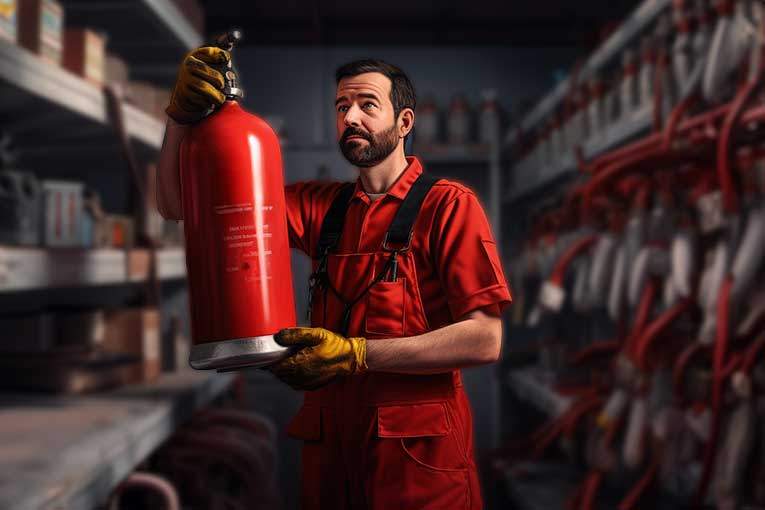
Rechargeable

Rechargeable fire extinguishers, designed for multiple uses, have a service life of approximately 6 years. 

After this period, a thorough professional inspection and maintenance are necessary to ensure their continued reliability. 

If any issues are identified during servicing or if the extinguisher reaches the end of its recommended life, it should be replaced promptly.

How Often Should Fire Extinguishers be Serviced?

how often fire extinguishers serviced

Routine maintenance is key to ensuring the reliability of fire extinguishers. 

Different types require distinct servicing intervals to guarantee optimal functionality when facing a fire emergency.

Water, Powder, or Foam

Fire extinguishers containing water, powder, or foam should undergo professional servicing every 5 years. 

This process involves a thorough inspection, testing, and refilling, if necessary. 

Regular servicing helps identify any issues and ensures the extinguisher is fully operational.

CO2

CO2 fire extinguishers, commonly used for electrical fires, have a longer service interval of 10 years. 

These extinguishers should undergo a comprehensive professional service to inspect and maintain their components. 

This ensures that the extinguisher remains effective in suppressing electrical fires.

Where to Find the Fire Extinguisher Manufacture Date?

fire extinguishers manufacture date

Knowing the manufacture date of a fire extinguisher is crucial for determining its lifespan and understanding how long your fire extinguisher will last. 

The location of this information varies based on the type of extinguisher.

Steel Fire Extinguishers

Stamped into the Cylinder

The manufacture date may be physically stamped onto the cylinder of the steel fire extinguisher. 

This stamp provides a clear and permanent indication of when the extinguisher was produced.

On the Label

Alternatively, the manufacture date might be included on the label affixed to the extinguisher. 

This label provides essential information about the extinguisher’s specifications and usage guidelines.

P50 Service-Free Extinguishers

Older Models 

For older P50 fire extinguisher models, the manufacture date is typically printed on the base of the unit.

Newer Models 

Newer P50 models use a coloured pin that correlates to a table printed on the label. 

The pin colour corresponds to the month and year of manufacture, providing a quick reference.

When Should you Replace a Fire Extinguisher Early?

replace fire extinguishers early

While fire extinguishers have defined lifespans, certain circumstances may warrant early replacement to ensure optimal performance in emergencies. 

Here are key indicators that suggest an extinguisher should be replaced ahead of schedule:

Cracked Nozzle or Hose

Issue

Physical damage like cracks compromises the structural integrity of the nozzle or hose.

Effect

The crack can lead to leaks or difficulties in delivering the extinguishing agent during a fire, rendering the extinguisher less effective.

Blocked Nozzle or Hose

Issue

Obstructions in the nozzle or hose can hinder the discharge of the extinguishing agent.

Effect

A blocked nozzle or hose reduces the extinguisher’s ability to control a fire, diminishing its overall performance.

Broken Handle

Issue

A broken handle makes it challenging to operate the extinguisher efficiently.

Effect

In an emergency, a broken handle may impede the user from effectively using the extinguisher, delaying response time.

Missing Locking Pin

Issue

The locking pin is crucial for preventing accidental discharges and maintaining the extinguisher’s readiness.

Effect

Without the locking pin, there’s a risk of unintentional discharges, and the extinguisher may not be securely stored or easily accessible.

Missing Inspection Sticker

Issue

An extinguisher without an updated inspection sticker may not have undergone required maintenance.

Effect

Missing inspection documentation indicates a lack of regular checks, raising concerns about the extinguisher’s reliability and adherence to safety standards.

Corrosion

Issue

Corrosion on the cylinder or other parts compromises the structural integrity of the extinguisher.

Effect

Corrosion weakens the extinguisher, making it more susceptible to damage and reducing its ability to withstand the pressure needed for proper discharge.

Suspected of Leaking

Issue 

Evidence of leaking substances suggests a loss of pressure and potential malfunction.

Effect

A leaking extinguisher may fail to discharge its contents effectively during a fire, necessitating immediate replacement to ensure reliability in an emergency.

How Often Should Fire Extinguishers be Inspected?

how often fire extinguishers inspected

Routine inspections are crucial to maintaining the reliability of fire extinguishers, ensuring they function correctly when needed. 

The inspection frequency can be categorised into two intervals:

Monthly Checks

Regular, brief checks by designated personnel.

This is to verify that the extinguisher is in its designated place, the pressure gauge shows adequate pressure, and there is no visible damage or tampering.

Monthly checks help identify immediate issues and ensure that the extinguisher is accessible and operational.

Yearly Inspections by a Fire Extinguisher Engineer

In-depth inspections conducted by a certified fire extinguisher engineer, for example those found in the Institution of Fire Engineers.

This will be a comprehensive examination of the extinguisher’s internal and external components, including pressure tests, to ensure it meets safety standards.

Yearly inspections are critical for identifying potential internal issues, such as corrosion or leaks, which might not be evident during routine checks.

What are the Risks of Using an Older Fire Extinguisher?

older fire extinguishers risks

Using an older fire extinguisher poses various risks, potentially compromising its effectiveness when faced with a fire emergency. 

Here are the key risks associated with relying on an aged fire extinguisher:

Decreased Pressure

Over time, fire extinguishers may experience a gradual loss of pressure, reducing their ability to discharge the extinguishing agent effectively. 

This decline can result from factors like gas leakage or gradual deterioration of internal components.

Corrosion

The internal components of a fire extinguisher, especially the cylinder, are susceptible to corrosion over an extended period. 

Corrosion weakens the structural integrity, making the extinguisher more prone to failure or rupture during use.

Deterioration of Seals and Valves

Seals and valves play a crucial role in maintaining the pressure and integrity of the extinguishing agent. 

As a fire extinguisher ages, these seals and valves can deteriorate, leading to potential leaks and a loss of pressure.

Reduced Extinguishing Agent Efficiency

The extinguishing agent within the fire extinguisher can degrade over time, diminishing its effectiveness. 

This reduction in efficiency may result from factors like exposure to temperature variations or chemical changes within the agent.

Outdated Technology

Older fire extinguishers may use outdated technology compared to more modern counterparts. 

Advances in fire safety technology have led to the development of extinguishers with enhanced features and improved extinguishing agents, providing better protection against various fire types.

Non-compliance with Standards

Fire safety standards and regulations evolve over time, introducing new requirements for equipment.

Older fire extinguishers may not comply with the latest standards, potentially leading to regulatory non-compliance and inadequate fire protection.

How to Dispose of a Fire Extinguisher?

dispose of fire extinguishers

Disposing of a fire extinguisher requires careful consideration to ensure the safe handling of potentially hazardous materials. 

Here’s a guide on how to appropriately dispose of a fire extinguisher:

Check the Extinguisher Type

Identify the type of fire extinguisher, as different extinguishing agents have specific disposal methods. 

Common types include water, powder, foam and CO2.

Contact Local Authorities

Check with your local fire department or waste disposal facility regarding their specific regulations for fire extinguisher disposal. 

Some municipalities organise special collection events or have designated drop-off locations.

Recycling Centres

Certain recycling centres may accept fire extinguishers, as many of the components are fully recyclable. 

Remember to follow local guidelines.

Professional Disposal Services

In some cases, professional hazardous waste disposal services may be necessary for extinguishers containing certain chemicals, such as older foam fire extinguishers. 

Contact local environmental agencies for advice on proper disposal methods.

Conclusion

Knowing how long fire extinguishers last and understanding when to replace them is vital for maintaining a safe environment. 

Regular inspections, proper servicing, and early replacement when necessary ensure that these essential firefighting tools remain effective when needed most. 

Prioritising the longevity and functionality of fire extinguishers is a proactive step towards enhancing overall safety and preparedness in various settings.

What is a COSHH Assessment & Who Needs Them?

Workplace safety is of the utmost importance and understanding and implementing proper risk assessments is paramount. 

One such essential assessment is COSHH, short for Control of Substances Hazardous to Health. 

The COSHH assessment aims to safeguard employees and others from potential harm due to exposure to hazardous substances in the workplace.

What is a COSHH Assessment?

COSHH assessment employee exposed to chemicals
A COSHH assessment is needed for any employee exposed to chemicals

A COSHH assessment is a crucial process designed to systematically manage and mitigate the risks linked to hazardous substances within a workplace. 

The fundamental objective is to safeguard the health and well-being of individuals exposed to these substances during various work activities.

The assessment encompasses a broad spectrum of materials, not just limited to traditional chemicals. 

It includes biological agents, dust, fumes, and other substances that have the potential to pose health risks. 

This systematic evaluation ensures that any potential harm associated with these substances is identified and effectively controlled.

COSHH assessments play a pivotal role in fostering a secure work environment. 

By scrutinising all substances within the workplace that could be considered hazardous, this process enables organisations to take proactive measures to minimise risks and adhere to regulatory standards.

The systematic steps involved in a COSHH assessment, from identifying hazardous substances to evaluating control measures, contribute to the creation of a detailed and effective risk management plan. 

Through documentation, communication, and training, a COSHH assessment becomes a cornerstone in promoting awareness and understanding among personnel about the potential risks associated with hazardous substances and the measures in place to mitigate them. 

Overall, it is an indispensable tool for organisations committed to maintaining a safe and healthy workplace.

Who Needs to have a COSHH Assessment?

COSHH assessment healthcare
A COSHH assessment happens in several industries, including healthcare

Any business where employees are exposed to hazardous substances requires a COSHH assessment. 

This includes but is not limited to:

Manufacturing and Industry

Industries that involve the use of chemicals, solvents, or other hazardous substances in processes or production.

Healthcare

Hospitals, clinics, and other healthcare settings where various substances, including cleaning chemicals and pharmaceuticals, are utilised.

Laboratories

Research facilities and testing laboratories dealing with chemicals and biological agents.

Construction

Sites where workers may encounter substances like dust, adhesives, or paints.

Cleaning Services

Companies involved in cleaning, janitorial, or sanitation services using various cleaning agents.

Agriculture

Farms and agricultural settings where pesticides, fertilisers, and other chemicals are employed.

Retail

Businesses that sell products containing hazardous substances, such as paints, adhesives, or cleaning supplies.

Office Environments

Even seemingly low-risk environments may have substances like cleaning chemicals that require assessment.

Educational Institutions

Schools, colleges, and universities where laboratories and workshops involve the use of various chemicals.

How Often Should a COSHH Assessment be Done?

According to COSHH Regulations, there is no set frequency specified for how often a COSHH assessment should be conducted. 

Instead, it is a dynamic process that depends on the nature of the work, the substances involved, and any changes in the workplace that may affect exposure.

The law requires that COSHH assessments be carried out systematically and be reviewed regularly. 

The Health and Safety Executive (HSE) advises that assessments should be reviewed if there is any reason to suspect they are no longer valid or if there has been a significant change in the workplace or work processes.

For example, if new substances are introduced into the workplace, processes change, or if there is evidence that control measures are not effective, a review of the COSHH assessment is necessary. 

This flexible approach allows for the adaptation of safety measures to the evolving nature of work environments.
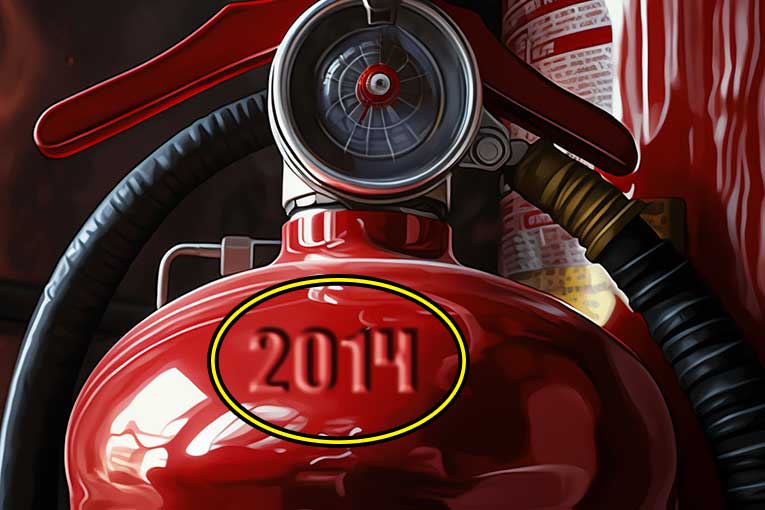
It’s crucial for employers to stay vigilant and ensure that COSHH assessments are not treated as a one-off task but rather as an ongoing process that reflects the dynamic nature of workplaces. 
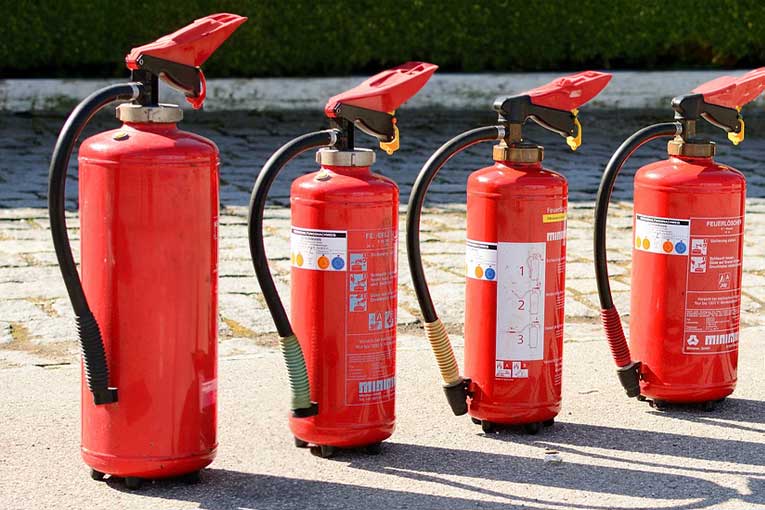
Regular reviews help in identifying emerging risks and adjusting control measures accordingly. 
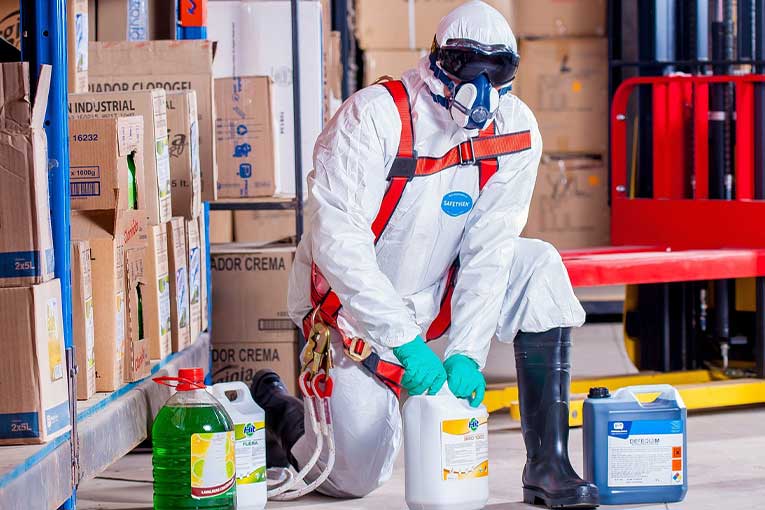
Failure to regularly review COSHH assessments can lead to a workplace being ill-prepared to manage new risks, potentially endangering the health and safety of employees.

What Happens in a COSHH Assessment?

What happens COSHH assessment
What exactly happens in a COSHH assessment?

Here’s an in-depth look at what happens during a COSHH assessment:

Identification of Hazardous Substances

The process begins with identifying all the hazardous substances used, stored, or generated in the workplace. 

This includes any substances that could pose a risk to health.

Assessment of Risks

Once identified, the next step is to assess the risks associated with these substances. 

This involves evaluating how employees might be exposed, the potential harm it could cause, and the likelihood of that harm occurring.

Evaluation of Control Measures

The effectiveness of existing control measures is examined. 

This includes ventilation systems, personal protective equipment (PPE), safe work procedures, and any other measures in place to minimise exposure. 

The assessment considers whether these measures are sufficient or if additional controls are needed.

Recording and Documentation

All findings are recorded, and a written assessment is created. 

This document outlines the identified hazards, the risks associated, and the control measures in place. 

This serves as a reference for employees, management, and regulatory bodies.

Review and Update

The assessment is not a one-time task. It needs to be regularly reviewed and updated, especially when there are changes in work processes, substances used, or if control measures prove ineffective. 

This ensures that the assessment remains relevant and effective over time.

Communication and Training

Employees need to be informed about the hazards associated with the substances they work with and the measures in place to protect them. 

Training is essential for ensuring that everyone understands the risks and knows how to use control measures effectively.

Emergency Planning

In the event of an emergency, such as a spill or exposure, there should be clear plans and procedures in place. 

This could include evacuation plans, first aid procedures, and emergency contact information.

Consultation with Employees

Employees should be actively involved in the assessment process. 

They are often the ones with valuable insights into the practical aspects of their work, and their input can contribute to a more comprehensive and effective assessment.

How can you Minimise Risks in a COSHH Assessment?

Here are strategic approaches to minimise these risks:

Robust Employee Training

Ensuring that employees are well-versed in handling hazardous substances is paramount. 

Training should cover the proper usage of personal protective equipment (PPE), safe handling procedures, and emergency response protocols. 

An educated workforce is a critical line of defence against potential risks.

Effective Ventilation Systems

Investing in and maintaining effective ventilation systems is pivotal. 

Adequate ventilation minimises the concentration of hazardous substances in the air, reducing the risk of inhalation and airborne contamination.

Stringent Control Measures

Implementing stringent control measures, such as engineering controls and administrative procedures, is essential. 

This could include enclosure systems, fume hoods, or designated work practices that limit exposure.

Regular Health Surveillance

Conducting regular health surveillance of employees exposed to hazardous substances is a proactive measure. 

Monitoring their health allows for early detection of adverse effects and the adjustment of control measures as needed.

Substitution of Hazardous Substances

Exploring less hazardous alternatives or substitutes for substances in use is a powerful risk reduction strategy. 

Where feasible, replacing hazardous substances with safer alternatives minimises potential harm.

Adequate Storage and Handling Protocols

Establishing and enforcing proper storage and handling protocols is critical. 

This involves secure storage, clearly labelled containers, and meticulous procedures to prevent spills or accidental exposure.

Emergency Response Planning

Having a robust emergency response plan is non-negotiable. 

This includes clear procedures for spills, leaks, or unintended exposures. 

Employees should be well-trained on emergency protocols, including evacuation routes and first aid procedures.

Regular Audits and Inspections

Frequent audits and inspections ensure that control measures are consistently implemented and effective. 

Identifying and rectifying any lapses promptly enhances the overall safety of the workplace.

Conclusion

COSHH assessments are not just regulatory requirements; they are fundamental tools for ensuring workplace safety. 

Whether you are in a chemical manufacturing plant or a bakery, identifying and controlling hazards is critical. 

By understanding the significance of COSHH assessments and actively implementing their findings, businesses can create safer environments for their workforce, promoting health, well-being, and overall productivity.

Why is PPE Important?

In every workplace, safety should be the top priority for both employers and employees.

Ensuring a safe and secure working environment not only protects the well-being of workers but also helps to increase productivity and overall organisational success. 

One crucial aspect of achieving workplace safety is the use of Personal Protective Equipment, commonly known as PPE

PPE refers to a diverse range of specialised gear designed to shield workers from various workplace hazards, such as chemical exposure, physical impacts, electrical shocks, and more. 

Cloth Facemasks
PPE equipment includes respiratory protection

Throughout this article, we will delve into the different types of PPE available, explore why is PPE important and understand the benefits they offer, all while emphasising the significance of compliance in fostering a culture of safety.

Different Types of PPE

There are countless potential workplace hazards which create the need for several categories of PPE options that are tailored to provide specific protection.

There are 5 main categories:

Protective Clothing

From standard coveralls, gloves and aprons, to specialised fire-resistant or high-visibility clothing, PPE workwear and clothing items are an essential part of everyday life for many organisations.

These garments act as a robust barrier against harmful chemicals, biohazards, and other potentially hazardous substances.

Eye Protection

Safety goggles, face shields, and safety glasses are important PPE items that shield the eyes from dust, debris, chemicals, and intense light. 

Doctor Wearing PPE
The right PPE has to fit for purpose for the right job

These protective gear options are especially important in the construction, manufacturing, and healthcare industries.

Respiratory Protection

Respiratory protection is essential for workers who could be exposed to airborne contaminants like dust, fumes, or gases. 

Respirators, masks, and filters ensure that the air the wearer breathes in is free from harmful particles, safeguarding their respiratory health.

Hearing Protection

Hearing protection, such as earplugs and earmuffs, is vital for employees working in noisy environments, as prolonged exposure to high levels of noise can lead to hearing damage or loss.

Head Protection

Head protection, most often hard hats, serves as a primary defence against head injuries resulting from falling objects or accidental collisions on construction sites or other hazardous workplaces.

Why is PPE Important in the Workplace?

PPE is an individual’s first line of defence against a wide range of workplace accidents, injuries and illnesses. 

Wearing and utilising the correct PPE significantly reduces the risk of severe injuries and long-term health issues caused by exposure to various hazards.

PPE provides an additional layer of safety, offering protection even in circumstances where other safety measures might fall short.

The proper use of PPE can give workers confidence, empowering them to carry out their duties effectively, knowing they have reliable protection against potential harm. 

This sense of security fosters a safer work culture, and can even boost employee morale and motivation.

As well as this, strict adherence to PPE guidelines showcases an employer’s commitment to their employees’ well-being and safety. 

High Vis PPE
PPE is vital for safety in the workplace

As such, a proactive approach to safety can enhance the company’s reputation and contribute to improved employee loyalty and retention.

PPE is especially important in high-risk industries such as construction, manufacturing, healthcare, and laboratories, where exposure to hazardous substances and potential accidents is much more prevalent.

The use of PPE ensures the continuity of business operations by minimising work disruptions due to accidents or illnesses. 

When workers remain safe and healthy, absenteeism decreases, leading to enhanced productivity and reduced downtime.

What are the Benefits of Wearing PPE?

Using PPE offers a multitude of benefits for both employers and employees alike. 

Reduces Risk of Injury or Illness

Using the correct PPE significantly lowers the risk of injury or illness, and prevents a wide range of accidents, from minor incidents to life-altering mishaps. 

For instance, using appropriate gloves when handling hazardous chemicals can prevent skin irritation or burns.

Enhances Overall Workplace Safety

PPE can enhance overall workplace safety, and lead to fewer accidents and injuries. 

A safe work environment instils a sense of confidence and well-being in employees, leading to improved job satisfaction and reduced stress.

Reduces Medical Expenses & Insurance Costs

By preventing accidents and illnesses, PPE can lead to reduced medical expenses and insurance costs for businesses. 

Fewer accidents result in fewer worker compensation claims, saving both time and financial resources.

Fosters Positive Work Environment

Prioritising creating a safe workplace fosters a positive work environment, promoting teamwork and trust among employees. 

As a result, workers are more likely to feel valued and loyal to their employer, contributing to higher employee retention rates and increased productivity.

Enhances Compliance

In addition to the immediate benefits of PPE, employers also benefit from enhanced compliance with safety regulations and standards when they supply their workers with the correct PPE. 

Adherence to safety guidelines helps businesses avoid penalties and fines from regulatory bodies and creates a more positive image for the company.

Attracts Potential Clients & Investors

A good safety record can also attract potential clients and investors, who recognise the company’s commitment to responsible business practices. 

A positive reputation for safety can give a competitive edge to the business, making it an attractive choice for clients and investors.

Longer Term Financial Savings

By investing in PPE and prioritising safety, companies can reduce the costs associated with accidents and injuries, leading to long-term financial savings and increased profitability.

What Can Be Done to Ensure Correct Use of PPE?

Thank You Sign
Positive Signage Encourages Compliance. Image credit: Pixabay

Ensuring the proper use of PPE requires a comprehensive approach that involves employees, employers, and the organisational culture. 

Training and education are the cornerstones of proper PPE implementation. 

All employees must be trained on the potential hazards in their workplace, the appropriate PPE for each task, as well as the correct way to wear and maintain their equipment. 

Here are some ways you can ensure that PPE is used correctly within your organisation:

Provide Easy Access to the Correct PPE

Ensure that it fits well and is comfortable for the workers.

One-size-fits-all approaches may not be suitable for all employees, so it is vital to offer a range of sizes and styles to accommodate individual needs.

Regularly Inspect PPE

Identify any defects or signs of wear and tear, so that damaged or outdated equipment can be replaced.

Get Supervisors to Enforce PPE Usage

Management should lead by example, consistently wearing PPE, and address any non-compliance promptly.

Recognising and rewarding employees who consistently use PPE can also boost compliance.

Create an Open Communication Culture

Encourage open dialogue to foster compliance with PPE guidelines.

Employees should feel comfortable expressing their safety concerns and providing feedback on PPE usage and any challenges they may face.

Host Regular Safety Meetings

Organise regular huddles and staff meetings where PPE usage is discussed.

This provides an opportunity to address any issues and find practical solutions collaboratively.

Promote the Importance of PPE

Create and display safety campaigns and posters as reminders in prominent areas of the workplace.

Periodic PPE Policy & Practice Evaluation

This ensures they remain up-to-date and effective.

As workplaces evolve, so do the potential hazards, and adjustments to PPE guidelines may be necessary to keep workers protected.

Conclusion

Personal Protective Equipment (PPE) plays a pivotal role in safeguarding employee from workplace hazards.

Hopefully from this article you have gained an answer to the question of why is PPE important.

The diverse range of PPE options, from protective clothing to eye, respiratory, hearing, and head protection, ensures a comprehensive defence against potential accidents and illnesses when implemented and used correctly.

Using PPE is not only vital for protecting individual workers but it can also contribute to a safer work environment overall. 

The benefits of proper PPE implementation are manifold, ranging from reduced injury rates and medical expenses to improved employee morale and enhanced productivity.

The key to effective PPE usage lies in comprehensive training, easy access to equipment, regular inspections, and a culture that prioritises safety. 

Employers, employees, and organisational leaders must work together to foster a safety-first mindset.