Where are Fire Doors Required & Why Are They Needed?

One of the most common questions with regards to fire safety is where are fire doors required?

Fire safety is of paramount importance in any building or structure, and fire doors are an integral part of ensuring the safety and protection of occupants and property during a fire emergency. 

These specialised doors are meticulously engineered to serve as barriers against the rapid spread of fire, smoke, and toxic gases, effectively compartmentalising the building and providing valuable time for evacuation and firefighting efforts. 

In this article we will answer questions such as where are fire doors required, why fire doors are needed, what materials are used in their construction, what regulations that govern their installation, what safety checks are needed to maintain their functionality and what their cost implications are.

Where are Fire Doors Required?

Where fire doors are required is one of the most common questions raised by new business owners.

They are required by law in all properties that are for business or non-domestic usage.
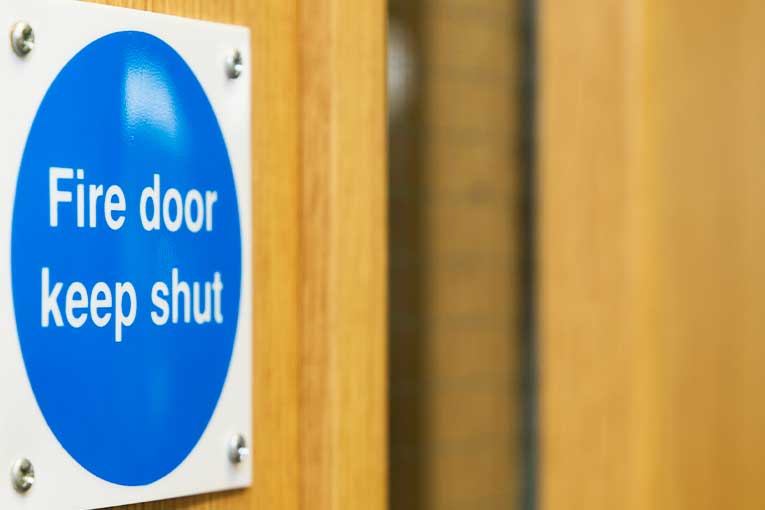
Close up of a fire door
Fire doors are vital for fire safety

Fire doors play an essential role in various settings to enhance fire safety and protect occupants from the dangers of fire incidents. 

They are strategically installed in a wide range of locations, including commercial buildings, residential buildings, industrial facilities, educational institutions, and healthcare facilities.

Commercial Buildings

Fire doors serve a critical role in securing escape routes during a fire emergency, providing occupants with a clear and safe path to evacuate the building. 

In various commercial settings, such as offices, hotels, restaurants, and shops, fire doors are essential for ensuring the safety of employees, customers, and visitors. 

These doors compartmentalise the building, containing the fire and allowing occupants to safely exit.

Similarly, in multi-occupancy residential buildings like apartments and care homes, fire doors play a crucial role in safeguarding residents. 

By preventing the rapid spread of fire between units, fire doors provide precious time for evacuation and help minimise the impact of the fire on the entire building.

Industrial Facilities

Industrial facilities, including manufacturing plants, warehouses, and storage areas, require fire doors to protect both employees and valuable assets. 

In these settings, the risk of fire can be significant due to the presence of flammable materials and machinery.

Fire doors play a crucial role in such environments by sectioning the building. 

In the event of a fire, the fire doors act as barriers, containing the fire to a specific area and preventing its rapid spread. 

This containment allows employees to safely evacuate the affected area and seek refuge in other fire-resistant compartments until help arrives.

By containing the fire, fire doors help to minimise damage to the facility, its contents, and the surrounding areas. 

They also provide additional time for emergency responders to arrive and mitigate the situation. 

This is vital in industrial settings where a rapid and uncontrolled fire could have catastrophic consequences for both human lives and business operations.

Educational Institutions

Fire safety is a top priority in educational institutions like schools, colleges, and universities, where the safety and well-being of students, staff, and visitors are of utmost importance. 

To achieve this, fire doors are strategically installed throughout the buildings.

In educational settings, fire doors are commonly found in corridors, classrooms, and assembly areas.

Healthcare Facilities

Healthcare facilities, including hospitals and clinics, must maintain a safe environment to protect patients and staff. 

Fire doors are a critical component of fire safety in healthcare settings, ensuring that patients can be evacuated safely and that critical areas, such as operating rooms and patient wards, remain protected.

Where are Fire Doors Required in a House?

In most residential properties, fire doors are not required by law, however there are exceptions to this rule. 

If the property is 3 stories or more, for example a block of flats, then a fire door is needed on every floor where a room connects onto the stairwell.

Also, if a garage connects directly to a property with access via a door, then the door must comply with fire safety regulations.

Some property owners install fire doors where not required by law, just to increase fire safety in the property. 

If fire doors are installed in a house, then they are strategically placed in key areas to prevent fire spread:

  • Kitchen: Fire doors in the kitchen separate it from living spaces, containing potential fires.
  • Garage: Fire doors are crucial if the garage has direct access to living areas.
  • Basement: Fire doors may be necessary in the basement to protect escape routes and contain fires.

What Do Fire Doors Do?

Fire doors serve as essential components of passive fire protection measures, providing critical barriers to contain flames, smoke, and toxic gases in the event of a fire. 

When a fire occurs, the proper functioning of fire doors can significantly impact the safety of building occupants and the overall integrity of the structure.

Fire doors can help stop fire spreading to other parts of buildings

One of the primary functions of fire doors is their ability to compartmentalise a building.

When closed, fire doors form a seal between different areas of the building, preventing the rapid spread of fire and smoke to other parts of the structure. 

By containing the fire to its point of origin, fire doors effectively limit the extent of damage and provide occupants with valuable time to evacuate the building safely.

What are Fire Doors Made From?

Fire doors are made from various materials with excellent fire-resistant properties, ensuring that they can withstand high temperatures and intense heat.

Timber

Timber is a commonly used material for fire doors, valued for its aesthetic appeal and reliable fire protection. 

Solid timber fire doors offer a classic and natural look, making them a popular choice for residential and commercial buildings alike. 

Timber fire doors are available in various finishes and can be customised to complement the overall interior design of a space. 

The thickness and quality of the timber used in the door’s construction determine its fire-resistant capabilities.

Steel

Steel fire doors are another widely used type of fire door, particularly in commercial and industrial settings. 

Steel doors offer exceptional strength and durability, making them suitable for high-traffic areas and locations with more stringent security requirements. 
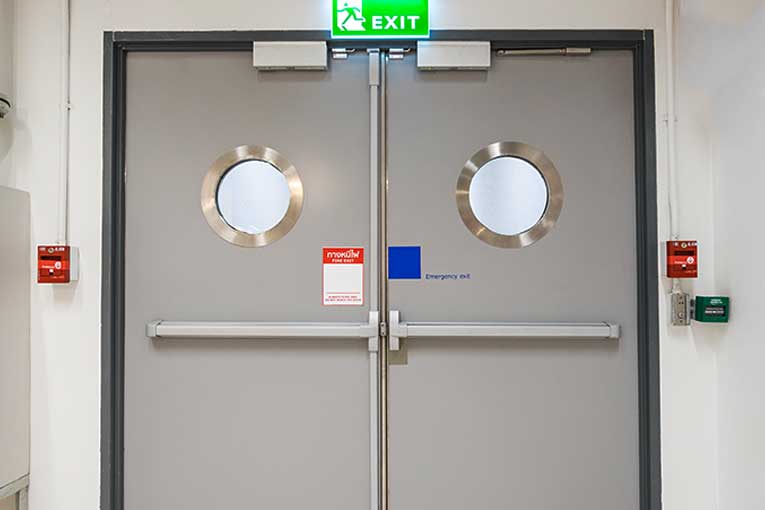
Steel fire doors are commonly found in industrial and commercial properties

Steel fire doors can be coated with fire-resistant materials to enhance their fire resistance, and they are often used in facilities where protection against fire and potential break-ins is paramount.

Composite

Composite fire doors are a versatile option that combines various materials to provide enhanced fire resistance and durability. 

These doors typically feature a core made from fire-resistant materials, such as mineral wool or vermiculite boards, sandwiched between layers of other materials like timber, steel, or laminate. 

The combination of different materials in composite fire doors creates a door that is both robust and capable of withstanding the effects of fire for an extended period.

What are the Regulations of Fire Doors?

Fire doors play a crucial role in fire safety, and to ensure their effectiveness, they must adhere to specific regulations and standards. 

These standards are designed to test and assess the fire resistance and integrity of fire doors, ensuring that they can withstand the impact of a fire and provide adequate protection to occupants and property.

Fire Rating

One of the essential aspects of fire door regulations is the fire rating. 

Fire doors are rated based on their ability to withstand fire for a specific duration, usually indicated as 30, 60, or 90 minutes. 

This fire rating determines how long the door can effectively contain the spread of fire, smoke, and heat, providing occupants with valuable time to evacuate safely and emergency responders to take action.

Integrity

In addition to fire resistance, fire doors must also maintain their structural integrity during a fire. 

This means that they should prevent the passage of flames and smoke, forming a barrier that can effectively contain the fire to a specific area of the building. 

The ability of fire doors to maintain their integrity is critical in preventing the rapid spread of fire, protecting other parts of the building and allowing a more controlled response to the emergency.

Self-Closing Mechanism

Another essential feature of fire doors is the self-closing mechanism. 

Fire doors should automatically close and latch when not in use, ensuring that they are ready to act as a barrier in case of a fire. 

This self-closing mechanism helps prevent the accidental propping open of fire doors, which could compromise their effectiveness during an emergency.

Labelling

To provide clear and easily accessible information, fire doors should have appropriate labelling. 

The label on a fire door typically indicates its fire rating and compliance with safety standards. 

This labelling helps building occupants and emergency responders quickly identify fire doors and understand their fire resistance capabilities.

How are Safety Checks on Fire Doors Carried Out?

A proper safety check on fire doors is essential to ensure their functionality during an emergency, and has to be done by someone trained in fire door inspections.

Here are some key steps to include in a fire door safety inspection:

Check Closers

Verify that the door closes smoothly and latches securely without any obstructions.

Proper functioning closers are crucial to ensure that the door can effectively close and seal off the area in case of a fire.

Inspect Seals

Ensure that intumescent seals around the door frame and perimeter are intact.

These seals expand when exposed to heat, creating a barrier against the spread of flames and smoke.

Examine Hinges

Check for loose or damaged hinges that could affect the door’s performance.

Hinges should be in good condition and securely attached to the door and frame.

Look for Damage

Check for any cracks, holes, or damage that may compromise the door’s integrity.

Any damage to the door can weaken its ability to withstand fire and limit its effectiveness in containing flames and smoke.

Test Latching

Confirm that the latch engages correctly with the strike plate when the door is closed.

A properly functioning latch ensures that the door remains closed and prevents the passage of smoke and flames.

Evaluate Gap Sizes

Ensure that the gaps around the door are within the specified limits.

Properly sized gaps are essential for the door’s fire resistance, as excessive gaps can allow the passage of smoke and flames.

Regular fire door inspections are critical to maintaining their effectiveness in fire safety. 

If any issues are identified during the safety check, prompt repairs or replacements should be made to ensure that the fire doors are ready to perform their vital role in protecting lives and property during a fire emergency.

Changes in Regulations

As of January 2023, there have been significant changes to the fire door inspection regulations, due to the majority of fire doors in the UK failing inspections

Previously, inspections were conducted every six months to ensure compliance with fire door rules and regulations. 

However, with the new regulations in place, there are updated inspection frequencies for different types of fire doors:

Communal Fire Doors

These will now be expected to undergo inspection every 3 months.

This increased frequency aims to enhance safety and ensure that communal areas are adequately protected.

Fire & Escape Doors (FEDs)

FEDs will be subject to inspection at least once a year.

This measure aims to maintain the integrity of escape routes and vital access points in buildings.
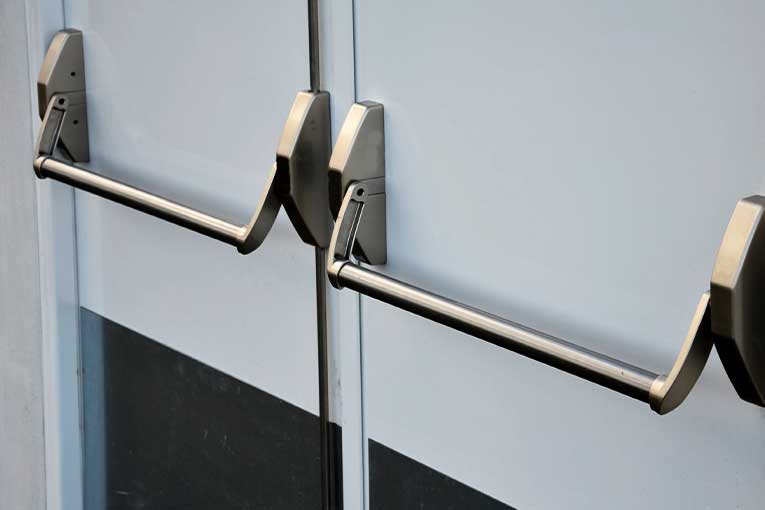
Fire and Escape doors need regular inspections to ensure maximum protection against fire

These changes reflect a more proactive approach to fire safety, ensuring that fire doors are regularly checked and maintained to meet the highest safety standards.

Can Fire Doors Have Windows?

Fire doors are designed with the option of including vision panels that are equipped with fire-resistant glazing. 

These vision panels offer the advantage of visibility between different areas, allowing natural light to pass through while maintaining fire safety regulations. 

High-quality fire-rated glass can withstand temperatures of up to 900 degrees Celsius, over seven times that of normal glass. 

Moreover, it can maintain its integrity for over 60 minutes, effectively preventing the fire from spreading and providing ample time for evacuation and fire personnel to respond.

By following these regulations, property owners can strike a balance between safety and functionality, providing occupants with both fire protection and the convenience of visual communication within the building.

How Much Do Fire Doors Cost?

The cost of fire doors can vary significantly depending on several factors. 

The primary determinants of the price include the material used, the fire rating of the door, its size, and any additional features it may have. 

Here are some key factors that influence the cost of fire doors:

Material

Fire doors can be made from various materials, including timber, steel, and composite materials.

Each material has different characteristics and price points, with steel doors generally being more expensive than timber doors.

Fire Rating

Fire doors are assigned specific fire ratings, indicating the duration they can withstand exposure to fire.

Doors with higher fire ratings tend to be more expensive due to their increased fire resistance capabilities.

Size

The size of the fire door is another important factor in determining its cost.

Larger doors may require more materials and hardware, resulting in a higher price.

Additional Features

Some fire doors come with additional features, such as vision panels, glazing, or special hardware.

These features can add to the overall cost of the door.

The cost of a standard fire door can vary because of these factors, with a low-end fire door being rather low cost, to the upper end coming in with a price tag in the thousands. 

However, it is essential to consider that investing in high-quality fire doors is a crucial aspect of ensuring fire safety in any building. 

Fire doors play a critical role in preventing the spread of fire and protecting lives and property. 

Therefore, it is recommended to prioritise the quality and compliance of fire doors over cost considerations to ensure the utmost safety and security in the event of a fire emergency.

Conclusion

Fire doors are indispensable components of fire safety measures, protecting lives and properties during emergencies. 

Having an answer to the question of where are fire doors required, as well as their functions, materials, regulations, and safety checks is essential for creating a secure environment. 

Whether in commercial buildings, residential properties, or industrial facilities, the proper installation and maintenance of fire doors contribute significantly to fire prevention and enhanced safety for occupants.
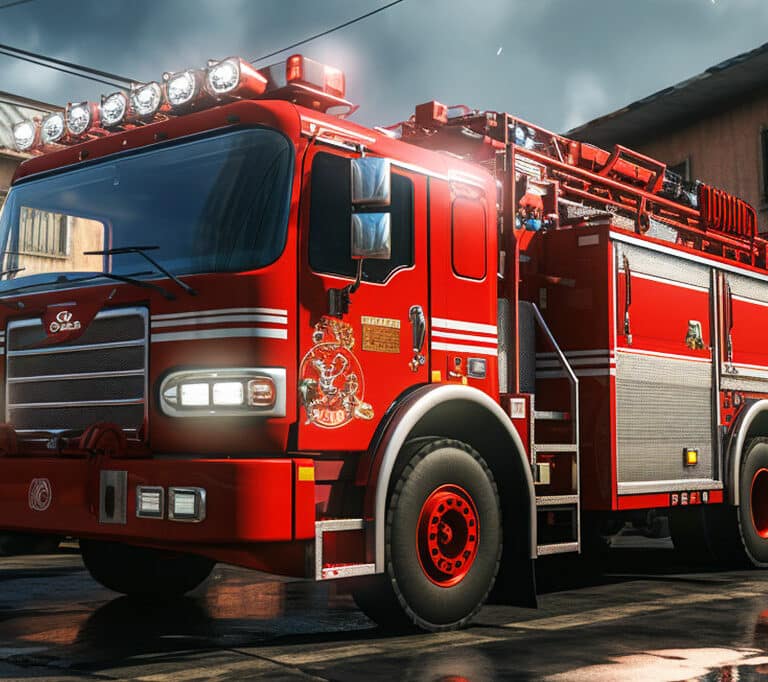
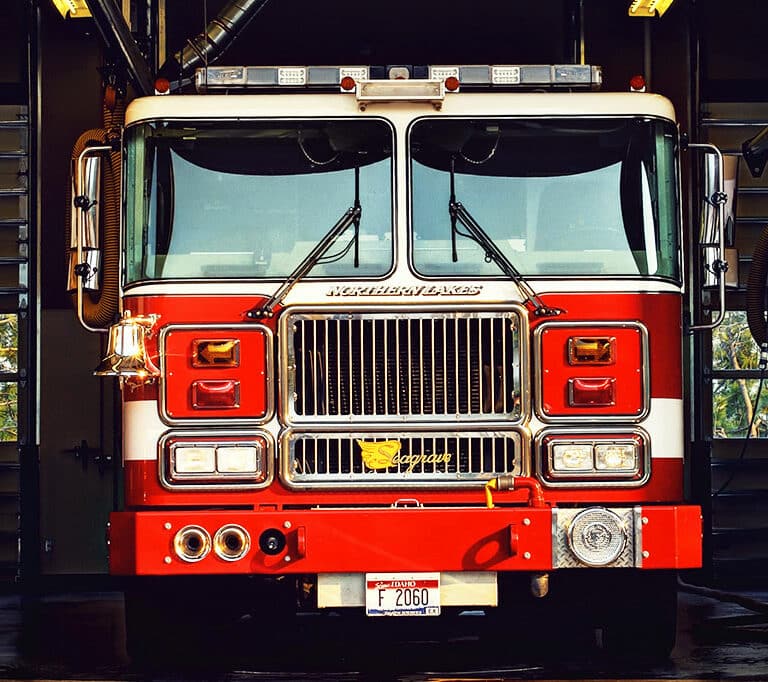
How Much Does a Fire Truck Weigh?

How much does a fire truck weigh is one of the most common questions asked by school kids whenever the fire service comes to visit. 

Fire trucks, with their red flashing lights and blaring sirens, are a symbol of emergency response and safety in communities around the world. 

These impressive vehicles are equipped with specialised tools and equipment to combat fires and save lives. 

But have you ever wondered as an adult, not just how much does a fire truck weigh, but what equipment does it carry or even what types of fire truck are there? 

In this article, we will answer these common questions and provide insights into the fascinating world of fire trucks.

How Much Does a Fire Truck Weigh?

The weight of a fire truck is a critical factor in its design and functionality. 

The range in weight is primarily due to the size and capacity of the vehicle. 

To answer the question of how much does a fire truck weigh, the simplest answer is that a standard fire engine, which is commonly used for responding to fires and emergencies, typically falls within the 20,000 to 40,000-pound range. 

These trucks are equipped with essential firefighting equipment which add to their overall weight.

On the other hand, larger aerial ladder trucks, often used for rescuing people from tall buildings and providing elevated water streams, can be significantly heavier. 

These trucks feature an extendable ladder, which requires additional structural support and hydraulic systems, contributing to their weight of up to 70,000 pounds.

A fire truck can weigh up to 70,000 pounds

The total weight of a fire truck includes various components. 

The chassis, which serves as the foundation of the vehicle, contributes a significant portion to the overall weight. 

The body of the fire truck, made of steel or aluminium, houses the equipment and water tanks. 

Additionally, the equipment carried on the truck, such as ladders, firefighting tools, and medical supplies, further adds to the weight. 

All these factors are carefully considered during the design and construction of fire trucks to ensure they are efficient, durable, and capable of responding effectively to emergencies.

How Much Does a Fire Truck Weigh When Full of Water?

Probably the second most asked question in relation to how much does a fire truck weigh, is how much does it weigh when full of water. 

When a fire truck is filled with water, its weight can increase significantly due to the large water tank it carries. 

On average, a fire engine can hold between 500 to 1,500 gallons (1,893 to 5,678 litres) of water. 

Since each gallon of water weighs around 8.3 pounds (3.8 kilograms), a full tank can add an extra 4,150 to 12,450 pounds (1,882 to 5,647 kilograms) to the vehicle’s weight. 

This added weight is a crucial consideration for firefighters and drivers, as it affects the truck’s handling and performance during emergency responses. 

Properly managing the water supply is essential to ensure the fire truck can manoeuvre effectively and safely while combating fires and providing vital support to emergency situations.

How Long is a Fire Truck?

The length of a fire truck varies based on its type and model. 

Standard fire engines typically measure around 25 to 35 feet (7.6 to 10.7 metres) in length. 

However, aerial ladder trucks, equipped with extendable ladders, can reach impressive lengths of 75 to 100 feet (22.9 to 30.5 metres). 

These longer fire trucks are often employed in high-rise firefighting and rescue operations, where their extended reach is essential for accessing upper floors and providing a safe evacuation route. 

The varying lengths of fire trucks allow firefighting teams to choose the most suitable vehicle for specific emergency scenarios, ensuring an effective response to fires and other critical incidents.

How Wide is a Fire Truck?

The typical width of a fire truck ranges from 8 to 10 feet (2.4 to 3 metres). 

This dimension is carefully designed to ensure that the vehicle can manoeuvre through narrow streets and tight spaces in urban areas without encountering difficulties or causing damage to buildings and obstacles. 

A fire truck can be up to 3 meters wide

The compact width enables fire crews to quickly reach emergency scenes and provide timely assistance, even in congested environments.

What Types of Fire Trucks Are There?

Fire trucks come in various types, each designed for specific firefighting tasks, depending on the cause and type of fire. The most common ones include:

Fire Engines 

Standard fire trucks equipped with water tanks, hoses, and firefighting equipment. They respond to most fire emergencies and carry a crew of firefighters. Recently, electric fire trucks have also been rolled out.

Aerial Ladder Trucks 

Also known as ladder trucks or hook-and-ladder trucks, these vehicles feature extendable ladders and platforms for rescue operations in tall buildings.

Rescue Trucks

Rescue trucks are equipped with specialised equipment for rescuing people from hazardous situations, such as vehicle accidents or collapsed buildings.

Wildland Fire Engines

Designed for fighting wildfires in rural and forested areas, these trucks have off-road capabilities and carry water to extinguish smaller fires.

Airport Crash Trucks

Specialised fire trucks used at airports to respond to aircraft emergencies, such as fires or crashes.

Foam Trucks

Equipped with foam-generating systems to fight fires involving flammable liquids.

Each type of fire safety vehicle is carefully designed to address specific fire scenarios, ensuring that firefighters have the right tools and resources to combat various emergencies effectively. 

The diversity of fire truck types enables firefighting teams to be prepared for a wide range of incidents, from standard structural fires to specialised hazardous material incidents. 

These versatile vehicles play a crucial role in ensuring the safety of communities and protecting lives and property during emergencies.

What Equipment is on a Fire Truck?

Fire trucks are equipped with a wide range of tools and equipment to handle various emergency situations. 

Some common equipment found on a fire truck includes hoses, nozzles, axes, saws, ladders, breathing apparatus such as oxygen masks, medical supplies, and thermal imaging cameras. 

The exact equipment may vary depending on the specific type and purpose of the fire truck. 

For example, ladder trucks will have extendable ladders and platforms for tall building rescues, while hazmat trucks will carry specialised gear for handling hazardous materials incidents. 

The availability of this diverse firefighting equipment ensures that firefighters have the necessary tools to effectively and safely respond to different emergencies they may encounter.

How Long is a Fire Truck Hose?

The length of a fire truck hose varies based on the truck’s size and intended use. 

Standard fire hoses used for firefighting operations are typically 50 feet (15 metres) long. 

Aerial ladder trucks may carry longer hoses, up to 100 feet (30 metres), to reach higher floors in tall buildings. 

The length of the hose is crucial in ensuring firefighters can effectively deliver water to the source of the fire, regardless of the building’s height or accessibility.

How Much Water Does a Fire Truck Hose Deliver?

The amount of water a fire truck hose can produce is determined by its diameter and water pressure. 

Most fire hoses have a diameter of 1.5 to 2.5 inches (3.8 to 6.4 centimetres) and can deliver water at pressures ranging from 50 to 150 pounds per square inch (psi). 

At an average flow rate of 100 psi, a fire hose can deliver around 50 to 125 gallons (189 to 473 litres) of water per minute. 

This water flow is critical for effectively extinguishing fires and controlling their spread, especially in larger and more intense fire incidents. 

Firefighters must skillfully operate the hoses to direct the water precisely and efficiently, making the most of their water supply to combat the flames and protect lives and property.

What Licence Do You Need to Drive a Fire Truck?

Driving a fire truck requires a specific commercial driver’s licence (CDL) with appropriate endorsements. 

Firefighters need a special licence to drive a fire truck

The exact licence requirements vary depending on the fire truck’s weight, size, and type. For instance, a firefighter operating a standard fire engine may need a different endorsement than one operating an aerial ladder truck. 

To obtain the necessary CDL and endorsements, firefighters must undergo specialised training to operate these vehicles safely and effectively. 

This training includes learning how to handle the larger dimensions of fire trucks, understanding the unique challenges of emergency driving, and practising manoeuvres such as backing up, turning, and navigating tight spaces. 

Firefighters also receive instruction on vehicle maintenance and safety protocols to ensure the proper functioning of the fire truck during emergencies.

Conclusion

Hopefully this article provided a clear and concise answer to how much does a fire truck weigh, and some of the most common questions to do with fire trucks.

Fire trucks are essential vehicles in emergency response and play a crucial role in safeguarding communities. 

Their size, weight, and equipment are carefully designed to handle various firefighting and rescue tasks effectively. 

The training and expertise of firefighters who operate these machines are vital in ensuring their efficient use during emergencies. 

From carrying large amounts of water to navigating through tight spaces, fire trucks are equipped to tackle a wide range of challenges. 

Understanding the capabilities of these vehicles helps us appreciate the dedication and skill of firefighters who work tirelessly to protect lives and property in times of crisis.

BIOEX introduces eco-friendly alternative to traditional firefighting foam

Global transition to fluorine-free firefighting foam

In response to environmental and safety concerns, there’s a global shift underway in the fire safety industry. This shift sees industries and fire departments transitioning from traditional Aqueous Film Forming Foam (AFFF), typically used for combating hydrocarbon fires, to fluorine-free foams. However, compatibility issues can arise during this transition, particularly in terms of foam viscosity and the impact on existing firefighting equipment. Often, fluorine-free foam tends to be more viscous than its predecessor, leading to complications in the proportioning and discharge of the foam.

ECOPOL 3N – a novel, green solution for hydrocarbon fires

Drawing on extensive experience in the development of efficient fluorine-free foam, BIOEX has launched ECOPOL 3N. This new firefighting foam is specifically engineered for tackling class B hydrocarbon fires, such as those involving crude oil, gasoline, and kerosene, and has a similar viscosity to traditional AFFF foams. It has been certified under the EN1568-3 standard v2018, proving its effectiveness.

How ECOPOL 3N works

When mixed with water and air, ECOPOL 3N forms a durable foam blanket that insulates the fuel source from air supply, effectively suppressing the fire. Its quick and efficient coverage on the surface of flammable liquids ensures rapid extinguishment. In addition, the adhesive nature of the foam allows it to adhere to vertical surfaces for an extended duration, preventing re-ignition due to its long-lasting foam blanket.

Application and environmental impact of ECOPOL 3N

ECOPOL 3N is highly versatile, working effectively with fresh water, brackish water, and saltwater, at all hardness levels. It’s formulated to be used at 3% concentration in both low and medium expansion applications and is also protected against frost. The liquid formulation means that it’s compatible with most existing foam equipment, negating the need for any equipment modifications during the transition to fluorine-free alternatives.

As an ecological solution, ECOPOL 3N contains no fluorinated derivatives or Persistent, Bioaccumulative and Toxic substances. It’s also easily biodegradable, causing no harm to the environment. Consequently, both industrial companies and fire departments are confident in using ECOPOL 3N for tank fires and structural fires, making it an ideal choice in the drive towards more environmentally conscious firefighting practices.

IFSJ Exclusive: Protecting energy storage from fire risk

Kristoffer Eldin, Managing Director for Dafo Vehicle Fire Protection’s Energy Storage Protection division, explores new risks and ensuring a global green future

With government leaders pushing towards ambitious sustainability targets, the global energy storage market continues to grow rapidly. Globally, it is estimated an additional 387GW/1, 143GWh of energy storage capacity is needed to meet rising demand before 2030. That is more than Japan’s entire capacity for 2020. China and the US are still leading the way, but Europe is soon set for a significant ramp up in the aftermath of the energy crisis. 

However, with more energy stored, more batteries are regularly being used to higher capacities. This brings about key fire risks, and many customers are seeking stronger assurance on fire safety as the market continues to grow.

Clean energy

With a growing volume of conversations around carbon emissions, governments around the world are continuing to push ambitious environmental agendas. A key part of this is the global shift to net zero emissions by 2050.

To achieve net zero, it is estimated the annual clean energy investment will need to more than triple before 2030 – to around $4t. Inevitably, this is placing intense pressure on energy storage, and as a result, global reliance on electricity is skyrocketing.

The resulting ‘electrification’ – both domestically and commercially – is undoubtedly having a positive impact on global carbon emissions. However, it is also seeing the number of batteries (predominately lithium-ion (li-ion) batteries) used to store and distribute energy increase. This brings about new fire risks, which are realised through many recent battery fires at energy storage facilities.

Unpicking the risks

When it comes to increasing energy storage capacity with li-ion batteries, the primary risk is thermal runaway.

Thermal runaway is a process that can initiate due to a malfunction in the battery cells. That malfunction can be as a result of physical damage, overcharging, overvoltage, mechanical failure or overheating, for example.

In thermal runaway, a battery will be subject to extreme temperature increases, which causes the battery to release additional energy, leading to further temperature increases. If rapid temperature increases are not controlled quickly, thermal runaway is likely to progress, putting the battery at risk of fire, toxic gas emissions and large explosions.

In energy storage facilities, where batteries are often stored in close proximity to one another, the risk is much greater, as thermal runaway can spread between batteries, amplifying the safety consequences.

A distinct lack of regulation

Unfortunately, there is a lag in government regulation when it comes to energy storage facilities. With the electrification movement still in relatively early stages, best practice safety measures are still being debated, with government and insurer discussions and outcomes yet to be shared widely across the market.

There are some optional standards, but these are yet to be mandated or globalised. As a result, the decision all too often is coming down to price – with facilities often opting for cheaper solutions, or no solution at all. In the short term, this can save money, however in the longer-term, at the expense of having a system that is not fit for purpose, there is a clear trade off in costs. The cost of the risk – once realised – will often far exceed the cost associated with installing an effective system at the beginning.

Handle with care

With electricity being used in so many applications, there is an increasing presence of scrap batteries in household and business waste streams. Batteries are also becoming increasingly prevalent in manufacturing processes, and scrap batteries can be present in a larger scale here.

As li-ion batteries can produce their own source of oxygen when in thermal runaway, they can self-sustain a fire from within, making suppression using traditional means particularly challenging.

To suppress thermal runaway risk sustainably, extensive research – conducted by Dafo Vehicle Fire Protection and Research Institutes of Sweden – reveals that an early fire warning system, supported by spot cooling is the most effective solution. This detects potential battery failure before temperatures rise, halting thermal runaway from progressing.

With a system built inside the energy rack, temperatures are able to be controlled from the inside before sharp rises, containing risk and minimising safety consequences.

Inevitably, as sustainable energy demand continues to grow, the risks associated with li-ion batteries are only going to become more prevalent. Yes, switching to sustainable energy is crucial for our environment, but doing so safely is critical.

This article was originally published in the April edition of IFSJ. To read your FREE digital copy, click here.

IFSJ Exclusive: Practical water mist applications with IWMA

The International Water Mist Association looks at the growing use of water mist suppression across various industries

It all started with marine and offshore applications. However, for many years water mist systems have been installed in buildings on land. When it comes to the different classes of fires, water mist ticks more boxes than any other kind of fire suppression system. This is due to the smaller droplets that interact with the fire in a different way than the larger droplets from traditional sprinkler systems. Water mist systems deal with heat and oxygen, whereas sprinkler systems only deal with heat. This is reflected in the list of applications that – over the years – has grown to considerable length.

Healthcare

One typical area is the health sector. Hospitals, health centre, care homes. Derek Killaspy, managing director of Fireworks Fire Protection and IWMA (International Water Mist Association) member, explains: “While fire sprinklers have been the traditionally chosen solution in the past, we saw the beginnings of the transition to water mist fire protection around a decade ago. Private clinics were amongst the first to benefit from the superior life-saving properties offered by water mist.”

One hospital which is equipped with a water mist system is the VUmc University Medical Centre in Amsterdam, one of the largest high-pressure water mist projects in the Netherlands. Provider of the system is the German company Fogtec (also an IWMA member). Rüdiger Kopp, Fogtec’s managing director fixed systems, says: “We believe that high-pressure water mist offers the best fire protection for the hospital environment. Two points in favour of this technology are the high cooling effect and the minimal water usage. The result is an easy evacuation in case of a fire and limited fire and water damage to the valuable equipment and the building.”

Particularly in retrofit situations to existing hospitals, the small pipe diameters and reduced water storage requirements render a flexible and space saving installation of the system possible.

In 2020, the installation process started. The system was selected as an integral part of the buildings’ engineering scheme to lift the hospital complex’ fire safety concept to the highest level. It was installed while the medical centre was in full operation, which means that installation works were carried out while patients were taken care of and doctors, nurses and students were on duty.

Special installation concepts had been developed by Fogtec to ensure as little interference as possible to the daily routine in the hospital. The use of flexible high-pressure stainless-steel hoses in conjunction with high-pressure press fittings reduces the site presence to a minimum and guarantees a quiet and clean system integration.

Data centres

Two further, nowadays typical and common applications are the protection of data centres and archives. Regarding the protection of data centres, IWMA member Marioff can report about two projects in the Dutch cities Groningen and Eindhoven.

The facility at Groningen is a multi-tenant data centre with customers across industries. One significant client is Overheids Datacenter (ODC) Noord, one of the four government data centres in the Netherlands, underscoring the need for uninterrupted operation.

Business continuity at NorthC Groningen, as for all data centres, is paramount. Fire suppression in the facility is particularly challenging because of the need for the high airflow and high-power density. NorthC Groningen ultimately chose Marioff HI-FOG as the fire suppression solution to protect their critical infrastructure through Marioff’s partner FireX with a complete suppression and detection system.

The facility at Eindhoven is the first carbon-negative data centre in the world that also holds a Tier 4 certification, the highest guarantee of reliability possible, which means failure of their digital systems must be avoided at all costs. All systems and installations at the 1,200 square-metre facility must be redundant and separate.

This meant thinking through the fire protection plan from the ground up, while simultaneously meeting the fire suppression challenges of high airflow and power density presented by data centres. Finally, Eindhoven’s commitment to cradle-to-cradle sustainability principles meant accounting for water usage.

The fire safety concept for the facility was developed in collaboration with RHDHV and FireX. For Eindhoven, detection was made highly sensitive, with automatic and localized discharge to protect the data centre’s business continuity — a tailor-made fire protection solution for protecting the most critical data.

HI-FOG discharges high-pressure water mist that effectively suppresses, controls and cools fires. It uses less water than traditional sprinkler systems, minimising water damage in the event of fire and reduces the possibility of a false discharge when compared to gas suppression.

Public buildings

One famous archive which is protected with water mist is the Bodleian Library at Oxford University. Another example: the Hubei Provincial Archives. They maintain the province’s collection of nearly one million extremely valuable books, paintings, calligraphies, and other historical documents – many dating back to the Ming Dynasty.

“When the government built the new 60,000 square-metre building to house these very flammable treasures, the responsible engineers selected amongst others Danfoss PAH (Pump Axial-Piston High-Pressure) pumps to power our advanced high-pressure water mist fire suppression system,” says Amin Hadian, application manager at Danfoss High-Pressure Pumps.

The focus lay on providing a compact, reliable, simple to maintain high-pressure water mist system that would protect these historical treasures. Because the collection is largely paper-based, engineers from fire-suppression specialist HeFei KDLian proposed installing a water mist system, which reduces water damage significantly better than traditional sprinklers.

Hadian explains: “For this project, high-pressure pumps by Danfoss were definitely part of the solution.” Based on project requirements and positive past experience with Danfoss products, the HeFei KDLian engineers specified 85 PAH 80 pumps to provide misting pressure. They also selected Danfoss solenoid, check, and pressure relief valves.”

Protecting businesses

Of course, in most cases, what is protected are lives, properties, and jobs. In other cases, it is seemingly small things like labels on wine bottles. “But if that is your business, it is also your livelihood”, says Bettina McDowell, IWMA general manager.

Valuable bottles of wine lose their value if the label is flawed by – for example – activated sprinkler systems that can impair or even wash labels off wine bottles. IWMA member BFL Baltic Fire Laboratory was contracted by Ultra Fog – also a member of IWMA – to check nozzle capacity against storage racks with a very high fire load.

To validate the damage on goods, the Baltic Fire Laboratory suggested making the test more realistic by placing a bottle of wine in the rack next to the burning one to make sure it did not explode due to heat exposure (which it did not) but also to make sure the water would not wash the label off the bottle (which also it did not happen). 

The aim was to design a protection for a medium-sized storage with a height of 5.25 metres. The Baltic Fire Laboratory (where the test was performed in August 2022) used – as a base – FM 5560 HC-2 with the difference that the storage height was slightly changed to three instead of two racks.

The data and conclusion that could be drawn from this test underlined the cooling effect and radiation shielding water mist provides.

Other applications

Over the years, speakers at the International Water Mist Conference have introduced their projects: The Spanish Congress Palace in Madrid, the Hungarian Parliament in Budapest, St. Mark’s Basilica in Venice and St. Patrick’s Church in New York. They talked about safeguarding escape routes in high-rise buildings, about the protection of industrial oil cookers, saunas and wooden churches and sensitive roof structures.

“It will be interesting to see what topics will be submitted for the 22nd International Water Mist Conference”, adds Bettina McDowell. This event will take place in Copenhagen, Denmark, on 11th and 12th October 2023. The conference hotel will be the Copenhagen Marriott. The call for papers will be released on 1st February, the deadline by which abstract should be submitted and the date from which onwards delegates can purchase their tickets is 15th May.

This article was originally published in the January edition of IFSJ. To read your FREE digital copy, click here.

Guidance published on Class B Firefighting Foam containing Persistent Organic Pollutants

The Scottish Environment Protection Agency has published guidance on Class B Firefighting Foam Containing Persistent Organic Pollutants (POPs)

As stressed when the Environment Agency published their compliance information regarding Class B firefighting foams, BAFE recognise the importance of complying with appropriate environmental regulations and requirements.

BAFE published the information on behalf of the Scottish Environment Protection Agency for the interest of relevant BAFE registered organisations and the wider fire safety industry who work with Class B foams.

The guidance is aimed at anyone in Scotland who uses, stores, or disposes of Class B Firefighting Foams, and/or any other Firefighting Foams, containing Persistent Organic Pollutants (POPs). 

The full guidance can eb found here.

Firefighting foam market to reach $889 million in 2028

tratview Research, a market research firm has launched a report on the Firefighting Foam Market which provides an in-depth analysis of the market dynamics, current and emerging trends, industry forecast, and competitive landscape.

The Firefighting Foam Market is expected to reach US$ 889.33 Million in 2028, growing at a CAGR of 3.84% during 2022-2028, according to the report.

Based on the type, the market is segmented as aqueous film forming foam (AFFF), alcohol resistant aqueous film forming foam (AR-AFFF), protein foam, synthetic detergent foam (High & Mid Expansion Foam), and others.

The demand for AFFF was highest in 2021 thanks to extensive usage by the oil and gas industry, which is due to the huge risk of fires from flammable liquids. AFFF is favored as it owns such fires effectively and bears a longer shelf life.

Asia-Pacific is the largest and fastest-growing market for firefighting foam and is estimated to maintain its dominance during the forecast period driven by various countries adopting downstream activities, such as refining and processing because of the increasing demand for oil and gas in the region.

The investments by various national oil companies in the region are boosting the growth of the oil and gas industry and hence, these factors are underpinning the demand for firefighting foam in the Asia-Pacific region. North America and Europe are also expected to offer substantial growth opportunities in the coming five years.

Suppression: Alternative fuel for the fire

Paul Trew, the newly appointed Alternative Fuels Co-ordinator at the Institution of Fire Engineers and former head of safety at London Fire Brigade, discusses his new role and explains the implications and potential risks alternative fuels pose for the fire industry

Whilst I joined Institution of Fire Engineers (IFE) as the technical support manager at the start of this year, I more recently took on the additional responsibility as the new dedicated alternative fuels coordinator. This comes at a crucial time with the world changing at a faster pace than ever before driven by the challenges raised by climate change and sustainability.

The adoption of alternative fuels has wide ranging implications for the fire industry including new and existing buildings, engineering and firefighting to name a few.  As the international professional body for those in the fire sector, I will work to help assess these changes, identify their impacts and educate our members.

Working with IFE members, volunteers and branches from around the world as well as external partners, my focus is on creating a valuable pool of knowledge to help members and the sector better understand the impact of alternative fuels and energy storage systems including hydrogen, electric vehicles, and lithium-ion batteries on fire safety and engineering.

The new resource will give members rapid access to the latest guidance and advice via technical updates and ensure IFE is at the forefront of consultations for the new standards and regulations needed to keep pace with change.

The IFE is committed to working with its members and other partners to help raise standards and ensure continued safety. With a dedicated resource in place to focus on alternative fuels, the IFE will provide a flow of knowledge which is critical to our sector and in turn will enable members to advance their knowledge, improve their competence and raise standards across the industry.

Alternative fuels

Our world is changing and innovations are constantly being introduced as we strive for a more sustainable future. With new investments in hydrogen infrastructure, renewable energy and other green technologies, come new risks. The rapid adoption of EVs around the world means it is critical for us to understand how to mitigate, manage and deal with lithium-ion battery fires.

Lithium-ion batteries are a popular technology for electric vehicles because they store a huge amount of energy in a very small space. However, if the battery is exposed to excessive heat, or there is a penetration in the battery case, then an internal short circuit causes heat that triggers a chemical reaction and a process called thermal runway which can lead to ignition, or in some cases even explosion. This impacts on where energy storage batteries are located in buildings, where EVs should be parked at home as well as multi story car parks and how first responders should deal with the additional risks.

For heavy vehicles and high heat demand in industry, hydrogen is becoming a major part of the decarbonisation roadmap for many countries. In Sweden they have already introduced hydrogen powered refuse trucks, Mercedes Benz has demonstrated how hydrogen can be used as an alternative to diesel to power HGVs and Japan and Australia are already collaborating on liquid hydrogen supply chain projects.

In the UK, JCB has announced plans to fuel heavy plant and equipment that is poorly suited to battery power, by hydrogen.  Mining giant Anglo American is also looking at powering its giant 220 tonne trucks with hydrogen.

Indeed, hydrogen is primarily being trialled as an alternative to diesel for buses and heavyweight trucks and this includes fire trucks.  This means changes to operational considerations when they become involved in fire.

Under the Transition to Zero Emission programme, Innovate UK  is funding HySPERT (HYdrogen Special Purpose Electric vehicle platform for Refuse collection and fire Trucks), which sees Liverpool-based ULEMCo, a specialist in the conversion of commercial vehicles to hydrogen power, working in partnership with Oxfordshire County Council (OCC) and its fire and rescue service (FRS) to develop a design for a zero-emissions fire truck that can operate continuously for up to 40 hours.

On the domestic front, hydrogen is also being lined up as part of the future energy mix for household boilers. Boiler manufacturers are working on a new ‘hydrogen-ready’ standard which will mean the UK can switch as easily as possible to 100% hydrogen much further down the line. The important thing to realise is that ‘hydrogen-ready’ boilers are still in development, whereas ‘hydrogen-blend ready’ boilers are widely available.

In May last year, IOSH  provided an overview of the risk of hydrogen fuel cells in vehicles that concluded that the two main hazards from fuel cell and hydrogen-powered vehicles are electrical shock and fuel flammability. Some fuel cell vehicle motors run on voltages exceeding 350V. With such high currents, the danger of electric shock is great, with 50V being high enough to stop the human heart.

Fuel flammability

Flammability is also an issue. Hydrogen has a flammability range between 4% to 75% in air, which is very wide compared with other fuels (gasoline is to 7.6%). Under the optimal combustion condition (a 29% hydrogen-to-air volume ratio), the energy required to initiate hydrogen combustion is much lower than that required for other common fuels (for example, a small spark will ignite it). However, hydrogen is about 57 times lighter than gasoline vapour and 14 times lighter than air. This means that if it is released in an open environment, it will typically rise and disperse rapidly. This is a safety advantage in an outside environment. Hydrogen also burns with an almost invisible flame, making it less noticeable and harder to firefight.

So, leakage can be a concern, especially when vehicles are stored in enclosed spaces as hydrogen can build up in roof spaces. Due to its small molecular size, hydrogen disperses quickly at normal atmospheric pressure. Therefore, it needs to be maintained at higher pressures (up to 10,000 pounds of force per square inch). The rupture of a pressure tank can cause high concentrations of hydrogen to form in the vicinity of the vehicle, as the turbulent flow rate of hydrogen is extremely high. Even though hydrogen disperses quickly, this emission will cause a combustible mix to form for a short period in the open.

All vehicles must be manufactured to minimum safety requirements, either nationally or internationally. The United Nations World Forum for Harmonization of Vehicle Regulations sets safety standards for motor vehicles. Standards for electrical safety, such as IEC 60664-1:2020 Insulation coordination for equipment within low-voltage supply systems – Part 1: Principles, requirements and tests, and ISO 19881:2018 Gaseous hydrogen – Land vehicle fuel containers, give minimum requirements for design specifications of components for electrical and fire safety.

H2Tools.org produced a paper based on the safety of hydrogen fuel cell cars. Researchers tested the electrical safety measures and leakage of hydrogen, both in use and post-crash. The electrical isolation and electrical continuity met the requirements in use and post-crash and no leakages from the tank were identified.

One of our largest special interest groups has a working group specifically looking at hydrogen vehicle infrastructure and transport. Legislation and regulations are piecemeal around the world and the aim is to bring learnings together to help shape a consistent approach that not only informs fire engineering professionals but can also help Governments, regulators and legislators develop statutory guidance that can keep everyone safe in a fast-changing world.

We have also been looking at the fire risks of solar panels, especially in relation to the fact that they remain live for as long as light reaches the panels, even when disconnected. Ultimately, the decarbonisation journey has been a catalyst for innovation and as fire engineers, we need to keep pace with the rapid technological and material changes that are being adopted around the world in transport, business and domestic settings.

The IFE’s strategy is focused on professional competency and sustainability, and we bring regular updates and technical articles to members through our journal, newsletters and CPD events. Our branches around the world are contributing to our knowledge base which will be hosted on our website. Our priority is to give members the tools and professional standards they need to navigate a more sustainable future.

Climate change events and the geopolitical landscape are both accelerating demand for alternative fuels with adaption happening at a rapid pace, in some cases more quickly than regulation so fire engineers have to adapt by staying at the forefront of knowledge, initiating research and sharing best practice.

This article was originally published in the September edition of IFSJ. To read your FREE digital copy, click here.

Exclusive: Fire protection systems for alternative fuels

Rafal Kolodziejski, Survitec’s Head of Product Support and Development, discusses fire suppression for alternative fuels as the shipping industry moves away from diesel

When it comes to fuel, there are several reasons why alternative fuels are increasingly being used in the marine market. For one thing, everyone wants to reduce their greenhouse gas emissions as a result of greenhouse gas emission reduction programmes. Diesel fuel is no longer seen as a long-term energy source due to its negative impact on the environment, especially as other, more sustainable alternatives have been identified.

One of the main drivers is fuel energy density: if we pay X amount of money for X amount of fuel, how much energy will we get out from this fuel? Another is fuel availability. This is a critical factor. Ship managers and operators need to consider fuel availability in all the different ports where their ships will be trading.

Other factors in the selection process include transportation of the fuel from the place of production to the ship, storage, handling, usage of and, importantly, fire safety risks.

There are four major types of alternative fuels which are currently on the radar for ship owners: gas-based fuels, alcohol-based fuels, hydrogen and ammonia. In addition, battery power is increasingly being used. Batteries are used for energy propulsion systems but are considered high risk when it comes to the technology being implemented in the market.

For ship owners, when selecting an alternative fuel, they have to consider ship design and operation as fuels with different volumetric energy densities might require more space than others. Comparing diesel fuel with either ammonia or hydrogen for example, there is roughly a double space requirement for the alternative, cleaner fuels to enable the ship to cover the same distance from Port A to Port B.

Gas- and alcohol-based fuels

There are two groups of well-established alternative fuel products. The first are LNG (liquefied natural gas) and LPG (liquified petroleum gas). We call these gas-based fuels. The other well-known group of fuels are methanol and ethanol – alcohol-based fuels. Both types have been carried by ships as cargo for years so the fire protection and safety procedures for these kinds of substances are well known and well regulated by the marine industry.

When loading and storing these types of fuel onboard the ship for use, there are several different locations to consider with regards to potential hazards and fire safety. These are: the bunkering station, the fuel storage space, the tank connection space, the fuel preparation room and the machinery room. All of these spaces have to be protected against the risk of fire. There is a wide range of existing fire suppression systems that have been adopted for use with gas- and alcohol-based fuels, the main ones being: CO2, DCP, clean agents, foam and water mist.

For bunkering stations, DCP and N2 will offer the best protection against potential fires caused by LNG/LPG fuels, while Foam and N2 will offer the best protection against fire caused by Methanol/Ethanol fuels.

In the fuel storage tank, it is important to keep the temperature at a reasonable level in safe atmospheric conditions so a water mist cooling system needs to be in place. For the LNG fuel tank isolation safety barrier, N2 gas can be used to exclude oxygen from the environment.  

For the tank connection and fuel preparation room you can use foam, CO2, water mist or a clean agent. Finally, for the machinery space, you are looking at applications which could be a water mist total flooding system, CO2, a clean agent or a foam system to eliminate risk and extinguish potential fire.

Hydrogen fuel

Hydrogen has the characteristic of high potential risk of leakage during storage in the fuel tank. Gas detection systems are critical in terms of fire prevention at this stage. If and when a fire occurs, the next stage is fire protection and then firefighting systems which can be proposed for these applications.

In the bunkering station for hydrogen, the most suitable extinguishing solution agent is dry chemical powder (DCP) which can be combined with nitrogen deployment. In the fuel storage tank, having a cooling effect is critical and so a water mist system is recommended. For the tank connection space and fuel preparation room, where the hydrogen is being prepared for delivery to the main engine, maintaining a stable temperature is once again critical and so water mist systems can provide a cooling effect in the event of fire.

In the engine room, CO2 as a gas might be most effective in extinguishing fire, or a clean agent, but it should be noted that a higher concentration of extinguishing agent – higher than is used in traditional marine gas oil fire protection – should be considered. Water mist would be provided as a passive system meaning it could create a cooling effect whilst the CO2 and clean agent would be dedicated for  firefighting.

Ammonia

Ammonia is a toxic fuel and can create a corrosive environment in the space where the ammonia is evaporating, and so it is less preferable as a fuel option for the time being. From an energy density point of view it is slightly better than hydrogen which is why it is still on ship owner fuel selection lists.

However, we are in an evaluation stage where fire protection solutions for ammonia are concerned. There are no regulations as yet, so it is difficult to say which fire suppression system would be most effective for spaces with ammonia present. As with Hydrogen, the concentration of the extinguishing agent will need to be higher compared with traditional fuels.

Batteries

Batteries are a significant new area that are high risk due to the extremely high temperatures and uncontrolled ignition effect generated in the event of a fire. Ship propulsion solutions based on battery power are focused on short-sea vessels. For deep-sea shipping with large ocean-going ships, other fuels such as gas- or alcohol-based fuels would be more applicable. Currently, battery power would be for ships such as ferries with journeys of around 2-3 hours between ports where electrical propulsion would be suitable. This is where the battery market is growing in the marine fuel industry.

Electric cars and batteries create very high temperatures when they are on fire. There are no rules today on how to address these fires, particularly the internal fires inside batteries. There are recommendations for ship owners to install firefighting systems, but there will be a lot of development to come for the rules for transporting batteries on ships.

What we can see and what we can propose is that the compartments where battery modules are installed can be well protected by total flooding applications. These are mainly based on water mist systems but could also be clean agent and foam systems.

Going through the different tests, water mist system is the best system to cool down the batteries and actually stop fire propagation. However, this is not enough because even though you can stop fire propagation, the high temperature and internal fire process, called thermal runaway, can still cause  reignition and a fire may occur multiple times on the same object.

There is discussion in the rules and regulation forums that gas suppression systems need to be calculated to have at least two if not three shots in the case of fire to tackle reignition. This is a new trend in development.

These are all the alternative fuels that we see as potential fuels for the future for the shipping industry. Hydrogen and ammonia are new for the market, so we will see a lot of development around them before ship owners are more confident in selecting them. In our opinion there will be no one ‘winner’ that all ship owners will go for, there might be at least that would be two that are most popular but we cannot say at this stage.

This article was originally published in the September edition of IFSJ. To read your FREE digital copy, click here.

Exclusive: Critical certification for water mist systems

Vivek Vijay, Certification Specialist with Emirates Safety Laboratory, explains the importance of third-party certification for water mist systems

When we hear about a water mist system, multiple questions arise regarding its reliability, durability, effectiveness parameters on various classes of fires, system maintenance costs, how it can replace other suppression agents – the list goes on.  Some still perceive water mist to be an ineffective or antiquated fire suppression/protection system compared to other suppression agents like foam, clean agents, or dry and wet chemical systems.

In recent years, there has been solid progress in water mist system technologies with various new brands entering the market with their unique designs, better extinguishing abilities, improved reliability, and advanced durability.  It is time to reconsider and explore water mist systems, the benefits these types of systems can provide and explore insights into how these systems support sustainability, and water conservation, and contribute to impacting less on the environment.

NFPA defines water mist systems as fire suppression systems that use ‘very small’ water droplets to extinguish or control fires. These droplets are more efficient and effective in containing fires over standard sprinkler systems due to the increased cooling effects, oxygen displacement capability, and pre-wetting function that the droplet size and distribution provide.

Other benefits of water mist systems over standard sprinkler systems are they require less water and operate via reduced pipeline sizes.  Water mist fire protection systems can be either a single fluid (water) or twin fluid (water & atomising media) system.

A water mist system, sometimes referred to as fog or ultra-fog water mist system, utilises water as a medium, like conventional sprinkler systems, for containing and extinguishing the fire. So why consider a different system that uses the same medium for fighting and suppressing fires?

To answer this, we need to explore various considerations, including the difference between a water mist system and a traditional sprinkler system, whilst seeking to understand the reliability and effectiveness of water mist and, for selection, we need to consider specific hazards and occupancy needs.

It is the revolutionised design of a water mist system where the water droplet size is significantly reduced to an extent where it is discharged in the form of fine mist from a discharge device.  The mist droplet absorbs enough heat for it to convert from liquid state to steam, it expands, and when the water molecules expand as steam, it eliminates oxygen molecules from the burning particulate. 

Also, with respect to the consumption rate of water, a water mist system uses 50 to 90 per cent less water as compared to a traditional sprinkler system. Again, the merit of the water mist system is not only limited to controlling the room temperature and converting droplets to steam, thus suffocating the fire, but also in its ability to reduce water damage as compared to traditional sprinklers. With that, the water mist system proves to be more efficient on electrical fires as well as occupancies with valuable items that require as little water damage as possible.

Setting the standard

Now the question is, how can a water mist system be considered reliable for the protection of specific applications and specifically protected area volumes? If a manufacturer/distributor approaches you with a conformity certificate for their water mist system against NFPA 750 standard, can it be accepted or not?

The answer is no. Why? Because NFPA 750 standard provides a guideline for the minimum requirements for the design, installation, maintenance, and testing of water mist systems. As mentioned in the scope section of the NFPA 750 (2023 edition), ‘This standard does not provide definitive fire performance criteria, nor does it offer specific guidance on how to design a system to control, suppress, or extinguish a fire’.

Then what are the standards available in the market for getting water mist systems tested and certified? Is certification granted for the entire system or for individual components? Is there a unique comprehensive standard for water mist systems?

Third-party certification agency, such as Emirates Safety Laboratory (ESL), can support end users with customised evaluation program for the specific water mist system based on the individual requirements as per the FM 5560 standard.

A third-party conformity assessment body (CAB) will work case by case and provide customers with a tailored assessment program that will be acceptable local authorities. When it comes to fire test protocols, they are common and required for all water mist systems. Certification agents such as ESL will be able to specify the range of components and fire tests that need to be conducted for the proposed system.          

ESL’s certification assessment program is not limited to component evaluation and fire test protocols. It also includes a peer review of the manufacturer’s design, installation, operation, and maintenance manual, ensuring the proposed water mist system is designed for the specific application/hazard.

A detailed technical study about installations should also be carried out and evaluated to determine whether the proposed installation can achieve maximum effectiveness. When it comes to operation and maintenance, the third party should ensure that the proposed system is user-friendly and easy to maintain, and many such technical aspects ensure the proposed system is appropriate and suitable for the specific environment, hazard and applications.

Third-party certifier exists to support manufacturers or their representatives to obtain accreditation for either individual component component assemblies or the entire water mist system itself. For example, ESL will focus on the customer’s targeted market and our evaluation program includes the local regulations/requirements. We will also help to identify whether the individual component needs to be included in the certification program or not.

By holding a third-party certificate of conformity for your water mist system, the product is demonstrably capable of combatting almost all classes of fires. Certified water mist systems can now displace traditional sprinklers for Class A fires, foam concentrates and dry chemicals from Class B fires, clean agents and carbon dioxide from Class C fires and finally, wet chemicals from Class K/ Class L fires.

A new perspective

Over the past decade, various research shows that a water mist system is as effective as a foam system even though it does not create a complete cover of a blanket over the hazard. It can suppress fire by displacing oxygen with the steam production and needs to stay for a period of time to prevent re-ignition. The case is very similar when it comes to an alternative to dry chemical systems and clean agent systems.

Studies showed that due to the droplet size, a water mist system causes very little damage to equipment, reduced respiratory issues, relaxed evacuation of people, easier residue cleaning, etc., and when compared to the clean agent and dry chemical systems, associated costs can be significantly less for water mist system.

The most important component of a water mist system is its high-pressure pump system. Third-party certifiers such as ESL can provide individual certification for high-pressure pumps and their associated accessories. An evaluation program for water mist pump certification will be set out based mainly on the type of pump and its targeted market and the assessment will provide conformity on the product and verifies its performance, durability, reliability and its suitability.                                                 

Another major component of a water mist system is its discharge nozzles which contain two or more orifices designed to produce and deliver an atomized water spray. Nozzles can be designed to operate independently of other nozzles, as a group of nozzles or as a combination of two or more. 

Certification offers assurance that the proposed nozzle is suitable for the specific requirements. This can be achieved by undertaking a peer review and evaluation, executed by undertaking a detailed assessment of the various test results understood from the test reports that were conducted in accordance with the CAB’s test plan. 

The conformity certificate issued by ESL will better position the manufacturer to access more markets and geographies, and at the same time, end users can trust and rely on the proposed system design, assured performance and fire rating criteria.        

Emirates Safety Laboratory can provide a certificate of conformity to the water mist system or its individual component and component assembly through its tailored assessment plan as per the FM 5560 standard and other local regulations enabling more user-friendly and reliable water mist system products to be introduced into the market.

This article was originally published in the September edition of IFSJ. To read your FREE digital copy, click here.