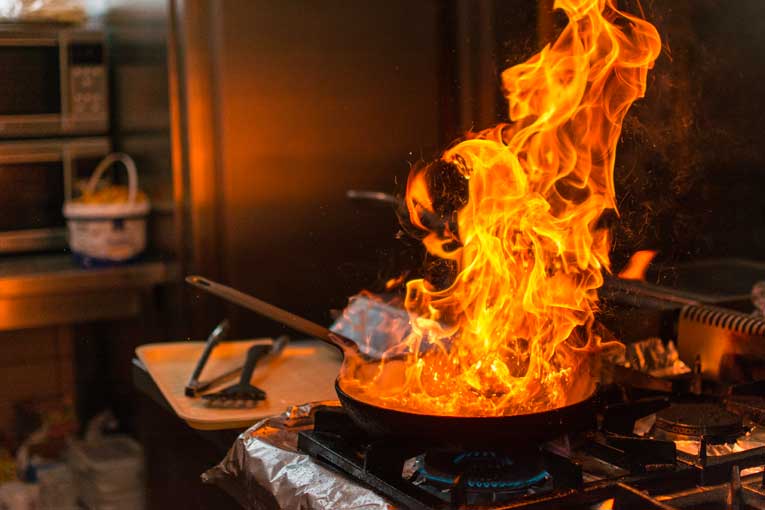
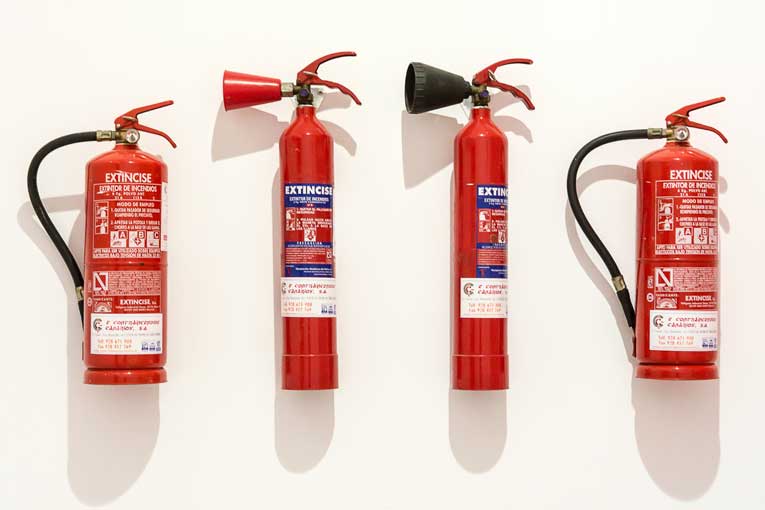
Which Fire Extinguisher Should Be Used for Flammable Liquids?

Understanding how to handle fires involving flammable liquids is crucial for ensuring personal safety and protecting property from potential devastation. 

Flammable liquids, such as gasoline, oils, and solvents, pose unique fire hazards due to their ability to ignite easily and spread rapidly. 

In such situations, using the correct type of fire extinguisher becomes paramount to swiftly and effectively extinguishing the flames without exacerbating the risk.

By understanding the specific hazards associated with flammable liquids and knowing how to respond effectively with the right equipment, individuals can significantly reduce the potential for injury, property damage, and environmental impact caused by such fires. 

This article explores the different types of fire extinguishers suitable for flammable liquid fires and provides guidance on their proper use to enhance fire safety practices in various settings.

What Different Types of Fire Extinguishers are there?

different types of fire extinguisher

Fire extinguishers are categorised into several types, each designed to combat specific classes of fire

Choosing the right type of fire extinguisher depends on the specific fire hazards present in a given environment.

Understanding these types is crucial for effective fire response and safety:

Water

These are designed for Class A fires, which involve solid materials such as wood, paper, and textiles. 

Water extinguishers work by cooling the fire and reducing its heat until it is extinguished. 

They are not suitable for use on flammable liquids or electrical fires due to the risk of spreading the fire or electrical shock.

Foam

Foam extinguishers are effective against Class A and B fires. 

They work by creating a barrier between the fuel and the air or by cooling and smothering the fire. 

Foam extinguishers are versatile and commonly used in environments where both solid materials and flammable liquids are present.

Dry Powder

These extinguishers are suitable for Class A, B, and C fires. 

They work by smothering the fire and interrupting the chemical reaction necessary for combustion. 

Dry powder extinguishers are effective for extinguishing fires involving flammable gases and are also safe for use on electrical fires.

CO2

CO2 extinguishers are designed for Class B and electrical fires. 

They work by displacing oxygen around the fire, suffocating it and leaving no residue. 

CO2 extinguishers are ideal for use on fires involving flammable liquids such as oil and petrol, as well as electrical fires.

Wet Chemical

These are specifically designed for Class F fires, which involve cooking oils and fats. 

Wet chemical extinguishers create a blanket that cools the burning oil and prevents reignition. 

They are effective in commercial kitchens and other environments where cooking oils are used and grease fires can happen.

What Class of Fire are Flammable Liquids?

flammable liquids class of fire

Flammable liquids are classified as Class B fires according to fire safety standards. 

This classification encompasses fires fueled by flammable gases, liquids, greases, and similar substances. 

Class B fires are characterised by their ability to ignite easily and burn rapidly, often with intense flames.

Common examples of flammable liquids include gasoline, diesel fuel, kerosene, alcohol, acetone, and various industrial solvents. 

These liquids typically have low flash points, meaning they can vaporise quickly at relatively low temperatures and ignite easily when exposed to an ignition source.

Fires involving flammable liquids pose unique challenges due to the volatility of the fuel involved. 

They can spread rapidly and may produce intense heat and flames, making them potentially dangerous and difficult to extinguish if not addressed promptly and effectively.

Which Fire Extinguisher Should Be Used for Flammable Liquids?

When dealing with flammable liquids, choosing the right fire extinguisher is crucial to effectively and safely extinguish fires of this type. 

Here are the recommended fire extinguishers for flammable liquids:

Foam Fire Extinguisher

foam fire extinguisher
Source: Amazon

Foam extinguishers are suitable for Class B fires, which involve flammable liquids such as gasoline, oil, and paint. 

They work by forming a blanket of foam over the liquid surface, cutting off the fire’s oxygen supply and cooling the fuel below its ignition point. 

Foam extinguishers are effective for both indoor and outdoor use and are particularly useful where flammable liquids may spill or pool.

Dry Powder Fire Extinguisher

dry powder fire extinguisher
Source: Amazon

Dry powder extinguishers are versatile and can be used on Class B fires.

They work by smothering the fire and interrupting the chemical reaction necessary for combustion. 

Dry powder extinguishers are effective for quickly extinguishing fires involving flammable liquids like petrol, diesel, and solvents. 

However, they can create a cloud that reduces visibility and may cause respiratory irritation, so they should be used in well-ventilated areas.

CO2 Fire Extinguisher

co2 fire extinguisher
Source: Amazon

CO2 extinguishers are suitable for Class B fires involving flammable liquids. 

They work by displacing oxygen and reducing the heat of the fire. CO2 extinguishers are ideal for use in confined spaces or areas with sensitive equipment because they do not leave a residue that can damage electronics or other materials. 

However, they should be used with caution in enclosed spaces to avoid the risk of suffocation due to the displacement of breathable air.

How do you Extinguish a Flammable Liquid Fire?

how to extinguish flammable liquids

Extinguishing a flammable liquid fire requires careful consideration and the right approach to prevent the fire from spreading or reigniting. 

Here are the steps to effectively extinguish a flammable liquid fire:

Assess the Situation

Before attempting to extinguish the fire, assess the size and nature of the fire. 

If the fire is small and contained, you may attempt to extinguish it using a fire extinguisher. 

For larger fires or those involving significant quantities of flammable liquids, evacuate the area immediately and call emergency services.

Select the Correct Extinguisher

Choose the appropriate fire extinguisher based on the type of flammable liquid involved. Foam, dry powder, and CO2 extinguishers are suitable for flammable liquid fires.

Approach the Fire

Approach the fire from a safe distance to avoid exposure to heat and flames. 

Aim the nozzle of the fire extinguisher at the base of the flames where the liquid fuel is burning.

Use the PASS Method

Follow the PASS method to operate the fire extinguisher effectively:

  • Pull: Pull the pin to unlock the extinguisher.
  • Aim: Aim the nozzle at the base of the fire.
  • Squeeze: Squeeze the handle to discharge the extinguishing agent.
  • Sweep: Sweep the nozzle from side to side, covering the base of the fire with the extinguishing agent.

Discharge the Extinguisher

Maintain a steady discharge of the extinguishing agent until the fire is fully extinguished. 

Continue to apply the agent to prevent re-ignition.

Monitor the Area

After extinguishing the fire, monitor the area for any signs of reignition or hotspots. 

Ensure the area remains evacuated until it is declared safe by firefighting professionals.

Dispose of Extinguisher Properly

After use, even if partially discharged, fire extinguishers should be serviced or replaced according to manufacturer guidelines to ensure readiness for future emergencies.

What are the Dangers of Using a Wrong Fire Extinguisher Type on Flammable Liquids?

wrong fire extinguisher dangers

Using the wrong type of fire extinguisher on flammable liquids can lead to several dangers and exacerbate the fire rather than extinguish it effectively. 

Here are the key risks:

Increased Fire Spread

Using the wrong extinguisher type may not effectively control or suppress the flammable liquid fire. 

Instead, it could spread the fire by agitating the burning liquid or dispersing it, increasing the area affected by flames.

Escalated Danger

Certain extinguishing agents, if incompatible with flammable liquids, can react chemically, producing hazardous by-products or increasing the intensity of the fire. 

For instance, using water or foam on some flammable liquids can cause splashing, spreading the fire or causing explosions.

Ineffective Suppression

Incorrect extinguisher types may not effectively smother the flames or cool the burning liquid, allowing the fire to reignite or continue burning.

Personal Safety Risks

Incorrect use can endanger the person attempting to extinguish the fire. 

Exposure to heat, flames, or chemical reactions from the wrong extinguisher type can result in burns, inhalation of toxic fumes, or other injuries.

Damage to Property

Inadequate suppression can lead to greater property damage. 

Uncontrolled fires can spread rapidly, causing structural damage or affecting nearby equipment and materials.

Conclusion

Hopefully you now have an understanding of which fire Extinguisher should be used for flammable liquids.

Knowing which fire extinguisher to use for flammable liquids is crucial for effective fire management and ensuring the safety of individuals and property. 

By understanding the specific fire classes and corresponding extinguisher types, you empower yourself to respond confidently and swiftly during emergencies.

Fire safety education plays a pivotal role in equipping individuals with the knowledge to make informed decisions under pressure. 

When faced with a fire involving flammable liquids, the ability to identify the appropriate extinguisher – such as a foam or dry powder extinguisher – can significantly mitigate risks and prevent the situation from escalating.

How Do You Use a Fire Extinguisher?

Knowing how to use a fire extinguisher is not just a valuable skill but a critical aspect of ensuring safety in any environment. 

Fires can erupt suddenly and escalate rapidly, posing immediate threats to life and property. 

Being equipped with the knowledge of how to operate a fire extinguisher can make the difference between containing a small fire and facing a potentially devastating situation.

But how do you use a fire extinguisher?

This article aims to empower individuals by providing essential insights into the effective use of fire extinguishers. 

Whether at home, in the workplace, or in public spaces, understanding the principles behind each type of extinguisher and how to apply them correctly is paramount. 

By familiarising yourself with these basics, you’ll be better prepared to respond calmly and effectively in the event of a fire emergency, potentially minimising its impact and safeguarding those around you.

What are the Different Types of Fire Extinguishers?

types of fire extinguisher

Understanding the different types of fire extinguishers is crucial for effective fire suppression

Each type of fire extinguisher is identified by a colour-coded label and symbol that indicates the classes of fires it is suitable for. 

It’s essential to choose the correct type of extinguisher based on the specific classes of fire in your environment to ensure safe and effective firefighting. 

Regular maintenance and proper training in the use of extinguishers are also critical for preparedness in emergencies.

Here’s an overview of the most common types:

Water Fire Extinguishers

Water extinguishers are suitable for Class A fires, which involve ordinary combustibles like wood, paper, and fabrics. 

They work by cooling the fire and lowering the temperature below its ignition point.

Foam Fire Extinguishers

Foam extinguishers are effective against Class A and Class B fires. 

Class B fires involve flammable liquids such as gasoline, oils, and paints. 

Foam extinguishers create a blanket over the fuel, smothering the fire and preventing reignition.

Dry Powder Fire Extinguishers

Dry powder extinguishers are versatile and can be used on Class A, B, and C fires. 

Class C fires involve flammable gases like propane and methane. 

These extinguishers work by coating the fuel with a fine powder that interrupts the chemical reaction of the fire.

CO2 Fire Extinguishers

CO2 extinguishers are suitable for Class B and Class C fires. 

They work by displacing oxygen, which suffocates the fire. 

CO2 extinguishers are effective for electrical fires and flammable liquid fires (Class B).

Wet Chemical Fire Extinguishers

Wet chemical extinguishers are specifically designed for Class F fires, which involve cooking oils and fats. 

They work by creating a soapy layer on the surface of the burning oil, suppressing the fire and preventing splashing.

How Do You Use a Fire Extinguisher?

how do you use a fire extinguisher image

Using a fire extinguisher effectively can make a crucial difference in containing small fires before they escalate. 

Here’s a comprehensive guide on how to use a fire extinguisher:

Assess the Situation

Before attempting to use a fire extinguisher, evaluate the type of fire. 

Fire extinguishers are designed for specific classes of fires and using the wrong type can worsen the situation.

Choose the Right Extinguisher

Identify the correct type of fire extinguisher needed for the fire. 

The types include water, foam, dry powder, CO2, and wet chemical . 

The label on the extinguisher indicates the classes it can handle.

Remember PASS

The PASS method is vital for effective fire suppression:

  • Pull the pin: This unlocks the operating lever.
  • Aim low: Point the nozzle or hose at the base of the fire.
  • Squeeze the handle: This releases the extinguishing agent.
  • Sweep from side to side: Move the extinguisher nozzle or hose back and forth to cover the fire until it’s extinguished.

Position Yourself Safely

Stand about 6 to 8 feet away from the fire. 

This distance provides safety while allowing you to effectively aim the extinguisher at the base of the flames, and gives you the greatest chance of extinguishing the fire.

Activate the Extinguisher

Pull the pin or safety clip to unlock the operating lever. 

Some extinguishers may require twisting or other actions to activate.

Aim at the Base of the Fire

Direct the nozzle or hose toward the base of the flames, not at the top of the fire. 

This targets the source of the fire and helps smother it effectively.

Squeeze the Handle

Firmly squeeze the handle or lever to discharge the extinguishing agent. 

Maintain control of the extinguisher while applying the agent.

Sweep from Side to Side

Using a sweeping motion, move the nozzle or hose from side to side to cover the entire area of the fire. 

Continue until the flames are completely extinguished.

Monitor the Area

After extinguishing the fire, monitor the area for any signs of reignition. 

Stay cautious, as fires can rekindle from hidden hot spots.

Evacuate if Necessary

If the fire grows or becomes uncontrollable, evacuate the area immediately. 

Close doors behind you to contain the fire and alert others to evacuate.

After Use

Once the fire is out, let the area cool down and ventilate if necessary. 

Report the incident and ensure the fire extinguisher is refilled or replaced promptly.

What to do if You are Unable to Put Out a Fire Using a Fire Extinguisher?

unable to put fire out with fire extinguisher

If you find yourself unable to extinguish a fire using a fire extinguisher, follow these critical steps to ensure safety and minimise the fire’s impact:

Evacuate Immediately

If the fire continues to grow despite your efforts, prioritise your safety and evacuate the area. 

Alert others nearby and ensure everyone leaves the building or area safely.

Close Doors

As you evacuate, close any doors, not just fire doors, behind you to help contain the fire and prevent it from spreading further.

Call Emergency Services

Once you are safely outside, call the emergency services (fire department) immediately. 

Provide them with accurate information about the location, size, and nature of the fire.

Do Not Re-enter

Under no circumstances should you re-enter the building or area until emergency responders have declared it safe to do so. 

Fire can spread rapidly and unpredictably, posing serious risks to anyone inside.

Follow Emergency Procedures

Follow any emergency procedures or evacuation plans in place for the building. 

These plans are designed to ensure everyone’s safety in the event of a fire or other emergency.

Monitor the Situation

While waiting for emergency services to arrive, monitor the situation from a safe distance. 

Be prepared to provide additional information or assistance as needed.

Report the Incident

After the fire has been dealt with by professionals, report the incident to building management or authorities as required.

Conclusion

Hopefully this article has answered your question on exactly how do you use a fire extinguisher.

Knowing how to effectively use a fire extinguisher is crucial for protecting lives and property during emergencies. 

Each type of fire extinguisher is designed to combat specific classes of fires, so understanding their distinctions is essential. 

Remembering the PASS method – Pull the pin, Aim at the base of the fire, Squeeze the handle, and Sweep from side to side – provides a systematic approach to using an extinguisher effectively. 

Regular practice of these steps enhances familiarity and readiness, ensuring quick and confident action during a fire incident. 

By staying prepared and knowledgeable about fire extinguisher operation, individuals can play a proactive role in fire safety and potentially mitigate the impact of fires in their environments.

What Extinguisher Should Be Used for Electrical Fires?

Fires can start unexpectedly and spread quickly. 

Knowing how to respond is essential. 

One common type of fire is an electrical fire. 

These fires involve electrical equipment and wiring. 

Knowing what extinguisher should be used for an electrical fire can prevent injuries and save property. 

This article will guide you on which extinguisher to use for electrical fires, how to use it, and how to handle electrical fire emergencies.

What Types of Fire Extinguishers are There?

fire extinguisher types

There are 5 main types of fire extinguishers, each used for different classes of fire

Water

Water fire extinguishers are designed for Class A fires, which involve ordinary combustibles like wood, paper, and textiles. 

They work by cooling the burning material, which helps to extinguish the fire. 

Some water extinguishers are not suitable for electrical fires or fires involving flammable liquids and gases, as water can spread the fire or cause electric shock.

Foam

Foam fire extinguishers are suitable for Class A and Class B fires. 

They work by forming a blanket over the burning material, cutting off the fire’s oxygen supply and cooling the material. 

Foam extinguishers are effective on flammable liquids like petrol and oil, but they should not be used on electrical fires, as foam can conduct electricity and cause hazards.

Dry Powder

Dry powder fire extinguishers are versatile and can be used on Class A, B, and C fires. 

They contain a powder that smothers the fire, cutting off its oxygen supply. 

These extinguishers are suitable for flammable liquids, gases, and electrical fires. 

However, they leave a residue that can damage sensitive equipment and create a mess.

CO2

Carbon dioxide (CO2) fire extinguishers are primarily used for Class B and electrical fires. 

They work by displacing the oxygen around the fire and cooling it. CO2 extinguishers are ideal for electrical fires because they leave no residue and do not damage electrical equipment. 

However, they are not effective on Class A fires and should not be used in confined spaces due to the risk of asphyxiation.

Wet Chemical

Wet chemical fire extinguishers are specifically designed for Class F fires, which involve cooking oils and fats. 

They contain a solution that reacts with the burning oil to form a thick, soapy layer on the surface, cutting off the oxygen supply and cooling the oil. 

Wet chemical extinguishers are highly effective in commercial kitchens but are not suitable for other types of fires.

What Extinguisher Should Be Used for Electrical Fires?

what extinguisher used for electrical fire image
Source: Amazon

For electrical fires, which are one of the most dangerous types of fire, the safest and most effective fire extinguishers are Dry Powder and CO2 (carbon dioxide) extinguishers.

Dry Powder Extinguishers

Dry Powder extinguishers are specifically designed for electrical fires. 

They contain non-conductive agents like dry chemicals, such as monoammonium phosphate or sodium bicarbonate

These agents interrupt the chemical reaction of the fire and do not conduct electricity, making them safe for use on electrical equipment.

CO2 Extinguishers

CO2 extinguishers are also suitable for electrical fires. 

Carbon dioxide is a non-conductive gas that displaces oxygen around the fire, suffocating it. 

Additionally, CO2 extinguishers cool the equipment, helping to prevent re-ignition. 

Since CO2 leaves no residue, it is ideal for use on sensitive electronic devices and machinery.

Certain Water-Based Fire Extinguishers

An approved water-based extinguisher or one that has passed a di-electrical test is safe to use on live electrical equipment up to 1000V, provided you maintain a distance of at least 1 meter.

This safety standard is recognized internationally and is outlined in the BS EN 3-7 product standard, ensuring its reliability and effectiveness.

What are the Dangers of Using the Wrong Fire Extinguisher Type on an Electrical Fire?

electrical fire wrong extinguisher dangers

Using the wrong type of fire extinguisher on an electrical fire can pose several serious dangers.

Electric Shock

Water-based and foam extinguishers can conduct electricity. 

Using these on an electrical fire can result in electric shock to the person operating the extinguisher. 

This can lead to severe injury or even death.

Fire Spread

Some water and foam extinguishers are ineffective on electrical fires and can cause the fire to spread. 

Non-dielectric tested water extinguishers can cause the fire to spread to other areas by dripping into electrical systems and creating short circuits. 

Foam can have a similar effect by spreading conductive materials.

Equipment Damage

Using incorrect extinguishing agents can damage electrical equipment irreparably. 

For instance, dry powder extinguishers leave a residue that can harm sensitive electronics. 

This residue is difficult to clean and can cause long-term damage.

Ineffective Fire Suppression

Using an inappropriate extinguisher may provide ineffective fire suppression, leaving it to grow and become more dangerous. 

This inefficacy wastes critical time during an emergency, allowing the fire to spread and cause more damage.

Toxic Fumes

Using the wrong extinguisher can produce toxic fumes, especially if the extinguishing agent reacts with the burning materials. 

These fumes can be harmful if inhaled and pose additional health risks.

How to Use a Fire Extinguisher 

how to use a fire extinguisher

Knowing how to use a fire extinguisher properly is crucial for effectively combating small fires. 

The PASS technique is a simple method to remember:

Pull the Pin

Pull the pin at the top of the extinguisher. 

This action breaks the tamper seal and allows you to discharge the extinguisher.

Aim at the Base

Aim the nozzle or hose at the base of the fire. 

Focusing on the base, where the fuel source is, helps to extinguish the flames more effectively.

Squeeze the Handle

Squeeze the handle or lever slowly and evenly. 

This releases the extinguishing agent. 

Make sure to control the discharge by applying steady pressure.

Sweep Side to Side

Sweep the nozzle or hose from side to side at the base of the fire. 

Continue this motion until the fire is completely out. 

Be thorough and ensure the fire doesn’t reignite.

Safety Precautions

  • Stay Alert: Always keep an eye on the fire, even after it seems to be extinguished.
  • Maintain Distance: Stand at a safe distance from the fire, typically about 8-10 feet, and move closer as the fire diminishes.
  • Know When to Evacuate: If the fire becomes uncontrollable or spreads rapidly, evacuate immediately and call emergency services.

What are the Main Causes of Electrical Fires?

electrical fire causes

Electrical fires are a common and dangerous type of household fire. 

Understanding their causes can help in preventing them.

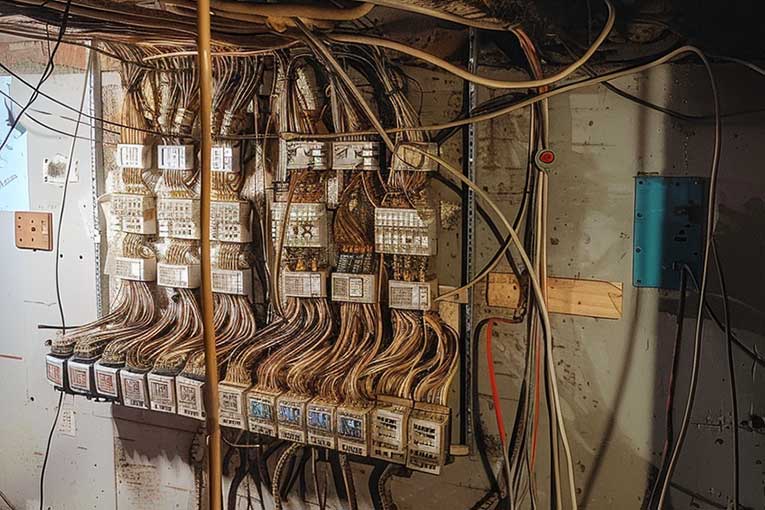
Faulty Wiring

Old, damaged, or improperly installed wiring is a leading cause of electrical fires. 

Over time, wires can degrade, leading to exposed or frayed wires that can spark and ignite surrounding materials. 

Additionally, amateur electrical work can create unsafe conditions that may result in fires.

Overloaded Circuits

Plugging too many devices into a single outlet or power strip can overload circuits. 

This overload causes excessive heat, which can melt the wiring and start a fire. 

Using high-wattage appliances on circuits not designed to handle them is particularly risky.

Faulty Appliances

Defective or poorly maintained appliances can also spark electrical fires. 

Appliances with damaged cords or internal electrical faults can overheat and ignite. 

Regular maintenance and prompt repairs are essential to keep appliances safe.

Extension Cords

Improper use of extension cords is another common cause. 

Extension cords can overheat if used to power high-wattage appliances or if they are used for long periods. 

Running extension cords under carpets or through doorways can damage them, increasing the fire risk.

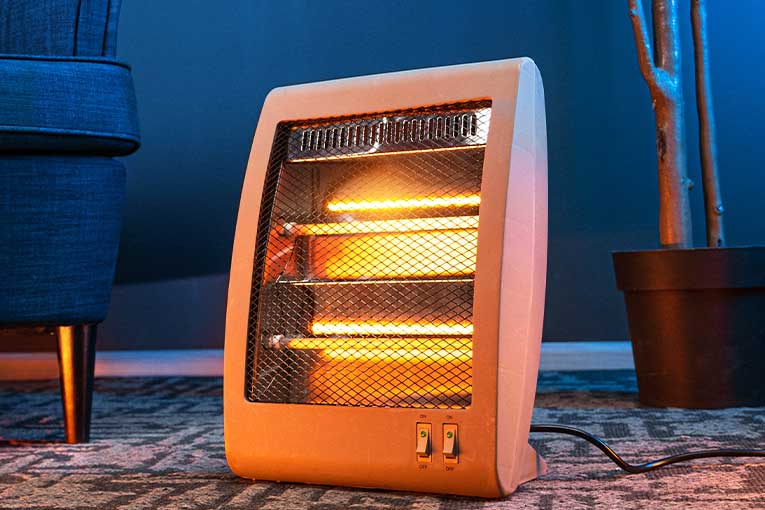
Space Heaters

Space heaters are often used to provide additional warmth but can be dangerous if not used correctly. 

Placing them too close to flammable materials or leaving them unattended can cause fires. 

Heaters with faulty thermostats or those left on for too long are particularly hazardous.

Light Fixtures

Using incorrect bulb wattage in light fixtures can lead to overheating. 

Exceeding the recommended wattage can cause the light fixture to overheat, melt, and potentially ignite surrounding materials. 

Ensure all bulbs match the recommended wattage for your fixtures.

Electrical Outlets

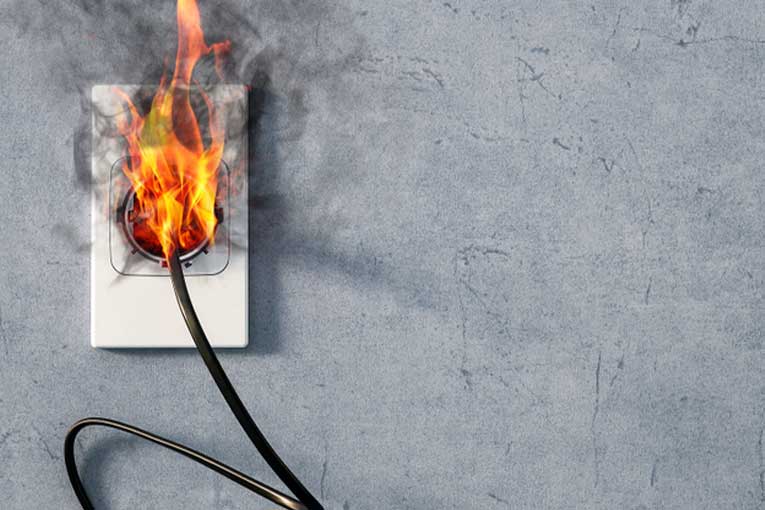
Loose or worn-out electrical outlets can cause arcing, where electricity jumps from one connection to another. 

This arcing can generate heat and ignite nearby materials. 

Ensuring outlets are securely fitted and in good condition helps prevent this risk.

What to do if There is an Electrical Fire?

electrical fire what to do

If there is an electrical fire, use these steps to stay as safe as possible: 

Stay Calm and Assess the Situation

If an electrical fire starts, staying calm is crucial. 

Panicking can lead to mistakes and make the situation worse. 

Quickly assess the severity of the fire. If it is small and manageable, you might be able to extinguish it safely.

Disconnect Power

If it is safe to do so, disconnect the power source to the electrical device causing the fire. 

This can often be done by unplugging the device or turning off the power at the circuit breaker. 

Cutting off the power source can help stop the fire from spreading.

Use the Right Extinguisher

Use a Dry Powder or CO2 fire extinguisher, which is designed for electrical fires. 

Remember to use the PASS technique: Pull the pin, Aim at the base of the fire, Squeeze the handle, and Sweep from side to side.

Evacuate if Necessary

If the fire is too large or out of control, evacuate immediately. 

Do not try to extinguish a fire that is spreading rapidly or producing a lot of smoke. 

Make sure everyone in the building is aware of the fire and evacuates safely. 

Close doors behind you as you leave to help contain the fire.

Call Emergency Services

Once you are safely outside, call the emergency services number. 

Provide the dispatcher with your location and details about the fire. 

Do not assume someone else has already called. 

Emergency responders have the equipment and expertise to handle electrical fires safely.

Do Not Use Water

Never use water to extinguish an electrical fire. 

Water conducts electricity, which can cause electric shock and make the fire worse. 

It is essential to use only the appropriate fire extinguishers.

Wait for Professionals

Wait for the fire department to handle the situation. 

They have the necessary training and equipment to extinguish electrical fires safely and prevent them from reigniting.

Conclusion

Electrical fires can be dangerous, but knowing how to prevent and respond to them can save lives and property. 

Use CO2 extinguishers for electrical fires and follow the PASS technique for effective use. 

Regularly inspect your home for potential fire hazards, maintain electrical equipment, and never use water on an electrical fire. 

By staying informed and prepared, you can protect your home and loved ones from the dangers of electrical fires.

How to Prevent Fires in the Home

Preventing fires in the home is crucial for safety. 

Fires can cause injury, property damage, and even death. 

Understanding fire causes and how to prevent fires in the home can significantly reduce the risk. 

This article explains the main causes of home fires and provides practical prevention tips, as well as what to do in the event of a fire in the home. 

The Main Causes of Fires in the Home

causes of fires home

Fires in the home can have several causes, these are the 6 most common:

Electrical Equipment

Electrical equipment is a common cause of home fires. 

Faulty wiring, damaged cords, and overloaded circuits can ignite flames. 

Older homes may have outdated wiring that isn’t up to current safety standards, increasing the risk. 

Misusing electrical appliances, such as running them for too long or using them with improper outlets, can also lead to fires. 

Power strips and extension cords should be used cautiously, avoiding overloads. 

Cooking

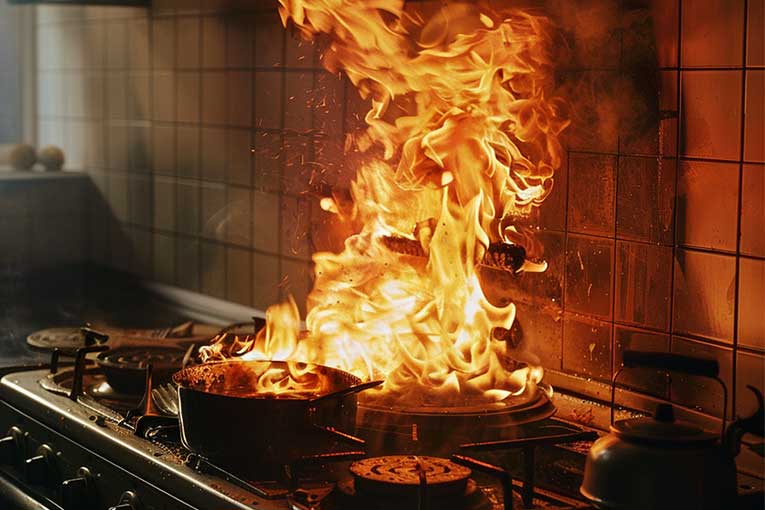
Cooking is a leading cause of home fires, often due to unattended cooking. 

Grease fires are particularly dangerous because they can spread quickly and are difficult to extinguish with water. 

Other common cooking-related fire causes include leaving flammable items near the stove, overheating cooking oil, and using faulty cooking appliances. 

Distractions in the kitchen, such as leaving the stove unattended to answer a phone call or watching TV, significantly increase the risk of a cooking fire. 

Appliances

Household appliances like dryers, washers, and refrigerators can also be fire hazards. 

Dryers, for example, can catch fire if lint builds up and obstructs airflow, causing overheating. 

Washers and refrigerators may have electrical malfunctions that can spark a fire. 

Over time, the wear and tear on appliances can lead to electrical shorts or overheating. 

Heating Equipment

Heating equipment, including space heaters, furnaces, and fireplaces, is another major cause of home fires. 

Space heaters can ignite nearby flammable materials if placed too close. 

Faulty or poorly maintained furnaces can develop issues that lead to fires. 

Fireplaces can cause fires if they are not properly cleaned or if embers escape. 

Smoking

Smoking indoors poses a significant fire risk. 

Cigarettes, cigars, and pipes can easily ignite flammable materials such as furniture, bedding, and carpets. 

Falling asleep while smoking is particularly dangerous, as the burning embers can ignite bedding or upholstery.

Candles

Candles add ambiance but also present a fire hazard. 

Unattended candles, candles placed near flammable objects, or those knocked over by pets or children can start fires. 

Even a small flame can quickly ignite nearby materials like curtains, papers, or decorations. 

How to Prevent Fires in the Home

how to prevent fires home

There are many ways to help reduce the risks of fire in the home: 

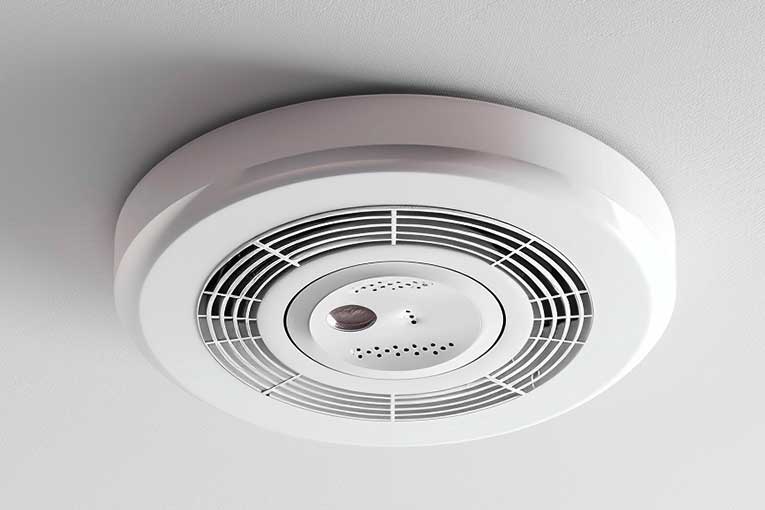
Install Smoke Alarms

Fire detection is a necessity to staying safe in the home, so install smoke alarms on every level of your home, inside bedrooms, and outside sleeping areas. 

Smoke alarms provide early warning in case of a fire, giving you and your family more time to escape. 

Test smoke detectors monthly and replace batteries at least once a year. 

Replace the entire smoke alarm unit every ten years to ensure it functions correctly.

Maintain Electrical Equipment

To protect yourself from electrical fires, you should regularly inspect electrical cords for damage, such as fraying or exposed wires. 

Avoid overloading outlets and use surge protectors to prevent electrical fires. 

Unplug appliances when not in use and ensure that all electrical work in your home is done by a licensed electrician. 

If your home is older, consider having the wiring inspected and updated to meet current safety standards.

Practice Safe Cooking

Never leave cooking food unattended. Stay in the kitchen, especially when using high heat or cooking with oil. 

Keep flammable items like dish towels, paper towels, and pot holders away from the stove. 

Have a fire extinguisher in the kitchen and know how to use it. 

Avoid wearing loose clothing while cooking, as it can catch fire easily. 

Maintain Appliances

Clean the lint filter in your dryer after every use, and ensure the vent is clear and unobstructed. 

Keep the area around appliances free of clutter. 

Follow the manufacturer’s instructions for maintenance and repairs to prevent electrical malfunctions. 

Unplug small appliances like toasters and coffee makers when not in use.

Use Heating Equipment Safely

Keep space heaters at least three feet away from anything flammable, such as curtains, furniture, or bedding. 

Never leave space heaters unattended or use them while sleeping. 

Ensure your furnace is inspected and maintained annually by a professional. 

Use a fireplace screen to prevent embers from escaping, and only burn seasoned wood

Have your chimney cleaned regularly to prevent creosote buildup, which can cause chimney fires.

Smoke Outside

If you smoke, do so outside. 

Use deep, sturdy ashtrays and ensure cigarettes are fully extinguished before disposing of them. 

Never smoke in bed or when you are drowsy, as falling asleep with a lit cigarette is a major fire risk.

Use Candles Responsibly

Place candles in sturdy holders and keep them away from flammable items like curtains or paper. 

Never leave candles unattended, and extinguish them before leaving the room or going to sleep. 

Consider using battery-operated, flameless candles as a safer alternative.

Plan Fire Drills

Create a fire escape plan for your home and practise it with your family. 

Know two ways out of every room and establish a meeting place outside the home. 

Practise your escape plan regularly to ensure everyone knows what to do in case of a fire.

Keep Flammable Materials Away

Store flammable materials such as gasoline, paint, and solvents in proper containers and away from heat sources. 

Keep matches and lighters out of reach of children.

What to do if There is a Fire in the Home

what to do if fire

If there is a fire in the home, these are the steps you should take to stay safe: 

Stay Calm and Act Quickly

If a fire breaks out in your home, it’s essential to stay calm and act quickly. 

Panic can hinder your ability to make sound decisions and escape safely. 

Alert Everyone

Shout “Fire!” to alert everyone in the home. 

Make sure everyone knows to evacuate immediately. 

Ensure that children, the elderly, and anyone with mobility issues get help to evacuate.

Evacuate Immediately

Leave the house immediately. 

Do not stop to gather valuables or pets. 

Every second counts, and delaying your exit can be deadly. 

Follow your predetermined escape routes and avoid using elevators if you live in an apartment building.

Check Doors for Heat

Before opening any door, check it for heat by using the back of your hand. 

If the door is hot, do not open it; there may be fire on the other side. 

If it is cool, open it slowly and proceed with caution.

Crawl Low Under Smoke

Smoke and toxic gases rise during a fire. 

If you encounter smoke, get low to the ground and crawl under it to avoid inhaling dangerous fumes. 

Keep your nose and mouth covered with a cloth if possible.

Use an Alternative Exit

If your primary escape route is blocked by fire or smoke, use your alternative route. 

This might involve exiting through a window or using a fire escape ladder. 

Ensure you have a safe way to reach the ground from upper floors.

Close Doors Behind You

Close doors as you leave to help contain the fire and slow its spread. 

This can buy you more time to escape and reduce damage to your home.

Call the Emergency Services

Once you are safely outside, call the emergency services. 

Provide the dispatcher with your location and details about the fire. 

Do not assume someone else has already called. 

Wait for emergency responders at a safe distance from the fire.

Do Not Re-enter the Home

Never go back inside a burning building for any reason. 

Wait for firefighters to handle the situation. Your safety and the safety of your family come first.

Conclusion

You should now have a better understanding of how to prevent fires in the home. 

Preventing home fires requires awareness and proactive measures. 

By understanding the main causes of fires and following safety tips, you can protect your home and loved ones. 

Install smoke alarms, maintain electrical equipment, and practise safe habits in the kitchen and with heating devices. 

Create a fire escape plan and practise it regularly. 

Stay vigilant and prepared to reduce the risk of fires and keep your home safe.

Aqueous Film Forming Foam – The Complete Facts

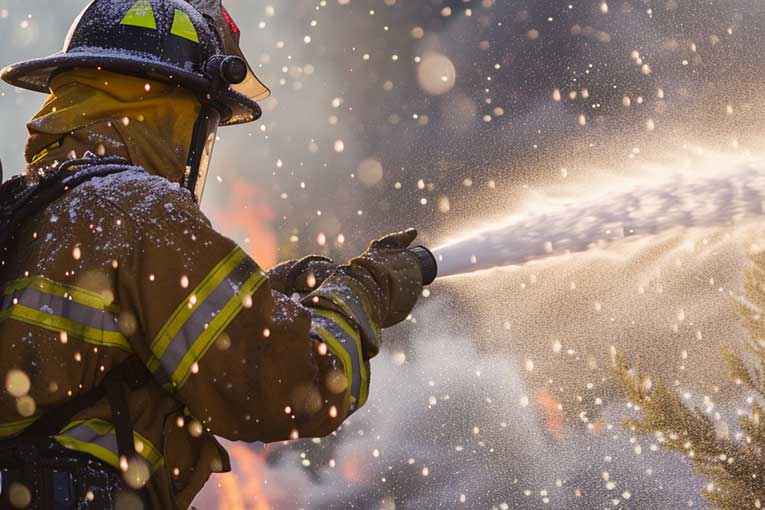
Aqueous Film Forming Foam (AFFF) stands as a frontline defence against flammable liquid fires, renowned for its rapid extinguishing capabilities. 

In this article, we explore the complete facts surrounding AFFF, shedding light on its composition, applications, benefits, and drawbacks. 

Understanding the nuances of AFFF is essential for firefighters, industrial facilities, and anyone concerned with fire safety. 

Join us as we delve into the world of Aqueous Film Forming Foam to uncover its role in modern fire suppression and the alternatives available in the firefighting arsenal.

What is Aqueous Film Forming Foam?

what is aqueous film forming foam

Aqueous Film Forming Foam is a firefighting agent utilised to extinguish fires involving flammable liquids. 

It comprises a mixture of water, fluorosurfactants, and hydrocarbon surfactants. 

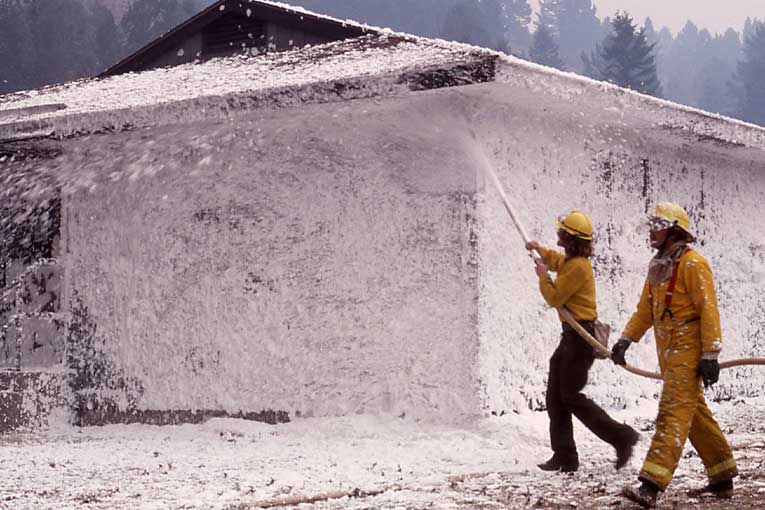
The key component of AFFF is its ability to form a thin, heat-resistant film on the surface of flammable liquids, effectively smothering the fire and preventing re-ignition. 

This foam blanket cools the fire, suppressing vapour release and preventing oxygen from reaching the fuel source. 

Aqueous Film Forming Foam is typically stored as a concentrate and mixed with water before use, either through a fixed foam system or portable fire fighting equipment such as fire hoses or foam sprayers.

What is Aqueous Film Forming Foam Used for?

aqueous film forming foam used for

Aqueous Film Forming Foam finds extensive use in fire suppression scenarios involving flammable liquid fires. 

Its effectiveness lies in its ability to rapidly extinguish fires fueled by substances such as oil, gasoline, diesel, and solvents. 

AFFF is commonly deployed in various industries, including petrochemical plants, refineries, chemical manufacturing facilities, airports, military installations, and firefighting operations.

Industrial Use

In industrial settings, such as warehouses, Aqueous Film Forming Foam is often integrated into fixed foam systems, providing continuous fire protection for high-risk areas such as storage tanks, loading racks, and process areas. 

These systems can automatically release AFFF when a fire is detected, quickly smothering the flames and preventing escalation.

Aviation Use

In aviation, Aqueous Film Forming Foam is utilised as a firefighting agent for extinguishing fuel fires that may occur during aircraft accidents or emergencies. 

Aircraft rescue and firefighting (ARFF) vehicles are equipped with AFFF-based foam systems capable of delivering large volumes of foam to suppress fires on runways and aircraft surfaces.

Military Use

Similarly, Aqueous Film Forming Foam plays a crucial role in military firefighting operations, where it is used to combat fires on military vehicles, aircraft, and naval vessels. 

Military-grade AFFF formulations are designed to meet stringent performance standards and withstand harsh operational environments.

Emergency Responder Use

In addition to industrial and military applications, AFFF is also employed by municipal fire departments and emergency responders as a portable fire fighting agent. 

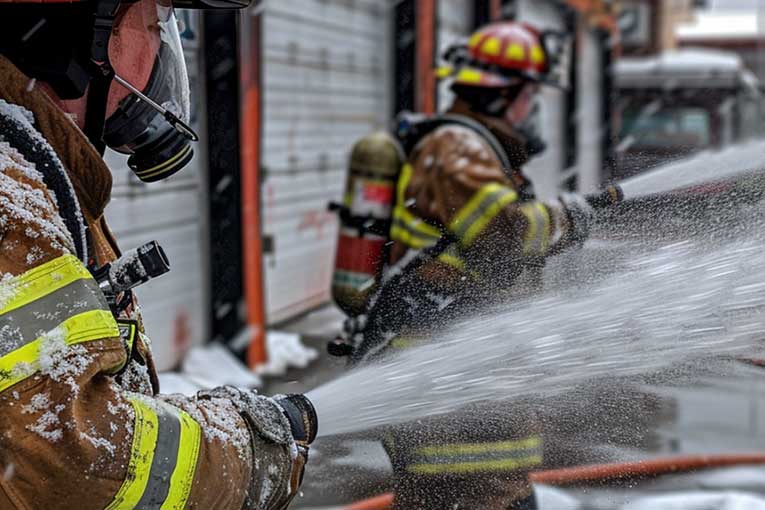
Firefighters use AFFF-based foam solutions to extinguish flammable liquid fires, supplementing water-based firefighting efforts with foam blankets that provide enhanced fire suppression and post-fire security.

What Types of Aqueous Film Forming Foam are There?

aqueous film forming foam types

There are several types of Aqueous Film Forming Foam in use, with the most common two being synthetic-based and protein-based.

Synthetic-based Aqueous Film Forming Foam

Synthetic-based AFFF is the most commonly used type of AFFF and is formulated using synthetic fluorosurfactants and hydrocarbon surfactants. 

This type of AFFF offers excellent fire suppression performance and is compatible with a wide range of flammable liquids.

Protein-based Aqueous Film Forming Foam

Protein-based AFFF is less commonly used than synthetic-based AFFF and is formulated using natural protein-based surfactants derived from animal by-products. 

This type of AFFF has good burn-back resistance and is effective against certain types of flammable liquid fires. 

However, it may be less stable and more prone to degradation over time compared to synthetic-based AFFF.

Which to Choose?

Both types of AFFF are available in various concentrations, typically ranging from 1% to 6%, with higher concentrations providing increased firefighting effectiveness. 

The choice between synthetic-based and protein-based AFFF depends on factors such as firefighting requirements, environmental considerations, and regulatory compliance. 

While synthetic-based AFFF is more commonly used due to its superior performance and stability, protein-based AFFF may be preferred in certain applications or environments where synthetic-based AFFF is not suitable.

What are the Benefits of Aqueous Film Forming Foam?

aqueous film forming foam benefits

Aqueous Film Forming Foam has a wide range of benefits. 

Some of the main ones are:

Rapid Fire Suppression

Aqueous Film Forming Foam offers rapid fire suppression capabilities, quickly smothering flames and preventing the spread of fire. 

The foam blanket formed by AFFF effectively seals off the fuel source, cutting off the oxygen supply and extinguishing the fire.

Burn-back Resistance

AFFF provides excellent burn-back resistance, meaning that once the fire is extinguished, the foam blanket remains in place to prevent re-ignition. 

This helps to ensure that the fire does not reignite after suppression efforts have ceased, providing enhanced post-fire security.

Versatility

Aqueous Film Forming Foam is versatile and adaptable, capable of extinguishing fires involving a wide range of flammable liquids, including oil, gasoline, diesel, and solvents. 

Its effectiveness across different types of fuel fires makes it a valuable tool in various industries and firefighting scenarios.

Stability

AFFF foam blankets are stable and long-lasting, maintaining their integrity even under adverse conditions such as high temperatures or turbulent environments. 

This stability ensures consistent firefighting performance and minimises the risk of foam degradation during storage or deployment.

Environmental Compatibility

Some formulations of Aqueous Film Forming Foam are designed to be environmentally friendly, with reduced toxicity and minimal impact on the environment. 

These eco-friendly AFFF formulations meet stringent environmental regulations and are suitable for use in environmentally sensitive areas.

Cost-effectiveness

AFFF is cost-effective compared to other firefighting agents, offering efficient fire suppression capabilities at a relatively low cost. 

Its affordability makes it accessible to a wide range of industries and organisations, from large-scale industrial facilities to small businesses and municipal fire departments.

What are the Downsides of Aqueous Film Forming Foam?

aqueous film forming foam downsides

White Aqueous Film Forming Foam has numerous advantages to its use, it does come with various negatives that must be addressed. 

Some of the most common downsides are:

Environmental Impact

One of the main downsides of Aqueous Film Forming Foam is its environmental impact. AFFF contains fluorosurfactants, which can persist in the environment and pose potential risks to ecosystems and human health. 

These fluorosurfactants can bioaccumulate in aquatic organisms and have been linked to adverse effects on wildlife and aquatic habitats.

Health Concerns

In addition to environmental concerns, AFFF may also pose health risks to firefighters and other individuals exposed to the foam. 

Some formulations of AFFF contain per- and polyfluoroalkyl substances (PFAS), which have been associated with various health issues, including cancer, reproductive problems, and immune system disorders. 

Prolonged or repeated exposure to AFFF foam may increase the risk of adverse health effects.

Cleanup and Disposal Challenges

Aqueous Film Forming Foam can be challenging to clean up and dispose of properly after firefighting operations. 

The foam can accumulate in waterways, soil, and groundwater, leading to contamination and environmental damage. 

Proper cleanup and disposal procedures are necessary to minimise the environmental impact of AFFF and prevent long-term contamination of soil and water resources.

Regulatory Restrictions

Due to concerns about the environmental and health impacts of AFFF, regulatory agencies have implemented restrictions on its use and disposal. 

Some jurisdictions have banned or restricted the use of AFFF containing certain fluorosurfactants or PFAS compounds. 

These regulations may limit the availability and use of AFFF in certain regions or industries, requiring alternative firefighting agents to be used instead.

What are the Alternatives of Aqueous Film Forming Foam?

aqueous film forming foam alternatives

Due to some of the disadvantages of using Aqueous Film Forming Foam, alternatives can be used:

Dry Chemical Agents

Dry chemical agents, such as monoammonium phosphate (MAP) and sodium bicarbonate, are commonly used alternatives to Aqueous Film Forming Foam for extinguishing flammable liquid fires. 

These agents work by interrupting the chemical reaction of the fire and are particularly effective against Class B fires involving flammable liquids and gases. 

Dry chemical agents are available in portable extinguishers and fixed fire suppression systems, offering rapid and efficient fire suppression capabilities.

Carbon Dioxide (CO2)

Carbon dioxide (CO2) is another alternative firefighting agent used for extinguishing flammable liquid fires. 

CO2 works by displacing oxygen from the fire area, effectively smothering the flames and preventing combustion. 

CO2 is non-conductive and leaves no residue, making it suitable for use in electrical and sensitive equipment environments. 

However, CO2 can be dangerous in confined spaces due to the risk of oxygen depletion, and proper ventilation is necessary when using CO2 for fire suppression.

Environmentally Friendly Foam Formulations

In response to environmental concerns associated with traditional AFFF formulations, manufacturers have developed foam concentrates with environmentally friendly formulations. 

These foam concentrates are free from fluorosurfactants and per- and polyfluoroalkyl substances (PFAS), reducing their environmental impact and potential health risks. 

While these environmentally friendly foam concentrates may have slightly different firefighting properties compared to traditional AFFF, they offer effective fire suppression capabilities while minimising environmental harm.

Water-Based Firefighting Systems

Water-based firefighting systems, such as sprinkler systems and water mist systems, provide an alternative approach to fire suppression without the use of foam agents. 

These systems use water as the primary extinguishing agent, either through sprinkler heads or high-pressure water mist nozzles. 

Water-based firefighting systems are effective at suppressing fires involving flammable liquids and are often used in industrial and commercial settings for fire protection. 

Additionally, water-based systems are environmentally friendly and pose minimal health risks compared to foam agents.

Conclusion

Aqueous Film Forming Foam stands as a powerful tool in firefighting, offering rapid fire suppression capabilities for flammable liquid fires. 

While AFFF provides numerous benefits, including quick extinguishment and excellent burn-back resistance, it also presents downsides such as environmental impact and health concerns. 

Exploring alternatives like dry chemical agents, carbon dioxide, environmentally friendly foam concentrates, and water-based firefighting systems can mitigate these drawbacks. 

As the firefighting industry evolves, balancing the effectiveness of AFFF with environmental and health considerations remains crucial in ensuring comprehensive fire protection strategies for both present and future needs.

Why are Firetrucks Red?

Firetrucks, with their distinctive red hue, stand out as symbols of rapid response to emergencies, commanding attention on roads and streets worldwide. 

But why are firetrucks red?

The vibrant red colour has become synonymous with the urgency and gravity of firefighting efforts. 

While the sight of red firetrucks is deeply ingrained in our collective consciousness, the origins of this colour choice remain shrouded in curiosity and speculation.

In this article, we will delve into the mystery behind the enduring tradition of painting firetrucks red.

Why are Firetrucks Red?

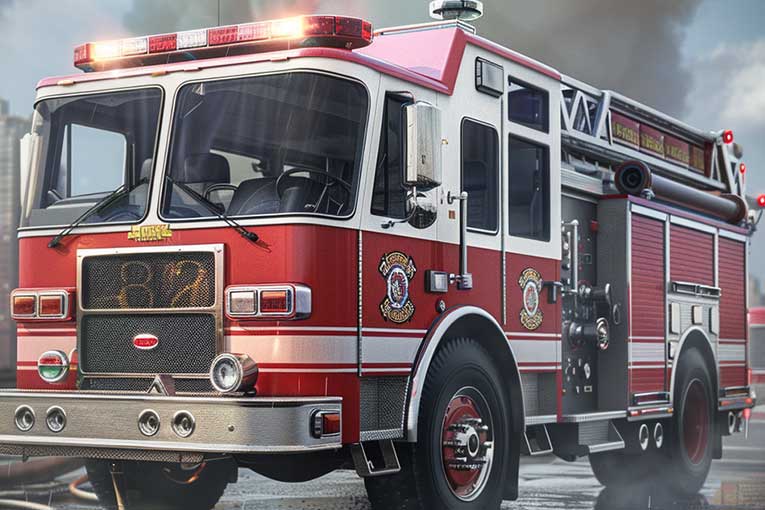
why are firetrucks red image

Firetrucks, with their bold and unmistakable red hue, have become iconic symbols of emergency response. 

The choice of this vibrant colour is deeply rooted in tradition. 

As to why firetrucks are red, the short answer is nobody knows for sure.

However there are numerous theories as to why, with some of the most common being:

Cheapest Colour of Paint

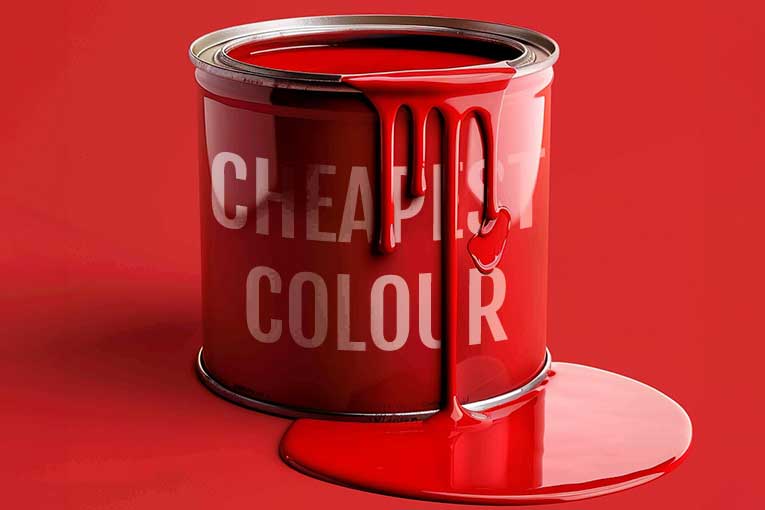
firetrucks red cheapest paint

One widely circulated theory suggests that red became the colour of choice for firetrucks due to its historical status as the least expensive colour of paint. 

In the early days of fire departments, when budgets were tight and they were mostly volunteers, the cost-effectiveness of red paint made it an economical choice. 

This theory reflects a pragmatic approach, where fire departments aimed for a uniform and easily recognizable colour without straining their limited resources.

Most Expensive Colour of Paint

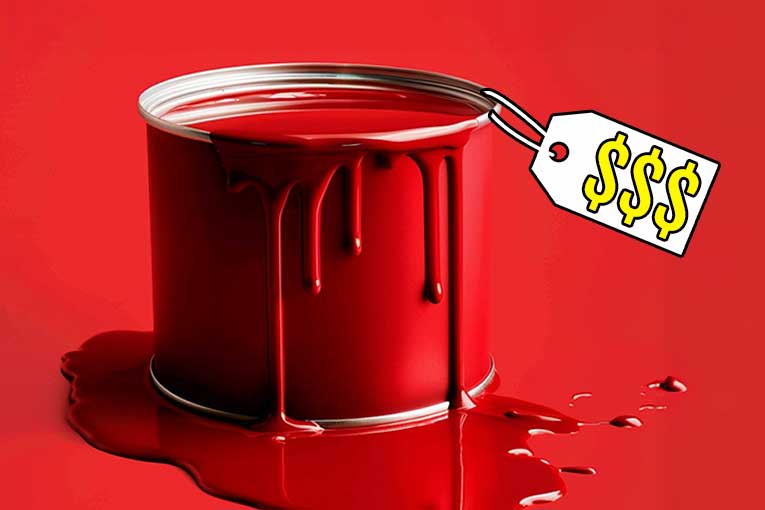
firetrucks red most expensive paint

Contrary to the cost-effectiveness theory, another perspective argues that red was intentionally chosen as the most expensive colour of paint. 

In this view, fire departments sought high-quality, durable paint to protect their vehicles from the elements and enhance their visibility. 

While this theory challenges the notion of frugality, it underscores the importance of investing in materials that ensure the longevity and effectiveness of firefighting equipment.

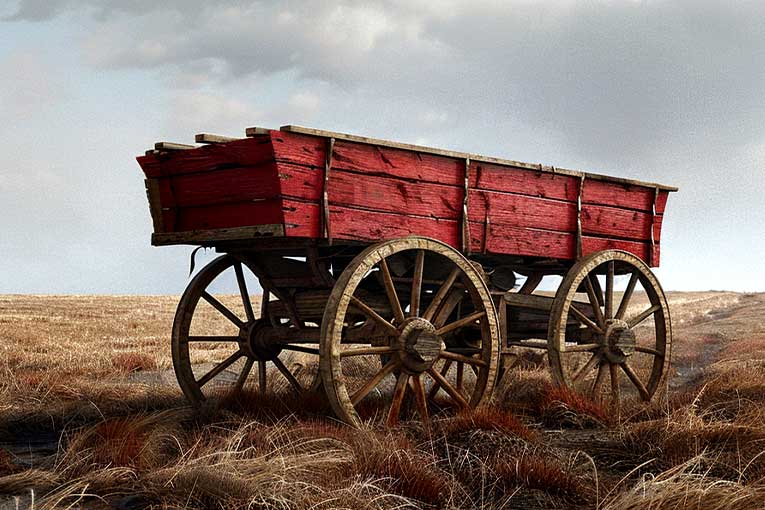
Farmers

firetrucks red farmers carts

An interesting historical twist connects the colour choice of firetrucks to the practices of farmers. 

During the early days of fire departments, when acquiring vehicles for their fleets, departments often obtained used trucks from farmers. 

Farmers, who commonly painted their carts red to hide dirt and grime, unintentionally contributed to a surplus of red-painted carts that fire departments adopted. 

This theory highlights the influence of practicality and resourcefulness in shaping the colour palette of firefighting fleets.

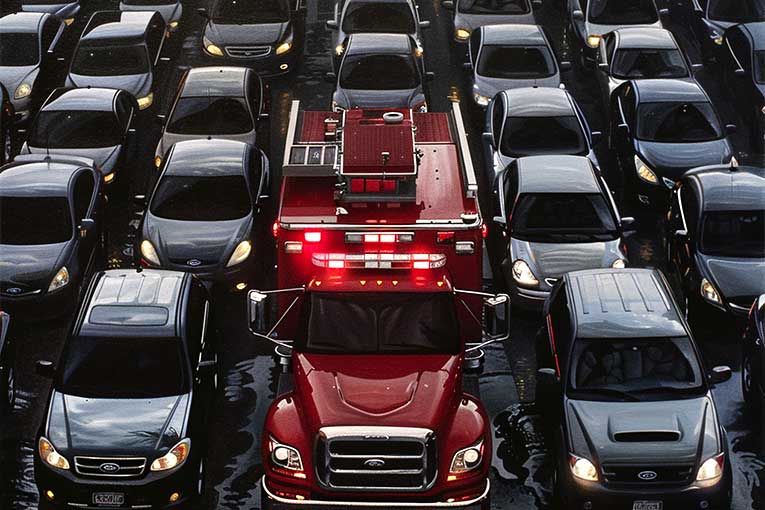
Displaying Urgency

firetrucks red urgency

The early 20th century, marked by the dominance of black-coloured Ford cars, introduced another theory regarding the choice of red for firetrucks. 

In an era where many vehicles were black, fire departments opted for red to stand out and convey a sense of urgency. 

The stark contrast between the red firetrucks and the sea of black vehicles on the road facilitated quick identification and emphasised the critical nature of their mission.

An Old Joke

firetrucks red old joke

“Because they have 8 wheels and 4 people on them, and 4 plus 8 makes 12, and there are 12 inches in a foot, and 1 foot is a ruler, and Queen Elizabeth was a ruler, and Queen Elizabeth was also a ship, and the ship sailed the seas, and there were fish in the seas, and fish have fins, and the Finns fought the Russians, and the Russians are red, and fire trucks are always ‘Russian’ around, so that’s why fire trucks are red!”

Adding a humorous twist to the discussion is a centuries-old joke that offers a playful explanation for why firetrucks are red. 

According to this whimsical theory, the colour choice is a result of a convoluted chain of associations involving wheels, rulers, ships, fish, and even geopolitical references. 

While clearly a jest, this theory highlights the lighthearted and imaginative interpretations that have woven their way into the lore surrounding firetruck colours.

Can Firetrucks be Other Colours?

While red remains the traditional and widely recognized colour for firetrucks, fire departments around the world have occasionally deviated from this norm, experimenting with different colours for various practical and strategic reasons. 

These alternative colour choices not only break with tradition but also serve specific purposes in enhancing safety, visibility, and aesthetic appeal during emergency responses.

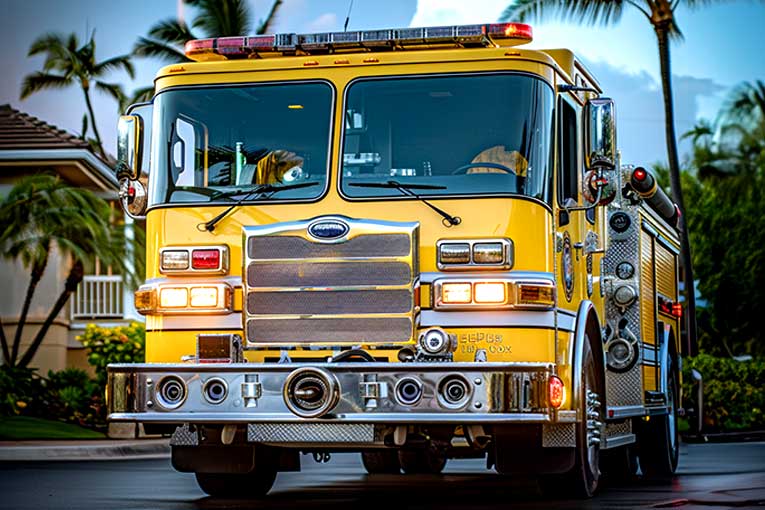
Yellow

yellow firetruck

Yellow firetrucks are occasionally employed to address specific challenges posed by rural environments. 

The vibrant and contrasting colour of yellow enhances visibility, making the trucks more noticeable, especially in expansive rural landscapes. 

This increased visibility is crucial for navigating challenging terrains and locating emergency sites efficiently. 

A notable example is the use of yellow firetrucks in Australia, in regions where the topography and vegetation necessitate heightened visibility for effective emergency response.

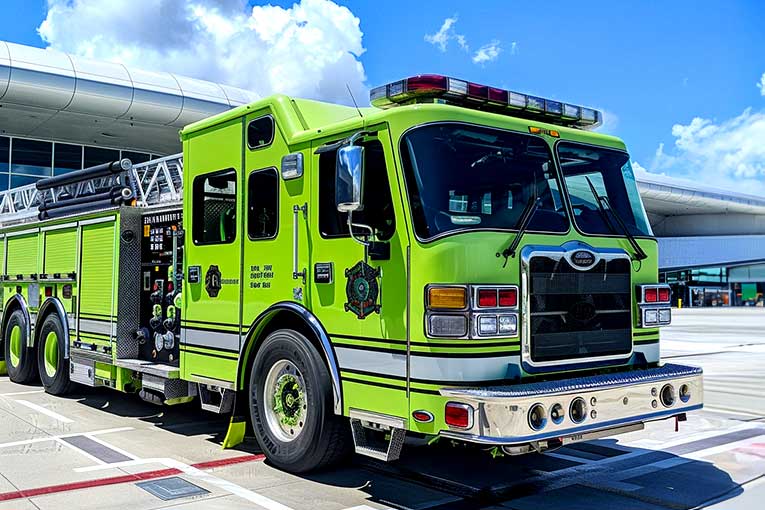
Lime Green

lime green firetruck

Lime green has emerged as a colour choice motivated by a desire to maximise visibility both during the day and at night. 

This highly visible hue stands out in various lighting conditions, ensuring that firetrucks are easily spotted by motorists and pedestrians alike. 

Fire departments adopting lime green firetrucks prioritise safety and awareness during emergency responses. 

This choice is particularly evident in urban areas where diverse lighting scenarios demand enhanced visibility. 

Several examples showcase fire departments incorporating lime green firetrucks into their fleets to bolster their visibility during critical operations.

White

white firetruck

White firetrucks represent a departure from the traditional red, chosen by certain fire departments for their clean and modern aesthetic. 

The use of white not only imparts a contemporary look but also serves practical purposes. 

White is a reflective colour, aiding visibility, especially in low-light conditions. 

This choice aligns with the evolving design preferences of fire departments seeking a fresh and modern image while maintaining functionality. 

Examples of fire departments incorporating white firetrucks into their fleets can be found in urban settings where aesthetics and visibility converge as crucial considerations.

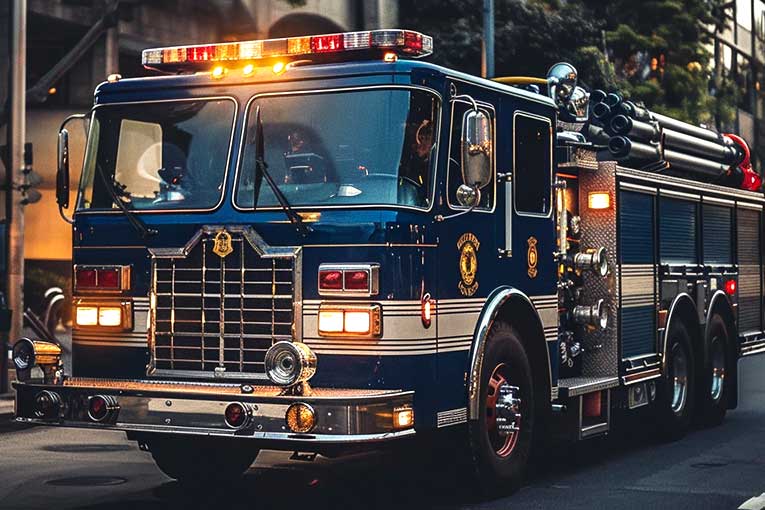
Blue

blue firetruck

While less common, blue firetrucks are occasionally employed for special purposes or to distinguish specific types of emergency vehicles. 

Blue may be reserved for specialised units within a fire department, signifying distinct functions or equipment. 

This colour choice can aid in rapidly identifying the purpose of a particular vehicle during multi-agency responses. 

Real-world instances include fire departments utilising blue firetrucks for hazardous materials response teams or specialised rescue units, where differentiation in colour supports quick and efficient coordination during emergencies.

Orange

orange firetruck

In Finland, the use of orange firetrucks adds a distinctive touch to the country’s emergency response vehicles. 

The choice of orange as a colour for firetrucks is not only a departure from the traditional red but also serves specific purposes tailored to the unique challenges of Finland’s environment.

The vibrant orange hue enhances visibility, especially in the country’s varied landscapes, including forests and lakes. 

Finland’s terrain, characterised by vast expanses of nature, demands vehicles that can stand out against diverse backgrounds. 

Orange firetrucks address this need by providing increased visibility during emergency responses, ensuring that they can be easily spotted in both urban and rural setting

Conclusion

Hopefully this should answer your question of why are firetrucks red?

While red remains the predominant colour for firetrucks, the choice is not solely based on tradition or aesthetics. 

Practical considerations, historical influences, and attempts to increase visibility and safety have all played a role in shaping the colour choices for these vital emergency response vehicles. 

As fire departments continue to evolve and adapt to new technologies and safety standards, we may see further experimentation with colours in the future. 

Regardless of the colour, the primary goal remains the same – to ensure that firetrucks are easily recognizable and effective in responding to emergencies.

List of Firefighting Equipment

Firefighting equipment is what helps firefighters to extinguish flames, ensuring the safety of lives and property, and the varied list of firefighting equipment shows how diverse firefighting really is. 

From traditional tools like fire extinguishers to cutting-edge technology such as thermal imaging cameras, each item plays a crucial role in a firefighter’s arsenal. 

In this article, we’ll explore the diverse list of firefighting equipment, shedding light on their functions and importance in the face of fire emergencies.

What is Firefighting Equipment?

Firefighting equipment encompasses a diverse range of tools, devices, and protective gear specifically designed to combat and manage fires effectively. 

These crucial elements are essential for firefighters in their mission to extinguish flames, rescue individuals, and mitigate the impact of fire emergencies. 

Each piece of equipment serves a unique purpose in the complex and challenging task of firefighting.

Firefighting equipment is not only about extinguishing flames but also about ensuring the safety of those on the front lines. 

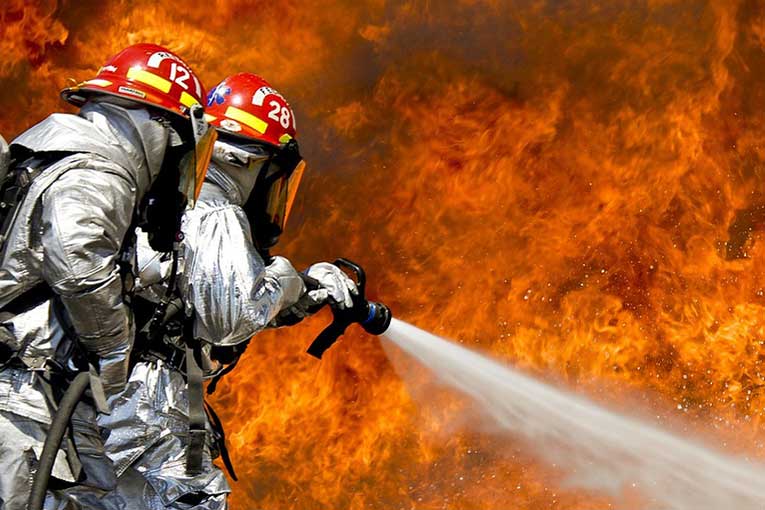
Protective gear, such as fire suits and gloves, shields firefighters from extreme heat, allowing them to navigate hazardous environments. 

The continuous advancements in firefighting equipment underscore a commitment to improving the efficiency, safety, and overall effectiveness of firefighting operations.

Firefighting equipment is the lifeline for those who risk their lives to protect communities and properties from the devastating impact of fires.

List of Firefighting Equipment

Firefighting equipment constitutes a comprehensive arsenal designed to combat fires of varying intensities and types. 

Each tool plays a crucial role in ensuring the safety of firefighters and the effectiveness of fire suppression efforts.

Fire Extinguishers

fire extinguisher firefighting equipment

Portable and versatile, fire extinguishers are essential for promptly suppressing and extinguishing small fires. 

There are many different types of fire extinguisher, each containing specific firefighting agents such as water, foam, dry powder, or CO2. 

The diversity in extinguisher types ensures flexibility in addressing different classes of fires—whether involving ordinary combustibles, flammable liquids, electrical equipment, or gases. 

This adaptability allows firefighters and individuals to employ the most suitable extinguishing agent, enhancing the effectiveness of fire suppression efforts across a wide range of fire scenarios.

Fire Extinguisher Ball

fire extinguisher ball firefighting equipment
Source: Amazon

An innovative self-activating fire suppression system, the Fire Extinguisher Ball offers a unique approach to firefighting. 

When exposed to flames, the ball bursts autonomously, releasing a fine powder that swiftly and effectively extinguishes the fire. 

This ingenious device is particularly advantageous in confined spaces or areas with limited accessibility, where traditional firefighting methods might face challenges. 

The Fire Extinguisher Ball’s ability to initiate fire suppression independently makes it a valuable addition to fire safety measures, ensuring a rapid response even in scenarios where immediate human intervention may be difficult.

Fire Hoses

fire hose firefighting equipment

As one of the most prevalent tools in large-scale firefighting, fire hoses are indispensable for firefighters combating significant flames. 

These flexible and robust hoses serve as critical conduits, allowing the directed flow of water onto the fire. 

Their length and adaptability empower firefighters to reach remote or challenging locations, providing a versatile means of effectively delivering water to suppress fires. 

The strategic use of fire hoses enhances the agility and reach of firefighting efforts, enabling responders to address fires in diverse environments and mitigate potential challenges posed by the fire’s scale and intensity.

Hose Jets

fire hose firefighting equipment

Hose Jets represent heightened firefighting capabilities, requiring the collaboration of two firefighters to handle their extra power. 

These specialised tools offer an elevated force and flow, allowing firefighters to exert increased control over the extinguishing process. 

With the ability to adjust the jet stream, firefighters enhance precision in directing water onto the flames, addressing specific firefighting requirements. 

The collaborative use of Hose Jets reflects a strategic approach, amplifying the effectiveness of firefighting efforts in scenarios where a more robust and targeted water delivery is essential to combat fires of greater scale or intensity.

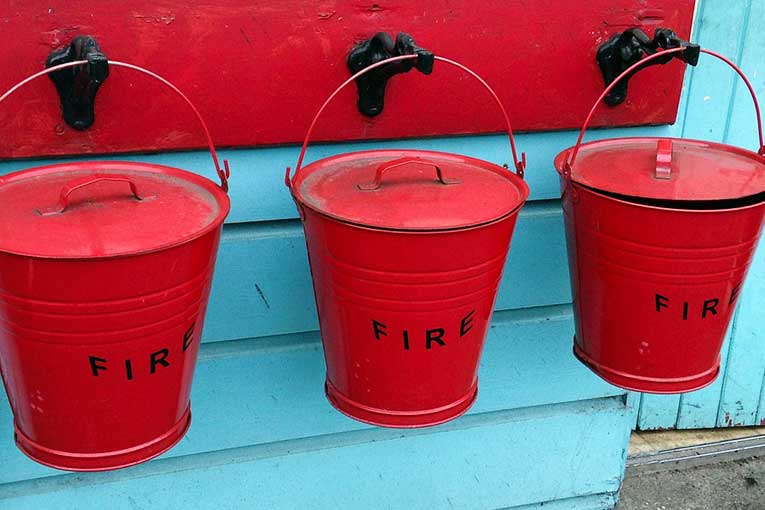
Fire Buckets

fire buckets firefighting equipment

Simple in design yet highly effective, fire buckets are containers filled with either water or sand. 

Positioned strategically, these buckets serve as immediate response tools, offering a swift and accessible means to douse small fires or control sparks. 

Their simplicity makes them an essential first line of defence, providing an uncomplicated yet crucial tool in the initial stages of firefighting. 

Whether used by trained personnel or as part of fire safety measures in public spaces, fire buckets play a fundamental role in empowering individuals to take immediate action and contribute to fire containment efforts.

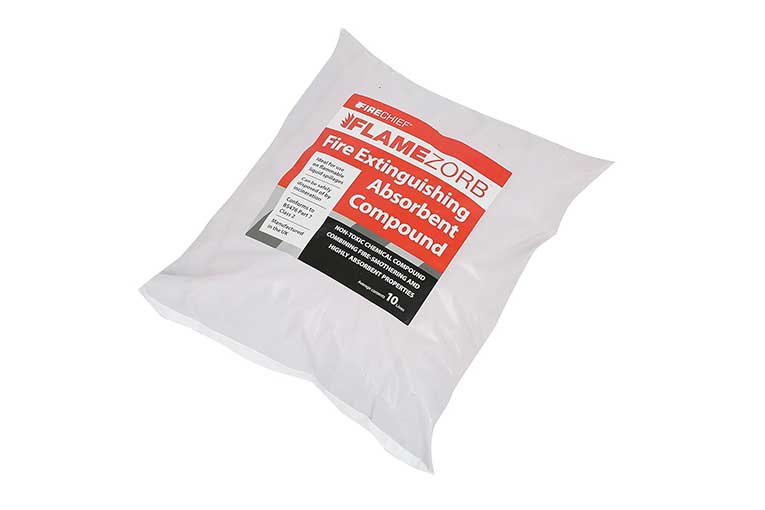
Flamezorb

flamezorb firefighting equipment
Source: Amazon

Flamezorb, a granular substance, serves as a rapid-response tool in firefighting by efficiently absorbing flammable liquids. 

When applied to spills, it swiftly neutralises and absorbs the substances, preventing the spread of fire. 

This versatile and effective tool finds particular utility in scenarios involving hazardous materials or potential chemical fires, where the quick containment of flammable liquids is essential to mitigate the risk of fire escalation. 

Flamezorb’s ability to address such specific challenges makes it a valuable asset in the firefighting arsenal, contributing to the overall effectiveness of fire suppression efforts in diverse and complex situations.

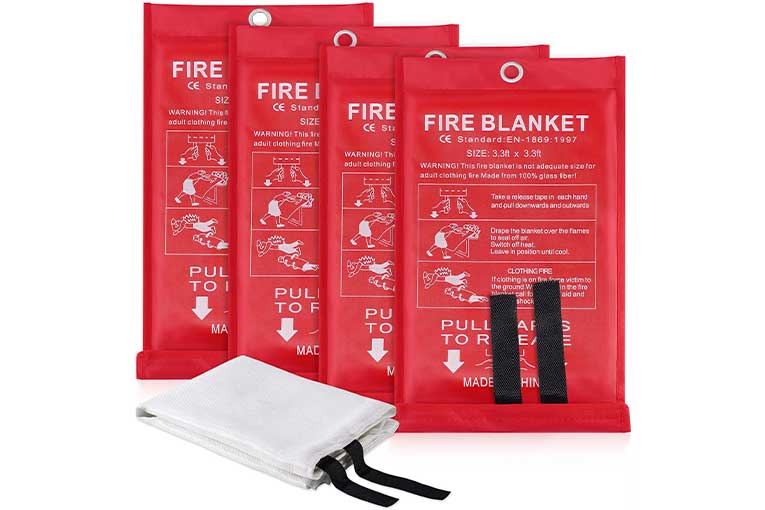
Fire Blankets

fire blanket firefighting equipment
Source: Amazon

Constructed from fire-resistant materials, fire blankets emerge as versatile tools in firefighting and emergency response. 

Beyond their primary function of smothering small fires, these blankets provide a multifaceted solution. 

In emergency situations, they offer protection by wrapping around individuals, creating a temporary shield against flames and heat. 

The adaptability of fire blankets extends their utility beyond traditional firefighting scenarios, making them valuable assets in various emergency situations where rapid response and versatile tools are paramount to ensuring the safety of individuals and effectively addressing evolving challenges.

Fire Suit

fire suit firefighting equipment

Specially designed for the demanding challenges of firefighting, a fire suit is more than  a mere uniform – it’s a shield against extreme heat and flames. 

Crafted from fire-resistant materials, these suits envelop firefighters in a protective barrier during the most intense operations. 

With layers designed to withstand the harsh conditions of a fire, these suits are crucial in ensuring the safety and well-being of firefighters. 

The specialised construction of fire suits exemplifies the commitment to providing a robust defence against the hazards encountered in the line of duty, reinforcing the resilience of those who bravely confront the flames.

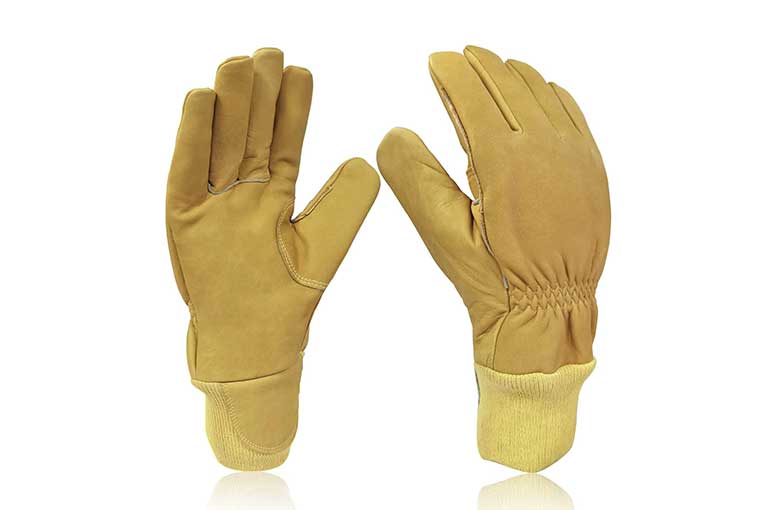
Firefighter Gloves

firefighting gloves firefighting equipment
Source: Amazon

These gloves are essential for firefighters, offering crucial hand protection in the dynamic and intense environments encountered during firefighting operations. 

Crafted from materials resistant to high temperatures, they enable firefighters to handle hot surfaces and materials with confidence. 

The specialised design of firefighter gloves prioritises both dexterity and protection, allowing firefighters to navigate challenging situations while safeguarding their hands from the formidable heat generated in the course of combating fires. 

Gas Tight Suit

gas tight suit firefighting equipment
Source: Wikipedia

Comprising a multi-layered construction, these suits act as an impermeable barrier, creating a formidable shield between the firefighter and potentially harmful substances. 

Their purpose extends beyond conventional firefighting gear, addressing the specific challenges posed by chemical fires and the release of dangerous gases. 

By providing an encapsulating defence, gas-tight suits empower firefighters to navigate complex and perilous environments, ensuring their safety while enabling effective response and mitigation in the face of chemical hazards.

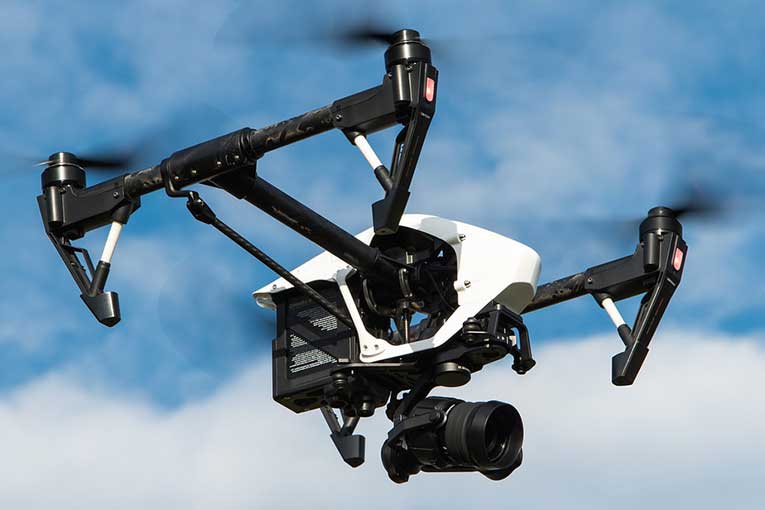
Drones

drones firefighting equipment

These unmanned aerial vehicles, equipped with advanced cameras, offer invaluable aerial views that significantly enhance fire assessment capabilities. 

Providing real-time situational awareness, drones become the eyes in the sky for firefighting teams. 

Their ability to swiftly survey large areas and capture critical information aids in strategizing and responding effectively to incidents. 

Drones not only contribute to the safety and efficiency of firefighting operations but also offer a technological edge, elevating the precision and speed with which responders can assess, plan, and execute strategies in the dynamic context of firefighting scenarios.

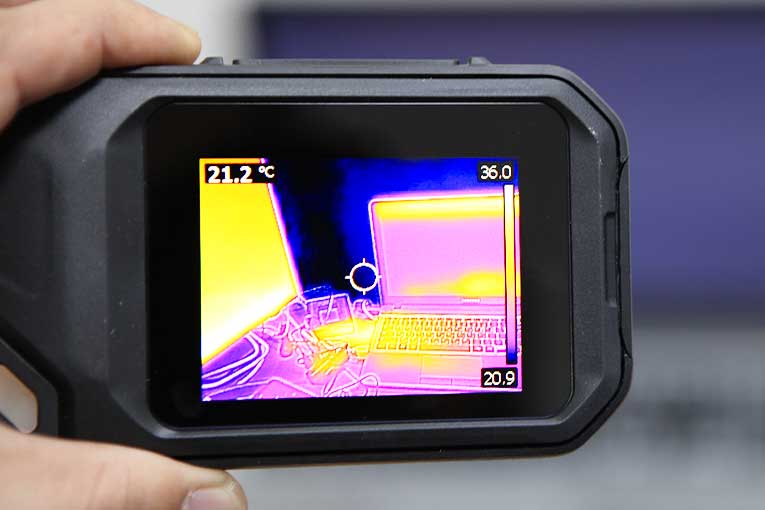
Thermal Imaging Camera

thermal camera firefighting equipment

Thermal imaging cameras aid in locating individuals trapped in smoke-filled environments and identifying hotspots that may not be visible to the naked eye. 

The invaluable data provided by thermal imaging cameras enhances the efficiency and safety of firefighting operations. 

By offering real-time insights into the intensity and distribution of heat, these devices empower firefighters with the ability to make informed decisions, optimise resource allocation, and execute targeted strategies for suppressing fires and conducting search and rescue operations.

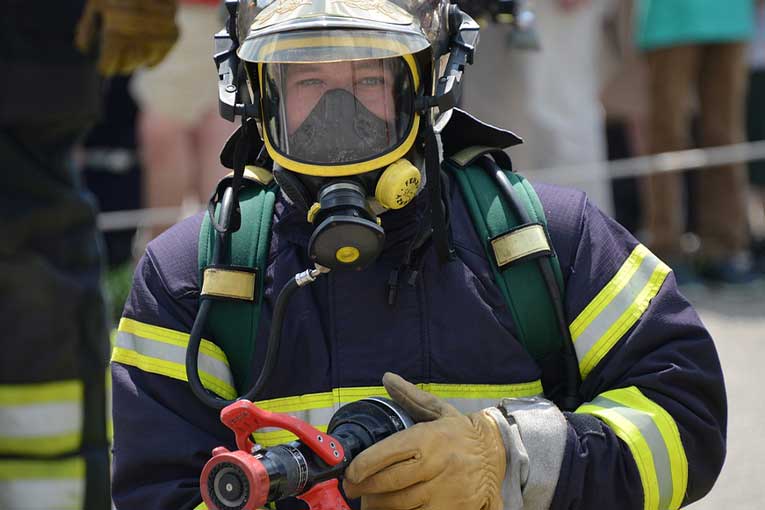
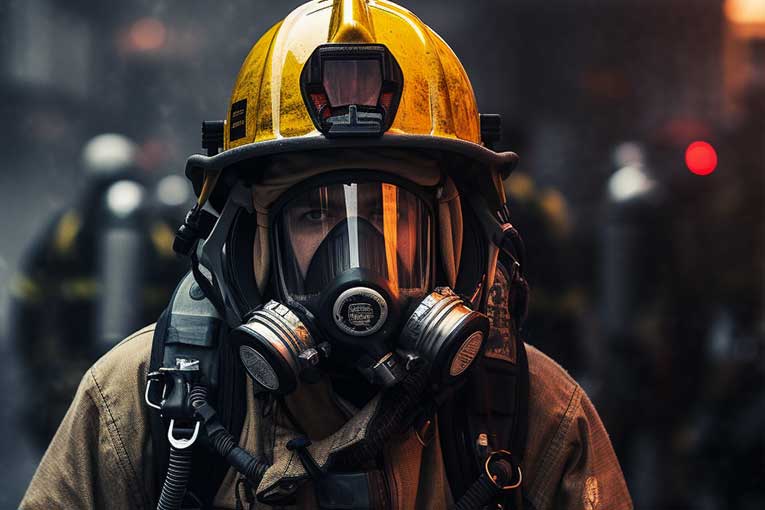
Breathing Apparatus

breathing apparatus firefighting equipment

In smoke filled environments, these devices play a crucial role in ensuring the safety of firefighters by providing a continuous supply of clean air. 

The reliability and functionality of these apparatuses exemplify their vital role in preserving the well-being of firefighters and ensuring their ability to execute effective firefighting and rescue operations in environments where clean air is a precious commodity.

Positive Pressure Ventilation Fan

positive pressure ventilation fans firefighting equipment
Source: Wikipedia

Positive pressure ventilation fans are devices designed to create airflow that effectively removes smoke and toxins from enclosed spaces. 

By generating a controlled and directed flow of air, these fans contribute significantly to improving visibility for firefighters within confined areas. 

Beyond enhancing visibility, the removal of smoke and toxins creates a safer working environment, allowing firefighters to operate more efficiently and with reduced exposure to hazardous substances. 

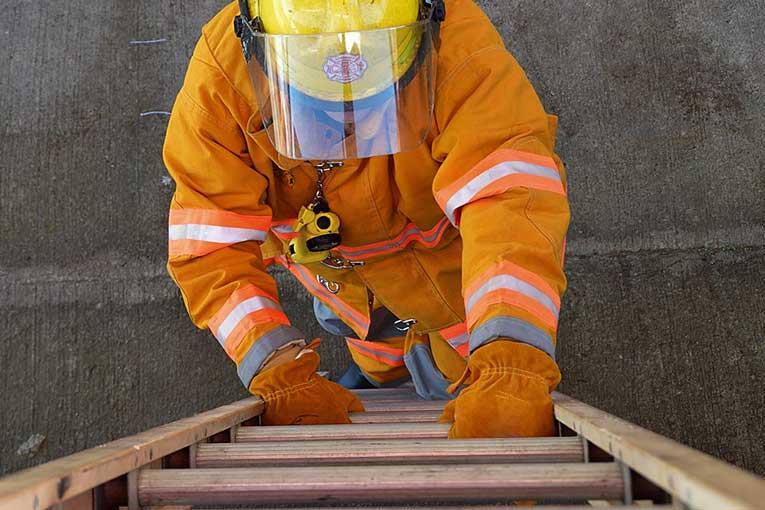
Ladders

ladders firefighting equipment

These versatile devices play a pivotal role in firefighting operations by enabling firefighters to access elevated areas, conduct rescues, and navigate challenging environments. 

Whether extending to reach upper floors of buildings or providing a stable platform for rescue operations, ladders enhance the agility and effectiveness of firefighting teams. 

Their portability and adaptability make them fundamental in addressing the diverse challenges posed by fires in varying structures and scenarios, contributing to the overall success and safety of firefighting operations.

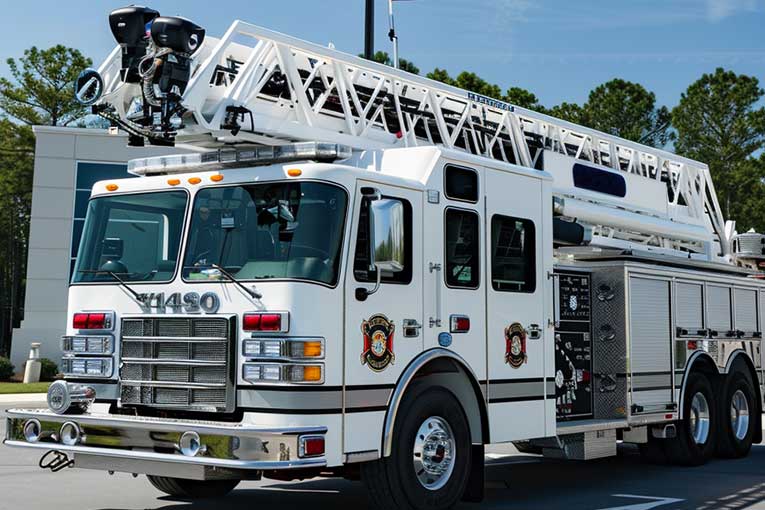
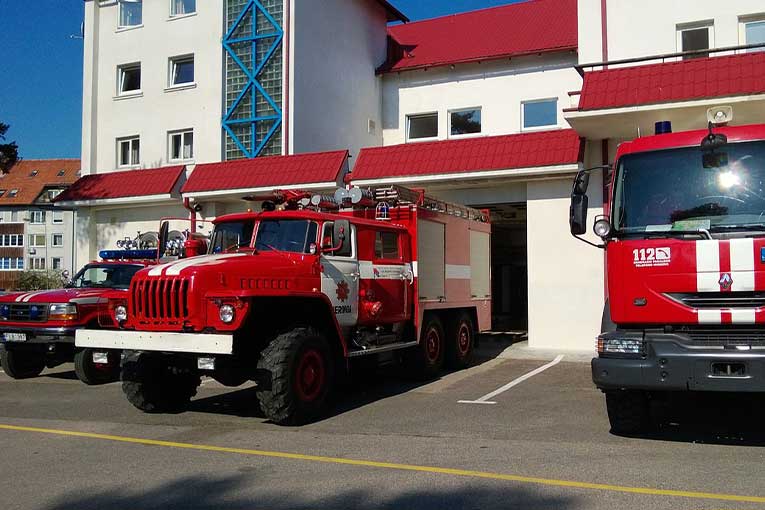
Fire Fighting Vehicle

vehicles firefighting equipment

These vehicles carry essential firefighting tools, water tanks, and hoses, ensuring a swift and effective response to fire emergencies. 

Beyond their mobility, the specialised equipment on these vehicles equips firefighters with the resources needed to combat fires of varying scales. 

Whether navigating through urban environments or remote locations, these vehicles enhance the reach and capabilities of firefighting teams, playing a vital role in the timely containment and suppression of fires to protect lives and property.

How is Firefighting Equipment Used?

The strategic use of equipment is paramount, requiring a careful assessment of each fire’s unique characteristics. 

Firefighters, equipped with a diverse array of tools, employ a systematic approach to address different scales and types of fires.

Fire extinguishers, compact and versatile, find their application in swiftly suppressing small fires. 

Firefighters select the appropriate extinguisher based on the fire’s nature and discharge the firefighting agent with precision, aiming at the fire’s base. 

For larger incidents, fire hoses connected to water sources become instrumental. 

The hoses allow firefighters to direct water effectively, reaching inaccessible areas, while sprinklers automatically release water upon detecting excessive heat, contributing to fire containment.

Protective gear, including fire suits and gloves, plays a pivotal role in ensuring firefighters’ safety as they confront flames. 

These specialised garments shield against extreme heat, providing a critical barrier between the firefighter and the hazardous environment.

Cutting-edge technology, such as drones equipped with cameras and thermal imaging devices, offers invaluable insights. 

Drones provide aerial views, enhancing situational awareness for better decision-making, while thermal imaging cameras aid in locating individuals and identifying hotspots within a fire.

The use of firefighting equipment is not only reliant on the tools themselves but also on the skill, training, and coordination of firefighting teams. 

Firefighters undergo rigorous training to understand the capabilities and limitations of each tool, ensuring a synchronised and effective response to diverse fire scenarios. 

The strategic and well-coordinated utilisation of firefighting equipment remains a cornerstone in the battle against the unpredictable and destructive force of fires.

What Other Equipment Helps with Firefighting?

Some firefighting equipment is not directly used to directly put out fires, but it used to improve the safety and efficiency of firefighters.

Fire Sprinklers

fire sprinklers firefighting equipment
Source: Wikipedia

Installed in buildings, fire sprinklers are automatic devices that release water when detecting excessive heat. 

They play a crucial role in suppressing fire outbreaks and limiting damage in enclosed spaces. 

Strategically positioned, their rapid response significantly contributes to controlling fires, preventing their escalation, and protecting lives and property within structures.

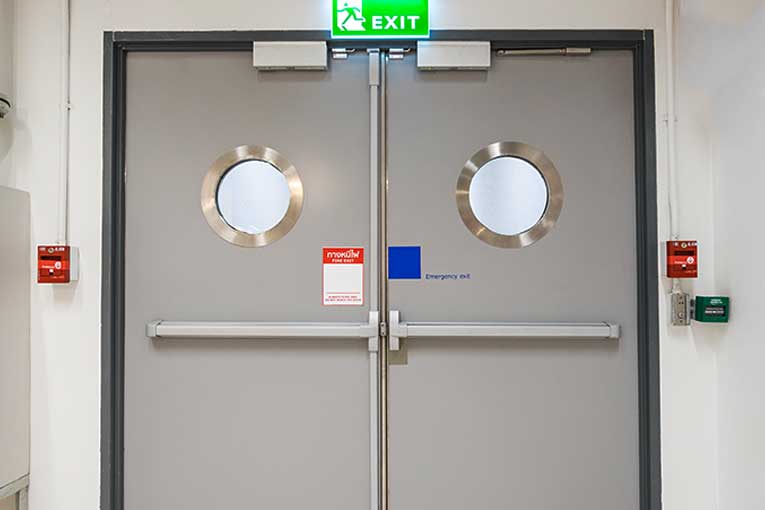
Fire Doors

Specialised fire doors are meticulously designed to resist fire and smoke, acting as effective barriers to limit their spread within a building. 

These doors are critical components of passive fire protection systems, providing crucial time for evacuation and minimising the potential for fire extension.

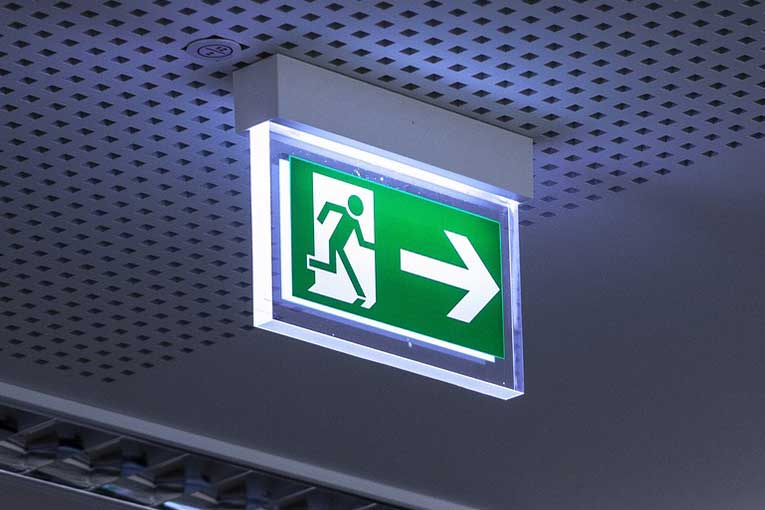
Emergency Signs

emergency signs firefighting supporting equipment

Clearly marked emergency lighting and signs are indispensable in ensuring swift and safe evacuation. 

These signs delineate evacuation routes and indicate the locations of firefighting equipment, guiding occupants to safety during fire emergencies.

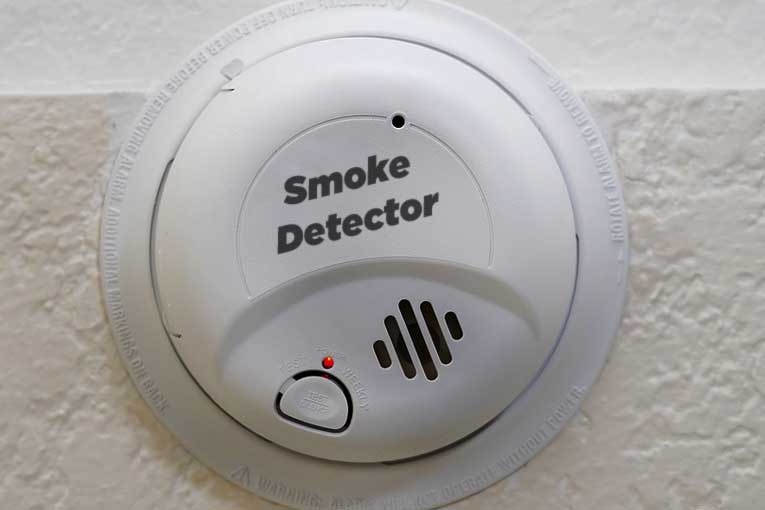
Smoke Alarms

There is 4 different smoke detector types

Essential components of early warning systems, smoke detectors are devices that promptly detect smoke, alerting occupants to potential fire hazards. 

Their rapid detection capability is pivotal in providing early warnings, allowing for timely response and evacuation.

The different types of smoke alarms ensure people can react quickly  to different types of fires.

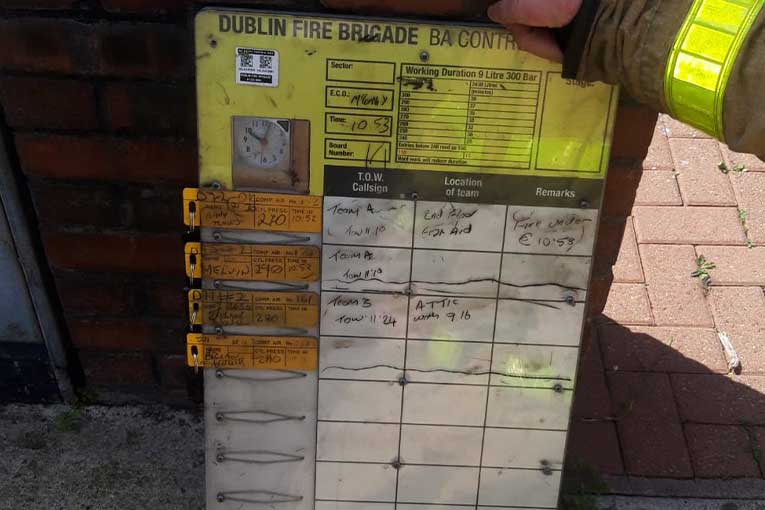
BA Entry Board

The Breathing Apparatus (BA) Entry Board serves as a control hub during breathing apparatus operations. 

It manages the entry and exit procedures of firefighters equipped with breathing apparatus, ensuring systematic and safe operations in environments with compromised air quality.

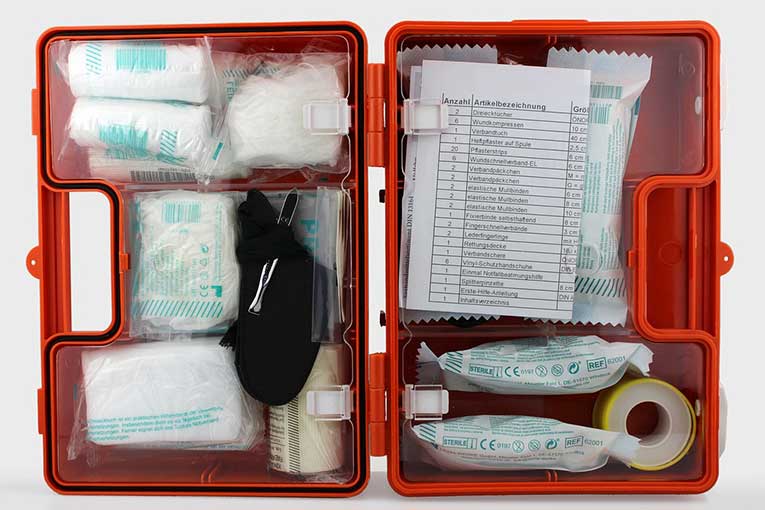
First Aid Kit

first aid kit firefighting supporting equipment

Containing medical supplies, first aid kits address injuries sustained during firefighting or rescue operations. 

They provide essential support until more extensive medical assistance is available.

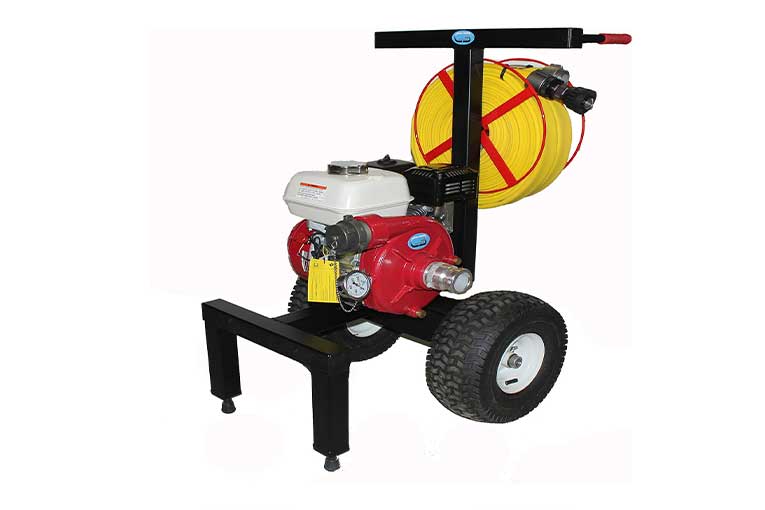
Light Portable Pump

light portable pump firefighting equipment
Source: Amazon

Compact and portable, light pumps are indispensable for transporting water to areas inaccessible to larger firefighting vehicles. 

These pumps enhance operational flexibility, providing firefighting teams with the ability to establish water supply points in diverse environments.

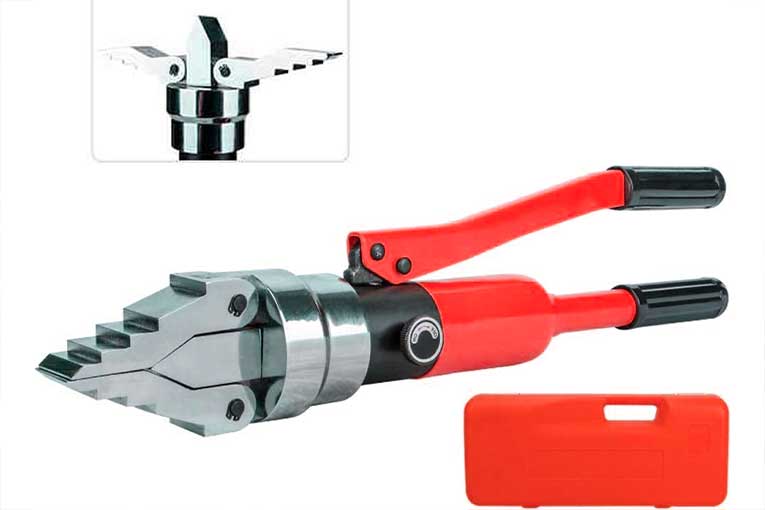
Cutters

cutters firefighting equipment
Source: Wikipedia

Cutting through materials obstructing access or rescuing individuals, cutters are versatile tools used by firefighters. 

They play a crucial role in extrication operations, enabling swift and precise interventions in situations where immediate access is essential.

Spreaders

spreaders firefighting equipment
Source: Amazon

Hydraulic spreaders are powerful devices used to pry open objects or create openings in rescue situations. 

These tools are instrumental in providing access to trapped individuals, facilitating efficient rescue operations.

Rams

rams firefighting equipment
Source: Wikipedia

Hydraulic rams are tools designed to force open doors or create pathways during rescue operations. 

Their robust construction and power make them essential for situations where conventional access methods are insufficient.

Do Not Cross Tape

do not cross tape firefighting equipment
Source: Amazon

Visible tape with the clear directive “Do Not Cross” is utilised to cordon off unsafe areas and control access to the fire scene. 

This tape ensures the safety of both emergency responders and the public by preventing unauthorised entry into potentially hazardous zones.

Traffic Cones

traffic cones firefighting equipment
Source: Amazon

Deployed to manage traffic and create clear pathways for emergency vehicles, traffic cones are essential in ensuring unimpeded access for firefighting teams. 

These cones play a crucial role in maintaining order and facilitating the rapid movement of emergency vehicles to and from the incident scene.

What Does the Future Hold for Firefighting Equipment?

The future of firefighting equipment holds exciting possibilities, driven by advancements in technology, materials, and design. 

One prominent trend is the integration of smart technologies, such as artificial intelligence and the Internet of Things, into firefighting gear. 

This includes wearable sensors and augmented reality visors that provide real-time data to firefighters, enhancing situational awareness and decision-making. 

Innovations in materials science are shaping the development of more lightweight yet durable protective gear, addressing comfort and mobility concerns for firefighters. 

Nanotechnology may lead to advanced flame-resistant fabrics, ensuring greater protection against extreme temperatures. 

Additionally, the use of robotics in firefighting, ranging from autonomous vehicles to robotic firefighting assistants, is on the horizon.

As climate change intensifies, firefighting equipment is likely to evolve to cope with more frequent and severe wildfires. 

This may involve the development of specialised tools for wildfires and improved strategies for early detection and prevention. 

The collaborative efforts of researchers, engineers, and firefighters promise a future where technology plays a pivotal role in enhancing the safety, efficiency, and effectiveness of firefighting operations, ultimately better equipping first responders to address evolving challenges.

Conclusion

The array of equipment at a firefighter’s disposal is vast and diverse. 

From traditional tools that have stood the test of time to cutting-edge technology ensuring efficiency and safety, each item plays a crucial role in combating fires and protecting lives. 

The continuous evolution of firefighting equipment reflects a commitment to enhancing the capabilities of those who bravely confront the unpredictable nature of fires. 

As technology advances, so does our ability to respond effectively to fire emergencies, ensuring a safer and more resilient future for communities worldwide.

How to Put Out an Electrical Fire

Electrical fires are not only frightening but also pose a severe threat to life and property. 

Understanding the dynamics of these fires and, more importantly, knowing how to respond is paramount for personal safety. 

This article delves into the origins of electrical fires, provides practical insights into how to put out an electrical fire, and imparts crucial preventive measures. 

Hopefully you’ll gain the knowledge needed to protect yourself, your loved ones, and your surroundings from the potentially devastating consequences of electrical hazards.

What Causes Electrical Fires?

Overloading circuits cause electrical fires
Overloading circuits will cause electrical fires

Electrical fires can ignite from various sources, often stemming from issues within the electrical systems themselves. 

Here’s a breakdown of the common causes:

Faulty Wiring

Old or improperly installed wiring is one of the most common causes of fire.

Frayed wires, loose connections, or overloaded outlets can create a spark, initiating a fire hazard.

Appliance Malfunctions

Defective appliances, especially those with damaged cords or internal faults, can be catalysts for electrical fires. 

Overheating due to prolonged use or manufacturing defects can escalate the risk.

Outdated Electrical Systems

Ageing electrical systems, unable to meet the demands of modern appliances, are susceptible to overheating. 

This can result in sparks, leading to potential fire outbreaks.

Overloaded Circuits

Plugging too many devices into a single circuit can overload it, causing overheating and sparks. 

This is particularly prevalent in older homes with limited electrical capacity.

Power Strips and Extension Cords

Improper use of power strips and extension cords, such as daisy-chaining them or using them for high-wattage appliances, can lead to overheating and electrical fires.

Light Fixtures

Faulty light fixtures or incorrect wattage bulbs can generate excess heat, posing a risk of fire. Ensuring proper installation and using appropriate bulbs is essential.

Electrical Appliances Left On

Leaving electrical appliances on for extended periods, even when not in use, can result in overheating and potential fire hazards.

Infestations

Rodents chewing on electrical wiring can expose the conductors, leading to short circuits and the possibility of electrical fires.

Natural Disasters

Extreme weather events, such as lightning strikes or power surges during storms, can cause electrical fires by overwhelming the system.

Poor Electrical Maintenance

Neglecting regular electrical maintenance, including checking for wear and tear, loose connections, and outdated components, increases the likelihood of electrical fires.

Thermal Runaway

Thermal runaway is a phenomenon where a device’s temperature escalates uncontrollably, often leading to catastrophic consequences. 

In electrical systems, it’s a potential precursor to fires. 

If a component experiences thermal runaway, it can trigger a chain reaction, causing neighbouring components to heat up rapidly.

How to Put Out an Electrical Fire

Electrical fires demand swift action. 

If you encounter an electrical fire, follow these steps:

Cut the Power

Cutting the power put out electrical fire
Cutting the power will help to put out an electrical fire

The initial and most critical action when dealing with an electrical fire is to sever its power source. 

Find the fuse box and promptly turn off the electricity. 

This action eliminates the fuel that sustains the fire.

Use a Fire Extinguisher

In the case of a small electrical fire, a Class C fire extinguisher is the appropriate tool. 

Aim the extinguisher directly at the base of the flames and sweep from side to side. 
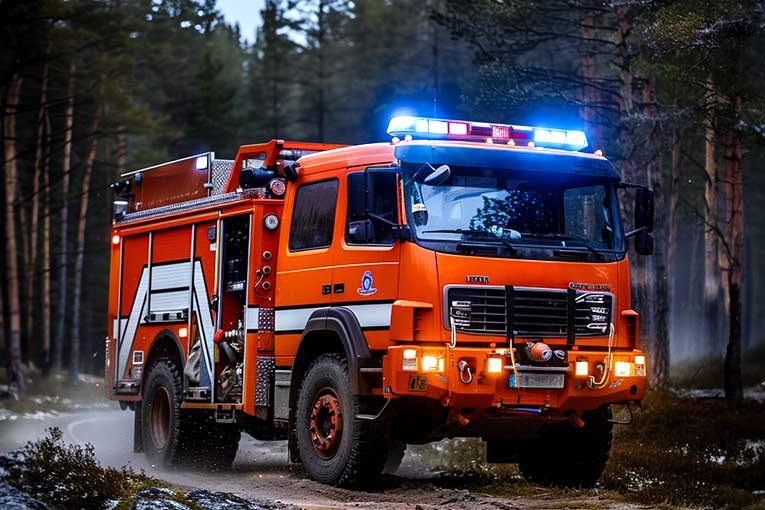
This targeted application helps smother the fire without posing additional risks.

Never Use Water

Water and electricity don’t mix well. 

Never attempt to use water to extinguish an electrical fire, as it can lead to electrocution and worsen the situation. 

Instead, opt for a fire extinguisher designed specifically for electrical fires.

Smother the Flames

Employ a fire blanket or a heavy, non-flammable material to smother the flames. 

Place the blanket over the fire to cut off its oxygen supply, a crucial element for combustion. 

This method is effective for smaller fires on electrical equipment.

Evacuate and Call for Help

If the electrical fire persists or escalates beyond your control, prioritise your safety. 

Immediately evacuate the premises, and from a safe distance, call the fire service

Await professional assistance to handle the situation effectively.

Why Electrical Fires are so Dangerous

Electrical fires pose a significant threat due to their unique characteristics.

Here’s a closer look at why these fires are particularly hazardous:

Rapid Escalation

Electrical fires have a notorious reputation for escalating swiftly. 

The high temperatures generated can cause surrounding materials to catch fire, leading to a rapid spread. 

What begins as a small electrical malfunction can transform into a full-blown inferno within moments.

Toxic Fumes

The materials involved in electrical fires, such as wiring and appliances, release toxic fumes when ignited. 

These fumes can include carbon monoxide and other harmful substances, posing severe health risks to occupants. 

Inhaling these toxic gases can lead to respiratory issues, unconsciousness, and, in extreme cases, fatalities.

Structural Damage

Beyond the immediate flames, electrical fires can cause extensive structural damage. 

The intense heat can compromise the integrity of wiring systems, insulation, and surrounding materials. 

This damage not only causes costly repairs but also increases the risk of subsequent fires.

Risk of Electrocution

Attempting to extinguish an electrical fire with water can lead to a grave risk of electrocution. 

Water conducts electricity, and using it on electrical fires can result in severe injuries or fatalities. 

This unique hazard makes responding to electrical fires more complex and necessitates specialised firefighting measures.

Challenges for Firefighters

Firefighters face distinct challenges when tackling electrical fires. 

The conductivity of electricity can interfere with standard firefighting methods, requiring specialised equipment. 

Moreover, the potential for hidden pockets of fire within walls or electrical systems makes complete extinguishment more challenging.

Reignition Potential

Even after seemingly successful extinguishment, electrical fires can reignite. 

This is often due to hidden smouldering embers or damaged wiring reigniting when power is restored. 

Addressing this reignition potential requires thorough assessment and preventative measures.

What Type of Fire is an Electrical Fire?

Electrical fires fall under Class C fires. 

Unlike other types of fire, they involve energised electrical equipment, making water a dangerous choice for extinguishing.

How to Prevent Electrical Fires

Electrical fires, with their potential for devastating consequences, underscore the importance of proactive preventive measures. 

Here’s a detailed look at how you can significantly reduce the risk of electrical fires:

Regular Inspections and Maintenance

Regular maintenance needed prevent electrical fires
Regular maintenance is needed to prevent electrical fires

Regular inspections of your electrical systems are vital. 

Ensure that wiring, outlets, and appliances are in good condition. 

Any signs of wear, damage, or overheating should be promptly addressed. 

Consider hiring a professional electrician for thorough inspections, especially in older properties.

Avoid Overloading Outlets

Overloading outlets is a common cause of electrical fires. 

Distribute electrical loads evenly and avoid daisy-chaining multiple devices to a single outlet. 

Invest in surge protectors to safeguard against power surges, which can also contribute to overheating.

Use Correct Wattage Bulbs

Incorrectly matched light bulb wattages can generate excessive heat, posing a fire risk. 

Always use bulbs that match the recommended wattage for fixtures. 

Check labels and replace bulbs promptly if they blow or flicker.

Replace Damaged Cords

Frayed or damaged electrical cords are hazardous. 

Replace them immediately to avoid short circuits and potential fires. 

When using extension cords, opt for high-quality ones designed for your specific needs and replace them if they show signs of wear.

Install Arc Fault Circuit Interrupters (AFCIs)

AFCIs detect dangerous electrical arcs, which can cause fires, and automatically shut off the circuit. 

Consider installing AFCIs in your home, especially in bedrooms and living spaces. 

They provide an additional layer of protection against electrical fires.

Keep Combustibles Away

Avoid placing flammable materials near electrical appliances and outlets. 

Curtains, papers, and other combustibles should be kept away from heaters, appliances, and other devices that generate heat.

Professional Wiring for Appliances

Ensure that major appliances like stoves, refrigerators, and washing machines are installed by professionals. 

Improper wiring or installation can lead to electrical faults and fires.

Upgrade Older Wiring

In older homes, outdated wiring systems may not meet current safety standards. 

Consider upgrading to modern wiring, especially if you experience frequent electrical issues or if your home is more than a few decades old.

Educate Household Members

Educate all household members about electrical safety. 

Teach them about the dangers of overloading circuits, the importance of reporting electrical issues promptly, and the proper use of appliances and electronic devices.

Emergency Planning

Include electrical fire safety in your overall emergency planning. 

Ensure that all family members know how to respond to electrical fires, including the location of fire extinguishers and emergency exits.

Conclusion

This article should now give you the information on how to put out an electrical fire.

Knowing how to put out an electrical fire is essential, but prevention is key. 

Prioritise electrical safety through regular maintenance, professional installations, and a quick response to warning signs. 

Your proactive efforts can make a significant difference in keeping your home or workplace safe from electrical fire hazards.

How to Put Out a Grease Fire

Cooking can be an enjoyable and rewarding experience, but it also comes with its fair share of risks. 

One of the most common and potentially dangerous kitchen mishaps is a grease fire. 

Knowing how to put out a grease fire is not just valuable knowledge; it could be life-saving. 

In this article, we will explore the causes of grease fires, the best ways of how to put out a grease fire, and crucial prevention tips to keep your kitchen safe.

What Causes Grease Fires

Grease fires are incredibly dangerous
Grease fires are incredibly dangerous and hard to put out

Grease fires, as every cautious cook knows, are the stuff of kitchen nightmares. 

It’s essential to comprehend their origins to prevent potential disasters and kitchen fires.

Overheating

At the heart of a grease fire lies the peril of overheating. 

When oil or grease in a pan is heated beyond its smoke point — the temperature at which it begins to emit smoke and break down — it becomes a volatile hazard. 

As the heat intensifies, the oil’s molecules break apart, and if not attended to, they ignite, turning a simmering pot into a raging inferno. 

This scenario is particularly common when deep frying, where oils are heated to high temperatures for cooking various delicacies.

Water

Another common catalyst for grease fires is the introduction of water. 

Imagine a sizzling pan filled with hot oil; a splash of water is akin to tossing a lit matchstick into a powder keg. 

When water meets hot grease, it doesn’t simply douse the fire; instead, it fuels it exponentially. 

The water sinks to the bottom of the pan, where it evaporates instantly due to the extreme heat. 

This rapid conversion of water to steam propels flaming grease droplets into the air, spreading the fire like a frenzied dance of danger.

Other Liquids

While water is the most notorious culprit, other liquids can also lead to disaster. 

Sauces, marinades, or even frozen foods with ice crystals can cause spattering when they come into contact with hot oil. 

These seemingly harmless elements, when introduced recklessly, can instigate a grease fire, transforming a calm cooking environment into a chaotic emergency.

Dirty Appliances

Dirty stoves, ovens, and exhaust hoods can also be unwitting accomplices. 

Grease buildup in and around these appliances serves as additional fuel. 

Over time, this accumulated grease can ignite from a simple spark or even the heat of nearby cooking. 

Thus, regular cleaning and maintenance are not just aesthetic concerns but crucial safety measures to prevent the unexpected eruption of a grease fire.

How to Put Out a Grease Fire

If a grease fire ignites, it’s crucial to act swiftly and correctly as grease fires are one of the most dangerous types of fire.

Never use water to extinguish a grease fire; water and oil don’t mix and can lead to explosive results. 

Instead, follow these steps:

Turn Off the Heat

The moment a grease fire erupts, your first action should be swift and decisive: turn off the heat source immediately. 

By removing the fire’s fuel supply, you halt its potential escalation. 

This simple act can prevent a small flare-up from spiralling into a major conflagration.

Covering the Pot

A metal lid or a baking sheet is your ally in combating a grease fire. 

Place it over the pot with precision, ensuring it entirely covers the flames. 

This makeshift shield serves a crucial purpose: it denies the fire access to oxygen, an element essential for combustion. 

While using a lid, avoid using a glass one; the intense heat can cause it to shatter, creating an additional hazard.

Baking Soda

For small, manageable fires, a common kitchen ingredient can prove to be a lifesaver: baking soda

Carefully and evenly sprinkle baking soda over the fire. 

Baking soda, also known as sodium bicarbonate, disrupts the chemical reaction of the fire, acting as a smothering agent. 

Keeping a box of baking soda within arm’s reach of your stove ensures that you have an immediate and effective countermeasure for minor grease fires.

Using a Fire Extinguisher

When a grease fire defies initial attempts at control, a specialised tool becomes essential: the Class F fire extinguisher. 

Specifically designed for kitchen fires, this extinguisher contains a special extinguishing agent that swiftly suppresses grease fires. 

Hold the nozzle, aim it at the base of the fire, and sweep it from side to side. 
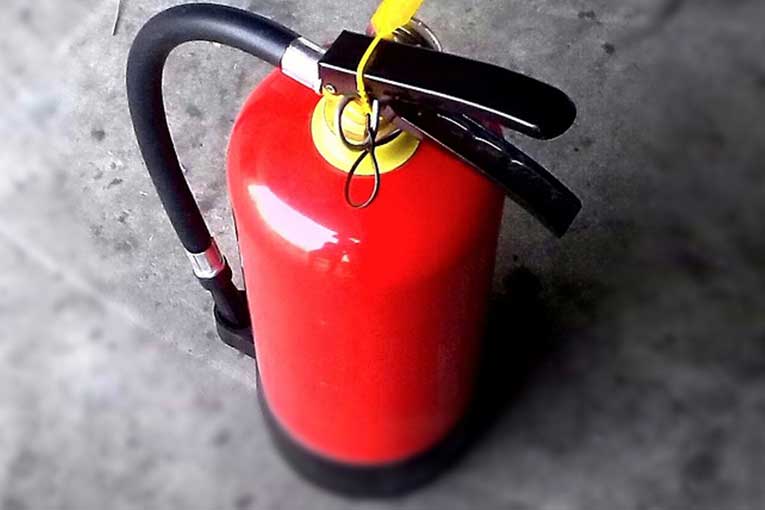
Proper usage can rapidly diminish the flames, preventing further spread.

Prioritise Safety

Large grease fires should be left to professionals to put out

If, despite your efforts, the grease fire persists and grows, it’s imperative to prioritise safety above all else. 
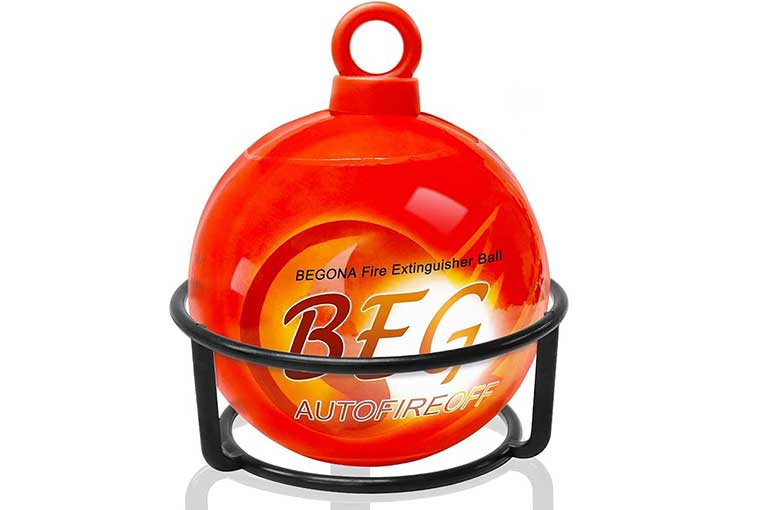
Immediately evacuate the premises and call the fire department. 
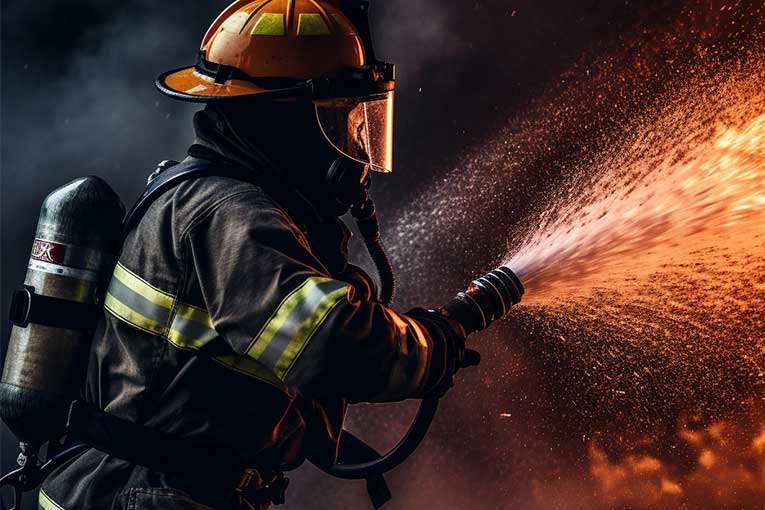
Firefighters are trained professionals equipped to handle even the most severe kitchen fires. 

Do not attempt to be a hero in such situations; your safety and the safety of those around you is paramount.

Why are Grease Fires so Dangerous

Grease fires are not just ordinary flames; they are a volatile combination of intense heat, rapid escalation, and unsuspecting triggers. 

Understanding why these fires are so perilous is crucial for everyone, as it can be the key to preventing and managing them effectively.

Rapid Escalation

The alarming characteristic of grease fires lies in their speed of escalation. 

Unlike some other fires that begin with a slow burn, a grease fire can transform from a minor sizzle to a raging inferno within seconds. 

The flammable nature of grease, coupled with the high temperatures used in cooking, creates a volatile mix. 

A mere distraction can lead to a small spill catching fire, and within moments, the entire kitchen can be ablaze. 

This swift escalation demands immediate, well-informed action to prevent the situation from spiralling out of control.

Unpredictable Expansion

What makes grease fires especially hazardous is their tendency to spread rapidly and unpredictably. 

Once ignited, the flames can swiftly engulf nearby items, including kitchen towels, curtains, or even cabinets. 

This rapid spread not only intensifies the danger but also makes it challenging to contain the fire within its initial source. 

In moments of chaos, the fire can leap from the stove to nearby surfaces, turning a localised incident into a kitchen-wide catastrophe.

Severe Burns and Property Damage

The high temperatures generated by grease fires pose significant risks to human safety. 

Anyone attempting to intervene without proper knowledge or equipment is at risk of severe burns. 

In worst-case scenarios, these burns can be life-threatening. 

Moreover, the intense heat can cause extensive damage to property. 

Cabinets, appliances, and kitchen structures can succumb to the flames, leading to costly repairs and emotional distress. 

It’s not just about extinguishing the fire; it’s about mitigating the aftermath, which can be devastating both physically and emotionally.

The Water Trap

A critical aspect that renders grease fires exceptionally dangerous is the widespread misconception regarding their extinguishing methods. 

The instinctive reaction for many is to reach for water. 

However, this instinct is profoundly misguided. When water meets hot grease, it reacts explosively, splattering burning grease and spreading the fire rather than dousing it. 

This misconception, if not corrected, can turn a controllable situation into a catastrophic event, magnifying the danger manifold.

What Type of Fire is a Grease Fire

Class F fire extinguishers are needed for grease fires

A grease fire falls under the category of a Class F fire. 

Class F fires involve cooking oils and fats, making them unique in their behaviour and extinguishing methods. 

Class F fires are one of the most dangerous classes of fire.

Regular fire extinguishers might not be effective against grease fires; it’s essential to have a specialised Class F fire extinguisher in your kitchen if you frequently cook with oils.

How to Prevent Grease Fires

Preventing a grease fire is far simpler than dealing with one. 

Here are some essential tips to keep your kitchen safe:

Stay in the Kitchen

Never leave the stove unattended while cooking. 

If you must leave, turn off the heat.

The smallest distraction can transform a simmering pot into a raging inferno.

Be Prepared

Preparedness is key. 

Every kitchen should be armed with a fire extinguisher and a trusty box of baking soda. 

Familiarise yourself with their usage. 

These tools are your first line of defence, swiftly neutralising a grease fire’s threat before it escalates. 

Knowing how to handle them can mean the difference between a minor mishap and a catastrophe averted.

Keep the Area Clean

A clean kitchen is a safe kitchen. 

Regularly scrub your stovetop, oven, and exhaust hood to banish grease buildup, the combustible culprit behind many a kitchen blaze. 

Grease, when left unchecked, can turn a simple cooking session into a disaster. 

Your diligent cleaning rituals act as a shield, guarding against unexpected conflagrations.

Use a Thermometer 

Temperature control is an art in cooking, especially when it comes to oils. 

Invest in a kitchen thermometer to monitor your oils’ temperatures closely. 

Oils have smoke points, beyond which they become highly flammable. 

By keeping your oils below these thresholds, you ensure you can stay safe.

Dry Before Cooking

Before introducing items to hot oil, ensure they are dry. 

Water droplets, when introduced to sizzling oil, create explosive splatters. 

These splatters not only pose burn risks but can also ignite surrounding surfaces. 

A simple pat-down of the items you’re frying ensures that your oil remains calm, reducing the risk of sudden, dangerous flare-ups.

Don’t Overcrowd the Pan

Avoid overcrowding the pan when frying. 

Overcrowded pans lead to spills, creating a hazardous situation where hot oil can spill onto open flames or heating elements. 

A controlled, appropriately filled pan ensures that your cooking stays safe, without the drama of a sudden fire.

Conclusion

Being aware of the causes, dangers, and prevention methods of grease fires is essential for anyone who spends time in the kitchen. 

By following these safety guidelines and acting promptly and correctly if a grease fire occurs, you significantly reduce the risk of a minor kitchen incident turning into a disaster. 

Remember, caution and preparedness are your best allies when it comes to keeping your kitchen and home safe.

What are the 6 Classes of Fire?

Contrary to certain assumptions, not every fire is the same.

Indeed, there are different types of fire, each with varying hazards.

As a result, it’s prudent to be aware of the different classes of fires to avoid using the wrong type of fire extinguisher if an incident were to occur.

There are six classes of fire, as we explore further hereunder.

Class A: Combustible Materials

Class A Fire
Class A Fire combustible material. Image credit: Pixabay

Class A fires are those which involve solid combustibles.

It could be anything from furniture to fixtures and fittings, paper, cardboard, or even the structure of a building.

If any type of solid material is burning, it’s said to be a Class A fire.

It’s one of the most common types of fires, as well as one which is relatively hard to extinguish.

How to Extinguish Class A Fires

In order to put out a Class A fire, you should ideally use water and foam extinguishers.

Water is the most common type of fire extinguisher as it can handle most fires that involve solids.

However it’s critical to bear in mind that since water is a conductor, it should not be used near any electrical equipment.

One may also use power and wet chemical fire extinguishers for a Class A fire, however the former are more suited.

Class B: Flammable Liquids

Class B Fire
Class B Fire combustible material. Image credit: Unsplash

Class B fires are those which involve liquid combustibles.

Unfortunately there’s all kinds of liquids as well as chemicals used in buildings, warehouses and workplaces, and a high number of them are flammable or explosive.

Some examples include paints, adhesives, inks, fuels and solvents.

As a result, many Class B fires tend to occur in workplaces and they can be extremely dangerous. 

It’s imperative to be aware of the types of flammable liquids that are present or used, and ideally carry out a COSHH assessment.

Such assessments are legally required when there are hazardous substances.

Safe storage of such substances is critical, and they should be placed as far away as possible from any sources of ignition.

They should also be stored in suitable containers and be clearly labeled. 

How to Extinguish Class B Fires

Class B fires should be put out by means of foam or powder extinguishers.

These are the best types of extinguishers in the case of such fires, but CO2 extinguishers can also be used even though they have limited suitability.

Class C: Flammable Gasses

Class C Fire
Class C Fire combustible material. Image credit: Unsplash

Natural gas and LPG are examples of flammable gasses.

Fires involving such gasses are classified as Class C fires.

It’s crucial to keep gasses in sealed containers in a storage area which is safe.

How to Extinguish Class C Fires

In the case of a Class C fire, it’s first of paramount importance to shut off the gas supply. 

Then, one should use a dry powder fire extinguisher to put out the fire.

Class D: Metals

Class D Fire
Class D Fire combustible material. Image credit: Pexels

Some types of metal, like sodium for example, are combustible.

Metals help fires to spread as they are good conductors.

And since metals will soften up and start melting when exposed to high temperatures, metal joists and columns could lead to a building to collapse when there’s a fire.

How to Extinguish Class D Fires

First of all, it’s important to point out that water can act as an accelerant on fires involving metals.

Hence it’s crucial to avoid using a common water extinguisher if you’re dealing with a Class D fire.

It’s recommended to use dry powder extinguishers in such cases.

In the case of a small fire, one can also use sand or dry earth to smother it.

Class E: Electrical

Class E Fire
Class E Fires are started by electrical faults. Image source: Shutterstock

Electrical fires are not assigned a full class since they can fall into different classifications. 

Hence Class E is not strictly a class as electricity is essentially a source of ignition.

How to Extinguish Class E Fires

In the case of electrical fires, it’s crucial not to use any water.

The best type of fire extinguisher to use on such a fire is the CO2 extinguisher.

One may also use dry powder extinguishers which may still be effective in the case of low voltage.

If possible, always turn off the power supply when tackling such a fire.

Class F: Cooking Oil & Fats

Class F Fire
Class F Fire combustible material. Image source: Shutterstock

When cooking oil, deep fat frying and spills of flammable oils are close to heat sources a Class F fire can arise.

This is a fire which is common in commercial kitchens, but it can also occur in residential homes

It’s important to avoid leaving any frying equipment unattended while it’s being used.

Class F fires are quite hard to extinguish due to the heat from the oil.

Also, should the wrong type of extinguisher be used, it can lead to the fire spreading easily.

How to Extinguish Class F Fires

Class F fires should be put out using wet chemical  extinguishers.

This is the only type of extinguisher that is approved for use on cooking oils and fats. 

A fire blanket can be effective if the fire is small.

Different Types of Fire Extinguishers

Wall Mounted Fire Extinguishers
Wall Mounted Fire Extinguishers. Image credit: Pexels

By now you should have a better understanding of the different classes of fires that require certain fire extinguishers to be extinguished.

The following is a complete list of the various fire extinguishers that exist.

Water (Class A)

A water based fire extinguisher is used when there are Class A fires involving combustible materials.

Most premises are required to have this type of fire extinguisher and hence you will typically find it in offices, hospitals and schools.

Foam (Class A & B)

In the case of a Class A or B fire, a foam fire extinguisher is recommended.

This type of extinguisher will perform a cooling function, thereby smothering the burning materials.

The foam will then help to prevent the fire from reigniting.

This type of extinguisher should never be used when there is an electrical source or a kitchen fire. 

Powder (Class A, B, C & E)

Dry powder fire extinguishers are very versatile and suitable for different classes of fires, including those involving combustible materials, flammable liquids and gasses.

In fact they are sometimes referred to as ABC extinguishers. 

A powder extinguisher will smother the fire by producing a thick barrier which will stop the fuel from being exposed to oxygen.

Such an extinguisher should not be used in confined spaces since the powder can be inhaled. 

It also leaves a residue which is quite difficult to clean up.

These types of extinguishers are often found in commercial workspaces, especially those where welding is involved, and boiler rooms.

CO2 (Class B & E)

A CO2 extinguisher contains carbon dioxide.

It suffocates the fire as it transfers the oxygen which would otherwise be used for burning. 

This type of extinguisher is suitable for Class B and E fires, that is those involving flammable liquids or electrical fires.

L2 (Class D)

L2 Dry powder fire extinguishers are ideal for Class D fires, that is those involving metals.

Wet Chemical (Class A & F)

Wet chemical fire extinguishers are to be used in the case of Class F fires where cooking oils and fats are present.

They can also be used for Class A fires.

They are thus a must have in commercial kitchens and canteens.

This fire extinguisher will create a layer of foam on the oil or fat that is burning, and so no more oxygen can reach the fire, thereby extinguishing it.

MultiCHEM (Class A, B & F)

MultiCHEM fire extinguishers are ABF-rated.

They are ideal for fires involving flammable liquids, even in cases when there are large quantities of fuel, or a large surface area.

It’s also suitable for deep fat fryer fires

Water Mist (Class A & F)

Water mist extinguishers are suitable for Class A and F fires, and so they are commonly found in various settings.

They work by producing a mist, which cools down the fire and also cuts off the oxygen supply.

Conclusion 

A basic understanding of different classes of fires and the most suitable fire suppression to be used is important for fire safety.

We hope that now you have a clearer understanding of the various classes of fires and which fire extinguisher/s to invest in to be well prepared in case a fire broke out.