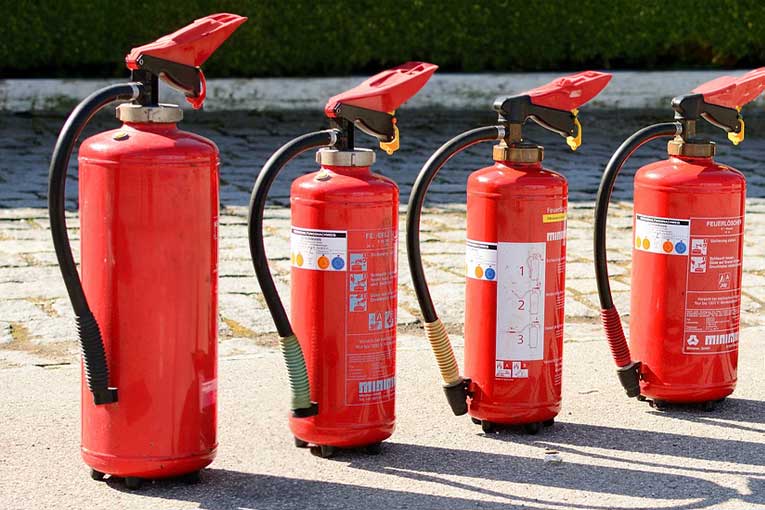
5 Fire Extinguisher Types Explained

Fire extinguishers are essential safety devices designed to help control or extinguish small fires. 

However, not all fires are the same, which is why there are different types of fire extinguishers available. 

There are 5 fire extinguisher types for different types of fires. 

In this article, we’ll explore the five main types of fire extinguishers and explain when each should be used.

Why Are There Different Types of Fire Extinguishers? 

fire extinguisher different types

Different types of fires require different approaches to extinguish them safely and effectively.

Type of Fire

Fires are classified into different classes of fires based on the type of fuel involved. 

Class A fires involve solid materials like wood and paper, Class B fires involve flammable liquids, Class C fires involve electrical equipment, Class D fires involve flammable metals, and Class F fires involve cooking oils and fats.

Different Methods of Extinguishing Fires

Each type of fire extinguisher is designed to combat a specific type of fire using different methods. 

For example, water extinguishers cool the fire, foam extinguishers create a barrier between the fuel and the oxygen, and CO2 extinguishers displace oxygen, smothering the fire.

Safety and Effectiveness

Using the wrong type of fire extinguisher can actually make a fire worse or put you at risk. 

Therefore, it’s crucial to understand the different types of fire extinguishers and when to use them.

5 Fire Extinguisher Types Explained

Water

water fire extinguisher types
Source: Amazon

How Does a Water Fire Extinguisher Work?

Water fire extinguishers are the most common type and are used to extinguish Class A fires, which involve solid materials like wood, paper, and textiles.

They work by cooling the fire, reducing the temperature below its ignition point

When water is applied to the fire, it absorbs heat from the fire, lowering the temperature and extinguishing the flames.

When to Use a Water Fire Extinguisher

Water fire extinguishers are suitable for fires involving solid materials such as wood, paper, and textiles.

They are effective for extinguishing fires in offices, schools, warehouses, and other environments where Class A fires are most likely to occur.

When Not to Use a Water Fire Extinguisher

Water fire extinguishers should not be used on fires involving flammable liquids, electrical equipment, or cooking oils and fats.

Using a water extinguisher on these types of fires can actually make the fire worse and increase the risk of electric shock or spreading the fire.

Where Are Water Fire Extinguishers Normally Found?

Water fire extinguishers are commonly found in offices, schools, warehouses, and other commercial and industrial environments.

They are usually mounted on walls in easily accessible locations and are identified by their red label colour..

CO2

co2 fire extinguisher types
Source: Amazon

How Does a CO2 Fire Extinguisher Work?

CO2 (Carbon Dioxide) fire extinguishers are used for Class B and Class C fires, which involve flammable liquids and electrical fires.

They work by displacing oxygen, smothering the fire and preventing it from spreading.

When CO2 is discharged from the extinguisher, it turns into a gas, depriving the fire of the oxygen it needs to continue burning.

When to Use a CO2 Fire Extinguisher

CO2 fire extinguishers are suitable for fires involving flammable liquids such as petrol, oil, and paint, as well as electrical fires.

They are commonly used in areas where there is a risk of electrical fires, such as offices, server rooms, and workshops.

When Not to Use a CO2 Fire Extinguisher

CO2 fire extinguishers should not be used on fires involving Class A materials such as wood, paper, and textiles.

They are also not effective for fires involving cooking oils and fats.

Additionally, CO2 extinguishers should not be used in confined spaces, as the gas can displace oxygen and cause suffocation.

Where Are CO2 Fire Extinguishers Normally Found?

CO2 fire extinguishers are commonly found in offices, server rooms, workshops, and other environments where there is a risk of electrical fires.

They are usually mounted on walls in easily accessible locations and are identified by their black label colour..

Foam

foam fire extinguisher types
Source: Amazon

How Does a Foam Fire Extinguisher Work?

Foam fire extinguishers are versatile and can be used for Class A and Class B fires.

They work by creating a blanket of foam that seals the fire’s surface, preventing re-ignition.

The foam also cools the fire, reducing the temperature and smothering the flames.

When to Use a Foam Fire Extinguisher

Foam fire extinguishers are suitable for fires involving solid materials such as wood, paper, and textiles (Class A fires), as well as flammable liquids such as petrol, oil, and paint (Class B fires).

They are commonly used in offices, workshops, garages, and other environments where there is a risk of both Class A and Class B fires.

When Not to Use a Foam Fire Extinguisher

Foam fire extinguishers should not be used on fires involving electrical equipment (Class C fires) or cooking oils and fats (Class F fires).

Using a foam extinguisher on these types of fires can actually make the fire worse and increase the risk of electric shock or spreading the fire.

Where Are Foam Fire Extinguishers Normally Found?

Foam fire extinguishers are commonly found in offices, workshops, garages, and other commercial and industrial environments.

They are usually mounted on walls in easily accessible locations and are identified by their cream label colour..

Dry Powder

dry powder fire extinguisher types
Source: Amazon

How Does a Dry Powder Fire Extinguisher Work?

Dry powder fire extinguishers are suitable for Class A, B, and C fires, as well as fires involving flammable gases and metals.

They work by forming a barrier between the fuel and the oxygen, smothering the fire and interrupting the chemical reaction.

Dry powder extinguishers contain a fine powder composed of sodium bicarbonate or potassium bicarbonate, which chemically inhibits the combustion process.

When to Use a Dry Powder Fire Extinguisher

Dry powder fire extinguishers are versatile and can be used for a wide range of fires, including fires involving solid materials (Class A), flammable liquids (Class B), and electrical equipment (Class C).

They are also effective for fires involving flammable gases such as propane and butane, as well as fires involving flammable metals such as magnesium and titanium.

When Not to Use a Dry Powder Fire Extinguisher

Dry powder fire extinguishers should not be used on fires involving cooking oils and fats, such as grease fires (Class F fires).

Using a dry powder extinguisher on these types of fires can actually make the fire worse and increase the risk of spreading the fire.

Where Are Dry Powder Fire Extinguishers Normally Found?

Dry powder fire extinguishers are commonly found in industrial environments, laboratories, workshops, and garages.

They are usually mounted on walls in easily accessible locations and are identified by their blue label colour.

Wet Chemical 

wet chemical fire extinguisher types
Source: Amazon

How Does a Wet Chemical Fire Extinguisher Work?

Wet chemical fire extinguishers are designed for Class F fires, which involve cooking oils and fats.

They work by cooling the fire and creating a barrier between the fuel and the oxygen.

Wet chemical extinguishers contain a special solution that reacts with the cooking oil or fat, forming a thick, soapy layer on the surface of the fire. 

This layer cools the fire and prevents it from re-igniting.

When to Use a Wet Chemical Fire Extinguisher

Wet chemical fire extinguishers are specifically designed for fires involving cooking oils and fats, such as deep fat fryers and commercial kitchens.

They are highly effective for extinguishing these types of fires and preventing them from spreading.

When Not to Use a Wet Chemical Fire Extinguisher

Wet chemical fire extinguishers should not be used on fires involving solid materials (Class A fires), flammable liquids (Class B fires), electrical equipment (Class C fires), or flammable metals (Class D fires).

Where Are Wet Chemical Fire Extinguishers Normally Found?

Wet chemical fire extinguishers are commonly found in commercial kitchens, restaurants, cafes, and other environments where there is a risk of fires involving cooking oils and fats.

They are usually mounted on walls in easily accessible locations and are identified by their yellow label colour.

Conclusion

That was a detailed breakdown of the 5 fire extinguisher types.

Each type of fire extinguisher is designed for specific types of fires, so it’s important to choose the right one for your needs.

By understanding the different types of fire extinguishers and their uses, you can be better prepared to respond effectively in the event of a fire emergency.

Remember to regularly inspect and maintain your fire extinguishers to ensure they are in good working condition and ready for use in case of an emergency.

In addition to having the right fire extinguishers, it’s also important to have a well-thought-out fire safety plan in place and to regularly train employees on fire safety procedures.

By taking these steps, you can help protect yourself, your employees, and your property from the devastating effects of fire.
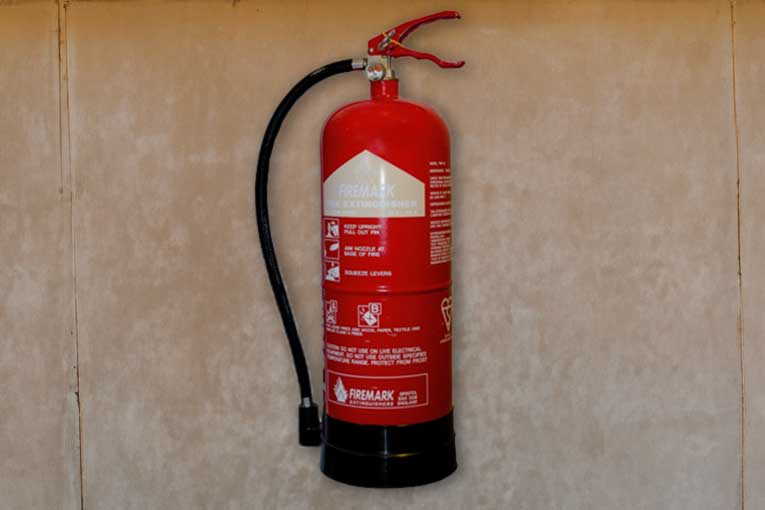
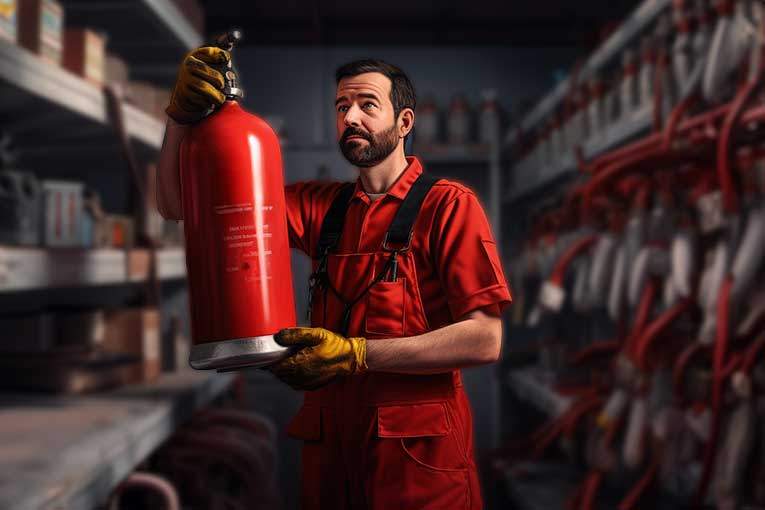
The advantages of embracing fire extinguisher recycling

Toria Jones, head of marketing at CheckFire, delves into the importance of fire extinguisher recycling within the fire trade

In fire safety, the responsibility to protect lives and property extends beyond the immediate response to emergencies.

Now more than ever, it encompasses a broader commitment to sustainable practices wherever feasible.

Fire extinguishers play a pivotal role in the array of crucial components within fire safety equipment, and while the urgency of their deployment and effectiveness in putting out fires is a top priority, recycling the unit after its lifecycle has come to an end is also important.

Therefore it’s necessary to raise awareness of the recyclability of fire extinguishers in the industry, as it makes for procedural efficiency and holds importance for environmental sustainability and corporate responsibility.

The proper handling, storage, emptying, disposal, and recycling of fire extinguishers forms a complex operation, particularly considering the distinct procedures required for different types of fire extinguishers.

Fire extinguishers, like all manufactured goods, have a finite lifespan, with components and extinguishing agents subject to degradation over time and accidental damage causing units to become ineffective – hence the BS 5306-3: 2017 regulations that stipulate their regular maintenance and servicing.

It’s worth reminding that fire extinguishers that are overdue their service may be compromised in terms of their effectiveness in combating fires.

But once serviced, if it’s deemed the unit should be replaced, there may be environmental risks if it’s disposed of improperly.

Therefore, it’s essential for the fire trade to be aware of when a fire extinguisher is coming to the end of its life and to recognise the importance of recycling units afterwards.

When do fire extinguishers need replacing?

The lifespan of a fire extinguisher is limited, determined by the result of its service and maintenance.

An annual service is required, followed by a five-year extended service for water, foam and powder fire extinguishers.

CO2 fire extinguishers, meanwhile, must be refurbished or replaced every 10 years.

Regular risk assessments are essential to identify signs of damage or expiration, ensuring the effectiveness of fire extinguishers in emergencies.

When the time comes, the unit must be serviced by a qualified engineer, who’ll conduct a detailed inspection of the fire extinguishers.

From here, depending on the findings of the extended service, the engineer will dictate whether the fire extinguisher is to be refilled or replaced.

Dispose or recycle: Making responsible choices

When the time comes for replacement, the disposal of these units can present a challenge.

Fire extinguishers must not be discarded into bins as this not only poses environmental risks but also disregards the opportunity for recycling.

Recycling fire extinguishers entails proper handling to prevent accidents, storage to avoid environmental contamination, emptying to remove residual agents, and disposal in compliance with regulations.

Trained professionals equipped with expertise in fire extinguisher recycling are essential for executing these tasks effectively.

The environmental benefits of fire extinguisher recycling are manifold.

Pressurised containers, if crushed improperly, can be hazardous.

Whereas, recycling mitigates these risks while reducing carbon emissions and minimising pollution.

Such measures are vital for preserving ecosystems and safeguarding wildlife.

The significance of responsible fire extinguisher recycling extends beyond environmental considerations.

It highlights a broader commitment to sustainable practices within the fire trade.

By embracing recycling, organisations can demonstrate their dedication to minimising their environmental footprint and contributing to a greener future.

Through recycling, all physical elements of the fire extinguisher can be reused, ensuring no waste.

In fact, part of CheckFire’s recycling service ships the recyclable materials overseas to support infrastructure in India.

How fire extinguisher recycling works at CheckFire

At CheckFire, we recycle between 25,000 to 30,000 fire extinguishers per month.

Most standard fire extinguishers can be safely recycled, especially if they have a steel body.

We recycle fire extinguishers, including water, foam, powder, CO2 and wet chemical, and fire extinguisher cardboard packaging too.

Each element of a unit is recycled and used again in various ways, across a range of industries.

This will ensure total safety and compliance while giving peace of mind that no damage is done to the environment.

Our service works in the following way:

Collecting and unloading

Our customers can arrange for us to collect fire extinguishers or drop off units at any of our depot sites – making it accessible to all.

We make sure that vehicles are unloaded safely, with engines off.

It’s also important that all units have suitable safety pins in place before handling or moving.

We have strict protocols in place to ensure safety at all times, including a requirement that all scrap fire extinguishers, both pressurised and unpressurised, are pinned and tagged before being collected or dropped at the facility.

Processing and sorting

Our recycling team processes requests and prepares for sorting according to the type of fire extinguisher.

Any unit identified as potentially unsafe for normal discharge will be moved to a quarantine area for further examination.

Dismantling and recycling

Once authorised, unit dismantling begins, including the removal of safety pins, seals, handles, and valves.

Everything from steel to brass to plastic is placed in the material’s corresponding collection tanks and then passed to specialist processors for recycling.

Enhancing awareness in the sector

Raising awareness about the importance of fire extinguisher recycling is essential for fostering widespread adoption.

It’s highly encouraged that organisations seek out fire extinguisher recycling services and find out more information about the process, including how it works and the benefits it entails.

By understanding the logistics and participating in fire extinguisher recycling, organisations can take proactive steps towards incorporating responsible disposal practices into their fire safety protocols.

This approach not only promotes environmental sustainability but also ensures compliance with regulatory standards and demonstrates corporate responsibility.

By embracing responsible disposal practices and recycling initiatives, organisations can mitigate environmental risks and reduce carbon emissions.

Through collaboration, education, and innovation, the fire trade can lead the way towards a greener future, where fire safety and environmental responsibility go hand in hand.

This article was originally published in the May 2024 issue of International Fire & Safety Journal. To read your FREE digital copy, click here.

How Long Do Fire Extinguishers Last?

Fire extinguishers are crucial tools for swiftly combating small fires, but do they last forever? 

Understanding their lifespan and exactly how long do fire extinguishers last is vital for ensuring their effectiveness in emergencies. 

In this article, we’ll explore how long different types of fire extinguishers last, when to replace them, and the importance of regular servicing.

How Long Do Fire Extinguishers Last?

how long do fire extinguishers last image

Fire extinguishers are crucial for rapid response in emergencies, but their effectiveness diminishes over time. 

Understanding how long fire extinguishers last is essential for maintaining a safe environment.

Disposable

Disposable fire extinguishers typically have a lifespan of around 10 to 12 years. 

Once they reach this limit or display signs of wear, they should be replaced to ensure optimal performance. 

These extinguishers are designed for single use, emphasising the importance of timely replacements.

Rechargeable

Rechargeable fire extinguishers, designed for multiple uses, have a service life of approximately 6 years. 

After this period, a thorough professional inspection and maintenance are necessary to ensure their continued reliability. 

If any issues are identified during servicing or if the extinguisher reaches the end of its recommended life, it should be replaced promptly.

How Often Should Fire Extinguishers be Serviced?

how often fire extinguishers serviced

Routine maintenance is key to ensuring the reliability of fire extinguishers. 

Different types require distinct servicing intervals to guarantee optimal functionality when facing a fire emergency.

Water, Powder, or Foam

Fire extinguishers containing water, powder, or foam should undergo professional servicing every 5 years. 

This process involves a thorough inspection, testing, and refilling, if necessary. 

Regular servicing helps identify any issues and ensures the extinguisher is fully operational.

CO2

CO2 fire extinguishers, commonly used for electrical fires, have a longer service interval of 10 years. 

These extinguishers should undergo a comprehensive professional service to inspect and maintain their components. 

This ensures that the extinguisher remains effective in suppressing electrical fires.

Where to Find the Fire Extinguisher Manufacture Date?

fire extinguishers manufacture date

Knowing the manufacture date of a fire extinguisher is crucial for determining its lifespan and understanding how long your fire extinguisher will last. 

The location of this information varies based on the type of extinguisher.

Steel Fire Extinguishers

Stamped into the Cylinder

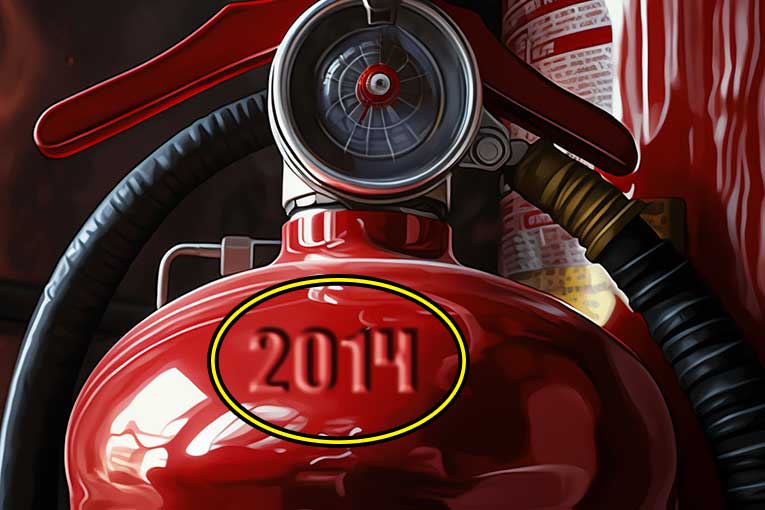
The manufacture date may be physically stamped onto the cylinder of the steel fire extinguisher. 

This stamp provides a clear and permanent indication of when the extinguisher was produced.

On the Label

Alternatively, the manufacture date might be included on the label affixed to the extinguisher. 

This label provides essential information about the extinguisher’s specifications and usage guidelines.

P50 Service-Free Extinguishers

Older Models 

For older P50 fire extinguisher models, the manufacture date is typically printed on the base of the unit.

Newer Models 

Newer P50 models use a coloured pin that correlates to a table printed on the label. 

The pin colour corresponds to the month and year of manufacture, providing a quick reference.

When Should you Replace a Fire Extinguisher Early?

replace fire extinguishers early

While fire extinguishers have defined lifespans, certain circumstances may warrant early replacement to ensure optimal performance in emergencies. 

Here are key indicators that suggest an extinguisher should be replaced ahead of schedule:

Cracked Nozzle or Hose

Issue

Physical damage like cracks compromises the structural integrity of the nozzle or hose.

Effect

The crack can lead to leaks or difficulties in delivering the extinguishing agent during a fire, rendering the extinguisher less effective.

Blocked Nozzle or Hose

Issue

Obstructions in the nozzle or hose can hinder the discharge of the extinguishing agent.

Effect

A blocked nozzle or hose reduces the extinguisher’s ability to control a fire, diminishing its overall performance.

Broken Handle

Issue

A broken handle makes it challenging to operate the extinguisher efficiently.

Effect

In an emergency, a broken handle may impede the user from effectively using the extinguisher, delaying response time.

Missing Locking Pin

Issue

The locking pin is crucial for preventing accidental discharges and maintaining the extinguisher’s readiness.

Effect

Without the locking pin, there’s a risk of unintentional discharges, and the extinguisher may not be securely stored or easily accessible.

Missing Inspection Sticker

Issue

An extinguisher without an updated inspection sticker may not have undergone required maintenance.

Effect

Missing inspection documentation indicates a lack of regular checks, raising concerns about the extinguisher’s reliability and adherence to safety standards.

Corrosion

Issue

Corrosion on the cylinder or other parts compromises the structural integrity of the extinguisher.

Effect

Corrosion weakens the extinguisher, making it more susceptible to damage and reducing its ability to withstand the pressure needed for proper discharge.

Suspected of Leaking

Issue 

Evidence of leaking substances suggests a loss of pressure and potential malfunction.

Effect

A leaking extinguisher may fail to discharge its contents effectively during a fire, necessitating immediate replacement to ensure reliability in an emergency.

How Often Should Fire Extinguishers be Inspected?

how often fire extinguishers inspected

Routine inspections are crucial to maintaining the reliability of fire extinguishers, ensuring they function correctly when needed. 

The inspection frequency can be categorised into two intervals:

Monthly Checks

Regular, brief checks by designated personnel.

This is to verify that the extinguisher is in its designated place, the pressure gauge shows adequate pressure, and there is no visible damage or tampering.

Monthly checks help identify immediate issues and ensure that the extinguisher is accessible and operational.

Yearly Inspections by a Fire Extinguisher Engineer

In-depth inspections conducted by a certified fire extinguisher engineer, for example those found in the Institution of Fire Engineers.

This will be a comprehensive examination of the extinguisher’s internal and external components, including pressure tests, to ensure it meets safety standards.

Yearly inspections are critical for identifying potential internal issues, such as corrosion or leaks, which might not be evident during routine checks.

What are the Risks of Using an Older Fire Extinguisher?

older fire extinguishers risks

Using an older fire extinguisher poses various risks, potentially compromising its effectiveness when faced with a fire emergency. 

Here are the key risks associated with relying on an aged fire extinguisher:

Decreased Pressure

Over time, fire extinguishers may experience a gradual loss of pressure, reducing their ability to discharge the extinguishing agent effectively. 

This decline can result from factors like gas leakage or gradual deterioration of internal components.

Corrosion

The internal components of a fire extinguisher, especially the cylinder, are susceptible to corrosion over an extended period. 

Corrosion weakens the structural integrity, making the extinguisher more prone to failure or rupture during use.

Deterioration of Seals and Valves

Seals and valves play a crucial role in maintaining the pressure and integrity of the extinguishing agent. 

As a fire extinguisher ages, these seals and valves can deteriorate, leading to potential leaks and a loss of pressure.

Reduced Extinguishing Agent Efficiency

The extinguishing agent within the fire extinguisher can degrade over time, diminishing its effectiveness. 

This reduction in efficiency may result from factors like exposure to temperature variations or chemical changes within the agent.

Outdated Technology

Older fire extinguishers may use outdated technology compared to more modern counterparts. 

Advances in fire safety technology have led to the development of extinguishers with enhanced features and improved extinguishing agents, providing better protection against various fire types.

Non-compliance with Standards

Fire safety standards and regulations evolve over time, introducing new requirements for equipment.

Older fire extinguishers may not comply with the latest standards, potentially leading to regulatory non-compliance and inadequate fire protection.

How to Dispose of a Fire Extinguisher?

dispose of fire extinguishers

Disposing of a fire extinguisher requires careful consideration to ensure the safe handling of potentially hazardous materials. 

Here’s a guide on how to appropriately dispose of a fire extinguisher:

Check the Extinguisher Type

Identify the type of fire extinguisher, as different extinguishing agents have specific disposal methods. 

Common types include water, powder, foam and CO2.

Contact Local Authorities

Check with your local fire department or waste disposal facility regarding their specific regulations for fire extinguisher disposal. 

Some municipalities organise special collection events or have designated drop-off locations.

Recycling Centres

Certain recycling centres may accept fire extinguishers, as many of the components are fully recyclable. 

Remember to follow local guidelines.

Professional Disposal Services

In some cases, professional hazardous waste disposal services may be necessary for extinguishers containing certain chemicals, such as older foam fire extinguishers. 

Contact local environmental agencies for advice on proper disposal methods.

Conclusion

Knowing how long fire extinguishers last and understanding when to replace them is vital for maintaining a safe environment. 

Regular inspections, proper servicing, and early replacement when necessary ensure that these essential firefighting tools remain effective when needed most. 

Prioritising the longevity and functionality of fire extinguishers is a proactive step towards enhancing overall safety and preparedness in various settings.

CheckFire leads in environmental responsibility by recycling 1,000 tonnes of fire extinguishers in 2023

CheckFire demonstrates industry-leading recycling efforts

CheckFire Ltd, a trade-only fire safety supplier, has announced its achievement of recycling an impressive 1,000 tonnes of fire extinguishers in 2023.

This milestone underlines the company’s commitment to environmental responsibility and positions it as a leader in the fire extinguisher recycling sector.

The volume of recycled material equates to approximately 259,067 Commander 6ltr fire extinguishers, showcasing the scale of CheckFire’s efforts to reduce waste and promote sustainability within the fire safety industry.

The recycling of fire extinguishers is integral to CheckFire’s mission, emphasising the need for regular maintenance, servicing, and inspection to ensure that fire extinguishers remain fit for purpose.

Adhering to BS5306 best practices, the company prioritises both safety and environmental sustainability in its operations.

Sustainable practices in fire safety industry

In addition to recycling fire extinguishers, CheckFire has also processed 50 tonnes of associated cardboard packaging, further demonstrating its dedication to an eco-friendly approach.

The company highlights the importance of proper disposal methods for expired or faulty units to prevent environmental damage and ensure community safety.

“The correct disposal of fire extinguishers is critical for avoiding environmental harm,” said CheckFire.

“Our recycling initiative not only reflects our commitment to the planet but also to the safety and financial well-being of our customers, who appreciate the value of high-quality, sustainable fire safety equipment.”

A three-step approach to recycling

CheckFire simplifies the recycling process for its customers through a straightforward three-step procedure.

Units can be collected or dropped off at CheckFire’s Caerphilly site or at any of its depots, where they undergo careful unloading in compliance with safety protocols.

The recycling team then processes and sorts the extinguishers, setting aside any that may pose safety risks for further inspection.

Finally, authorised units are dismantled and recycled, ensuring materials such as steel, brass, and plastic find new life in various industries.

This comprehensive recycling process is part of CheckFire’s broader commitment to responsible fire safety practices and environmental stewardship.

“Recycling fire extinguishers is not just a service we offer; it’s a reflection of our dedication to protecting the environment and supporting our communities,” the company added.

“Every extinguisher we recycle contributes to a cleaner, safer future, emphasising the significance of choosing environmentally responsible fire safety solutions.”

IFSJ Comment

CheckFire’s achievement in recycling 1,000 tonnes of fire extinguishers in 2023 represents a commendable effort towards sustainability within the fire safety industry.

By combining environmental responsibility with its commitment to safety, CheckFire sets an example for how companies can contribute to a healthier planet while maintaining high standards of fire safety.

This initiative demonstrates the potential impact of integrating environmental considerations into business practices, encouraging a shift towards more sustainable operations across the industry.

As the demand for eco-friendly solutions grows, CheckFire’s approach highlights the importance of innovation and responsibility in meeting the needs of the planet and its people.

Fire extinguisher inspection services market set for steady growth through 2030

Fire extinguisher inspection services market overview and growth trajectory

The “Global Fire Extinguisher Inspection Services Market by Service (Certification, Maintenance, Testing), Sourcing (In-house, Outsourced), Application – Forecast 2024-2030” report, now available at ResearchAndMarkets.com, presents new insights into the market’s future.

The industry is projected to grow from USD 4.14 billion in 2023 to an estimated USD 6.28 billion by 2030.

This expansion is attributed to a compounded annual growth rate (CAGR) of 6.12%.

The report provides a thorough analysis of various aspects including service certifications, maintenance, and testing segments.

It also examines sourcing options such as in-house and outsourced applications across a range of industries.

The study covers market dynamics in regions like the Americas, Asia-Pacific, and Europe, Middle East & Africa, highlighting significant activities in states like California, Ohio, and Texas, as well as emerging market segments in countries such as India, Indonesia, and the United Arab Emirates.

Key findings and market segmentation insights

The market report features sophisticated FPNV Positioning Matrix, aiding businesses in identifying market leaders and aligning their operations strategically.

It includes a detailed Market Share Analysis, offering stakeholders a clear view of their market influence and competitive scenario.

The publication segments the market into service categories like certification, maintenance, testing, and sourcing, and also by application areas including aerospace & defense, chemicals, and consumer goods.

Each segment’s influence on overall growth and specific trends shaping market dynamics are extensively covered.

Competitive landscape and strategic recommendations

This report delves into a qualitative analysis of market leaders, providing insights into their strategic operations.

Competitive assessments and intelligent insights assist businesses in understanding the importance of product developments, technological advancements, and market strategies.

For organizations seeking to enter or expand in the Fire Extinguisher Inspection Services space, the report offers comprehensive guidance.

It illuminates the path toward market penetration and development, supported by robust data and strategic market intelligence.

IFSJ Comment

The anticipated growth in the Fire Extinguisher Inspection Services Market reflects a broader trend towards enhanced safety standards and regulatory compliance across various sectors.

This trend is particularly notable in industries such as aerospace & defense, oil & gas, and public services, where expert fire extinguisher inspection services are increasingly in demand.

The market’s steady growth, as indicated by the comprehensive report, suggests a continued focus on safety and efficiency in fire safety practices.

The detailed market segmentation, competitive landscape analysis, and strategic insights provided in the report are invaluable for stakeholders aiming to understand and capitalize on these market dynamics.

Global fire extinguishers market to grow at rate of 5.6%

The fire extinguishers market is expected to witness market growth at a rate of 5.60% in the forecast period of 2022 to 2029 according to a Data Bridge Market Research report.

The market report provides analysis and insights regarding the various factors expected to be prevalent throughout the forecast period while providing their impacts on the market’s growth, with rapid urbanisation cited as a key driver for escalating the growth of fire extinguishers market.

Another cause for market growth is the increase in the number of fire fatalities in homes and businesses across the globe as the introduction of new safety norms by government to prevent any unexpected incident on account of fire outbreaks.

The expansion from prominent companies of product portfolio by including compact, lightweight and cost-efficient fire extinguishers, and investment in merger and acquisitions to expand their consumer-base is also likely to influence the market.

Additionally, increase in food expenditure, change in lifestyle, surge in the disposable income of people and growing awareness positively affect the fire extinguishers market.

Furthermore, increases in preference for eco-friendly and gas- or powder-based fire extinguishers are expected to extend profitable opportunities to the market players in the forecast period of 2022 to 2029.

However, increased price of raw material is expected to cause issues for the market growth as the report says that risk in terms of mild respiratory, skin, or eye irritation is projected to challenge the fire extinguishers market in the forecast period of 2022-2029.

North America dominates the fire extinguishers market because of the rise in construction activities within the region.

Asia-Pacific is expected to witness growth during the forecast period of 2022 to 2029 due to the implementation of strict fire norms in the region.

Residential fire incidents in Singapore drop nearly 7 per cent

The Singapore Civil Defence Force (SCDF) has responded to 339 fire incidents in residential premises between in the first four month of 2022, a 6.9% decrease from the 364 in the same period in 2021, according a report in The Strait Times.

On Sunday, SCDF said that since last October it has embarked on a programme to increase public awareness and teach first aid skills such as administering cardiopulmonary resuscitation (CPR) and how to use a fire extinguisher.

So far, about 1,200 people have participated in the programme, said SCDF.

 The SCDF said it will continue to educate the public about fire prevention measures. Its current effort includes after a fire takes place conducting a post-fire public education campaign, going door to door to share fire safety educational materials with residents.

Mr John Wu, Vice-Chairman of the National Fire and Emergency Preparedness Council (NFEC), said: “The NFEC is deeply concerned about the recent spate of residential fires. Fire safety is everyone’s collective responsibility. Everyone can play a part in contributing towards a fire-safe environment.

“The NFEC’s housing premises committee will continue to work closely with SCDF and town councils to raise awareness among more members of the public on fire safety at home.”