Fire extinguishers are crucial tools for swiftly combating small fires, but do they last forever?
Understanding their lifespan and exactly how long do fire extinguishers last is vital for ensuring their effectiveness in emergencies.
In this article, we’ll explore how long different types of fire extinguishers last, when to replace them, and the importance of regular servicing.
How Long Do Fire Extinguishers Last?
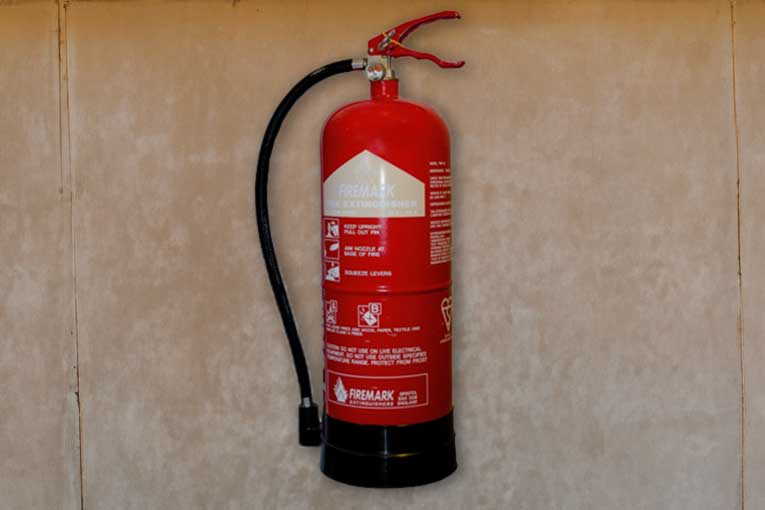
Fire extinguishers are crucial for rapid response in emergencies, but their effectiveness diminishes over time.
Understanding how long fire extinguishers last is essential for maintaining a safe environment.
Disposable
Disposable fire extinguishers typically have a lifespan of around 10 to 12 years.
Once they reach this limit or display signs of wear, they should be replaced to ensure optimal performance.
These extinguishers are designed for single use, emphasising the importance of timely replacements.
Rechargeable
Rechargeable fire extinguishers, designed for multiple uses, have a service life of approximately 6 years.
After this period, a thorough professional inspection and maintenance are necessary to ensure their continued reliability.
If any issues are identified during servicing or if the extinguisher reaches the end of its recommended life, it should be replaced promptly.
How Often Should Fire Extinguishers be Serviced?

Routine maintenance is key to ensuring the reliability of fire extinguishers.
Different types require distinct servicing intervals to guarantee optimal functionality when facing a fire emergency.
Water, Powder, or Foam
Fire extinguishers containing water, powder, or foam should undergo professional servicing every 5 years.
This process involves a thorough inspection, testing, and refilling, if necessary.
Regular servicing helps identify any issues and ensures the extinguisher is fully operational.
CO2
CO2 fire extinguishers, commonly used for electrical fires, have a longer service interval of 10 years.
These extinguishers should undergo a comprehensive professional service to inspect and maintain their components.
This ensures that the extinguisher remains effective in suppressing electrical fires.
Where to Find the Fire Extinguisher Manufacture Date?
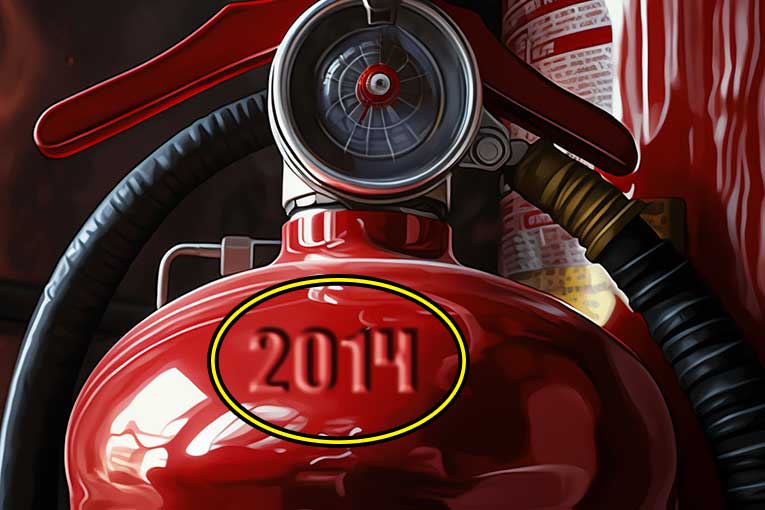
Knowing the manufacture date of a fire extinguisher is crucial for determining its lifespan and understanding how long your fire extinguisher will last.
The location of this information varies based on the type of extinguisher.
Steel Fire Extinguishers
Stamped into the Cylinder
The manufacture date may be physically stamped onto the cylinder of the steel fire extinguisher.
This stamp provides a clear and permanent indication of when the extinguisher was produced.
On the Label
Alternatively, the manufacture date might be included on the label affixed to the extinguisher.
This label provides essential information about the extinguisher’s specifications and usage guidelines.
P50 Service-Free Extinguishers
Older Models
For older P50 fire extinguisher models, the manufacture date is typically printed on the base of the unit.
Newer Models
Newer P50 models use a coloured pin that correlates to a table printed on the label.
The pin colour corresponds to the month and year of manufacture, providing a quick reference.
When Should you Replace a Fire Extinguisher Early?
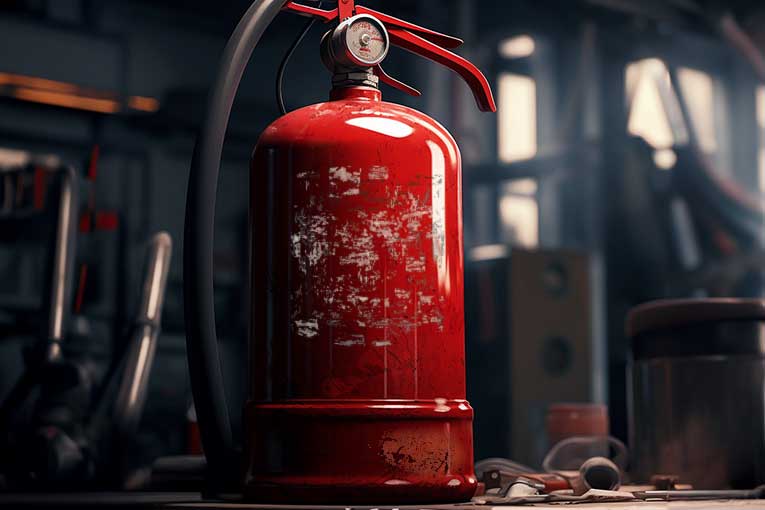
While fire extinguishers have defined lifespans, certain circumstances may warrant early replacement to ensure optimal performance in emergencies.
Here are key indicators that suggest an extinguisher should be replaced ahead of schedule:
Cracked Nozzle or Hose
Issue
Physical damage like cracks compromises the structural integrity of the nozzle or hose.
Effect
The crack can lead to leaks or difficulties in delivering the extinguishing agent during a fire, rendering the extinguisher less effective.
Blocked Nozzle or Hose
Issue
Obstructions in the nozzle or hose can hinder the discharge of the extinguishing agent.
Effect
A blocked nozzle or hose reduces the extinguisher’s ability to control a fire, diminishing its overall performance.
Broken Handle
Issue
A broken handle makes it challenging to operate the extinguisher efficiently.
Effect
In an emergency, a broken handle may impede the user from effectively using the extinguisher, delaying response time.
Missing Locking Pin
Issue
The locking pin is crucial for preventing accidental discharges and maintaining the extinguisher’s readiness.
Effect
Without the locking pin, there’s a risk of unintentional discharges, and the extinguisher may not be securely stored or easily accessible.
Missing Inspection Sticker
Issue
An extinguisher without an updated inspection sticker may not have undergone required maintenance.
Effect
Missing inspection documentation indicates a lack of regular checks, raising concerns about the extinguisher’s reliability and adherence to safety standards.
Corrosion
Issue
Corrosion on the cylinder or other parts compromises the structural integrity of the extinguisher.
Effect
Corrosion weakens the extinguisher, making it more susceptible to damage and reducing its ability to withstand the pressure needed for proper discharge.
Suspected of Leaking
Issue
Evidence of leaking substances suggests a loss of pressure and potential malfunction.
Effect
A leaking extinguisher may fail to discharge its contents effectively during a fire, necessitating immediate replacement to ensure reliability in an emergency.
How Often Should Fire Extinguishers be Inspected?
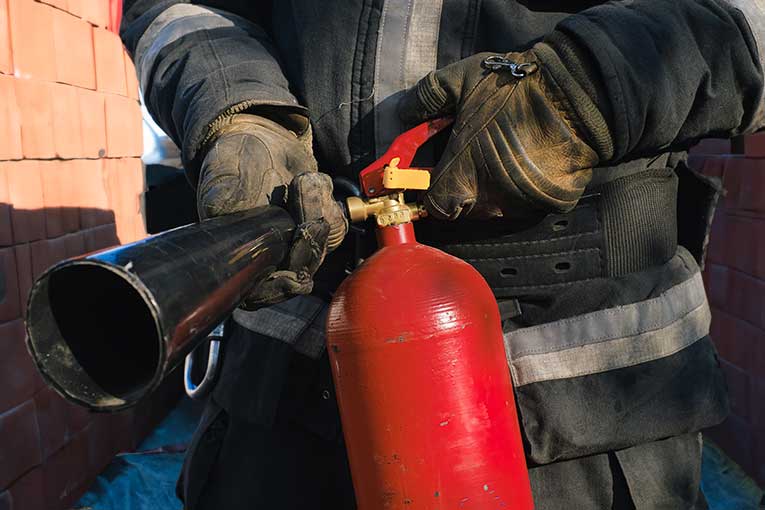
Routine inspections are crucial to maintaining the reliability of fire extinguishers, ensuring they function correctly when needed.
The inspection frequency can be categorised into two intervals:
Monthly Checks
Regular, brief checks by designated personnel.
This is to verify that the extinguisher is in its designated place, the pressure gauge shows adequate pressure, and there is no visible damage or tampering.
Monthly checks help identify immediate issues and ensure that the extinguisher is accessible and operational.
Yearly Inspections by a Fire Extinguisher Engineer
In-depth inspections conducted by a certified fire extinguisher engineer, for example those found in the Institution of Fire Engineers.
This will be a comprehensive examination of the extinguisher’s internal and external components, including pressure tests, to ensure it meets safety standards.
Yearly inspections are critical for identifying potential internal issues, such as corrosion or leaks, which might not be evident during routine checks.
What are the Risks of Using an Older Fire Extinguisher?
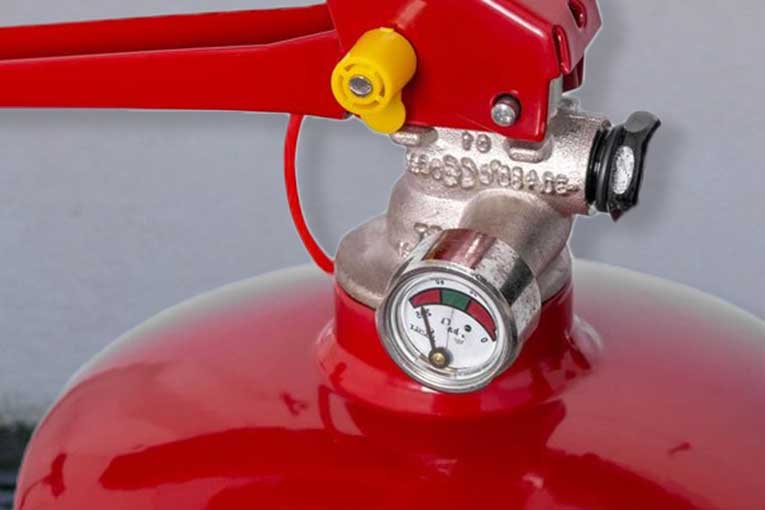
Using an older fire extinguisher poses various risks, potentially compromising its effectiveness when faced with a fire emergency.
Here are the key risks associated with relying on an aged fire extinguisher:
Decreased Pressure
Over time, fire extinguishers may experience a gradual loss of pressure, reducing their ability to discharge the extinguishing agent effectively.
This decline can result from factors like gas leakage or gradual deterioration of internal components.
Corrosion
The internal components of a fire extinguisher, especially the cylinder, are susceptible to corrosion over an extended period.
Corrosion weakens the structural integrity, making the extinguisher more prone to failure or rupture during use.
Deterioration of Seals and Valves
Seals and valves play a crucial role in maintaining the pressure and integrity of the extinguishing agent.
As a fire extinguisher ages, these seals and valves can deteriorate, leading to potential leaks and a loss of pressure.
Reduced Extinguishing Agent Efficiency
The extinguishing agent within the fire extinguisher can degrade over time, diminishing its effectiveness.
This reduction in efficiency may result from factors like exposure to temperature variations or chemical changes within the agent.
Outdated Technology
Older fire extinguishers may use outdated technology compared to more modern counterparts.
Advances in fire safety technology have led to the development of extinguishers with enhanced features and improved extinguishing agents, providing better protection against various fire types.
Non-compliance with Standards
Fire safety standards and regulations evolve over time, introducing new requirements for equipment.
Older fire extinguishers may not comply with the latest standards, potentially leading to regulatory non-compliance and inadequate fire protection.
How to Dispose of a Fire Extinguisher?
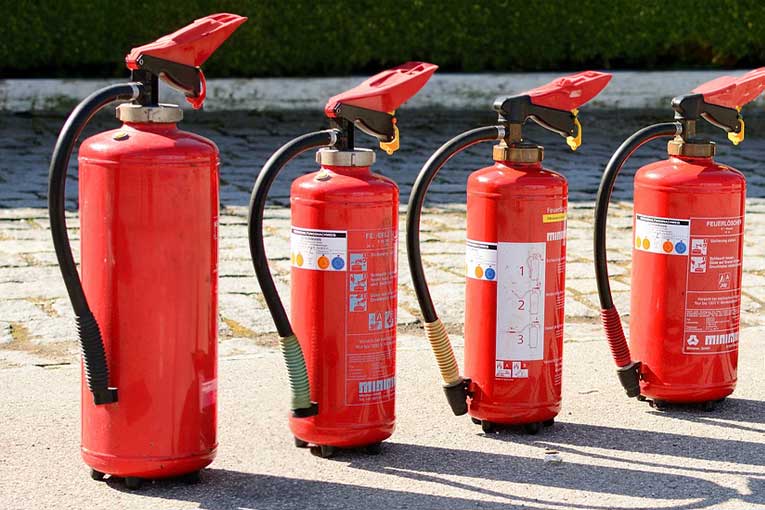
Disposing of a fire extinguisher requires careful consideration to ensure the safe handling of potentially hazardous materials.
Here’s a guide on how to appropriately dispose of a fire extinguisher:
Check the Extinguisher Type
Identify the type of fire extinguisher, as different extinguishing agents have specific disposal methods.
Common types include water, powder, foam and CO2.
Contact Local Authorities
Check with your local fire department or waste disposal facility regarding their specific regulations for fire extinguisher disposal.
Some municipalities organise special collection events or have designated drop-off locations.
Recycling Centres
Certain recycling centres may accept fire extinguishers, as many of the components are fully recyclable.
Remember to follow local guidelines.
Professional Disposal Services
In some cases, professional hazardous waste disposal services may be necessary for extinguishers containing certain chemicals, such as older foam fire extinguishers.
Contact local environmental agencies for advice on proper disposal methods.
Conclusion
Knowing how long fire extinguishers last and understanding when to replace them is vital for maintaining a safe environment.
Regular inspections, proper servicing, and early replacement when necessary ensure that these essential firefighting tools remain effective when needed most.
Prioritising the longevity and functionality of fire extinguishers is a proactive step towards enhancing overall safety and preparedness in various settings.