Why is PPE Important?

In every workplace, safety should be the top priority for both employers and employees.

Ensuring a safe and secure working environment not only protects the well-being of workers but also helps to increase productivity and overall organisational success. 

One crucial aspect of achieving workplace safety is the use of Personal Protective Equipment, commonly known as PPE

PPE refers to a diverse range of specialised gear designed to shield workers from various workplace hazards, such as chemical exposure, physical impacts, electrical shocks, and more. 

Cloth Facemasks
PPE equipment includes respiratory protection

Throughout this article, we will delve into the different types of PPE available, explore why is PPE important and understand the benefits they offer, all while emphasising the significance of compliance in fostering a culture of safety.

Different Types of PPE

There are countless potential workplace hazards which create the need for several categories of PPE options that are tailored to provide specific protection.

There are 5 main categories:

Protective Clothing

From standard coveralls, gloves and aprons, to specialised fire-resistant or high-visibility clothing, PPE workwear and clothing items are an essential part of everyday life for many organisations.

These garments act as a robust barrier against harmful chemicals, biohazards, and other potentially hazardous substances.

Eye Protection

Safety goggles, face shields, and safety glasses are important PPE items that shield the eyes from dust, debris, chemicals, and intense light. 

Doctor Wearing PPE
The right PPE has to fit for purpose for the right job

These protective gear options are especially important in the construction, manufacturing, and healthcare industries.

Respiratory Protection

Respiratory protection is essential for workers who could be exposed to airborne contaminants like dust, fumes, or gases. 

Respirators, masks, and filters ensure that the air the wearer breathes in is free from harmful particles, safeguarding their respiratory health.

Hearing Protection

Hearing protection, such as earplugs and earmuffs, is vital for employees working in noisy environments, as prolonged exposure to high levels of noise can lead to hearing damage or loss.

Head Protection

Head protection, most often hard hats, serves as a primary defence against head injuries resulting from falling objects or accidental collisions on construction sites or other hazardous workplaces.

Why is PPE Important in the Workplace?

PPE is an individual’s first line of defence against a wide range of workplace accidents, injuries and illnesses. 

Wearing and utilising the correct PPE significantly reduces the risk of severe injuries and long-term health issues caused by exposure to various hazards.

PPE provides an additional layer of safety, offering protection even in circumstances where other safety measures might fall short.

The proper use of PPE can give workers confidence, empowering them to carry out their duties effectively, knowing they have reliable protection against potential harm. 

This sense of security fosters a safer work culture, and can even boost employee morale and motivation.

As well as this, strict adherence to PPE guidelines showcases an employer’s commitment to their employees’ well-being and safety. 
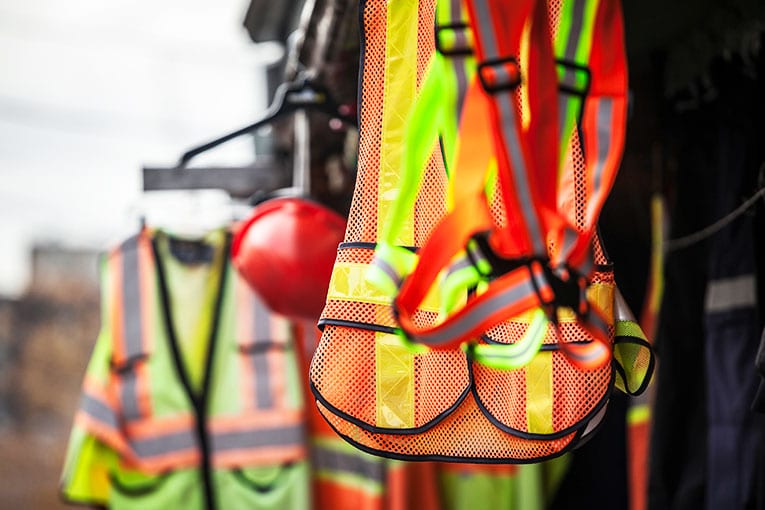
High Vis PPE
PPE is vital for safety in the workplace

As such, a proactive approach to safety can enhance the company’s reputation and contribute to improved employee loyalty and retention.

PPE is especially important in high-risk industries such as construction, manufacturing, healthcare, and laboratories, where exposure to hazardous substances and potential accidents is much more prevalent.

The use of PPE ensures the continuity of business operations by minimising work disruptions due to accidents or illnesses. 

When workers remain safe and healthy, absenteeism decreases, leading to enhanced productivity and reduced downtime.

What are the Benefits of Wearing PPE?

Using PPE offers a multitude of benefits for both employers and employees alike. 

Reduces Risk of Injury or Illness

Using the correct PPE significantly lowers the risk of injury or illness, and prevents a wide range of accidents, from minor incidents to life-altering mishaps. 

For instance, using appropriate gloves when handling hazardous chemicals can prevent skin irritation or burns.

Enhances Overall Workplace Safety

PPE can enhance overall workplace safety, and lead to fewer accidents and injuries. 

A safe work environment instils a sense of confidence and well-being in employees, leading to improved job satisfaction and reduced stress.

Reduces Medical Expenses & Insurance Costs

By preventing accidents and illnesses, PPE can lead to reduced medical expenses and insurance costs for businesses. 

Fewer accidents result in fewer worker compensation claims, saving both time and financial resources.

Fosters Positive Work Environment

Prioritising creating a safe workplace fosters a positive work environment, promoting teamwork and trust among employees. 

As a result, workers are more likely to feel valued and loyal to their employer, contributing to higher employee retention rates and increased productivity.

Enhances Compliance

In addition to the immediate benefits of PPE, employers also benefit from enhanced compliance with safety regulations and standards when they supply their workers with the correct PPE. 

Adherence to safety guidelines helps businesses avoid penalties and fines from regulatory bodies and creates a more positive image for the company.

Attracts Potential Clients & Investors

A good safety record can also attract potential clients and investors, who recognise the company’s commitment to responsible business practices. 

A positive reputation for safety can give a competitive edge to the business, making it an attractive choice for clients and investors.

Longer Term Financial Savings

By investing in PPE and prioritising safety, companies can reduce the costs associated with accidents and injuries, leading to long-term financial savings and increased profitability.

What Can Be Done to Ensure Correct Use of PPE?

Thank You Sign
Positive Signage Encourages Compliance. Image credit: Pixabay

Ensuring the proper use of PPE requires a comprehensive approach that involves employees, employers, and the organisational culture. 

Training and education are the cornerstones of proper PPE implementation. 

All employees must be trained on the potential hazards in their workplace, the appropriate PPE for each task, as well as the correct way to wear and maintain their equipment. 

Here are some ways you can ensure that PPE is used correctly within your organisation:

Provide Easy Access to the Correct PPE

Ensure that it fits well and is comfortable for the workers.

One-size-fits-all approaches may not be suitable for all employees, so it is vital to offer a range of sizes and styles to accommodate individual needs.

Regularly Inspect PPE

Identify any defects or signs of wear and tear, so that damaged or outdated equipment can be replaced.

Get Supervisors to Enforce PPE Usage

Management should lead by example, consistently wearing PPE, and address any non-compliance promptly.

Recognising and rewarding employees who consistently use PPE can also boost compliance.

Create an Open Communication Culture

Encourage open dialogue to foster compliance with PPE guidelines.

Employees should feel comfortable expressing their safety concerns and providing feedback on PPE usage and any challenges they may face.

Host Regular Safety Meetings

Organise regular huddles and staff meetings where PPE usage is discussed.

This provides an opportunity to address any issues and find practical solutions collaboratively.

Promote the Importance of PPE

Create and display safety campaigns and posters as reminders in prominent areas of the workplace.

Periodic PPE Policy & Practice Evaluation

This ensures they remain up-to-date and effective.

As workplaces evolve, so do the potential hazards, and adjustments to PPE guidelines may be necessary to keep workers protected.

Conclusion

Personal Protective Equipment (PPE) plays a pivotal role in safeguarding employee from workplace hazards.

Hopefully from this article you have gained an answer to the question of why is PPE important.

The diverse range of PPE options, from protective clothing to eye, respiratory, hearing, and head protection, ensures a comprehensive defence against potential accidents and illnesses when implemented and used correctly.

Using PPE is not only vital for protecting individual workers but it can also contribute to a safer work environment overall. 

The benefits of proper PPE implementation are manifold, ranging from reduced injury rates and medical expenses to improved employee morale and enhanced productivity.

The key to effective PPE usage lies in comprehensive training, easy access to equipment, regular inspections, and a culture that prioritises safety. 

Employers, employees, and organisational leaders must work together to foster a safety-first mindset.

The future of fire engineering

Ahmed Allam, Managing Director of CHPK Fire Engineering Limited, highlights the need for a more comprehensive and inclusive approach to fire engineering

What is one of the biggest challenges currently faced by the fire engineering industry?

One major challenge is the scarcity of fire engineers, stemming from the limited availability of university degrees in fire engineering – a problem not just in the UK but worldwide.

Additionally, the required level of competency to enter this profession is high.

Fire engineering is unique in that it interacts with many other engineering disciplines throughout the design process.

Whether it’s determining the resistivity a structure needs, or adapting to changes made by structural engineers, fire engineers play a vital role.

Moreover, this field often requires innovative solutions that don’t adhere to traditional standards or guidance, especially as architectural designs become more creative and unconventional.

Why is it critical for people to understand the big picture when it comes to fire engineering?

When developing a fire engineering solution, it’s not enough to simply adhere to current codes and standards, though they are vital.

These standards generally cover the vast majority of buildings, but when a building has unique characteristics, additional considerations must be taken into account.

The “big picture” involves not only the fire engineering itself but also how it interfaces with different engineering disciplines, and at the core of all of this is building safety.

Previously, before the Building Safety Act, fire engineers might have come into a project later, inheriting design solutions with restrictions that hindered the implementation of proper fire engineering standards.

Understanding the big picture is an essential, and sometimes neglected, aspect of the project.

If a fire engineer, client, and design team can appreciate the broader context, they can build more integrated solutions.

The big picture is about focusing on the total journey of an asset, recognising how decisions made early in the design phase can impact not only construction but also operation and maintenance costs.

It’s about minimising inherited risks in the design, considering potential higher risks that could affect constructability, and understanding the long-term implications for those who live in or use the asset.

The real importance lies in recognising the holistic impact that fire engineers, and engineers in general, have on the entire lifecycle of a structure, ensuring that considerations are made beyond just complying with standards.

It’s a perspective that demands attention to how all elements interrelate, capturing as many details as possible to create safer and more effective designs.

How does the changing role of the fire engineer impact the design of the building?

The role of fire engineering, especially in light of the Building Safety Acts following Grenfell, has become a central force in maintaining an asset throughout its lifecycle.

Imagine a scenario where the necessary groundwork isn’t done during design and construction, and the asset is handed over to the Responsible Person to operate.

Any deficiencies in the design could become evident during operation, leading to undesirable outcomes and potentially massive costs.

A flawed design that persists into the operational phase can be detrimental, leading to significant expenses over the building’s life.

The importance of competent fire engineering in creating sustainable solutions is paramount.

It’s not just about compliance with codes and regulations but also about building designs that support adaptability and efficiency throughout the structure’s lifecycle.

This changing role of fire engineers emphasises the need for an integrated approach to design that takes into account the entire journey of a building, from initial design to daily operation.

It’s about looking beyond immediate needs and planning for the future, recognising that the design decisions made today have long-term consequences.

Where do you see the discipline of fire engineering heading?

The future of fire engineering must be shaped by deep reflection and a collective sense of responsibility.

As I progress in my career, I find myself more conscious of the need for my solutions to be carefully checked and discussed.

The tragedy of Grenfell is a haunting reminder of how industry practices can lead to catastrophe, and we are all responsible in some way.

I believe that what we need to see is a more inclusive approach to leadership in the industry.

It’s not just about big firms pursuing their objectives through corporate social responsibility; we must engage small firms as well.

The focus must be broadened to serve the entire field, avoiding the narrow spectrum that may have contributed to issues like Grenfell.

The challenge lies in inclusivity.

We need to create mechanisms that allow all competent individuals to contribute, regardless of where they work or their organisational size.

This will make the roundtable bigger, ensuring that no important voices are missed, even if they are not part of a larger institution or firm.

The future of fire engineering must be a collective endeavour, embracing all parts of the industry, and recognising that everyone has something valuable to contribute.

It’s about fostering a culture where all insights are welcomed, not just those from the most prominent players.

This inclusive approach will not only make the industry stronger but also create a safer and more responsive environment for all.

This article was originally published in the September 2023 issue of International Fire & Safety Journal. To read your FREE digital copy, click here

Ensuring fire pump efficiency

Amirtharaj Arun, Senior Testing Engineer at DCD’s Emirates Safety Laboratory, offers a comprehensive overview of the protocols and standards for fire pump testing

Fire pumps play a crucial role in firefighting systems, ensuring the safety of lives and preventing property damage.

It is essential to evaluate fire pump performance according to the manufacturer’s design specifications to ensure their effectiveness.

Various standards provide guidelines for testing and validating fire pumps, ensuring compliance with performance requirements.

The NFPA 20 standard guides fire pumps’ installation, commissioning, and acceptance, ensuring they meet the necessary life safety and building protection criteria.

These standards are essential references for meeting the demands and requirements of fire pump systems.

NFPA 20 Standard for the installation of pumps for fire protection

The fire pump consists of three key components: the pump itself, the drive system, and the controller, along with additional accessories.

The driver/driving system options include electric motors and diesel or internal combustion engines.

To ensure the proper installation of fire pumps in buildings and industries, NFPA 20 standards serve as a guiding framework.

Hydrostatic tests and flushing procedures are vital for maintaining the pump’s longevity and minimising the need for unscheduled maintenance.

During the field acceptance phase, it is essential to have system manufacturers or their representatives present to conduct the necessary tests and ensure the proper functioning of the fire pump system.

Flushing test

Before conducting fire pump tests and operation activities, it is crucial to complete flushing and hydrostatic testing.

The flushing test should be performed before the hydrostatic test, specifically focusing on the suction pipe.

As per the NFPA 20 standard, the flushing process must achieve a flow rate that is at least equal to or greater than the required value.

This required flow rate should equal or exceed 150% of the rated flow of the field pump.

In cases where the pump cannot provide a flow rate of 150% of its rated flow, the flushing flow rate should be set at a minimum of 100% of the pump’s rated flow.

These steps are essential for ensuring the proper functioning of the fire pump system.

Hydrostatic test

Hydrostatic testing plays a crucial role in maintaining the integrity of the fire pump system by removing any foreign particles that may have entered the suction inlet.

This process is essential to prevent damage to the impeller and ensure optimal pump performance.

The hydrostatic test guarantees the system’s pipes and fittings’ durability, quality, and safety.

This test minimises the risk of underground and aboveground pipeline system leakage, aligning with the guidelines specified in the NFPA 25 standard.

The field suction and discharge piping system should undergo a pressure test of not less than 200 psi or 50 psi above the maximum pressure to be maintained in the system.

The responsible installation contractor is responsible for providing a hydrostatic report before the fire pump acceptance test.

Furthermore, the pump manufacturer must perform a hydrostatic test on each pump before dispatch, adhering to the product’s standard requirements.

Electrical wiring of the pump system

Before the initial startup and acceptance test, a comprehensive inspection and verification of the wiring in all pump systems, including the jockey pump motor, electric motor, electrical drive pump, and diesel engine drive pump controller, were conducted.

This thorough process ensured that all system wiring, configurations, and connections were checked and verified.

It ensures that all connection terminals are correctly and securely tightened.

These measures were taken to mitigate electrical risks, such as shocks or arc flashing.

Electric fire pump controllers must also undergo an arc flash assessment following the NFPA 70E Standard for electrical safety in the workplace or the corresponding local approved standards.

Digital readout screens were utilised to measure current, voltage, and RPM to minimise the risk of electric shock or arc flash, eliminating the need to open the door for such measurements.

Flow test

During the flow test, the fire pump’s performance is measured and verified to ensure it meets the minimum requirements for rated head, flow, and peak power, as specified by the pump manufacturer’s certified plot and datasheet.

During this test, the critical consideration is ensuring that the system’s flow operates within the guidelines outlined in NFPA 20.

Suppose the water supply does not allow the pump to be operated at 150% of the rated flow: in that case, the pump must be operated at a minimum of its rated flow or at the highest demand of all the systems it serves, whichever is greater.

If the pump fails to achieve the desired performance during the initial acceptance test of a new installation, it could indicate that it is oversized relative to the available water supply.

The certified fire pump performance curve serves as the “birth certificate” of the fire pump, providing crucial information on how the pump will function in the field based on the manufacturer’s certified test curve.

This curve is a reference point to compare the pump’s performance in the field and ensure no damage occurred during transportation and setup.

The ultimate goal is to ensure the fire pump meets the required fire protection demand.

The pump manufacturer representative will set the start and stop pressures for the jockey and fire pump.

The stop pressure of the jockey pump is typically set close to the shut-off pressure setting range, although specific requirements are not defined.

Those overseeing the fire pump installation collaborate with the manufacturer’s representative to determine the appropriate start and stop pressures.

Field acceptance test

When conducting performance tests, it is essential to use measuring instruments calibrated per ISO 17025.

The fire pump should undergo testing at minimum, rated, and peak power loads, ensuring that the system components do not experience objectionable overheating.

Additionally, the vibration of the pump assembly should not reach a level that could potentially cause damage to any component of the fire pump system.

Determining the fire pump’s minimum, rated, and peak power loads involves controlling water discharge through calibrated test devices.

The flow rate of water discharged from the fire pump assembly will be precisely regulated and stabilised.

Furthermore, the fire pump’s suction is connected to a break tank, and the refill rates of the tank will be tested and documented.

These measures contribute to a comprehensive evaluation of the fire pump’s performance.

Additional testing

Following the flow test performance, several additional checks must be conducted to ensure the proper functioning of the fire pump system.

For diesel drivers, parameters such as engine speed, engine back pressure, oil pressure, cooling loop water pressure, and engine temperature must be monitored.

In the case of electric-driven motors, parameters such as motor speed, voltage, and amperes should be observed.

The representatives from the pump and driver manufacturers are responsible for verifying that these measurements align with the factory specifications.

All recorded data should be documented in the contractor’s material test certificate, providing a comprehensive record of the fire pump system’s performance and adherence to the required specifications.

Controller test

The controller test is a crucial step in the testing process, involving the repeated starting of the fire pump driver.

A total of six manual starts and six automatic starts are required during this test.

To initiate the pump, the control valve on the sensing line is automatically opened, causing the system pressure to decrease to the fire pump’s start point.

This simulation replicates the scenario where a sprinkler or other orifice device was open within the system.

By conducting this test, the functionality and response of the controller can be evaluated effectively.

Alternative power

When the fire pump is connected to an alternate power source, it is necessary to conduct a test that simulates a loss of the primary or regular power source.

This test is performed while the pump is operating at peak load.

The objective is to demonstrate that both the driver and pump can continue to function seamlessly using the alternative power source.

Furthermore, half of the automatic and manual starts should be carried out during the testing process while the pump is connected to the alternate power source.

This comprehensive evaluation ensures the reliability and effectiveness of the fire pump system under different power supply scenarios.

Evaluating test results

Evaluating the test results is paramount to ensuring the fire pump system meets the required qualifications.

The fire pump acceptance test involves comparing the test results against the certified pump curve, including documenting the project name, installation location within the project site and the pump’s serial number in the acceptance test report.

During this evaluation, various parameters need to be reviewed, such as suction and discharge flow, pressure, rated speed capacity, total head for vertical and horizontal pumps, electrical input, and any RPM correction to the rated speed.

Once the flow test is completed, the results are plotted on a graph to compare them with the manufacturer’s certified pump curve visually.

The graphical representation assesses how the recorded test results align with the expected performance.

This evaluation ensures the fire pump system meets the requirements and operates within the desired parameters.

Document completion

As part of the final acceptance process, NFPA 20 mandates the submission of specific documentation for the fire pump system.

This includes one set of record drawings of the fire pump system, one copy of the completed acceptance test report, and a critical equipment electrical drawing.

One set of detailed instruction manuals for all major fire pump system components must also be provided.

For more efficient scrutiny, testing, and upkeep, it is suggested to have a copy of NFPA 25.

These documents are essential for the building owner to have a comprehensive understanding of the fire pump system and to ensure proper ongoing operation, maintenance, and compliance with applicable standards.

This article was originally published in the September 2023 issue of International Fire & Safety Journal. To read your FREE digital copy, click here.

Women in Fire: In her element

Namrata Moharana talks finding her feet in the fire industry and how other young women can do the same

With an academic grounding in chemical engineering, it was only when she came across a job advert for a fire safety engineer position that Namrata Moharana identified the career opportunities the industry presented.

The rest as they say is history and these days Namrata is a senior fire safety consultant.

Now, Moharana wants to share her story to encourage other young women to consider a career in fire and talks about how to break down the barriers that currently hinder the incoming female talent.

Can you tell us about your current role?

I am currently based in Perth, Western Australia, working as a fire safety engineer at Warringtonfire Australia.

My day-to-day responsibilities frequently change depending on the type and stage of projects I am involved in.

For example, on new projects, it’s all about engaging with and providing advice to the design team and project stakeholders.

Whereas, during the construction phase, continuous inspection activities need to be undertaken.

Once construction is complete, a fire safety engineer is responsible for the final compliance inspections and the witness testing of active fire safety systems.

In general, my duties centre around developing appropriate and cost-effective fire safety strategies for various buildings. This comprises of liaising with local fire brigades to discuss proposed performance solutions and the overall fire safety strategy.

I also complete fire safety assessments and prepare fire engineering reports for both existing and new buildings, which often includes fire and smoke modelling or occupant evacuation simulation.

What is your career highlight to date?

One of the most interesting projects I have worked on was a waste-to-energy plant – the first of its kind in Australia.

The Warringtonfire Perth team was engaged to provide a range of fire safety solutions, which included rationalising the building fire ratings and the provision of targeted suppression systems and performance based natural ventilation.

Given that the building was not considered a ‘typical’ building (under the building code), it was important to think outside the box and consider the property from a first-principles basis.

There were also multiple stakeholders with different requirements and expectations, so it was important to balance these, to ensure the proposed fire safety strategy was appropriate, considered, and practical.

How did you get to where you are today?

Like many fire safety engineers, I didn’t initially set out to work in fire safety – I didn’t really know it was an option until I spotted the Warringtonfire recruitment advert for the position I now hold.

My education background is chemical engineering. I completed a combined bachelor’s and master’s course in this subject.

Alongside my studies, I gained experience in the oil and gas industry but, after completing my qualifications, I wanted to explore different career paths as an engineer.

This is when I spotted the opportunity to be a fire safety engineer with Warringtonfire and was intrigued.

When I started out, I had very limited understanding of fire safety engineering, but my graduate role gave me hands-on experience across a variety of projects within the first few months.

For that, I am extremely glad I took the risk and tried something out of my comfort zone.

It continues to pay off and I am now approaching my five-year work anniversary this October.

Working at Warringtonfire has allowed me to be a part of various real-life projects on all scales, which has resulted in an exciting and fulfilling career so far.

This has also allowed me to improve my technical expertise and fast-track my career.

How has your experience been as a woman in the fire industry?

Since university, the consistent challenge is frequently being the only female in stakeholder meetings.

This can create an intimidating environment that is challenging to navigate.

Fortunately, while growing up and through my school and university, I have had female role models excelling in their career, despite working in male-dominated industries, and these women have always motivated me.

I’ve been extremely lucky with the support from various mentors and have received equal opportunities.

Sadly, I know that not everyone has this experience. A friend told me that her mother worked as an engineer in an office where there were no female toilets.

Given that just around 13% of the Australian engineering workforce is female, women are still significantly underrepresented in the industry.

There is certainly a long way to go in terms equal representation, however I believe we are heading in the right direction.

What do you think are the challenges in attracting new talent into the industry? And how can we raise awareness of engineering as a vocation for women?

Given that fire safety engineering cannot be studied at undergraduate level in Australia, this could be one barrier preventing people from entering the fire industry.

Drawing from my own experience, it wasn’t until after graduating that I discovered it as an option.

So, I certainly feel that more could be done to increase awareness of the opportunities.

There is also a lack of understanding about what engineering encompasses – the different professions and skillsets that come under that umbrella.

When I say I’m a fire safety engineer, for example, most people have no idea what the profession involves.

Unfortunately, for young women starting out in their working lives, not having this knowledge often means they won’t consider engineering as a career choice.

It’s important to increase awareness of engineering as an option for girls, at a younger age – to dismantle gender stereotypes.

One way to attract more women to the industry would be to increase the visibility of female role models within the industry.

Having female role models is something that’s truly inspired me, and I believe it helps foster an environment where women feel welcome.

I also feel it would be invaluable to have a support system within the industry where women can interact and share experiences with one another.

This ongoing support is crucial, and Warringtonfire does it extremely well.

We get the opportunity to connect with colleagues at other offices across Australia, with internal training opportunities, which provide knowledge about the local regulations and recent projects.

For more information about fire engineering and Warringtonfire, visit https://www.warringtonfire.com/fire-engineering

This exclusive article was originally published in the September 2023 issue of International Fire & Safety Journal. To read your FREE digital copy, click here.

SFPE announces 2023 class of Fellows and award recipients

In recent news, the Society of Fire Protection Engineers (SFPE) has unveiled its 2023 class of Fellows and the recipients of their various awards. For the full details, readers can visit the official announcement on their website.

SFPE’s highest honour: The 2023 Fellows

Elevation to Fellow status within the SFPE is a significant professional honour, reserved for those who have achieved considerable accomplishments in the field of fire protection engineering. This year’s inductees to the Fellow status are:

  • Traci Bangor, PE, FSFPE
  • Tracey D. Bellamy, PE, CFPS, CWBSP, FSFPE
  • Kees Both, FSFPE
  • Gilles Carrier, T.P., FSFPE
  • Flora F. Chen, FSFPE
  • John Durante, PE, ARM, FSFPE
  • Joshua Greene, PE, FSFPE
  • Moriel Kaplan, PE, FSFPE

Recognising the industry’s upcoming leaders: The “5 Under 35”

SFPE’s “5 Under 35” award recognises the outstanding younger professionals making waves in the industry. The 2023 recipients are:

  • Christopher Crivello, PE
  • William N. Fletcher, PE
  • Christopher Hallock, PE
  • Jens Steemann Kristensen, PhD
  • Ankit Sharma, PhD

Celebrating excellence: SFPE’s 2023 award recipients

SFPE has also revealed its ten award recipients for 2023, including:

  • Kerry M. Bell, PE, recipient of the SFPE Trailblazer Award
  • Kees Both, FSFPE, recipient of the SFPE Lund Award for Professional Recognition 
  • Tom Christman, recipient of the SFPE Lucht Award for Contributions to Education
  • Michael A. Crowley, PE, FSFPE, FASHE, recipient of the SFPE Nelson Award for Inspired Service
  • Samuel Dannaway, PE, FSFPE, recipient of the SFPE Bryan Mentoring Award
  • Joshua Greene, PE recipient of the SFPE Jensen Award for Outstanding Committee Service
  • Keith Lunsford, recipient of the SPFE Spotlight Award
  • Lori Moore-Merrell, PhD, recipient of the SFPE Fire Protection Person of the Year Award
  • Craig Vesely, recipient of the SPFE Spotlight Award
  • David Vickers, B.Sc., C.E.T., CFPS, RHFAC Professional, recipient of the SPFE Spotlight Award

In sharing his thoughts on the award recipients and Fellows, Chris Jelenewicz, PE, FSFPE, Interim Chief Executive Officer of SFPE commented: “Each year, we honour SFPE members who have made significant accomplishments to our profession and Society.

“Their contributions have profoundly impacted the science and technology that reduces global fire risk. We are grateful for their leadership and commitment to SFPE and the fire protection engineering profession.”

These awards will be handed over by Jimmy Jönsson, FSFPE, President of SFPE, at the SFPE Annual Conference & Expo in Washington D.C./Bethesda, MD, USA, scheduled from October 8-12, 2023.

Those interested in attending can register for the conference here.

Additionally, nominations for 2024’s class of Fellows and award recipients are set to begin early next year.

IFSJ Comment

The acknowledgement of professionals in the fire protection engineering field by a reputable organisation like SFPE emphasises the continuous strides and advancements being made in the sector.

Such recognitions not only celebrate individual achievements but also inspire upcoming professionals to aspire for excellence.

Cundall establishes new office in Riyadh expanding Middle Eastern operations

Engineering consultancy firm, Cundall, announced the opening of a new office in Riyadh – Cundall Arabia. The move signals Cundall’s commitment to expanding its Middle Eastern operations and building its global practice. Cundall celebrated the occasion with a reception held at the British Embassy in Riyadh, attended by local business leaders, Foreign Office representatives, and Cundall staff and clients from across the region.

Cundall has been working with clients in the Middle East for more than 15 years, including many projects in Saudi Arabia. The new Riyadh office will serve as the company’s hub for in-country work and will strengthen its ability to serve Saudi clients. The expansion will also complement Cundall’s existing offices in Dubai and Doha, and increase its influence on projects throughout the region.

Cundall is known for delivering innovative and sustainable solutions worldwide and is currently working on several high-profile projects throughout Saudi Arabia. These projects include entertainment, master planning, and the Red Sea Global’s Dark Sky Initiative.

Richard Stratton, Partner & Managing Director EMENA, commented on the expansion, saying that Saudi Arabia is undergoing unprecedented positive transformation, and work on many of the transformational projects announced in recent years will begin to come to fruition in 2023. Stratton also highlighted the Saudi Vision 2030’s focus on sustainability, which aligns with Cundall’s Net Zero Carbon 2030 commitments.

Carole O’Neil, Global Managing Partner at Cundall, stated that the expansion into Saudi Arabia is a significant milestone for the company, and it is looking forward to building new relationships in the region while continuing to have a positive impact on every project it touches.

The new Riyadh office is Cundall’s 24th global office, and the company plans to open another office in the Philippines in 2023. The company remains dedicated to achieving sustainable design throughout the built environment, and the expansion into Saudi Arabia is a testament to its unwavering commitment to its clients and supporting social and economic growth in line with Saudi Vision 2030.

SFPE announces first 2023 review course for Principles and Practice of Engineering (PE) Fire Protection exam 

The Society of Fire Protection Engineers (SFPE), the world’s leading professional society for fire protection and fire safety engineering, announces the opening of registration for its first 2023 Principles and Practice of Engineering (PE) Fire Protection Exam Review Course.  

Taught by 12 expert instructors with backgrounds across all areas of fire protection engineering, the SFPE PE Exam Review Course and leverages the deep knowledge from SFPE’s member community to prepare candidates for the PE Exam in Fire Protection Engineering.  All courses are live, online, and conveniently offered twice weekly beginning in June 2023, with recorded sessions available on-demand afterward.   Additional review sessions, online discussions, practice problems, and office hours with the instructors are included – providing the comprehensive preparation needed to head into the exam with confidence. 

“The SFPE PE Exam Review Course focuses on the fundamentals of each topic area of fire protection engineering while preparing attendees to think critically, adapt to the exam, and be successful Professional Engineers,” stated Stephen Dale, Chair, SFPE PE Exam Review Subcommittee.  

Each year, engineers who enroll in the 18-week SFPE PE Exam Review Course are more prepared for the PE exam than those who don’t. An additional SFPE PE Exam Review Course will be scheduled in late 2023 to prepare engineers for the new spring exam schedule commencing in 2024.

“Past participants of the SFPE PE Exam Review Course report a 90% pass rate on the exam – notably higher than the NCEES reported first-timer pass rate of 74%,” stated Nicole Boston, CAE, Chief Executive Officer, Society of Fire Protection Engineers. “Our instructors are some of the most recognized and well-known engineers practicing today, and they ensure that course participants are well-equipped with the knowledge to pass the exam.”

Additional information about the SFPE Principles and Practice of Engineering (PE) Fire Protection Exam Review Course is available at sfpe.org/2023peexamreview

Duo awarded Nittan Shield Fire Engineering Apprentice of the Year

Two Level 3 Fire & Security Apprentices at Northern Irelands, South Eastern Regional College (SERC) have jointly been awarded the Nittan Shield Fire Engineering Apprentice of the Year title for 2022 at the College.

Apprentices Alexander Wallace (Saintfield) employed by Building Protection Systems (NI) Ltd and Jonny Hamilton (Bangor) employed by Atlas World are the first to share the Award.

SERC has been shown continued support the introduction of the Northern Ireland Fire and Security Employers Federation and the development of new courses and upskilling training for the industry.

SERC Fire and Security Lecturer Robin Hamill said: “This Award reflects both young men’s performance throughout the year, not only in competitions – both achieved podium places at SkillBuild, and Alexander, a Gold Medal Winner at WorldSkillsUK Finals – but how they conduct themselves at work and in the College, as well as how they get on with their coursework and assignments. 

“It was impossible to find a find fault with either of them which is why they are both commended for their efforts and achievements and recognised with the Apprentice of the Year Award.”

Lee James, Nittan Europe Ltd, General Manager for Product Marketing said: “As a manufacturer, Nittan value and fully support the work being done by SERC, and by our Elite Partner for Northern Ireland, Solutions for Systems, who take the time to train and support these apprentices. 

“Nittan work closely with both organisations to ensure the College has the industry leading products it needs to train the apprentices and to get the Fire Engineering Apprentice of the Year Award underway.

He added: “The fire industry represents a good career choice, with engineers always in demand, and with the current skills gap now more than ever, we need to ensure young people have the training resources they need to be able to learn and develop the appropriate skills.”