What is COSHH?

Keeping your business safe for everyone in your workplace is vitally important. 

This is where COSHH comes in, but exactly what is COSHH?

COSHH is a crucial regulation for workplace safety. 

This article explains what COSHH is, what it covers, how to comply with it, and everyone’s responsibilities.

What is COSHH?

what is coshh image

COSHH stands for Control of Substances Hazardous to Health. 

It is a set of regulations in the United Kingdom designed to protect workers from health risks associated with hazardous substances. 

COSHH requires employers to manage and control risks associated with these substances to ensure the safety and health of their employees. 

This involves several key activities, including identifying hazardous substances, assessing their potential risks, and implementing control measures to minimise exposure.

The regulations mandate that employers must conduct a thorough risk assessment to evaluate how these substances might affect employees. 

Based on this assessment, they must implement control measures, which may include ventilation systems, protective equipment, and safe handling procedures. 

Employers are also required to provide adequate training for employees on the safe use of hazardous substances and ensure that safety data sheets are available for all chemicals used.

Additionally, COSHH requires regular monitoring and review of the control measures to ensure they are effective and up-to-date. 

Employers must also keep records of risk assessments and any incidents related to hazardous substances.

What Does COSHH Cover?

what does coshh cover

COSHH is a regulation that addresses a wide range of hazardous substances found in various workplaces. 

Understanding what COSHH covers is crucial for managing health risks effectively.

Chemicals

COSHH covers chemicals used in industrial processes, laboratories, and cleaning. 

These include solvents, acids, and detergents. 

Chemicals can pose risks such as toxicity, flammability, or corrosivity. 

COSHH requires employers to identify these risks and implement control measures.

Fumes and Vapours

Workplaces that involve high-temperature processes, such as welding or metalworking, often produce fumes and vapours. 

These can be harmful if inhaled over time. COSHH regulations require proper ventilation and air filtration systems to control exposure.

Dusts

Dusts from materials like wood, flour, or minerals can cause respiratory issues and other health problems. 

COSHH requires measures such as dust extraction systems and regular cleaning to minimise dust levels and protect workers.

Biological Agents

Biological agents include bacteria, viruses, and fungi that can pose health risks. 

For instance, healthcare settings or laboratories may deal with potentially infectious materials. 

COSHH covers the handling, storage, and disposal of these agents, requiring proper hygiene and protective equipment.

Nanomaterials

Nanomaterials are substances with particles smaller than 100 nanometers. 

They can have unique and potentially hazardous properties. 

COSHH regulations apply to the handling and safety of these materials, including risk assessments and protective measures.

Carcinogens

Substances that can cause cancer are covered by COSHH. 

Employers must implement stringent controls to limit exposure, such as using less hazardous alternatives or providing personal protective equipment.

Explosives

COSHH also applies to substances that are explosive or flammable. 

Proper storage, handling, and emergency procedures are required to prevent accidents.

Who Must Comply with COSHH?

who comply coshh

COSHH applies to all employers and self-employed individuals who handle hazardous substances in the workplace. 

This includes a wide range of industries and sectors where hazardous materials are used, stored, or produced.

Employers

Employers are responsible for ensuring compliance with COSHH regulations. 

This means they must:

  • Identify and assess risks associated with hazardous substances.
  • Implement control measures to minimise exposure.
  • Provide training and information to employees about handling these substances.
  • Ensure that safety data sheets are available for all hazardous chemicals.
  • Regularly review and update safety procedures and risk assessments.

Self-Employed Individuals

Self-employed individuals who work with hazardous substances are also required to comply with COSHH. 

They must:

  • Conduct their own risk assessments.
  • Implement appropriate control measures.
  • Use personal protective equipment (PPE) as needed.
  • Keep records of safety procedures and risk assessments.

Contractors and Visitors

Contractors and visitors may need to comply with COSHH if they work with hazardous substances while on site. 

Employers must ensure that they are informed of the risks and safety procedures.

What do the COSHH Symbols Mean?

COSHH symbols are essential for understanding the hazards associated with various substances. 

Each symbol indicates a specific type of risk and helps in handling materials safely. 

Here’s a guide to what each COSHH symbol means:

Compressed Gas

compressed gas coshh symbol

The compressed gas symbol looks like a cylinder and indicates that the substance is stored under pressure. 

This can be dangerous if the gas is released suddenly. 

Compressed gases can cause explosions or injuries if not handled correctly. 

Safety measures include proper storage and handling procedures.

Corrosive

corrosive coshh symbol

The corrosive symbol, represented by a container pouring liquid onto a hand and a metal surface, signifies that the substance can cause severe damage to skin, eyes, or materials. 

Corrosive substances can cause burns or corrosion, so proper protective equipment and careful handling are required.

Environmentally Hazardous

environmentally hazardous coshh symbol

An environmentally hazardous symbol features a dead tree and fish. 

This indicates that the substance can cause significant harm to the environment. 

It may be toxic to aquatic life or contribute to long-term ecological damage. 

Safe disposal and spill containment are essential.

Explosive

explosive coshh symbol

The explosive symbol shows an exploding bomb and warns that the substance can explode under certain conditions. 

Explosive materials can pose a severe risk of blast and fire. 

Proper storage, handling, and safety precautions are necessary to prevent accidents.

Flammable

flammable coshh symbol

The flammable symbol, a flame, indicates that the substance can easily catch fire. 

Flammable materials pose risks of fire and explosion. 

Avoid exposure to sources of ignition and store them away from heat sources.

Health Hazard

health hazard coshh symbol

The health hazard symbol features a human silhouette with a star. 

It denotes substances that may cause serious health effects such as cancer, respiratory issues, or reproductive harm. 

Using personal protective equipment and proper handling procedures is crucial.

Irritant

irritant coshh symbol

The irritant symbol, showing an exclamation mark, represents substances that can cause irritation to skin, eyes, or respiratory tract. 

While not as severe as corrosive substances, irritants can cause discomfort and long-term health effects if not handled properly.

Oxidiser

oxidiser coshh symbol

An oxidiser symbol looks like a flame over a circle and indicates that the substance can cause or enhance a fire. 

Oxidisers can make other materials burn more intensely. 

Store them carefully and away from flammable substances.

Toxic

toxic coshh symbol

The toxic symbol, with a skull and crossbones, signifies that the substance can cause severe health effects or death if ingested, inhaled, or absorbed. 

Extreme caution is needed when handling toxic substances, including using appropriate protective gear and ensuring proper storage.

What are COSHH Employer Responsibilities?

coshh employer responsibilities

Under COSHH regulations, employers have several key responsibilities to ensure the safety and health of their employees when dealing with hazardous substances:

Risk Assessment

Employers must conduct thorough risk assessments to identify hazardous substances and evaluate the risks they pose. 

This includes assessing how substances are used, handled, and stored, and determining the potential impact on employees’ health.

Control Measures

Based on the risk assessment, employers must implement control measures to minimise exposure. 

This can include engineering controls like ventilation systems, administrative controls such as safe working procedures, and personal protective equipment (PPE) like gloves and masks.

Training and Information

Employers are required to provide training for employees on how to handle hazardous substances safely. 

This includes understanding COSHH symbols, following safety procedures, and using PPE correctly. 

Employers must also ensure that employees have access to Safety Data Sheets (SDS) for all hazardous substances used.

Health Surveillance

Employers must monitor employees’ health if they are exposed to hazardous substances. 

This may involve regular health checks to detect any adverse effects early and take corrective actions.

Record Keeping

Employers must keep records of risk assessments, safety procedures, and any incidents involving hazardous substances. 

These records help ensure compliance and provide documentation for regulatory purposes.

What are COSHH Employee Responsibilities?

coshh employee responsibilities

Under COSHH regulations, employees also have important responsibilities to ensure their own safety and the safety of others when working with hazardous substances. 

These responsibilities include:

Following Procedures

Employees must adhere to all safety procedures and instructions provided by their employer. 

This includes using hazardous substances according to the guidelines and following established protocols for handling and storage.

Using Personal Protective Equipment (PPE)

Employees are required to wear and use PPE as specified by their employer. 

This includes items like gloves, masks, and goggles designed to protect against exposure to hazardous substances.

Reporting Hazards and Incidents

Employees must report any unsafe conditions, spills, or incidents involving hazardous substances to their employer immediately. 

Prompt reporting helps to address and mitigate potential risks and prevents accidents.

Attending Training

Employees should attend all training sessions provided by their employer. 

This training covers safe handling practices, understanding COSHH symbols, and emergency procedures related to hazardous substances.

Using Equipment Properly

Employees must use all equipment and tools as instructed and ensure they are in good working condition. 

Proper use of equipment helps to prevent accidents and reduce exposure to hazards.

Conclusion

You should now have more of an understanding of exactly what is COSHH.

COSHH is essential for protecting workers from health risks related to hazardous substances. 

By understanding COSHH regulations, symbols, and responsibilities, employers and employees can work together to create a safer workplace. 

Proper risk assessment, control measures, and training are key to managing hazardous substances effectively.

5 Fire Extinguisher Types Explained

Fire extinguishers are essential safety devices designed to help control or extinguish small fires. 

However, not all fires are the same, which is why there are different types of fire extinguishers available. 

There are 5 fire extinguisher types for different types of fires. 

In this article, we’ll explore the five main types of fire extinguishers and explain when each should be used.

Why Are There Different Types of Fire Extinguishers? 

fire extinguisher different types

Different types of fires require different approaches to extinguish them safely and effectively.

Type of Fire

Fires are classified into different classes of fires based on the type of fuel involved. 

Class A fires involve solid materials like wood and paper, Class B fires involve flammable liquids, Class C fires involve electrical equipment, Class D fires involve flammable metals, and Class F fires involve cooking oils and fats.

Different Methods of Extinguishing Fires

Each type of fire extinguisher is designed to combat a specific type of fire using different methods. 

For example, water extinguishers cool the fire, foam extinguishers create a barrier between the fuel and the oxygen, and CO2 extinguishers displace oxygen, smothering the fire.

Safety and Effectiveness

Using the wrong type of fire extinguisher can actually make a fire worse or put you at risk. 

Therefore, it’s crucial to understand the different types of fire extinguishers and when to use them.

5 Fire Extinguisher Types Explained

Water

water fire extinguisher types
Source: Amazon

How Does a Water Fire Extinguisher Work?

Water fire extinguishers are the most common type and are used to extinguish Class A fires, which involve solid materials like wood, paper, and textiles.

They work by cooling the fire, reducing the temperature below its ignition point

When water is applied to the fire, it absorbs heat from the fire, lowering the temperature and extinguishing the flames.

When to Use a Water Fire Extinguisher

Water fire extinguishers are suitable for fires involving solid materials such as wood, paper, and textiles.

They are effective for extinguishing fires in offices, schools, warehouses, and other environments where Class A fires are most likely to occur.

When Not to Use a Water Fire Extinguisher

Water fire extinguishers should not be used on fires involving flammable liquids, electrical equipment, or cooking oils and fats.

Using a water extinguisher on these types of fires can actually make the fire worse and increase the risk of electric shock or spreading the fire.

Where Are Water Fire Extinguishers Normally Found?

Water fire extinguishers are commonly found in offices, schools, warehouses, and other commercial and industrial environments.

They are usually mounted on walls in easily accessible locations and are identified by their red label colour..

CO2

co2 fire extinguisher types
Source: Amazon

How Does a CO2 Fire Extinguisher Work?

CO2 (Carbon Dioxide) fire extinguishers are used for Class B and Class C fires, which involve flammable liquids and electrical fires.

They work by displacing oxygen, smothering the fire and preventing it from spreading.

When CO2 is discharged from the extinguisher, it turns into a gas, depriving the fire of the oxygen it needs to continue burning.

When to Use a CO2 Fire Extinguisher

CO2 fire extinguishers are suitable for fires involving flammable liquids such as petrol, oil, and paint, as well as electrical fires.

They are commonly used in areas where there is a risk of electrical fires, such as offices, server rooms, and workshops.

When Not to Use a CO2 Fire Extinguisher

CO2 fire extinguishers should not be used on fires involving Class A materials such as wood, paper, and textiles.

They are also not effective for fires involving cooking oils and fats.

Additionally, CO2 extinguishers should not be used in confined spaces, as the gas can displace oxygen and cause suffocation.

Where Are CO2 Fire Extinguishers Normally Found?

CO2 fire extinguishers are commonly found in offices, server rooms, workshops, and other environments where there is a risk of electrical fires.

They are usually mounted on walls in easily accessible locations and are identified by their black label colour..

Foam

foam fire extinguisher types
Source: Amazon

How Does a Foam Fire Extinguisher Work?

Foam fire extinguishers are versatile and can be used for Class A and Class B fires.

They work by creating a blanket of foam that seals the fire’s surface, preventing re-ignition.

The foam also cools the fire, reducing the temperature and smothering the flames.

When to Use a Foam Fire Extinguisher

Foam fire extinguishers are suitable for fires involving solid materials such as wood, paper, and textiles (Class A fires), as well as flammable liquids such as petrol, oil, and paint (Class B fires).

They are commonly used in offices, workshops, garages, and other environments where there is a risk of both Class A and Class B fires.

When Not to Use a Foam Fire Extinguisher

Foam fire extinguishers should not be used on fires involving electrical equipment (Class C fires) or cooking oils and fats (Class F fires).

Using a foam extinguisher on these types of fires can actually make the fire worse and increase the risk of electric shock or spreading the fire.

Where Are Foam Fire Extinguishers Normally Found?

Foam fire extinguishers are commonly found in offices, workshops, garages, and other commercial and industrial environments.

They are usually mounted on walls in easily accessible locations and are identified by their cream label colour..

Dry Powder

dry powder fire extinguisher types
Source: Amazon

How Does a Dry Powder Fire Extinguisher Work?

Dry powder fire extinguishers are suitable for Class A, B, and C fires, as well as fires involving flammable gases and metals.

They work by forming a barrier between the fuel and the oxygen, smothering the fire and interrupting the chemical reaction.

Dry powder extinguishers contain a fine powder composed of sodium bicarbonate or potassium bicarbonate, which chemically inhibits the combustion process.

When to Use a Dry Powder Fire Extinguisher

Dry powder fire extinguishers are versatile and can be used for a wide range of fires, including fires involving solid materials (Class A), flammable liquids (Class B), and electrical equipment (Class C).

They are also effective for fires involving flammable gases such as propane and butane, as well as fires involving flammable metals such as magnesium and titanium.

When Not to Use a Dry Powder Fire Extinguisher

Dry powder fire extinguishers should not be used on fires involving cooking oils and fats, such as grease fires (Class F fires).

Using a dry powder extinguisher on these types of fires can actually make the fire worse and increase the risk of spreading the fire.

Where Are Dry Powder Fire Extinguishers Normally Found?

Dry powder fire extinguishers are commonly found in industrial environments, laboratories, workshops, and garages.

They are usually mounted on walls in easily accessible locations and are identified by their blue label colour.

Wet Chemical 

wet chemical fire extinguisher types
Source: Amazon

How Does a Wet Chemical Fire Extinguisher Work?

Wet chemical fire extinguishers are designed for Class F fires, which involve cooking oils and fats.

They work by cooling the fire and creating a barrier between the fuel and the oxygen.

Wet chemical extinguishers contain a special solution that reacts with the cooking oil or fat, forming a thick, soapy layer on the surface of the fire. 

This layer cools the fire and prevents it from re-igniting.

When to Use a Wet Chemical Fire Extinguisher

Wet chemical fire extinguishers are specifically designed for fires involving cooking oils and fats, such as deep fat fryers and commercial kitchens.

They are highly effective for extinguishing these types of fires and preventing them from spreading.

When Not to Use a Wet Chemical Fire Extinguisher

Wet chemical fire extinguishers should not be used on fires involving solid materials (Class A fires), flammable liquids (Class B fires), electrical equipment (Class C fires), or flammable metals (Class D fires).

Where Are Wet Chemical Fire Extinguishers Normally Found?

Wet chemical fire extinguishers are commonly found in commercial kitchens, restaurants, cafes, and other environments where there is a risk of fires involving cooking oils and fats.

They are usually mounted on walls in easily accessible locations and are identified by their yellow label colour.

Conclusion

That was a detailed breakdown of the 5 fire extinguisher types.

Each type of fire extinguisher is designed for specific types of fires, so it’s important to choose the right one for your needs.

By understanding the different types of fire extinguishers and their uses, you can be better prepared to respond effectively in the event of a fire emergency.

Remember to regularly inspect and maintain your fire extinguishers to ensure they are in good working condition and ready for use in case of an emergency.

In addition to having the right fire extinguishers, it’s also important to have a well-thought-out fire safety plan in place and to regularly train employees on fire safety procedures.

By taking these steps, you can help protect yourself, your employees, and your property from the devastating effects of fire.

How Long Do Fire Extinguishers Last?

Fire extinguishers are crucial tools for swiftly combating small fires, but do they last forever? 

Understanding their lifespan and exactly how long do fire extinguishers last is vital for ensuring their effectiveness in emergencies. 

In this article, we’ll explore how long different types of fire extinguishers last, when to replace them, and the importance of regular servicing.

How Long Do Fire Extinguishers Last?

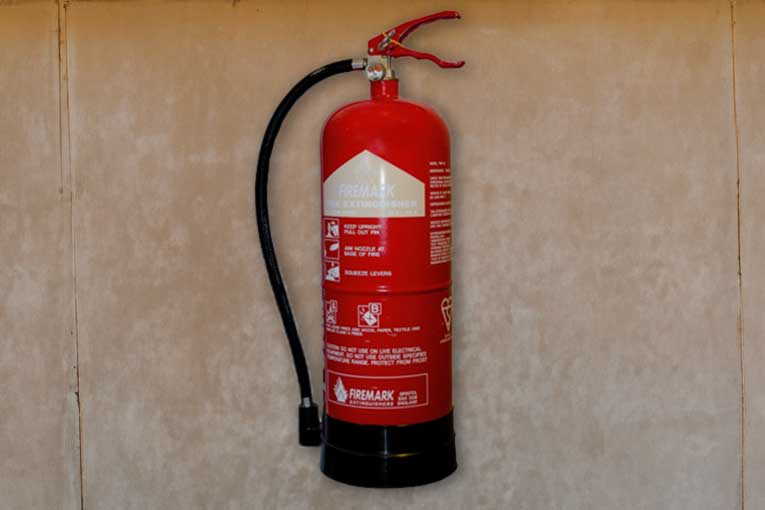
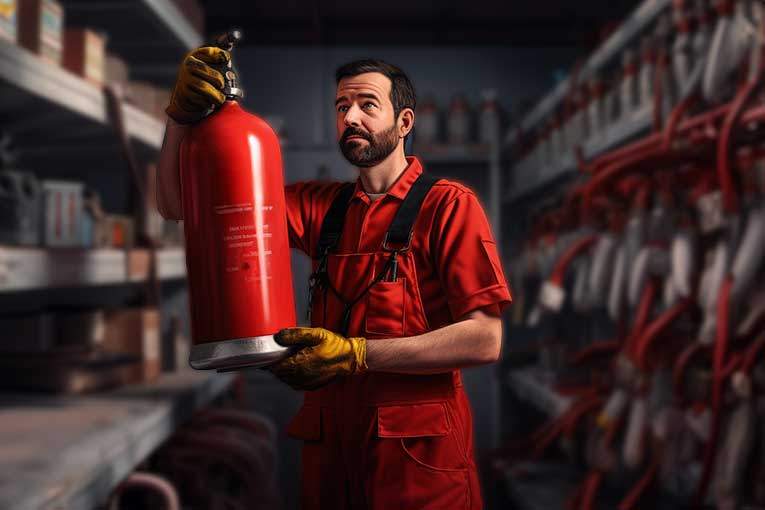
how long do fire extinguishers last image

Fire extinguishers are crucial for rapid response in emergencies, but their effectiveness diminishes over time. 

Understanding how long fire extinguishers last is essential for maintaining a safe environment.

Disposable

Disposable fire extinguishers typically have a lifespan of around 10 to 12 years. 

Once they reach this limit or display signs of wear, they should be replaced to ensure optimal performance. 

These extinguishers are designed for single use, emphasising the importance of timely replacements.

Rechargeable

Rechargeable fire extinguishers, designed for multiple uses, have a service life of approximately 6 years. 

After this period, a thorough professional inspection and maintenance are necessary to ensure their continued reliability. 

If any issues are identified during servicing or if the extinguisher reaches the end of its recommended life, it should be replaced promptly.

How Often Should Fire Extinguishers be Serviced?

how often fire extinguishers serviced

Routine maintenance is key to ensuring the reliability of fire extinguishers. 

Different types require distinct servicing intervals to guarantee optimal functionality when facing a fire emergency.

Water, Powder, or Foam

Fire extinguishers containing water, powder, or foam should undergo professional servicing every 5 years. 

This process involves a thorough inspection, testing, and refilling, if necessary. 

Regular servicing helps identify any issues and ensures the extinguisher is fully operational.

CO2

CO2 fire extinguishers, commonly used for electrical fires, have a longer service interval of 10 years. 

These extinguishers should undergo a comprehensive professional service to inspect and maintain their components. 

This ensures that the extinguisher remains effective in suppressing electrical fires.

Where to Find the Fire Extinguisher Manufacture Date?

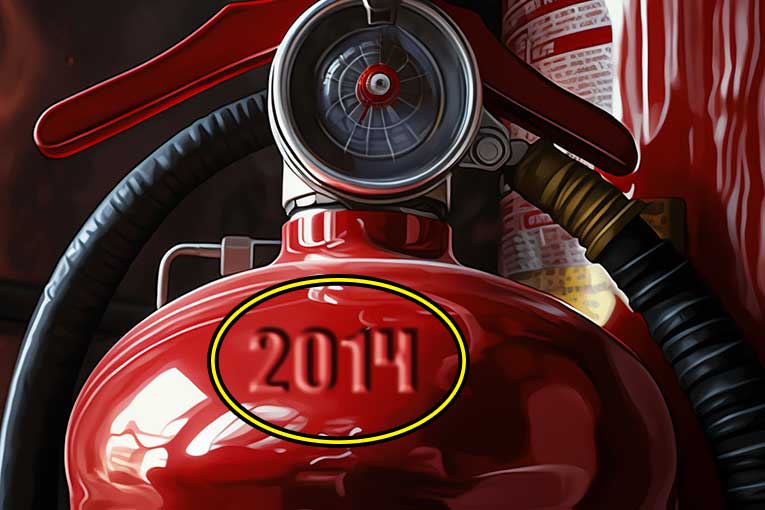
fire extinguishers manufacture date

Knowing the manufacture date of a fire extinguisher is crucial for determining its lifespan and understanding how long your fire extinguisher will last. 

The location of this information varies based on the type of extinguisher.

Steel Fire Extinguishers

Stamped into the Cylinder

The manufacture date may be physically stamped onto the cylinder of the steel fire extinguisher. 

This stamp provides a clear and permanent indication of when the extinguisher was produced.

On the Label

Alternatively, the manufacture date might be included on the label affixed to the extinguisher. 

This label provides essential information about the extinguisher’s specifications and usage guidelines.

P50 Service-Free Extinguishers

Older Models 

For older P50 fire extinguisher models, the manufacture date is typically printed on the base of the unit.

Newer Models 

Newer P50 models use a coloured pin that correlates to a table printed on the label. 

The pin colour corresponds to the month and year of manufacture, providing a quick reference.

When Should you Replace a Fire Extinguisher Early?

replace fire extinguishers early

While fire extinguishers have defined lifespans, certain circumstances may warrant early replacement to ensure optimal performance in emergencies. 

Here are key indicators that suggest an extinguisher should be replaced ahead of schedule:

Cracked Nozzle or Hose

Issue

Physical damage like cracks compromises the structural integrity of the nozzle or hose.

Effect

The crack can lead to leaks or difficulties in delivering the extinguishing agent during a fire, rendering the extinguisher less effective.

Blocked Nozzle or Hose

Issue

Obstructions in the nozzle or hose can hinder the discharge of the extinguishing agent.

Effect

A blocked nozzle or hose reduces the extinguisher’s ability to control a fire, diminishing its overall performance.

Broken Handle

Issue

A broken handle makes it challenging to operate the extinguisher efficiently.

Effect

In an emergency, a broken handle may impede the user from effectively using the extinguisher, delaying response time.

Missing Locking Pin

Issue

The locking pin is crucial for preventing accidental discharges and maintaining the extinguisher’s readiness.

Effect

Without the locking pin, there’s a risk of unintentional discharges, and the extinguisher may not be securely stored or easily accessible.

Missing Inspection Sticker

Issue

An extinguisher without an updated inspection sticker may not have undergone required maintenance.

Effect

Missing inspection documentation indicates a lack of regular checks, raising concerns about the extinguisher’s reliability and adherence to safety standards.

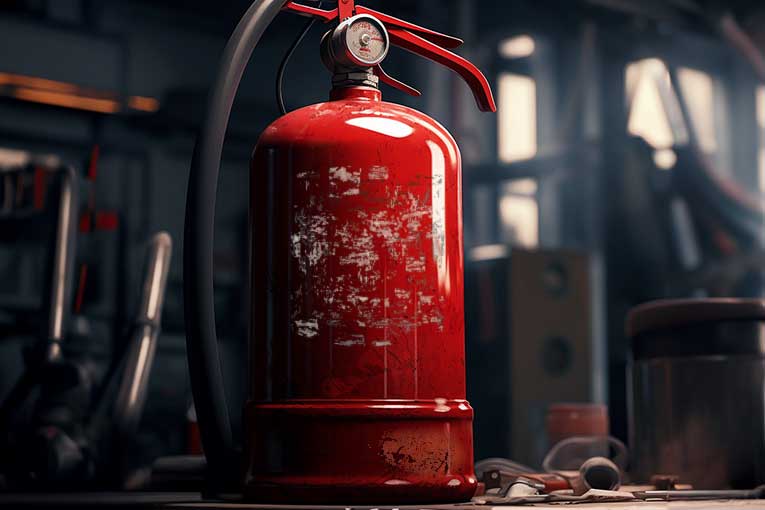
Corrosion

Issue

Corrosion on the cylinder or other parts compromises the structural integrity of the extinguisher.

Effect

Corrosion weakens the extinguisher, making it more susceptible to damage and reducing its ability to withstand the pressure needed for proper discharge.

Suspected of Leaking

Issue 

Evidence of leaking substances suggests a loss of pressure and potential malfunction.

Effect

A leaking extinguisher may fail to discharge its contents effectively during a fire, necessitating immediate replacement to ensure reliability in an emergency.

How Often Should Fire Extinguishers be Inspected?

how often fire extinguishers inspected

Routine inspections are crucial to maintaining the reliability of fire extinguishers, ensuring they function correctly when needed. 

The inspection frequency can be categorised into two intervals:

Monthly Checks

Regular, brief checks by designated personnel.

This is to verify that the extinguisher is in its designated place, the pressure gauge shows adequate pressure, and there is no visible damage or tampering.

Monthly checks help identify immediate issues and ensure that the extinguisher is accessible and operational.

Yearly Inspections by a Fire Extinguisher Engineer

In-depth inspections conducted by a certified fire extinguisher engineer, for example those found in the Institution of Fire Engineers.

This will be a comprehensive examination of the extinguisher’s internal and external components, including pressure tests, to ensure it meets safety standards.

Yearly inspections are critical for identifying potential internal issues, such as corrosion or leaks, which might not be evident during routine checks.

What are the Risks of Using an Older Fire Extinguisher?

older fire extinguishers risks

Using an older fire extinguisher poses various risks, potentially compromising its effectiveness when faced with a fire emergency. 

Here are the key risks associated with relying on an aged fire extinguisher:

Decreased Pressure

Over time, fire extinguishers may experience a gradual loss of pressure, reducing their ability to discharge the extinguishing agent effectively. 

This decline can result from factors like gas leakage or gradual deterioration of internal components.

Corrosion

The internal components of a fire extinguisher, especially the cylinder, are susceptible to corrosion over an extended period. 

Corrosion weakens the structural integrity, making the extinguisher more prone to failure or rupture during use.

Deterioration of Seals and Valves

Seals and valves play a crucial role in maintaining the pressure and integrity of the extinguishing agent. 

As a fire extinguisher ages, these seals and valves can deteriorate, leading to potential leaks and a loss of pressure.

Reduced Extinguishing Agent Efficiency

The extinguishing agent within the fire extinguisher can degrade over time, diminishing its effectiveness. 

This reduction in efficiency may result from factors like exposure to temperature variations or chemical changes within the agent.

Outdated Technology

Older fire extinguishers may use outdated technology compared to more modern counterparts. 

Advances in fire safety technology have led to the development of extinguishers with enhanced features and improved extinguishing agents, providing better protection against various fire types.

Non-compliance with Standards

Fire safety standards and regulations evolve over time, introducing new requirements for equipment.

Older fire extinguishers may not comply with the latest standards, potentially leading to regulatory non-compliance and inadequate fire protection.

How to Dispose of a Fire Extinguisher?

dispose of fire extinguishers

Disposing of a fire extinguisher requires careful consideration to ensure the safe handling of potentially hazardous materials. 

Here’s a guide on how to appropriately dispose of a fire extinguisher:

Check the Extinguisher Type

Identify the type of fire extinguisher, as different extinguishing agents have specific disposal methods. 

Common types include water, powder, foam and CO2.

Contact Local Authorities

Check with your local fire department or waste disposal facility regarding their specific regulations for fire extinguisher disposal. 

Some municipalities organise special collection events or have designated drop-off locations.

Recycling Centres

Certain recycling centres may accept fire extinguishers, as many of the components are fully recyclable. 

Remember to follow local guidelines.

Professional Disposal Services

In some cases, professional hazardous waste disposal services may be necessary for extinguishers containing certain chemicals, such as older foam fire extinguishers. 

Contact local environmental agencies for advice on proper disposal methods.

Conclusion

Knowing how long fire extinguishers last and understanding when to replace them is vital for maintaining a safe environment. 

Regular inspections, proper servicing, and early replacement when necessary ensure that these essential firefighting tools remain effective when needed most. 

Prioritising the longevity and functionality of fire extinguishers is a proactive step towards enhancing overall safety and preparedness in various settings.

What is a COSHH Assessment & Who Needs Them?

Workplace safety is of the utmost importance and understanding and implementing proper risk assessments is paramount. 

One such essential assessment is COSHH, short for Control of Substances Hazardous to Health. 

The COSHH assessment aims to safeguard employees and others from potential harm due to exposure to hazardous substances in the workplace.

What is a COSHH Assessment?

COSHH assessment employee exposed to chemicals
A COSHH assessment is needed for any employee exposed to chemicals

A COSHH assessment is a crucial process designed to systematically manage and mitigate the risks linked to hazardous substances within a workplace. 

The fundamental objective is to safeguard the health and well-being of individuals exposed to these substances during various work activities.

The assessment encompasses a broad spectrum of materials, not just limited to traditional chemicals. 

It includes biological agents, dust, fumes, and other substances that have the potential to pose health risks. 

This systematic evaluation ensures that any potential harm associated with these substances is identified and effectively controlled.

COSHH assessments play a pivotal role in fostering a secure work environment. 

By scrutinising all substances within the workplace that could be considered hazardous, this process enables organisations to take proactive measures to minimise risks and adhere to regulatory standards.

The systematic steps involved in a COSHH assessment, from identifying hazardous substances to evaluating control measures, contribute to the creation of a detailed and effective risk management plan. 

Through documentation, communication, and training, a COSHH assessment becomes a cornerstone in promoting awareness and understanding among personnel about the potential risks associated with hazardous substances and the measures in place to mitigate them. 

Overall, it is an indispensable tool for organisations committed to maintaining a safe and healthy workplace.

Who Needs to have a COSHH Assessment?

COSHH assessment healthcare
A COSHH assessment happens in several industries, including healthcare

Any business where employees are exposed to hazardous substances requires a COSHH assessment. 

This includes but is not limited to:

Manufacturing and Industry

Industries that involve the use of chemicals, solvents, or other hazardous substances in processes or production.

Healthcare

Hospitals, clinics, and other healthcare settings where various substances, including cleaning chemicals and pharmaceuticals, are utilised.

Laboratories

Research facilities and testing laboratories dealing with chemicals and biological agents.

Construction

Sites where workers may encounter substances like dust, adhesives, or paints.

Cleaning Services

Companies involved in cleaning, janitorial, or sanitation services using various cleaning agents.

Agriculture

Farms and agricultural settings where pesticides, fertilisers, and other chemicals are employed.

Retail

Businesses that sell products containing hazardous substances, such as paints, adhesives, or cleaning supplies.

Office Environments

Even seemingly low-risk environments may have substances like cleaning chemicals that require assessment.

Educational Institutions

Schools, colleges, and universities where laboratories and workshops involve the use of various chemicals.

How Often Should a COSHH Assessment be Done?

According to COSHH Regulations, there is no set frequency specified for how often a COSHH assessment should be conducted. 

Instead, it is a dynamic process that depends on the nature of the work, the substances involved, and any changes in the workplace that may affect exposure.

The law requires that COSHH assessments be carried out systematically and be reviewed regularly. 

The Health and Safety Executive (HSE) advises that assessments should be reviewed if there is any reason to suspect they are no longer valid or if there has been a significant change in the workplace or work processes.

For example, if new substances are introduced into the workplace, processes change, or if there is evidence that control measures are not effective, a review of the COSHH assessment is necessary. 

This flexible approach allows for the adaptation of safety measures to the evolving nature of work environments.

It’s crucial for employers to stay vigilant and ensure that COSHH assessments are not treated as a one-off task but rather as an ongoing process that reflects the dynamic nature of workplaces. 

Regular reviews help in identifying emerging risks and adjusting control measures accordingly. 

Failure to regularly review COSHH assessments can lead to a workplace being ill-prepared to manage new risks, potentially endangering the health and safety of employees.

What Happens in a COSHH Assessment?

What happens COSHH assessment
What exactly happens in a COSHH assessment?

Here’s an in-depth look at what happens during a COSHH assessment:

Identification of Hazardous Substances

The process begins with identifying all the hazardous substances used, stored, or generated in the workplace. 

This includes any substances that could pose a risk to health.

Assessment of Risks

Once identified, the next step is to assess the risks associated with these substances. 

This involves evaluating how employees might be exposed, the potential harm it could cause, and the likelihood of that harm occurring.

Evaluation of Control Measures

The effectiveness of existing control measures is examined. 

This includes ventilation systems, personal protective equipment (PPE), safe work procedures, and any other measures in place to minimise exposure. 

The assessment considers whether these measures are sufficient or if additional controls are needed.

Recording and Documentation

All findings are recorded, and a written assessment is created. 

This document outlines the identified hazards, the risks associated, and the control measures in place. 

This serves as a reference for employees, management, and regulatory bodies.

Review and Update

The assessment is not a one-time task. It needs to be regularly reviewed and updated, especially when there are changes in work processes, substances used, or if control measures prove ineffective. 

This ensures that the assessment remains relevant and effective over time.

Communication and Training

Employees need to be informed about the hazards associated with the substances they work with and the measures in place to protect them. 

Training is essential for ensuring that everyone understands the risks and knows how to use control measures effectively.

Emergency Planning

In the event of an emergency, such as a spill or exposure, there should be clear plans and procedures in place. 

This could include evacuation plans, first aid procedures, and emergency contact information.

Consultation with Employees

Employees should be actively involved in the assessment process. 

They are often the ones with valuable insights into the practical aspects of their work, and their input can contribute to a more comprehensive and effective assessment.

How can you Minimise Risks in a COSHH Assessment?

Here are strategic approaches to minimise these risks:

Robust Employee Training

Ensuring that employees are well-versed in handling hazardous substances is paramount. 

Training should cover the proper usage of personal protective equipment (PPE), safe handling procedures, and emergency response protocols. 

An educated workforce is a critical line of defence against potential risks.

Effective Ventilation Systems

Investing in and maintaining effective ventilation systems is pivotal. 

Adequate ventilation minimises the concentration of hazardous substances in the air, reducing the risk of inhalation and airborne contamination.

Stringent Control Measures

Implementing stringent control measures, such as engineering controls and administrative procedures, is essential. 

This could include enclosure systems, fume hoods, or designated work practices that limit exposure.

Regular Health Surveillance

Conducting regular health surveillance of employees exposed to hazardous substances is a proactive measure. 

Monitoring their health allows for early detection of adverse effects and the adjustment of control measures as needed.

Substitution of Hazardous Substances

Exploring less hazardous alternatives or substitutes for substances in use is a powerful risk reduction strategy. 

Where feasible, replacing hazardous substances with safer alternatives minimises potential harm.

Adequate Storage and Handling Protocols

Establishing and enforcing proper storage and handling protocols is critical. 

This involves secure storage, clearly labelled containers, and meticulous procedures to prevent spills or accidental exposure.

Emergency Response Planning

Having a robust emergency response plan is non-negotiable. 

This includes clear procedures for spills, leaks, or unintended exposures. 

Employees should be well-trained on emergency protocols, including evacuation routes and first aid procedures.

Regular Audits and Inspections

Frequent audits and inspections ensure that control measures are consistently implemented and effective. 

Identifying and rectifying any lapses promptly enhances the overall safety of the workplace.

Conclusion

COSHH assessments are not just regulatory requirements; they are fundamental tools for ensuring workplace safety. 

Whether you are in a chemical manufacturing plant or a bakery, identifying and controlling hazards is critical. 

By understanding the significance of COSHH assessments and actively implementing their findings, businesses can create safer environments for their workforce, promoting health, well-being, and overall productivity.

Hochiki fire system installed at Italian food production site

In 1959, eight dairies in the Parmigiano Reggiano area founded the CCS Consorzio Caseifici Sociali. Over the years, the business expanded to include the production and maturing of Parmigiano Reggiano.

In 1995, the Granterre Consortium was established, bringing together the entire Parmigiano Reggiano dairy chain, and then almost ten years later, in 2004, control of Parmareggio Spa was acquired. In 2019 Bonterre Spa, the holding company under which the control of Parmareggio Spa and Grandi Salumifici Italiani Spa (controlled by UNIBON) was established.

Then in 2021, Agriform Sca (leader in the production of Grana Padano PDO and the main Veneto PDOs such as Asiago, Piave, Montasio and Monte Veronese) merged with Parmareggio Spa to create the first Italian company in the world of PDO cheeses and cemented this new company as the leader in the Italian food industry.

New company requires fire safety upgrade

In 2021, the site at Sommacampagna required an upgrade of the fire detection system. Hochiki were the appointed manufacturers to supply the life safety system and devices due to their experience and expertise in the Italian fire safety market.

Within food production sites, the temperature and humidity inside the environment must be carefully controlled to comply with food hygiene laws, and because of this, these sites can be notoriously complex buildings to design and install fire safety systems for. The customer was looking for a high-performance fire detection system that would not be affected by these environmental factors, and most importantly avoid false alarms which can halt production and cost the company thousands of Euros for every minute the site is not fully operational.

The installation team also needed to pay particular attention to the installation of cables and piping. As a specialist in aged cheese production, it was imperative that the delicate work of the cheese wheels and the hot marking of the upper layer of the Parmesan rind was not affected during the installation project. One of the benefits to Hochiki products to this project was the ease of install and ease of use of the devices which had minimal impact on the business.

To meet the requirements of the project, the installer NET Technologies Srl chose Hochiki’s market leading system L@titude to be the brain of the life safety system. This innovative fire detection technology combines the very latest hardware and software to produce a control and indication system which is powerful and sophisticated, yet simple to use and understand via a graphical interface.

Mirko Corsini, project manager at Hochiki Italia said: “The installer chose Hochiki’s L@titude panel together with our SPC-ET beam smoke detectors, which are characterised by low power consumption at rest and incorporate a sophisticated algorithm of automatic compensation to environmental changes.

The technical features of these products make them perfect for meeting the needs of this type of food processing environment. The flexibility of the Hochiki ESP protocol made it possible, through the CHQ-SZM2/SCI Zone Modules, to integrate conventional detectors (SPC-ET) as if they were addressable devices, without having to use auxiliary power supplies that would have required additional cables and batteries.”

Detectors with short circuit isolators were installed to ensure the system complied with the requirements of UNI EN 9795, which states that a short-circuit isolator must be installed for each room/compartment.

Intelligent Photoelectric Smoke detector with SCI incorporates Hochiki’s newest High Performance Chamber Technology. This detector removes the need to use Ionisation Smoke Sensors in many applications. This also allows the sensor threshold level to be increased, thereby improving the signal to noise ratio, and reducing the likelihood of false alarms.

Throughout the site Intelligent Loop-Powered Wall Sounder Beacons and Visual Alarm Devices were installed to ensure a fully compliant and state of the art fire safety system.

Commenting on the project, Fabrizio Bergamin, Technical Coordinator at the installer company NET Technologies srl, said: “We chose Hochiki devices and system because of the technical characteristics and reliability that this brand offers, as well as a wide range of products that fully meet market demands. Post commissioning of the project, the operating conditions envisaged in the design phase have been amply met. Over the course of the next year, there will be further implementations of the fire detection system at the Parmareggio production site, with distributed intelligence solutions or with several autonomous and networked L@titude control panels.

During the project we have had to deal with several technical design studios to solve various kinds of system problems; a fundamental role, together with the products they offer, is played by the Hochiki Italia technical support. They have responded competently to regulatory and design aspects, as well as proposed solutions for applications”.

New fire safety system from Hochiki installed at Corte Regia Relais and Spa

Located in the picturesque village of Borghetto di Valeggio sul Mincio, Italy, the Corte Regia Relais and Spa overlooks the river Mincio, with views across to the imposing Scaliger Castle and the Visconteo Bridge and a short journey to Lake Garda. For its guests this hotel is an escape from the outside world and is famed for providing a relaxing experience.

In 2020 the hotel underwent a massive transformation with the renovation of historical barns originally built in circa 800.  The aim of the renovation project was to conserve the building and to improve the functional use of the building while maintaining the original integrity and structure. As part of the renovation project a fully compliant fire detection and life safety system was to be designed and installed throughout the hotel’s luxury rooms and spa.  The installer, Cressoni Impianti Tecnolgici, chose Hochiki Italia as the manufacturer who designed the successful solution for the hotel.

The biggest challenge with the project was the fact that the hotel was a listed historical building. The original stone walls date from the 800s and the ceilings with wooden beams had to be kept. This made the wiring for the project quite complex, hence the need for a wireless solution. To keep with the aesthetics of the building and to minimise additional building changes the Hochiki Italia team worked closely to collaborate with the installer and the architect to satisfy the client’s request to be sympathetic and respect the historical building.

The ideal solution was to install both Hochiki’s ESP range and Ekho wireless systems. Products from the ESP range included multi-heat sensors, intelligent photoelectric smoke sensors with short circuit isolators and high performing chamber technology. This allowed for sensor threshold levels to be increased, thereby improving the signal to noise ratio which reduced the susceptibility to costly false alarms happening within the hotel.

Hochiki’s Ekho system raises wireless fire detection and alarm system gave the hotel new levels of reliability and flexibility. The hybrid system utilises the latest MESH net technology to provide the client with absolute and an economic wireless fire system installation with the minimum of disturbance to the surroundings – particularly important in keeping to the aesthetics of the Corte Regia Relais and Spa where installation of fire cabling would have been difficult, overly expensive or even prohibited in some parts. The wireless solution installed could be easily expanded around the entire site and worked particularly well with the original solid walls of the building.

Ezio Danese, Project manager at Hochiki Italia, commented: “The project had to comply with both architectural and standards requirements. The standards state that inside each room, in addition to a smoke detector, an alarm must be installed with a sound level of 75dB (A) in addition to an optical system capable of reaching even hearing-impaired people. For this reason, the EKWL8-OV detectors were chosen as they are equipped with an EN54-23 certified VAD and an EN54-3 certified voice sounder. The translators, connected to Hochiki’s ESP loop, were installed in the false ceilings in the corridors; their considerable range (1,200m in free area) made it possible to reach all the different wireless devices installed in the rooms. The Ekho system proved to be a perfect solution for the Corte Regia Relais and Spa project.”

The Corte Regia Hotel said: “We are really happy to have found such a technologically advanced solution which is able to guarantee the best fire protection for our guests and hotel staff whilst also fully respecting the particular architectural and aesthetic requirements of our hotel.”

C-TEC’s new CAST ZFP fire system selected to protect ‘The Bear’

C-TEC’s new CAST ZFP fire alarm system is protecting an exciting new hospitality venture in Cheshire

Situated in the beautiful village of Tattenhall, The Bear and Ragged Staff has been radically transformed from a derelict shell into a high-end pub, restaurant and hotel by a team of talented professionals including Brian Mellor, an award-winning chef, and Martin Hilton, an industry-renowned beer sommelier. Featuring a fabulous bar/restaurant, eight ensuite bedrooms and a first-floor function room, the magnificent venue is prominently positioned on the High Street and set not only to become a focal point in the village but also attract clientele from far and wide for celebratory and corporate events.

At the heart of the building’s life-safety systems is a C-TEC CAST ZFP fire panel connected to over 100 CAST detectors, sounders, VADs and ancillary devices spanning over four floors. The master 2-loop ZFP panel is located in a storeroom but relays key system information to a state-of-the-art Compact Controller prominently displayed in the elegant reception area. With its bright easy-to-use touchscreen-control interface, the controller is stylish, highly visible and can be easily accessed by the fire and rescue service and authorised personnel if required.

CAST ZFP chosen for its innovative software

Said John Westerman, Director of Wrexham-based Allied Fire Alarms Ltd, the company that specified, installed and commissioned the system: “We chose CAST ZFP as the cornerstone of The Bear’s L2 BS 5839-1 system as it is powerful, intuitive and has the capacity to connect to multiple intelligent devices. Our client also had some specific requirements for fire detection in certain areas which were facilitated using CAST’s innovative software and extensive programming capabilities.”

“We were delighted to be involved with this project. As an NICEIC-approved specialist fire company, we pride ourselves on delivering top-quality life-safety systems to our client’s satisfaction and the CAST system we designed and installed has certainly exceeded everyone’s expectations.”

CAST is C-TEC’s own UK designed and manufactured ‘distributed intelligence’ addressable fire detection and alarm system. Certified to all relevant EN54 product standards, including EN54-13, CAST is also fully compatible with ENVISION, C-TEC’s powerful new remote access, data management and system testing software.

For more information, visit www.c-tec.com.

Innovative Hochiki L@titude checks in at Pullman Sharjah Hotel

The Pullman Sharjah Hotel and Residential Unit, a luxury twin tower block located in the United Arab Emirates, is benefiting from a range of innovative life safety technologies from leading manufacturer, Hochiki.

The 43-storey property is home to a modern 5-star hotel in one tower and residential apartment block in the other, with a communal basement connecting the two.

With approximately 1,500 occupants, installation firm Dafoos Fire Protection knew the buildings needed to be equipped with the latest fire and safety technology, so turned to Hochiki Middle East to provide a hospitality solution that met the required standards and could be installed with minimal disruption.

Dafoos Fire Protection specified Hochiki’s renowned L@titude system, a powerful and sophisticated control and indication system that combines the very latest hardware and software, and FIREscape emergency lighting.

a0r4_ho_02_p_2048x1536-1024x768

An innovative, reliable solution

The innovative life safety platform L@titude, has been installed by Dafoos Fire Protection across the numerous floors of the hotel and residential units, to ensure controlled and ultra-reliable protection for occupants and their possessions.

The L@titude control panel has been designed to maximise usability and ease of operation for end users, so facilities management and maintenance teams can instantly locate safety breaches in real-time from any location.

To allow clear and concise information to be displayed about each detection device within the hotel and apartment blocks, the product also uses a full-colour touchscreen display.

The modular nature of the system allows all field wiring to be connected to a passive mother board, enabling addition, re-configuration or replacement of electronic hardware without the need to disconnect older wiring. This, in turn, allowed for a quick and easy installation process, with minimal disruption.

The L@titude panel is available in either EN or UL system configurations, ideal for a region that regularly specifies projects involved in both types of system approvals. For this project, an EN (European) system was specified, with L@titude being complaint with the highest European global safety standards, including EN54-2, EN54-4 and EN54-13, while supporting up to 5,000 cause and effect entries. The platform has a 10,000-capacity event log and can run up to 144 zone indicators.

a0r4_ho_01_p_2048x1536-1024x768

Subin Suhas, Territory Sales Manager at Hochiki Middle East, explained: “This project was quite challenging due to the infrastructure and the number of devices that would be needed throughout the buildings. As we were working within a hotel as well, the client wanted to ensure the products used were of a high quality and known for fewer false alarms, so we knew L@titude was the perfect solution. The fact we could offer a combination of fire alarms and emergency devices under the same umbrella was also an added advantage, with FIREscape ensuring an added layer of safety for occupiers.”

FIREscape is a unique, cost effective and fully compliant emergency lighting system. It is based around an addressable, emergency lighting control panel with a battery back-up and features self-contained LED luminaries and exit signage connected via screened, extra-low voltage cabling. FIREscape is also a fully self-monitored and self-testing system with a central point of control, making both installation and maintenance quick and easy.

Dafoos Fire Protection installed seven L@titude panels, each of which had eight circuit loops, and around 3,500 fire alarm devices throughout the towers. Eight emergency lighting panels and 1,200 devices were installed. Throughout the installation, Hochiki engineers visited the site on multiple occasions to provide extended help in design and commissioning, and to offer support with inspections from the civil defence.

Vijay Chandran, Marketing Manager at Dafoos Fire Protection Equipment, commented: “For this project, we needed to ensure we could provide reliable products with high compliance to standards. Hochiki clearly outlined how each of the products conformed to industry, European and global standards, and we were also very impressed with the quality of materials used. Due to the scale of the project, the approvals process involved different stages with multiple product submittal involving numerous brands, but Hochiki really stood out and the support we received from its team of engineers throughout the installation was extremely valuable in ensuring the work ran smoothly. The installation was quick and easy, and we’ve left the customer with the confidence that the building is protected to the highest standard.”

For more information about Hochiki’s L@titude and FIREscape products, please visit: www.hochikieurope.com.

CLM Fireproofing highlights the main causes of fire in the hospitality industry

Fire poses a significant risk to the hospitality sector – apart from causing costly damage and bringing operations to a halt, CLM Fireproofing claims it can seriously undermine an organisation’s brand. The evidence suggests fire is fairly commonplace in the industry; according to the government’s latest figures, hotels are one of the most vulnerable types of buildings, with 263 out of every 1,000 experiencing a fire in the period September 2012 – September 2019. Pubs, restaurants, and takeaways fared slightly better, with 89 fires per 1,000 buildings during the same period – yet the figure remains unacceptably high.

So, what are fire risks behind these statistics? In this article, CLM Fireproofing highlight the main causes of fire in the hospitality industry, and how effective passive fireproofing can help to prevent them.

Cooking Equipment

One of the most common places for fires to start is in the kitchen. Risks arise from the use of combustible materials (frying medium), faulty or unsupervised equipment, and human error. According to the London Fire Brigade, 44% of all restaurant fires in the capital during 2015-2017 started from cooking. Kitchen fires are also more likely to develop into serious blazes which cause significant damage. Worldwide insurer, AIG, estimates the average loss per significant

Cigarettes 

Despite a decrease in the total number of smokers in the UK cigarettes and other smoking materials still pose a significant fire risk both to the hospitality industry and elsewhere. The latest data (from 2018/19) shows that they accounted for 8% of all accidental dwelling fires. More significant, however, is that fires caused by cigarettes, cigars, or pipe tobacco are more fatal; 34% of fires ignited by smoking materials in 2018/19 resulted in at least one fatality.

Electrical appliances

Hotels, restaurants, and bars are full of electrical appliances. From lamps and kettles, to hairdryers and irons, there are many appliances that pose a potential fire risk. Whilst not relating specifically to their use in the hospitality sector, the number of electrical appliance fires has increased dramatically in the past decade; in 2019/20 there were 21% more instances than in 2010/11, probably as a result of the increased number of electrical appliances in circulation.

How to mitigate fire risk in the hospitality industry

The effective management of fire risk for hotels, bars, and restaurants requires thorough fire risk assessments, regular and properly-documented checks, and the stringent implementation of policies in line with current fire safety regulations. Just as important (if not more so) is passive fireproofing; whether through compartmentation or intumescent painting, passive fireproofing helps to stop the spread of fire, limiting the damage it causes and giving occupants more time to escape safely. With limited fire damage and minimal risk to occupants, your business can return to operations sooner and negate any reputational harm.

https://clmfireproofing.com/