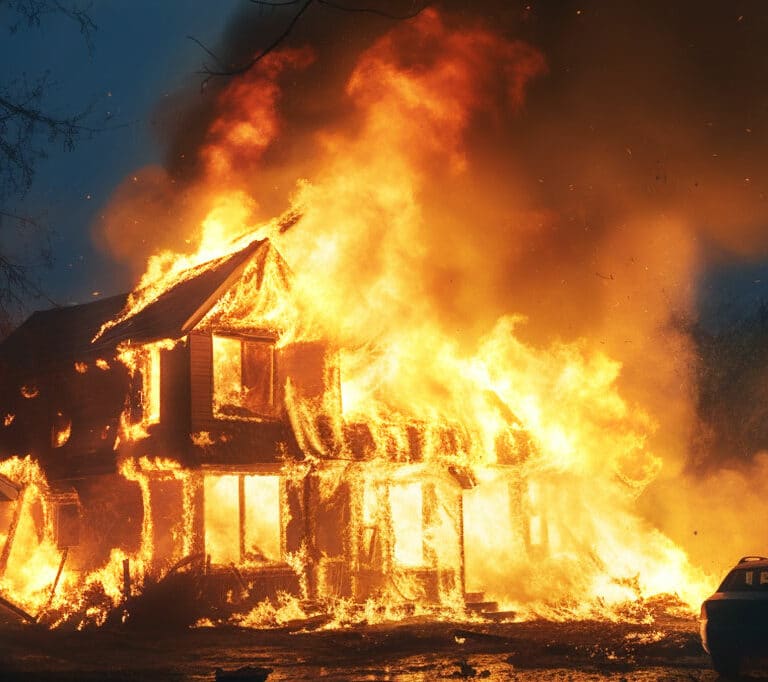
Where are Fire Doors Required & Why Are They Needed?

One of the most common questions with regards to fire safety is where are fire doors required?

Fire safety is of paramount importance in any building or structure, and fire doors are an integral part of ensuring the safety and protection of occupants and property during a fire emergency. 

These specialised doors are meticulously engineered to serve as barriers against the rapid spread of fire, smoke, and toxic gases, effectively compartmentalising the building and providing valuable time for evacuation and firefighting efforts. 

In this article we will answer questions such as where are fire doors required, why fire doors are needed, what materials are used in their construction, what regulations that govern their installation, what safety checks are needed to maintain their functionality and what their cost implications are.

Where are Fire Doors Required?

Where fire doors are required is one of the most common questions raised by new business owners.

They are required by law in all properties that are for business or non-domestic usage.
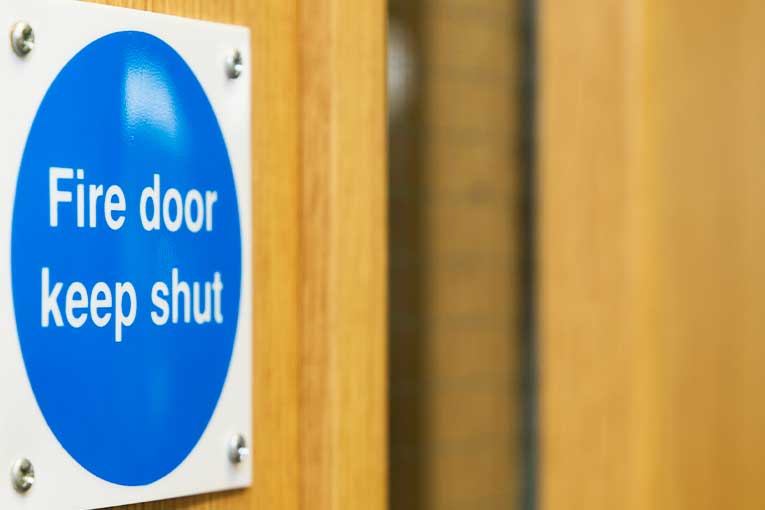
Close up of a fire door
Fire doors are vital for fire safety

Fire doors play an essential role in various settings to enhance fire safety and protect occupants from the dangers of fire incidents. 

They are strategically installed in a wide range of locations, including commercial buildings, residential buildings, industrial facilities, educational institutions, and healthcare facilities.

Commercial Buildings

Fire doors serve a critical role in securing escape routes during a fire emergency, providing occupants with a clear and safe path to evacuate the building. 

In various commercial settings, such as offices, hotels, restaurants, and shops, fire doors are essential for ensuring the safety of employees, customers, and visitors. 

These doors compartmentalise the building, containing the fire and allowing occupants to safely exit.

Similarly, in multi-occupancy residential buildings like apartments and care homes, fire doors play a crucial role in safeguarding residents. 

By preventing the rapid spread of fire between units, fire doors provide precious time for evacuation and help minimise the impact of the fire on the entire building.

Industrial Facilities

Industrial facilities, including manufacturing plants, warehouses, and storage areas, require fire doors to protect both employees and valuable assets. 

In these settings, the risk of fire can be significant due to the presence of flammable materials and machinery.

Fire doors play a crucial role in such environments by sectioning the building. 

In the event of a fire, the fire doors act as barriers, containing the fire to a specific area and preventing its rapid spread. 

This containment allows employees to safely evacuate the affected area and seek refuge in other fire-resistant compartments until help arrives.

By containing the fire, fire doors help to minimise damage to the facility, its contents, and the surrounding areas. 

They also provide additional time for emergency responders to arrive and mitigate the situation. 

This is vital in industrial settings where a rapid and uncontrolled fire could have catastrophic consequences for both human lives and business operations.

Educational Institutions

Fire safety is a top priority in educational institutions like schools, colleges, and universities, where the safety and well-being of students, staff, and visitors are of utmost importance. 

To achieve this, fire doors are strategically installed throughout the buildings.

In educational settings, fire doors are commonly found in corridors, classrooms, and assembly areas.

Healthcare Facilities

Healthcare facilities, including hospitals and clinics, must maintain a safe environment to protect patients and staff. 

Fire doors are a critical component of fire safety in healthcare settings, ensuring that patients can be evacuated safely and that critical areas, such as operating rooms and patient wards, remain protected.

Where are Fire Doors Required in a House?

In most residential properties, fire doors are not required by law, however there are exceptions to this rule. 

If the property is 3 stories or more, for example a block of flats, then a fire door is needed on every floor where a room connects onto the stairwell.

Also, if a garage connects directly to a property with access via a door, then the door must comply with fire safety regulations.

Some property owners install fire doors where not required by law, just to increase fire safety in the property. 

If fire doors are installed in a house, then they are strategically placed in key areas to prevent fire spread:

  • Kitchen: Fire doors in the kitchen separate it from living spaces, containing potential fires.
  • Garage: Fire doors are crucial if the garage has direct access to living areas.
  • Basement: Fire doors may be necessary in the basement to protect escape routes and contain fires.

What Do Fire Doors Do?

Fire doors serve as essential components of passive fire protection measures, providing critical barriers to contain flames, smoke, and toxic gases in the event of a fire. 

When a fire occurs, the proper functioning of fire doors can significantly impact the safety of building occupants and the overall integrity of the structure.
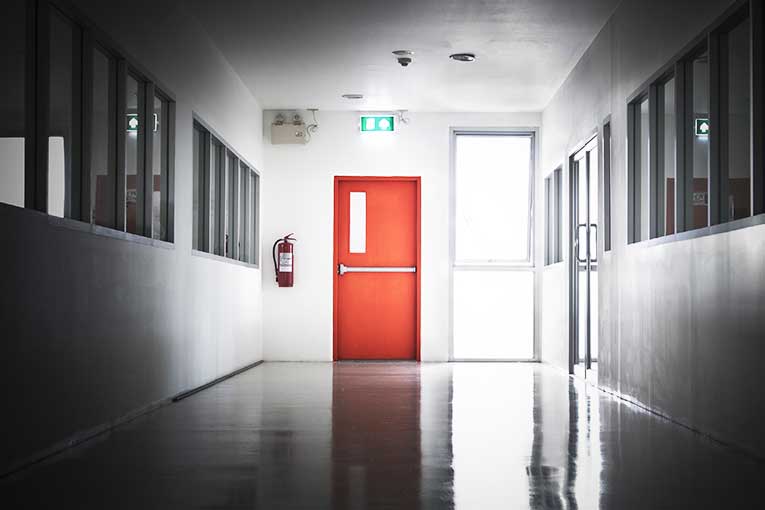
Fire doors can help stop fire spreading to other parts of buildings

One of the primary functions of fire doors is their ability to compartmentalise a building.

When closed, fire doors form a seal between different areas of the building, preventing the rapid spread of fire and smoke to other parts of the structure. 

By containing the fire to its point of origin, fire doors effectively limit the extent of damage and provide occupants with valuable time to evacuate the building safely.

What are Fire Doors Made From?

Fire doors are made from various materials with excellent fire-resistant properties, ensuring that they can withstand high temperatures and intense heat.

Timber

Timber is a commonly used material for fire doors, valued for its aesthetic appeal and reliable fire protection. 

Solid timber fire doors offer a classic and natural look, making them a popular choice for residential and commercial buildings alike. 

Timber fire doors are available in various finishes and can be customised to complement the overall interior design of a space. 

The thickness and quality of the timber used in the door’s construction determine its fire-resistant capabilities.

Steel

Steel fire doors are another widely used type of fire door, particularly in commercial and industrial settings. 

Steel doors offer exceptional strength and durability, making them suitable for high-traffic areas and locations with more stringent security requirements. 
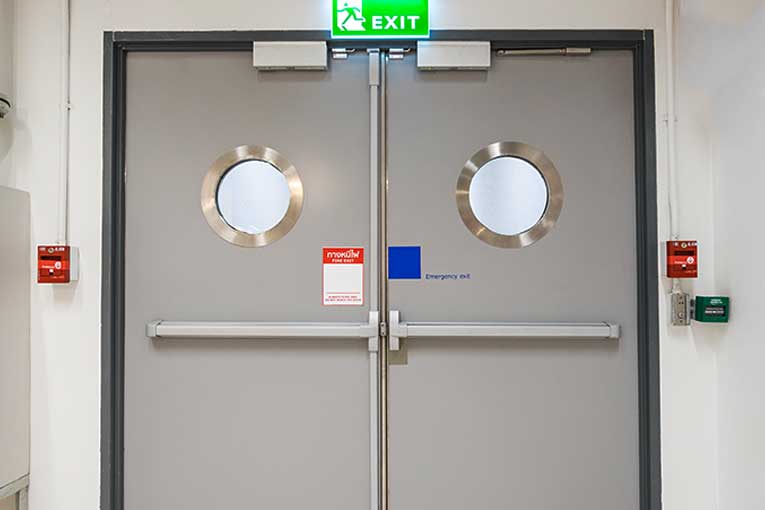
Steel fire doors are commonly found in industrial and commercial properties

Steel fire doors can be coated with fire-resistant materials to enhance their fire resistance, and they are often used in facilities where protection against fire and potential break-ins is paramount.

Composite

Composite fire doors are a versatile option that combines various materials to provide enhanced fire resistance and durability. 

These doors typically feature a core made from fire-resistant materials, such as mineral wool or vermiculite boards, sandwiched between layers of other materials like timber, steel, or laminate. 

The combination of different materials in composite fire doors creates a door that is both robust and capable of withstanding the effects of fire for an extended period.

What are the Regulations of Fire Doors?

Fire doors play a crucial role in fire safety, and to ensure their effectiveness, they must adhere to specific regulations and standards. 

These standards are designed to test and assess the fire resistance and integrity of fire doors, ensuring that they can withstand the impact of a fire and provide adequate protection to occupants and property.

Fire Rating

One of the essential aspects of fire door regulations is the fire rating. 

Fire doors are rated based on their ability to withstand fire for a specific duration, usually indicated as 30, 60, or 90 minutes. 

This fire rating determines how long the door can effectively contain the spread of fire, smoke, and heat, providing occupants with valuable time to evacuate safely and emergency responders to take action.

Integrity

In addition to fire resistance, fire doors must also maintain their structural integrity during a fire. 

This means that they should prevent the passage of flames and smoke, forming a barrier that can effectively contain the fire to a specific area of the building. 

The ability of fire doors to maintain their integrity is critical in preventing the rapid spread of fire, protecting other parts of the building and allowing a more controlled response to the emergency.

Self-Closing Mechanism

Another essential feature of fire doors is the self-closing mechanism. 

Fire doors should automatically close and latch when not in use, ensuring that they are ready to act as a barrier in case of a fire. 

This self-closing mechanism helps prevent the accidental propping open of fire doors, which could compromise their effectiveness during an emergency.

Labelling

To provide clear and easily accessible information, fire doors should have appropriate labelling. 

The label on a fire door typically indicates its fire rating and compliance with safety standards. 

This labelling helps building occupants and emergency responders quickly identify fire doors and understand their fire resistance capabilities.

How are Safety Checks on Fire Doors Carried Out?

A proper safety check on fire doors is essential to ensure their functionality during an emergency, and has to be done by someone trained in fire door inspections.

Here are some key steps to include in a fire door safety inspection:

Check Closers

Verify that the door closes smoothly and latches securely without any obstructions.

Proper functioning closers are crucial to ensure that the door can effectively close and seal off the area in case of a fire.

Inspect Seals

Ensure that intumescent seals around the door frame and perimeter are intact.

These seals expand when exposed to heat, creating a barrier against the spread of flames and smoke.

Examine Hinges

Check for loose or damaged hinges that could affect the door’s performance.

Hinges should be in good condition and securely attached to the door and frame.

Look for Damage

Check for any cracks, holes, or damage that may compromise the door’s integrity.

Any damage to the door can weaken its ability to withstand fire and limit its effectiveness in containing flames and smoke.

Test Latching

Confirm that the latch engages correctly with the strike plate when the door is closed.

A properly functioning latch ensures that the door remains closed and prevents the passage of smoke and flames.

Evaluate Gap Sizes

Ensure that the gaps around the door are within the specified limits.

Properly sized gaps are essential for the door’s fire resistance, as excessive gaps can allow the passage of smoke and flames.

Regular fire door inspections are critical to maintaining their effectiveness in fire safety. 

If any issues are identified during the safety check, prompt repairs or replacements should be made to ensure that the fire doors are ready to perform their vital role in protecting lives and property during a fire emergency.

Changes in Regulations

As of January 2023, there have been significant changes to the fire door inspection regulations, due to the majority of fire doors in the UK failing inspections

Previously, inspections were conducted every six months to ensure compliance with fire door rules and regulations. 

However, with the new regulations in place, there are updated inspection frequencies for different types of fire doors:

Communal Fire Doors

These will now be expected to undergo inspection every 3 months.

This increased frequency aims to enhance safety and ensure that communal areas are adequately protected.

Fire & Escape Doors (FEDs)

FEDs will be subject to inspection at least once a year.

This measure aims to maintain the integrity of escape routes and vital access points in buildings.
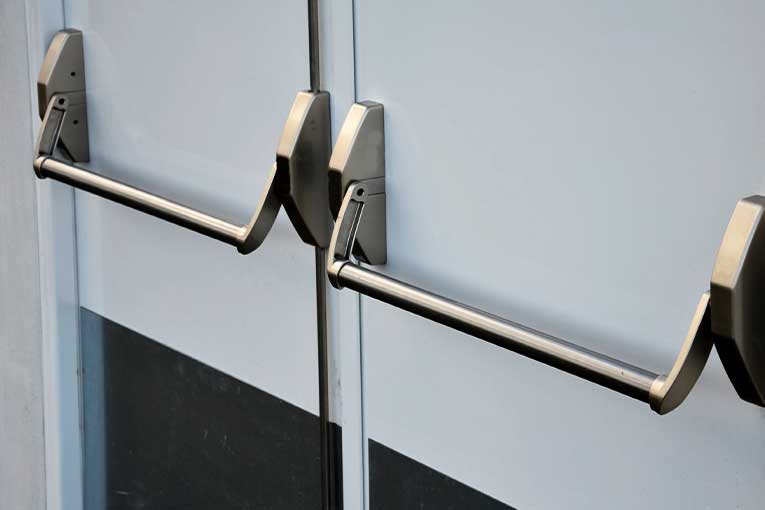
Fire and Escape doors need regular inspections to ensure maximum protection against fire

These changes reflect a more proactive approach to fire safety, ensuring that fire doors are regularly checked and maintained to meet the highest safety standards.

Can Fire Doors Have Windows?

Fire doors are designed with the option of including vision panels that are equipped with fire-resistant glazing. 

These vision panels offer the advantage of visibility between different areas, allowing natural light to pass through while maintaining fire safety regulations. 

High-quality fire-rated glass can withstand temperatures of up to 900 degrees Celsius, over seven times that of normal glass. 

Moreover, it can maintain its integrity for over 60 minutes, effectively preventing the fire from spreading and providing ample time for evacuation and fire personnel to respond.

By following these regulations, property owners can strike a balance between safety and functionality, providing occupants with both fire protection and the convenience of visual communication within the building.

How Much Do Fire Doors Cost?

The cost of fire doors can vary significantly depending on several factors. 

The primary determinants of the price include the material used, the fire rating of the door, its size, and any additional features it may have. 

Here are some key factors that influence the cost of fire doors:

Material

Fire doors can be made from various materials, including timber, steel, and composite materials.

Each material has different characteristics and price points, with steel doors generally being more expensive than timber doors.

Fire Rating

Fire doors are assigned specific fire ratings, indicating the duration they can withstand exposure to fire.

Doors with higher fire ratings tend to be more expensive due to their increased fire resistance capabilities.

Size

The size of the fire door is another important factor in determining its cost.

Larger doors may require more materials and hardware, resulting in a higher price.

Additional Features

Some fire doors come with additional features, such as vision panels, glazing, or special hardware.

These features can add to the overall cost of the door.

The cost of a standard fire door can vary because of these factors, with a low-end fire door being rather low cost, to the upper end coming in with a price tag in the thousands. 

However, it is essential to consider that investing in high-quality fire doors is a crucial aspect of ensuring fire safety in any building. 

Fire doors play a critical role in preventing the spread of fire and protecting lives and property. 

Therefore, it is recommended to prioritise the quality and compliance of fire doors over cost considerations to ensure the utmost safety and security in the event of a fire emergency.

Conclusion

Fire doors are indispensable components of fire safety measures, protecting lives and properties during emergencies. 

Having an answer to the question of where are fire doors required, as well as their functions, materials, regulations, and safety checks is essential for creating a secure environment. 

Whether in commercial buildings, residential properties, or industrial facilities, the proper installation and maintenance of fire doors contribute significantly to fire prevention and enhanced safety for occupants.
How Many Types of Fire Are There?

Fire, as a natural phenomenon, has been intertwined with human history for millennia. 

It has served as a steadfast companion, offering warmth on cold nights, providing protection from predators, and allowing us to cook our food for sustenance. 

The mastery of fire was one of the defining moments of human evolution, enabling our ancestors to forge tools, tame the wilderness, and build thriving civilizations.

However, fire’s dual nature must not be overlooked. 

As much as it has been our friend, it can also be a formidable foe. 

When fire becomes unbridled and uncontrollable, it can wreak havoc, causing devastating consequences to lives, homes, and natural landscapes. 

The destructive power of wildfires, building fires, and industrial accidents reminds us of the need for vigilance and preparedness in the face of this primal force.

To navigate the complexities of fire and its potential dangers, understanding how many types of fire there are, as well the differences between them is of paramount importance. 

Different types of fire extinguishers
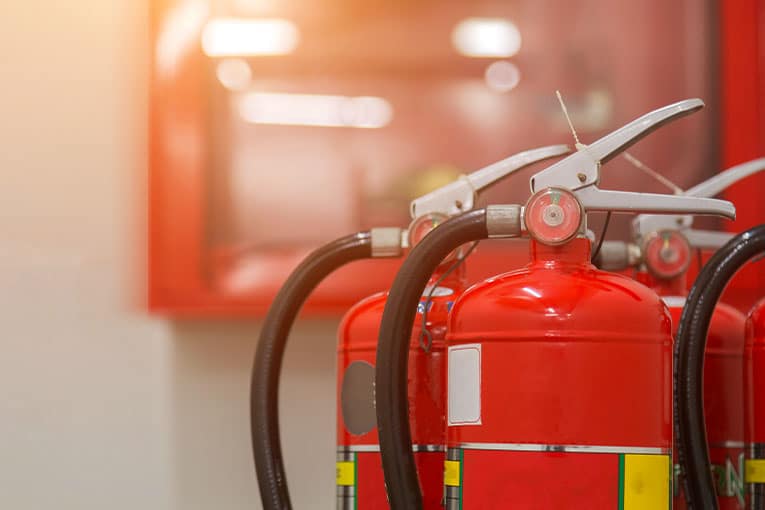
Knowing the right fire extinguisher for the right fire type is vital

Different types of fires arise from a diverse range of materials, each requiring an evolution of fire safety and a tailored approach for effective extinguishing. 

From the common Class A fires involving ordinary combustible materials to the specialised challenges of Class D fires involving combustible metals, a comprehensive knowledge of fire classifications empowers us to respond confidently and responsibly to fire emergencies.

How Many Types of Fire Are There?

There are six main classes of fires, each involving different materials and posing unique challenges for firefighting:

1. Class A – Solids

2. Class B – Liquids 

3. Class C – Gasses

4. Class D – Metals

5. Class F – Oils and Fats

6. Electrical Fires – These are not given their own class, as they can fall into any of the above categories, however due to the different requirements of electrical fires we will be covering them here. 

What are Class A Fires?

Class A fires are the most common type of fire encountered in various settings, ranging from residential homes to commercial offices and public spaces. 

These fires are characterised by their ignition of ordinary combustible materials, which are readily available in our everyday surroundings. 

Understanding the nature of Class A fires and how to handle them is crucial for effective fire safety and prevention.

The fuel sources that feed Class A fires include materials such as wood, paper, cloth, cardboard, and common plastics. 

These materials are typically found in abundance in residential and commercial spaces, making Class A fires a significant concern for fire safety.

How Do You Extinguish a Class A Fire?

The primary method for extinguishing Class A fires is to use water or water-based extinguishers. 

Water is a versatile and readily available firefighting agent that cools down the burning material, reducing the heat and ultimately smothering the flames. 

By removing the heat element of the fire triangle (heat, fuel, and oxygen), water effectively puts out the fire and prevents re-ignition.

When using water to extinguish Class A fires, it is essential to apply the water directly to the base of the flames. 

This ensures that the water reaches the burning material and cools it down, preventing the fire from spreading further. 

A class A fire
Class A fires are one of the most common types of fire

If possible, avoid spraying water directly onto electrical equipment or live electrical wires to prevent electric shock and potential electrocution hazards.

Another effective method to combat small Class A fires is by using fire blankets. 

Fire blankets are made of fire-resistant materials and can be quickly deployed to smother flames. 

They work by cutting off the oxygen supply to the fire, suffocating it and extinguishing the flames. 

Fire blankets are particularly useful for smothering fires on clothing, curtains, or small household items.

What are Class B Fires?

Class B fires pose a unique set of challenges due to the involvement of flammable liquids such as gasoline, oil, grease, and alcohol. 

These fires can occur in various settings, including kitchens, garages, workshops, industrial facilities, and places where flammable liquids are stored or used. 

Understanding how to handle Class B fires is crucial for effective fire safety and prevention.

Flammable liquids are highly volatile and can ignite easily, making Class B fires more intense and difficult to control compared to Class A fires. 

When a flammable liquid catches fire, it can quickly spread and produce intense flames, creating a dangerous and rapidly evolving situation. 

Additionally, flammable liquid fires can re-ignite if not fully extinguished, making them particularly challenging to manage.

How Do You Extinguish a Class B Fire?

To effectively control and extinguish Class B fires, it is crucial to use the appropriate firefighting agent. 

Water is generally not recommended for Class B fires as it can cause the flammable liquid to spread, potentially making the fire more dangerous. 

This class of fire also includes Lithium-ion battery fires, which is currently one of the causes of fire that is drastically on the rise. 

Instead, foam-based extinguishers or dry chemical extinguishers are the preferred choices for combating Class B fires.

Foam-based extinguishers work by covering the flammable liquid with a layer of foam, creating a barrier that prevents the release of flammable vapours and cutting off the oxygen supply to the fire. 

This smothers the flames and cools down the burning liquid, eventually extinguishing the fire.

Dry chemical extinguishers, on the other hand, are effective for Class B fires because they disrupt the chemical reaction of the fire. 

These extinguishers release a fine powder that separates the fuel from the oxygen, extinguishing the flames. 

They also work well on Class A fires, making them versatile and useful in various fire situations.

It is important to remember that when dealing with Class B fires, safety is paramount. 

Before attempting to extinguish a fire, assess the situation and ensure you have an escape route in case the fire becomes uncontrollable. 

If the fire continues to spread or becomes too intense, evacuate the area immediately and call the emergency services for professional assistance.

What are Class C Fires?

Class C fires involve flammable gases, which can create a hazardous and potentially explosive atmosphere. 

These fires present unique challenges and require specific precautions to ensure safety and prevent accidents. 

Class C fires pose a significant threat to locations like manufacturing and industrial warehouses, chemical plants, and facilities storing substantial quantities of flammable gases. These settings are particularly vulnerable to these types of fires.

Understanding the risks associated with flammable gases and implementing proper safety measures is crucial in managing Class C fires.

How Do You Extinguish a Class C Fire?

Extinguishing a Class C fire requires a methodical and cautious approach due to the volatile nature of flammable gases involved. 

When facing such a fire, two crucial steps come into play: shutting off the gas supply and utilising a dry powder extinguisher.

The first and most crucial step is to quickly shut off the gas supply at its source. 

This action prevents the continuous flow of fuel to the fire, thereby hindering its ability to grow and spread. 

Cutting off the gas supply is paramount to prevent the fire from intensifying and posing a greater threat to individuals attempting to extinguish it and those nearby.

After successfully shutting off the gas supply, the use of a dry powder extinguisher is recommended for extinguishing the Class C fire. 

Dry powder extinguishers are specifically designed to combat fires involving flammable gases effectively. 

The dry powder agent works by smothering the flames, cutting off their oxygen supply, and interrupting the fire’s chemical chain reaction, which leads to its rapid extinguishment.

It is important to note that while dry powder extinguishers are effective for Class C fires, water-based extinguishers should never be used in this scenario. 

Water-based extinguishers may cause the fire to spread or result in an explosion due to the reactive nature of certain flammable gases.

Additionally, individuals attempting to extinguish a Class C fire should prioritise their safety at all times. 

If the fire is beyond their control or if they are unsure about the gas source, it is best to evacuate the area immediately and call for professional help. 

The handling of Class C fires requires a level of expertise and knowledge to ensure the safety of both individuals and property

What are Class D Fires?

Class D fires present a unique and highly hazardous situation, involving combustible metals such as magnesium, titanium, potassium, sodium, and lithium. 

These fires can be particularly dangerous due to the reactive properties of these metals, which make them prone to violent and rapid combustion when exposed to air or water. 

The presence of combustible metals in specific industrial settings or laboratories increases the risk of Class D fires, and proper precautions must be taken to handle and store these materials safely.

One of the critical challenges in dealing with Class D fires is the limited effectiveness of conventional firefighting methods. 

Water, commonly used to extinguish other types of fires, can exacerbate Class D fires. 

When water comes into contact with burning combustible metals, it reacts vigorously, releasing hydrogen gas, intensifying the fire, and causing potential explosions.

How Do You Extinguish a Class D Fire?

To extinguish Class D fires safely and effectively, specialised dry powder extinguishing agents must be used. 

These agents, typically made of sodium chloride or graphite-based compounds, form a smothering layer over the burning metal, cutting off the supply of oxygen and heat. 

This action disrupts the combustion process and gradually cools the metal, leading to the fire’s suppression.

Due to the specialised nature of Class D fires and the need for specific extinguishing agents, it is essential to have personnel trained in handling such emergencies. 

Firefighters and other responders must be equipped with the appropriate dry powder extinguishers and knowledgeable about the risks and characteristics of combustible metal fires. 

These fires can be unpredictable and require careful planning and coordinated efforts to control and eliminate them safely.

What are Class F Fires?

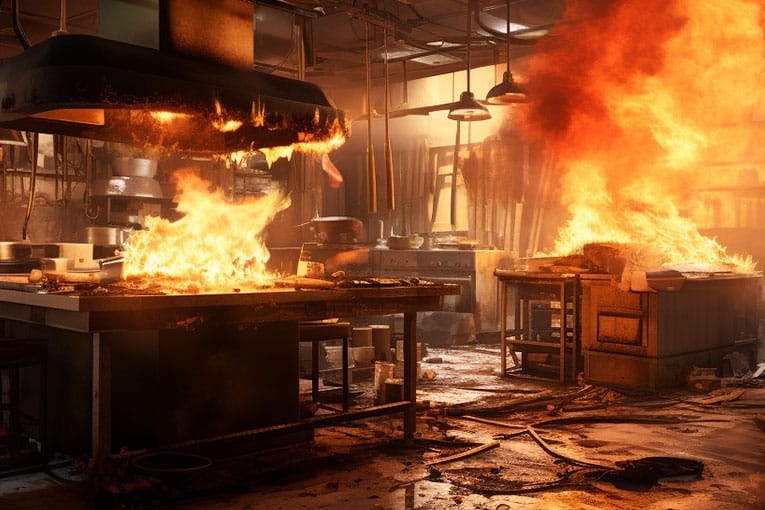
Class F fires, also known as cooking oil fires or fat fires, are a specific type of fire that commonly occurs in commercial kitchens, restaurants, and other food preparation areas. 

These fires involve cooking oils and fats and can quickly escalate into intense and challenging situations to control.

The high temperatures used in cooking, especially deep frying, can cause cooking oils and fats to reach their autoignition point, leading to spontaneous combustion. 

Once ignited, the flames can rapidly spread and generate intense heat, posing a severe threat to kitchen staff, customers, and the entire building.

A Class F kitchen fire
Class F fires can be incredibly dangerous due to the oil involved

One of the primary reasons Class F fires are so dangerous is that water, a common extinguishing agent used for other types of fires, is ineffective and dangerous when applied to cooking oil fires. 

When water comes into contact with hot oil, it instantly vaporises and expands, splattering the burning oil and spreading the fire further. 

This reaction can cause severe burns and injuries to anyone nearby.

Knowing how to protect from kitchen fires is of vital importance to anyone working in the restaurant industry. 

How Do You Extinguish a Class F Fire?

The most effective method to extinguish Class F fires is to smother the flames with a fire blanket or use a wet chemical extinguisher specifically designed for cooking oil fires. 

Wet chemical extinguishers contain a special solution that creates a thick, soapy foam, which cools the burning oil, forms a barrier, and prevents the release of flammable vapours. 

This action starves the fire of oxygen, extinguishing it safely and effectively.

Preventing Class F fires involves implementing several safety measures in commercial kitchens and food preparation areas. 

Regular cleaning and maintenance of cooking equipment, ventilation systems, and hoods help reduce the buildup of grease and oil residues that could fuel a fire. 

Additionally, kitchen staff should be properly trained in fire safety, including the proper use of fire extinguishers and the importance of using fire blankets when dealing with cooking oil fires.

Commercial kitchens should have well-maintained fire suppression systems, such as automatic fire suppression systems installed in hoods above cooking areas. 

These systems can quickly detect and suppress cooking oil fires, minimising the risk of fire spreading to other parts of the kitchen.

What are Electrical Fires?

Electrical fires are a prevalent and concerning type of fire that poses a significant risk in modern life. 

Unlike other classes of fire (Class A, B, C, etc.), electrical fires are not categorised under a specific class. 

Instead, they are a distinct category of fires caused by electrical faults and malfunctions. 

These fires can result from various factors, such as faulty wiring, overloaded circuits, damaged appliances, or improper use of electrical equipment.

Damaged electrical equipment is one of the main causes of fires

Over time, electrical wires can deteriorate, become frayed, or develop loose connections. These issues create resistance and generate heat, which can ignite nearby combustible materials. 

Similarly, overloaded circuits, often caused by plugging too many electrical devices into a single outlet or circuit, can lead to overheating and ultimately trigger an electrical fire.

Another common cause of electrical fires is damaged appliances and electrical equipment. 

Ageing or poorly maintained appliances can develop electrical faults, leading to short circuits and fires. 

Electrical fires can also be triggered by the misuse of electrical equipment, such as using extension cords or power strips inappropriately or using appliances with damaged cords or plugs.

How Do You Extinguish an Electrical Fire?

In the event of an electrical fire, using water to extinguish the flames is extremely dangerous due to the risk of electrical shock. 

Instead, it is best to de-energize the electrical source by shutting off power at the circuit breaker or main electrical panel, if safe to do so. 

For smaller electrical fires, a Class C fire extinguisher or a dry powder extinguisher can be used. 

However, it is essential to prioritise personal safety and evacuate the area if the fire becomes uncontrollable.

To prevent electrical fires, regular electrical inspections and maintenance are essential. 

Homeowners and businesses should have their electrical systems inspected by qualified electricians to identify and address any potential issues. 

It is crucial to avoid overloading circuits, use proper wattage bulbs in light fixtures, and refrain from using damaged electrical equipment.

Conclusion

Understanding how many types of fire there are, and the appropriate methods to extinguish them is vital for everyone’s safety. 

In case of an emergency, knowing how to act quickly and effectively can make a significant difference in protecting lives and property. 

Fire safety training, having the right fire extinguishers, and staying informed about potential hazards are all crucial steps towards ensuring a safer environment for ourselves and those around us. 

With the current shift to electric cars, and the rise in the usage of lithium-ion batteries, it is now more important than ever to understand the difference in fire types and how to safely deal with them, with lithium-ion battery fires costing the UK £158 million a year alone

Let us all be proactive in fire prevention and response to mitigate the risks of fire-related incidents and create a safer world for everyone.

23 Common Causes of Fire

Fires are a devastating and dangerous occurrence that can cause immense damage to property and pose a threat to lives, with the cost of fire in the UK now above £12 billion.

Understanding the most common causes of fire is essential for prevention and safety. 

By being aware of these causes, we can take proactive measures to minimise the risk of fire incidents. 

This article aims to provide an overview of 23 of the most common causes of fire, ranging from everyday activities to potential hazards within our surroundings.

By exploring some of the main causes, we can enhance our knowledge and promote fire safety in our homes, workplaces, and communities.

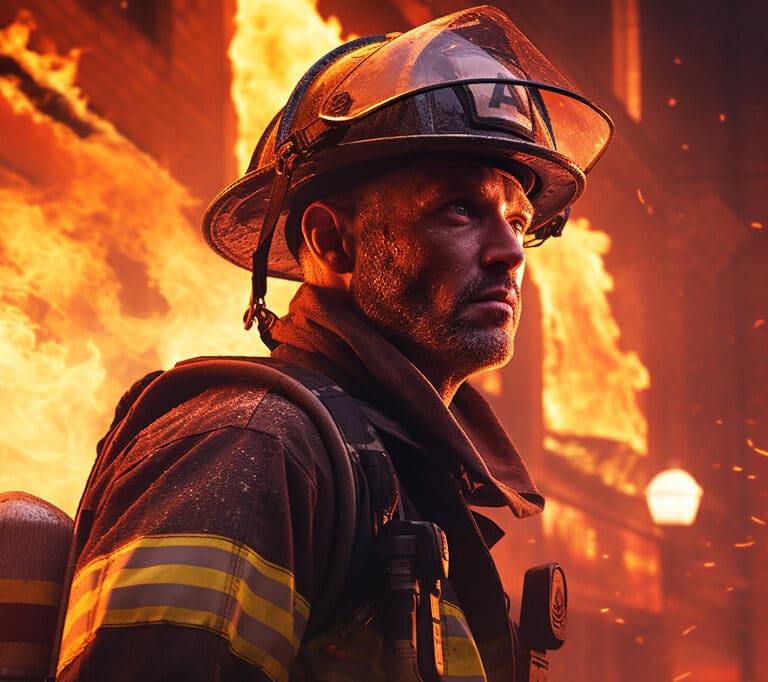
A firefighter fighting a fire
Knowing the causes of fire can help firefighters

Cooking Equipment

Cooking equipment is one of the leading causes of residential fires. 

Unattended cooking, grease buildup, and flammable objects left too close to heat sources can ignite fires. 

It’s crucial to maintain a high standard of cooking safety, use timers as reminders, and keep a safe distance between flammable materials and heat sources.

Heating Equipment

Heating equipment, including space heaters and furnaces, can pose a fire hazard if not used correctly. 

Overheating, lack of maintenance, and placing flammable items near heat sources can lead to fires. 

Regular inspection and maintenance of heating systems, proper ventilation, and keeping flammable items away from heaters are vital safety measures.

Electrical Equipment

Electrical equipment, such as faulty wiring, overloaded circuits, and malfunctioning appliances, is one of the leading causes of fire, as well as one of the most dangerous fires to put out. 

Electrical sparks, short circuits, and overheating due to loose connections or damaged cords can ignite fires. 

Ensuring proper installation, regular inspection, and prompt repair of electrical systems and appliances are crucial for fire prevention.

Cigarettes, Cigars & E-Cigarettes

Careless handling and improper disposal of cigarettes, cigars, and e-cigarettes are common causes of fires. 

Discarding lit cigarettes improperly or not fully extinguishing them can ignite flammable materials. 

Smokers should use designated ashtrays, never smoke in bed, and ensure proper disposal of smoking materials in fire-safe containers.

Candles

Candles, while creating a pleasant ambiance, can also be a fire hazard if left unattended. 

Accidental knocks, proximity to flammable objects, or forgetting to extinguish candles can result in fires. 

It’s important to place candles on stable surfaces, away from flammable materials, and never leave them burning when unattended.

Children Playing with Matches

Children playing with matches or lighters out of curiosity can lead to fire incidents. 

Educating children about the dangers of matches and lighters and keeping them out of their reach are essential preventive measures. 

Parents should store matches and lighters in secure locations to prevent access by children.

Faulty Electrical Wiring

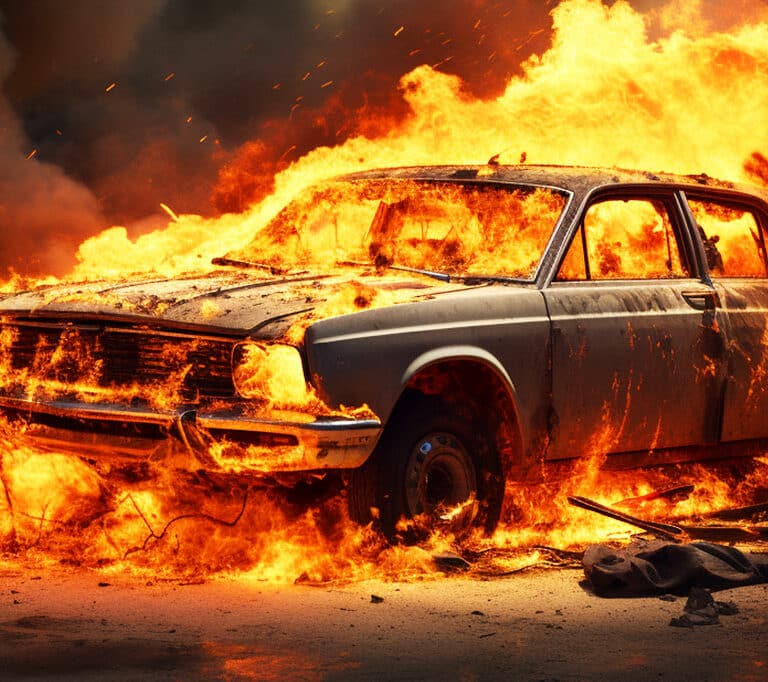
A burning car on fire
Electrical faults can be especially dangerous in cars

Faulty electrical wiring, due to age, poor installation, or rodent damage, can cause electrical fires. 

Overheating wires, short circuits, and electrical arcing are common signs of faulty wiring. 

Regular electrical inspections, prompt repairs, and the use of licensed electricians can help prevent electrical fires.

Christmas Decorations

Christmas decorations, such as lights and candles, can pose fire risks if not used safely and are a serious cause of fire around the holiday season. 

Overloaded electrical sockets, damaged lights, and placing flammable decorations near heat sources can ignite fires. 

Following manufacturer’s instructions, using LED lights, and keeping decorations away from flammable materials are essential for fire safety during the holiday season.

BBQs

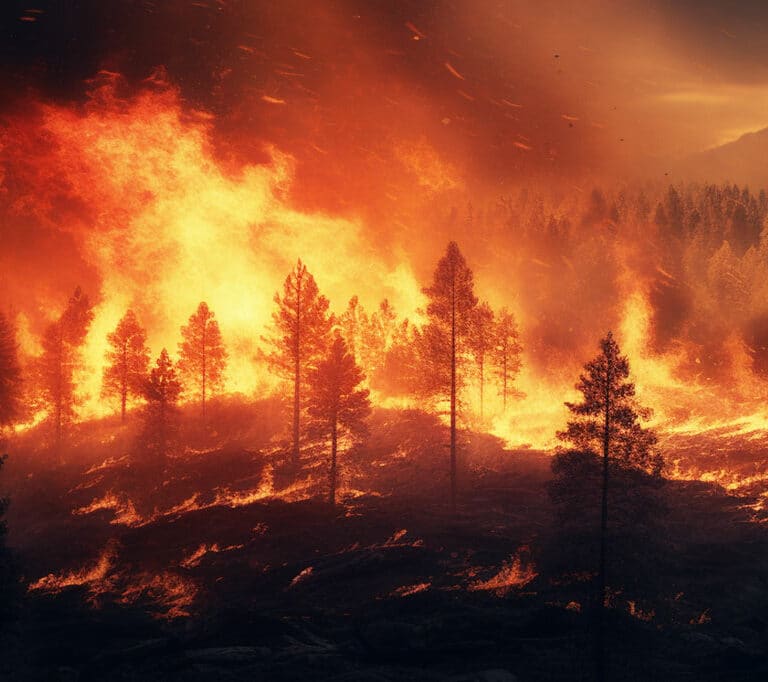
Disposable BBQ misuse can lead to dangerous wildfires

Barbecue grills, if used incorrectly, can be some of the main causes of fire

Improper placement near flammable structures, grease buildup, and failing to extinguish coals properly can result in fires.

Incorrectly used disposable BBQ’s also have a high risk of causing wildfires

Safe barbecue practices, regular cleaning of grills, and maintaining a safe distance from flammable materials are crucial for preventing accidents.

Bonfires

Bonfires, while enjoyable, require caution to prevent accidents. 

Inadequate containment, excessive size, and proximity to flammable materials can lead to uncontrolled fires. 

Ensuring proper construction, maintaining a safe distance from structures and vegetation, and having firefighting equipment nearby are important safety measures.

Remote Controls

Neglected or damaged remote controls can cause fires. 

Malfunctioning batteries, short circuits, and overheating can lead to remote control fires. 

Regularly checking and replacing batteries, keeping remote controls away from heat sources, and avoiding excessive pressure on buttons can prevent such incidents.

Batteries

Improper handling of batteries can be one of the causes of fire

Damaged or expired batteries, incorrect insertion, and mixing different types of batteries can cause overheating and fires. More public awareness is needed to help prevent battery fires. 

Safely storing batteries, using the correct battery type, and recycling old batteries properly are essential for fire prevention.

Tumble Dryers

Tumble dryers with clogged lint filters and vents pose a fire hazard. 

Accumulated lint can ignite from the dryer’s heat, leading to fires. 

Regularly cleaning lint filters, ensuring proper venting, and professional dryer maintenance can prevent such incidents.

Aerosol Cans

Aerosol cans, if exposed to heat or punctured, can explode and ignite fires. 

Leaving aerosol cans near heat sources or disposing of them improperly can lead to dangerous fire situations. 

Storing aerosol cans in cool, well-ventilated areas and following proper disposal guidelines are crucial for fire safety.

Arson 

Arson attacks can ruin entire families

Intentional acts of arson, where fires are set deliberately, can cause significant damage. 

Arson can occur due to various reasons, including vandalism, revenge, or insurance fraud. 

Community awareness, neighbourhood watch programs, and reporting suspicious activities can help deter arson incidents.

Construction Materials

Construction materials, such as flammable insulation, paint, or chemicals, can contribute to causes of fire during building projects. 

Mishandling, improper storage, and inadequate fire safety measures can lead to construction site fires. 

Implementing proper fire prevention strategies, following safety regulations, and having fire extinguishers readily available are vital during construction activities.

Clutter

Accumulated clutter can increase the risk of fires by obstructing escape routes and providing fuel for flames. 

Cluttered spaces make it challenging to control or escape fires quickly. 

Regular decluttering, proper storage of items, and maintaining clear pathways can help minimise fire hazards.

Flammable Liquids, Gases & Materials 

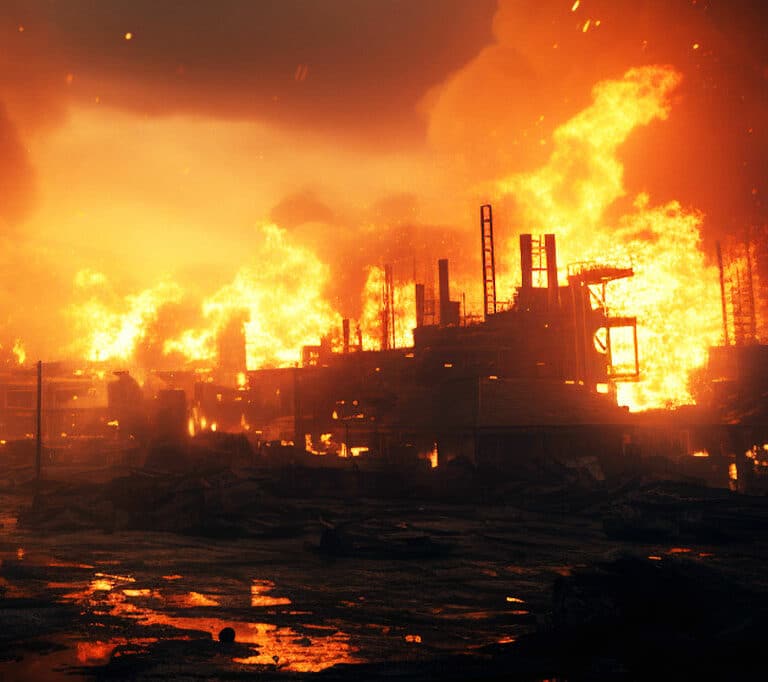
A burning factory on fire
Factory fires can be absolutely devastating, especially to the environment

Improper handling, storage, or use of flammable liquids, gases, and materials can lead to fires. 

Ignition sources near flammable substances, improper ventilation, and failure to follow safety guidelines are significant fire risk factors. 

Proper storage, using suitable containers, and adhering to safety protocols when working with flammable materials are essential for fire prevention.

Human Error

Human error, such as forgetfulness or negligence, can contribute to fire incidents. 

Leaving appliances unattended, forgetting to extinguish flames, or improperly handling flammable substances are examples of human error leading to fires. 

Being vigilant, practising fire safety habits, and staying aware of potential fire hazards are crucial for preventing accidents.

Outdated Fire Risk Assessments

Outdated or inadequate fire risk assessments can fail to address emerging fire hazards, increasing the risk of fire incidents. 

Regularly reviewing and updating fire risk assessments, considering changes in the environment or operations, and implementing appropriate fire safety measures are essential for effective fire prevention.

Mechanical Friction

Mechanical friction, such as faulty vehicles, machinery or equipment, can generate heat and sparks that ignite fires. 

Lack of lubrication, loose parts, or worn-out components can contribute to friction-related fires. 

Regular maintenance, inspection, and prompt repair of machinery are vital for preventing such incidents.

Negligence

Negligence, including careless behaviour, disregard for fire safety practices, or failure to follow regulations, can lead to fires. 

Ignoring safety protocols, misusing electrical equipment, or bypassing safety measures are examples of negligent actions that increase the risk of fire incidents. 

Cultivating a culture of safety, providing adequate fire prevention training, and enforcing compliance with fire safety standards can help mitigate the effects of negligence.

Nutella

In a tragic incident, sun rays shining through a glass jar of Nutella chocolate spread sparked a huge house fire that claimed the life of a family’s dog

The low winter sunlight refracted by the jar, which was used to collect loom bands, caused the rays to be magnified and ignited blinds, resulting in the devastating fire. 

This incident serves as a reminder to keep glass items away from windows and direct sunlight to prevent similar accidents.

Conclusion

Understanding the common causes of fire is crucial for promoting fire safety in our daily lives. 

By being aware of the potential fire hazards associated with cooking equipment, heating devices, electrical equipment, smoking materials, candles, and various other sources, we can take preventive measures to minimise the risk of fire incidents. 

Practising safe habits, ensuring regular maintenance, and adhering to fire safety guidelines can significantly reduce the likelihood of fires. 

It is important to educate ourselves and others about fire prevention, promote fire safety awareness, and create a culture of responsibility and vigilance. 
By taking these steps, we can protect our homes, workplaces, and communities from some of the main causes of fire and its devastating effects.

Chemical plant catches fire in Illinois

A chemical plant in northern Illinois went up in flames on Wednesday (11 January) morning causing officials to advise nearby residents to shelter in place as emergency crews responded to the blaze, according to Reuters.

The fire broke out at the Carus Chemical Company complex in LaSalle, a city of less than 10,000 residents located about 100 miles southwest of Chicago. The chemical company produces an oxidant used to treat drinking and waste water, phosphates for corrosion control, and carbon capture products used for air purification.

Fire crews were called to the scene at 9am following an explosion at the plant. The subsequent blaze caused significant damage before it was contained, LaSalle Fire Chief Jerry Janick said at a news conference. Additional equipment was ordered to fully extinguish the fire and start an investigation.

A spokesperson for the family-owned company said that all workers were evacuated and accounted for with no injuries. A shelter order remained in place for residents north and west of the incident, Fire Chief Janick said.

LaSalle police alerted the public that a green-coloured oxidizer was released in the area and warned residents against touching the substance. LaSalle Police Chief Mike Smudzinski said: “Hats off to the fire department because I think a good portion of this blaze was knocked down within a good hour.”

More robust and comprehensive safety training for oil and gas companies needed says UL

Several issues drive the need for more robust and comprehensive safety training for oil and gas companies, according to UL Solutions.

The safety company said that many oil and gas producers are experiencing significant staffing challenges as labour markets remain tight and many firms are hiring more employees with little to no experience in oil and gas exploration or production activities. These higher numbers of inexperienced staff exacerbate the need for employers to implement more comprehensive safety training measures.

It said that effective training programs support safer work environments and help reduce safety incidents for full-time employees as well as temporary and contract workers.

Such programs must, it said, target safety hazards, including risks of falls and injuries, explosions and fires, and high-pressure lines that can pose serious dangers to workers.

Another important factor driving the need for more comprehensive safety training programs at oil and gas companies, said UL, involves insurance and financial risks.

It pointed out that a producer’s safety incidents and reports can directly impact the rates they pay for workers’ compensation and other insurance; without this insurance, many companies cannot fully cover costs arising  from employee injuries or other incidents. 

To support oil and gas companies and augment the depth of their internal training processes, UL Solutions has developed industry-specific environmental health and safety (EHS) training courses. These courses target risks specific to upstream oil and gas operators, such as confined space operations, heavy machinery, and combustible and flammable materials. 

Accessible at any time online and on demand, UL EHS e-learning courses for oil and gas safety help companies move beyond minimal compliance with standards and regulations to instilling leading safety practices that  improve job performance and workplace safety.

ASFP releases new and updated guidance documents

The Association for Specialist Fire Protection (ASFP) has expanded its range of guidance with the release of three new and three updated documents covering steel beams, firestopping of metal pipes, and planned maintenance.

The first document, Advisory Note 27, provides advice on the structural fire protection of steel beams with corrugated webs which were recently introduced to the market and offer a thinner steel plate than can be used in traditional webs.

The fire-resisting performance of these sections is not fully understood and so the advisory note warns against the use of plain section data in support of a corrugated web section without extra testing.

Advisory Note 28 covers the firestopping of metal pipes where flanges are located close to service penetration seals and encourages earlier involvement of passive fire specialists to prevent the construction of untested service penetration arrangements, particularly in the presence of flanges within the secondary insulation zone.

The guidance says that for the avoidance of issues with certification and installation it is best to keep the flanges more than 500mm away from the wall, pointing out that this detail is not always considered during the spatial coordination of services. 

The final new publication, Advisory Note 29 covers planned maintenance and draws upon advice from within the Regulatory Reform (Fire Safety) Order; BS 9999: Code of practice for fire safety in the design, management and use of buildings; and BS 8524: Active fire curtain barrier assemblies to ensure that a competent person conducts that maintenance

Meanwhile, Advisory Note 21 has been updated covering coatback to secondary structural steel, highlighting thatthat this can prevent conduction of heat into a primary structural member and its consequent early failure.

Technical Guidance Documents (TGDs) 15 and 20 have also been revised, with the former giving advice on the installation and inspection of spray-applied passive fire protection. The document has been updated to align the film thickness measurement criteria and to take the implications of Brexit into account and the consequent changes to UK Construction Product regulations.

The changes to UK Construction Product regulations and the introduction of the UKCA mark also prompted the revision of TGD 20, which covers the CE marking of fire-resisting and smoke control duct sections. 

All the documents are available for download from the Publications area of the ASFP website.

Odisha Fire Service to carry out audit after Delhi blaze

Odisha Fire Service has directed all units to carry out a fire safety audit in all important state establishments by 21 May following a fire at a four-storey commercial building in Dehli which resulted in the death of at least 27 people and injured several more.

On Saturday (14 May) DG Fire Service Santosh Kumar Upadhyay directed all units to carry out fire safety audits in hotels, lodgings, guest houses, and educational buildings of more than 12 metres in height or having built-up area over 1,000 square metres, as well as cinema halls, multiplexes and apartment complexes.

Fire service officers have also been asked to carry out safety audits at clinical establishments above taller than metres or having more than three floors, and business or office buildings larger than 12 metres in built up areas of more than 500 square metres.

Officers have been directed to make sure that different establishments display the fire safety certificate on all their floors.

Upadhyay said: “Assistant fire officers in districts, deputy fire officers of all circles and range fire officers have been asked to strictly enforce the guidelines as per the Odisha Fire Prevention and Fire Safety Rules to avoid any untoward incident.”

Gregg’s deploys active fire prevention system at new facility

Greggs, a UK-founded fast food service chain, deployed an active fire prevention system at its new deep-freeze high-bay warehouse at its factory near Newcastle Upon Tyne, UK.

The factory occupies 90,530 cubic metre, and the fire fire protection systems were provided by Wagner. Owing to the warehouse running several automated systems, there tends to be a higher risk of fire than traditional warehouses. This is due to the large amount of electrical equipment in the warehouse.

The high bay warehouse was difficult to protect by traditional methods due to the combination of its height, densely packed stored goods and deep-freeze operating temperature, Global Cold Chain News reported.

The automated high-bay warehouse stands at 23 metres tall and has a storage capacity with upwards of 14,000 pallet bays.

The warehouse is operated at -20°, where savoury baked goods will be stored frozen packaged in plastic trays or cardboard boxes, in both cases on wooden pallets. Something else, that had to be kept in mind: the warehouse is directly connected to the factory. If a fire occurs, it must not spread.

Gregg’s fire prevention system uses OxyReduct, that builds a protective atmosphere in the protected area with a permanently reduced oxygen level through the controlled introduction of nitrogen. This reduces the oxygen levels to prevent the spread of fires, taking the individual ignition thresholds of the most critical materials found in the warehouse into consideration. Sensors continuously measure the oxygen concentration in the protected area, working with the OxyControl system to maintain a constant oxygen operation concentration.

As a smouldering fire can still result despite oxygen reduction, the active fire prevention strategy also includes an early smoke detection system with air sampling smoke detectors.